Yamashita’s Gold: A Locksmith Dug Up a Golden Buddha. Then the President Took It
Baguio, Philippines, 1971. After seven months of digging behind a hospital, a locksmith broke through concrete into a tunnel: a golden Buddha and crates of gold bars. Four days later men in uniform took it all, on a warrant signed by the judge who had approved his dig.


What the record shows
- What: A locksmith, Rogelio Roxas, dug behind Baguio General Hospital and testified that he found a golden Buddha and a crate of 24 gold bars on 24 January 1971
- Then: Armed men took the statue and 17 bars in an early-morning raid in April 1971, under a warrant signed by the judge who had issued his digging permit
- Court: A Honolulu jury (1996) and the Hawaii Supreme Court (1998) found that Roxas found the treasure and that Ferdinand Marcos’s men took it. The $22 billion award was thrown out; a later judgment of about $13.3 million has never been collected
Still uncertain
- What, if anything, was in the crates Roxas never opened.
- Where the Buddha with the removable head is now.
- Whether any Japanese document ever described a deposit in Baguio, or anywhere else.
Seven months under the hospital
Narrated Mystery: press play and hear the whole case read aloud, like a true crime podcast episode, or an audiobook for a long drive (about 21 minutes). The narrator is an AI voice.
It is the night of 24 January 1971, on a strip of state land behind Baguio General Hospital, in the mountains north of Manila.
A locksmith named Rogelio Roxas has been digging here for seven months, mostly at night, with a small crew and a permit that lets the government take a share of whatever comes out. For seven months what has come out is dirt.
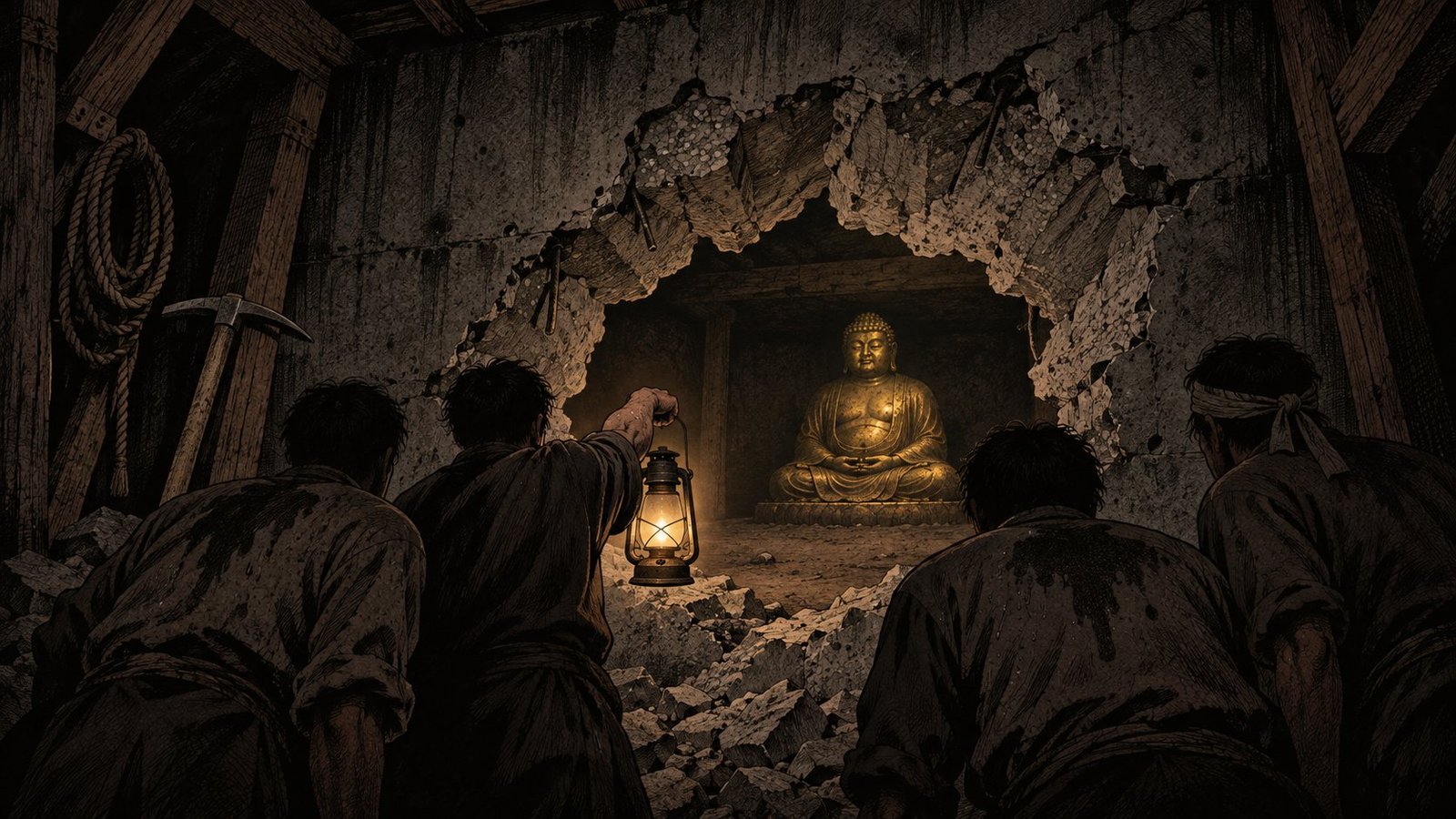
Then the pickaxe hits something that is not rock. It is concrete, and by his account it is ten feet thick.
They break through it. On the other side is a tunnel, and in the tunnel, sitting in the dark, is a Buddha. Roxas would later tell a court it was about three feet tall, gold in colour, and so heavy that it took ten men to carry it out. He guessed its weight at a ton. Nobody ever put it on a scale. (court record)

Further in, the tunnel widened. Stacked along the wall were wooden crates the size of beer cases, in a pile Roxas put at thirty feet long and six feet high. (court record)
He opened one of them.
He did not open the rest. That decision, made in a hole behind a hospital, is the reason this story ends in a courtroom in Honolulu a quarter of a century later. But to see why anyone was digging behind a hospital at all, you have to go back to a general who, as far as any document shows, never set foot in that tunnel.
Did General Yamashita ever hide gold there?

The treasure carries the name of Tomoyuki Yamashita, the Japanese general who took Singapore in February 1942 and was called the Tiger of Malaya for it.
Here is the first thing the legend leaves out. After Singapore, Yamashita was posted to Manchuria, far from the Pacific war, and stayed there for more than two years. He did not reach the Philippines until October 1944, with the American landing at Leyte days away. (historical record)
He commanded a losing campaign for ten months, surrendered in September 1945, and was tried in Manila that autumn, not for treasure but for the atrocities committed by troops under his command. The trial transcript runs to thousands of pages. Treasure appears in none of them. (court record)

He was hanged at Los Baños on 23 February 1946. (historical record)
So the general had been in the country for less than a year, most of it in retreat, and the men who tried him never asked him about gold. Which leaves an obvious question.
Why did his name end up on it?
How a rumour gets a name

The Japanese army did dig in the Philippines. It dug everywhere. Tunnels, bunkers and storage galleries were cut into hillsides across the islands as defensive positions, and after 1945 thousands of them were left open, flooded or collapsed. (historical record)
An empty tunnel is an invitation. Within a few years, Filipinos were telling each other that some of those tunnels had not been empty when the Japanese sealed them.

The government did not discourage it. Under Philippine law a treasure hunter could apply for a permit to dig on state land, and the state would take a share of anything found. Permits were issued. Hunters dug. In December 1969 Manila newspapers reported a rush of digging near the capital after a rumour of buried gold bars. (news reports)
A rumour that size needs a name, and the most famous Japanese general in the Philippines was the one who had just been hanged. The treasure became Yamashita’s.
And a rumour with a name needs one more thing. It needs a map.
A map, and a man who said he was the interpreter
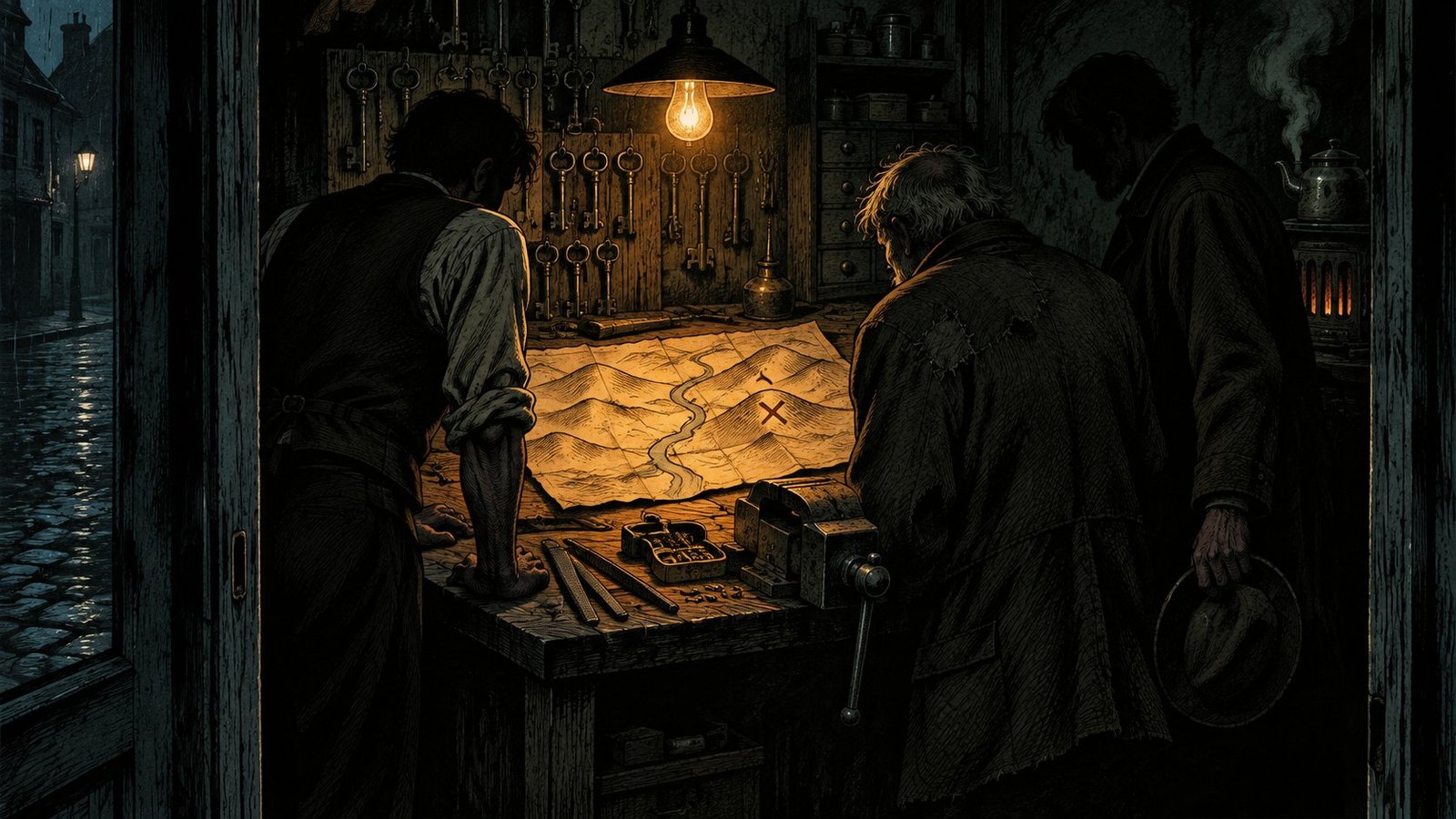
In 1961 two men found Rogelio Roxas. He was a locksmith in Baguio and, by his own account, already an amateur treasure hunter. (court record)
The first was a Filipino named Fuchigami, who said his father had been a Japanese soldier and had drawn a map of a tunnel behind the hospital. The second, a man called Albert Umbao who went by Okubo, said he had served as Yamashita’s interpreter during the war and had seen gold and a golden Buddha being carried into that tunnel. (court record: Roxas’s testimony)
Roxas believed them, or wanted to. He spent years asking for permission to dig on the hospital land. In 1970 he got it.

The permit was signed by a judge in Baguio, Pio Marcos.
Pio Marcos was a relative of the President of the Philippines, Ferdinand Marcos. Remember the judge’s name. He is going to sign one more document in this story. (court record)
Twenty-four bars
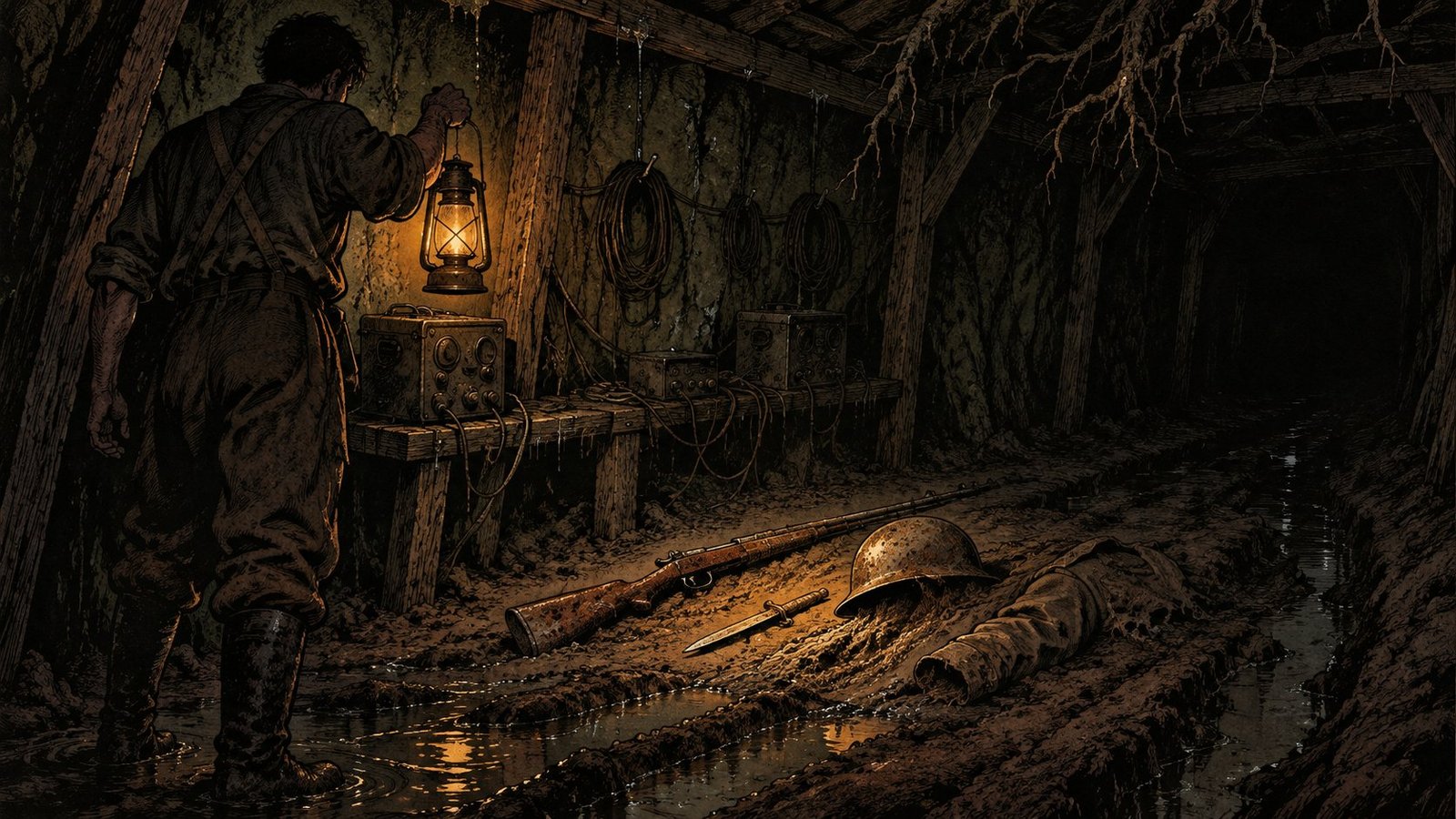
Back in the tunnel, January 1971. Before the crates, the diggers passed other things.
Roxas described them to the court later: electrical wire, a radio set, bayonets, rifles, and human remains in what he took to be Japanese army uniforms. The tunnel had been sealed with people inside it. (court record)
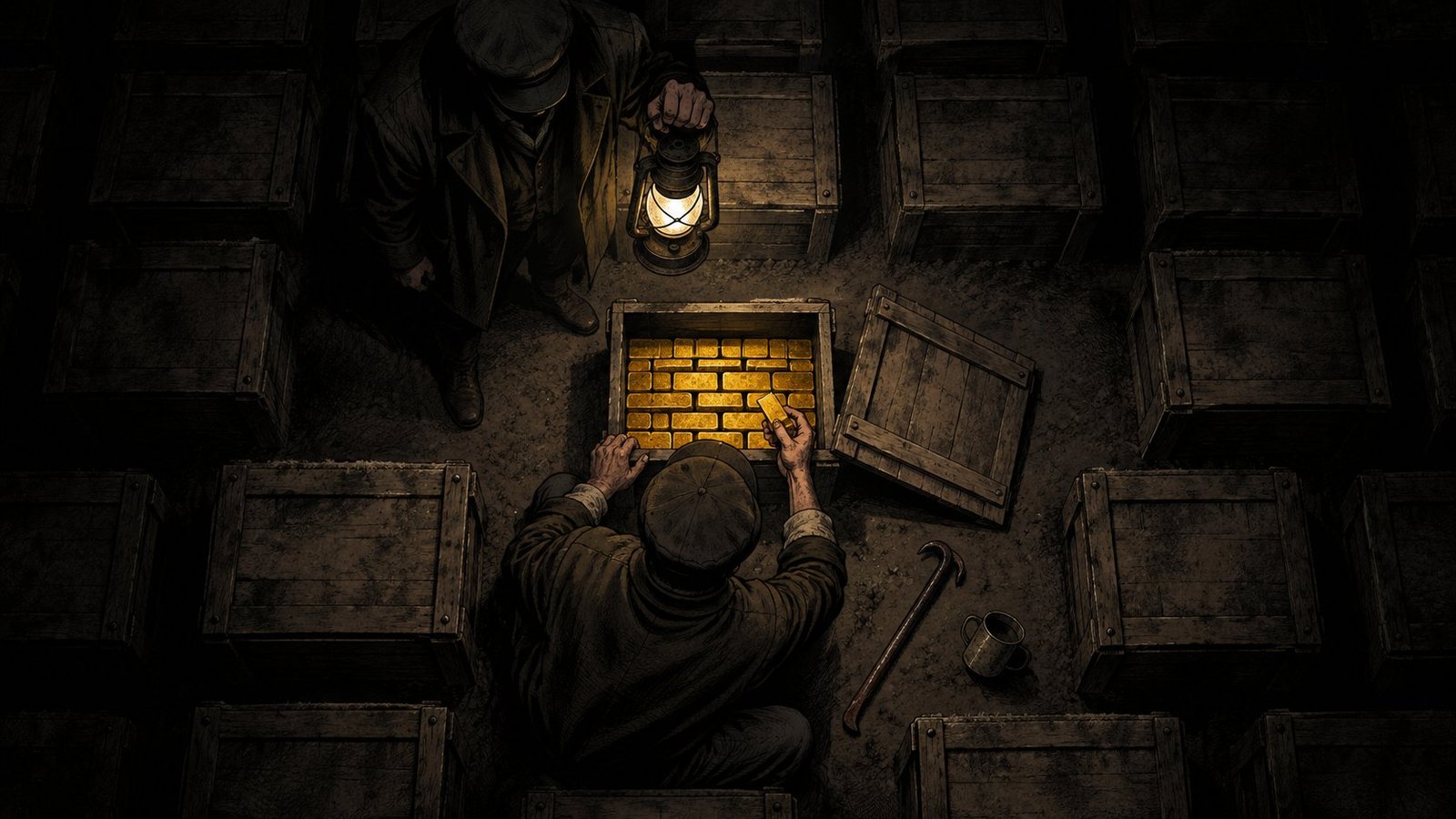
Then the crates. Roxas opened one. Inside were gold bars, two rows, twenty-four in all. He took the one box and the Buddha and left the rest where they were. (court record)
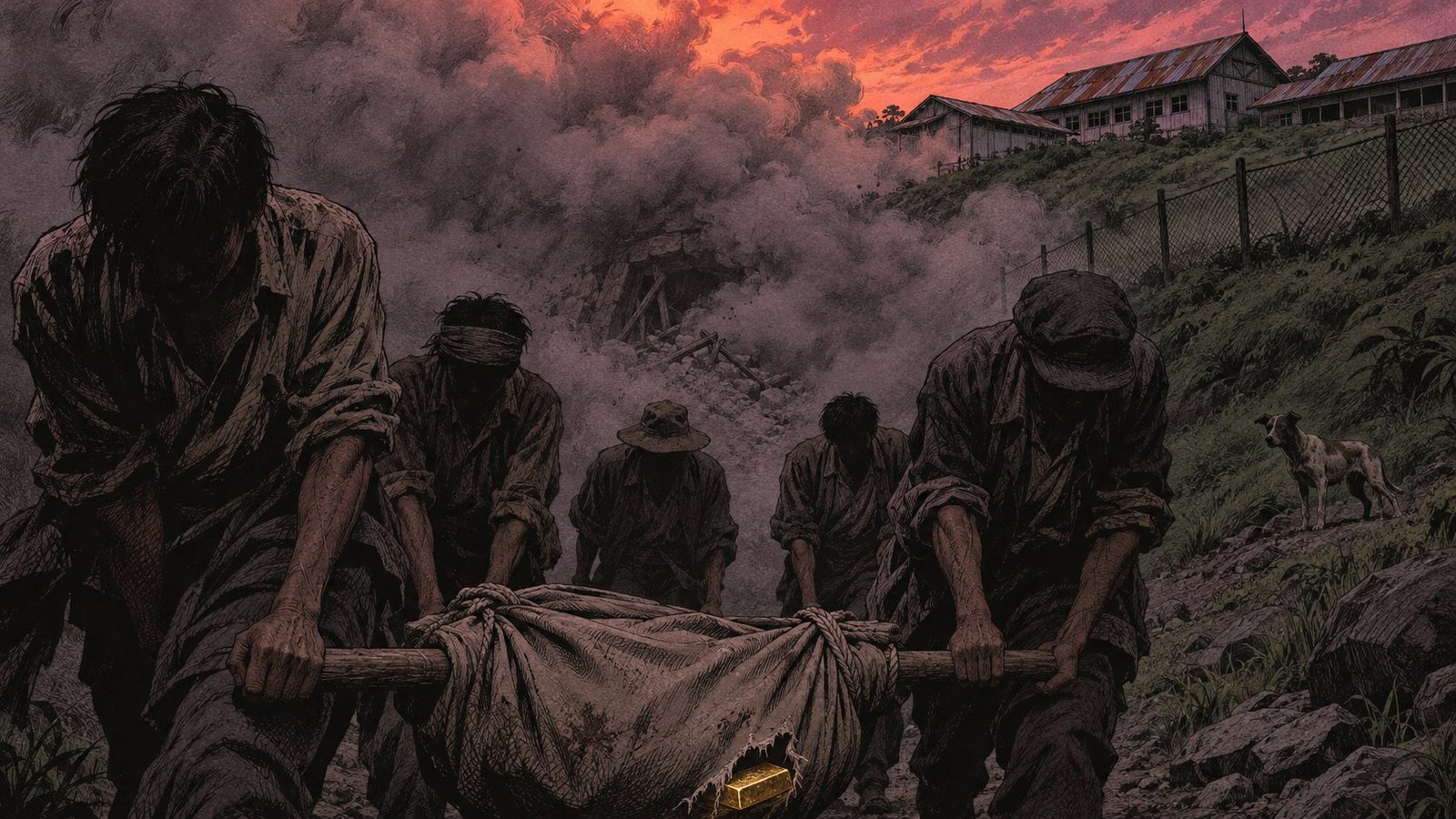
Then he blew up the tunnel entrance to hide what was inside. He sold seven of the bars to raise money. Seventeen remained in his house, along with the Buddha. (court record)
The court would later hear that nobody except Roxas and his crew ever saw the unopened crates. Nobody measured them, counted them or photographed them. Everything said about them afterwards, including a twenty-two-billion-dollar number, rests on one man’s memory of a pile in a hole.
He had the Buddha, though. And the Buddha had a secret of its own.
The head came off

Roxas needed to know what he had. He let people test it.
A prospective buyer, Roxas said, tested the statue and put it at twenty-two carats. A second man said twenty carats or better. A third, Kenneth Cheatham, scraped a sample from under the arm; a later assay of that sample came back at more than twenty carats. (court record: testimony)
On 1 April 1971 a man who gave his name as Oihara came to see it. He looked at the Buddha for a long time and offered a million pesos. (court record)
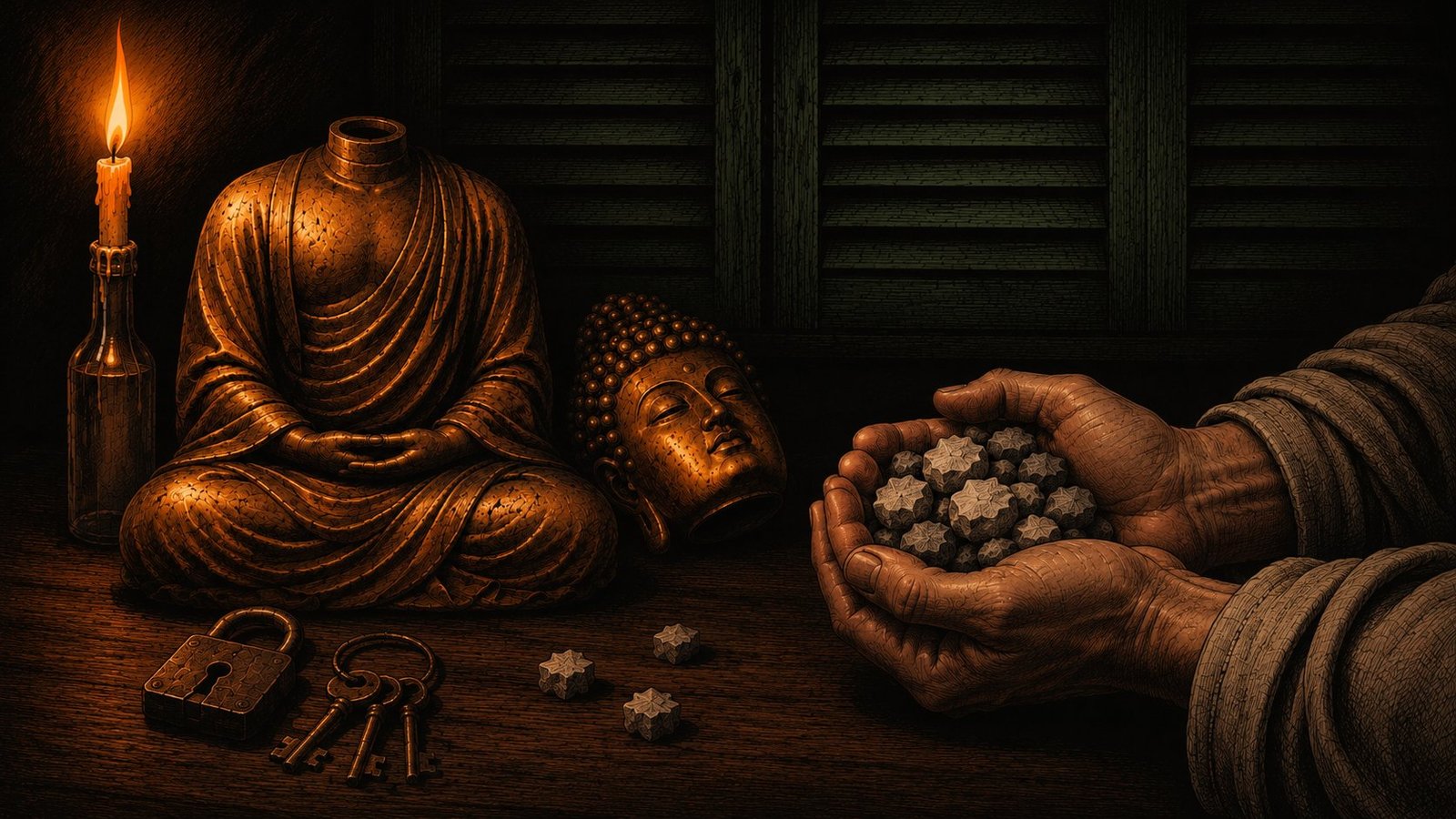
After Oihara left, Roxas looked more closely at the statue himself. He found that the head came off.
Underneath, the neck was hollow. Inside were stones, uncut, more than two handfuls of them. Roxas believed they were diamonds. (court record)
He now owned a golden statue with a detachable head and a hidden chamber. Four days later, in the small hours of the morning, that became the most important detail in the case.
2:30 a.m., and a warrant from a familiar hand
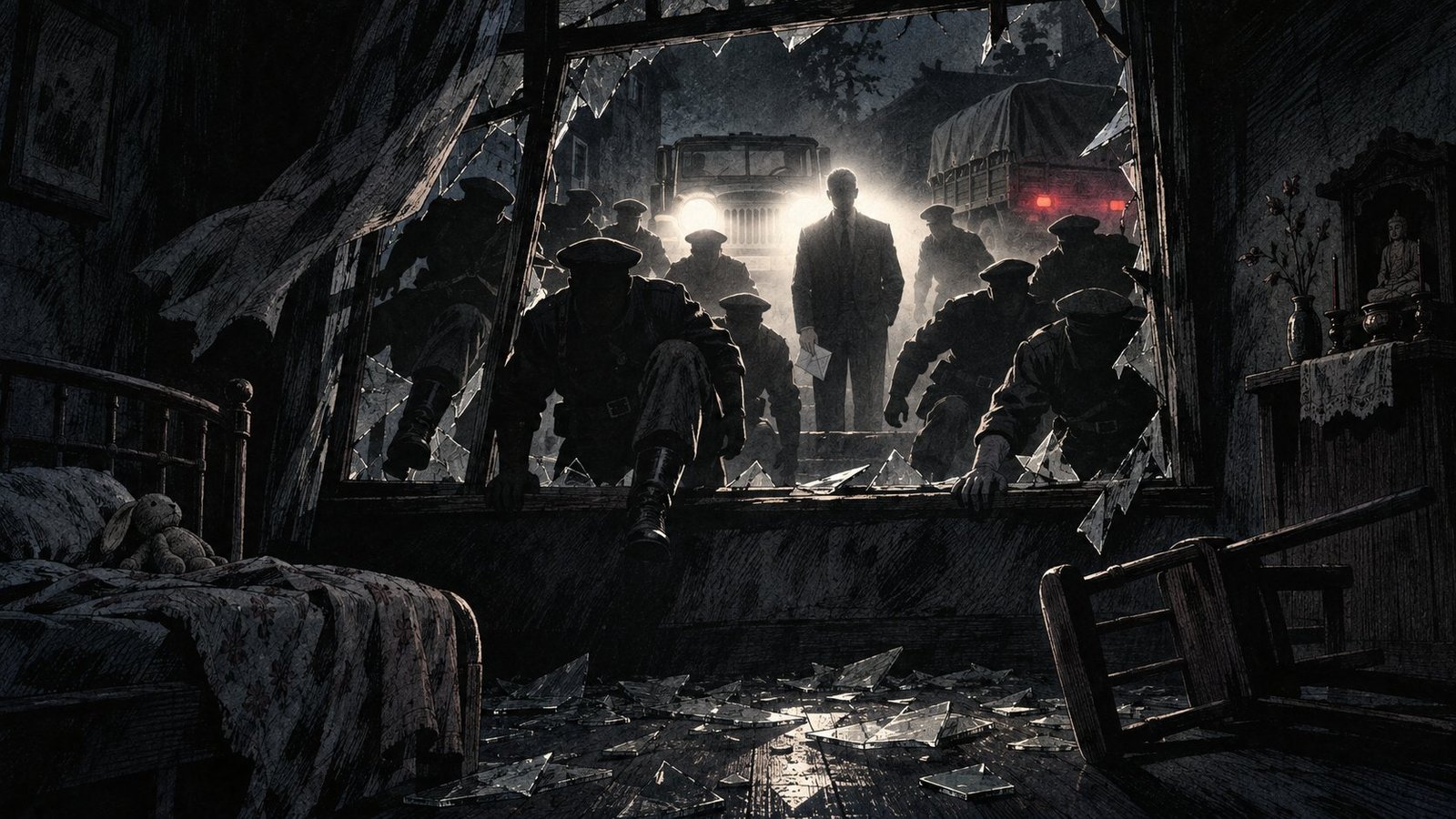
The window broke first.
In the early hours of 5 April 1971, men came into the house in Baguio saying they were from the CIS and the NBI, the military and national investigation services. Eight more were in uniform. One of them, Roxas said, was the man who had called himself Oihara four days earlier. (court record)
They had a search warrant. It was signed by Judge Pio Marcos, the same judge who had given Roxas permission to dig. (court record)
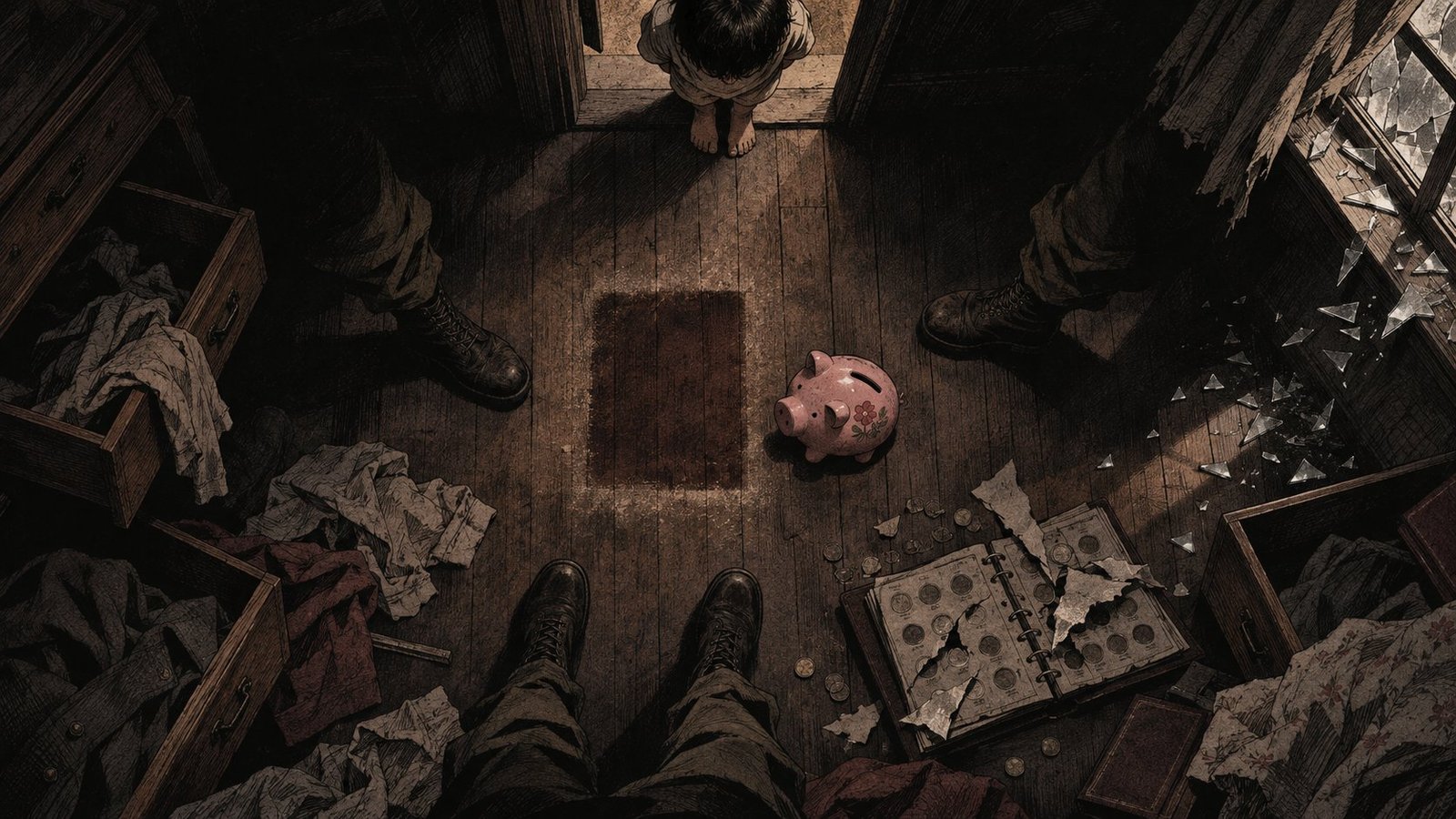
They took the Buddha. They took the stones from its neck. They took the seventeen remaining gold bars, a samurai sword from the tunnel and, according to the testimony, his children’s piggy bank and his wife’s coin collection. (court record)
Roxas said the judge told him afterwards that the raid had been ordered by “the principe”, the prince. In the Philippines of 1971 there was only one man that word could mean. (court record: testimony)
On 19 April the military deposited a Buddha with the court in Baguio. That should have been the end of it.
It was not.
Was the Buddha shown in court the real one?
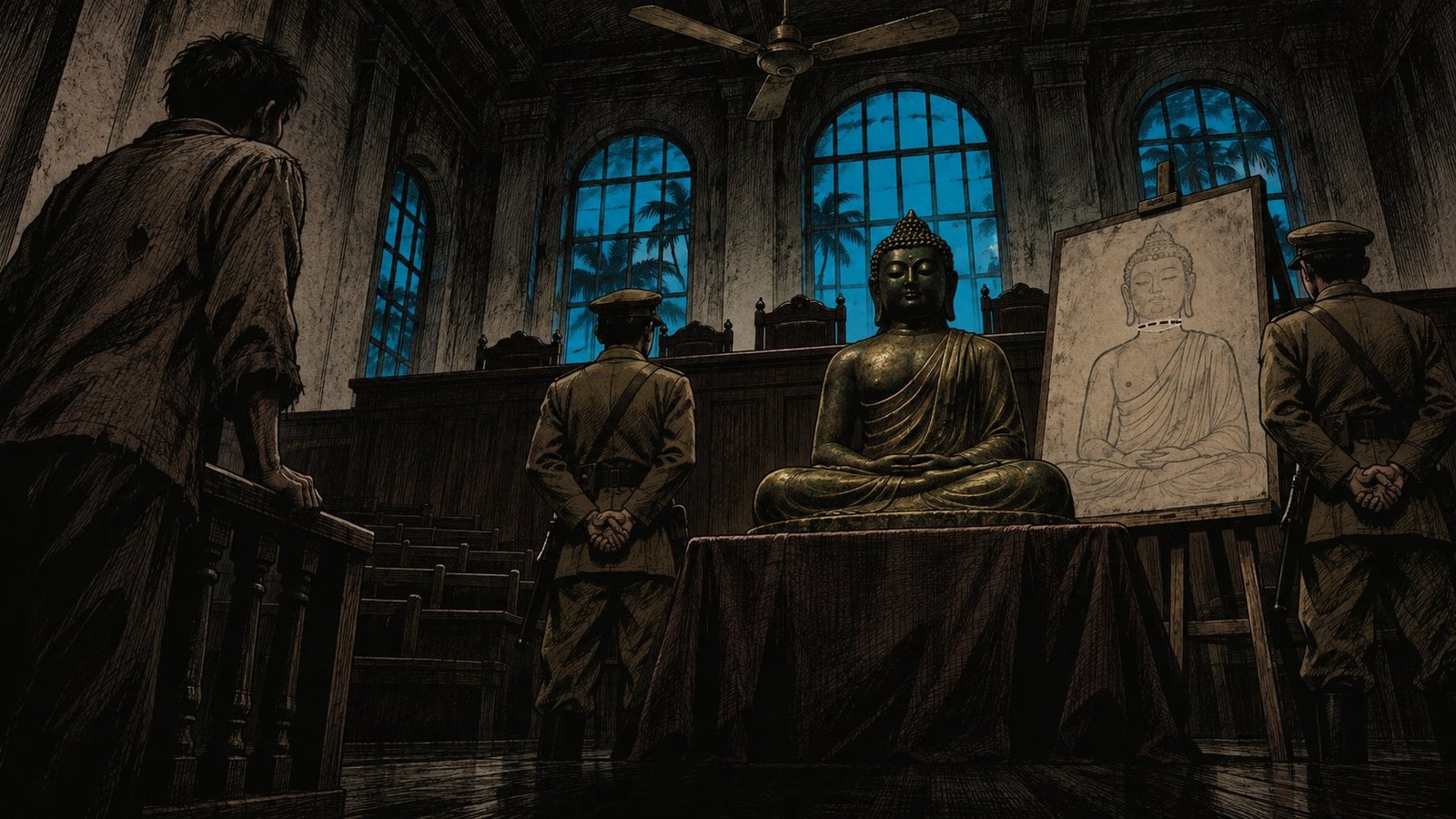
The statue the soldiers delivered to the court was not the statue Roxas had dug up. He said so at once.
It was the wrong colour. Its head did not come off. By his account it was brass, a copy, and the real one was somewhere else. (court record)
Then came an offer. People presenting themselves as being from the household of the President’s mother, Roxas testified, offered him three million pesos to stand up and say the statue in court was his. (court record: testimony)
He refused.
Twenty-five years later a Philippine judge would examine the court’s statue and rule that it was a bronze-plated statuette, which is to say that the one object everybody could see was not gold. Whether that proves a swap or disproves a treasure depends entirely on which man you believe. (court record, Baguio Regional Trial Court, 1996)
There is a version of this story in which the refusal is the brave ending. In the record, it is where the worst part begins.
A locksmith picks a lock
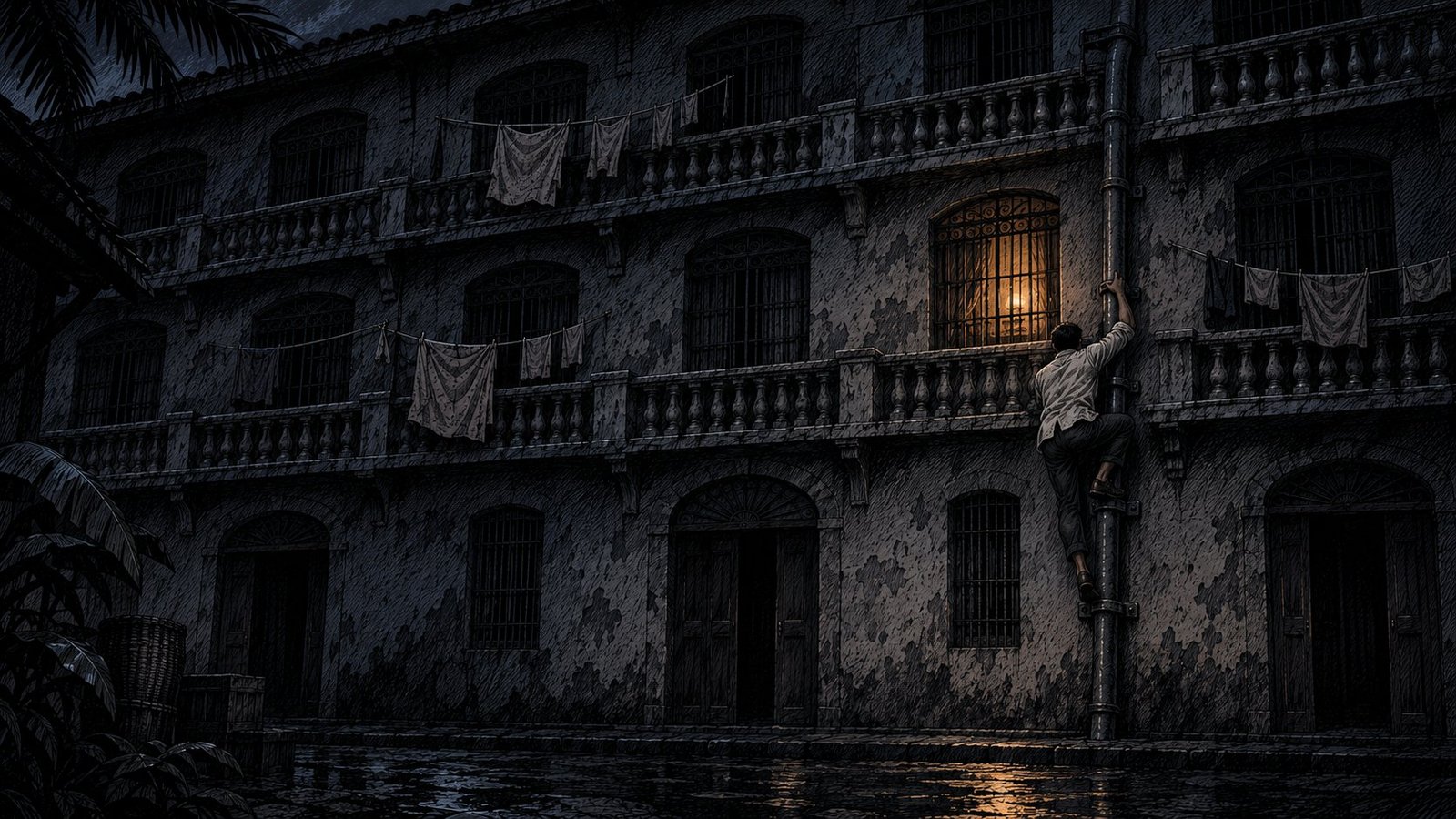
On 18 May 1971 Roxas was arrested. He testified that over the following days he was beaten, burned with cigarettes, struck with a rubber mallet and given electric shocks, and that his captors wanted him to implicate a senator and, through him, the President’s political enemies. (court record: testimony. We give the outline, not the detail.)
He got out of the hotel room where he was being held by doing the one thing a locksmith can do. He picked the lock on the window grille and climbed down the outside of the building. (court record)

On 30 June 1971 he testified before the Philippine Senate about the raid and the Buddha. It made the papers. (news reports)

Fourteen months later, in September 1972, Ferdinand Marcos declared martial law. Roxas was arrested again and held for about two years. (court record)
By the time he came out, something had happened behind the hospital.
Trucks behind the hospital

The court in Hawaii heard this part from witnesses, not from documents. We are marking it as what it is.
Witnesses testified that in 1974 and 1975, while Roxas was in prison or just out of it, soldiers dug at the site behind Baguio General Hospital, and that crates and bars were loaded onto trucks and driven away. (court record: testimony)

A mining engineer named Robert Curtis testified that in 1975 Marcos showed him a golden Buddha in the palace, and that its head came off. Curtis said it matched Roxas’s description. Another witness testified that Marcos admitted swapping the real statue for a brass copy before it went to court. (court record: testimony)
None of this was ever photographed or inventoried. All of it was sworn under oath, by people with reasons of their own, before a jury that believed them.
The strangest turn is the next one. The President did not stop at taking a Buddha from a locksmith. He started digging himself.
The dictator who went digging

In 1975 Marcos brought Curtis to the Philippines as part of a group, the Leber Group, to search for the rest of the treasure with the maps and the stories. They found nothing Curtis could ever show. He left the country and gave press conferences; what he said was never backed by a document. (news reports, testimony)
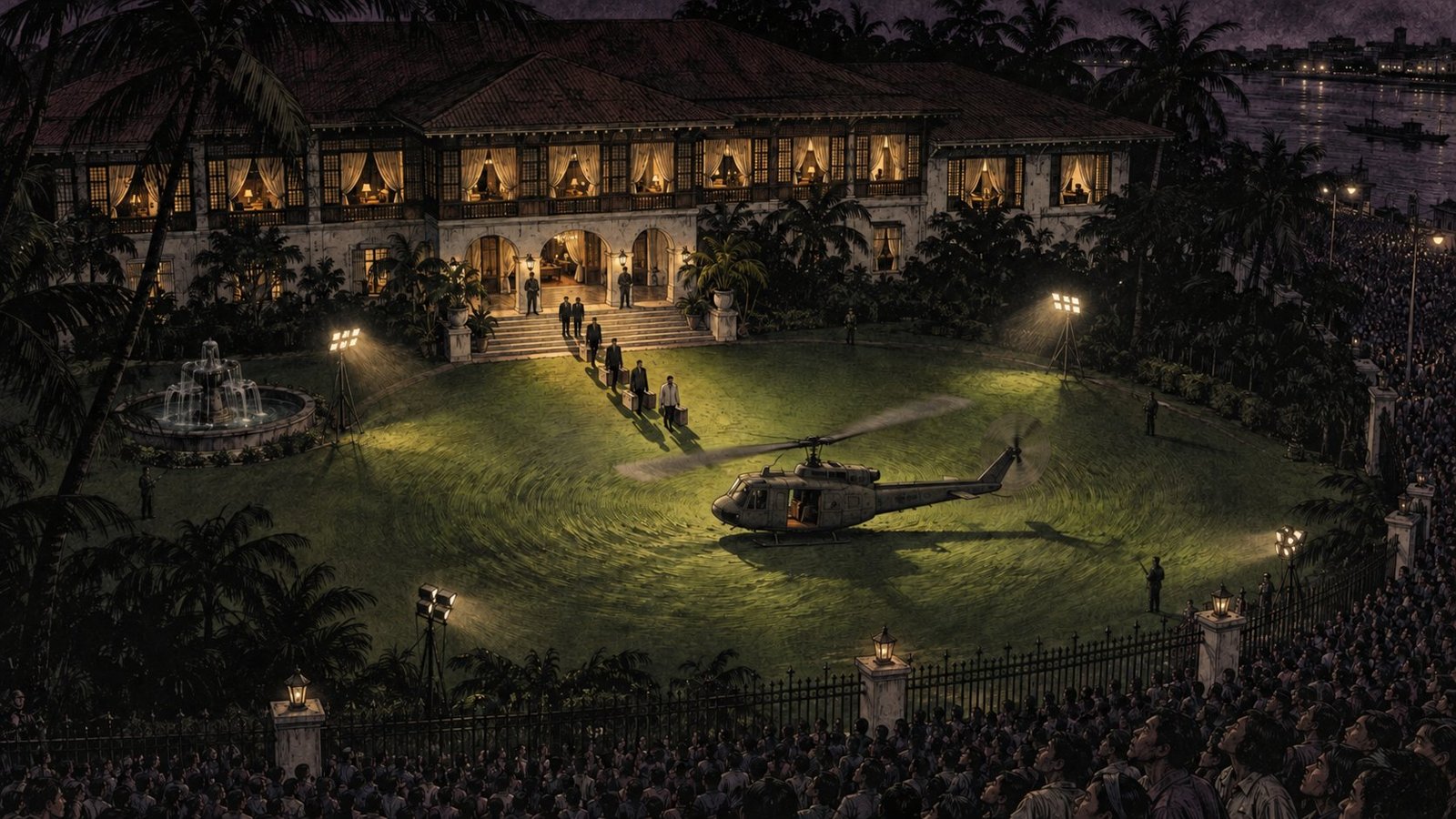
In February 1986 the Marcos family fled to Hawaii as the People Power revolution took Manila. They took with them, by the government’s later account, a great deal of money that did not belong to them.
Here is the part that turns the legend inside out.
In 1992 Imelda Marcos told the Associated Press that most of her husband’s fortune had come from Yamashita’s gold. (news reports) The family with every reason to bury the treasure story was now using it to explain where its wealth had come from.
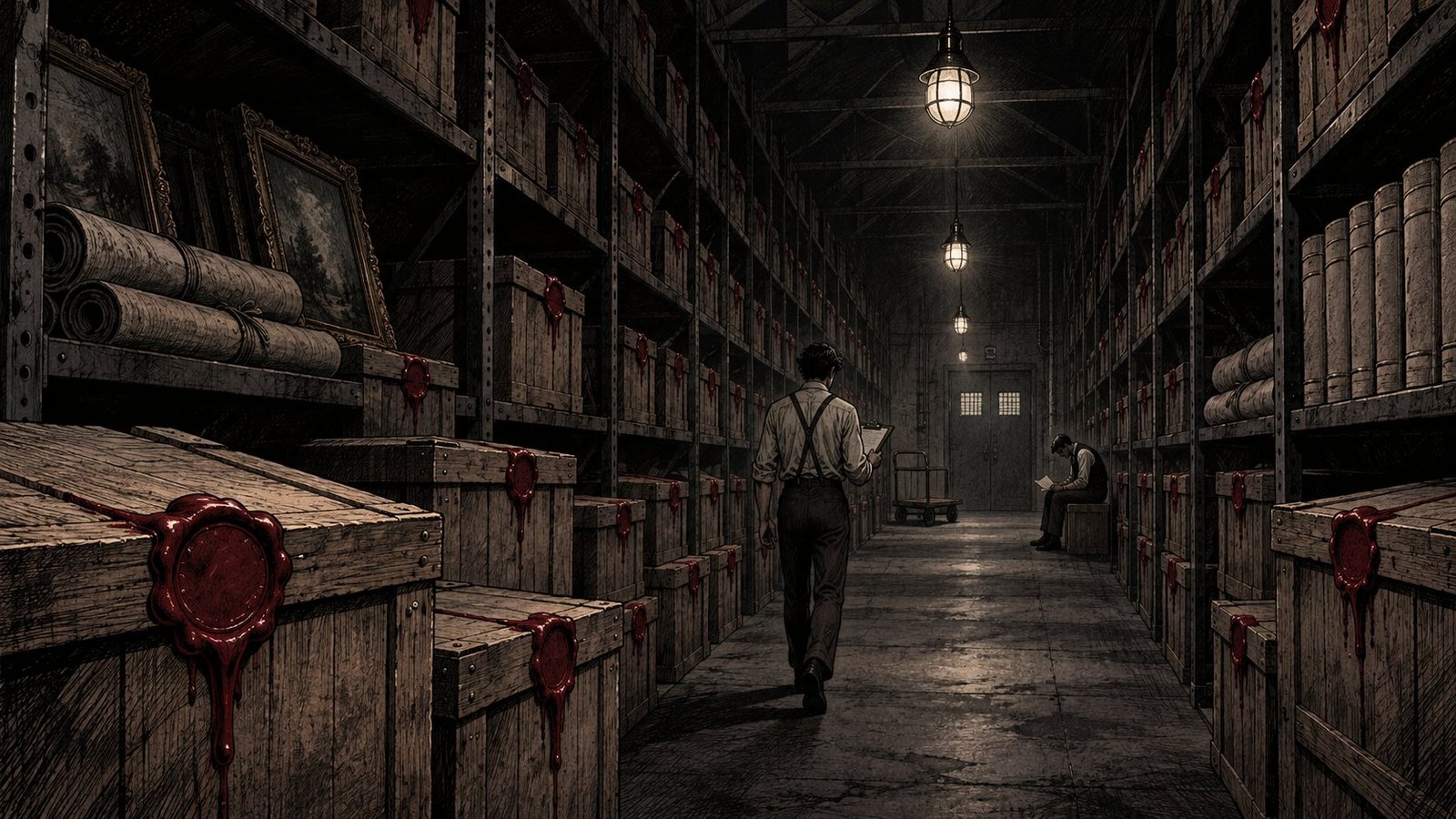
The Philippine government did not accept that. Its Presidential Commission on Good Government has spent decades recovering Marcos assets through the courts as the proceeds of corruption, not treasure; by 2021 it put the recovered total at roughly 174 billion pesos. (government record) The Marcos children have been asked about the gold for forty years. The son, now President himself, has said in effect: if anyone finds it, let me know. (news reports)
The locksmith, meanwhile, had gone to a court that was not in the Philippines.
A dead man testifies
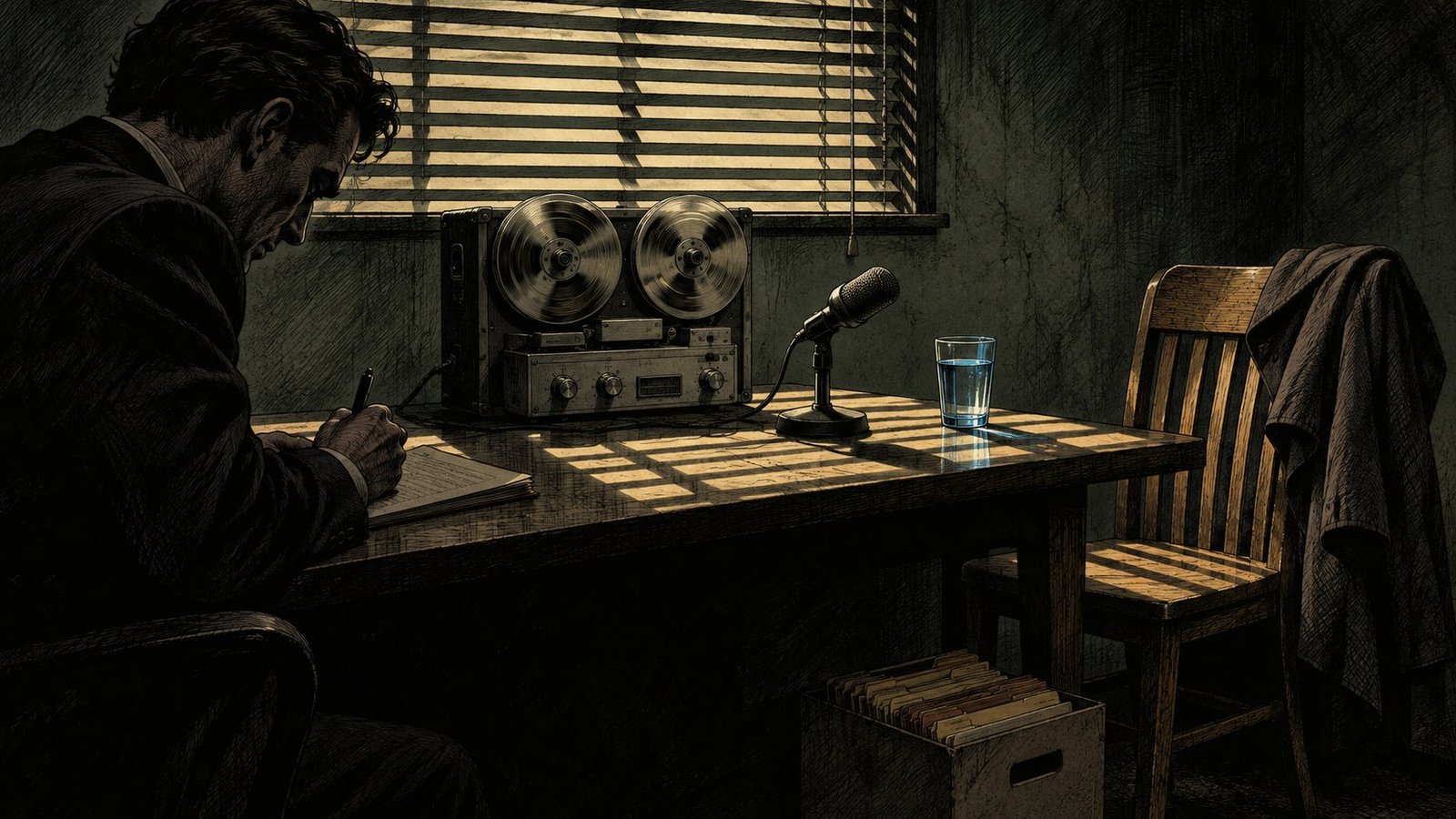
In March 1988 Roxas and a company he had assigned his claim to, the Golden Budha Corporation, sued Ferdinand and Imelda Marcos in Hawaii, where the family now lived. (court record)
Roxas did not live to see the trial. He died on 25 May 1993, in the Philippines, shortly before he was due to travel to Honolulu. No autopsy was done, and his family has questioned the circumstances. (court record, news reports)
The case went ahead on his deposition, recorded while he was alive. A dead man told a jury what had happened in the tunnel, in the house, and in the hotel room.
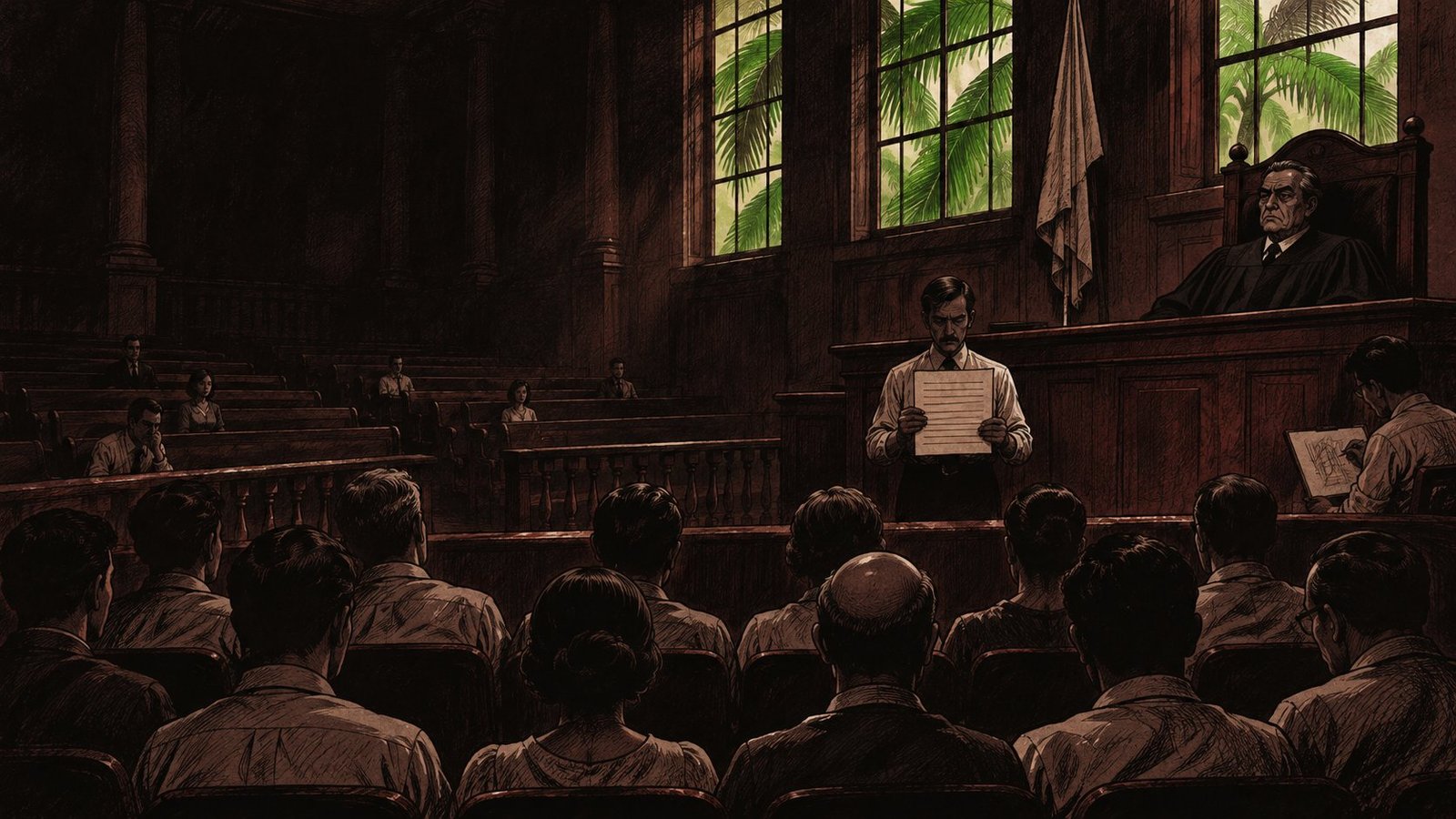
In July 1996 the jury returned its verdict. For the beating and false imprisonment: six million dollars. For the Buddha, the seventeen bars and the coin collection: smaller sums. (court record)
And for the crates of gold Roxas had seen in the tunnel and left behind, the crates nobody had ever counted, the jury awarded twenty-two billion dollars. With interest, the total was put at around forty billion. It was reported as the largest verdict in history. (court record, news reports)
Two years later, five judges took most of it away.
What did the court keep, and what did it throw out?
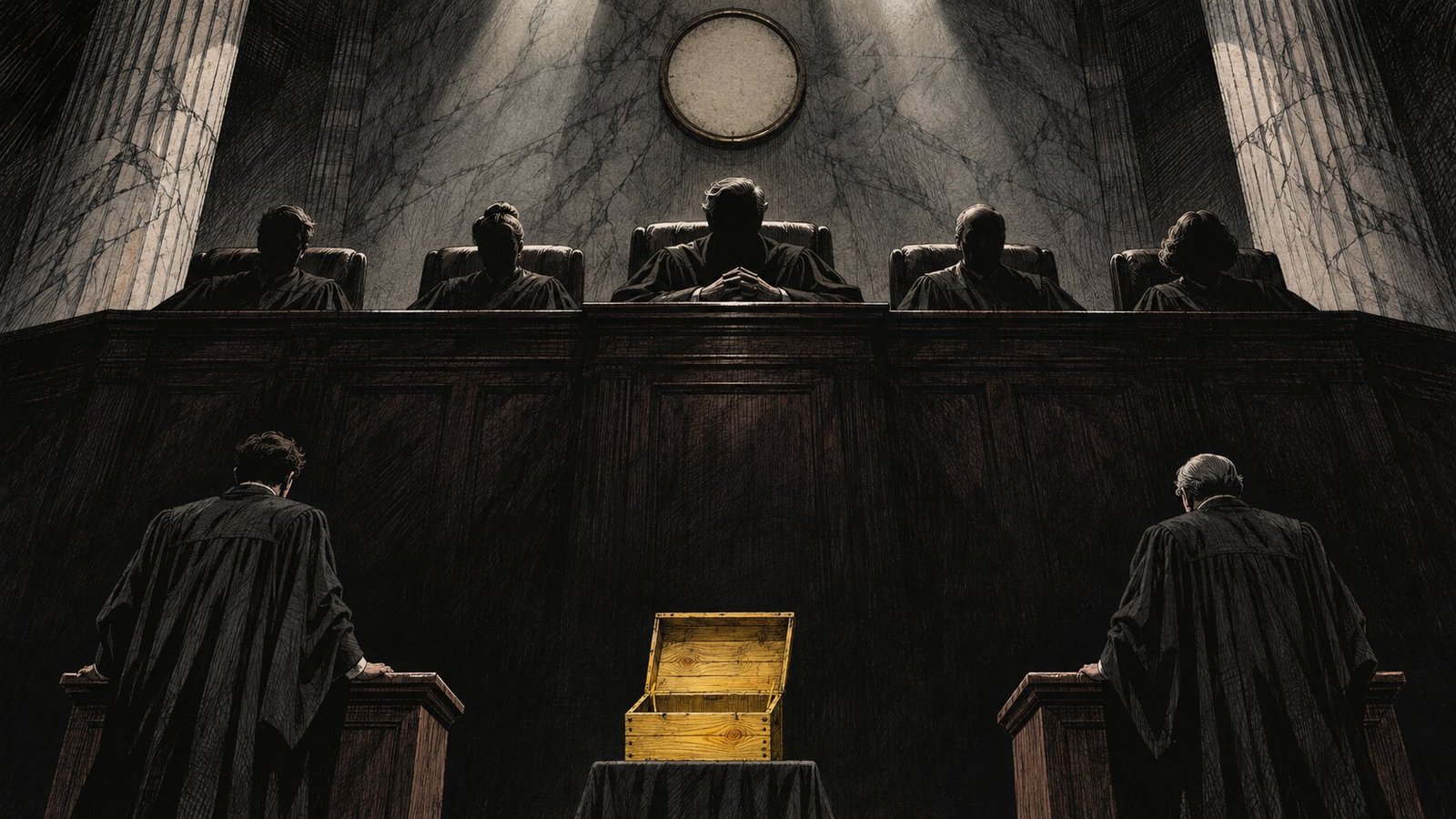
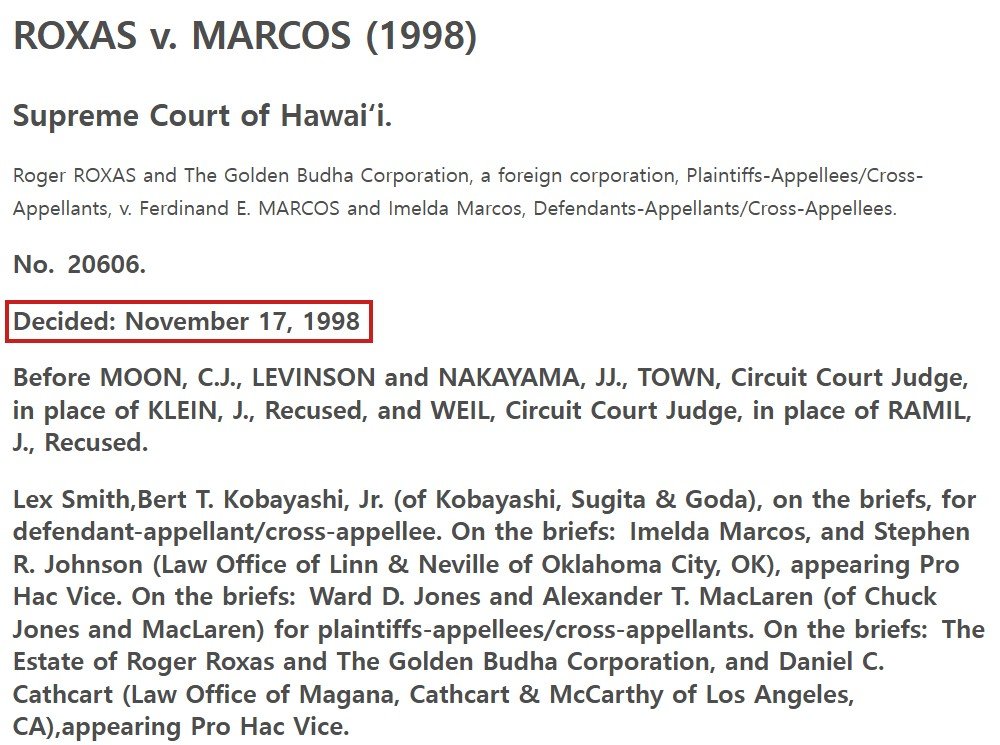
On 17 November 1998 the Supreme Court of Hawaii decided Roxas v. Marcos.
It kept the finding that mattered. There was, the court wrote, “sufficient evidence to support the jury’s determination that Roxas ‘found’ the treasure,” and “sufficient evidence to support the jury’s special finding that Ferdinand converted the treasure.” In the words the Ninth Circuit later used to sum the case up: “The Yamashita Treasure was discovered by Roxas and stolen from Roxas by Marcos’s men.” (court record)
It threw out the twenty-two billion. There was, it said, “insufficient evidence to support an award of damages for such gold bullion as may have been contained in the unopened boxes.” The case went back for a new trial on the value of what Roxas had actually held: one Buddha and seventeen bars. (court record)

That retrial produced a judgment of about $13.3 million for the treasure, plus the $6 million for the torture, both against Imelda Marcos and limited to her share of the Marcos estate. The Hawaii Supreme Court affirmed it in November 2005. A lawyer for the family called it uncollectible: the estate was tied up by the Philippine government, and there was no money to pay. (court record, news reports)
Here is where the file stops matching the legend.
A court of law has ruled that Yamashita’s treasure existed, that a man found it, and that a president’s men stole it. No other treasure legend on earth has that.
And not one bar, not one stone, not one dollar of that judgment has ever been paid. The only people who testified to holding the real golden Buddha are dead.
You would think a ruling like that would settle the story. Instead, five years later, a book made it much bigger.
Golden Lily
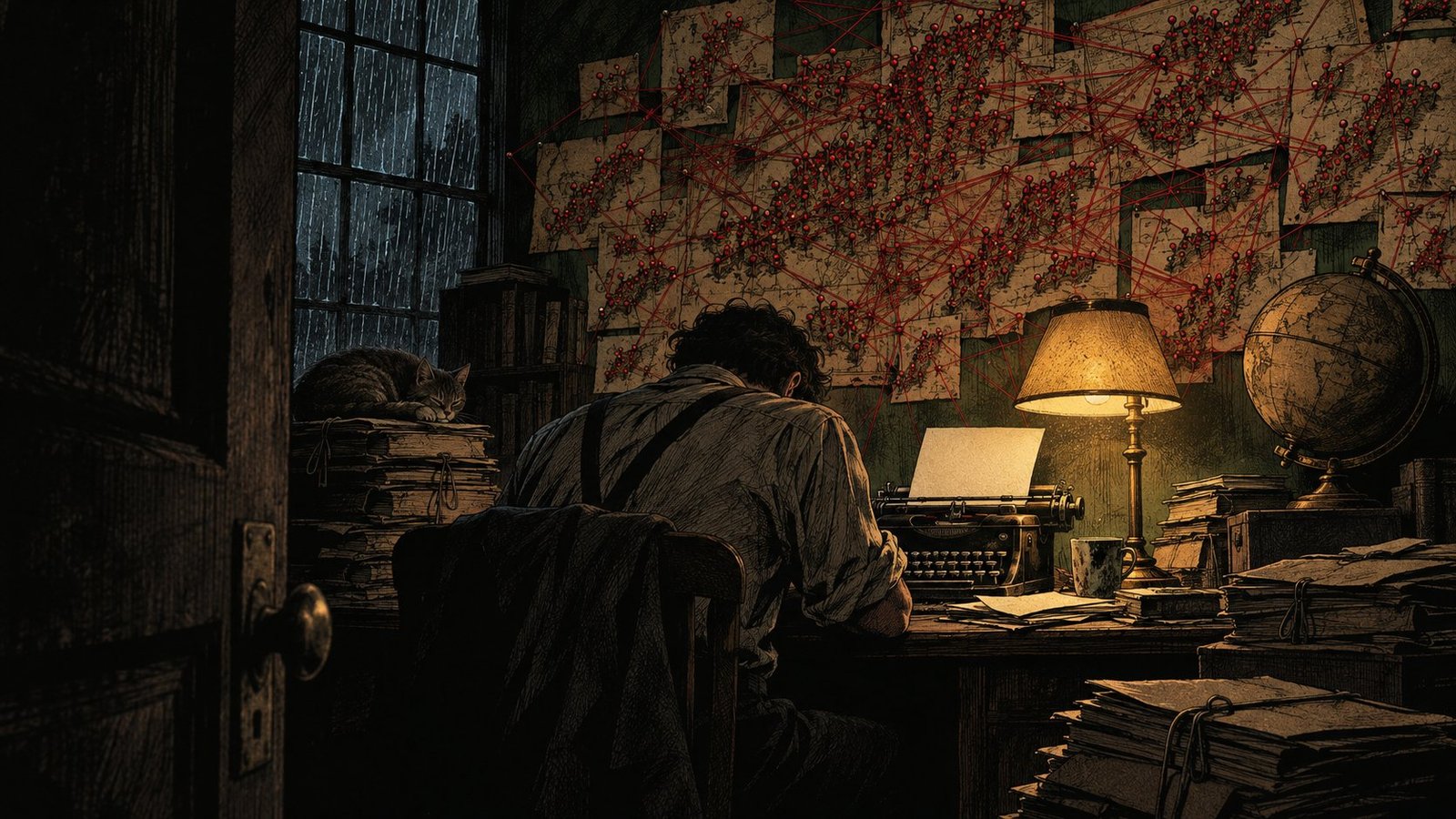
In 2003 the writers Sterling and Peggy Seagrave published Gold Warriors. The book claims that the Japanese imperial family ran a secret operation called Golden Lily, looting gold across Asia; that it buried some six thousand tons of it in 175 sites in the Philippines; that engineers were sealed alive in the tunnels; and that the United States later found much of it and used it as a secret “black gold” fund. (the book’s claim)

Historians of the period did not accept it. Chalmers Johnson, who had written on Japan for decades, said he could not credit the authors as historians. Ricardo Jose, the Philippine historian of the war, pointed out that by 1943 Japan no longer controlled the sea lanes it would have needed to ship thousands of tons of gold into the islands. Ambeth Ocampo, the Philippine public historian, made the plainest point of all: in decades of digging, nobody has found anything. (historians’ statements)

There is a simpler problem. From 1942 the Japanese high command knew the Americans would come back to the Philippines; it was the one place in the empire where that was certain. Burying a national treasury in the one territory you expect to lose is not a plan anyone has found on paper.
The book has been contested for twenty years. The digging has not stopped for a day.
The caves keep killing

On Sunday 10 March 2024, eight men went into a cave at Sitio Tinago, Kadingilan, in Bukidnon, believing it led to Japanese gold. By Monday four of them were dead of suffocation. A nearby police station radioed for rescuers; the rescuers pulled out one body and then stopped at the entrance, because the cave smelled of carbon monoxide, and waited for a ladder long enough to lower body bags. (news reports)

In July 2023 five men had to be pulled out of a thirty-metre tunnel in Puerto Princesa. In February 1988 UPI had reported two treasure hunters dead in a collapse. In between, the list is long. (news reports)

Philippine law now requires a National Museum permit to dig for treasure, and unlicensed digs are raided; in June 2018 seventeen people were arrested on Capones Island. (government record, news reports) People keep digging anyway, with the same maps, the same stories and the same result.
And the maps did not stay in the Philippines.
The map in Korea
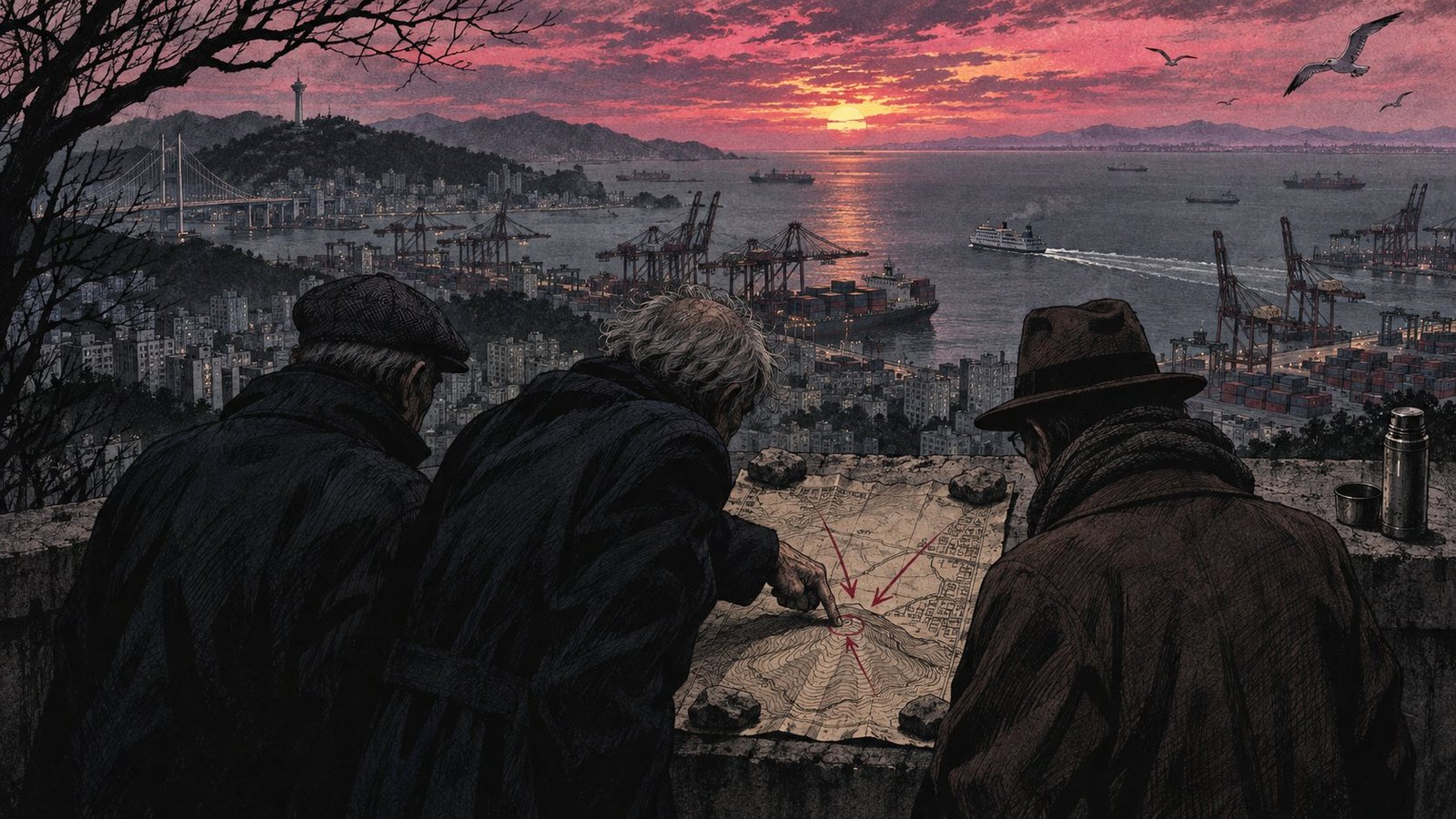
In Busan, South Korea, the story arrived in 1988. A former presidential barber, then 48, announced that he had a map drawn by a Japanese officer showing an underground torpedo factory beneath the Munhyeon district, thirty-six golden Buddhas and 450 tons of gold. His evidence was a land register showing the plot bought by the colonial government in July 1945, weeks before the surrender. He began to dig. The papers called it Korea’s El Dorado. (news reports)

He dug for more than ten years and sank more than twenty pits. He found nothing. (news reports)

In March 2002 a new organiser, who had raised about 200 million won from investors, drilled on the same ground. On 2 March, after an hour and three quarters, the drill broke into a void sixteen metres down and water rose in the hole. Investors were shown a live feed from an underwater camera: sacks on the floor of the shaft, marked, the organiser said, with the name of a Japanese company. (news reports)
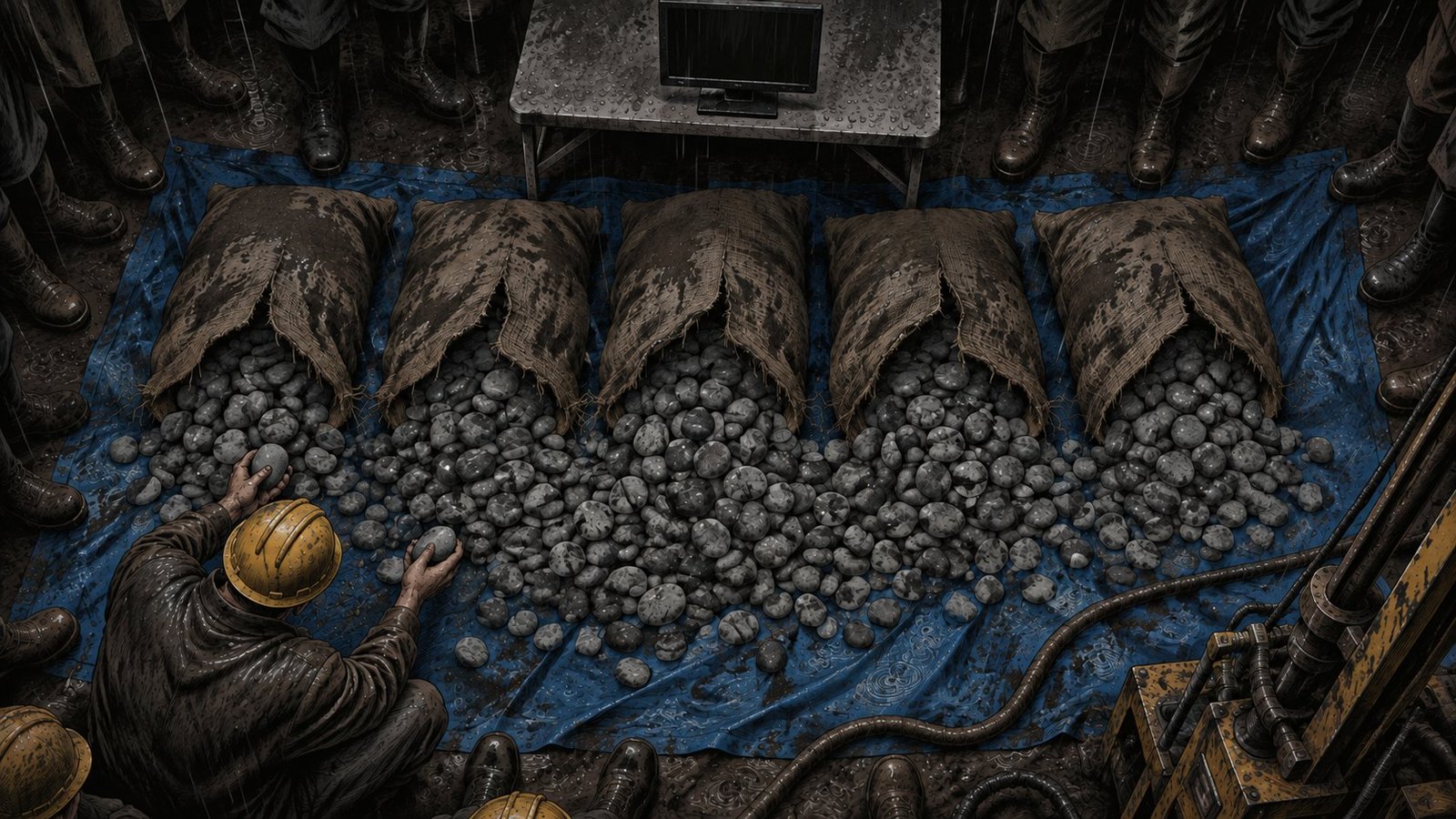
A diver brought a sack up. It was a salt sack full of stones, and the name written on it was Korean. The barber later explained that he had filled sacks with crushed rock from his own digging years before and stacked them in the hole. The organiser was convicted of fraud and sentenced to three years. (news reports)
The last chapter is not a hoax. It is a grave.

In the summer of 2018, at a site in Gongju in South Chungcheong province, a crew spent about two months sinking a vertical shaft with an excavator. Water had been pouring down the walls long before the end. Workers later said there were no safety measures, and that the man paying for the dig kept telling them to go deeper. On 5 August 2018, at a depth of about 22 metres, the rock face gave way and the excavator operator, a 51-year-old man, was killed. A second worker survived. (news reports)
Over the life of the project, the investors’ estimate of what lay below had grown from about 200 tons of gold to more than 2,000. (news reports)
The tunnel behind the hospital in Baguio and the shaft at Gongju came from the same map. Not literally the same sheet of paper. The same idea of one: a Japanese officer, a hand-drawn plan, an X, and a certainty that someone else’s war left a fortune in the ground.
The story you may have heard, and what the file says
| What gets repeated | What the record says |
|---|---|
| General Yamashita buried the gold | He reached the Philippines in October 1944, fought a ten-month retreat, and was tried for war crimes in a trial that never mentions treasure. His name was attached to the rumour after his execution. |
| 175 sites, 6,000 tons, engineers buried alive | The claims of one 2003 book. No document, inventory or site has supported them, and historians of the period reject them. |
| A jury awarded $22 billion and the Marcoses must pay it | The $22 billion was reversed in 1998 as unsupported. The surviving judgment is about $13.3 million for the treasure and $6 million for the torture, against Imelda Marcos’s share of the estate. Nothing has been paid. |
| The Marcos fortune is Yamashita’s gold | That is the Marcos family’s own explanation, first given by Imelda in 1992. The Philippine government has recovered the assets as proceeds of corruption, about 174 billion pesos by 2021. |
| The treasure is a myth, so nothing was ever found | A state supreme court found as a fact that Roxas found a golden Buddha and gold bars and that Marcos’s men took them. His own son later testified that his father never found a golden Buddha. The court believed the father. |
Why the record is stranger than the legend: this is the only treasure story in the world where a court decided, after hearing the witnesses, that the treasure was real. And the only two people who ever claimed to have held it, the locksmith and the president, both died before anyone could put it on a table and weigh it. Everything after that, the six thousand tons, the 175 sites, the torpedo factory under Busan, the shaft at Gongju, is built on a Buddha that nobody alive has seen.
What is left
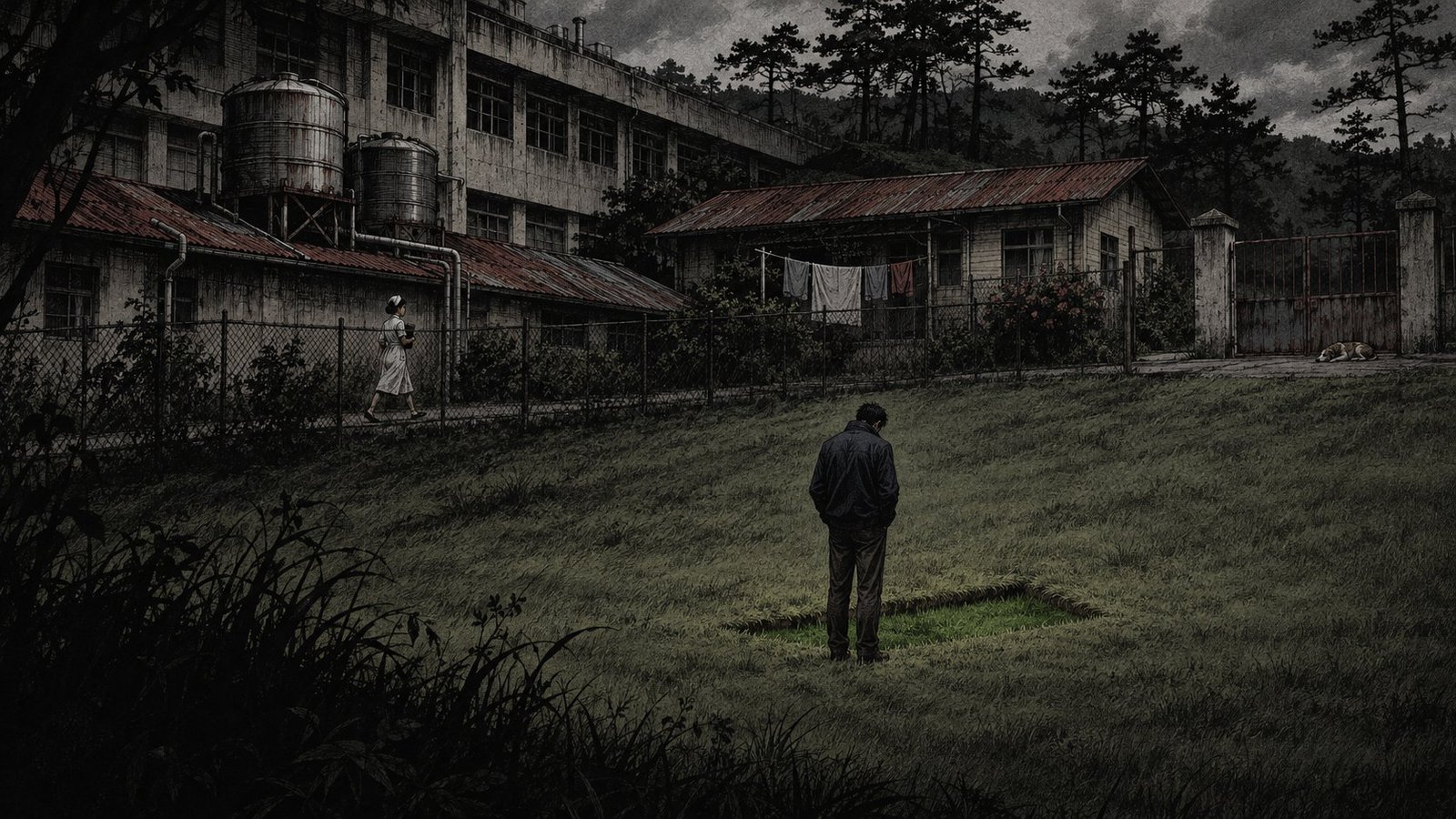
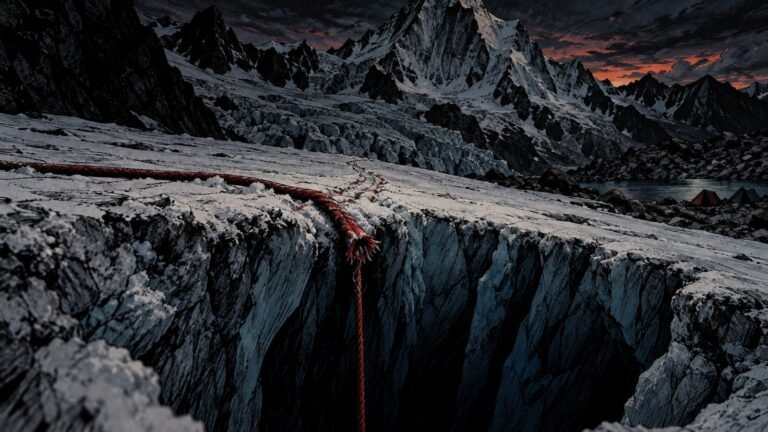
There is a strip of ground behind Baguio General Hospital that has been dug at least twice, once by a locksmith and once, witnesses say, by soldiers. There is a cave in Bukidnon with a rope across the entrance. There is a flooded shaft at Gongju.
What we know: a man found something in that tunnel, a court believed him, and the people who took it from him were never made to give it back.
What we do not know: what was in the crates he never opened, and whether anything was.
If the gold was never there, why are people still dying to reach it? And if it was, who has it now?
The photographic record
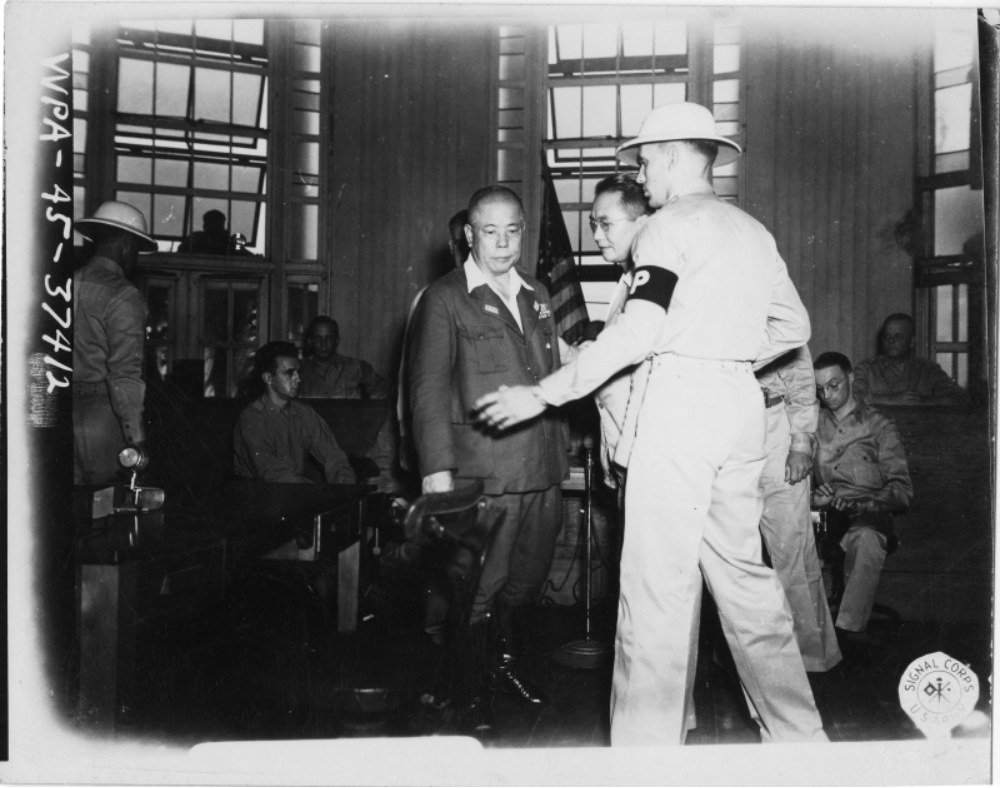
Five documents you can check yourself. Three are US Army Signal Corps photographs held by the Truman Library, one is the first page of the court opinion, and one is a photograph of the statue the court has been holding since 1971. None of them shows gold. That absence is part of the record.


Related cases: Jim Thompson, the silk king who vanished in the Malaysian jungle; Percy Fawcett’s search for the Lost City of Z; Qin Shi Huang’s tomb, which has never been opened.
What the cameras did record
Openly licensed photographs and primary records only. Each caption says what the item shows and where it comes from. No photograph of the Buddha or the gold bars has ever been published.
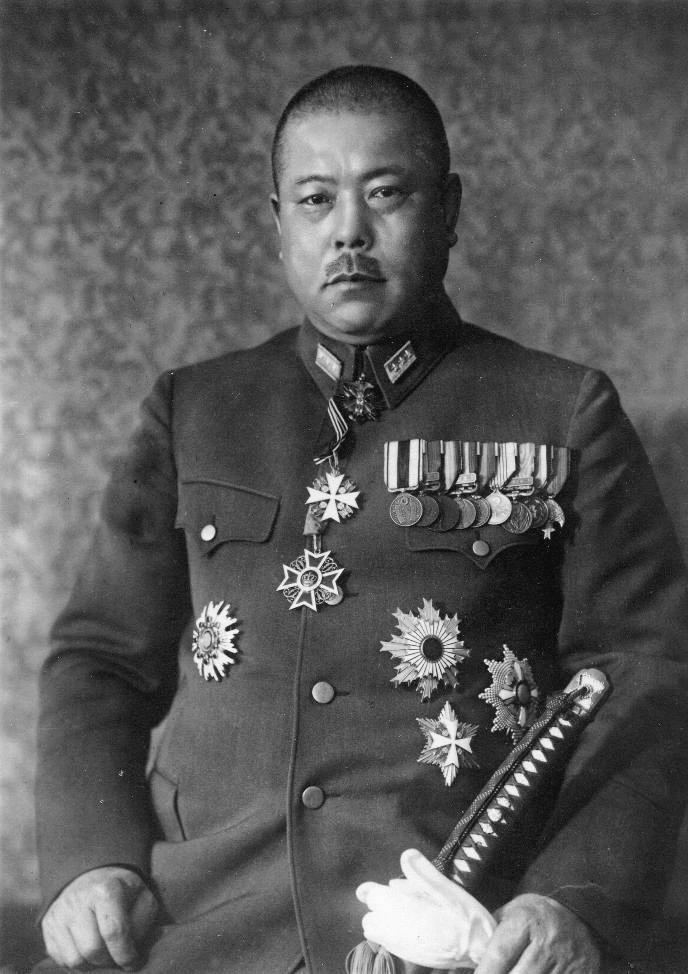 EXHIBIT A
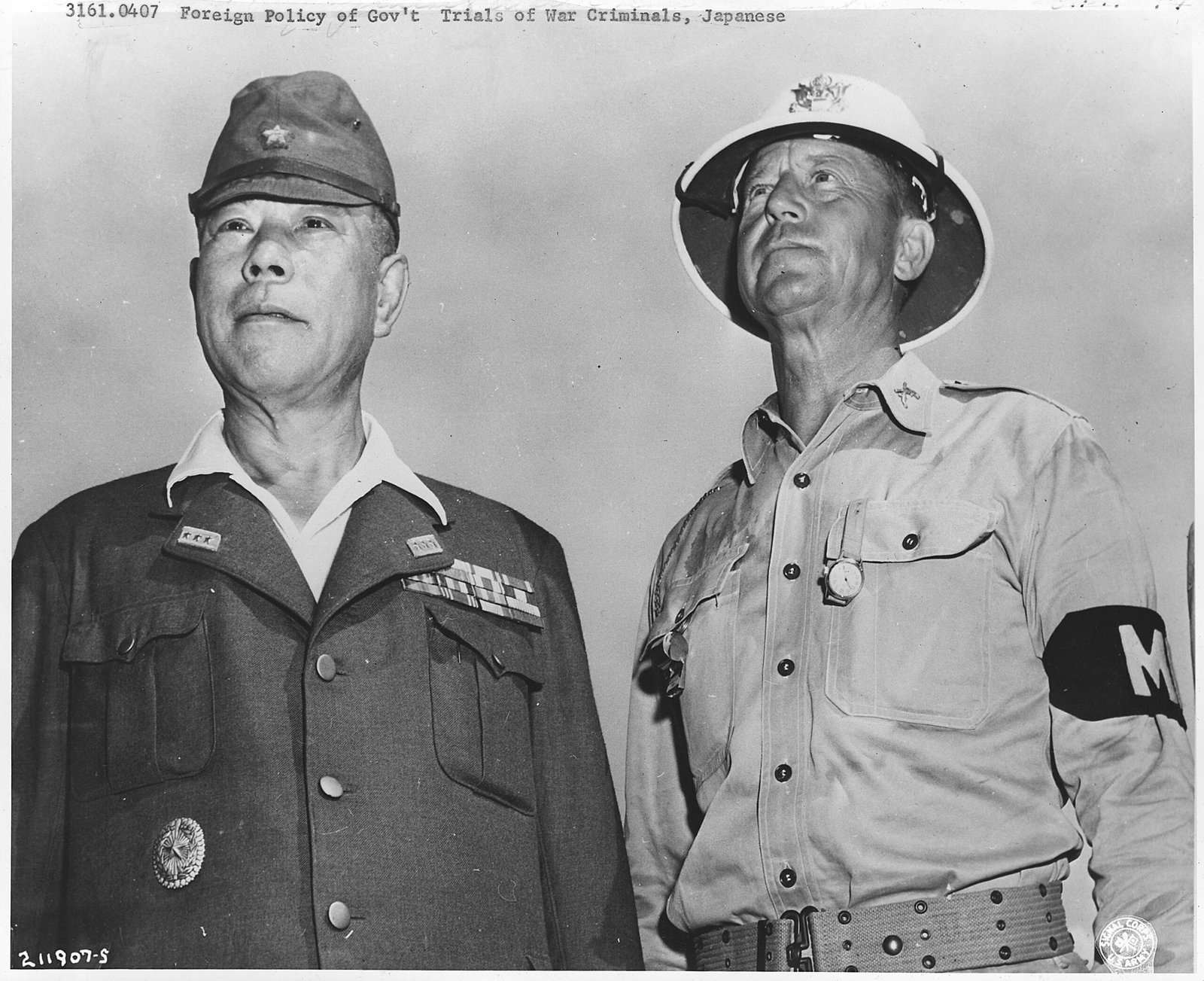 EXHIBIT B
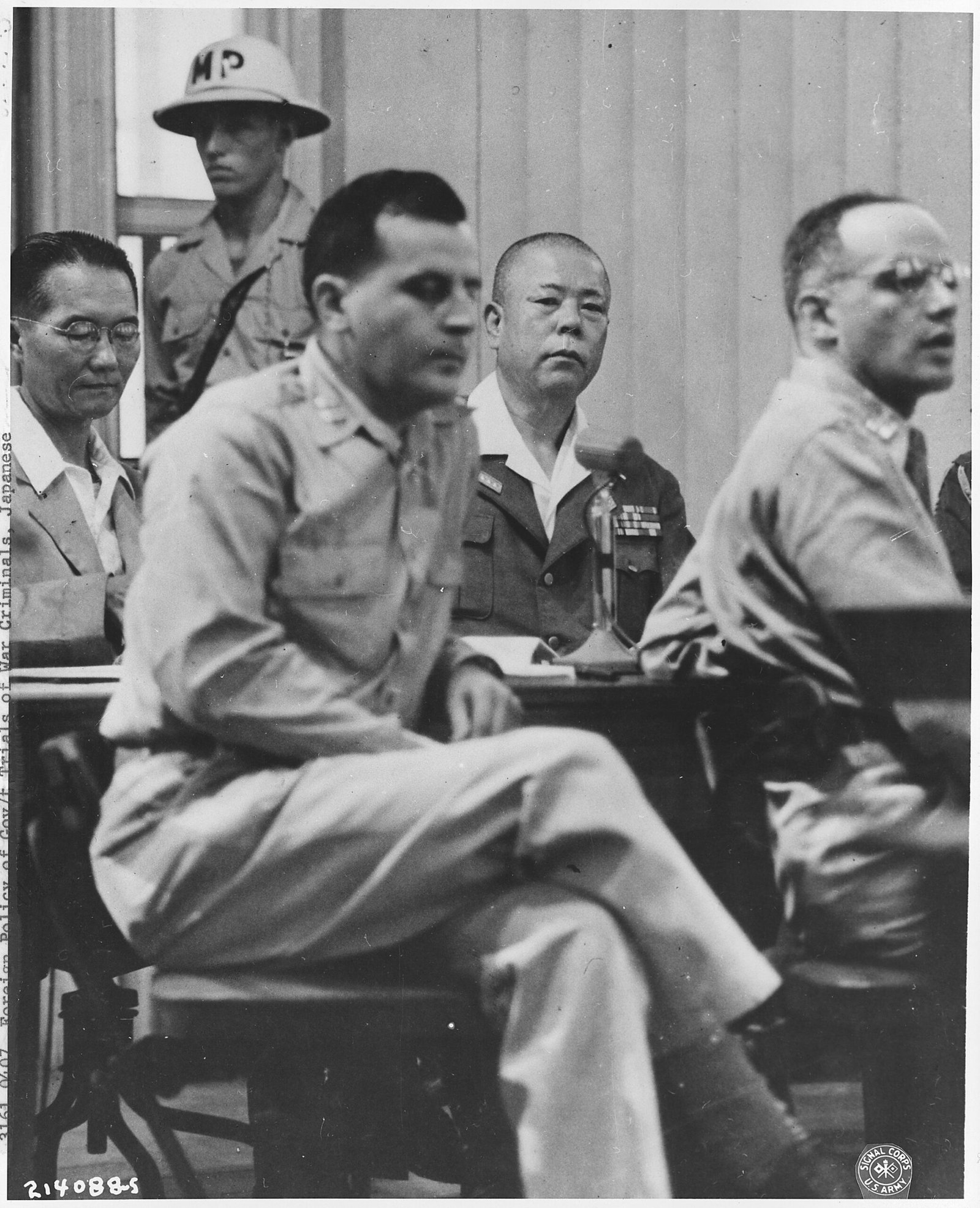 EXHIBIT C
 EXHIBIT D
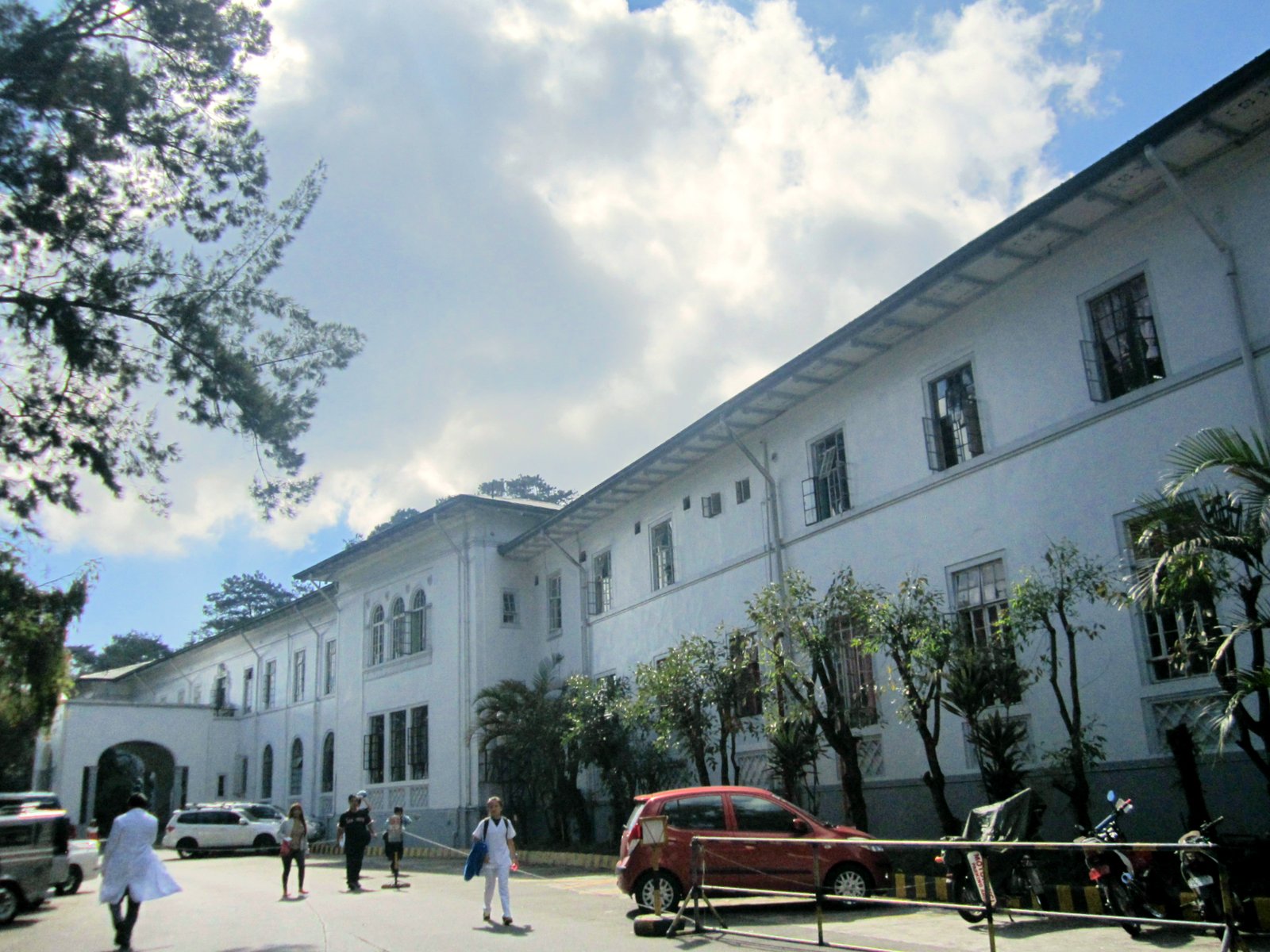 EXHIBIT E
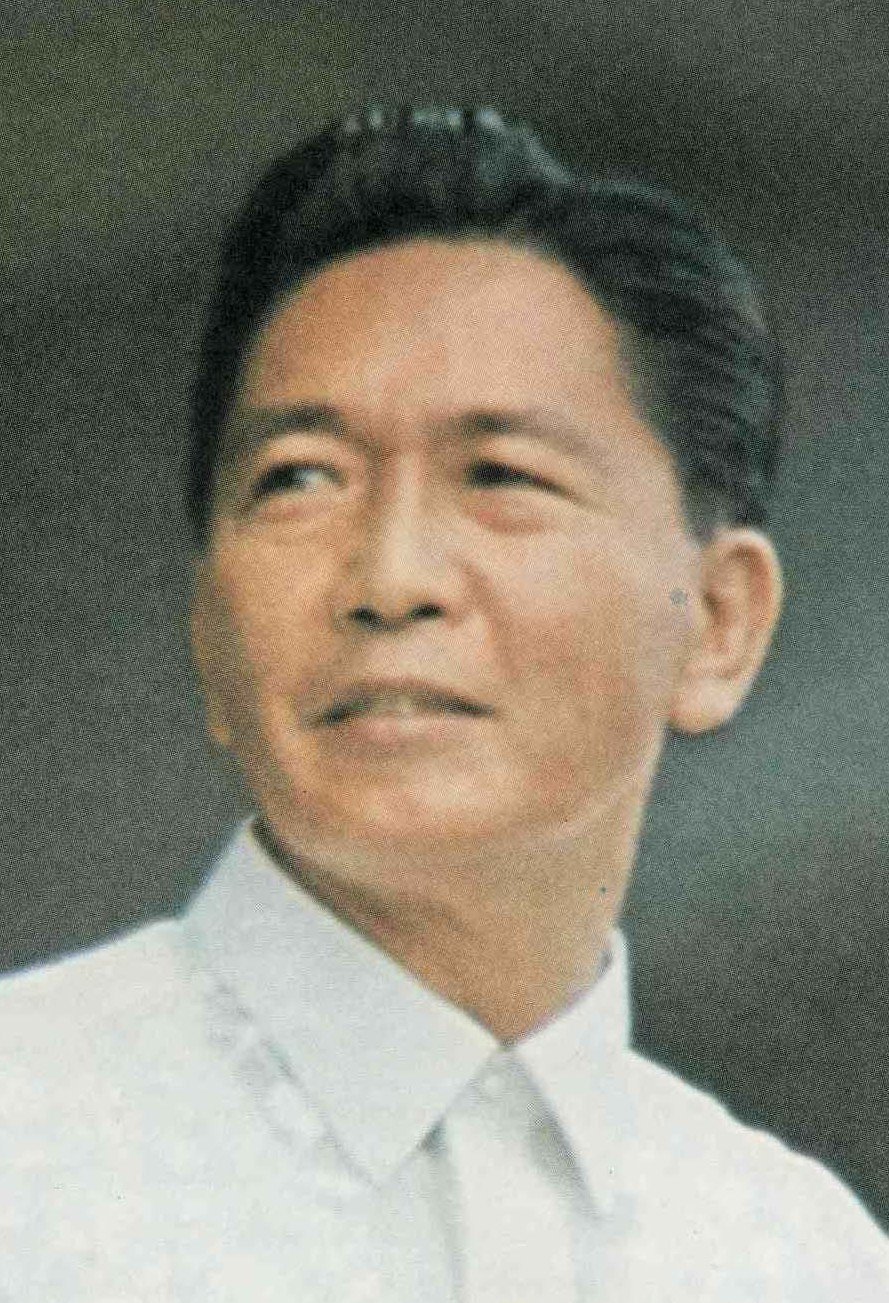 EXHIBIT F
The evidence file
The records this case rests on, and what each one supports.
Exhibits
- Exhibit A: Roxas v. Marcos, Supreme Court of Hawaii, 17 November 1998. The full opinion: the 1961 map and interpreter, the 1970 permit, the discovery of 24 January 1971, the Buddha with the removable head, the April raid and the warrant, the arrest and testimony of torture, the 1996 verdict and why the $22 billion was reversed while the findings of discovery and conversion were kept. (FindLaw)
- Exhibit B: The Ninth Circuit’s summary. The one-sentence finding quoted in this file: “The Yamashita Treasure was discovered by Roxas and stolen from Roxas by Marcos’s men.” (Golden Budha Corp. litigation, U.S. Court of Appeals for the Ninth Circuit)
- Exhibit C: The retrial judgment. About $13.3 million for the converted treasure (Golden Budha Corporation) and $6 million for the arrest and torture (Roxas estate), both against Imelda Marcos’s interest in the estate; affirmed by the Hawaii Supreme Court, 25 November 2005. (Wikipedia, with case citations)
- Exhibit D: The Bukidnon cave deaths, March 2024. Eight men entered a cave at Kadingilan, Bukidnon, on 10 March 2024; four died of suffocation, and rescuers could not enter because of carbon monoxide. (Rappler; GMA News)
- Exhibit E: The Korean digs. The Busan excavation from 1988, the March 2002 drilling and fraud conviction, and the Gongju shaft collapse of 5 August 2018, as reported by Busan Ilbo (30 November 2018) and in SBS’s review of its 2026 programme on the case. (Busan Ilbo; SBS)
- Exhibit F: the excavation, in the court record. The Hawaii State Judiciary publishes the full text of the 1998 opinion. It is the primary source for every date in the digging section of this file: the group began digging on state land near Baguio General Hospital in 1970, broke into the tunnel after about seven months, found the golden Buddha on 24 January 1971, and soldiers dug behind the hospital again in 1974 and 1975 on the testimony of Juan and Romulo Quijon. (Hawaii State Judiciary · CourtListener mirror)
- Exhibit G: the case reached the federal courts. Golden Budha Corp. v. Canadian Land Co. of America, N.V., 931 F.2d 196 (2d Cir. 1991), Docket No. 90-7676, argued 11 December 1990, decided 22 April 1991, opinion by Judge Roger J. Miner. (New York Law School, DigitalCommons)
- Exhibit H: the Philippine state really did license treasure hunting. Executive Order No. 416, signed 31 July 1990, moved the power to issue treasure-hunting permits from the environment department to the Office of the President — which is where, under Presidential Decree No. 1726-A, it had sat during the Marcos years. (Supreme Court of the Philippines E-Library)
- Exhibit I: the Marcos-era decree was still alive in 1999. Memorandum Order No. 64, 31 May 1999, sets the technical criteria for inland treasure-hunting and shipwreck-recovery permit applications “in accordance with the provisions of Presidential Decree No. 1726-A”. (E-Library text · signed original, scanned)
- Exhibit J: what the state takes if you find something. DENR Administrative Order No. 2004-33, 31 August 2004, amending DAO 2002-04: a 10,000-peso application fee, a one-hectare limit on inland sites, a cash bond, and a split of whatever is recovered — 75 per cent to the government and 25 per cent to the permit holder on state land, 30/70 on private land. (Supreme Court of the Philippines E-Library)
On reuse: under section 176.1 of the Philippine Intellectual Property Code (Republic Act 8293), no copyright subsists in the text of Philippine statutes and regulations, and quoting them requires no approval or conditions. Exhibits H, I and J are quoted on that basis.
Limits: No photograph, inventory or assay of the Buddha or the bars exists outside the testimony. The crates were never opened, counted or weighed by anyone but Roxas’s crew. The Korean sources are news reports and a television programme, not court records, except for the fraud conviction they describe.
Where the argument is, and where we come down
Much of this argument happened in courtrooms and Philippine newsrooms rather than on forums. In sceptic and historical-claims circles the position is that decades of searching have produced no verified recovery, that “Golden Lily” and the Black Eagle Trust appear in no records outside the literature written to support them, and that the main popular source, the Seagraves’ Gold Warriors, was judged unreliable by academic reviewers including Chalmers Johnson and Donald Gillin. In Philippine political debate and among Filipino fact-checkers the argument is sharper: the Yamashita story, with the Tallano gold story, circulates mainly as an explanation for the Marcos family’s wealth. Treasure-hunting communities take the opposite view and cite Rogelio Roxas as proof one cache was real and was taken. Inside the Roxas case there is a third fight, over a physical object: whether the statue was solid gold or bronze-plated, and whether the statue in court custody was even the one seized.
The court record is the strongest evidence, and it cuts both ways. A Honolulu jury awarded Roxas’s estate and the Golden Budha Corporation $22 billion in 1996; on 17 November 1998 the Hawaii Supreme Court reversed that award because the evidence for the quantity and purity of the bullion was speculative, while expressly upholding two findings — that Roxas found the treasure and that Ferdinand Marcos converted it. That primary document beats both “nothing was ever found” and “a $22 billion verdict”. Against the statue being gold stand a 1996 ruling by Baguio judge Antonio Reyes that the figure in court custody was bronze-plated, and 1995 testimony from Roxas’s eldest son that his father never found a golden Buddha; the family says the statue returned to them was a replica. Charles McDougald, asked by a University of the Philippines professor to investigate and years in the documents, treats the wider treasure as myth and the Roxas episode as a real theft.
The argument exists because of a conflict of interest sitting on a missing object. The only party able to settle what was seized in Baguio in April 1971 was the government that seized it, and the chain of custody broke immediately. Marcos-era records are incomplete by design, the claimant died in 1993 before trial, and the surviving judgments were never collected. In that vacuum the legend is useful to several constituencies at once.
On the record as it stands, we put more weight on the narrow court findings than on either the full legend or a blanket dismissal. First, the Hawaii Supreme Court upheld that Roxas found something and that Marcos’s men took it, while refusing to put a figure on it — a distinction both camps collapse. Second, claims about the wider hoard still rest on testimony and book-to-book repetition, with no verified recovery and no wartime shipping or burial documentation. We could be wrong if Japanese wartime records, or Philippine state records from 1971, showed a documented bullion transfer or an inventory of what was seized. If they surface, we will revise this section.
Sources for this section: en.wikipedia.org · en.wikipedia.org · skeptoid.com · thefilipinochronicle.com · thefilipinochronicle.com · news.abs-cbn.com · philstar.com
Quick answers: Yamashita’s gold
Is Yamashita’s gold real?
A Hawaii court found that a locksmith, Rogelio Roxas, dug up a golden Buddha and gold bars behind Baguio General Hospital in January 1971 and that Ferdinand Marcos’s men took them. Whether tons of gold remain buried anywhere else has never been shown; no documented find exists outside that case.
Did General Yamashita actually hide the treasure?
No record says so. Tomoyuki Yamashita reached the Philippines in October 1944 and spent his ten months there in retreat. His 1945 war crimes trial never mentions treasure, and his name was attached to the rumour after his execution in February 1946.
What happened to the golden Buddha?
Roxas said the statue the military delivered to the court in April 1971 was a brass copy; a Philippine judge ruled in 1996 that the court’s statue was bronze-plated. Witnesses in Hawaii testified that Marcos kept the real one. It has never been recovered.
How much did the jury award, and was it paid?
In July 1996 a Honolulu jury awarded about $22 billion for the unopened crates, plus $6 million for the torture and smaller sums. The Hawaii Supreme Court reversed the $22 billion in November 1998. A retrial judgment of about $13.3 million was affirmed in 2005. Nothing has been collected.
Is it dangerous to dig for Yamashita’s gold?
Yes. Four men died of suffocation in a cave in Bukidnon in March 2024, five had to be rescued from a tunnel in Puerto Princesa in 2023, and unlicensed digging is a crime in the Philippines, which requires a National Museum permit.
What is a little-known fact about Yamashita’s gold?
The map reached Korea. A dig in Busan ran from 1988 to 2002 and ended in a fraud conviction after an underwater camera showed sacks that turned out to hold stones, and a shaft in Gongju collapsed on 5 August 2018, killing the excavator operator.
Why is Yamashita’s gold one of the strangest real history mysteries?
Because part of the legend ended up in a courtroom. A locksmith said he found a golden Buddha underground in the Philippines; a Hawaii jury later returned a $22 billion verdict for his estate against Ferdinand Marcos, cut to $13.3 million, and nothing was ever paid. The giant hoard itself has never been found.
Case notes: the treasure a court believed in
A locksmith in Baguio dug for seven months and testified that he found a golden Buddha and a crate of gold bars behind a hospital in January 1971. Within weeks the statue and bars were seized under a warrant signed by the judge who had issued his permit; the Buddha produced in court was, he said, a copy. He was arrested and testified to torture, escaped by picking a lock, testified before the Senate, and was jailed again under martial law. In 1996 a Honolulu jury found that the treasure was real and that Marcos had taken it, and awarded $22 billion; in 1998 the Hawaii Supreme Court kept the findings and threw out the figure. No part of the surviving judgment has been paid. A 2003 book turned the story into 6,000 tons and 175 sites; historians rejected it; the digging, in the Philippines and in Korea, has killed people in 1988, 2018 and 2024.
Where the case stands (as of November 2026)
Closed in law, open in fact. The Roxas estate and the Golden Budha Corporation hold judgments against Imelda Marcos’s share of the Marcos estate that have never been collected. Treasure digging continues under permit in the Philippines. No site has ever produced a documented find.
Timeline
| When | What happened |
|---|---|
| Feb 1942 | Yamashita takes Singapore; later posted to Manchuria |
| Oct 1944 | Yamashita arrives in the Philippines |
| Sep 1945 – Feb 1946 | Surrender; trial in Manila; hanged at Los Baños on 23 February 1946 |
| 1961 | Roxas meets Fuchigami and the man calling himself Okubo |
| 1970 | Judge Pio Marcos issues a digging permit |
| 24 Jan 1971 | Roxas breaks into the tunnel; Buddha and 24 bars |
| 1 Apr 1971 | “Oihara” offers one million pesos |
| 5 Apr 1971 | Early-morning raid; warrant signed by Judge Pio Marcos |
| 19 Apr 1971 | Military deposits a Buddha with the court; Roxas says it is a copy |
| 18 May 1971 | Roxas arrested; testifies to torture; escapes |
| 30 Jun 1971 | Roxas testifies before the Senate |
| Sep 1972 | Martial law; Roxas held about two years |
| 1974–75 | Witnesses: soldiers dig behind the hospital; Curtis and the Leber Group search |
| Feb 1986 | Marcos family flees to Hawaii |
| Mar 1988 | Suit filed in Hawaii; same year, the Busan dig begins |
| 1992 | Imelda Marcos: the fortune was Yamashita’s gold |
| 25 May 1993 | Roxas dies |
| Jul 1996 | Jury verdict, about $22 billion |
| 17 Nov 1998 | Hawaii Supreme Court reverses the $22 billion, keeps the findings |
| 2 Mar 2002 | Busan drilling; sacks of stones; organiser later convicted of fraud |
| 2003 | Gold Warriors published |
| 25 Nov 2005 | Retrial judgment of about $13.3 million affirmed |
| 5 Aug 2018 | Gongju shaft collapses; excavator operator killed |
| 10–11 Mar 2024 | Four die in a cave in Kadingilan, Bukidnon |
Where the records disagree
| Detail | What sources say |
|---|---|
| Date of the raid | The Hawaii opinion and most accounts: the early hours of 5 April 1971. Some summaries give 6 April. |
| Weight of the Buddha | Roxas estimated about a ton. It was never weighed by anyone. |
| The bars | 24 found, 7 sold, 17 seized: figures from Roxas alone. No bar was ever produced in court. |
| Did he find it at all? | A Hawaii jury and the state supreme court said yes. In 1995 Roxas’s eldest son testified that his father never found a golden Buddha. |
| Cause of Roxas’s death | No autopsy was carried out; the family has questioned the circumstances. No official cause is given in the sources we checked. |
| Depth of the Gongju shaft | Busan Ilbo: 23 metres. SBS: 22 metres. |
| How much gold in Korea | Investors’ claims rose from about 200 tons to 2,000 and, in one 2026 account, 2,400 tons. No sample has been tied to the ground at Gongju. |
What we still don’t know
- What was in the crates Roxas never opened, and whether anything was.
- Where the Buddha with the removable head is now.
- Whether any Japanese military document ever described a deposit at Baguio, or anywhere else in the Philippines or Korea.
- Why a judge signed both the permit and the warrant, and on whose instruction.
Editor’s note
The detail that unsettles me most is the two signatures. Roxas did everything the system asked of him: he applied, he waited years, he got a permit, and he dug. Then the men who came through his window at half past two in the morning were carrying a warrant signed by the same judge who had given him that permit. In his place, I think the anger at losing the Buddha would have been matched by something worse, the blank feeling of not knowing where you could possibly go to ask for it back. Which makes what he did next look different to me. He knew who he was up against, and he still kept looking for someone who would listen, all the way to the Senate floor.
At Gongju, the question I keep coming back to is who had the authority to stop. People who have spent that much money and time want to believe that the gold is one more metre down, and that stopping now means losing everything already spent. Even so, if the warning signs were there and the digging went on, the responsibility of the people who decided and gave the orders has to be examined first. It also matters who held the conviction that the gold existed and who was carrying the physical risk inside the shaft, because they were not the same people. Could the operator at the bottom, when he felt the danger, actually have refused and climbed out? That is the part of this story I cannot put down.
On the Hawaii ruling, I accept the reversal. Putting a figure of $22 billion on the quantity and purity of gold in boxes nobody ever opened was a stretch, and sending the value of the Buddha and the seventeen bars back for a proper assessment makes sense to me. What I find hard is the position it left the family in. In a case where the original was taken and a copy was produced, how far could the victim ever prove the weight, the purity and the value of the real thing? I agree that damages need an exact basis. I also cannot forget which side was holding the objects that the proof required. And if even the judgment that survived has never been paid, I am not sure the words “you won in court” would have been easy for the family to accept.
— Strange World Files
Case file summary
One locksmith. One Buddha whose head came off. Twenty-four bars, seventeen seized. One judge who signed the permit and the warrant. A $22 billion verdict reduced to $13.3 million, and nothing paid. Six thousand tons that exist in one book. A cave in Bukidnon and a shaft in Gongju that exist on the ground.
Status: Unsolved. The legendary hoard has never been found, and the court award was never paid.
Sources
- Roxas v. Marcos, 89 Haw. 91, 969 P.2d 1209 (Haw. 1998)
- Rogelio Roxas, Wikipedia (case history, retrial judgment, 2005 affirmance, Ninth Circuit summary)
- Yamashita’s gold, Wikipedia (Gold Warriors and its critics, Curtis and the Leber Group, Imelda Marcos’s 1992 statement)
- Rappler, Bukidnon cave claims lives of 4 Yamashita treasure hunters, March 2024
- GMA News, 4 treasure hunters die in Bukidnon cave, March 2024
- Philippine News Agency, Yamashita treasure hunters rescued from Puerto Princesa dig site, July 2023
- Busan Ilbo, on the Gongju accident and the SBS programme, 30 November 2018 (in Korean)
- SBS, review of the programme on the Busan and Gongju digs, April 2026 (in Korean)