The Silk King Who Walked Into the Jungle: The Disappearance of Jim Thompson (1967)
He walked down a gravel road and never came back

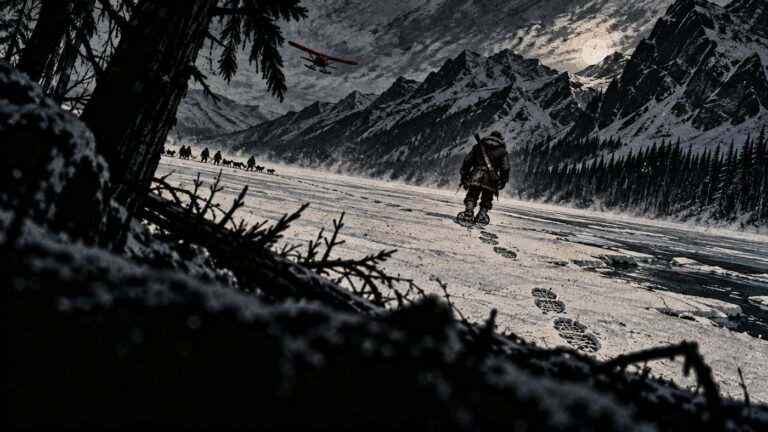
On Easter Sunday 1967, a 61-year-old American walked down a gravel road in the hills of Malaysia.
The date was March 26. The place was the Cameron Highlands, a cool, green hill area in the middle of the Malay Peninsula, much cooler than the lowlands below.
He was staying at a holiday cottage with friends. After lunch, he went out for a walk. His friends heard his footsteps crunch on the gravel as he went.
That is one of the last ordinary details anyone can give about him. A sound on a gravel road, fading away. He was never seen again.
Not by his friends, who waited for him that evening. Not by the hundreds of people who would search for him. Not by anyone, in more than half a century since.
This was not some unknown traveller. He was rich and famous. And his disappearance would become one of the region’s most enduring mysteries. (MyMCMedia)
500 searchers. Not one shoe.

More than 500 people searched the jungle for him. Soldiers, police, local trackers, volunteers. Some of them knew those forests well. They did not find a body. Not a shoe. Not a scrap of clothing.
Think about how strange that is. When someone gets lost in a forest, searchers usually find something. A footprint. A dropped item. Broken branches where someone pushed through. Even in tragic cases, there is usually some trace of the person.
Here, there was nothing at all.
The jungle around the Cameron Highlands is thick and steep. It can hide a lot. But more than 500 people, many of them skilled, searched it for days, and came back with empty hands.
So who was this man, and how could he simply vanish?
To understand why the search was so big, and why so many people later suspected something darker than a lost hiker, you have to know who he was. (Wikipedia)
The Silk King, who had once been a spy

His name was Jim Thompson. He was the man who made Thai silk famous around the world. In Thailand and far beyond, people called him the Silk King.
During the war, he had been a spy.
That combination is what turned his disappearance into a legend. A rich, famous businessman walks into the jungle and vanishes. That alone would be a big story. But a rich, famous businessman who used to work in intelligence? That invites a very different set of questions.
Was he lost? Was he taken? Did he leave on purpose? People have argued about those questions for more than fifty years. Writers, investigators, filmmakers and researchers have all offered answers. None has been proven.
To see how he ended up on that gravel road in 1967, we have to go back to where his story really began.
This is the story of the Silk King who walked into the jungle and vanished. (History News Network)
He came to Bangkok as a spy, and stayed
Jim Thompson was born in Greenville, Delaware, in the United States, on March 21, 1906.
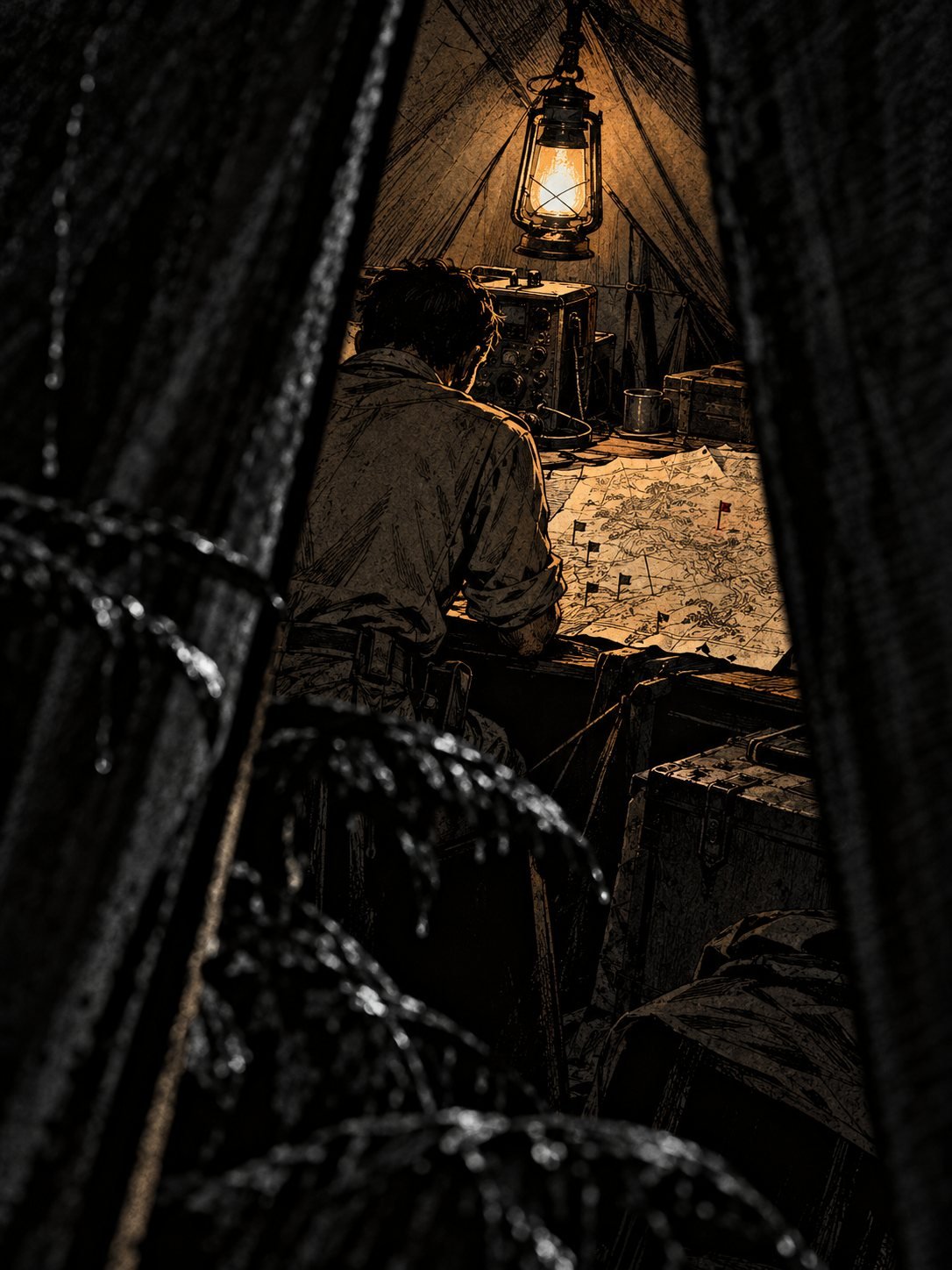
During World War II, he served in the OSS, the Office of Strategic Services. It was the American spy agency that came before the CIA. He was a decorated operative.
When the war ended, he went to Bangkok, the capital of Thailand. He never really went home.
For many Americans who served in Asia during the war, the posting was temporary. They did their job and went back to the United States. Thompson did not. Something about Bangkok held him.
He stayed, and built a new life there. But that past, the war years and the spy work, never quite left him. Long after he became a businessman, people would wonder whether he had truly left the intelligence world behind.
That question would follow him all the way to the Cameron Highlands. (History News Network)
He saved a dying craft and got rich doing it
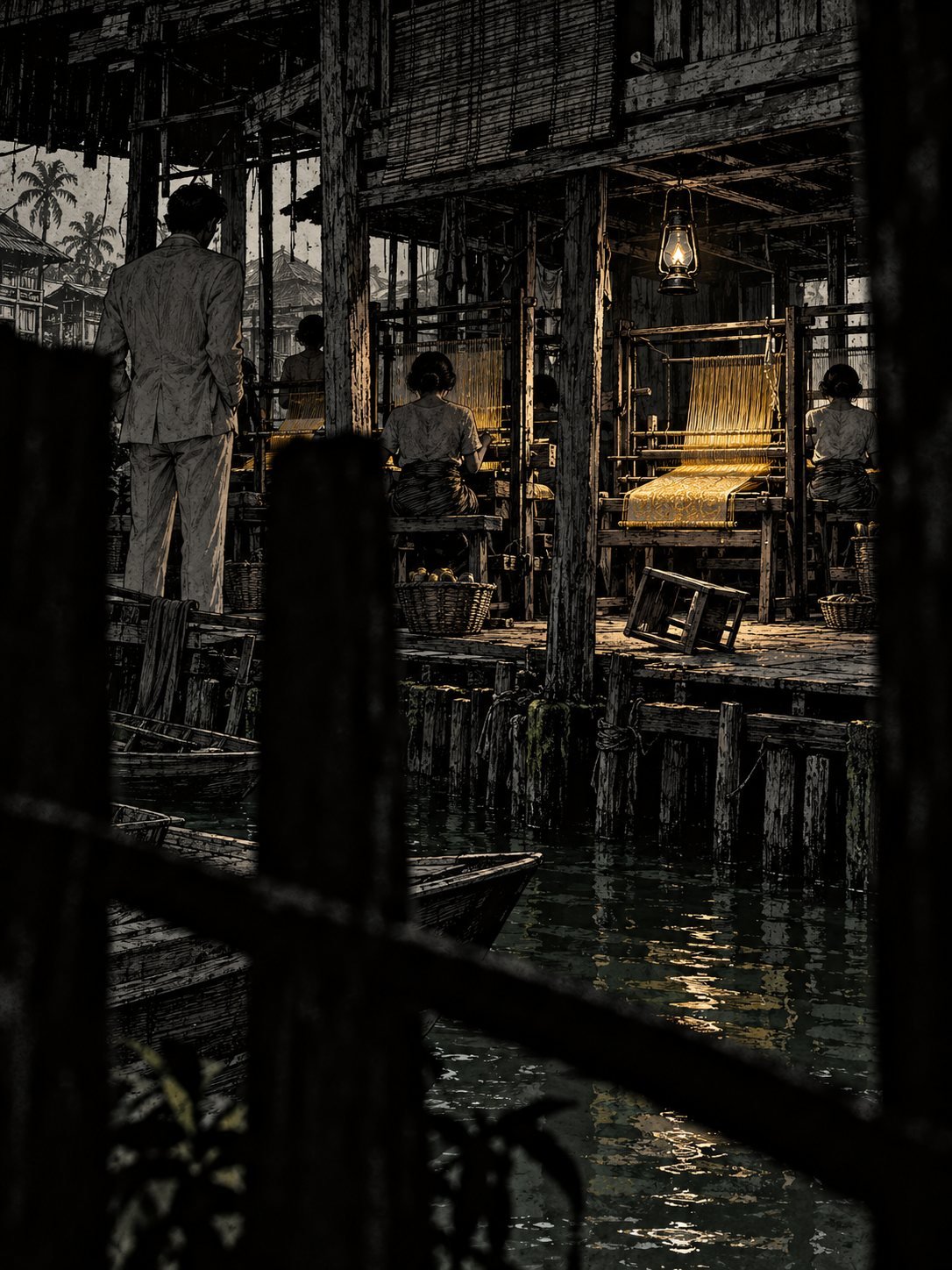
Hand-woven Thai silk was dying out.
Silk is a fine, shiny fabric made from the threads that silkworms spin. In Thailand, it had been woven by hand for generations. But by the time Thompson arrived, the old craft was fading.
Thompson found the weavers who still knew how to make it.
In 1948, he started the Thai Silk Company.
Over the following years, he helped revive the Thai silk industry. By the 1950s and 1960s, his name was tied to the whole revival. A craft that had been fading now had buyers, and the people who practised it had a reason to keep going. That is what his nickname, the Silk King, really refers to. The weavers had work. Their craft had a future.
And Jim Thompson had a business that would make him rich, and make his name known around the world. (History News Network)
From Bangkok looms to Broadway costumes

His silk caught on in the West.
It was used for costumes in the Broadway musical The King and I. Broadway is the famous theatre district of New York, and The King and I is a musical set in the royal court of Siam, the old name for Thailand.
It was a perfect showcase. A story set in Thailand, dressed in real Thai silk, on Broadway. Hollywood came calling.
Suddenly, a fabric that had been fading away in Bangkok was being seen by audiences on the other side of the world.
For Thompson, it meant fame as well as fortune. He was no longer just an American who had stayed on after the war. He was the Silk King.
But the brighter his name shone, the more people noticed him. And not all of them were customers. (Free Malaysia Today)
A famous house, and rumours that would not go away

He became rich and famous. His teak house in Bangkok, filled with antiques, was a stop for diplomats, writers and celebrities. Teak is a strong, dark tropical wood used in traditional Thai houses.
His home became a meeting place. Visitors from around the world came through it. Important people. Well-connected people.
For a former intelligence officer, that kind of guest list made people talk. There were rumours that he never fully cut his ties to American intelligence.
Were they true? No one has proven it. But the rumours mattered, because they shaped how people would later see his disappearance. A businessman who vanishes might be lost. A businessman with possible links to the spy world might have been taken.
By the 1960s, Southeast Asia was full of political tension. The Vietnam War was being fought nearby. A man with Thompson’s past and Thompson’s contacts could easily attract attention.
In March 1967, he took a short holiday. (History News Network)
A holiday cottage called Moonlight

In March 1967, Thompson travelled to the Cameron Highlands in Malaysia with his friend Connie Mangskau.
Connie Mangskau was a longtime acquaintance. Before heading to the highlands, the two had spent a day in Penang, an island off Malaysia’s west coast. On Friday, March 24, they went up into the hills.
They stayed at Moonlight Cottage, the holiday home of Dr. T.G. Ling and his wife, Helen. Dr. Ling was a Singaporean chemist. Helen Ling was American-born.
The Cameron Highlands is a hill area, much cooler than the lowlands. There are tea plantations, small towns and holiday bungalows, surrounded by thick tropical jungle.
It should have been a quiet Easter weekend. Four friends. A cottage in the hills. Church on Sunday.
Instead, the weekend would end with one of the most famous disappearances in Asian history. And there was already a warning sign on the very first full day. (Wikipedia)
The day before, he got lost in the same jungle

On Saturday, Thompson and his host went for a hike. They got lost in the jungle for about four hours.
Four hours is a long time to be lost. It shows how easy it is to lose your way in that terrain, even for grown men out on a simple walk. The paths twist. The trees close in. Everything starts to look the same.
They made it back. At the time, it was probably just a story to tell over dinner. A wrong turn, a long afternoon, a safe return.
But looking back, this detail is important. It shows that the jungle around the cottage could swallow even experienced adults for hours. It supports the idea that Thompson might later have simply got lost.
It also raises a question. Having just been lost there the day before, would he really walk into that jungle alone again the next afternoon?
People have been arguing about that ever since. (MyMCMedia)
Easter morning: church, then a picnic

On Easter Sunday morning, they went to church, then had a picnic. All four got up early for the morning service at All Souls’ Church.
While the others got ready, Thompson said he would walk ahead. He walked down the road from the cottage, about 2 kilometres, to the main road. He was alone for about 20 minutes. Then he met the others and they drove to church together.
The Easter service lasted more than an hour and ended at noon. It was an ordinary holiday morning.
There is nothing strange in any of this. A walk, a church service, a meal with friends. If you were looking for warning signs, you would not find any here.
That is part of what makes the case so hard. Nothing about the morning suggested a man who was afraid, or planning to leave, or expecting trouble.
Then, in the early afternoon, he went out again. (MyMCMedia)
He waved goodbye and walked down the only road

After lunch, Thompson went out for a walk.
Helen Ling and Connie Mangskau saw him leave down the only road out of the property. He waved goodbye.
The road was the bungalow’s only access road. Anyone leaving the cottage by car or on foot would go that way. So the two women watched him walk off down the same route he had taken that morning.
Accounts differ on the exact time he left. Some give a specific time in the early afternoon. Here, we simply say after lunch.
To the women on the veranda, it must have looked like nothing at all. A friend going for a stroll after a meal, on a holiday weekend, on a road he already knew.
He waved. It is the last moment anyone close to him saw him. What happened after that wave has never been explained. (Wikipedia)
At 4 p.m., a cook saw him pass a chalet

At around 4 p.m., a cook at a nearby mission bungalow reportedly saw him near a chalet.
The bungalow belonged to a Lutheran mission, a Christian church group. A chalet is a small holiday house.
He did not stop. He did not come in. It was the last time anyone said they saw him.
That sighting gives the case one more piece of its timeline. He had left the cottage after lunch. Later that afternoon, he was reportedly still in the area. He was walking, and he did not stay.
But it raises as many questions as it answers. Where was he going? Was he heading back? Was he meeting someone? Was he lost already? Nobody knows.
The cook’s account is the last reported glimpse of Jim Thompson. After 4 p.m. on Easter Sunday 1967, there is nothing. No more sightings, no more footsteps, no more clues. (Wikipedia)
By evening, he still had not come back
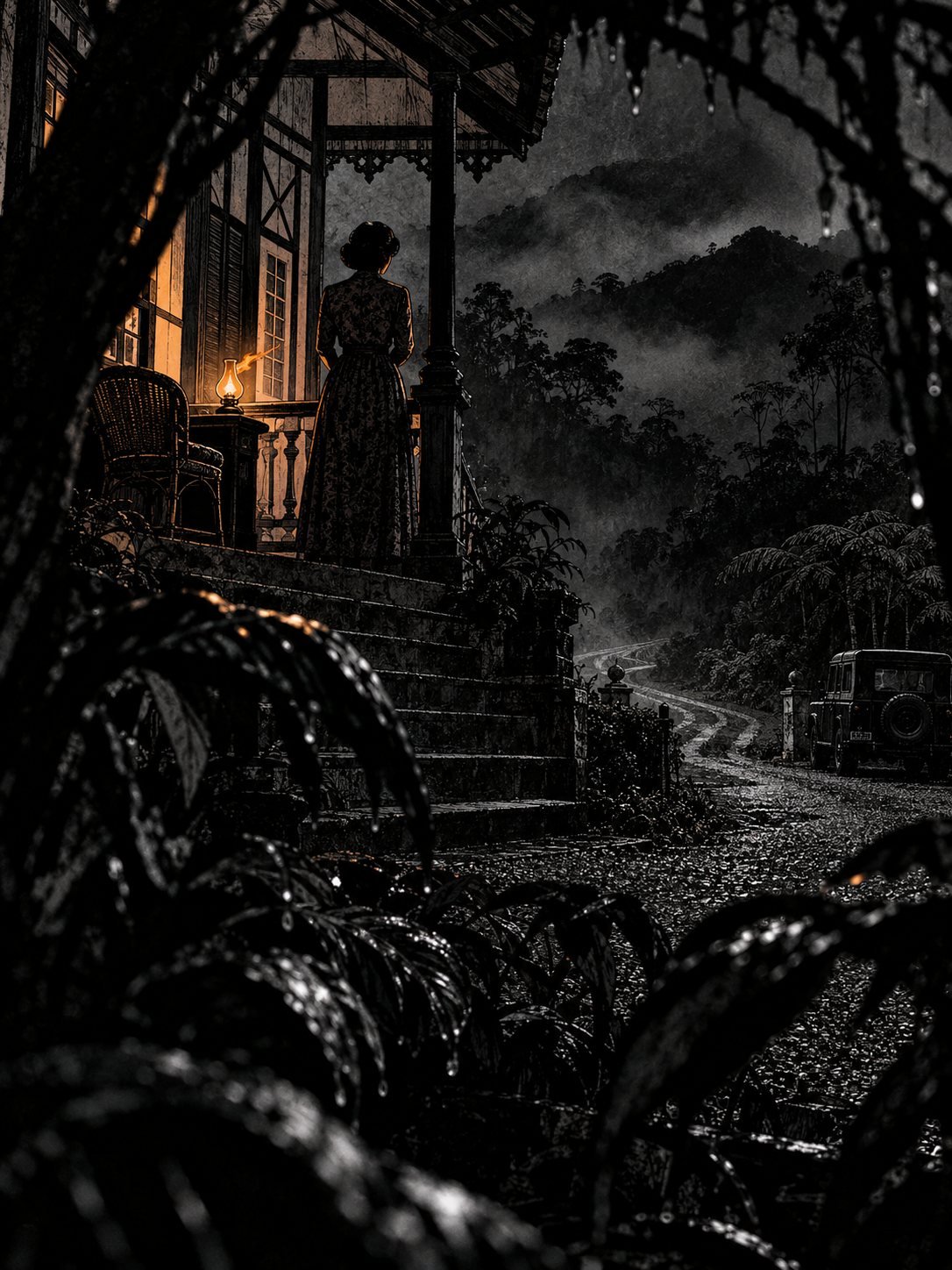
By evening he had not come back. He did not return to the cottage before 6 p.m.
At first, it might have seemed like nothing. Maybe he had walked further than planned. Maybe he had stopped to talk to someone. Maybe he had taken a wrong turn, like the day before.
But the hours passed. Night falls fast in the mountains.
In the Cameron Highlands, close to the equator, darkness comes quickly once the sun goes down. A walker caught out after dark in thick jungle would struggle to find any path at all.
His friends waited. He did not come. Soon, the waiting turned into worry, and the worry turned into an alarm. Police were told. A man was missing in the hills.
And not just any man. The Silk King of Bangkok had walked down the road after lunch and not returned. The search that followed would be one of the biggest Malaysia had ever seen.
The army, Gurkhas, trackers, and eleven days

The search was enormous.
The army, police, Gurkha soldiers and Orang Asli trackers combed the hills. Gurkhas are soldiers from Nepal, famous for their toughness. The Orang Asli are the Indigenous peoples of the Malay Peninsula, who know the forests intimately.
They were joined by many others. Reward hunters, tourists, local residents, scouts, missionaries, American school students, and British servicemen recovering at the resort.
The official search lasted eleven days. People kept searching on and off for months afterwards.
A later analysis, from 2015, called it the “biggest land search in Malaysian history.” But it also found errors in how the search was run. It estimated the search covered about 1,448 person-days. That is like one person searching every day for almost four years.
Even so, not all of the target area was covered. No clues were found. (Wikipedia)
The dogs found no trail. Not one.

Tracker dogs were brought in. Three bloodhound-type dogs were used. These are dogs with an extraordinary sense of smell, trained to follow a person’s scent along the ground.
They searched from the cottage. They found no scent trail down the road. None into the jungle either.
That result was strange. Thompson had walked down that road just hours earlier. If he had walked off into the forest, the dogs should have picked up his trail. If he had walked along the road, they should have followed it.
They found nothing. To some investigators, it looked as if he had got into a car. If he had been picked up, by friends, by strangers, or by force, his scent would simply stop at the spot where he climbed in.
Police reached that conclusion early on. But one later analysis called the dog evidence “not conclusive.” Dogs can miss a trail for many reasons.
Still, it was the first hint that this might not be a simple case of a lost walker. (Wikipedia)
Psychics came. Still no body, no note, no ransom.
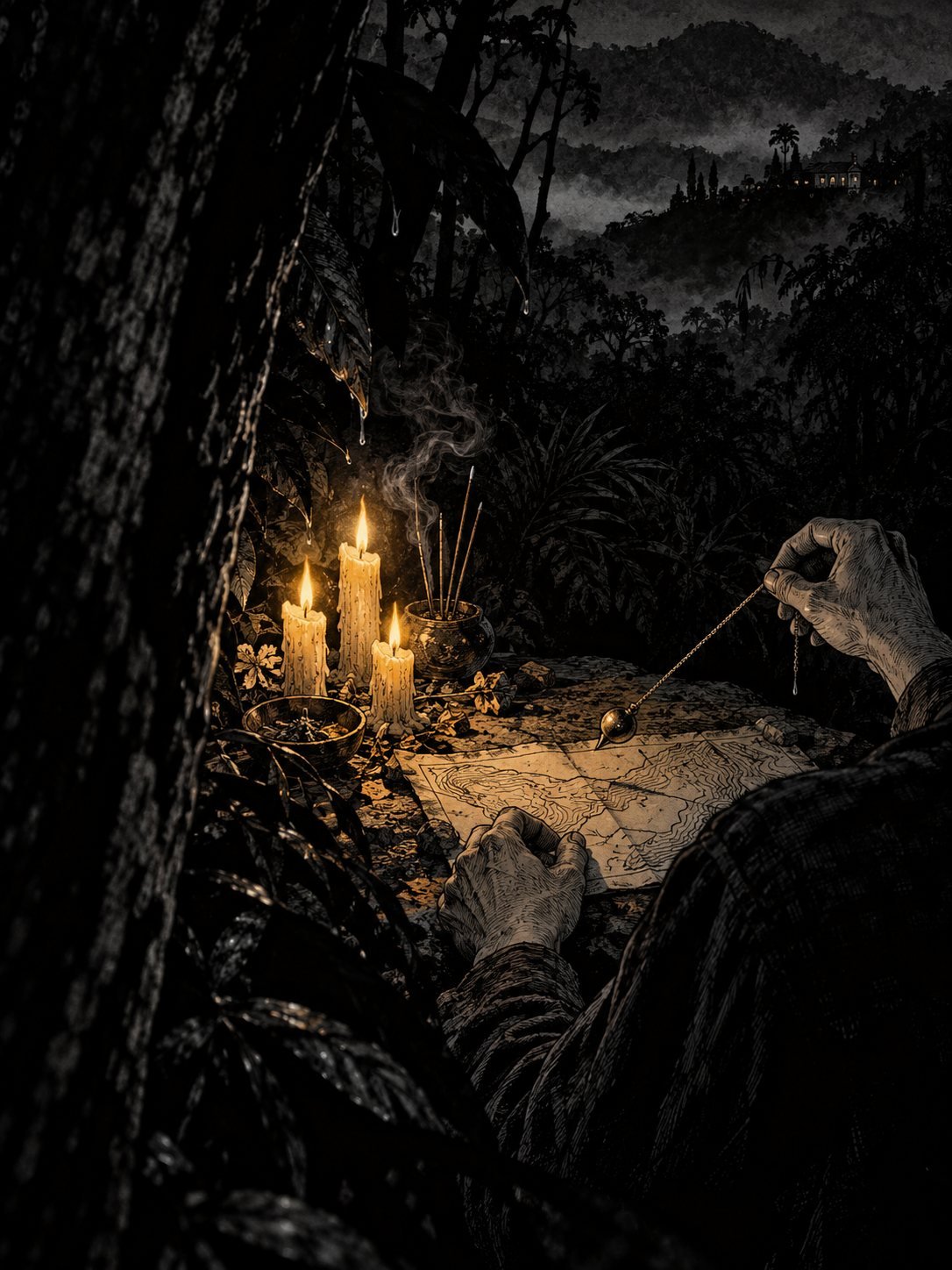
Even mystics and psychics joined the search. When the normal methods fail, people try anything. Mystics and medicine men came to the hills, offering their own ways of finding him. None of them did.
There was no body. No note. No ransom demand. Each of those absences tells you something.
No body meant there was no proof that he had died. No note meant there was no sign that he had planned to leave.
No ransom demand meant that if he had been kidnapped, nobody ever asked for money.
Newspapers at the time floated many theories. Kidnapping, but there was no ransom note. Murder, but there was no body. Secret work linked to the Vietnam War, but there was no evidence. Business rivals, but again, no evidence.
Every theory ran into the same wall. There was nothing solid to build on. So people began to look at the most basic explanation of all. (Wikipedia)
A ravine, or a tiger, and not one trace
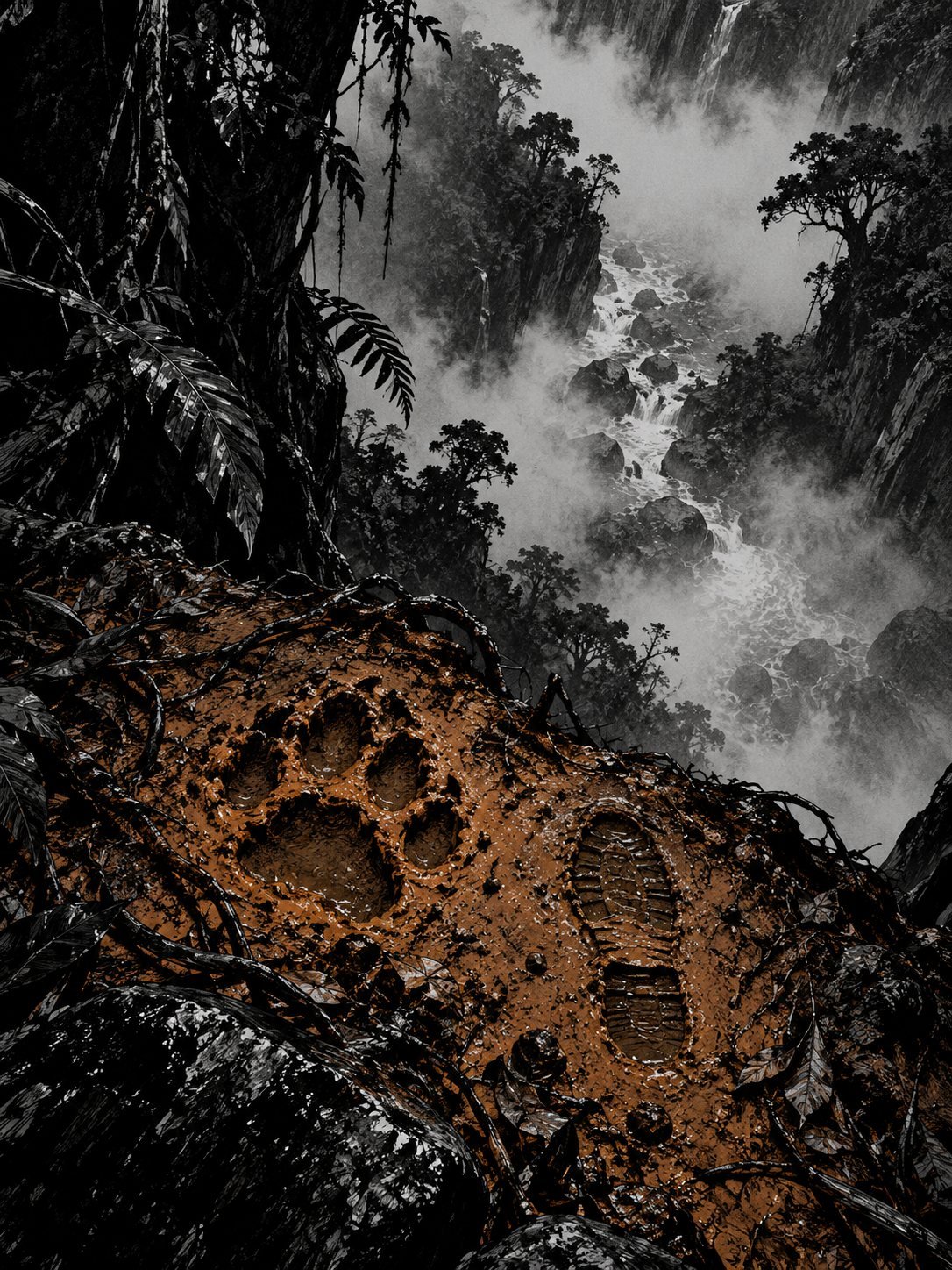
Maybe he got lost and fell into a ravine.
A ravine is a deep, narrow gap in the land, often with steep sides. The Cameron Highlands are full of steep slopes and hidden drops. A walker who slipped could fall where no one would ever see him from a path.
Maybe a tiger, which still roamed those hills, found him.
Tigers did live in the forests of Malaysia at the time. But searchers found no trace of either.
A 2015 analysis of the search took the “lost in the jungle” idea seriously. It estimated the search had well under a 50 percent chance of finding him, even if he was there. It said his remains could be spread over a wide area, and concluded it was probable that they are still in the Cameron Highlands. It even recommended a new search with cadaver dogs, which are trained to find human remains.
So the simplest answer is still possible. But it has never been proven. (Free Malaysia Today)
A truck on the road, and bones in a grave

One researcher thought a truck may have hit him on the road, and the driver hid the body.
It is a simple and plausible idea. A man walking on a narrow hill road. A vehicle coming around a bend. A panicked driver who decides to hide what happened.
It could also fit with the dogs finding no trail into the jungle. Years later, bone fragments were found in a grave in the hills.
In 1985, bones were found in a grave at the edge of a vegetable plot in Brinchang, a town in the Cameron Highlands. There was no skull. Police collected them. They were never shown to be his.
A researcher, Philip J. Rivers, later spoke about the bones at a lecture in 2010. He said they were “presently kept in a safe and secure place.” But to this day, there has been no confirmation that they belong to Jim Thompson.
So even a grave did not end the mystery. (Wikipedia)
A deathbed confession pointed to communist rebels

Others believed he was taken. Remember who Thompson was: a former spy, rumoured to keep ties to American intelligence, with contacts across Asia. Plenty of people had a reason to take an interest in him.
In 2017, a documentary called Who Killed Jim Thompson claimed communist guerrillas had killed him after he tried to meet their leader. Its producer was Barry Broman, a former photographer, US Marine and diplomat.
The film said rebels from the Communist Party of Malaya grew suspicious after he arrived in the jungle and asked to meet the party’s secretary general.
The claim rested on second-hand accounts, including a reported deathbed confession. A second source was said to match it. Much of it came from relatives of people allegedly involved.
Even Broman admitted, “I still have questions.” It has never been proven.
Others have argued the opposite: that he chose to disappear. No one has ever produced solid evidence that he was alive after that Sunday. (South China Morning Post)
Months later, his sister was murdered at home
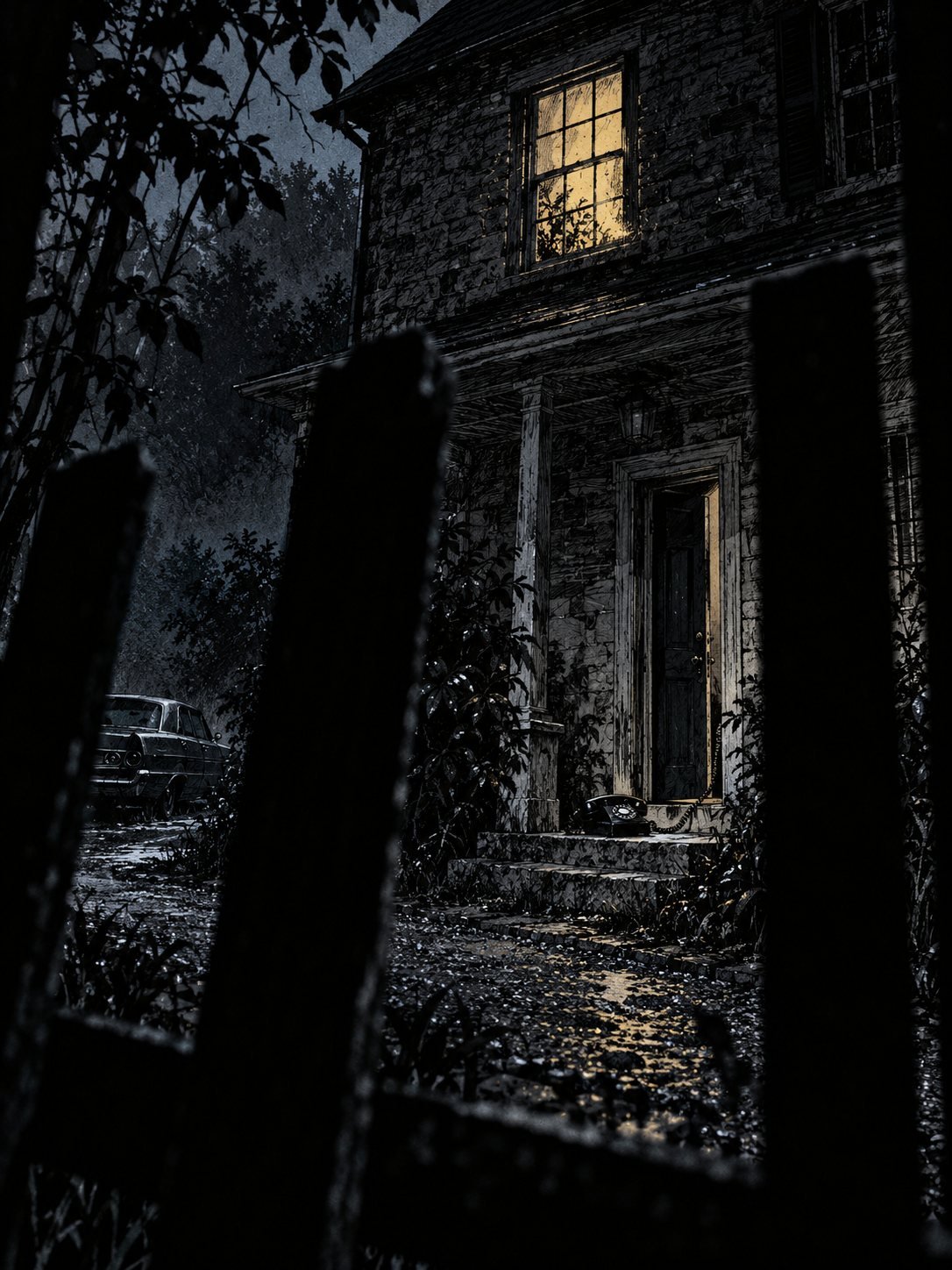
A few months later, on the other side of the world, his sister was murdered in her home in Pennsylvania.
It happened in Chester County, a mostly rural area west of Philadelphia, in the eastern United States. That case was never solved either.
Think about how that looks. A man vanishes without a trace in the jungles of Malaysia. Within months, his sister is killed in her own home in America. Two members of one family, two unsolved cases, within months of each other.
It is the kind of coincidence that makes people suspect a hidden link. Was someone sending a message? Did she know something about her brother’s disappearance?
But that is all it has ever been: suspicion. No link between the two has ever been proven. A 2015 analysis also found no provable connection.
It may be a terrible coincidence. It may be something more. Nobody has been able to say. (Wikipedia)
The cottage still stands. So does the road.

Jim Thompson was never found. The cottage still stands, known today as the Jim Thompson cottage. So does the road he walked down.
More than half a century has passed. The question at the heart of the case is still the same: lost, taken, or gone by choice?
If he was lost, his remains may still be somewhere in those hills, missed by more than 500 searchers.
If he was taken, then someone knew the truth and never told it. Or told it only on their deathbed, to people who could not prove it. If he left on purpose, he never surfaced again.
There are questions that still have no answer. Did he get into a car that afternoon? Why did the dogs find no scent? And was his sister’s murder only a coincidence?
He waved goodbye and walked down a gravel road. More than half a century later, no one can say where it led.
Case notes: lost, taken, or gone by choice?
More than half a century later, there are three main explanations for what happened on that gravel road. None has been proven.
He got lost or had an accident. The jungle is thick, the slopes are steep, and he had been lost there only the day before. A 2015 analysis of the search estimated it had well under a 50 percent chance of finding him, which means his remains could still be in those hills.
He was taken. The dogs found no scent trail, which led some investigators to think he left by car. His wartime spy work and his contacts across Asia gave plenty of people a reason to take an interest in him. The 2017 documentary claim about communist guerrillas fits this theory, but it rests on second-hand accounts.
He left on purpose. A few writers have argued he chose to disappear. No one has ever produced solid evidence that he was alive after that Sunday.
Three questions still unanswered: Did he get into a car that afternoon? Why did the dogs lose his scent? And is the murder of his sister months later only a coincidence?
Case file summary
- Case: Disappearance of Jim Thompson, 61, American founder of the Thai Silk Company
- Last seen: Easter Sunday, March 26, 1967, Cameron Highlands, Malaysia
- Search: More than 500 people; official search of 11 days
- Found: Nothing. No body, no clothing, no ransom note
- Related: His sister was murdered in Pennsylvania months later; no link has been proven
- Status: Unsolved
No real person has a recognizable face in these illustrations. Illustrations are artistic interpretations, not evidence. Accounts differ on the exact time he left the cottage, so it is described here only as after lunch. Theories about who may have been involved are reported claims, not established facts.
Sources
- Wikipedia: Disappearance of Jim Thompson
- History News Network: 40-year mystery of missing ‘Thai Silk King’ — and spy?
- South China Morning Post: Mystery of ‘silk king’ Jim Thompson’s disappearance finally solved, filmmakers claim
- Free Malaysia Today: Documentary links Jim Thompson’s disappearance in Camerons to CPM
- MyMCMedia: The most mysterious disappearance in Asia: solved? Nope