Sutton Hoo’s Sand Body: A Grave With No Bones, and Someone Underneath
Narrated Mystery: press play and hear the whole case read aloud, like a podcast episode, or an audiobook for a long drive (about 9 minutes). The narrator is an AI voice.
What the record shows
- What: a “sand body”, the ghost-like outline of a person preserved in sand after the bones dissolved, with beads, tweezers, a knife and a brooch
- When: found in the final week of a four-week dig in summer 2025; announced with Time Team’s series from 14 November 2026
- Where: Garden Field, an Anglo-Saxon cemetery near the royal burial mounds of Sutton Hoo
- Also found: evidence that a second person may have been buried in the same grave, beneath the first
Still uncertain
- Who the person was, and whether a man or a woman.
- Whether the two burials happened together or years apart.
- How the two people were related, if at all.
Garden Field, Suffolk, summer 2025. A shadow in the sand, a second trace beneath it, and the same sand that ate a king’s ship in 1939.

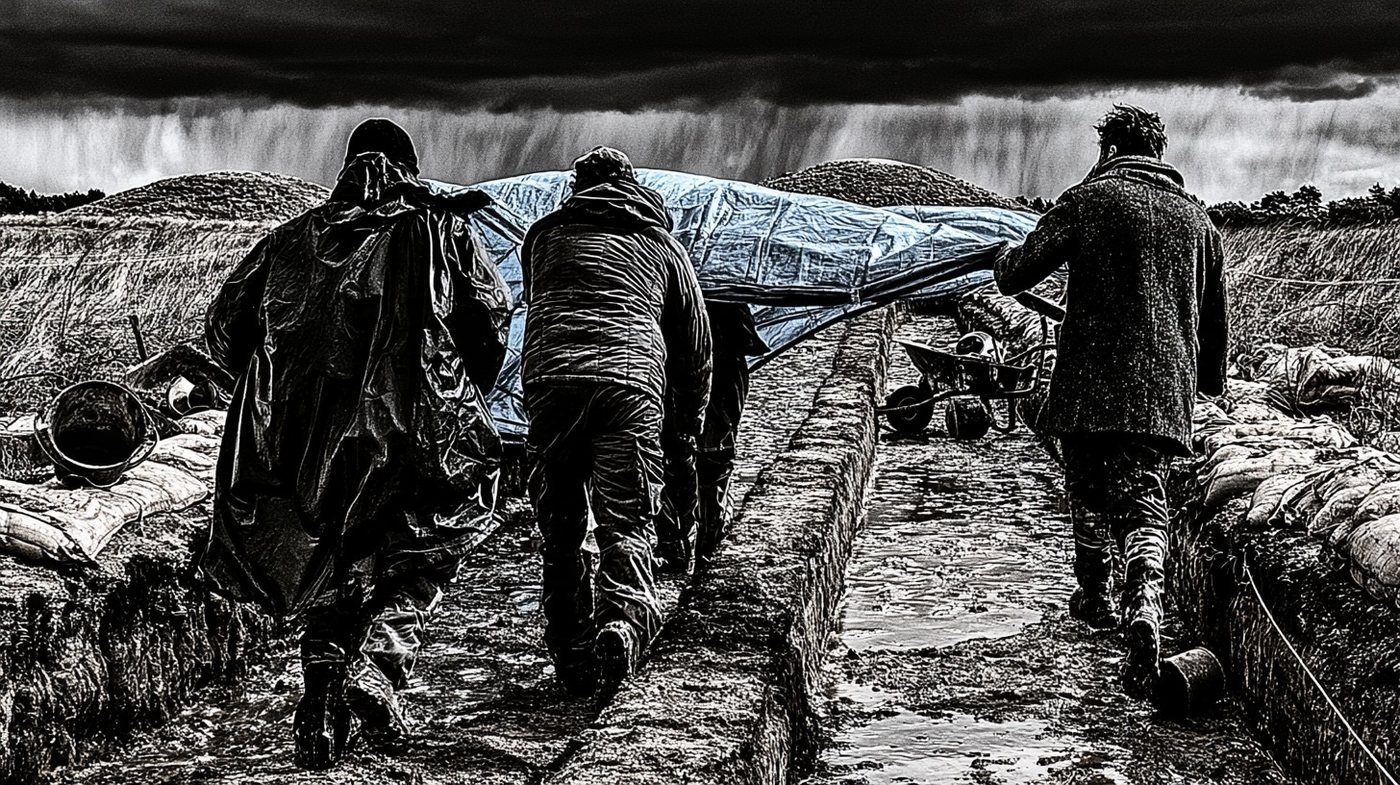
In the last week of a four-week dig in the summer of 2025, rain was coming in sideways across a Suffolk field, and the archaeologists were running out of time.
The field is called Garden Field. It sits a short walk from the most famous grave in England: the great ship burial of Sutton Hoo, where a king was laid out in a 27-metre ship under a mound of earth some fourteen hundred years ago.

Everyone comes to Sutton Hoo for the kings. This team had come for everyone else.
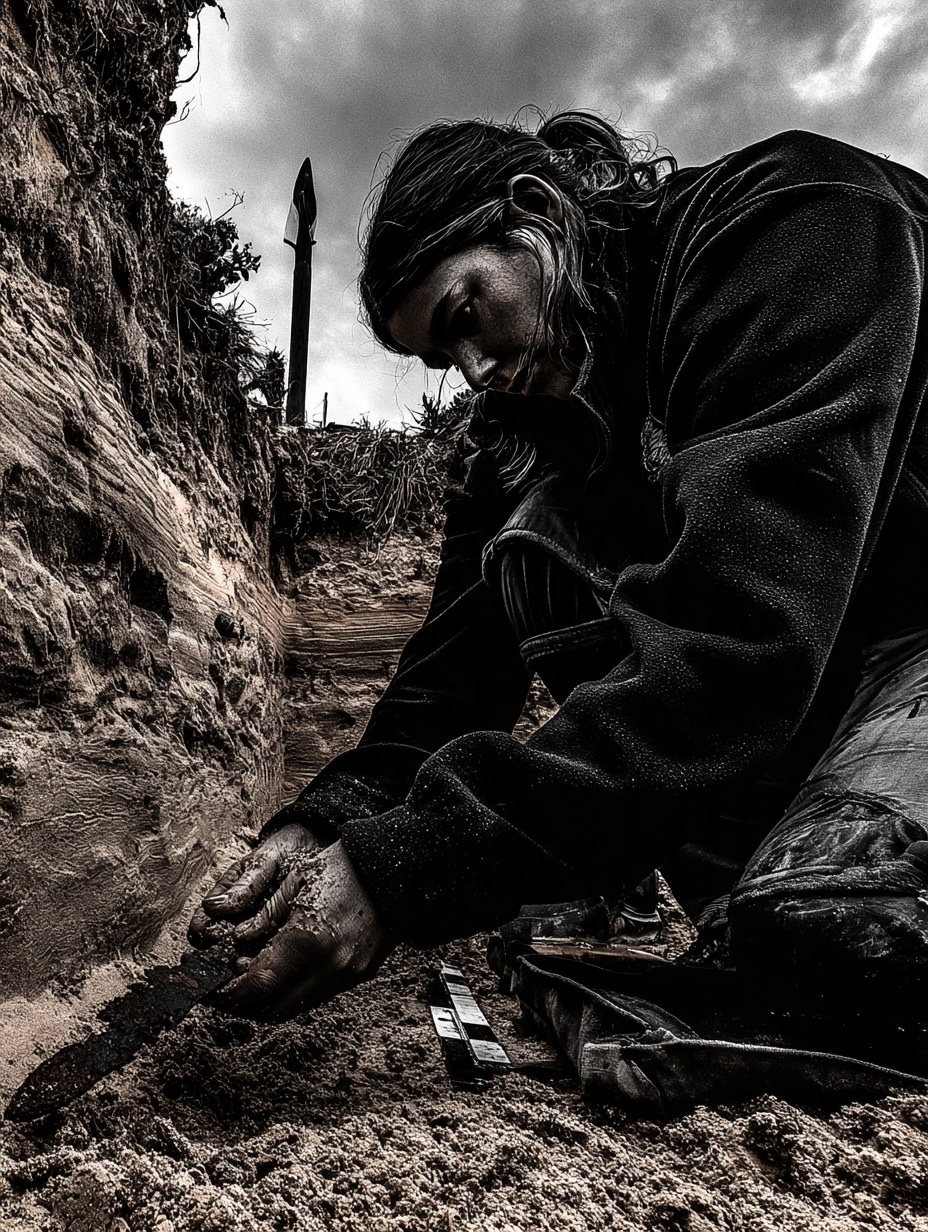
Then a brush moved across pale sand, and a line appeared.
A grave with no one in it

There was no skeleton. Not a tooth, not a finger bone.
What there was, was a shape. A darker stain in the sand, in the outline of a person. The National Trust calls it “a ghost-like shape preserved in the surrounding sand”, like a fossil of someone who is no longer there.

Archaeologists have a name for this. A sand body.
The soil at Sutton Hoo is acidic. Over the centuries it dissolves bone completely. What is left is the shadow the body pressed into the sand, a slightly harder, darker crust that can be brushed out, layer by layer, if you are patient and lucky.
And this shadow was not alone.

Around it lay the things this person had worn and carried. Beads. A pair of tweezers. A knife. A brooch.

The person had gone. The objects stayed exactly where they had been put.
That should have been the find of the season. It was not the strangest thing in the grave.
Then they looked underneath
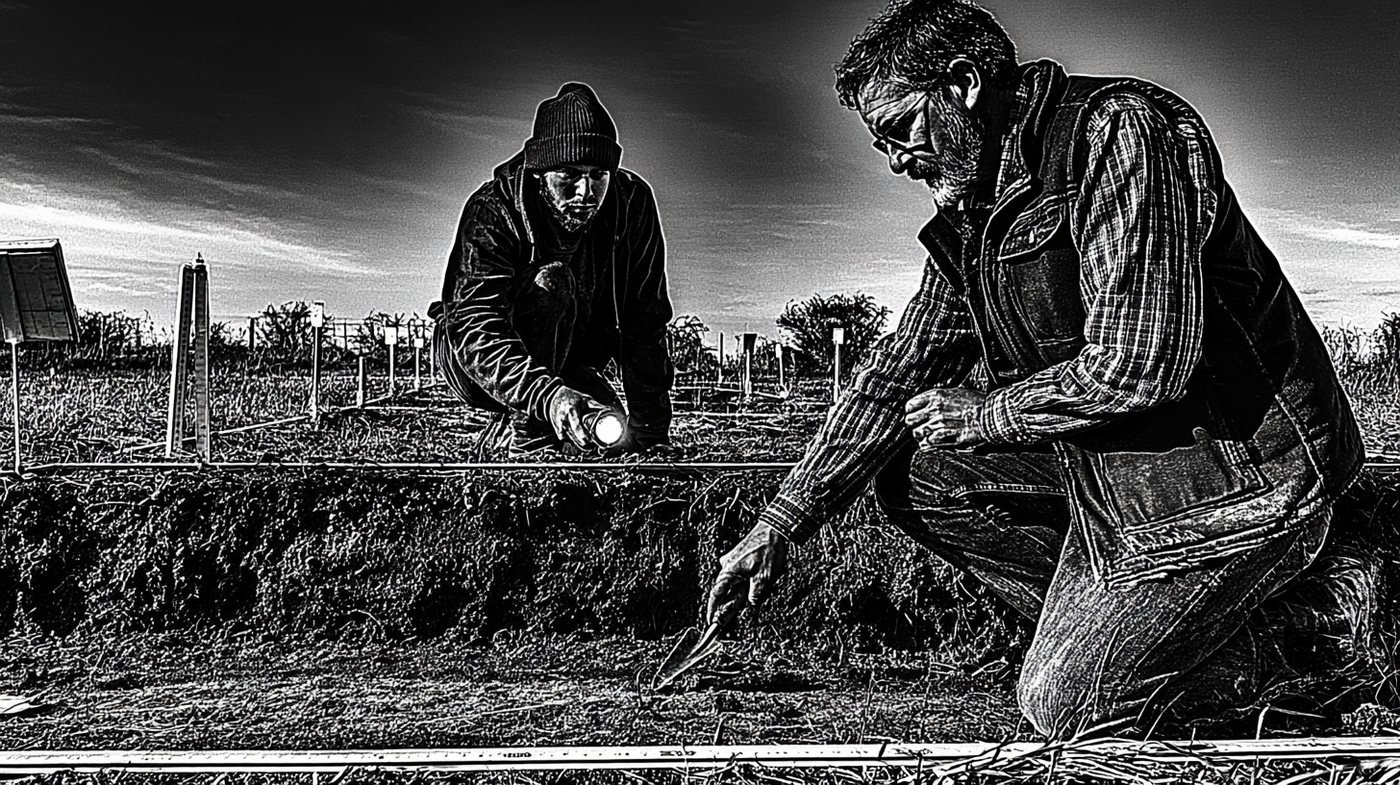
Below the burial, the team found something else. In the National Trust’s words, “evidence suggesting that another person may have been buried in the same grave.”
Two people, then. Perhaps.
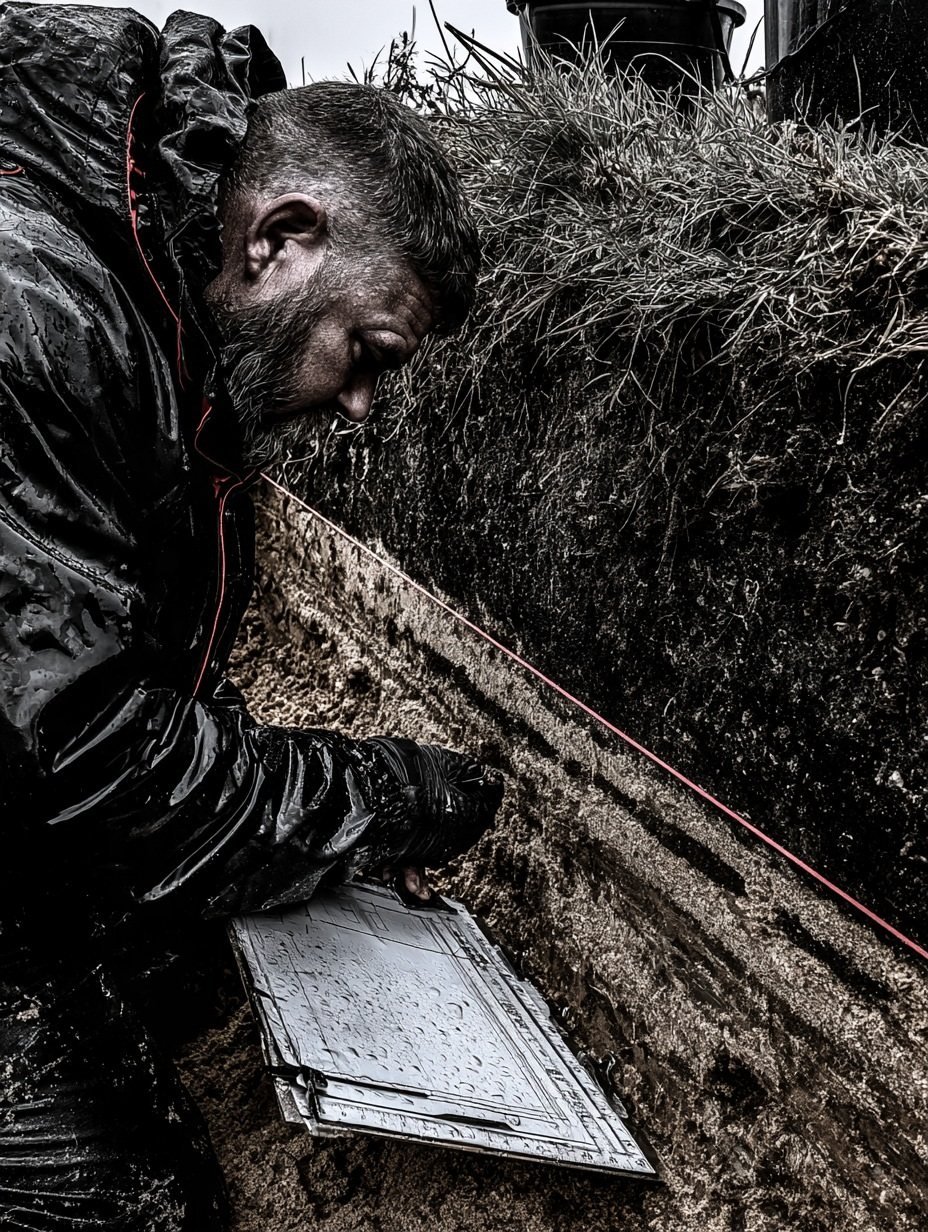
And that opens every question at once. Were they buried together, on the same day? Or did someone come back years later and dig down into an old grave on purpose? Were they family? Strangers? Did whoever made the second burial even know the first person was there?
Nobody can say yet. The National Trust has not claimed an answer, and neither have the excavators.
A documentary crew was filming as it happened. The first part of Time Team’s new four-part series on the dig went out on YouTube on Saturday 14 November 2026.

But to understand why a shadow in the sand is worth a television series, you have to go back to the summer of 1939, a few hundred metres away.
The ship that wasn’t there
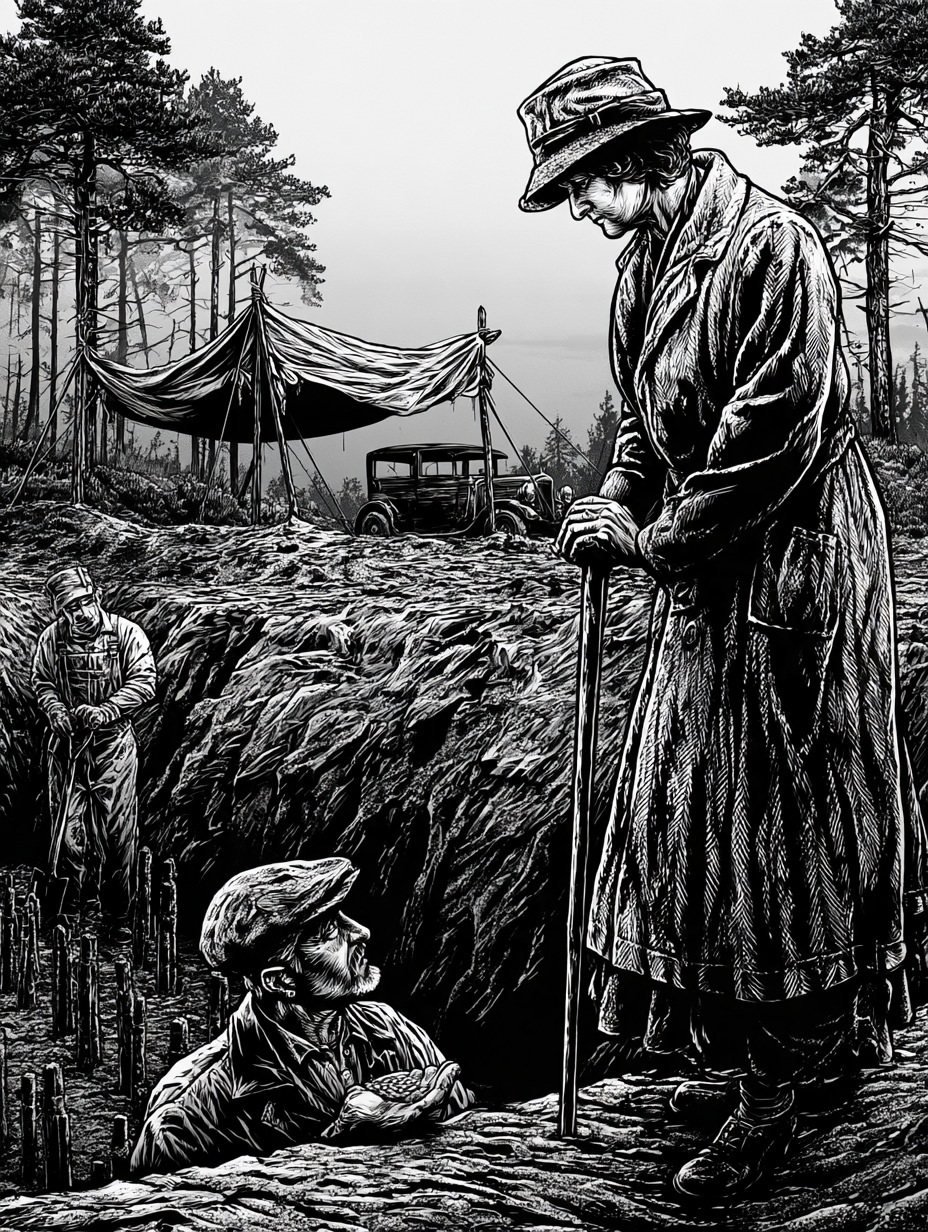
In 1939, a landowner named Edith Pretty asked a local excavator, Basil Brown, to open the largest of the mounds on her estate. By May he was in Mound 1. By June he had reached the burial chamber.
He found a ship. Except he didn’t.
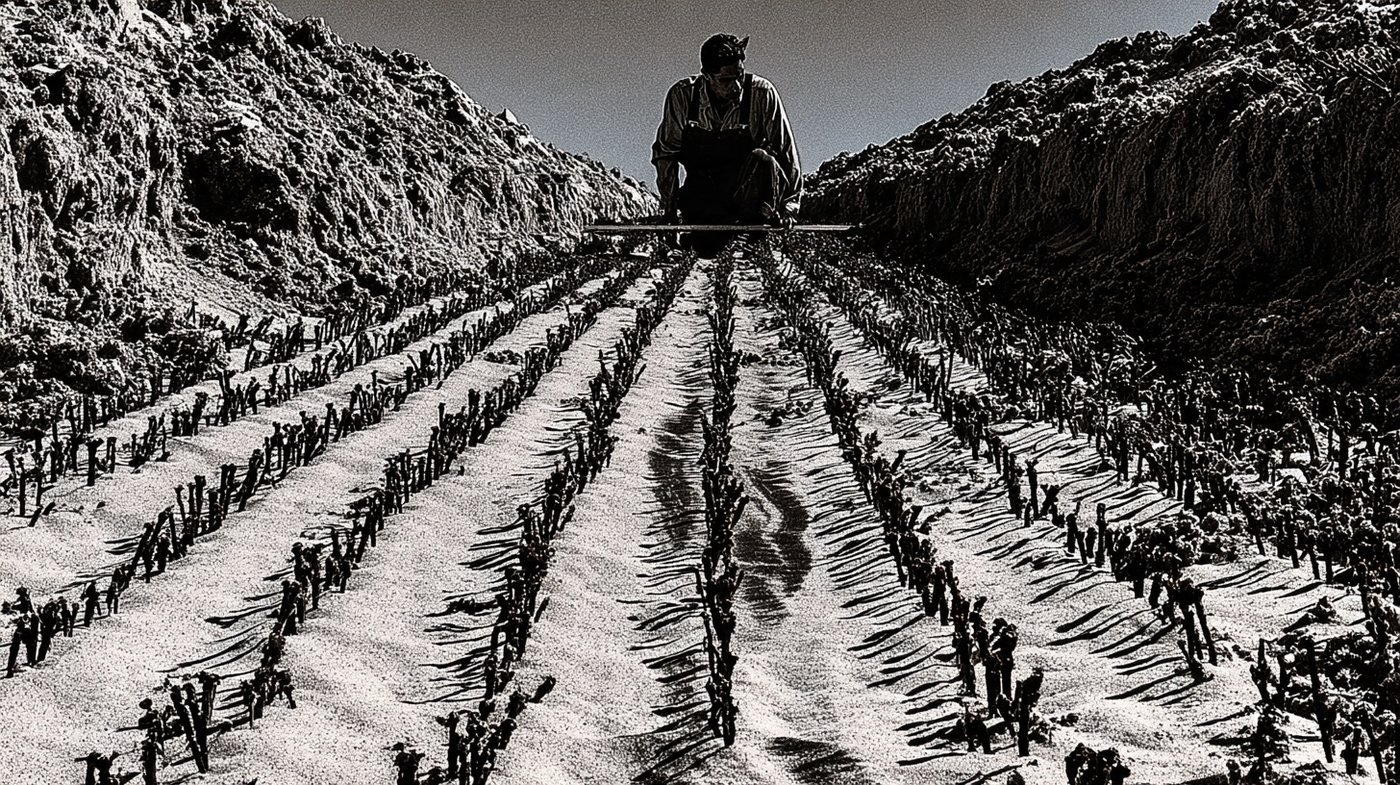
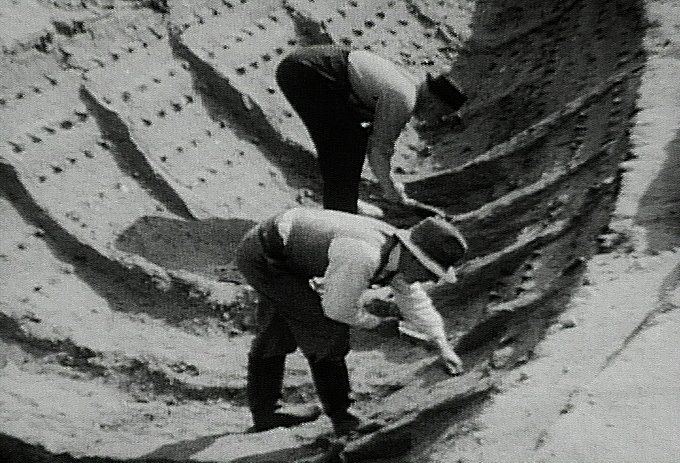
The wood was gone. All of it. What the diggers uncovered was a hollow in the sand more than 80 feet (27 metres) long, and in it, row after row of iron rivets still standing where the planks had been. The sand had kept the ship’s outline. The ship itself had dissolved.
It was the same trick as the Garden Field grave, on a royal scale.

Somewhere around fourteen hundred years ago, people hauled that ship up from the river, sank it into a trench, built a burial chamber in the middle of it and filled it with treasure.
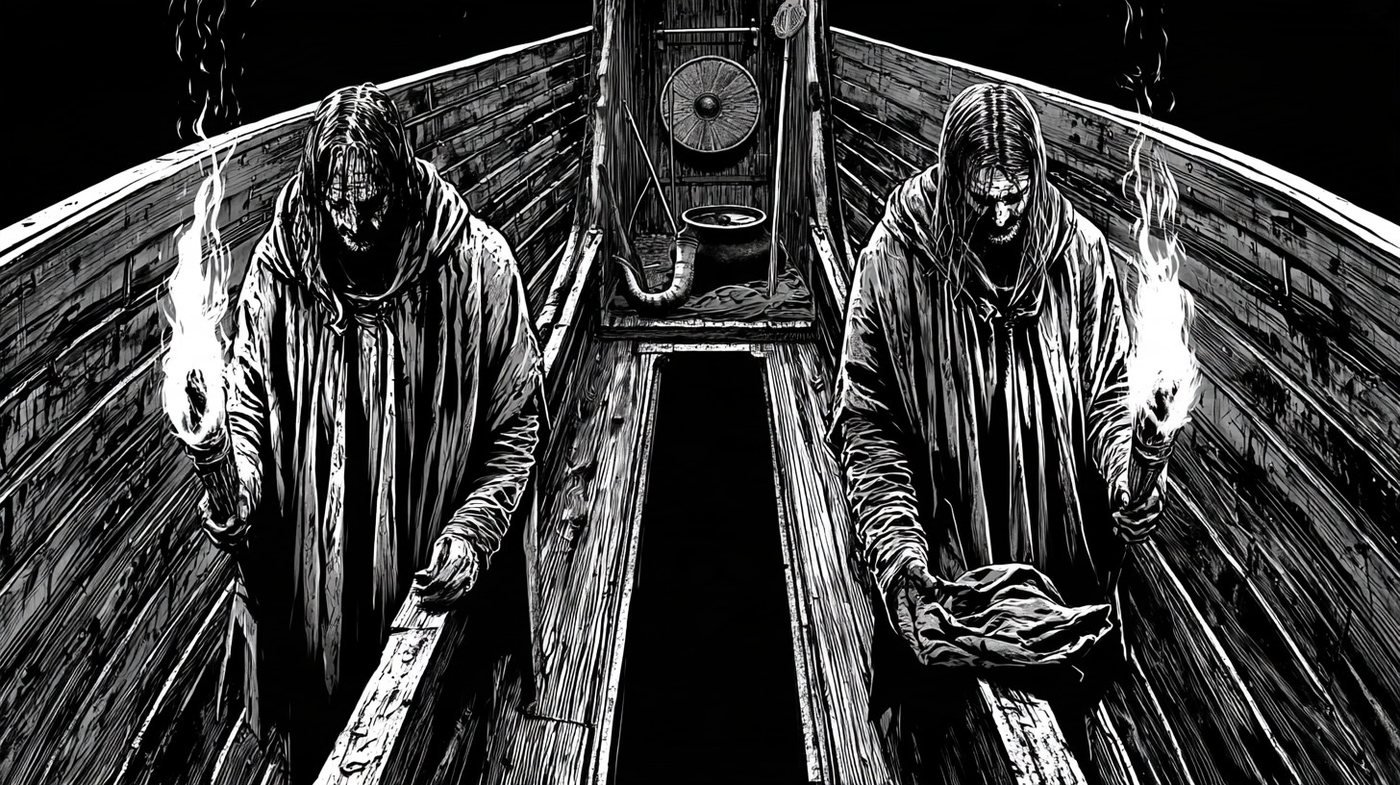
The leading candidate for the man inside is Rædwald, a king of the East Angles who died around 624. But that is a candidate, not a fact. Britannica notes that another king, Æthelhere, has also been proposed.
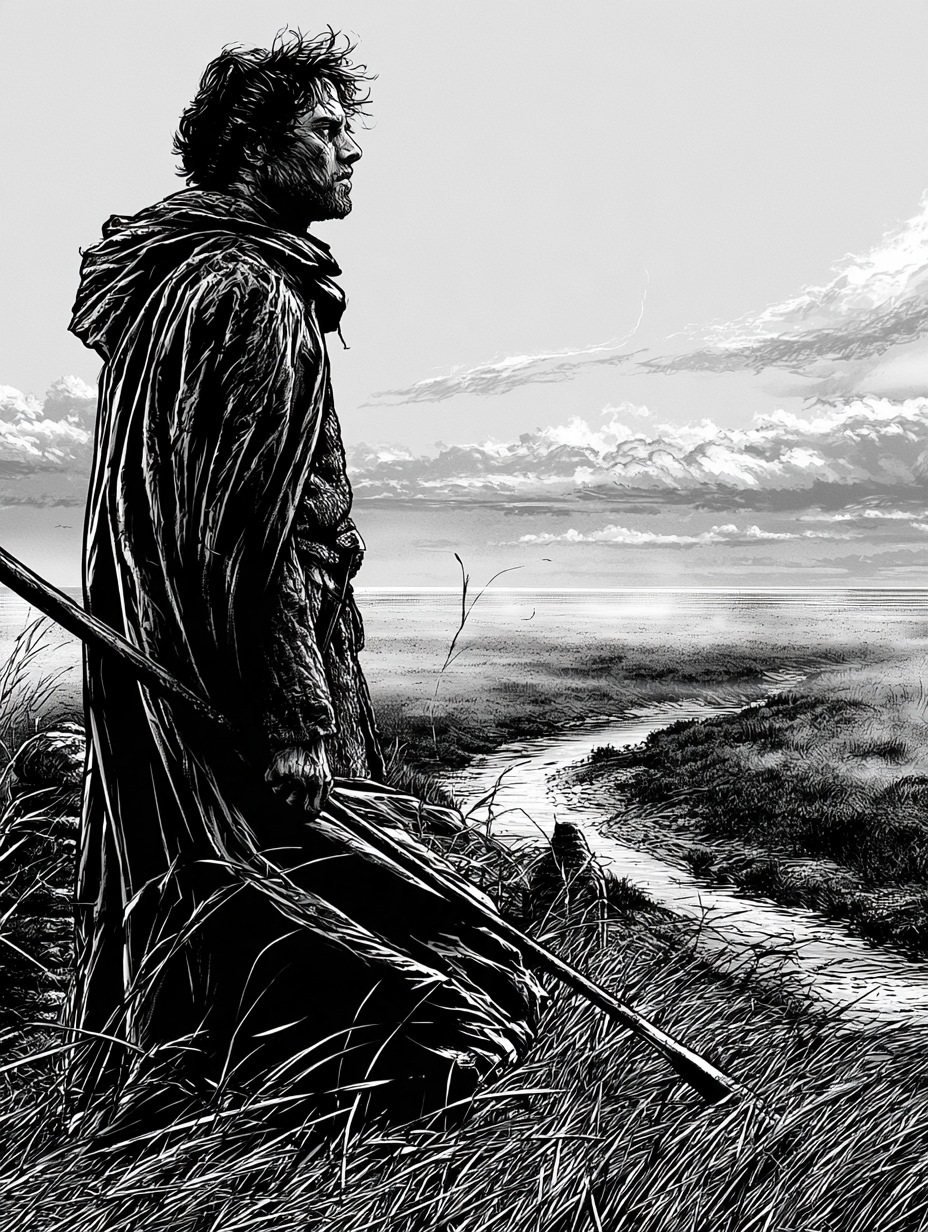
And here is the part that still unsettles people: no body was ever found in the ship either.
The body that was only chemistry
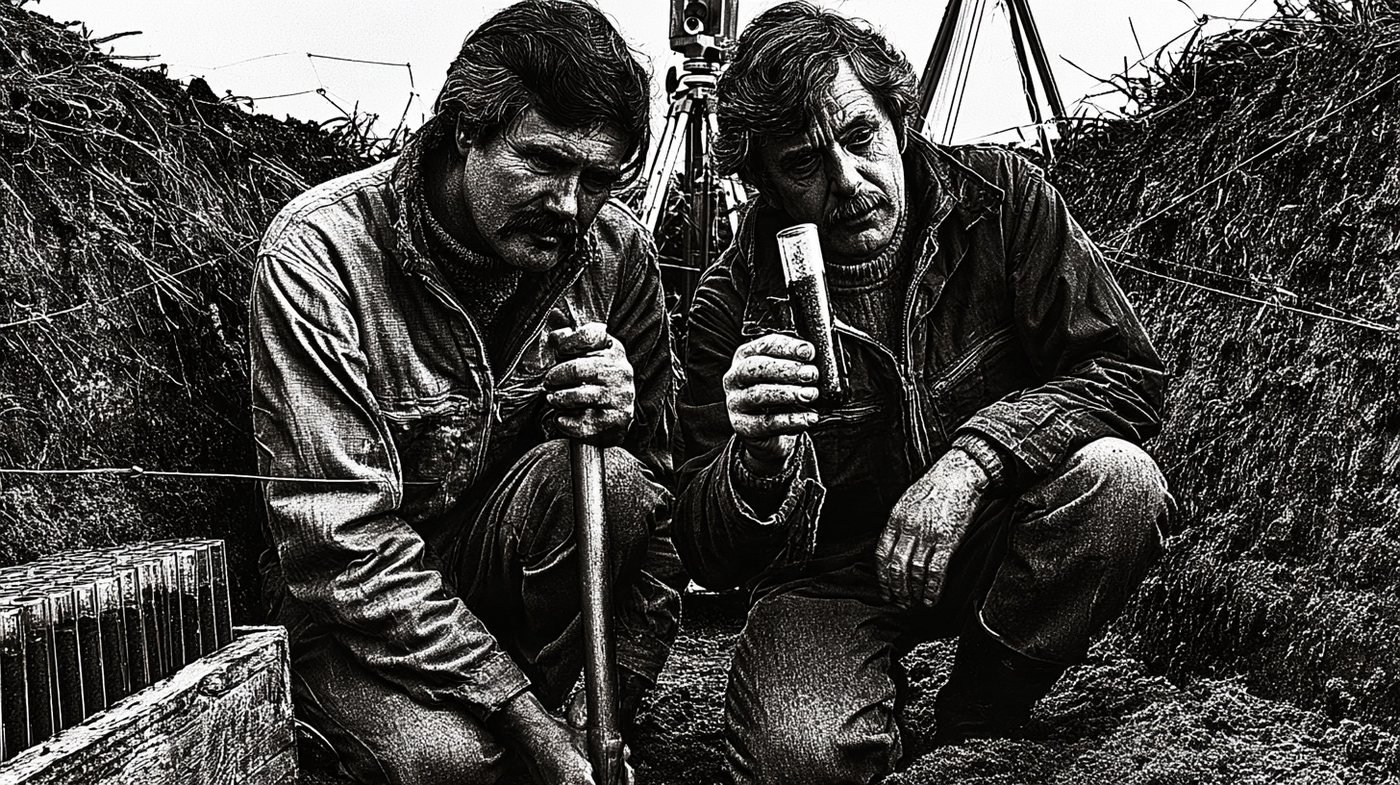
For decades, some wondered whether the ship had ever held a body at all. Maybe it was a memorial, a grave for a king who died somewhere else.
Between 1965 and 1971, researchers went back and tested the sand beneath the burial chamber. They found high levels of phosphate, the chemical trace a decaying body leaves behind.
So someone had been there. The ground had simply eaten him.

The helmet, the most famous object in the grave, came out of the ground as hundreds of rusted fragments. It was pieced together once in 1945 and 1946, then taken apart and rebuilt again in 1970 and 1971.
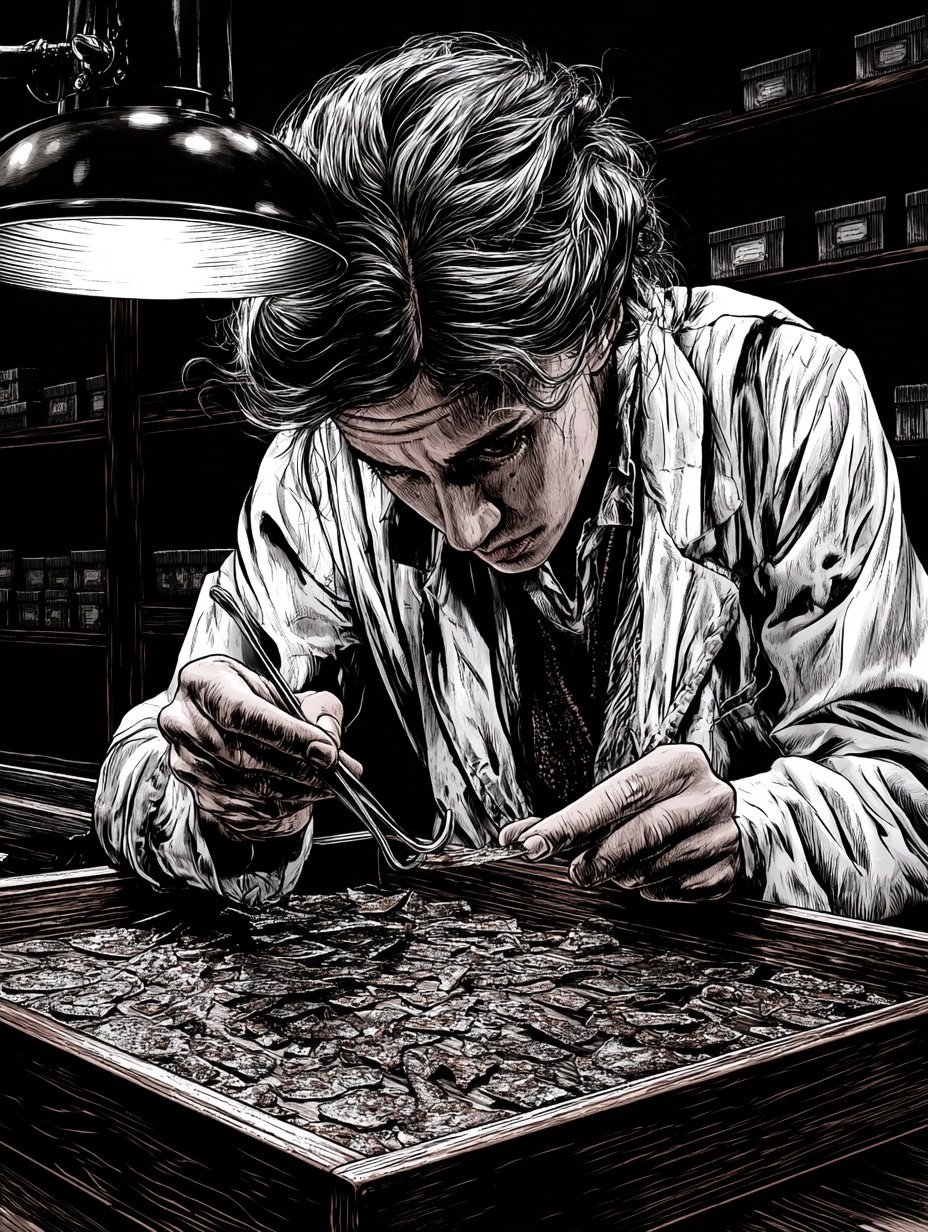

The face that stares out of every textbook is, quite literally, a reconstruction of a puzzle the soil had broken.
The shadows that died badly

In the 1980s, a team led by Martin Carver came back to Sutton Hoo and spent a decade looking beyond the great ship. They found a second ship burial, a warrior’s grave, and something nobody wanted to find: sand bodies.
Thirty-nine of them, according to the National Trust. And every one had died violently. Some had their legs tied. Some had broken necks. Some had been beheaded. Nearby post holes are thought to be the remains of a gallows.
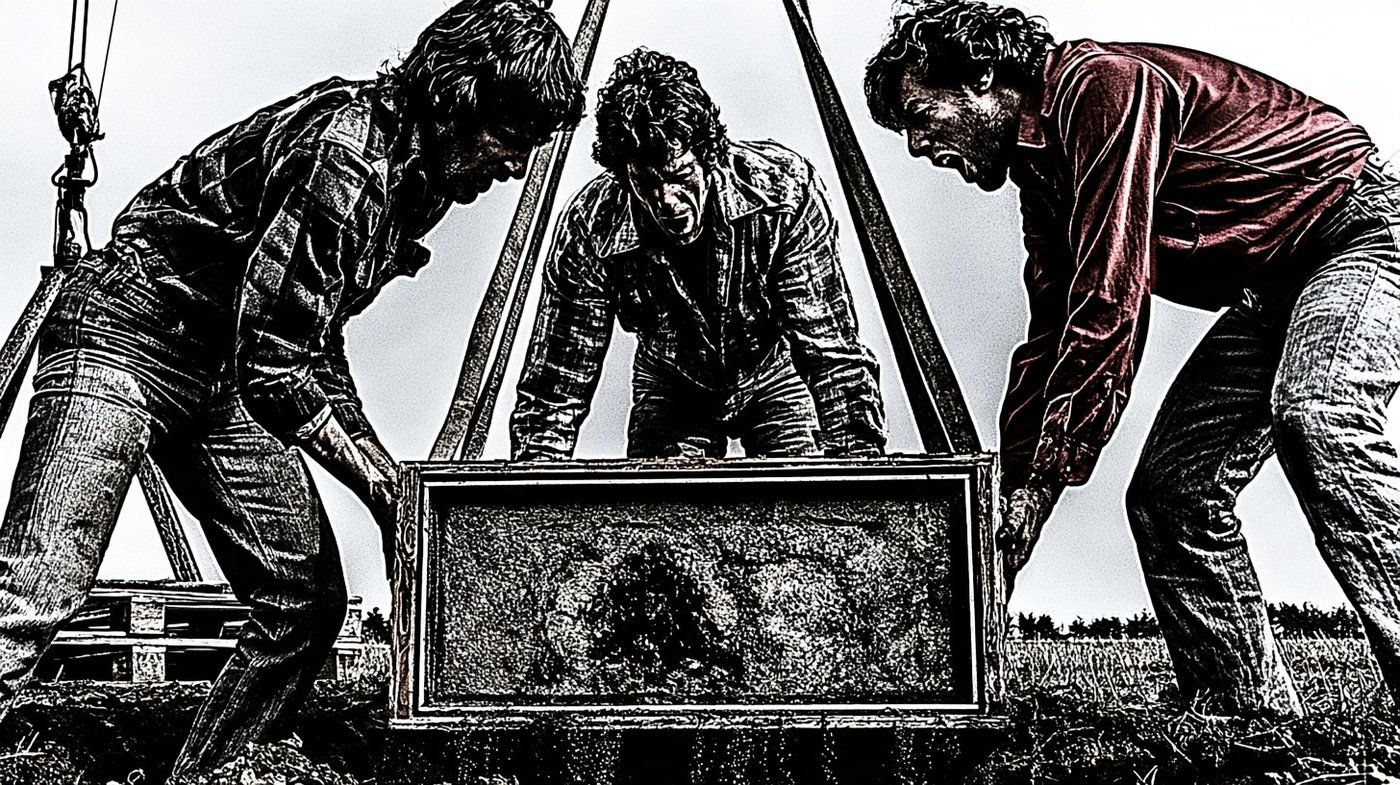
Those were not people anyone had buried with care.
That is what makes the Garden Field shadow different. Whoever was laid in that grave went into the ground wearing beads and a brooch, with tweezers and a knife, the ordinary kit of a life. Someone had dressed them. Someone had cared.
A bucket from the other side of Europe

The same dig had already turned up one mystery the year before the sand body appeared.
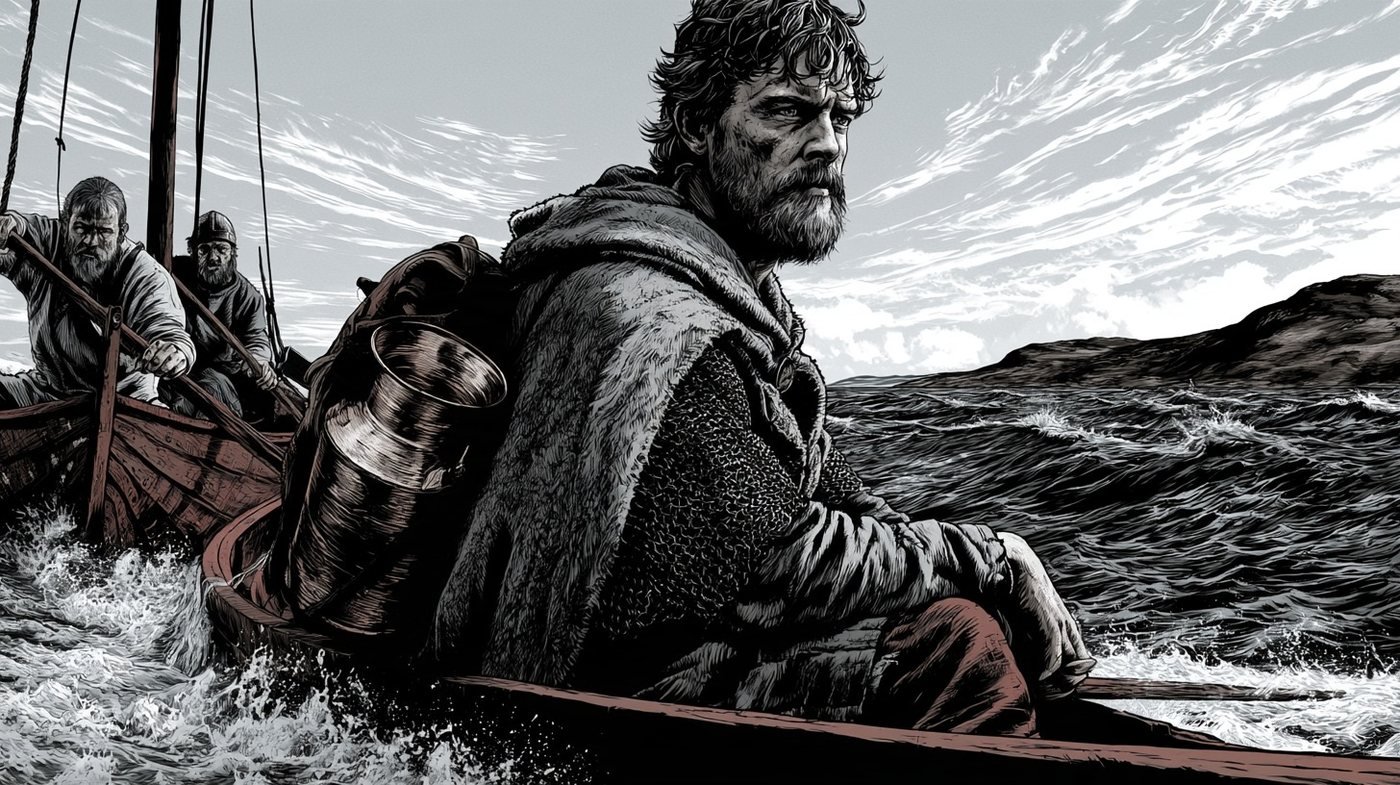
In 2024, the team found more fragments of what is now called the Bromeswell Bucket. The first pieces had turned up back in 1986, and more in 2012.

It is a sixth-century Byzantine vessel, decorated with armed men, lions and dogs in a hunting scene. It is thought to have been made around Antioch, in what is now Turkey, then part of the Byzantine Empire. The style of its lettering suggests it was already about a hundred years old when it reached Suffolk.

Its base came out of the ground in a single block and went to a laboratory. Inside, the National Trust says, it was “completely intact” and had held a cremation burial and grave goods: part of a human ankle bone, fragments of a skull, and the bones of a large animal, probably a horse.
How does a bucket from Antioch end up holding someone’s ashes in a field in Suffolk? A gift passed hand to hand? Trade? Or a man from this valley who went to fight for the Byzantine Empire and came home with it? One episode of Time Team’s own podcast is titled “From Sutton Hoo to Byzantium: Did Anglo-Saxons fight for the Empire?” It is a fair question. Nobody can prove any of the answers.
So who were they?
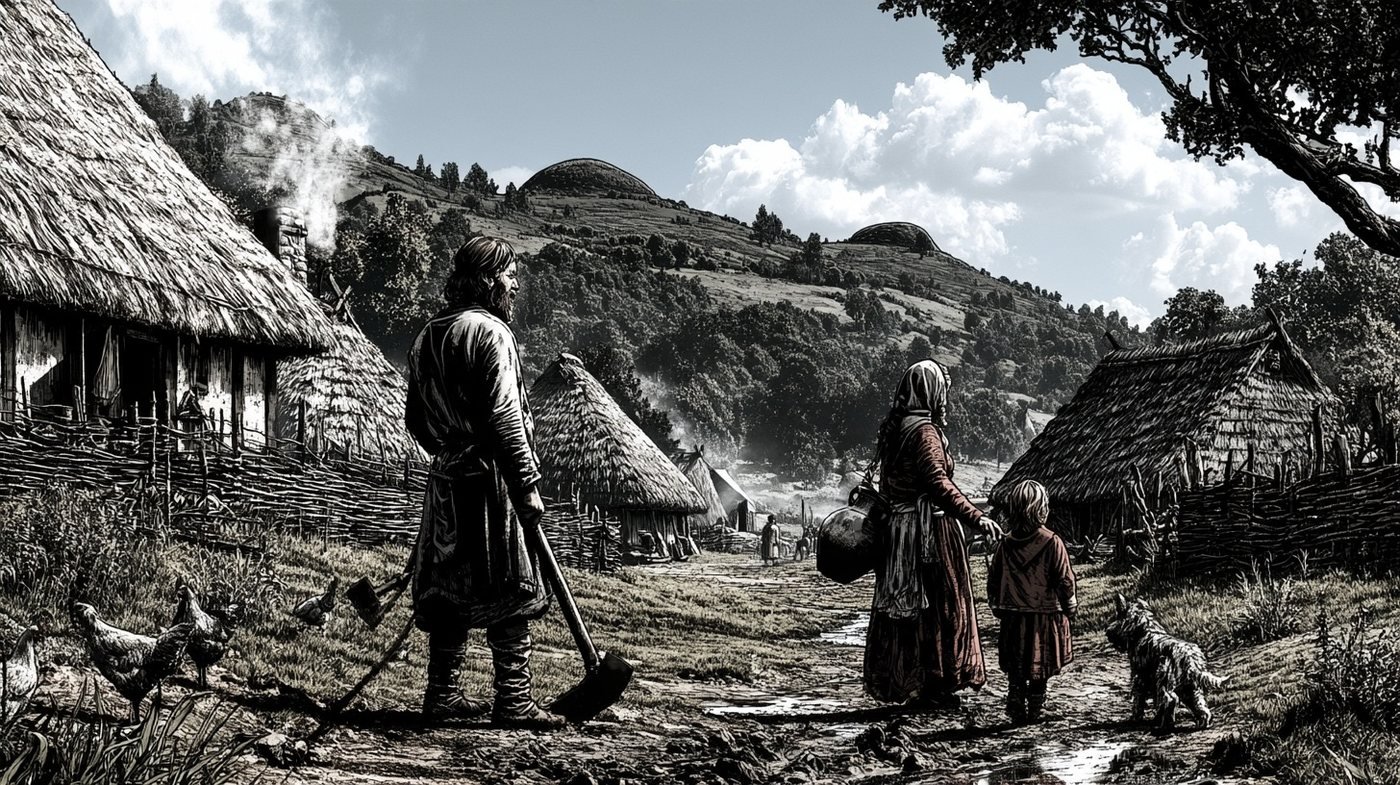
“Until now, archaeologists have focused on the royal burial mounds,” the National Trust archaeologist Angus Wainwright told ITV. In the Trust’s own announcement he put it more plainly: the excavation “moves the focus to these people and their ancestors and descendants”, the people who lived in the river valley.
That is the real question behind the shadow in the sand. Not which king. Which neighbour.
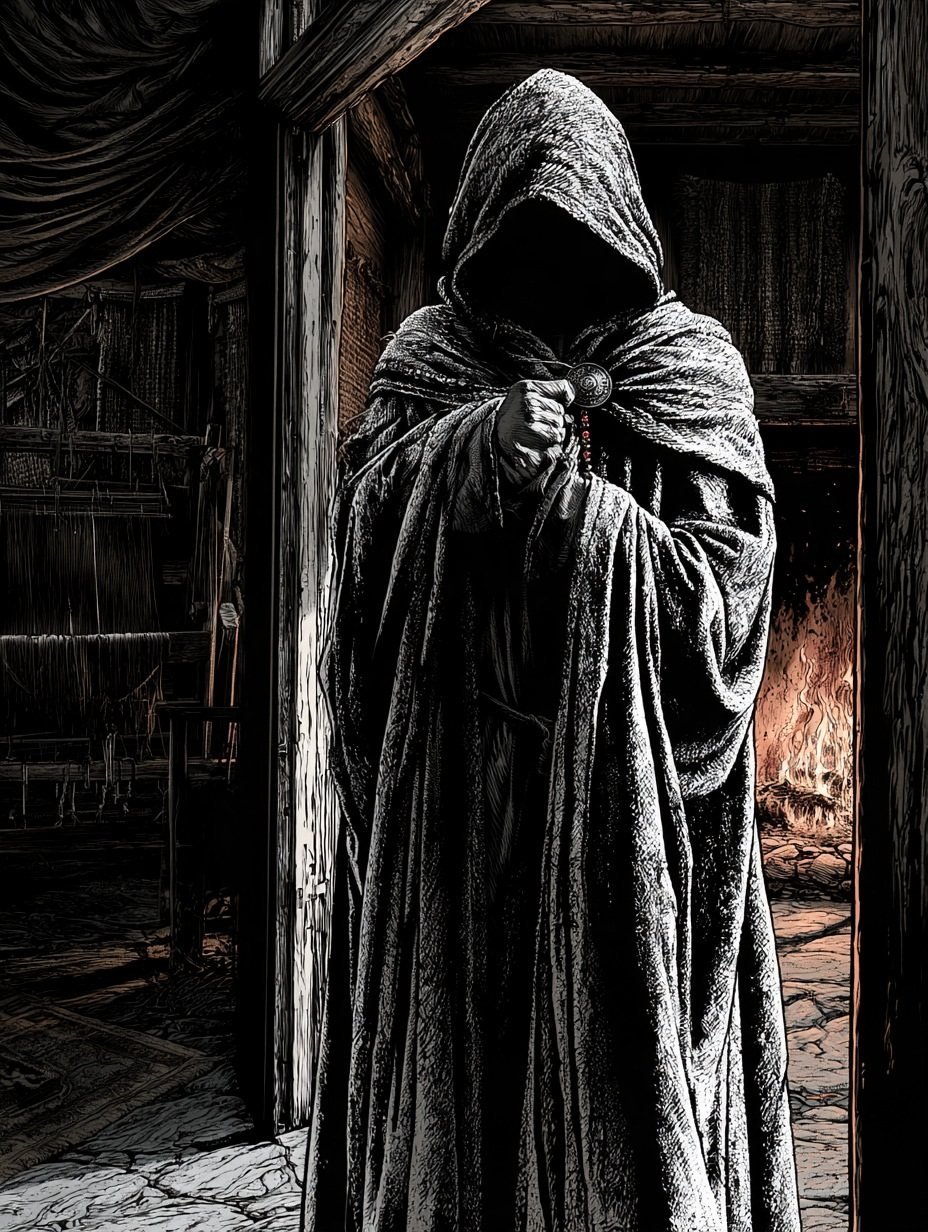
We do not know whether the person in the grave was a man or a woman, young or old. We do not know exactly when they died; we could find no published date for this grave. We do not know who was buried beneath them, or why.

We know what they wore. We know someone laid them down carefully. And we know that whatever was below them was put there on purpose.
The field isn’t finished

Geophysics has picked up strange shapes in a riverside field nearby. The National Trust lists the possibilities with a straight face: a ship, a medieval dock, a nineteenth-century saw pit, a modern foot-and-mouth cattle grave, or something else entirely.

Across the river from Woodbridge, volunteers are building a full-size copy of the great ship in a shed called the Longshed. The Art Newspaper reported in August 2026 that its 90-foot hull now fills the building, with a launch planned for May 2027.
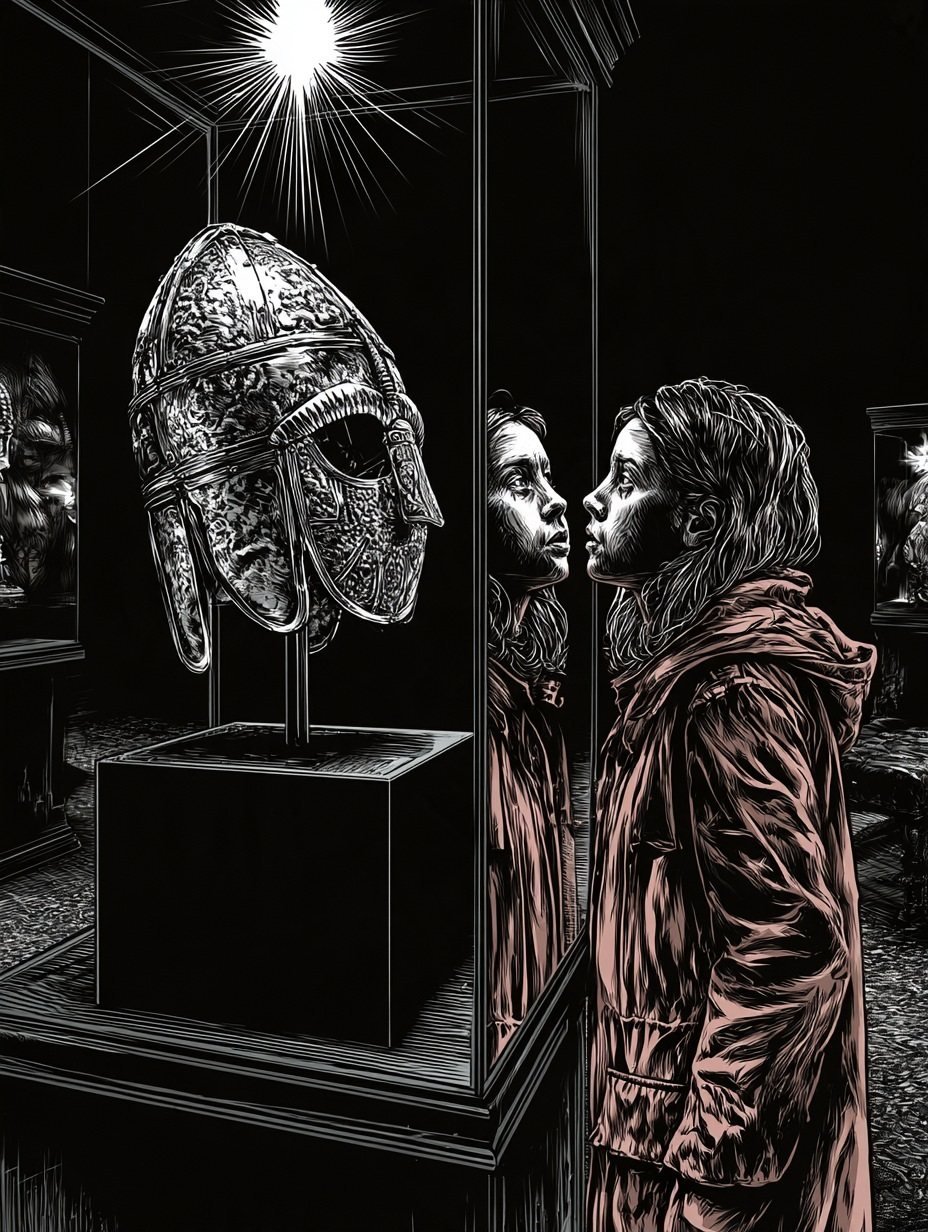
One ship rebuilt from rivets. One helmet rebuilt from rust. One person rebuilt, perhaps, from a stain in the sand.
If the ground at Sutton Hoo can erase a body and keep its beads, what else is lying in that field, still waiting for the right brush?
Related cases: a 5,000-year-old king’s tomb in China that held 350 treasures but no king; the tomb of Qin Shi Huang, still unopened; the Kekova jars and the world’s oldest shipwreck.
Evidence locker
Real photographs only. The drawings above are illustrations. Photographs of the 2025 grave itself belong to the excavation team and are not reproduced here.
 EXHIBIT A · TAP TO ENLARGE
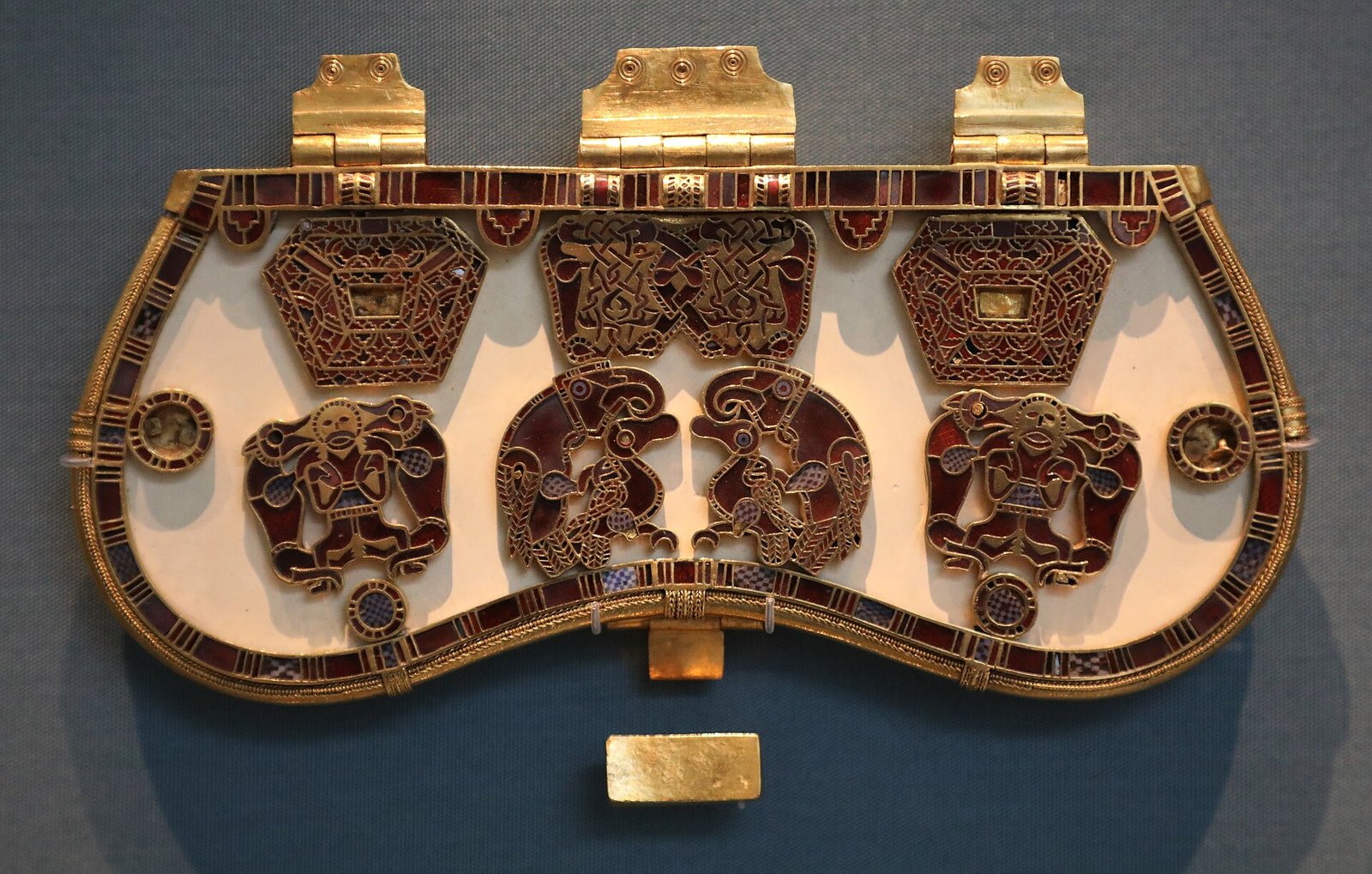 EXHIBIT B · TAP TO ENLARGE
 EXHIBIT C · TAP TO ENLARGE
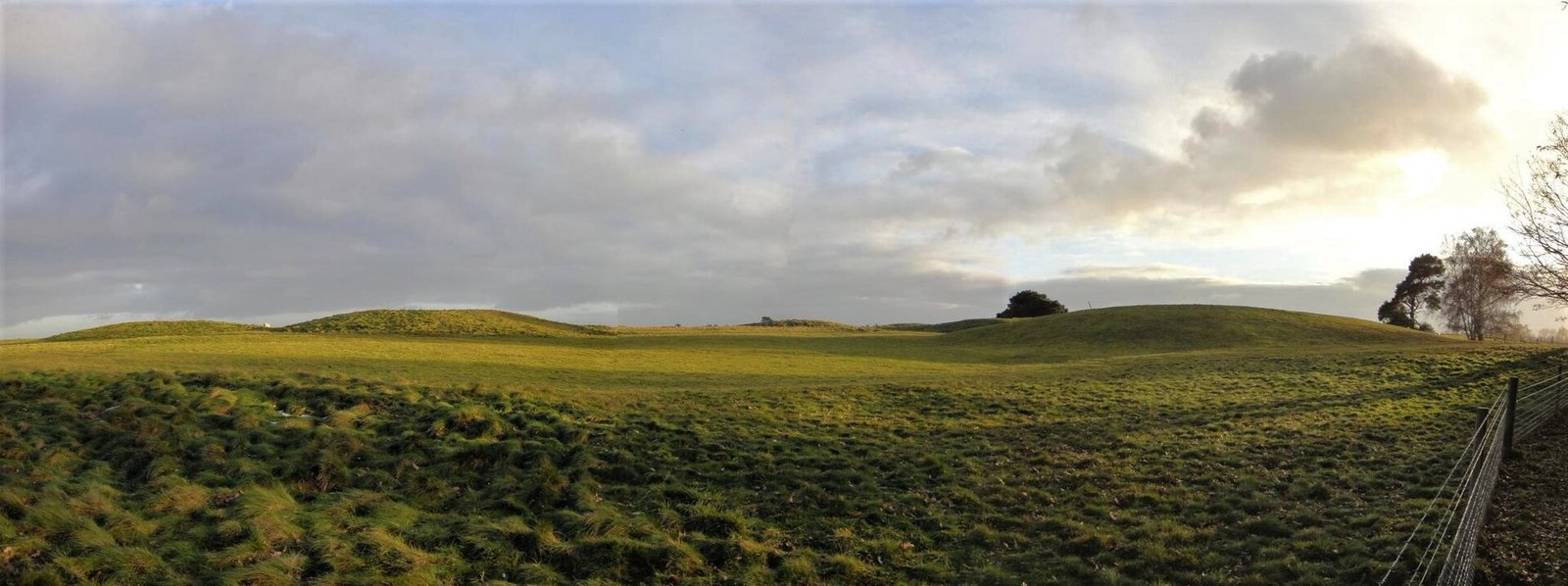 EXHIBIT D · TAP TO ENLARGE
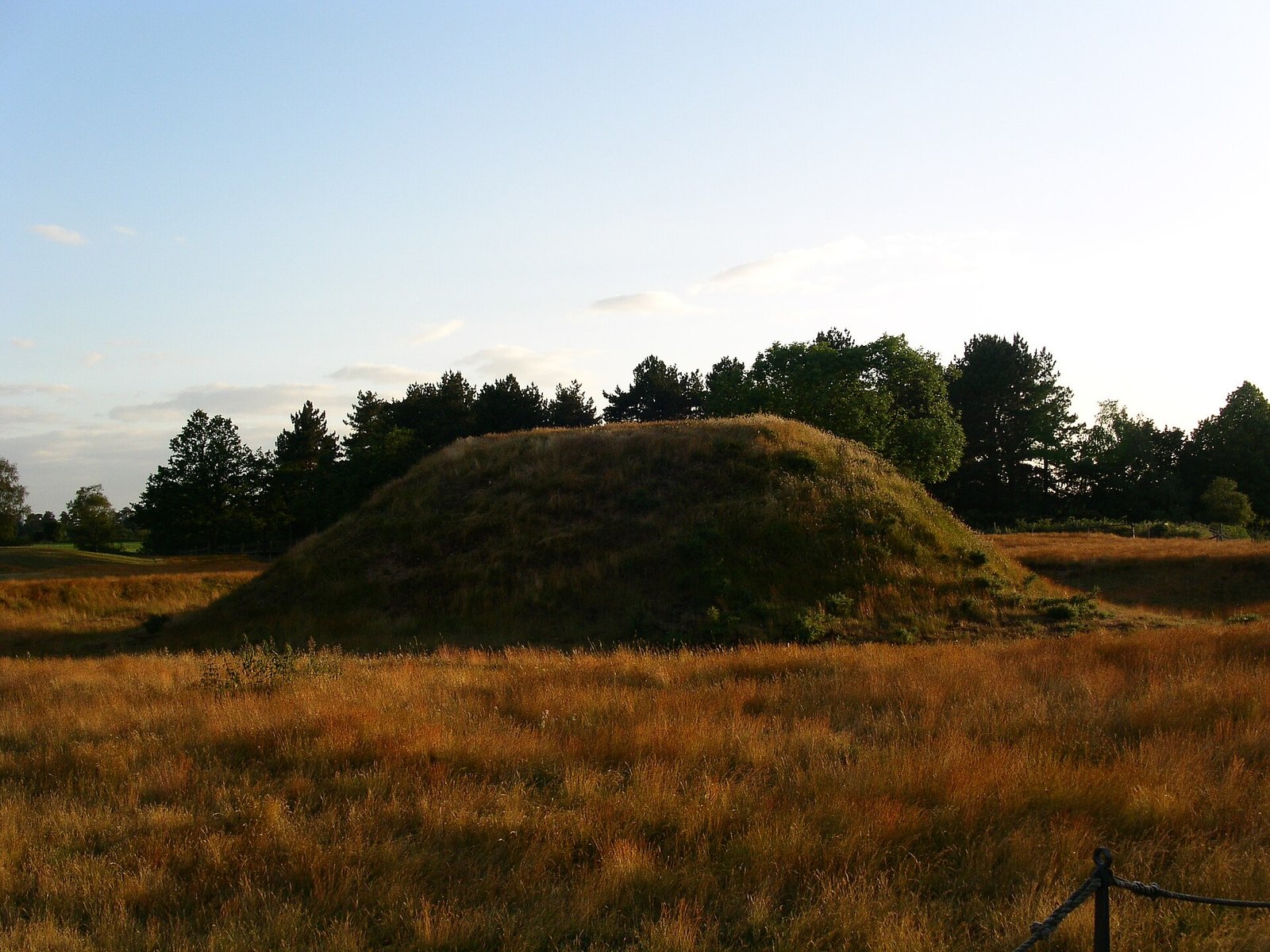 EXHIBIT E · TAP TO ENLARGE
 EXHIBIT F · TAP TO ENLARGE
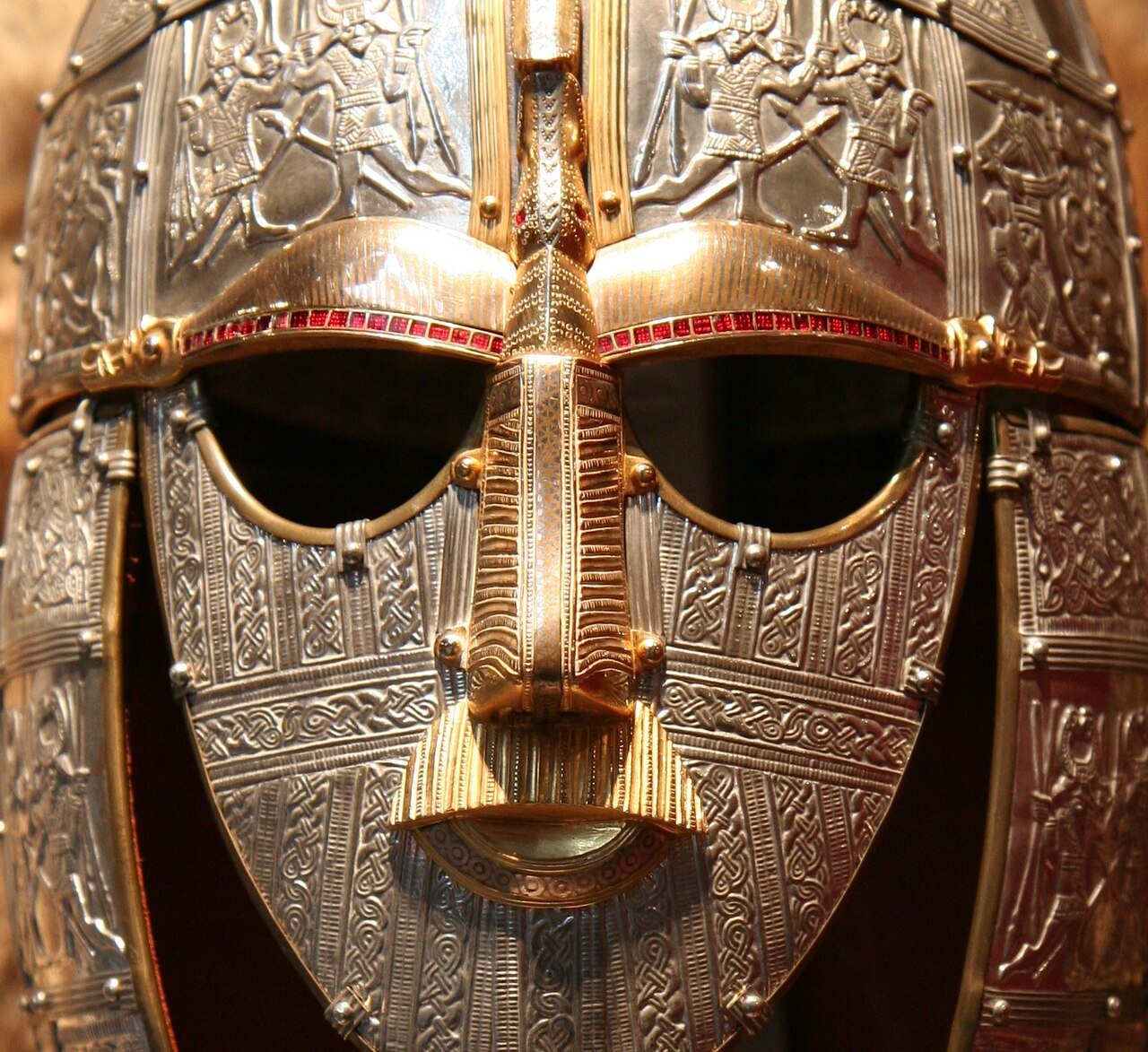 EXHIBIT G · TAP TO ENLARGE
The story you may have heard, and what the file says
| What people often say | What the record shows |
|---|---|
| “Two people were found buried together in the royal ship mound.” | The 2025 grave is in Garden Field, a separate cemetery. The excavators found evidence that a second person may have been buried beneath the first, and say they do not yet know whether the burials happened together. |
| “They found a skeleton.” | There were no bones. The acidic sand dissolved them, leaving a “sand body”: the person’s outline in the soil. |
| “The 1939 diggers found a wooden Viking ship.” | The timber had almost entirely rotted away. The ship’s shape survived as an impression in the sand and rows of iron rivets. It was Anglo-Saxon, not Viking. |
| “The king in the ship was Rædwald.” | Rædwald is the leading candidate, not a confirmed identity. Æthelhere has also been proposed. |
| “No body means the ship was an empty memorial.” | Tests in 1965–71 found high phosphate levels beneath the burial chamber, which points to a body that decomposed there. |
Why the real file is stranger than the legend. The legend is all gold and kings. The file is about absence: a ship with no wood, a king with no bones, a helmet with no single intact piece, and now a person who exists only as a stain in the sand, with someone else possibly lying underneath. Sutton Hoo is a site where almost everything important has dissolved, and archaeologists keep reading the shapes it left behind.
Where the argument is
We could not find a large public thread about this specific grave yet; the find is only days old. But the questions it raises are the ones Sutton Hoo watchers have argued over for years, and they fall into three camps.
The first is about the second burial. One side reads it as a double grave, two people laid in together, perhaps relatives. The other side points out that Anglo-Saxon cemeteries were used for generations, and that a later burial cut into an older one is common. The excavators themselves have not picked a side.
The second is about who matters at Sutton Hoo. For eighty-five years the site has been told as a story about one king. The Garden Field work is deliberately about ordinary people. One view says the royal burials are still the key to the site; the other says the kings only make sense once you know the community that buried them.
The third is about the bucket. Did a Byzantine vessel reach Suffolk through trade and gifts, or did a local man fight for the empire and bring it home? The mercenary idea is the more romantic story, and romantic stories tend to travel fastest.
The argument started because the evidence is almost all negative space. When the bodies are gone, every relationship between graves has to be read from soil layers and objects, and soil layers can be read more than one way.
The cautious camp is stronger on the second burial: until the layers are analysed and published, “possibly a second person” is all the evidence supports. On the bucket, nobody has evidence strong enough to win.
Our view: we lean toward the excavators’ caution. The most likely story is not a dramatic double burial but a cemetery used over time, where a later grave met an earlier one. We would change our minds if the analysis shows the two people went into the ground at the same moment. Either way, the important shift is real: Sutton Hoo is finally being asked about the people who did not get a ship.
Quick answers
What is a sand body at Sutton Hoo? The outline of a person preserved in the sand after the bones have dissolved. Sutton Hoo’s acidic soil destroys bone, but leaves a darker, harder crust in the shape of the body.
What was found in the Garden Field grave in 2025? A sand body with beads, tweezers, a knife and a brooch, plus evidence that another person may have been buried in the same grave beneath it.
When was the Garden Field discovery announced? With Time Team’s four-part series on the dig, whose first episode went out on YouTube on Saturday 14 November 2026. ITV reported the find on 19 November 2026.
Is the Garden Field grave part of the royal ship burial? No. Garden Field is a separate Anglo-Saxon cemetery near the royal mounds. The famous ship burial is in Mound 1.
What is a little-known fact about Sutton Hoo? No bones were found in the 1939 ship burial either. The evidence that a body was ever there came from phosphate tests on the sand in 1965–71.
What is the Bromeswell Bucket? A sixth-century Byzantine bronze vessel with a hunting scene, probably from the Antioch area. Fragments were found in 1986, 2012 and 2024, and its base held a cremation burial.
Editor’s note
We nearly wrote this as a treasure story. Sutton Hoo almost begs for it: the helmet, the gold, the ship. But the more we read, the more the case became about something else, which is what gets erased. A ship with no wood. A king with no body. And now a person with no bones, who still has their beads.
We have tried hard not to say more than the excavators have said. The second burial is a “may have been”, and we have kept it that way. It would be easy to turn this into a story about two lovers sealed in a royal tomb. The record supports neither the lovers nor the tomb.
What stays with us is the brooch. Someone fastened it on a body that the ground would later dissolve, and the brooch outlasted the person by well over a thousand years. Archaeology usually finds the things people kept. At Sutton Hoo, it keeps finding the shapes of people who are gone.
— Strange World Files
Sources
- National Trust, “Time Team announcement” (Garden Field excavation, sand body, Bromeswell Bucket): www.nationaltrust.org.uk
- ITV News, “‘Mysterious’ Anglo-Saxon grave discovered at Sutton Hoo” (19 November 2026): www.itv.com
- National Trust, “History of archaeology at Sutton Hoo”: www.nationaltrust.org.uk
- Encyclopaedia Britannica, “Sutton Hoo”: www.britannica.com
- Current Archaeology / The Past, “Time Team at Sutton Hoo” (2024 season): the-past.com
- The Art Newspaper, “Reconstruction of legendary Sutton Hoo ship takes shape” (4 August 2026): www.theartnewspaper.com