He Jumped From a Jet Into the Rain in 1971. 55 Years Later, the D.B. Cooper Hijacking Is Still Unsolved
Narrated Mystery: press play and hear the whole case read aloud, like a true crime podcast episode, or an audiobook for a long drive (about 10 minutes). The narrator is an AI voice.
What the record shows
- What: a man calling himself Dan Cooper hijacked a Boeing 727 with a bomb threat, collected $200,000 and four parachutes, then jumped from the rear stairs
- When: Wednesday 24 November 1971, the night before Thanksgiving; the jump came a little after 8 p.m.
- Found: his clip-on tie on a seat; $5,800 of the ransom buried at Tena Bar on the Columbia River in February 1980
- Status: the FBI stopped actively investigating on 8 July 2016
Still uncertain
- Who he was, and whether he survived the jump.
- How part of the money reached the Columbia River.
- Whether the 2022 barn parachute has any link to the case; the FBI returned it in December 2025 without comment.
Northwest Orient Flight 305, 24 November 1971. A man called Dan Cooper jumped over southwest Washington. 55 years later, nobody knows who he was.


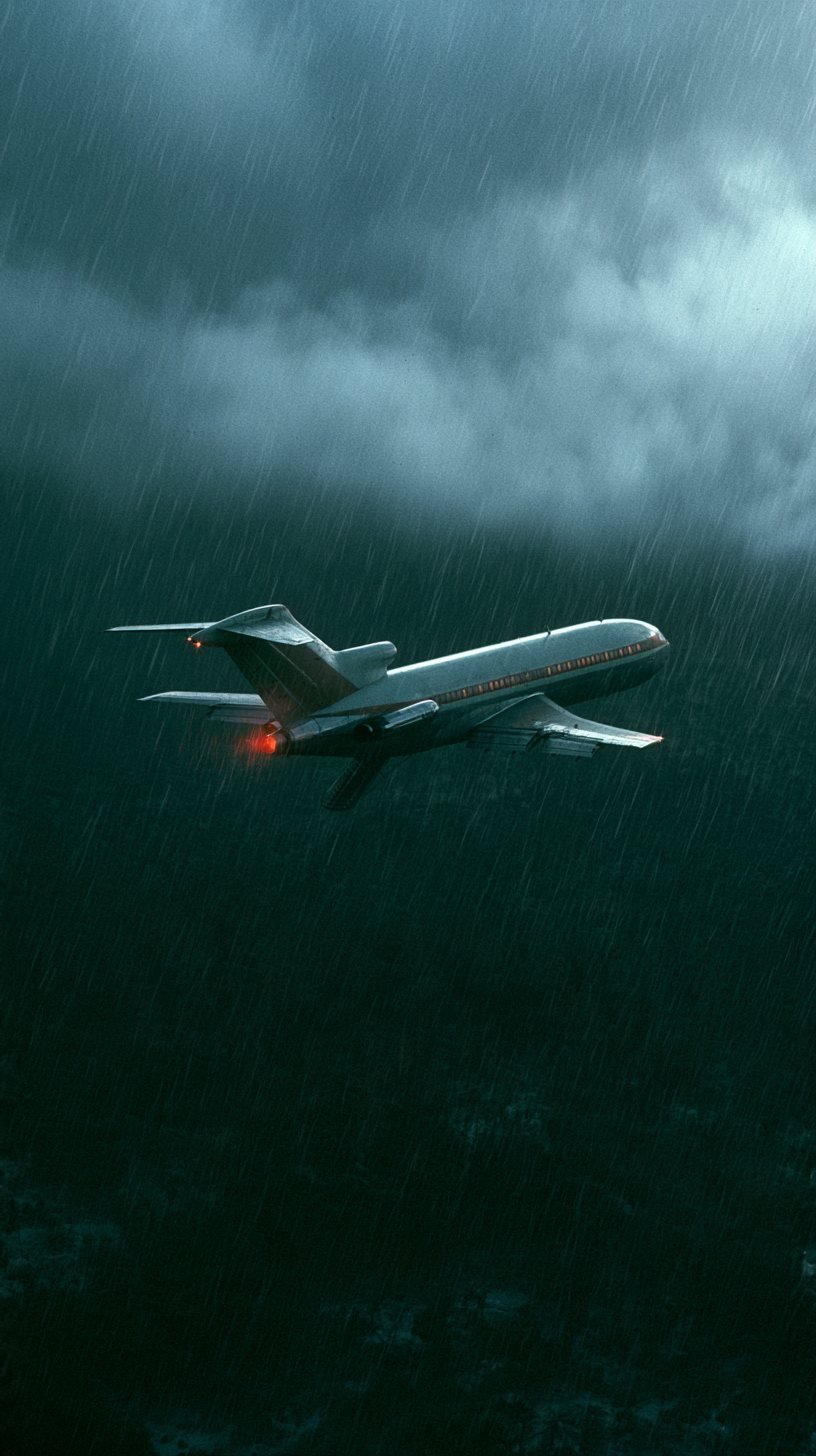
At about eight o’clock on the night before Thanksgiving, 1971, a man in a business suit stood at the bottom of a staircase hanging from the tail of a jet airliner.
Below him was nothing but rain, wind and black forest. Strapped to his body was $200,000 in twenty-dollar bills. On his back was a parachute.
Then he stepped off.
Nobody saw him land. Nobody has seen him since. The FBI spent forty-five years looking for him, and in 2016 it stopped.
So where did he come down? And how does a man who planned everything this carefully leave the one clue that might still name him lying on an airline seat?
A polite man with a briefcase
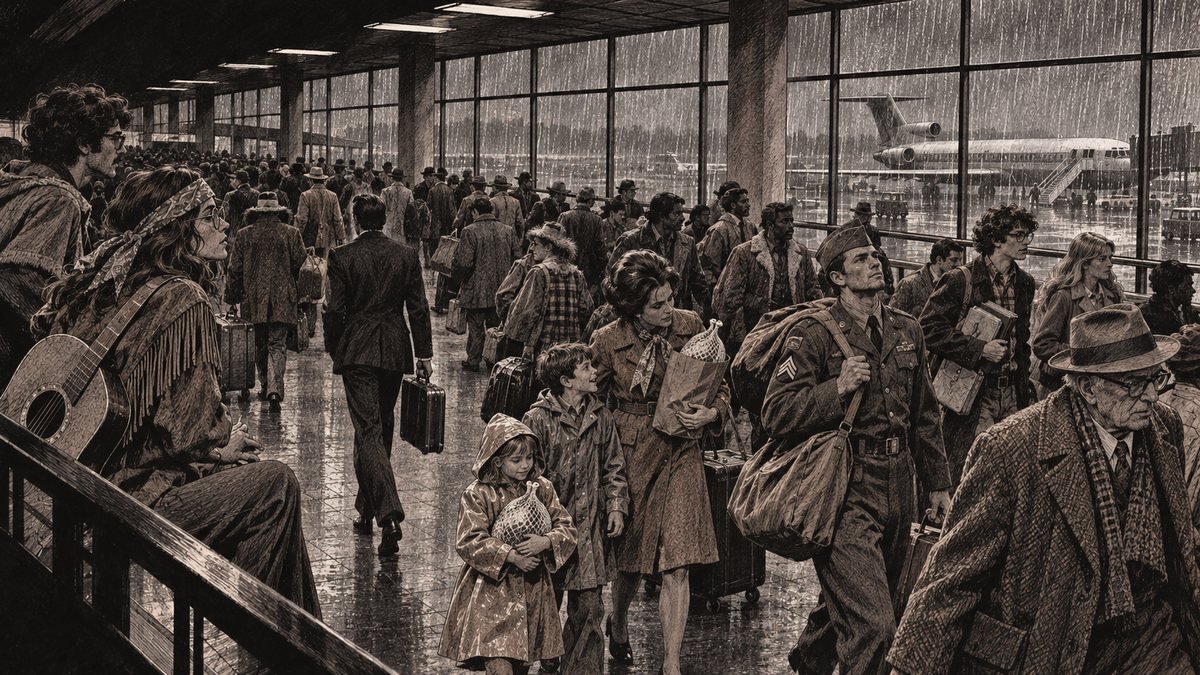
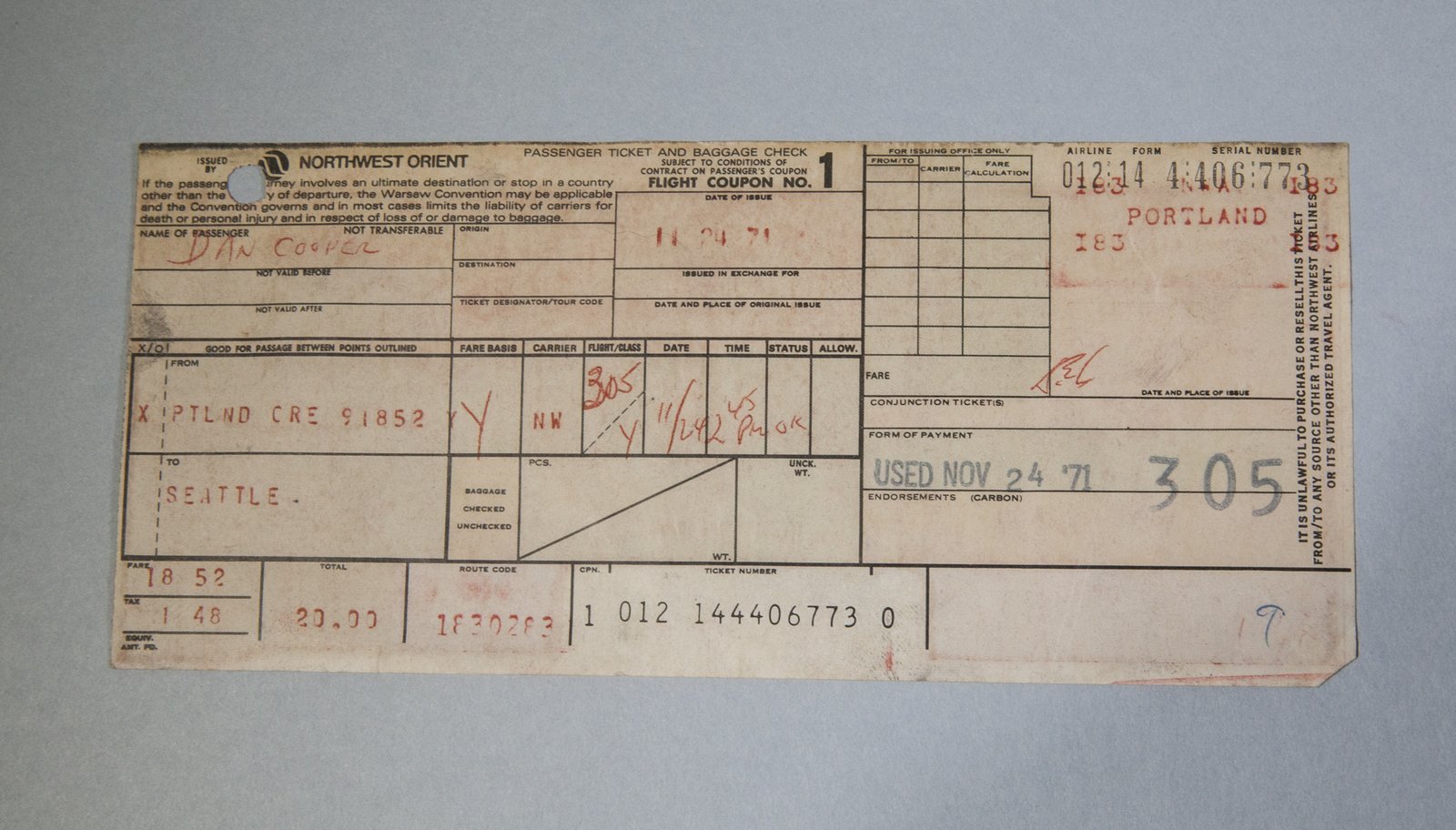
He bought his ticket at Portland International Airport that afternoon, 24 November 1971. One way to Seattle, cash, on Northwest Orient Flight 305. He gave his name as Dan Cooper.

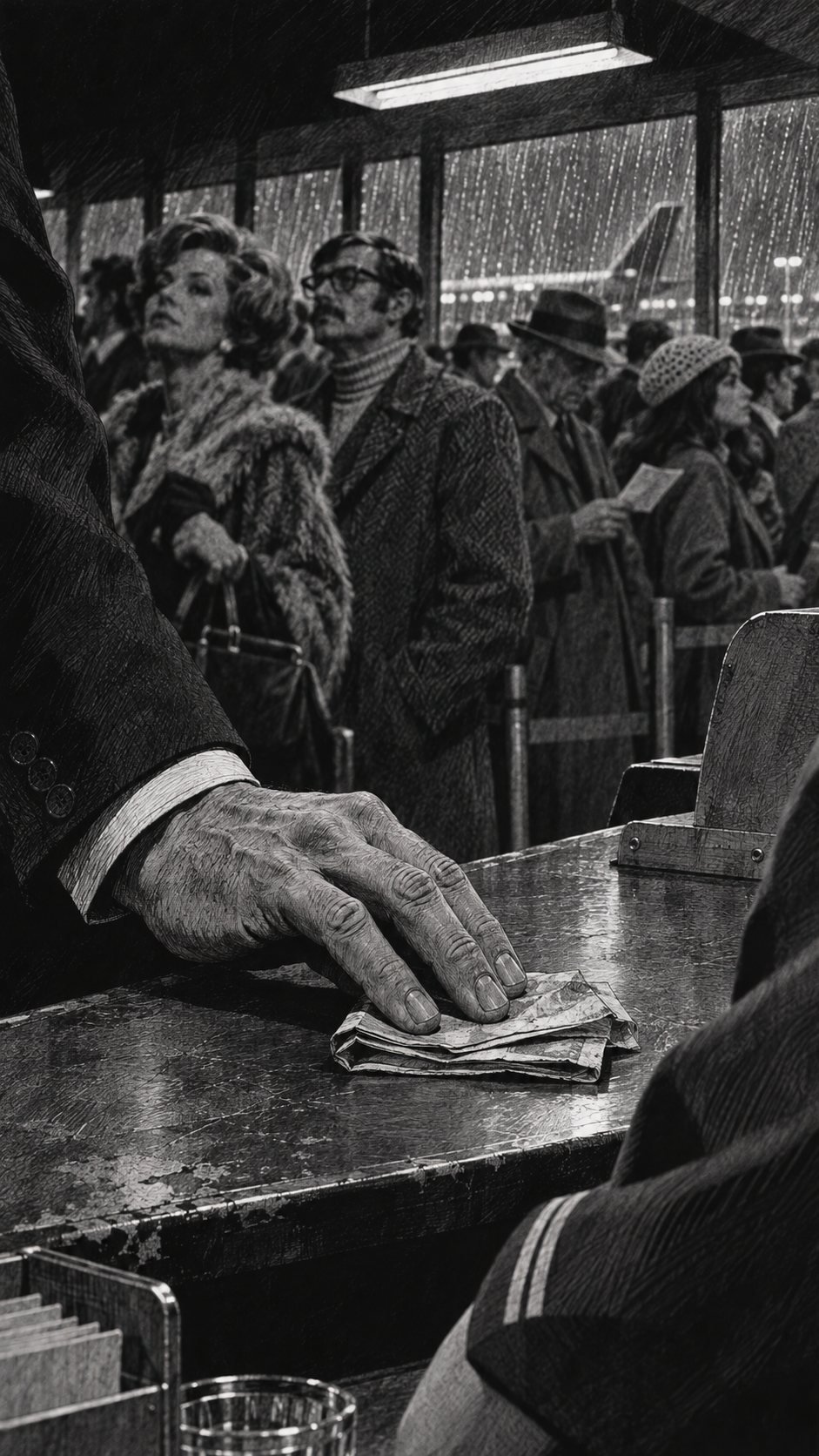
A newspaper mix-up later turned that into “D.B. Cooper.” The name stuck. The man never needed it again.
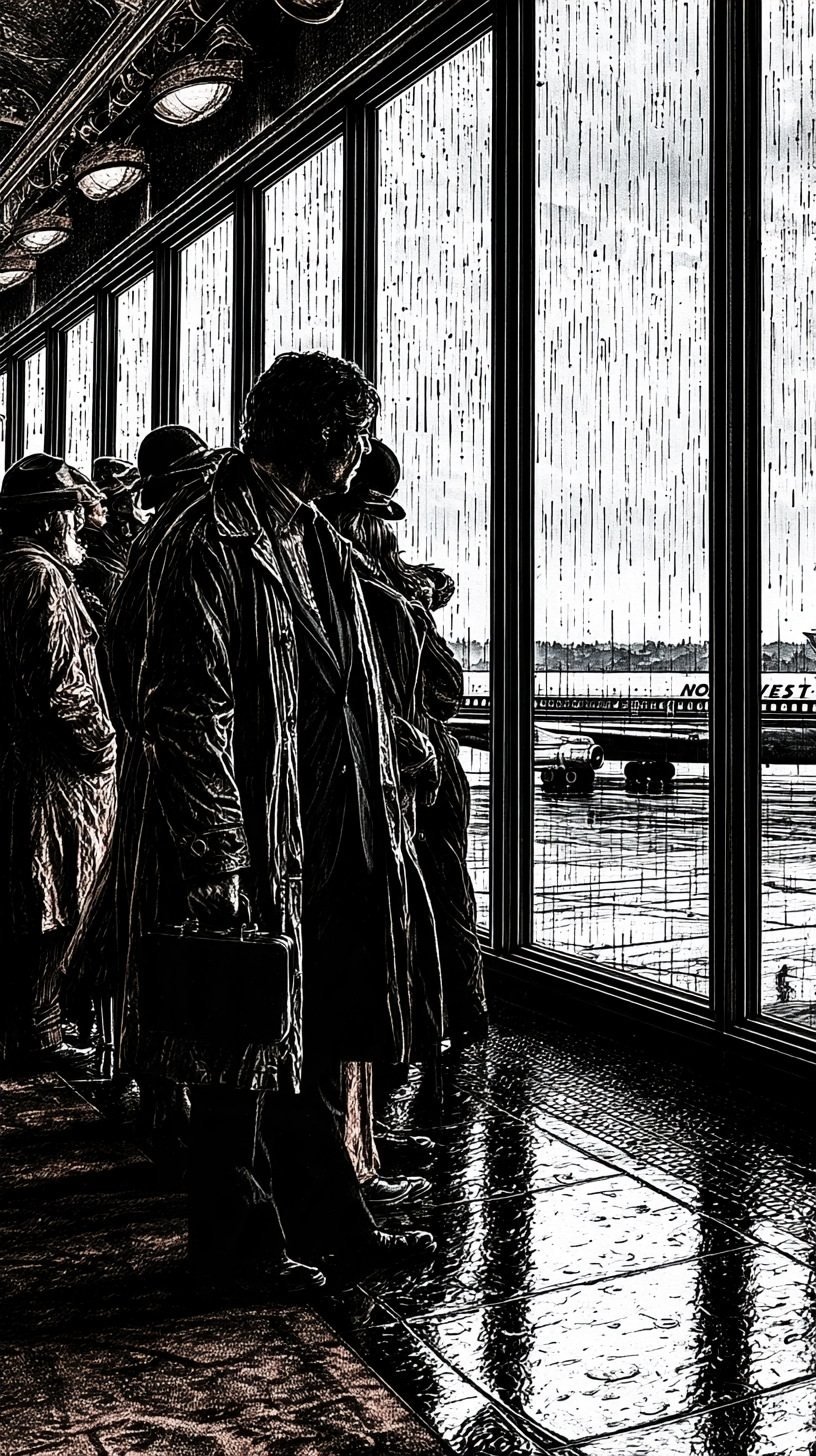
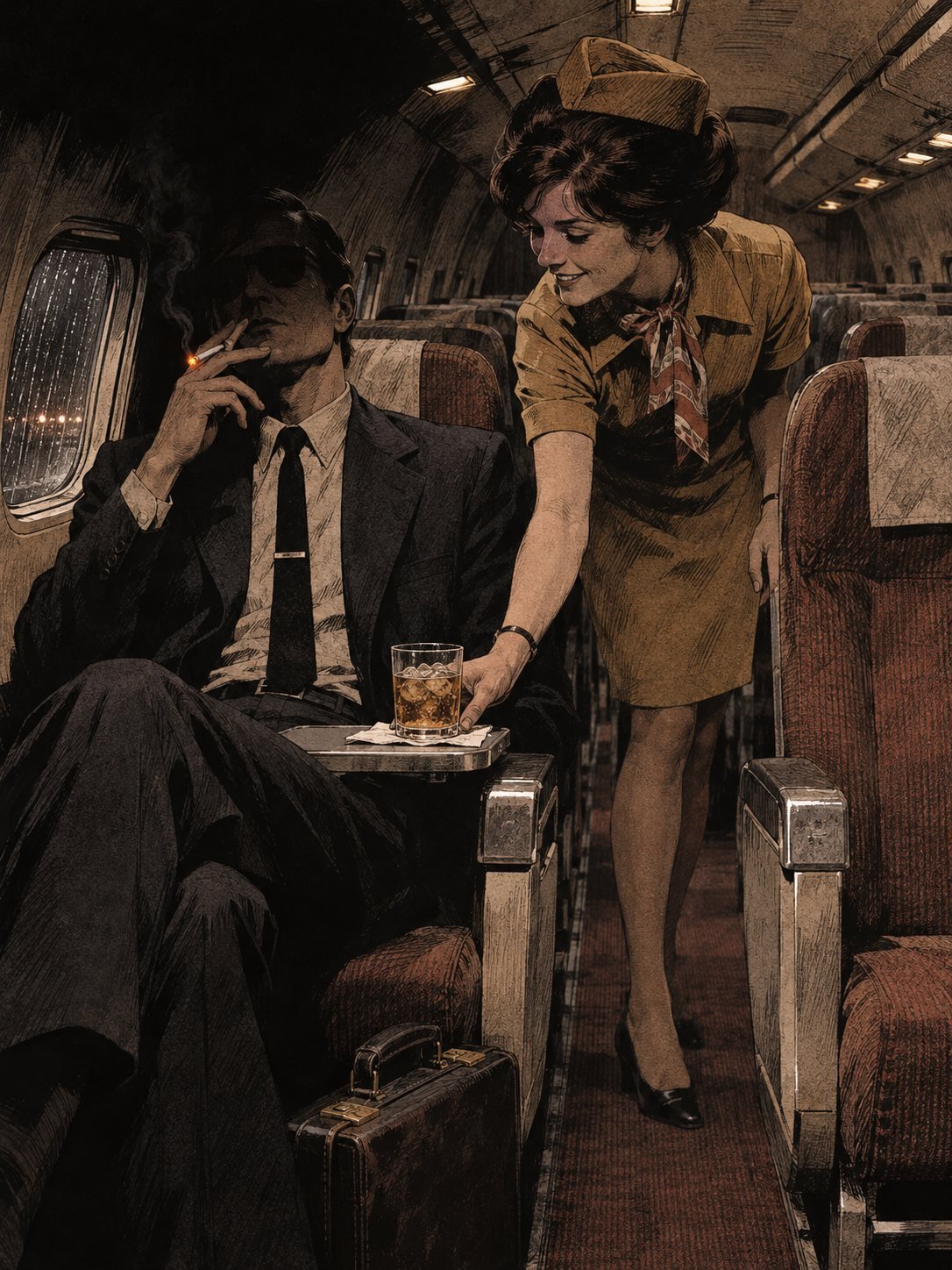
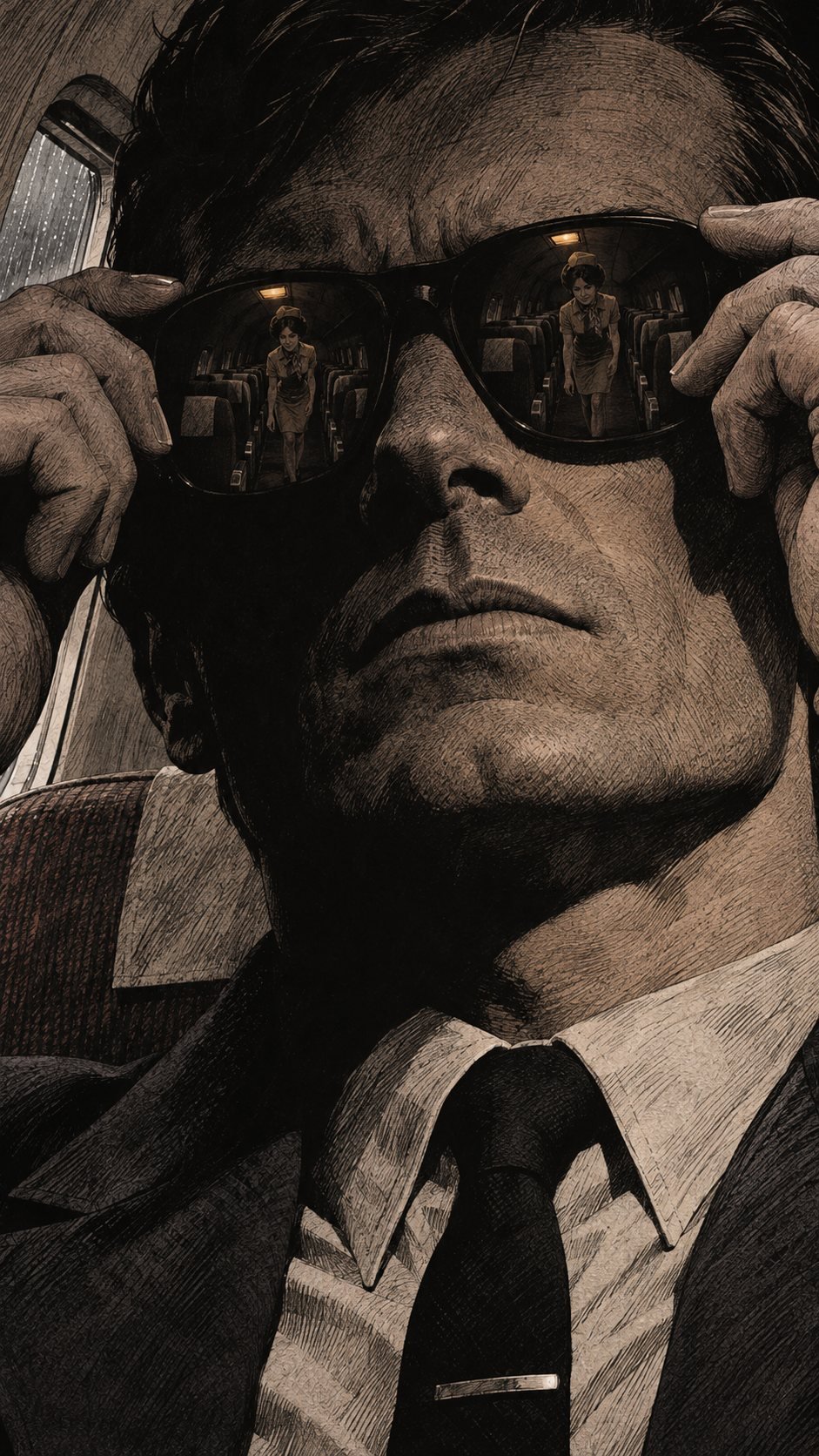
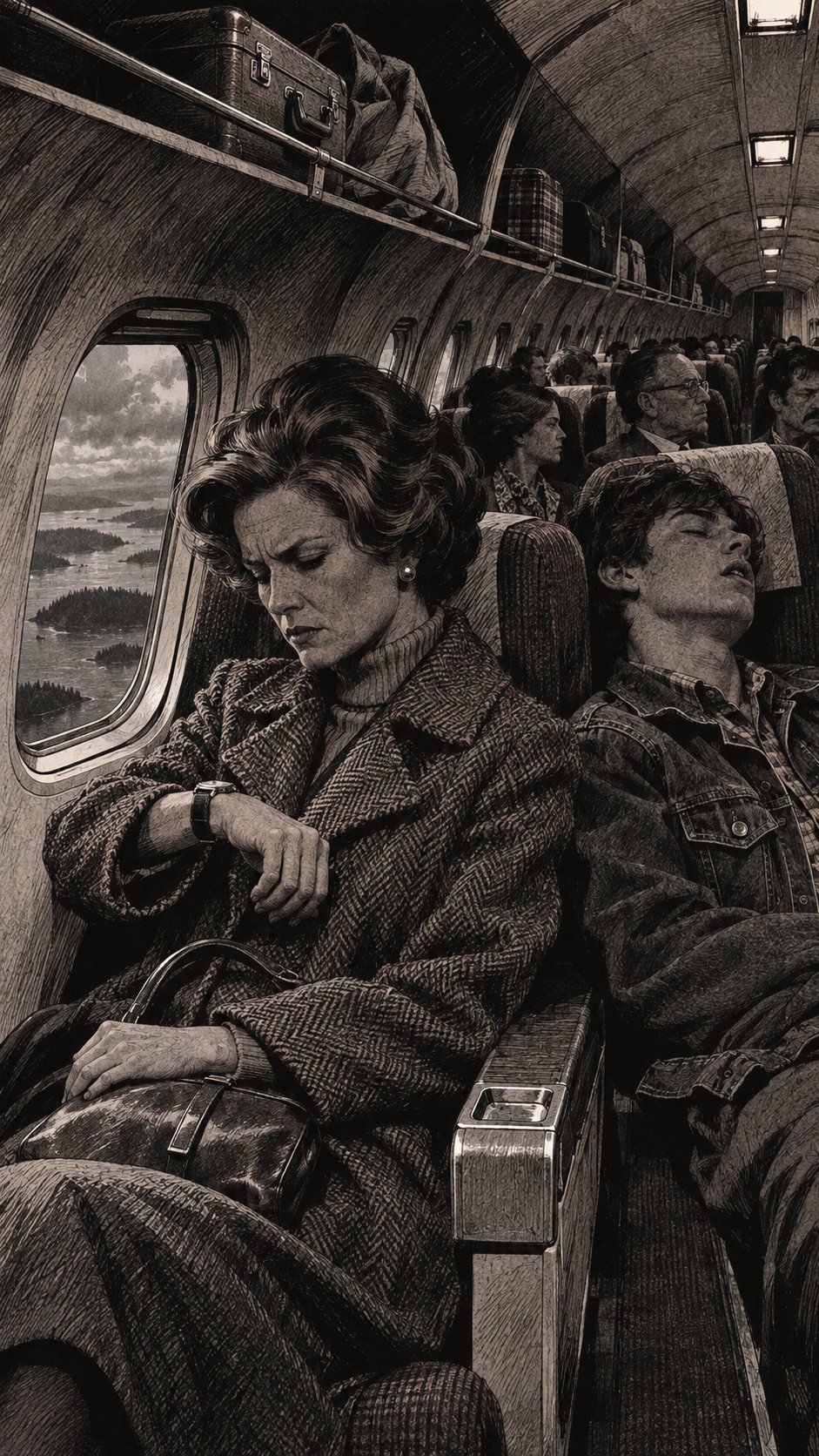
He took a seat near the back. Dark suit, white shirt, black clip-on tie. He ordered a bourbon and soda and lit a cigarette. The cabin crew remembered him as quiet, calm, even pleasant.
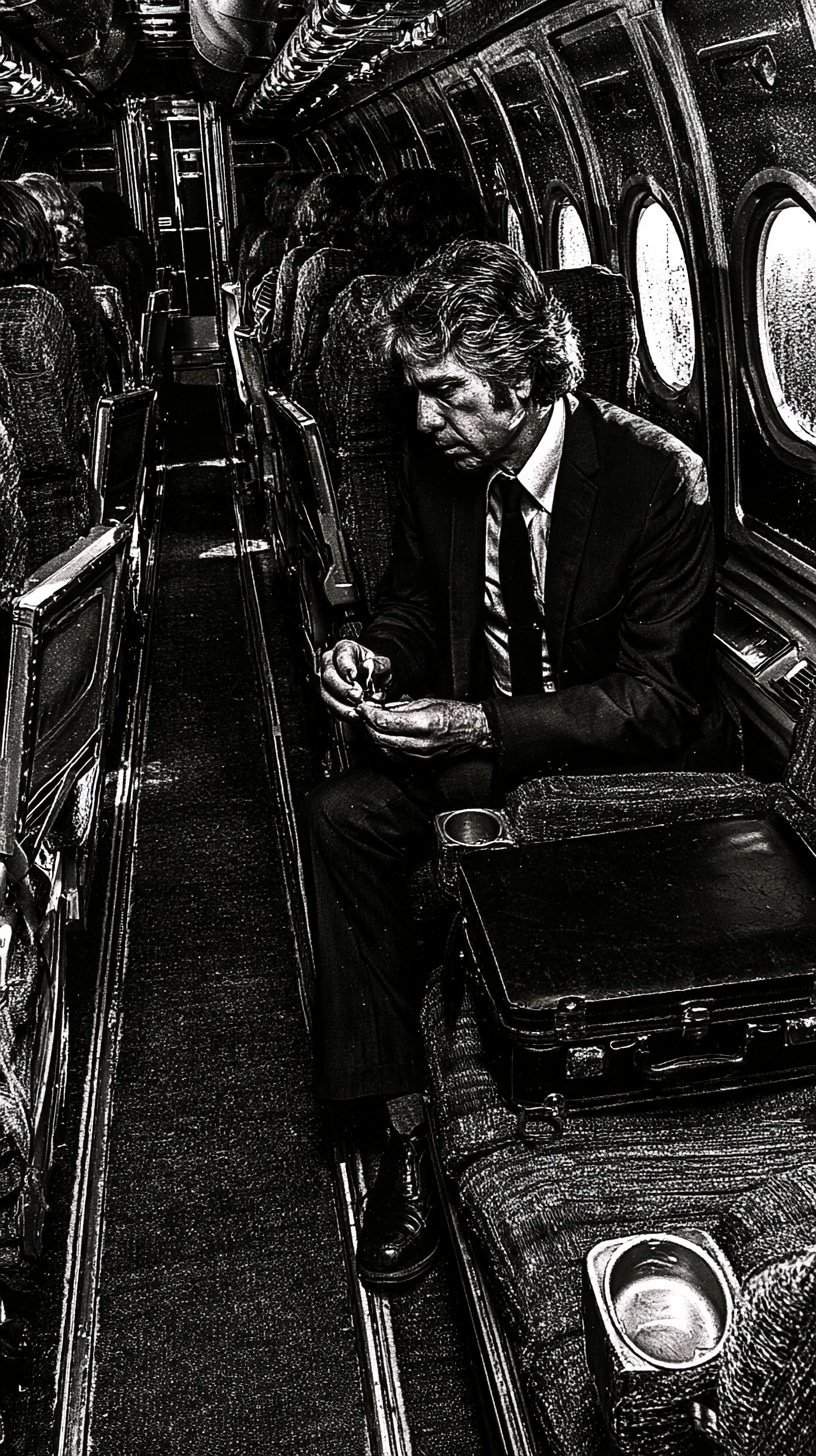
Later, witnesses gave the FBI a description that could have fitted thousands of men: mid-forties, about five foot ten to six foot, around 170 to 180 pounds, dark hair, possibly brown eyes. Nothing about him stood out. That may have been the point too.
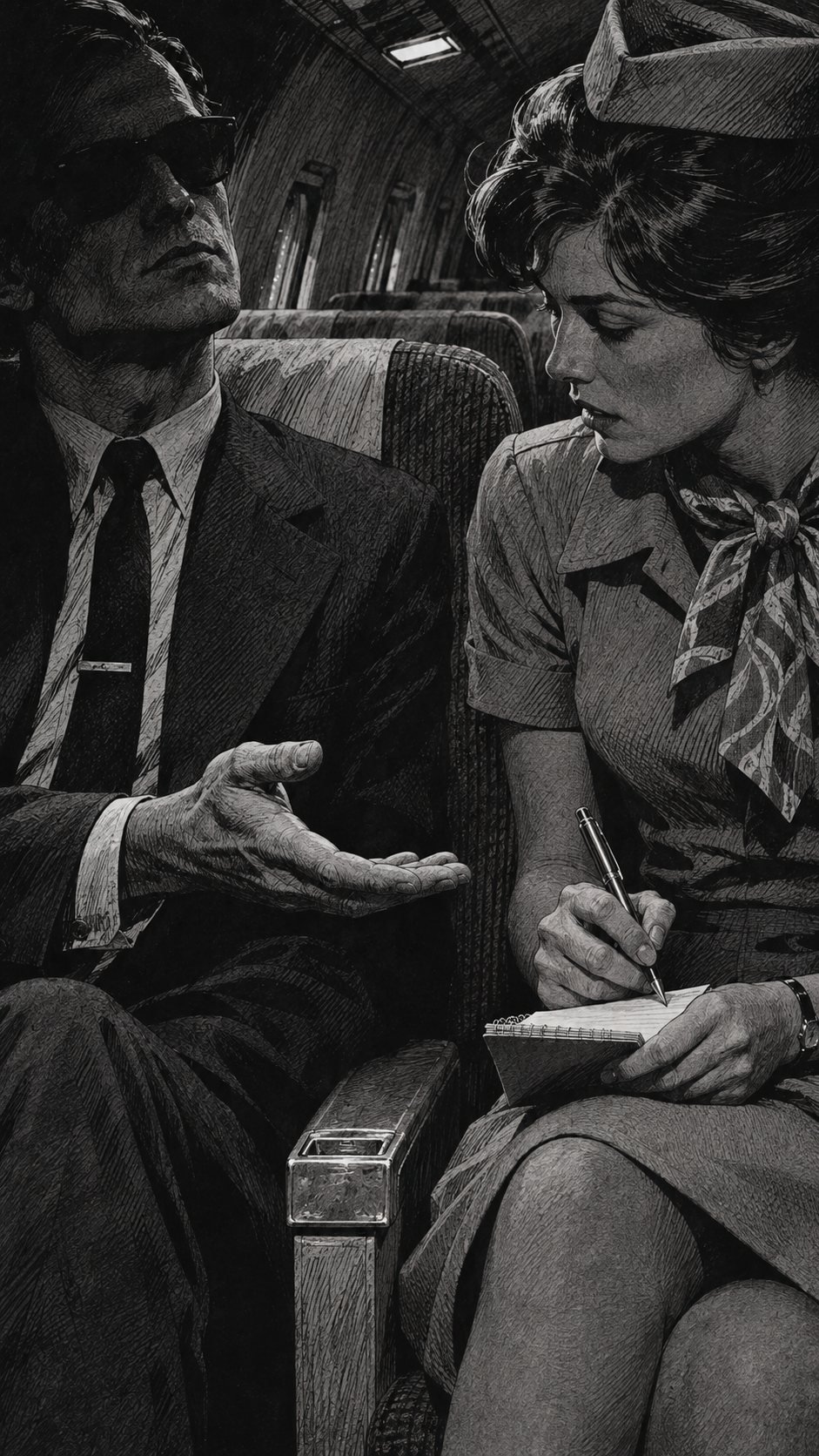
Then he handed a flight attendant a note.
The note she almost didn’t read
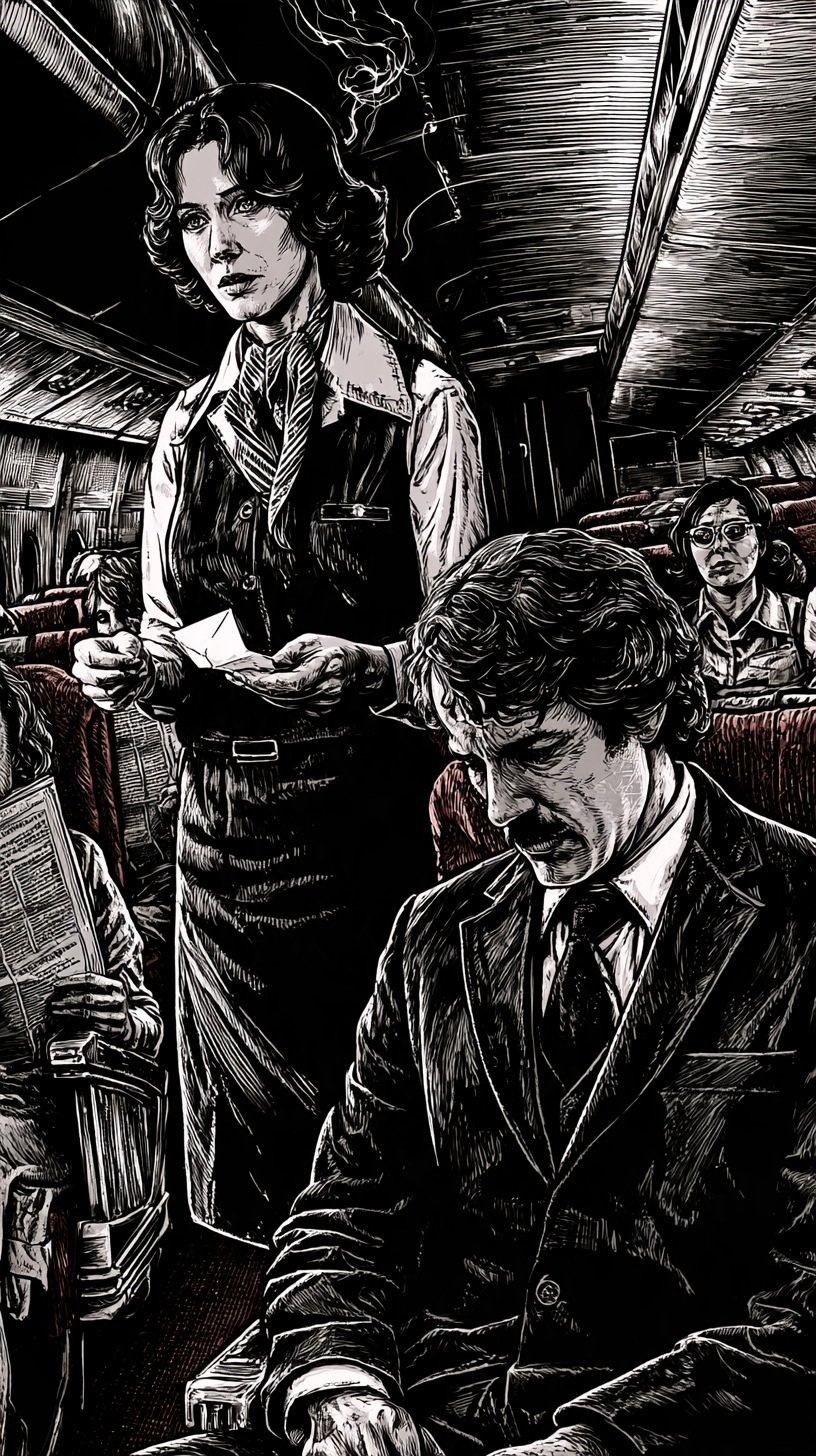
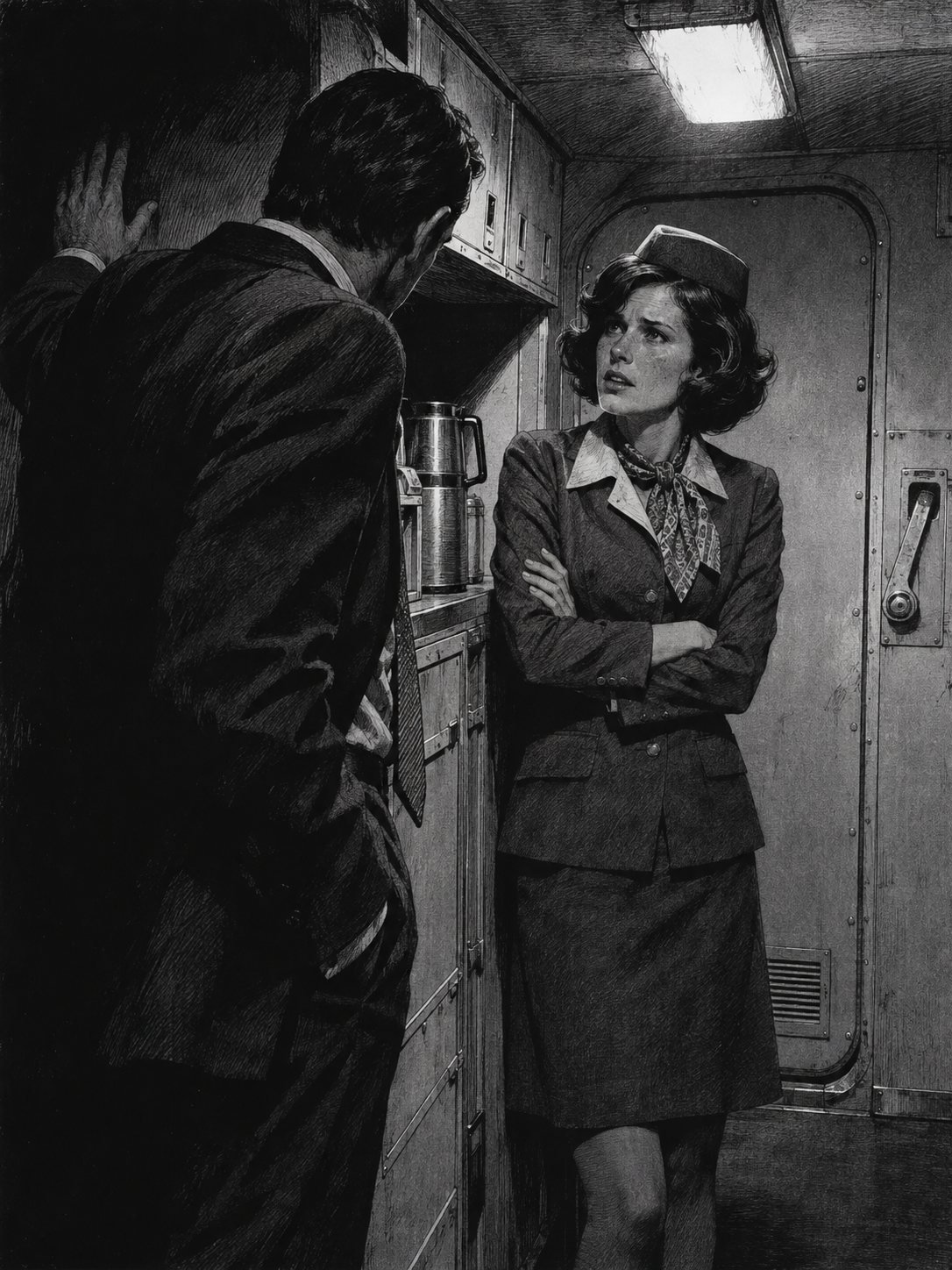
She thought it was a phone number. Lonely businessmen did that. She slipped it into her purse without opening it.
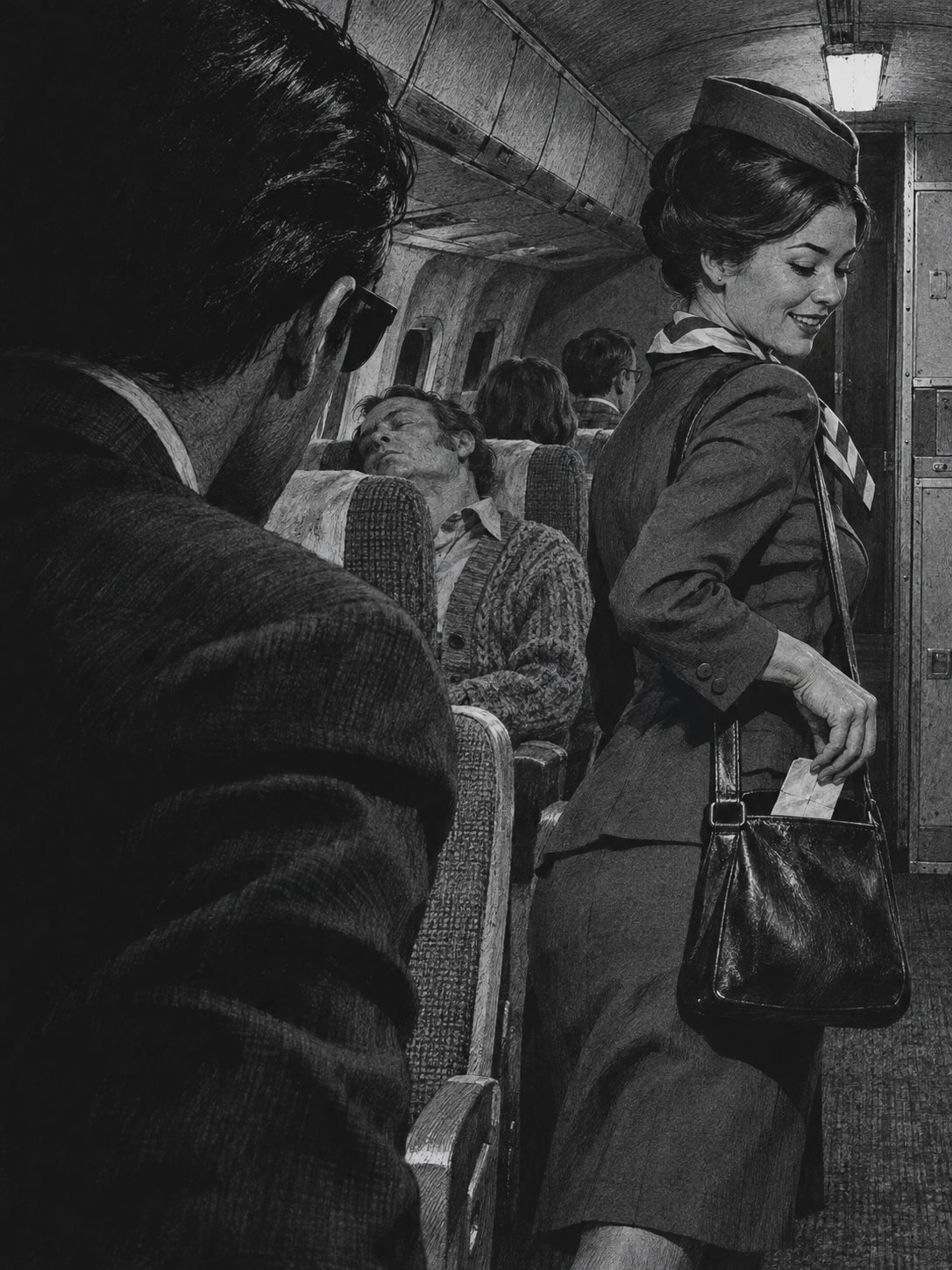
He leaned toward her and told her she had better look at it. He had a bomb.
He opened his briefcase just enough for her to see. Red cylinders. Wires. A battery.
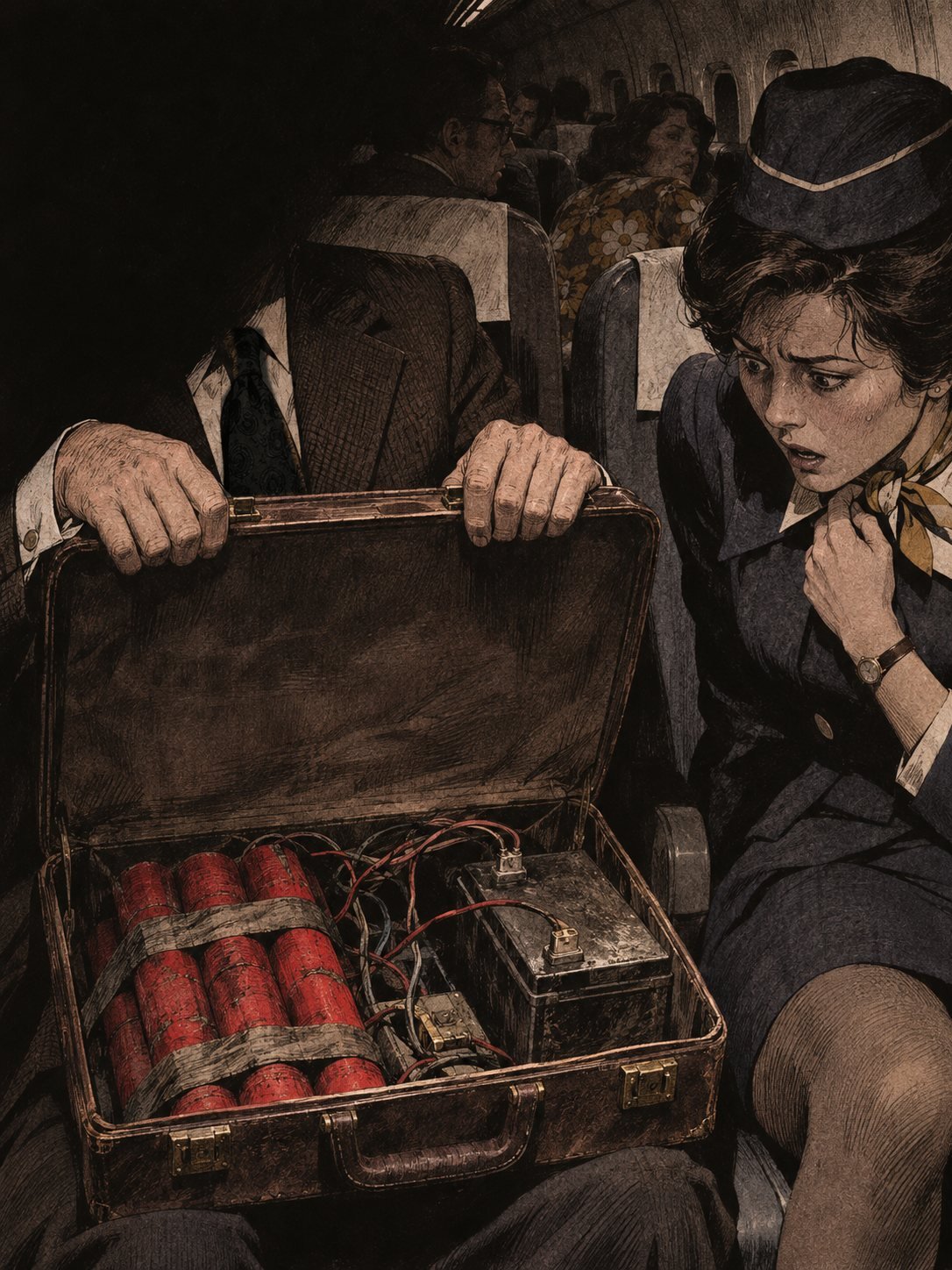
Was it real? Nobody on that plane could know. And that was the point. He never had to prove it.
Two hours over Seattle
His demands went up to the cockpit: $200,000 in twenty-dollar bills, four parachutes, and a fuel truck waiting in Seattle.
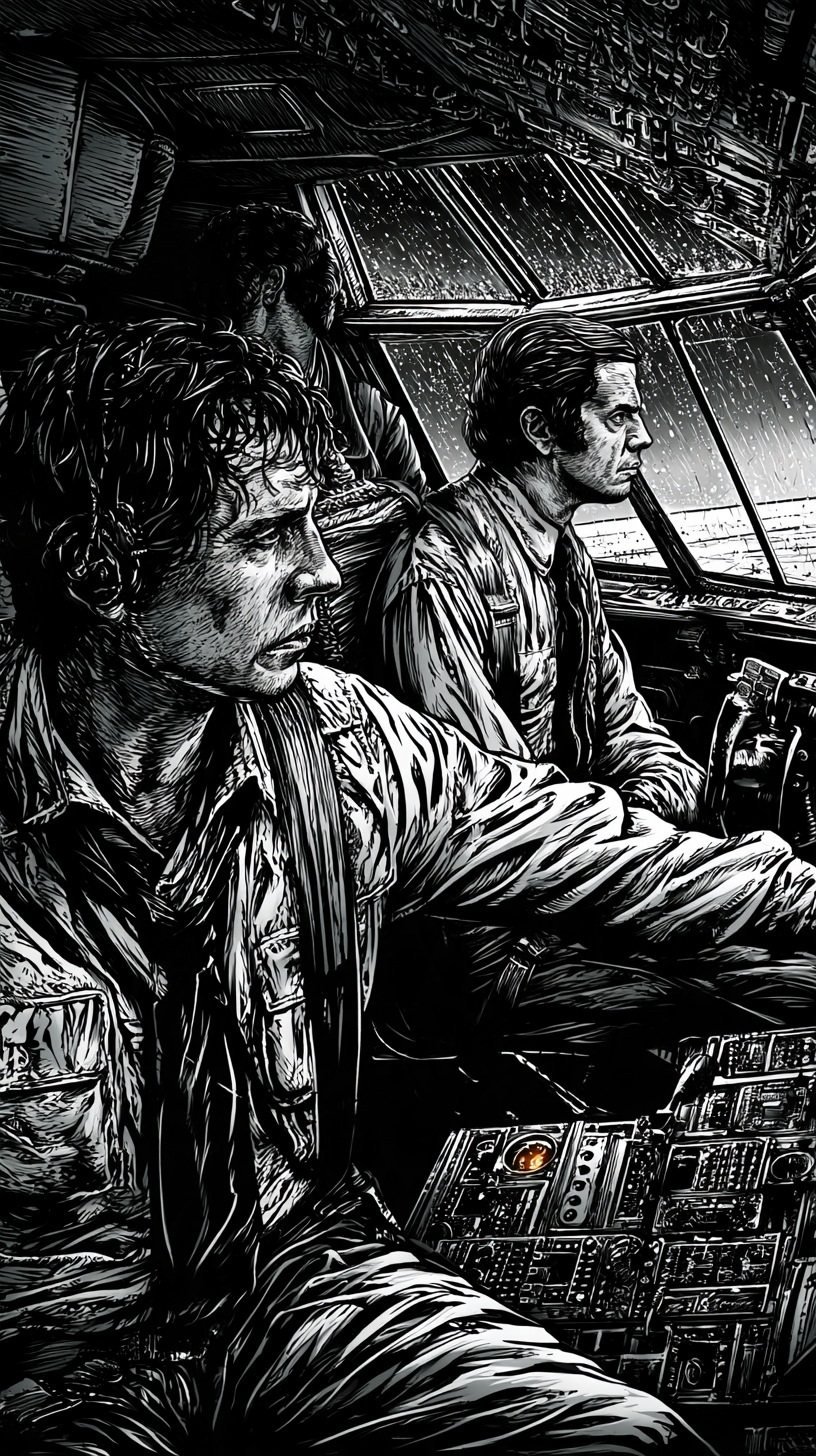
Up front, the captain radioed the demands to the airline. Northwest Orient’s president agreed to pay. Nobody on the ground wanted to find out whether the bomb was real over a city.
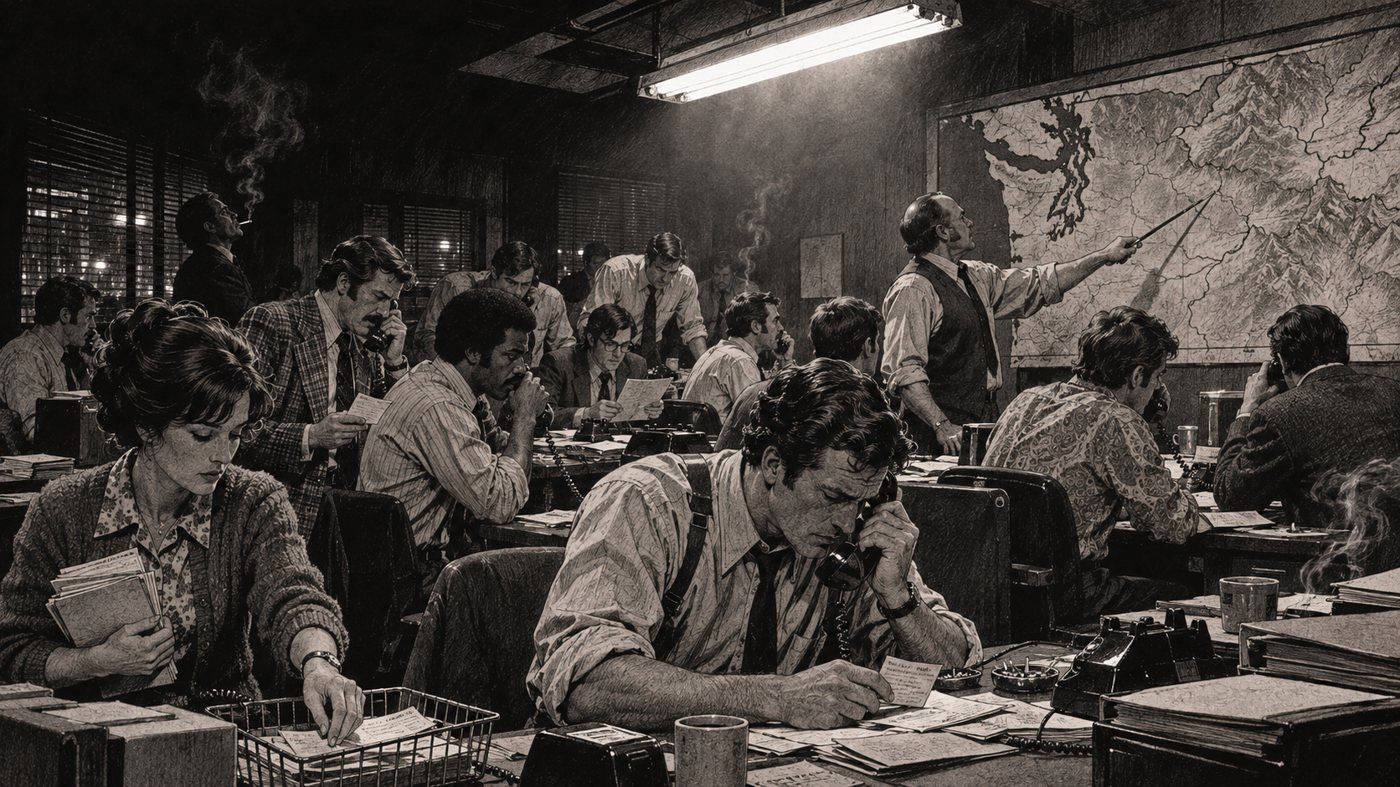
The plane circled over Puget Sound while the money was gathered. The passengers were told there was a mechanical problem.
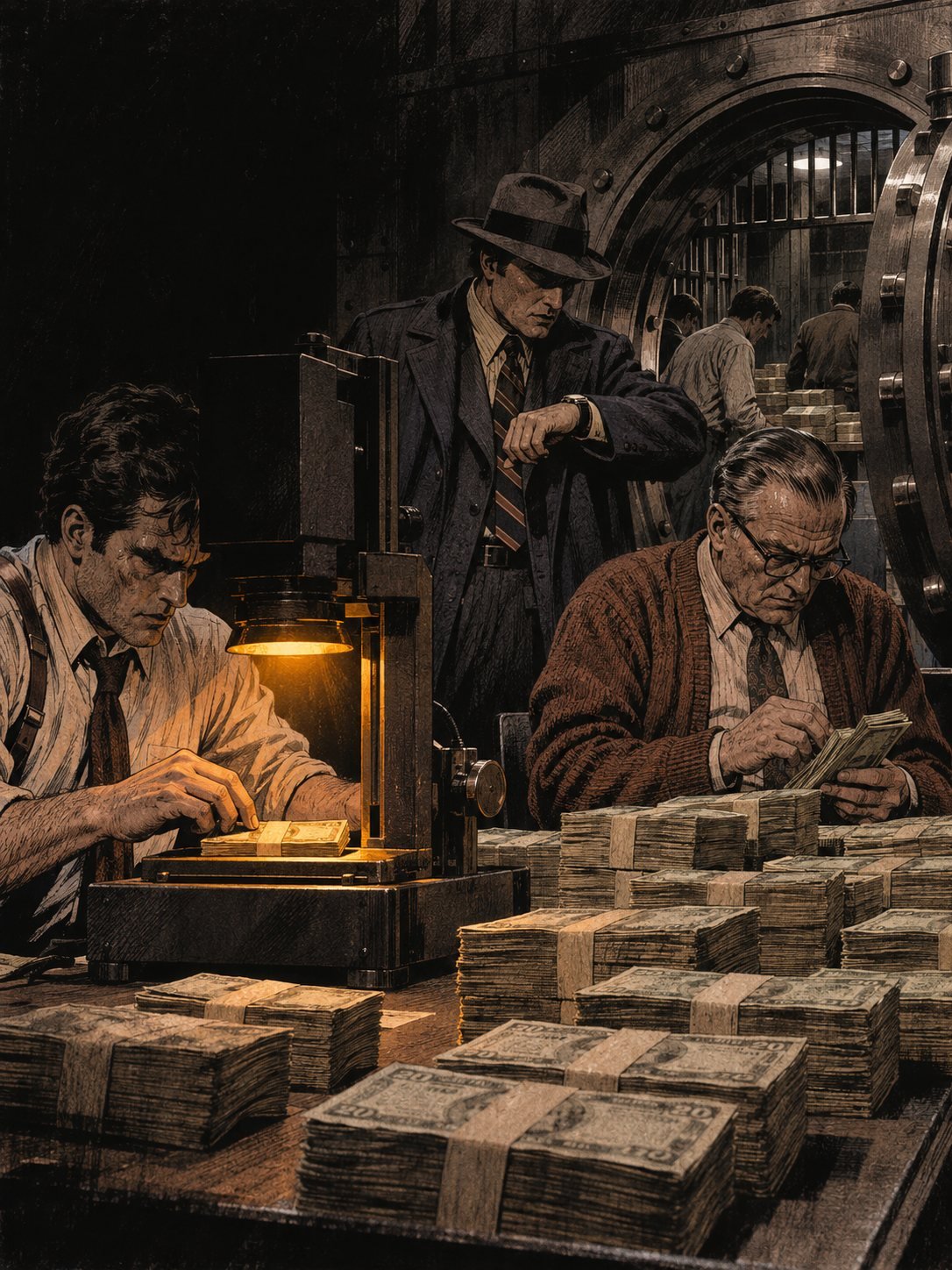
On the ground, FBI agents photographed the ransom before it left the bank, so every serial number would be on record. Ten thousand bills. If even one turned up later, they would know.
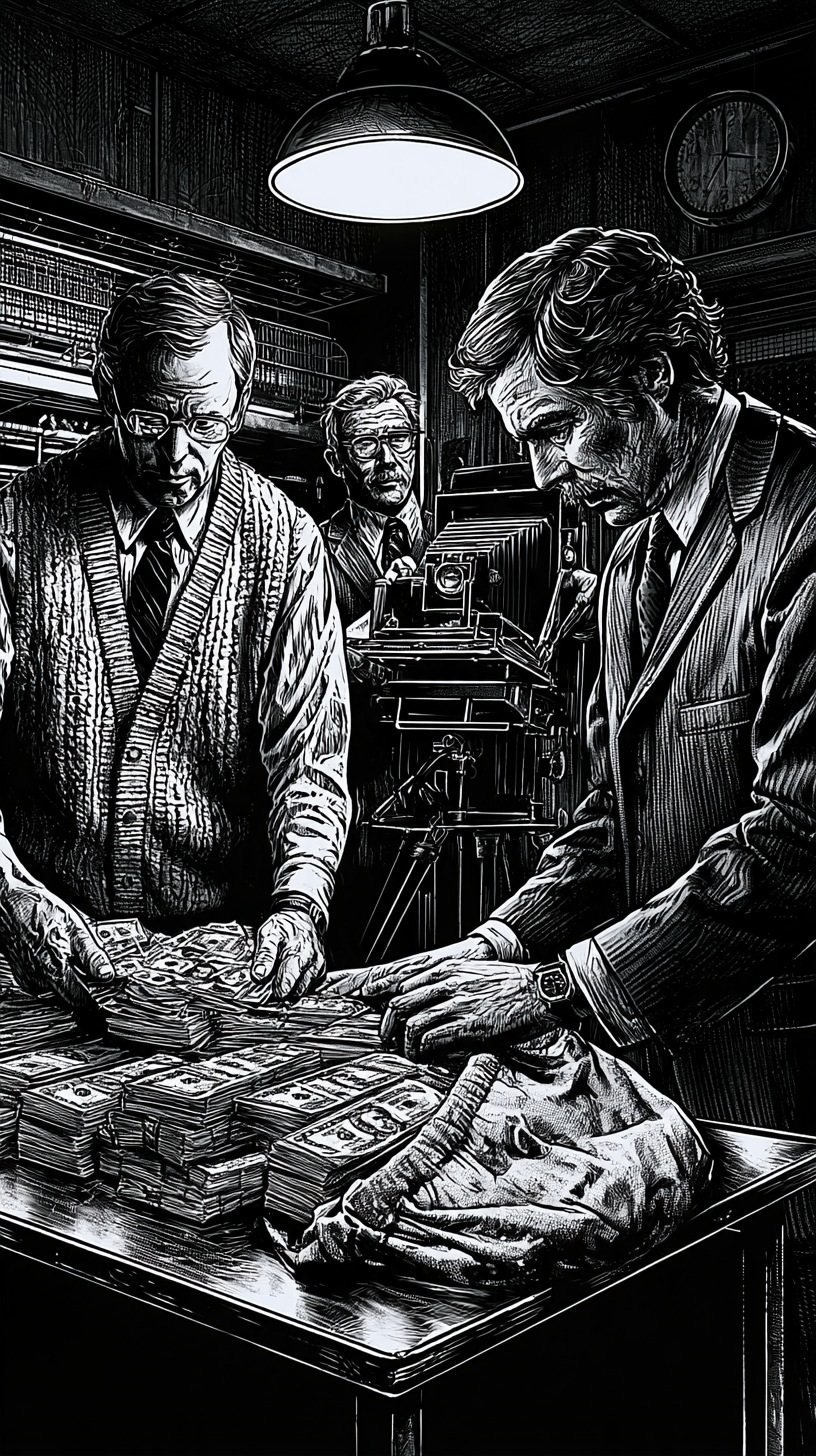
The list of serial numbers was later released to the public. For years, bank tellers and curious collectors checked old twenties against it.
Not one of those bills was ever found in circulation. Whatever happened to the money, nobody spent it, at least not anywhere anyone noticed.
Four parachutes were collected too. One of them was a training reserve whose canopy had been sewn shut. It was never meant to open.
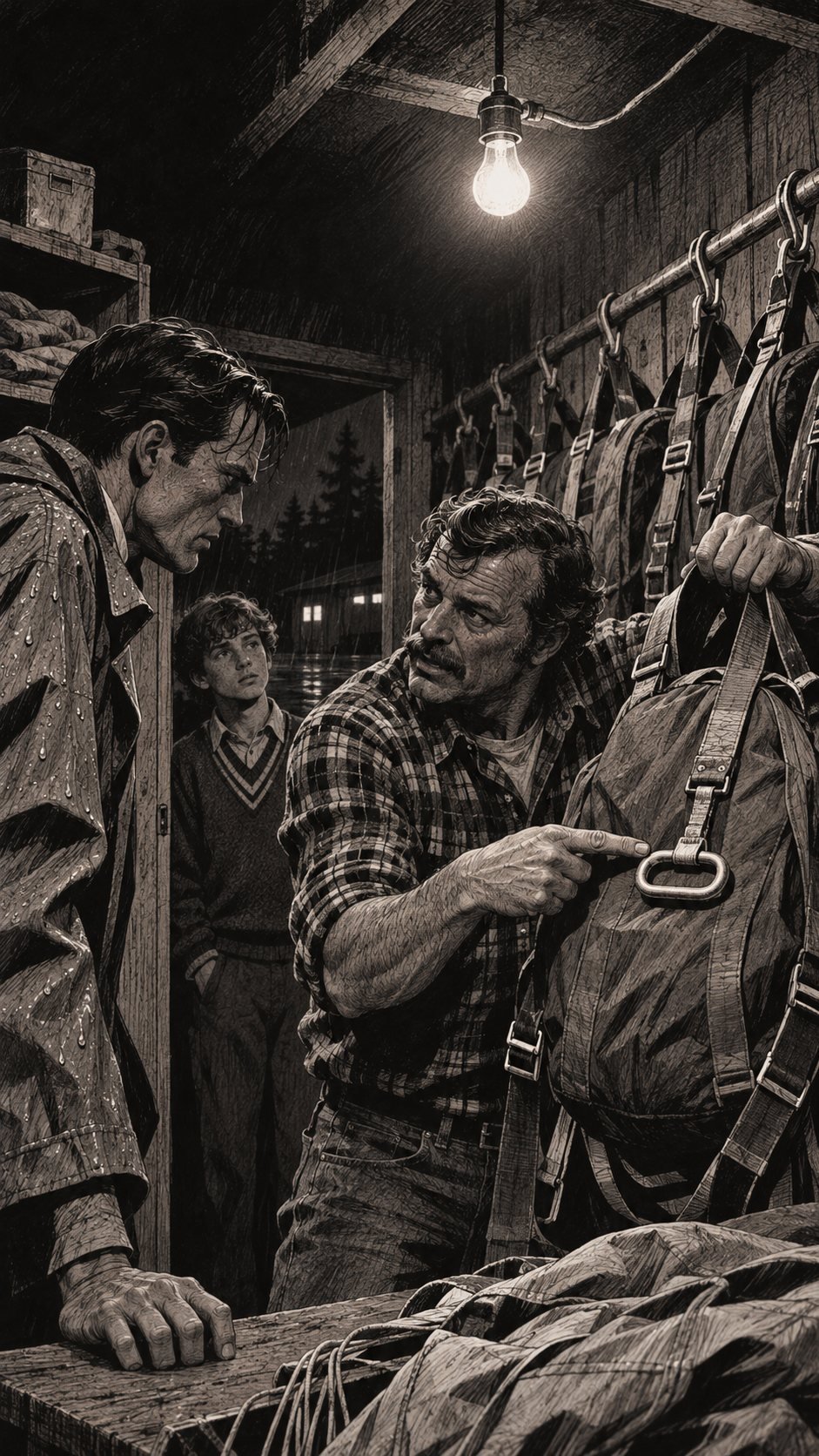
Hold on to that detail. It matters later.
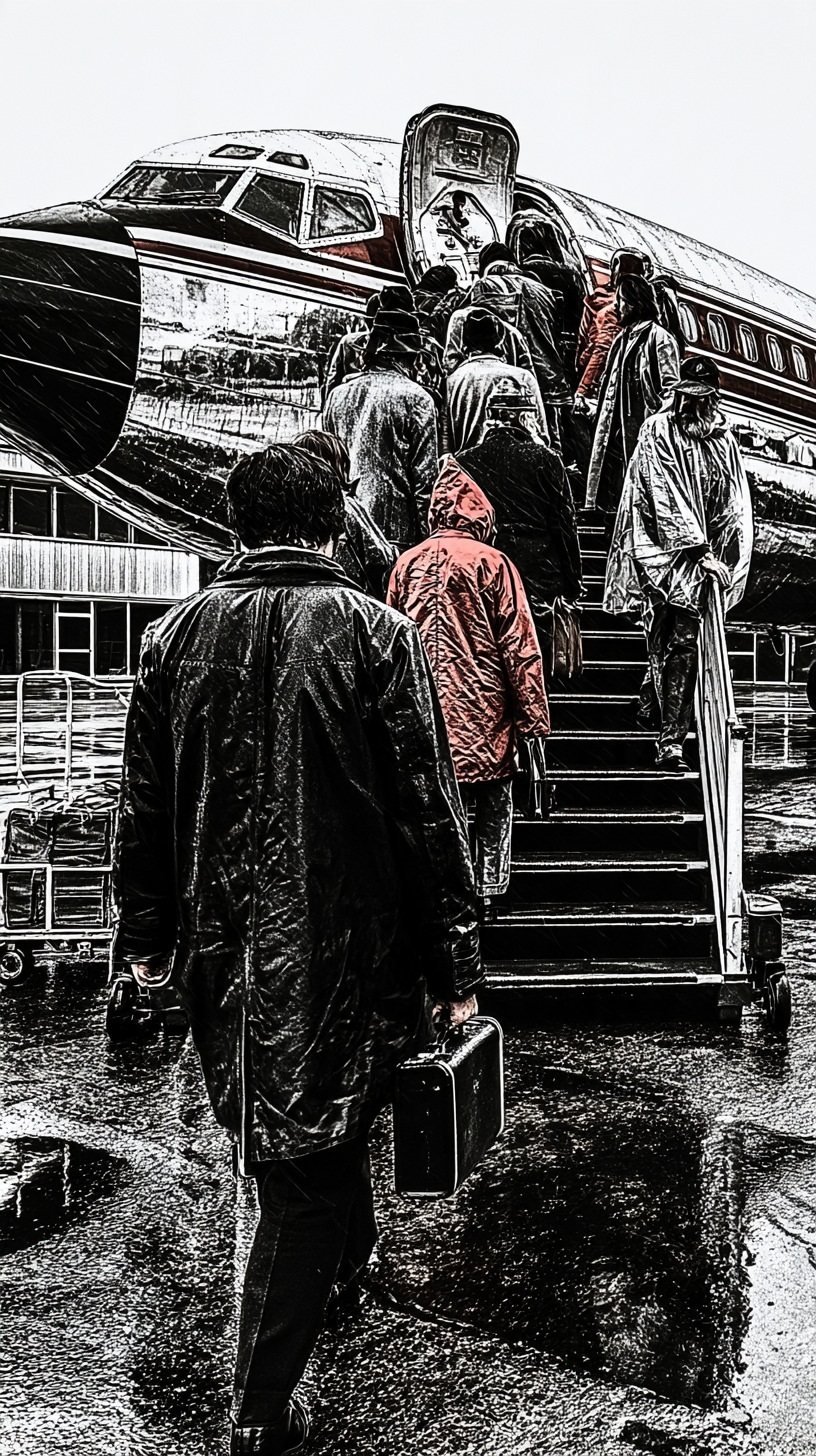
In Seattle, the money came aboard in a bank bag, and Cooper let the 36 passengers walk off into the rain. Most of them did not realise they had been hijacked. He kept the pilots and one flight attendant.
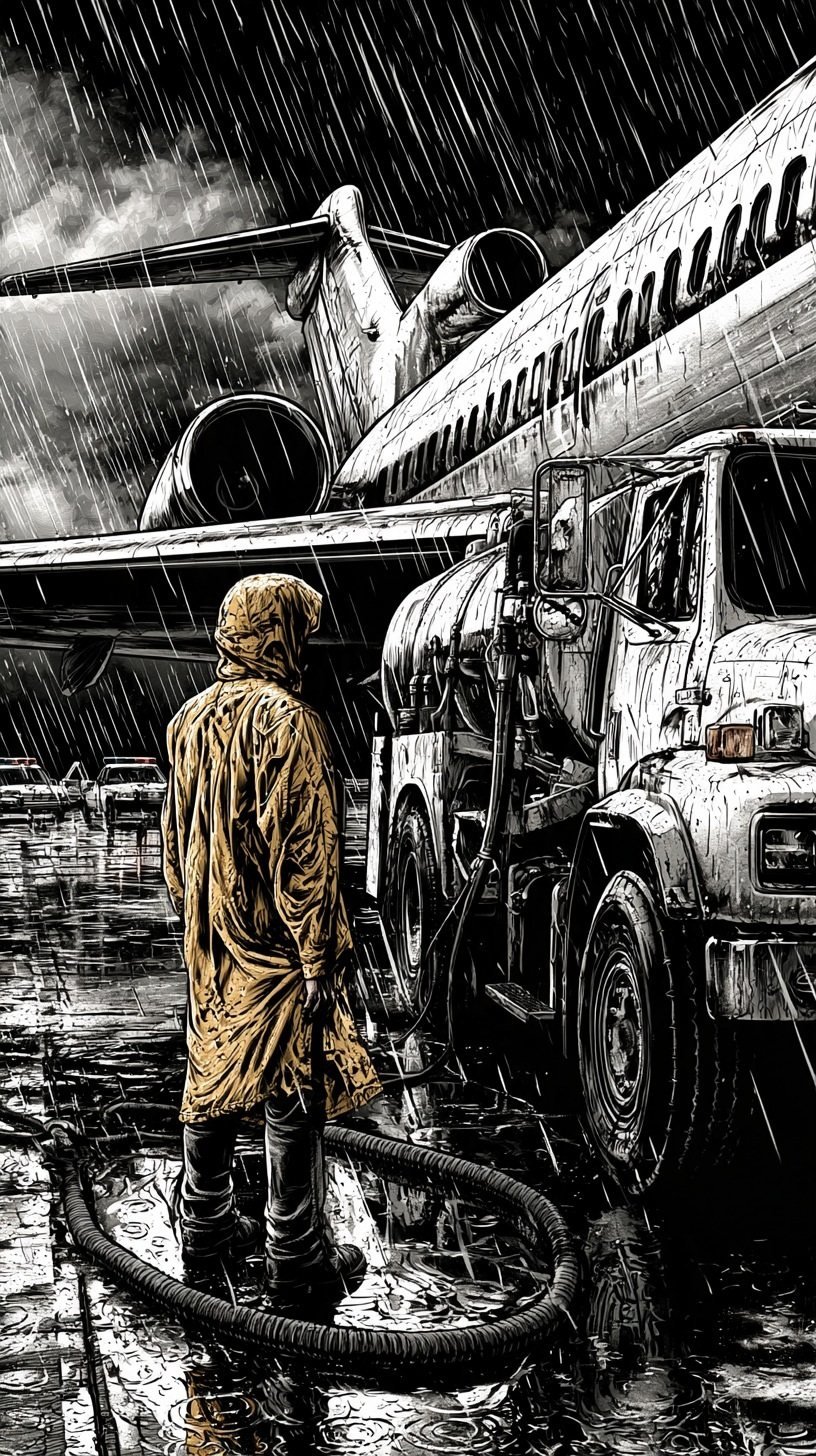
The jet had landed in Seattle at about 5:40 p.m. Refuelling was slow, and Cooper complained about the delay. He wanted the plane back in the air.
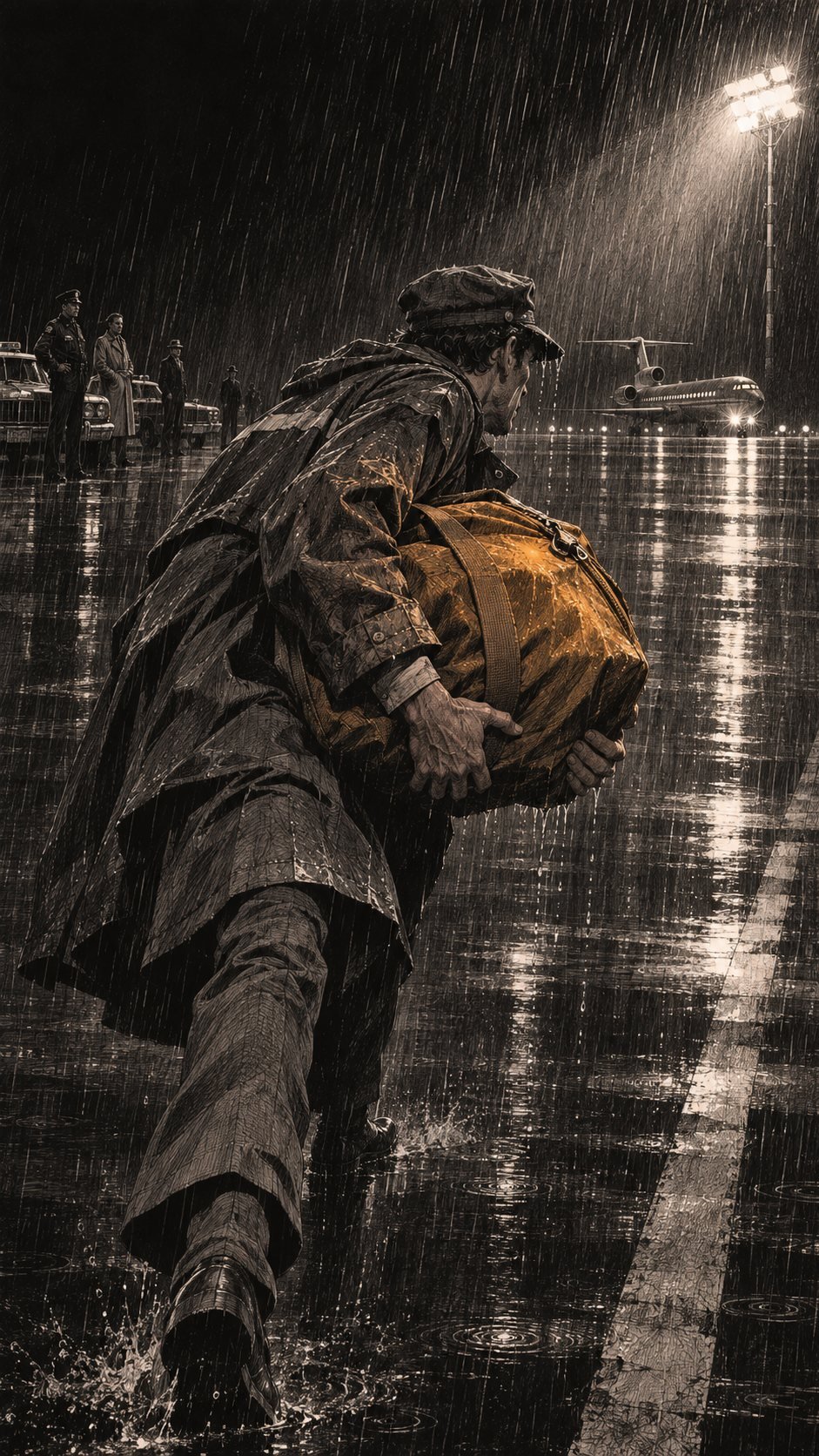
At about 7:40 p.m. it took off again, with four people left on board: the two pilots, the flight engineer, one flight attendant. And him.
The stairs nobody thought about
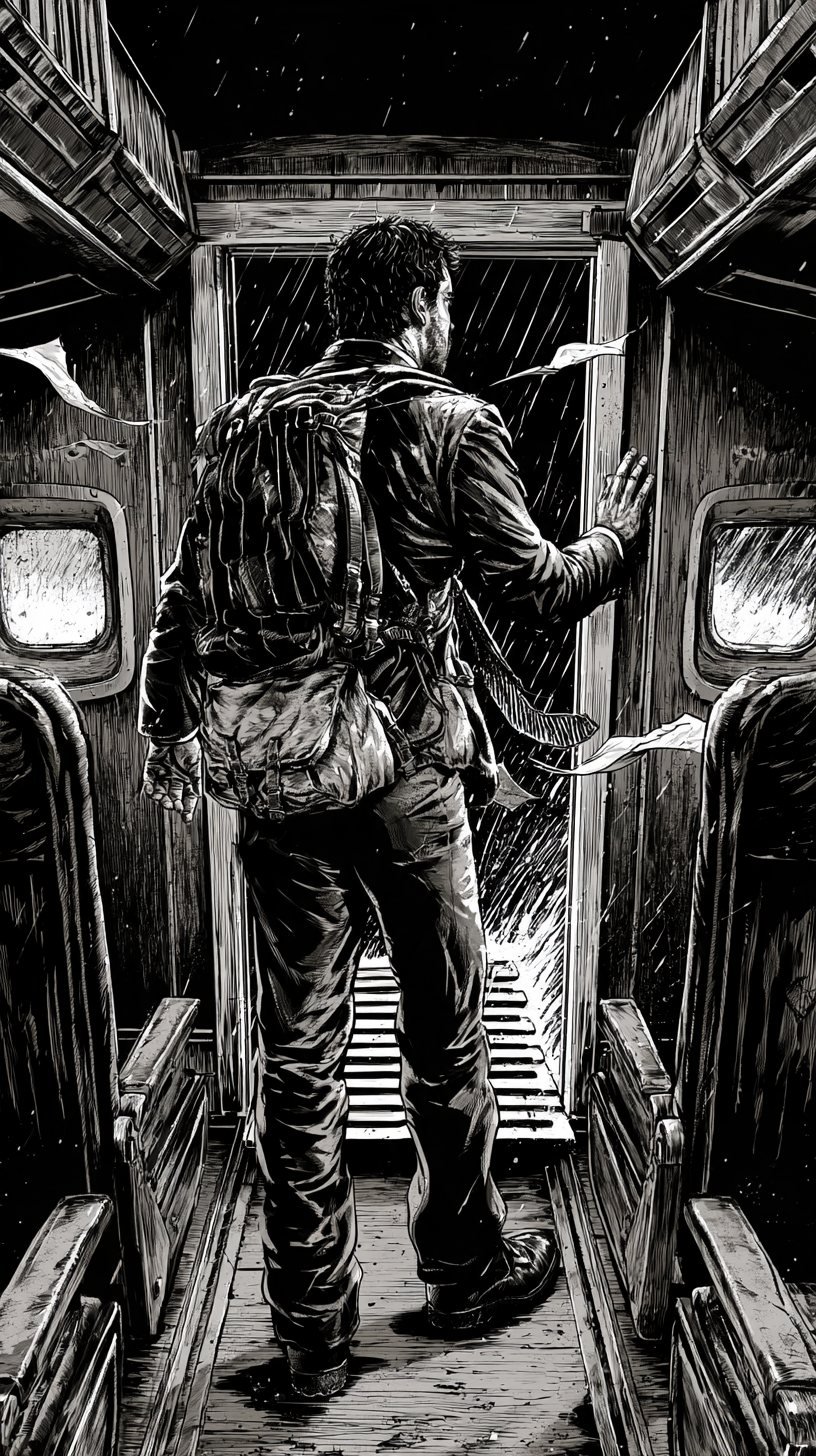
Before take-off, Cooper asked the flight attendant how to lower the rear stairs.
That was the strange part. The Boeing 727 had a staircase built into its belly, right under the tail, so passengers could board at small airports. Almost nobody outside aviation knew it could be opened in flight.
He seemed to know.
He told the crew to fly toward Mexico City, low and slow, with the cabin unpressurised. Then he sent the flight attendant forward to the cockpit and closed the curtain.
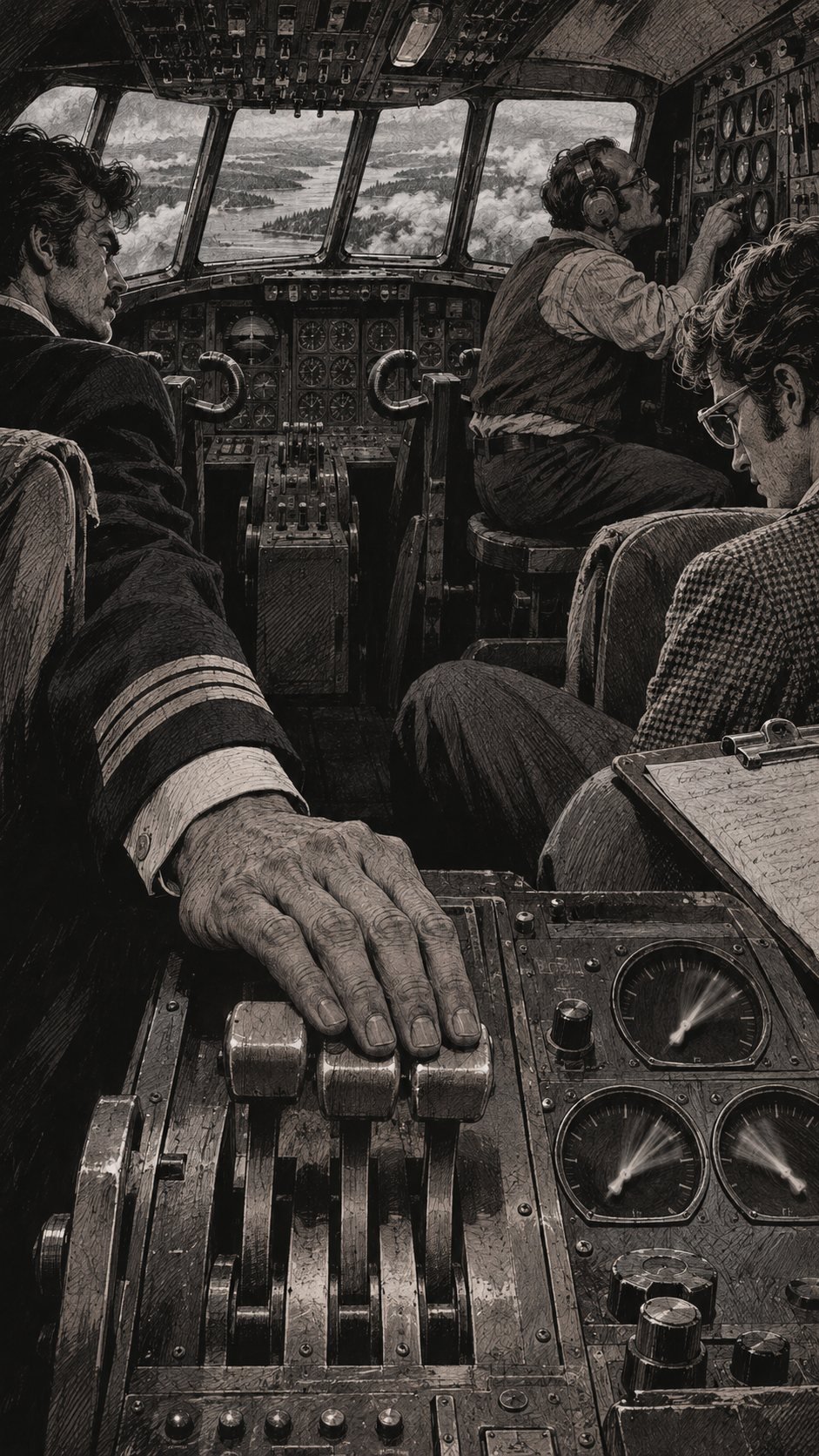
Air Force fighter jets were sent up to follow the airliner. In the cloud and rain, their pilots saw nothing.
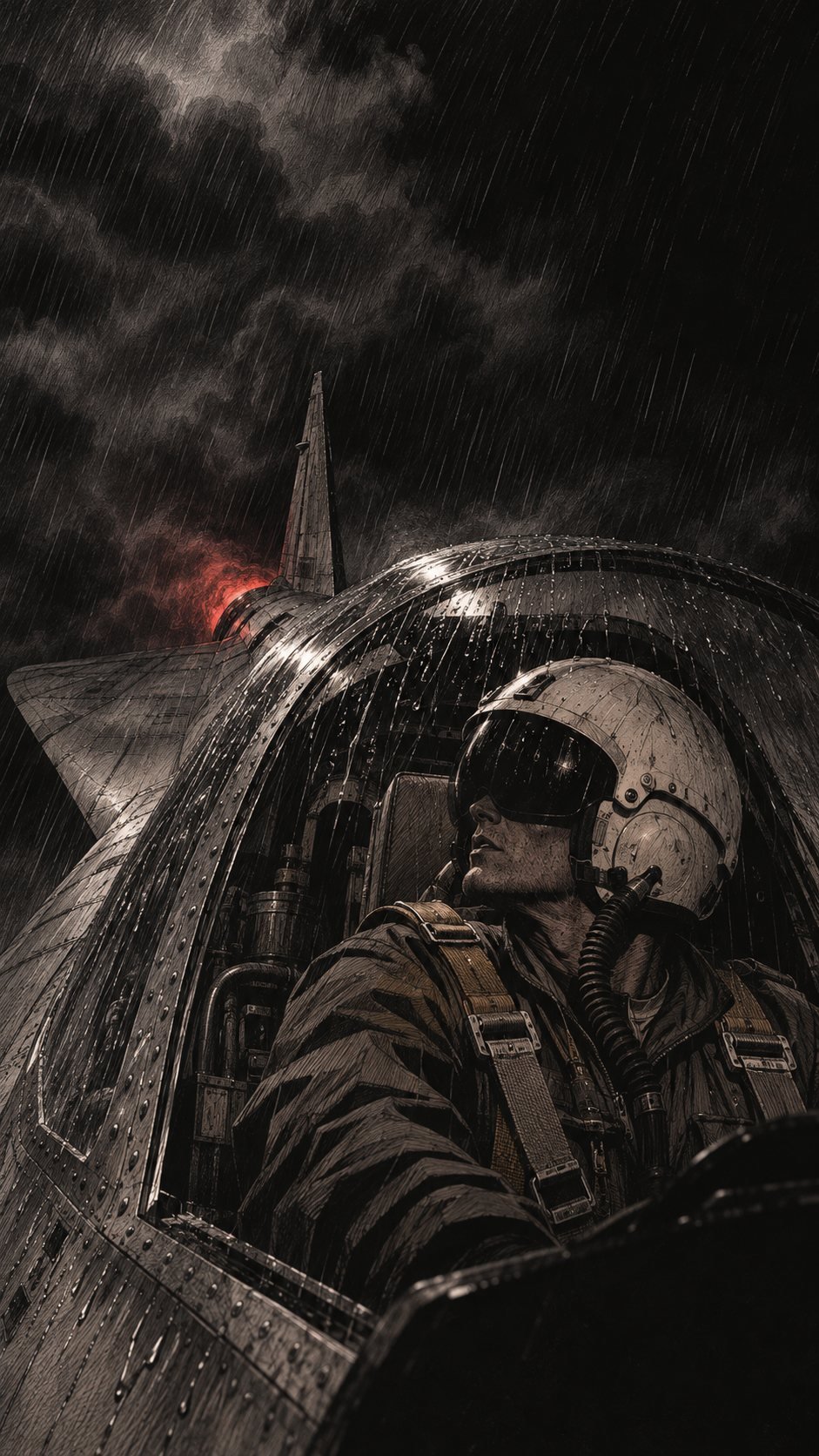
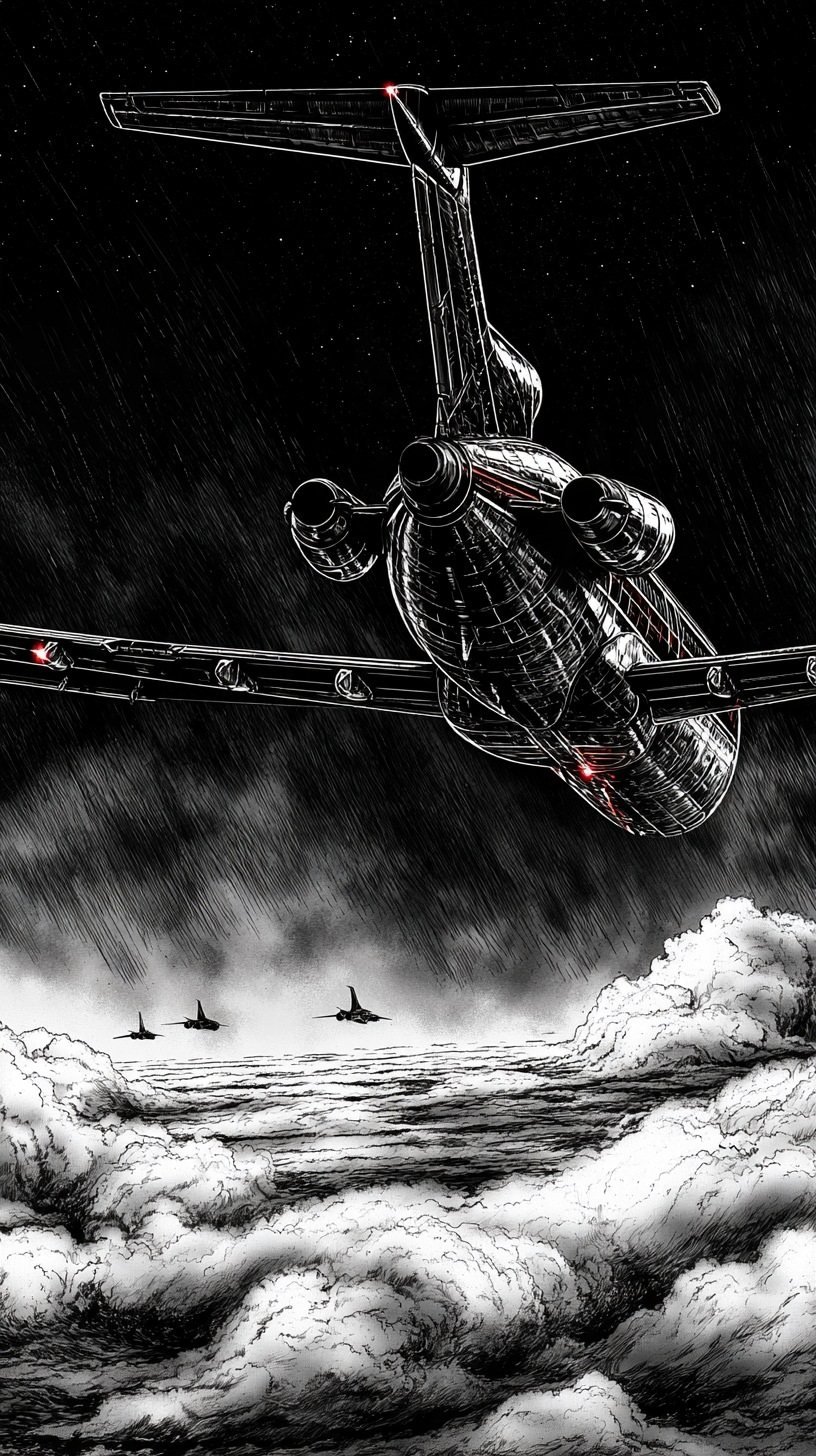
A little after 8 p.m., over south-west Washington, a warning light came on in the cockpit. The tail gave a small jolt.
The pilots knew what it meant. Nobody saw it happen.
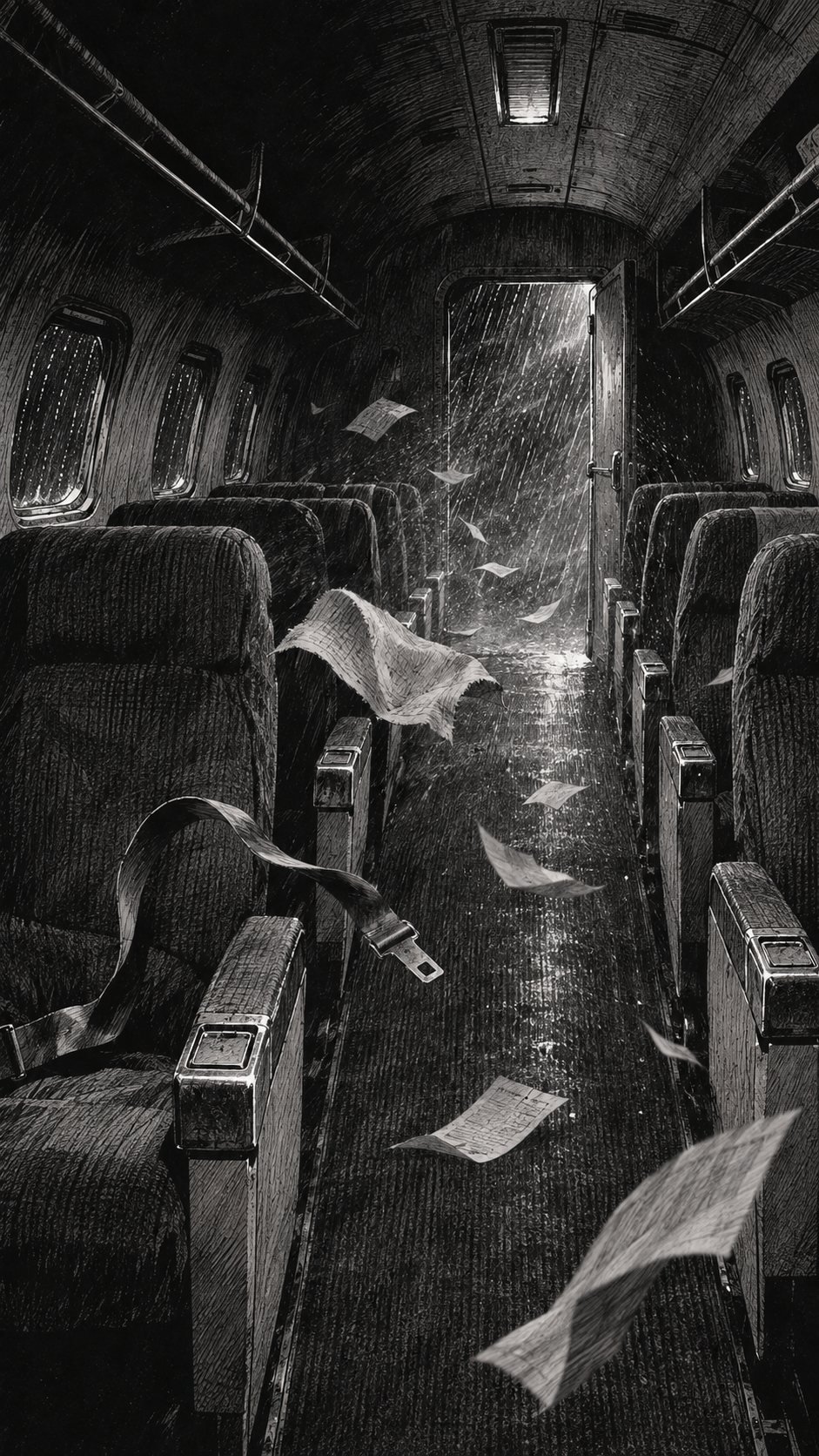
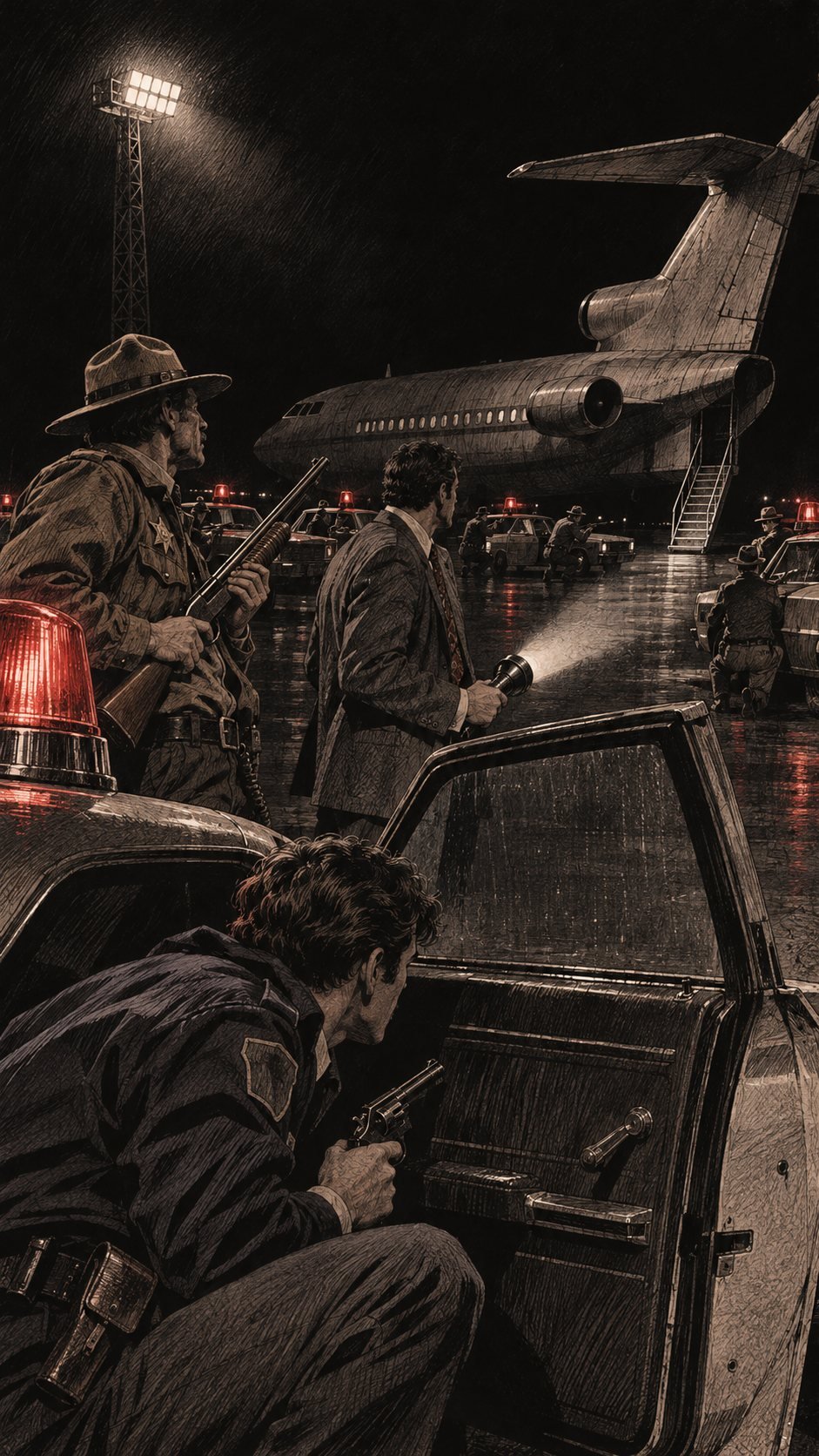
When the plane landed in Reno a little after 10 p.m., agents rushed the cabin.
It was empty.
What did D.B. Cooper leave behind on the plane?
The money was gone. The briefcase was gone. Two of the parachutes were gone, including the training reserve that could not open.
But on a seat lay a black J.C. Penney clip-on tie, with a mother-of-pearl tie clip.
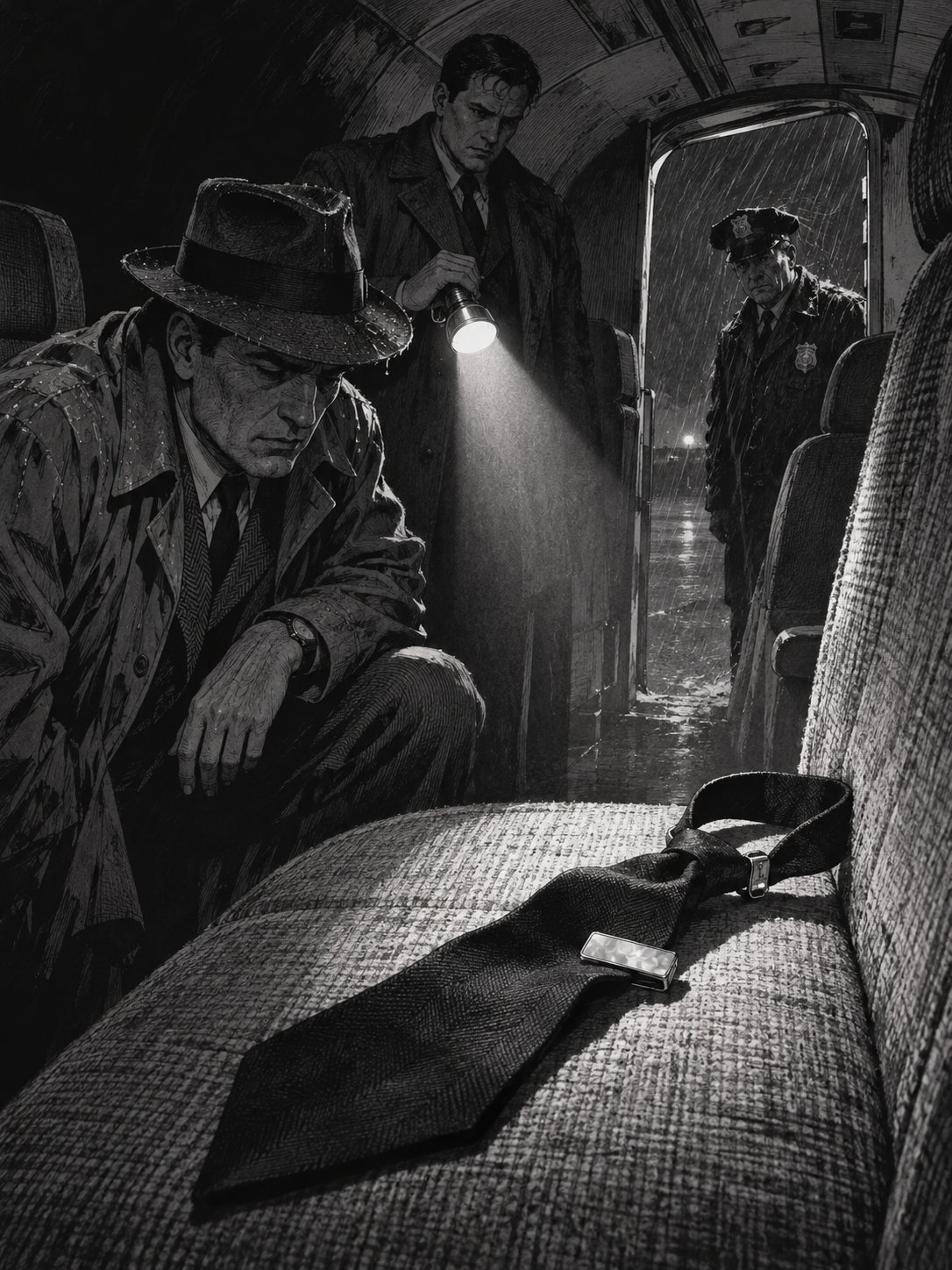
Of everything he did that night, that is the mistake people still argue about. A man careful enough to ask for four parachutes took off the one thing that had touched his neck all day, and left it behind.
Was any of the ransom ever found?
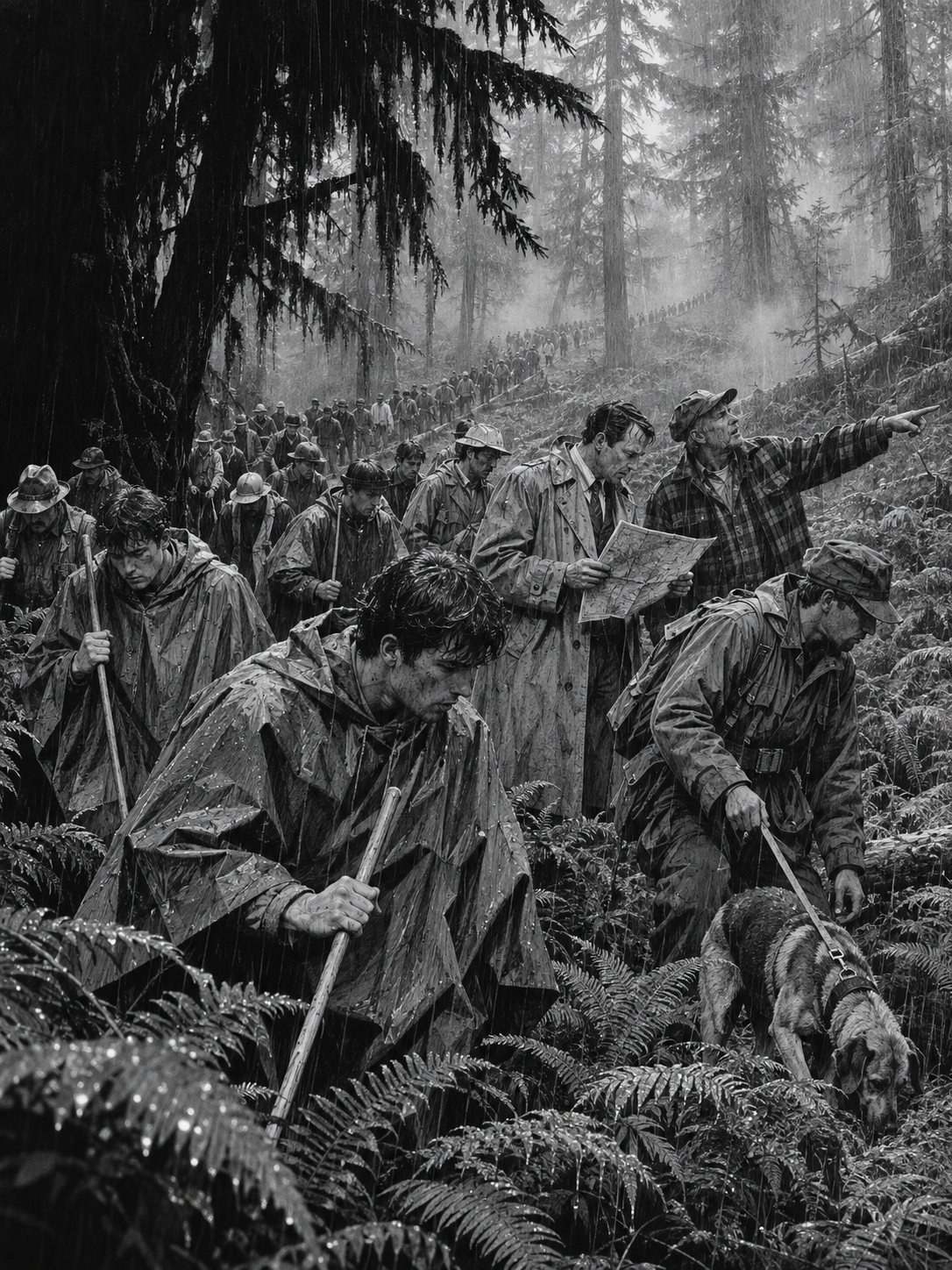
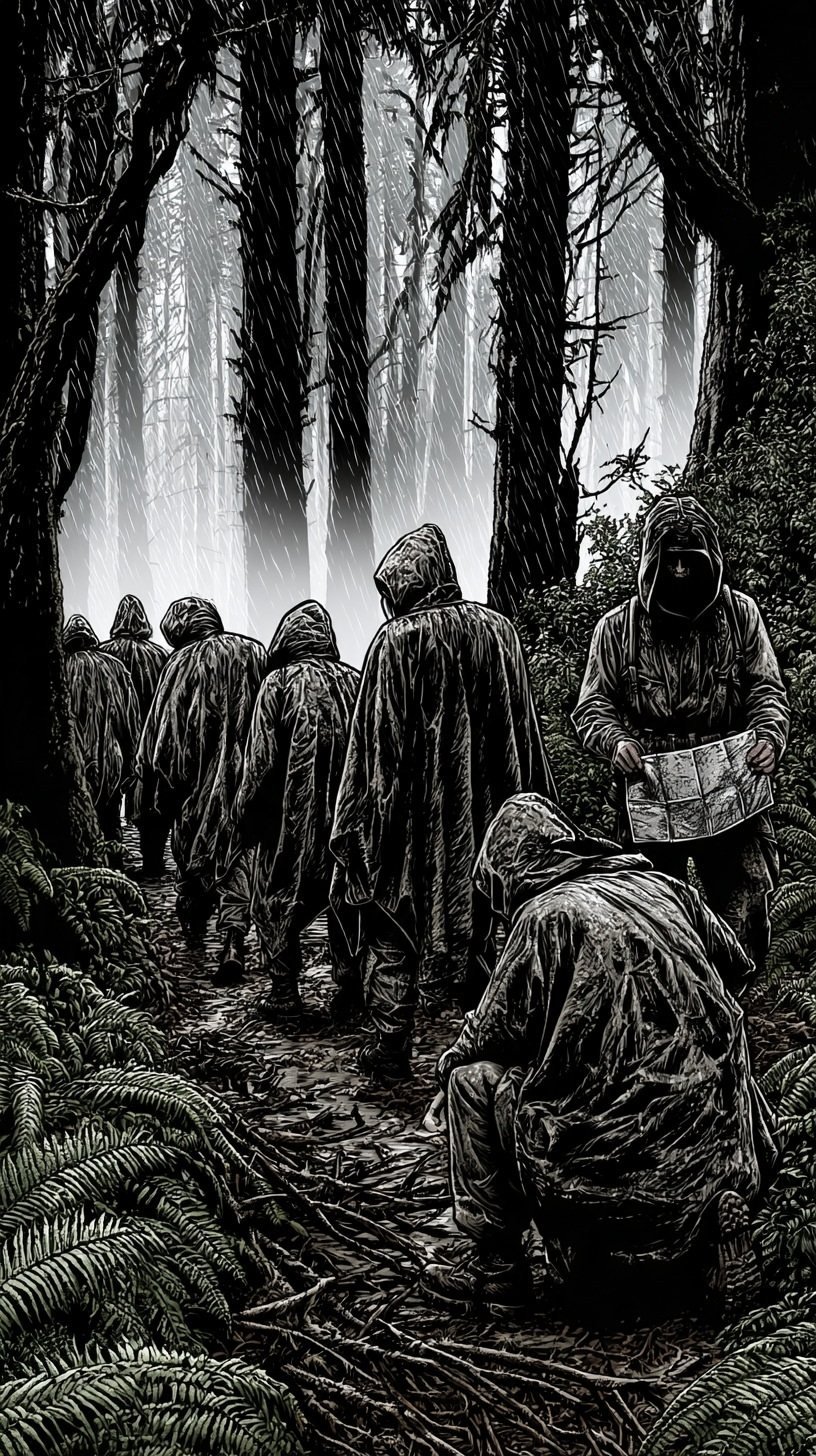
The search that followed was enormous. Soldiers and agents walked the forests near Ariel, Washington, in long lines. They found no parachute, no body and no money.
His face, or the FBI’s best guess at it, went out on television and in newspapers across the country. Nobody could put a name to it.

The FBI’s own lead investigator later said he believed Cooper probably never got his parachute open. No experienced skydiver, he argued, would jump into a pitch-black, rainy night in a business suit and loafers.
It sounded like the end of the story.
It was not.
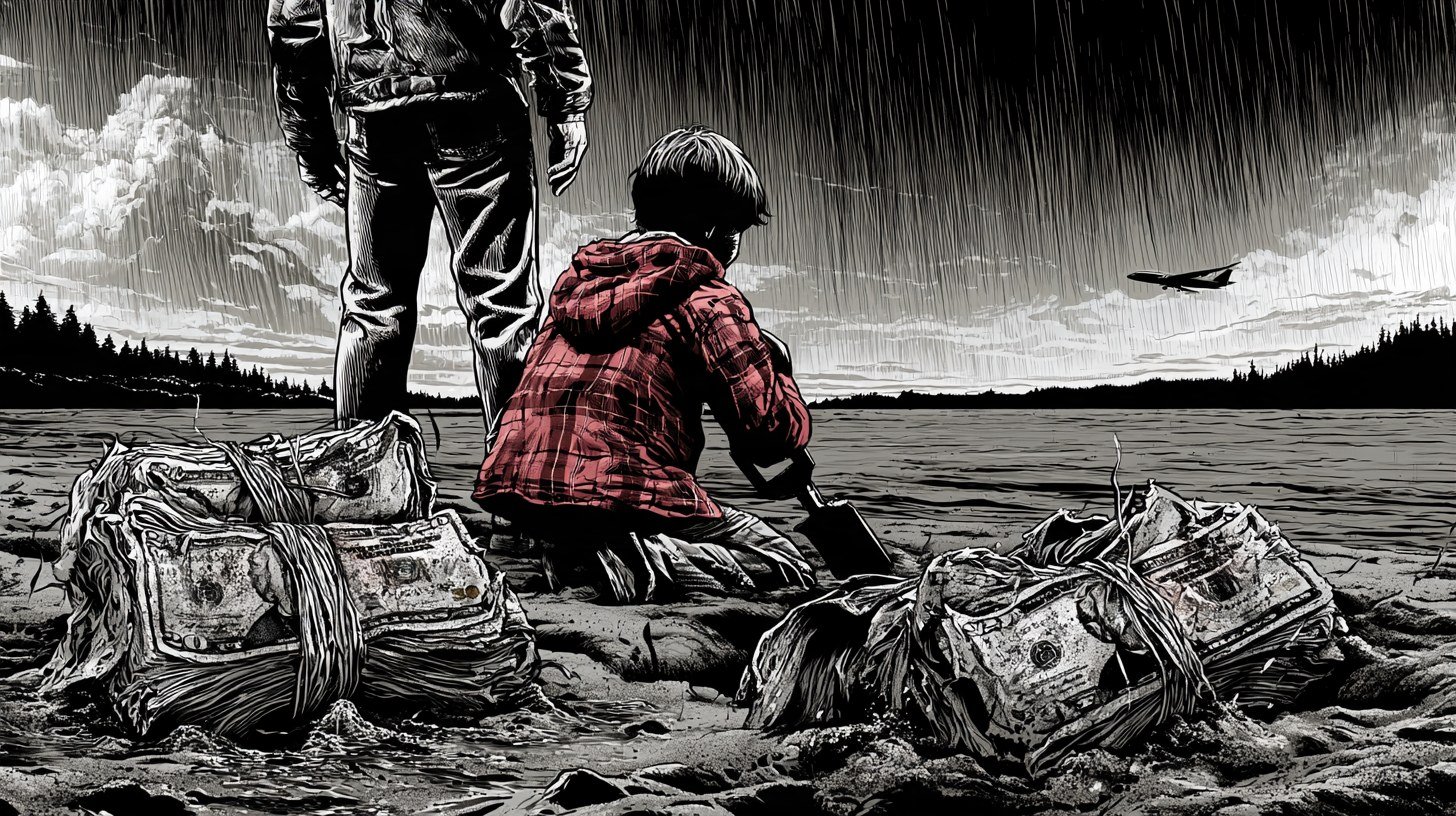
In February 1980, an eight-year-old boy was digging on a sandy beach on the Columbia River, at a spot called Tena Bar. He pulled out rotting bundles of twenty-dollar bills, still held by rubber bands.
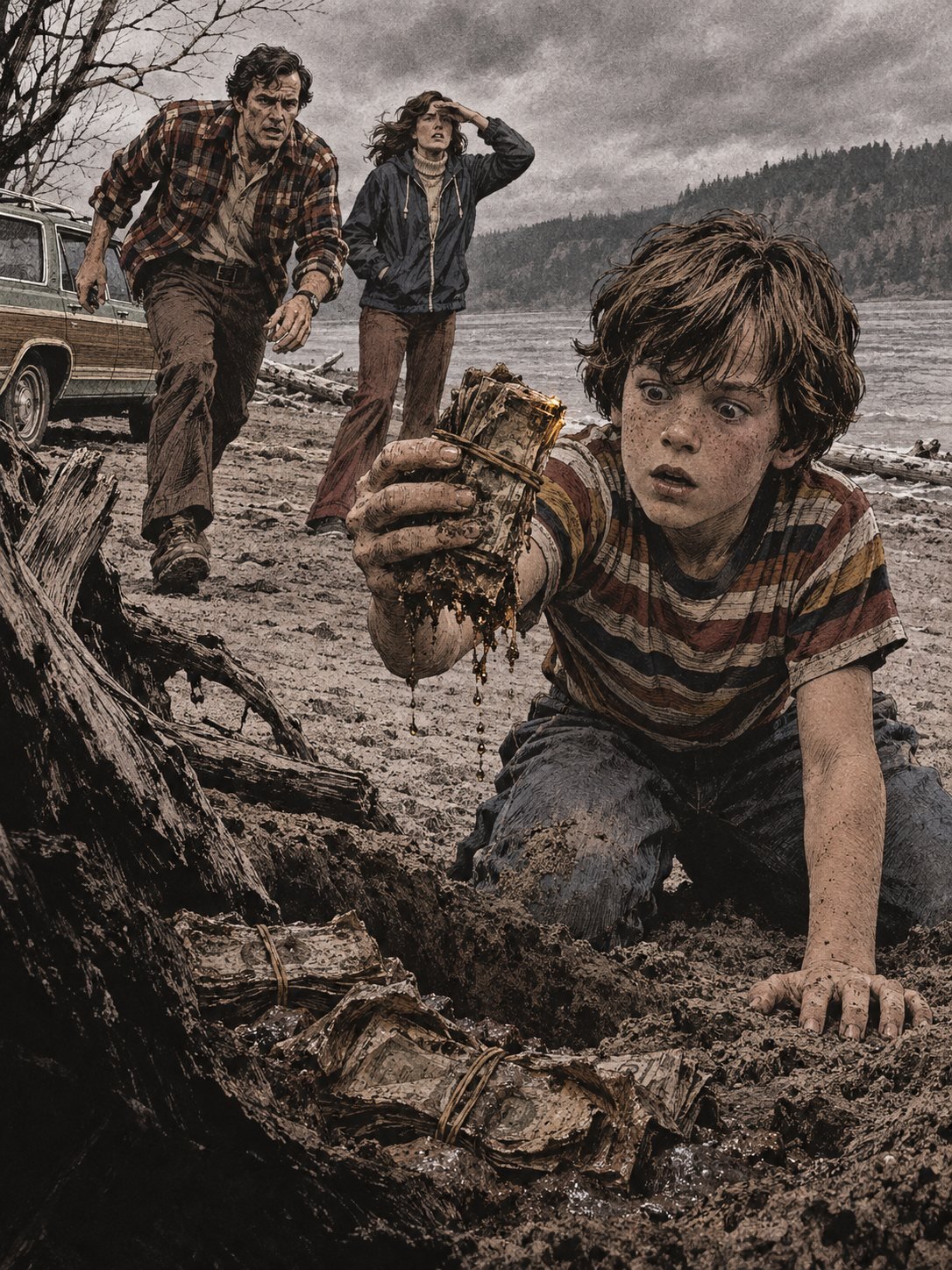
The serial numbers matched. It was Cooper’s money: $5,800 of it.
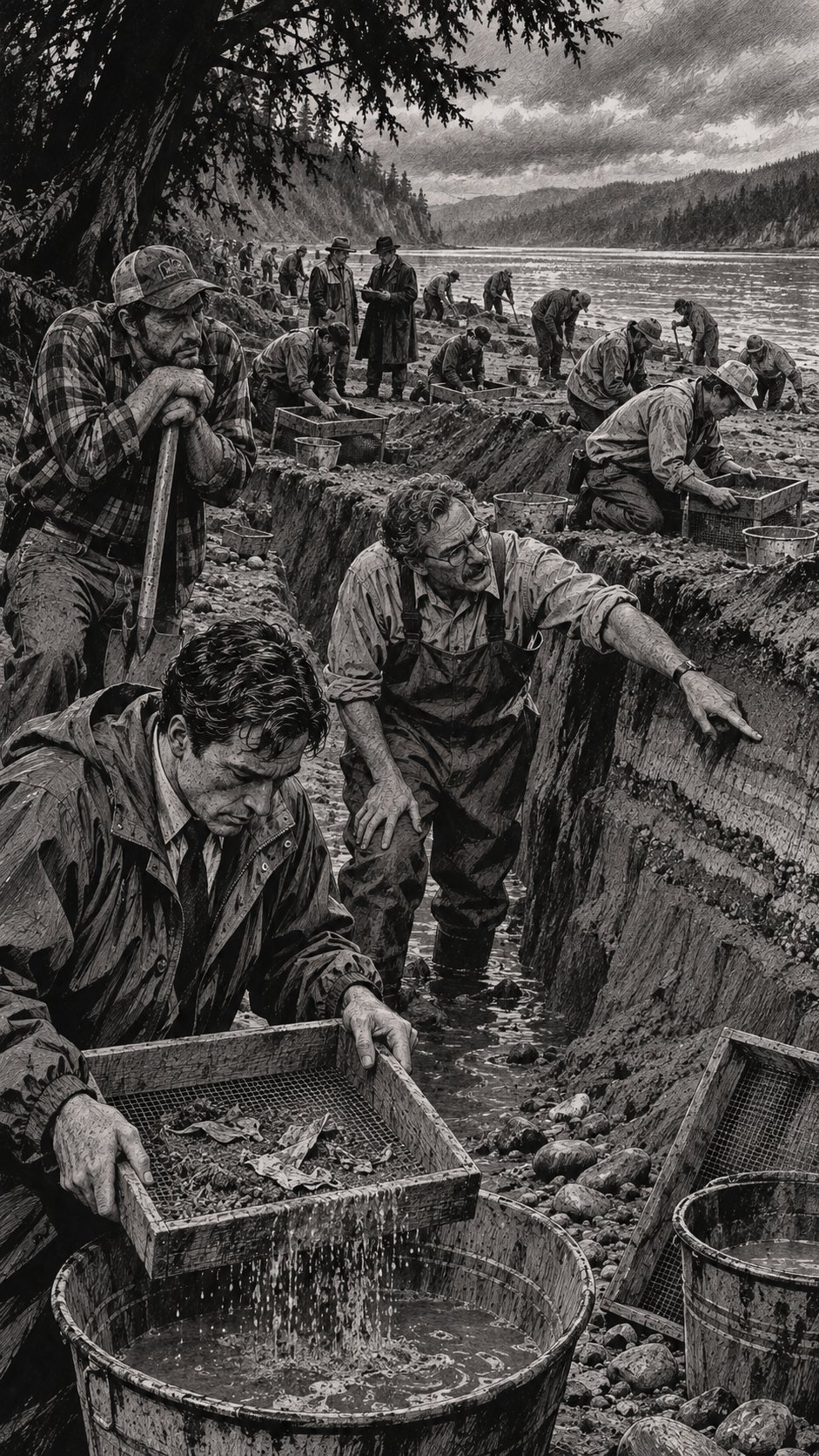
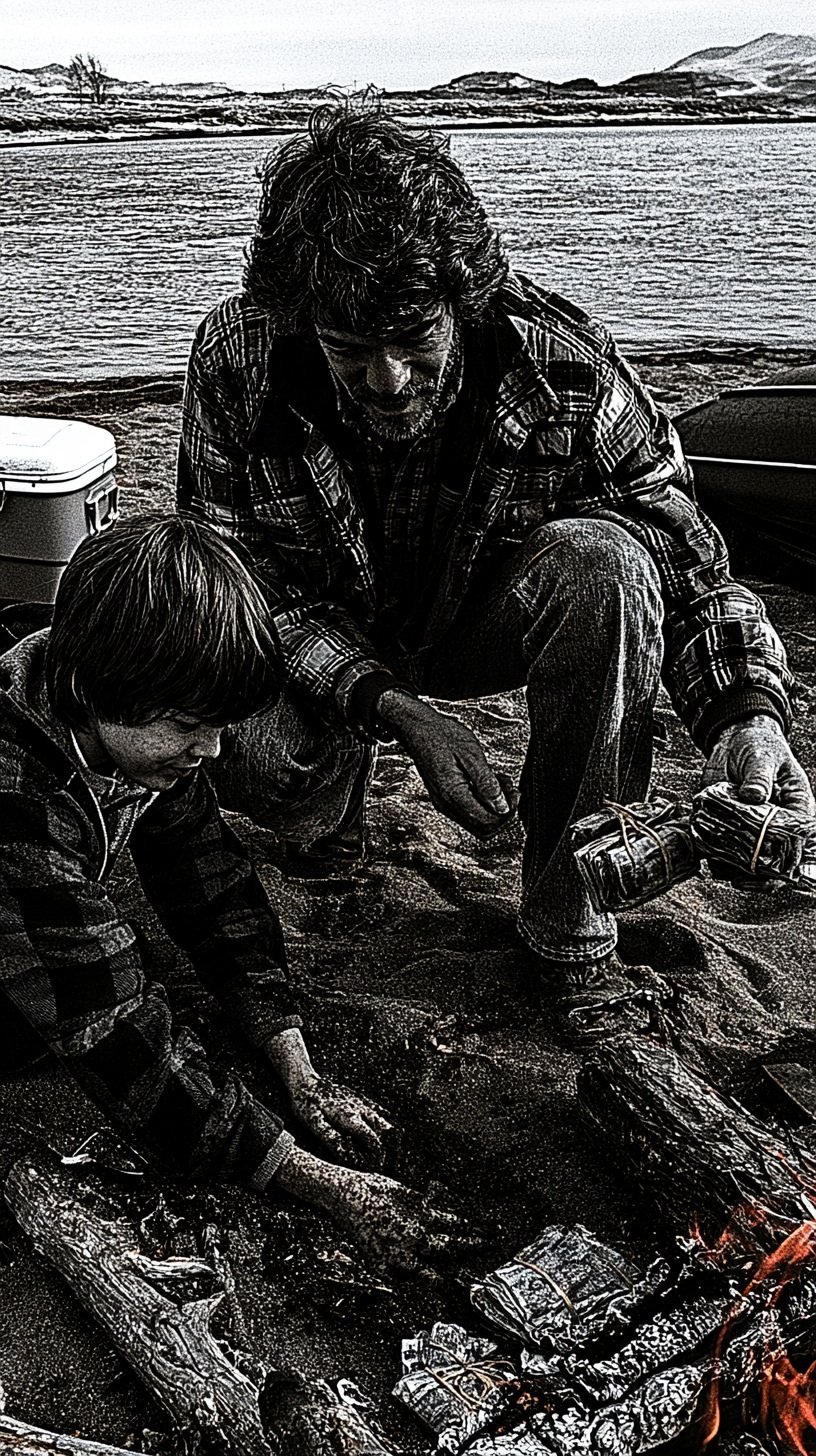
It was the only piece of the ransom ever found. And it answered nothing. How did a bundle of cash get into a riverbank miles from where he was supposed to have jumped, years later, without the rest?
The FBI asked a geologist, Leonard Palmer, to read the sand. Below the money he found a layer of clay he believed had been left by dredging of the river in 1974. If he was right, the bills did not wash up in 1971 or 1972. They arrived after 1974, years after the jump.
So where had they been all that time?
Later amateur researchers have argued over Palmer’s reading of the layers, and some say newer data no longer supports it. The question has never been settled.
What did scientists find on D.B. Cooper’s tie?
In 2001, agents lifted a DNA sample from the tie. It was not enough to name anyone.
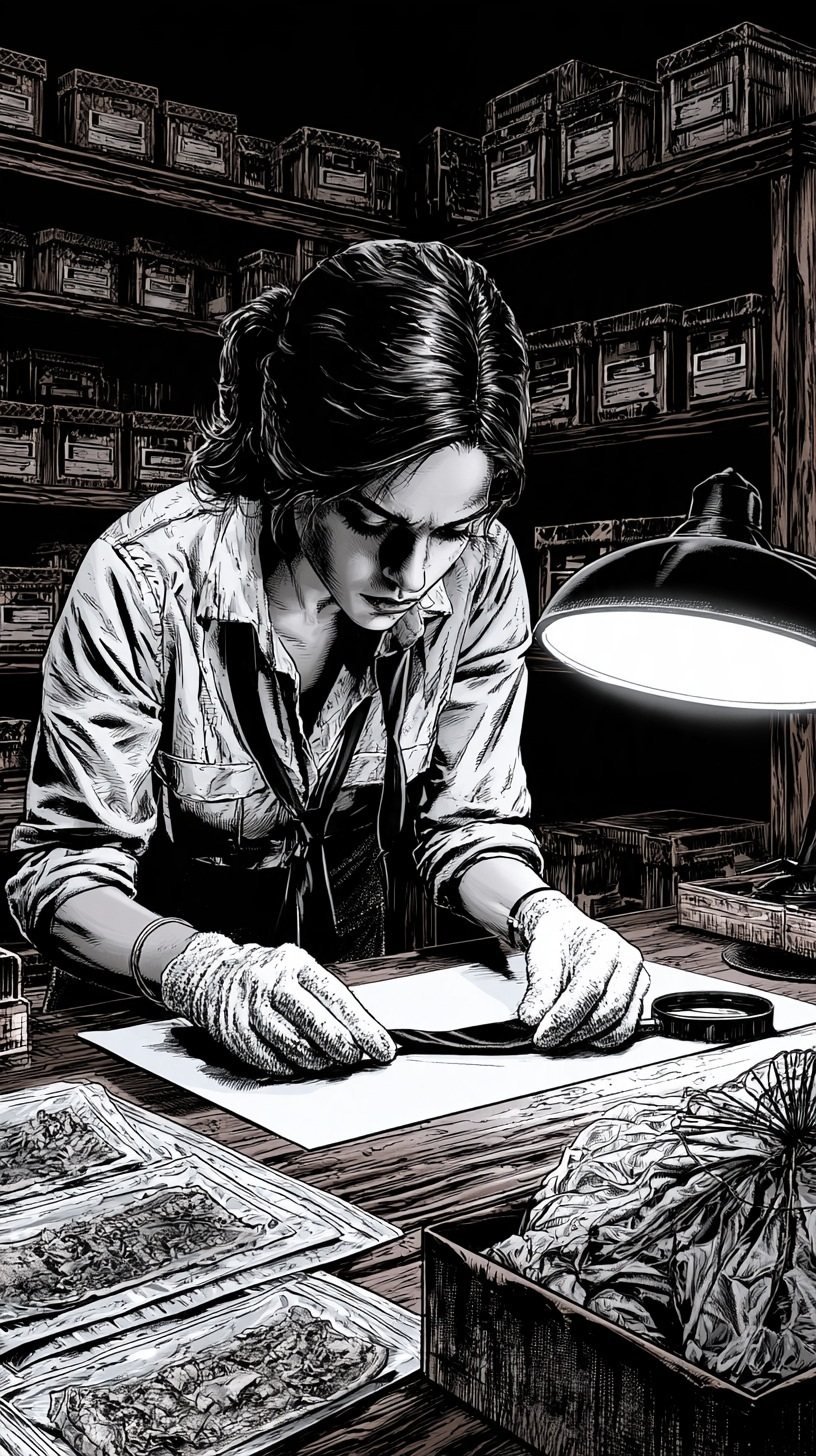
Years later, a team of independent researchers put the tie under an electron microscope and found thousands of tiny particles caught in the fabric: stainless steel, aluminium and pure titanium, materials common in aerospace work at the time.
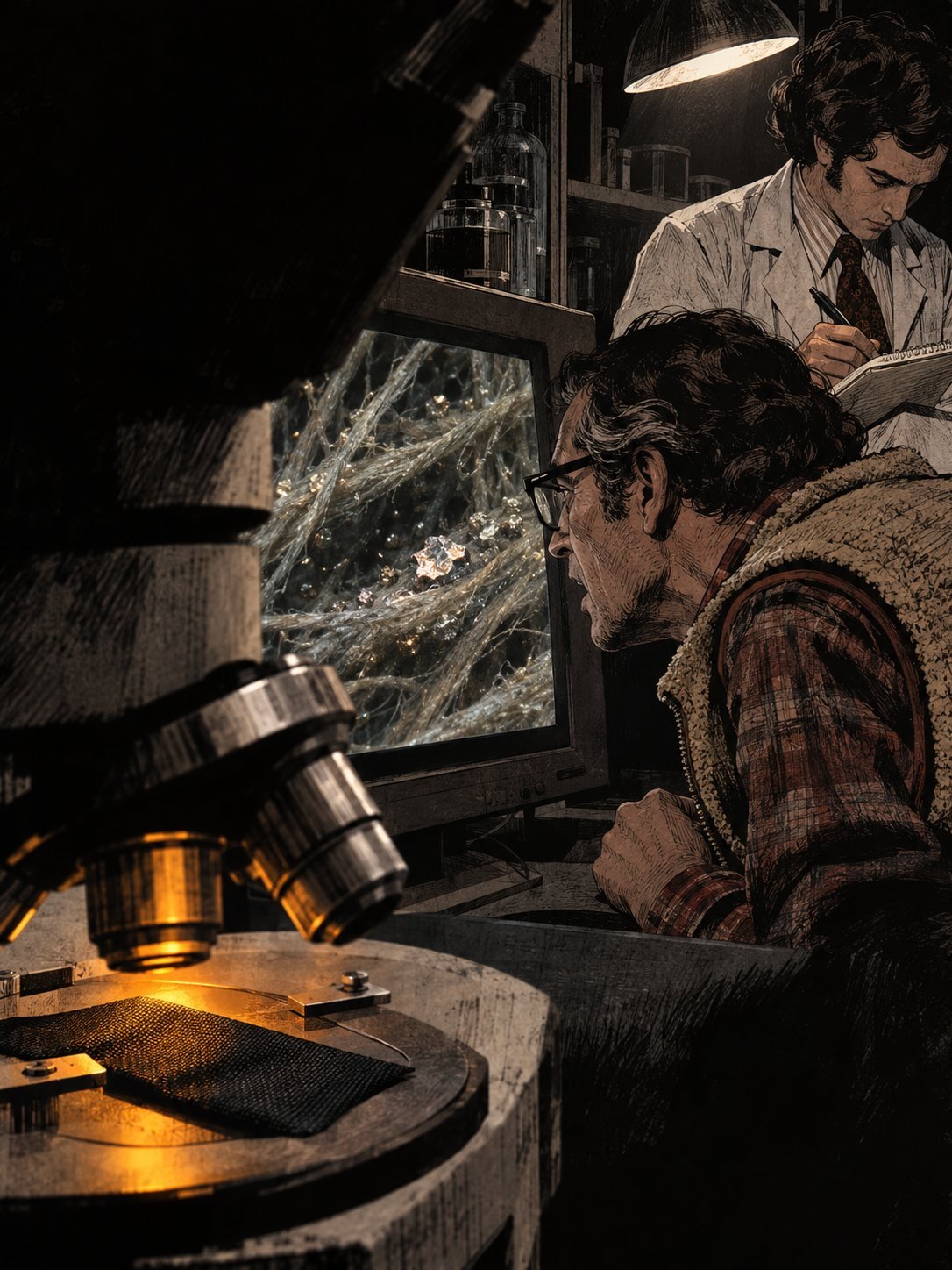
One researcher, Eric Ulis, became convinced that one titanium particle pointed to a specialty metals plant that supplied Boeing in the 1960s. That is his theory, not an established finding. But it gave the case a new direction: not who jumped, but where he worked.
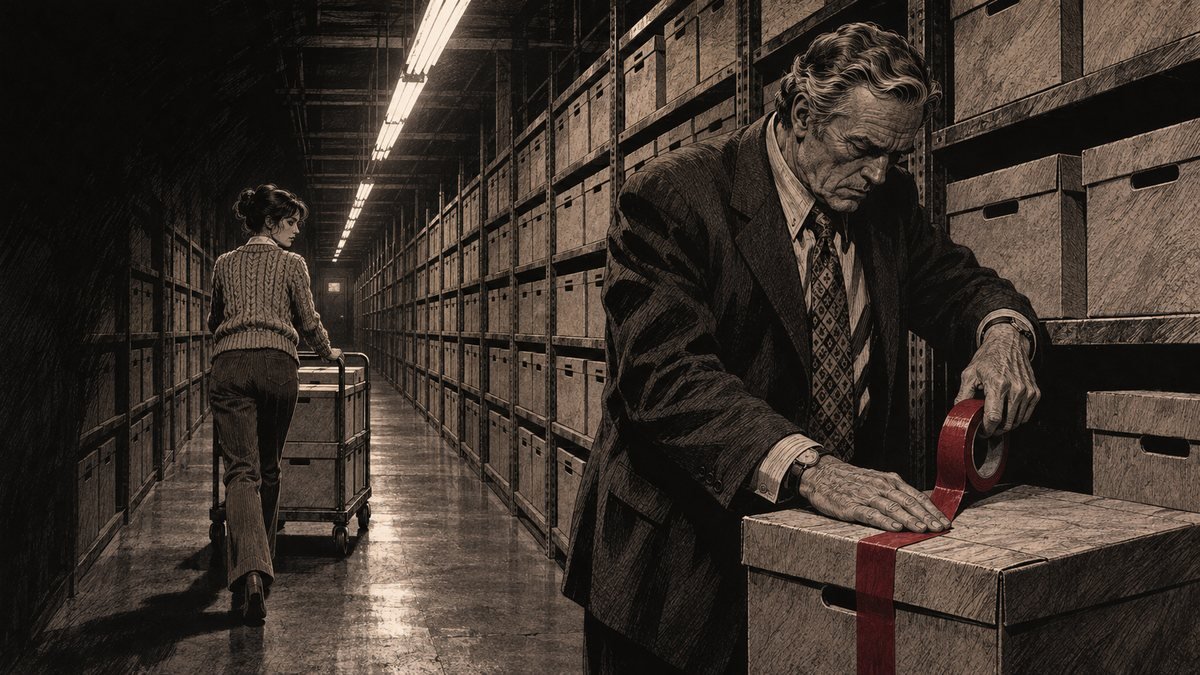
The FBI had already looked at hundreds of possible suspects over the decades. On 8 July 2016, it announced it would no longer actively investigate. The evidence would be preserved at FBI headquarters, and anyone who found the parachutes or the money was asked to come forward.
Case closed.
Again, not quite.
Then a parachute turned up in a barn
There was one thing Cooper changed for good. After 1971, airlines fitted 727s with a small spring-loaded paddle that kept the rear stairs from opening in flight. Pilots still call it the Cooper vane. Within a couple of years, airport screening of every passenger became the rule in the United States.
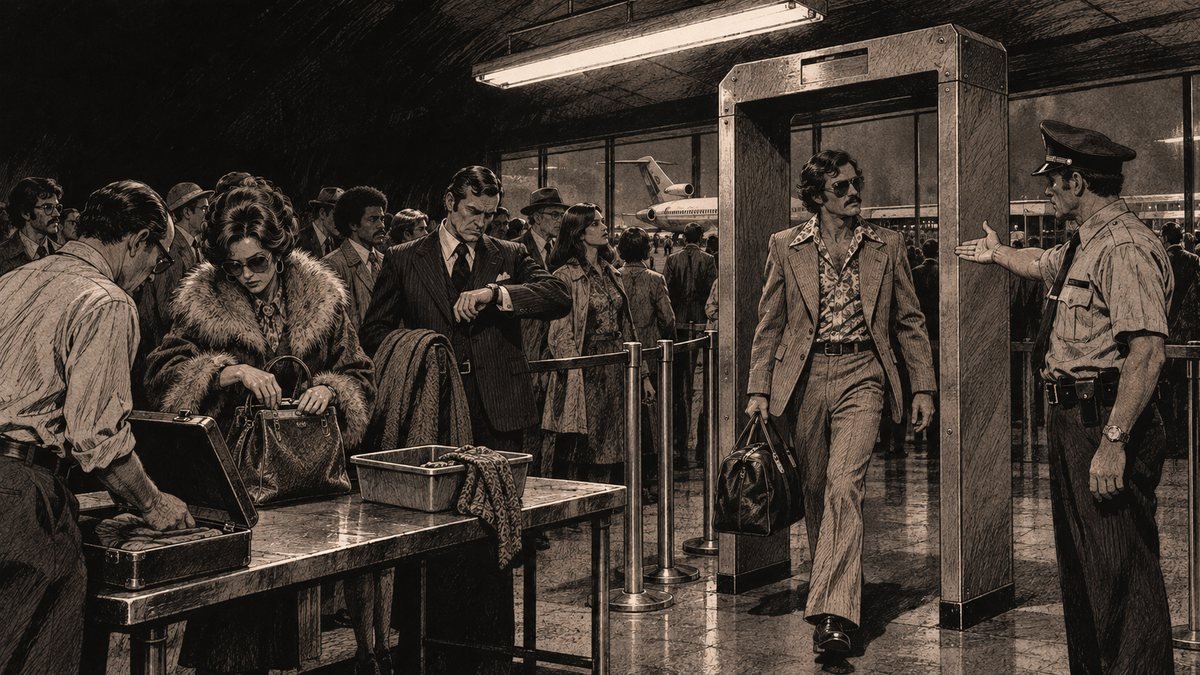
So he left something on every 727, and nothing anyone could follow.
He also left a template. In the months after his jump, other hijackers copied him: a bomb threat, a ransom, parachutes, an exit in mid-air. As far as the record shows, every one of them was caught and named.
Except the first.
Until 2022.
That year, a retired pilot found an old parachute rig in an outbuilding on the North Carolina property of the family of Richard McCoy, a man who hijacked another 727 five months after Cooper and jumped with $500,000. McCoy was caught within days, escaped from prison, and was killed in a shoot-out with the FBI in 1974.
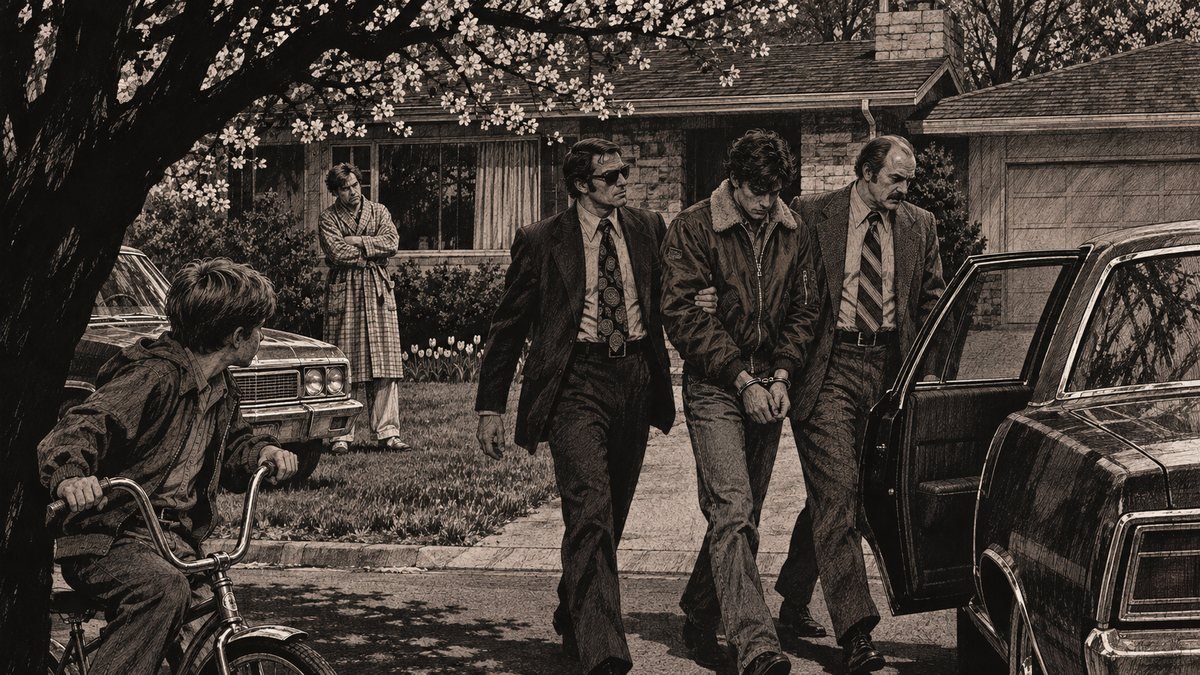
The FBI had ruled him out as Cooper in 1974. But in 2024 agents seized the parachute and searched the property.
In December 2025, after about two years, the FBI gave the parachute back. It has not said whether it is connected to the hijacking. McCoy’s son says he was told the DNA was too degraded to make a match.
The fight over a necktie
For years, people gathered every November in Ariel, Washington, the little town nearest the likely jump zone, to raise a glass to the man who got away. Plenty of them came in clip-on ties.
Ulis wanted to do more than toast him. In 2023 he sued the FBI to get the tie tested with modern genetic genealogy, the technique that has cracked dozens of cold cases.
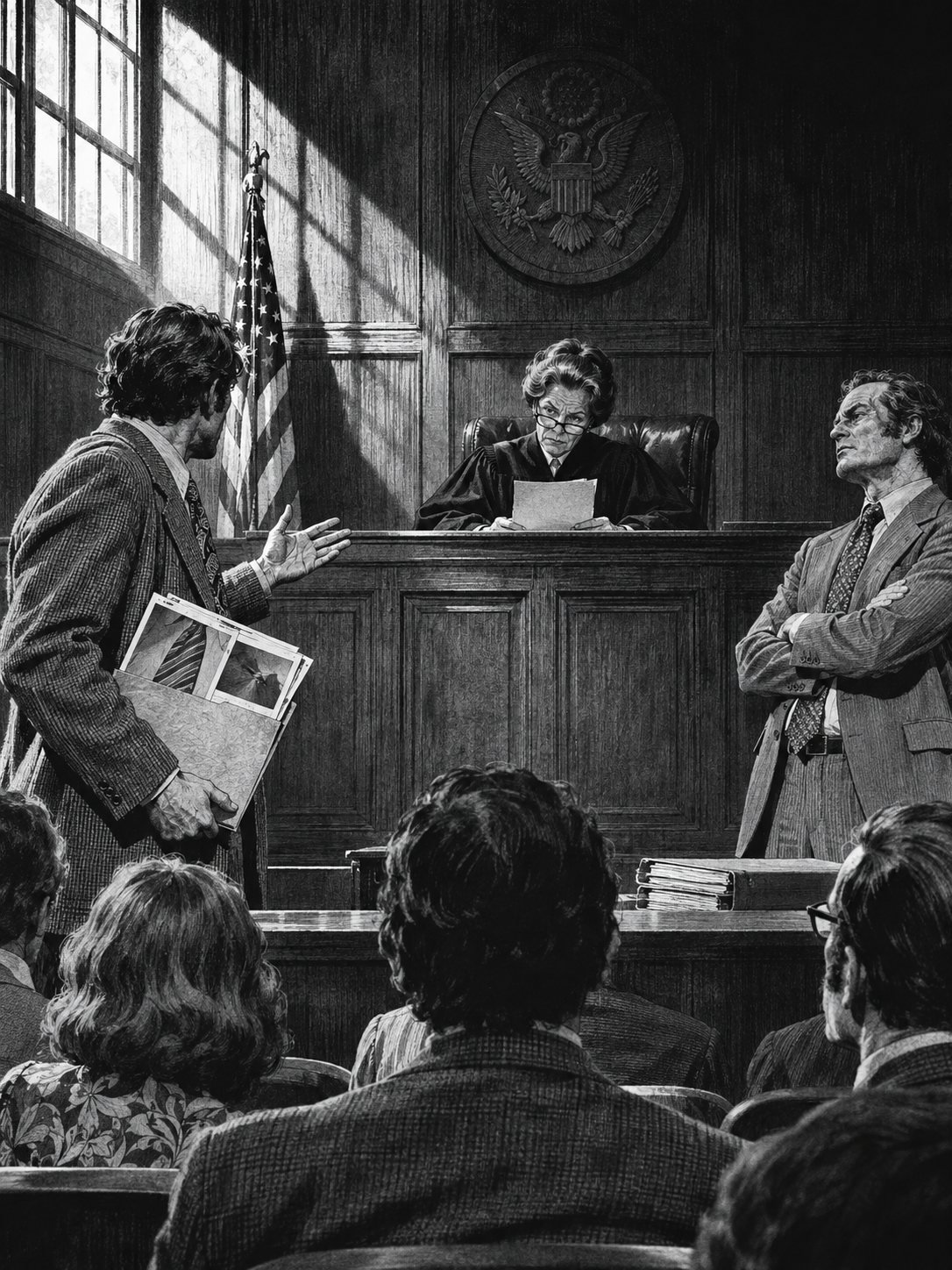
On 13 December 2023, a federal judge dismissed the case. The public-records law he used covers records, the judge said, not objects. “To call a clip-on necktie an ‘agency record’ is not reasonable.”
So the best evidence in the case sits in a box in Washington, D.C., and the law that is supposed to open government files cannot open it.
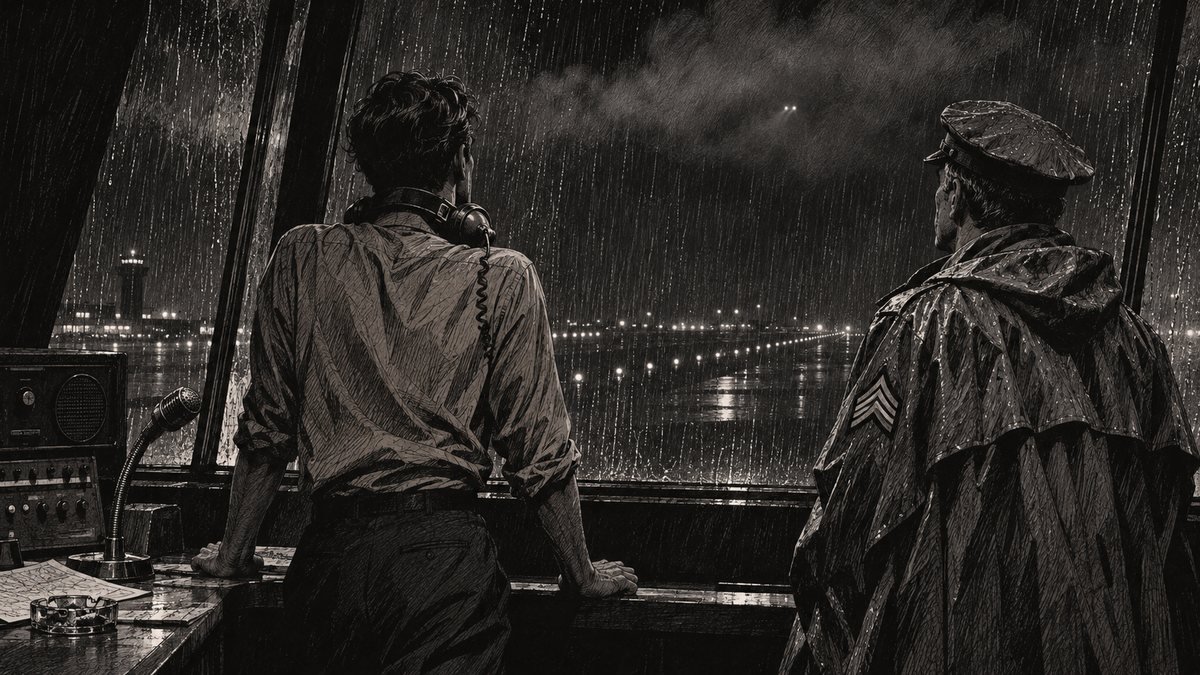
Fifty-five years ago tonight, a man stepped off a staircase into the rain. Would you rather he was found, or that the file stays open forever?
Related cases: the five Navy bombers of Flight 19 that vanished in 1945; the long hunt for Amelia Earhart’s plane; Jim Thompson, the silk king who vanished in the Malaysian jungle.
Evidence locker
Real photographs only. The drawings above are illustrations.
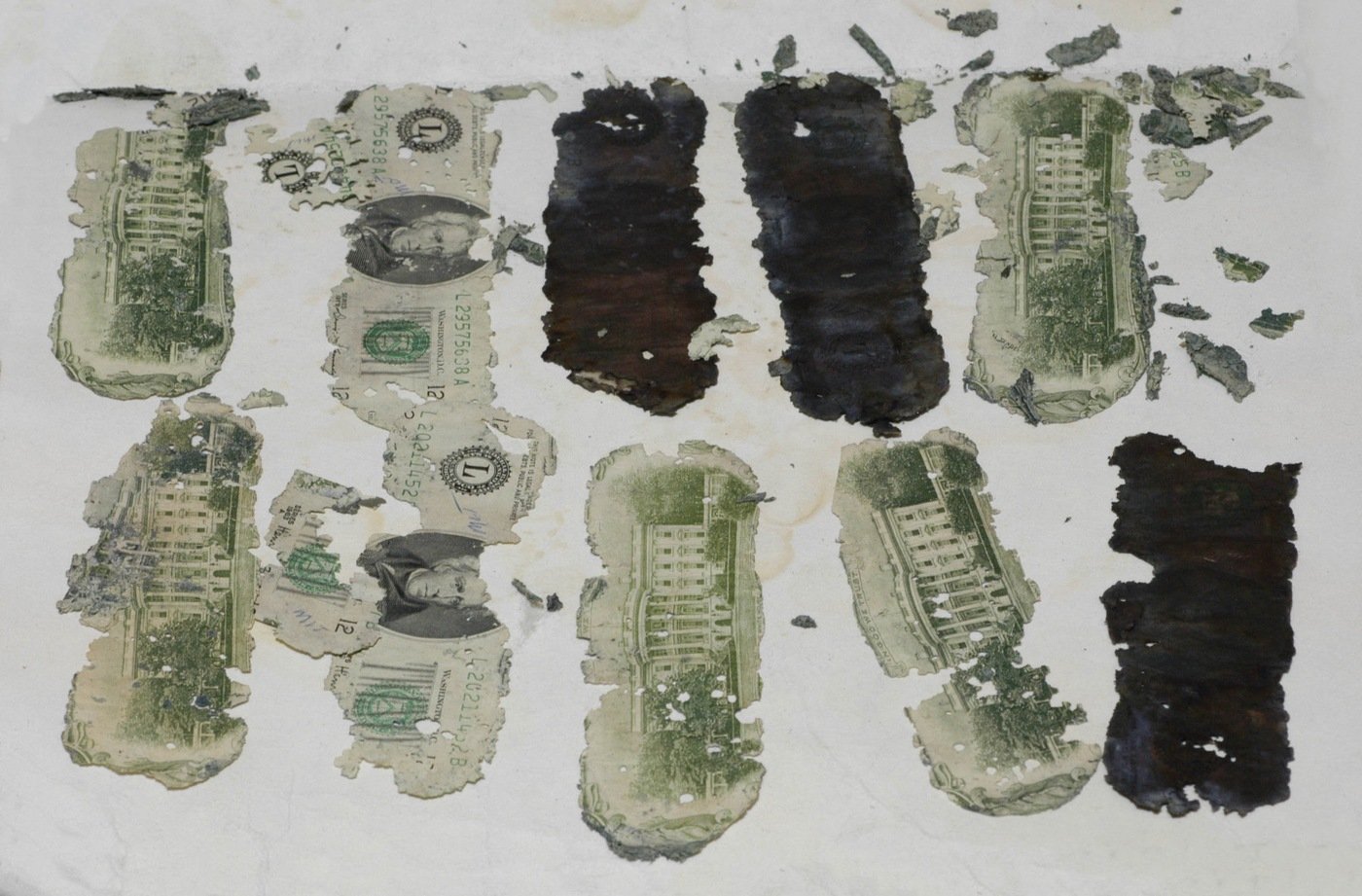 EXHIBIT A · TAP TO ENLARGE
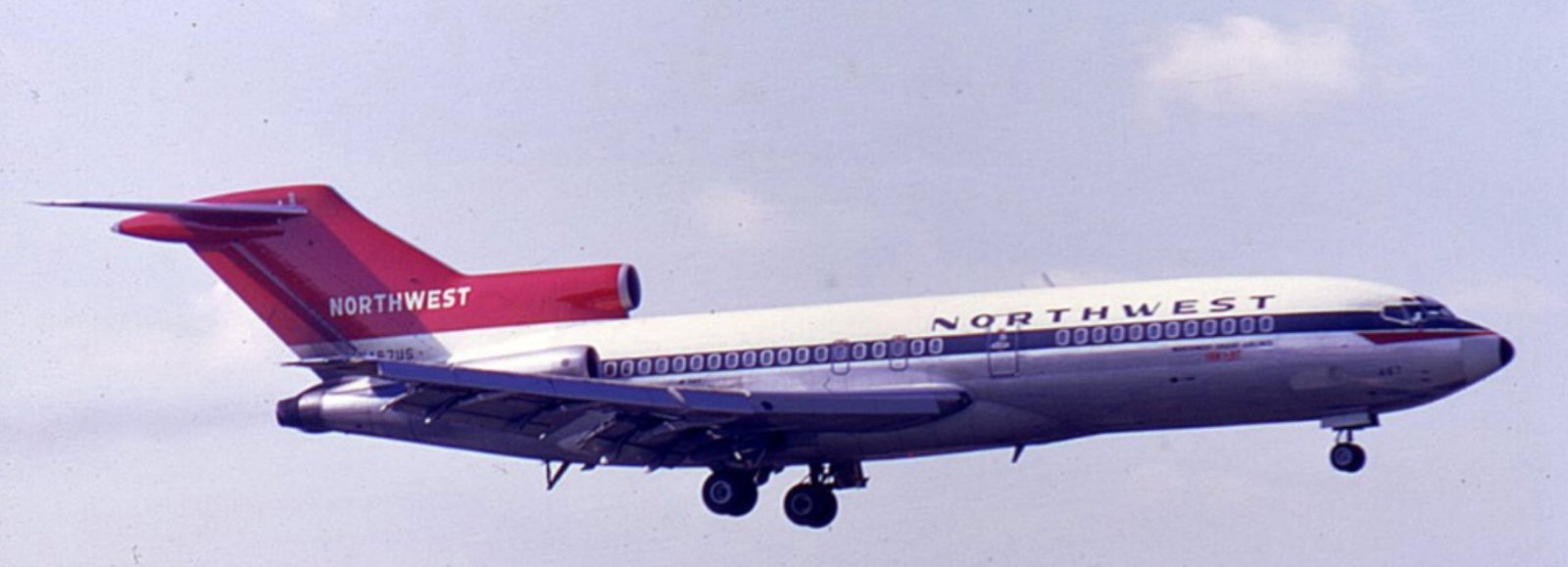 EXHIBIT B · TAP TO ENLARGE
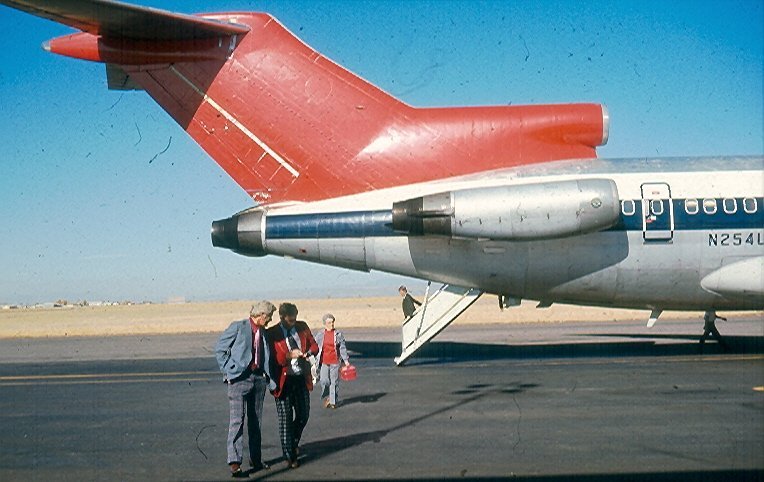 EXHIBIT C · TAP TO ENLARGE
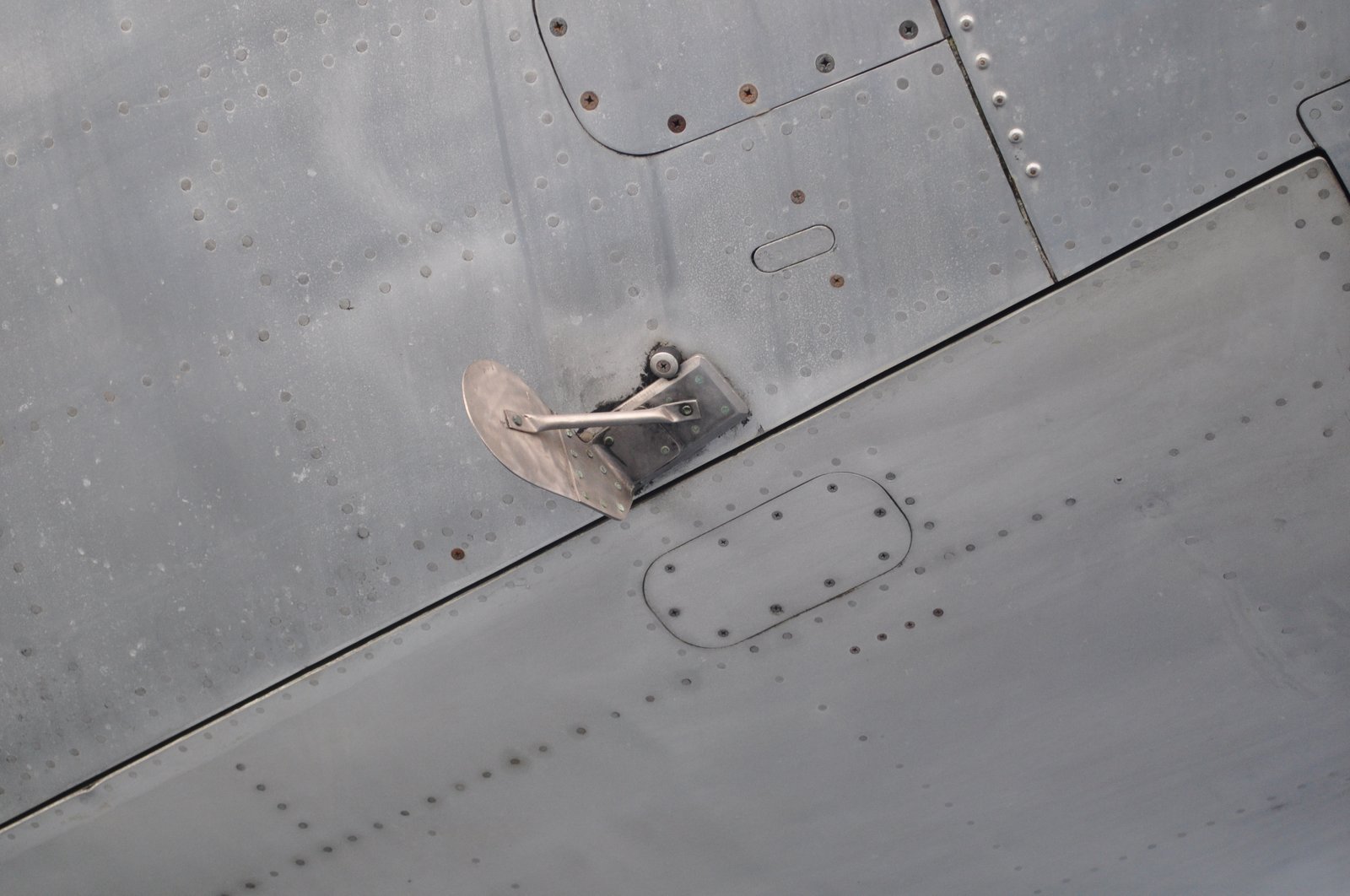 EXHIBIT D · TAP TO ENLARGE
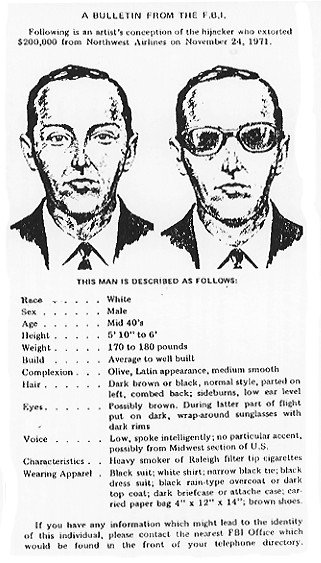 EXHIBIT E · TAP TO ENLARGE
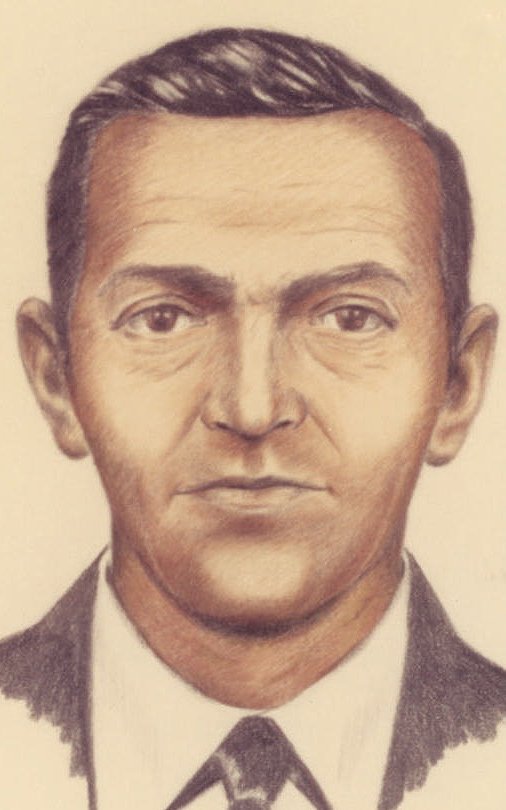 EXHIBIT F · TAP TO ENLARGE
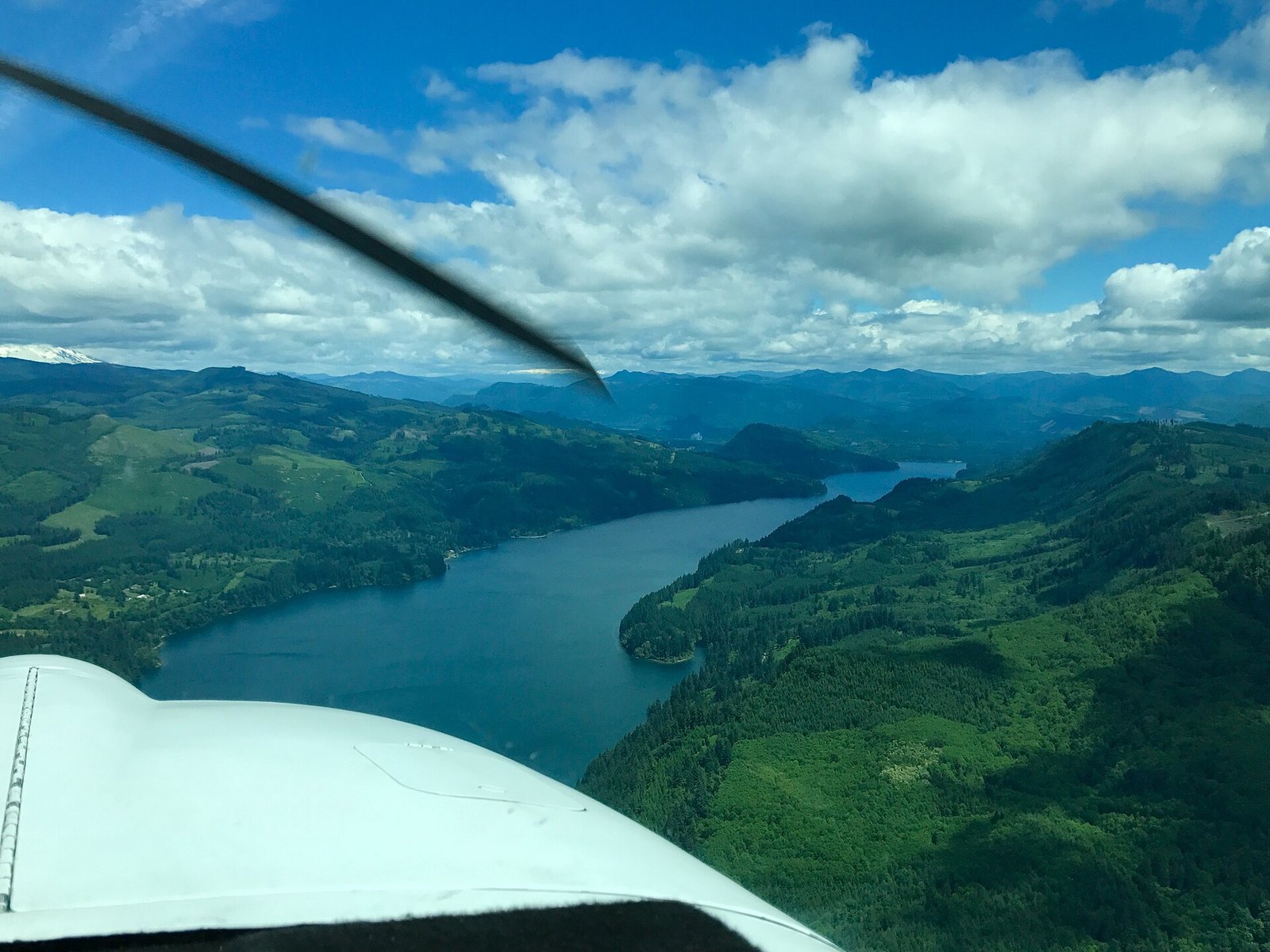 EXHIBIT G · TAP TO ENLARGE
The story you may have heard, and what the file says
| What people often say | What the record shows |
|---|---|
| “His name was D.B. Cooper.” | He bought his ticket as “Dan Cooper.” The “D.B.” came later, from a news mix-up. |
| “He was an expert skydiver.” | The FBI’s lead agent argued the opposite: no expert would jump at night, in rain, in a suit and loafers, and one of the parachutes he took was a reserve sewn shut. |
| “The FBI never found anything.” | The FBI recovered his tie and, in 1980, $5,800 of the ransom. None of it has named him. |
| “The case is still open.” | In July 2016 the FBI said it would no longer actively investigate. It still asks for physical evidence about the parachutes or the money. |
| “The McCoy parachute solved it.” | The FBI seized it in 2024 and returned it in December 2025 without saying whether it is linked. It had ruled McCoy out in 1974. |
Why the real file is stranger than the legend. The legend is a master criminal who planned the perfect escape. The file is a man who planned almost everything, then took a parachute that could not open, jumped into a storm in loafers, and left his tie on a seat. Either he was lucky beyond belief, or he died within minutes and the money came out of the river years later. Both versions are stranger than the myth.
Where the argument is
In true crime forums, on Reddit and in long podcast debates, the Cooper argument has hardened into three camps.
The first camp says he died that night. They point to the FBI lead agent’s view, the weather, his clothes, the sewn-shut reserve, and the fact that only a sliver of the money ever surfaced, in a river system that drains the area where he would have come down.
The second camp says he survived and vanished. They argue that the money at Tena Bar does not fit a body in the forest, that no remains or parachute were ever found despite huge searches, and that someone this calm and prepared may have known exactly what he was doing.
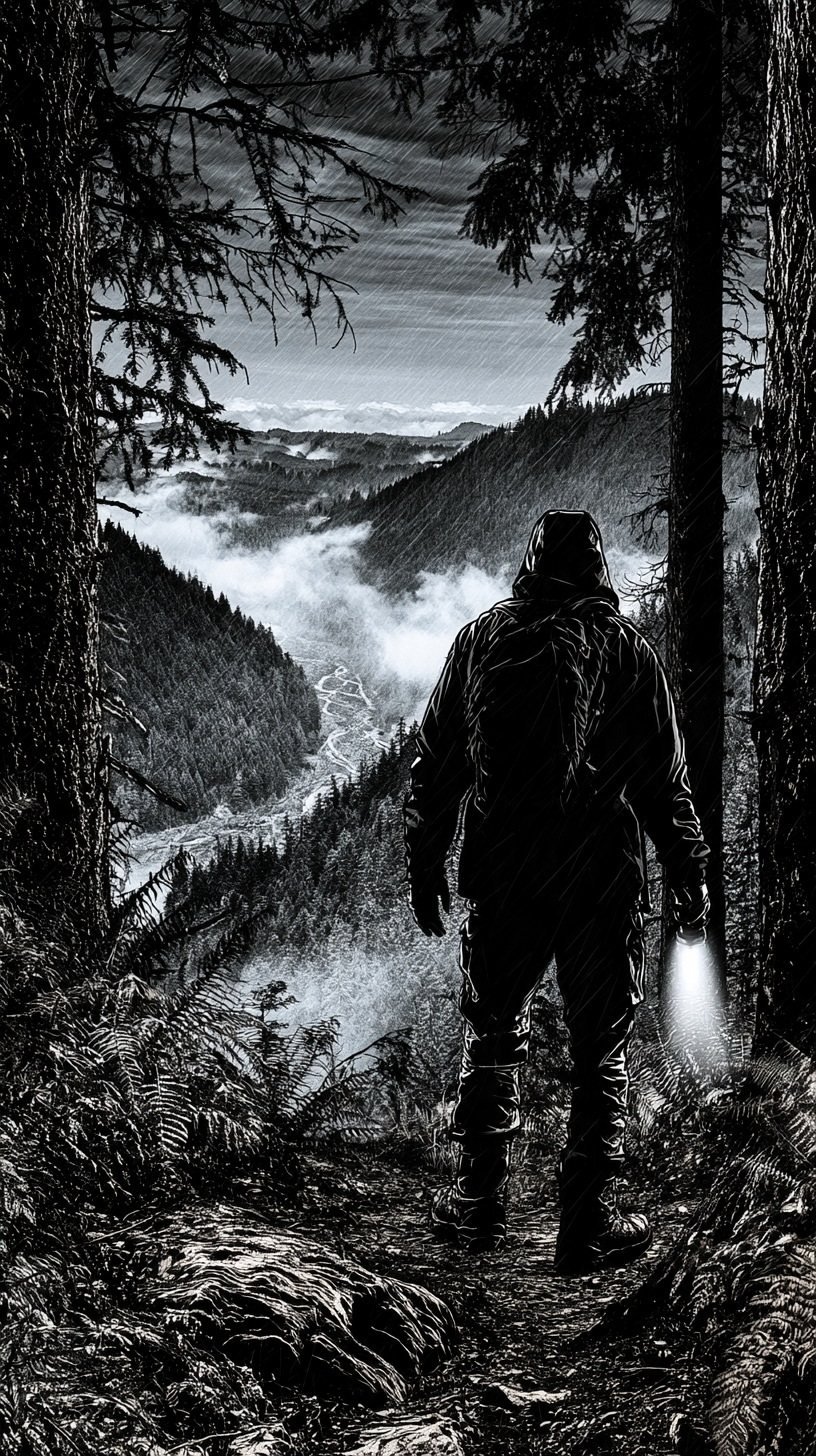
The third camp is the newest and the loudest: the tie will name him. They believe the particles point to an aerospace workplace and that genetic genealogy could finish the job, if anyone is allowed to test it.
The argument started because the evidence pulls two ways. The physical facts of that night say a man in a suit, in the dark, in the rain, should not have survived. But a body, a parachute and most of the money have never been found.
The “he died” camp has the stronger evidence, because it rests on the FBI’s own assessment and on physical facts about that night. The “he survived” camp has the stronger mystery.
Our view: the evidence leans toward Cooper not surviving the jump, and we weigh the FBI lead agent’s reasoning and the sewn-shut reserve heavily. But “probably died” is not “proven dead,” and the tie is the one object that could turn the argument into an answer. Until someone tests it, nobody, including us, can say who he was.
Quick answers
Who was D.B. Cooper? Nobody knows. He bought his ticket as “Dan Cooper.” The FBI never identified him and stopped actively investigating in 2016.
Did D.B. Cooper survive the jump? It is unknown. The FBI’s lead agent believed survival was highly unlikely, citing the night, the rain, his clothing and a reserve parachute that was sewn shut.
Was any of the D.B. Cooper money found? Yes. In February 1980 an eight-year-old boy found $5,800 of the ransom buried in sand at Tena Bar on the Columbia River. The rest has never surfaced.
Is the D.B. Cooper case still open? The FBI said on 8 July 2016 that it would no longer actively investigate, but it asks anyone with physical evidence about the parachutes or the money to contact a field office.
What is a little-known fact about the D.B. Cooper case? One of the parachutes he took was a training reserve whose canopy had been sewn shut, so it could never have opened.
What is the Cooper vane? A small spring-loaded paddle fitted to Boeing 727s after the hijacking. Air flowing past it in flight keeps the rear stairs from being lowered.
Editor’s note
Fifty-five years is long enough for a legend to swallow a man. With Cooper, the internet version gets a little further from the record every year, so we went back to what can actually be checked: the FBI’s own releases, the court ruling on the tie, and the reporting on the McCoy parachute. Where something is a researcher’s theory and not a finding, we have said so.
What stays with us is not the jump. It is the tie. A man careful enough to demand four parachutes and steer the plane where he wanted took off the one object that carried traces of his ordinary life and left it on a seat. If this case ever breaks, it will most likely break there, not in the forest.
We also think the case says something about how evidence is kept. The tie has been in federal storage for decades, and a judge has ruled that the public-records law does not let anyone ask for it. We are not saying the FBI is hiding anything. We are saying the answer may be sitting in a box, and that is a stranger ending than any theory.
— Strange World Files
Sources
- FBI, “D.B. Cooper Plane Ticket”: www.fbi.gov
- FBI Seattle, “Update on Investigation of 1971 Hijacking by D.B. Cooper” (8 July 2016): www.fbi.gov
- FBI, “D.B. Cooper Redux” (December 2007): www.fbi.gov
- U.S. Department of Justice, Ulis v. FBI, No. 23-636 (D.D.C. 13 Dec 2023): www.justice.gov
- Hackaday, “DB Cooper Case Could Close Soon Thanks to Particle Evidence” (2024): hackaday.com
- Cowboy State Daily, “FBI’s ‘One-In-A-Billion’ Parachute Returns” (22 Feb 2026): cowboystatedaily.com
- KSL, “Man sues FBI for clues in case of mysterious hijacker”: www.ksl.com
- Citizen Sleuths, “Palmer Report” (the FBI geologist’s 1980 reading of the Tena Bar sand, with later critiques): www.citizensleuths.com