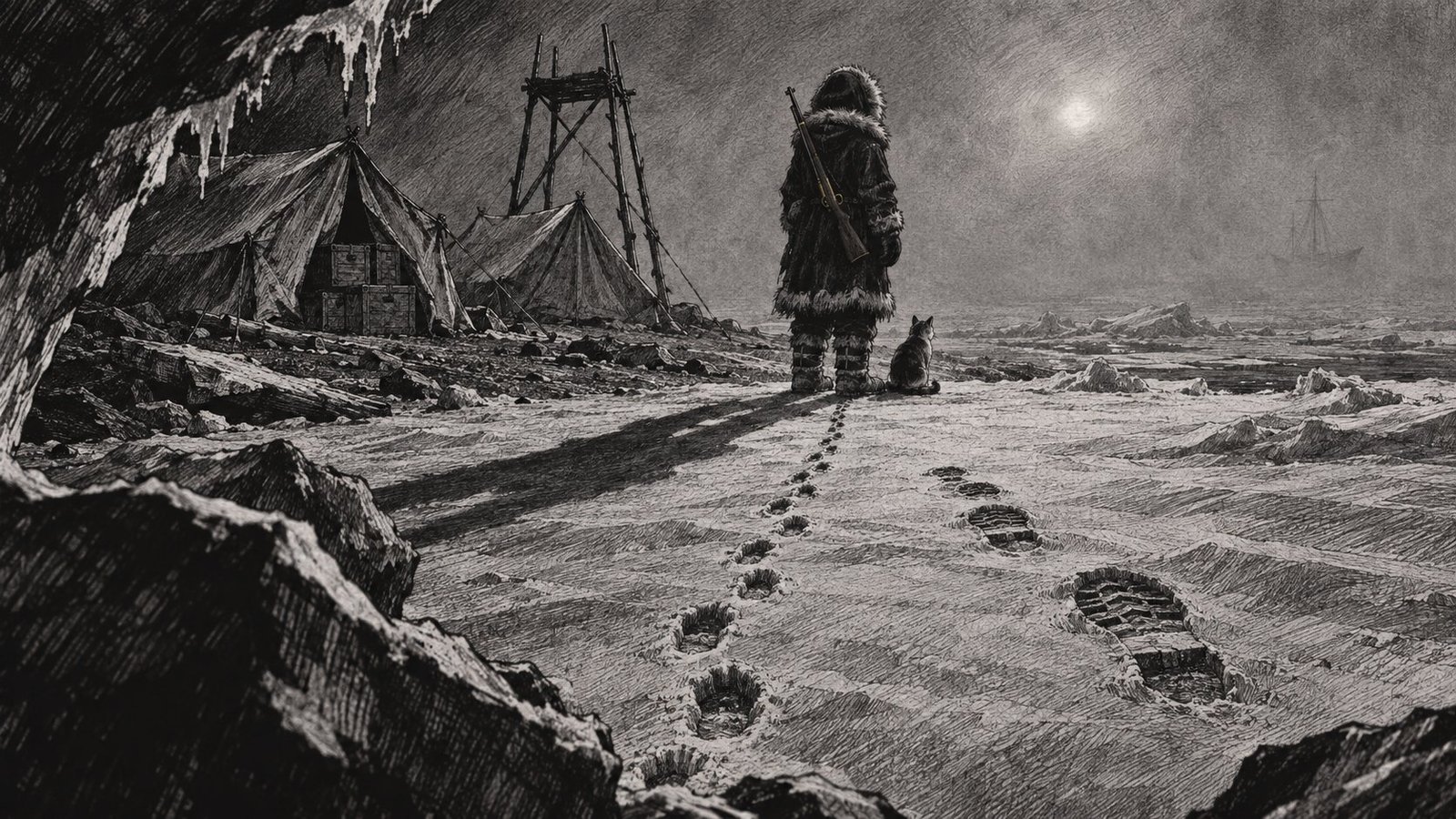
Ada Blackjack: Hired to Sew, She Was the Only One Left Alive on an Arctic Island
What the record shows
- When: September 1921 to August 1923
- Who: Ada Blackjack, Iñupiaq seamstress, 23; four young men who did not return
- Status: Three men never found; Ada survived nearly two months alone
Still uncertain
- Where and when the three men’s walk across the ice ended.
- Why the relief ship of 1923 came so late.
- How much Ada Blackjack was ever paid for her diary and her story.
Narrated Mystery: press play and hear the whole case read aloud, like a true crime podcast episode, or an audiobook for a long drive (about 15 minutes). The narrator is an AI voice.
Listen to the narration above first, then read along. The key words are underlined in the story.
- proclamationan official public statement
- scurvyan illness caused by too little vitamin C
- orphanagea home for children whose parents cannot care for them
- mistreatedtreated badly or cruelly
- haulingpulling or carrying something heavy
- inexperiencelack of knowledge from not having done something before
- unfoundednot based on facts or evidence
- vindictivewanting to hurt someone who hurt you
1. When did the party leave Nome, and on which ship?
On 9 September 1921, aboard the Silver Wave.
2. What did Lorne Knight’s father call the charges against her?
He called them “cruel and unfounded.”
3. What was the name of the ship that came in out of the fog?
The Donaldson.
“There is nobody here but me”
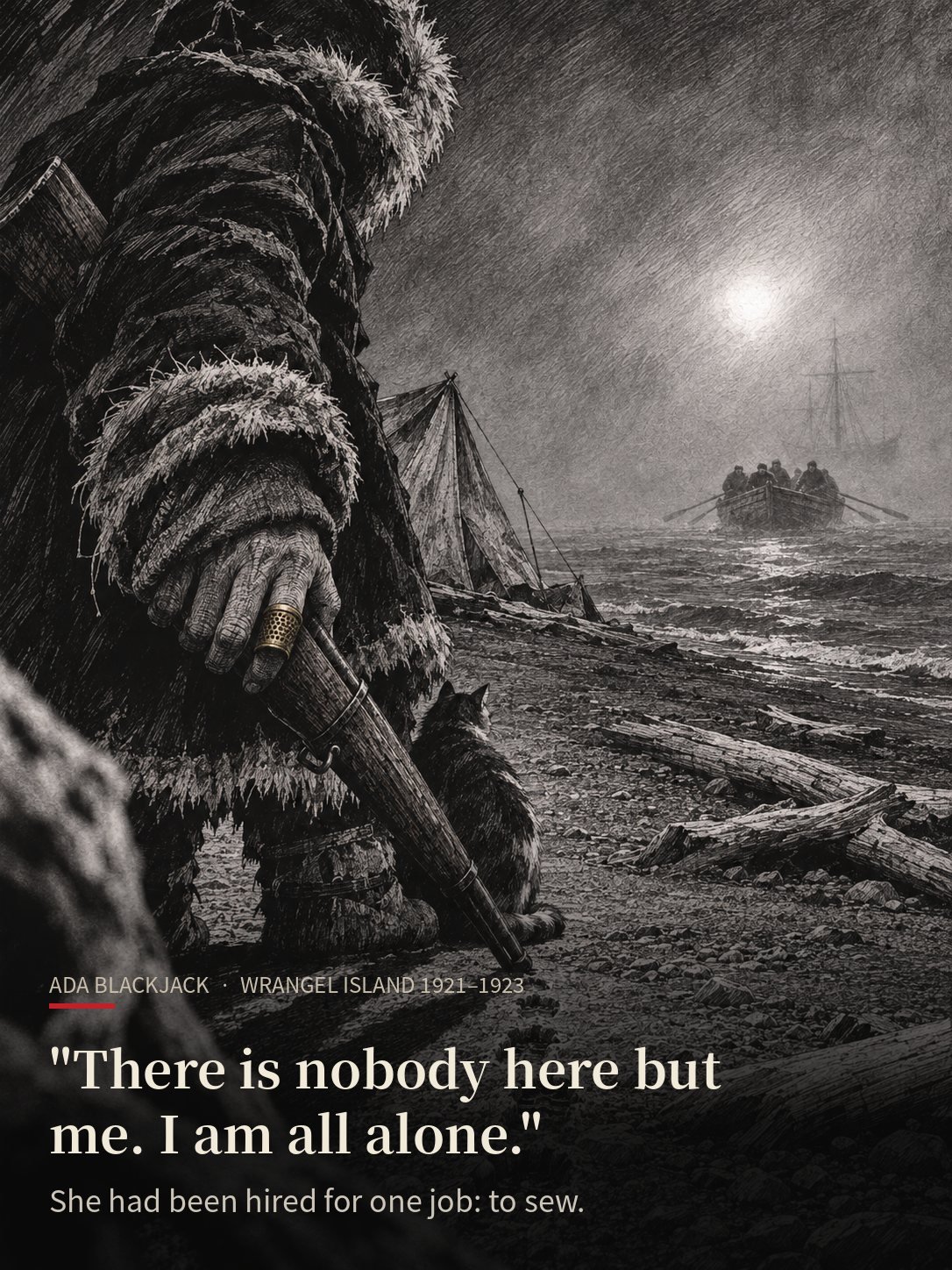
20 August 1923, Wrangel Island, about ninety miles off the coast of Siberia. A ship called the Donaldson comes in out of the fog. Five people had been put ashore here two years before. One comes down to the beach.
According to the rescue party, she told them: “There is nobody here but me. I am all alone.”
Her name was Ada Blackjack. She was an Iñupiaq woman from Nome, Alaska, and she had been hired for one job: to sew.
By the time the ship came she had trapped foxes, shot her first seal, and built a canvas boat and a lookout on four poles. That same day, by her own diary, she had opened the last biscuit box. (NOICE-TEL) (ADA-REPORT-1923) (DIARY) (NPS)
She was hired to sew. For nearly two months she was the only person left on Wrangel Island.


A seamstress from Nome
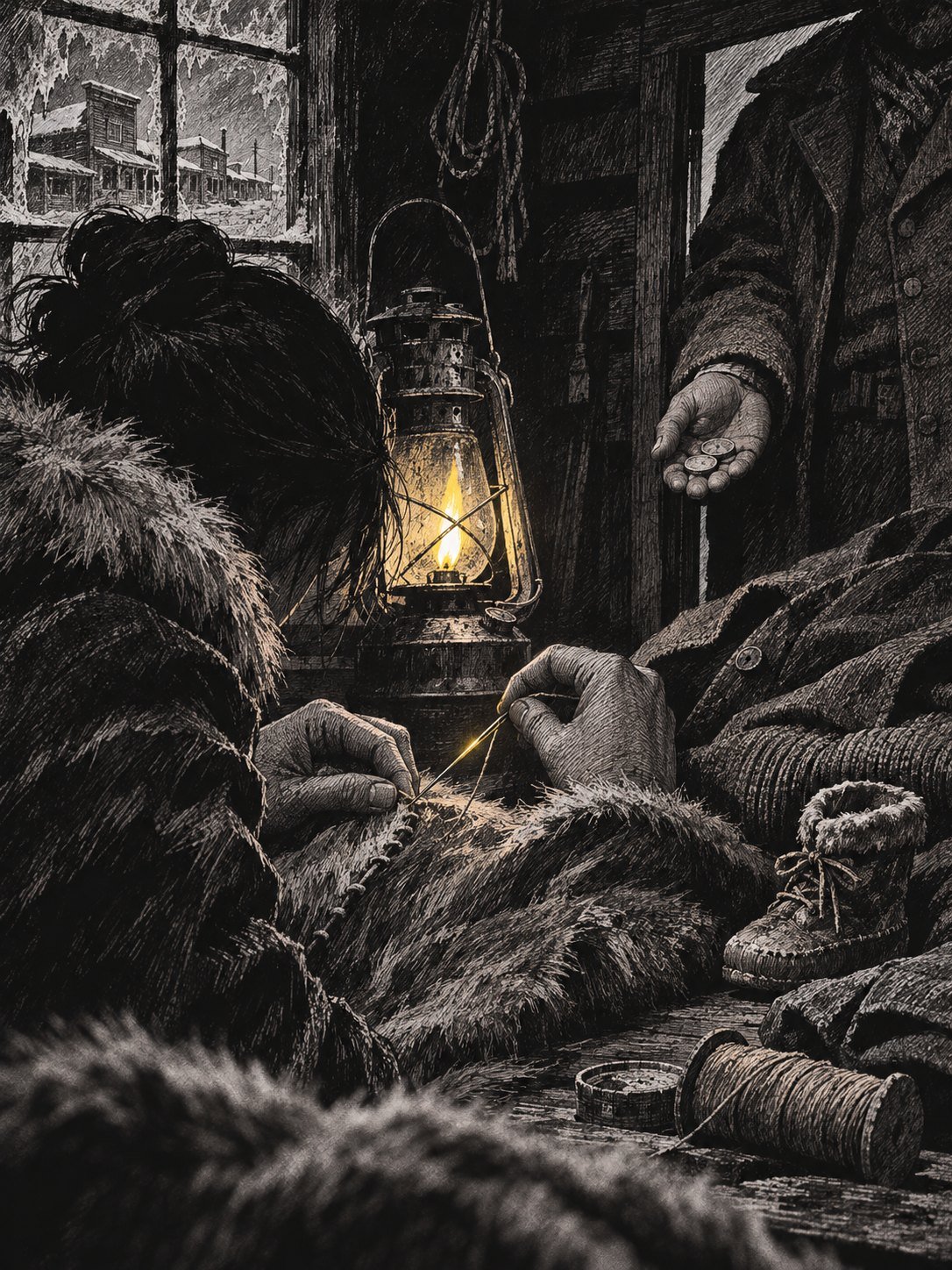
Ada Delutuk was born in 1898 at Spruce Creek, an Iñupiat settlement east of Nome, Alaska. At about eight she was sent to Nome, to a Methodist mission school.
She married at sixteen. Of three children, only her son Bennett survived infancy. Her husband mistreated her and then left.
Bennett had tuberculosis. She walked about forty miles to Nome with him, and when she could not pay for his care she placed him in an orphanage. Then she sewed and cleaned for the miners.
In 1921 a job came up that paid $50 a month. (DART-BIO) (NPS) (HARPER-2006) (HISTORY)
Four young men, a cat and six months of food
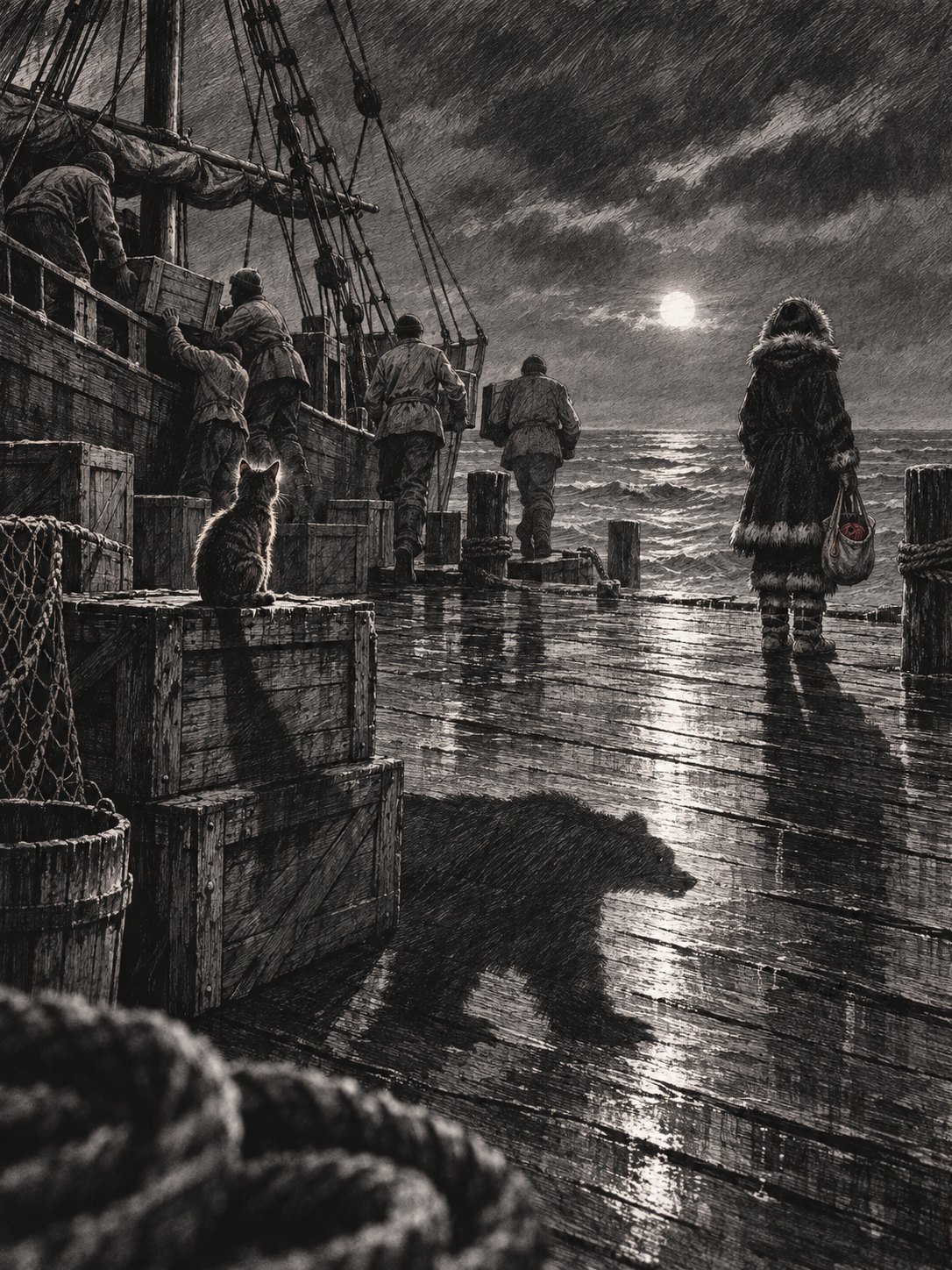
The plan belonged to Vilhjalmur Stefansson, a famous Arctic explorer. He hoped to claim Wrangel Island for Canada or Britain. He paid for the expedition, and he never set foot on the island.
He picked four young men. Allan Crawford, 20, a Toronto geology student, was the leader. Lorne Knight and Fred Maurer were 28; Maurer had already survived six months on Wrangel after the Karluk wreck of 1914. Milton Galle, 19, from Texas, would be paid only in furs.
Ada had been told other Iñupiat families would come. They backed out. She was 23, the only woman, and deathly afraid of polar bears.
On 9 September 1921 they left Nome aboard the Silver Wave, with a cat called Vic and, on Stefansson’s advice, no more than six months of supplies. (CANGEO) (DART-CRAWFORD) (DART-MAURER) (DART-GALLE) (NPS) (HISTORY)
“We have Esk. woman, Ada Blackjack, with us to sew”
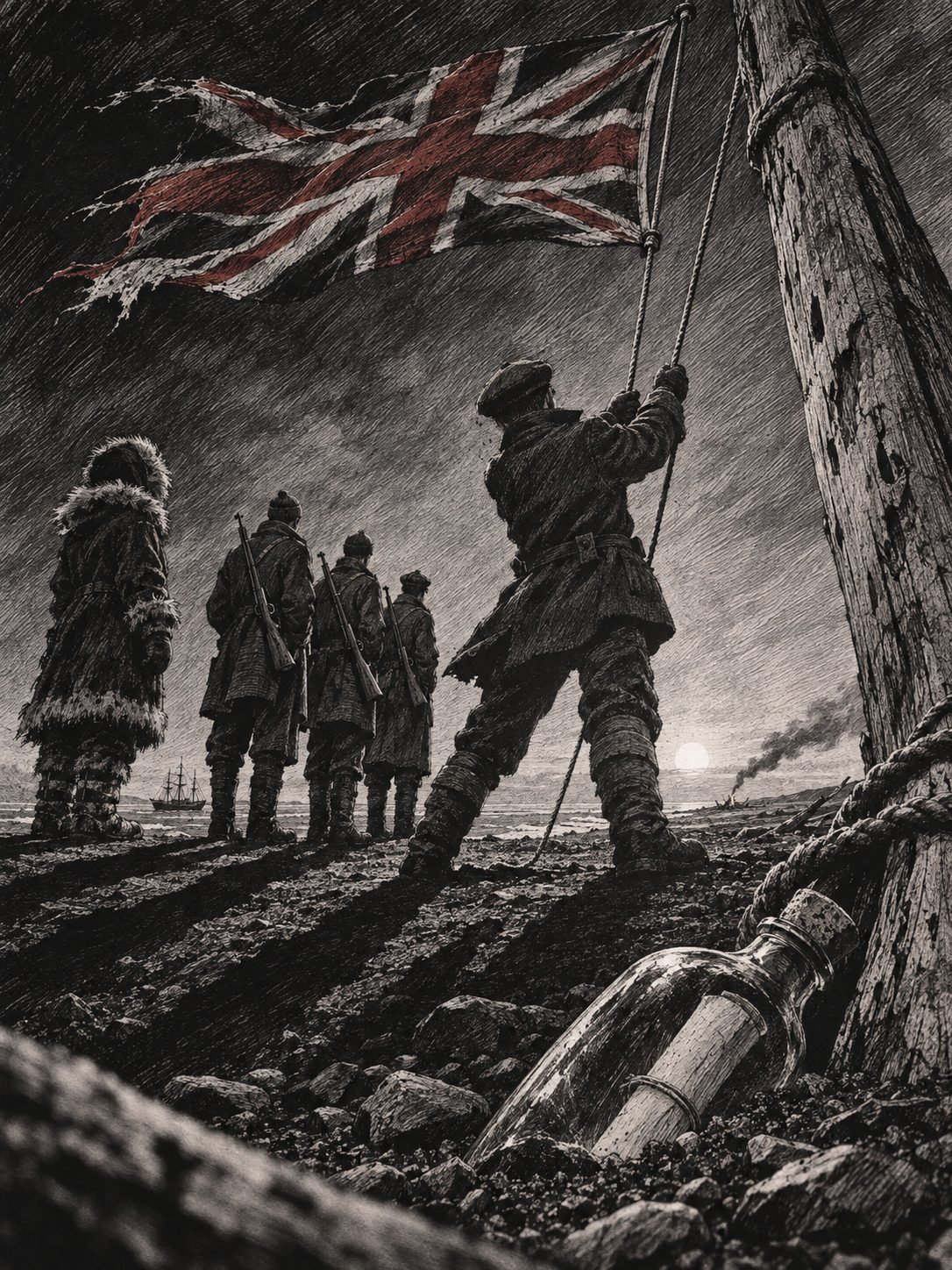
15 September 1921, 5:30 p.m. Half a mile off the island, Crawford wrote to Stefansson. Unloading would go on until eleven that night. Next morning he would go ashore, raise the flag and read a proclamation.
One line in that letter: “We have Esk. woman, Ada Blackjack, with us to sew.”
The proclamation claimed the island for King George, the British Empire and the Dominion of Canada. A record of the flag-raising went into a bottle. The problem was that Wrangel was already Russian territory, though no one lived there.
Crawford’s letter is cheerful anyway. Fox and bear tracks everywhere, good grazing, a contented party. Could someone send a phonograph next year? (CRAWFORD-1921) (CANENC) (CANGEO)
The ship that never came
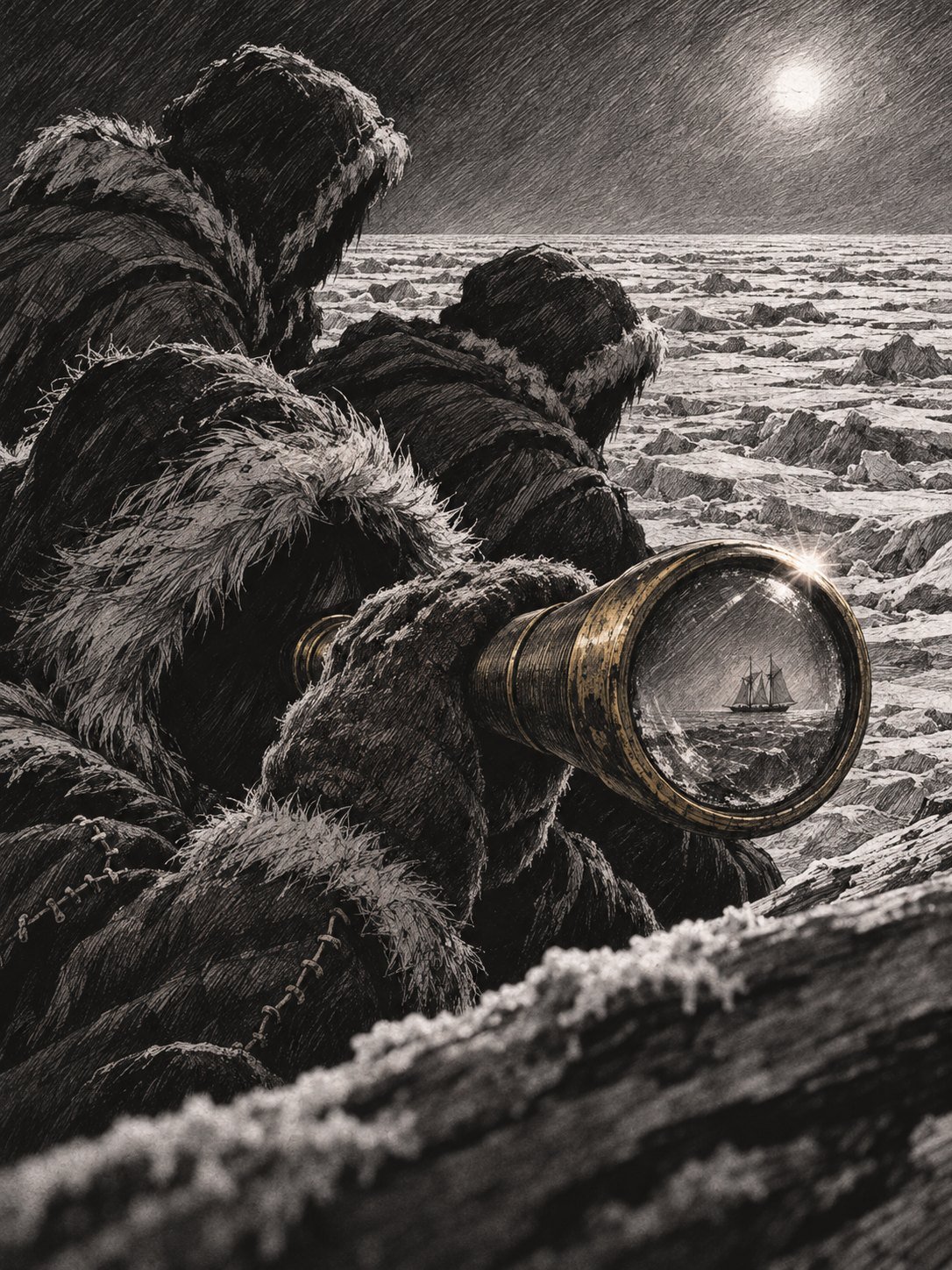
A ship was supposed to come in the summer of 1922. On 20 August the relief schooner Teddy Bear left Nome under Captain Joe Bernard.
On 23 September Ralph Lomen wrote to Stefansson that the Teddy Bear had “arrived back in Nome yesterday after an unsuccessful attempt to reach Wrangel Island.” Every boat going north had “met ice very far south.”
“I will send you a wire tonight but regret that it will contain no good news.”
On the island they could only wait. They began a second winter. Ada later put it plainly: “we didnt have much food.” (LOMEN-1922) (ADA-REPORT-1923)
“January 28th 1923”
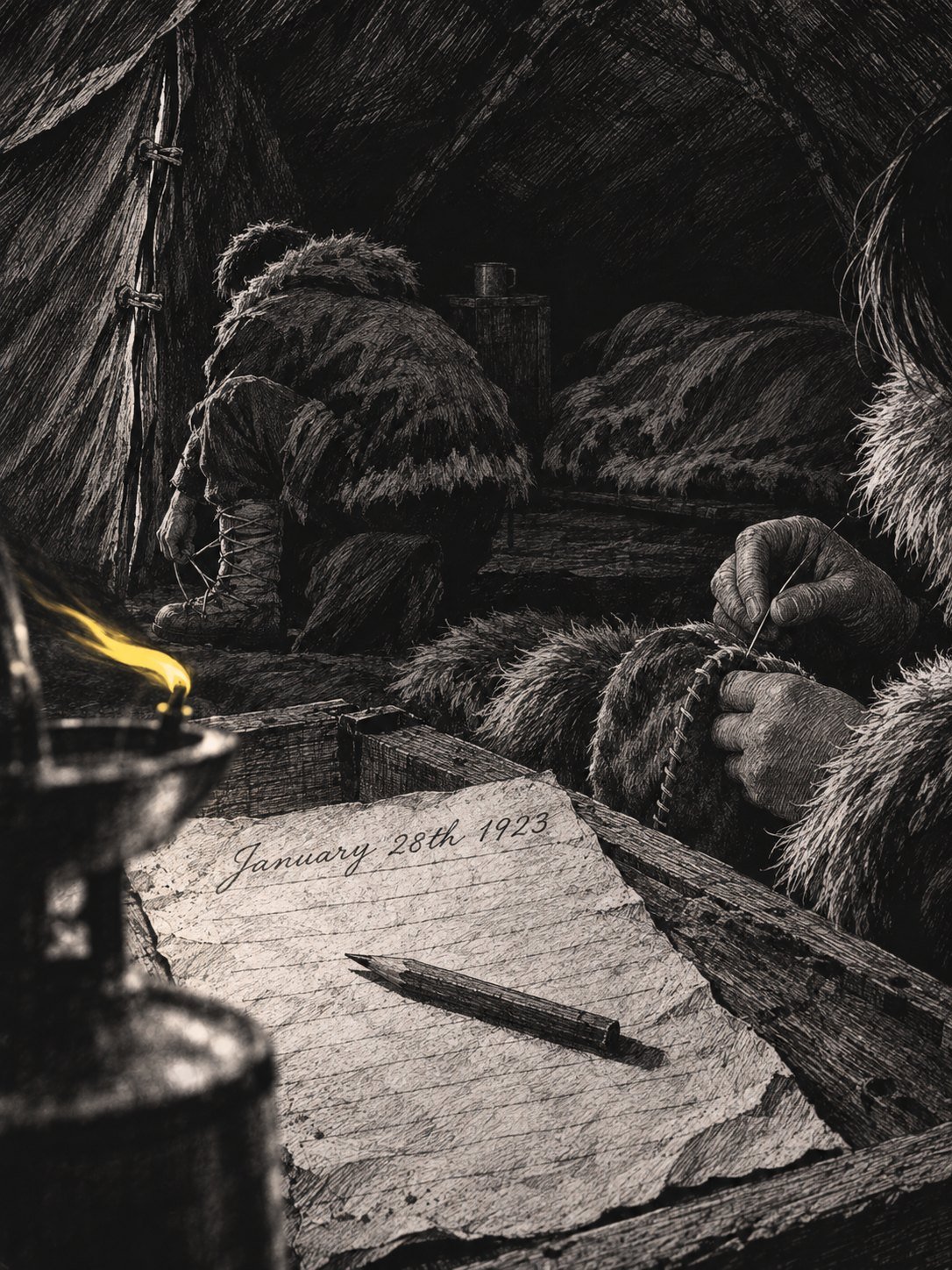
January 1923. Crawford and Knight tried first. In Ada’s words, they “left for sibberia over the ice with the dogteam” and “came back because Knight got sick what they call scurfey.”
So Crawford changed the plan. Under the date January 28th 1923 he wrote that he was “taking both Maurer & Galle”: due south to the Siberian coast, then along it toward Nome.
The letter reads like a list of worries. “Knight is troubled with scurvy.” “Five dogs are scarcely enough.” “Game is scarce.” And one line about the seamstress: “Ada is not extra as a sewing woman.” (ADA-REPORT-1923) (CRAWFORD-1923)
Three men walked onto the ice
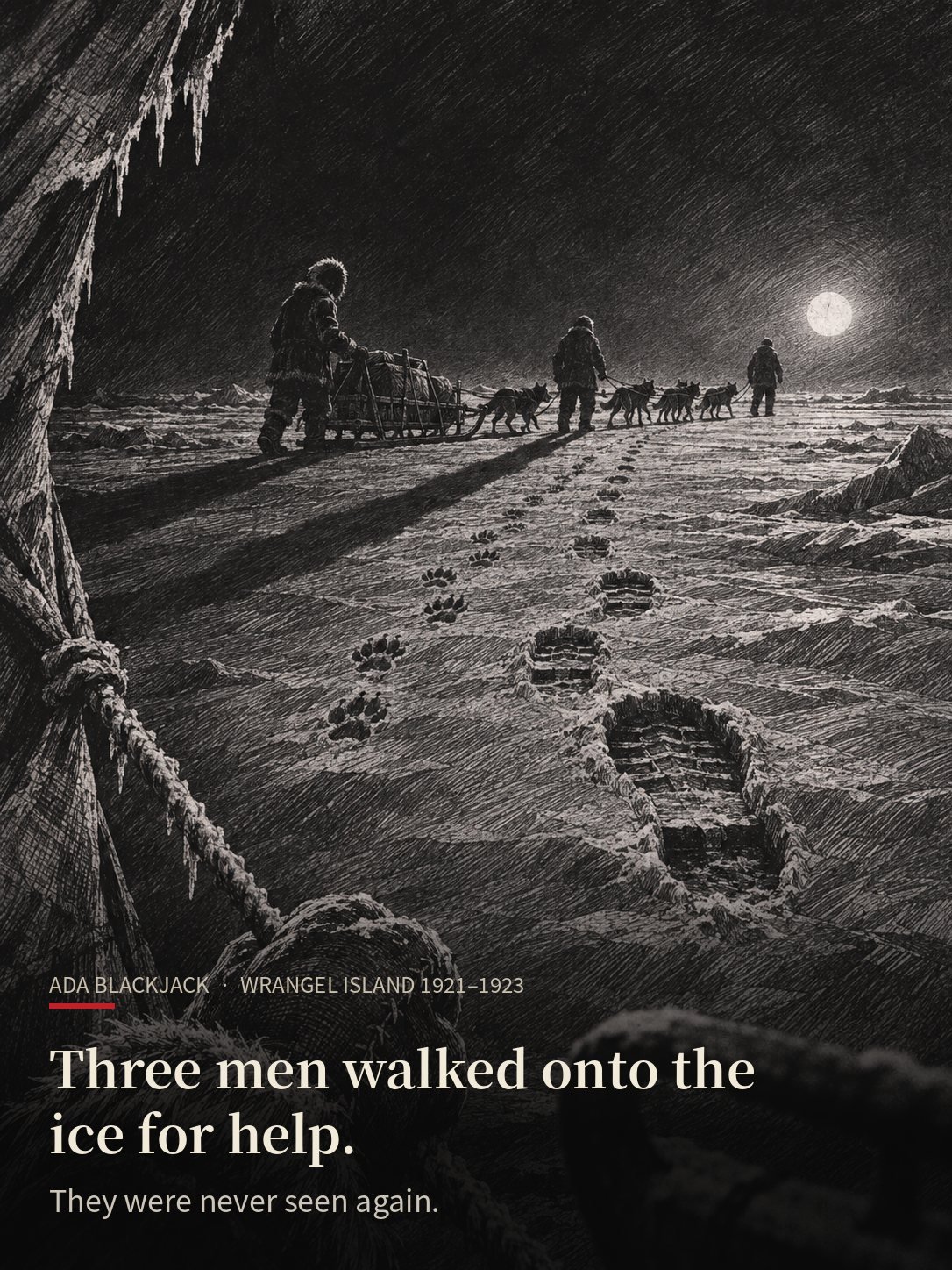
28 January 1923. Crawford, Maurer and Galle walked out onto the sea ice with five dogs, heading for Siberia, about ninety miles away, to bring back help.
Knight was too sick to go. Ada stayed with him.
The three men were never seen again. No trace of them has ever been found. Nobody knows where on the ice, or when, their walk ended.
Two people were left on the island. Soon only one of them could get out of bed. (ADA-REPORT-1923) (NPS) (HISTORY)
“I made saw bock today”
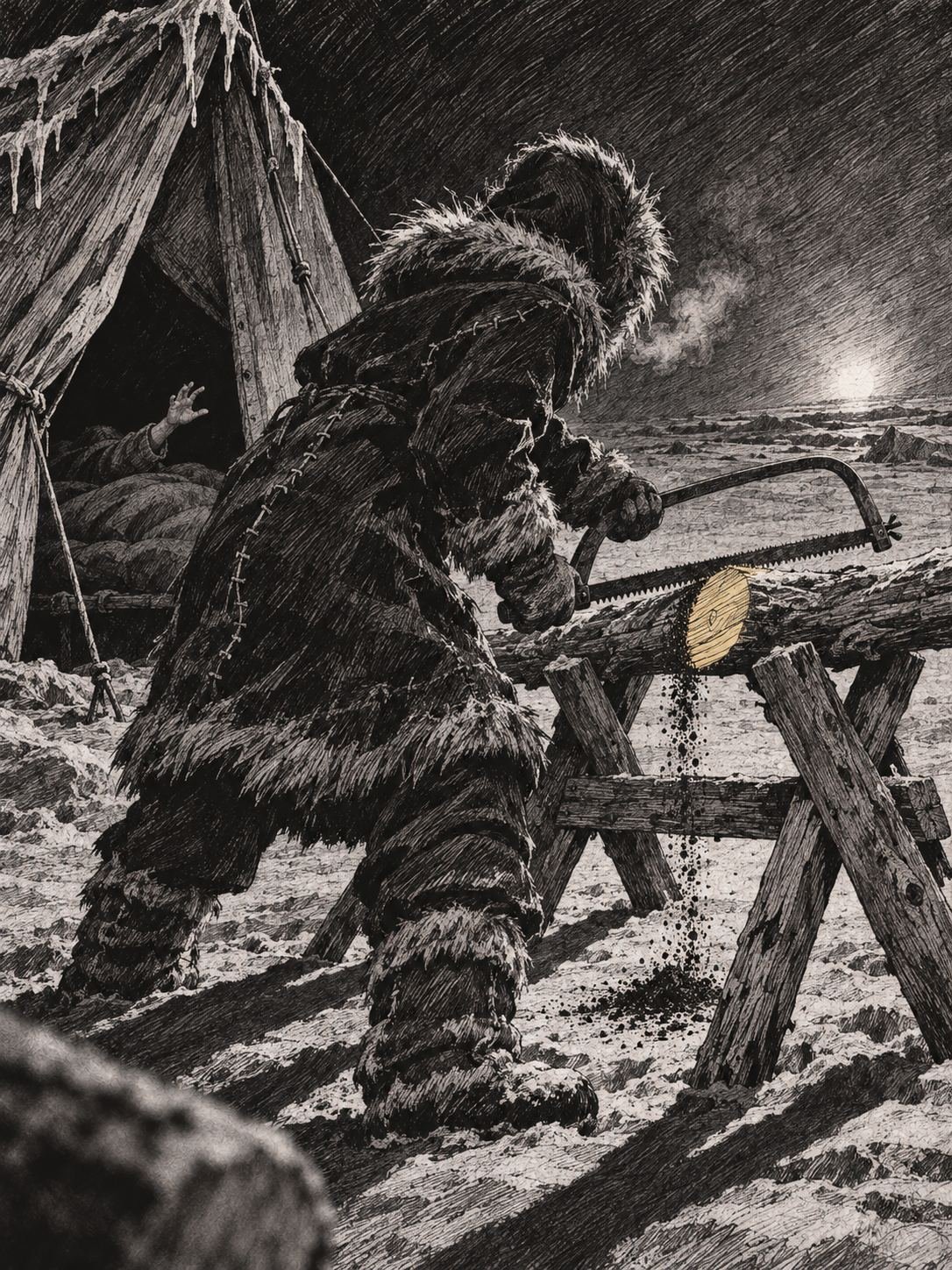
From 9 February Lorne Knight stayed in his bed. He had scurvy. Ada had no hunting or survival training. She learned anyway, alone: hauling wood, setting traps, hunting. The polar ice spared every man of another expedition: when Shackleton’s Endurance was crushed in the Weddell Sea, all 28 men still made it home.
On 14 March she started a diary. On 6 April: “I made saw bock today.”
Knight criticised her constantly. On 21 April she wrote that he never stopped to think “how much it’s hard for women to take four mans place, to wood work and to hunt for.”
Knight kept a diary too. According to JSTOR Daily, it accused her of deliberately holding back food from him. Two sick and frightened people in one tent, each writing down a different story about the other. (DIARY) (JSTOR)
“If anything happen to me and my”
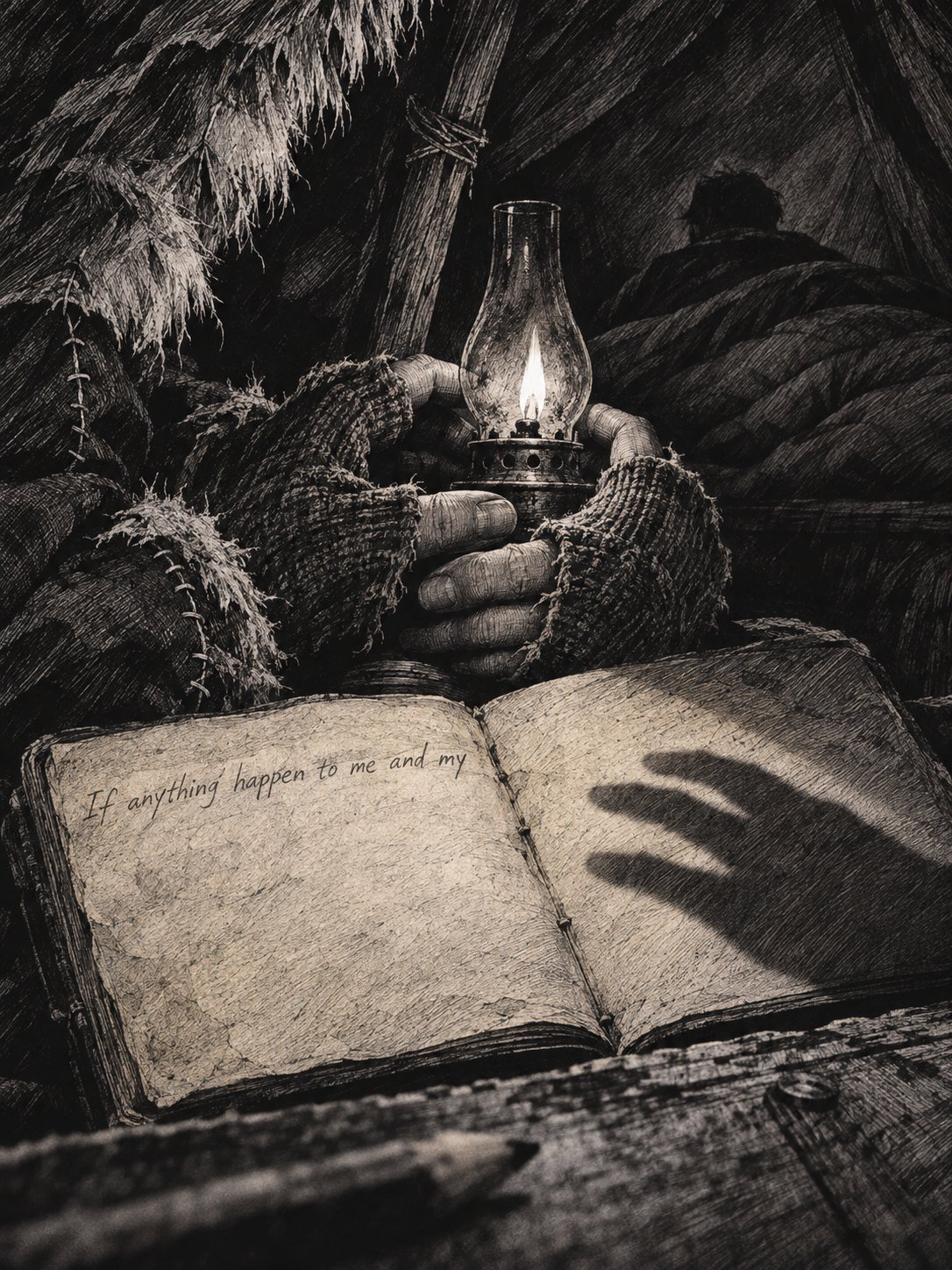
2 April 1923. Ada began an entry: “If anything happen to me and my”. It stops there.
She came back to it. On 21 April: “I want my sister Rita to take Bennett my son.” On 10 June, a note: “I want Mrs Rita McCafferty take care of my son Bennett.”
On 12 May she wrote the words that run under the whole diary: “if I happen to live untill ship comes”.
Knight was getting worse. On 10 May she woke to find his nose bleeding. On 6 June: “he is just dieing he could hardly talk.” (DIARY) (RAUNER-2012)
“He died on June 23d”
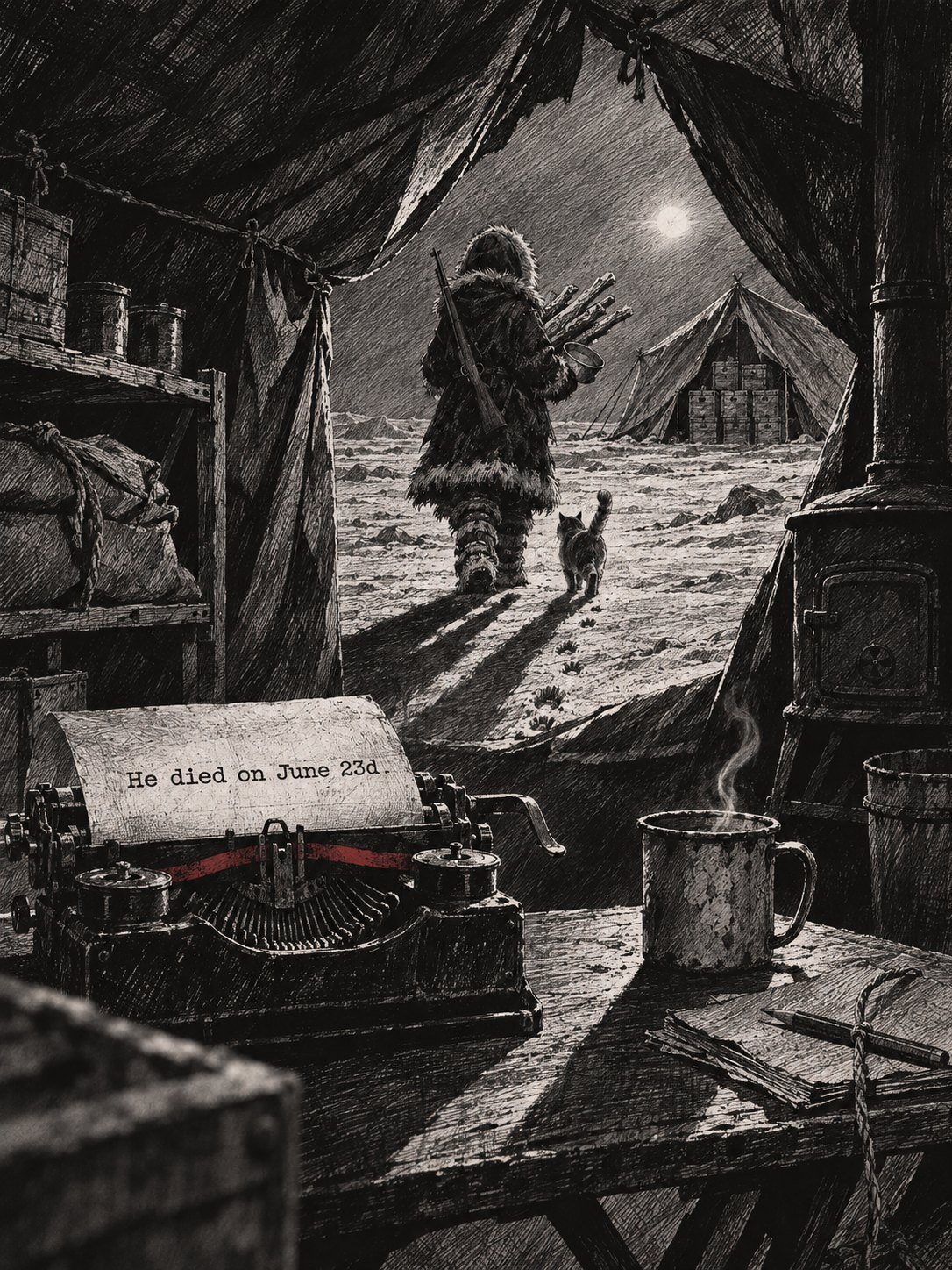
Lorne Knight died of scurvy on the night of 22–23 June 1923. Her August report says: “He was living till June 22.” A typed sheet, made on Milton Galle’s typewriter, says: “He died on June 23d.” Atlas Obscura quotes her as writing that she did not know what time he died.
The Rauner Library gives her entry for 22 June: “I move to the other tent today and I was my dishes and getting some wood.”
Later she wrote: “I tried my best to save his life but I cant quite save him.” And: “I had hard time when he was dying, I never will forget that allmy life.”
Now there was no one else on the island. Just Ada and the cat. (ADA-REPORT-1923) (RAUNER-2012) (ATLAS) (DIARY) Surviving with no one to talk to also defined the fisherman who spent roughly 438 days adrift in the Pacific before washing ashore in the Marshall Islands in 2014.
“Thats a frist seal I ever got in my life”
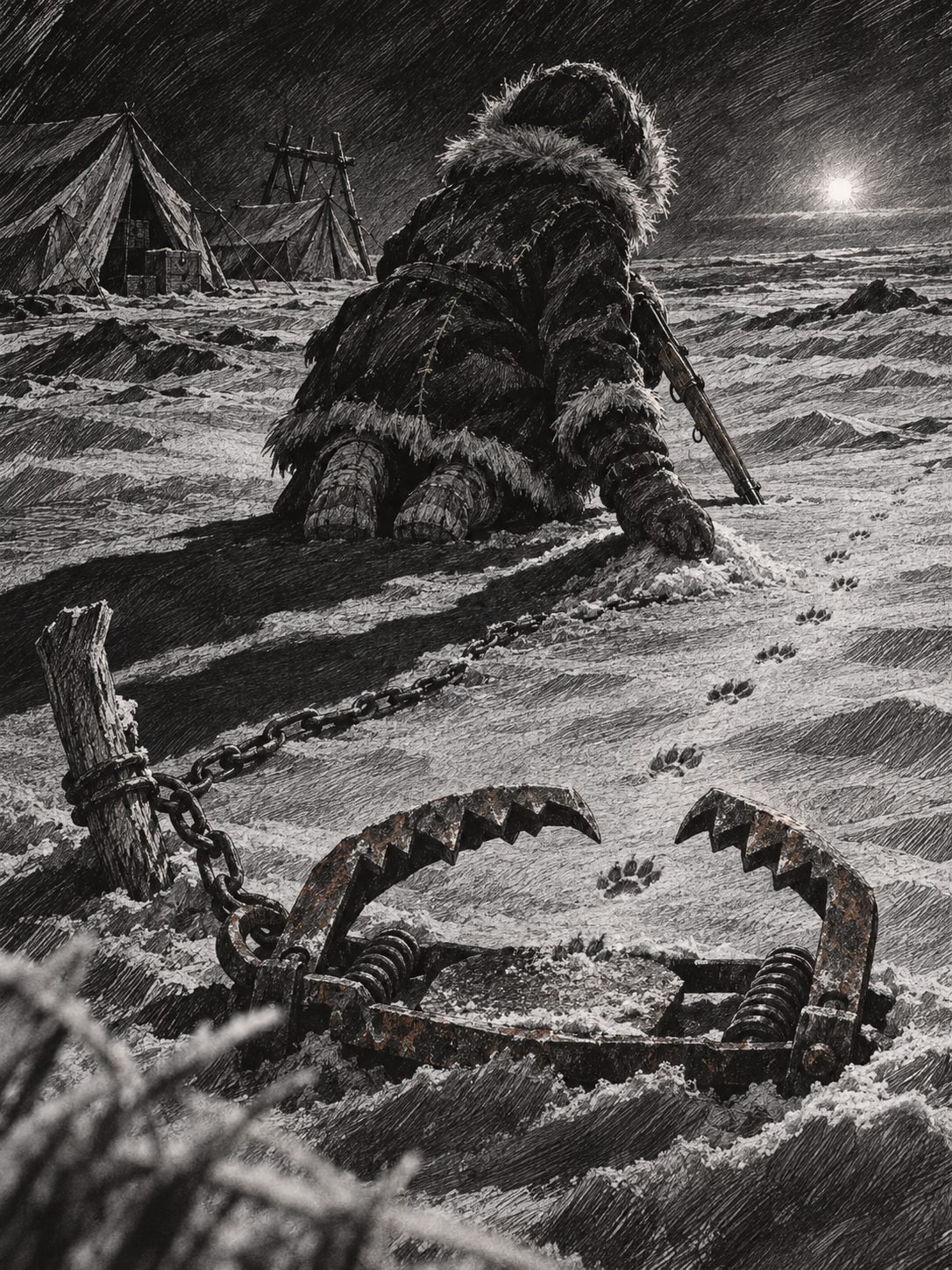
She caught her first fox on 21 February, while Knight was still alive. On 18 March, a male: “fat one too.” On 10 April, a female: “very smale but its good meadt.”
On 7 June she shot a gull: “I took a shot at him and I got him dead shot.” The same day she made a rifle resting board, “so its handy”. On 13 June she found nine gull eggs. She walked out to an island for “sweet roots”.
On 27 June, four days after Knight’s death: “Thats a frist seal I ever got in my life.” (DIARY)
A lookout on four poles
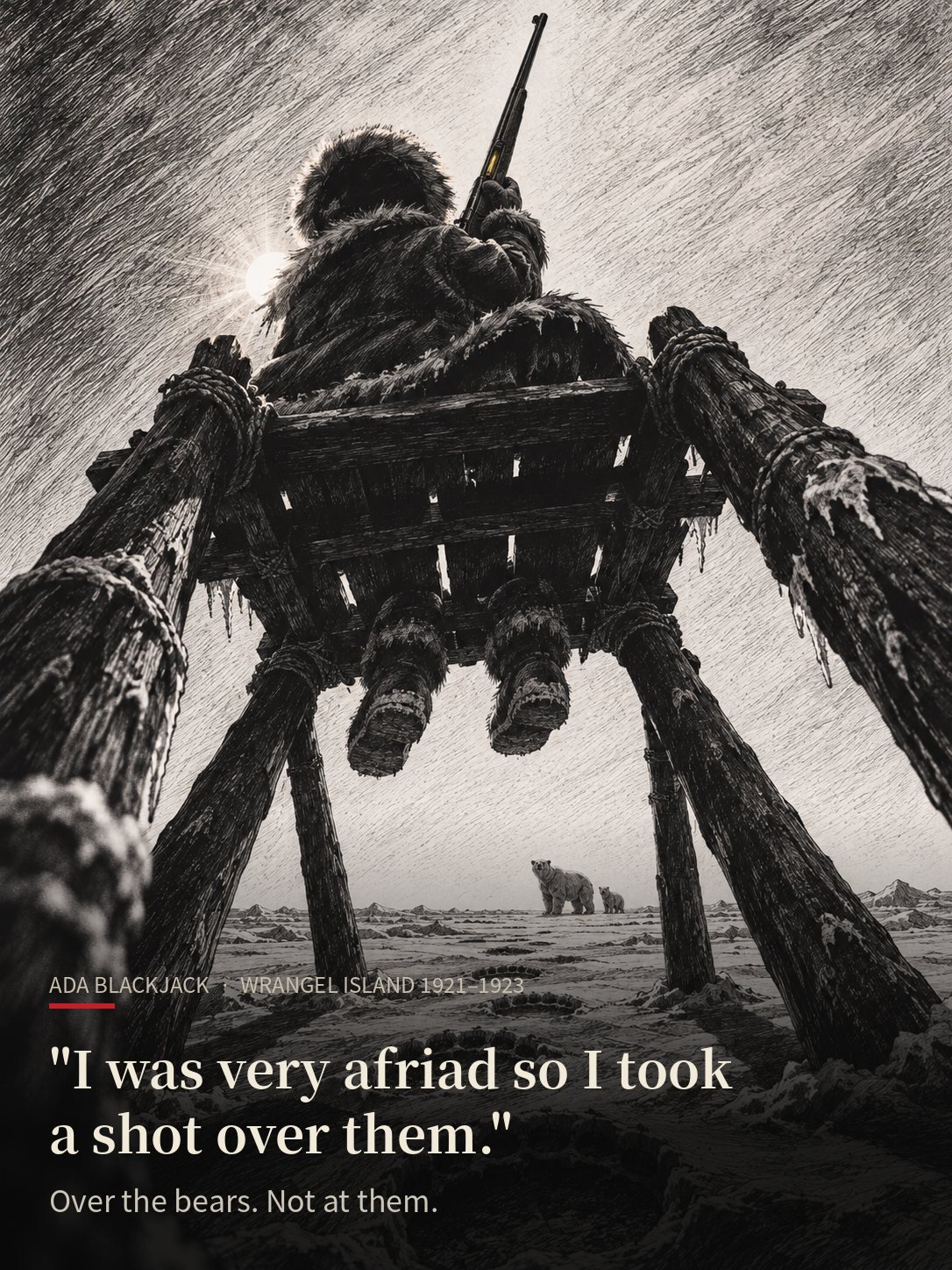
On 28 June she “saw Polar bear and one cub. I was very afriad so I took a shot over them.” Over them. Not at them.
On 2 July she built a lookout: “I put up four Poles and put seats so I can go on top of them.” From up there she could see what was coming across the ice.
On 6 July a bear came close again. Again she “took a shot over them.”
The woman who had been deathly afraid of polar bears was now the only guard on the island. (DIARY)
A canvas boat and a pair of slippers
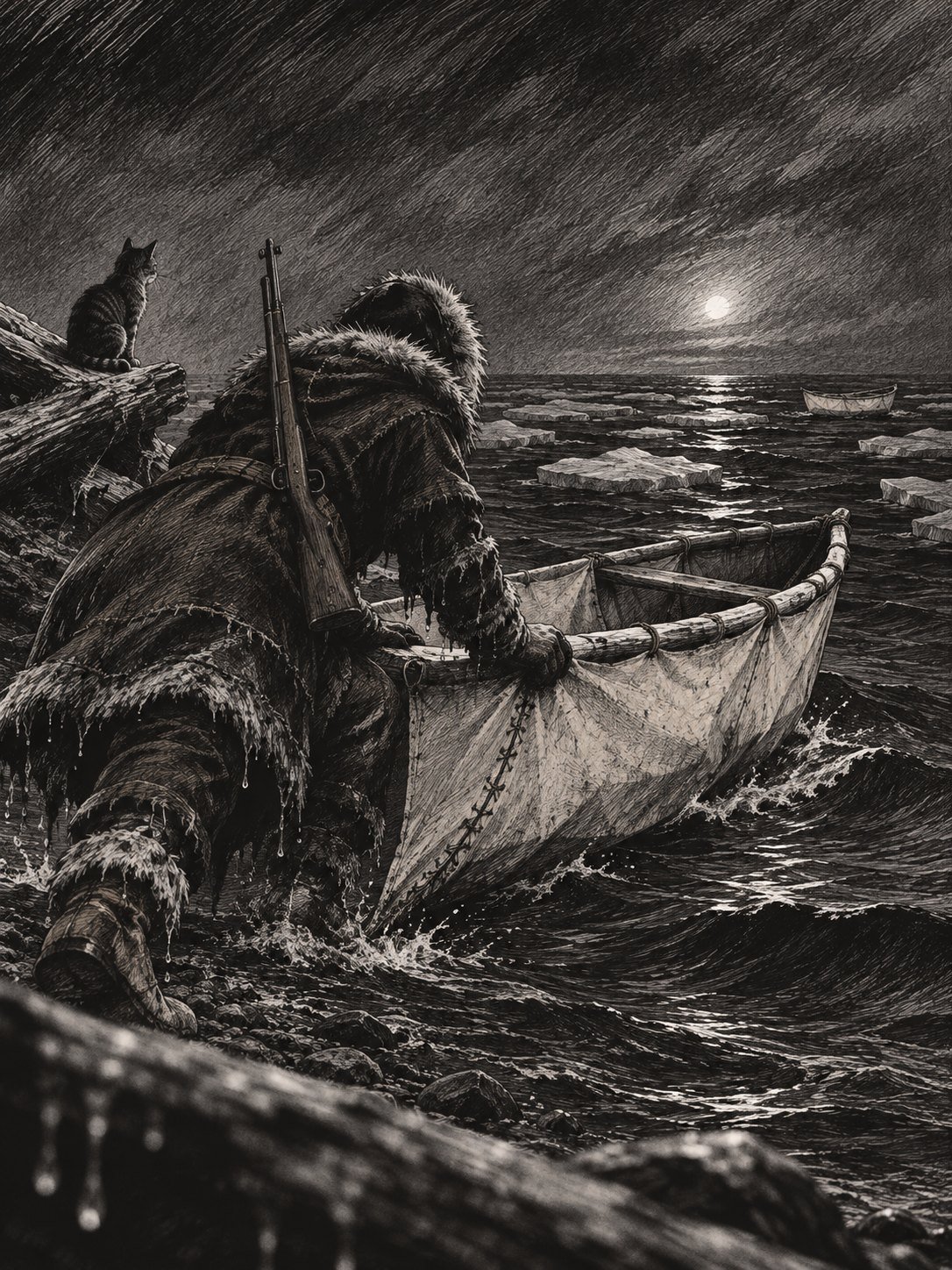
16 July: “I made a canves boat it works all right.” On 3 August: “I finished new canves boat.” HISTORY says one of her boats was washed out to sea.
On 23 July, in the middle of all this, she wrote one line: “I thank God for living.”
On 4 August: “I finished Bennetts slepers today.” Kenn Harper describes them as beaded. She was still sewing for her son.
On 7 August she mentions “going to see boat coming”. The sea stayed empty. (DIARY) (HISTORY) (HARPER-2006)
The last biscuit box
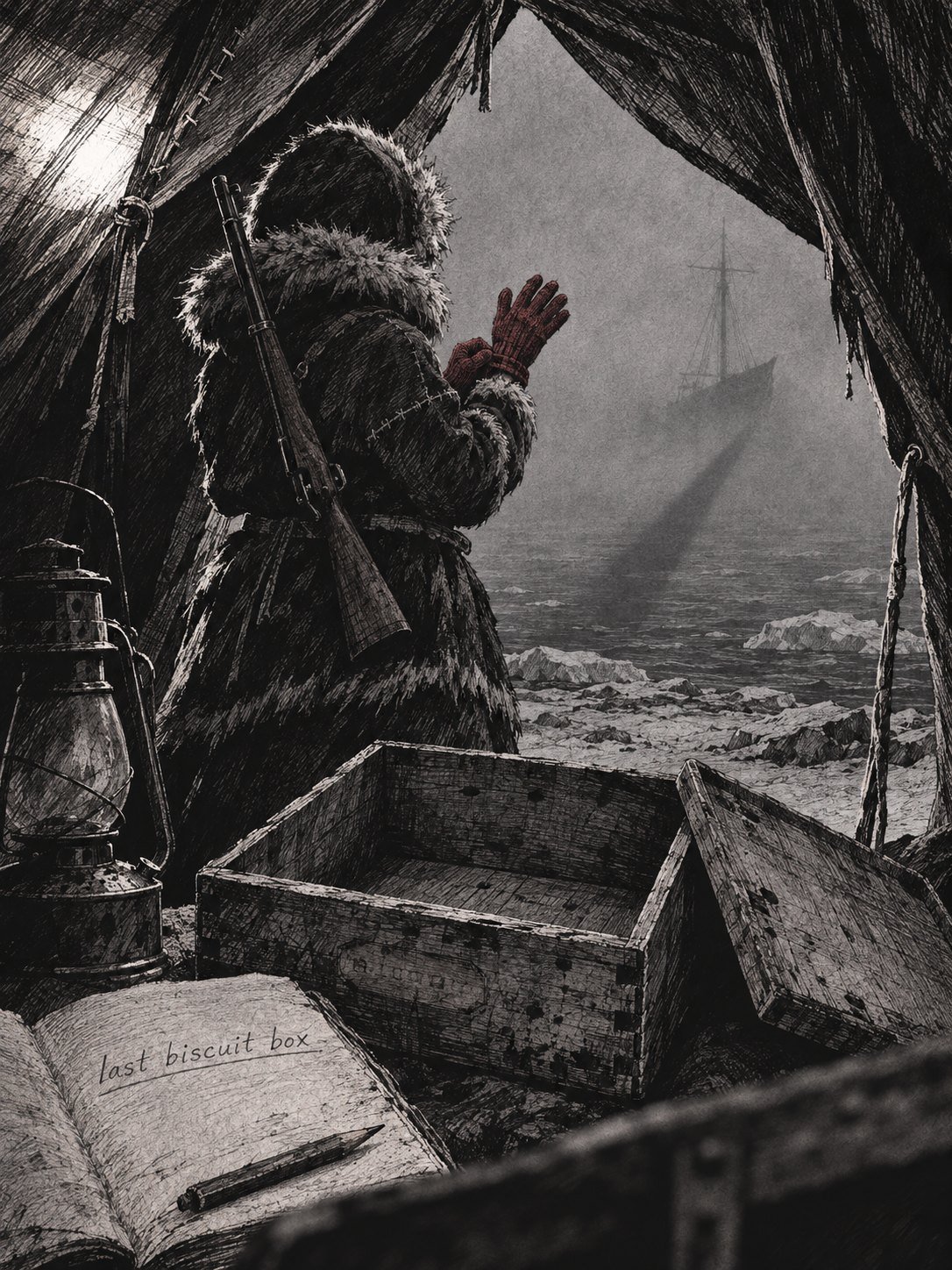
20 August 1923. The last entry in the diary: “I finished my knited gloves today and I open last biscuit box.”
By most records, the Donaldson reached Wrangel that same day; a few sources say the 19th. The National Park Service says she saw a ship through the fog.
The man leading the rescue was Harold Noice, who had sailed with Stefansson years before. He had brought a new party to stay on the island. The rescuers buried Knight on 20 August, and reported that she had “mastered her environment so far that it seems likely she could have lived there another year.”
She had been nearly two months entirely alone, and seven months as the only person on the island able to work. (DIARY) (NPS) (NOICE-TEL) (DART-ENVS-RESCUE)
“A real heroine”
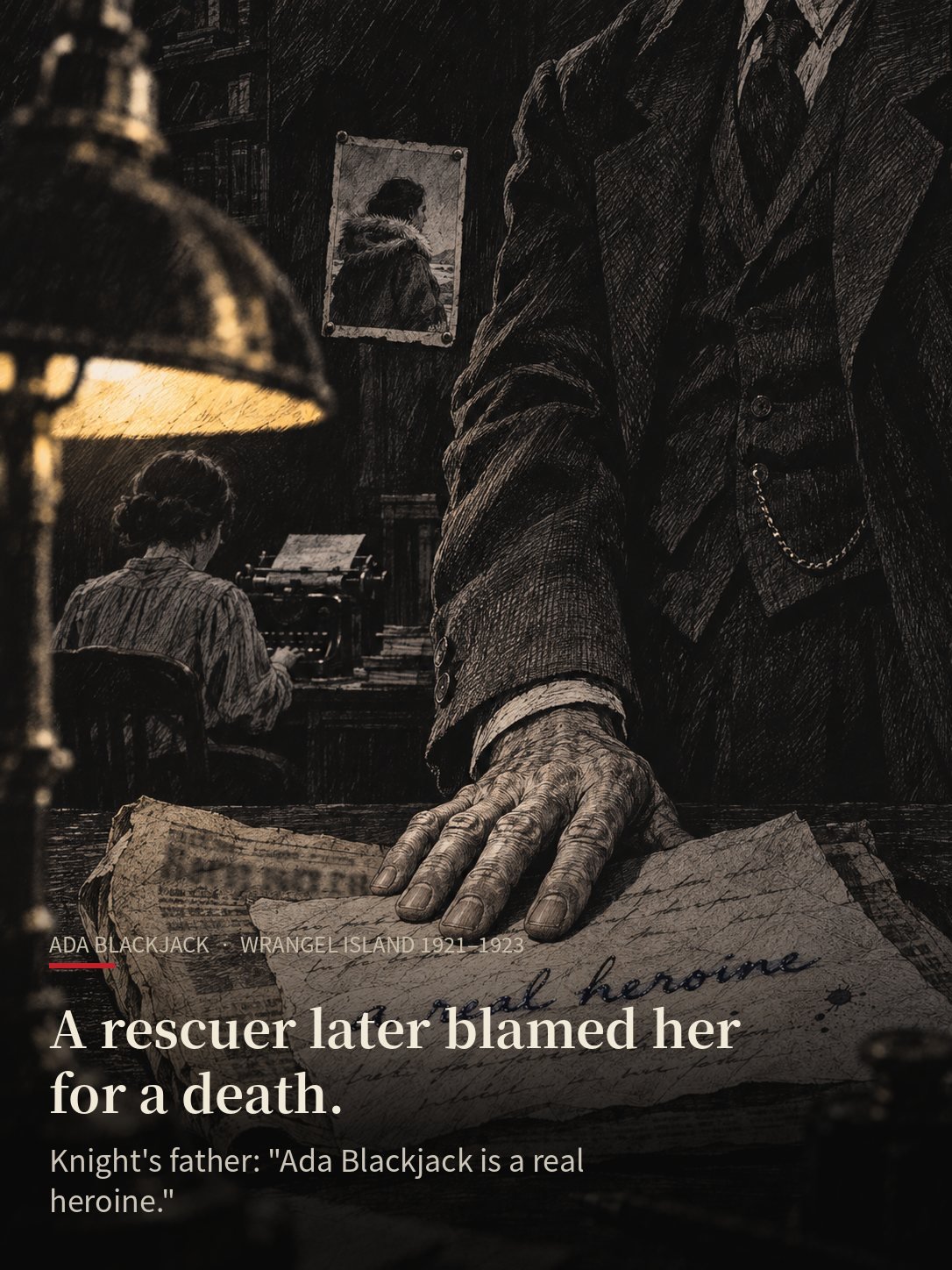
On 31 August 1923 Noice telegraphed from Nome: “Ada Blackjack only survior.” He blamed the expedition’s failure on “poor equipment and inexperience.” The papers called her “the female Robinson Crusoe.” She disliked the attention. In December she visited Lorne Knight’s parents at their home.
Then, on 11 February 1924, the New York World ran Noice’s new version. He now said she “was not the heroine he at first believed her to be.” A Dartmouth exhibit summarises his charges: that she let Knight go hungry after refusing his marriage proposal, and that she refused to check traps. These were Noice’s claims. She was never charged with anything.
Knight’s own father called the charges “cruel and unfounded” and wrote: “I still maintain that Ada Blackjack is a real heroine.” The same exhibit gives her weight at the rescue as 90 lb, about 30 lb less than when she left.
Stefansson’s 1925 book answered Noice in an appendix: she was “much farther still from being a vindictive criminal.” The Nome Nugget reports that Noice later took the accusations back. (NOICE-TEL) (NYWORLD-1924) (DART-ENVS-6-3) (DART-KNIGHTPHOTO) (AWI-APPX5) (NOMENUGGET)
A contract and a missing payment
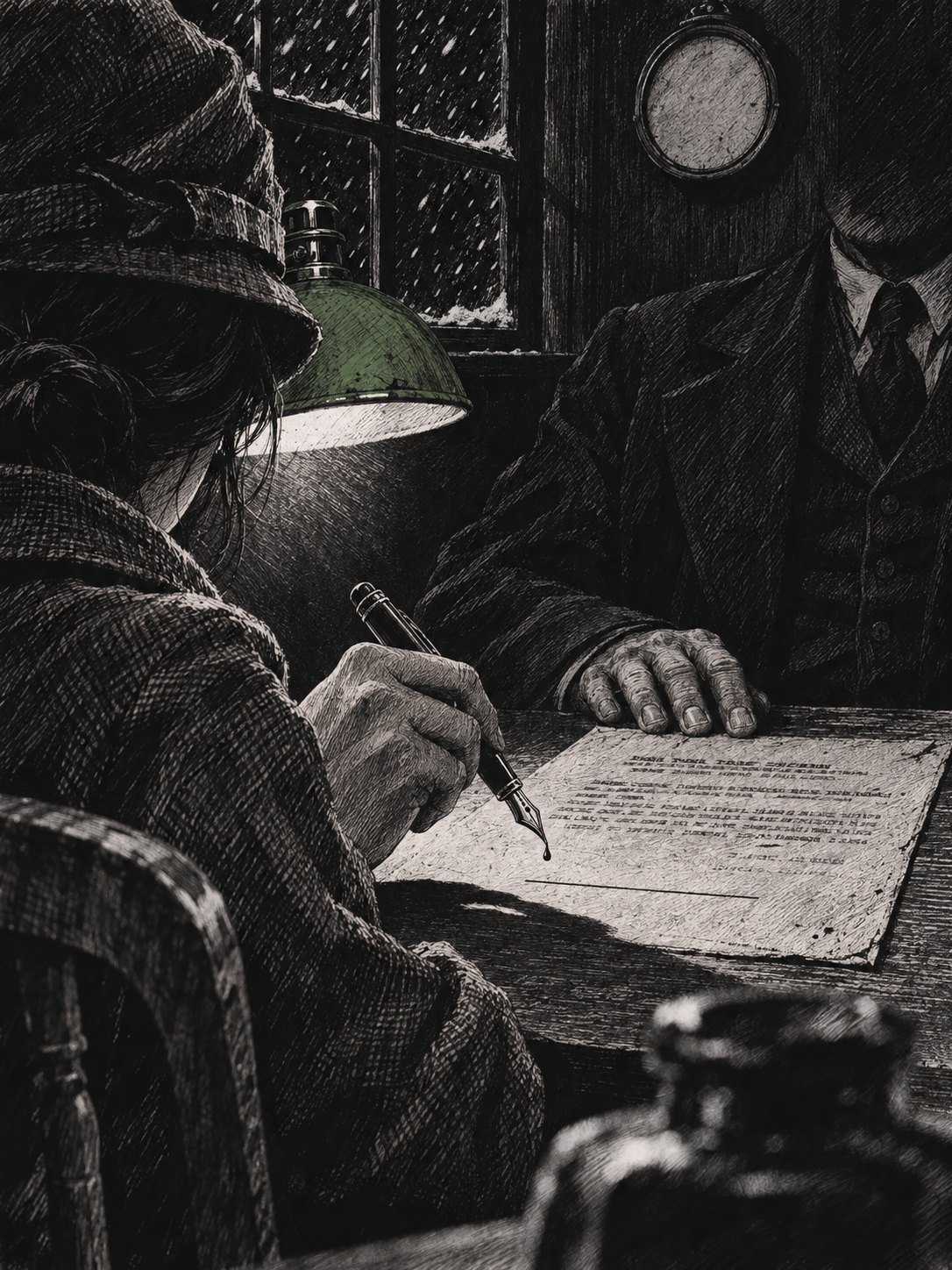
6 February 1924. A signed contract transferred the rights to her diary to Stefansson and his heirs. Stefansson said he had paid her everything she was owed. She maintained she was never paid for her story. The same day she gave a statement to E. R. Jordan, the U.S. Marshal and Nome police chief.
In April 1925 Allan Crawford’s parents publicly blamed Stefansson, for “Failure to keep faith with the boys” and for the inadequate supplies.
What money she had, she used for Bennett. She took him to Seattle for tuberculosis treatment.
The island never became British. In August 1924 a Soviet gunboat, the Krasny Oktyabr, arrested the party Noice had left there: Charles Wells and an Iñupiat group. Wells died in custody. Wrangel has been Soviet, now Russian, ever since. (ECU-CONTRACT) (ECU-STATEMENT) (EVTEL-1925) (NPS) (CANENC)
“If I Alive, I keep going”
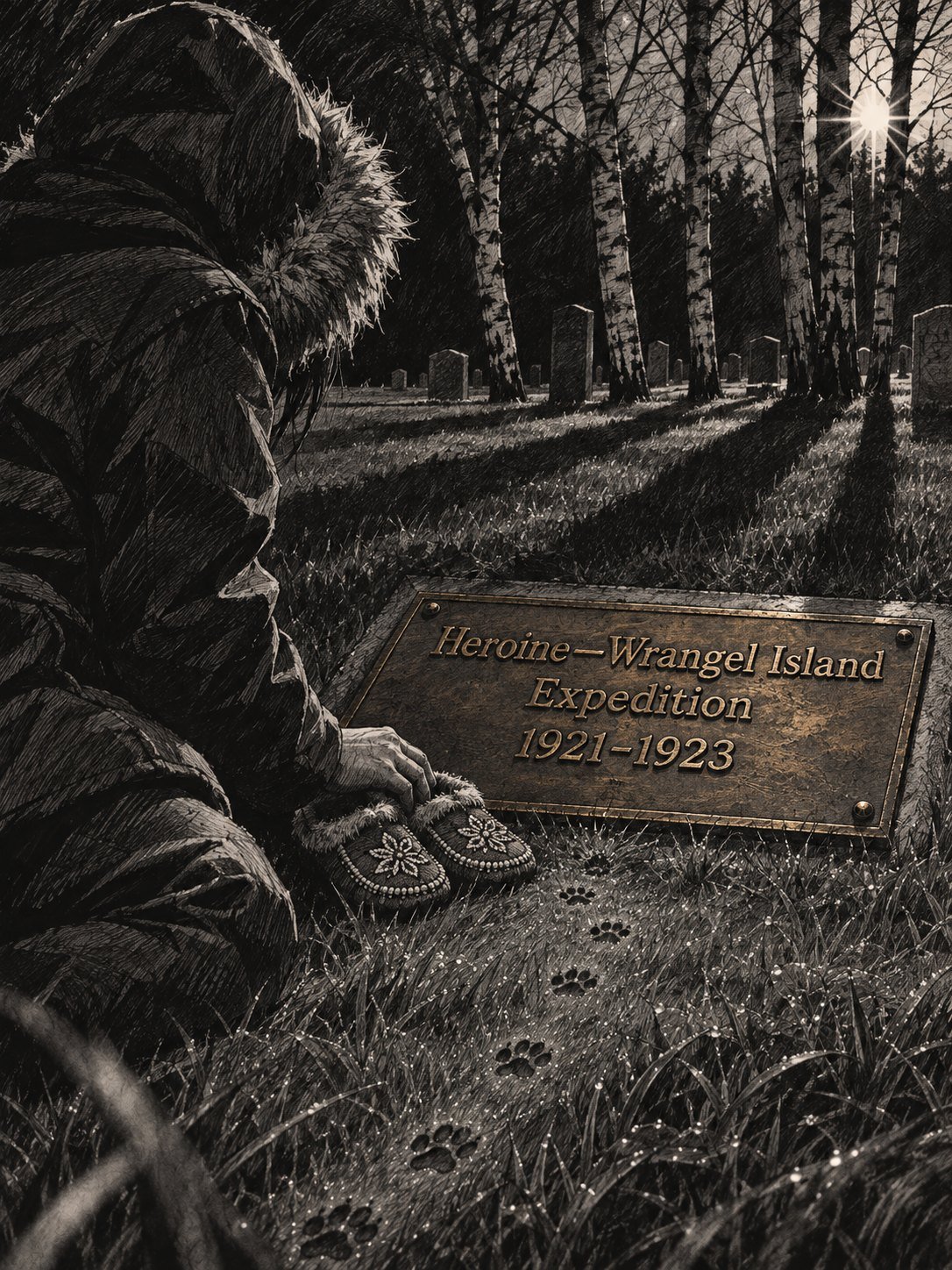
She lived for sixty more years. She remarried, had a second son, Billy, and later divorced. She lived in Seattle and Spokane, then went home to Alaska, where she herded reindeer and trapped.
Bennett died in 1972, at 58. Ada Blackjack died on 29 May 1983, aged 85, at the Pioneers’ Home in Palmer, Alaska. She was buried at Anchorage Memorial Park beside Bennett. Billy placed a plaque on her grave: “Heroine—Wrangel Island Expedition 1921-1923”.
About a month later the Alaska Legislature called her “a woman whose bravery and heroic deeds have gone unnoticed for so many years.” On 21 October 2025 she entered the Alaska Women’s Hall of Fame.
Her family gives her motto in her own spelling: “If I Alive, I keep going.” (NPS) (HARPER-2006) (SJR61) (NOMENUGGET)
The evidence file
The diary, letters and records this story rests on, and where they are now.
Exhibits
- Exhibit A — Ada Blackjack’s diary, 14 Mar to 20 Aug 1923. Her own record of learning to trap, hunt and build alone. The last entry reads: “I finished my knited gloves today and I open last biscuit box.” Held by Dartmouth Libraries, Rauner Special Collections (Stefansson Mss-8), which describes the diary’s ownership as “fraught” and follows protocols for Native American archival materials. (Dartmouth Libraries)
- Exhibit B — The typed sheet: “He died on June 23d”. Typed on Milton Galle’s typewriter in the tent. Her August report says instead, “He was living till June 22”, so the date is given here as the night of 22 to 23 June. Dartmouth holds a copy of the typewritten sheet. (Dartmouth Libraries; Dartmouth, Noice Papers)
- Exhibit C — Crawford’s letter “Off Wrangel Island”, 15 Sep 1921. Written as the party landed: unloading went on until 11 p.m., with the flag and proclamation to follow the next morning. “We have Esk. woman, Ada Blackjack, with us to sew.” Held by Dartmouth Libraries, Stefansson Wrangel papers. (Dartmouth Libraries)
- Exhibit D — Crawford’s last letter, section dated 28 Jan 1923. Written the day three men left for Siberia: “taking both Maurer & Galle”; “Knight is troubled with scurvy”; “five dogs are scarcely enough”; “Game is scarce”. It is the last known writing by any of the three. Held by Dartmouth Libraries. (Dartmouth Libraries)
- Exhibit E — The rescue leader’s telegram, Nome, 31 Aug 1923. “Arrived last night Ada Blackjack only survior stop buried Knight August twentieth stop”. It reports that three men left on 28 Jan 1923 and were believed dead, and blames the failure on “poor equipment and inexperience”. A copy is held by Dartmouth, Harold Noice Papers (Mss-91). (Dartmouth Libraries)
- Exhibit F — The diary-rights contract, 6 Feb 1924. It transferred the rights to her diary to Stefansson and his heirs. He said he had paid everything owed; she said she was never paid for her story. A copy of the signed contract is held by East Carolina University, Inglis Fletcher papers. (East Carolina University)
- Exhibit G — The accusation and the answers. On 11 Feb 1924 the New York World reported the rescue leader’s claim that she “was not the heroine he at first believed her to be.” Knight’s father answered: “I still maintain that Ada Blackjack is a real heroine,” and Stefansson’s 1925 book rebutted the charge in its Appendix V. Summary based on the New York World clipping, Stefansson’s appendix and Kenn Harper in Nunatsiaq News. (Dartmouth, via FromThePage; Nunatsiaq News)
Evidence locker
Real archival images. Illustrations elsewhere in this file are AI-generated.
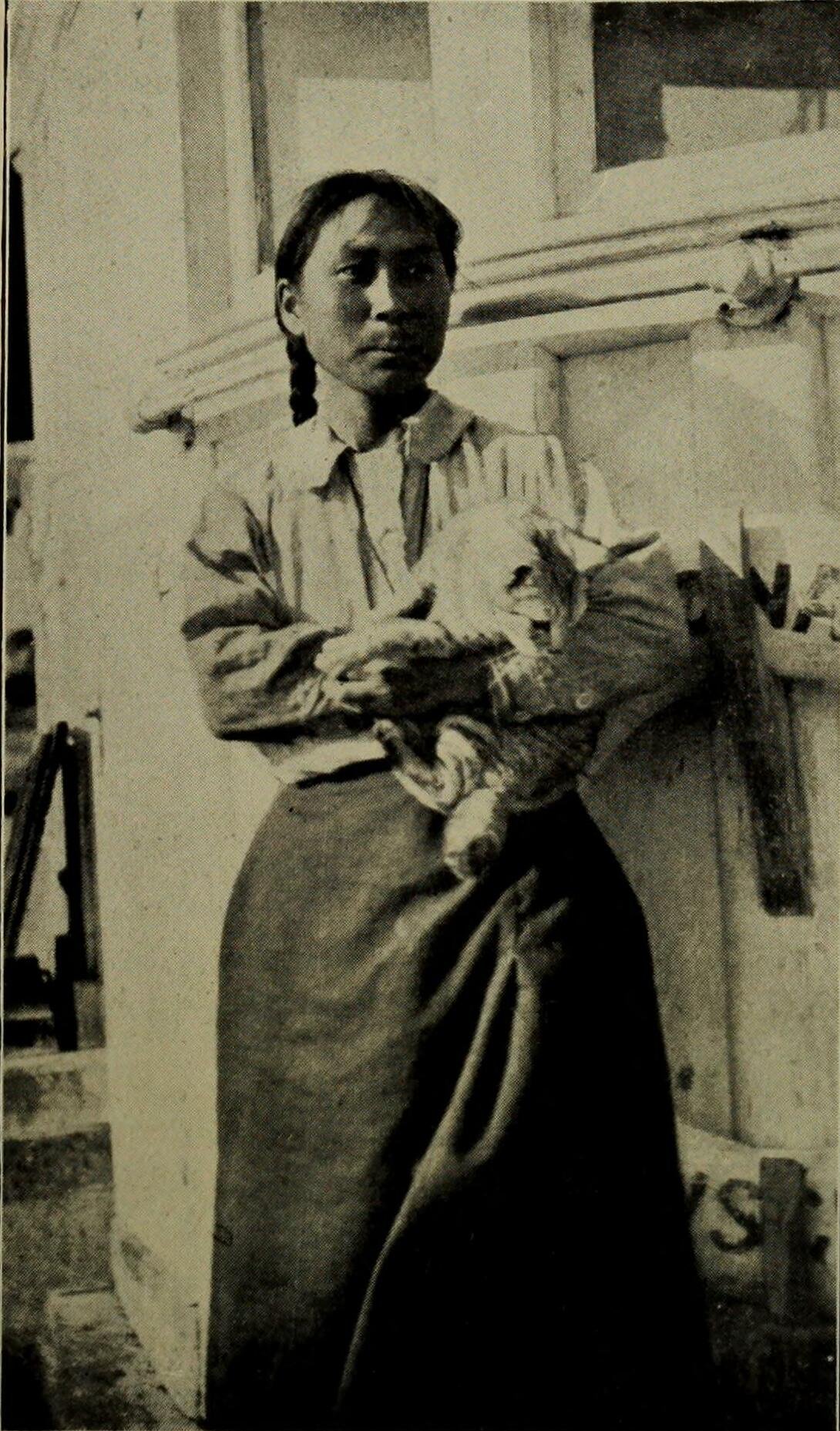 EXHIBIT A · TAP TO ENLARGE
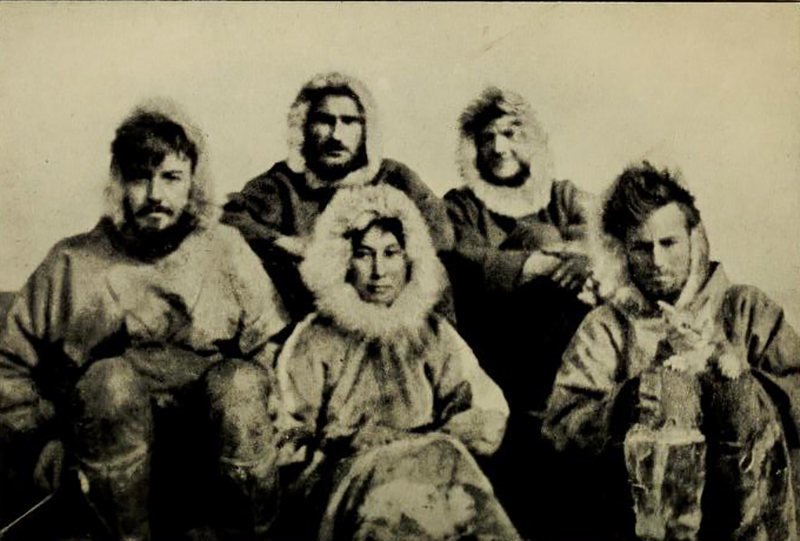 EXHIBIT B · TAP TO ENLARGE
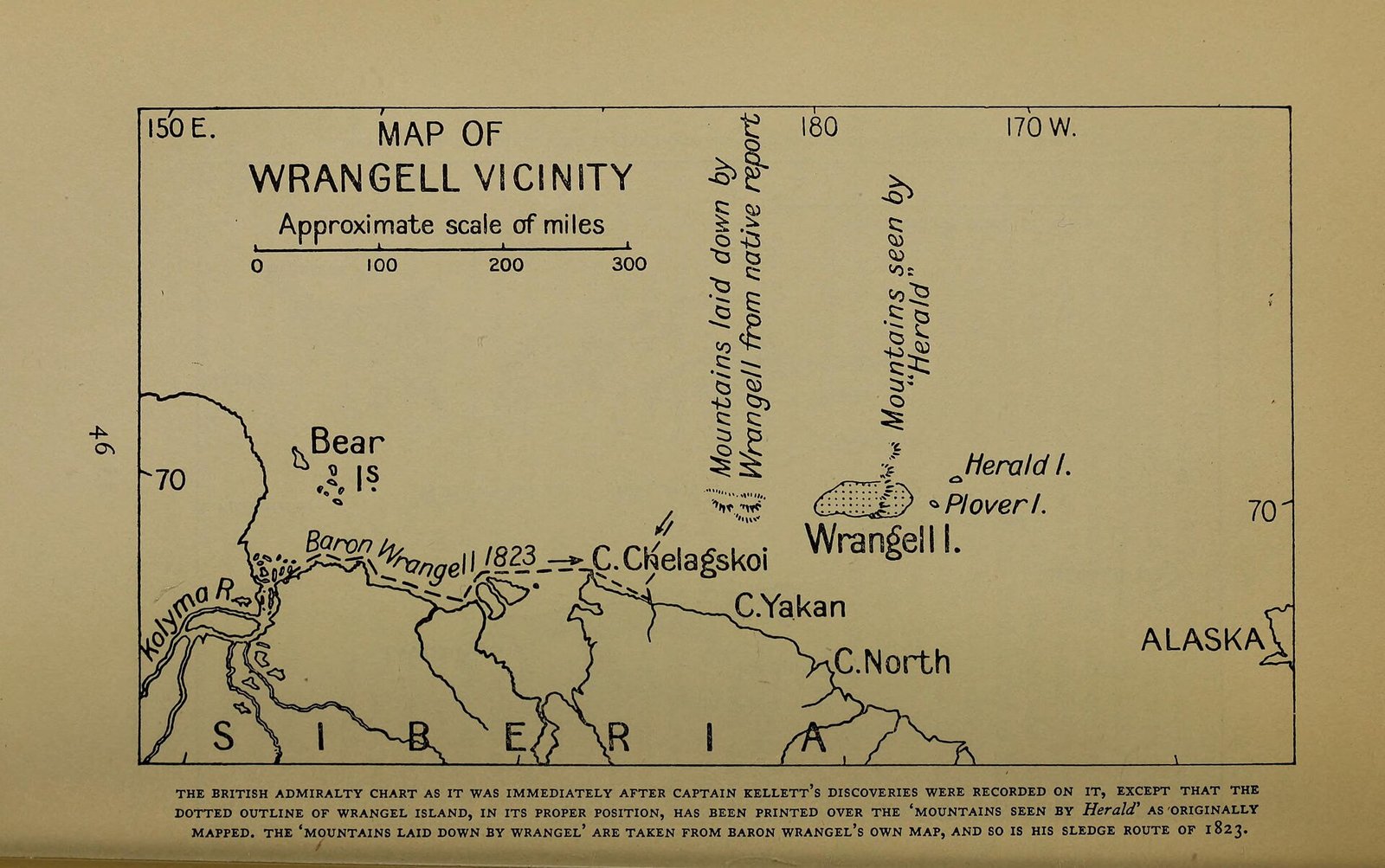 EXHIBIT C · TAP TO ENLARGE
In the papers: “Tragedy Of Wrangel Island Told In Detail” — Baltimore Sun, 27 October 1923.
Quick answers: Ada Blackjack and Wrangel Island
Who was Ada Blackjack?
Ada Blackjack was an Iñupiaq woman from Nome, Alaska, born in 1898, who was hired as the seamstress for Vilhjalmur Stefansson’s 1921 expedition to Wrangel Island. She was the only woman in the party of five, and the only one who came back.
How long was Ada Blackjack alone on Wrangel Island?
Nearly two months entirely alone, after Lorne Knight died of scurvy on the night of 22–23 June 1923. She had also been the only person on the island able to work for about seven months, until the ship Donaldson arrived on 20 August 1923 (a few sources say the 19th).
What happened to the other men on the Wrangel Island expedition?
On 28 January 1923 Allan Crawford, Fred Maurer and Milton Galle walked out onto the sea ice with five dogs to get help from Siberia, about ninety miles away. They were never seen again and no trace of them has ever been found. Lorne Knight, too sick to go, stayed behind with Ada and died of scurvy that June.
How did Ada Blackjack survive?
She taught herself to trap foxes, hunt gulls and shoot seals, and she built a canvas boat and a lookout on four poles to watch for bears and ships. When polar bears came close, she fired shots over them to drive them off.
Was Ada Blackjack blamed for Lorne Knight’s death?
In 1924 the rescue leader, Harold Noice, claimed she was not the heroine he first described, but these were only his claims and she was never charged with anything. Knight’s own father called the charges “cruel and unfounded”, and the Nome Nugget reports that Noice later took them back.
What happened to Ada Blackjack after the rescue?
She lived for sixty more years, remarried, had a second son, Billy, and later returned to Alaska to herd reindeer and trap. She died on 29 May 1983, aged 85, and is buried at Anchorage Memorial Park beside her son Bennett. In October 2025 she entered the Alaska Women’s Hall of Fame.
Related file: Another survivor nobody expected to make it home: Joe Simpson on Siula Grande, after his partner cut the rope.
Case notes: one seamstress, one cat and an island
In 1921 an Iñupiaq seamstress, Ada Blackjack, went to Wrangel Island with four young men to claim it for the British Empire. Two years later a rescue ship found only her (NOICE-TEL) (NPS).
Where the case stands (as of November 2026)
The three men who walked onto the ice in January 1923 have never been found. No trace of them has turned up (NPS) (HISTORY).
Ada Blackjack was never charged with anything. The accusations made against her in 1924 were answered at the time, including by Lorne Knight’s own father (DART-ENVS-6-3) (AWI-APPX5).
Ada Blackjack nursed the last man on Wrangel Island until he died, and was left alone.
Timeline
| When | What happened |
|---|---|
| 10 May 1898 | Ada Delutuk born at Spruce Creek, Alaska (DART-BIO) |
| 9 Sept 1921 | The party leaves Nome aboard the Silver Wave (NPS) |
| 15-16 Sept 1921 | Landing on Wrangel Island; flag raised (CRAWFORD-1921) |
| Aug-Sept 1922 | Relief ship Teddy Bear turned back by ice (LOMEN-1922) |
| 28 Jan 1923 | Crawford, Maurer and Galle leave over the ice; never seen again (CRAWFORD-1923) (ADA-REPORT-1923) |
| 14 Mar 1923 | Ada begins her diary (DIARY) |
| 22-23 June 1923 | Lorne Knight dies of scurvy (ADA-REPORT-1923) (RAUNER-2012) |
| 27 June 1923 | Her first seal (DIARY) |
| 20 Aug 1923 | Last diary entry; the Donaldson arrives (DIARY) (NPS) |
| 31 Aug 1923 | Noice wires from Nome: “Ada Blackjack only survior” (NOICE-TEL) |
| 6 Feb 1924 | Diary rights contract signed (ECU-CONTRACT) |
| 11 Feb 1924 | New York World prints Noice’s accusations (NYWORLD-1924) |
| Aug 1924 | Soviet gunboat removes the next party from the island (CANENC) |
| 29 May 1983 | Ada Blackjack dies in Palmer, Alaska, aged 85 (HARPER-2006) (NPS) |
| 21 Oct 2025 | Inducted into the Alaska Women’s Hall of Fame (NOMENUGGET) |
Where the records disagree
| Detail | What sources say |
|---|---|
| Date of rescue | 20 August in most records; a few say 19 or 23 August (NPS) (SJR61) |
| Knight’s death | “Living till June 22” in her report; “died on June 23d” on the typed sheet (ADA-REPORT-1923) |
| Knight’s diary | Said she held back food from him; her diary records his constant criticism (JSTOR) (DIARY) |
| Noice’s charges | Made in 1924, answered by Stefansson and Knight’s father; one report says he later withdrew them (NYWORLD-1924) (AWI-APPX5) (NOMENUGGET) |
| Payment | Stefansson said he paid what was owed; she said she was never paid for her story (ECU-CONTRACT) (ECU-CLIP) |
What we still don’t know
- Where and when the three men’s walk across the ice ended.
- Why the relief ship of 1923 came so late.
- How much Ada Blackjack was ever paid for her diary and her story.
- What really passed between her and Lorne Knight in their last months.
What happened after
Wrangel Island never became British. It has been Soviet, now Russian, territory ever since (CANENC) (CANGEO).
Editor’s note
The part of this story that stays with us is the nursing. Ada was hired to sew. Instead she ended up caring for a dying man, finding food for both of them, and then, when he was gone, keeping herself alive on her own. Nobody signs up for an Arctic expedition as the seamstress because they’re sure they can do all that. So “she turned out to be a strong woman” feels like too small a thing to say. What we keep picturing is the ordinary days in between: frightened, not knowing whether a ship would ever come, and doing the next necessary thing anyway, and then the one after that.
We’re less interested in the fact that the explorer who organised the expedition stayed home than in what he was relying on when he decided it was safe. What made him so sure? And if it went wrong, how exactly was he going to get them back? The person who plans a venture like this hopes for the credit. The people who go carry the risk. Those two things can be very far apart. Ada, especially, went because she was employed to do a job. If we only praise the survivor’s willpower without asking whether the preparation and the rescue plan were good enough, the story ends very comfortably for the one person who should have had to answer for it.
And what happened to her afterwards seems cruel to us. She had stayed with a man until the end, and because she was the one who came back, she was expected to explain his death. Checking what happened is fair. Spreading the suggestion that she hadn’t looked after him properly, without any evidence, is something else. Before anyone turned her into a heroine or a suspect, she should have been allowed to rest, and to be listened to when she was ready to talk. Surviving something doesn’t mean you’ve finished getting through it.
Case file summary
- What: A failed expedition to claim an Arctic island, and its sole survivor
- Where: Wrangel Island, off Siberia; the party sailed from Nome, Alaska
- When: September 1921 to August 1923
- Who: Ada Blackjack, Iñupiaq seamstress, 23; four young men who did not return
- Status: Three men never found; Ada survived nearly two months alone
Illustrations are AI-generated artistic interpretations, not photos. No real person is depicted with a recognizable face. Read how we research and illustrate these files.
Sources
- Ada Blackjack, diary, 14 March – 20 August 1923, diplomatic transcription, Dartmouth Libraries (Stefansson Mss-8), DOI 10.1349/ddlp.3820
- Dartmouth Libraries, “The diary of Ada Blackjack, sole survivor of the Wrangel Island expedition, March–August 1923” (collection page)
- “Typescript of a report by Ada Blackjack, 25 August 1923, with extracts from Milton Galle’s diary”, Harold Noice Papers, Stefansson Mss-91, Box 1, Folder 4, Dartmouth
- Course-exhibit item record for the same typescript (SK507; “dictated … as recorded by Harold Noice”)
- Letter, Allan R. Crawford to Stefansson, 15 September 1921, “Off Wrangel Island”, Dartmouth
- Letter, Allan R. Crawford to Stefansson, January 1923 (sections dated January [4] and 28 January 1923; catalogued 23 January 1923), Dartmouth [OCR, garbled]
- Letter, Ralph Lomen to Stefansson, 23 September 1922, Dartmouth
- Copy of telegram, Harold Noice to A. J. Taylor (copy to Stefansson), Nome, 31 August 1923, Noice Papers, Dartmouth (page metadata misdated 30 July 1923)
- *New York World*, “Spurned Eskimo Woman Is Blamed for Arctic Death”, 11 February 1924, clipping in Stefansson Wrangel papers (FromThePage)
- *The Adventure of Wrangel Island*, Appendix V, “Further Consideration of the Charge by Mr. Harold Noice …”, proof page in Stefansson papers (FromThePage)
- “Parents Blame V. Stefansson for Allan Crawford’s Death”, *The Evening Telegraph* (Toronto), 29 April 1925, Noice Papers transcription
- Dartmouth personography, “Blackjack, Ada, 1898–1983” [contains error: “September 1923”]
- Dartmouth personography, “Crawford, Allan R., 1901–1923”
- Dartmouth personography, “Maurer, Frederick W., 1893–1923”
- Dartmouth personography, “Galle, Milton Harvey Robert, 1902–1923”
- Dartmouth Libraries, Harold Noice papers collection page (Mss-91)
- “Photograph of Ada Blackjack and Mr. and Mrs. Knight”, 15 December 1923 (JWH3; ark:/83024/d4tm7270q), Dartmouth course exhibit
- Dartmouth ENVS 15 course exhibit, “The Daring Rescue” (Winter 2024)
- Dartmouth ENVS 15 course exhibit, “After Knight’s Death”
- Dartmouth ENVS 15 course exhibit, “Knight, Galle, and Crawford Families”
- Rauner Special Collections Library blog, “Ada Blackjack”, 10 April 2012
- East Carolina University Special Collections, “Ada Delutuk Blackjack”, 5 January 2007
- ECU Digital Collections, “Copy of Signed Contract for Rights to Ada Blackjack’s Diary”, 6 February 1924 (InC-EDU)
- ECU Digital Collections, “Statement of Ada Blackjack to E. R. Jordan”, 6 February 1924 (InC-EDU)
- ECU Digital Collections, “Ada Blackjack Hits Back Clipping”, *Los Angeles Times*, c. 1924 (InC-EDU)
- National Park Service (Bering Land Bridge), “Ada Blackjack: Stranded on Wrangel Island” (undated)
- Kenn Harper, “Taissumani: May 29, 1983 — The death of Ada Blackjack”, *Nunatsiaq News*, 26 May 2006
- Kenn Harper, “Taissumani, March 24”, *Nunatsiaq News*, 24 March 2018
- Peter Rowe, “Vilhjalmur Stefansson, Ada Blackjack and the Canadian invasion of Russia”, *Canadian Geographic*, 11 March 2022
- Gerard Kenney, “When Canada Invaded Russia” (feature), *The Canadian Encyclopedia*, 11 January 2012 (edited 4 March 2015)
- Imogen Lepere, “Ada Blackjack’s Secret Weapon”, *JSTOR Daily*, 15 January 2024 (updated 3 December 2025)
- Kieran Mulvaney, “The Inuit Woman Who Survived Alone on an Arctic Island After a Disastrous Expedition”, HISTORY, 17 November 2021 (updated 24 July 2025)
- Atlas Obscura, “Ada Blackjack, arctic survivor” (no byline on page; Wikipedia credits Tessa Hulls, 6 December 2017)
- Ariana Crockett O’Harra, “Ada Blackjack inducted into Alaska Women’s Hall of Fame”, *The Nome Nugget*, 29 October 2025
- Alaska Legislature, Senate Joint Resolution No. 61, 15th Legislature (1987–88)
- Wikipedia, “Ada Blackjack”