A 1,600-Year-Old Nazca Jar Held Two Baby Girls. One Was Born With a Single Eye, and DNA Revealed Why
Southern Peru, about 1,600 years ago. Nasca people buried two infant girls together. Ancient DNA shows they had different mothers, and that one had trisomy 13. Why they shared a jar is still unknown.


Narrated Mystery: press play and hear the whole case read aloud, like a true crime podcast episode, or an audiobook for a long drive (about 5 minutes). The narrator is an AI voice.
What the record shows
- What: Two baby girls buried together in one jar about 1,600 years ago
- DNA: They had different mothers; the girl at the bottom had trisomy 13 and a single central eye
- Status: Why the two girls shared one jar is still unknown
Still uncertain
- How long the girl with one eye lived.
- Who the second girl was, and why she was placed above her.
- How her family and community saw her condition.
Two girls in one jar
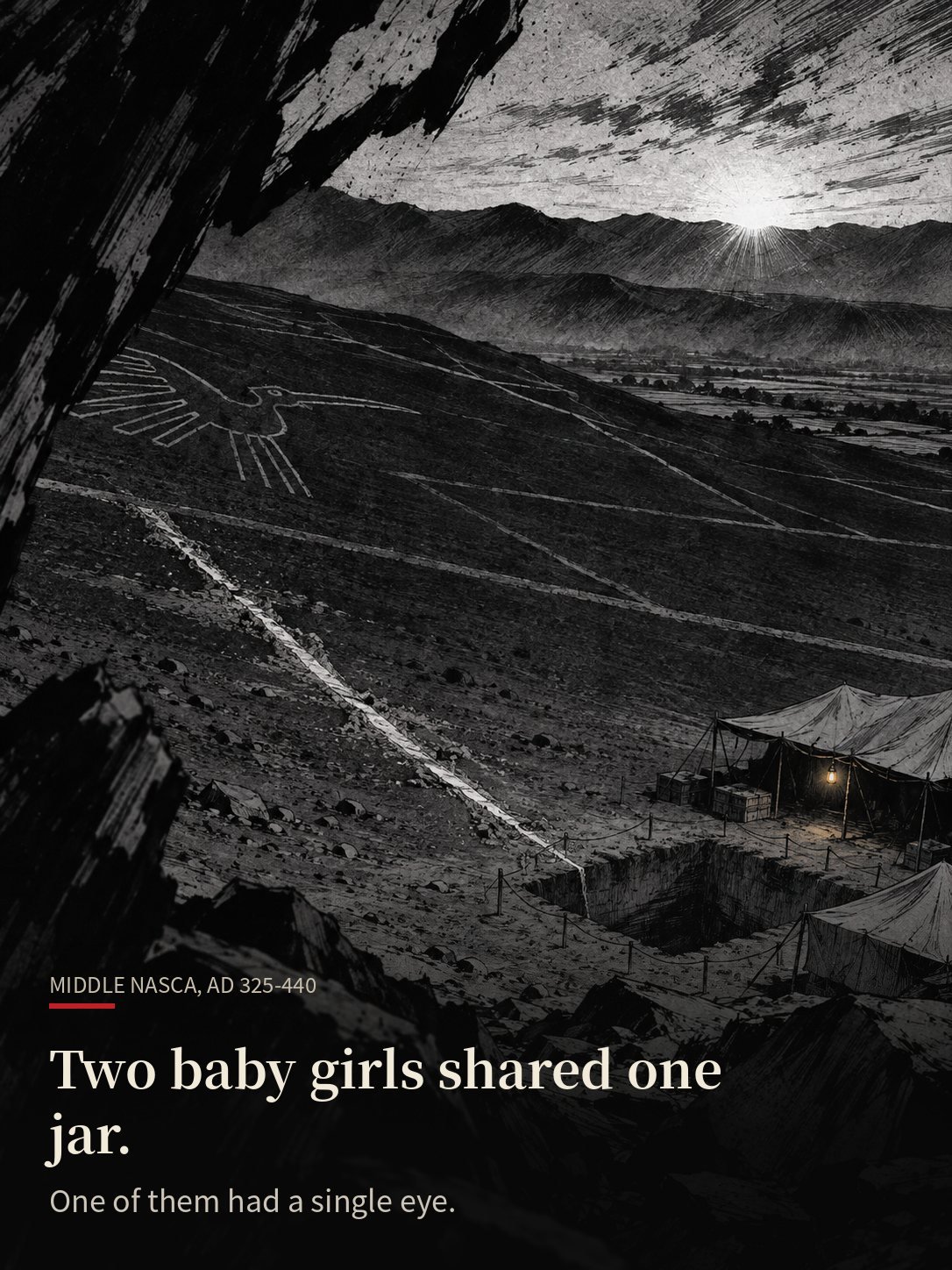
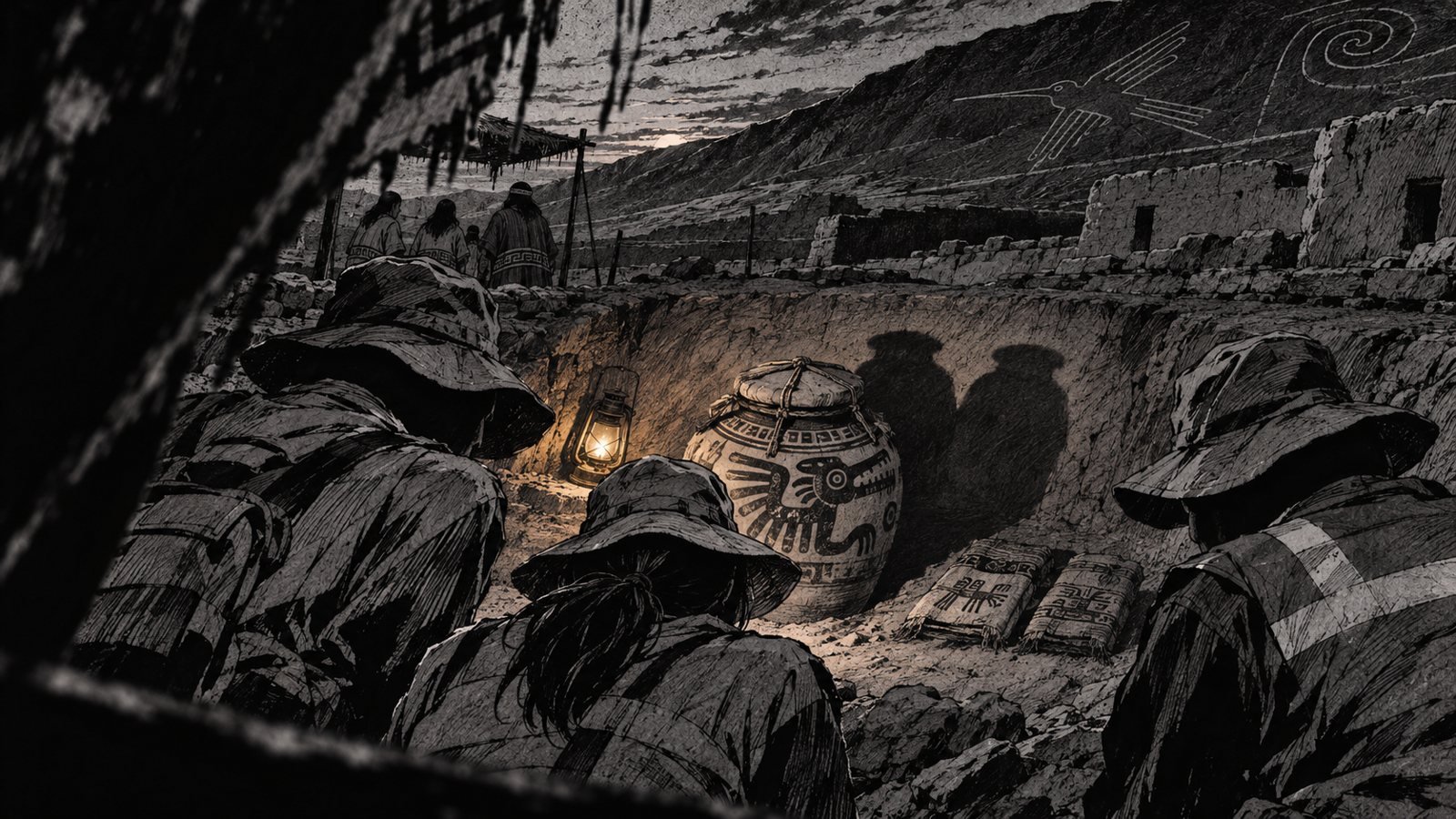
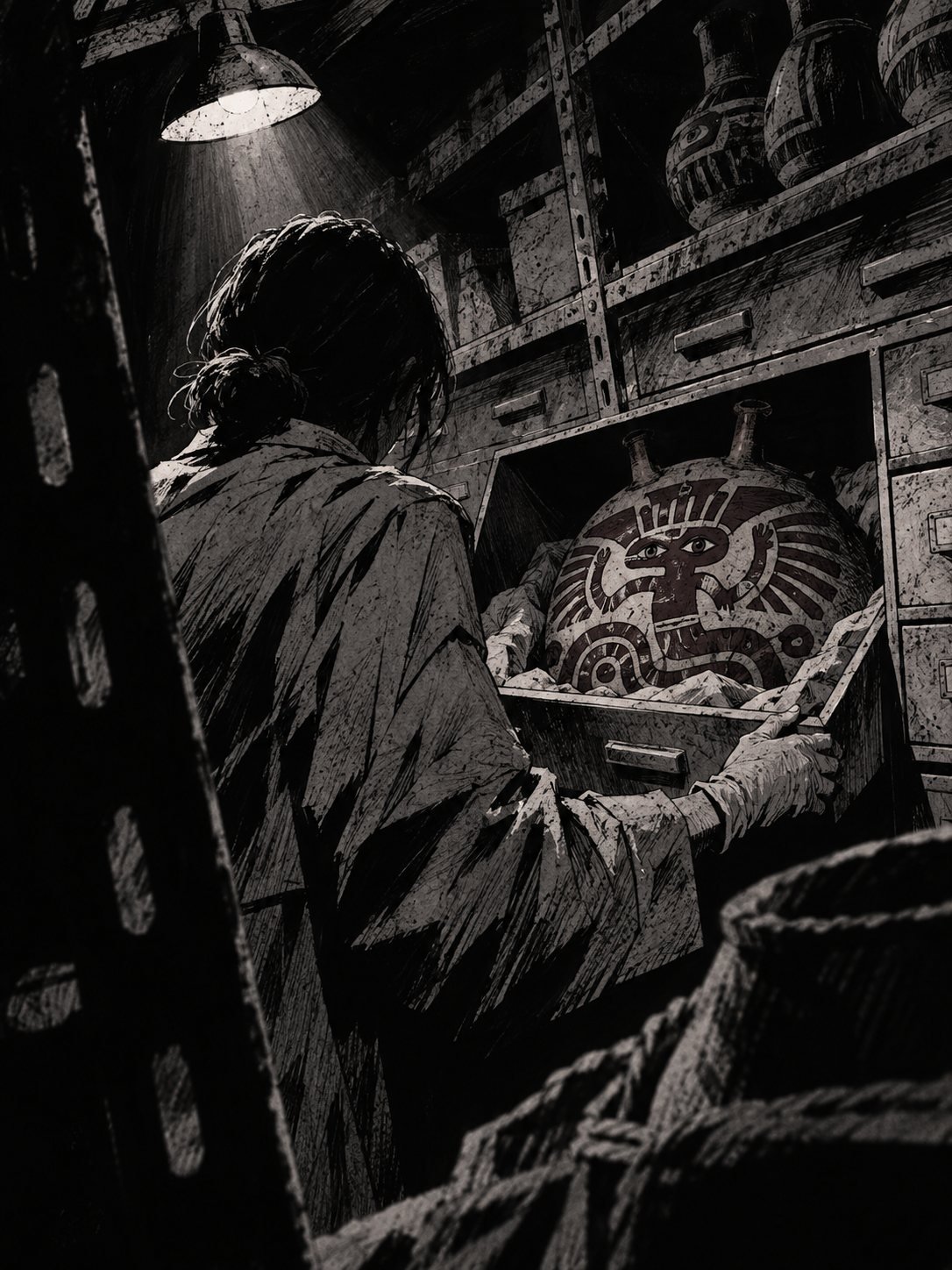
In the desert valley of Palpa in southern Peru, in the same dry country as the Nazca Lines, people of the Nasca culture once buried a ceramic jar. Inside were two infant girls. (LS) (DG)
One lay at the bottom of the jar. The other lay directly on top of her. (LS) (DG)
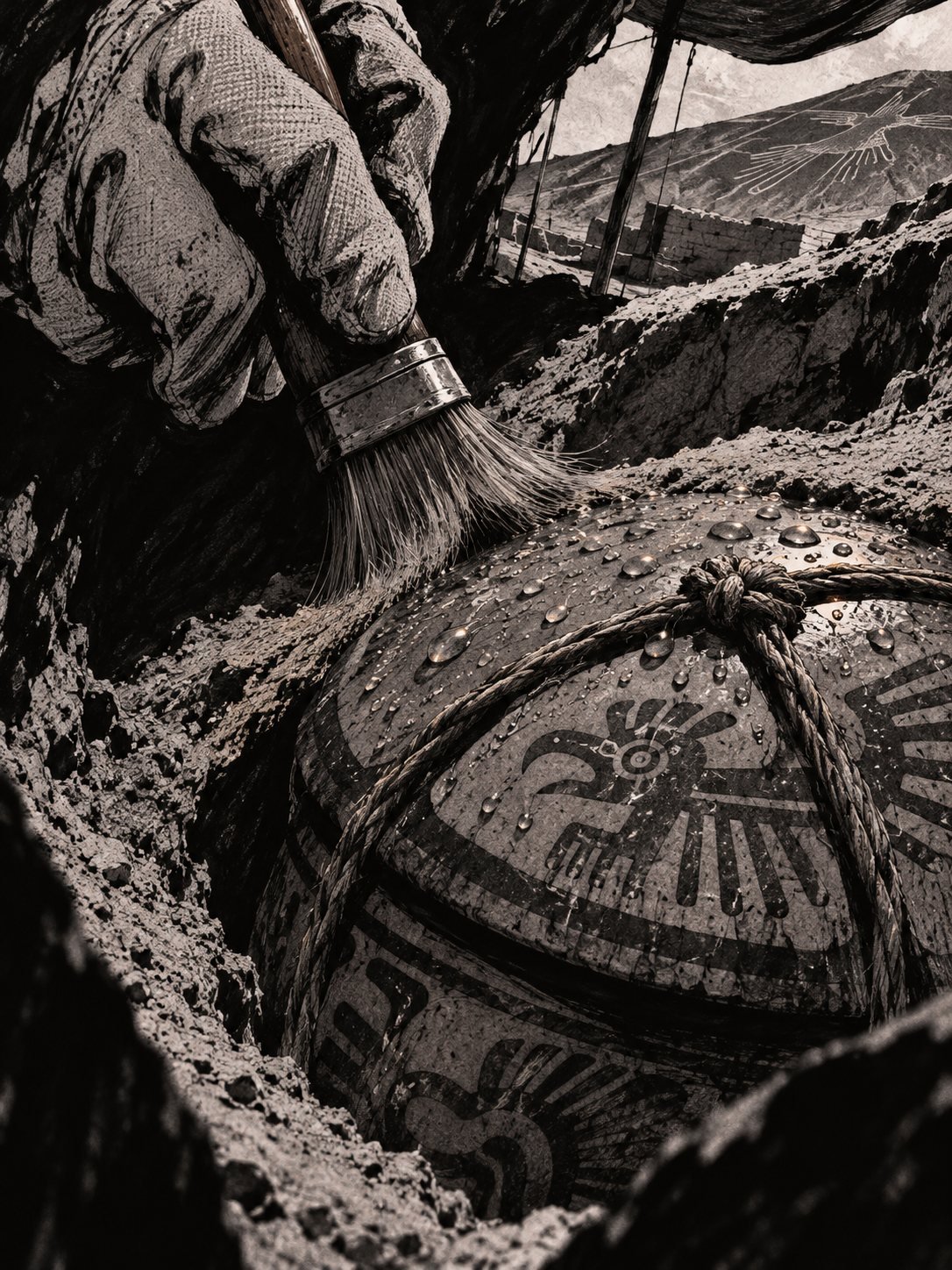
The burial dates to the Middle Nasca period, roughly AD 325 to 440, about 1,600 years ago. (LS)
The girl at the bottom had a very small skull and a single eye socket in the middle of her face. (LS) (DG)
An ordinary cemetery

The jar came from Jauranga, a burial ground with several dozen other graves from the same period. (LS)
Burying small children in ceramic urns was common in Nasca culture. In that sense this grave looked like many others around it. (LS) (DG)
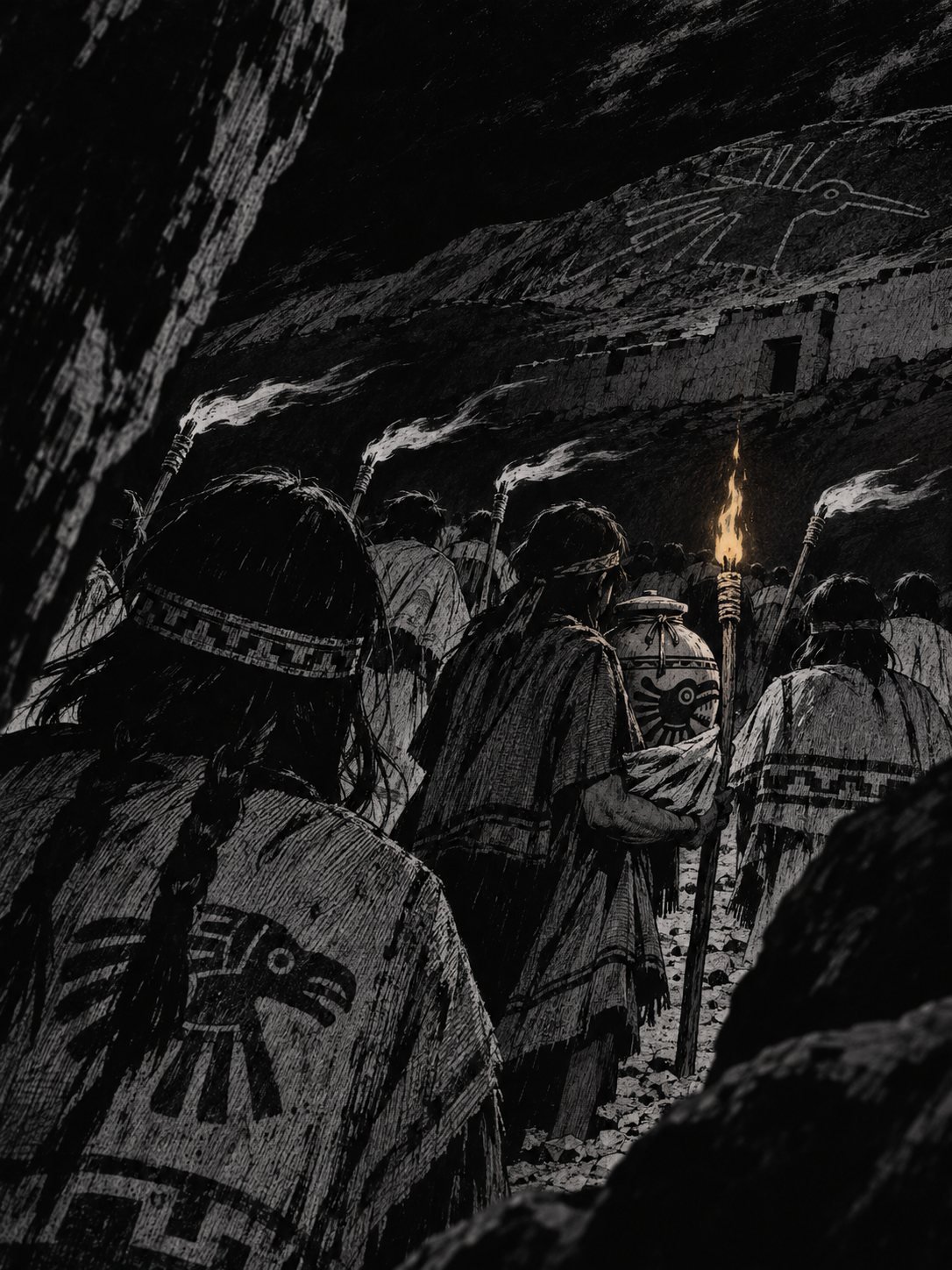
There were no special objects with the girl. She was surrounded by ordinary burials. (DG)
Opening the jar

What was unusual was the number. Two infants in one urn is rare for this culture, the researchers said. (LS)
Lead author Elsa Tomasto-Cagigao of the Pontifical Catholic University of Peru said the two girls appear to have been buried at the same moment. “Nevertheless, it appears that they were interred in a single event,” she said. (DG)
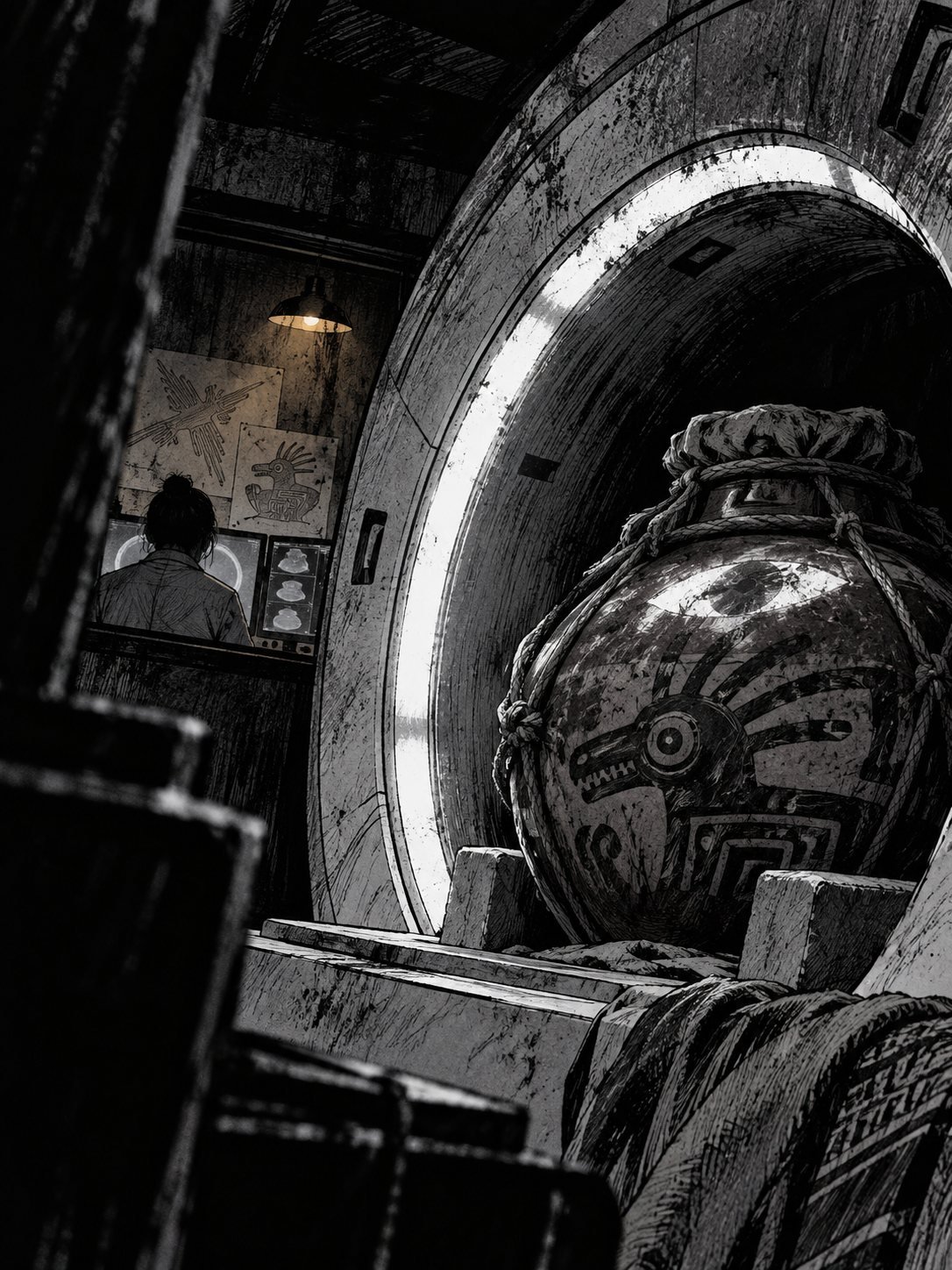
There was no sign that the grave had ever been reopened. (DG)
What is cyclopia?
The condition is called cyclopia. It happens when the front of the brain fails to divide into two halves early in pregnancy, around the fourth or fifth week. It can also change the bones of the nose and face. (LS) (DG)
It occurs in about 1 in 100,000 births, and most affected pregnancies end in miscarriage. (LS) (DG)
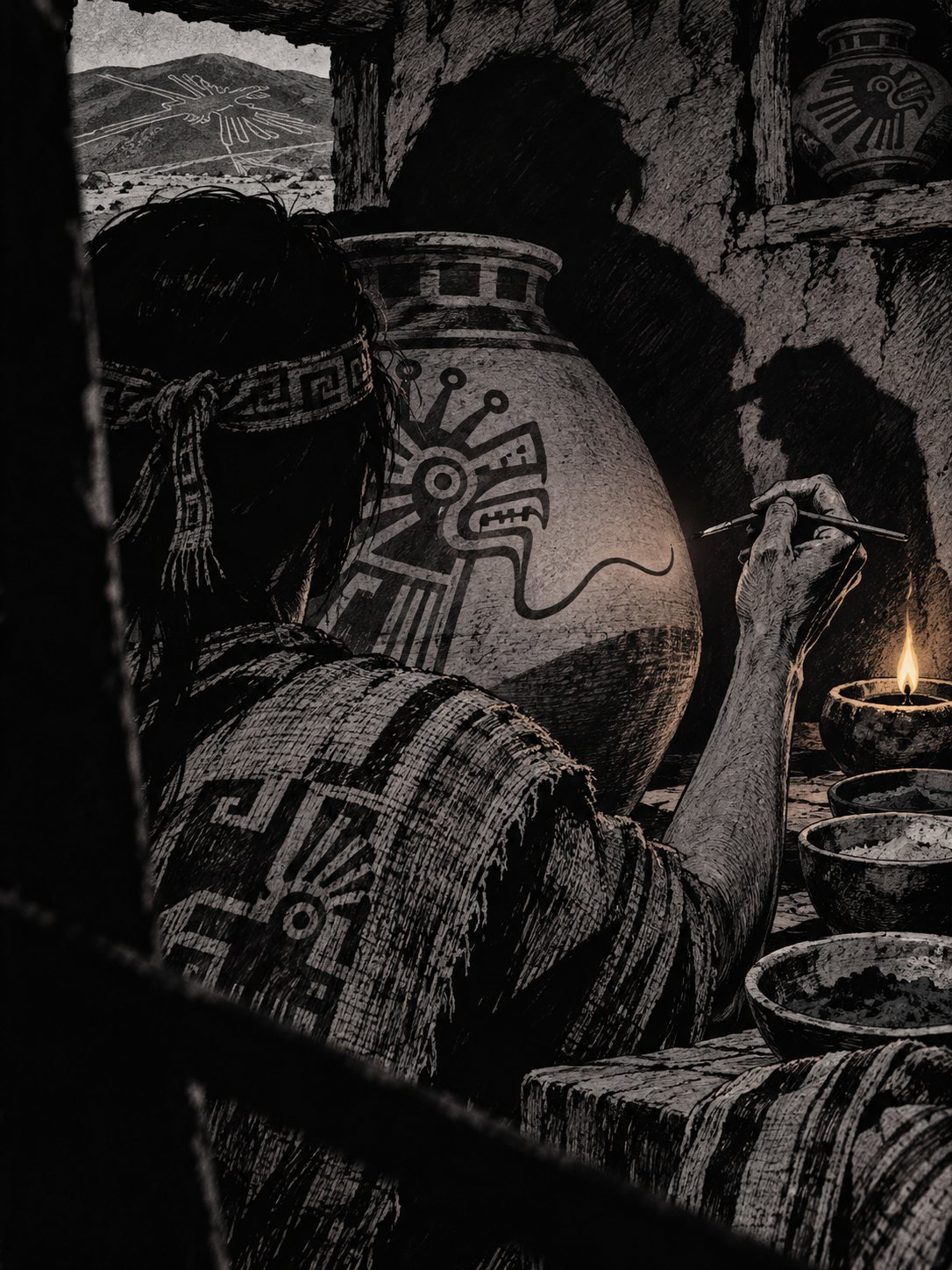
The team checked whether the skull shape could have come from deliberate head shaping, which some Andean cultures practised, or from distortion in the ground. It had not. The shape formed before birth. (DG)
What did the DNA reveal?
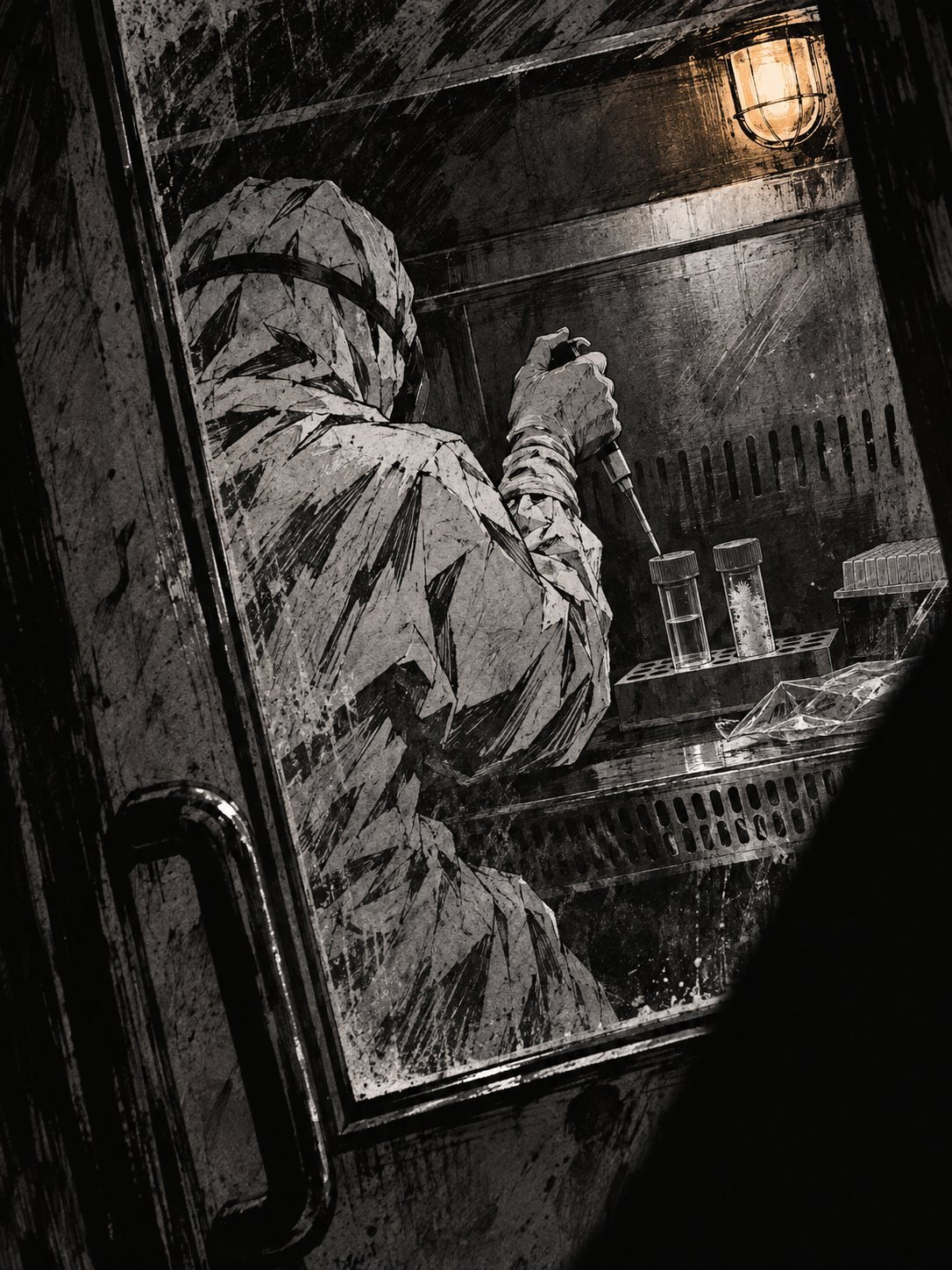
The team sequenced the girls’ ancient DNA. The girl with one eye had two X chromosomes, and an extra copy of chromosome 13. (LS)

That condition is trisomy 13, also called Patau syndrome. It is one of the main genetic causes of cyclopia, though only a small share of trisomy 13 cases involve a single eye. (LS) (DG)

The study was published on 9 November 2026 in the Proceedings of the National Academy of Sciences, with researchers from Peru, the United States and Germany. Lars Fehren-Schmitz of the University of California, Santa Cruz, co-led it. (PNAS) (DG) (BIO)
Were the two girls sisters?
The second girl’s skeleton showed no abnormality. (LS)
Her DNA held one more surprise. The two girls did not share a mother. (LS) (DG)
Her genetic material was too poorly preserved to say whether they were related in any other way. (DG)
So two baby girls from two different mothers were placed in one jar, at one time, one above the other. Nobody knows why. (LS) (DG)
Treated like any other child
The skeleton suggests the girl with one eye was born alive. Siân Halcrow, a bioarchaeologist who was not part of the study, said the remains do not rule out that she lived for several weeks or even months. (BIO) (DG)
If she did, someone fed and warmed her for that time. (BIO)
When she died, she was buried the same way as the other children of her community. “It was neither ‘excluded’ because of it nor treated in a ‘special’ way,” Fehren-Schmitz said. (LS)
Halcrow said she knows of no earlier archaeological example of this abnormality, though it appears in historical and modern anatomy collections. (DG)
What one burial cannot tell us
The researchers are careful about how far this goes. “If that reflects Nasca society as a whole, we can’t say based on one case,” Fehren-Schmitz said. (DG)
Trisomy 13 becomes more likely as mothers get older, but nobody can know the age of this girl’s mother. (DG)
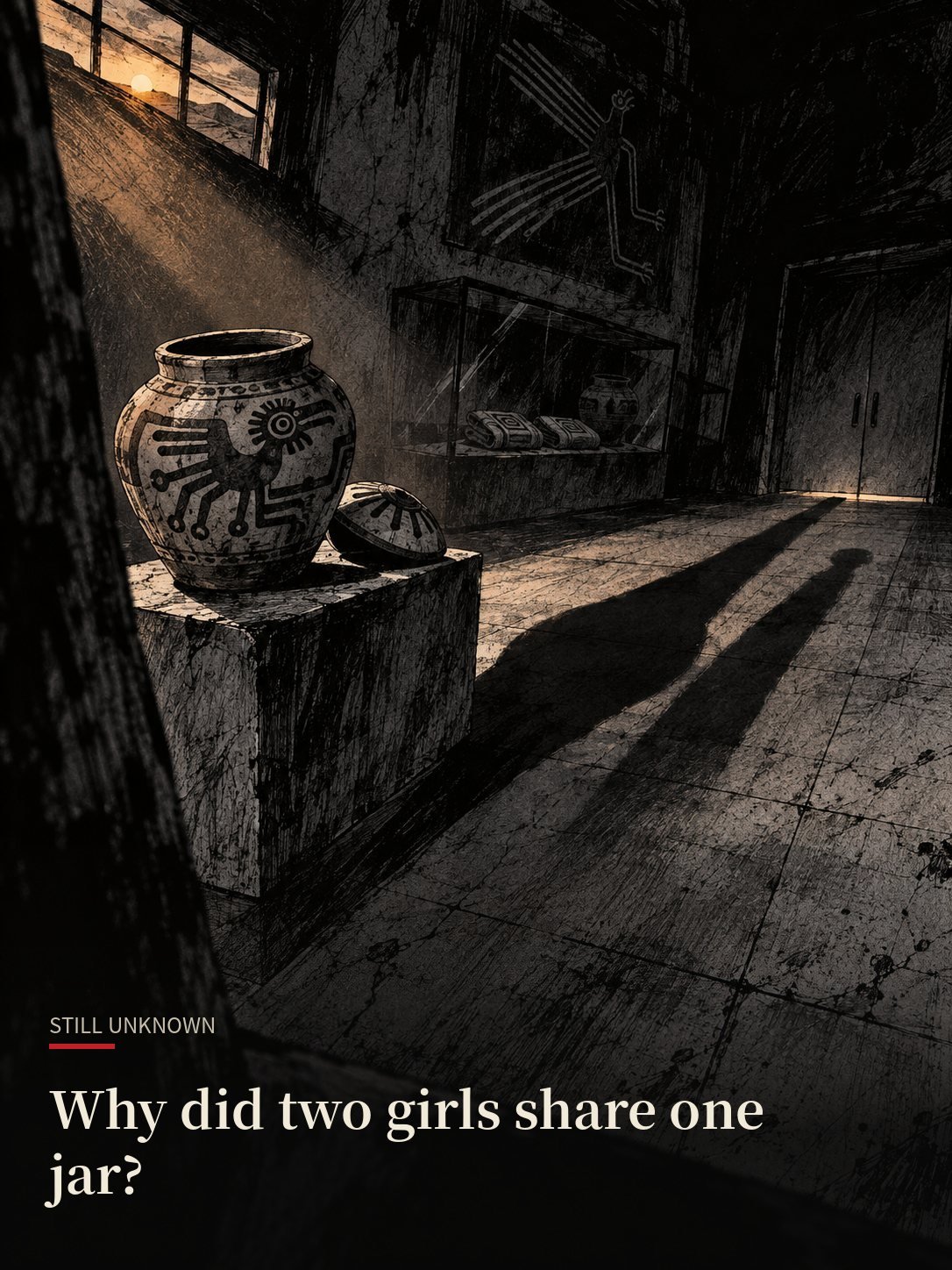
The jar answers how she was born. It does not answer who the other girl was, or why they were laid together. (LS) (DG)
Related case: Sutton Hoo’s sand body.
Evidence photos
Real photographs and published figures, kept separate from our illustrations. Each one says what it shows, and what it cannot prove.

Evidence box: documented vs. claimed
| Point | Status | Source |
|---|---|---|
| Two infant girls were buried in one Nasca urn at Jauranga | Documented | (LS) (DG) |
| Burial dates to about AD 325 to 440 | Documented | (LS) |
| One girl had cyclopia and trisomy 13 | Documented (DNA and skeleton) | (LS) (PNAS) |
| The two girls had different mothers | Documented (DNA) | (LS) (DG) |
| They were buried in a single event | Researchers’ reading of the burial | (DG) |
| She lived for weeks or months | Possible, not proven | (BIO) (DG) |
| Why the two were buried together | Unknown | (LS) |
Timeline
- About AD 325 to 440: Two infant girls are buried in one urn at Jauranga, Palpa Valley. (LS)
- Later excavation: The urn is recovered from the cemetery; the reports do not give the year. (LS) (DG)
- 9 Nov 2026: The study is published in PNAS. (PNAS) (BIO)
Evidence locker
Primary records and the closest copies we could trace. The last two exhibits are openly licensed photographs of Nasca pottery and a Nasca site.
Access: Direct original (journal).
Supports: The diagnosis, the dating and the burial.
Limits: One case only, as the authors stress.
Access: Via press.
Supports: How the burial was interpreted.
Limits: It does not give the excavation year.
Access: Secondary (summary of the paper).
Supports: The site, the date range and the different-mothers finding.
Limits: A newsletter summary, not the paper itself.
Access: Direct original (official reference).
Supports: Why the condition would have been fatal so early.
Limits: Modern medical background. It says nothing about this burial.
Access: Direct original (official reference).
Supports: What cyclopia is.
Limits: This page covers cases without a wider syndrome. In the Nasca infant the likely cause was trisomy 13.
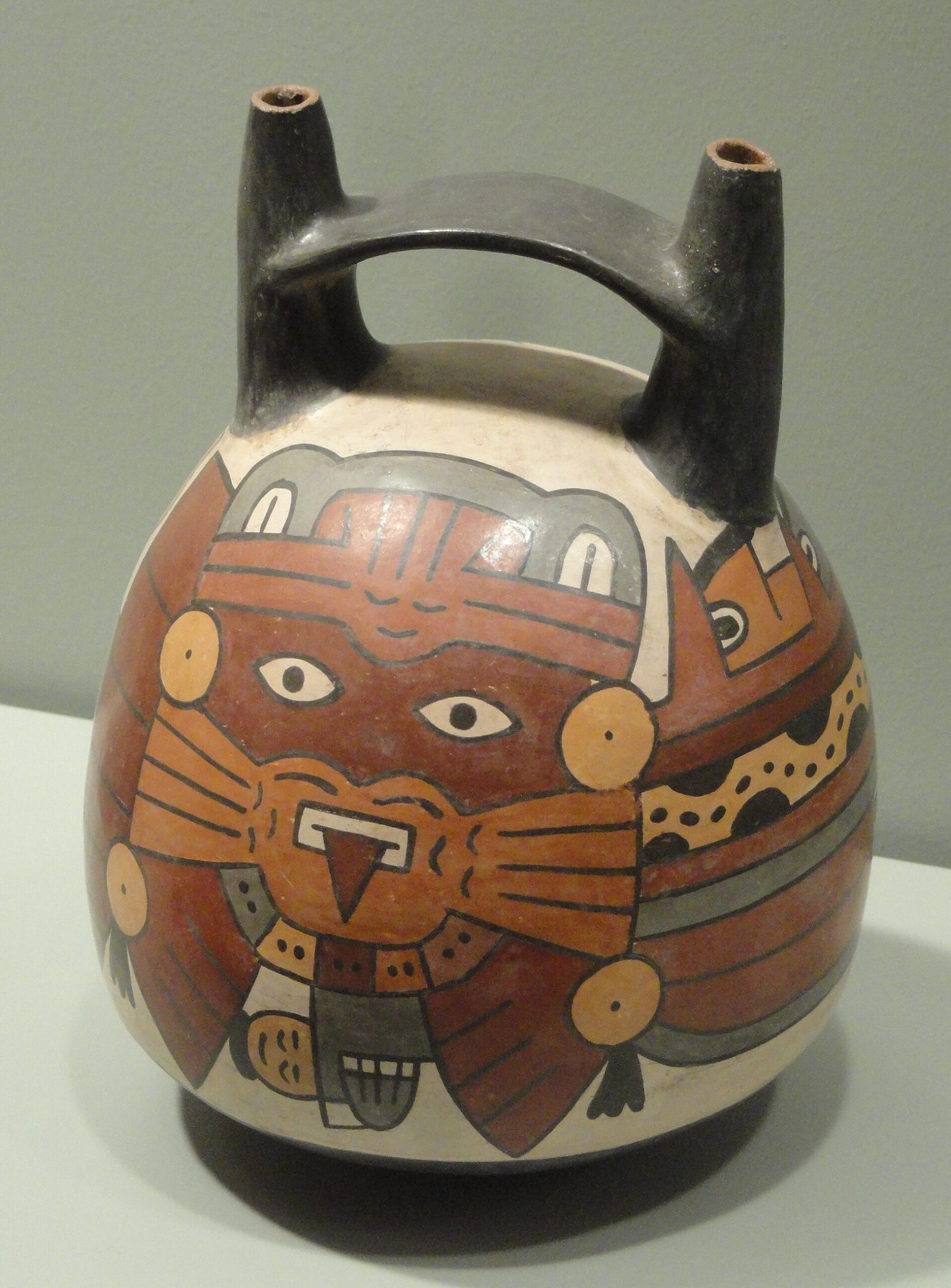 EXHIBIT F · TAP TO ENLARGE
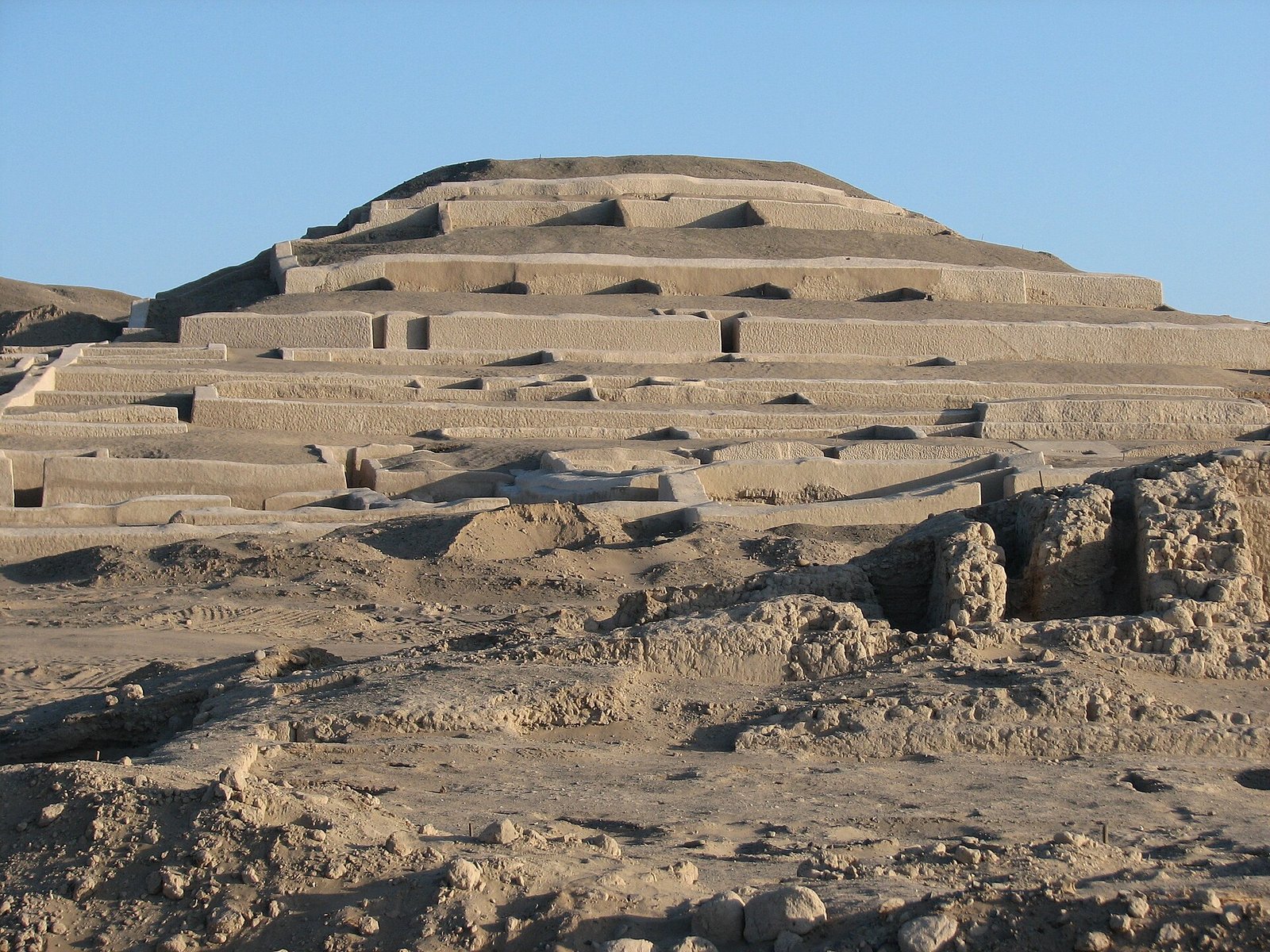 EXHIBIT G · TAP TO ENLARGE
The story you may have heard, and what the file says
| The popular version | What the record shows |
|---|---|
debunked “It was a cyclops, a one-eyed creature of legend.” | The single eye was cyclopia caused by an extra copy of chromosome 13 (trisomy 13, or Patau syndrome), identified from ancient DNA. |
debunked “The two babies were twin sisters.” | Their DNA shows they had different mothers. |
debunked “Her skull was reshaped on purpose.” | The team ruled that out. Her skull was shaped before birth. |
debunked “She was buried as a special or sacred child.” | She was buried like the other children in the cemetery, with no special objects. |
unverified “They shared a jar because they were related.” | Their DNA was too degraded to show any relationship beyond different mothers. Why they shared one jar is unknown. |
Why the record is stranger than the legend. The legend is a one-eyed creature. The record is a newborn girl with a genetic condition doctors still see today, buried with the same care as any other child, beside another baby nobody can yet explain.
Where the records disagree
- Siân Halcrow’s university. Live Science names Durham University; Daily Galaxy and Bioscience name the University of Otago. (LS) (DG) (BIO)
- Who found the jar, and when. None of the reports we read gives the excavation year. (LS) (DG)
What we still don’t know
- How long the girl with one eye lived.
- Who the second girl was, and why she was placed above her.
- How her family and community saw her condition.
Quick answers: the Nazca cyclopia infant
What was found in the Nazca jar?
Two infant girls buried together in one ceramic urn at Jauranga, in Peru’s Palpa Valley, about 1,600 years ago. (LS)
What caused the single eye?
An extra copy of chromosome 13, a condition called trisomy 13 or Patau syndrome, identified from ancient DNA. (LS)
Were the two babies sisters?
They had different mothers. Their DNA was too degraded to show any other relationship. (DG)
Was the baby treated differently?
No. She was buried like the other children in the cemetery, with no special objects. (LS) (DG)
What is a little-known fact about the Nazca cyclopia infant?
Before the DNA result, the team had to rule out that her skull was shaped on purpose, because some ancient Andean peoples deliberately reshaped infants’ heads. Hers was shaped before birth. (DG)
Editor’s note
Learning the cause made this story sadder for me, not less strange. At first I was caught by the image of a single eye socket. Once the condition had a name, what I saw was a baby who struggled from the moment she was born. It also made me notice how quickly I had reached for a mysterious explanation when I saw something unfamiliar.
As for why two girls with different mothers share one jar, my first thought is that two children died around the same time and were buried together. Their families may have been close, or the community may have taken on the burial of its children as a shared task. Knowing they were not sisters makes me more curious about the adults who chose to lay them side by side.
I lean towards the idea that her family saw her as a sick baby. She was given the same kind of jar burial used for other children in that cemetery. We cannot know how she was treated while she was alive, but I do not want to assume that people who could not name her illness cared for her any less than we would.
— Strange World Files
Case file summary
About 1,600 years ago, Nasca people in southern Peru buried two baby girls together in one jar. Ancient DNA shows they had different mothers, and that the girl at the bottom had trisomy 13 and a single central eye. She was buried like any other child. Why the two girls shared one jar is still unknown.
Illustrations are AI-generated artistic interpretations, not photos. No real person is depicted with a recognizable face. Read how we research and illustrate these files.
Sources
- Tomasto-Cagigao, E. et al., “A Nasca-period perinatal burial reveals cyclopia associated with trisomy 13 in southern Peru,” PNAS, 9 November 2026
- Live Science, “Nazca infant had rare, fatal birth defect that left her with one central eye 1,600 years ago,” November 2026
- The Daily Galaxy, “Archaeologists Found a Baby Girl Born With a Single Central Eye Buried Beside Another Infant in a 1,600-Year-Old Nazca Urn,” November 2026
- Bioscience, “1,600-Year-Old Discovery Reveals Ancient Burial of Baby Born With Rare Cyclopia Condition,” November 2026