The Fake Milk of Fuyang: The Babies With Big Heads (2004)
The cheapest baby milk in the village was almost empty
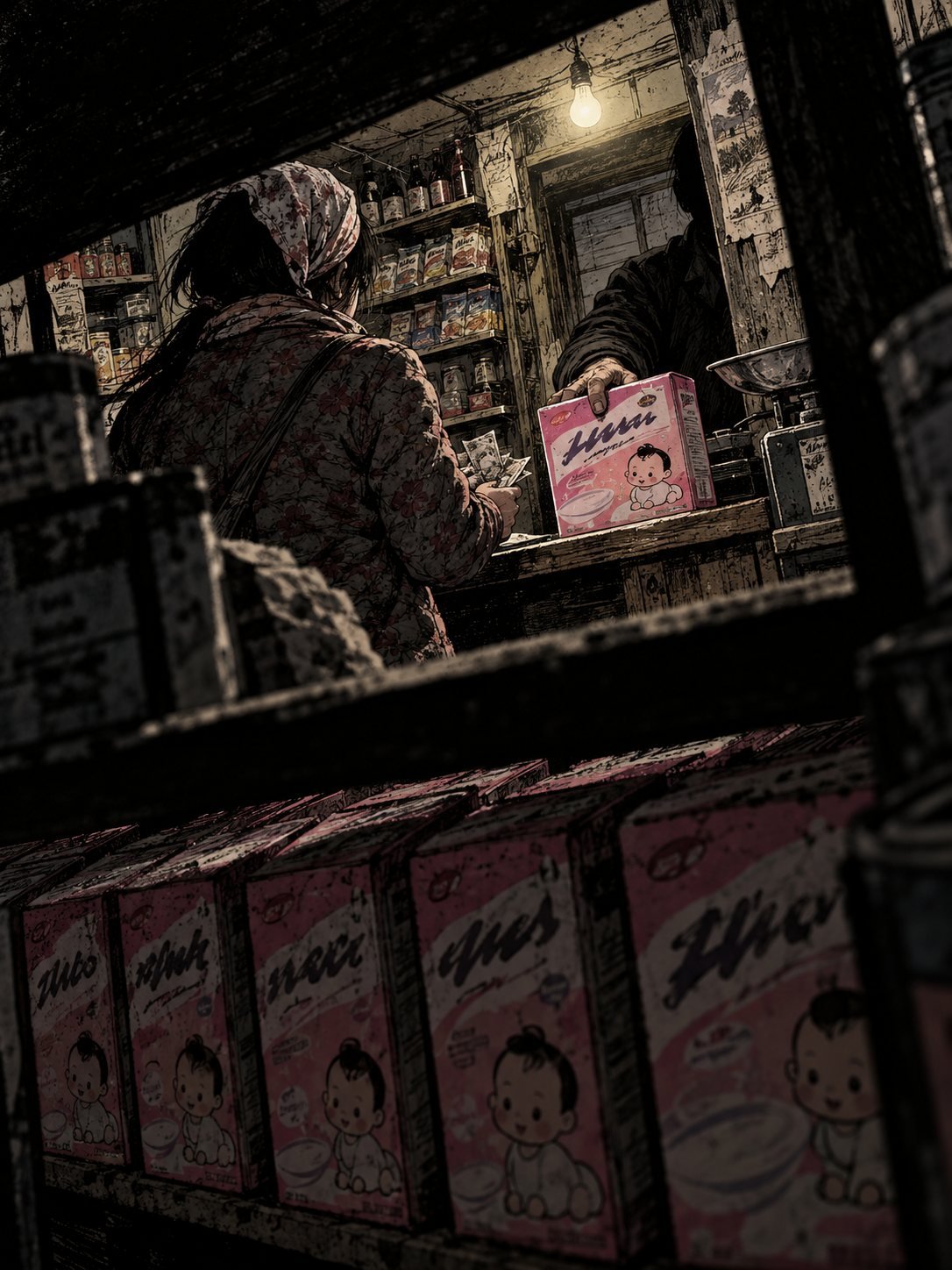
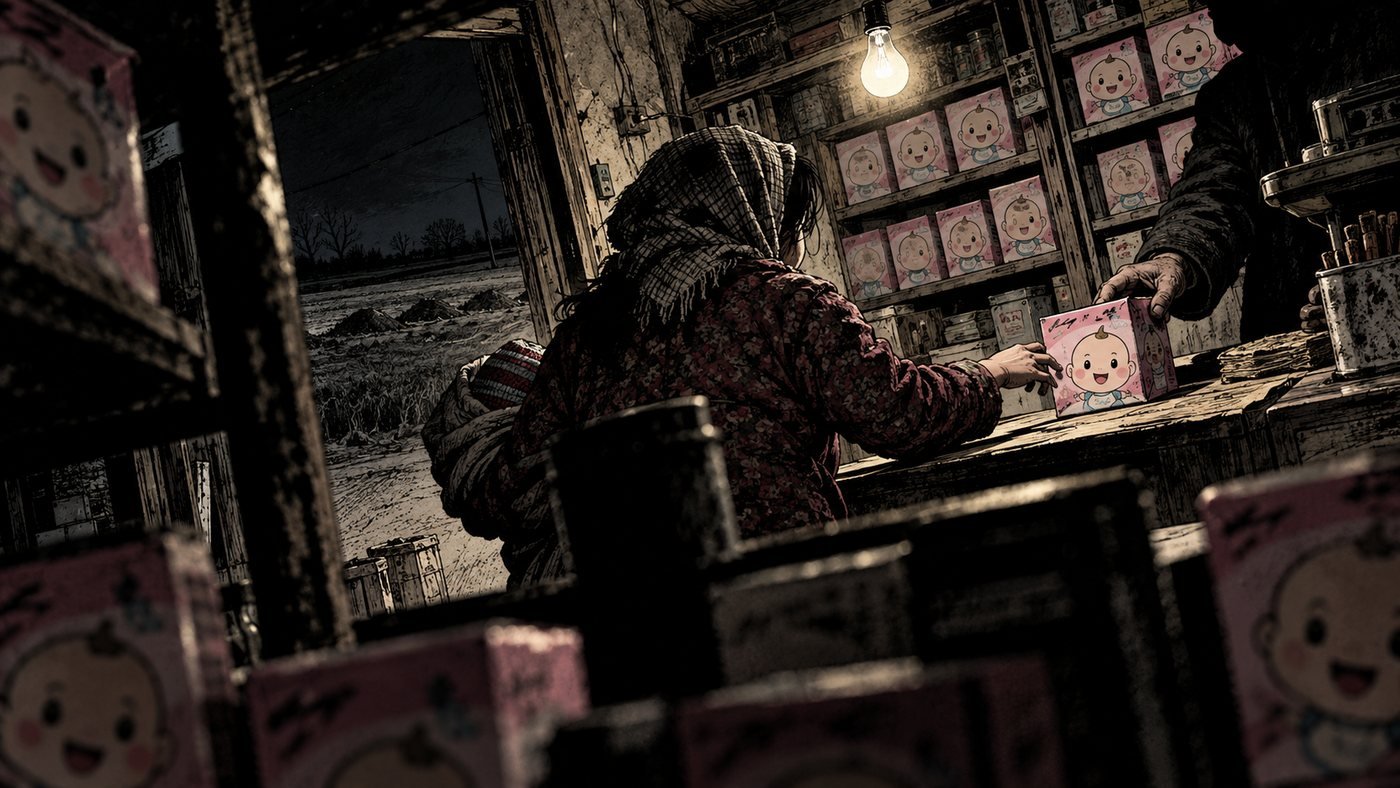
Spring 2004. In the villages around Fuyang, a city in Anhui province in eastern China, mothers walked into tiny village shops to buy baby formula.
The shelves were stacked with cheerful boxes. Bright colors. Brand names that sounded like real dairy companies.
And the price was low. Low enough for families who did not have much money to spare.
For a parent who cannot breastfeed, or who has to go back to work, formula is not a treat. It is the baby’s whole diet. Every meal, every day, for months. Whatever is in that box is what the baby is built from.
The boxes looked like milk. The powder looked like milk. Mixed with water, it looked like milk.
There was almost nothing inside. It would take months, and many small graves, before anyone in power admitted it.
The babies drank every bottle and kept getting thinner
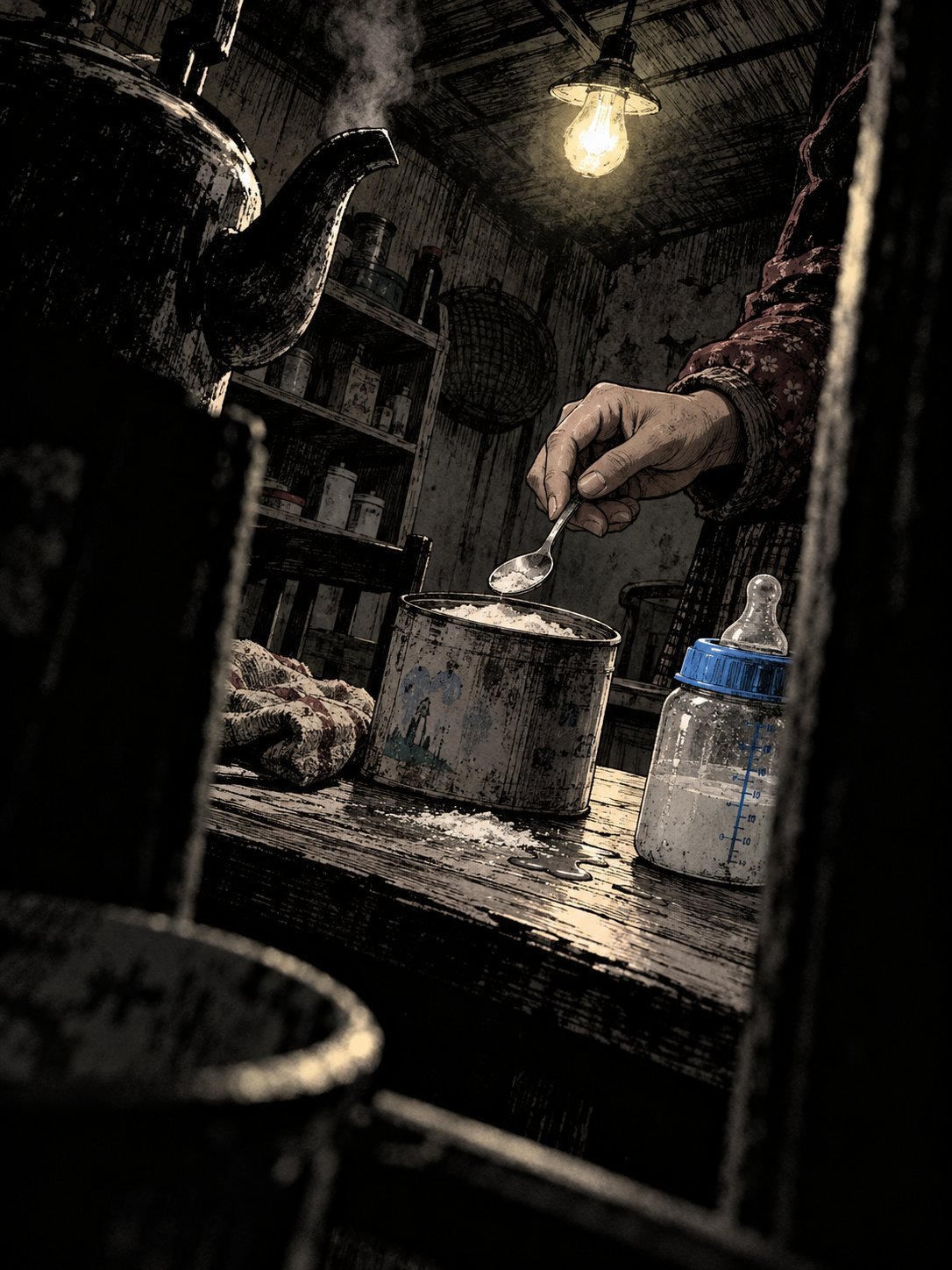
At first, nothing seemed wrong. The babies drank their bottles like any other baby.
Then they began to change.
Their bodies grew thinner. Their arms and legs lost their softness. At the same time, their faces swelled.
And their heads started to look too big for their bodies.
This is what severe malnutrition can look like in an infant. When a baby gets almost no protein, the body stops building itself up. It starts using up what little it has. Fluid can collect under the skin, so the face puffs out even as the limbs waste away. The head keeps its size while everything else shrinks around it.
Families did not yet know what they were looking at. (China Daily)
Locals gave the sickness a name: big head disease
In Fuyang, people started calling it “big head disease.”
It was a plain description of what they saw. Tiny bodies. Swollen heads. Babies only a few months old who looked starved and bloated at the same time.
It was not an infection. It was not something in the water. It was the milk.
When the central government finished its investigation, it found that 12 babies in Fuyang had died and 229 had suffered malnutrition from the fake formula. Earlier reports had put the number of deaths much higher. State media first spoke of 50 to 60 children.
The difference between those numbers is part of the story. Some babies were never taken to a doctor, and nobody wrote their names down.
This is the story of the fake milk of Fuyang. (RFA)
A poor farming region where grandparents raised the babies
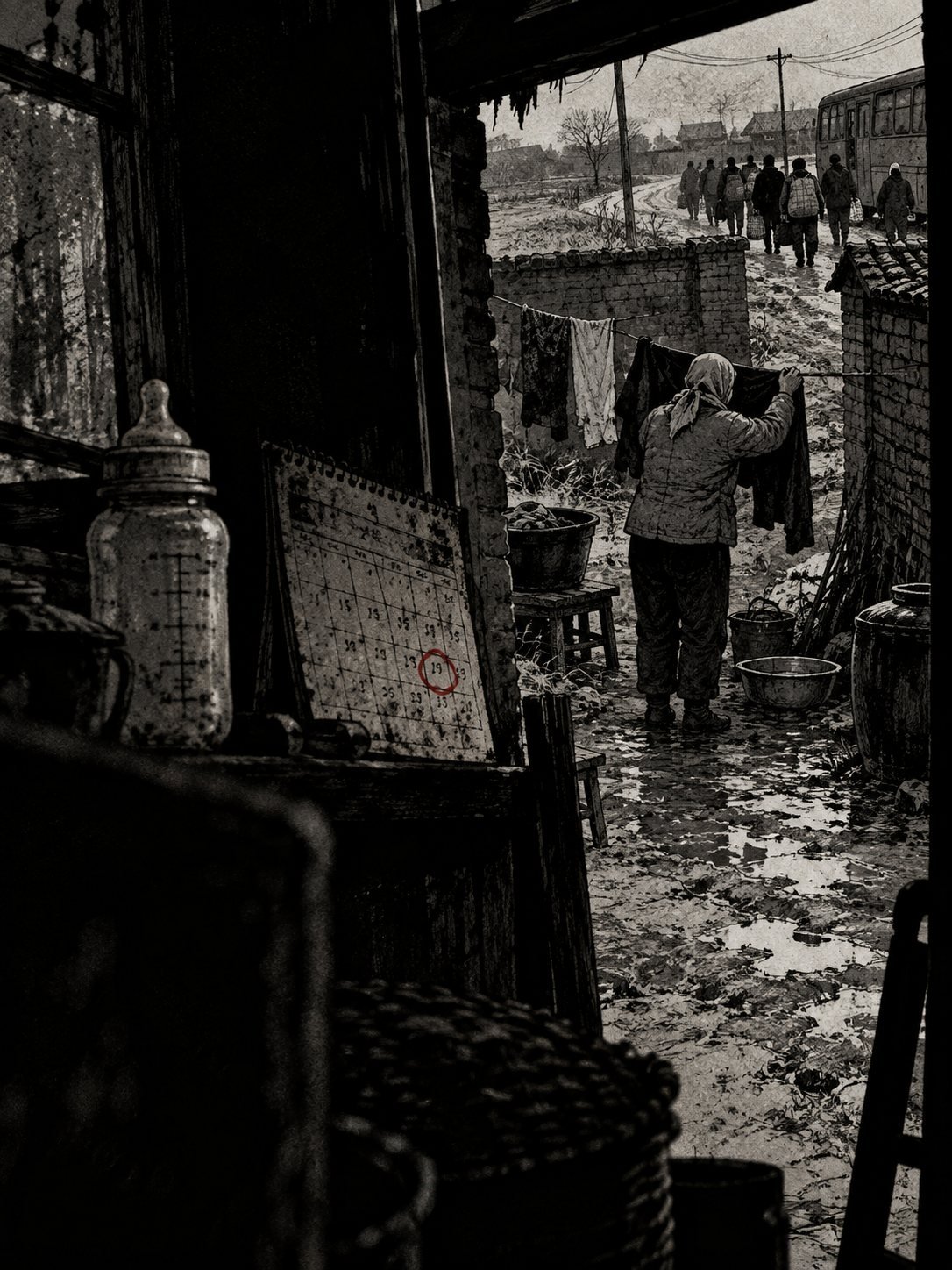
Fuyang was one of the poorer parts of Anhui. It is flat farmland: wheat fields, brick farmhouses, muddy village lanes.
In the early 2000s, millions of young people from rural China left home to work in factories in the big cities. Fuyang was no different. Many young parents went off to earn money and sent it back home.
That left babies to be raised by grandparents, or by mothers on their own.
Formula from the village shop was what they could afford.
So they bought the cheap boxes. Not because they were careless, but because those were the boxes they could pay for.
An economics professor at the Chinese Academy of Social Sciences later warned that rural areas had become major distribution points for substandard and counterfeit goods, because supervision there was weak and information was poor.
Somebody, somewhere, had worked out exactly who those families were.
Flour, sugar and a pretty box: the recipe for fake formula
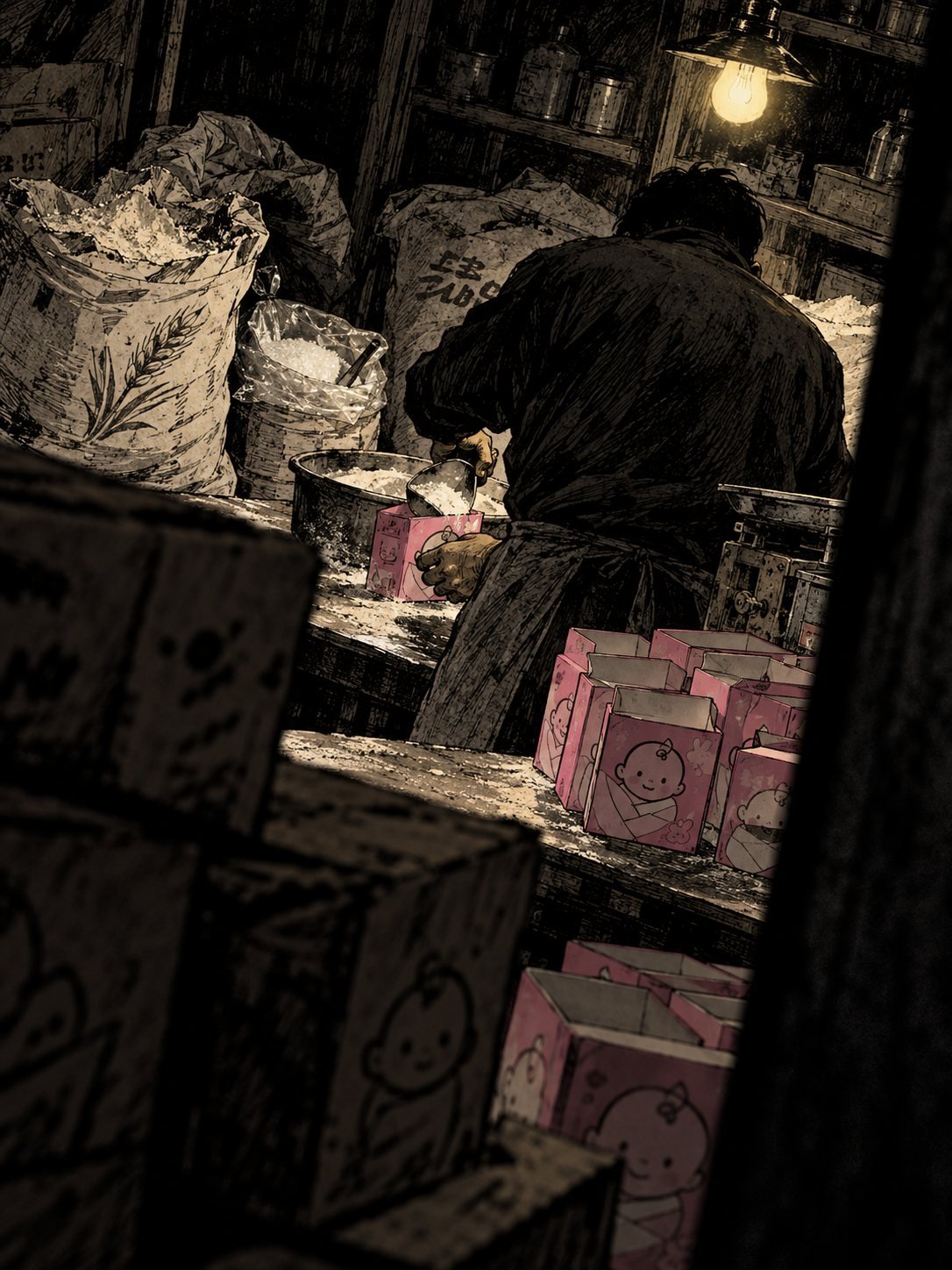
The formula was made by small operations far from Fuyang. Officials suspected places like Inner Mongolia, Heilongjiang in the far northeast, and Beijing. From there it was sold through wholesalers and trucked out into the countryside.
Real infant formula is carefully built to replace breast milk. Protein is one of its most important ingredients, because a baby’s body uses protein to grow.
Chinese national standards required infant formula to contain at least 10 percent protein.
When the Fuyang powders were tested, some had only about 1 percent.
In a similar case that same year in another province, inspectors found powder that was mostly starch, flour and sugar. It filled a baby’s stomach. It gave calories. It did almost nothing else.
It looked like formula. It was priced like a bargain. That was the whole trick.
Fake company names, fake addresses, and nobody checking
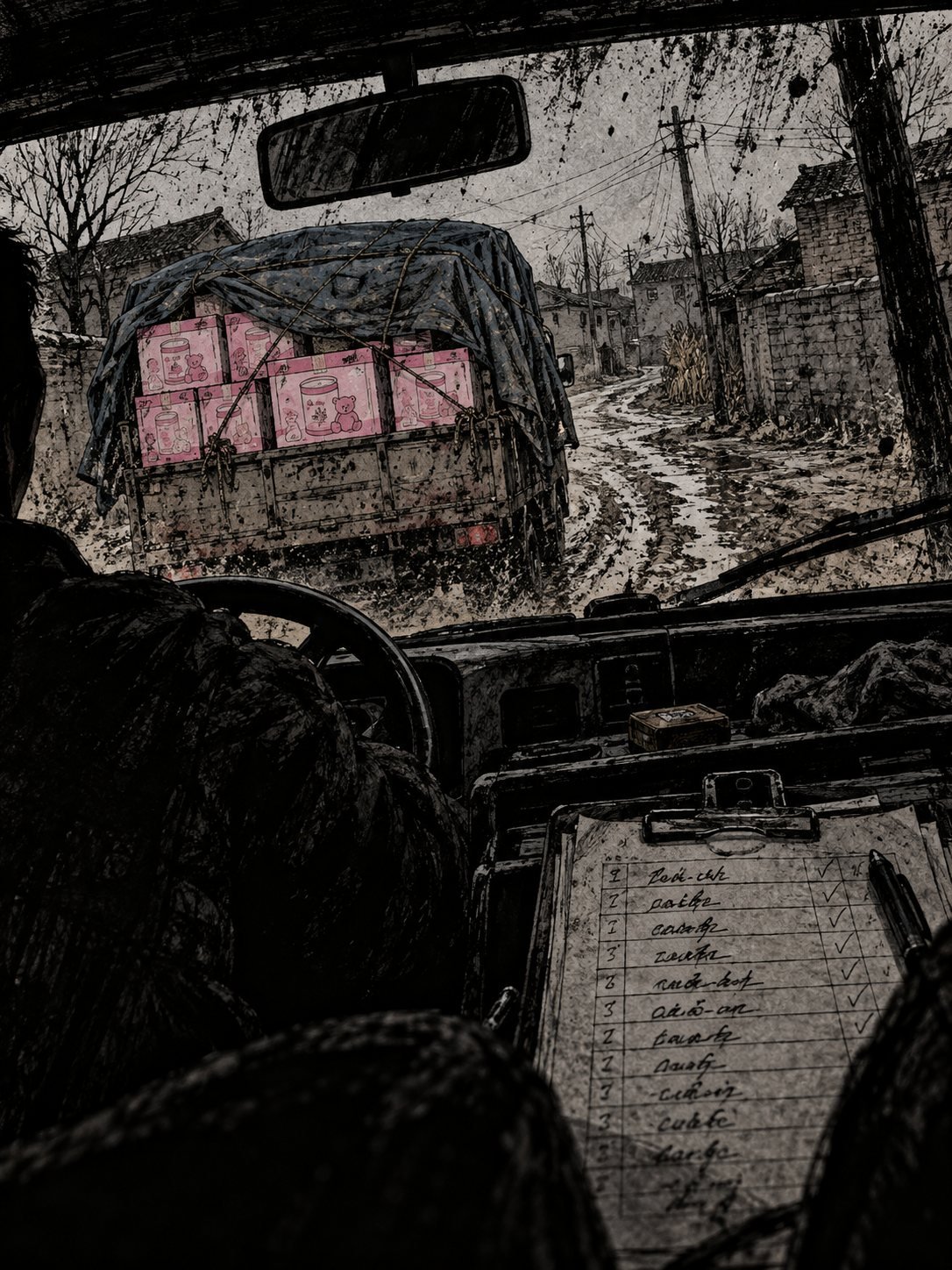
The boxes carried brand names that sounded like real companies. Some printed fake addresses and phone numbers, so there was no real business to trace.
And they went where checks were rare.
In China at the time, food inspections focused on the cities. Small village shops bought from wholesalers who passed through the countryside. Nobody was standing at the door of a village store testing what was in the boxes.
A local commerce official later admitted how thin the system was. “We cannot examine all 100 brands on the market, as we don’t have funds to do so,” he said.
So the fake formula did not have to hide. It sat on the shelves in plain sight, next to everything else.
The only people who could see that something was wrong were the parents. And they were looking at their babies, not at the boxes. (CBS News)
The babies cried for more, so parents gave them more
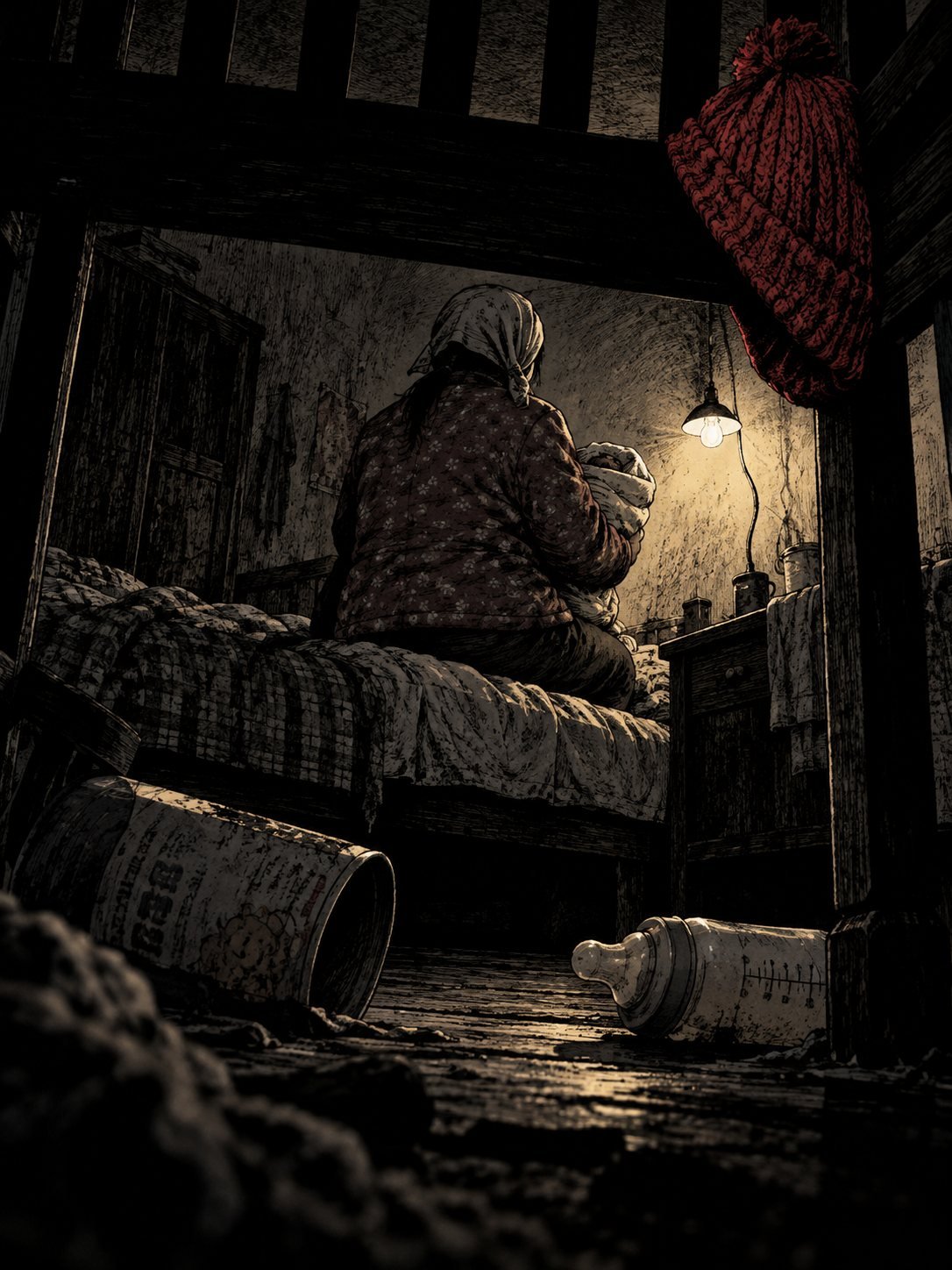
The babies cried and would not settle.
They drank and drank. They finished their bottles. And still they lost weight.
Their limbs got thinner. Their heads looked bigger and bigger.
Parents did what any parent would do. They thought the babies were simply hungry. So they mixed more formula. They fed them more often.
Every extra bottle was more of the same powder. More starch, more sugar, almost no protein. The more the families tried to help, the more of the fake milk the babies drank.
It is hard to imagine a crueler trap. The very thing that was hurting the children was the thing their families kept reaching for, out of love.
By the time some of the babies reached a hospital, they were dangerously ill.
Sick babies began filling one Fuyang hospital
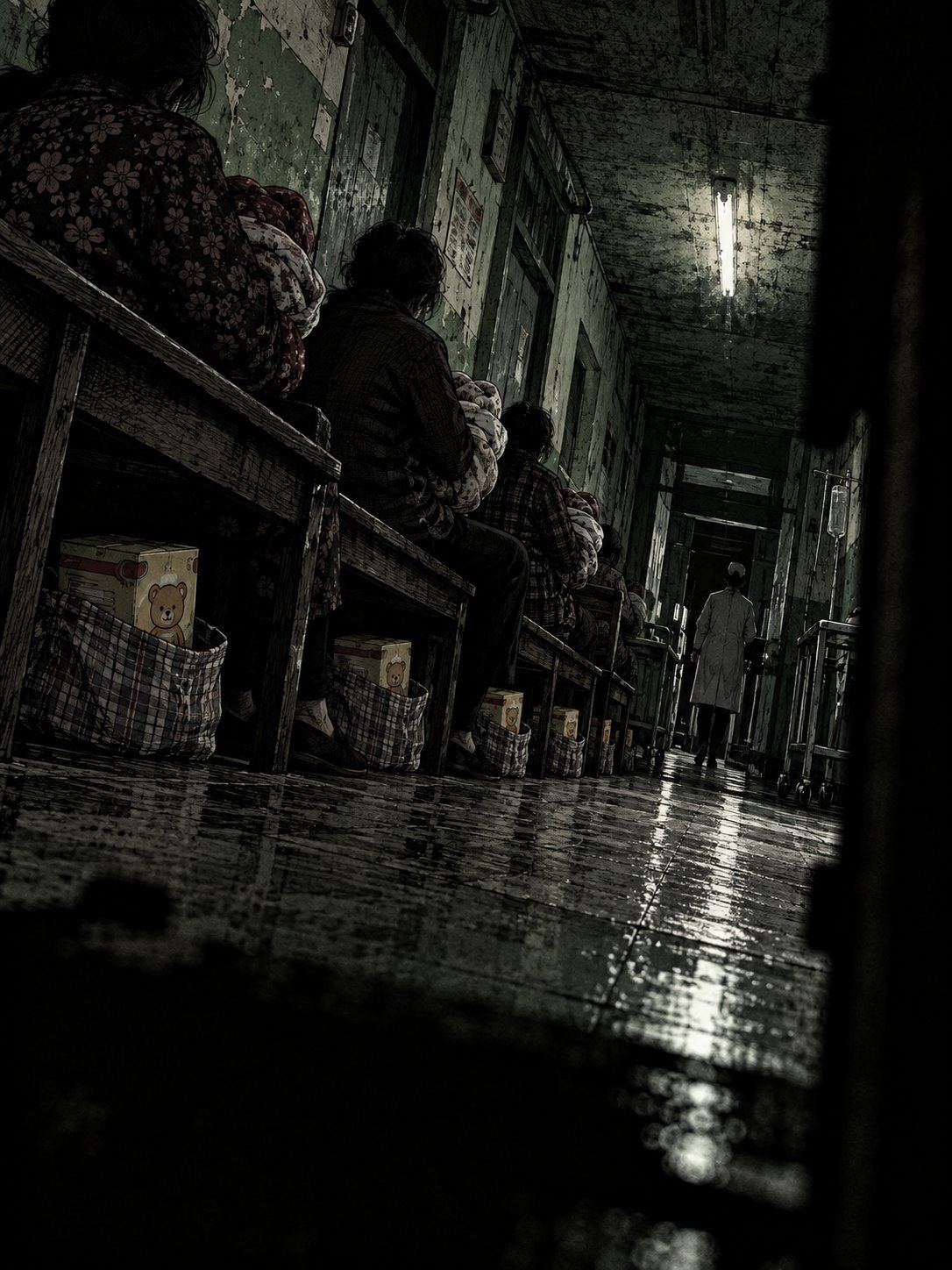
Sick infants started arriving at hospitals in Fuyang.
At Fuyang People’s Hospital, a children’s doctor named Guo Yuhai told reporters that at least 60 malnourished babies had been admitted. Eight of them had died.
Many were three, four or five months old. That is the age when a healthy baby is getting rounder and stronger by the week.
Dr. Guo was shocked by what he was seeing. “It’s been at least 20 years since I’ve seen any such malnutrition in infants,” he said.
This was not a war zone or a famine. These were babies being fed every day, in a country that was getting richer fast.
And the doctors were about to work out exactly why. (AsiaNews)
They were fed every day, and starving anyway
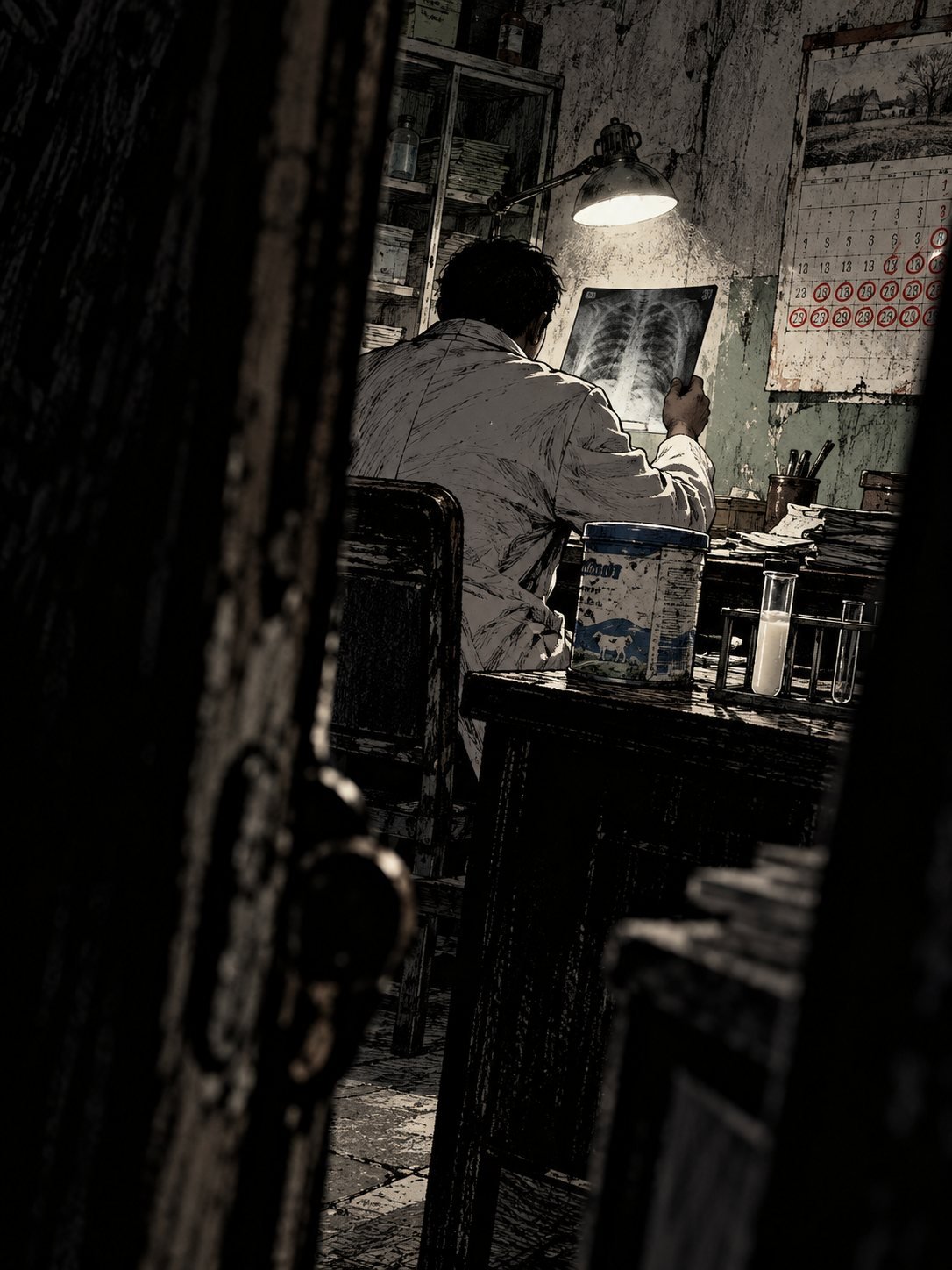
Doctors could see what was wrong. The babies were starving.
That sounds impossible for a child being fed several times a day. But starving is not only about how much food goes in. It is about what that food contains.
A baby can drink bottle after bottle and still be starved of the protein it needs to build muscle, organs and a healthy body. That is what was happening in Fuyang.
They were being fed every day, and starving anyway.
Dr. Guo was clear about the cause. “The most important cause of this disease is the poor quality of the milk’s nutrients,” he said.
The formula had almost no protein in it.
The babies in the hospital were the ones whose families had brought them in. Many others never got that far.
Some babies never reached a doctor. Nobody counted them

Many families could not afford a hospital at all.
Victims of fake food and medicine in China were often among the country’s poorest people. For a grandmother raising a baby on what her children sent home, a hospital could be out of reach.
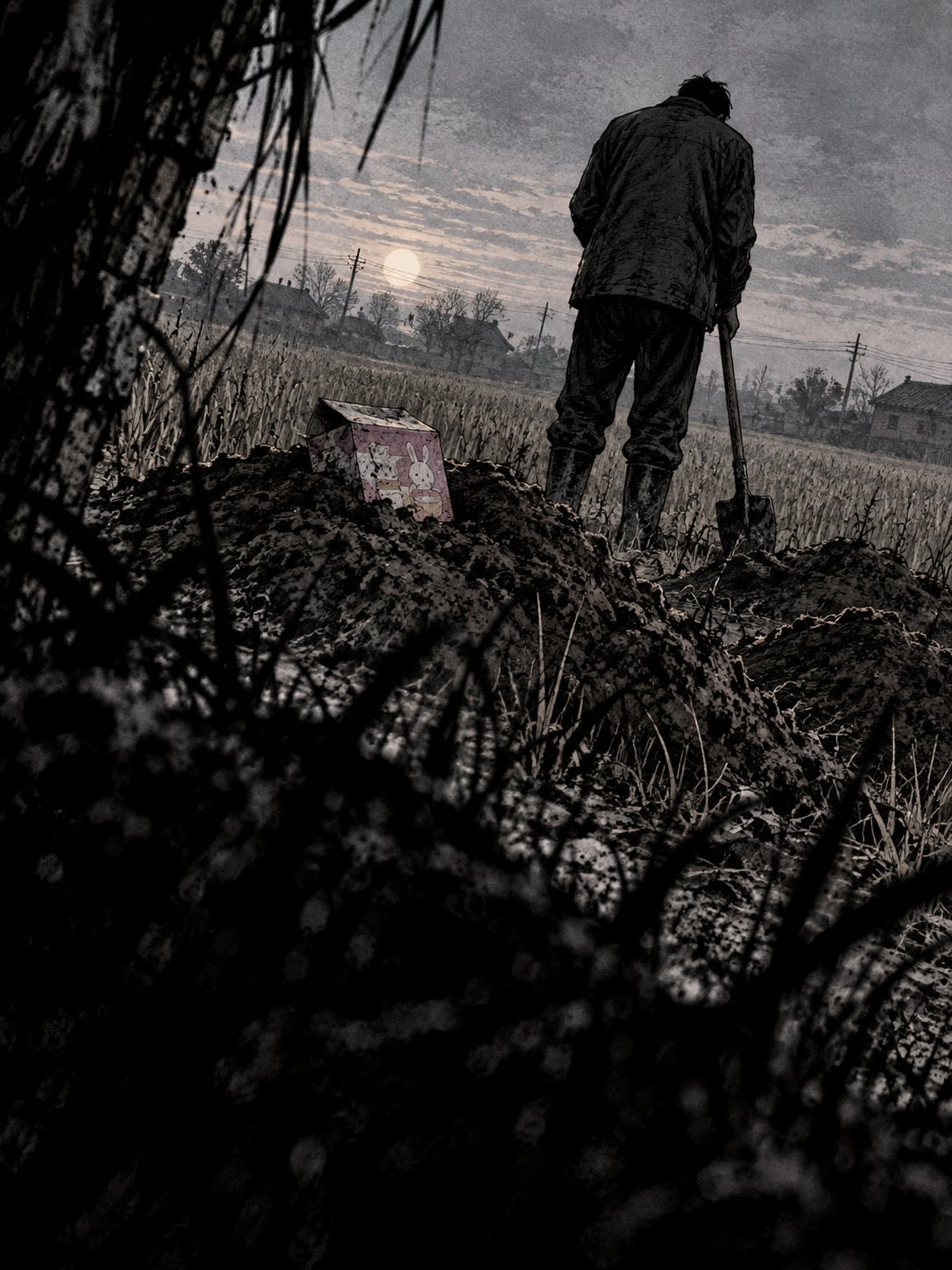
So some babies were never taken to a doctor. They got sicker at home. They died at home. And they were buried at home, in the fields.
No hospital recorded them. No official wrote them into a report.
That is why the numbers never agreed. The central investigation counted 12 deaths in Fuyang. Local media spoke of many more. The gap between those figures is made up of children nobody counted.
No one counted them. And for a long time, almost nobody outside Fuyang knew they had existed. (CBS News)
The lab tests showed babies had been drinking sugar water
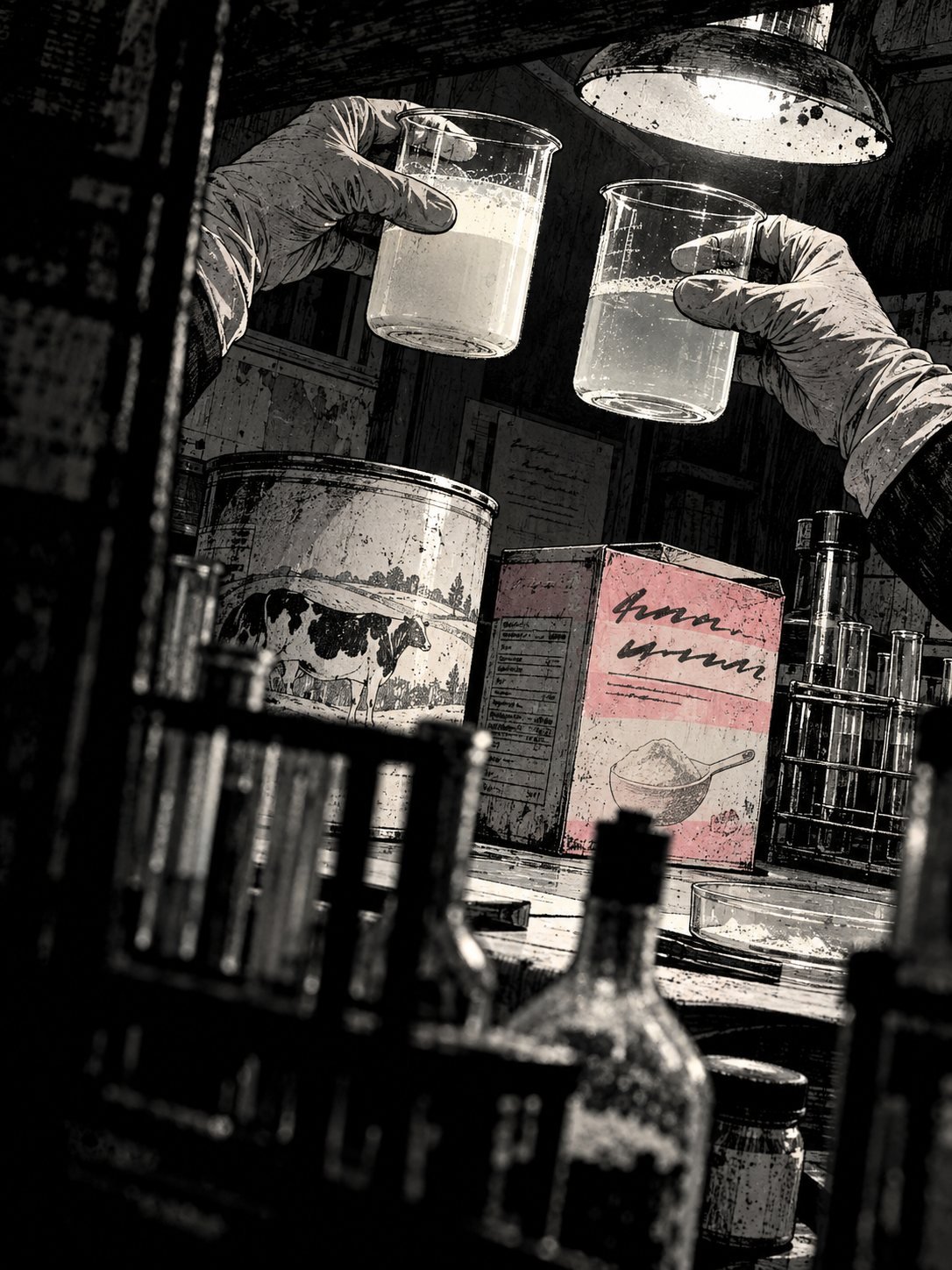
When officials finally tested the powders, the numbers were shocking.
Some had a tenth or less of the protein a baby needs. One analysis reported protein levels as low as 0.45 percent. Minerals and vitamins were missing too.
Think of what real formula is meant to be: a complete meal, carefully balanced, the only food a baby gets. Now take away almost all the protein, most of the minerals and the vitamins.
What is left is mostly sugar and starch dissolved in water.
The babies had been drinking something closer to sweetened water.
It filled their stomachs, so they stopped crying for a while. It just could not build a body. And that, it turned out, was not news to everyone. (AsiaNews)
Parents complained. The boxes stayed on the shelves
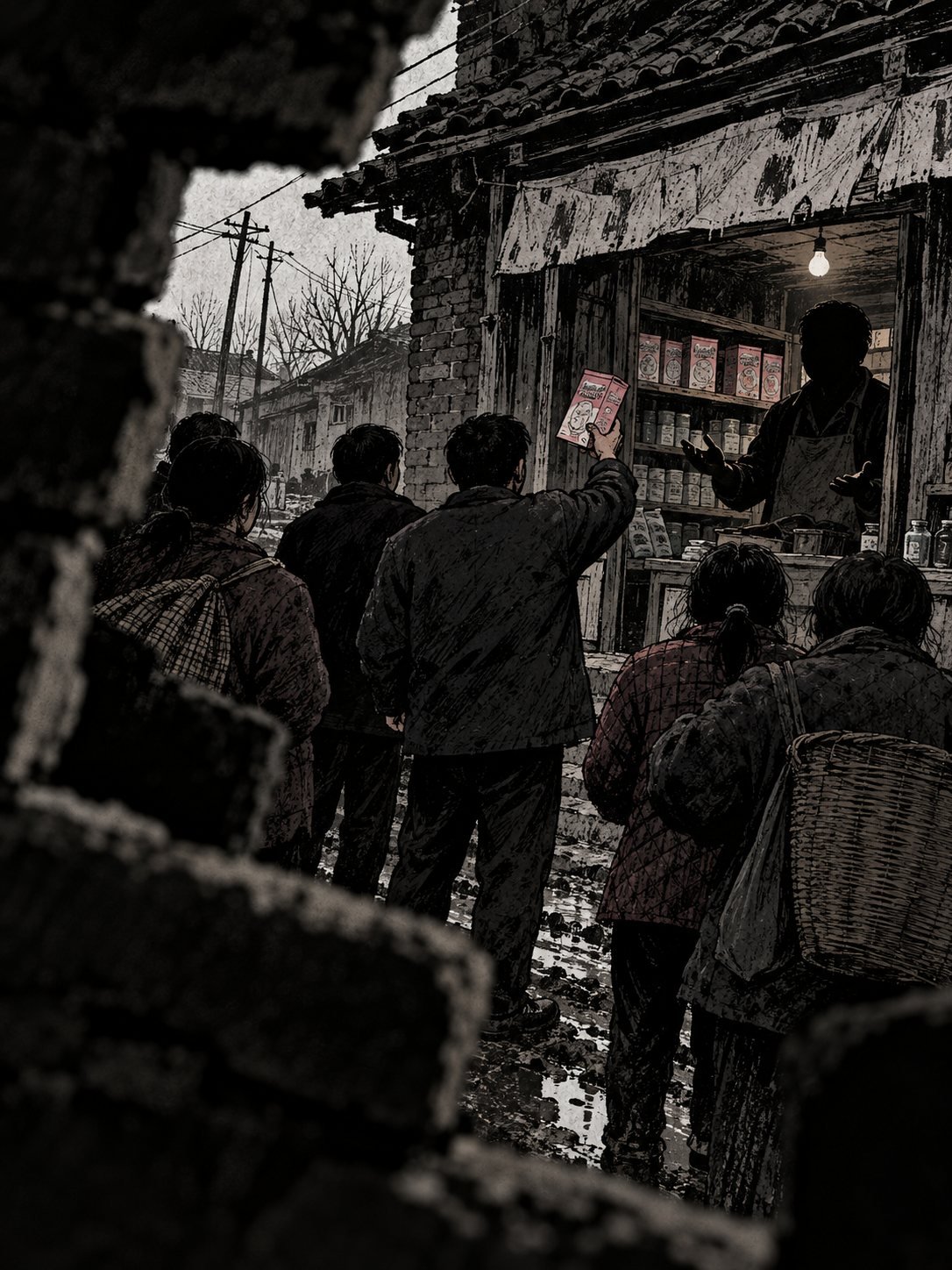
Some parents had noticed. Some went back to the shops where they had bought the formula, and complained.
The formula stayed on the shelves.
According to later reports, the problem had been noticed in 2003. Officials later confirmed deaths in Fuyang going back to 2003.
In 2003, China Daily had already reported that dozens of babies, aged 3 to 12 months, had died of malnutrition after being fed milk without protein.
But it was spring 2004 before the rest of the country really heard about it.
How many babies were fed the fake powder during those months? How many families bought one more box, from one more shop, while the problem was already known to someone?
Nobody has a full answer. But in April 2004, the silence finally broke. (AsiaNews)
April 2004: the whole country saw the photos at once
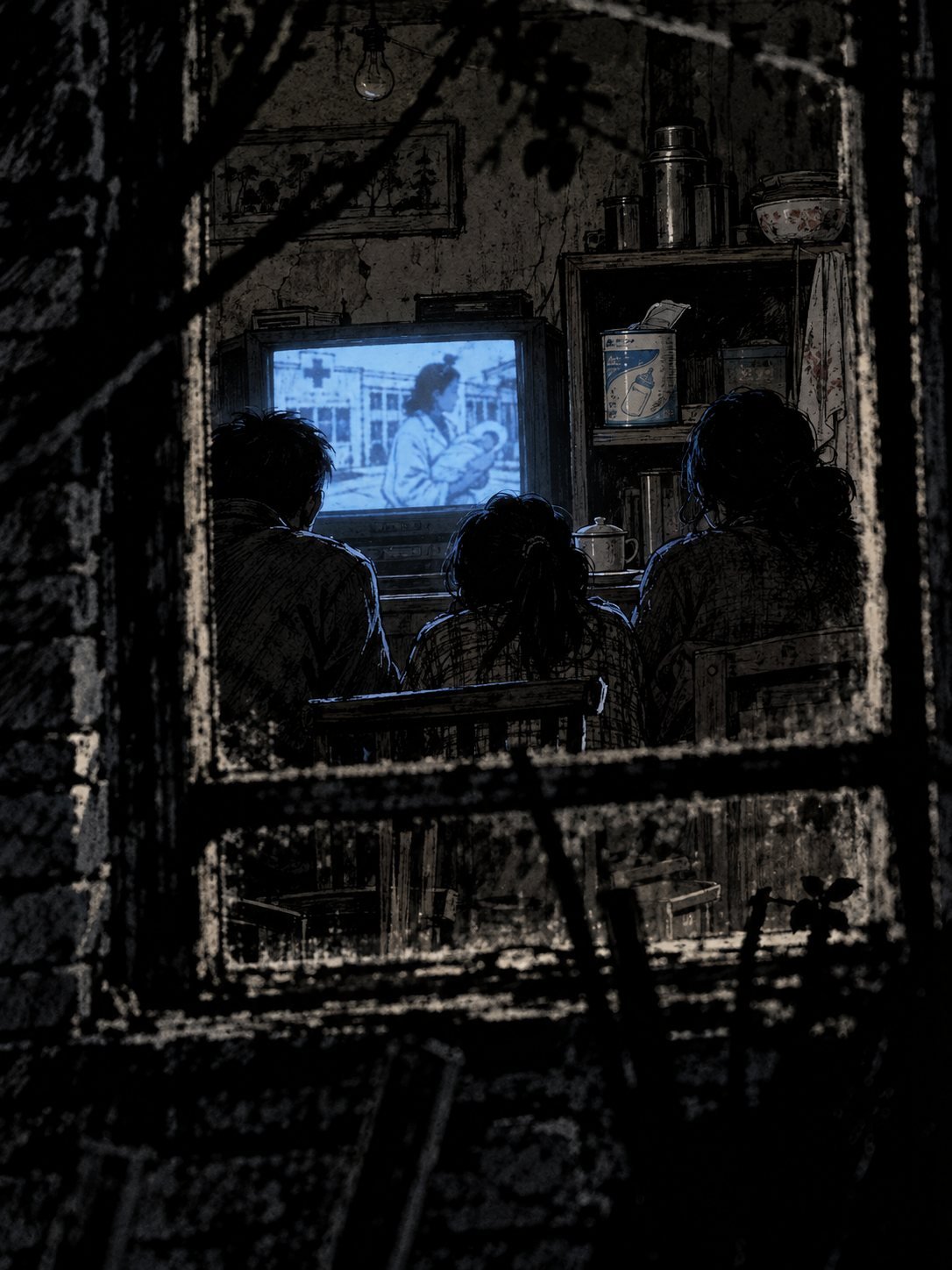
In April 2004, Chinese media broke the story.
Reports described the babies of Fuyang: swollen heads, thin bodies, families who had done everything they could.
Across China, people saw the pictures. Parents who had never heard of Fuyang suddenly had a reason to look hard at the formula in their own homes.
In some homes, the same brands were sitting on the shelf.
The provincial government confirmed at least 13 deaths from severe malnutrition in Fuyang since 2003. Local media put the figure above 50.
Suddenly this was not a local problem in one poor corner of Anhui. Fake goods were a well-known problem in China at the time, from medicine to food. But fake baby milk that killed infants touched something deeper.
The government could not ignore it. And the response came from the very top. (China Daily)
The premier ordered a full investigation and severe punishment
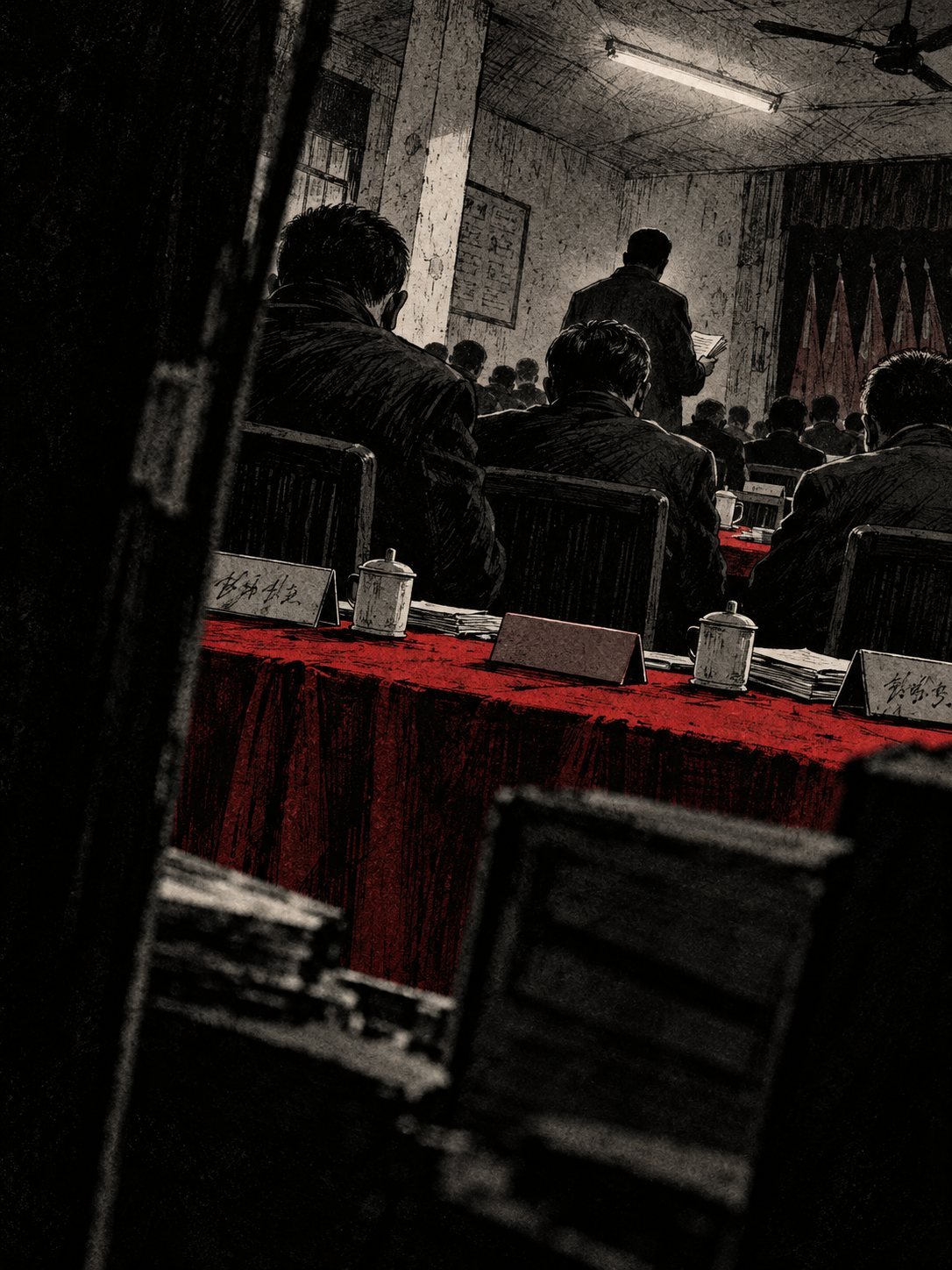
Premier Wen Jiabao, the head of China’s government, ordered a full investigation. He called for severe punishment of those responsible, and for the results to be made public.
A special team from the State Council, China’s cabinet, was sent to Fuyang. Its job was to trace where the fake formula came from and how it had reached the village shops. Wen also called for tighter supervision of food and drug quality across the country.
Later, officials were held responsible too. Fuyang’s mayor was reprimanded by the Communist Party for failing to supervise food safety. A vice mayor was asked to resign.
In China, an order from the premier carries enormous weight. Within days, inspectors were moving through Fuyang’s markets.
Now the question was how much of the fake milk was still out there. (CBS News)
More than 6,000 bags of fake formula seized in days
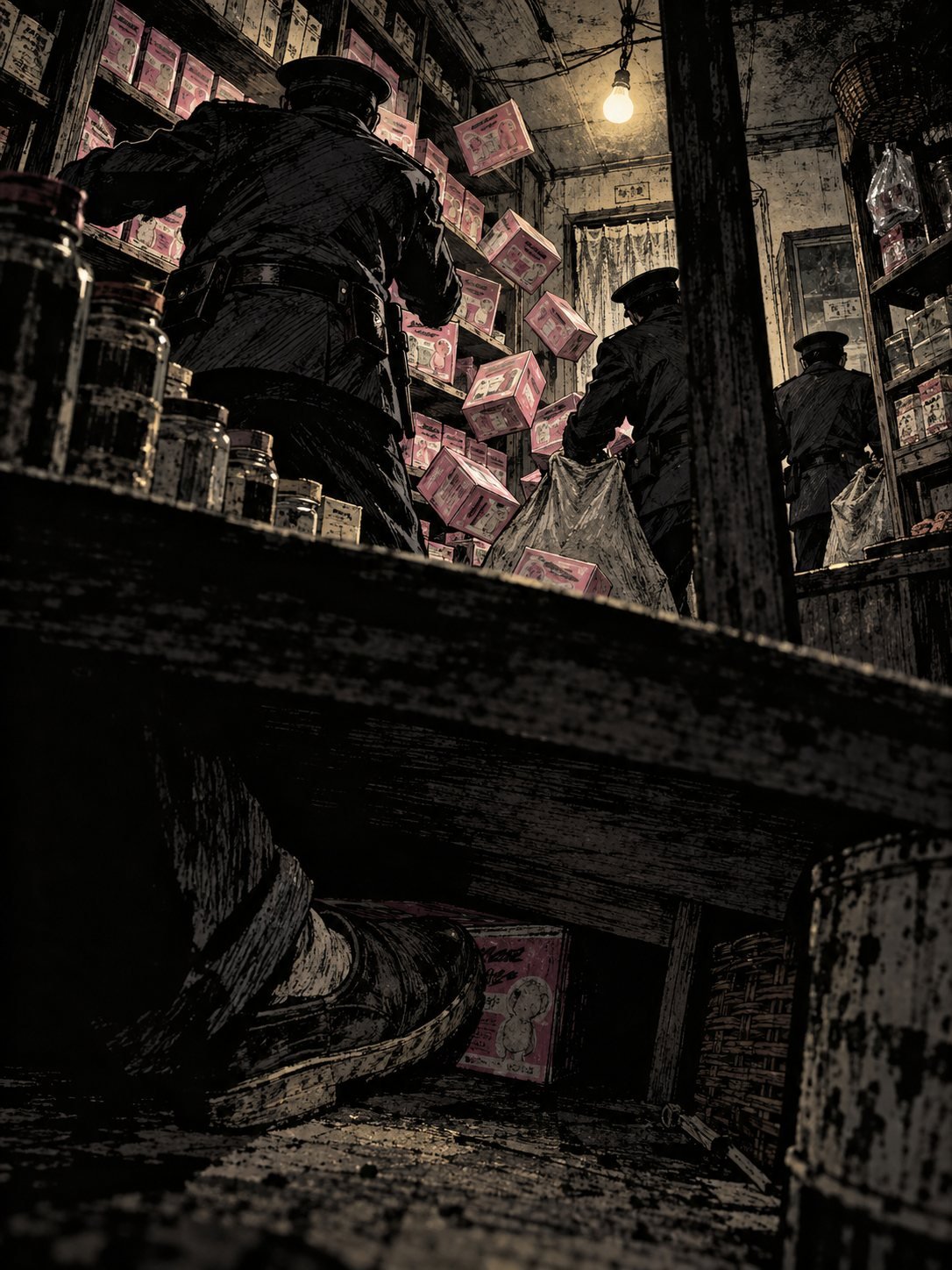
The answer was: a lot.
In a few days, local inspectors seized more than 6,000 bags of fake formula from shops and markets around Fuyang.
Local authorities put dozens of brands on a blacklist, meaning they could no longer be sold. Later, 55 brands of cheap milk powder were banned nationwide for containing only tiny fractions of the protein and nutrients they should have had.
Nearly 50 people were detained in connection with making and selling the fake powder.
And the investigation turned up something else. It was not only the sellers who were in trouble. Some of the people who were supposed to be protecting the public were accused of hiding what had happened.
Officials were also arrested for covering up a baby’s death. (China Daily)
Two officials were arrested over one baby girl’s death
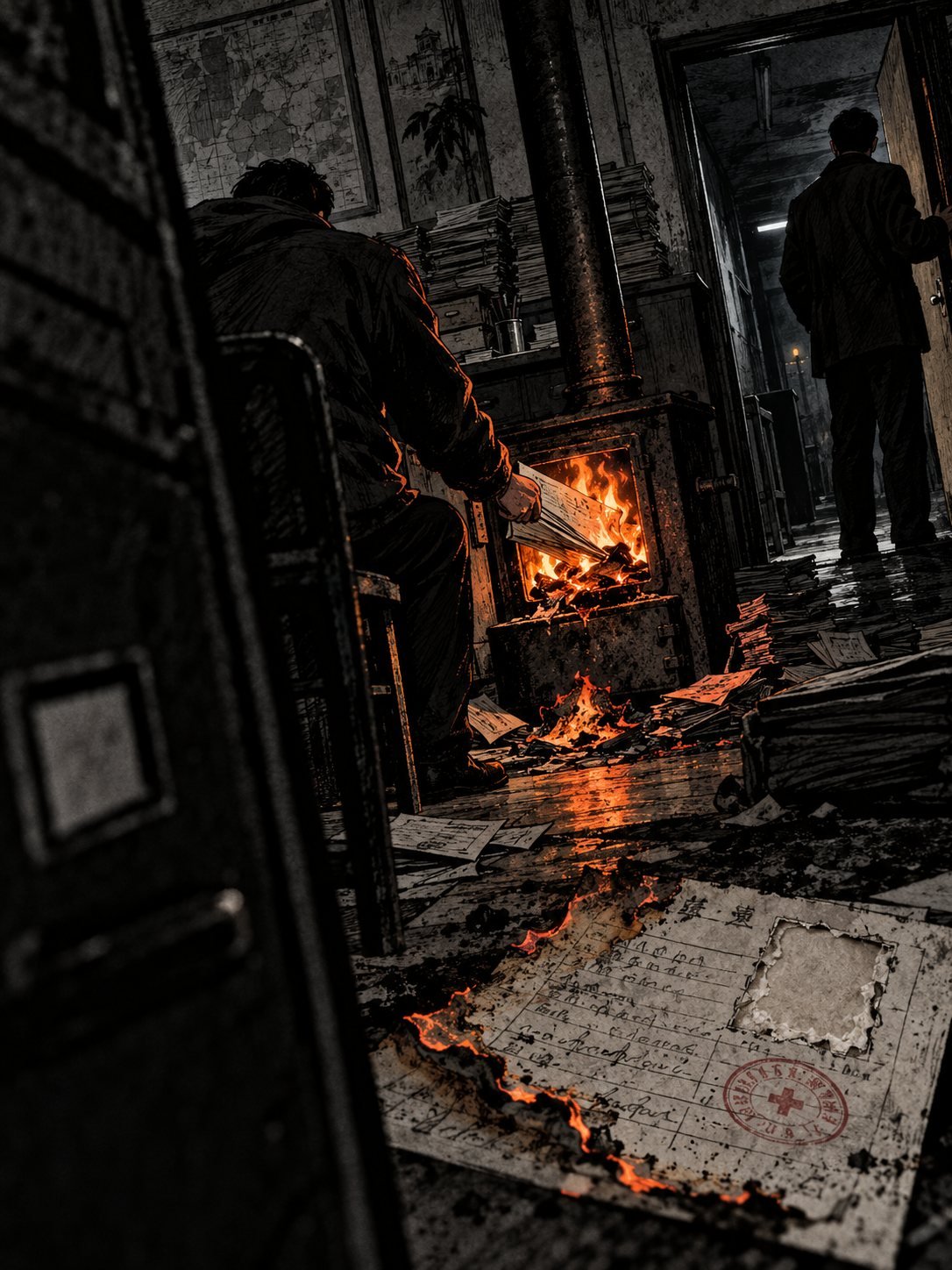
In one case, two local officials were arrested for covering up the malnutrition death of a baby girl.
A baby had died from the fake milk. The officials were accused of hiding that death instead of acting on it. Reports at the time did not say how their cases ended.
For families, it was a bitter discovery. The people who were supposed to protect them had been part of the silence.
But the case raised the question that families kept asking.
If one death had been hidden, how many others had been?
How many others had never been reported at all?
By June 2004, at least 229 infants in Anhui were known to have suffered malnutrition after drinking low-quality formula. Every one of those numbers was a family. (CBS News)
The trail led far away, to small workshops nobody inspected
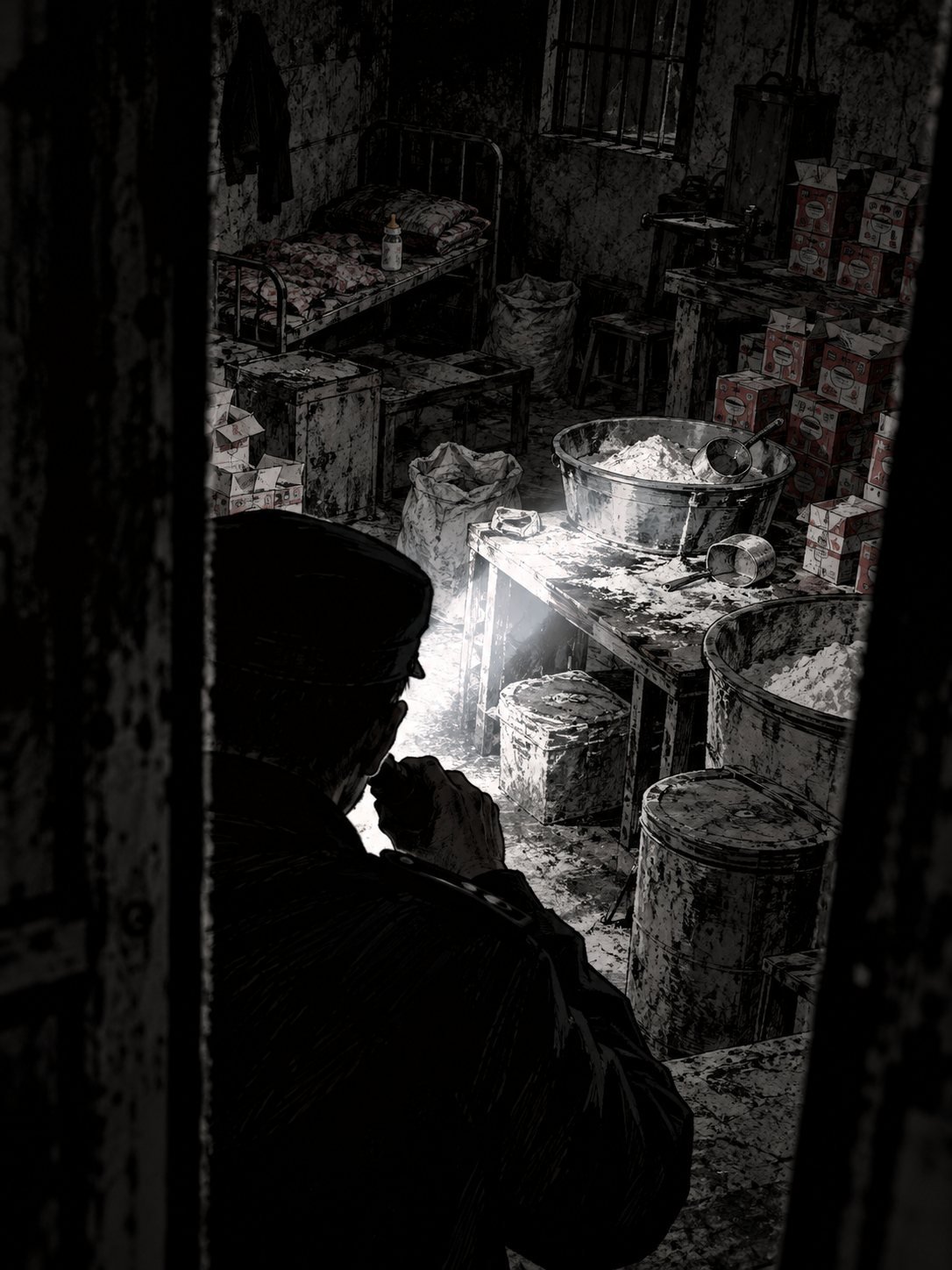
Investigators followed the powder backward, from the village shops to the wholesalers, and from the wholesalers to the producers.
The trail led to small operations in other provinces, far away from Fuyang.
The product had been made to look like formula. It had been priced to sell to the poorest families. And it had been shipped to places where nobody checked.
It was a business model. Real protein costs money. Leave it out, put the cheap powder in a bright box, and the profit goes up. The people who paid the price were babies who could not tell anyone what was wrong.
It was cheap because there was nothing in it.
After Fuyang, the government promised to fix the problem. (China Daily)
Four years later, it happened again, at a giant dairy
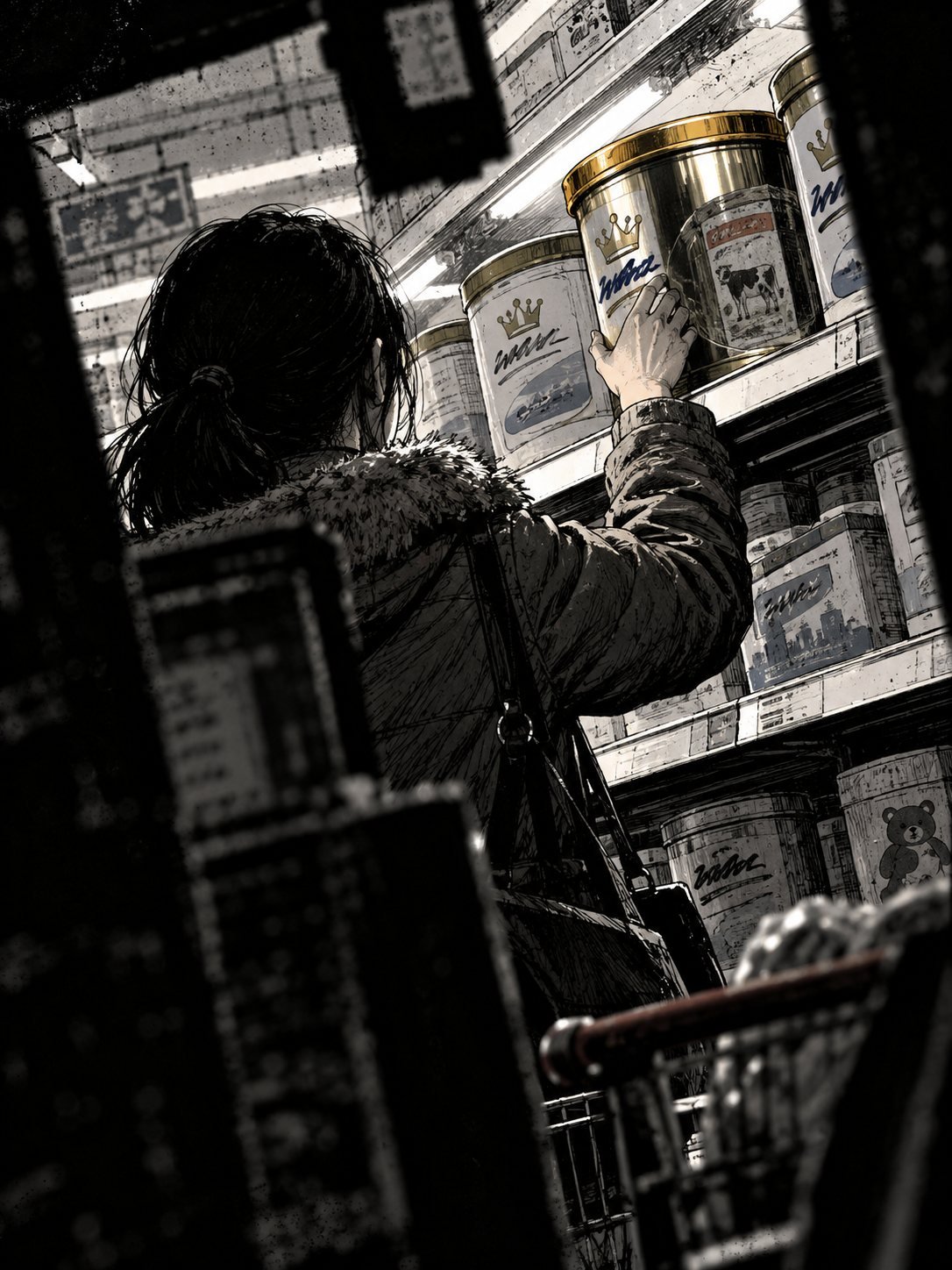
After Fuyang, the government promised tighter controls on milk.
Four years later, in 2008, it happened again. Bigger.
This time the formula did not come from a tiny backstreet workshop. It came from Sanlu, one of China’s biggest and most trusted dairy companies.
And this time the milk had not just been watered down. It had been laced with melamine, an industrial chemical used in plastics.
Why melamine? Because the standard protein tests measured nitrogen. Melamine is rich in nitrogen. Add it, and watered-down milk looks protein-rich on paper.
The cheap fake had become an expensive one. Instead of a crude powder, it was a chemical disguise built to beat the test.
Hundreds of thousands of babies sick. The same trick
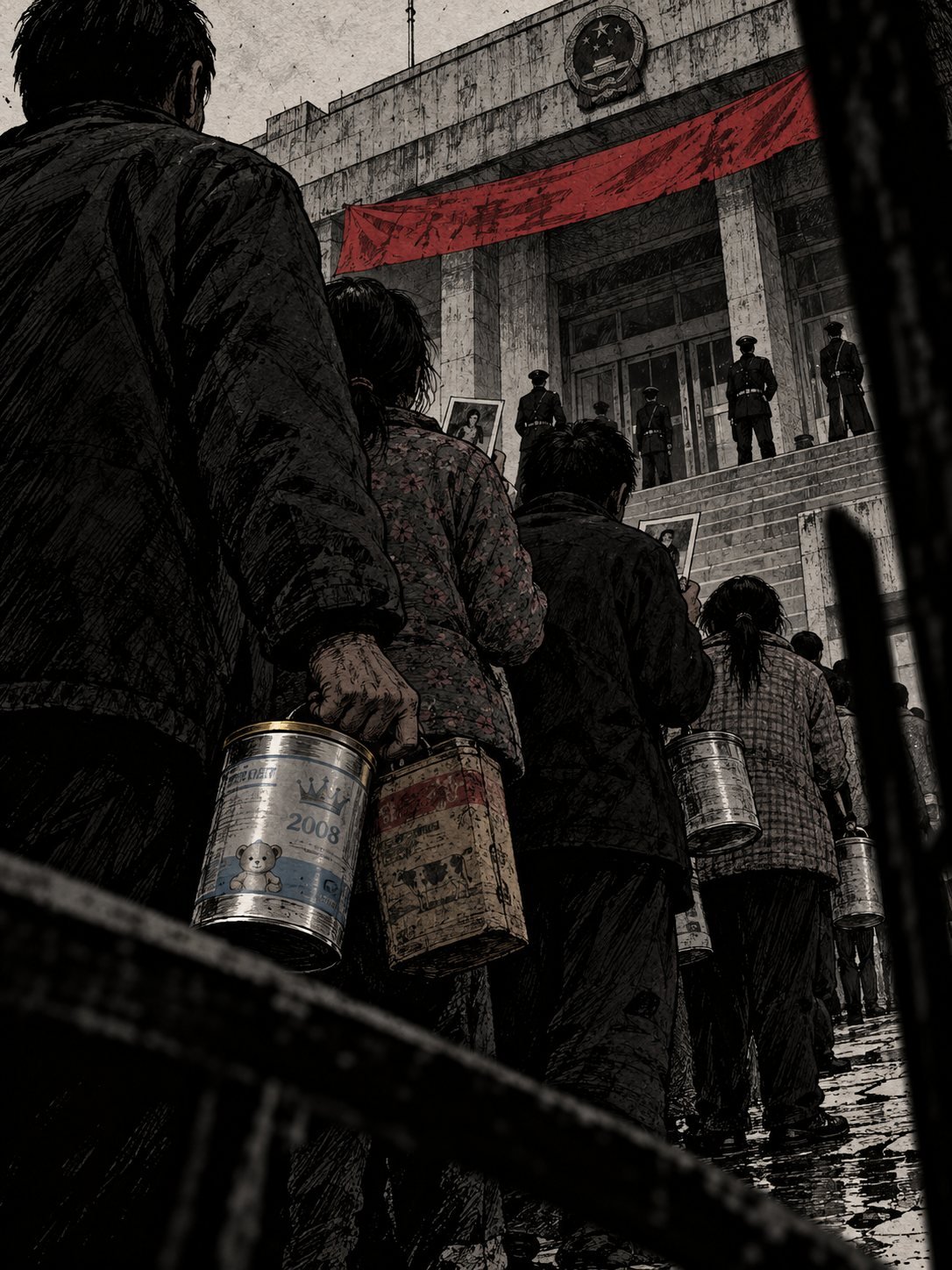
The melamine milk made hundreds of thousands of babies sick. At least six died.
Melamine can cause kidney stones and kidney damage in infants. This time the victims were not only in poor villages. They were all over the country.
Looking back, Fuyang had been the warning.
The details were different. One was a cheap fake sold in village shops. The other was a famous brand on supermarket shelves. But the idea underneath was the same.
Fake the protein. Sell the box.
In both cases, the people who paid were the youngest and most defenseless consumers there are. And in both cases, families learned too late that the label on a box of baby milk was no guarantee of what was inside. (RFA)
Most survived. Some carried the damage for years

Many of the Fuyang babies recovered once they were fed properly. With real milk and medical care, a starving infant’s body can start building itself back up.
Anhui officials urged hospitals to give the sick babies the best possible treatment. For the babies who reached care in time, that treatment made the difference.
But doctors warned that starving in the first months of life can leave effects that last. Those months are when the brain and body grow fastest. What is missed then cannot always be made up later.
Their families kept the boxes, the hospital bills, and the little caps that no longer fit.
Small things. Proof of what had happened, and of the children it had happened to.
The survivors are grown now. The question has not changed
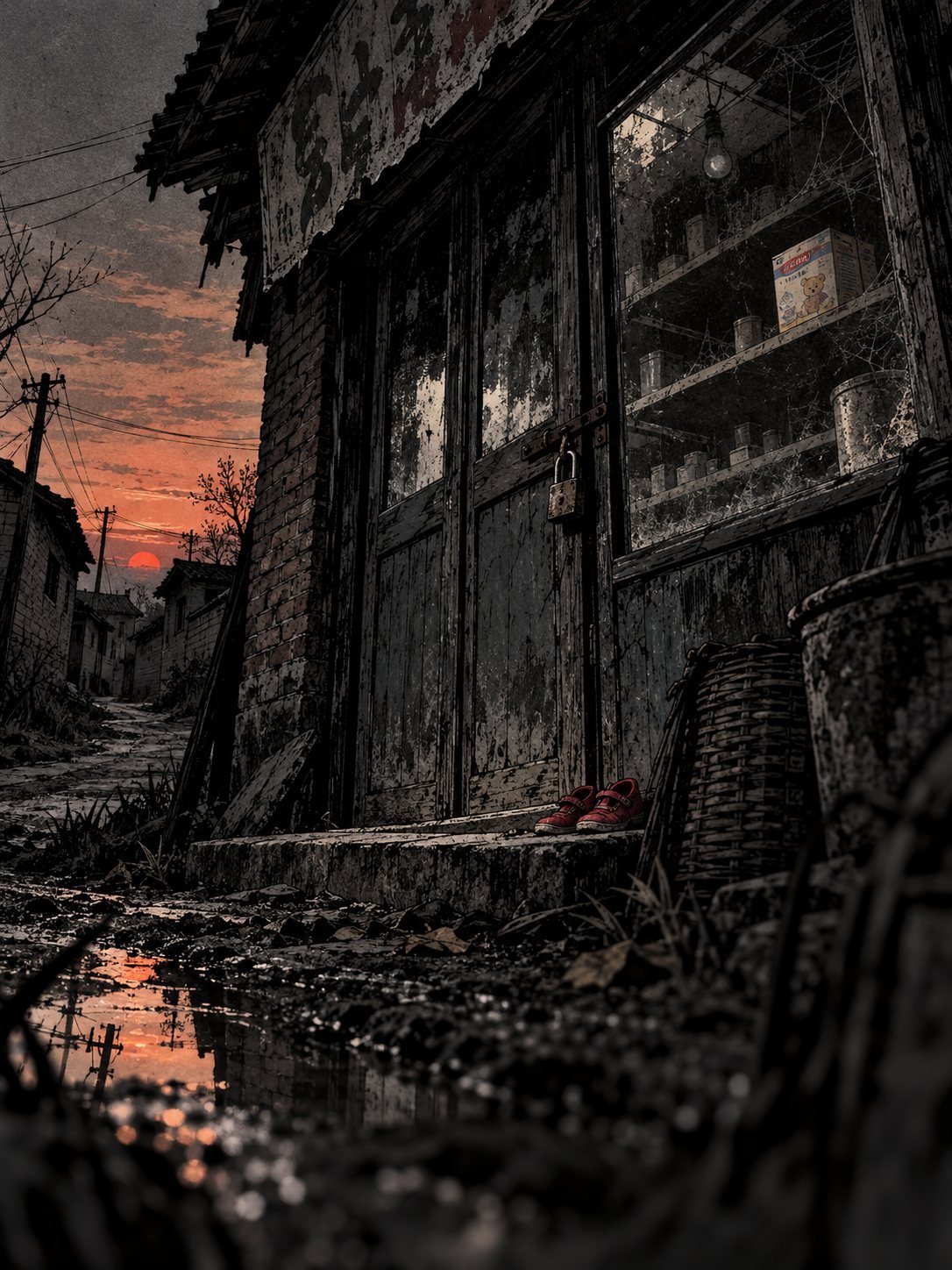
The babies of Fuyang who survived would be in their twenties now.
Most of their names were never in the news. Most of the children who died were never named at all. Some of them were never even counted.
The village shops are quieter. The fake brands are long gone. China has passed new food safety laws since then.
But Fuyang left a question behind that is just as true today, anywhere in the world.
When a family buys food for a baby who cannot speak, who is making sure that what is in the box matches what is printed on it?
For the families of Fuyang in 2004, the answer was: nobody. The question is the same. Who checks what is inside the box?
Case notes: why the poorest babies were the targets
The fake formula of Fuyang was not hidden. It sat on shop shelves in plain sight for months. Here is why it reached the babies who could least afford it.
Cheap was the whole selling point. Families in poor villages bought the lowest-priced formula they could find. The fake brands were priced for exactly those families, and the profit came from leaving out what made formula expensive: the protein.
Nobody was checking the countryside. Inspections focused on cities. Small village shops bought from wholesalers, and boxes with invented brand names and fake addresses passed straight through. One local official said there was not even money to test all the brands on sale.
Poverty hid the deaths. Many families could not afford a hospital, so some babies died at home and were buried in the fields. Those deaths were never counted, which is why official and local figures were so far apart.
The lesson was not learned in time. Fuyang showed that faking protein in baby milk could kill. Four years later, the melamine scandal used the same trick on a national scale, inside one of China’s biggest dairy companies.
Case file summary
- Case: Fake infant formula sold in rural Fuyang, Anhui province, China
- Exposed: April 2004, after problems were reportedly noticed in 2003
- Official toll: 12 infant deaths and 229 cases of malnutrition, per the central government investigation; early local reports were higher
- Response: More than 6,000 bags seized, 55 brands banned, around 47 people detained, local officials disciplined
- Aftermath: The 2008 melamine milk scandal sickened hundreds of thousands of children
Out of respect for the families, no infant is shown in these illustrations, and no real person has a recognizable face. Illustrations are artistic interpretations, not evidence. Figures differ between reports; official numbers are used where sources disagree.