The Search Was Called Off. Ten Weeks Later, Two Men Walked Out of the Andes

Narrated Mystery: press play and hear the whole case read aloud, like a true crime podcast episode, or an audiobook for a long drive (about 7 minutes). The narrator is an AI voice.
What the record shows
- What: Uruguayan Air Force Flight 571, carrying 45 people including the Old Christians rugby team, crashed in the Andes
- When: Friday 13 October 1972; the last survivors were rescued on 23 December 1972
- Toll: 29 died; 16 survived after 72 days on the glacier
- Turning point: on day 11 a radio told them the search had been called off; two survivors later walked out and met a Chilean herdsman on 20 December
Still uncertain
- The exact distance and route the two men walked; accounts differ.
- The exact timing of some of the deaths on the mountain.
Uruguayan Air Force Flight 571, 13 October 1972. 45 people crashed on a glacier in the Andes. Two survivors walked out over the mountains to bring help.

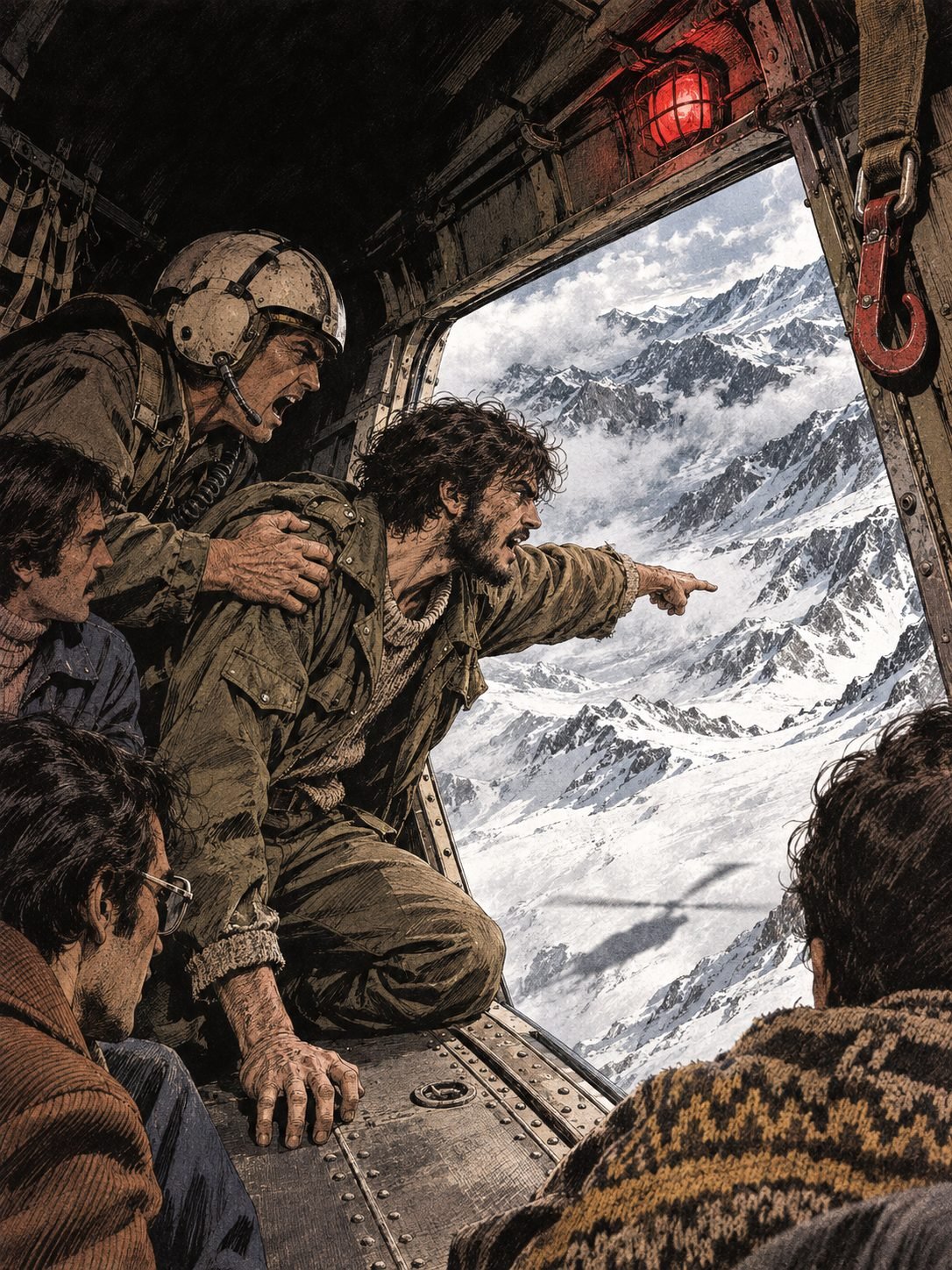
On the eleventh day, one of the survivors got a small transistor radio working.

It was 1972. Twenty-seven people were still alive inside the broken fuselage of a Uruguayan Air Force plane, high on a glacier in the Andes. They had melted snow for water, stacked suitcases against the open end of the cabin, and waited for the sound of engines.
The radio gave them the news. The search had been called off.
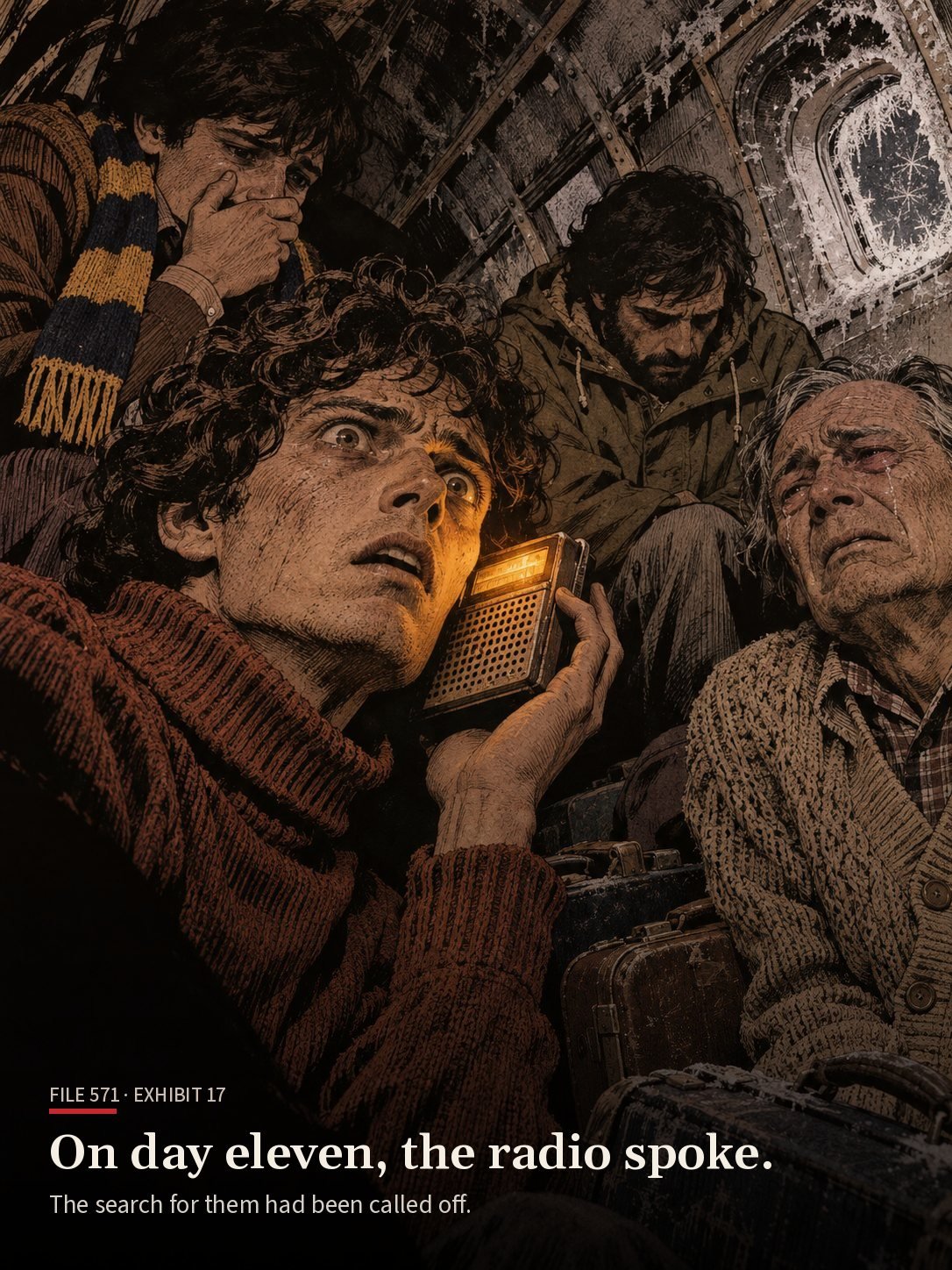
As far as the outside world was concerned, everyone on Flight 571 was dead.
The flight that stopped for the night
Flight 571 had left Montevideo on 12 October 1972 with 45 people on board: 5 crew and 40 passengers. Many of the passengers were young players from the Old Christians rugby club, flying to a match in Santiago, Chile. Friends and family members came too, including a mother and her daughter.
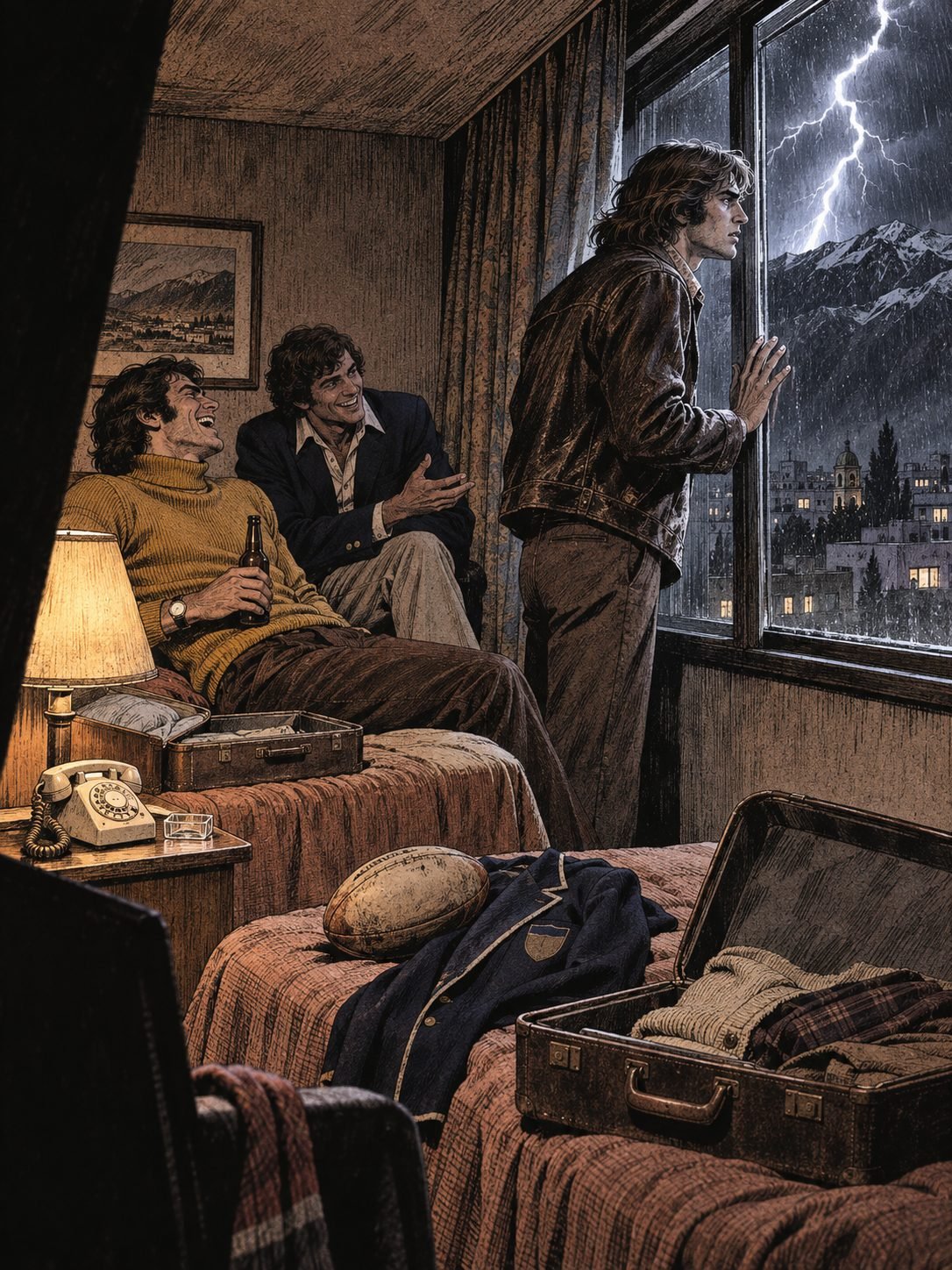
The weather over the mountains was bad, so the plane stopped overnight in Mendoza, Argentina. At about 2:18 p.m. on Friday 13 October, it took off again.
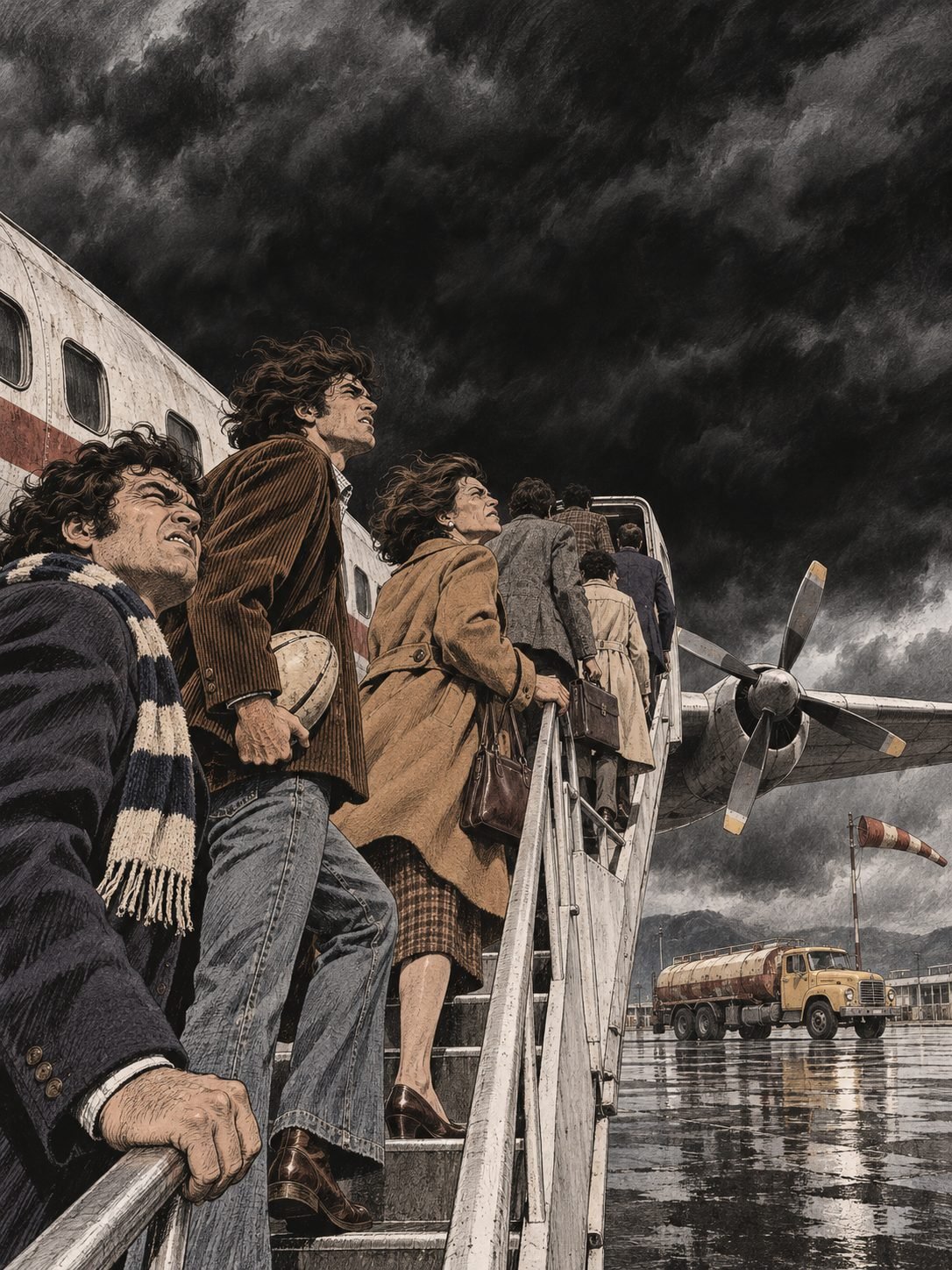
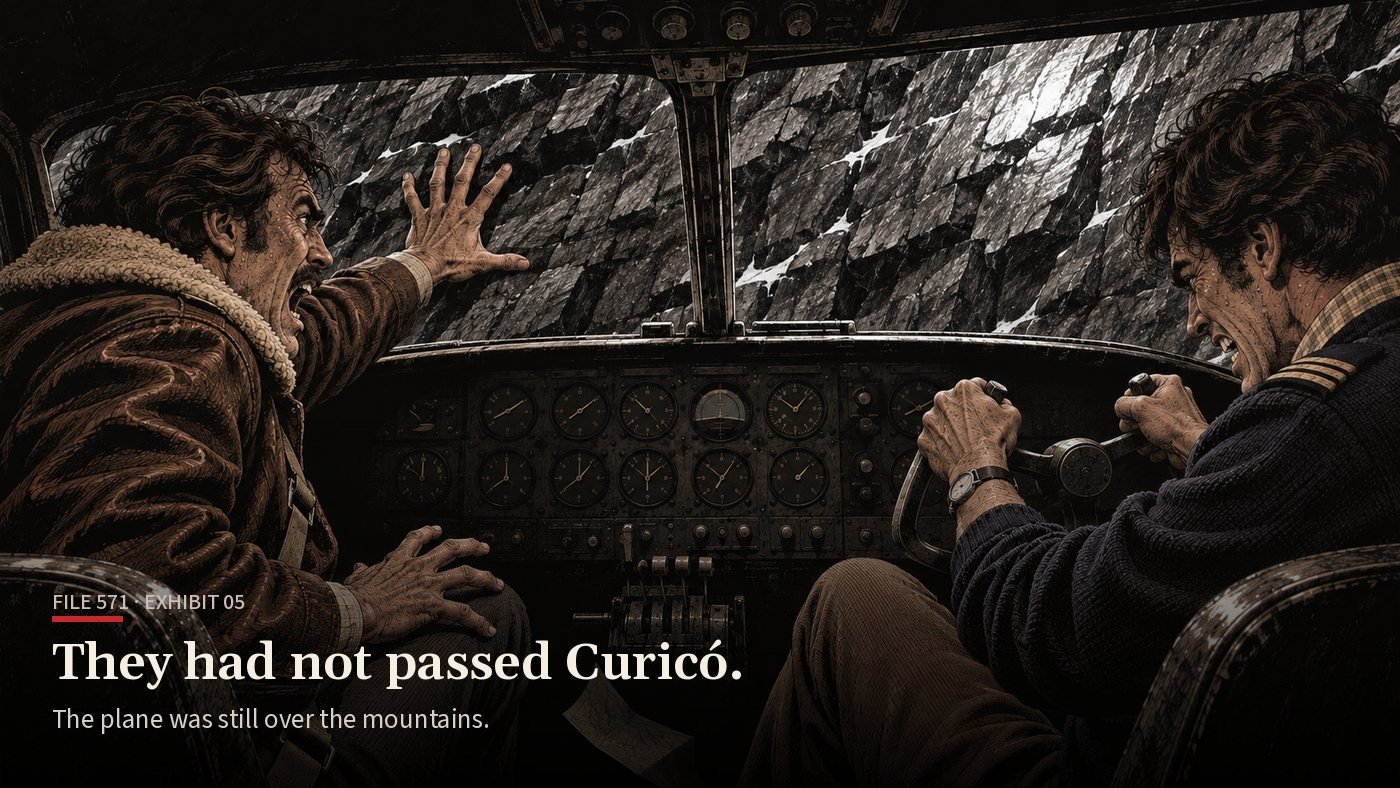
The crew planned to cross the Andes through a pass to the south and then turn north toward Santiago. Somewhere in the cloud, the co-pilot reported that they had passed the Chilean town of Curicó. They had not. The plane was still deep inside the mountains, many kilometres to the east.

It turned north and began to descend into rock.
A wing, another wing, and a fuselage on a glacier
At about 3:30 p.m., the plane struck a peak. The right wing tore away and took the tail with it. A second impact ripped off the left wing. What was left of the fuselage hit the snow and slid down a steep slope before it stopped in a snowbank.

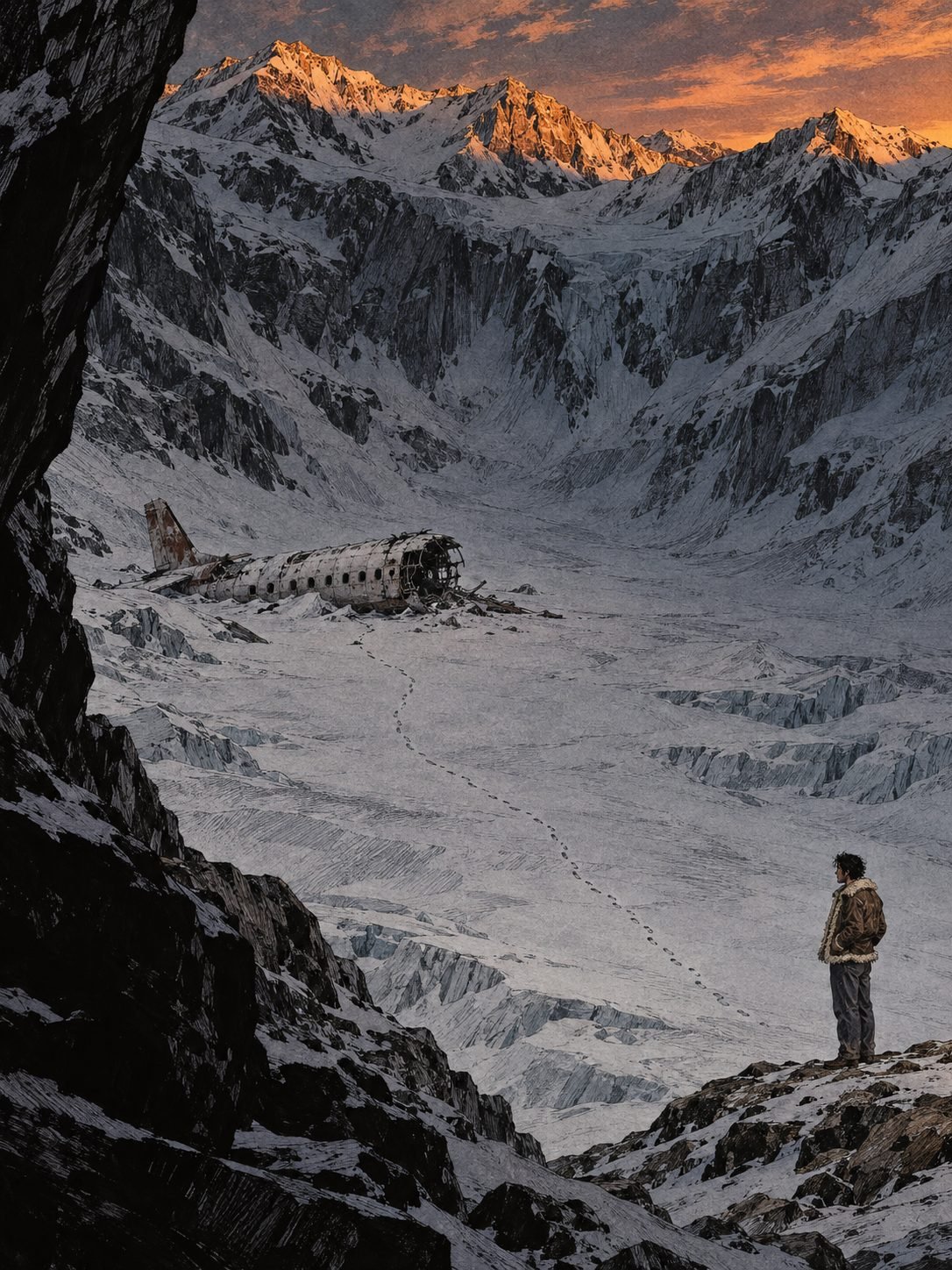
Twelve people died in the crash or shortly after. Thirty-three were alive, many of them injured, at about 3,500 metres, in a cirque later called the Valley of Tears. It was in Argentina’s Mendoza province, about a kilometre from the Chilean border.

They were wearing what you would wear to fly to a rugby weekend. Blazers. Thin trousers. Leather shoes.

The first night, more of them died.

Why nobody saw the plane
Search planes did fly over the Andes. None of them found the wreck.
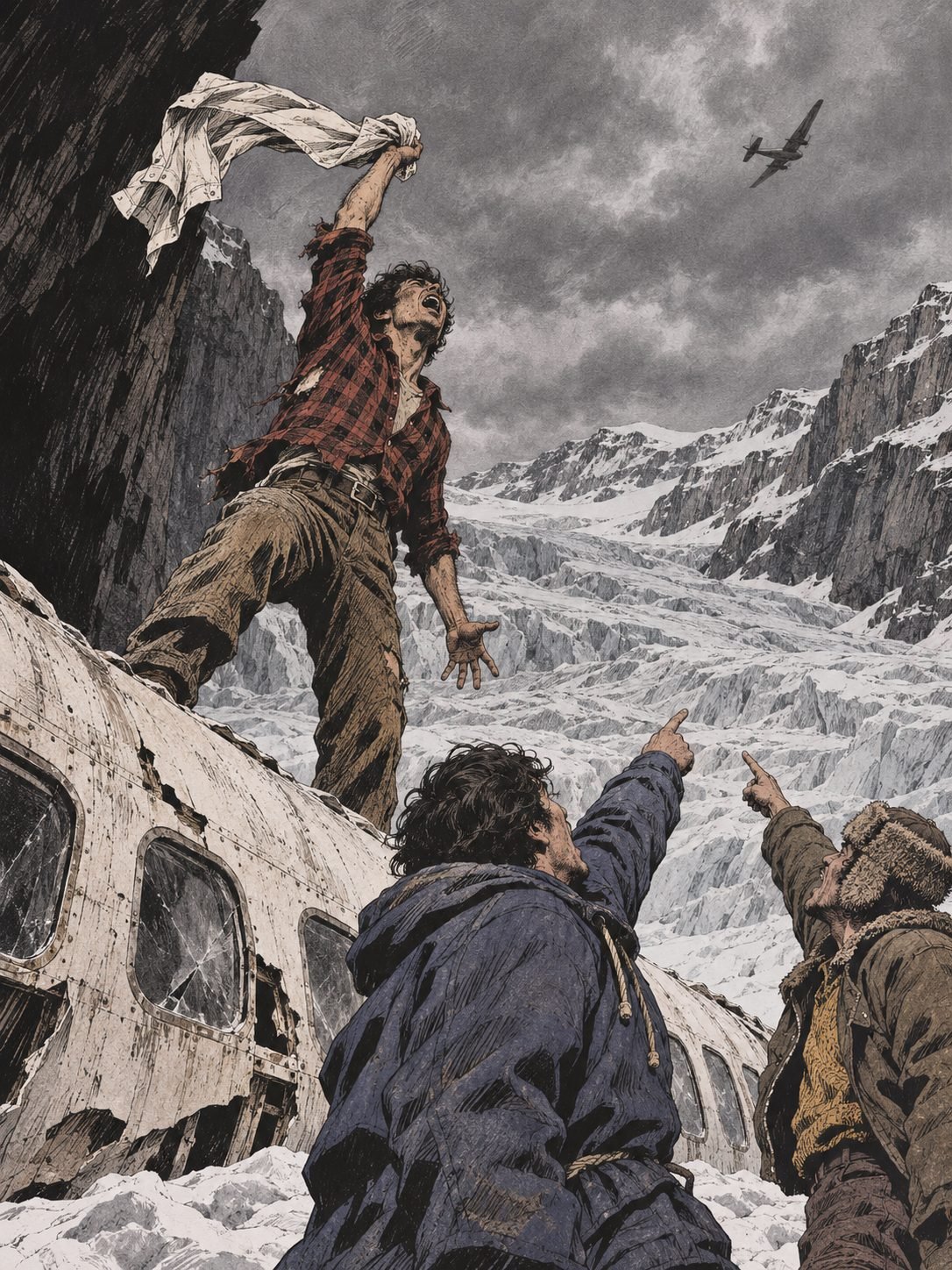
The reason was simple and cruel. The fuselage was white. The glacier was white. From the air, a white plane on white snow is almost impossible to see.
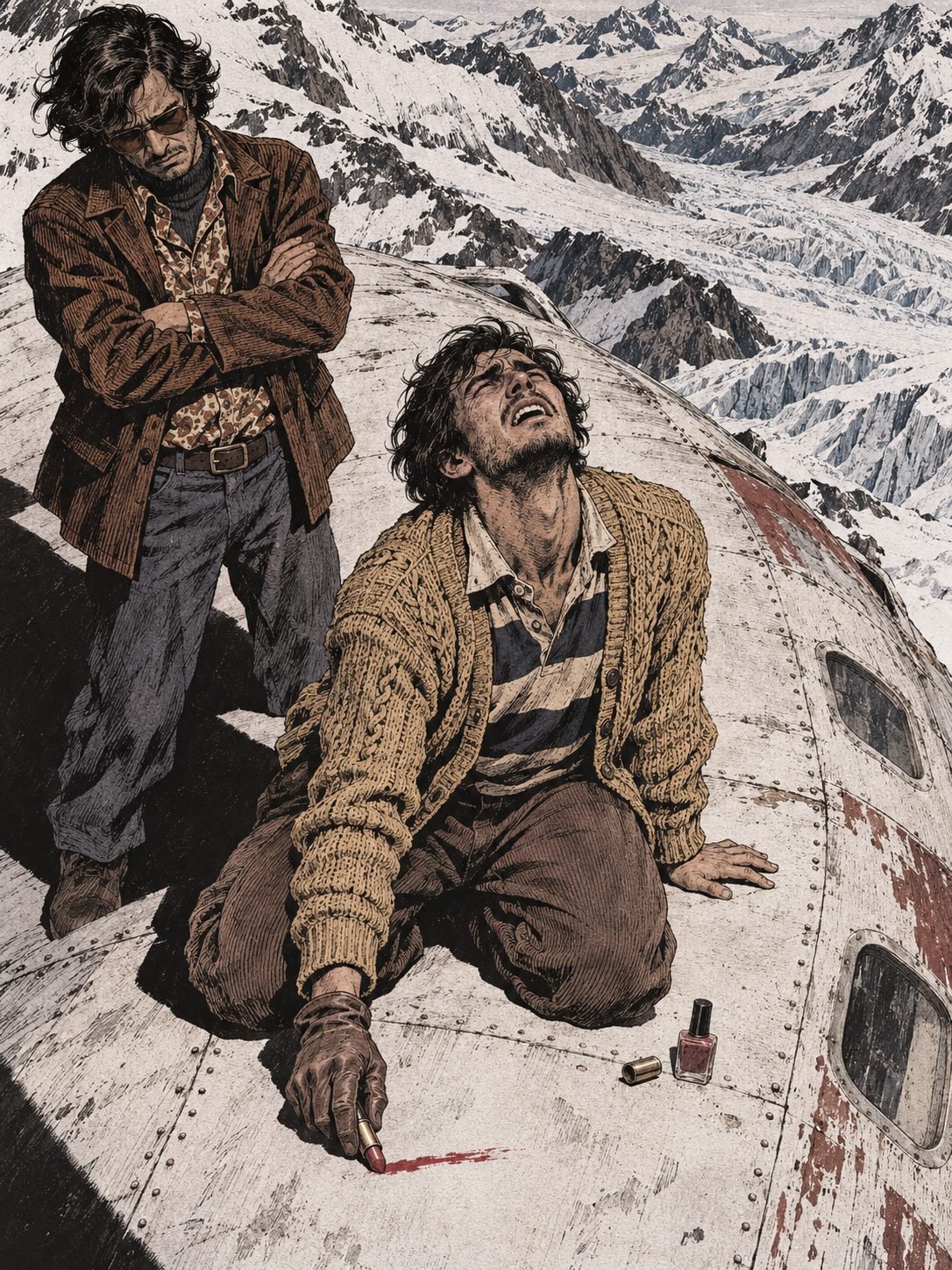
After eight days, the search was suspended. On day eleven, the radio told the survivors.
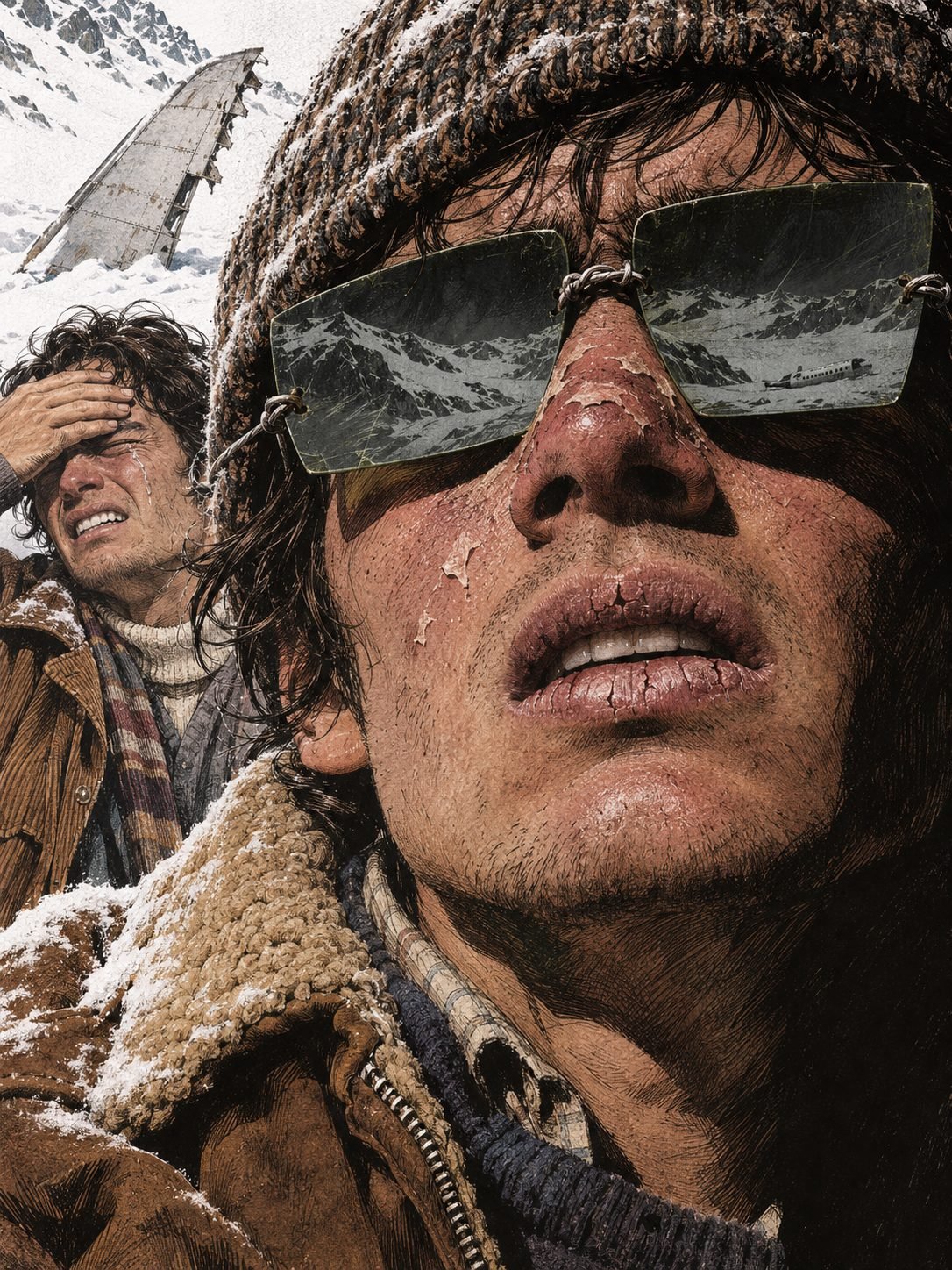
That should have been the end of the story. It was not.
The fuselage became a shelter, then a trap

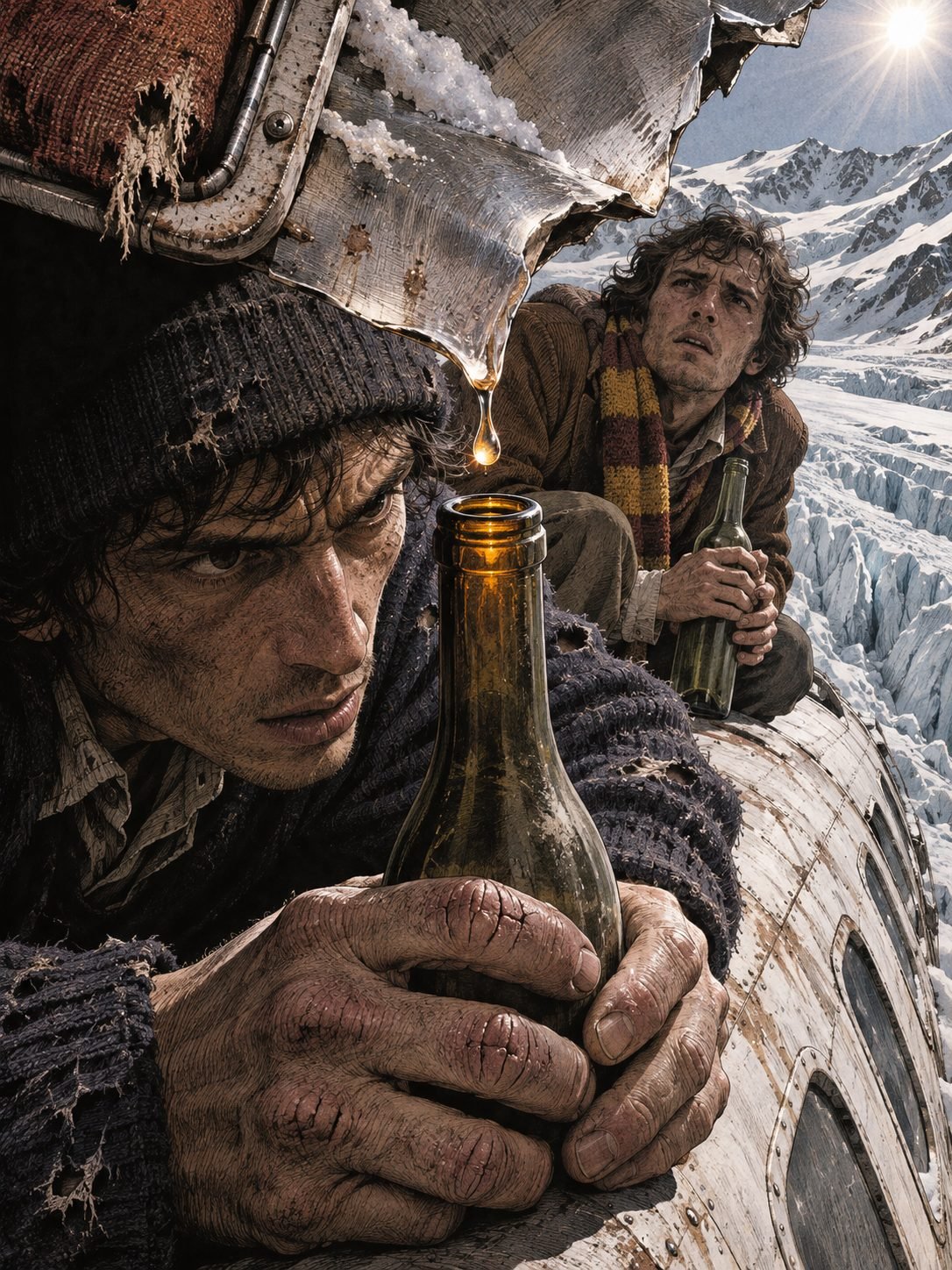
The survivors organised. They built a wall of suitcases and seat cushions across the open rear of the cabin. Two of them, Roberto Canessa and Gustavo Zerbino, were medical students, and they became the mountain’s doctors. Others found that snow spread on thin metal sheets would melt in the sun and drip into bottles.


There was almost no food. Within days they faced a choice that has defined how the world remembers them: to stay alive, they would have to eat the bodies of those who had died. They made that decision together. The Catholic Church later absolved them.
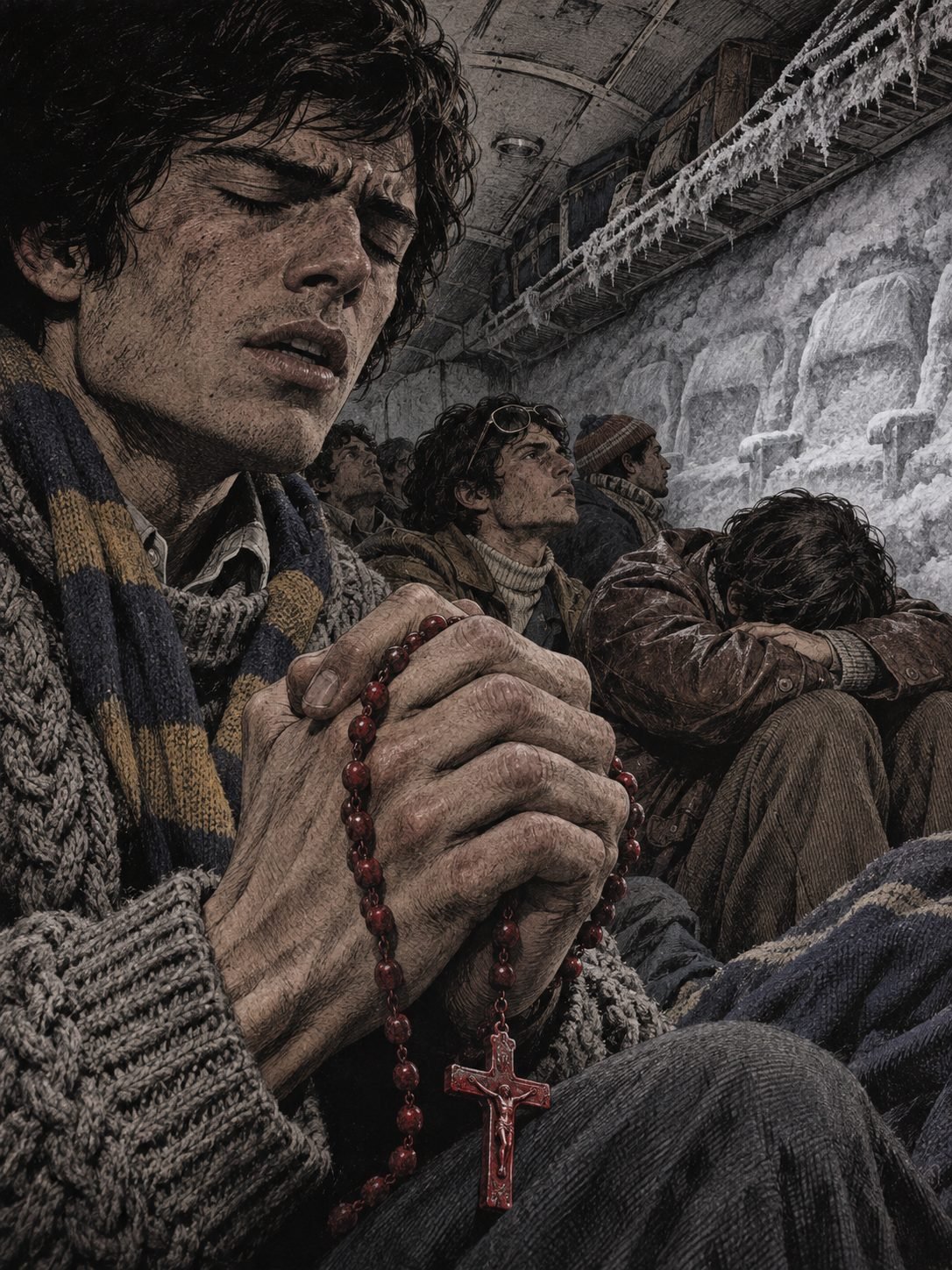
Then, on the night of 29 October, an avalanche hit the fuselage while they slept. Snow filled the cabin to the ceiling. Eight more people died.

The survivors were buried inside the plane for days. They dug a tunnel through the snow toward the cockpit to reach air and light.
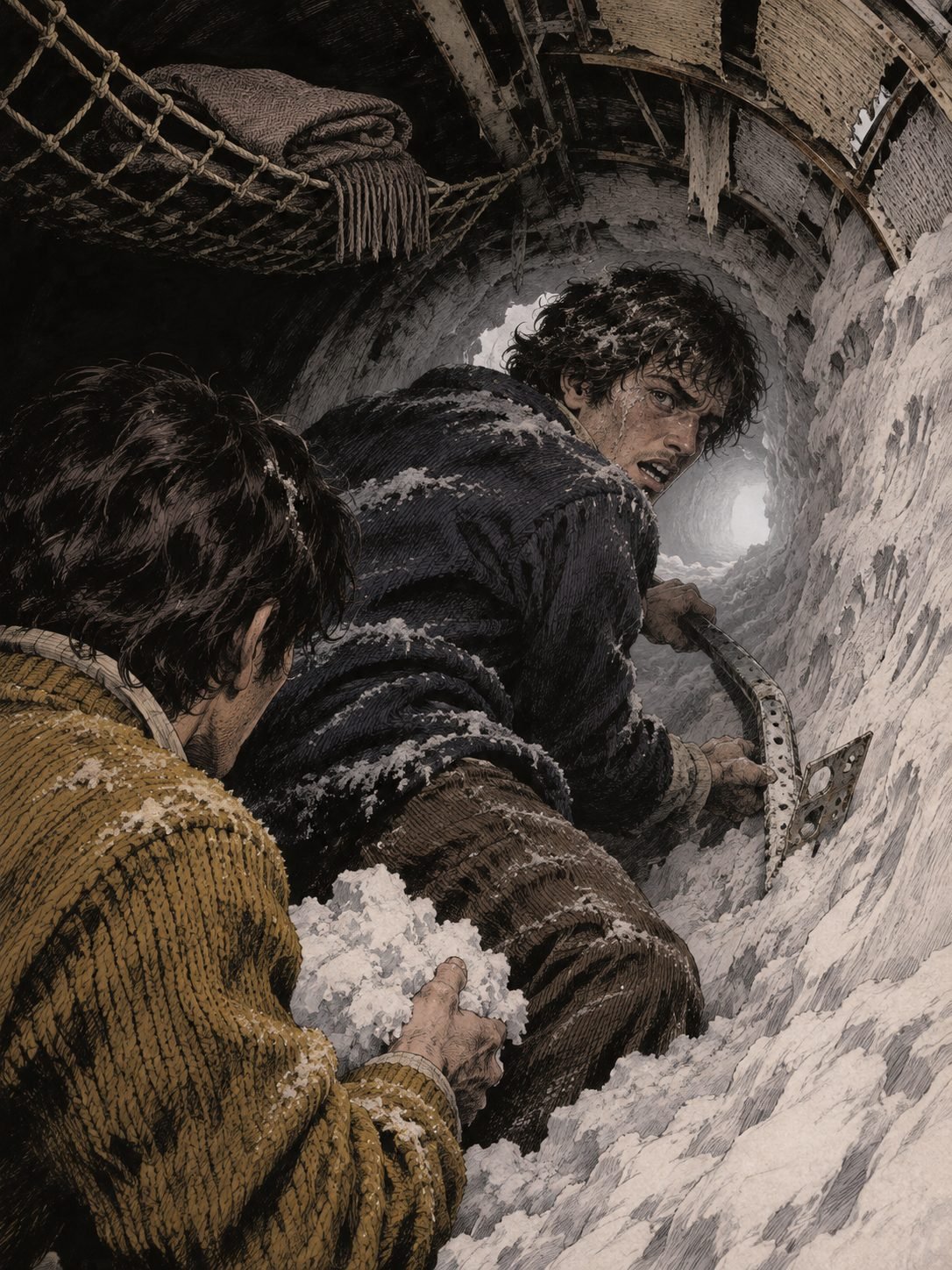

The shelter had nearly become their grave.
The tail, the batteries and the radio that never worked
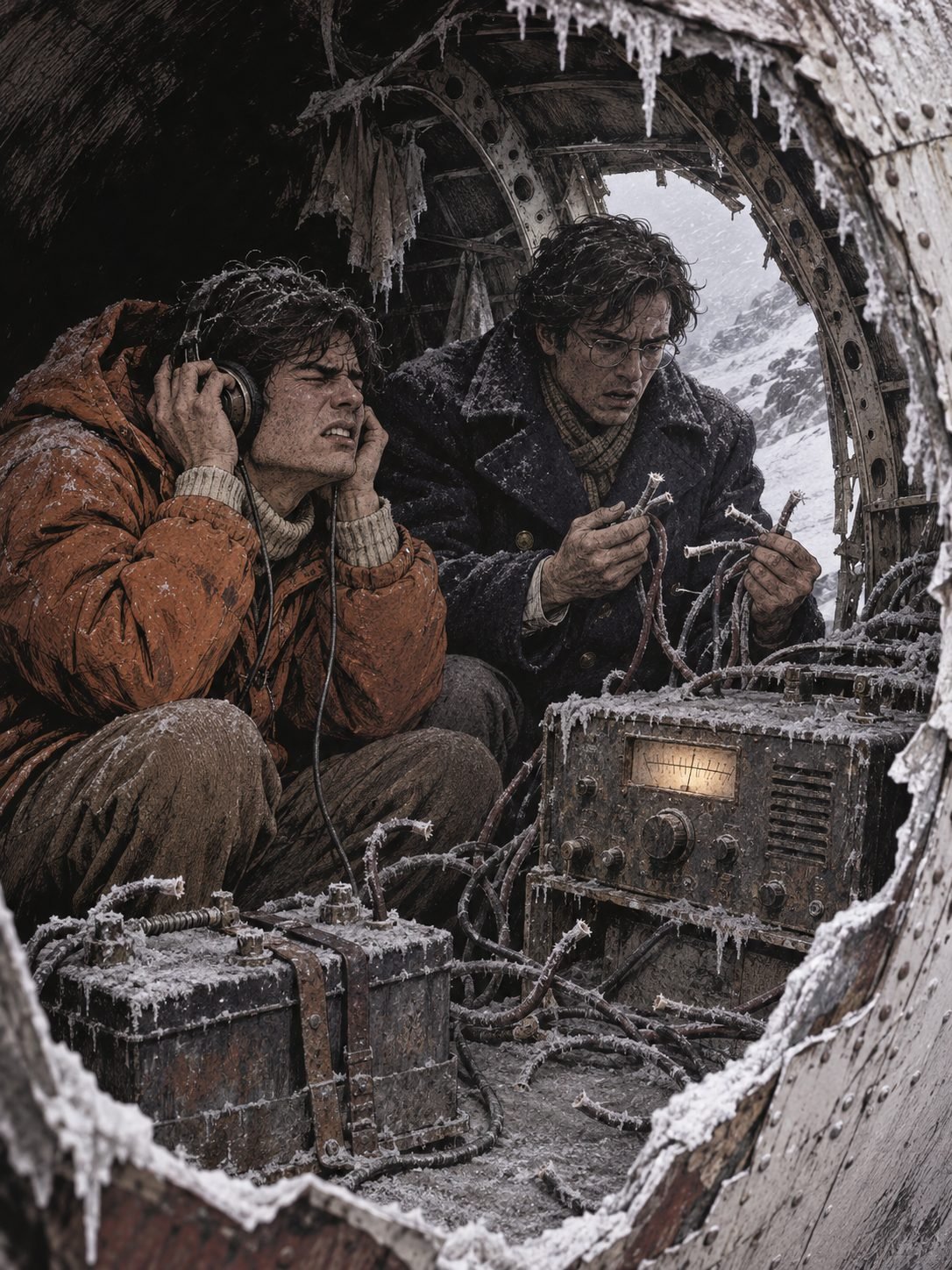
Later, a small group walked downhill and found the tail section, largely intact. Inside were batteries. If they could power the plane’s radio, they might call for help.
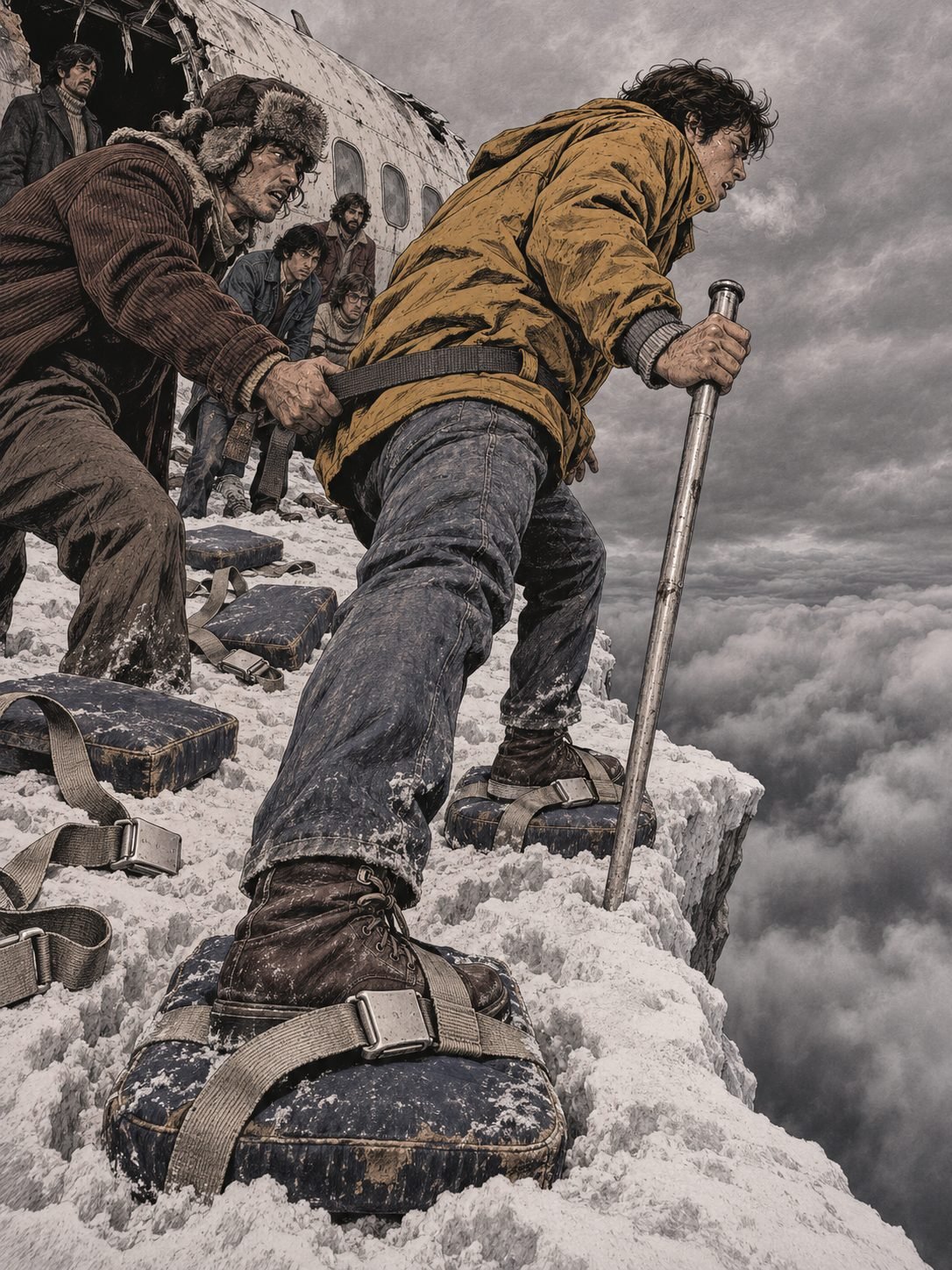
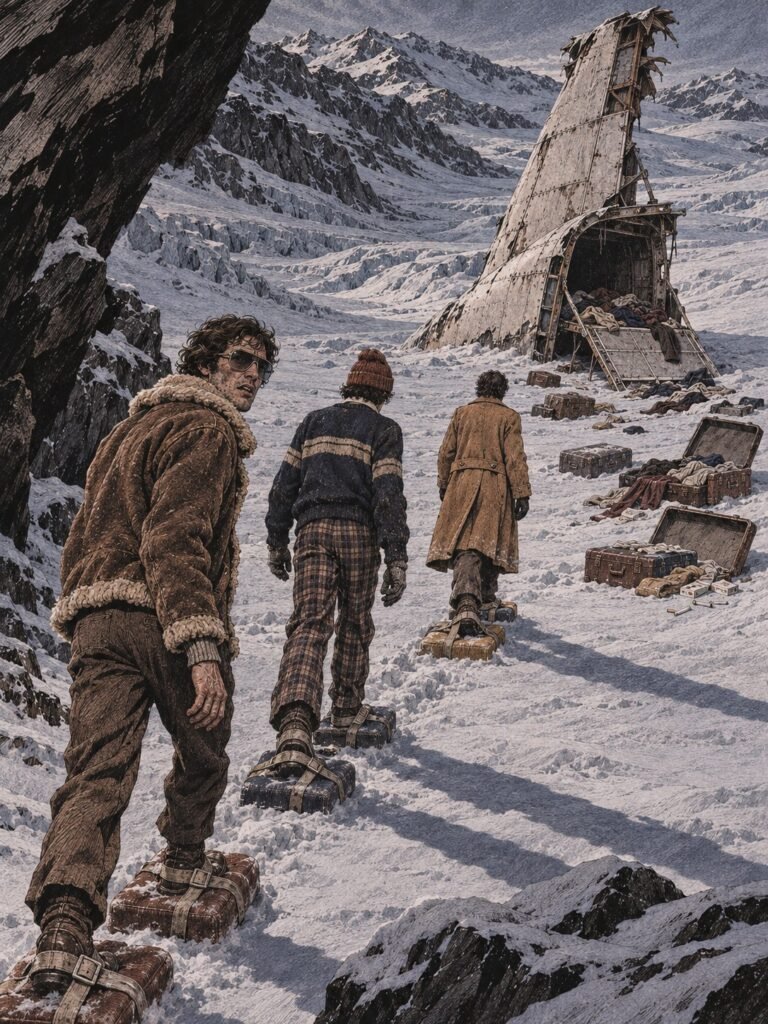
They tried. It never worked. The batteries produced one kind of current, and the radio needed another. The attempt was, as one account puts it, “futile from the beginning.”
But the tail gave them something else: padded insulation. The survivors stripped it out and sewed it into a long sleeping bag, big enough for three people to survive a night in the open.
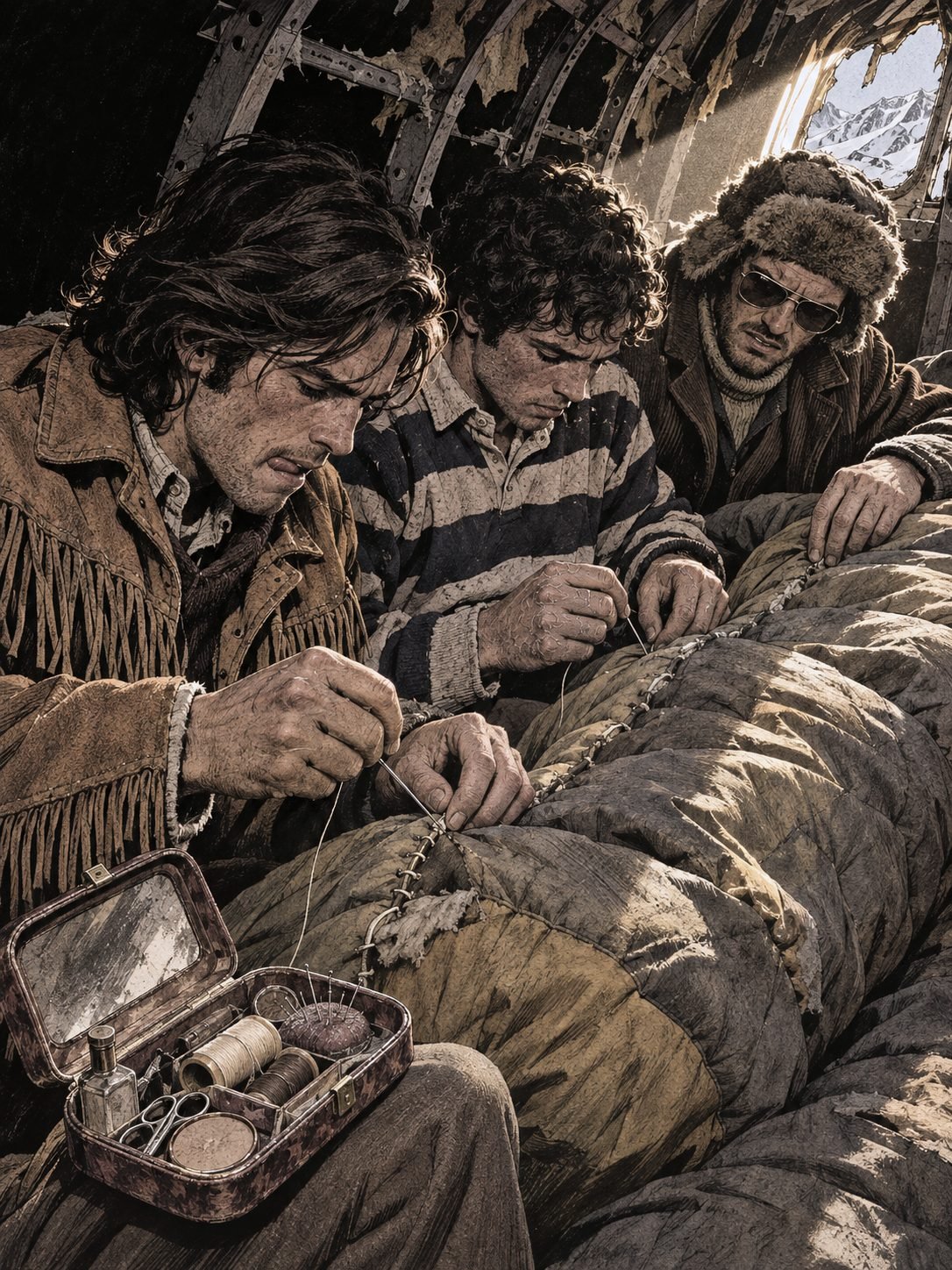
Nobody was coming for them. So they would have to go.
Three men, no ropes, and a summit with no view
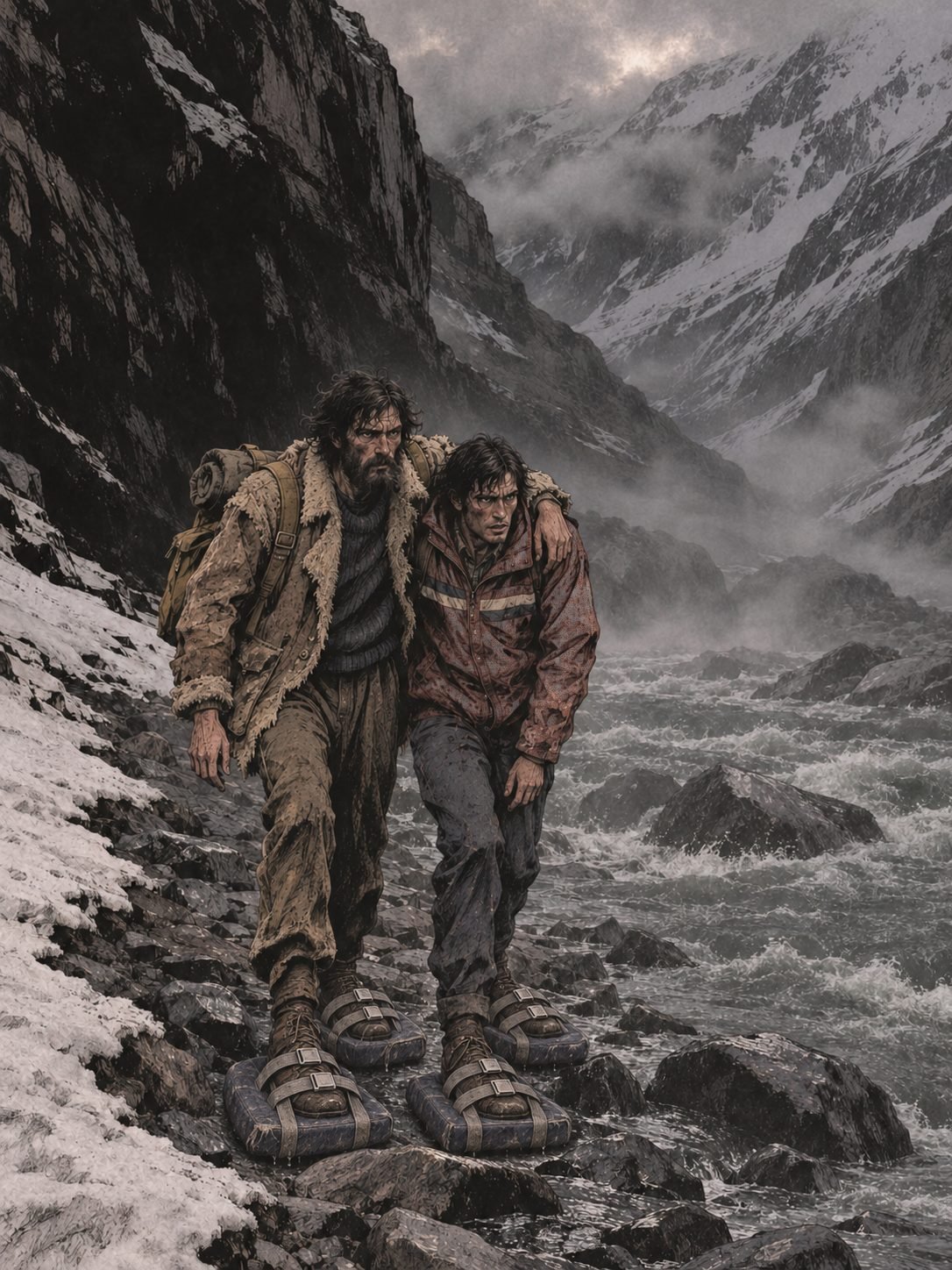
On 12 December, day 61, three of them set out: Nando Parrado, Roberto Canessa and Antonio Vizintín. They had no climbing equipment. They carried the sleeping bag.

Parrado had lost his mother in the crash. His sister died in his arms on the eighth day.
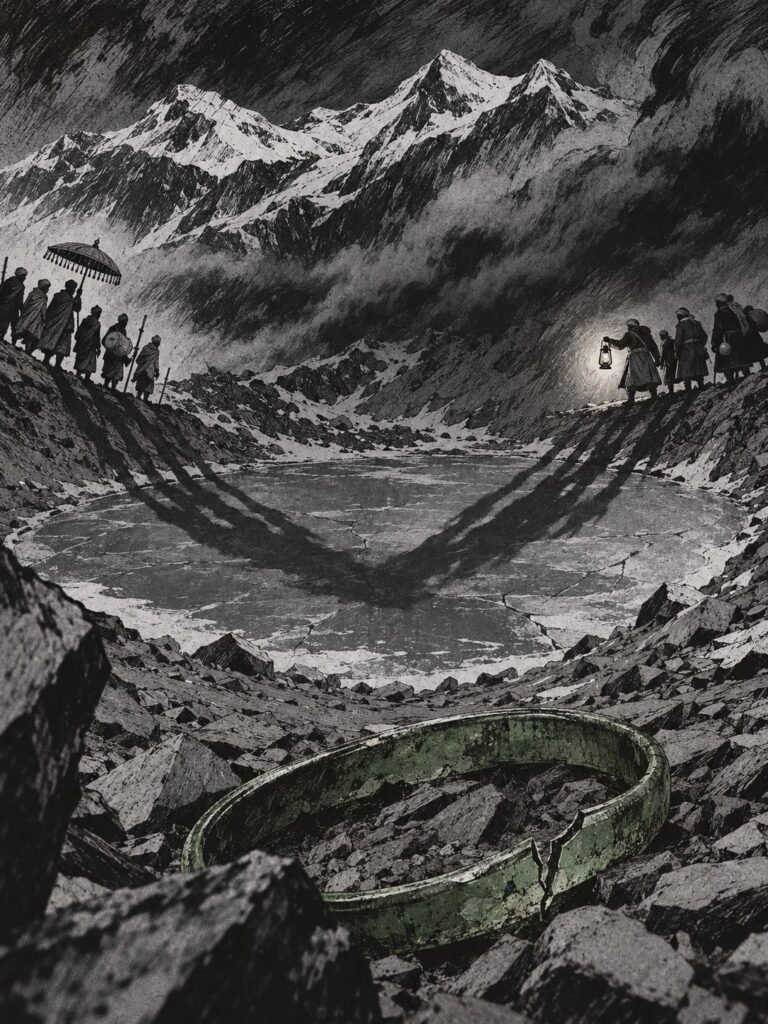
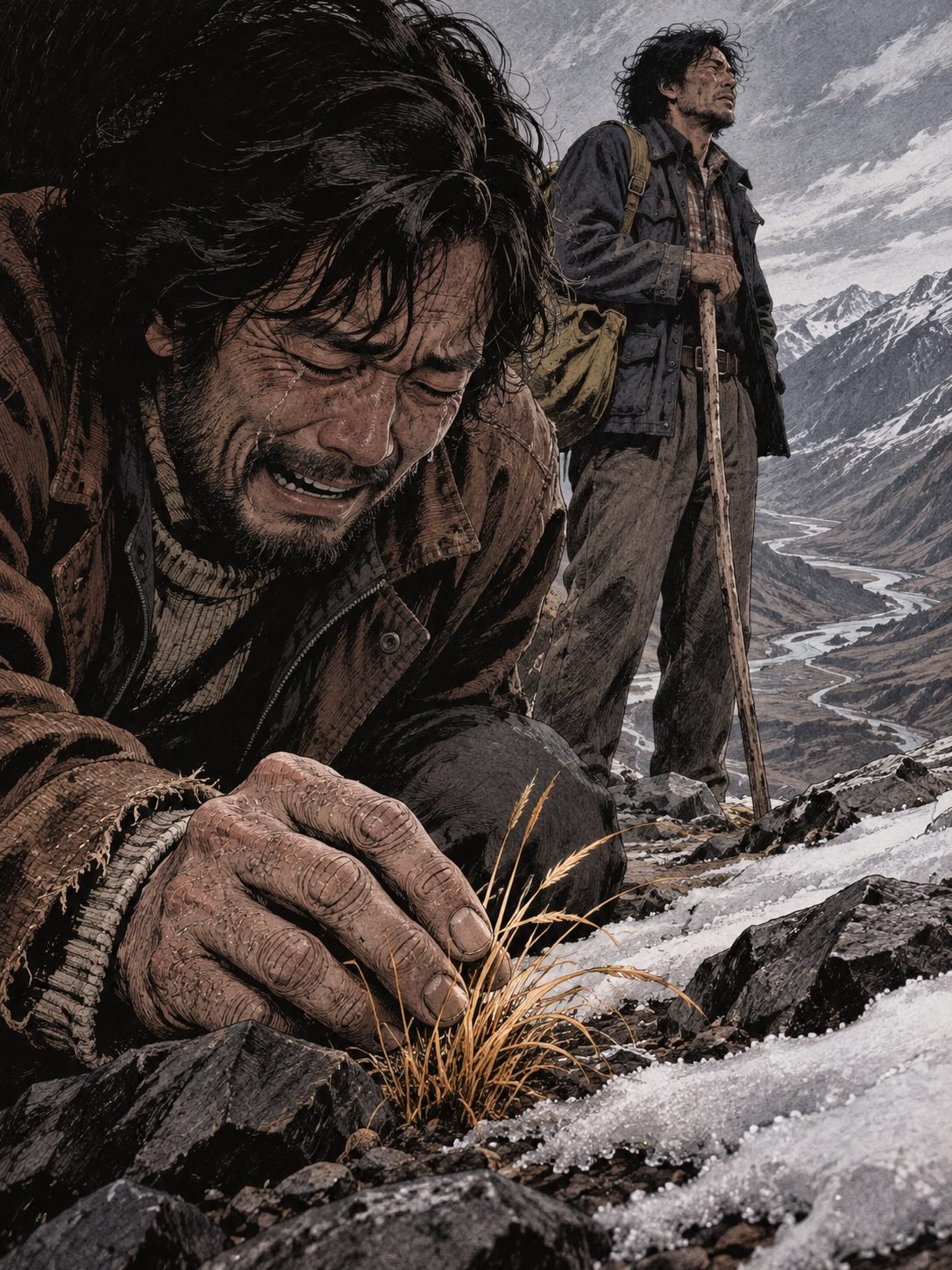
The climb took three days. On 14 December, Parrado reached the top of the ridge first. He expected to see the green valleys of Chile below.

He saw mountains. Only mountains, in every direction.

“We thought we were five kilometres away; we were 80,” he later said.
He named the peak after his father: Mount Seler. Vizintín was sent back to the fuselage so the food would last longer. Parrado and Canessa kept walking west.
The man on the far side of the river
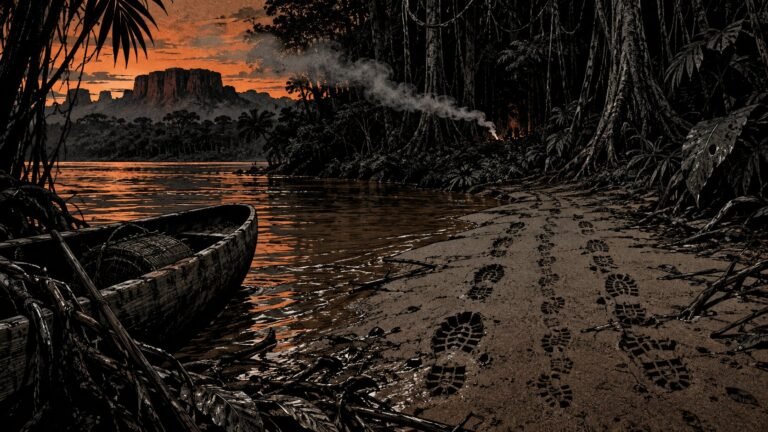
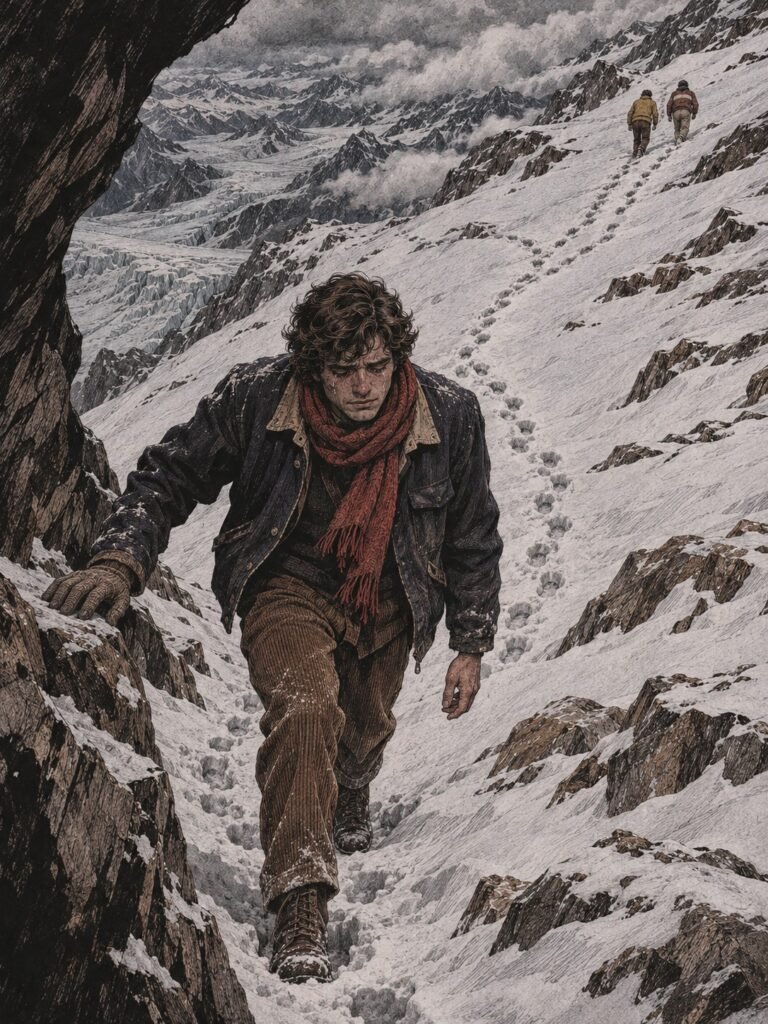
For days they walked down. The snow ended. They followed a river. On 20 December, day 69, Canessa saw a man on horseback on the other side.
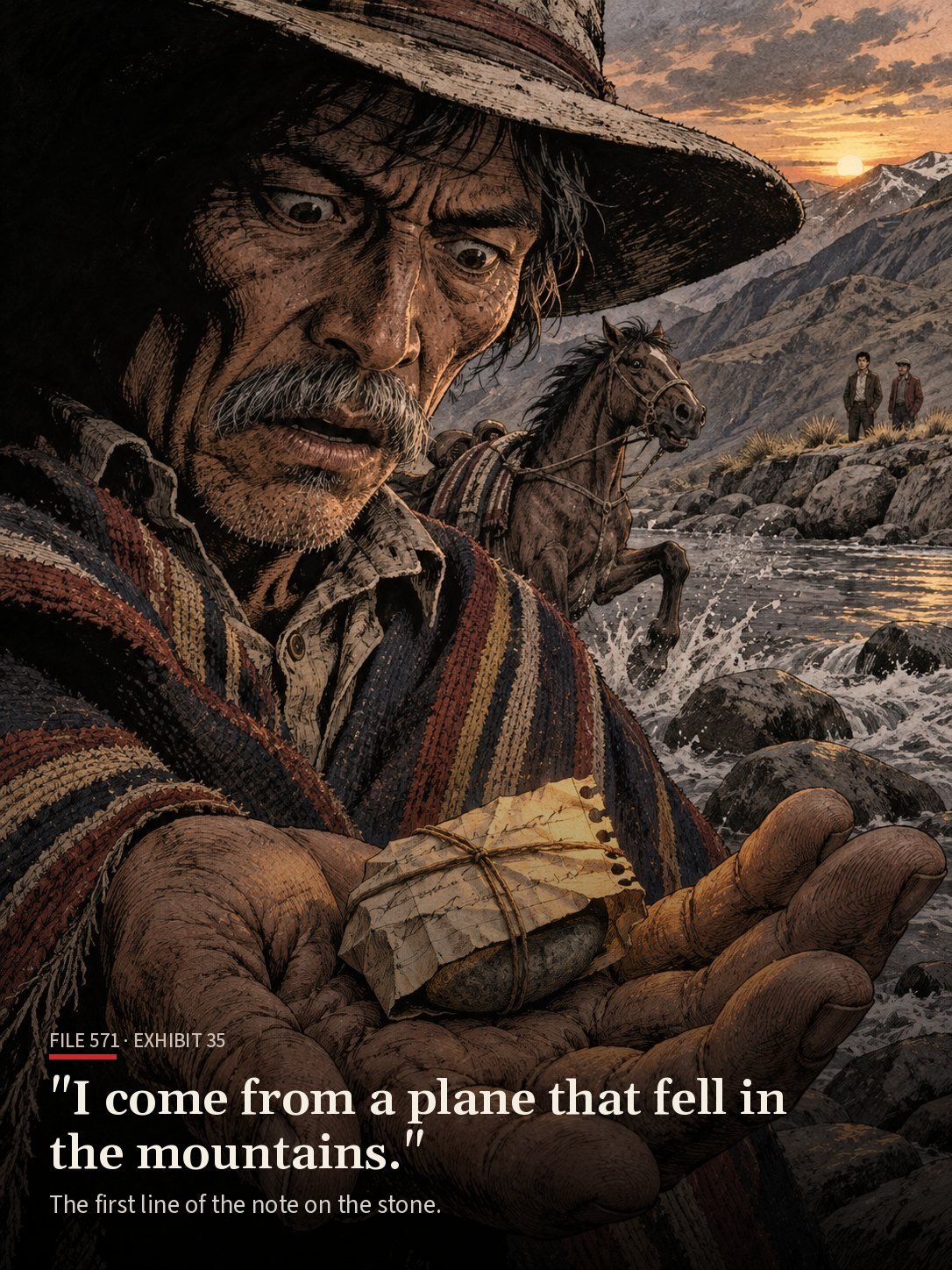
The river was too loud to talk across. The herdsman, Sergio Catalán, was 44 years old and tending animals in the valley. He tied a pencil and paper to a stone and threw it over the water.


Parrado wrote a note, wrapped it around a stone and threw it back. It began:

“Vengo de un avión que cayó en las montañas. Soy uruguayo.” (“I come from a plane that fell in the mountains. I am Uruguayan.”)
The note said they had been walking for ten days, that a friend was hurt, and that more people were still alive at the plane. It ended with a question: Where are we?
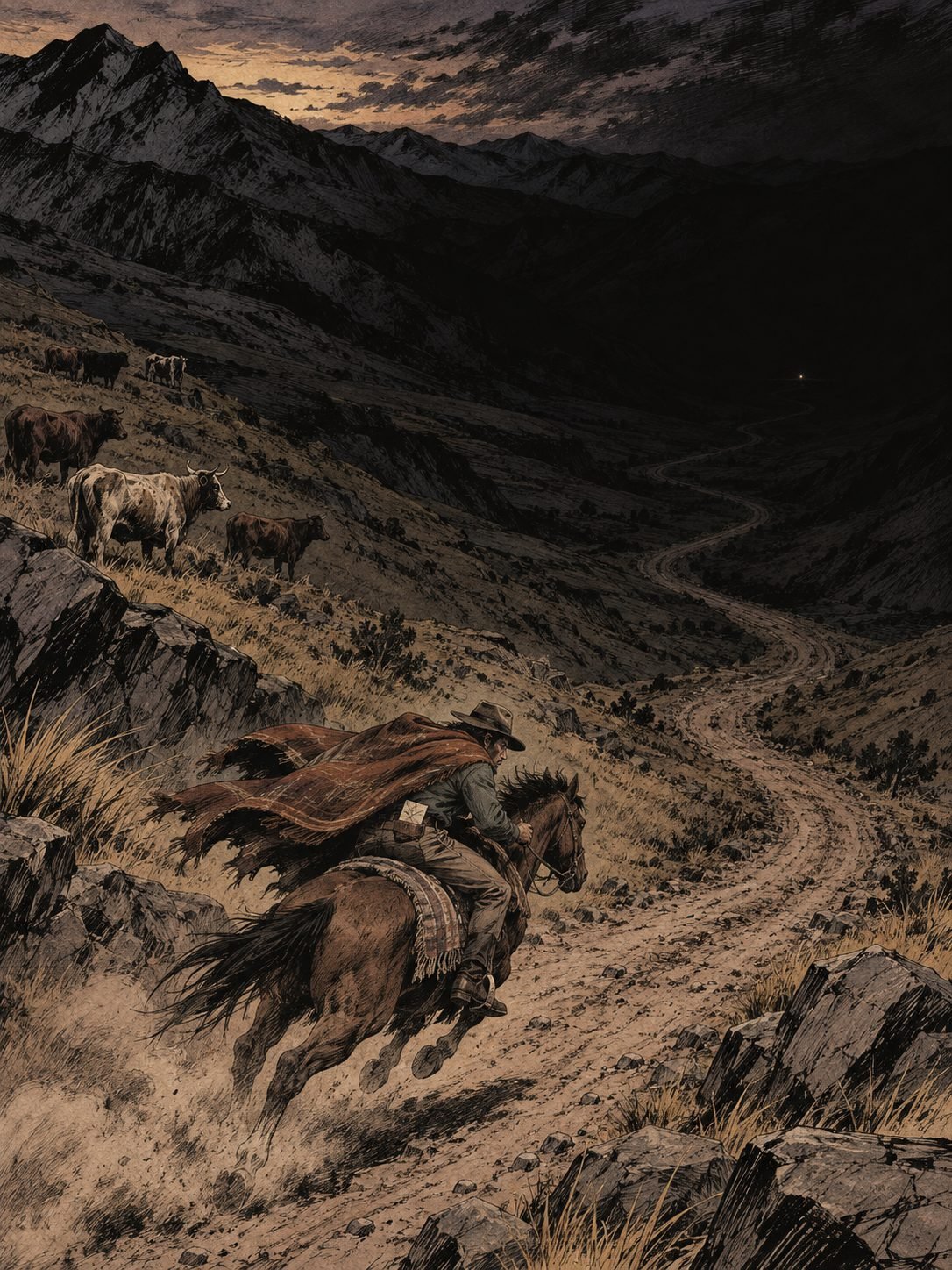
Catalán rode for help. He travelled for hours down the valley, reached a road and alerted the authorities.
The rescue that came after the search had ended
On 22 December, two helicopters flew into the Valley of Tears, with Parrado on board to guide them. They took out six survivors. Bad weather forced the rest to wait one more night. On 23 December, the last eight were lifted off the glacier.

Of the 45 people on Flight 571, sixteen came home.

The search had ended in October. The rescue happened in December, because two of the people the world had given up on walked out and found someone.
Related cases: Joe Simpson’s crawl down Siula Grande; José Salvador Alvarenga’s 438 days adrift; the JAL Flight 123 crash on Osutaka Ridge.
Evidence locker
Real photographs only. The drawings above are illustrations.
 EXHIBIT A · TAP TO ENLARGE
 EXHIBIT B · TAP TO ENLARGE
 EXHIBIT C · TAP TO ENLARGE
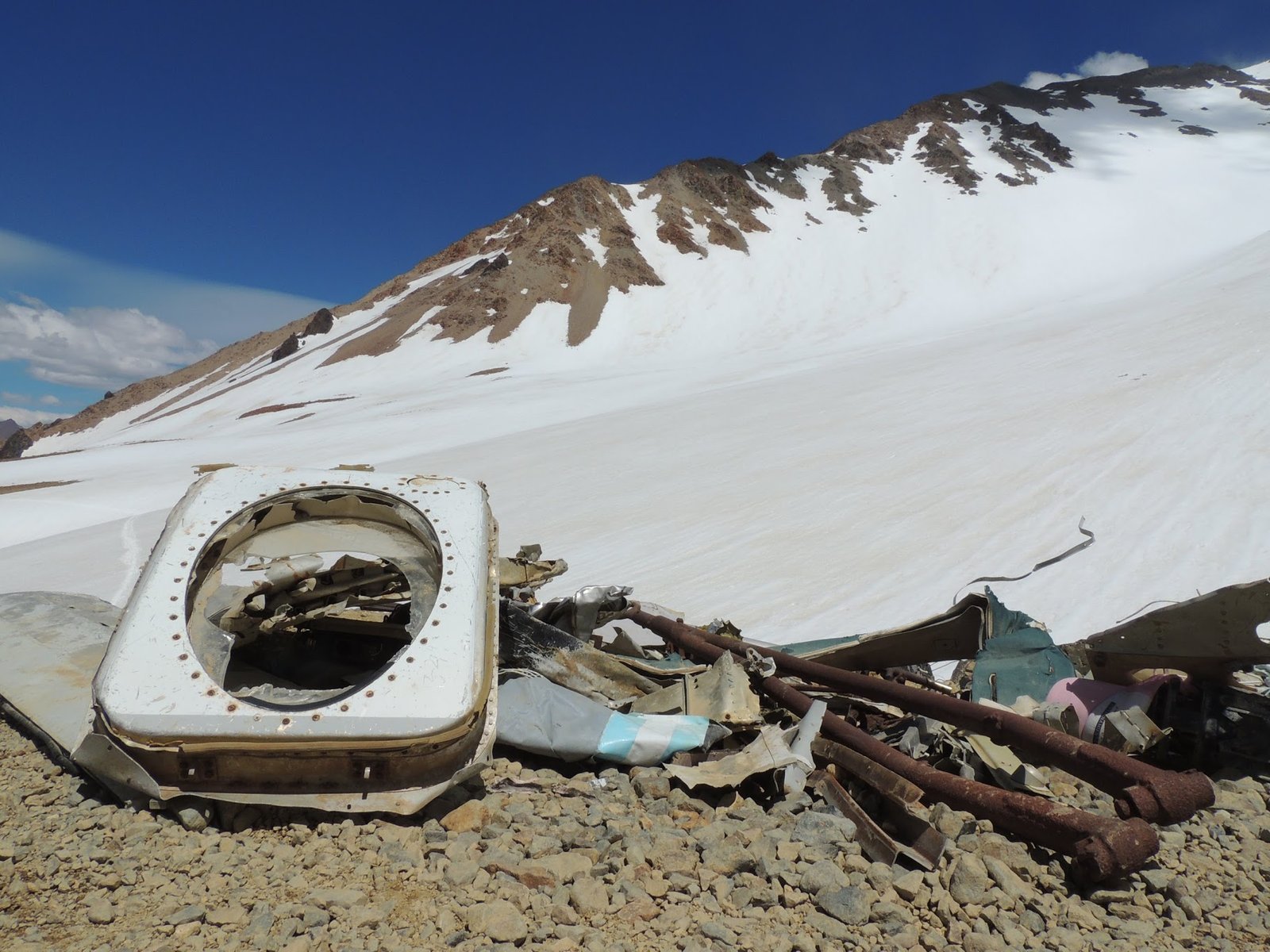 EXHIBIT D · TAP TO ENLARGE
 EXHIBIT E · TAP TO ENLARGE
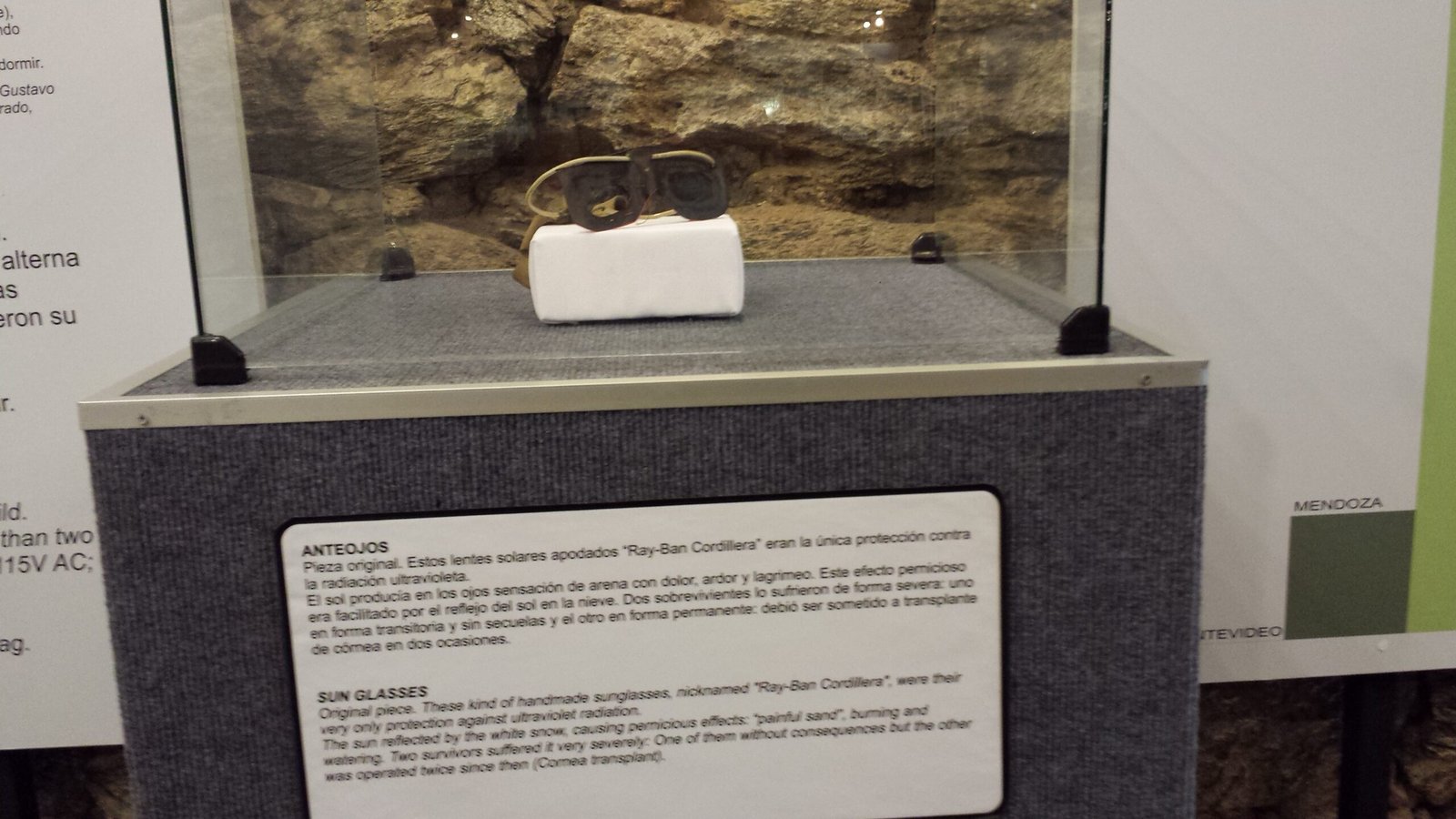 EXHIBIT F · TAP TO ENLARGE
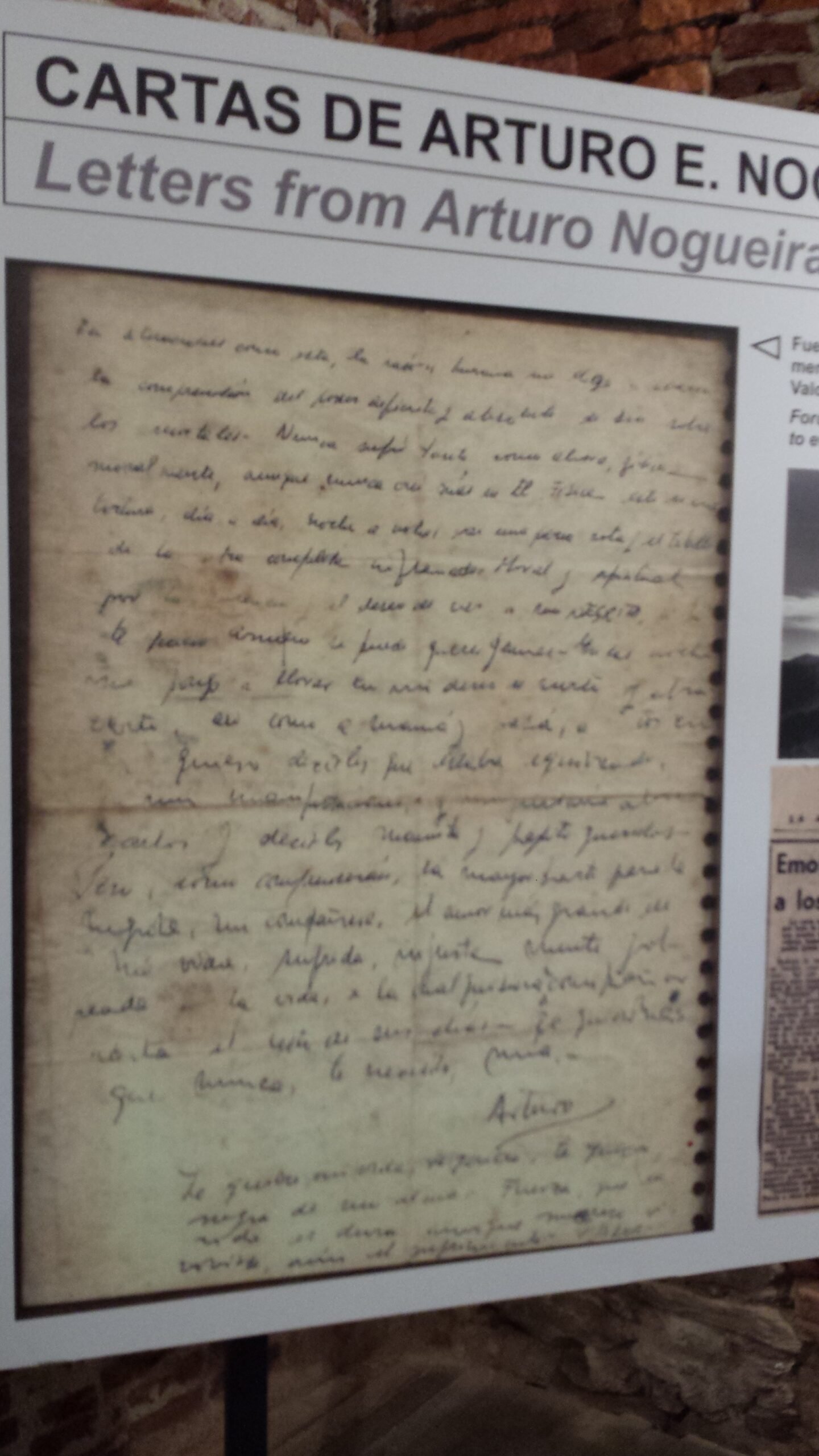 EXHIBIT G · TAP TO ENLARGE
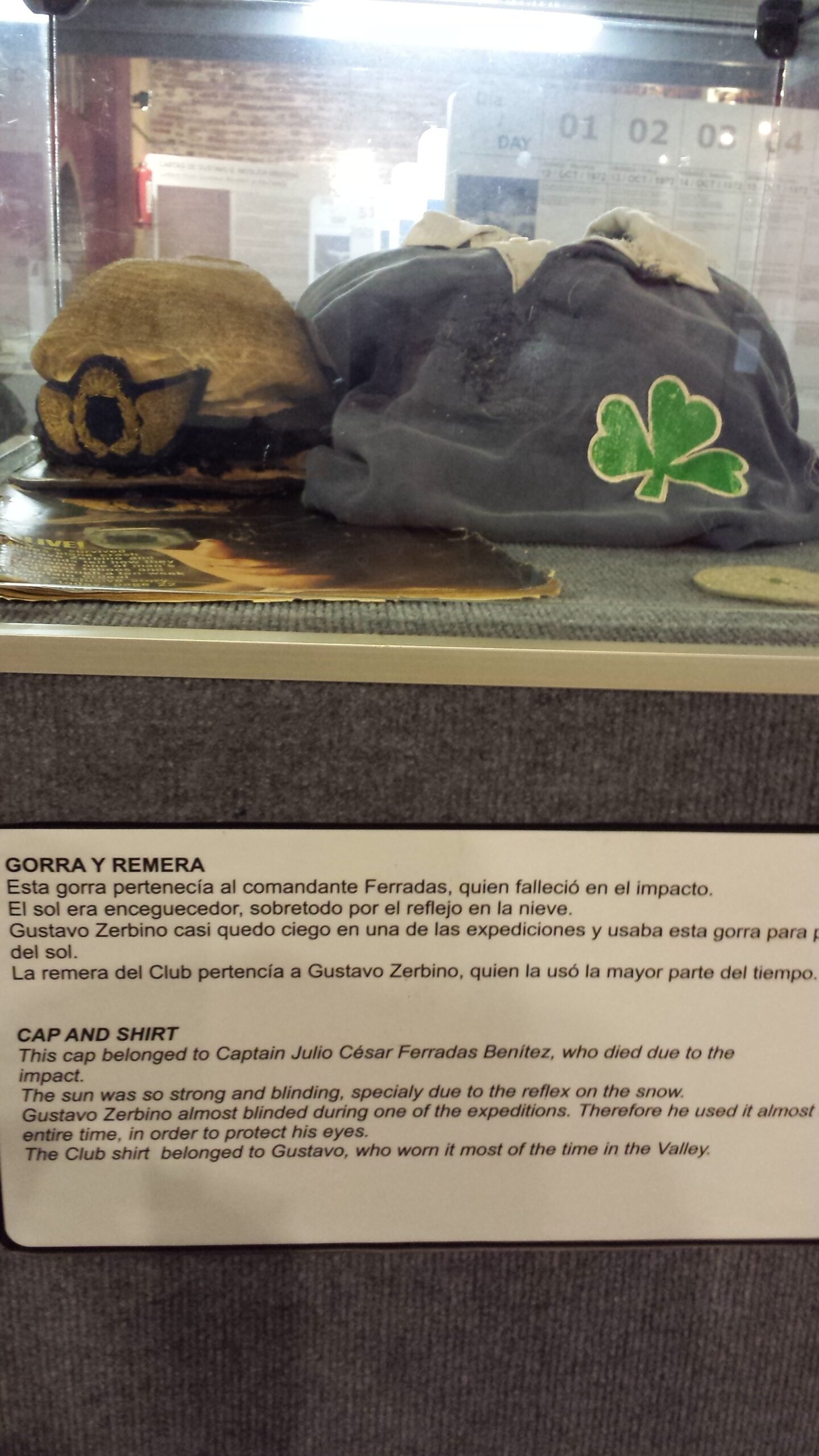 EXHIBIT H · TAP TO ENLARGE
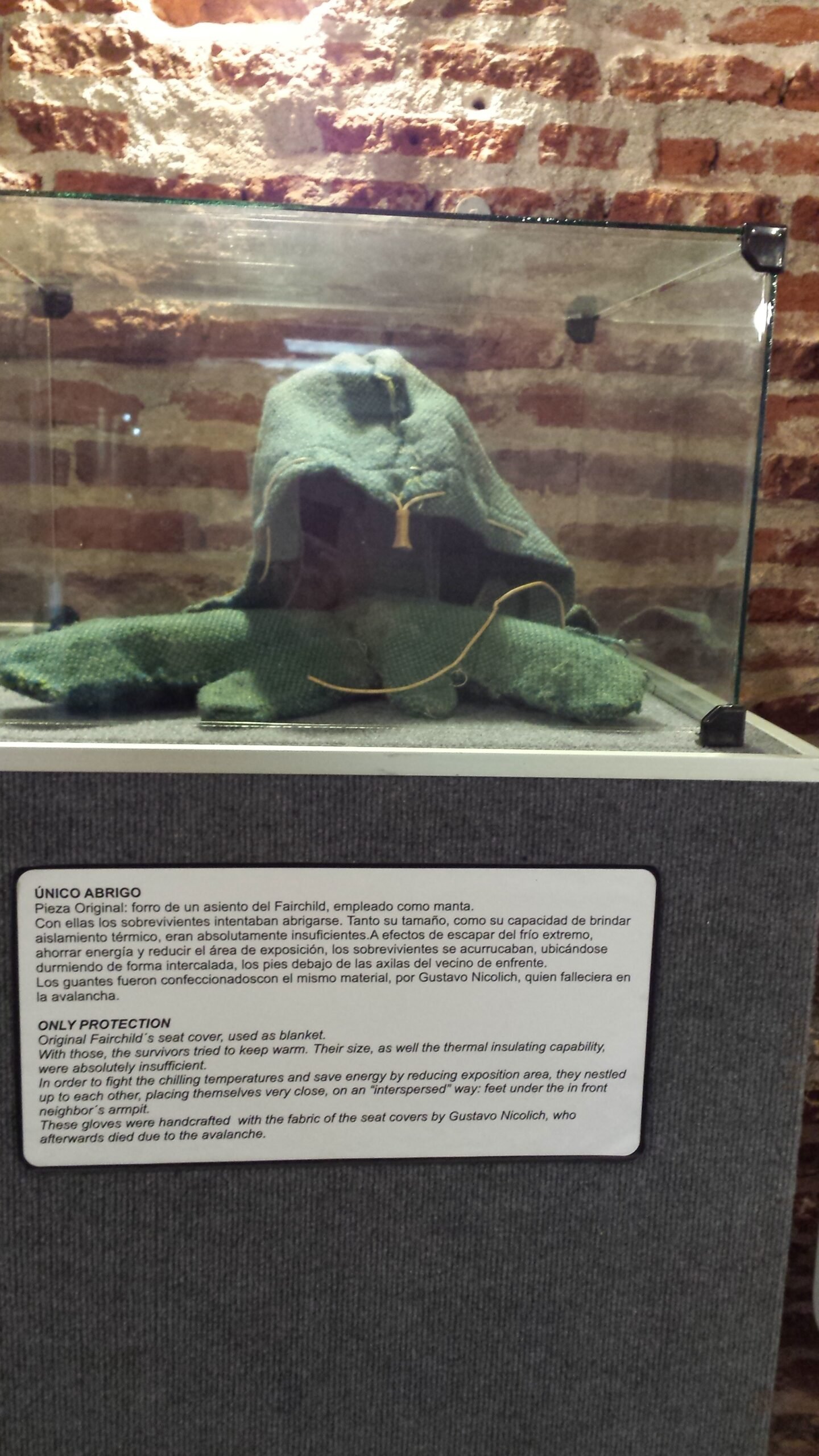 EXHIBIT I · TAP TO ENLARGE
 EXHIBIT J · TAP TO ENLARGE
 EXHIBIT K · TAP TO ENLARGE
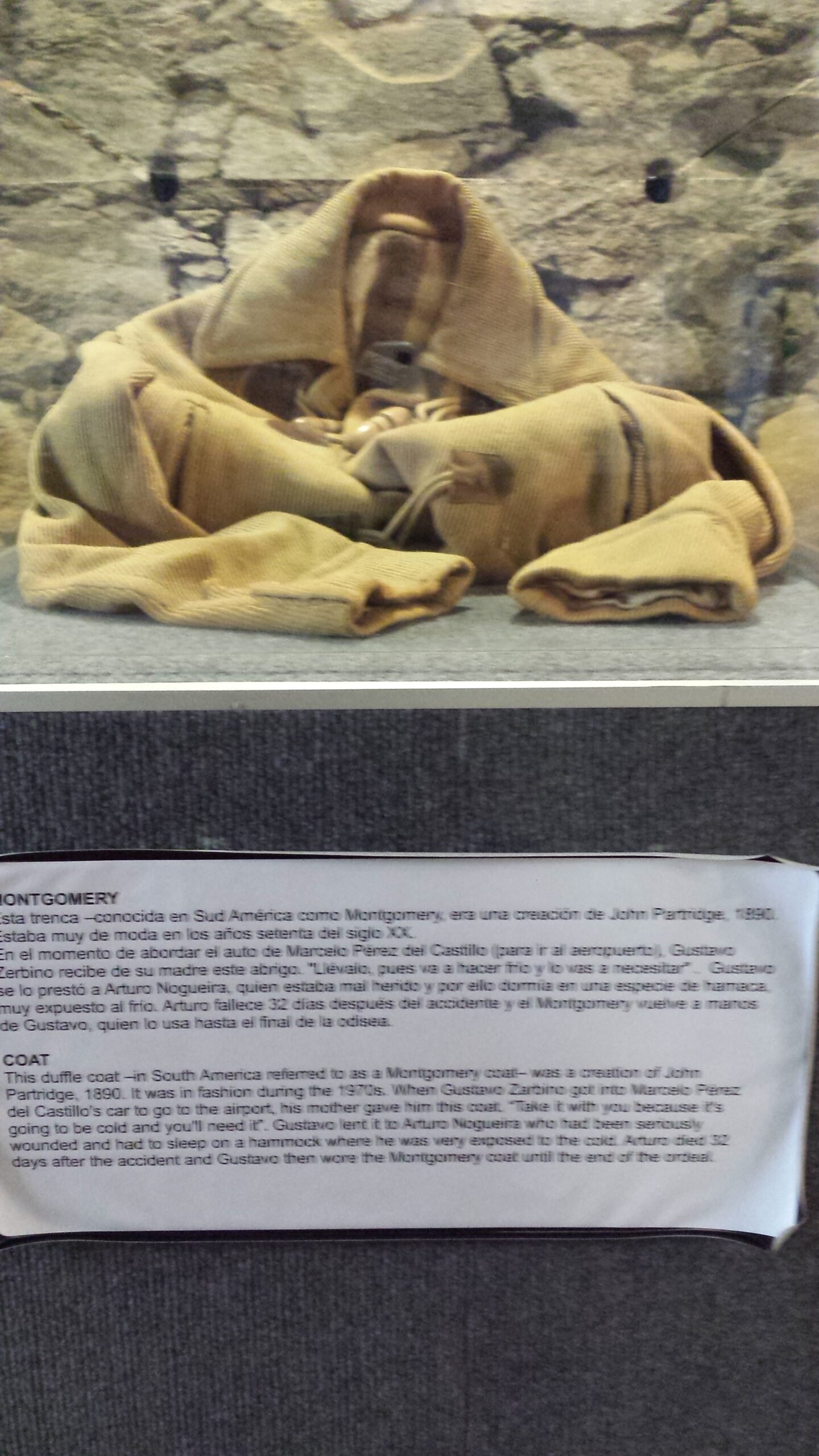 EXHIBIT L · TAP TO ENLARGE
The story you may have heard, and what the file says
| What people often say | What the record shows |
|---|---|
| “It was a plane full of rugby players.” | Many passengers were from the Old Christians club, but the 45 on board included friends, family members and 5 crew. |
| “Rescuers found them in the mountains.” | The search was called off after eight days. The rescue began only after two survivors walked out and a herdsman raised the alarm. |
| “The plane crashed in Chile.” | The wreck lies in Argentina’s Mendoza province, about 1.2 km from the Chilean border. |
| “They were found by luck.” | They melted snow for water, sewed a sleeping bag from insulation, and scouted the tail before choosing a route. |
| “The crash was caused by a storm.” | The decisive error was a wrong position report. The crew believed they had passed Curicó and turned north while still over the mountains. |
Why the real record is stranger than the legend. The legend makes it a story about luck or about one terrible choice. The file shows a group of mostly young people who had never seen a glacier. They ran a small society for ten weeks, buried their friends, survived an avalanche, and then sent two of their own over a mountain that had no visible end. The rescue did not find them. They found the rescue.
Where the argument is
Fifty years on, three arguments keep coming back.
1. The decision. The moral question was fierce in 1972 and still divides first-time readers. The survivors have always spoken about it openly. They describe it as a pact between friends, and the Church absolved them. Most of today’s discussion has moved from “was it wrong?” to “what would I have done?”
2. Which film tells it right. Alive (1993) centres on Parrado and Canessa as the heroes of the escape. Society of the Snow (2023) is told through the voice of Numa Turcatti, who did not survive, and treats the group as one body. Critics have praised the newer film for its Uruguayan cast and its more accurate escape sequence.
3. Could they have been found sooner? Some people argue the search should have continued. Others point to the white-on-white problem and to the wrong position report, which sent searchers looking in the wrong part of the range.
On the record as it stands, we put more weight on the collective reading. The escape needed Parrado and Canessa’s walk. It also needed everything the others did on the glacier for 61 days before that walk began: the water, the sleeping bag, the medicine and the decision they made together. The record shows that the two men who walked out were sent by everyone who stayed.
Quick answers
How many people survived the 1972 Andes plane crash? Sixteen of the 45 people on board survived. They were rescued on 22 and 23 December 1972.
How long were the survivors on the mountain? 72 days, from the crash on 13 October to the final rescue on 23 December 1972.
Where did Flight 571 crash? In the Valley of Tears, in Argentina’s Mendoza province, about 3,500 metres up and about a kilometre from the Chilean border.
Who found the survivors? Nobody found them. Nando Parrado and Roberto Canessa walked out, and on 20 December they met a Chilean herdsman, Sergio Catalán, who rode for help.
What is a little-known fact about the Andes plane crash? The survivors learned from a transistor radio, on their eleventh day, that the search for them had been called off.
Editor’s note
The moment that hits me hardest is the survivors hearing on the radio that the search had been called off. They could hear the outside world, but they had no way to send back the words “we are alive”. It shows me how easily we can misjudge someone’s situation when their call for help cannot reach us.
I tried to imagine what I would have said first if one of the survivors had been my own family. I think I would have started with thank you for coming home alive. Thinking that way, I feel I should listen to what they endured before I judge their choices from somewhere comfortable.
I think people keep returning to this story because so many of its choices make you question yourself. Short of food, the group gave larger shares to the men who would try to cross the mountains, and they sewed a sleeping bag together. Even knowing how it ends, I stay a long time on that scene, asking whether I could bear my own hunger and trust someone enough to give up my share.
— Strange World Files
Sources
- Encyclopaedia Britannica, “Uruguayan Air Force flight 571”
- Nando Parrado, as told to Chris Godfrey (The Guardian, via Irish Examiner, 2024)
- Río Negro, “Tras las huellas del arriero chileno que salvó a los rugbiers” (on Sergio Catalán, 2020)
- National Geographic Brasil, on the crash site location (2024)
- Den of Geek, “Society of the Snow vs. Alive” (2024)
- Museo Andes 1972, Montevideo