Buried 24 Hours in an Alpine Crevasse With a Broken Leg. His Voice Saved Him

Maurienne, French Alps, 8–9 November 2026. An avalanche swept a lone ski tourer into a crevasse. After about five hours of digging, rescuers heard his voice.

Narrated Mystery: press play and hear the whole case read aloud, like a true crime podcast episode, or an audiobook for a long drive (about 4 minutes). The narrator is an AI voice.
What the record shows
- Who: A ski tourer out alone with no working avalanche beacon
- What: An avalanche threw him into a crevasse with a badly broken leg; he crawled about 100 metres to an air pocket
- Found: After two days of searching and five hours of digging, rescuers found him by his own voice
Still uncertain
- How deep the crevasse was.
- Whether his transceiver was missing or broken.
- How he kept warm through Sunday night.
Saturday: a night in the refuge
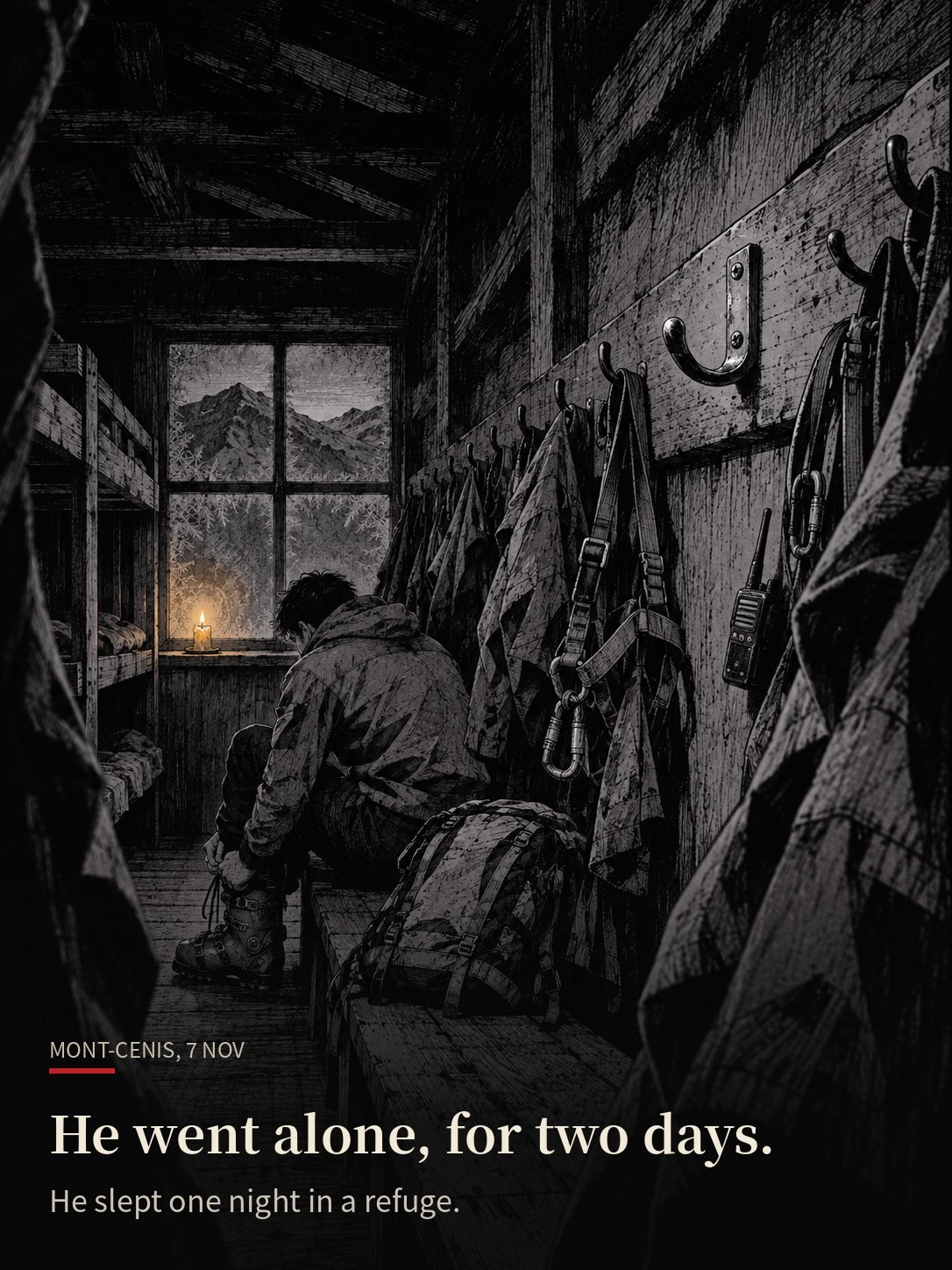
On Saturday 7 November 2026, a 39-year-old ski tourer from the Grenoble area set off alone on a two-day trip in the Mont-Cenis massif, in the Maurienne valley of Savoie. (SG) (GR)


He started from the village of Bramans and spent Saturday night in a mountain refuge. (SG)
He was alone. According to rescuers, he carried no avalanche transceiver and no way to call for help. (GR) (ODS)
Sunday: the couloir
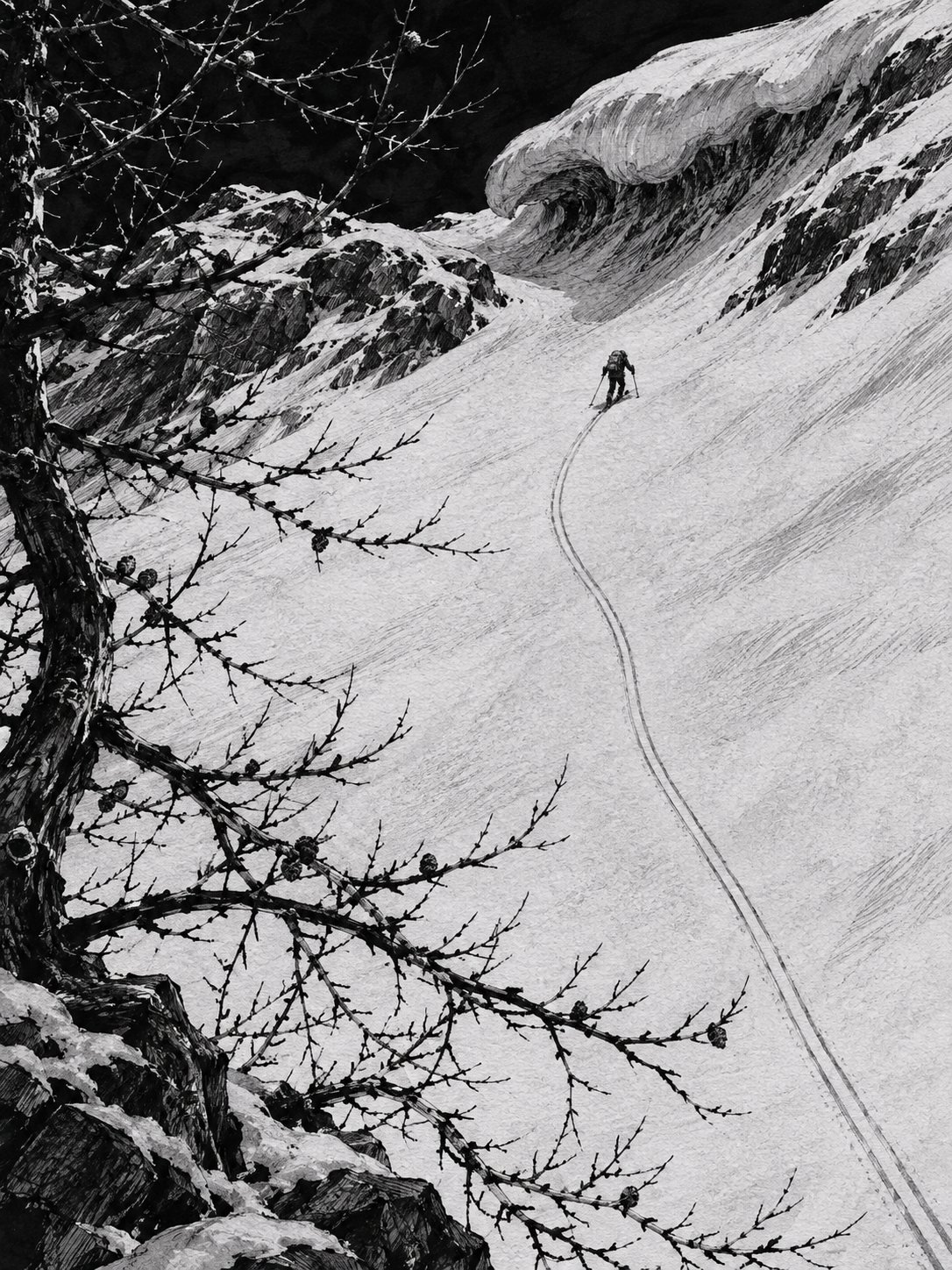
On Sunday morning he climbed the Vallon d’Ambin, near Modane, heading for the Pointe Sommeiller. (GR) (SG)

On a steeper section he took off his skis to cross a snow couloir. The slope released. (GR) (SG)
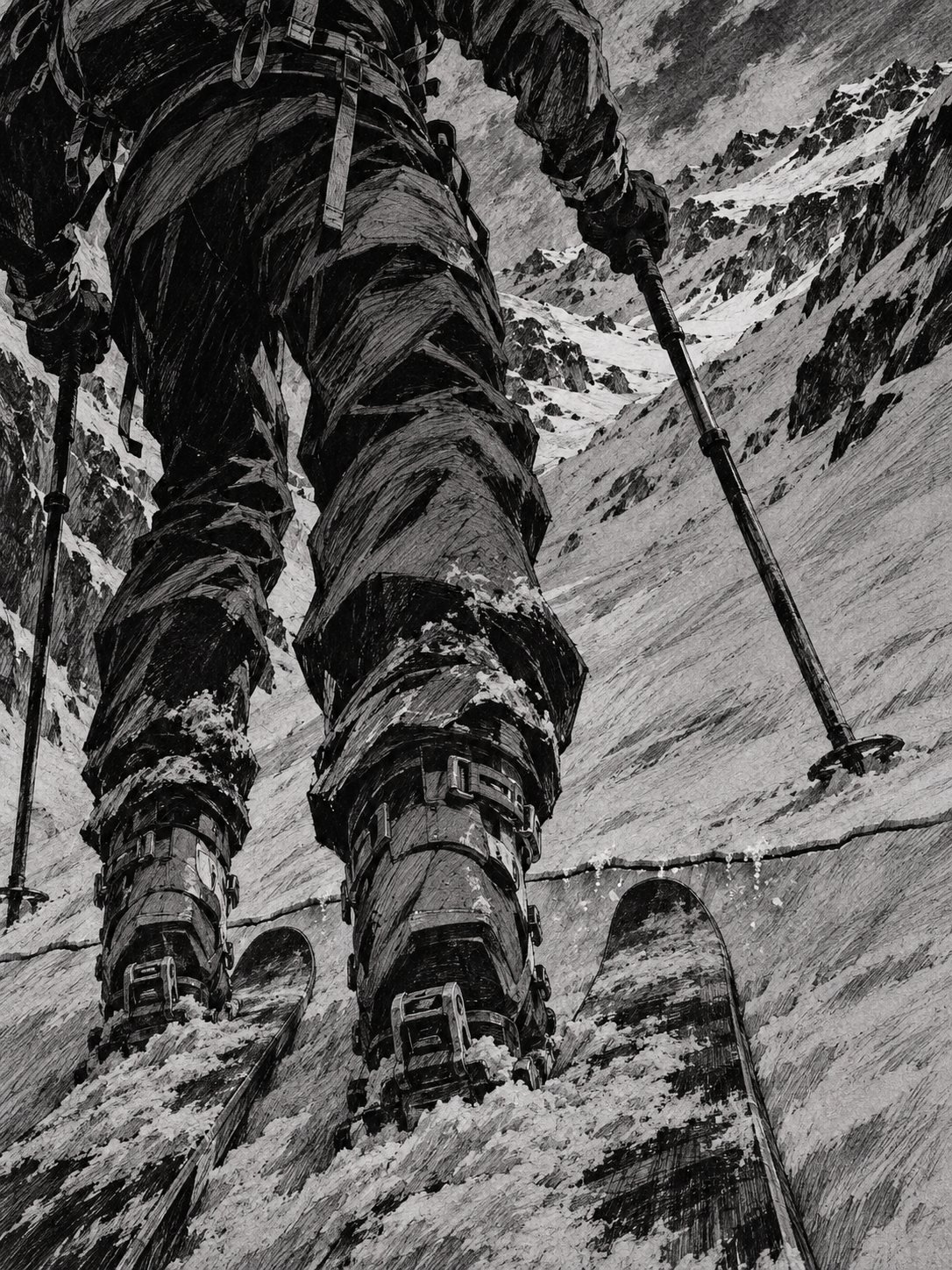
The avalanche carried him down and into a crevasse. (ODS) (GR)
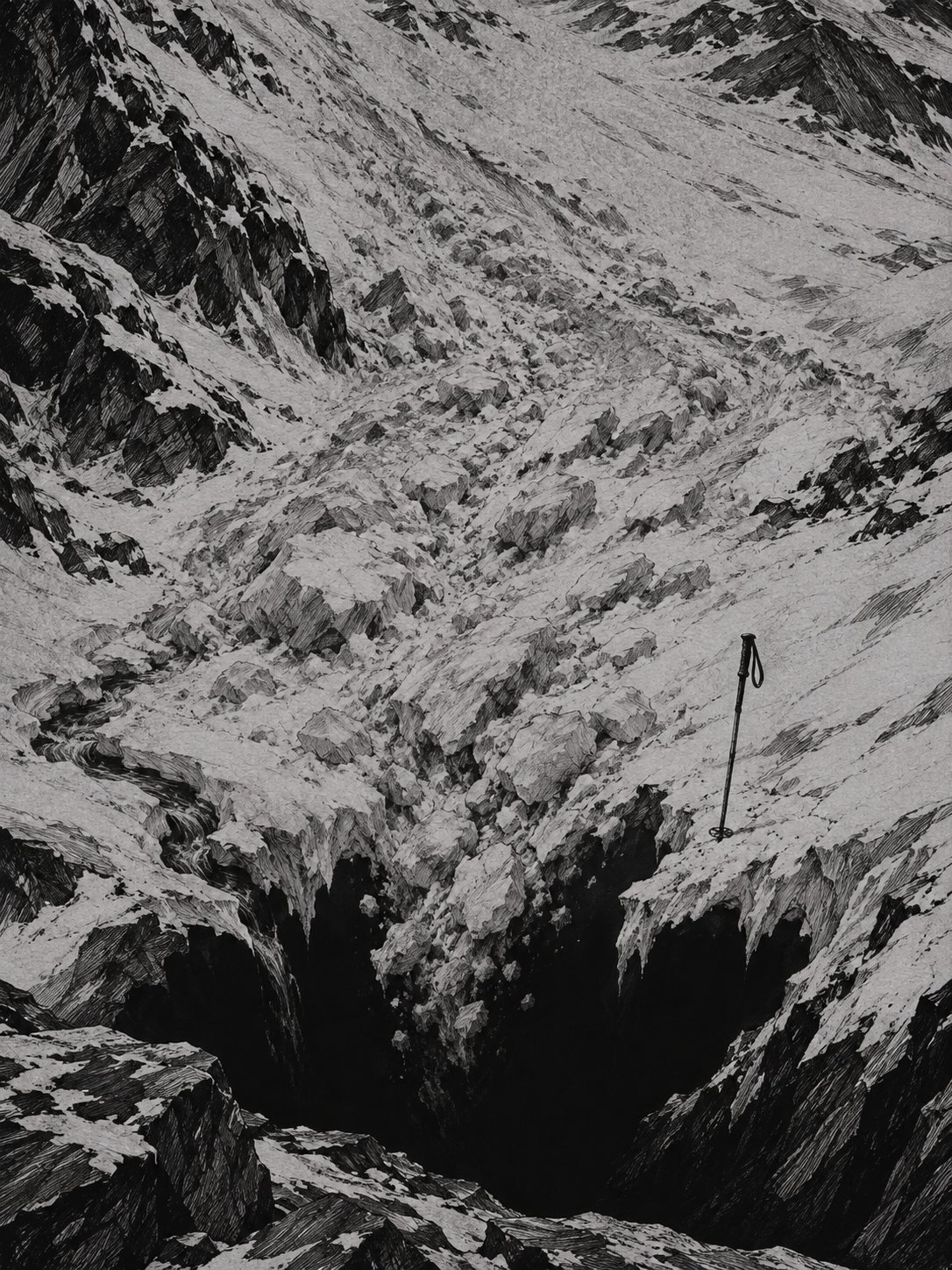
How badly was the ski tourer hurt?
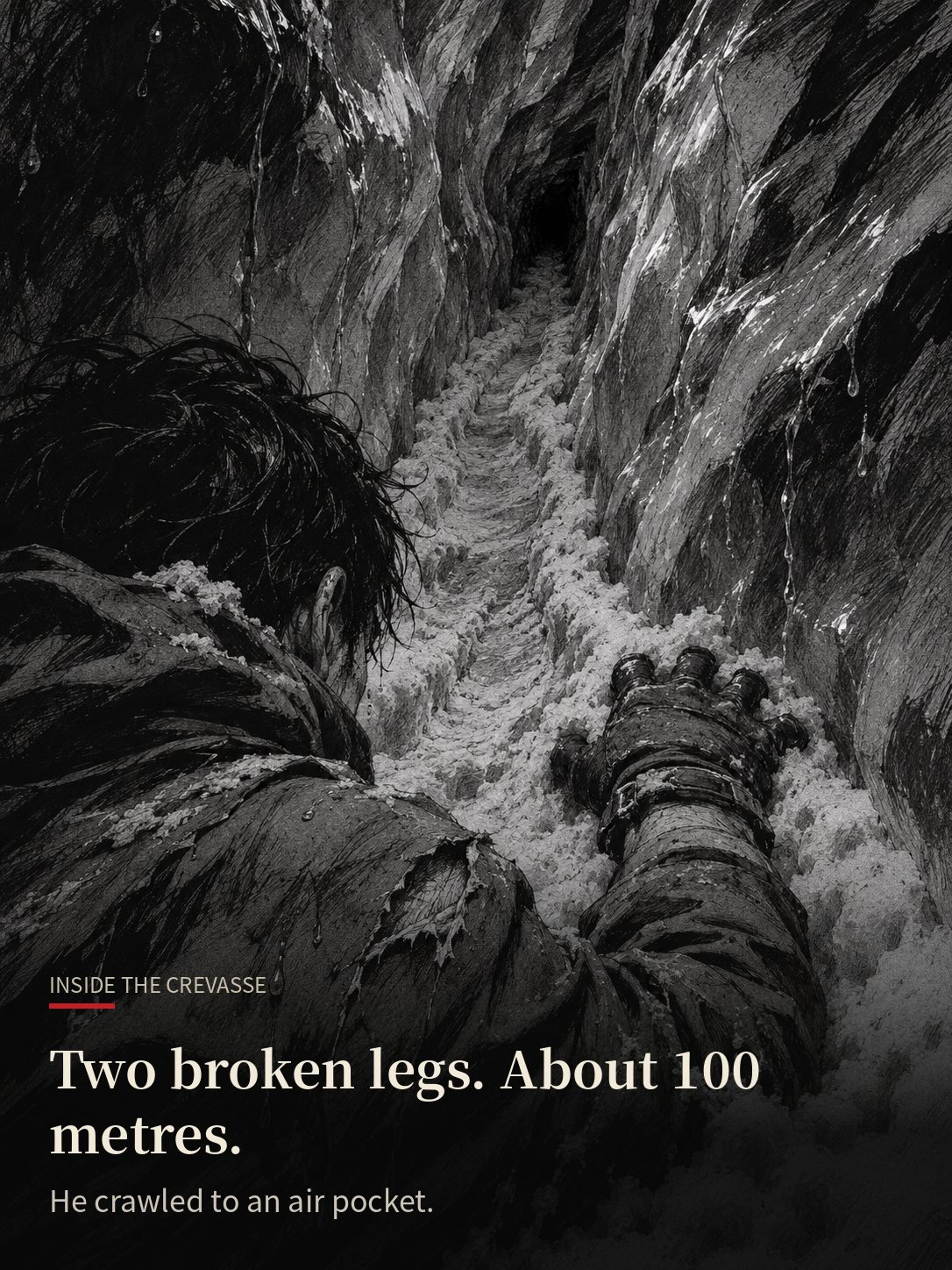
His femur was broken. So were the tibia and fibula. (ODS) (LRP)
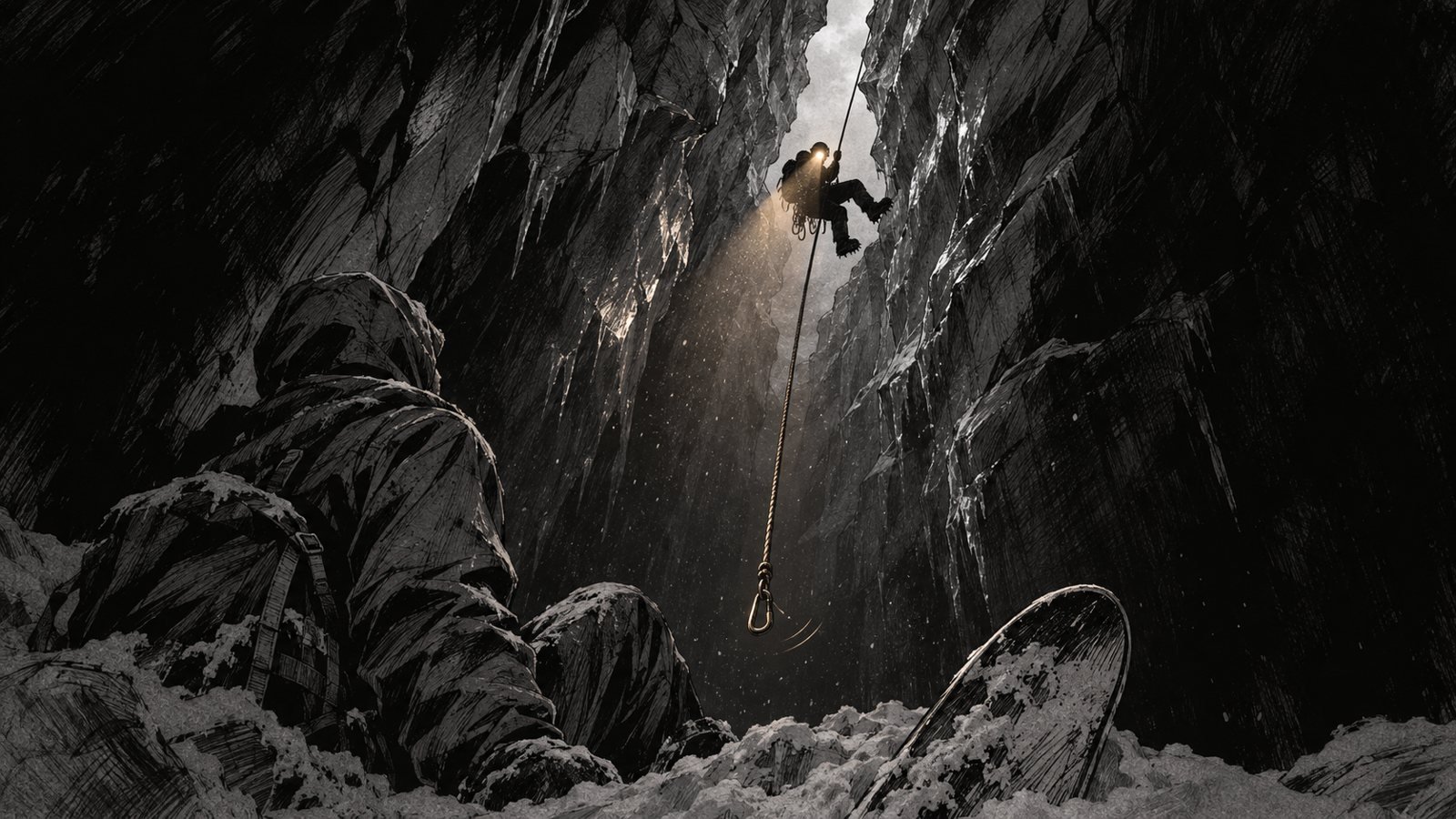
He crawled anyway. Reports say he dragged himself about 100 metres through the crevasse until he reached an air pocket between the rock and the ice. (ODS) (GR)
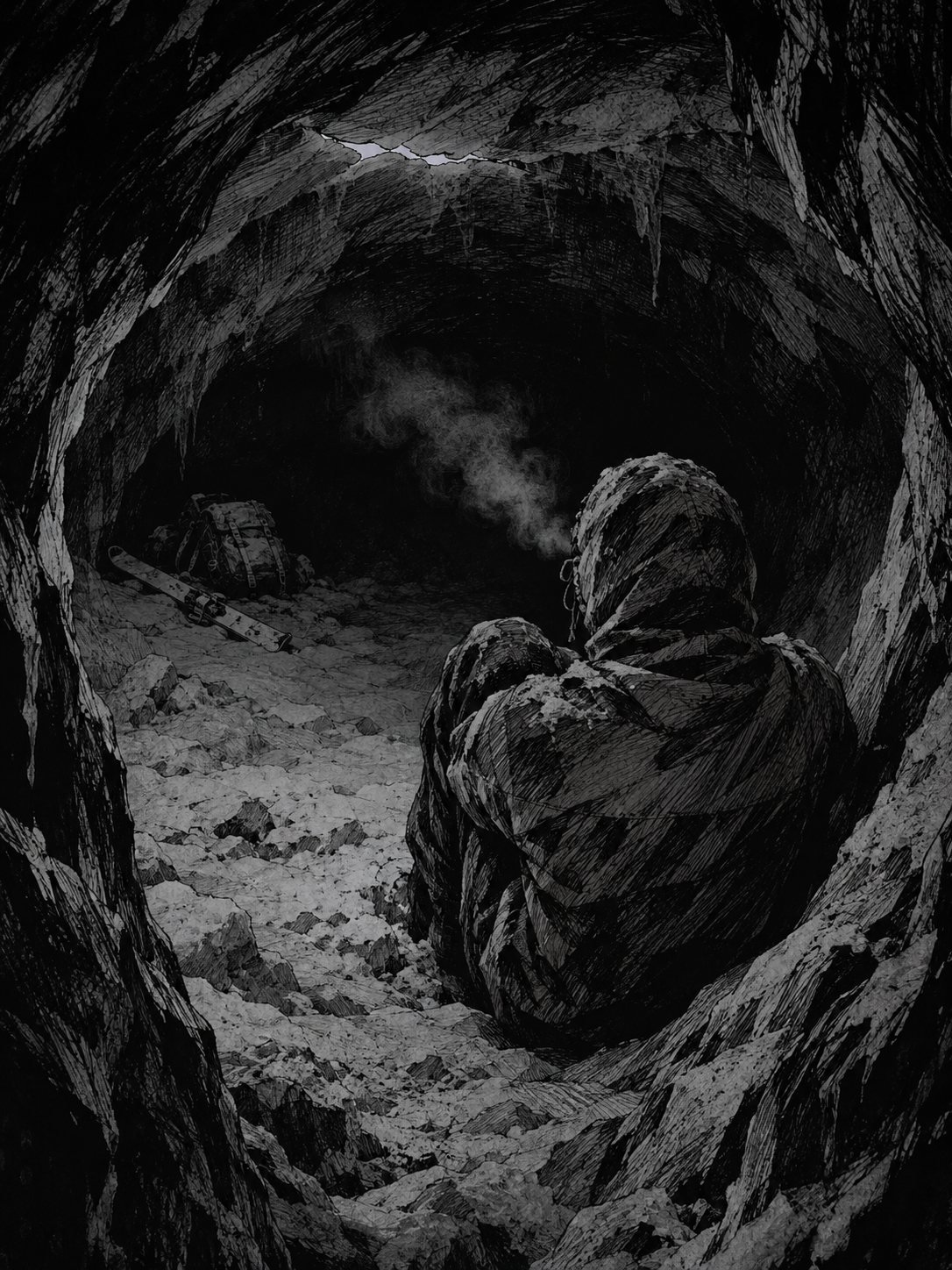
He could go no further. A rescue officer later explained that the slope was too steep for him to climb back up. (GR)
He spent Sunday night there, hurt, in the dark. (SG)
Sunday night: nobody knew where
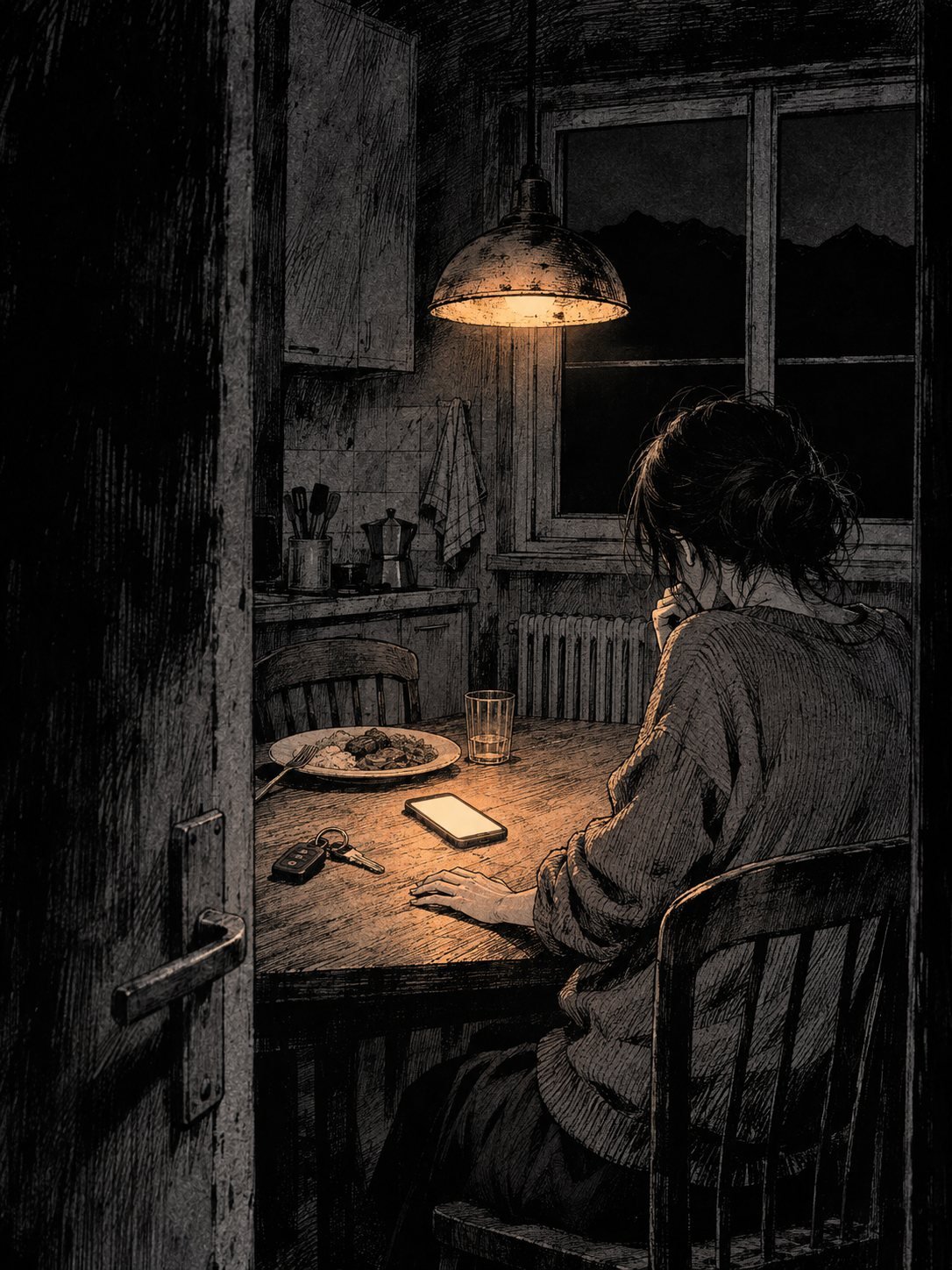
His relatives raised the alarm on Sunday evening, when they had heard nothing from him. (GR) (ODS)
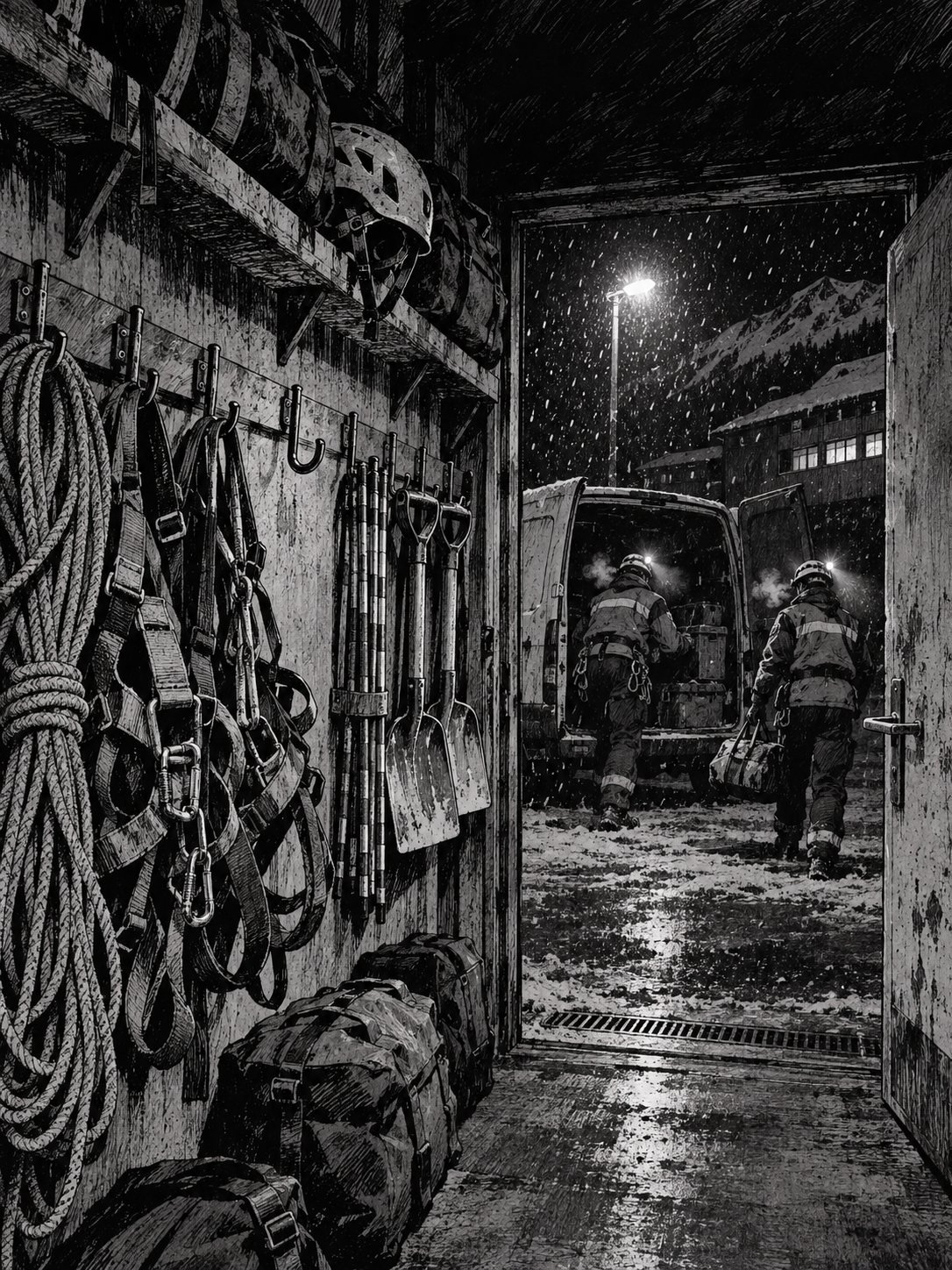
Rescuers from the CRS Alpes found the avalanche path. They searched on foot until the middle of the night. They did not find him. (GR) (ODS)
Monday: three helicopters
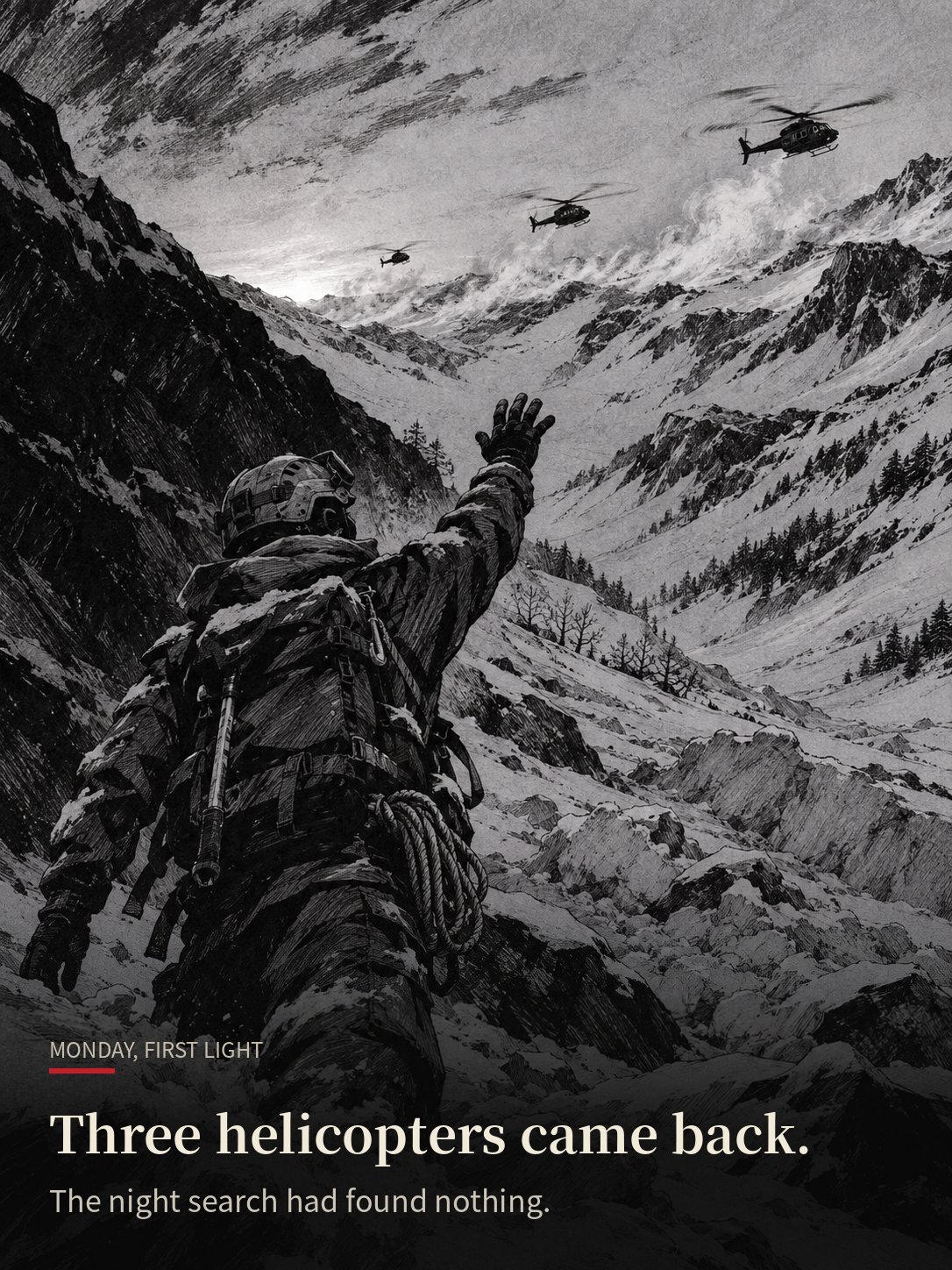
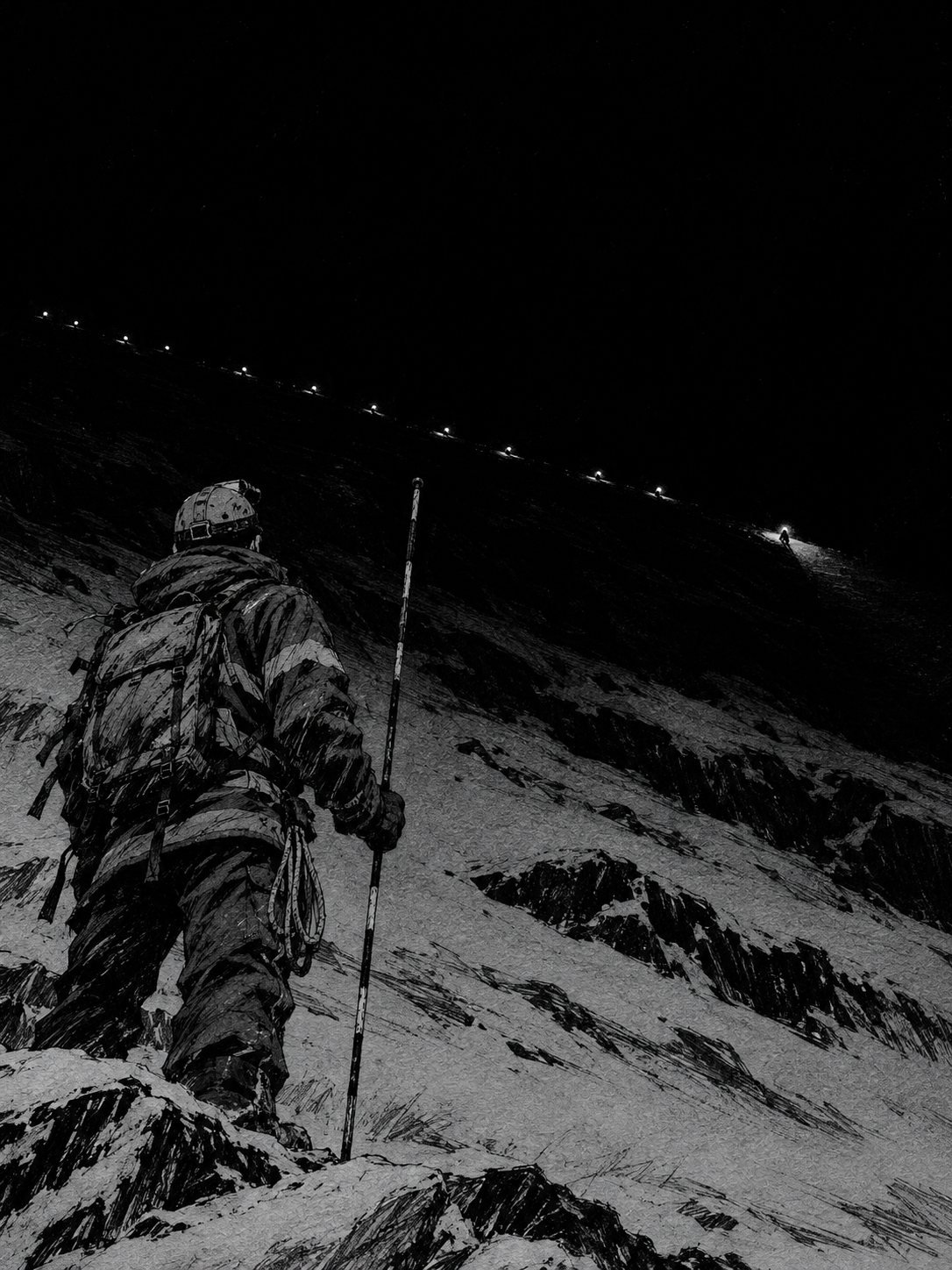
At first light on Monday 9 November, the search started again by helicopter. (GR) (ODS)
The operation grew to 22 CRS rescuers, six gendarmes from the Savoie high-mountain unit (PGHM), a SMUR emergency doctor, two dog teams and three helicopters. (ODS) (LRP)
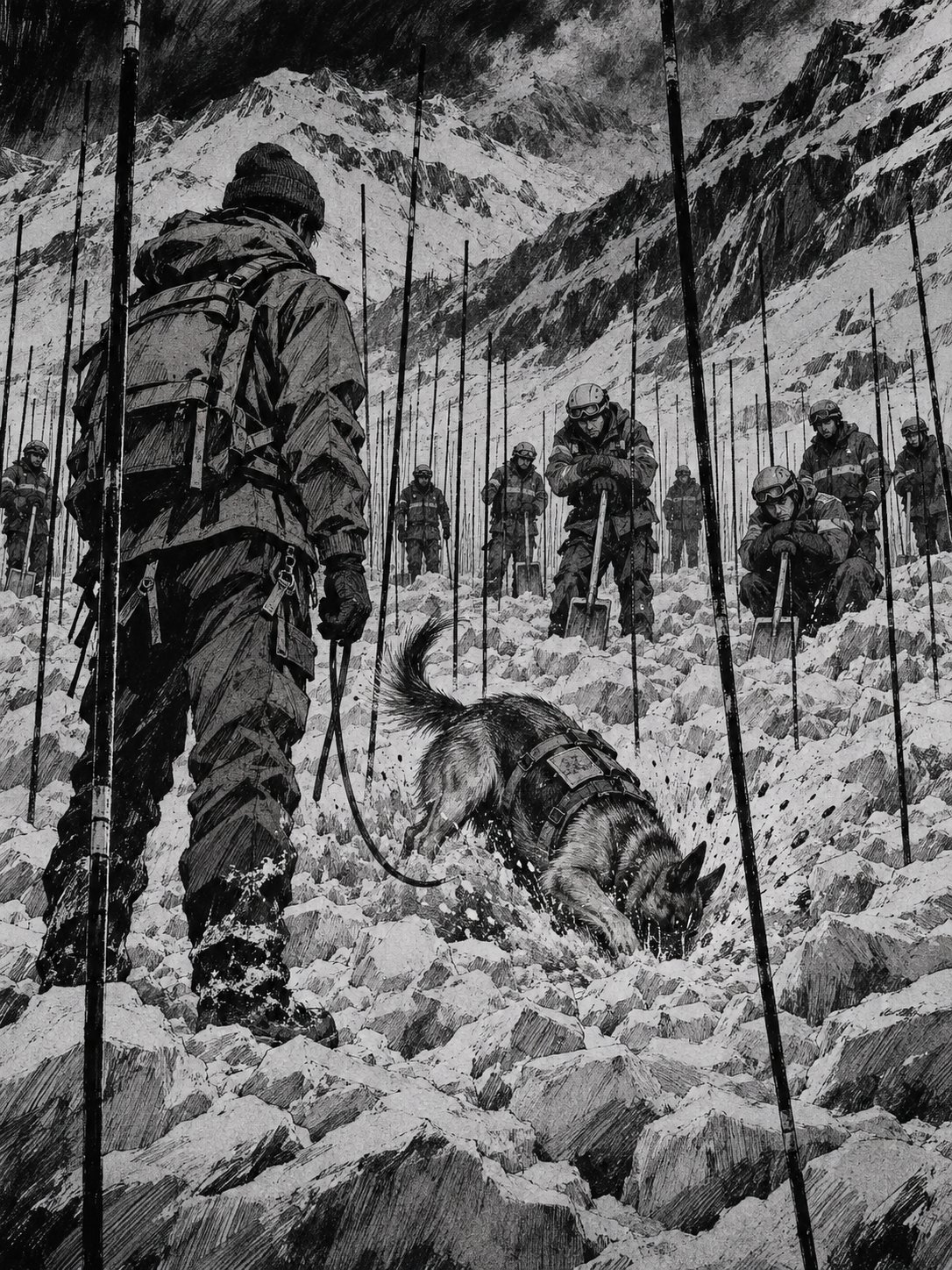
They probed and dug in the avalanche debris, even though the slope could slide again. (GR)
The ski in the snow
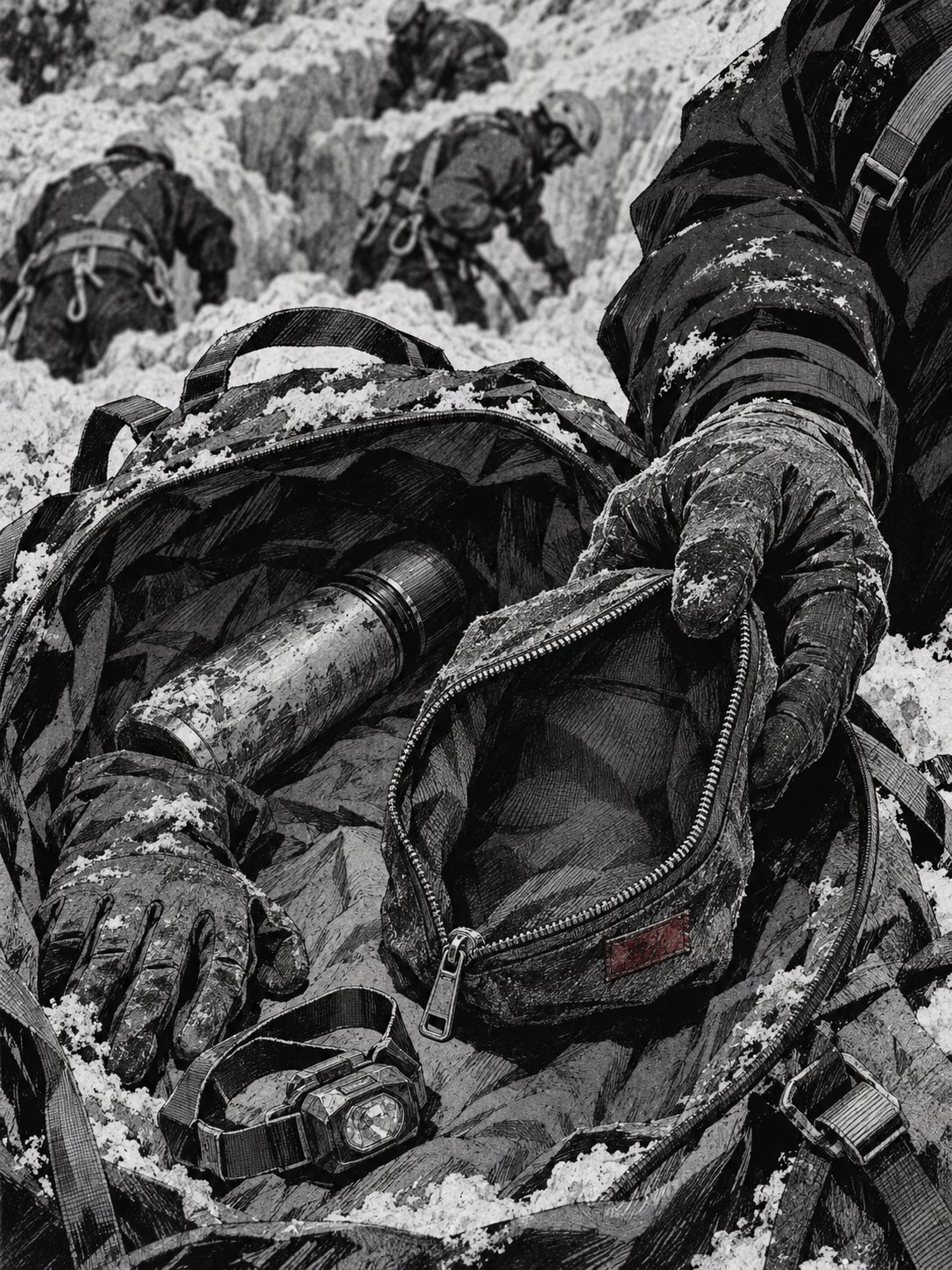
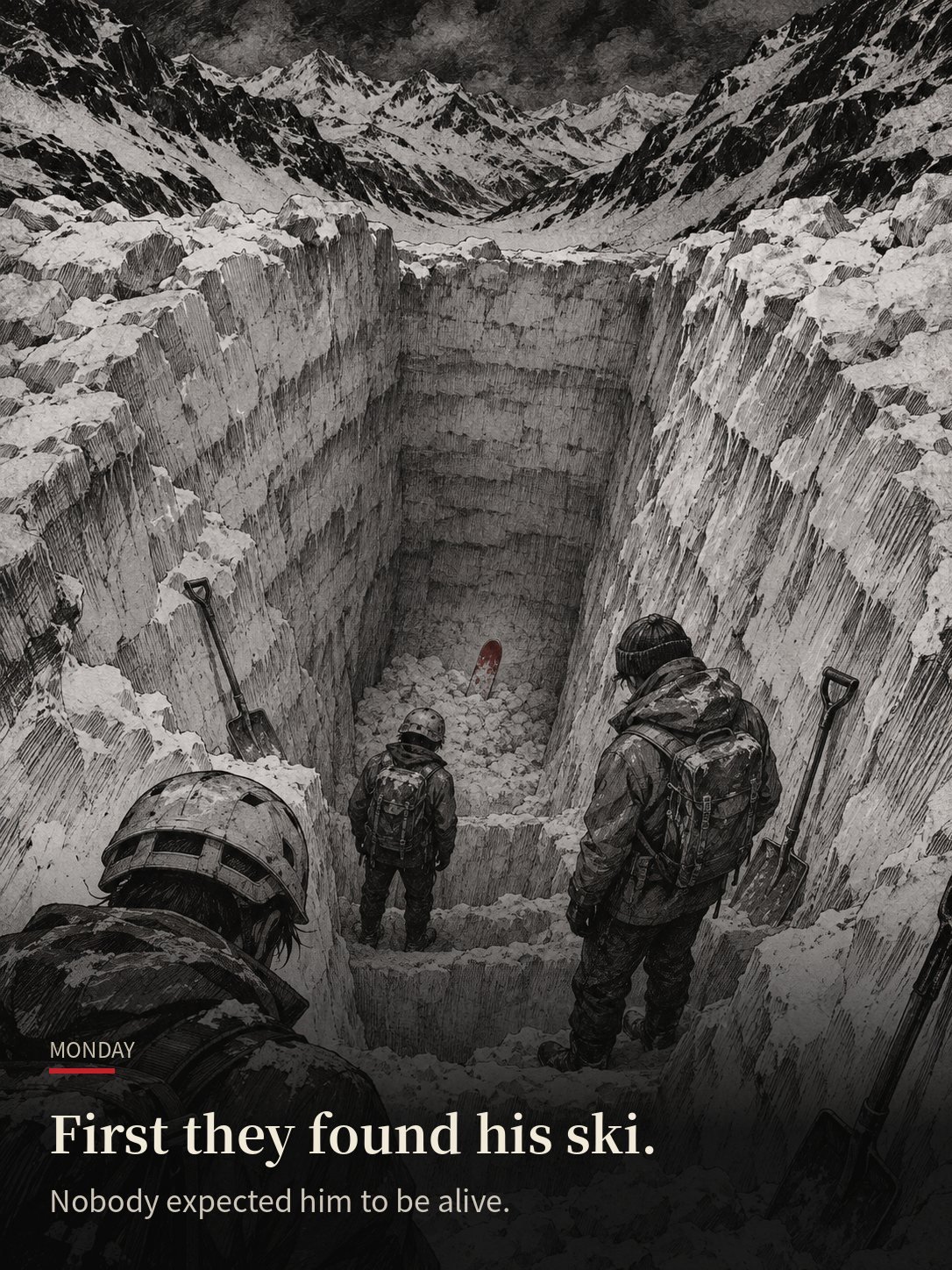
Along the way they found his ski, and then his backpack. (GR)
A rescue officer said afterwards that the team did not expect to find him alive. (GR)
How did rescuers find him?
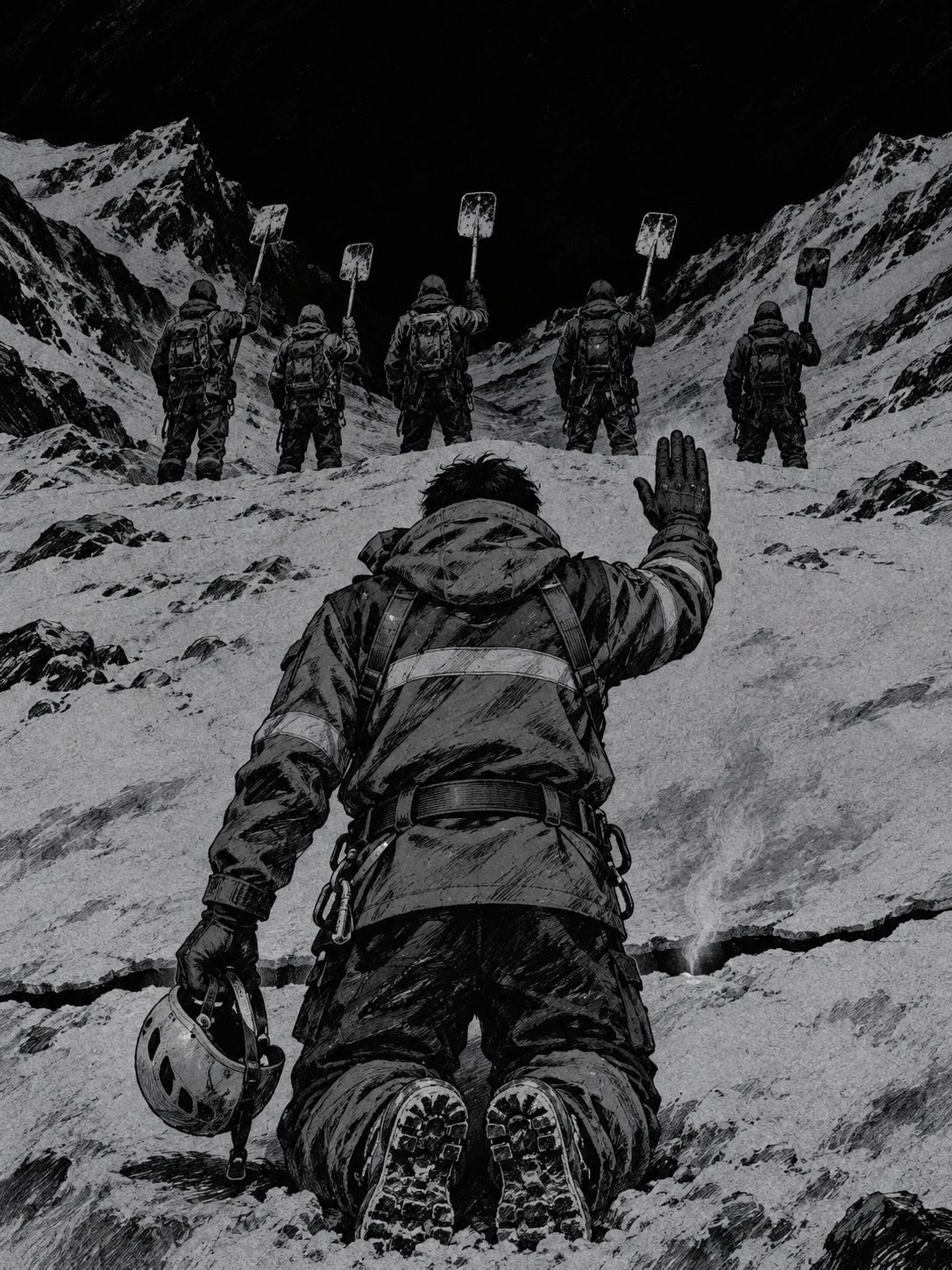
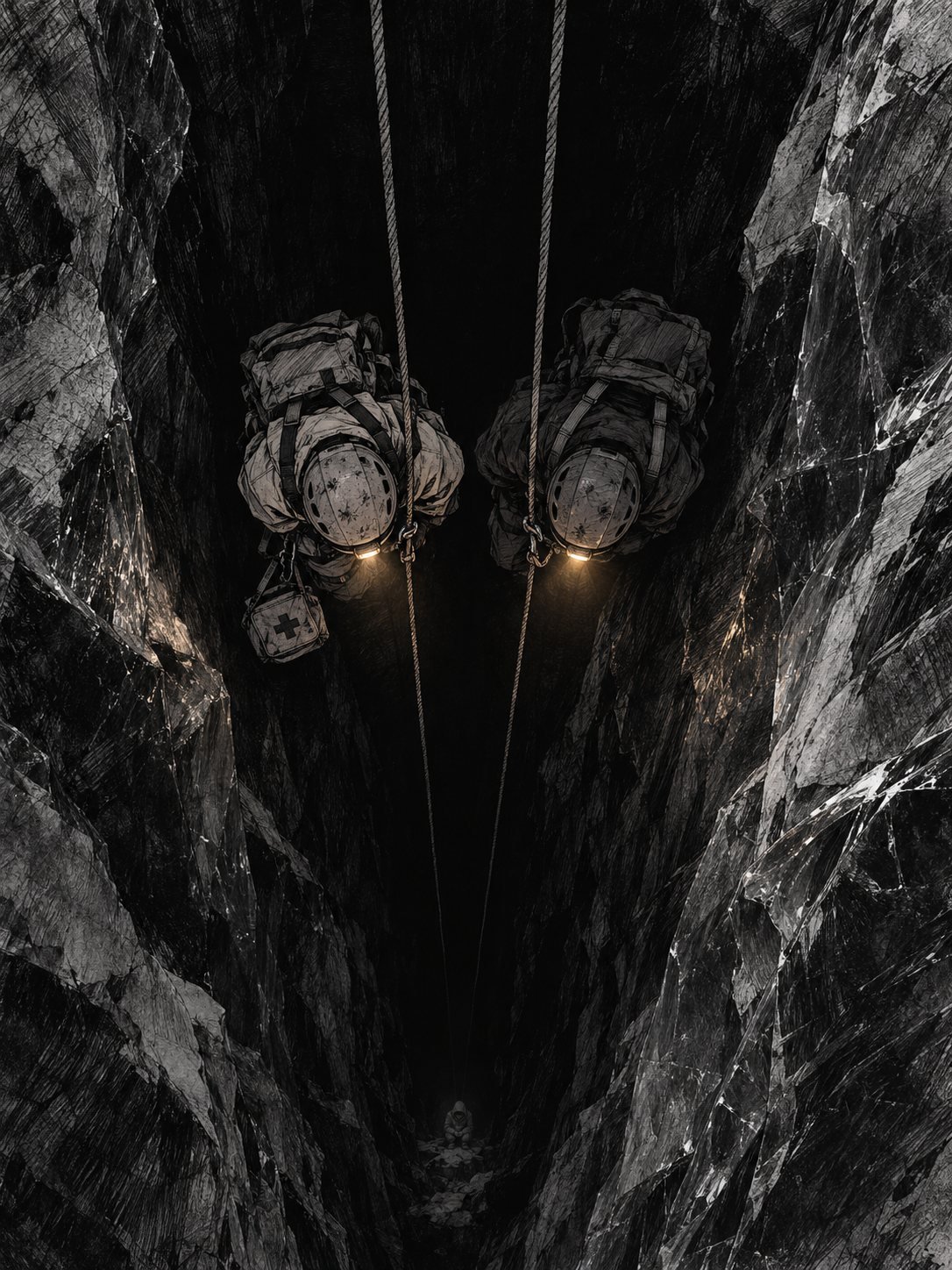
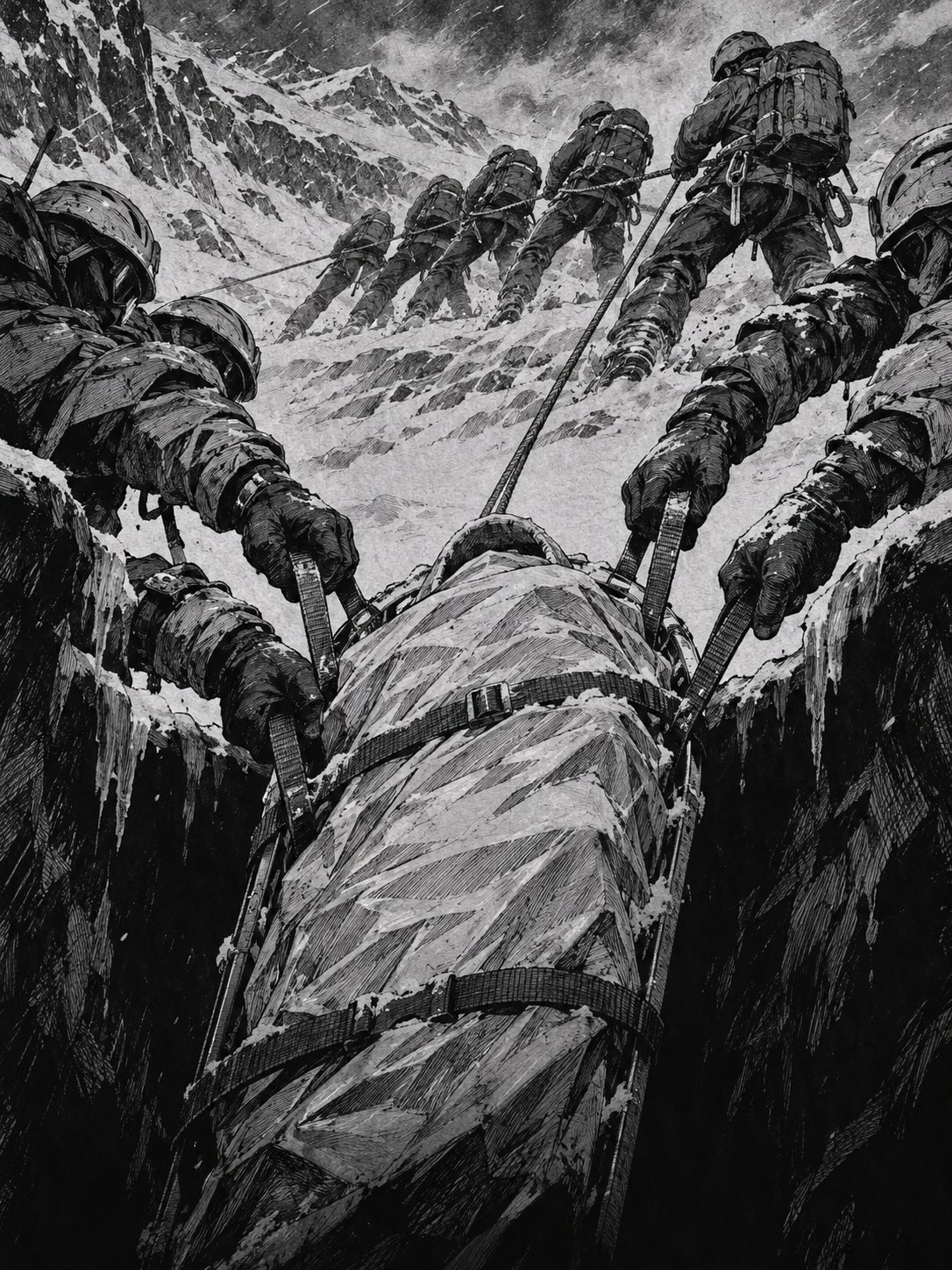
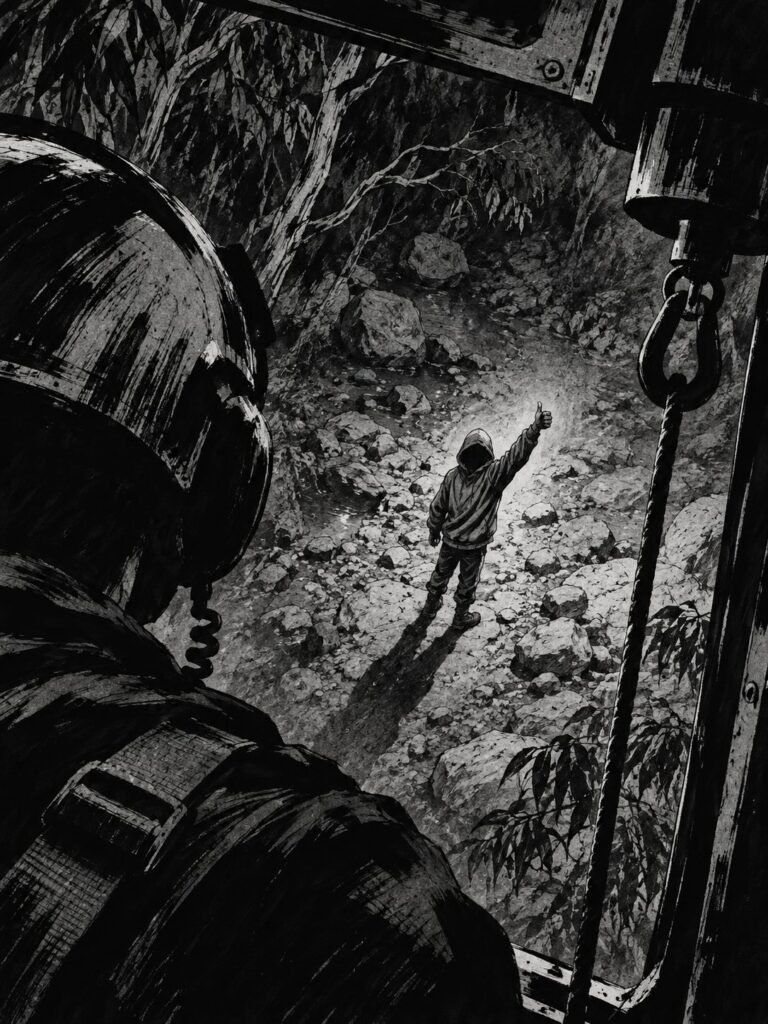
After about five hours of searching, they heard him. (GR) (ODS)
His voice guided them to the spot. (ODS)
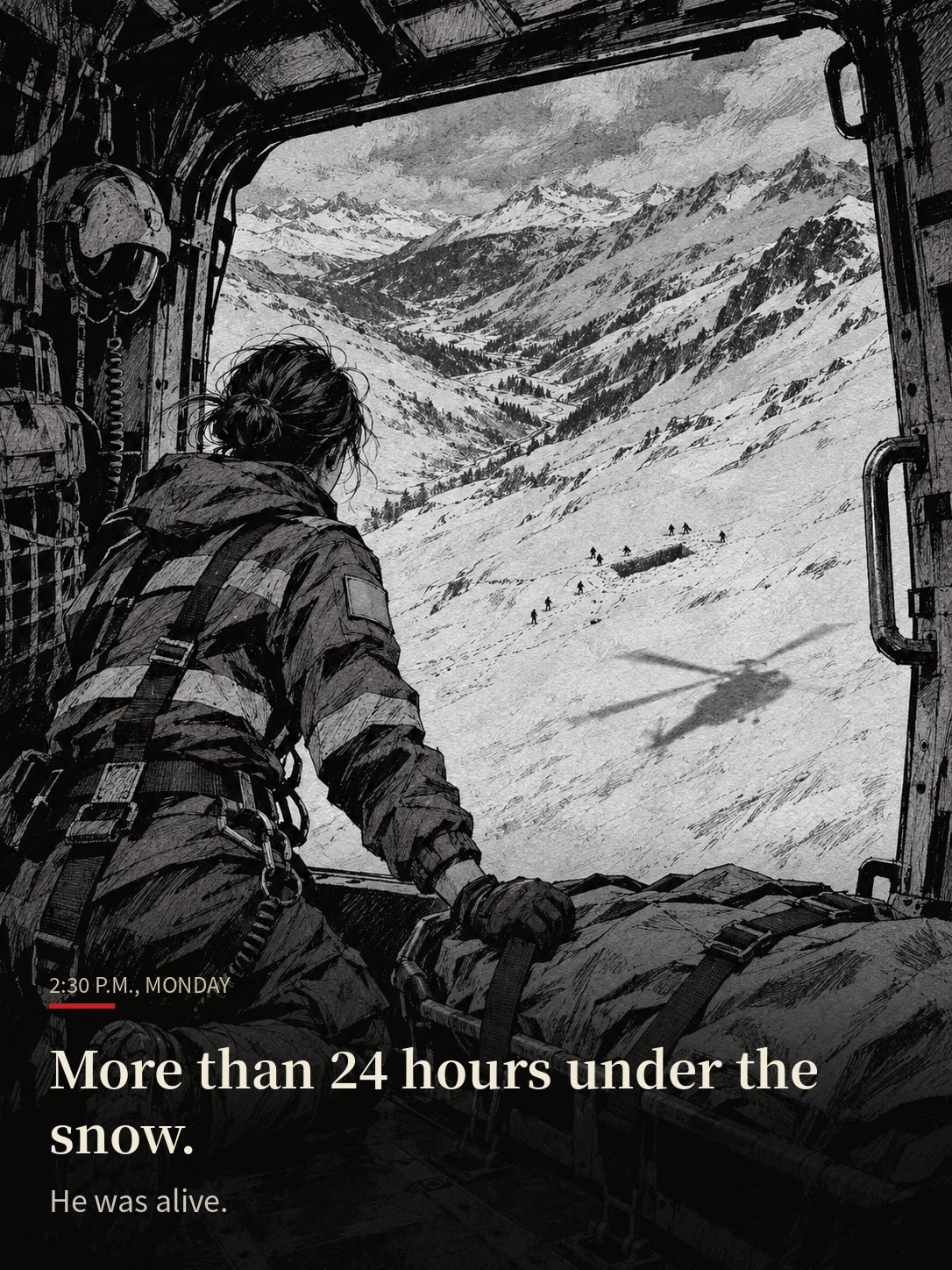
He was freed at about 2:30 p.m. on Monday. He had spent more than 24 hours under the snow. He was conscious, but hypothermic. (GR) (LRP)
A helicopter flew him to the university hospital in Grenoble. (ODS) (GR)
Could he have been found sooner?
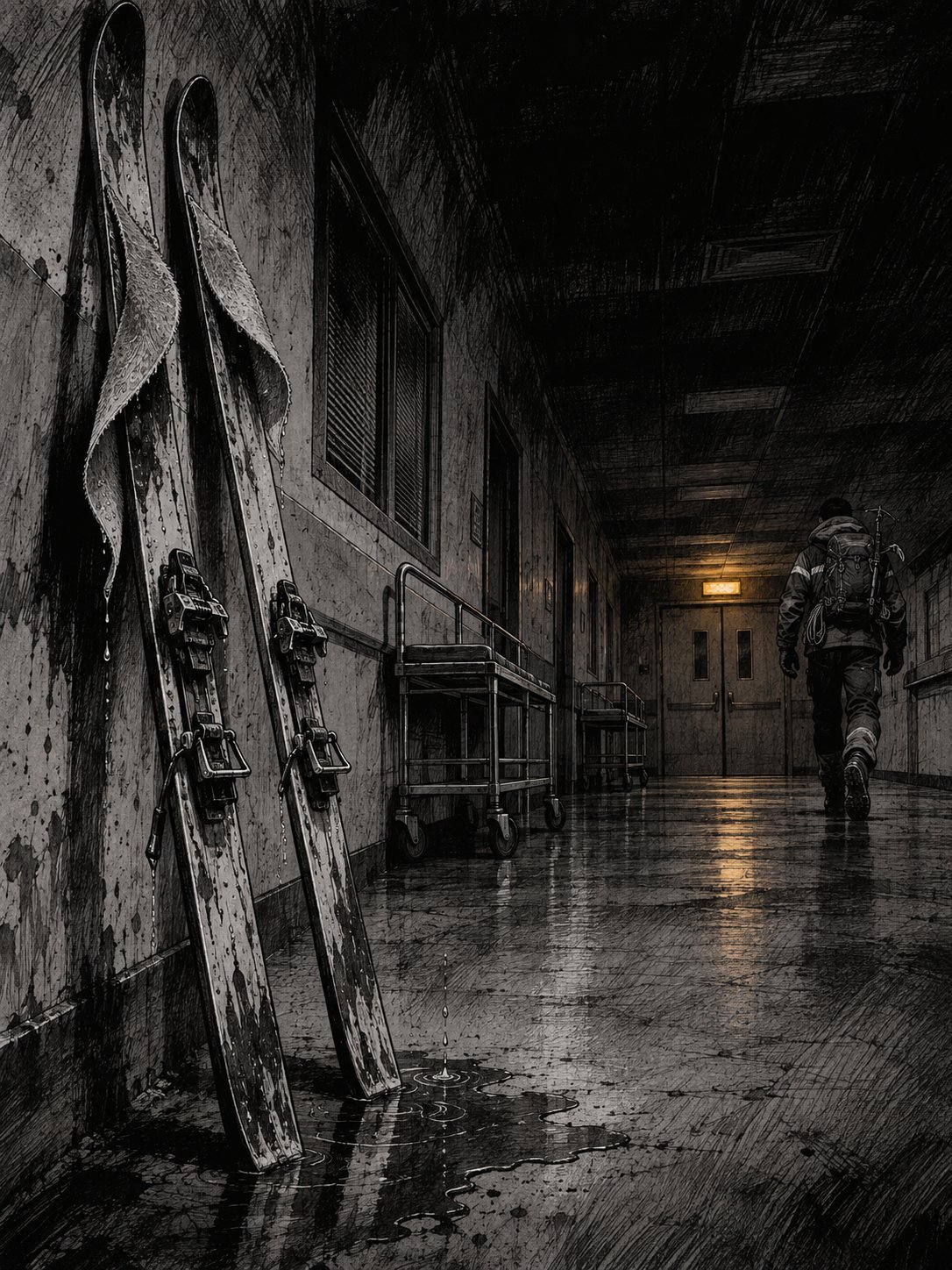
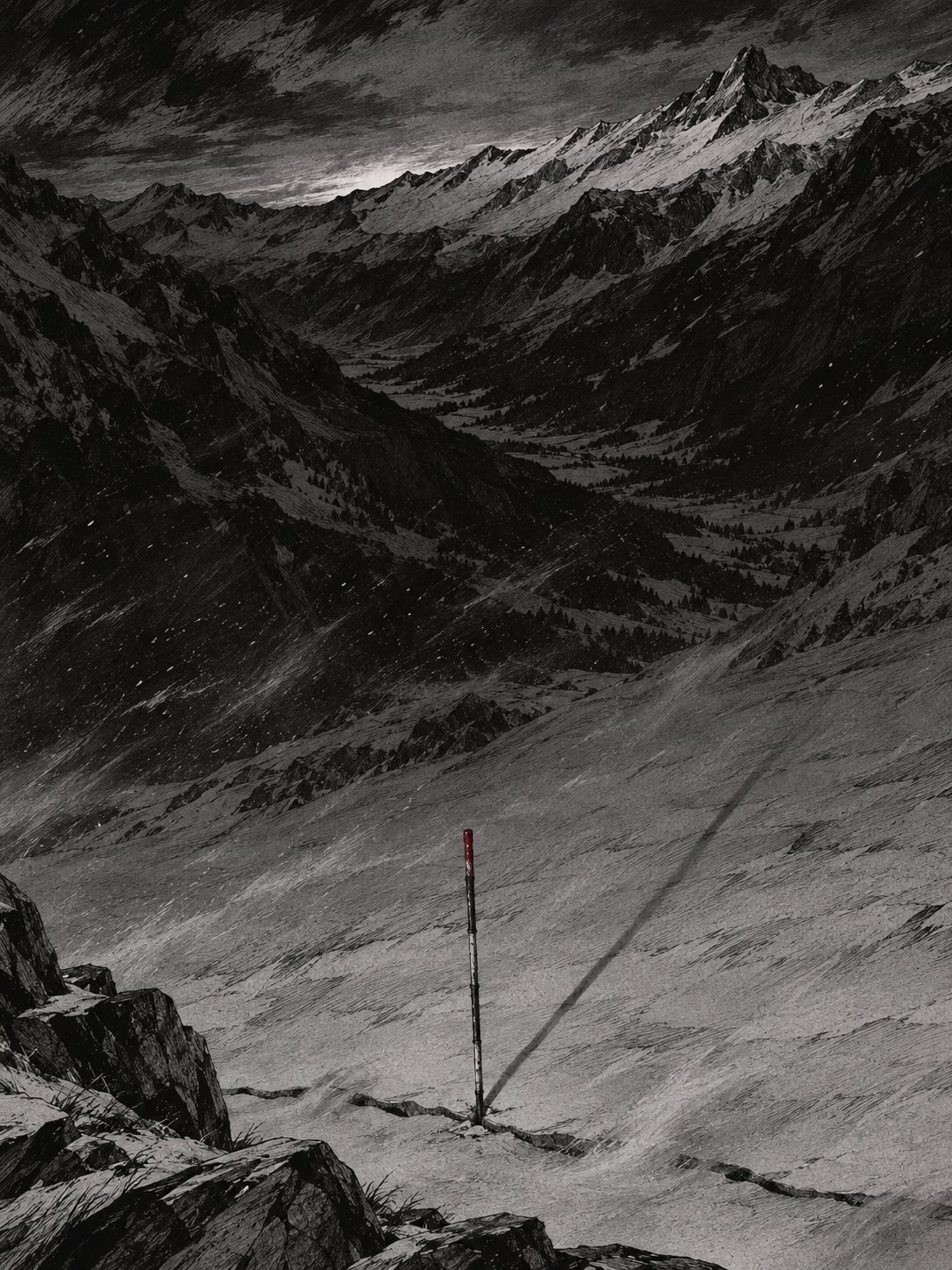
The stranger part is how close the rescue could have been.
A rescue officer said that if he had carried a transceiver, a shovel and a probe, rescuers would have found him at about 7:30 that morning. Instead it took five hours of digging, on a slope that could still slide. (GR)
Later, a TF1 report gave a different account of his transceiver. It said he did carry one, but it was not working when he was rescued. The reason has not been explained. (SG)
In hospital he had surgery on his femur and was treated for frostbite. He thanked the rescuers for not giving up. (SG)
Related case: the Andes survivors who walked out after the search was called off.
Evidence photos
Real photographs and published figures, kept separate from our illustrations. Each one says what it shows, and what it cannot prove.


Evidence box: documented vs. claimed
| Point | Status | Source |
|---|---|---|
| A 39-year-old ski tourer from the Grenoble area | Documented | (GR) (ODS) |
| Avalanche in the Vallon d’Ambin on Sunday morning | Documented | (ODS) (SG) |
| Femur, tibia and fibula fractures, plus hypothermia | Documented | (ODS) (LRP) |
| He crawled about 100 metres to an air pocket | Rescuer account | (ODS) (GR) |
| 22 CRS, six PGHM, a doctor, two dog teams, three helicopters | Documented | (ODS) (LRP) |
| His voice led rescuers to him after about five hours | Documented | (GR) (ODS) |
| He had no avalanche transceiver | Disputed | (ODS) (SG) |
Timeline
- Sat 7 Nov 2026: He leaves Bramans and sleeps in a refuge. (SG)
- Sun 8 Nov, morning: An avalanche in a couloir of the Vallon d’Ambin carries him into a crevasse. (SG) (ODS)
- Sun 8 Nov, evening: His relatives raise the alarm. Rescuers search until the middle of the night. (GR)
- Mon 9 Nov, first light: Helicopters bring the search back to the avalanche. (GR)
- Mon 9 Nov, about 2:30 p.m.: He is freed after about five hours, found by his voice. (GR) (ODS)
The story you may have heard, and what the file says
| The popular version | What the record shows |
|---|---|
debunked “He was found by his avalanche beacon.” | He had no working beacon. Rescuers found him after about five hours of probing and digging, when they heard his voice. |
confirmed “He was buried for more than a day.” | More than 24 hours, from Sunday morning to about 2:30 p.m. on Monday 9 November 2026. |
confirmed “He broke his leg.” | A broken femur that needed surgery, plus hypothermia and frostbite. Early reports also listed a broken tibia and fibula; later reports name only the femur. |
confirmed “He crawled to an air pocket.” | With a broken femur, he crawled about 100 metres inside the crevasse to reach one. |
unverified “He had forgotten his beacon.” | Reports do not say whether his transceiver was missing or broken. |
Why the record is stranger than the legend. The headline is a miracle. The record is a man alone, with no working beacon, crawling a hundred metres on a broken leg to find air, and rescuers who found him only because he could still call out.
Where the records disagree
- The dates. One report puts the avalanche on Sunday 9 November and the rescue on Monday 10 November. In 2026 the Sunday was 8 November and the Monday 9 November, as other reports say. (GR) (ODS)
- The injuries. Early reports listed a broken femur and a broken tibia and fibula. Later reports, citing TF1 and RTL, name a single femur fracture. (e-santé)
- The transceiver. Early reports said he carried none. A later TF1 report said he had one that was not working. (ODS) (SG)
- How far he fell. One passage says he was thrown several metres down; the depth of the crevasse is not given anywhere. (GR)
- Where he sheltered. Rescuers described an air pocket between the mountain and the glacier; in his own account it was a sheltered cavity among rocks. (GR) (SG)
What we still don’t know
- How deep the crevasse was.
- Whether his transceiver was missing or broken.
- How he kept warm through Sunday night.
Quick answers: the Maurienne crevasse survivor
Where did the avalanche happen?
In the Vallon d’Ambin, in the Mont-Cenis massif near Modane, in the Maurienne valley of Savoie, France. (GR) (ODS)
How long was he buried?
More than 24 hours, from Sunday morning to about 2:30 p.m. on Monday 9 November 2026. (ODS) (LRP)
How did rescuers find him?
After about five hours of probing and digging, they heard his voice and followed it. (GR) (ODS)
What injuries did he have?
A broken femur, which needed surgery, plus hypothermia and frostbite. Early reports also mentioned a broken tibia and fibula; later reports, citing TF1 and RTL, name only the femur. (e-santé) (ODS) (SG)
What is a little-known fact about the Maurienne crevasse survivor?
With a broken femur, he crawled about 100 metres inside the crevasse to reach an air pocket. (ODS)
Editor’s note
I find it hard to picture the Maurienne skier crawling about a hundred metres with a broken leg. Each movement would have cost him, and there was no guarantee there was an exit at the end of the ice. I am not sure I could have kept going without knowing how far I had come.
If there is advice in this file, it is the plainest kind: do not go into terrain like this alone. Someone beside you in the first minutes after an injury, someone who can call for help, changes everything. Carry avalanche equipment and know how to use it. I am glad he came home, but it stays with me that he had to get through those hours by himself.
So the question I would ask him is about belief, not distance. While he was crawling through that crevasse, how much did he believe there was a way out at the end of it?
— Strange World Files
Case file summary
A ski tourer set out alone in the Maurienne Alps with no working beacon. An avalanche threw him into a crevasse with a badly broken leg, and he crawled about 100 metres to an air pocket. Rescuers searched two days and dug for five hours. In the end, what found him was his own voice. Survival often turns on a single object. In the Victorian bush a teenager lost for six days was saved by a tackle box.
Status: Survived. He was found alive in the crevasse after a two-day search.
Illustrations are AI-generated artistic interpretations, not photos. No real person is depicted with a recognizable face. Read how we research and illustrate these files.
Evidence locker
Primary records and the closest copies we could trace. Exhibits A to C are openly licensed photographs of the real places.
EXHIBIT A · FROM ORBIT EXHIBIT B · THE VALLEY
 EXHIBIT C · THE REFUGE
Access: Via press (CRS Alpes statements).
Supports: The accident, the crawl and the rescue.
Limits: Its dates are one day late (it gives Sunday 9 and Monday 10 November).
Access: Via press (citing Ici).
Supports: The date, the teams and how he was found.
Limits: It says he had no transceiver, which a later report disputes.
Access: Via press (citing Ici).
Supports: The injuries and the hospital.
Limits: It names no officials.
Access: Secondary round-up.
Supports: The route and the disputed transceiver.
Limits: The original TF1 and Dauphiné pages are not linked here.
Sources
- Grimpeez, “Un skieur sans DVA survit 24 heures dans une crevasse en Maurienne,” 10 November 2026
- ODS Radio, “Maurienne : un skieur retrouvé vivant après plus de 24 heures sous une avalanche,” 10 November 2026
- La Radio Plus, “Maurienne : un skieur survit plus de 24 heures enseveli sous une avalanche,” 10 November 2026
- The Ski Guru, “Ski Tourer Found Alive More Than 24 Hours After Maurienne Avalanche,” 11 November 2026