The Salt Slaves of Sinan: A Letter, a Map and an Island That Looked Away
| Case | Forced labor on salt farms in Sinan County, South Jeolla Province, South Korea |
| Exposed | Early 2014, after a victim’s letter reached his mother in Seoul |
| Victims | Dozens of unpaid workers, many with intellectual or visual disabilities |
| Outcome | Around 50 owners and brokers indicted; no police or officials charged; one victim awarded state compensation in 2017 |
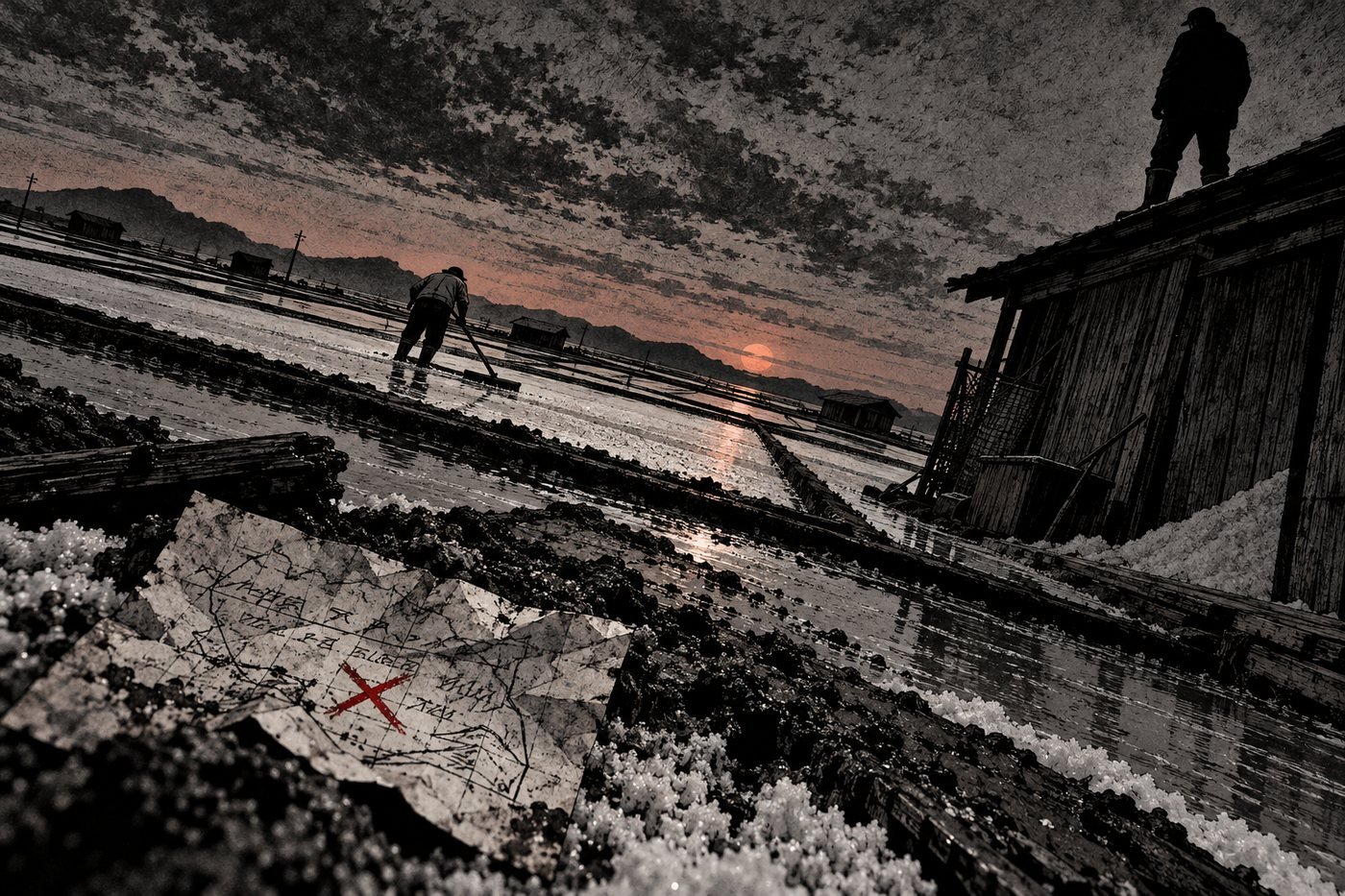
A letter from her son, with a map on the back

In the winter of 2014, a mother in Seoul opened a letter from her son.
Her son had been homeless for years. Now here was his handwriting.
The handwriting was shaky. On the back, he had drawn a map: an island, a ferry route, a salt farm.
A map on the back of a letter is not something you draw for fun. You draw it when you need someone to find you, and you can’t simply walk out.
It was not a letter about how he was doing. It was directions.
He was asking her to come and get him.
Her son was on an island, on a salt farm, and he could not leave on his own.
That one envelope would lead to a police rescue, a nationwide investigation and dozens of indictments. But first, someone had to believe it.
Flat, quiet salt pans where men worked for nothing
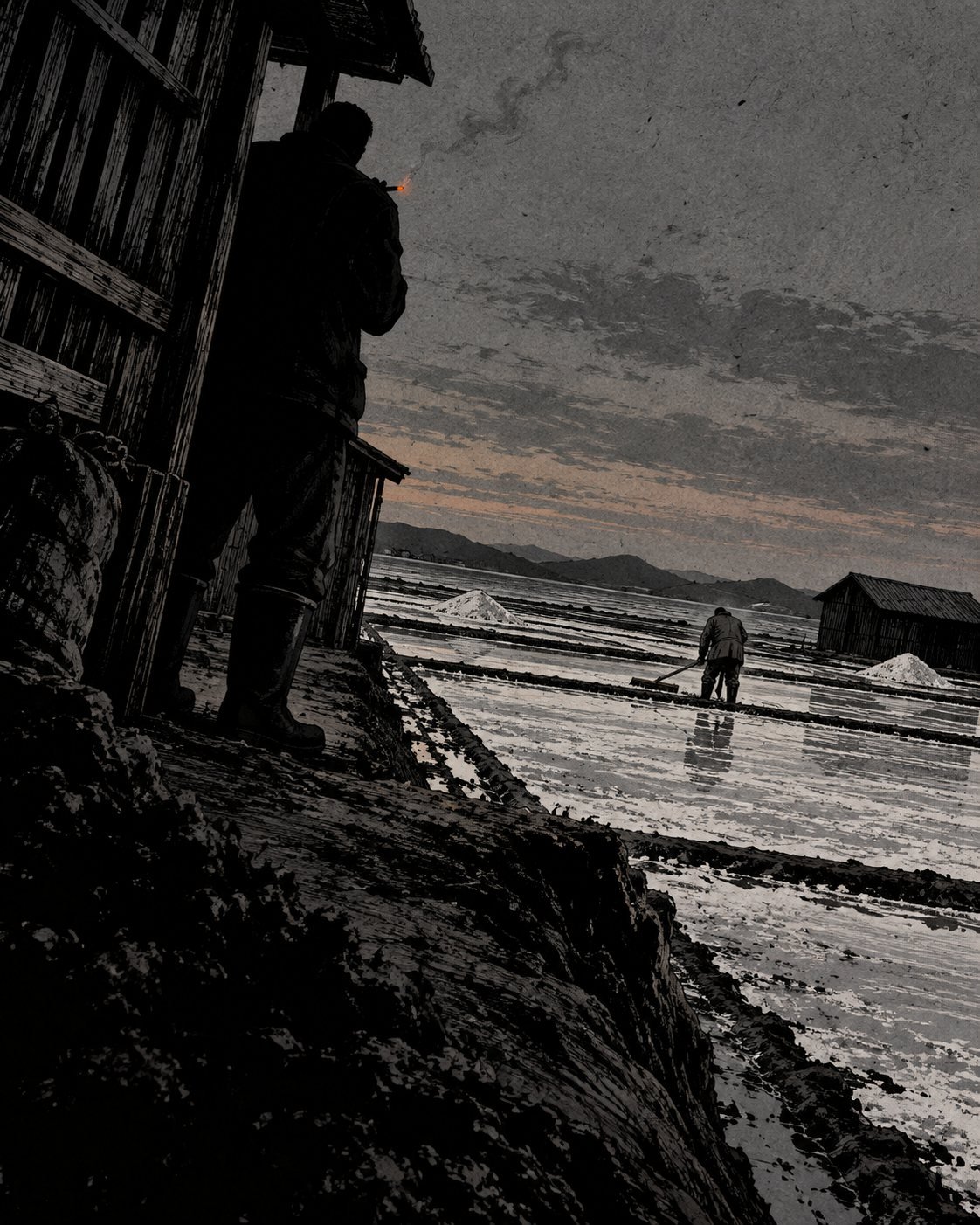
About two-thirds of South Korea’s sea salt comes from Sinan County, a scatter of islands off the southwest coast where seawater is pumped into shallow pans and left to dry in the sun.
There are more than 1,000 islands off that coast, and about 70 of them have people living on them. Sinan has more than 850 salt farms.
The process is slow. Workers rake the brine as the water evaporates, then collect the salt that is left behind. A single batch takes about 25 days.
It is beautiful, flat and quiet. The tourist board calls the area the “Angel Islands.”
Some people had another name for it: the “Slave Islands.”
For some of the men raking that salt, there was no pay. No day off. And no way home. (Wikipedia)
Two “tourists” stepped off the ferry. They were police
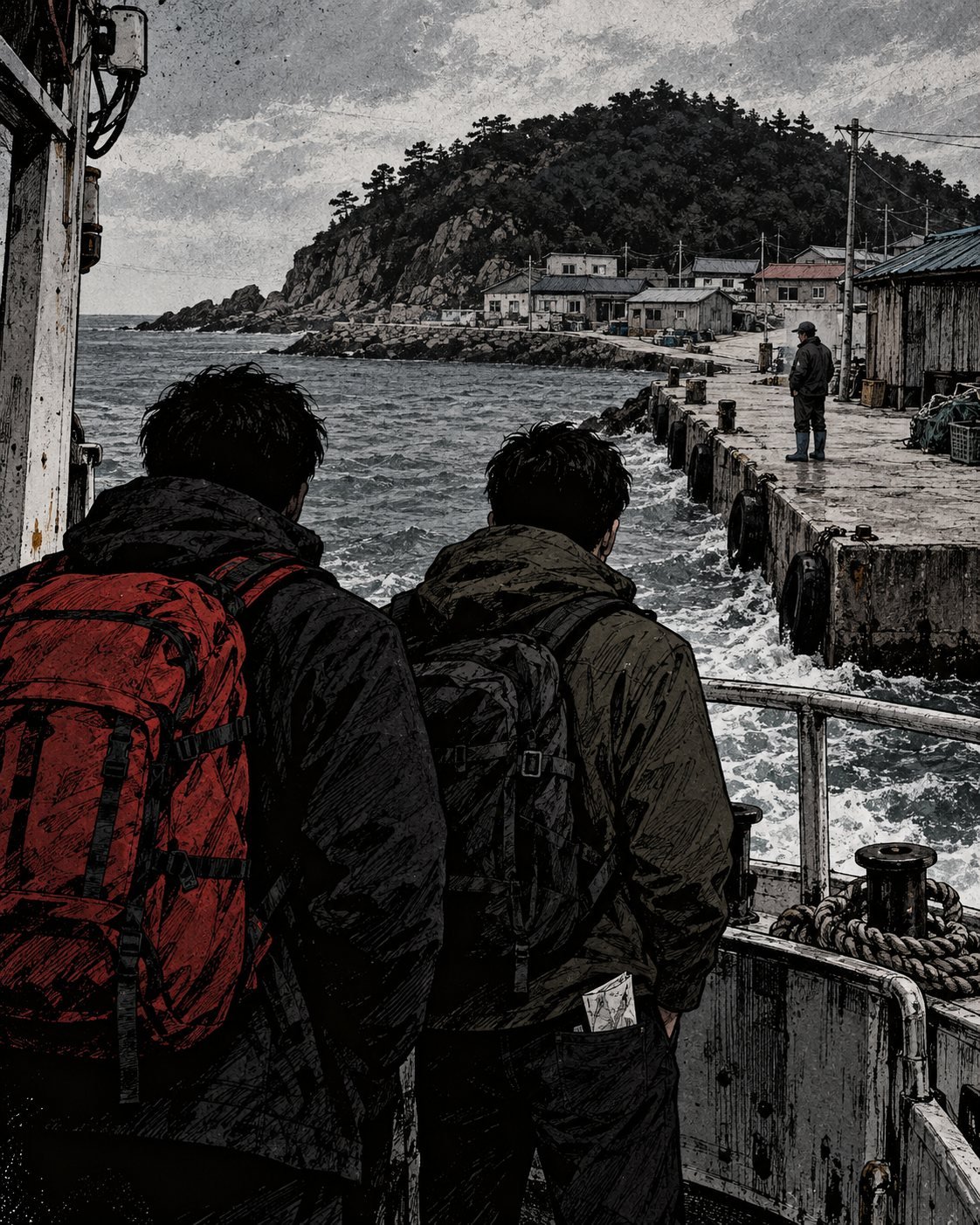
Weeks after the letter arrived, two police officers from Seoul stepped off a ferry onto Sinui island.
They were dressed as tourists.
They had not told local officials they were coming.
What they had was the map from the letter: an island, a ferry route, a salt farm.
They were not there for the scenery.
This is the true story of the salt farm slaves of Sinan: how a homeless man was sold to an island, how a whole community looked away, and how a single letter brought him home.
To understand it, we have to go back about a year and a half, to a train station in Seoul.
A stranger offered a bed, cigarettes and a “good job”

Go back to July 4, 2012. A train station in Seoul.
A man named Kim had been homeless for about a decade, ever since he fled from people he owed money to. He was visually impaired.
Big train stations in Seoul are where many homeless people spend their nights. They are also where certain people go looking for them.
A stranger crouched down beside him and offered him a place to sleep, food, cigarettes and a “good job” with good pay.
For a man who had been sleeping rough for ten years, it sounded like a way out.
He had no home, no steady work and no one looking out for him. That made him exactly the kind of person the stranger was looking for.
Kim said yes. (Associated Press)
Within hours, he’d been sold for about $700
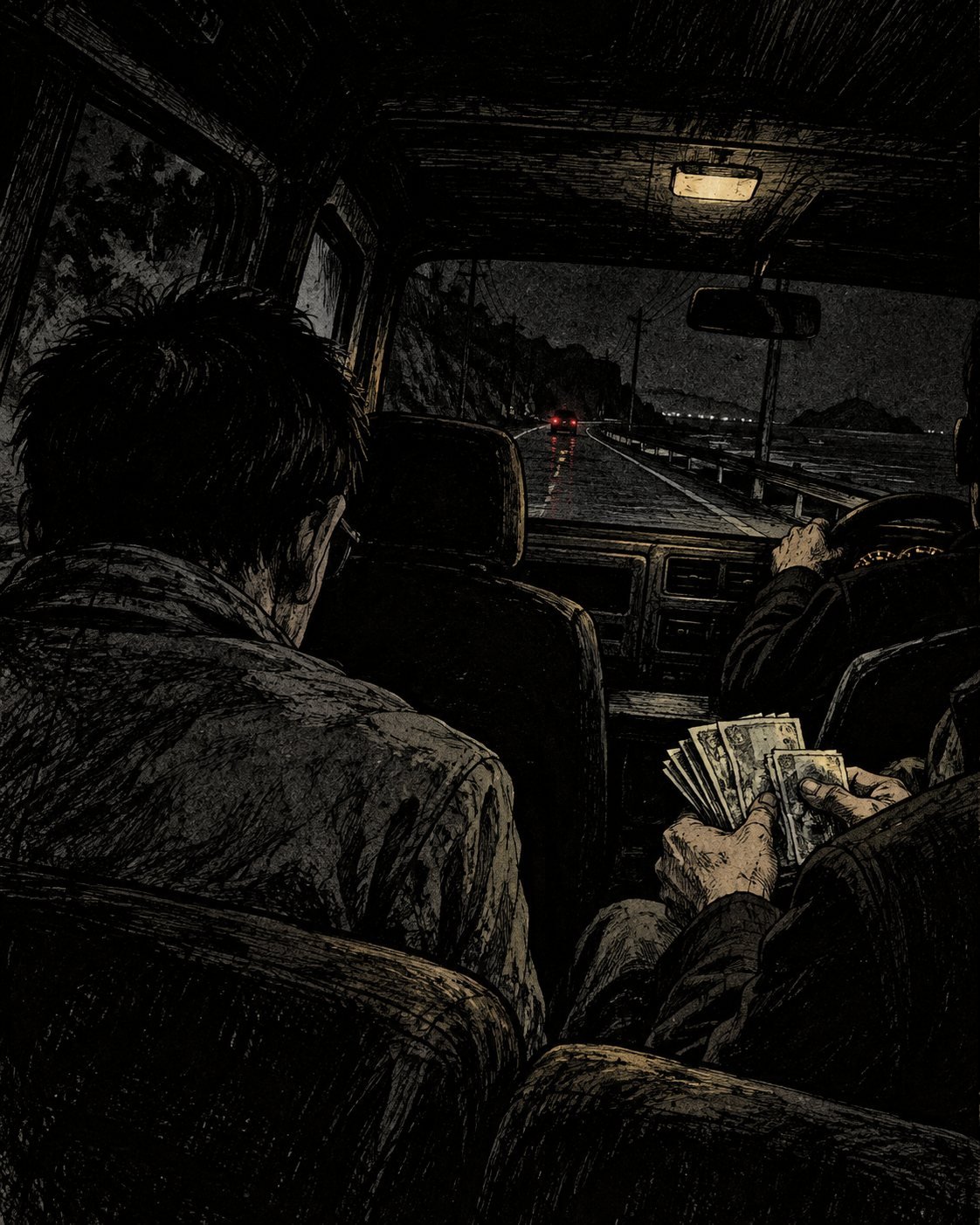
Within hours he was headed for the coast.
The salt farm owner paid the unlicensed job broker roughly a million won, about 700 US dollars.
This was a business. According to the AP, illegal job agencies in the port city of Mokpo recruited disabled workers for the farms. Farmers saw them as easier to control, less likely to complain or run away.
A million won for a human being. The broker got paid, the farmer got a worker, and the worker got nothing.
Kim had no money, no phone, and only a vague idea of where he was being taken.
He thought he was going to a job.
Kim did not know it yet. He had just been sold.
18-hour days in the salt fields, and not one won
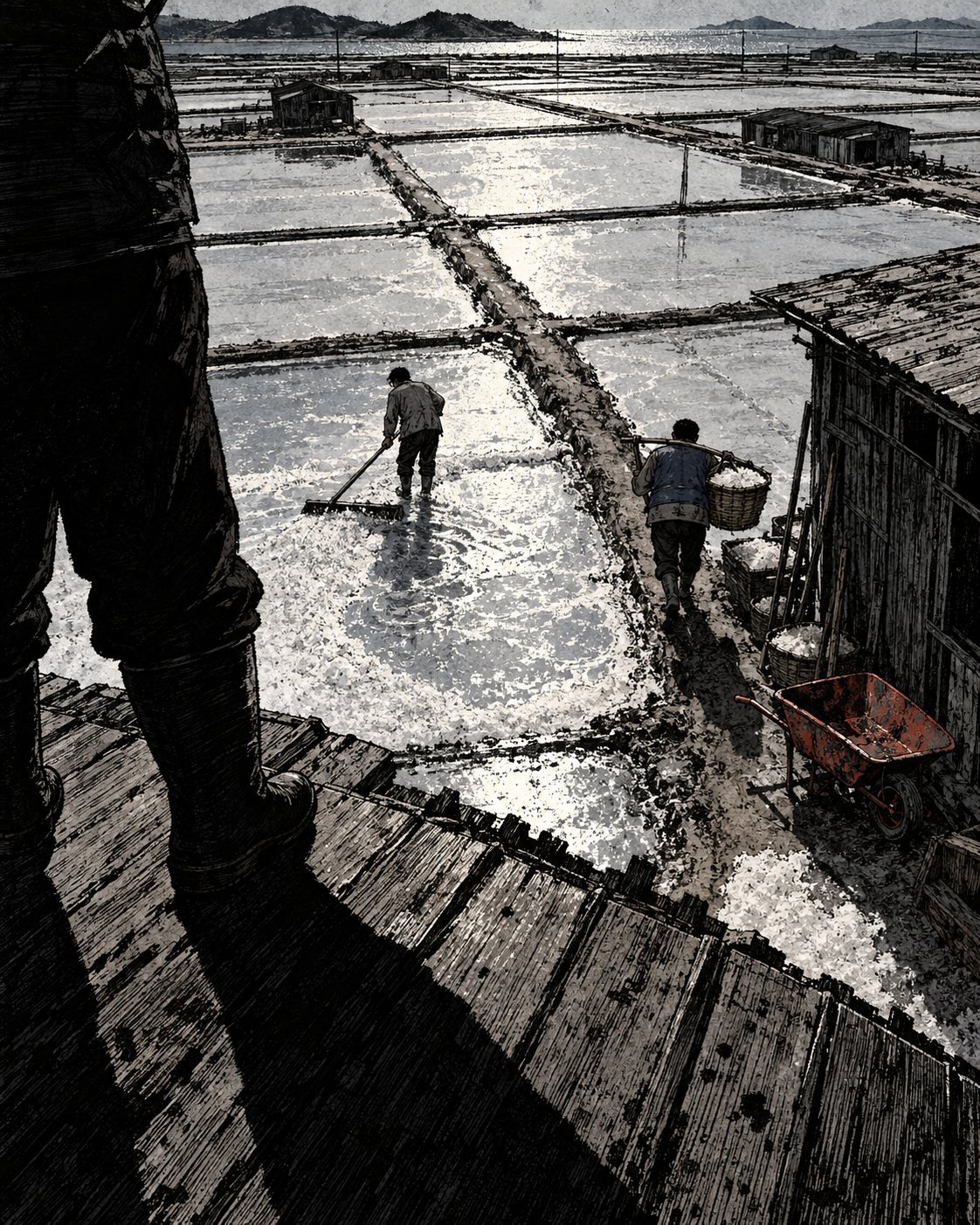
The farm was on Sinui island.
Sinui is home to about 2,200 people. Roughly half of them work in salt. It is a place where almost everyone knows everyone else, and almost everyone’s living depends on the salt.
Kim raked brine and hauled wet salt for days that, by his account, ran up to 18 hours.
Salt farming is heavy work. Wet salt is dense, and it has to be carried from the pans to storage sheds over and over.
He was never paid. Not a single won, for month after month of work.
He had no phone, no money for a ferry ticket, and no one on the island who would help him leave.
And the work was not the worst part.
“His punch came first”
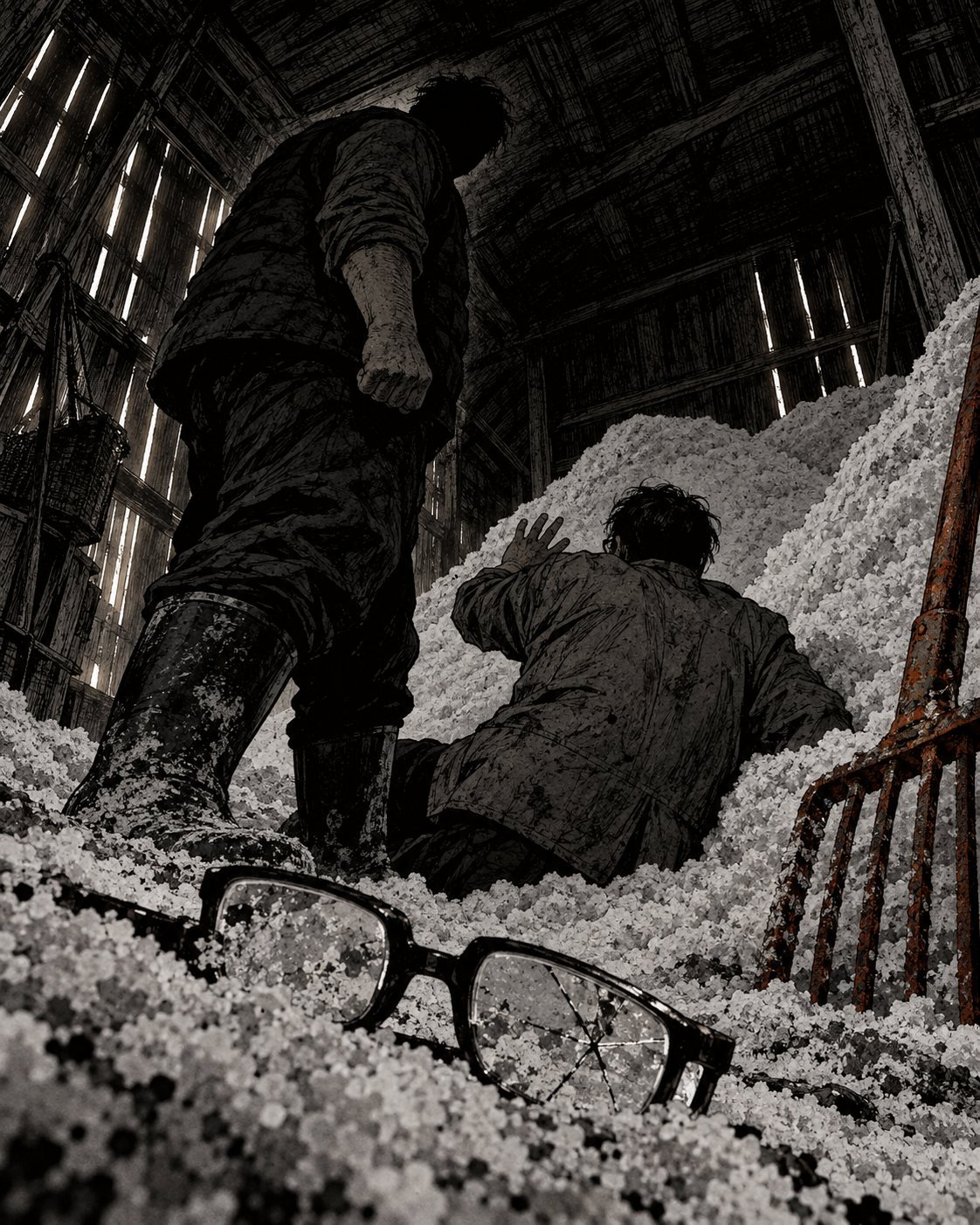
The beatings, Kim later told the Associated Press, started on his first day.
The owner hit him when he thought the work was poor. Kim described being punched and struck with a wooden plank.
Kim could barely see. When he was unsure what to do, he said, he tried to ask.
“Each time I tried to ask him something,” he said, “his punch came first.”
It is a short sentence, and it explains a lot. Asking a question was dangerous. Making a mistake was dangerous. The safest thing was to stay silent and keep raking.
But Kim was not the only one living like this on the farm. (Associated Press)
His roommate had been reported missing in 2008
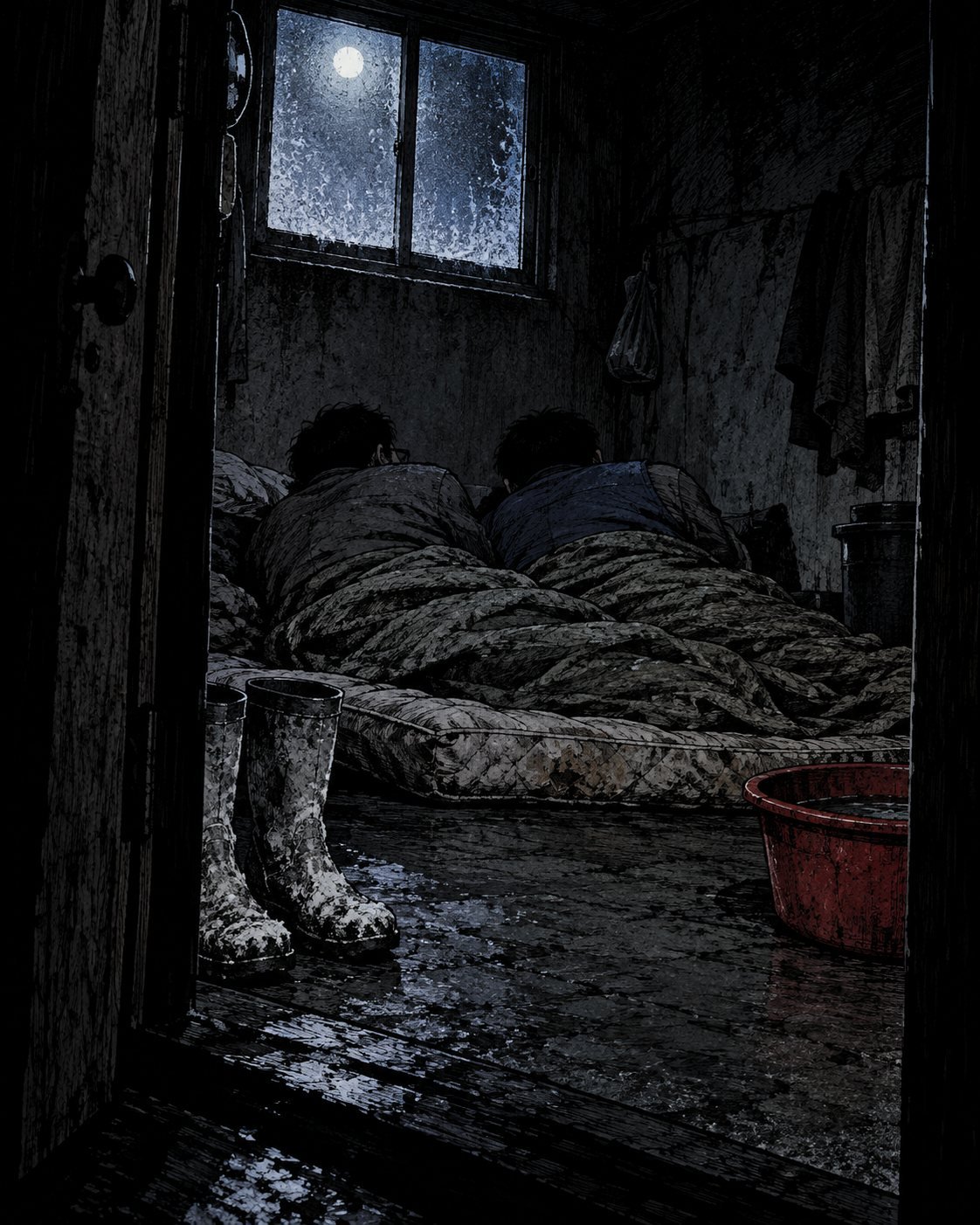
He slept in a small room with no heating and no hot water. It was a concrete storage building, cluttered with junk and sacks of rice.
Kim had arrived in summer. He would spend more than one winter in that room.
Next to him slept another worker, Chae, a man with an intellectual disability. Chae had severe disabilities and struggled even with basic words.
Chae’s family had reported him missing back in 2008.
Somewhere in Korea, a family had been looking for him for years. He was on a salt farm on an island, working in plain sight.
Two men, one cold room, and a farm they could not leave. So they tried.
They ran. The grocer’s son called the farm owner
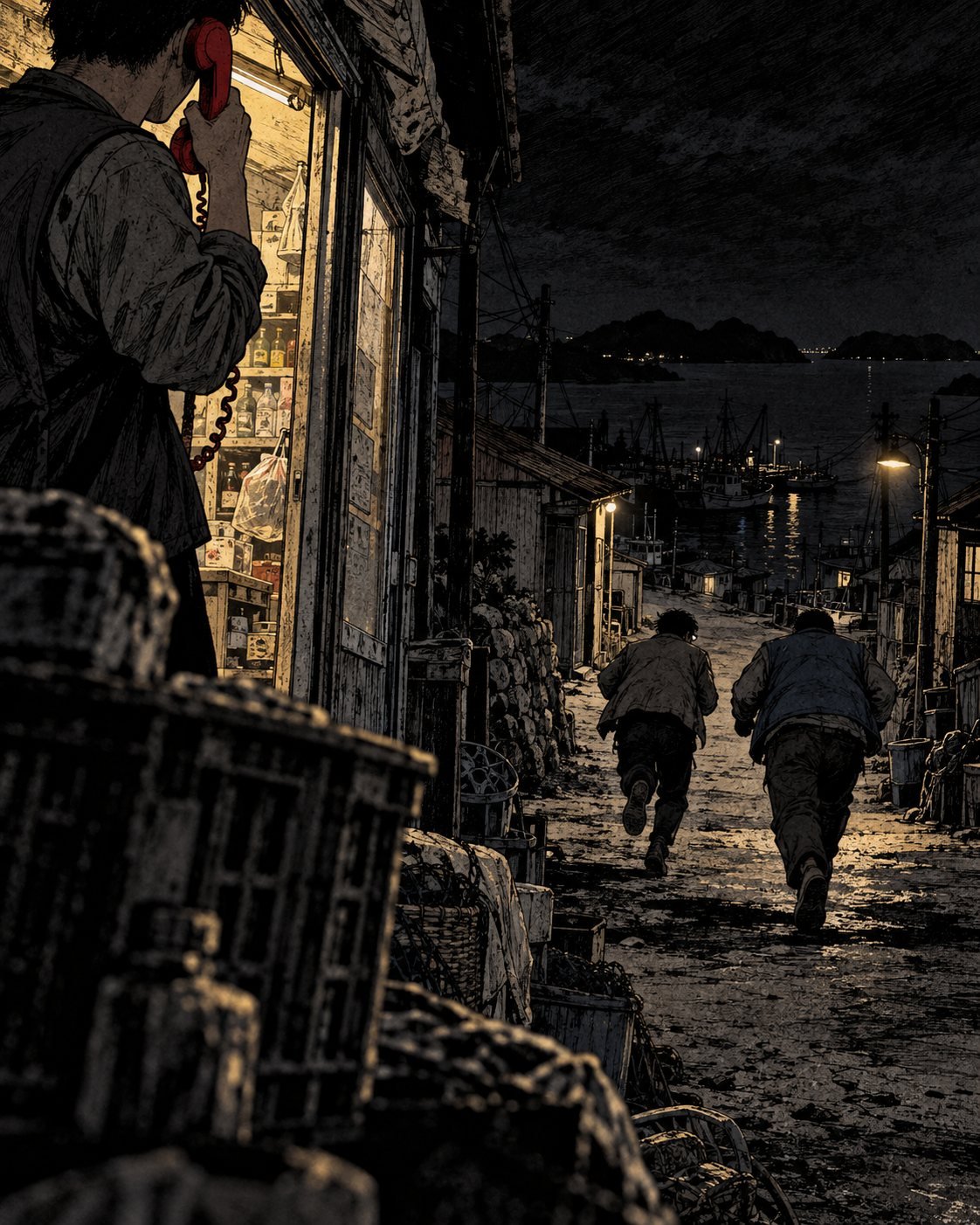
One night, Kim and Chae ran.
They did not get far. The son of a local grocery owner saw them and picked up the phone.
He did not call the police. He called the farm owner.
This is how an island works as a prison. A man with no money and poor eyesight did not need to be locked in. Leaving means getting to the port and onto a ferry, and everyone between you and the ferry knows who you are, and who you work for.
The AP found that the farm owner’s ties with other farmers and villagers meant many people helped track down workers who ran.
Kim and Chae were brought back to the farm. (Associated Press)
He ran again. This time he was told he’d be stabbed
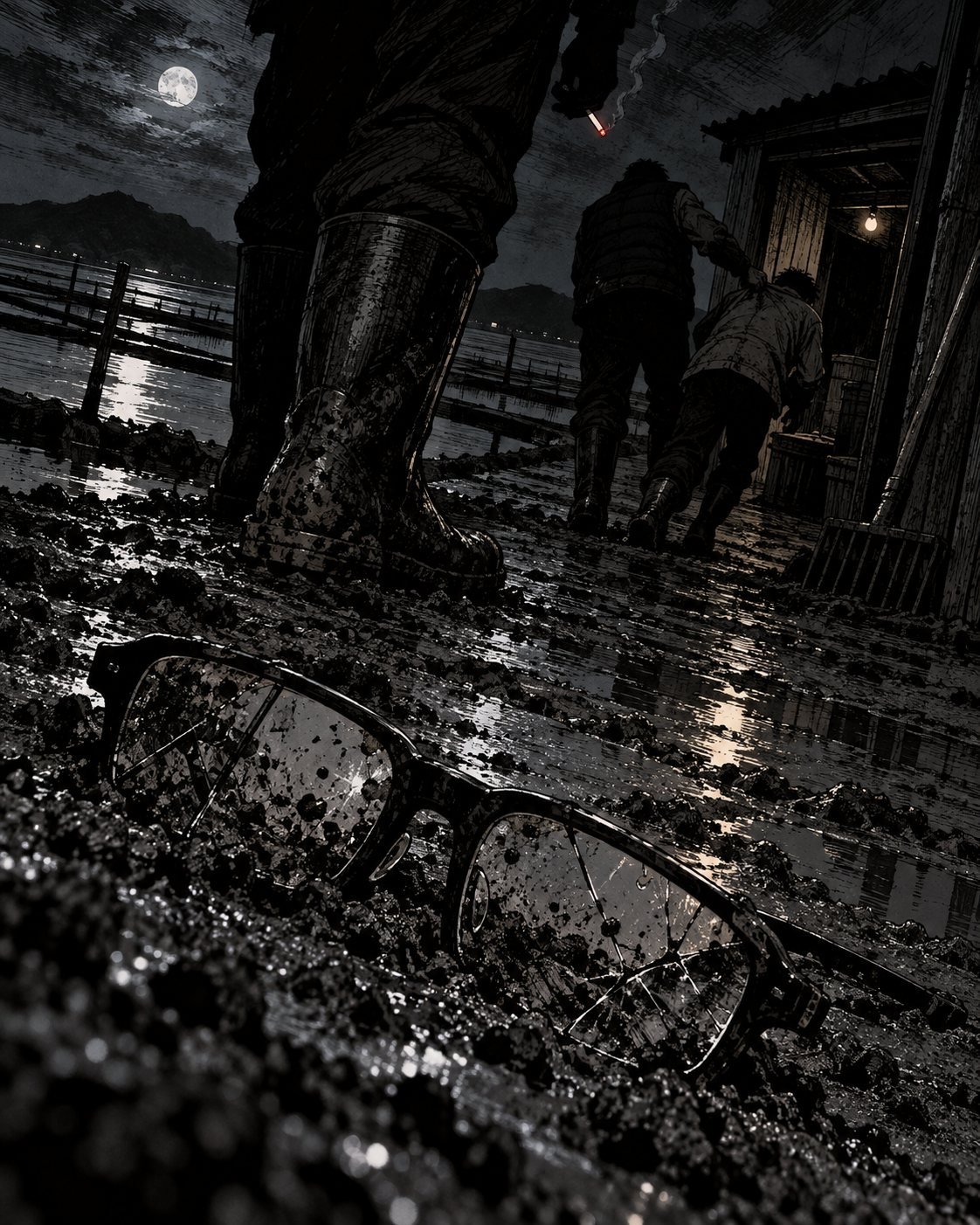
Kim was dragged back and beaten so hard his glasses broke.
For a man who already could barely see, that was a disaster. Without his glasses, he was left nearly blind.
He ran again. He was caught again. The grocer’s son helped find him once more.
This time, he said, the owner told him that if he tried once more, he would be stabbed.
He tried one more time anyway, at the end of the month. A volunteer patrol caught him, again with the grocer’s son’s help.
Every escape had ended the same way. Every time, someone on the island had helped bring him back. (Associated Press)
“The whole village knew about it”
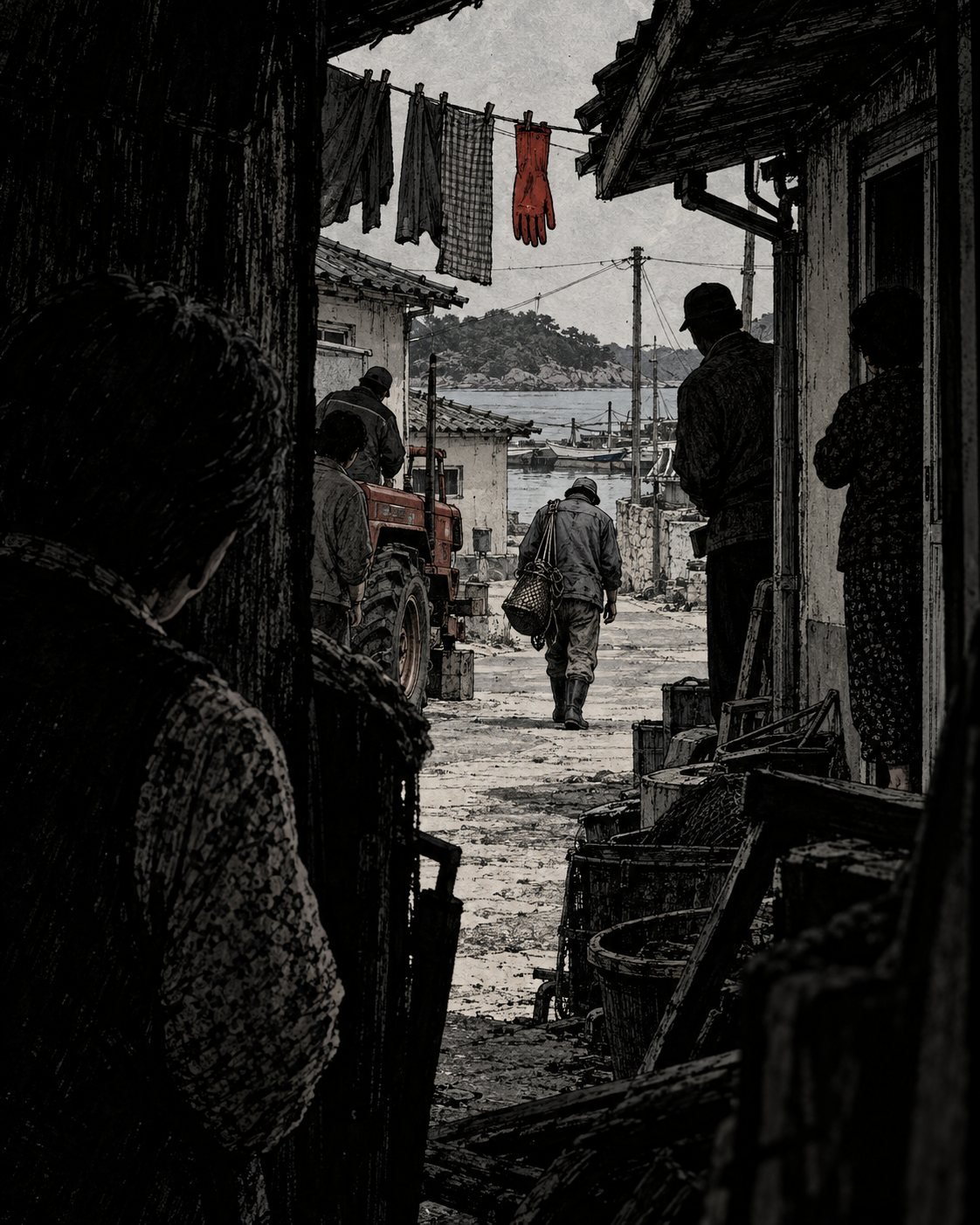
“The whole village knew about it,” a disability-rights activist told the AP.
On an island of about 2,200 people, where half the residents work in salt, a stranger dragging a rake for no pay was hard to miss.
Workers like Kim were not hidden in a basement. They worked outside, on flat, open salt pans that anyone could see across.
Runaways, the AP found, were often simply sent back.
Kim himself never went to the police for help, even though there was a police station about 3 kilometers away. That is less than two miles.
But for some workers who did make it to the police, it did not go the way you would hope. (Associated Press)
He fled to the police. They called the farm owner
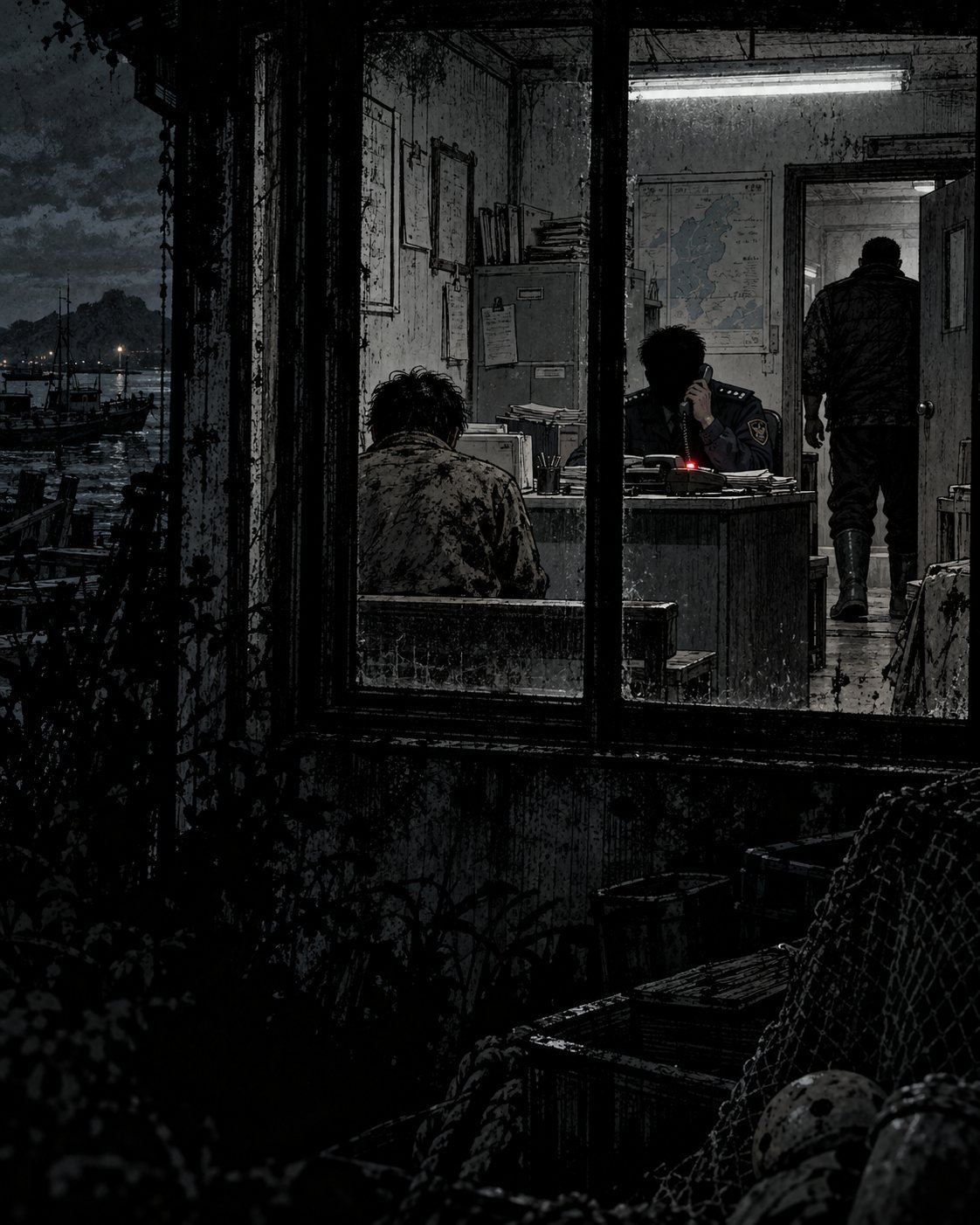
Some made it as far as the police.
In 2017, a Seoul court found that when one disabled worker fled to a police station before dawn, the officer did not protect him. He called the farm owner instead.
The court said the officer also failed to look into the farm owner’s wrongdoing.
The worker was taken back to the salt farm.
Think about what that teaches a person. You escape. You reach the one place that is supposed to be safe. And the person in uniform picks up the phone and calls the man you ran from.
The 2017 court called it negligence, and said it had forced the man back to the farm and likely caused him severe distress.
After that, why would anyone try again? (The Korea Times)
Nearly blind, he wrote to his mother in secret
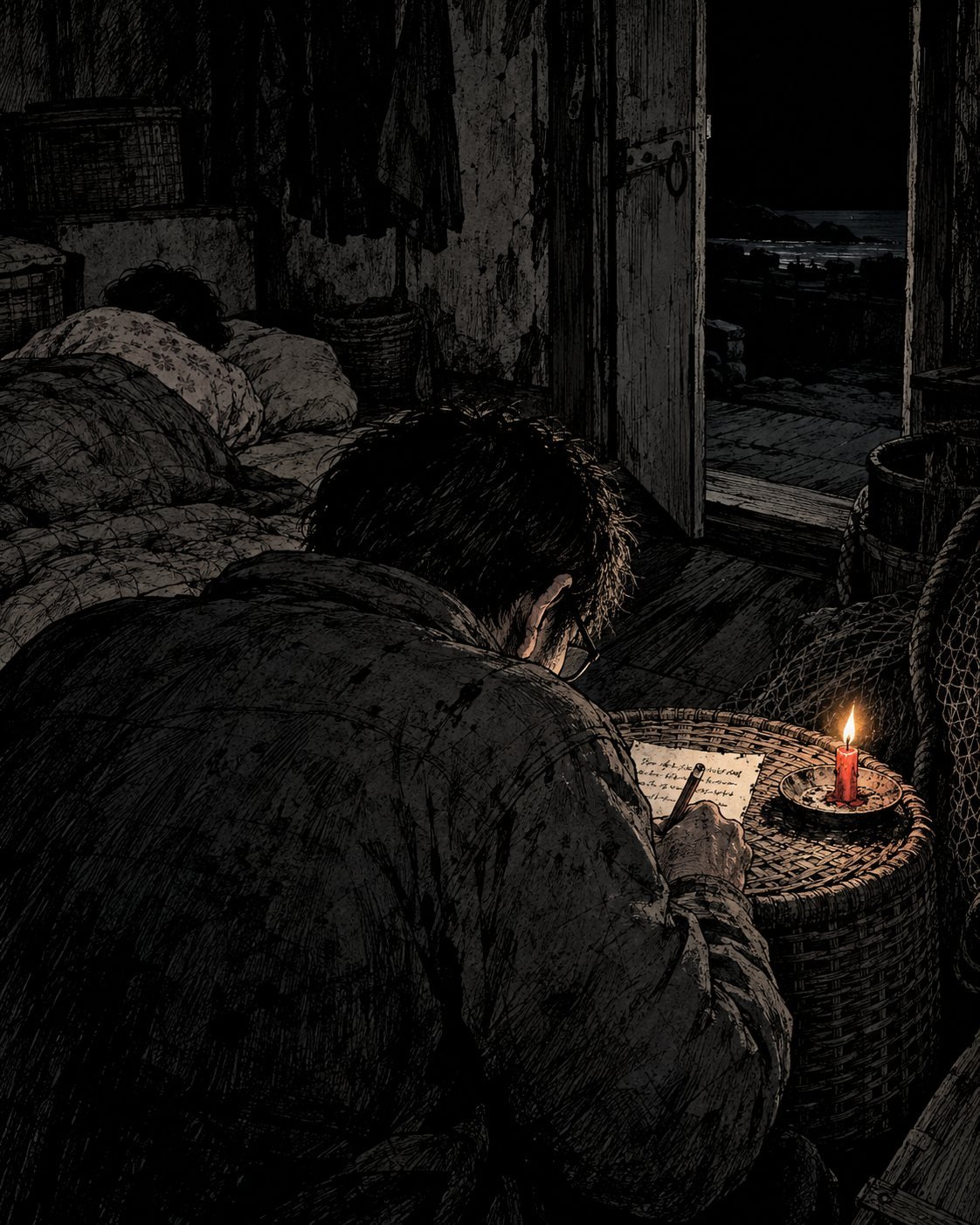
So Kim stopped running.
He tried something else. In secret, with his face almost touching the paper because of his poor eyesight, he wrote to his mother. On the back, he drew directions to the farm.
Getting the letter off the island was the hard part. He had no money, and he was watched.
Then came a small chance. He was allowed out for a haircut, with the owner’s wife keeping an eye on him. While he was out, he mailed the letter.
It was a tiny window, and an envelope that could finally leave the island.
It was about a year and a half after he had arrived.
Now everything depended on who would read it.
A Seoul detective believed her
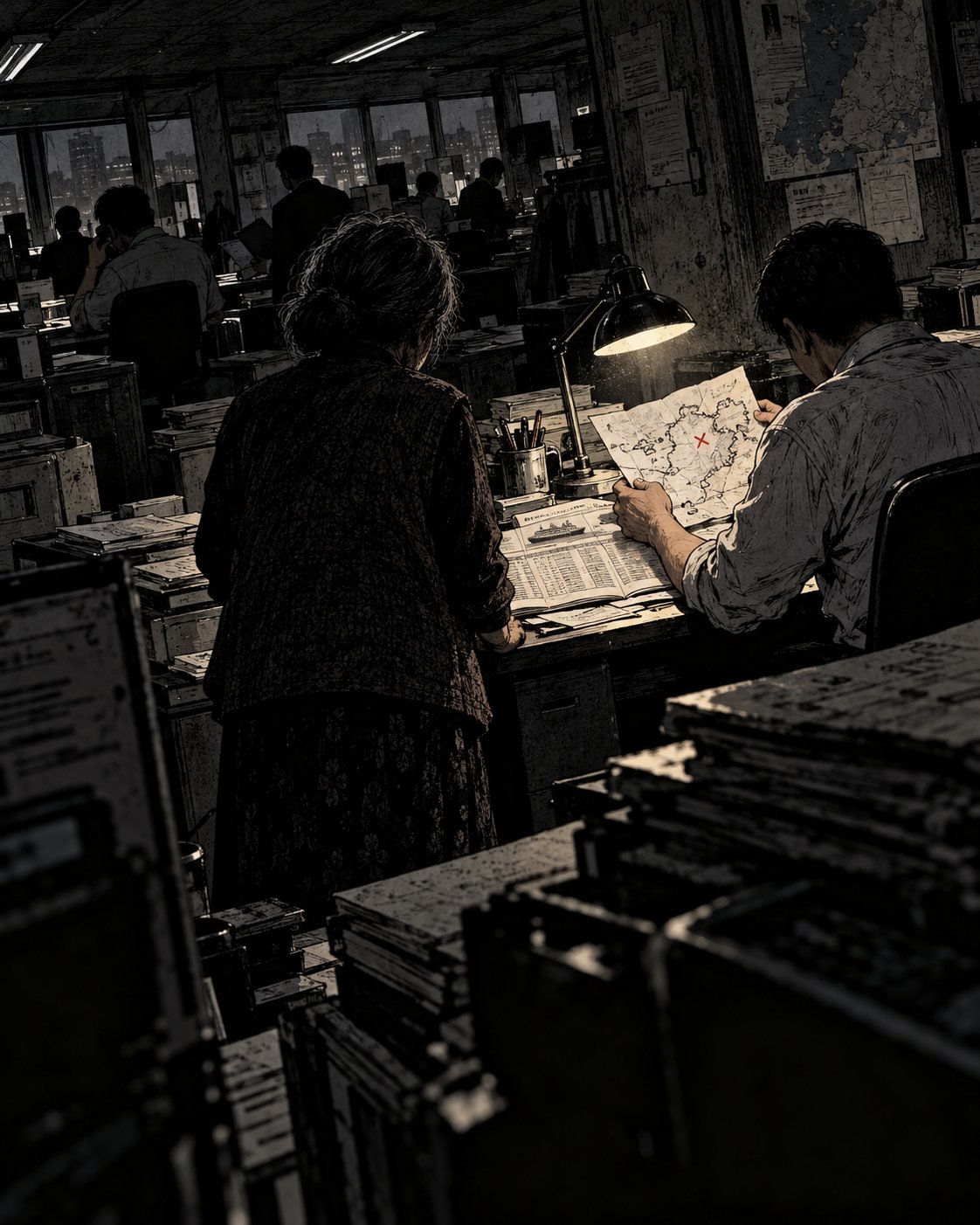
His mother took it to the police in Seoul.
A mother with a shaky letter and a hand-drawn map. It would have been easy to dismiss.
A detective there believed her. He was Seo Je-gong, a police captain in Seoul’s Guro district.
He did not hand the letter to the local police on the island. Instead, he planned a covert operation with another Seoul officer.
Given how often calls on the island had gone straight to the farm owner, it was a careful choice.
The two officers headed for the island.
Found on a mattress in a room with no heat
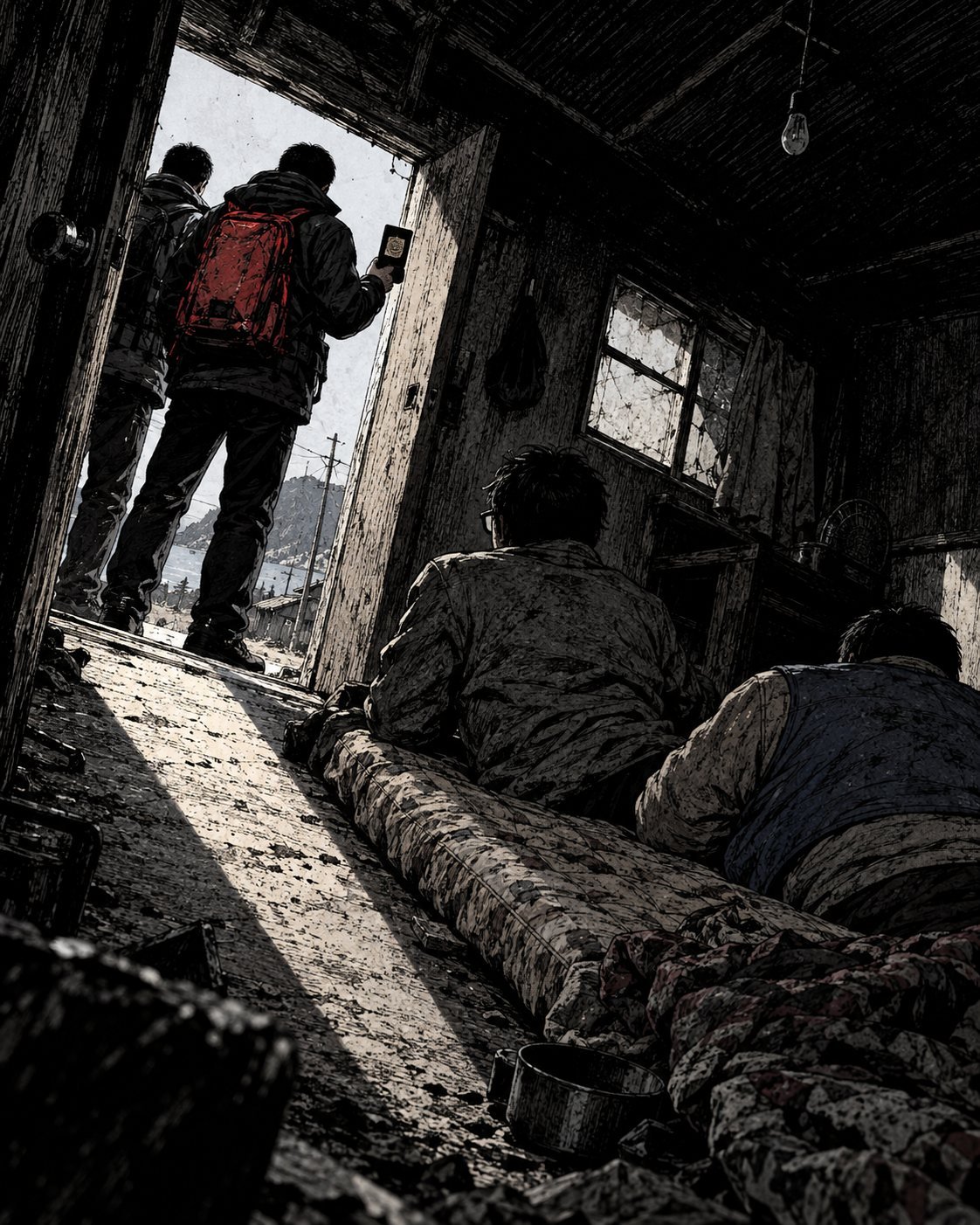
The two officers posing as tourists found Kim on a mattress in a storage building with no heat and no hot water.
They told the owner’s wife who they really were: police from Seoul, there to take Kim home.
Kim left the island in January 2014. He had been there about a year and a half.
Chae was another story. At first, he refused to leave Sinui. He had been there, by some accounts, more than five years.
Later, the detective found the missing-person report Chae’s family had filed in 2008, and police went back for him. Chae was later reported to be living in a shelter in Seoul.
Getting Chae out took a family’s old missing-person report, filed years earlier, to finally do its job.
Two men were out. But the story was only beginning. (Associated Press)
Once police looked, they found 63 more
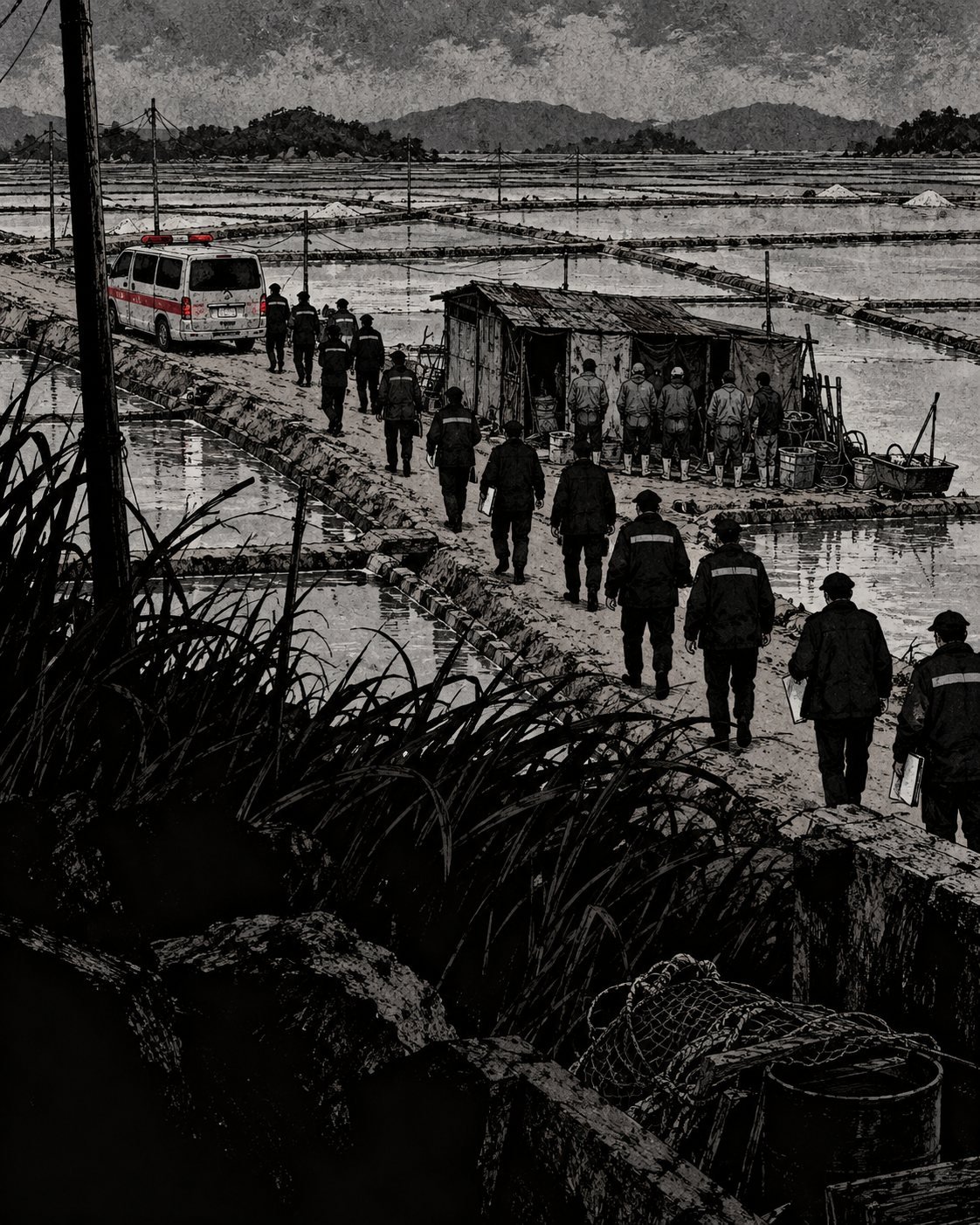
The rescue blew the story open.
A national investigation searched more than 38,000 farms and facilities for disabled people. It found more than 100 workers who had received little or no pay.
Police and labor inspectors swept the salt farms. In Sinan alone, 63 more workers were found unpaid or underpaid, about three-quarters of them with intellectual disabilities.
Around 50 farm owners and job brokers were indicted.
Sixty-three people, on islands where tourists came to see the scenery, working for nothing.
Many of them had disabilities. Many had been recruited the same way Kim was, by brokers looking for people who would not be missed.
Kim’s letter had opened a door that the whole region had kept shut. Next came the courts. (Associated Press)
The owner got three and a half years. The police got nothing
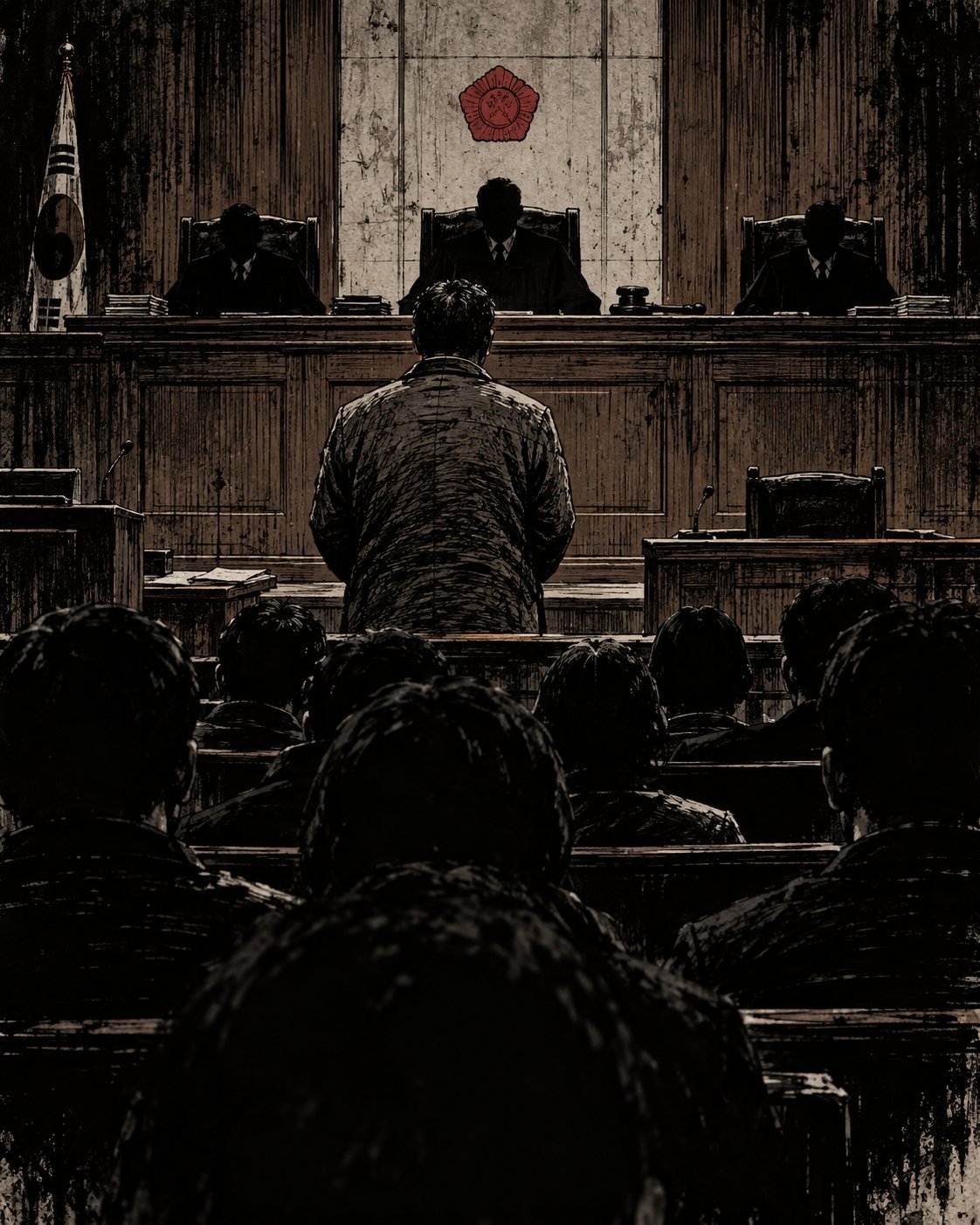
Then came the sentences.
The owner who held Kim got three and a half years. He was convicted of crimes including employing a trafficked person, confinement, habitual violence and breaking labor laws. The grocer’s son who kept calling him was fined about $7,500. Two job brokers were sentenced to two and two and a half years.
Kim settled with the owner for about $35,000 in unpaid wages.
In another appeal, a court suspended an owner’s prison term, reportedly calling the exploitation a kind of local custom.
No police officer or local official was charged.
The people who had sent runaways back were never held to account in a criminal court. So some victims tried another way. (Wikipedia)
Eight sued the state. One won
Eight victims sued the state.
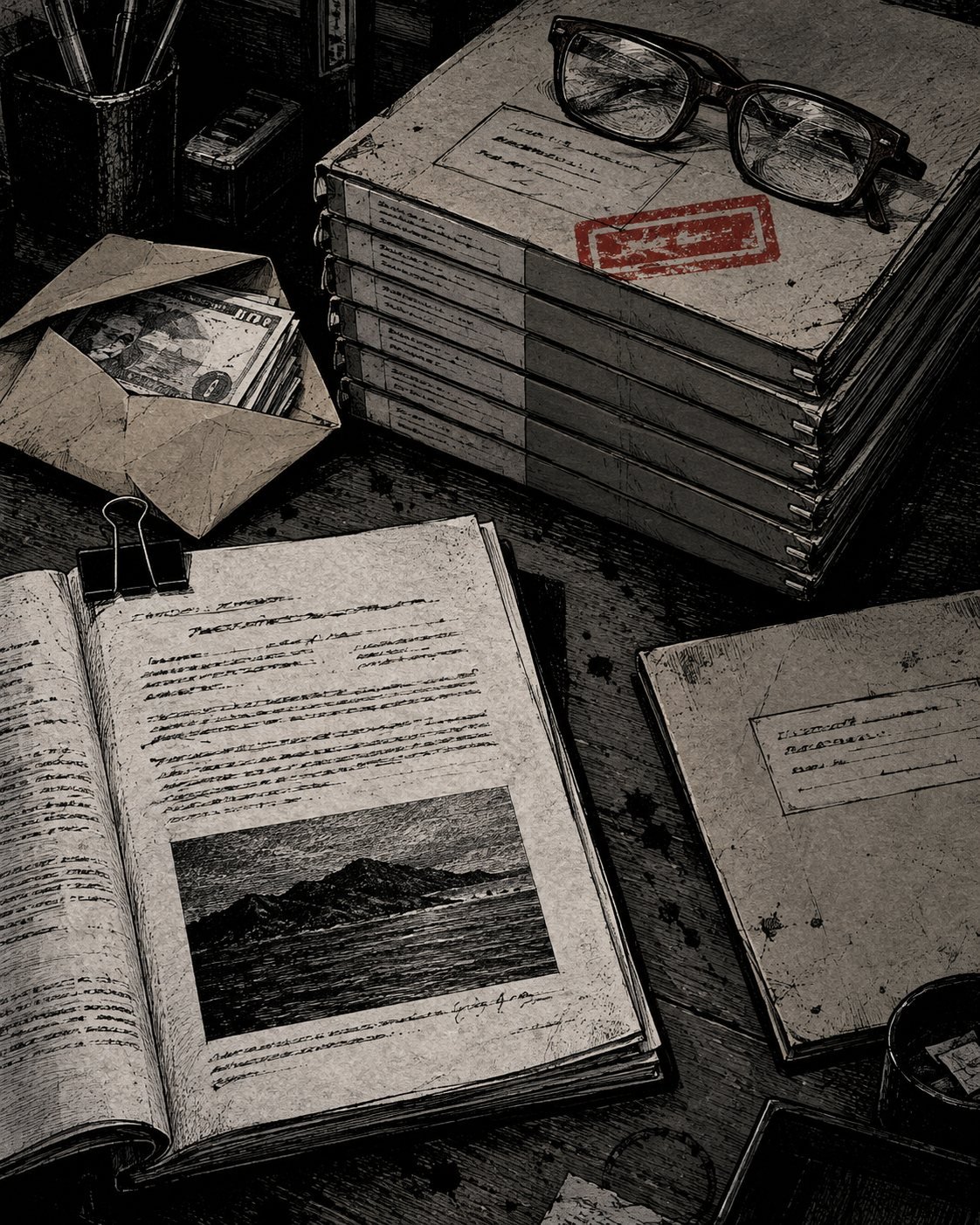
They filed in November 2015, against the national government and two island counties. They said the government had failed to supervise the farms and protect the workers, and that police inaction had kept them trapped.
Each man asked for 30 million won.
In 2017, the court ordered the government to pay 30 million won to one of them: the man the police had sent back.
The other seven lost. The court said there was not enough evidence that officials had wronged them. They had never gone to the police, so there was no officer to blame.
In other words, only the man who had asked for help and been refused could prove the state had failed him. (The Korea Times)
Freed, then back on the salt farms
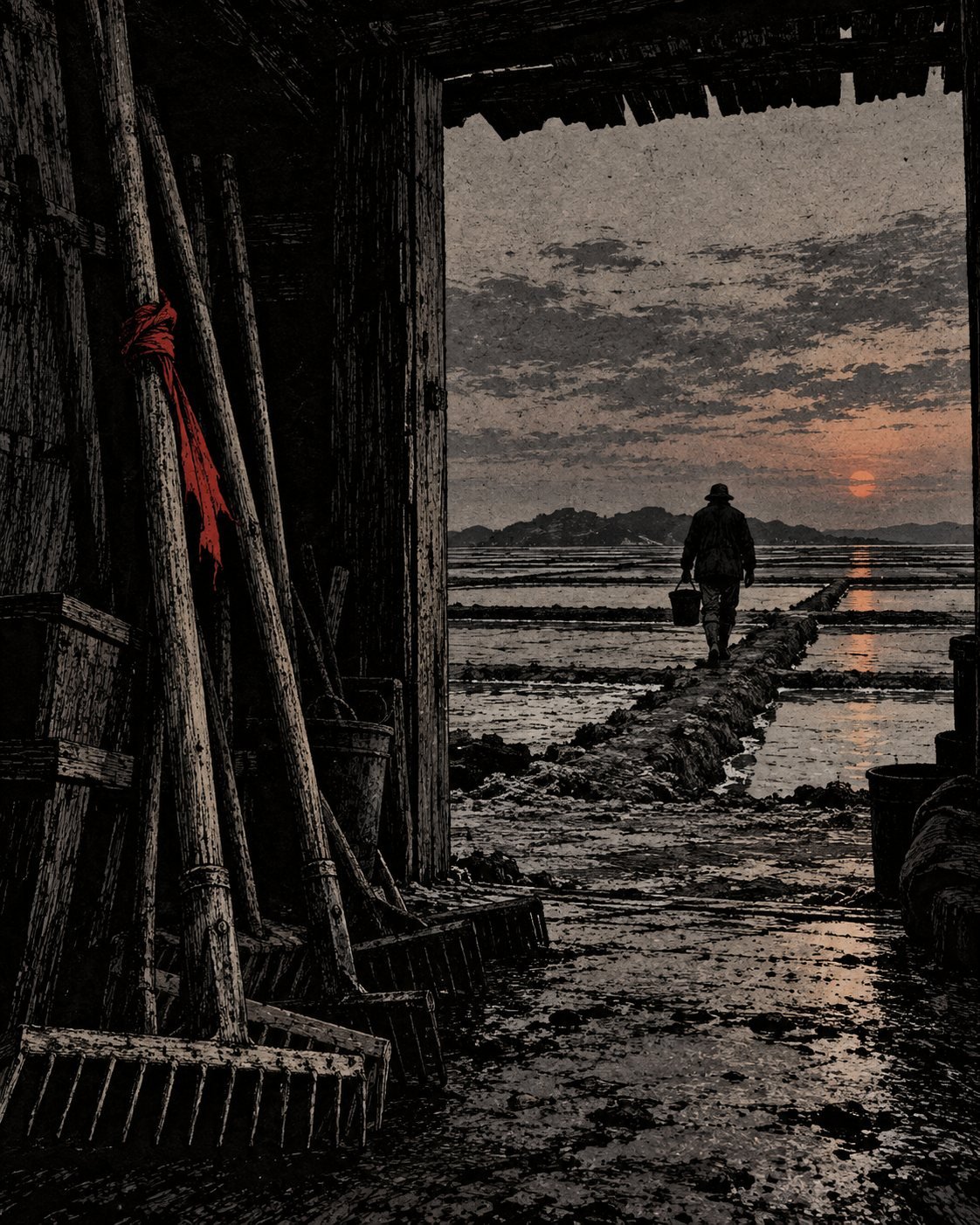
And some of the rescued men had nowhere else to go.
Many of them had been homeless before they were taken. Many had disabilities. They had no home waiting, no family to go back to, and no job.
By one account, around 40 of the 63 freed in Sinan ended up back on salt farms.
It is a hard fact to sit with. Being freed matters. But if the only place that will give you a bed and work is the salt pans, that is where many people end up.
Kim got out for good. After his rescue, the AP reported, he was living in Seoul and doing construction work now and then. He has said he still has nightmares, and pain in his neck, legs and spine. He has said he wants peace.
For others, the story kept repeating. (Wikipedia)
The salt bag never says who raked it
The farms did not change overnight. Forced-labor accusations surfaced again in 2021.
In April 2025, US Customs and Border Protection blocked imports of salt from one Sinan salt farm, citing signs of forced labor.
The farm was Taepyung, on Jeungdo island, the largest in Sinan. CBP said its information “reasonably indicates” the use of forced labor there.
That one farm produces about 6% of all the salt made in South Korea, and supplies major South Korean food companies.
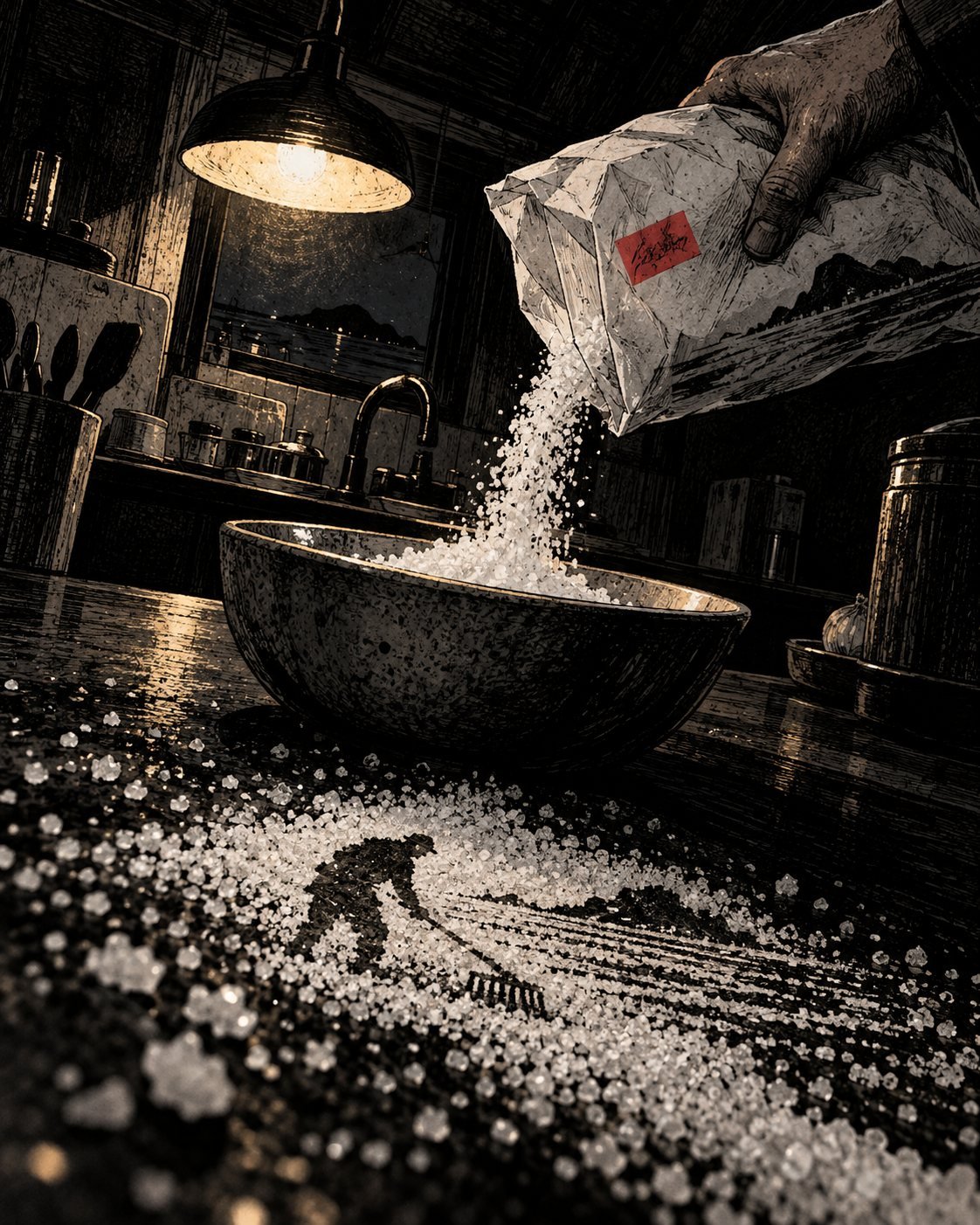
Sinan’s salt ends up in kitchens, in kimchi, on dinner tables.
More than ten years after Kim’s letter, the question it raised was still being asked.
It all looks the same. White and clean.
The bag never says who raked it. (Wikipedia)
Case notes: how a whole island looked away
Kim and Chae were not hidden in a basement. They worked in the open, on flat salt pans that anyone could see across. That is what makes this case so disturbing. Looking back, a few things kept it going.
An island is a cage without bars. Leaving meant taking a ferry, and everyone at the pier knew everyone else. A man with no money, poor eyesight and no phone did not need to be locked in. The sea did the job.
The first step was kindness. Nobody kidnapped Kim. A stranger offered him a bed and a job, and he said yes. For people who are homeless or disabled, the most dangerous offer is often the friendliest one.
When the people meant to protect you are part of the system, escape stops working. A grocer made a phone call. An officer made a phone call. Each time, the call went to the farm owner. Kim got out only when his letter reached police far away from the island.
Rescue is not the end of the story. Many of the men freed in 2014 had no home, no family and no work to go back to, and some returned to the salt farms. Freeing someone matters. So does what they are freed into.
Like the slaves of Benjina, the men of Sinan were invisible not because they were hidden, but because the people around them chose not to see.
Case file summary
- Case: Forced labor on salt farms in Sinan County, South Jeolla Province, South Korea
- Exposed: Early 2014, after a victim’s letter reached his mother in Seoul
- Victims: Dozens of unpaid workers, many with intellectual or visual disabilities
- Outcome: Around 50 owners and brokers indicted; no police or officials charged; one victim awarded state compensation in 2017
Out of respect for the victims, no real person is shown with a recognizable face, and violence is implied rather than drawn. Illustrations are artistic interpretations, not evidence. Victims are referred to by surname only, as in the original reporting.
Related files
- The Brick Kiln Slaves of Shanxi: When 400 Fathers Became the Detectives
- The Slaves of Benjina: The Men Locked in a Cage to Catch the Fish in Your Freezer
- The El Monte Sweatshop: 72 Workers Behind Razor Wire in Los Angeles (1995)
Illustrations are AI-generated artistic interpretations, not photos. No real person is depicted with a recognizable face. Read how we research and illustrate these files.


3 Comments