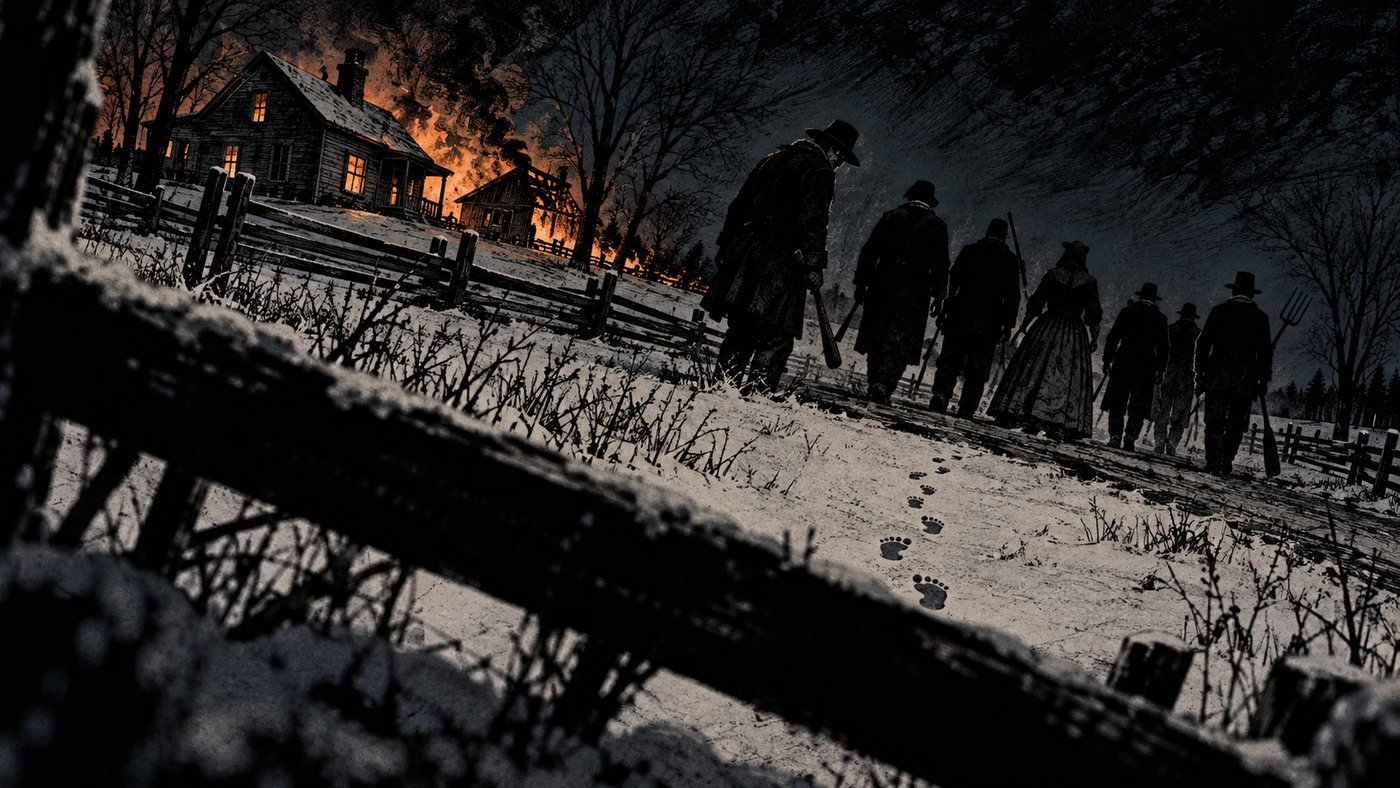
The Black Donnellys: The Night a Whole Township Came to the Door (1880)
After midnight, a crowd crossed the snow carrying clubs
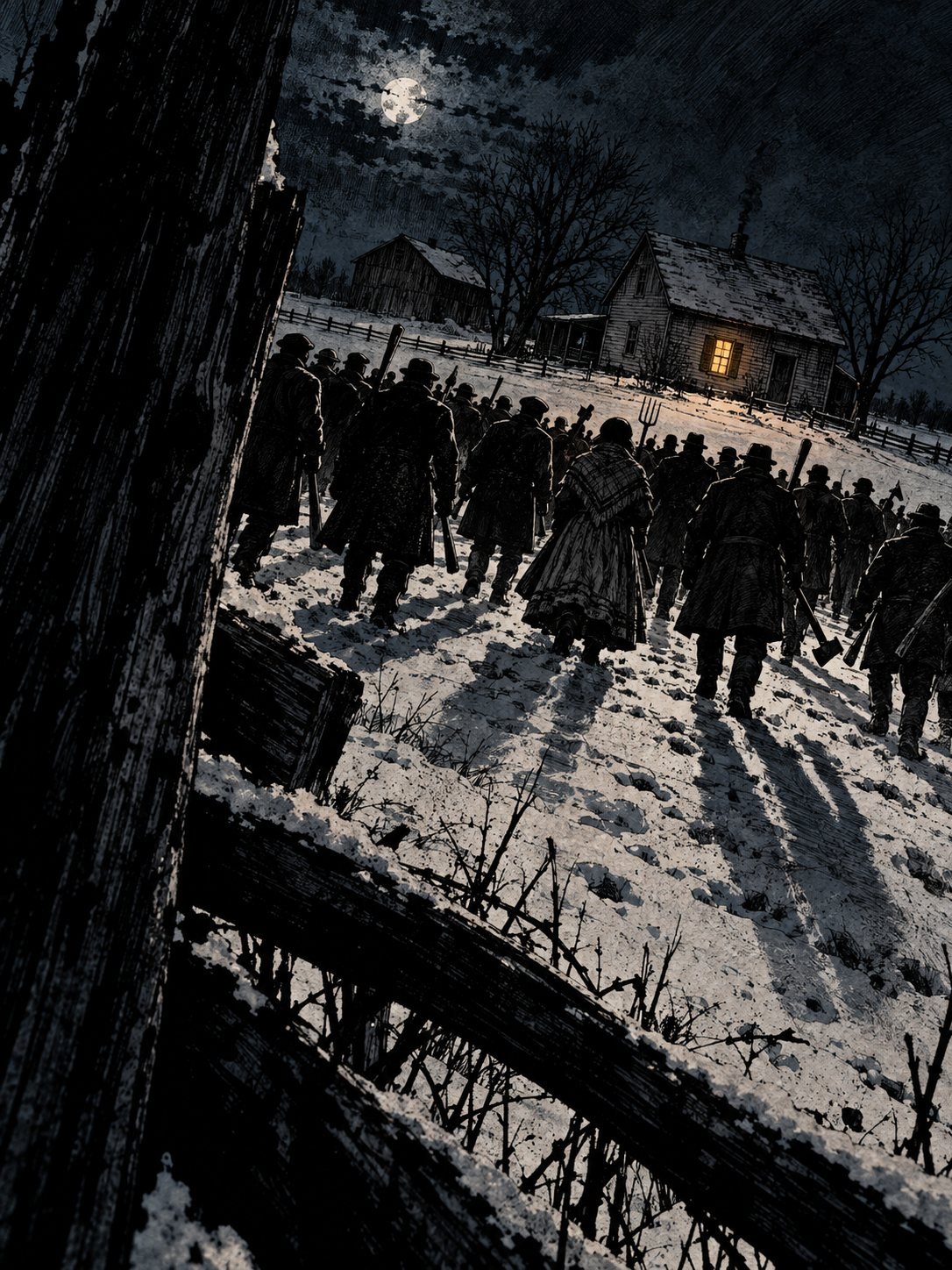
Just after midnight on February 4, 1880, a crowd of men walked across the snow toward a farmhouse outside Lucan, Ontario.
Lucan was a small village in farm country, about 17 miles north of the city of London, Ontario. In winter, the fields around it lay flat and white, and the farmhouses sat far apart along straight country roads.
These men were not strangers. They were from the neighbourhood.
Some had blackened their faces with soot, so they would be harder to recognize. One, a witness later said, was dressed in women’s clothes.
They were carrying clubs.
The farmhouse they were heading for belonged to the Donnelly family. Everyone for miles around knew that name. Many of them hated it.
Inside, four members of the Donnelly household were asleep. And one boy who was not a Donnelly at all. (Canadian Mysteries)
Under the bed, behind a clothes basket, a boy was watching
That boy is the reason we know what happened next.
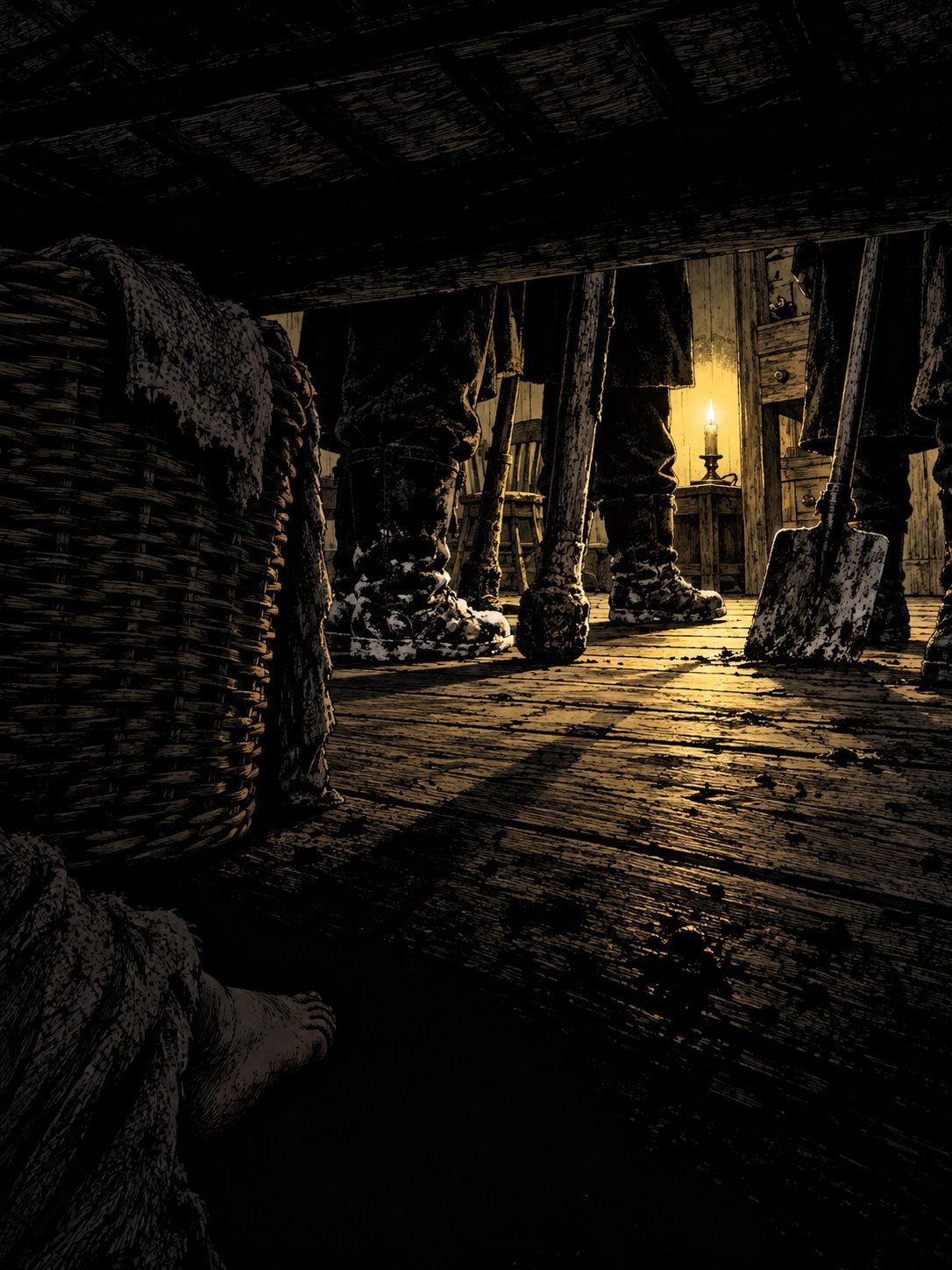
He was a neighbour’s son who had come to help with the farm chores and had stayed the night. When the trouble started, he crawled under a bed and hid behind a clothes basket.
From down there, he could not see faces. He could see what was at floor level.
Boots. Clubs. A spade.
He stayed as still as he could. He listened. And he watched through the gap.
Nobody in that crowd knew he was there. That one mistake would turn a boy hiding in the dark into the most important witness in one of the most notorious cases in Canadian history.
Even today, what he told the court is the main record of what happened inside that house.
He would see almost everything. (Canadian Mysteries)
Five dead, two eyewitnesses, and nobody ever convicted
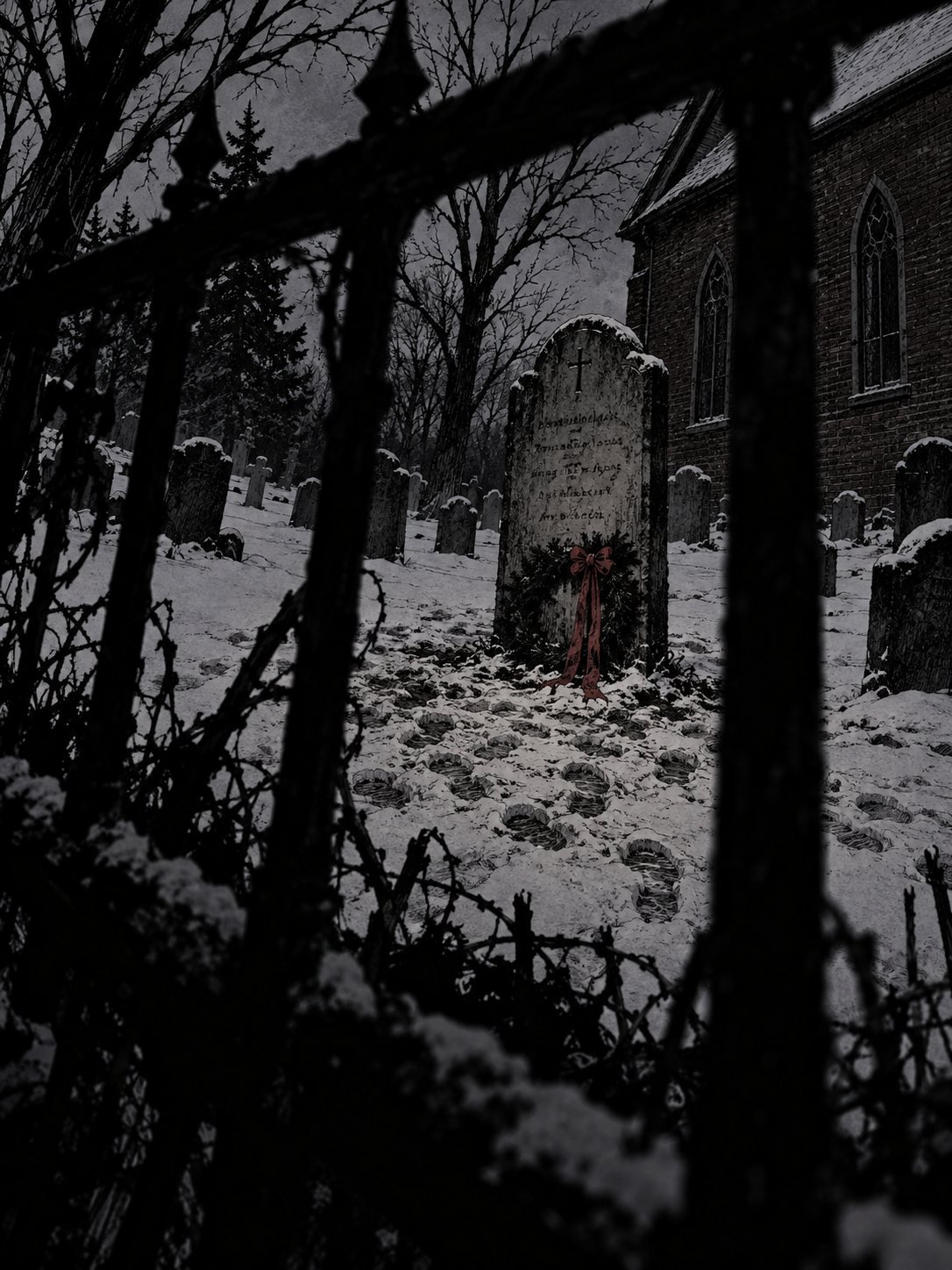
By dawn, five members of the Donnelly family were dead, and their house was ashes.
The victims were James Donnelly, a farmer, his wife Johannah, their sons Tom and John, and their niece Bridget.
This was not a mystery with no clues. There were witnesses. Two people said they recognized men in the crowd. There were names. There were arrests. There were two trials.
Nobody was ever convicted.
How does a crime like that go unpunished? How can a crowd kill five people in one night, in a small farming community where everyone knows everyone, and walk away?
To understand the answer, you have to go back more than thirty years, to an Irish family that came to farm in the woods of Canada West.
This is the story of the Black Donnellys. (The Canadian Encyclopedia)
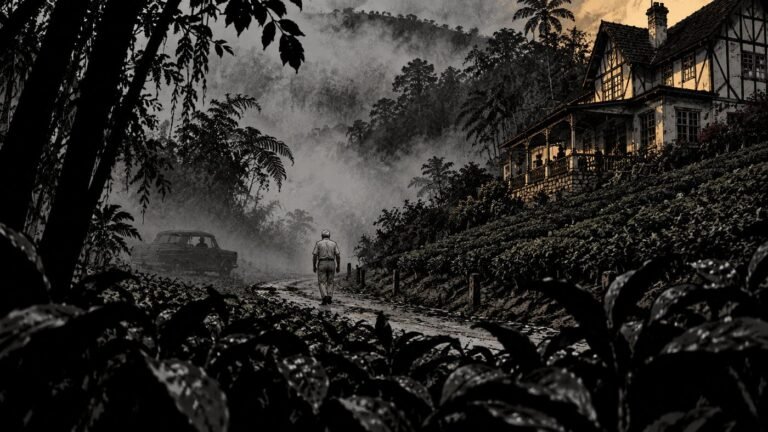
An Irish family came to farm a road called the Roman Line
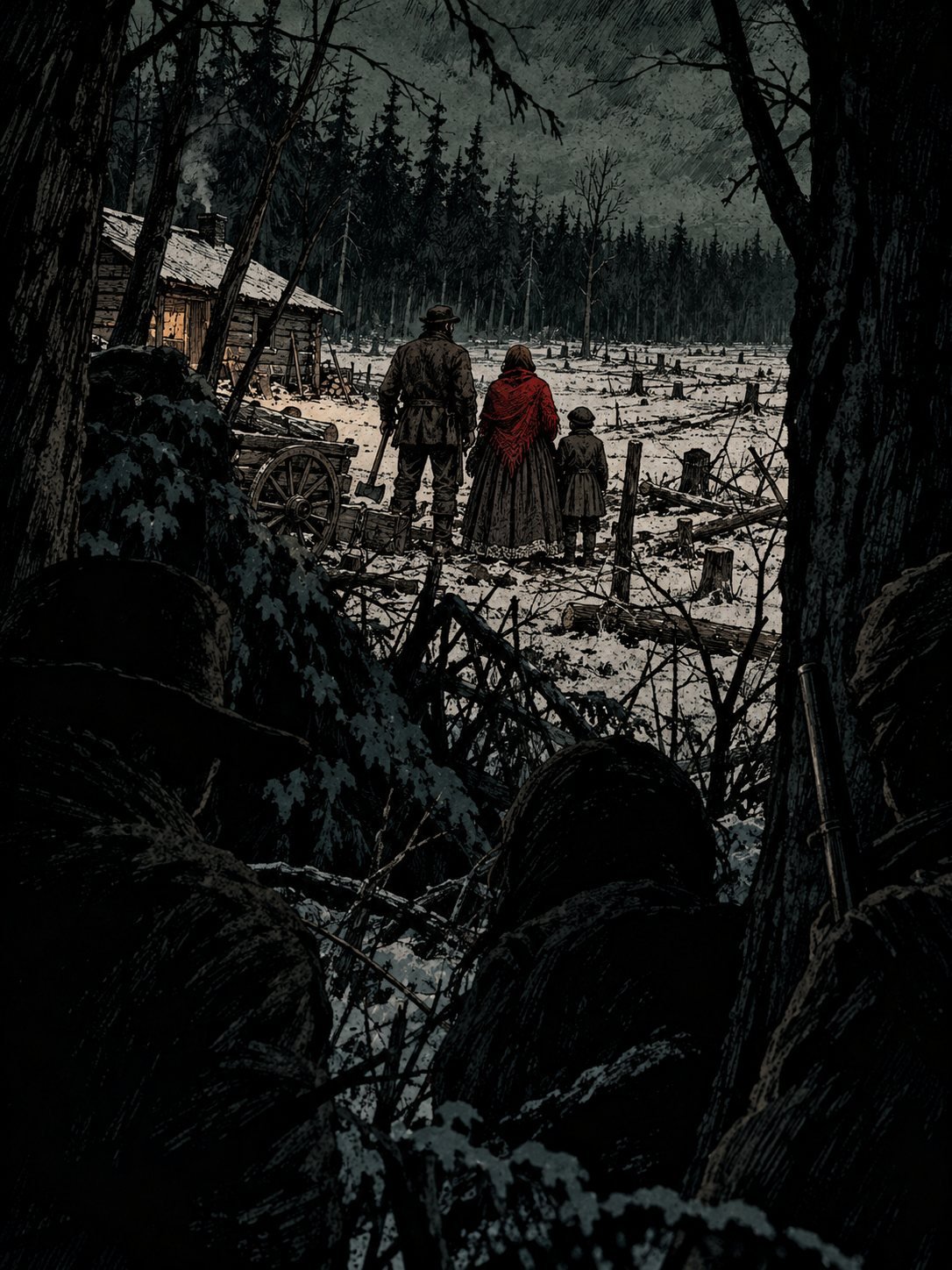
James Donnelly was born in 1816 in County Tipperary, Ireland. He and his wife, Johannah, emigrated in 1844.
In 1847, they settled in Biddulph Township, north of London, in what was then called Canada West. Their land lay on a road the locals called the Roman Line.
Many of those settlers had come from Tipperary too. And they brought old feuds with them. The area already had a reputation for arson, secret societies and faction fighting going back to the mid-1840s. None of those crimes was ever solved.
The Donnellys had bought only half of their 100 acres. In 1856, they were forced off the other 50.
The Dictionary of Canadian Biography says those Tipperary settlers had crossed an ocean, but “still dreamed there.”
The Donnellys would raise seven sons on the Roman Line. And a lot of trouble. (Dictionary of Canadian Biography)
One drunken fight at a logging bee, and a man was dead
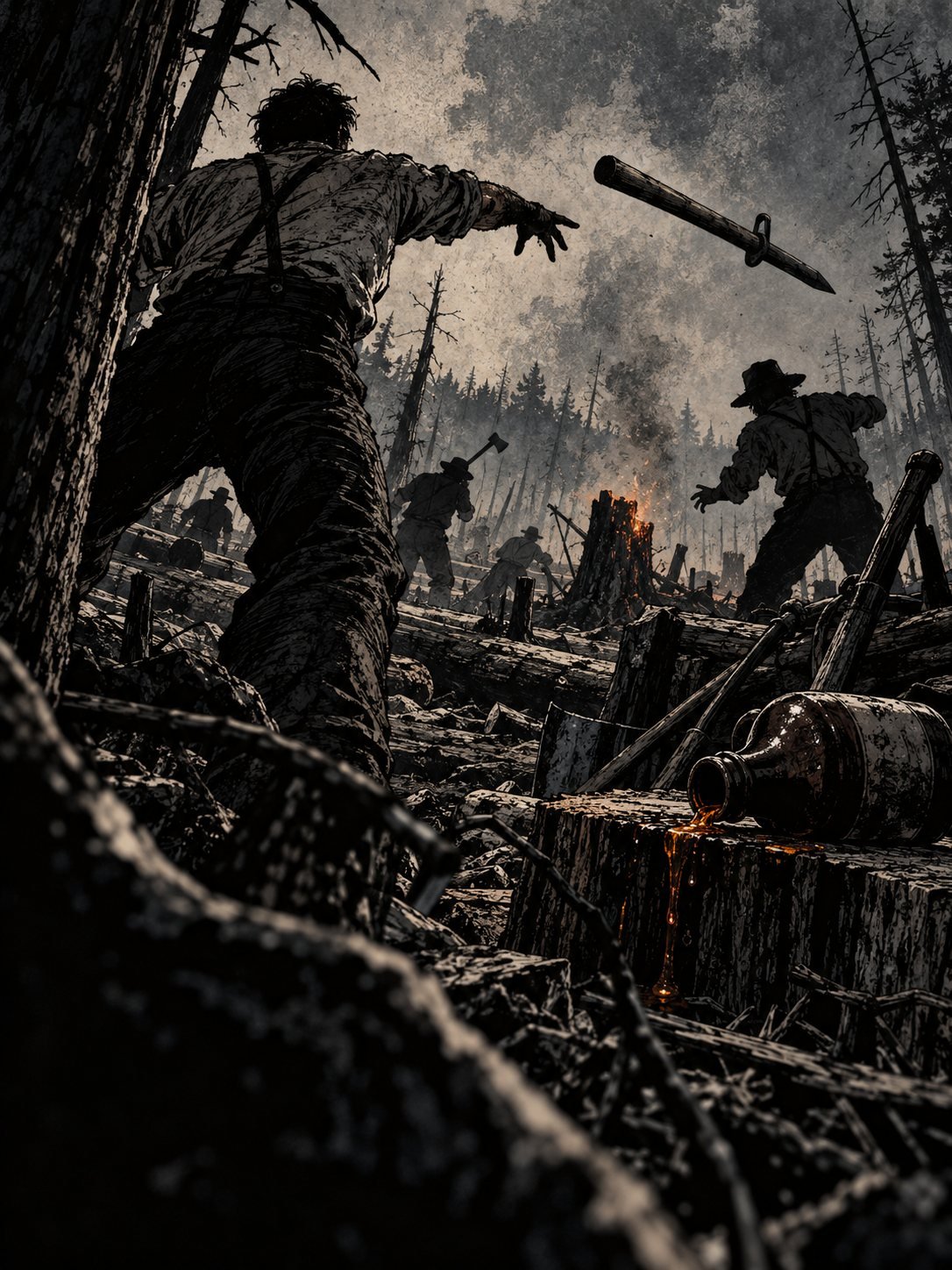
In the 1850s, clearing land in Canada West was brutal work. Neighbours helped each other at a “logging bee”: a day when a crowd gathered to drag and pile felled trees, often with drink involved.
On June 25, 1857, at one of those bees, James Donnelly got into a drunken fight with a neighbour, Patrick Farrell.
He threw a wooden handspike, a heavy lever used to move logs. The court papers later described it as “a certain wooden handspike of the value of one penny.”
Farrell died.
Donnelly hid for about a year before he was tried. Then he served seven years in Kingston Penitentiary. He came home in 1865.
His family had spent those years without him on the Roman Line. And now the Donnelly name was tied to a killing. (Dictionary of Canadian Biography)
A stagecoach war, burning stables and a new nickname
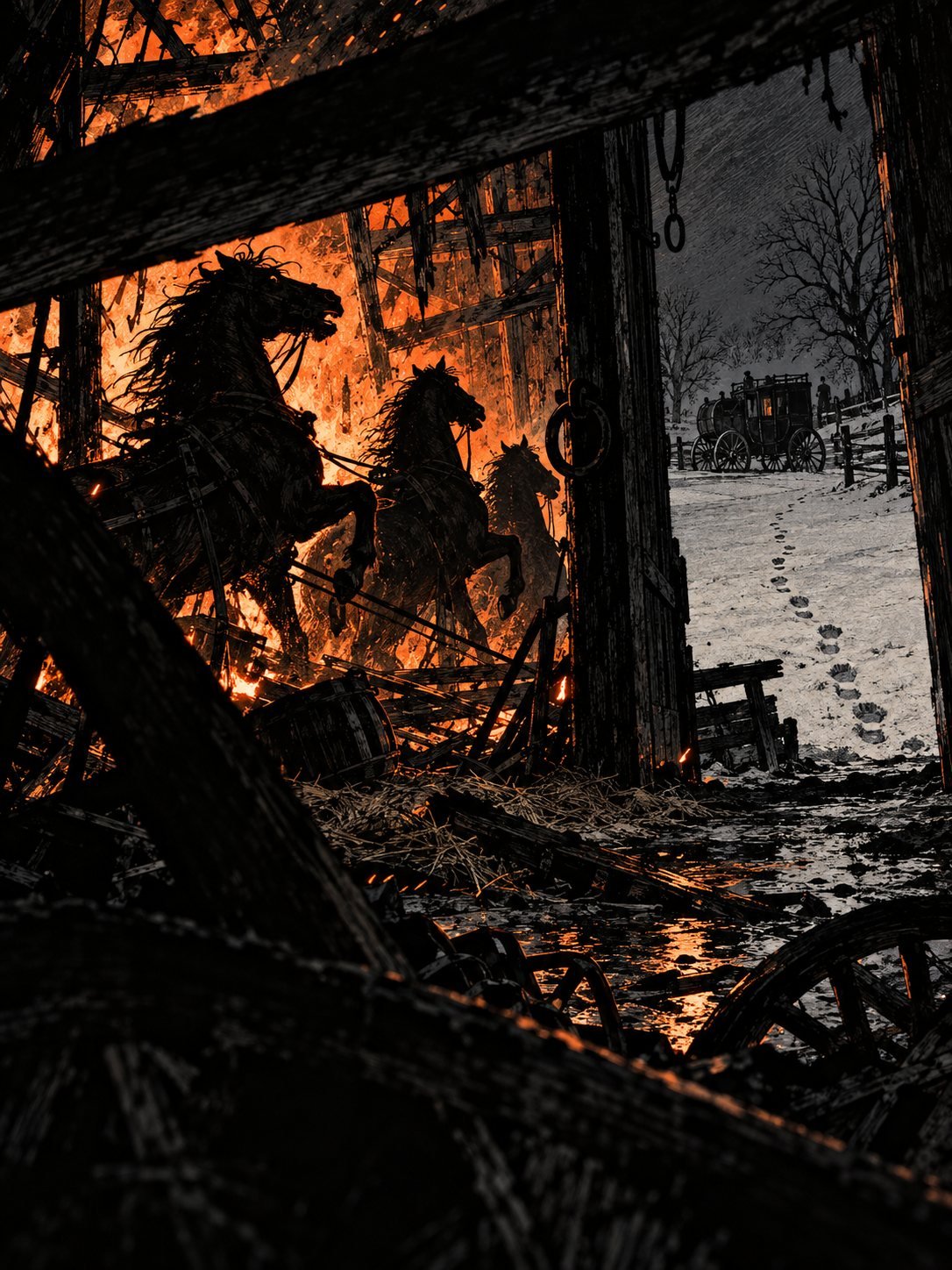
When the Donnelly sons grew up, they went into business. They ran a stagecoach line between Lucan and London.
In those days before cars, a stagecoach was how ordinary people and the mail got from town to town. It was a good business, and there was a rival line on the same road.
The competition turned vicious. Stables burned on both sides. Horses were hurt.
Who started it, and who did what, depends on who you ask. But the Donnellys got most of the blame.
People began calling them the Black Donnellys.
It was the kind of name that sticks to a family for generations. By the late 1870s, almost anything that went wrong on the Roman Line was blamed on them. (Dictionary of Canadian Biography)
Every fire on the Roman Line was blamed on one family
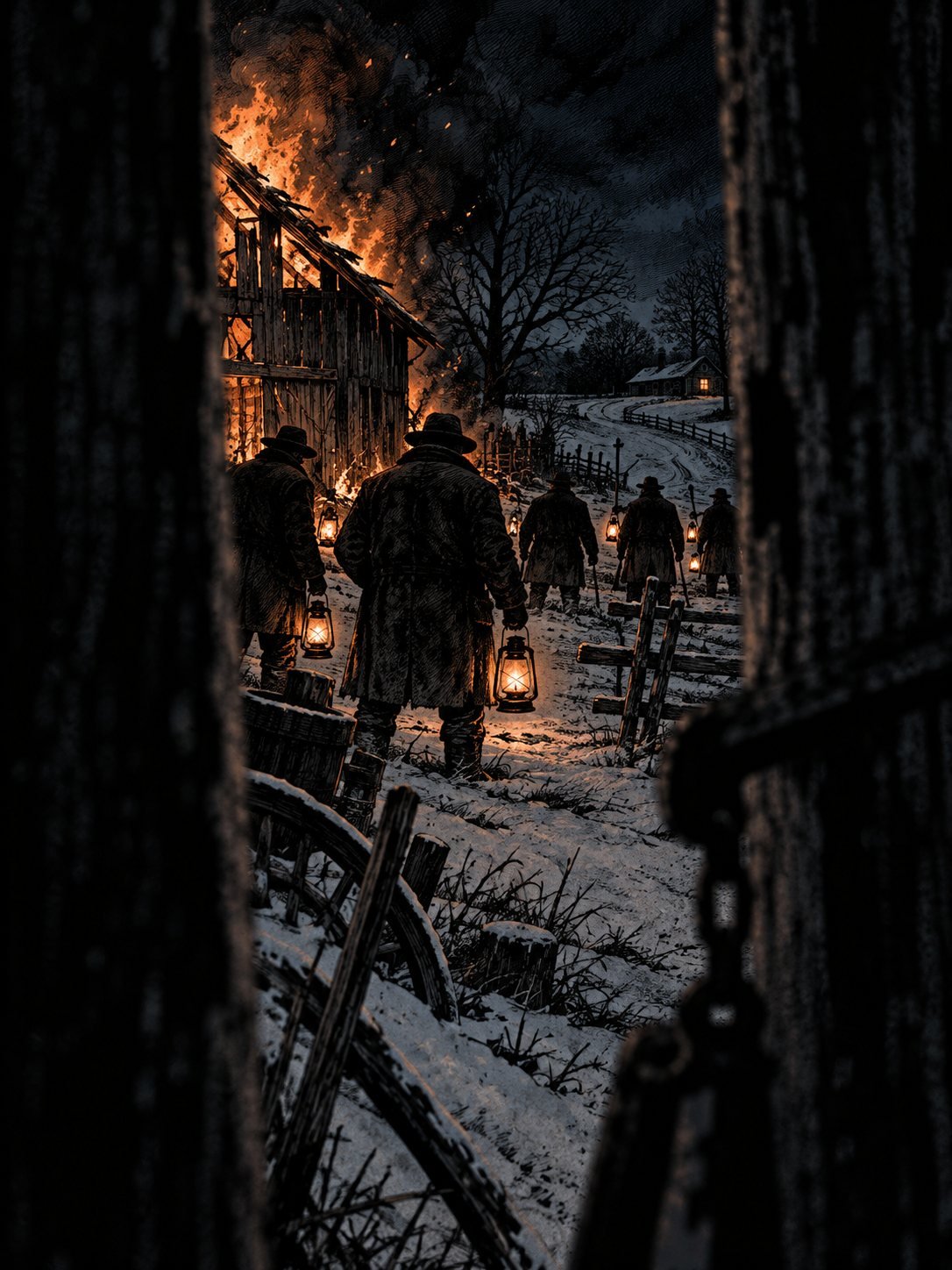
Every fire, every lame horse, every broken fence on the Roman Line was blamed on the Donnellys.
Some of it may have been true. Much of it was never proven. The sons fought, feuded and ended up in court. But in a place where crimes were rarely solved, a family with a bad name made a very convenient suspect.
In 1879, the new parish priest denounced the Donnellys. That same year, a mob gathered at their farm in broad daylight. The old man later said, “I was not in the least afraid of them.”
Then, in January 1880, James and Johannah Donnelly were charged with burning a neighbour’s barn.
Two old people, one in his sixties, facing a charge of arson. To their enemies, it proved what they already believed.
The pressure on the family was building fast. (Dictionary of Canadian Biography)
A neighbour’s boy came to do the chores and stayed over
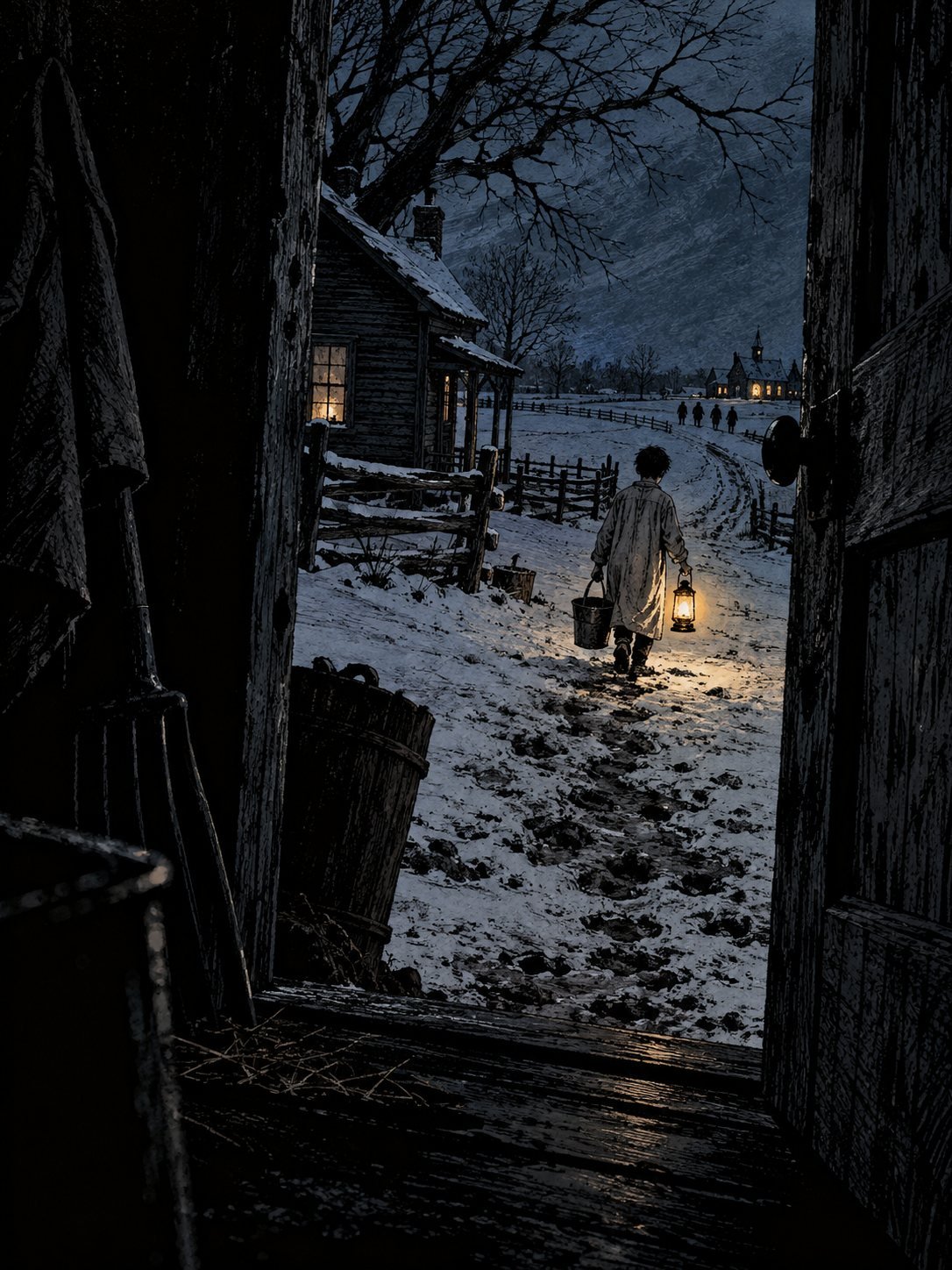
On the evening of February 3, a neighbour’s boy, Johnny O’Connor, came to the Donnelly farm to do the chores.
He told the court later that old Mr. Donnelly and Tom had asked him to help. The family had been away in the nearby village of Granton that day. He arrived before dark and fed the horses and the pigs.
By the time the work was done, it was late. The old man told him to stay the night.
Johnny slept in the front room, in James Donnelly’s bed, beside the old man. Bridget and Mrs. Donnelly slept in the middle room. Tom slept in the kitchen.
It was an ordinary arrangement in a farmhouse. It also put him in the one room where he would see almost everything. (Canadian Mysteries)
That night, the neighbours met at a schoolhouse
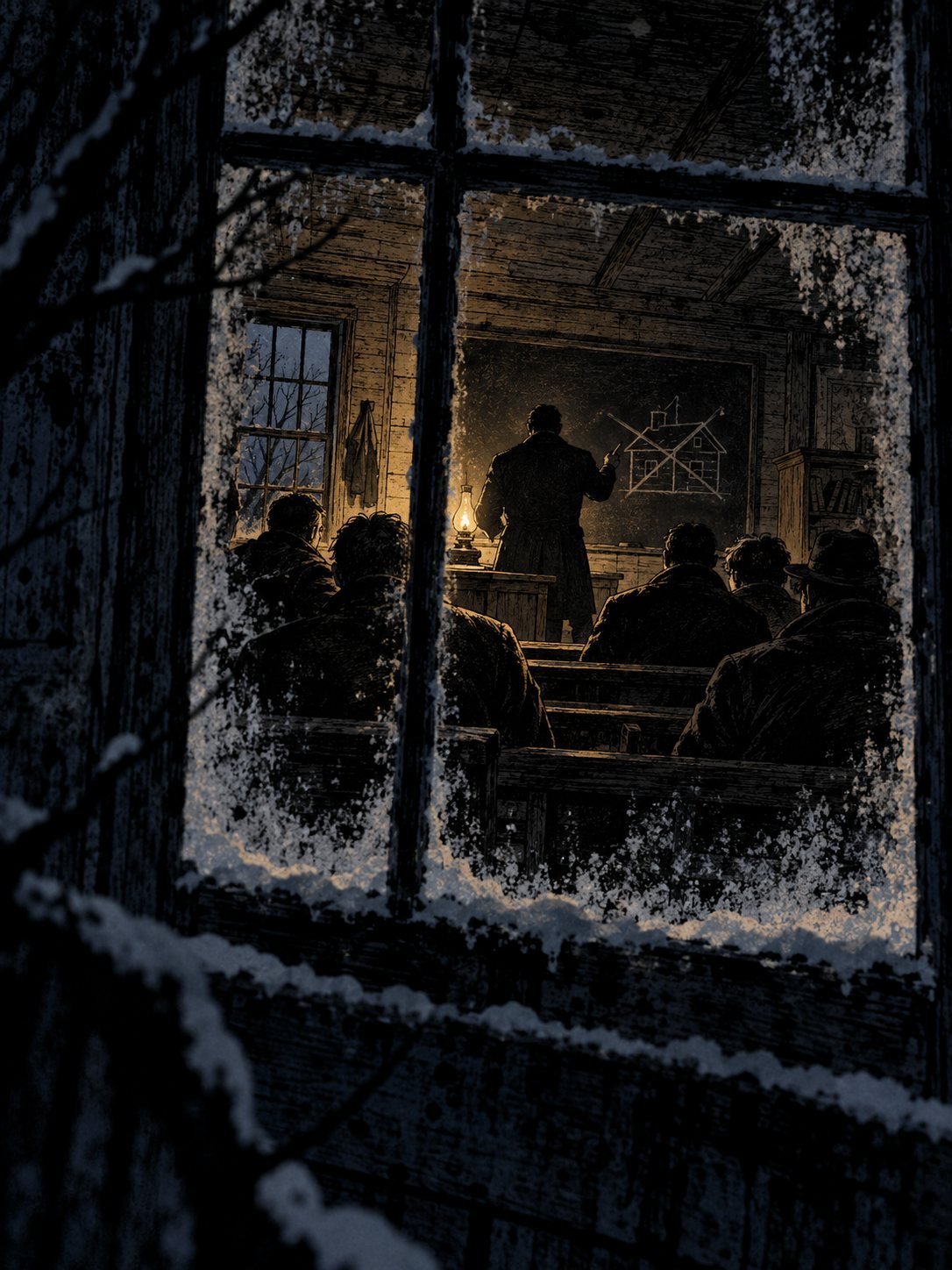
That same night, men from the neighbourhood gathered at the Cedar Swamp schoolhouse.
A country schoolhouse stood empty at night. It was a place where a group of men could meet without drawing attention at home.
Many of these men belonged to a vigilance committee. It had been formed to deal with the crime on the Roman Line. In theory, it was there to help keep the peace.
In practice, the people at that meeting had already decided who the problem was.
They did not need a judge. They did not need a trial. They had a list of grievances going back years, and a farmhouse with an old couple, their son, their niece and a sleeping boy inside.
Sometime after midnight, they set out across the snow.
The constable came to the door with a candle and a charge
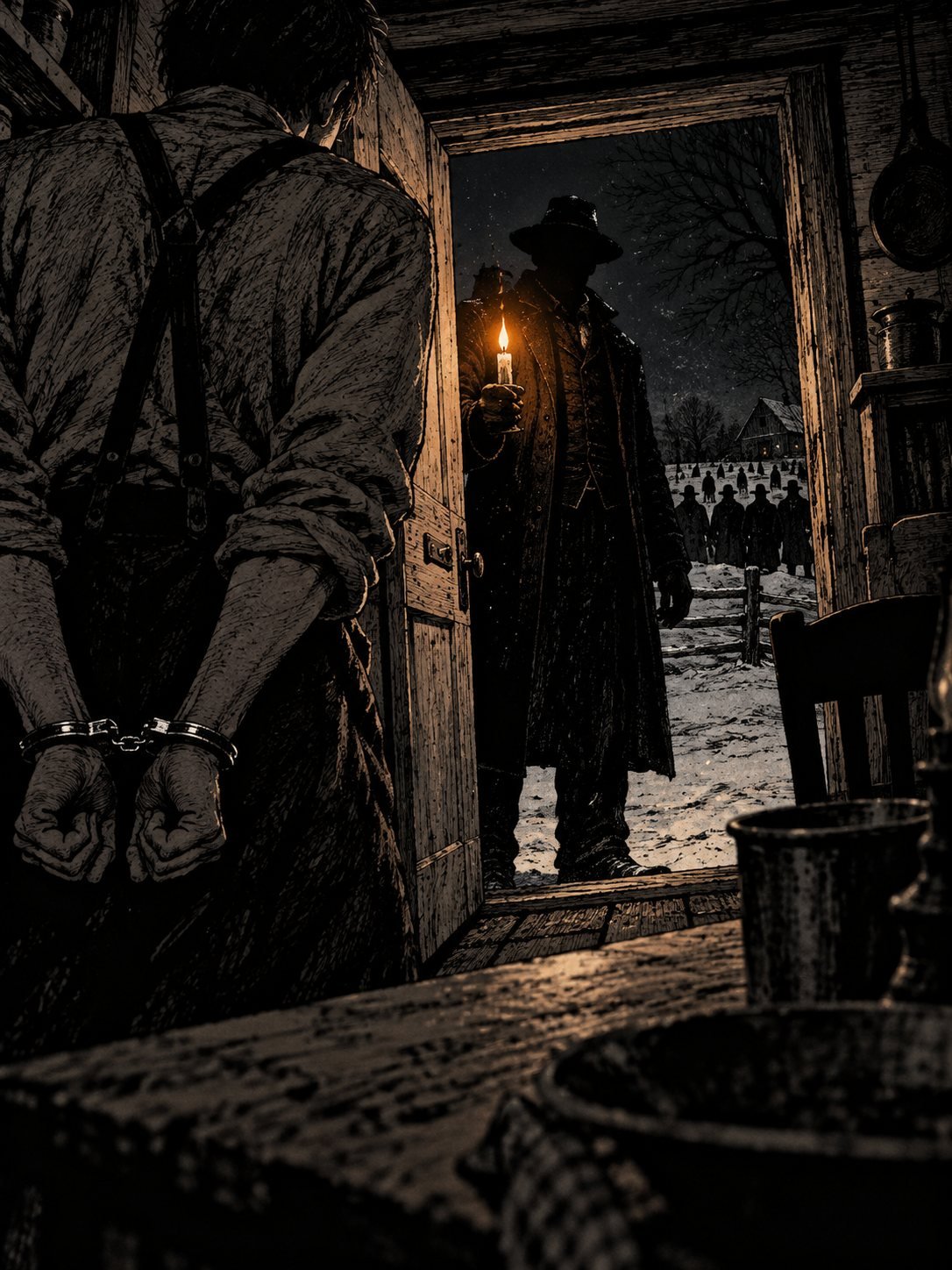
Sometime after midnight, there was someone at the Donnellys’ door.
It was the local constable, James Carroll. He was holding a candle.
Johnny O’Connor woke up as the old man got out of bed. Carroll said he had “another charge” against them. He put handcuffs on Tom Donnelly. Tom asked him to read the warrant.
The old man went looking for his coat. Johnny found it for him. The old man asked what they were being arrested for now.
A constable is a local police officer. A knock from the law in the middle of the night was not normal, but for this family it was not unthinkable either. They had been in and out of court for years.
What they did not know was who was standing outside in the dark, behind the candle. (Canadian Mysteries)
Then the rest of them came through the door

Then the rest of them came in.
The boy heard the crowd rush through the door. He heard the sticks.
In seconds, a quiet farmhouse was full of men with their faces blackened. The family had no warning and nowhere to go. Tom was in handcuffs.
Johnny did the only thing a child could do. He slid under the bed and pushed himself back behind the clothes basket, as far as he could go.
He could not stop what was happening. All he could do was stay hidden and stay quiet. He could not see much from down there. But he could hear.
He pushed himself further under the bed.
Above him, in the dim light of a candle, the attack had begun. (Canadian Mysteries)
Bridget ran for the stairs and shut the door behind her

Bridget Donnelly was the family’s niece. She was living with her aunt and uncle on the farm.
When the crowd burst in, she ran for the stairs.
Johnny scrambled out to follow her. Upstairs might have been safer. But she shut the stairway door.
So he went back to the bedroom and hid again.
Was she trying to keep him out, or simply trying to save herself in a moment of panic? Nobody can say. But that closed door kept the boy downstairs, under the bed, where no one thought to look.
Later, from under the bed, Johnny heard someone ask, “where is the girl?” Someone else answered, “up stairs.”
Several men went up the stairs. After that, the boy heard no noise from up there.
Bridget did not survive the night. (Canadian Mysteries)
Still in handcuffs, Tom broke out into the yard

Tom Donnelly, still in handcuffs, broke out of the front door.
He made it into the yard. They caught him there.
From under the bed, Johnny could hear the handcuffs rattling outside. He heard someone say to break his skull. Through the gap, he saw a spade.
With his hands cuffed together, he had no way to fight back.
It is hard to read what the boy described. It is meant to be. This was not a fight, and it was not an arrest. It was a group of neighbours deciding that a family should not live.
In court, Johnny later admitted he had not actually seen Carroll at that moment, outside with Tom. He was honest about the limits of what he saw. The defence would use every one of those limits.
And the men were not finished yet. (Canadian Mysteries)
They poured coal oil on the bed with the boy still under it

Then the men came back into the bedroom with a lamp. Johnny heard it being set down by a window.
Johnny heard one of them talk about coal oil, the kerosene that farm families burned in their lamps. Coal oil catches fire fast and burns hot.
They poured it over the bed.
The boy was still underneath it.
They did not know he was there. If they had looked under the bed, the story would have ended differently. But they were in a hurry now. A fire would destroy the house and much of what had happened inside it.
They set the bed alight. Then they ran out of the house.
Under the burning bed, a boy was still alive. (Canadian Mysteries)
He ran barefoot through the snow to wake the neighbours
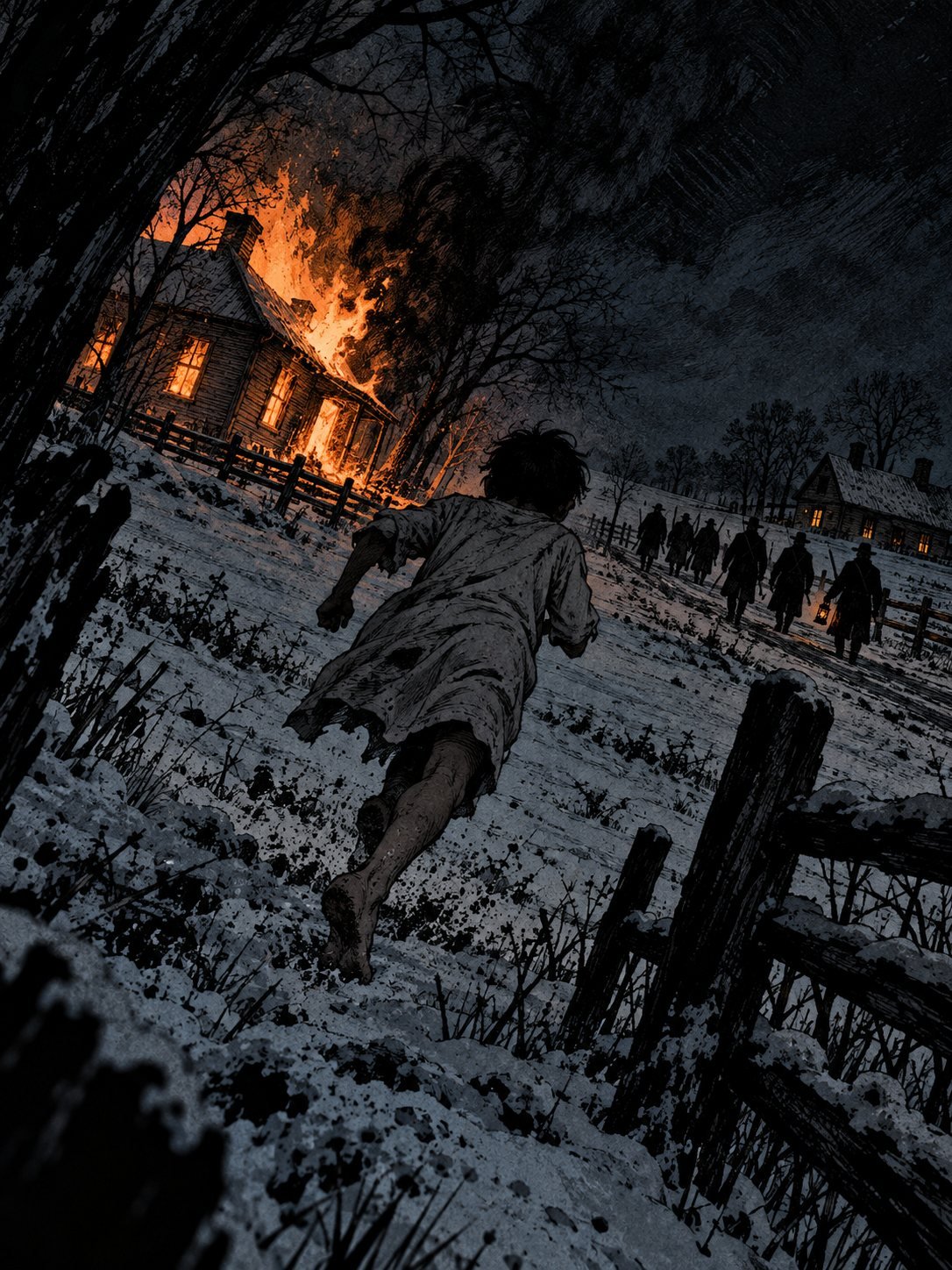
When they left, Johnny crawled out from under the bed.
He pulled on his pants. He tried to put out the fire. He could not. It was already too big.
He ran barefoot through the snow, across the road, to the neighbours, the Whelans. Their house was only about fifty yards away. He woke Mr. Whelan, who at first thought the boy must be dreaming.
He was not. He told Mr. Whelan that men had come to the house and that the house was on fire.
Behind him, the Donnelly house was burning.
In the morning, Johnny was taken back to Lucan, to his own family. He told them what had happened. His father spread the news through the town.
But by then, the crowd had already gone somewhere else. (Canadian Mysteries)
They shouted Fire to draw him out. The wrong brother came

After the farmhouse, the men went to the home of another son, Will Donnelly, a few miles away.
Will had been at the centre of several of the family’s feuds, from the stagecoach war to a bitter dispute over a marriage.
They used a trick to bring him out. They shouted “Fire!” On a farm, a fire in the barn is a disaster, and nobody stays in bed when they hear that word.
But it was not Will who opened the door. It was his brother John, who happened to be staying the night.
They shot him.
John Donnelly died at his brother’s door. He was the fifth member of the family killed that night. The men may well have thought they had got the brother they came for.
They hadn’t.
Will watched from the window and recognized faces

Will was inside, hiding, watching through the window.
He saw the men in the snow outside his house. Unlike the boy under the bed, he was looking at them standing up, and he knew these people. They were his neighbours.
He said later he recognized some of the men outside. He named them to the authorities.
Now there were two witnesses. A boy who had seen the attack on the farmhouse, and a son who had seen the men at his own door.
Between them, the two eyewitnesses said they had identified six of the attackers.
In most murder cases, two eyewitnesses naming names would be the start of a strong prosecution.
In Biddulph Township, it was the start of something else.
By morning, only a chimney was left standing
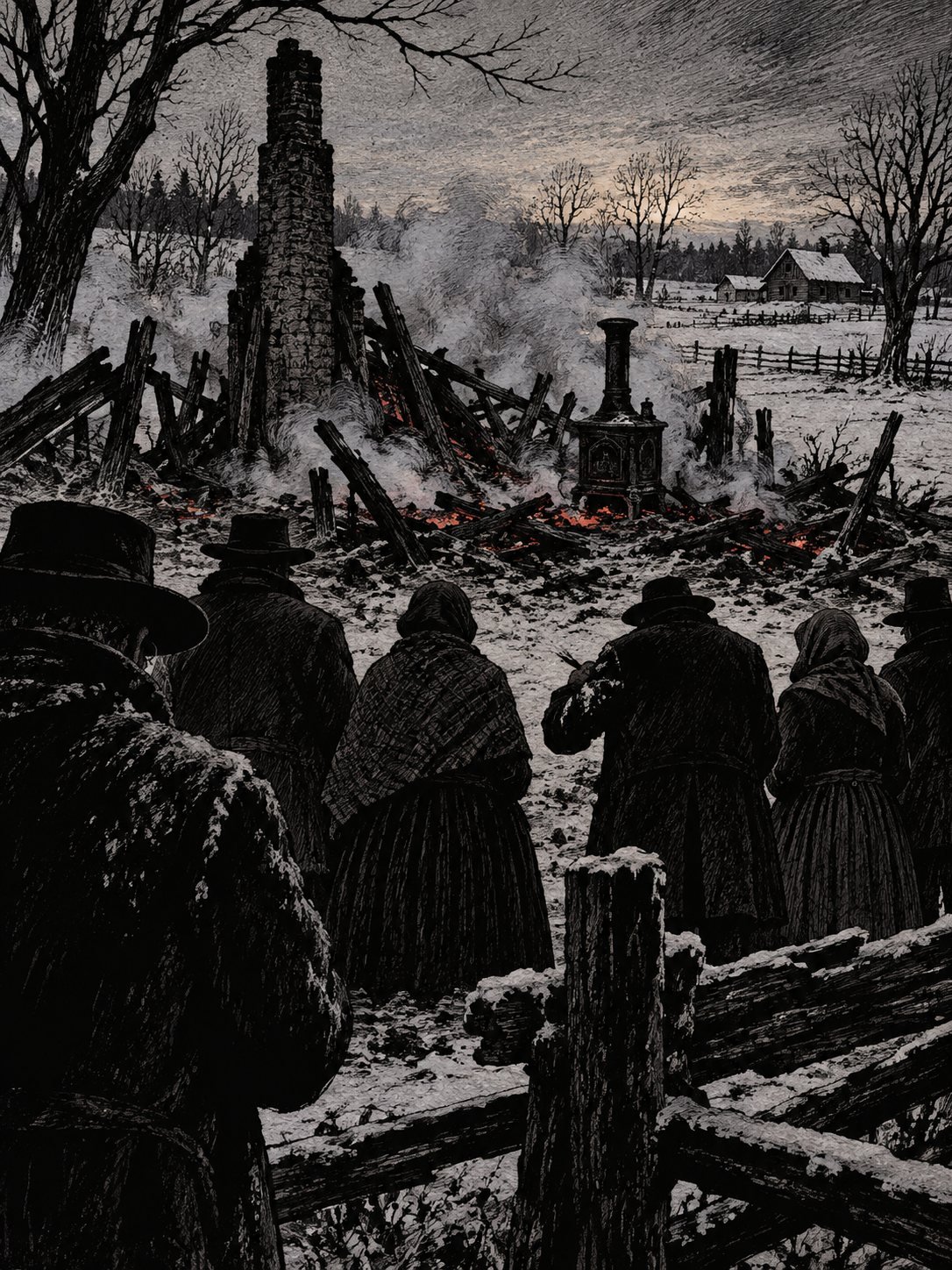
In the morning, the Donnelly farmhouse was a pile of ash with a chimney standing in it.
James, Johannah, Tom and Bridget were dead. John was dead at his brother’s door, a few miles away.
The neighbours came to look. They stood in the cold and stared at the smoking ruins.
A coroner’s inquest was held the same day, February 4. Its conclusion was that the Donnellys had been murdered, by “persons unknown.”
An inquest is a formal inquiry, led by a coroner, into how someone died. It does not put anyone on trial. But it was a strange phrase to use.
Persons unknown. With two eyewitnesses.
The news spread far beyond Ontario. Now the question was whether the law would act. (The Canadian Encyclopedia)
The key witness was a boy, and his family’s house burned

Thirteen men were arrested. Constable James Carroll, the man who had come to the door with the candle, was tried first.
The boy, Johnny O’Connor, was the key witness. Testifying against a crowd of grown men from his own community was dangerous. Before the trial, his family’s house was burned down. He had to be kept under police protection.
In court, the defence went after his story. Under cross-examination, he admitted that he had first told people he recognized no one. He said that was false, and that he had been afraid.
The trial was held in London, Ontario. Feelings in the community were split between people who sympathized with the Donnellys and people who did not.
In October 1880, the jury could not agree. (Canadian Mysteries)
The second jury said not guilty. That was the end of it
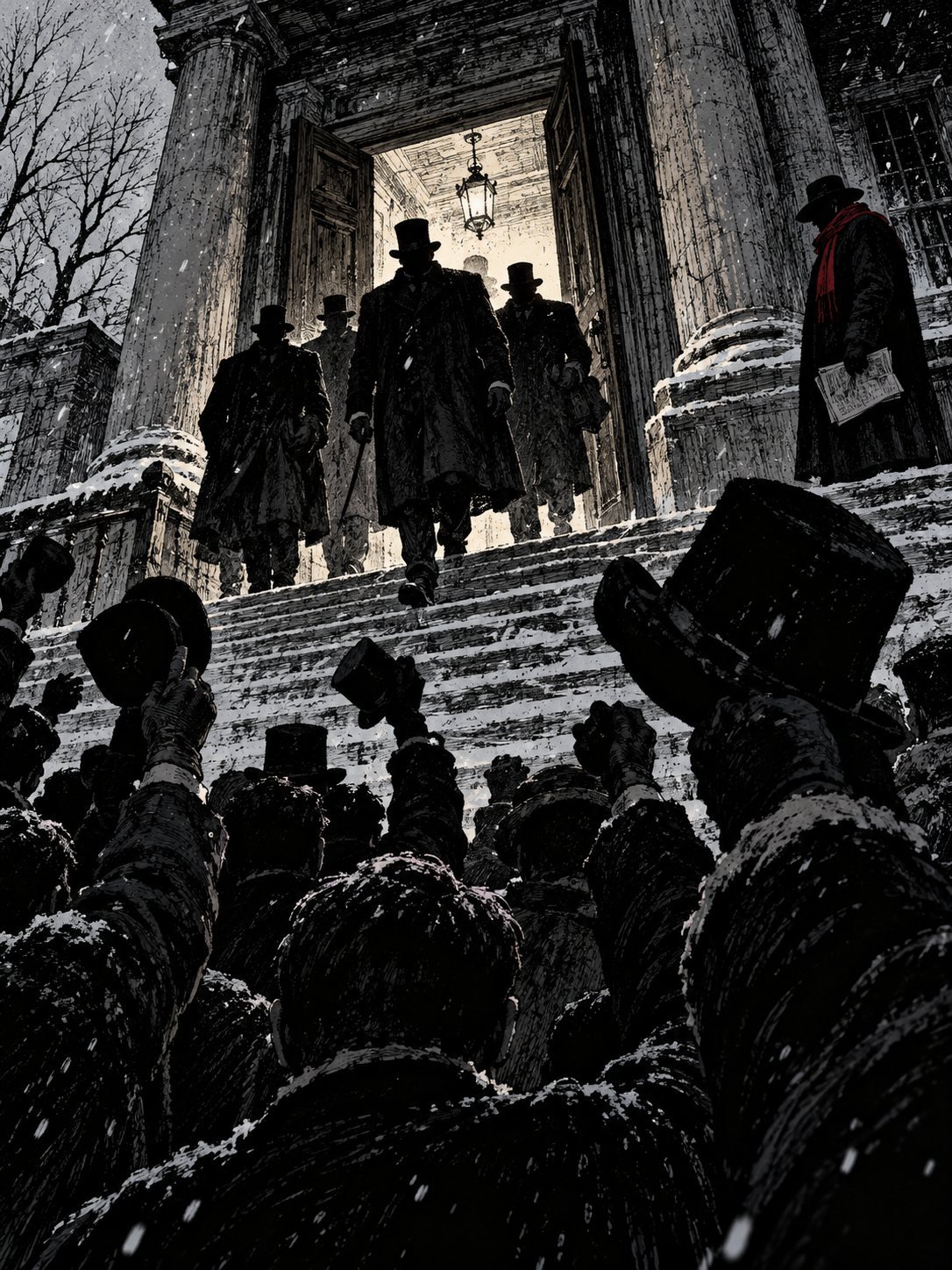
In January 1881, Carroll was tried again.
The verdict was not guilty.
By then, many people in Biddulph saw the Donnellys themselves as the problem. Some openly called the murders a good riddance. A jury drawn from that world did not have to like the killers to dislike the victims more.
After that, the other men were never convicted.
The Dictionary of Canadian Biography later wrote that the jury probably acquitted “even in the face of strong evidence,” likely influenced by local prejudice against the family.
Will Donnelly had fought hard for justice for his murdered family. It had not been enough.
For the five Donnellys, no one was ever punished.
Constable James Carroll walked free. Under the law, he was not guilty, and no one has ever been convicted of the murders. (The Canadian Encyclopedia)
A field, a hundred books, and a verdict that never came
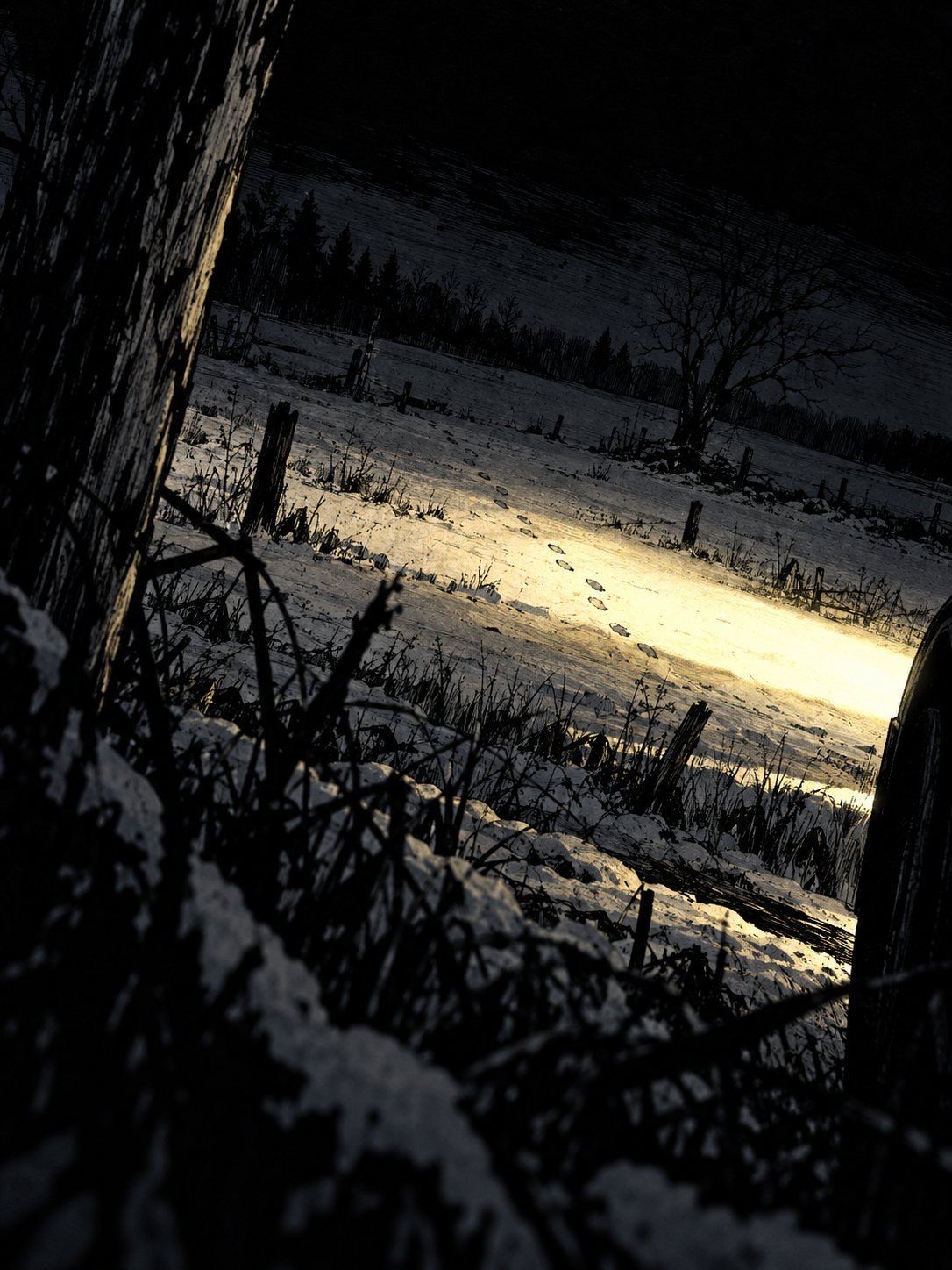
The Donnelly story has been retold in more than a hundred books, plays and articles. Among the best known are a 1954 book called The Black Donnellys and a 1962 book, The Donnellys Must Die. The playwright James Reaney turned the story into a trilogy of plays in the 1970s.
People still argue about who the Donnellys really were. Were they violent troublemakers who brought their neighbours to breaking point? Or an unpopular family who got blamed for everything, and paid for it with their lives? How much of their reputation was earned?
But almost no one argues about who came across the snow that night. It was their own neighbours.
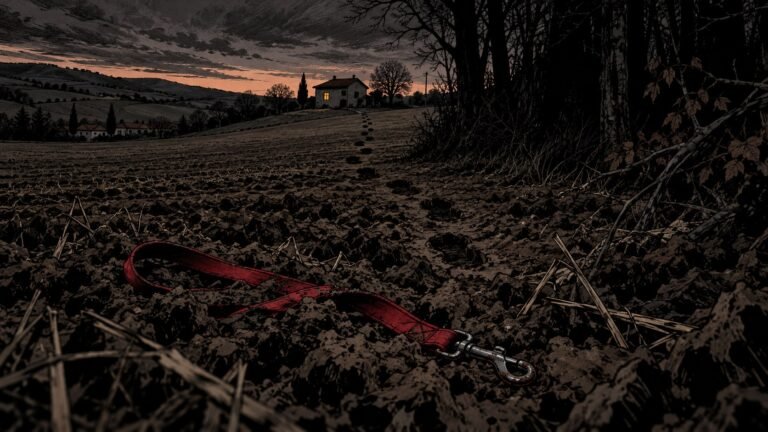
The farm lies quiet now near Lucan.
They were never named in a verdict. (The Canadian Encyclopedia)
Case notes: how a whole township got away with it
Five people were killed in one night by a crowd of their neighbours. There were two eyewitnesses who named names. And no one was ever convicted. Here is how that happened.
The victims were easy to blame. The Donnellys had a hard reputation, some of it earned: a killing in 1857, years of feuds, fires and court cases. By 1880 many people in Biddulph saw them as the problem, and some openly called the murders a good riddance. A jury drawn from that world did not have to like the killers to dislike the victims more.
The witnesses were fragile. The key witness was a boy who had hidden under a bed in the dark. On cross-examination, the defence got him to admit he had first told people he recognised no one. Will Donnelly, the other witness, was a son of the family, easy to paint as out for revenge.
Everyone knew someone. Thirteen men were arrested, and dozens more were said to have been involved. In a small rural township, that meant nearly every family had a brother, cousin or neighbour in the crowd. Silence protected everyone at once.
It is the same pattern as other cases on this site. On the salt farm islands of Sinan, enough of the community looked away to keep the workers trapped. In Biddulph, the community did not just look away. It came to the door.
Case file summary
- Case: The Donnelly massacre, Biddulph Township near Lucan, Ontario, Canada
- Date: Early morning of February 4, 1880
- Victims: James Donnelly, his wife Johannah, sons Tom and John, and niece Bridget
- Witnesses: Johnny O’Connor, a neighbour’s boy who hid under a bed, and Will Donnelly
- Trials: Constable James Carroll tried twice; the first jury could not agree (October 1880), the second found him not guilty (January 1881)
- Status: No one ever convicted
No real person is shown with a recognizable face, and violence is implied rather than drawn. Illustrations are artistic interpretations, not evidence. Details of the night come largely from trial testimony, which was challenged in court; some details, such as the witness’s age, differ between sources.