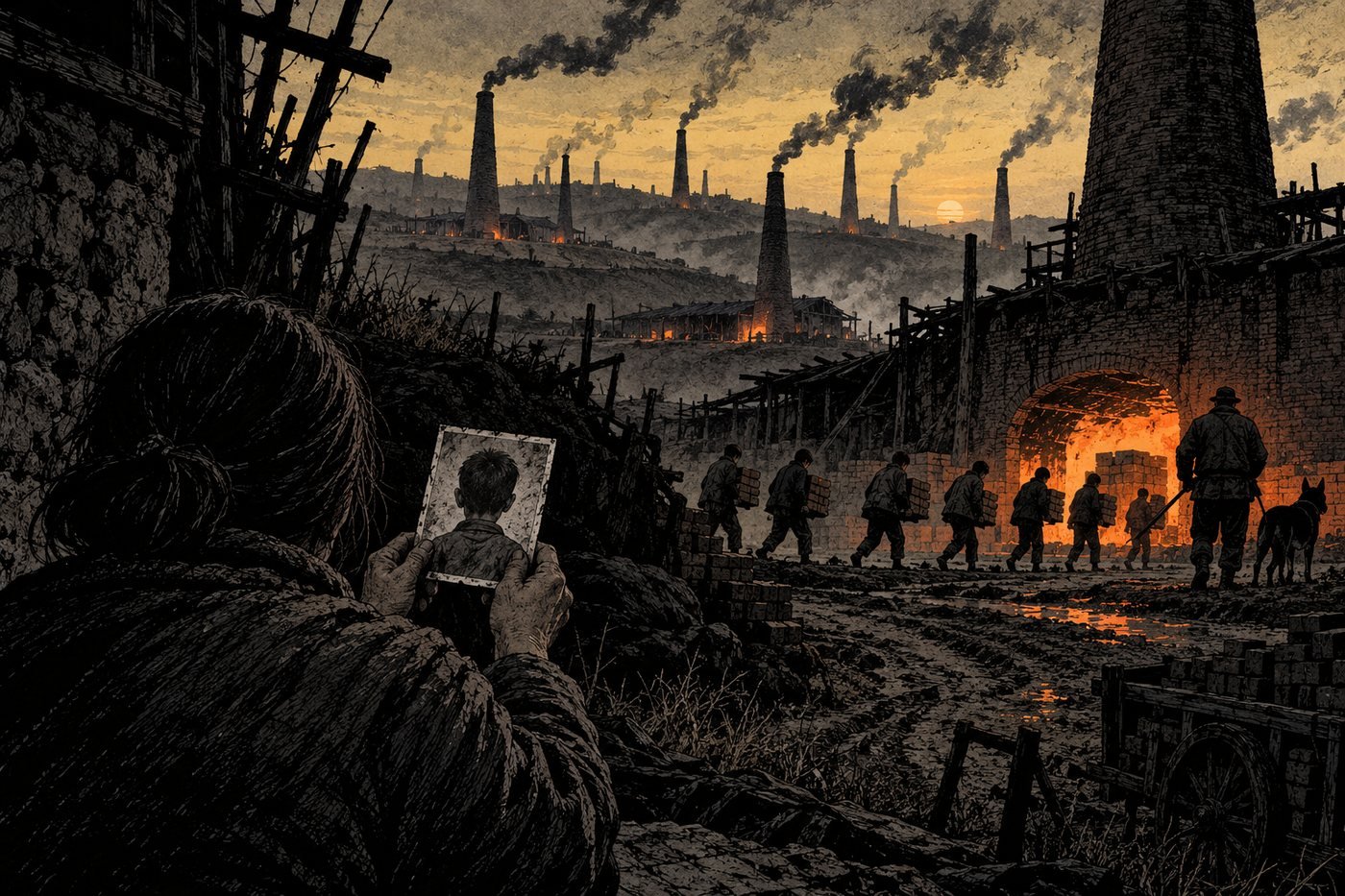
The Brick Kiln Slaves of Shanxi: When 400 Fathers Became the Detectives
| Case | Forced labor in illegal brick kilns, Shanxi and Henan provinces, China |
| Exposed | Spring 2007, after parents searched the kilns themselves and about 400 fathers posted an open letter online |
| Rescued | Roughly 550 to 600 people in the main sweep, including about 50 to 70 children, depending on the source |
| Outcome | One death sentence, one life sentence, dozens jailed, around 95 local officials disciplined |
Hundreds of missing boys, all in the same kind of place
In the spring of 2007, hundreds of families in central China were looking for their missing sons.
They were not scattered across the country. Many of those boys had ended up in the same kind of place: illegal brick kilns in Shanxi province, in northern China.
A brick kiln is a big oven for baking clay into bricks. Shanxi sits on a plateau with plenty of clay, and in those years, China needed bricks badly. Small, unlicensed kilns popped up in the countryside to meet the demand.
Inside some of them, boys were working up to 16 hours a day for nothing.
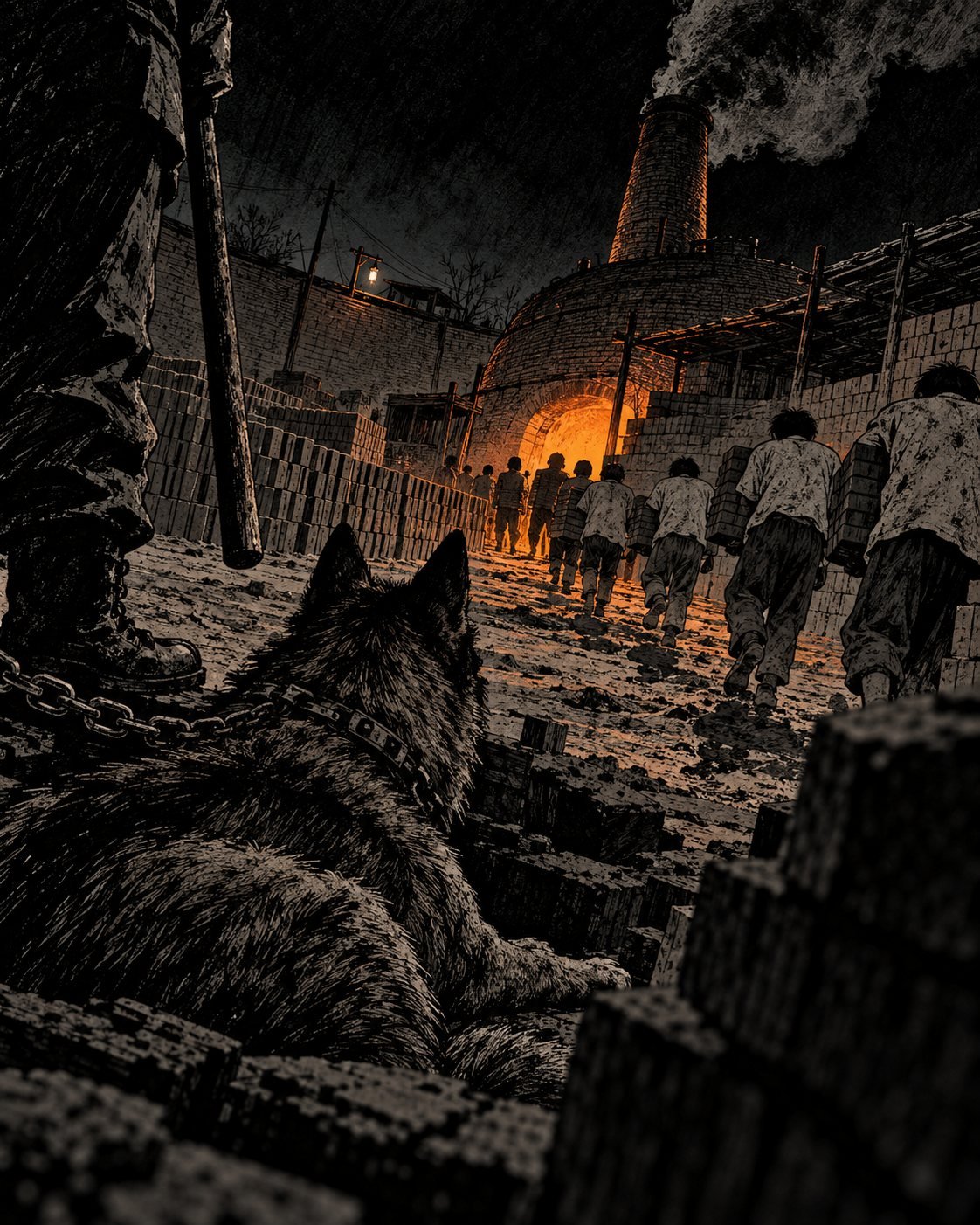
They were guarded by men with clubs and dogs. If they tried to leave, they were beaten.
And the people who finally found them were not who you’d expect. (China Daily)
The police didn’t find them. Their mothers did
The police did not find most of them.
Their parents did.
Some of their sons had been missing since early spring. Waiting for local police had gotten them nowhere.
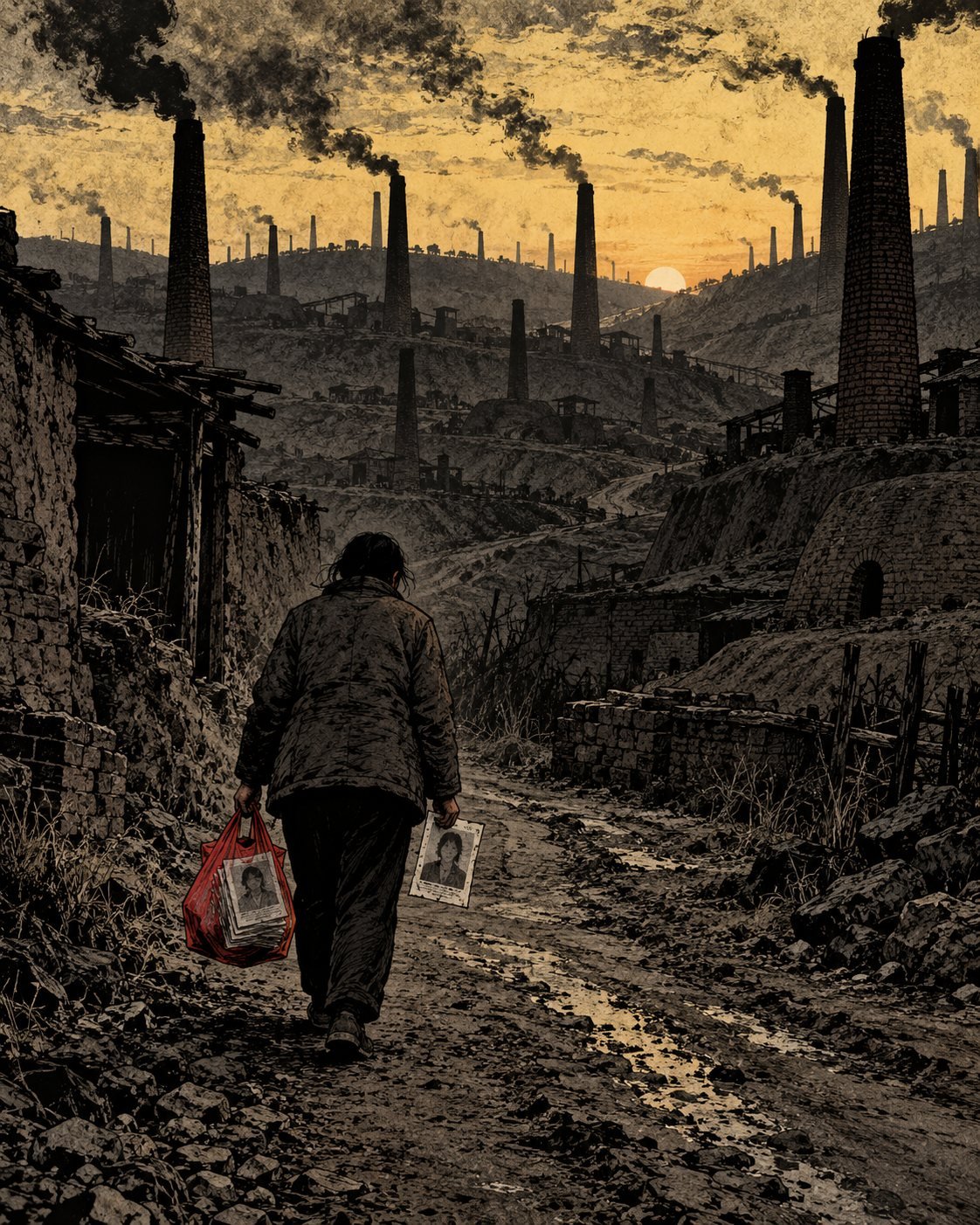
Mothers and fathers from Henan province, south of Shanxi, left home and went looking on their own. They carried photographs of their sons. They walked dirt roads between kiln chimneys, asking anyone who would listen.
It was dangerous work. The kilns were guarded, and the owners did not want visitors. One mother was warned by kiln owners not to try to take the boys away.
They had no list of where the kilns were, and, as they would soon find out, little help from local officials.
What they had was a photo, and a refusal to stop.
Fathers climbing kiln walls just to look inside

They printed flyers. They went from kiln to kiln. They climbed walls.
Searching the kilns was not like searching a town. The workers’ luggage and ID cards were taken away. Some were even given new names, so that when a parent came asking for their son, nobody inside would answer to it.
So the parents had to see the boys with their own eyes.
Climbing a kiln wall meant risking the guards and their dogs. The parents did it anyway, again and again, kiln after kiln.
And when no one would listen, about 400 of them wrote a letter to the whole country.
That letter would change everything. But it came later, after months of searching.
This is the story of the Shanxi brick kiln slaves, and of the parents who did the police’s job.
A stranger at the station offered a job

Many of the boys disappeared from the same place: the busy railway station in Zhengzhou, the capital of Henan province.
Zhengzhou is a major rail hub, and its station is packed with travelers. A teenager standing alone in that crowd is easy to approach, and easy to lose.
That made it a perfect hunting ground. Traffickers hung around railway stations and bus terminals, looking especially for boys around 16. They offered high-paying jobs.
Zhang Wenlong was 17. A stranger promised him a job paying 800 yuan a month. That was about $105 at the time.
Nothing about the offer looked dangerous. A job, a monthly wage, a trip to somewhere with work. For a teenager, it sounded like a start in life.
He later said he was drugged.
He woke up in Shanxi. (China Daily)
Sold for a few hundred yuan each
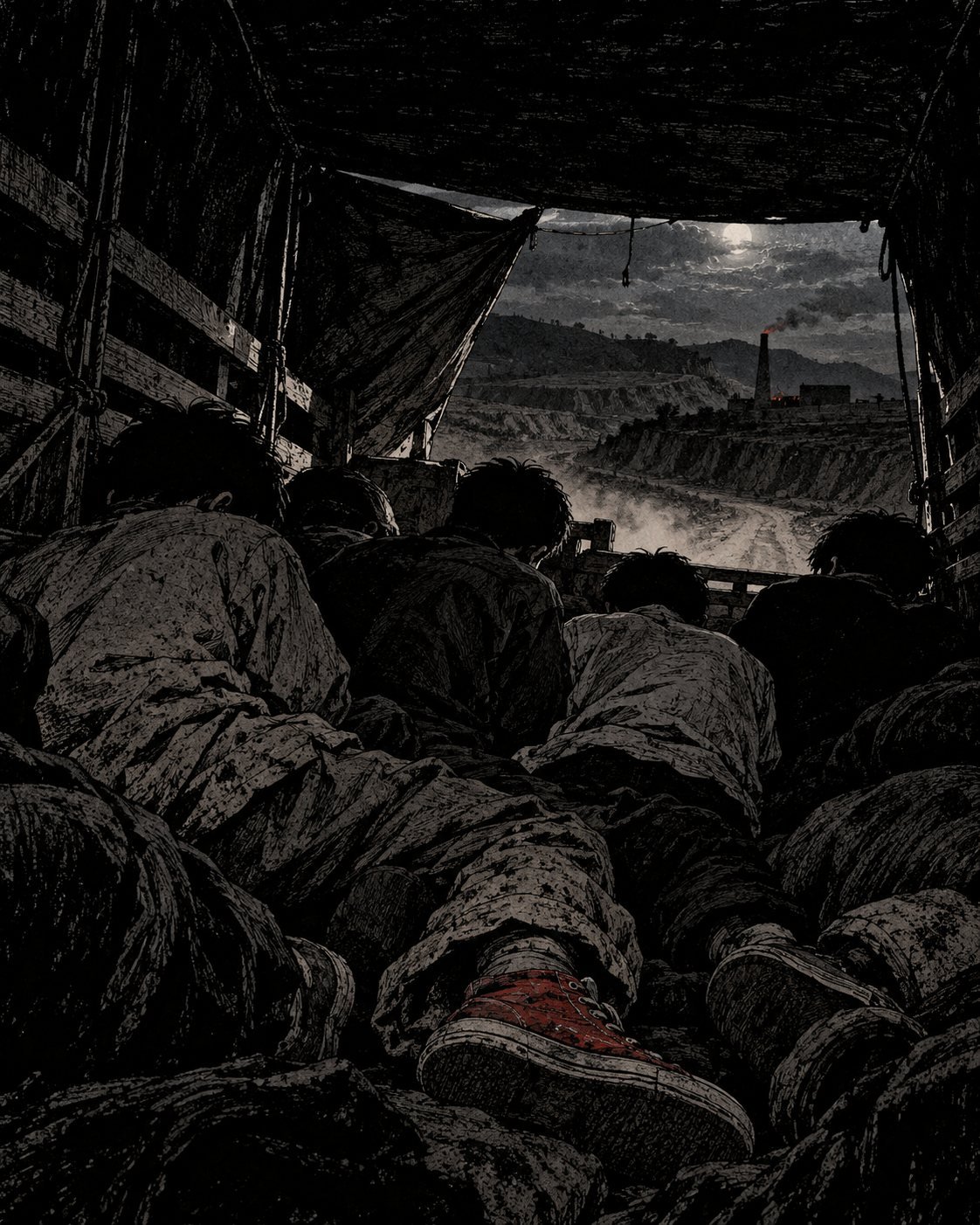
Traffickers sold boys like him to kiln bosses for a few hundred yuan each.
Reports say they were sent in small groups, five or six at a time, to kilns clustered around the Shanxi cities of Linfen, Yuncheng and Jincheng.
Some were teenagers. Some were adults with intellectual disabilities. The traffickers chose people who could be lost easily, and whose disappearance might not be chased very hard.
This was not new. Reports say the trafficking had begun about ten years earlier in central China and grew as organized gangs got involved.
And the people who should have stopped it sometimes didn’t. A 16-year-old named Zhu Guanghui later said a labor inspector had sold him for 300 yuan, about $40.
A labor inspector. The person whose job was to check that workers were treated fairly. (China Daily)
She searched hundreds of internet cafes for one face

In Zhengzhou, a mother named Yang Aizhi lost her 16-year-old son on March 8.
Yang was 46. She started with the city’s internet cafes, places where teenagers hung out. She checked hundreds of them.
She printed thousands of missing-person flyers and handed them out across the city.
Every flyer had her son’s photo on it. Every cafe was a chance that someone had seen him.
Then her phone rang. It was another parent. That parent’s son had escaped from a kiln in Shanxi.
Suddenly, there was a place to look.
She was one mother, alone, heading into a province full of kilns, with no idea which one might hold her son.
Yang went to Shanxi and started walking into kilns. (China Daily)
Up at 5 a.m. Cold buns. Then 16 hours of bricks
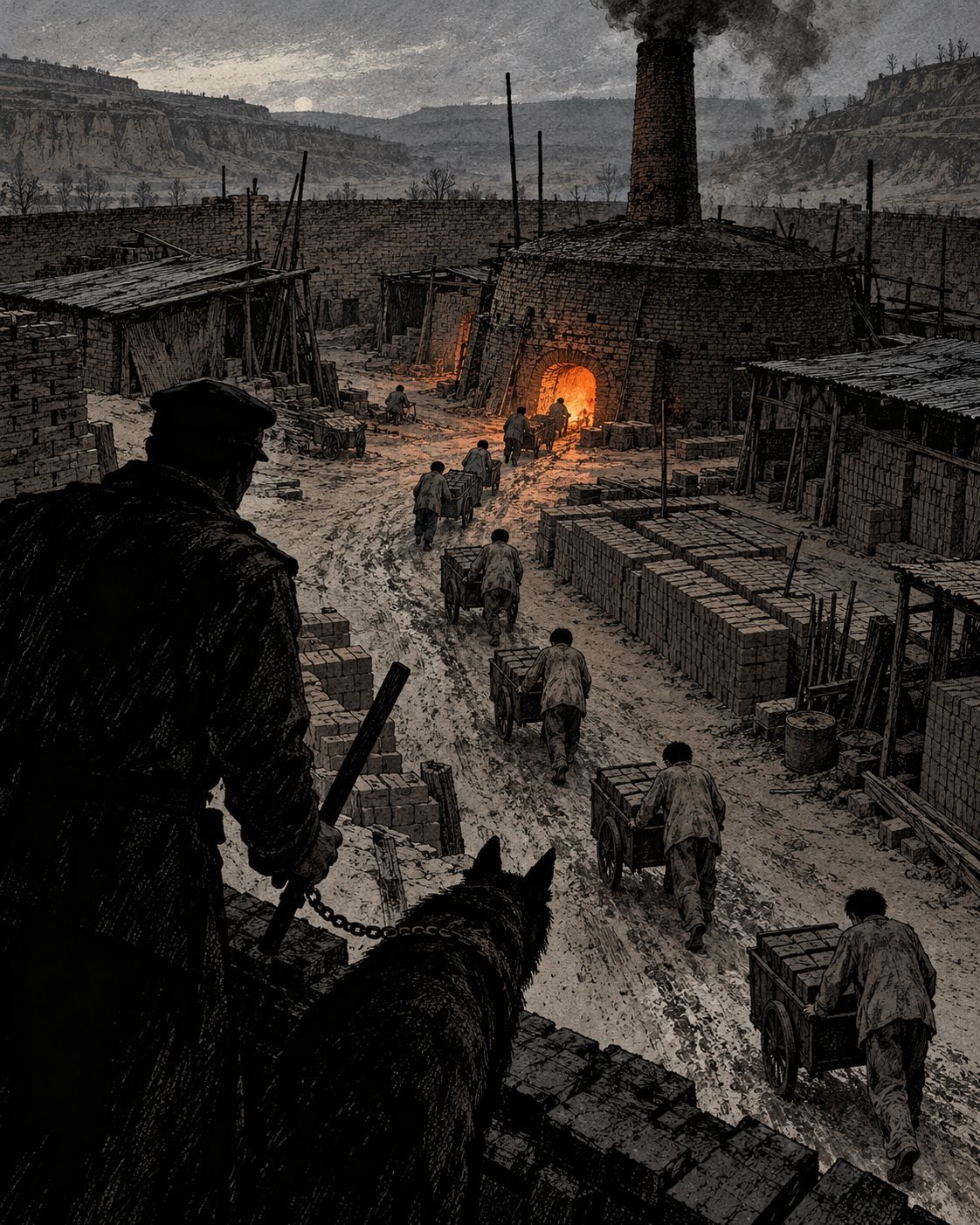
Inside the kilns, the day started around 5 a.m. and could run for 16 hours. Zhang Wenlong said workers went back to bed around midnight.
The food was cabbage, radish and cold steamed buns.
The work was hauling clay and bricks, pushing heavy carts back and forth to the kiln. It was hard labor even for grown men.
Men with clubs and dogs watched the yard. At Zhang’s kiln, he said, there were six dogs. Workers who tried to run were beaten.
He had been promised 800 yuan a month. He received nothing at all.
And when the work was finally done, the night was no better. (China Daily)
Locked in at night, sleeping on bricks
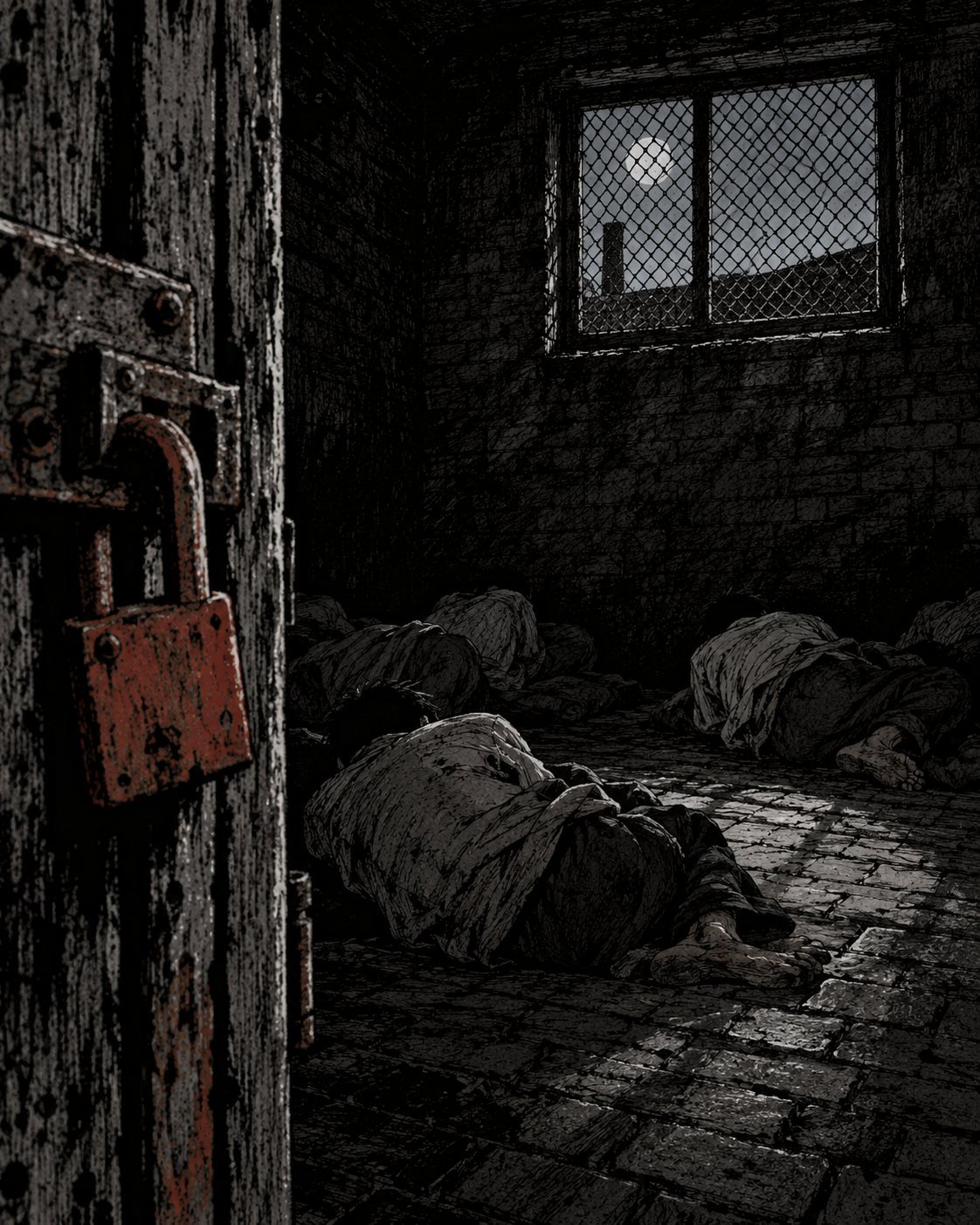
At night they slept on bricks in rooms locked from the outside.
The windows were covered with wire mesh. There was no way out.
They were not allowed out to use the toilet. There was no water to wash their faces, and no way to bathe.
Think about that for a moment. Teenagers, some of them still in school uniforms, sleeping on the same kind of bricks they had carried all day.
Their luggage and ID papers had been taken. Some had even been given new names.
Then morning came, and it started again.
His burns were treated with yellow clay

On April 26, Zhang Wenlong was ordered to carry bricks that had not cooled.
Bricks come out of a kiln extremely hot. Normally, they are left to cool before anyone handles them. He burned his hands.
There was no hospital. The overseer gave him expired medicine.
Then he told him to put yellow clay on the burns.
Yellow clay. The same kind of clay they were turning into bricks.
To the people running the kiln, a worker’s injury was not a reason to stop. It was just an interruption to fix as cheaply as possible.
For one worker, it was far worse than that. (China Daily)
A worker died, and no record was kept
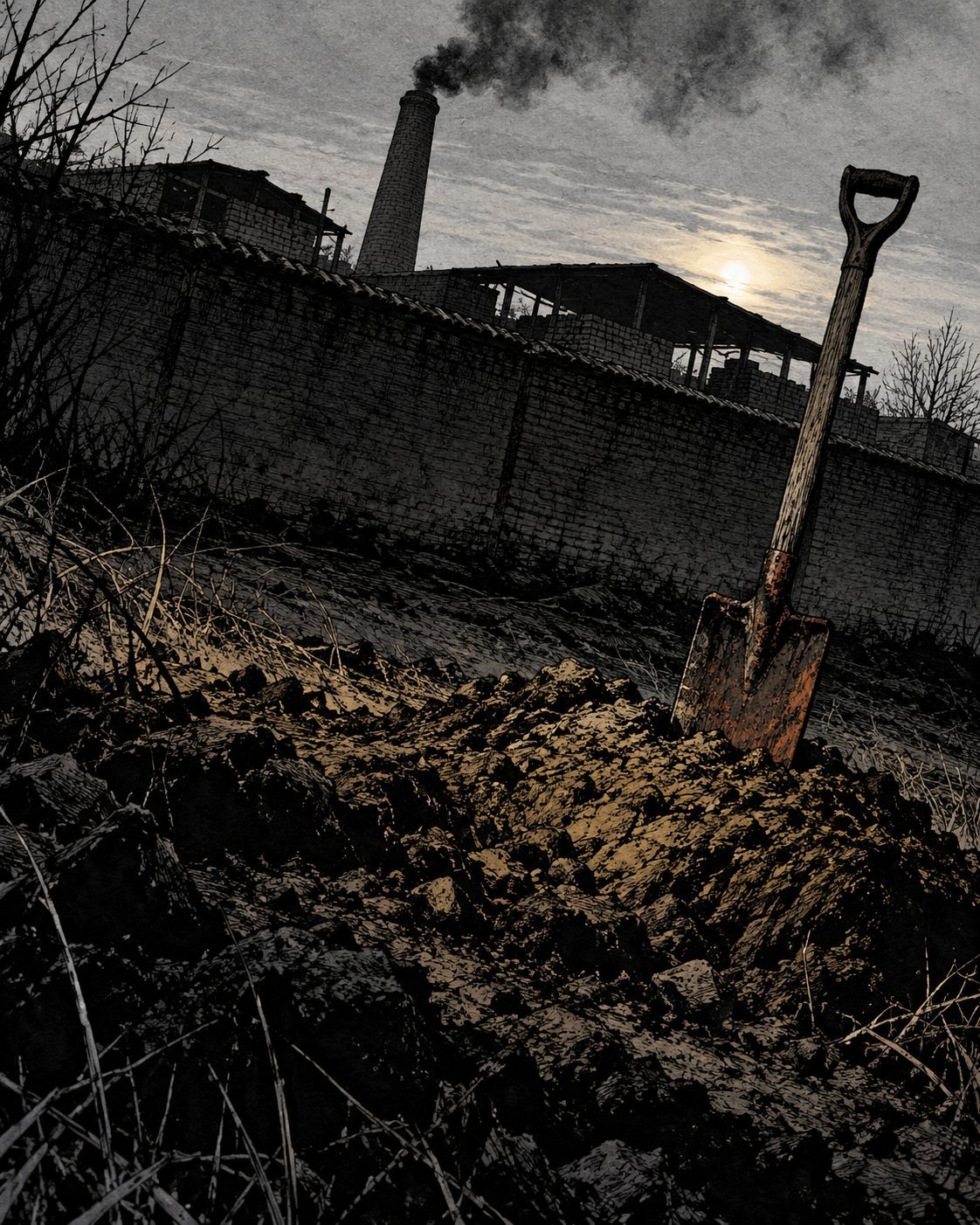
One worker, a man with an intellectual disability named Liu Bao, was hit with a shovel in November.
He died.
He was buried without any record.
No proper paperwork. No official record. In a place where workers already had their IDs taken away, a death could simply disappear.
Many of the workers in the kilns were vulnerable people like Liu Bao. Workers with intellectual disabilities were among those the traffickers targeted, because their disappearance was the least likely to be chased hard.
Liu Bao’s death would later become the most serious charge in the whole case. Police detained the kiln’s foreman, its owner and three hired men over it.
But that was still months away. At the time, nobody outside the kiln knew. (China Daily)
She walked into more than 100 kilns
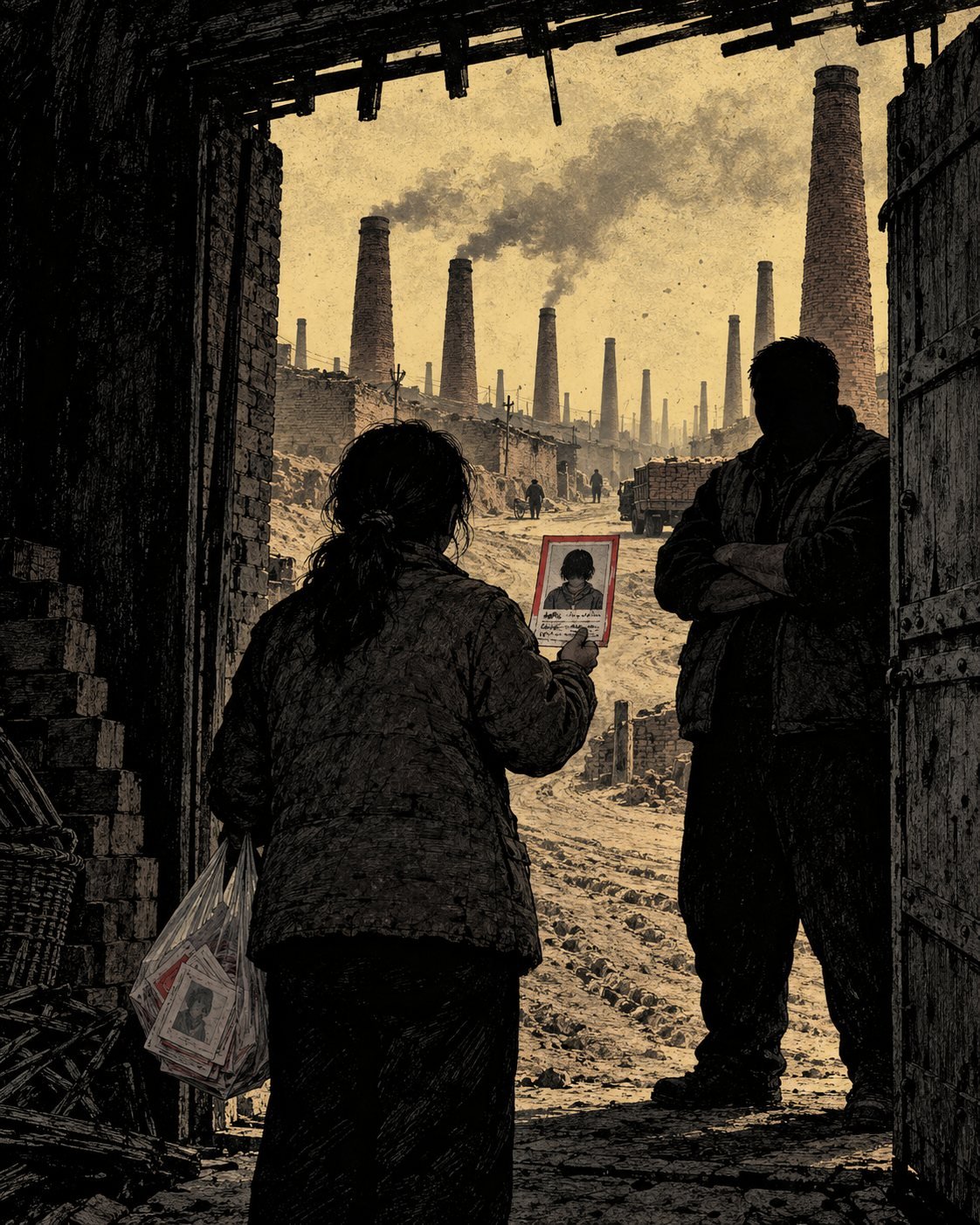
In early April, Yang Aizhi visited more than 100 kilns in Shanxi.
That is a lot of ground for one person, on foot, with no official help. Each kiln was a fenced yard with chimneys, guards, and owners who did not want her there.
She did not find her son.
But she saw children. Hundreds of them.
Some were still wearing school uniforms. She saw them forced to push heavy carts of bricks, and beaten when they could not keep going.
Kiln owners warned her not to try to take the boys away. She was a mother alone in a place with guards and dogs.
Someone with more power needed to see this.
A TV crew went undercover with two parents
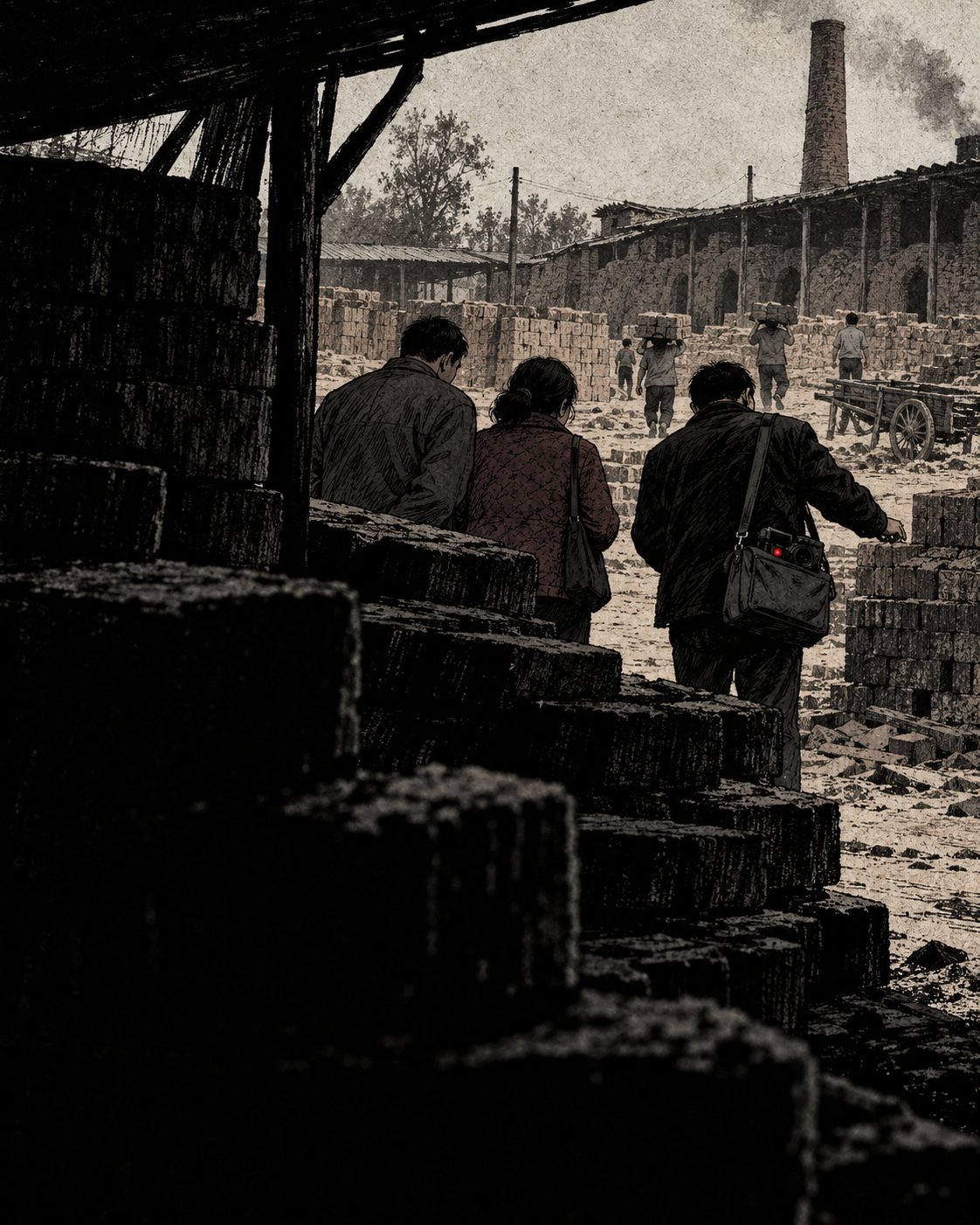
In May, a reporter from Henan TV went undercover with two of the parents.
Henan TV had already reported, on May 7, on five teenagers around 16 who had disappeared near Zhengzhou railway station. Three days later, on May 10, its reporters went into the kilns themselves.
With a hidden camera, they filmed boys hauling bricks in kiln after kiln, across Shanxi.
Their footage also showed something else: local police refusing to rescue the workers.
For the first time, the kilns were on video. Not a parent’s word against a kiln owner’s, but footage anyone could watch.
A Henan TV reporter, Fu Zhenzhong, later estimated that at least 1,000 children were working as slave laborers in the kilns.
What they saw, they said, was slavery. (Wikipedia)
The police told the parents to mind their own business

Local police were little help.
Parents said some officers told them to mind their own business.
When police did come along, some refused to free children who were not from Henan. Children from other provinces were left where they were.
Why would police act like that? The kilns were part of the local economy, and some were tied to local officials. A People’s Daily report later said local officials’ dereliction of duty and collusion with criminals was “clear.”
The parents now had evidence on film, and the police still would not act.
The parents had tried the front door. It was shut.
So they found another one. (China Daily)
400 fathers posted one letter online
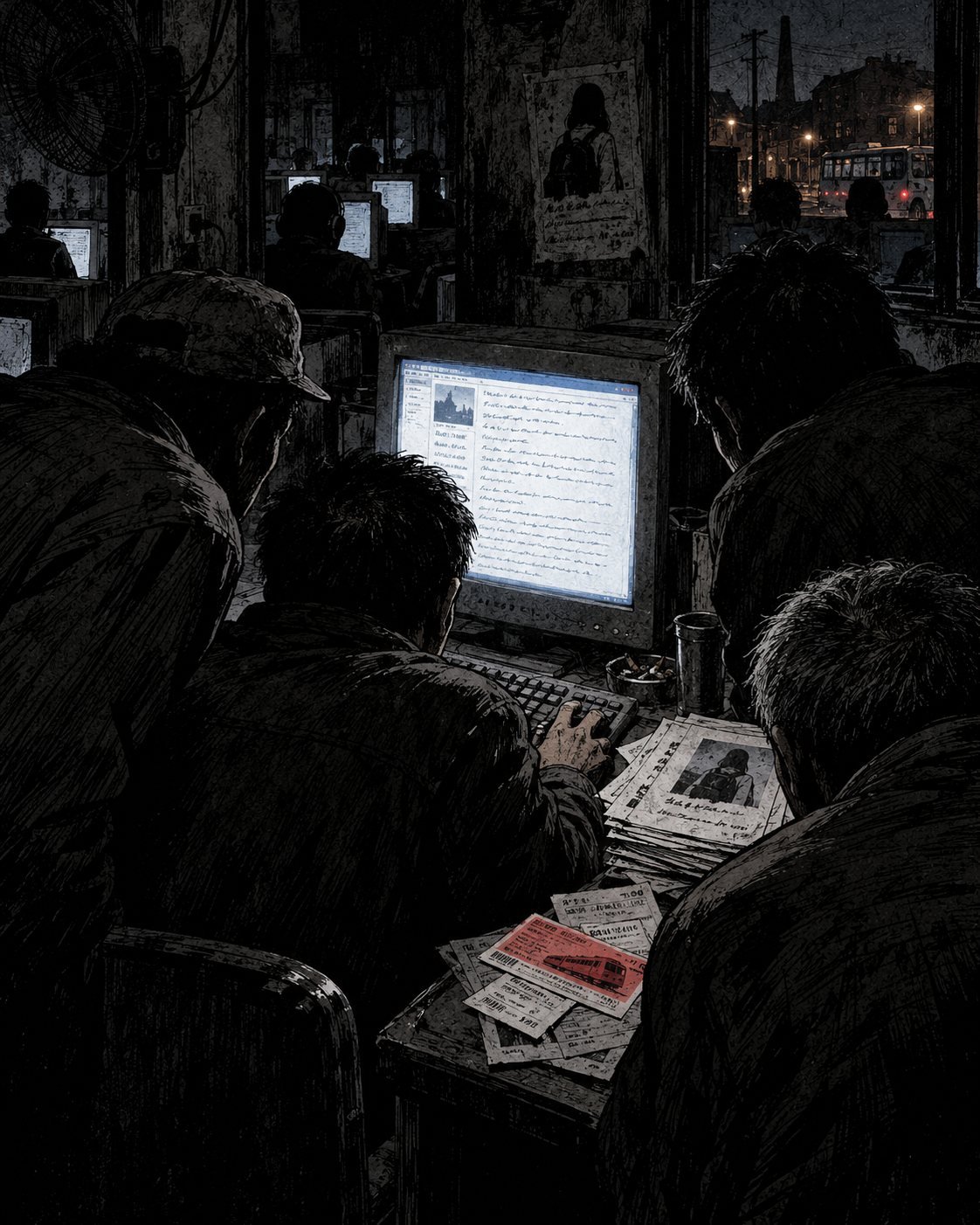
So on June 5, 2007, the fathers posted an open letter online.
It was signed by “400 fathers.” They believed their children had been sold to the kilns in Shanxi. The youngest missing child, reports said, was only 8.
Its title: “400 fathers crying out in blood. Who can save our children?”
A local police station could ignore a few parents at its door. Online, the letter could reach people far beyond Shanxi, all the way to national leaders.
A few days later, on June 11, Yang Aizhi sent her own petition to Premier Wen Jiabao: “Please save our children who have been abducted by devils and are living in hell.”
This time, the country was listening. (China Digital Times)
The kiln was in the party secretary’s own courtyard
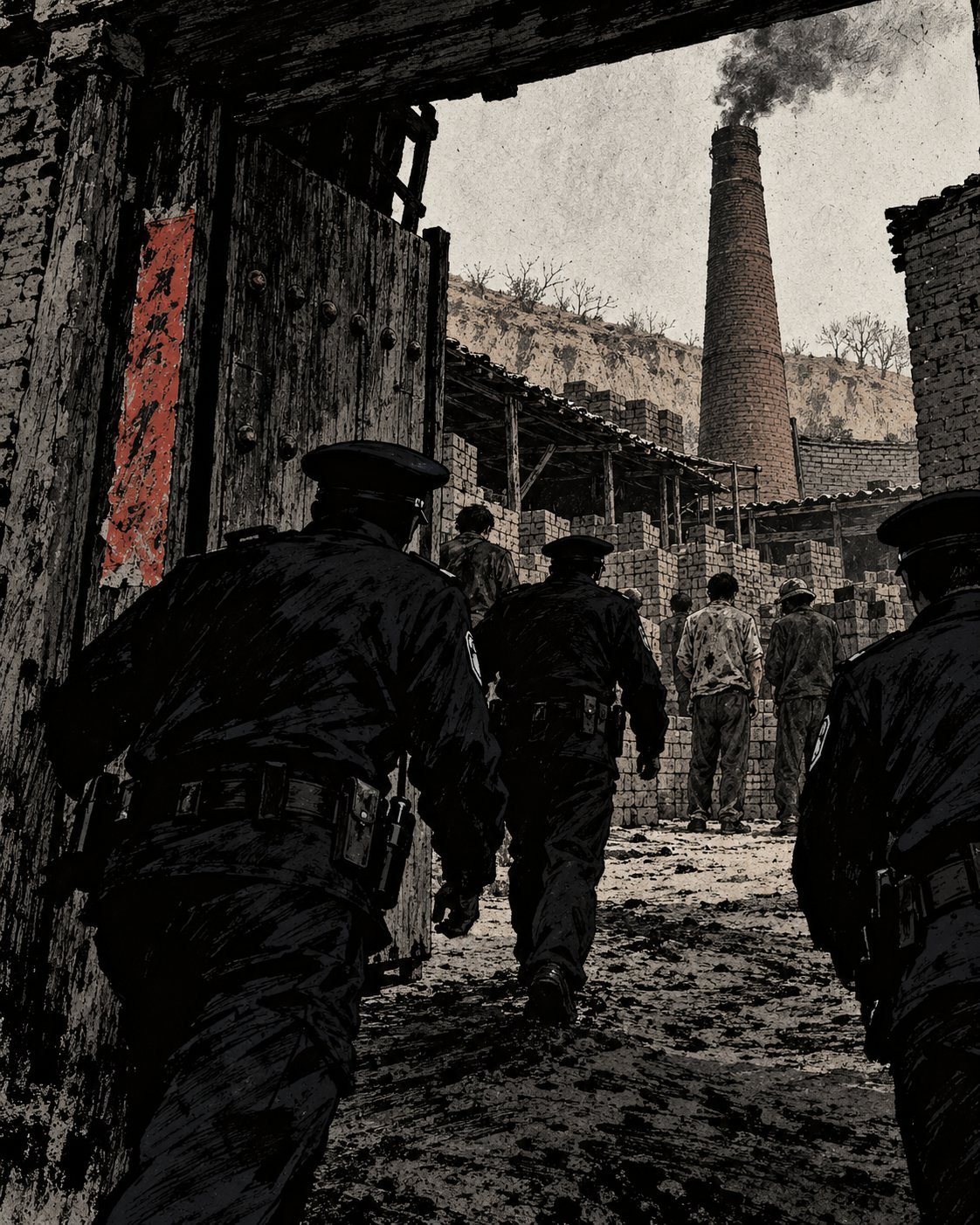
The letter spread across China. Then the police finally moved.
In Caosheng village, in Hongtong county, they found a kiln in the courtyard of the village Communist Party secretary, Wang Dongji. It was run by his son, Wang Bingbing.
In other words, the kiln was inside the yard of the most powerful local official in the village.
The son had handed day-to-day running of the kiln to a foreman from Henan, Heng Tinghan. It produced about 10,000 bricks a day.
Police freed 31 workers. The youngest was 14.
The county government said it would pay each worker 1,410 yuan for every month worked, plus 1,000 yuan in compensation and a written apology. (China Daily)
45,000 police and more than 8,000 kilns
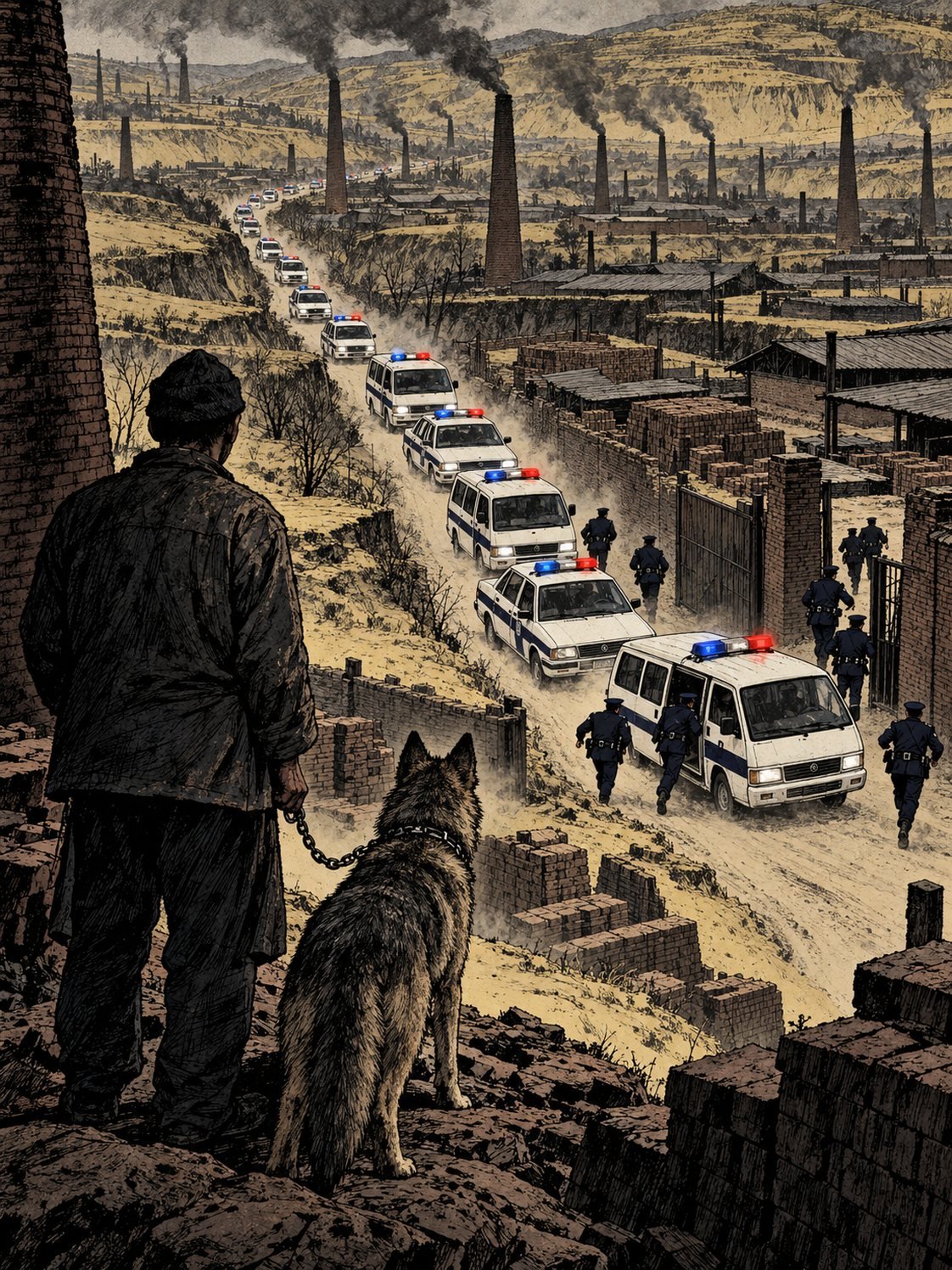
Then the raids went everywhere.
China’s top leaders, President Hu Jintao and Premier Wen Jiabao, ordered a thorough investigation. Government teams were sent to Shanxi and Henan.
About 45,000 police checked more than 8,000 kilns and small coal mines in the two provinces.
Within weeks, around 590 people had been freed. About 50 of them were children. Police detained 168 suspects, including kiln and mine owners and managers.
Hundreds of people walked out of the kilns in a matter of weeks, after months in which the parents could barely get anyone to listen.
Different reports give slightly different totals, but all tell the same story. Once the government decided to look, the kilns were not hard to find.
Which raises the question: why had nobody looked before? (China Daily)
Six parents started the search. Two found their sons
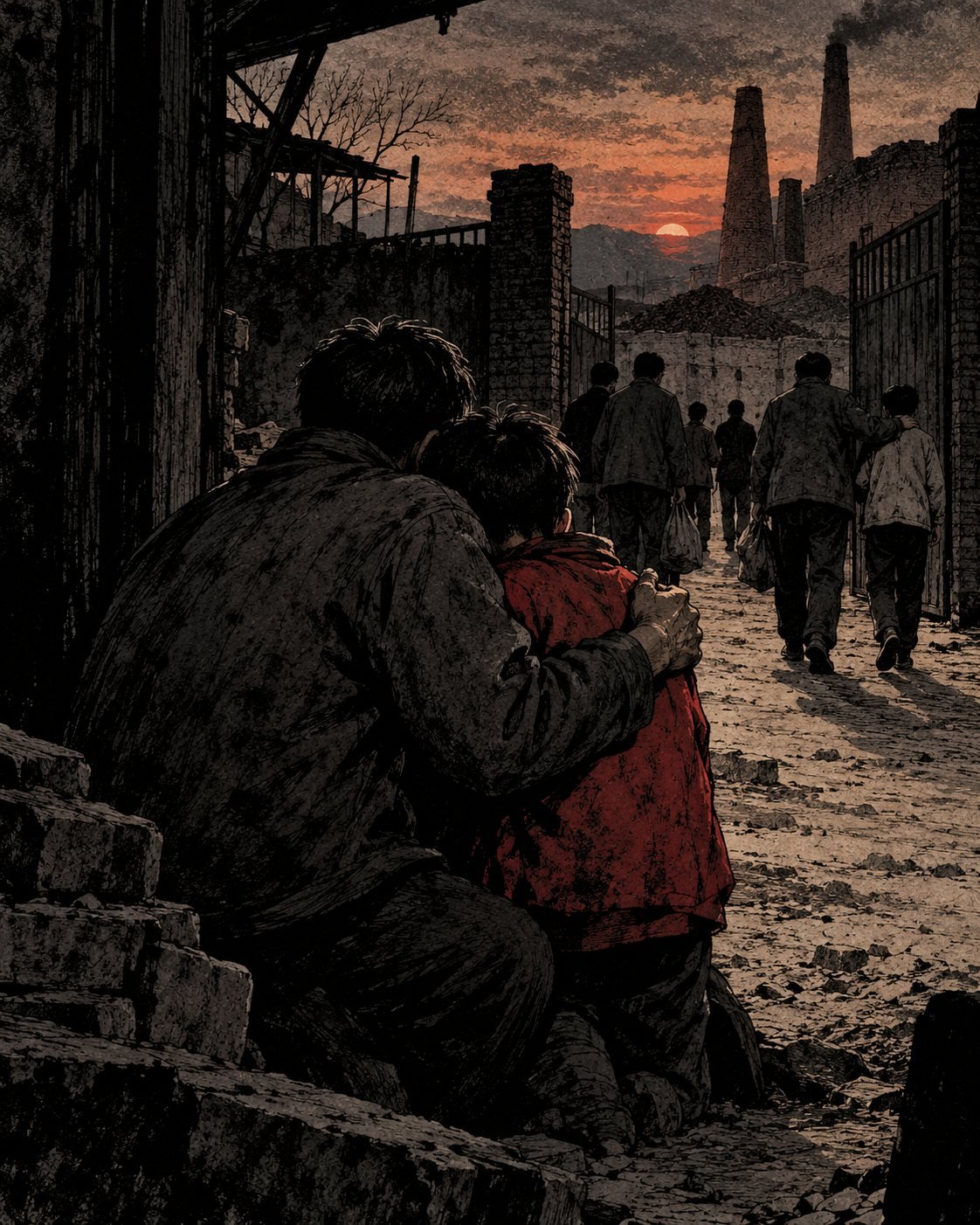
Some parents did not wait for the police at all.
On June 13, according to their second letter, a group of fathers freed 23 children by themselves.
Twenty-three children freed, by parents with no badges and no authority, in a single day.
For the families who found their children, it was the end of a nightmare. For many others, it was not.
Of the six parents who had started the search, only two found their own sons.
Think about that. Four of the parents who first went into the kilns, who helped bring the whole scandal to light, went home without their own children.
For many families, the search went on. (China Digital Times)
A death sentence, a life sentence, and nearly 100 officials punished

In July 2007, the trials began.
The man who killed Liu Bao was sentenced to death. The kiln’s foreman, Heng Tinghan, got life in prison.
Liu Bao, the worker who had been buried without a record, now had his death recognized in court.
Dozens of kiln supervisors were sent to prison.
The punishment reached the government too. Nearly 100 local officials in Shanxi were punished for failing to act, and two dozen were fired. Shanxi’s governor, Yu Youjun, made a rare public self-criticism and took responsibility for what happened in his province.
Reports described the governor’s self-criticism as unprecedented.
But for the parents still searching, the trials did not answer the most important question. (Wikipedia)
“Where are the others?”
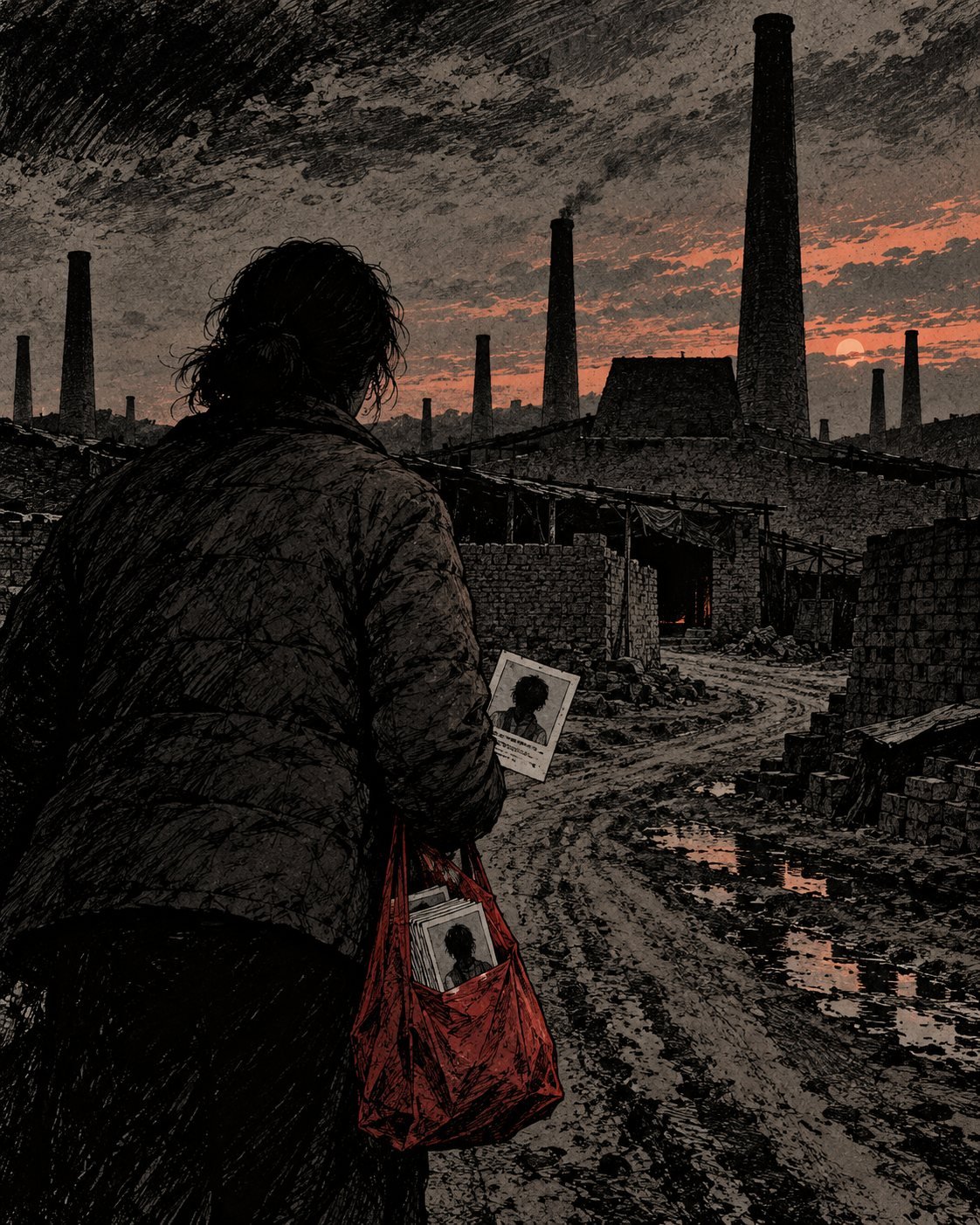
Yang Aizhi said she had counted 200 to 300 children in the kilns she visited.
Only about 50 were freed.
That gap is the hardest part of this story. Officials announced the number of people rescued. The parents who had actually walked through the kilns had seen far more children than were ever released.
Two to three hundred children seen. Around fifty freed. The difference between those numbers is a crowd of children, unaccounted for.
Nobody has ever given a full answer.
The officials had their numbers. The parents had their memories of what they had seen.
“Where are the others?” she asked.
As far as public reports show, no one ever gave her an answer. (China Daily)
Somewhere, in a wall, are the bricks they made
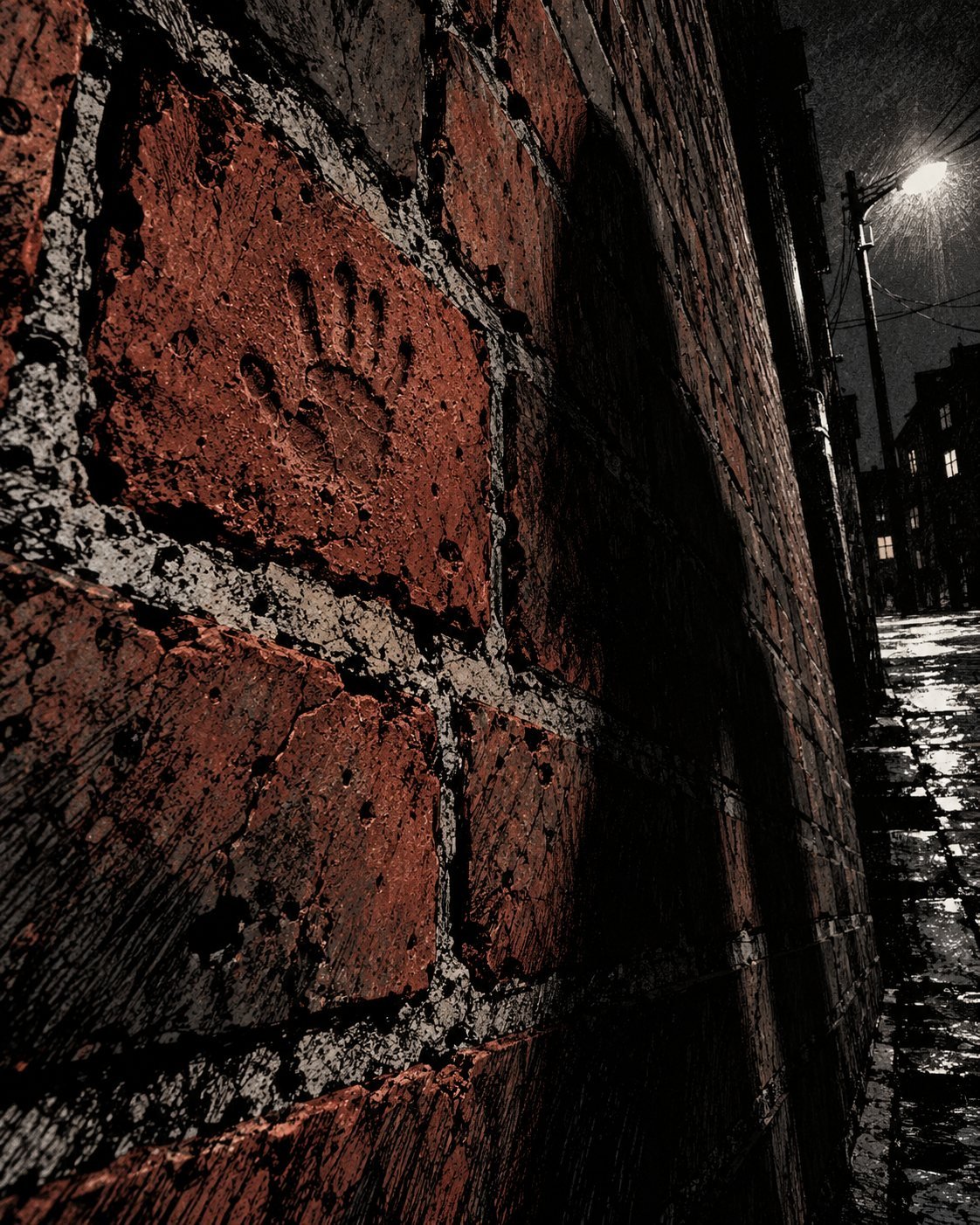
China was building faster than any country in history. It needed billions of bricks.
The kilns made money because their labor cost almost nothing. At the Caosheng kiln, the owner reportedly paid the foreman 360 yuan for every 10,000 bricks, when the market price was about 2,000 to 3,000 yuan.
Every one of those bricks went somewhere. Into a house, a factory, a road, an apartment block in a growing city.
Some of them were made by boys who had been taken from a train station.
Nobody can say which ones.
The kilns left the headlines long ago. The children Yang Aizhi counted, but never saw freed, were never publicly accounted for.
Those bricks are still out there, in walls that look like any other.
Case notes: when parents become the detectives
Hundreds of people were held in kilns across two provinces, and the first people to find them were not police. They were parents with photographs. Looking back, a few things explain why.
The kilns were tied to local power. One kiln sat in the courtyard of a village Communist Party secretary. Parents said local police turned them away, and one boy said a labor inspector had sold him. When the people meant to enforce the law profit from breaking it, nobody local is going to knock on the door.
The parents went around the system, not through it. Local appeals went nowhere. What worked was an open letter posted online, signed by 400 fathers, which spread fast enough to reach national leaders. Only then did tens of thousands of police move.
The targets were chosen because they were easy to lose. Teenagers alone at a big railway station. Adults with intellectual disabilities. People whose disappearance local authorities might not chase hard.
Rescue numbers can hide the missing. Officials announced hundreds freed. Parents who had walked through the kilns said they had seen far more children than were ever released, and asked where the rest had gone.
The pattern is the same one behind the salt farms of Sinan and the fishing boats of Benjina: people held in the open, in places where enough of the community chose not to look.
Case file summary
- Case: Forced labor in illegal brick kilns, Shanxi and Henan provinces, China
- Exposed: Spring 2007, after parents searched the kilns themselves and about 400 fathers posted an open letter online
- Rescued: Roughly 550 to 600 people in the main sweep, including about 50 to 70 children, depending on the source
- Outcome: One death sentence, one life sentence, dozens jailed, around 95 local officials disciplined
Out of respect for the victims, no real person is shown with a recognizable face, and violence is implied rather than drawn. Illustrations are artistic interpretations, not evidence. Figures differ between reports; ranges are given where sources disagree.
Related files
- The Salt Slaves of Sinan: A Letter, a Map and an Island That Looked Away
- The Fake Milk of Fuyang: The Babies With Big Heads (2004)
- The Slaves of Benjina: The Men Locked in a Cage to Catch the Fish in Your Freezer
Illustrations are AI-generated artistic interpretations, not photos. No real person is depicted with a recognizable face. Read how we research and illustrate these files.





2 Comments