The Officer Who Took Over a Dead Man’s House: The Lauderhill Case
A dead man’s house that never looked empty
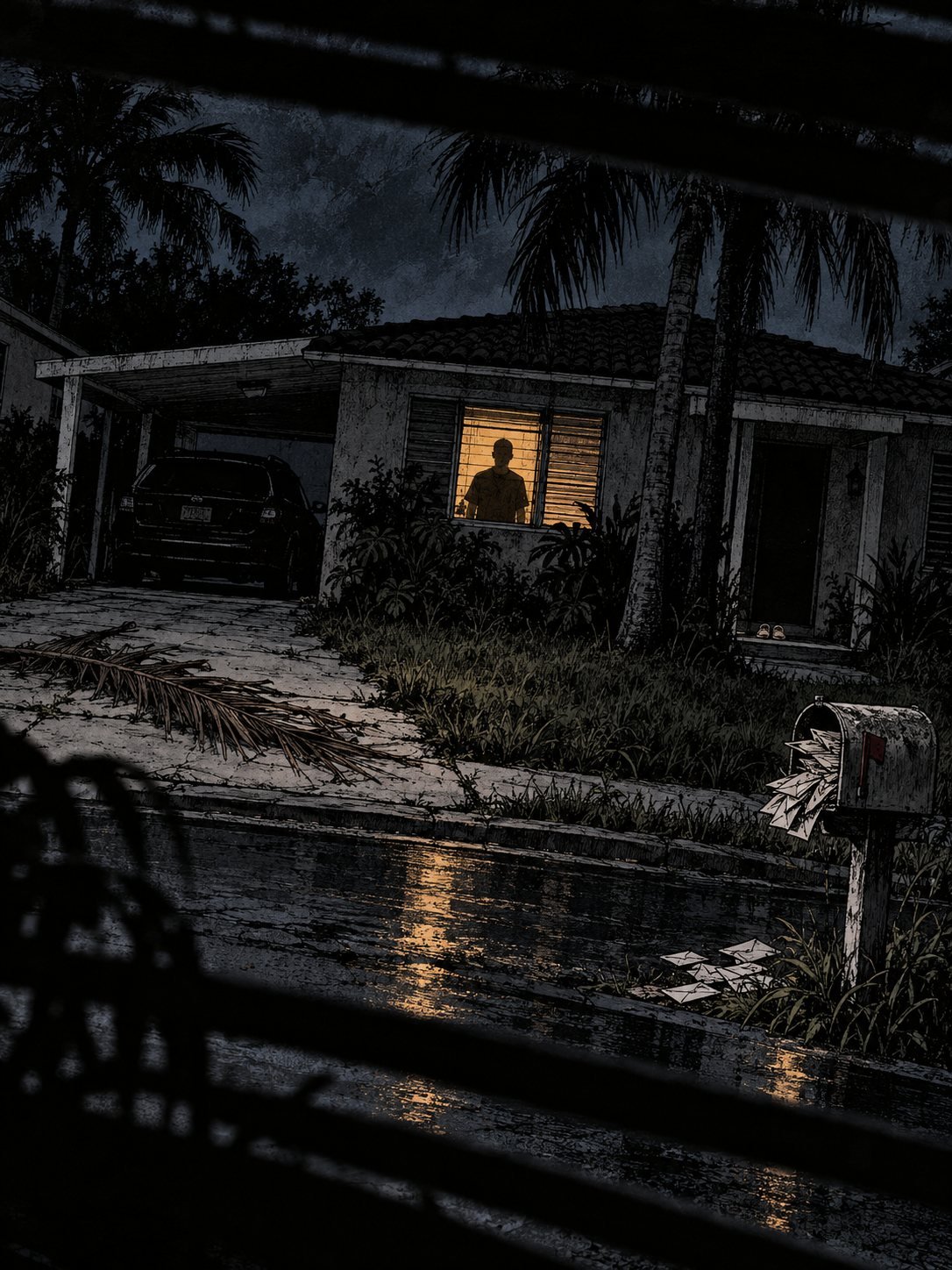
For almost four years, a small house in Lauderhill, Florida, kept behaving as if its owner were still alive.
The property taxes were paid. The utilities stayed on. Then the house was renovated, top to bottom. From the street, nothing looked wrong. A house with paid bills and fresh work going on looks like a house with someone living in it.
But the owner, a 71-year-old man named Dennis West, had died in 2022.
Nobody reported a stranger. Nobody flagged the account. On paper, Dennis West was simply a homeowner who kept up with his bills, year after year.
Lauderhill is a city just outside Fort Lauderdale, in Broward County. Taxes and utility bills there, like almost everywhere, are mostly checked for one thing: whether they get paid. Not who is paying them.
So who was keeping a dead man’s house alive?
According to investigators, it was a police officer. (Police1)
The officer who found him was the one who stayed
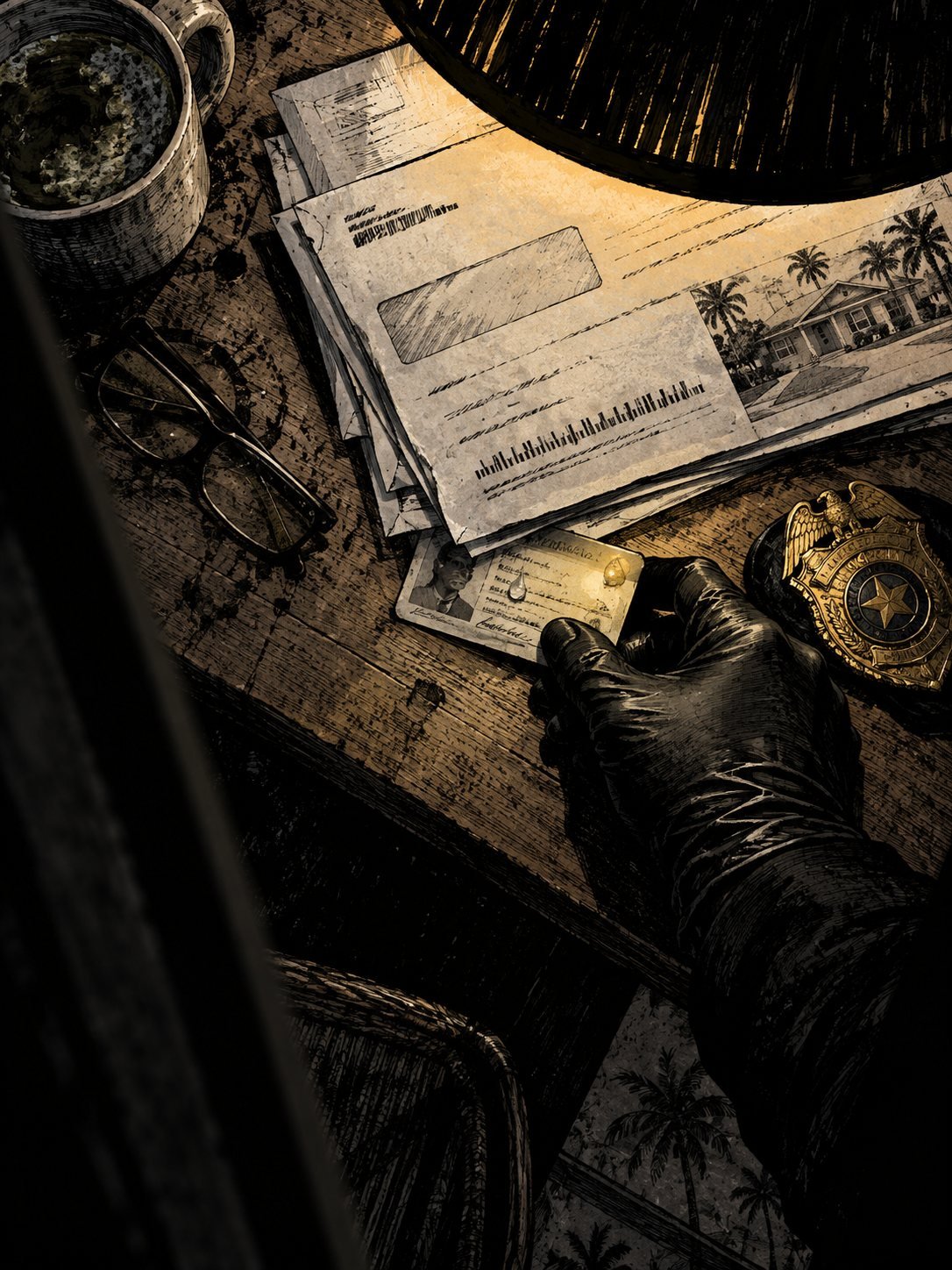
He was not a stranger who wandered in off the street.
He was one of the two officers who had been called to the house on the day Dennis West was found dead. He had walked through the front door in uniform, on duty, doing his job.
Investigators say that visit was the start of everything that came after. They say he went on to use the dead man’s name, his records and his house as if they belonged to him.
Each piece of this story, taken alone, looks like ordinary paperwork: a tax payment, a utility account, a building permit, a filing at a county office. That is exactly what made it so hard to see.
The bills, the permits, the paperwork all looked normal on their own. Only side by side did they start to look strange.
What happened next, investigators say, took almost four years to unravel.
A man with his own key to someone else’s house
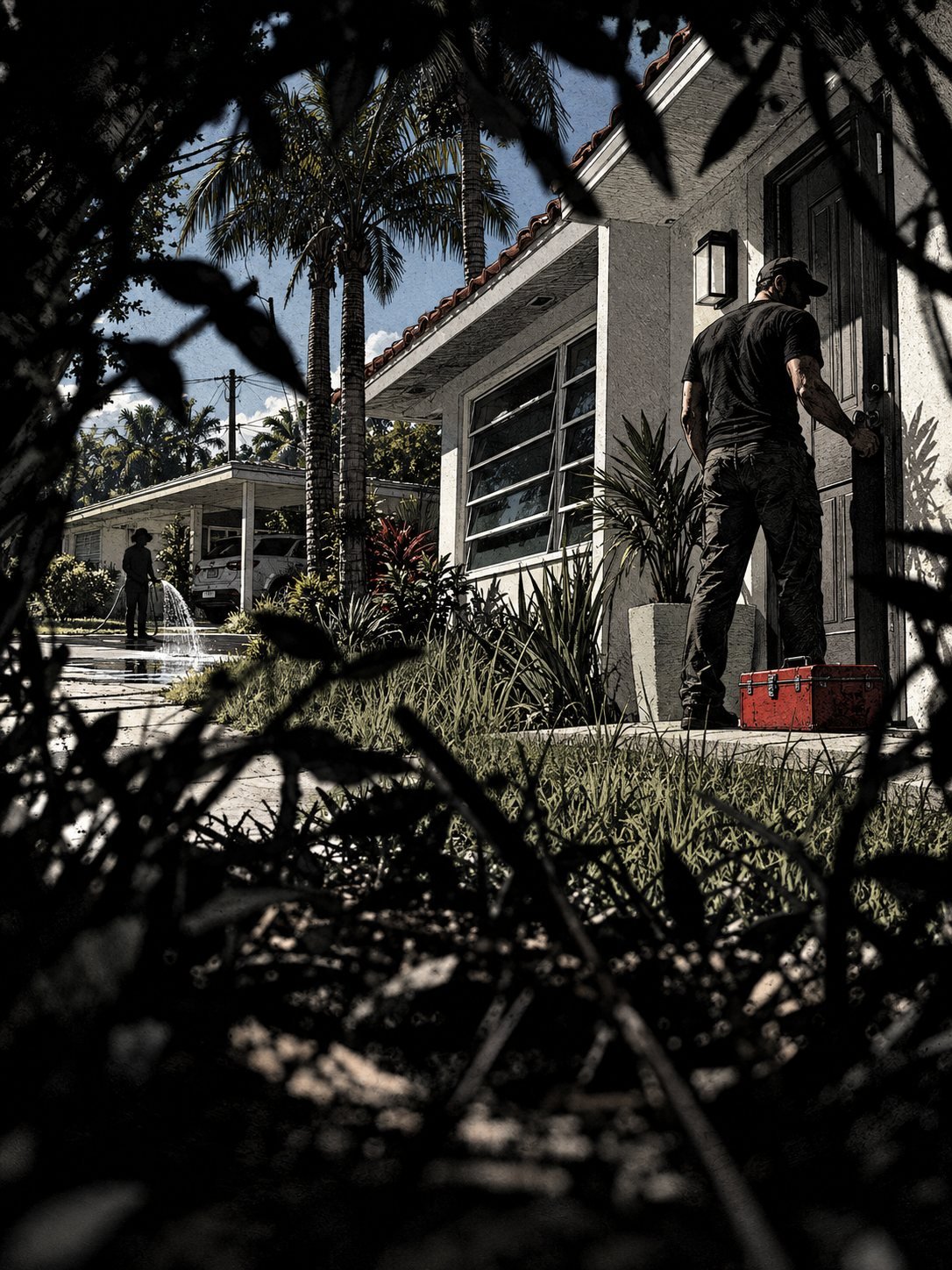
This is the story of a house in Broward County, the man who died in it, and the officer accused of quietly making it his own.
Before we go further, one thing matters more than anything else. The officer has been charged, but he has not been convicted. In the American system, that means he is presumed innocent. Everything below is what investigators and court filings allege, as reported by news outlets.
He also has his own version. In court papers, he says he was protecting an abandoned house, not stealing one. We’ll get to that.
This post walks through the case in order, from the day Dennis West was found to the day the officer was arrested, using the details that investigators and court records have made public.
But first, we need to go back to a week in July 2022, and to a front door that should have been locked.
Nobody had seen him in two weeks. The door was unlocked

On July 11, 2022, a neighbor asked police to check on Dennis West. No one had seen him in about two weeks.
This kind of call is called a welfare check. Someone is worried about a neighbor or relative, so they ask police to knock on the door and make sure the person is okay.
In other words, a welfare check is one of the most ordinary, trusted things a police officer does. The officer is invited to the door by the community. Whoever is inside, the officer is there to help them.
Two officers from the Lauderhill Police Department drove out to West’s house.
When someone hasn’t been seen in two weeks, officers know this can end badly.
The front door was unlocked. (Police1)
Inside: a man of 71, and an officer of 31

Inside, the officers found Dennis West, 71.
He had died of natural causes. An autopsy later found the cause was cardiovascular disease. There was no crime here. Just a man who had died at home, and wasn’t found for a while.
One of the two officers was Brian Sguros. He was 31 at the time. He had joined the Lauderhill Police Department in March 2021, so he had been on the job a little over a year.
There is nothing suspicious about the death itself. Investigators have never suggested otherwise. What they are interested in is what happened after.
Normally, this is where an officer’s part in the story ends. The report gets written. The medical examiner takes over. Relatives get notified. The house waits for the family to decide what to do with it.
But this officer’s part in the story was only beginning. (WFTV)
He called himself the dead man’s friend

When someone dies alone, the county medical examiner’s office has to figure out who the next of kin is. That is how a family learns about a death, and how a house ends up with the right heirs.
Investigators say there is no sign Sguros knew West.
But he told the medical examiner’s office he was West’s friend. He offered to take care of the funeral if no relatives could be found.
According to police, he also said West had no living family.
That was not true.
Think about what that one sentence does. The person who should have kicked off a search for relatives was the one telling everyone there were none. And he was a police officer, the kind of person an official has every reason to believe. (Police1)
Three weeks later, he took the house

Around August 1, 2022, just weeks after the welfare check, Sguros took possession of the property.
That date is not a guess by investigators. It comes from his own sworn court filings, written years later.
In those filings, he described the house he found as full of trash, with a partially collapsed roof and an unstable structure. He said he stepped in to keep squatters from taking it over, and he said he made no attempt to hide what he was doing.
Possession here means control. Keys, access, the ability to come and go. It does not mean ownership. Legally, the house still belonged to Dennis West, and after him, to whoever his heirs turned out to be.
Investigators see it very differently. To them, this was the moment an officer moved into a dead man’s life.
And the next step, they say, happened back at the police station. (Police1)
Seven searches on a dead man’s name

Police officers have access to powerful databases. With a few keystrokes, they can pull up a person’s address, driver’s license, vehicles and more. Those tools are meant for police work only.
Between July 2022 and January 2023, investigators say, Sguros ran seven searches on West in police databases.
The results included West’s address, date of birth, Social Security number and vehicle details.
Investigators also say he used department computers for personal use to look up West’s records, and sent documents from his cellphone.
Those are the details you need to fill out official forms in someone’s name. A birth date. A Social Security number. An address that matches the records.
Seven searches, over about six months, on a man who was already dead. Each one returned exactly the kind of information that makes a borrowed identity convincing. (Police1)
The bills kept coming. Someone kept paying
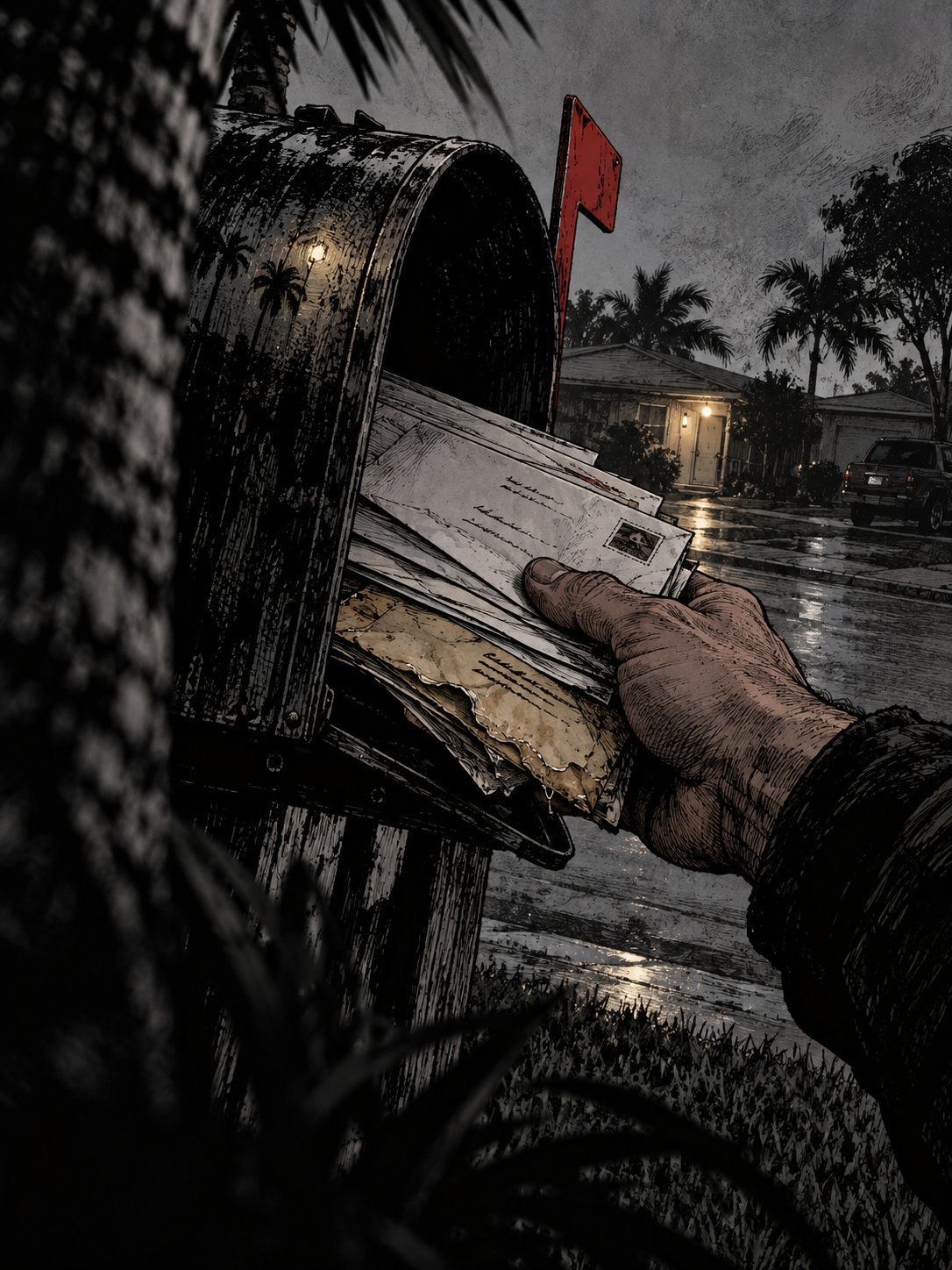
A house does not stop costing money when its owner dies. Every year there are property taxes. Every month there are utility bills.
If nobody pays, things happen. Sooner or later, someone notices.
In this house, nobody noticed. The property taxes were paid. A utility account stayed open.
Both were still in Dennis West’s name.
Investigators say Sguros was the one paying them. They say he paid the taxes and utilities to help get a legal permit for repairs.
Paying a bill in someone else’s name is not something most systems are designed to question. Payment is treated as proof that everything is fine.
To any computer system checking the account, it looked perfectly fine. The money arrived. That was all the system was built to check.
Two years of work and $214,000, he says

Then the renovation began.
He spent more than two years cleaning, securing and renovating the house, he later said in court filings.
He said he put at least $214,000 of his own money into it. He said he did it to protect the property from squatters and crime.
By his own account, the work raised the home’s value to about half a million dollars. Another report put the value at around $400,000. Either way, it was a lot of house.
Those are his numbers, from his own filings. Investigators have not said he didn’t do the work. Their case is about how he got the house in the first place, and what he did in a dead man’s name along the way.
But fixing up a house means permits. And a permit needs the owner’s signature.
The owner had been dead for two years. (WFTV)
A signature from a man two years dead

Then came a permit to replace the doors and windows.
In Florida, as in most places, you need a building permit for that kind of work. The application asks who owns the home.
This one listed Dennis West as the homeowner. It included his driver’s license and a signature in his name.
It also said West had appeared in person before a notary. A notary is an official witness. Their job is to check a person’s ID and watch them sign, then stamp the paper to prove it really happened.
So according to the paperwork, Dennis West had walked in, shown his ID and signed.
That was two years after he died.
The whole point of a notary is that this can’t happen. A dead man cannot stand at a counter and show his license. (Police1)
The notary said the stamp was too small

Investigators went to the paperwork for answers, and the paperwork started talking.
The phone number on the application belonged to Sguros.
Then they found the notary whose name was on the form. She told investigators the signature was not hers.
And she noticed something else. The stamp on the document, she said, looked smaller than the one she uses.
A notary’s stamp is like a fingerprint for paperwork. If it’s the wrong size, it is not her stamp.
A different stamp, a different signature, and a phone number leading back to one man.
Investigators allege Sguros forged West’s signature on official documents. He has not been convicted of that or anything else. But for a house supposedly being saved from squatters, the paper trail was getting very strange. (Police1)
He asked the county to let him keep it
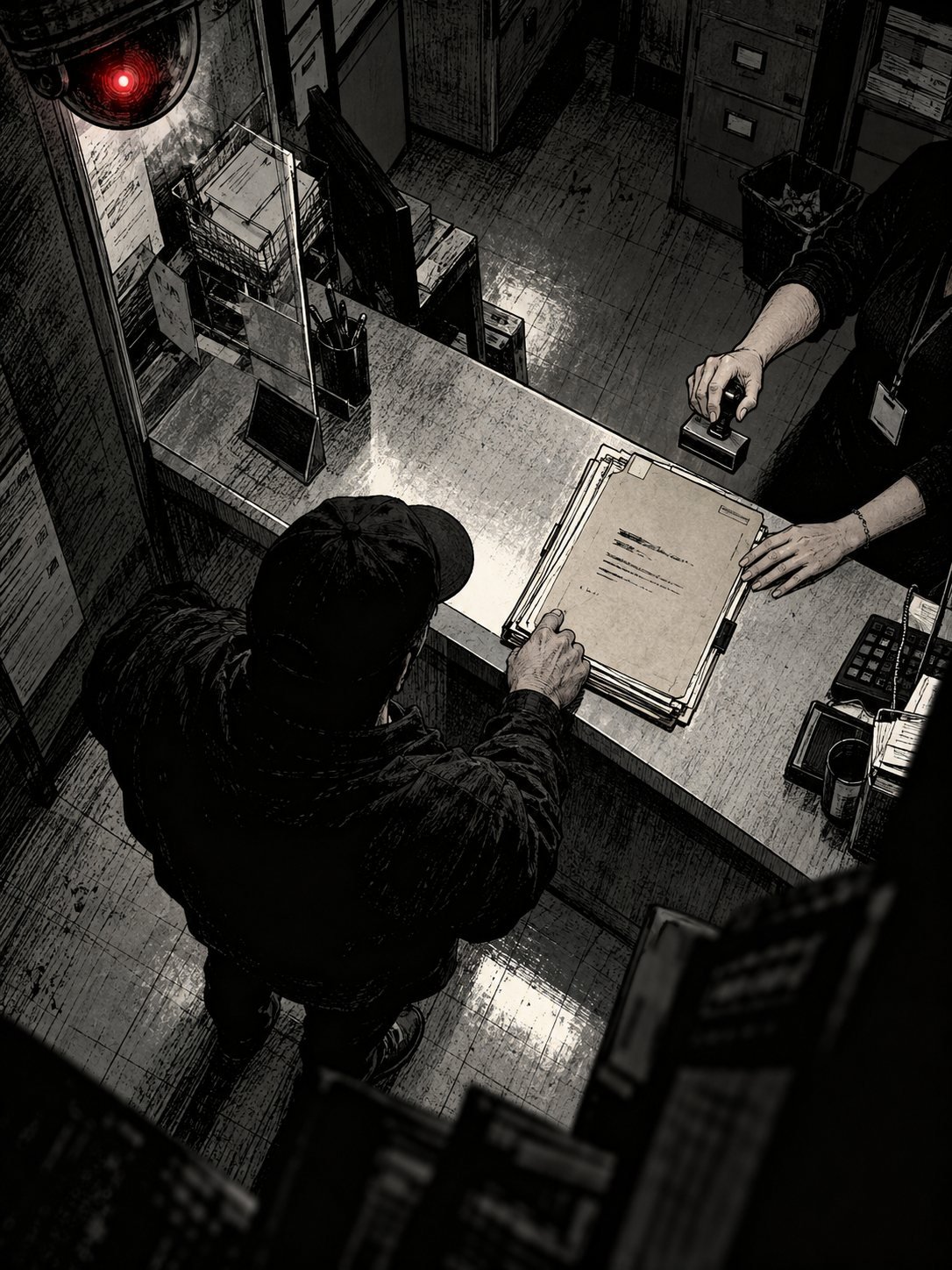
In February 2025, Sguros and another person filed paperwork with Broward County seeking adverse possession.
Adverse possession is an old legal idea. In some cases, if someone openly occupies and maintains a property that isn’t theirs, the law can eventually let them claim it as their own. It exists so land doesn’t sit abandoned forever.
The filing did not give him the house. It was a claim, not a deed.
But it put his claim on the public record. For the first time, his name was officially attached to Dennis West’s house, in a place anyone could look it up.
It was a bold move. If his story was a rescue, he was now asking to be recognized for it. If investigators are right, he was asking the county to make it official.
Somebody eventually did. (WFTV)
The family nobody looked for was real

Remember what the medical examiner’s office had been told: that West had no living family.
Dennis West did have family.
West’s legal heirs reportedly learned what had happened through probate proceedings. Probate is the court process that sorts out who inherits a dead person’s property.
A real estate holdings firm tracked down his surviving heirs and bought their ownership interests in the house. A Broward County court recognized the heirs’ claim and the transfer.
In other words, the house now had legal owners again. They had paperwork from a court to prove it.
The family that the medical examiner was told did not exist had now taken the house back through the courts, and sold it on.
And they were about to find out the house had not been sitting empty. (AOL)
The new owners came to the door. Someone was already there
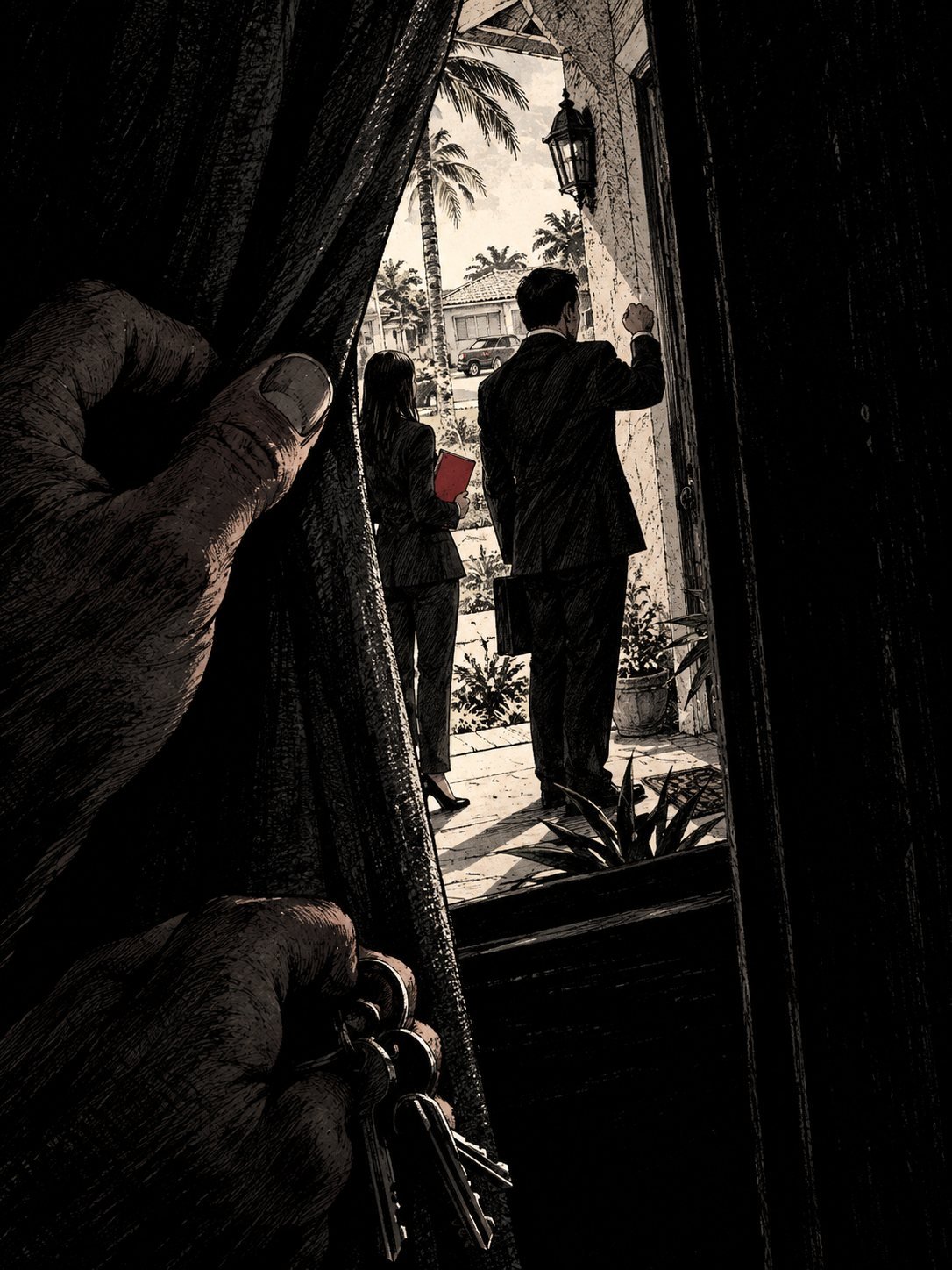
When the new owners went to take control of the property, they found someone else had been there for years.
The house they had bought from a dead man’s heirs was not empty. It had been cleaned out, fixed up and renovated. Somebody had been paying its bills.
Then they learned who.
They had a court-recognized claim to the house. He had years of keys, bills and renovation work.
They complained to the Lauderhill Police Department about one of its own officers.
It is hard to imagine a more awkward phone call for a police department. In the end, investigators from the Broward County Sheriff’s Office built the case.
Nearly four years after a welfare check, the door to Dennis West’s house was finally being looked at again.
He handed back the keys, then sent a bill
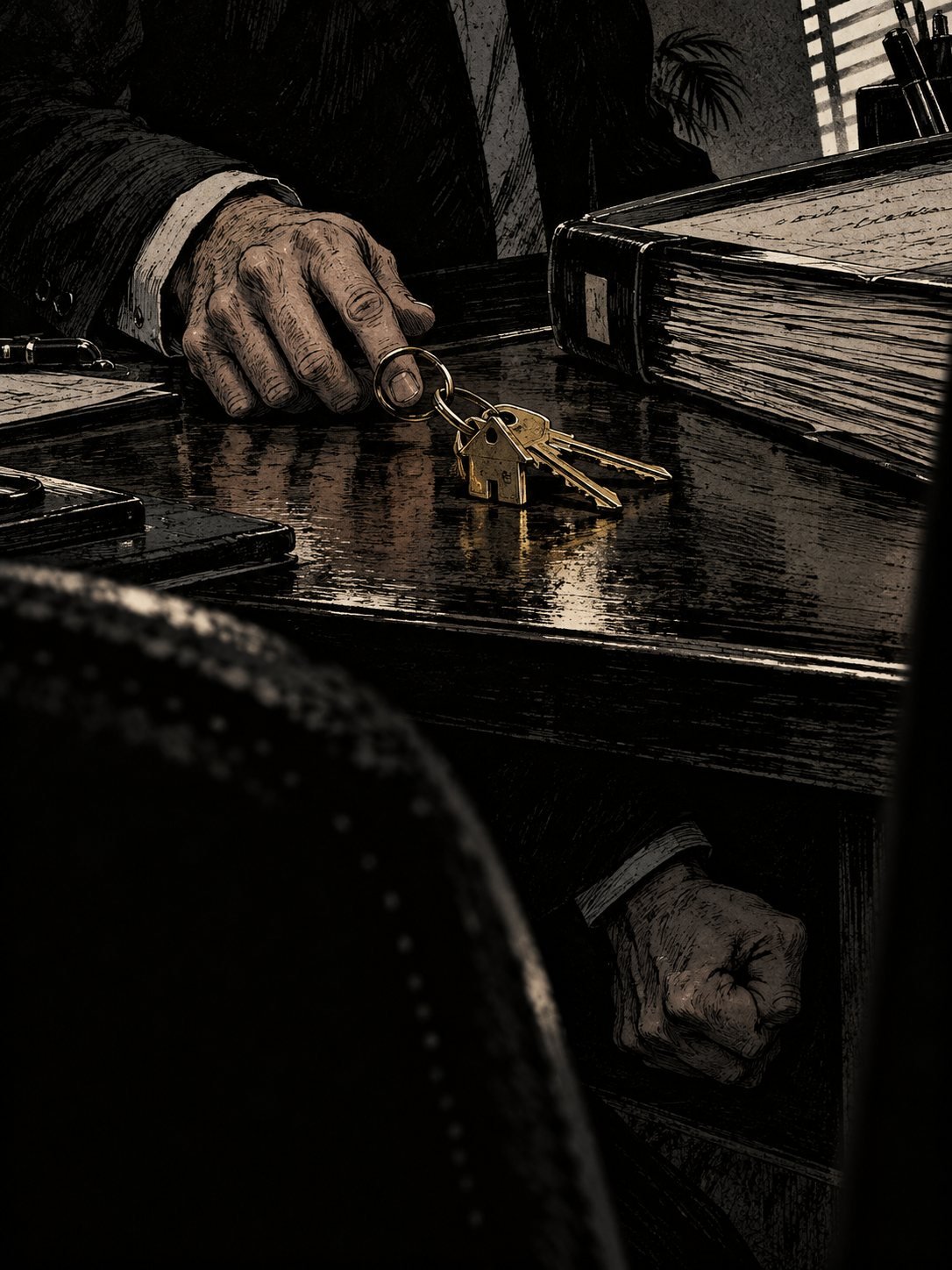
Sguros eventually handed over the keys.
But he did not walk away quietly.
In February 2026, he went to court, asking to be paid back for the money he had put into the dead man’s house. After the real estate group got the deeds, he sued the company to recover his repair costs.
So the man accused of taking a dead man’s home was now the one suing over it, asking a company to repay him for his work on a house that was never his.
His argument was that he had rescued a dangerous, abandoned house. In a sworn statement, he said he acted believing that cleaning, securing and restoring it was lawful and responsible.
Investigators saw it differently. By the summer of 2026, they were building a criminal case against him. (Police1)
Nearly four years later, the officer is arrested

He was suspended with pay on July 22, 2026, while the investigation went on. Being suspended with pay means you stop working, but still get your salary until the case is decided.
Three months later, the investigation reached its end point.
On October 20, 2026, Brian Sguros, now 35, was arrested. Broward County Sheriff’s Office booking records show him taken into custody.
He had been a Lauderhill officer since March 2021. The welfare check at Dennis West’s house came the year after he joined.
The man who once knocked on Dennis West’s door as a police officer was now the one being booked.
It took almost four years from the welfare check to the handcuffs.
Next came the courtroom. (AOL)
Five felonies, a $25,000 bond, and no conviction

He faces charges including official misconduct and criminal use of a dead person’s identification. Reports describe five felony charges in all, also including unlawful use of computers and a two-way communications device.
Official misconduct is a charge for public officials accused of abusing their position. For a police officer, it goes right to the heart of the job.
The other charges relate to using a dead man’s personal information without consent, and to the computers and phone investigators say he used along the way.
At his first court appearance, a judge set bond at $25,000. He left the hearing quickly, past reporters.
He has not been convicted. He is presumed innocent, and his version of events, that he was saving a ruined house, has not been tested in a criminal trial.
But the people whose job is to protect property records had something to say. (WFTV)
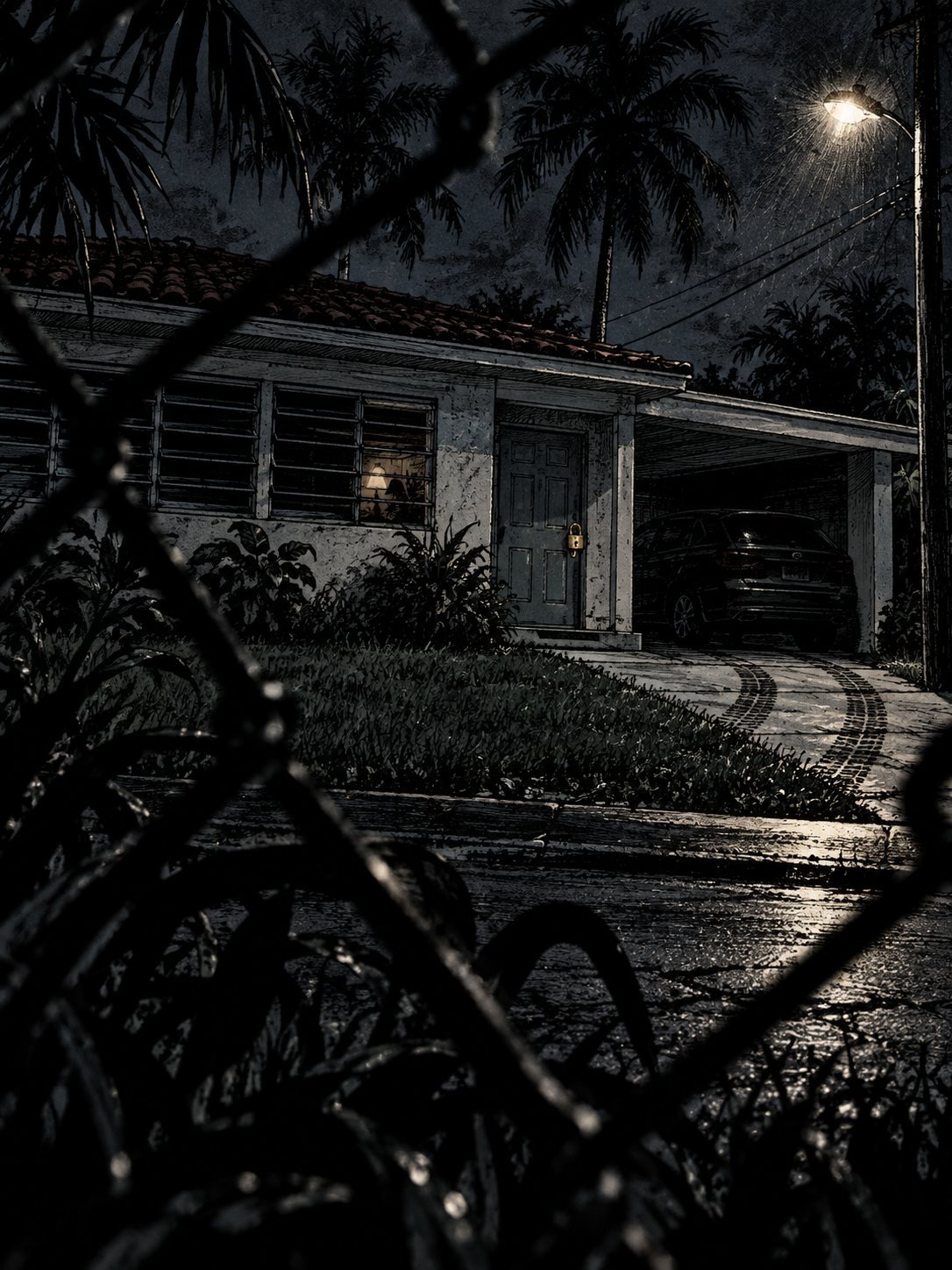
The house is locked now. The questions aren’t
“This case is so troubling,” said Broward County Property Appraiser Marty Kiar, “because this officer has been charged with using his position to defraud the public.”
A property appraiser is the official who keeps track of every house in the county and what it is worth. According to the Associated Press, it was with the property appraiser that Sguros had filed his paperwork asserting possession of the house.
Lauderhill Police Chief Constance Stanley also put out a statement: “Every officer in this Department swears an oath to protect the people of Lauderhill.”
The department suspended him without pay.
He is off the job without pay, the house is in other hands, and the criminal case is still ahead.
The house itself has new owners now. It has been fixed up, the bills are paid, and none of it belongs to the man who did the work. (Police1)
Most officers leave. This one, they say, didn’t
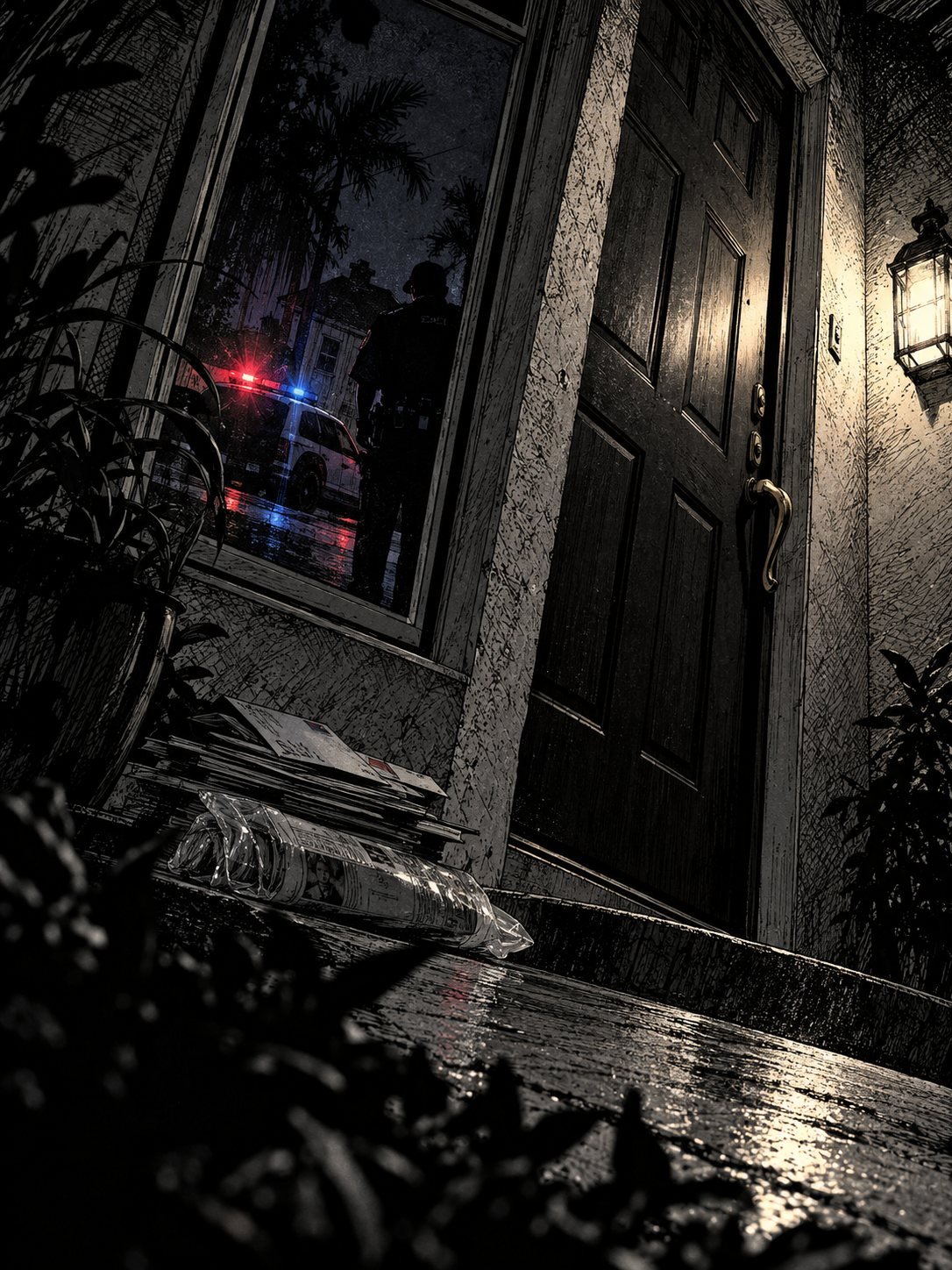
Every year, police across the country knock on doors like Dennis West’s.
A neighbor gets worried. A door is unlocked. An officer steps inside and finds someone who died alone. It is one of the saddest parts of the job, and one of the most trusted.
Most of the time, the officer who opens the door is the last stranger to see the house as it was. They write the report, they leave, and the family takes over.
Dennis West’s family never got that call in time. The system that should have found them was told they didn’t exist.
In this case, the trust that comes with a badge may be exactly what let it go on so long.
This time, investigators say, the officer never really left.
Case notes: why it took four years to notice
A dead man’s house was kept up, taxed, renovated and filed on for almost four years. Here is why, according to the allegations, nobody noticed sooner.
A paid bill looks like a living owner. Taxes, utilities and permits are mostly checked for payment, not for who is paying. As long as the money arrived, the house looked occupied by Dennis West.
He was first in the door. Investigators say the officer was among the people who found West, told the medical examiner he was a friend, and said there was no family. The person who should have triggered a search for heirs was the one telling everyone there were none.
Police databases are powerful, and quiet. Investigators say he searched West’s records seven times. Each search returned the kind of information that makes a stolen identity convincing.
It was the family, not the system, that broke it open. Only when a firm tracked down West’s relatives did anyone go to the house with a legal claim, and find someone already there.
Case file summary
- Case: A Lauderhill, Florida police officer accused of taking over the home of a man he found dead on a welfare check
- Death: Dennis West, 71, found dead of natural causes on July 11, 2022
- Arrest: October 20, 2026
- Charges: Including official misconduct and criminal use of a deceased person’s identification
- Status: Charged, not convicted. All allegations are unproven in court.
The officer has been charged but not convicted, and is presumed innocent. Everything in this story is based on what investigators and court filings allege, as reported by the sources below. No real person is shown with a recognizable face; the illustrations are artistic interpretations, not evidence.