The El Monte Sweatshop: 72 Workers Behind Razor Wire in Los Angeles (1995)
Behind the razor wire, the sewing machines never stopped
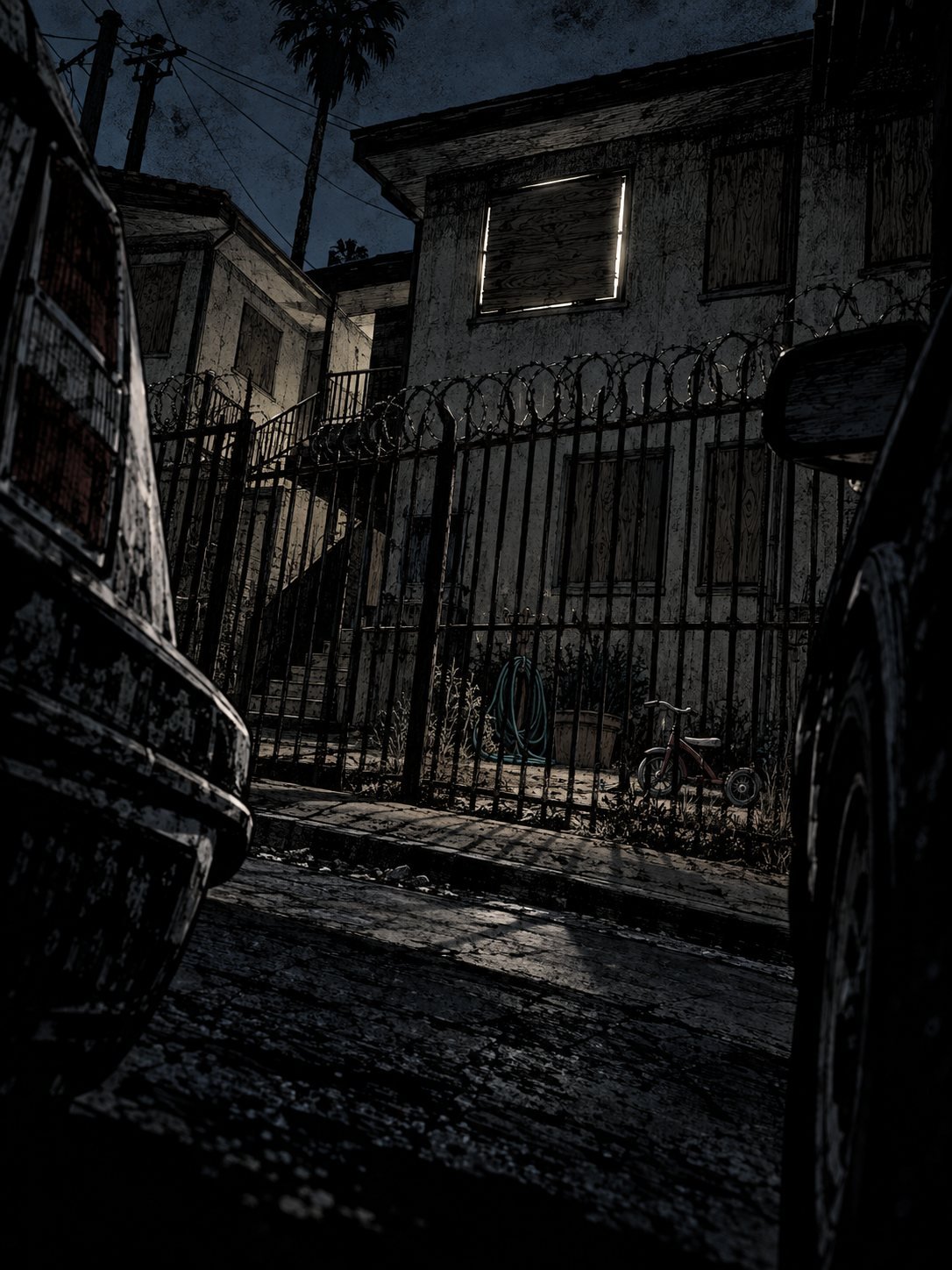
On a quiet street in El Monte, California, the sewing machines never stopped.
Not at midnight. Not at 2 a.m.
From the outside, it was a row of ordinary two-story apartment buildings in a working-class suburb of Los Angeles. Neighbors lived nearby. Cars drove past every day.
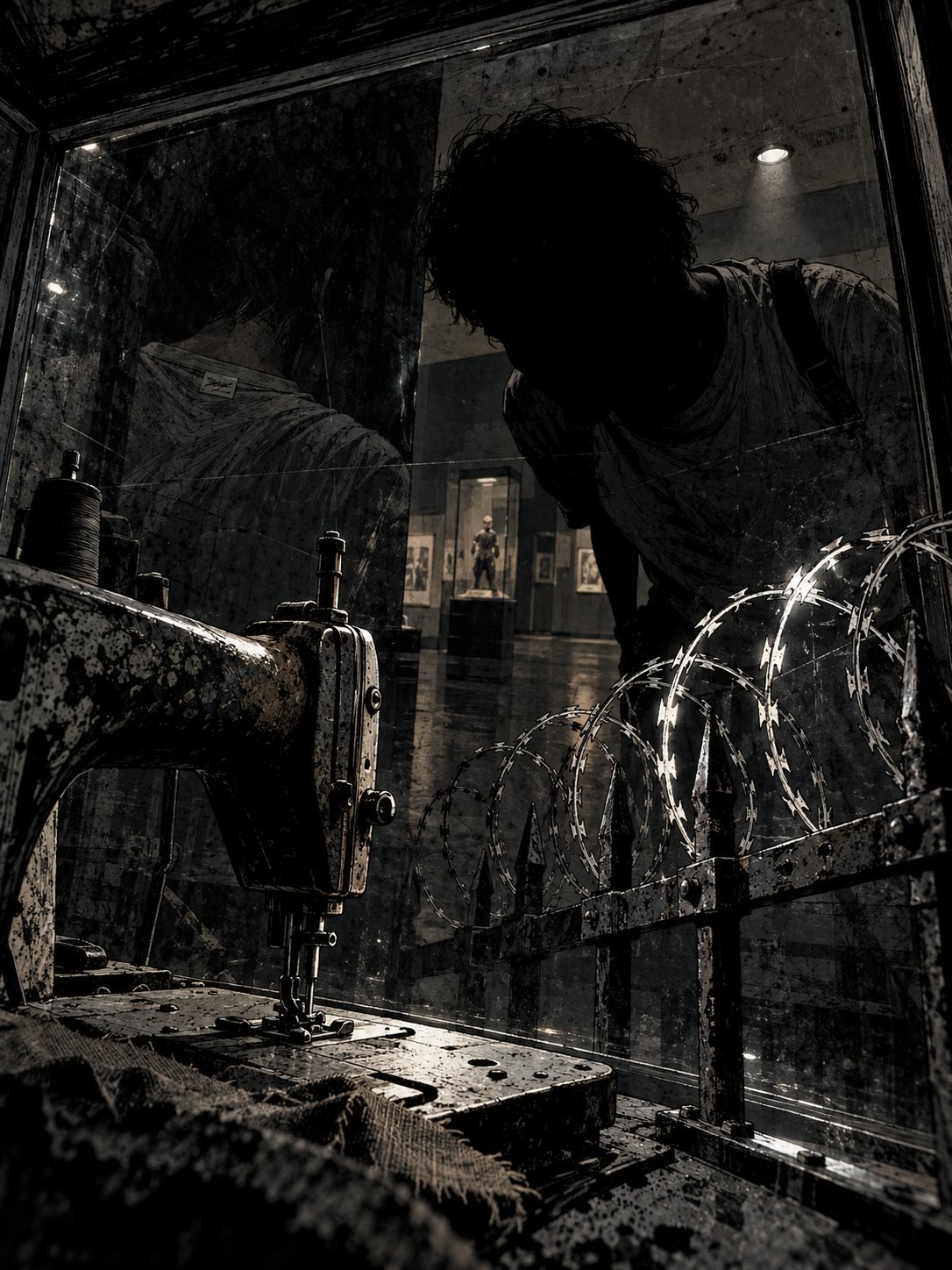
But the buildings sat behind a high fence. The fence was topped with razor wire. And the spikes along the top did not point out, to keep intruders away. They pointed in.
Behind that fence, 72 workers from Thailand were sewing clothes for American stores.
Some had been inside for seven years.
They were not prisoners of any government. They had committed no crime. They were being held by the people who owned the business. (Smithsonian)
The label said Made in USA. Technically, it was true

The finished clothes went out to big retailers and well-known brands, with labels saying they were made in the USA.
Technically, they were.
For a shopper, a “Made in USA” label usually suggests something reassuring. American wages. American labor laws. Safe factories with inspectors.
These clothes were sewn by people who earned a few cents per garment, worked through the night, slept on the floor, and could not leave. They went through middlemen and front companies, so that nobody further down the line had to ask where the sewing had really happened.
Just not the way anyone shopping for them could have imagined.
The blouses and shirts hung on store racks across America. Nobody buying them had any idea where they came from. (Smithsonian)
One woman, one window, and a letter with a map

It went on for years. Recruiters, guards, a locked compound, trucks of clothes leaving in the dark. A whole system built to keep 72 people hidden in the middle of a city.
And it took one woman, one window and a letter with a hand-drawn map to bring it all down.
Today, that letter is in the collection of the Smithsonian’s National Museum of American History in Washington. So is a sewing station from the compound.
The case changed American law. It helped create new protections for victims of human trafficking that still exist today.
This is the story of the El Monte sweatshop, the case often called the first modern slavery case in the United States.
The recruiter promised America and showed photos of Disneyland

Starting in the late 1980s, recruiters went through poor villages in rural Thailand. Many of the people they approached came from struggling farming families.
They offered garment jobs in America. Good money to send home. Some showed photos of workers on weekend trips to Disneyland. Those photos, it later turned out, had been staged.
One woman, Rotchana Cheunchujit, was 24. She had two small children at home in Thailand. She planned to work in America, pay off what she owed, and come home to start a business.
She took a loan of about $4,800 from her recruiter to cover her plane ticket and fees.
She would have to pay it back by sewing.
It sounded like a hard but fair deal. A few years of work, then a better life. She had no idea what was waiting on the other side. (Smithsonian)
Gold jewelry at the airport, so they looked like tourists
Getting dozens of garment workers into the United States was not simple. So the recruiters used a trick.
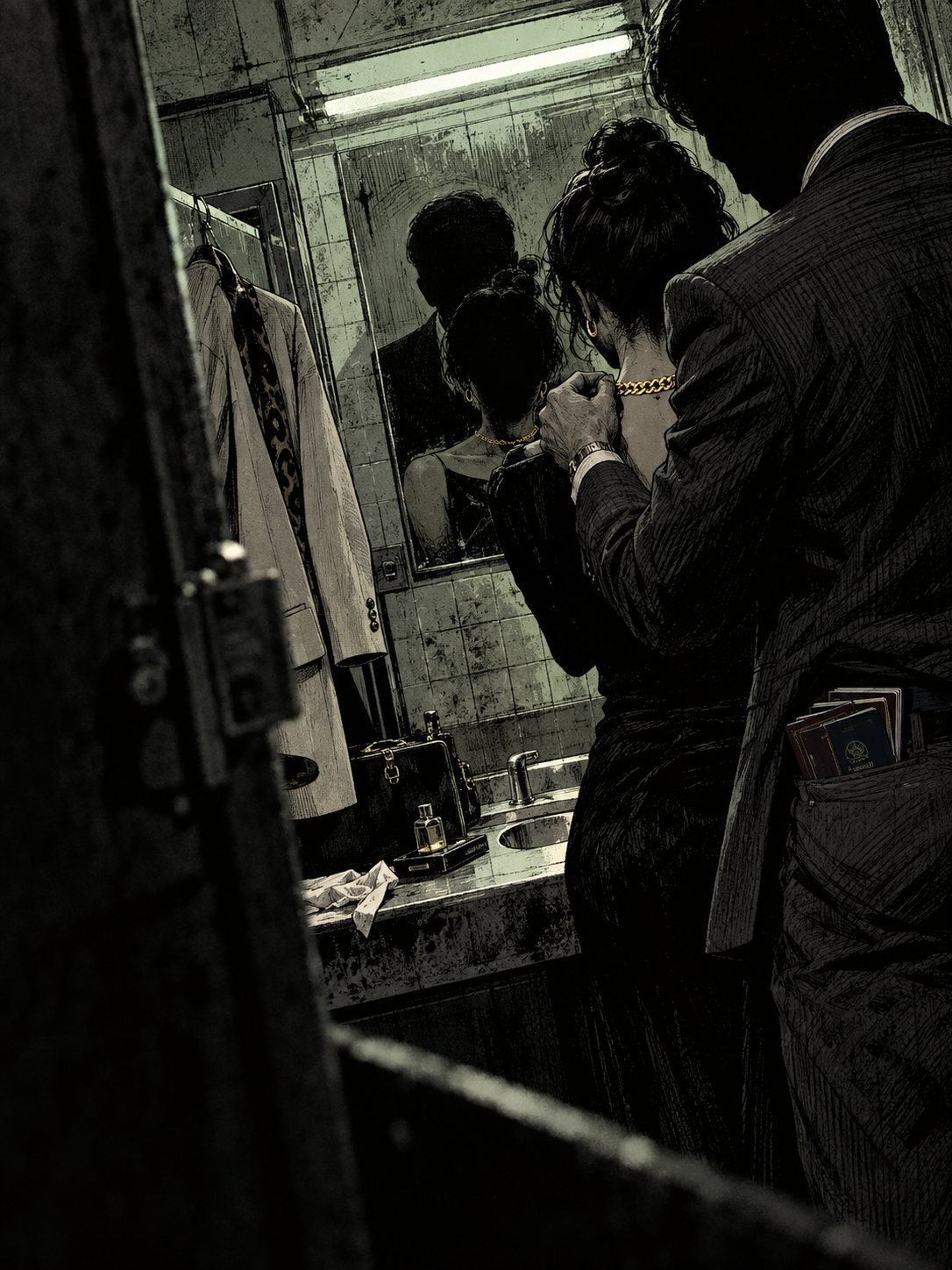
At the airport, they dressed the workers in expensive jewelry so they would look like wealthy tourists. The workers traveled on tourist visas, some with fraudulent passports.
A wealthy tourist does not raise questions at an immigration desk. A poor village worker coming to sew clothes might.
After they were through immigration, the jewelry was taken back.
So were their passports. So was their money.
In just a few minutes, the workers went from “tourists” to people with no documents, no cash, and no way home. They were in a foreign country where most of them did not speak the language.
They had to trust the people who had brought them. They had no other choice. (Wikipedia)
The gate closed behind them, for some for seven years
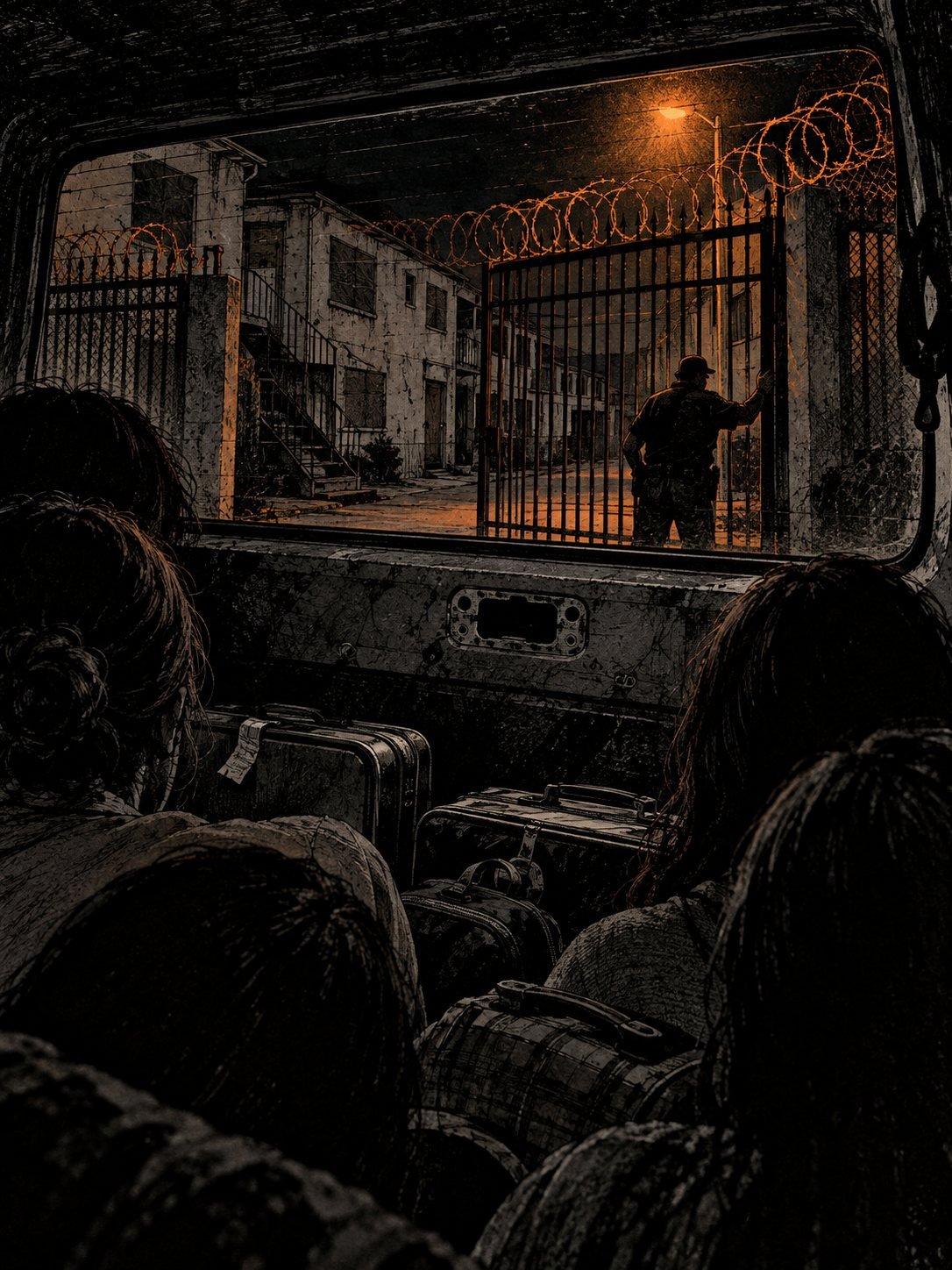
From the airport, they were driven to an apartment complex in El Monte, a working-class suburb east of downtown Los Angeles.
It was a compound of seven units: a row of two-story buildings around a courtyard, surrounded by a fence.
The gate closed behind them.
The business was run by a Thai family: Suni Manasurangkun, several of her sons, and two daughters-in-law.
Most of the workers had never been to the United States. They had come expecting garment jobs. Instead, they were taken straight from the airport to a place they would not be allowed to leave.
One worker later described what it was like inside: “We don’t know nothing about the outside.”
For some, the gate would not open again for seven years.
Work started at 6 a.m. and often ran past midnight
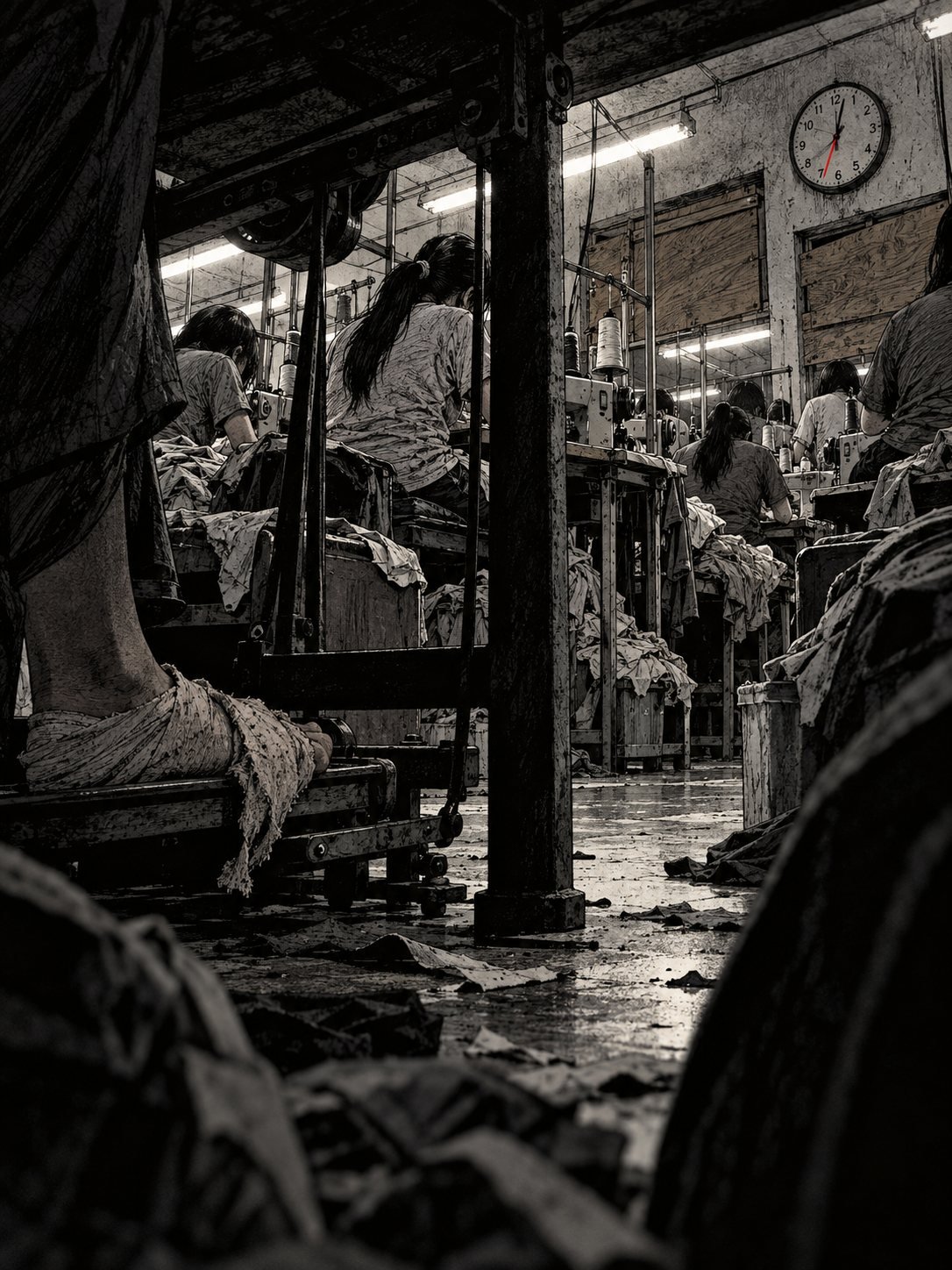
Work began at about 6 a.m.
It often ran past midnight. Workers later described shifts of 17 hours or more, leaving four or five hours to sleep. Rotchana remembered often working 19-hour days.
They sewed blouses, shirts and other garments, one after another, at rows of machines.
They said breaks were refused, even when they were sick. Talking and socializing with each other was not allowed. They could take one day off a month, but even then they had to stay inside the compound.
Picture working a full day at a normal job. Then keep going for another full shift on top. Then do it again the next day, and the next, for months and years.
And at the end of all that work, they were not getting any closer to paying off their debt. (NBC News)
A few cents per shirt, and the debt kept growing

They were paid by the piece, a few cents per garment. Rotchana said she got five to seven cents for each one, adding up to about $300 to $500 a month.
Half was taken up front.
Food, soap and toiletries had to be bought from the bosses, at a shop on the compound, at marked-up prices.
Everything went onto their debt.
This is how debt bondage works. The worker starts out owing money for travel. The boss controls the wages and the prices. Every month, what the worker earns is less than what they are charged. The debt never shrinks.
And the debt kept growing.
Rotchana had planned to pay hers off. Slowly, she realized she might never be able to. (Smithsonian)
An armed guard sat in the courtyard under a beach umbrella
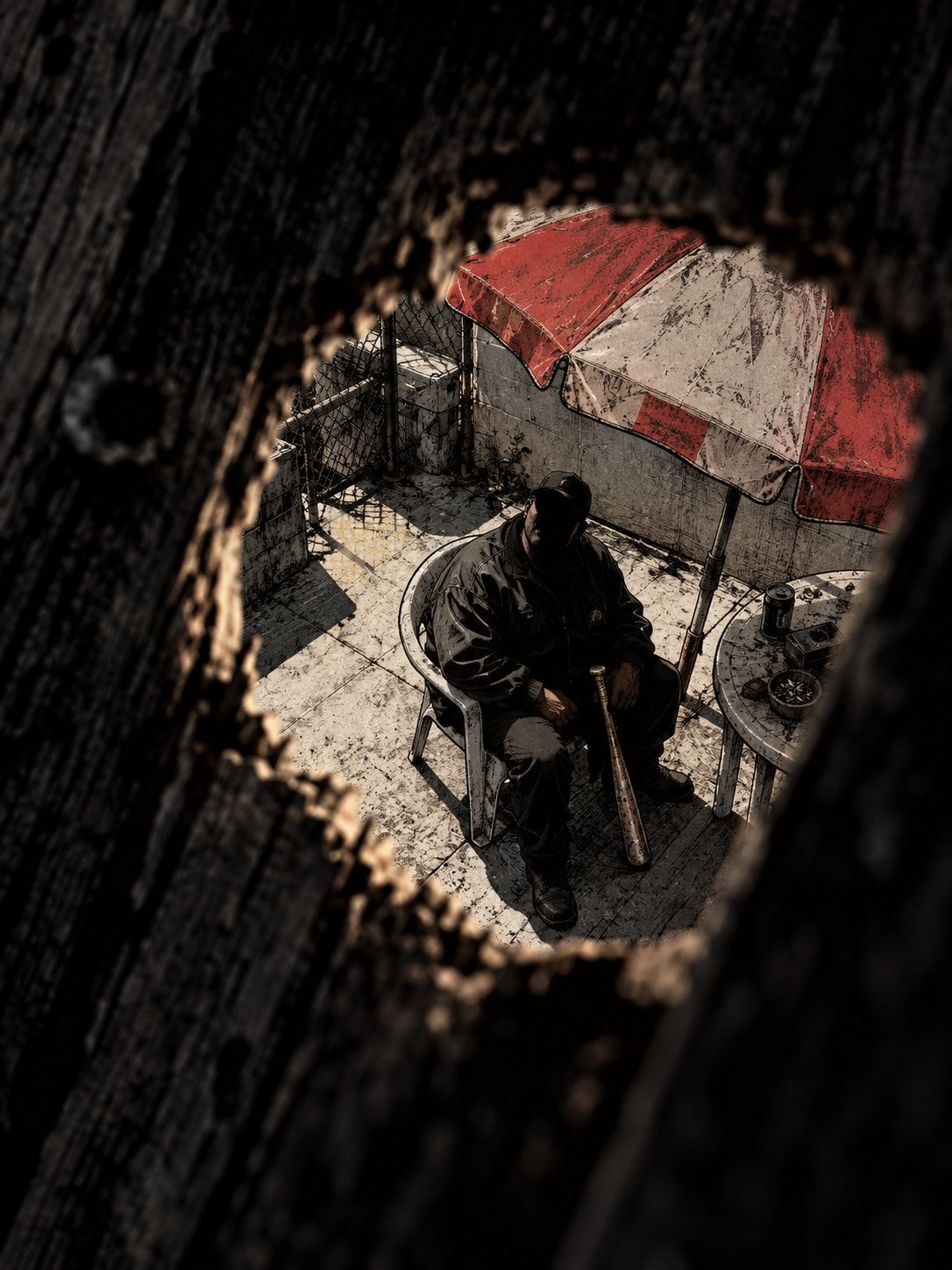
In the courtyard, an armed guard sat under a beach umbrella.
It sounds almost like a holiday picture. A chair, an umbrella, someone relaxing in the California sun. But the guard was there to make sure nobody left.
Others walked the property with guns, knives and baseball bats, around the clock.
Workers were threatened with violence if they tried to escape. Guards showed them a photograph of a worker who had tried to escape before and had been beaten.
Rotchana later described the moment she understood what had happened to her. “I can’t leave. I can’t go anywhere. I can’t say anything.”
The guards did not have to be everywhere at once. Fear did most of the work. (Smithsonian)
Nine to a room, and the door locked from outside
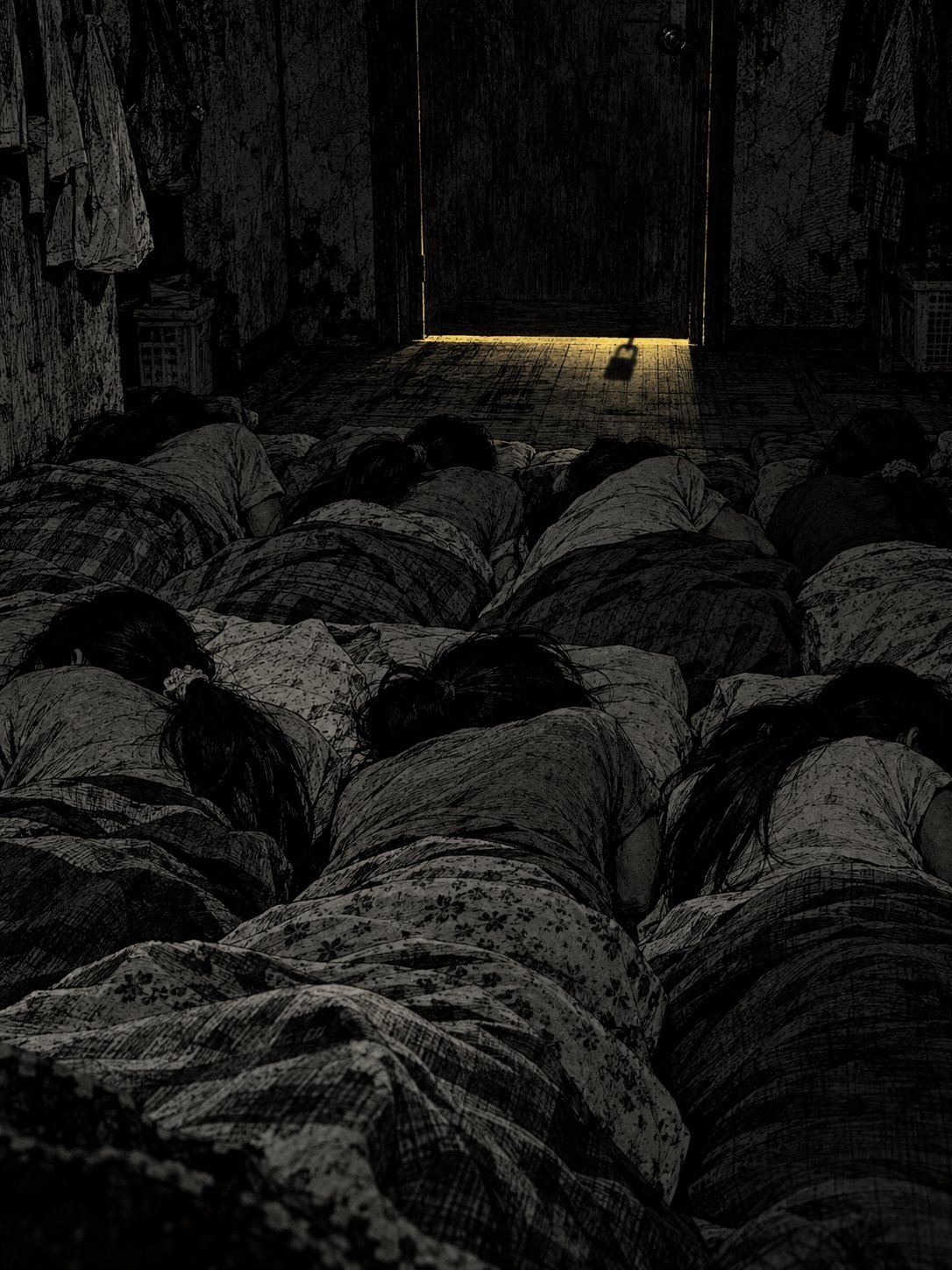
At night they slept on the floor, as many as nine to a room.
Rotchana shared a bedroom floor with eight other people.
The doors were locked from the outside.
Think about what that means. A single apartment bedroom. Nine adults lying side by side on the floor after a 17-hour shift. And no way to open the door from the inside, even in an emergency.
Then, a few hours later, the door opened and it was time to work again.
This was in Los Angeles County, in the 1990s, a short drive from Hollywood and Disneyland. The same Disneyland the recruiters had shown in their photos. (Smithsonian)
Letters opened, calls watched, bad news from home kept hidden
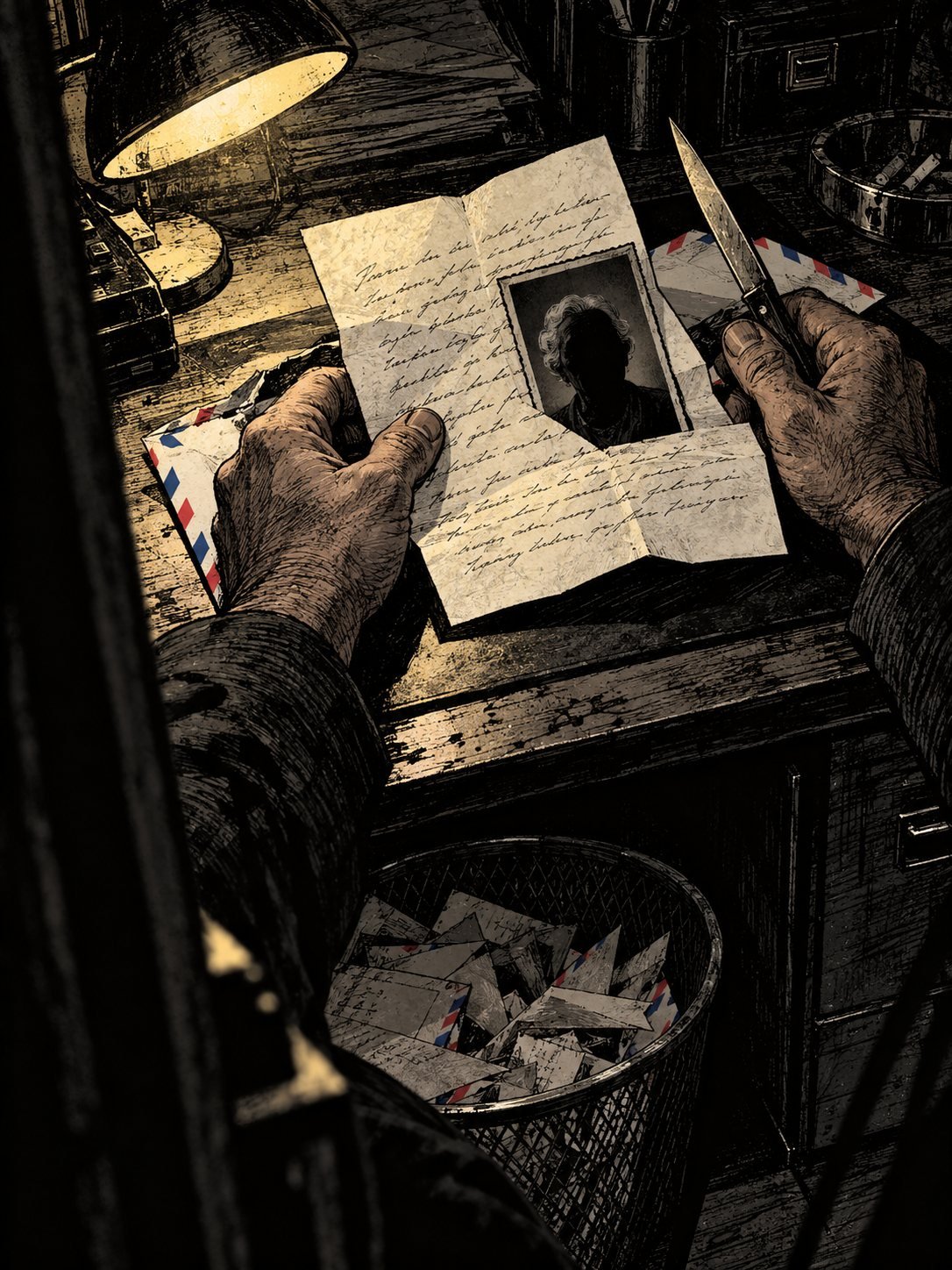
Letters were opened. Phone calls were monitored.
Letters home that did not describe a happy life were held back.
News from home about illness and death in their families was kept from them. A worker could go on sewing without knowing that someone they loved was sick, or gone.
They were told that if they ran, their families in Thailand would be hurt.
And if they went to the police, American officers would shave their heads and deport them.
It was a lie. But how would they know? They had no passports. Most spoke little English. The only information they got about the outside world came from the people holding them.
So most of them stayed. And one did not. (Wikipedia)
One woman climbed out a second-story window

One woman got out through a second-story window.
A second floor is high enough to break a leg in a fall. She had to get out without the guards stopping her.
She made it.
But once she was outside, she was alone in a foreign country. Like everyone inside, she had no passport. And she still believed what she had been told: that the police would shave her head and send her home.
So she was too afraid to go to the police. For years, she told only her boyfriend.
Inside the compound, nothing changed. Except one thing. The people running it made sure no one would get out that way again. (Wikipedia)
After the escape, the spikes were bent to point inward

After escapes, the operators added the razor wire. Earlier, some workers had tried to climb the fence.
The fence already had spikes. Now they were bent inward.
They pointed at the people inside.
A guard, usually armed with a machete, was there to stop anyone who tried again.
That detail tells you everything about what this place really was. A normal fence keeps strangers out. A fence with spikes and razor wire pointing in is built for one purpose. To keep people from leaving.
Neighbors could see the fence. Trucks came and went. But a high fence around apartments is not unusual in a big city, and nobody on the outside asked what it was really for.
For a long time, it worked. (NBC News)
A pencil letter begged them: please be careful

Her story traveled. Eventually it reached state investigators.
It came with a two-page letter written in pencil, passed on by her boyfriend.
Inside was a hand-drawn map of the compound. It showed the layout of a place that only someone who had lived inside could draw.
The letter begged them to act quickly, and carefully. “Please be careful,” it said. “Please bring much manpower.”
The danger was real. If the operators found out, the workers could be moved or punished before anyone arrived. A raid had to be big enough, and quiet enough, to work the first time.
A frightened woman, her boyfriend, a pencil and a sheet of paper. That was the whole chain. Now someone in authority had to believe it. (Smithsonian)
An investigator had chased the rumors for years. Now he had an address
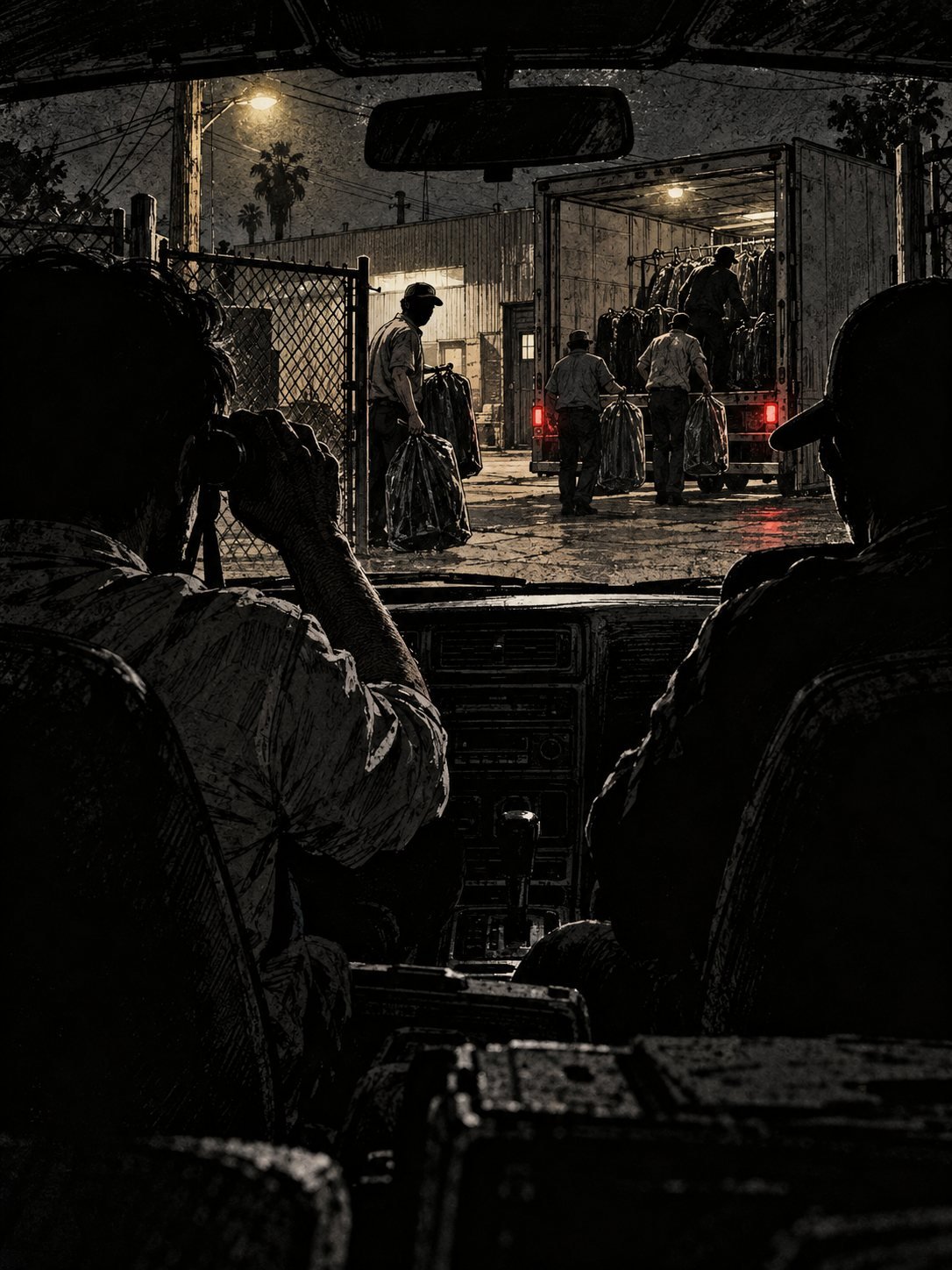
California deputy labor commissioner TK Kim had been hearing rumors about the place for years.
His job was to enforce labor laws: wages, hours, working conditions. He had heard stories of a hidden sweatshop full of Thai workers, but he could never find it.
Now he had an address.
Even so, he was stunned by how many people were said to be living and working there.
He and an immigration agent staked it out. They watched bags of finished clothes being loaded onto trucks in the dark.
That was the proof that this was a working factory, sending its product out into the world. On August 1, 1995, Kim met with the head of the Thai Community Development Center, a local group that helped Thai immigrants.
The raid came early the next morning. (Smithsonian)
5 a.m., and the gate finally came open

At 5 a.m. on August 2, 1995, they went in.
State labor officials, federal agents and El Monte police moved on the compound together. Agents broke down the front door.
Raids are often planned for early morning, when the people inside are asleep and least able to hide evidence or flee.
A Thai community group came with them, to speak to the workers in their own language. Chanchanit Martorell, the director of the Thai Community Development Center, talked to the frightened workers in Thai to reassure them.
That mattered. These were people who had been told for years that the police would hurt them. Now uniformed officers were pouring through the gate.
For the first time, someone was telling them in their own language that they were not the ones in trouble. (Wikipedia)
Seventy-two workers. Some had not been outside in years
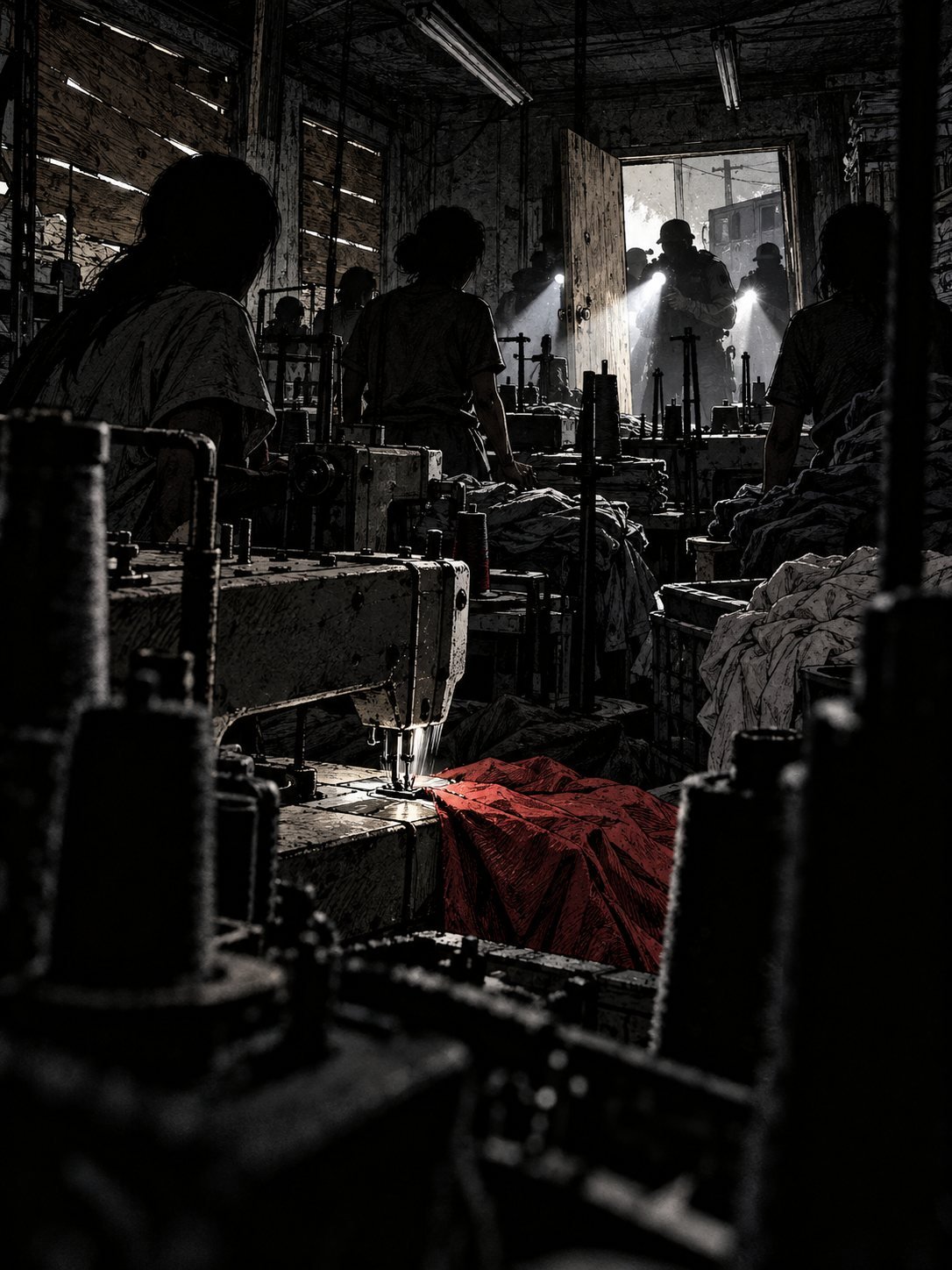
Inside, investigators found 72 Thai workers, most of them women, and the machines they had been sewing on.
Some had not been outside the fence in years.
The compound had been operating since around 1988 or 1989. For roughly seven years, it had sat in plain view in a Los Angeles suburb.
Seven operators were taken into custody.
The clothes the workers had been sewing carried labels many Americans knew, including B.U.M., High Sierra and Anchor Blue.
For the workers, it should have been the end of the nightmare. They were out of the compound.
But the next part of their story would be another shock. (Smithsonian)
Rescued, then shackled: nine days in immigration detention

They were out of the compound.
They were not free.
The workers had entered the country on false papers. So immigration officials took them into custody.
For nine days they were held in detention, shackled when they were moved between holding facilities in downtown Los Angeles and a federal detention center on Terminal Island. They were facing possible deportation.
To the workers, it must have looked like the threats had come true. They had been told that if the police found them, they would be locked up and sent home. Now here they were, in chains.
In 1995, American law had no special category for victims of trafficking. In the eyes of the system, they were simply illegal immigrants.
Outside, people were starting to get angry. (Wikipedia)
Protests outside, a young lawyer inside, and a loophole
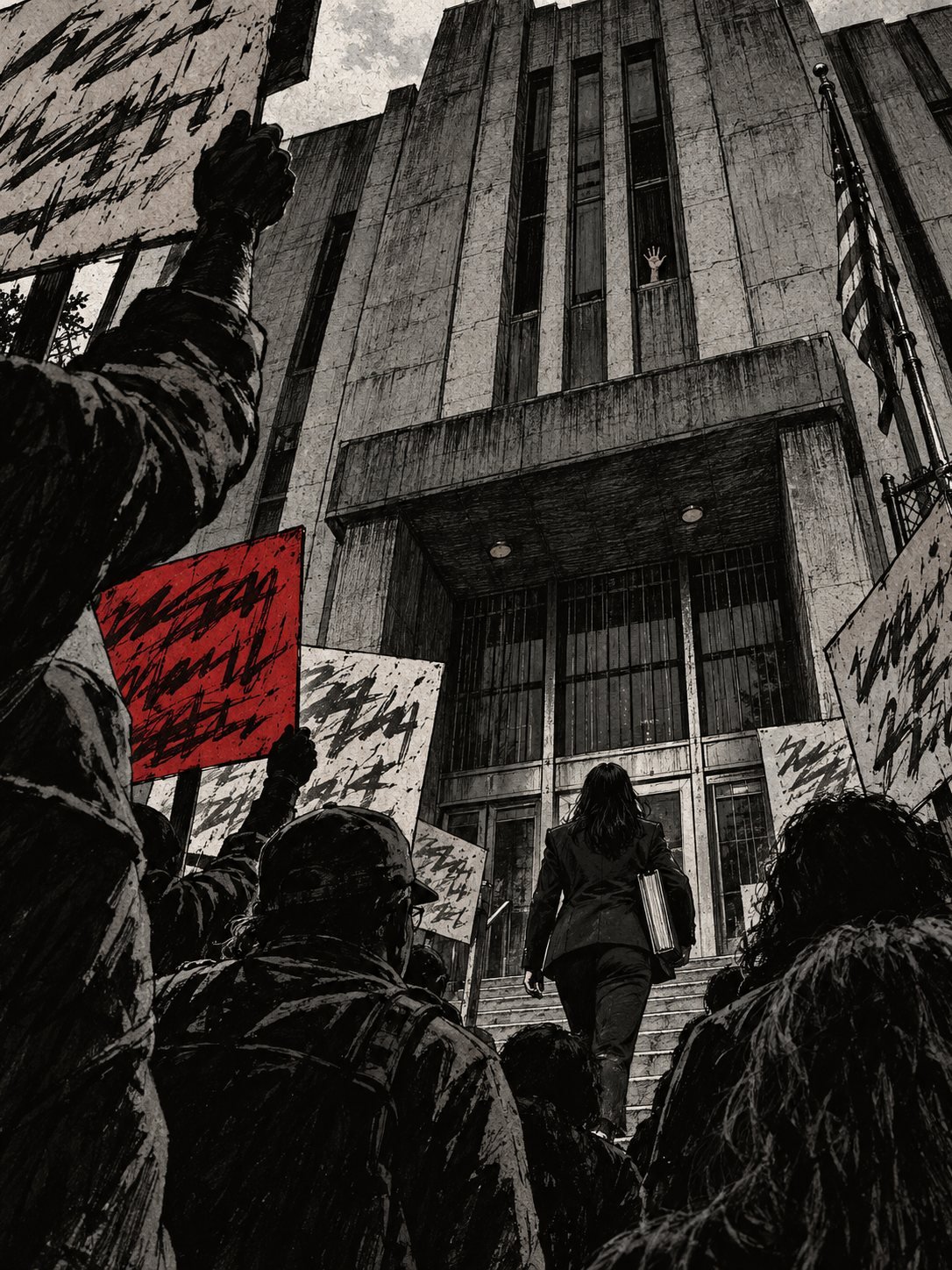
Asian American groups and labor activists held press conferences and sit-ins outside.
A young lawyer named Julie Su took their case. She would go on to become the lead attorney for the workers. Decades later, she would serve as acting U.S. Secretary of Labor.
The workers were released as material witnesses, people whose testimony is needed for a criminal trial. Supporters signed for their release, and they were moved to temporary shelters, including churches.
There was no visa for trafficking victims back then, so officials used one meant for informants to keep them in the country.
It was a workaround. But it meant the workers could stay, work legally, and help put their captors on trial. (Wikipedia)
Guilty pleas, six-year sentences, and two brothers who fled
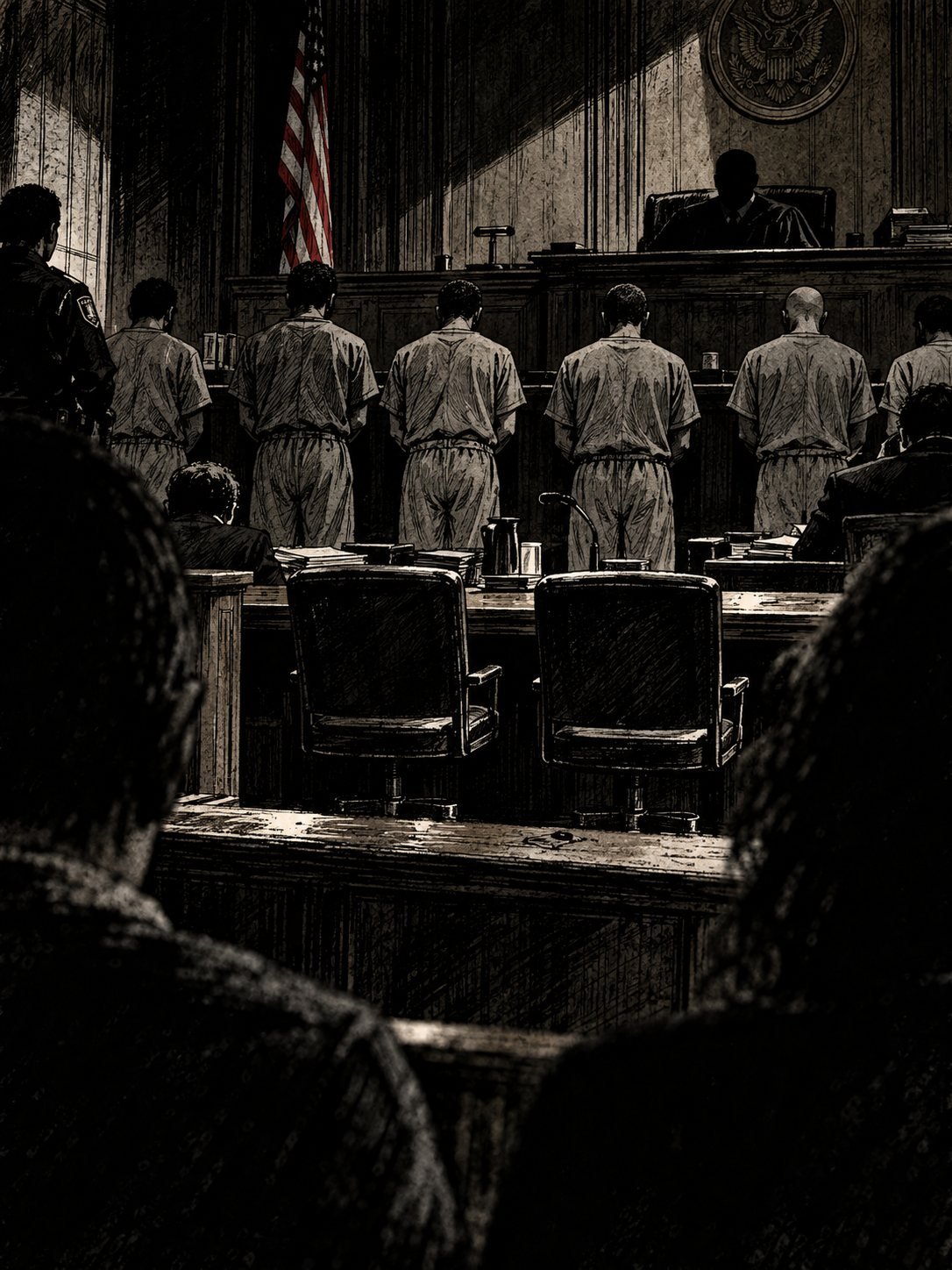
In 1996, the operators pleaded guilty, among them Suni Manasurangkun, the family matriarch, and several of her sons. The charges included involuntary servitude, the legal term for forced labor, and conspiracy.
Two of the brothers were sentenced to six years in prison and ordered to pay $4.5 million in restitution.
Restitution is money a court orders criminals to pay back to their victims.
The Justice Department called them some of the largest sentences ever imposed in a modern slavery case.
Some workers gave evidence for the prosecution. Facing the people who had locked them up for years took courage.
In all, seven people pleaded guilty. But not everyone was in the courtroom.
Two other brothers fled to Thailand. They have never been brought back. (U.S. Justice Department)
A sewing station in the Smithsonian, and a new law
Retailers and manufacturers that sold the clothes paid more than $4 million in civil settlements. Much of it went to the workers as back pay.
The case helped push Congress to pass the Trafficking Victims Protection Act in 2000, which created a visa for victims of trafficking, the T visa. Future victims would have a visa of their own.
Today, a sewing station from El Monte sits in the Smithsonian.
Many of the workers became U.S. citizens. Some opened their own businesses. Rotchana was reunited with her children, learned English, and opened a Thai restaurant in Arcadia, California. In 2023, the U.S. Department of Labor inducted the El Monte workers into its Hall of Honor.
Nobody knows how many shirts they sewed. (Smithsonian)
Case notes: how 72 people stayed hidden for seven years
The compound sat on an ordinary street in a Los Angeles suburb. Neighbors lived next door. Trucks came and went. Here is how it stayed invisible for so long.
Debt was the first lock. Workers arrived owing thousands of dollars for travel and fees. Their pay was a few cents a garment, half of it taken up front, and everything they bought was added to what they owed. The debt could never be paid off, and that was the point.
No passport, no language, no exit. Their documents were taken at the airport. Most spoke little English, had never been to the U.S., and were told the police would shave their heads and deport them. The guards did not have to be everywhere. Fear did the rest.
The clothes were legal even if the labor was not. Finished garments went through front companies to well-known retailers, with labels saying they were made in the USA. Nobody along the chain had to ask where the sewing happened.
It broke because one person got out and someone believed her. A single escape, a pencil letter and an investigator who had been chasing rumors for years were enough to end it. The same pattern ran through the salt farms of Sinan and the brick kilns of Shanxi: people held in plain sight until a letter got out.
Case file summary
- Case: Forced labor in a garment compound in El Monte, California
- Operating: About 1988/89 to 1995
- Raid: August 2, 1995. 72 Thai workers found, most of them women
- Outcome: Operators pleaded guilty; two brothers sentenced to six years and ordered to pay $4.5 million in restitution; two other brothers fled. Retailers and manufacturers paid over $4 million in civil settlements.
- Legacy: Helped lead to the Trafficking Victims Protection Act of 2000 and the T visa
Out of respect for the survivors, no real person is shown with a recognizable face, and violence is implied rather than drawn. Illustrations are artistic interpretations, not evidence. Figures such as daily hours and the number of workers held over the years differ between sources.
Sources
- Smithsonian Magazine: 20th-century slavery in a California sweatshop was hiding in plain sight
- Wikipedia: El Monte Thai garment slavery case
- U.S. Department of Justice press release (April 1996)
- NBC News: Former enslaved California sweatshop worker recalls captivity
- Smithsonian: El Monte Sweatshop, Operation, Raid and Legacy