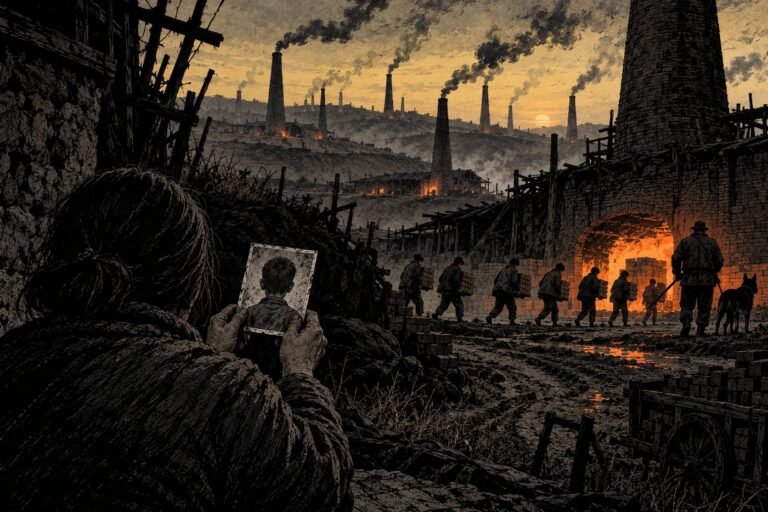
The Tenant Who Never Came Home: The Christopher Jarvis Cold Case (2006–2026)
He left for work at 6 a.m. and vanished

At about 6 a.m. on a cold winter morning in 2006, Chris Jarvis left his home near Warrnambool, Australia, to go to work.
Warrnambool is a coastal city in the state of Victoria, in the far southwest of the country. In Australia, June is the middle of winter. At 6 a.m. it is still dark.
The date was June 13, 2006. It was a normal workday. He walked out of his house to start it. He was never seen again.
Not that day, not that week, not in the twenty years that followed. No phone call. No sighting. No body. His partner reported him missing. Police would come to treat it as a missing person case.
For a long time, that is all it was. A man who went out to work in the dark one winter morning and did not come back.
But one strange fact appeared on the very same day, and it did not fit with a simple disappearance at all. (ABC News)
That same day, his car was burning on a clifftop
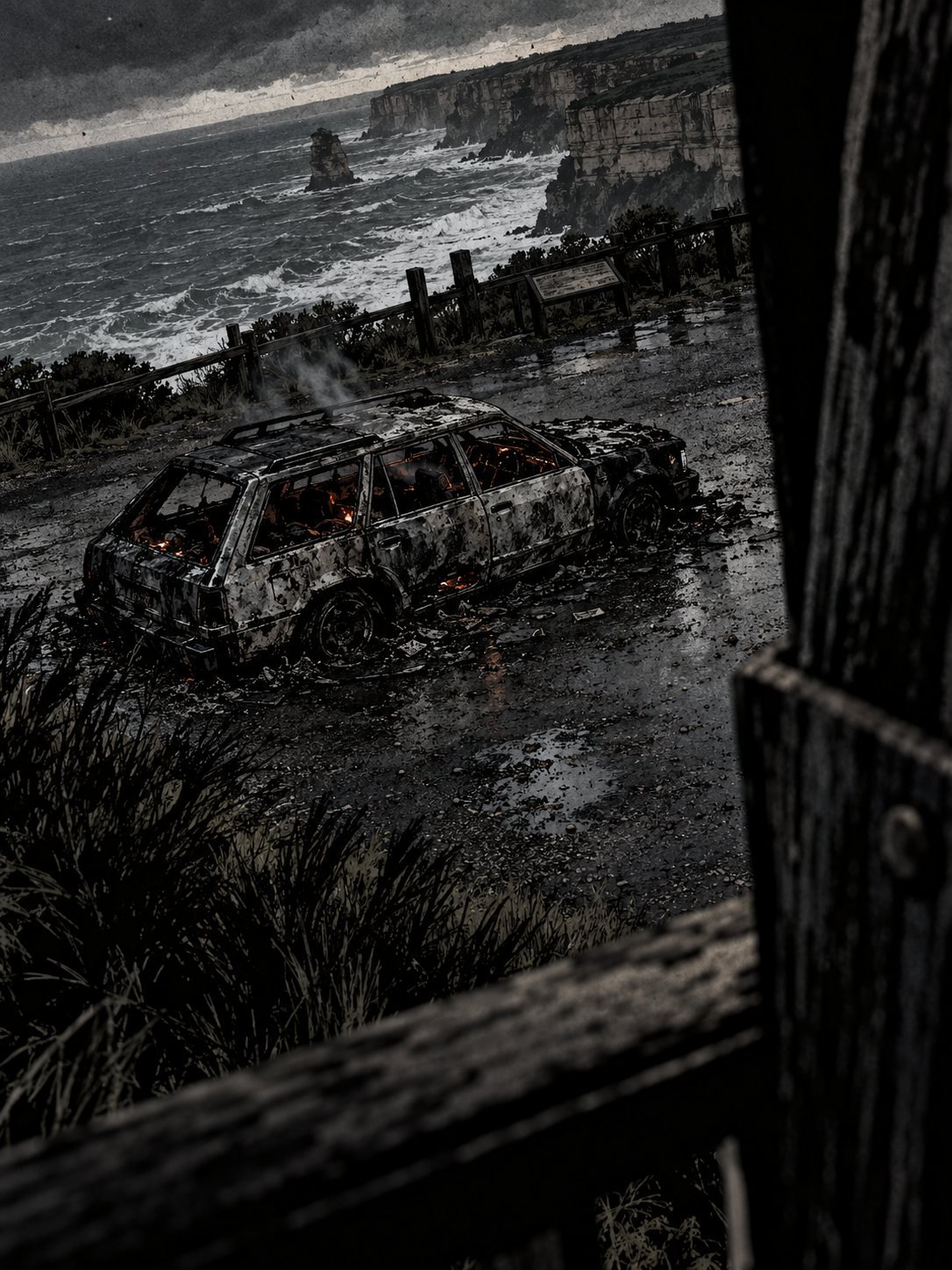
That same day, his car was found burnt out at a lookout on the coast.
The place is called Thunder Point, in Warrnambool. It is a lookout over the sea, the kind of spot where people stop to look at the waves.
His car was there, destroyed by fire. There was no sign of him.
Think about how strange that is. A man leaves home for work at 6 a.m. Within hours, his car is on fire at a coastal lookout. And he is nowhere to be found. Not in the car. Not nearby.
A burnt car can mean many things. An accident. Someone trying to hide something. Someone wanting it to look like something else.
But a burnt car with no driver raised one obvious question. Where was Chris Jarvis? That question would hang over his family for twenty years.
Twenty years later, a jury gave its answer
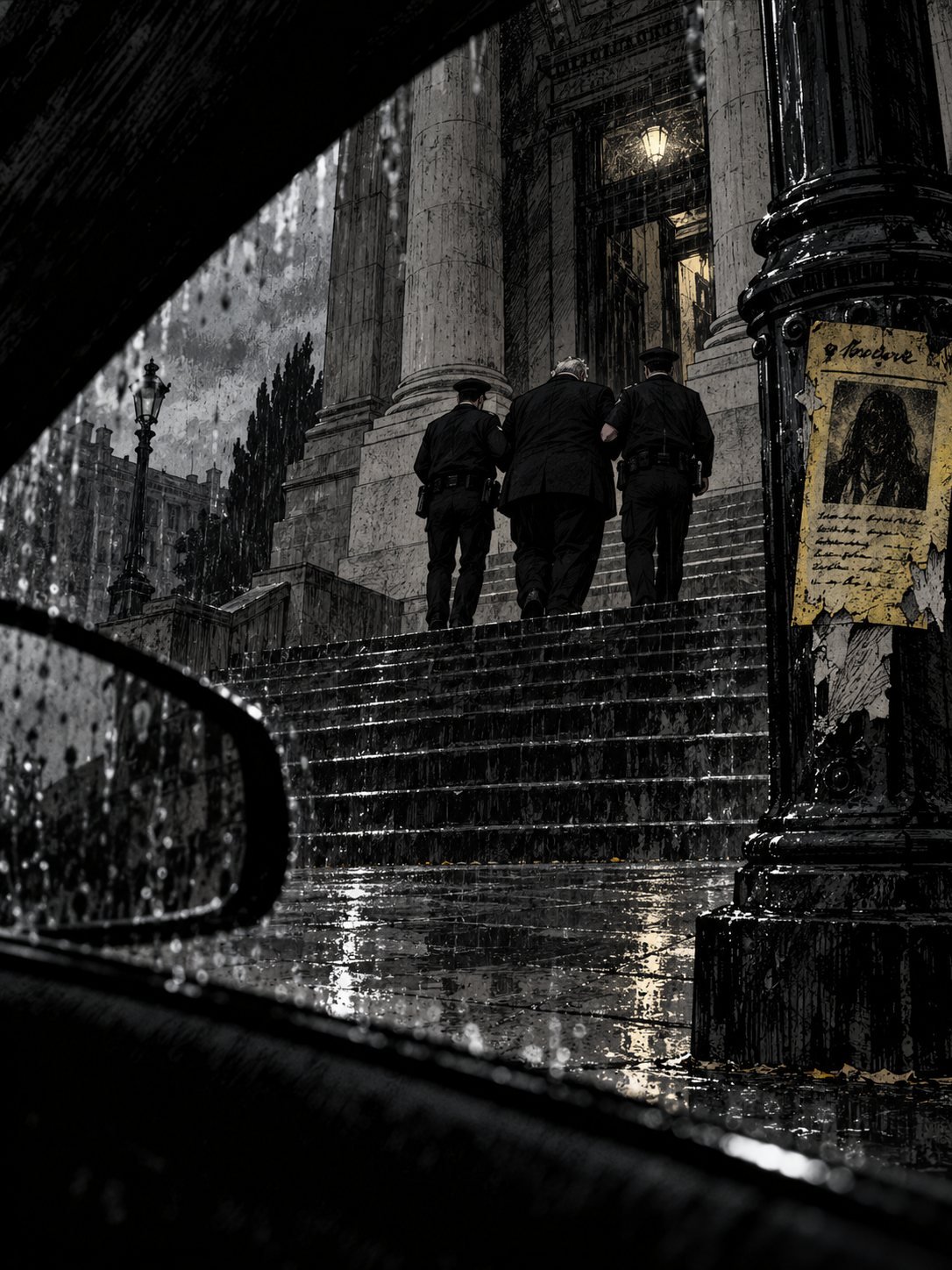
Twenty years later, a jury decided what happened to him. The man they found guilty of his murder was his landlord, a former police officer.
That alone makes this case unusual. Murder convictions without a body are rare. Without a body, a prosecution cannot show exactly how someone died, or where. The jury has to be convinced by everything else: the motive, the witnesses, the timeline, the behaviour of the accused.
And here, the accused was someone who had once worn a police uniform himself.
He denied killing Chris Jarvis. He pleaded not guilty. The trial ran for weeks, and the jury deliberated for four days before reaching a verdict.
The whole case, from the cold morning in 2006 to the courtroom in 2026, turned on a dispute that sounds almost too small to matter.
A few thousand dollars. This is the story of Chris Jarvis. (ABC News)
A truck driver, a plumber, and a dad

Chris Jarvis was 38.
He drove trucks for a local freight company. A freight company moves goods by road, the kind of work that often starts before sunrise. He was also a qualified plumber.
So he was someone who worked with his hands, and worked hard. Two trades, two kinds of work. He was a father. His son was 14.
These details are worth holding on to. In a story like this, it is easy to focus on the accused, the courtroom and the legal arguments. But at the centre of it is a working man with a teenage son, who left home one morning expecting to come back.
His children would grow up without knowing what had happened to him. His son was 14 when he vanished. By the time the verdict came, that boy would have been in his thirties.
That is how long the family waited. And it all began with where Chris Jarvis lived, and who owned the house. (The Standard)
Among the farms, renting from a former cop
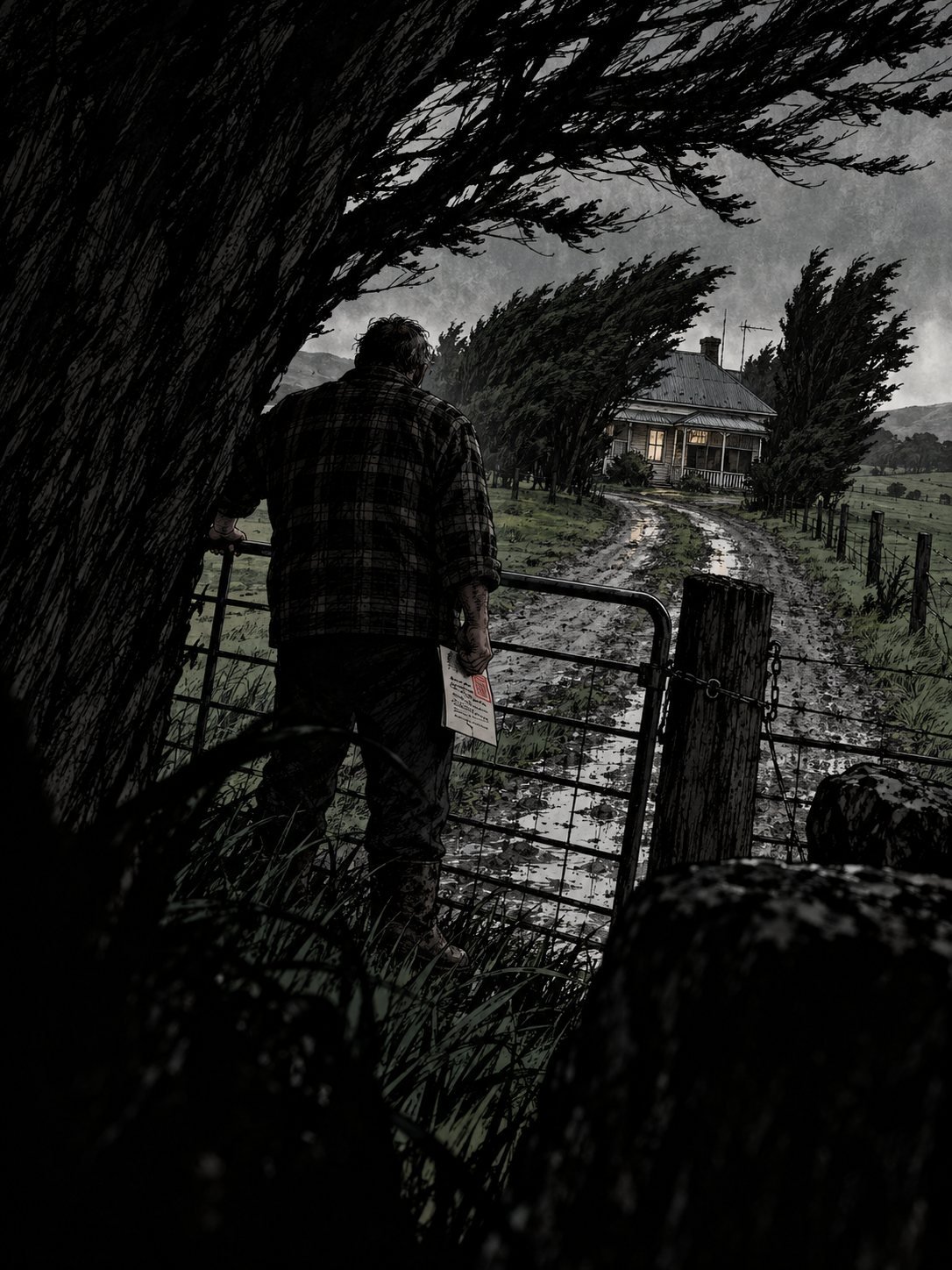
He rented a house in Wangoom, among the farms outside town.
Wangoom is a rural area near Warrnambool, a long way from the bustle of a big city. His landlord was Steven Johnson, a former police officer.
Johnson had served with Victoria Police. By the time of the trial in 2026, he was 74 years old.
A former police officer knows how investigations work. He knows what police look for, what evidence matters, and how cases are built. That fact would come up again and again in this story.
For now, though, the relationship was simple. One man owned the house. The other man rented it and paid the rent. Or was supposed to.
Because by June 2006, the two men were in a dispute. And that dispute was about to go in front of a tribunal.
The fight was over $2,210

The two men were in a dispute over $2,210 in rent. Johnson said Jarvis owed him that money. Jarvis saw it differently.
Jarvis said the plumbing work he had done on the landlord’s properties should come off what he owed. In other words, he had done work for Johnson as a plumber, and he believed that work should count toward the rent.
It is the kind of argument that happens between landlords and tenants all the time. Who owes whom. What a job was worth. Whether a favour counts as payment.
$2,210 is real money. But it is not a fortune.
Nobody would expect a dispute like that to end in a murder trial.
But prosecutors would later tell the jury that this was the motive. A fight over a couple of thousand dollars, and a hearing that was only a day away. (ABC News)
A hearing was booked for June 14
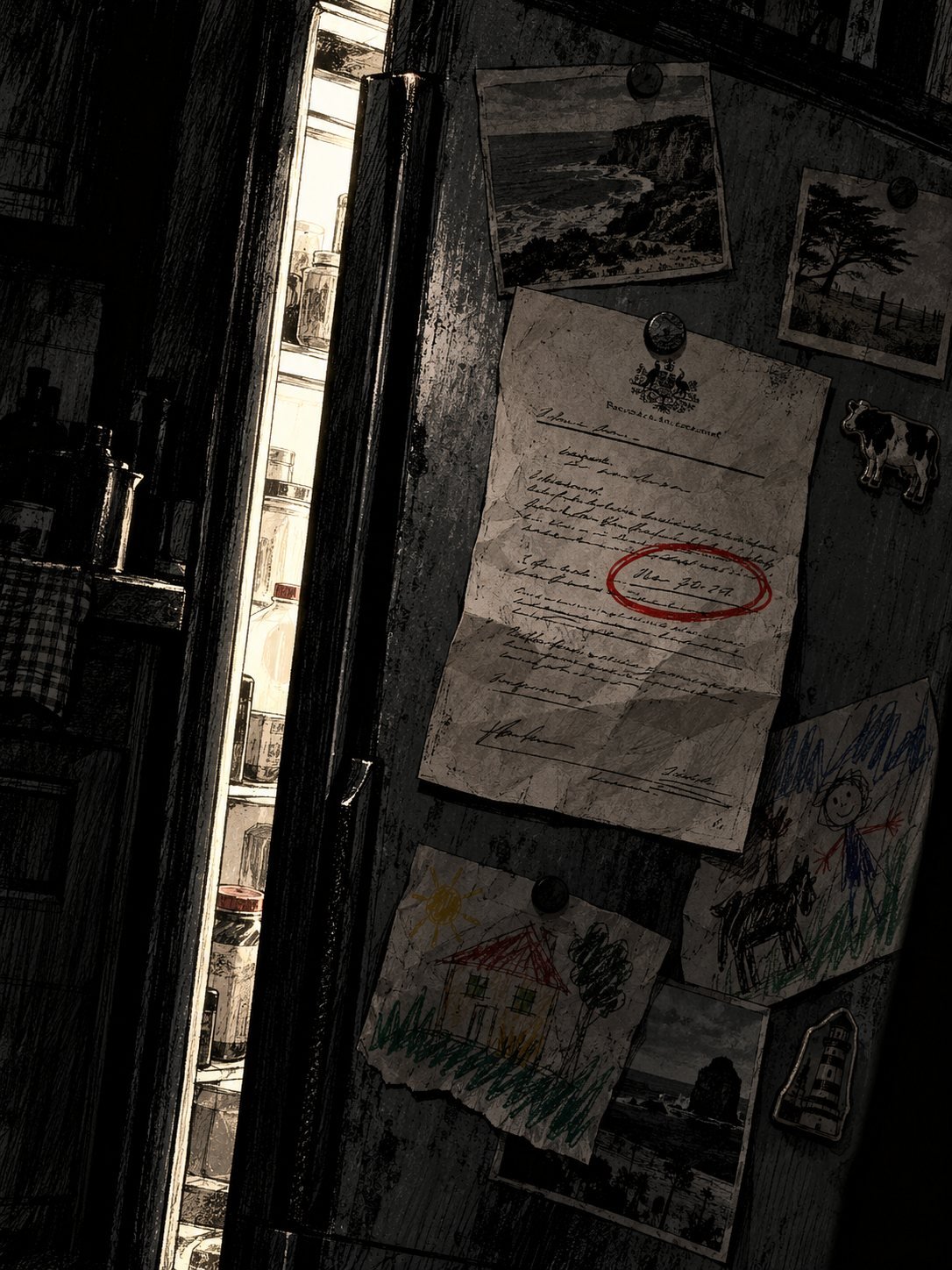
The dispute was going to a tribunal. A tribunal is a kind of small, informal court. In Australia, disputes between landlords and tenants often go to one. Each side presents their case, and a decision is made about who owes what.
Johnson had filed to have Jarvis vacate the property and pay the outstanding money. The hearing was set for June 14, 2006.
That date is the key to the whole case. Because Chris Jarvis was last seen on the morning of June 13.
The prosecution later put it this way to the jury: “It’s no coincidence that Chris Jarvis went missing the day before that court case.” The prosecutor also said: “Johnson knew he had a fight on his hands.”
The defence saw the same facts very differently. They argued that Johnson had been happy for the tribunal to settle the dispute. Using a tribunal, they said, is a lawful way to sort out a disagreement, not a reason to kill.
Two readings of one date. (ABC News)
He disappeared the day before the hearing
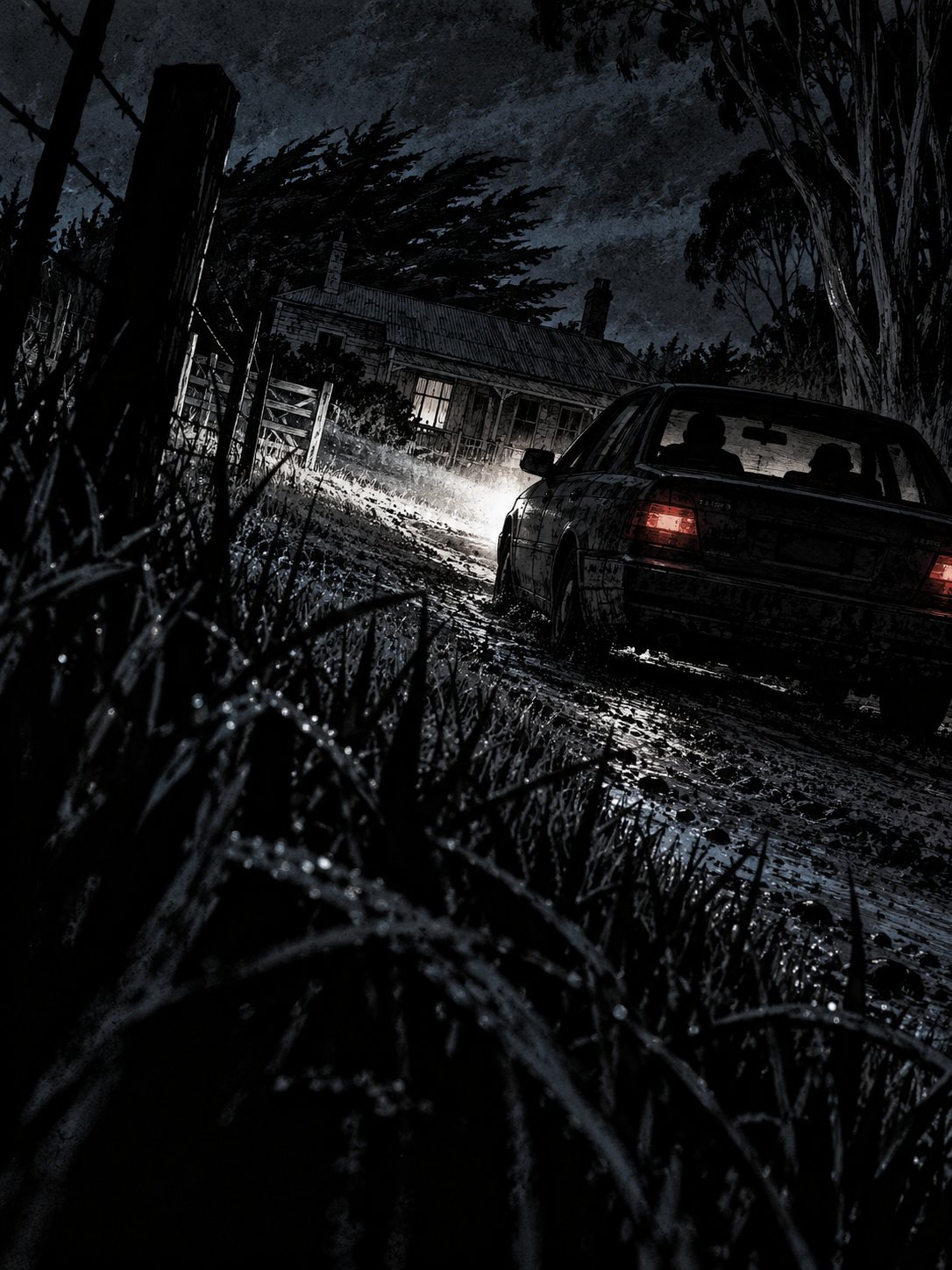
Chris Jarvis disappeared on June 13. The day before the hearing.
He did not attend the tribunal on June 14. He could not. By then, he had already been missing for a day.
Look at the timeline as the jury would later see it. A landlord and a tenant are in a dispute over money. The landlord has taken it to a tribunal. The night before the hearing passes. In the morning, the tenant walks out of his house and is never seen again. Within hours, his car is burning at a lookout on the coast.
On its own, timing proves nothing. People go missing for all sorts of reasons, on all sorts of days.
But timing can make a pattern. And this pattern would sit at the heart of the prosecution’s case.
At the time, though, nobody was charged. Nobody was arrested. There was only a burnt car, an empty house, and a family starting to search.
At the burnt car: a phone, a bandana, a baseball bat

His nephew went to the burnt-out car. He found a phone, a bandana and a baseball bat. He handed them to police.
It is a detail that shows how much the family did themselves in those early days. A relative going to the scene. Looking through what was left. Picking up what might matter and taking it to the police.
A phone, a bandana, a baseball bat. Three ordinary objects. On their own, none of them explains anything.
But at the trial, nearly twenty years later, one of them would come up again. The prosecution alleged that a baseball bat was used to kill Chris Jarvis. Johnson denied it.
At the time, though, the items went to police, and the case went on as it was. A man was missing. His car had been burned. And nobody could say where he was.
The family had no answers. They had a few objects from a burnt-out car. (The Standard)
For years, it stayed a missing person case

Police treated it as a missing person case.
That matters. A missing person case and a murder case are investigated very differently. In a missing person case, police look for someone who might still be alive. In a murder case, they look for a killer.
Without a body, it is hard to prove that someone is dead at all. Some missing people turn up years later. Some leave on purpose. Police cannot assume the worst without evidence.
So the case stayed open, but quiet. For years, the case went nowhere.
Johnson, the landlord, went on with his life. The dispute that had been heading for a tribunal never got its hearing. The tenant who owed, or did not owe, $2,210 was simply gone.
Much later, at the trial, even the defence would agree that Chris Jarvis was dead. That was not disputed. But back then, there was no one to charge, and nothing to charge them with.
His children waited for a call that never came

His children waited for a call. It never came.
This is the part of a missing person case that rarely makes headlines. The waiting. Not knowing whether someone is alive or dead. Not knowing whether to grieve or to hope.
When someone dies, families hold a funeral. They have a grave to visit. When someone vanishes, families have nothing. Every phone call might be news. Every knock at the door might be an answer.
Chris Jarvis’s son was 14 when his father disappeared. He grew up into adulthood without knowing what had happened. His daughter would later describe it in four words: “the longest 20 years.”
For years, the only certain facts were an empty house and a burnt car at Thunder Point, found the same day he vanished. Everything else was a question.
The family kept waiting. And the years kept passing.
Five years. Ten. Fifteen. No answers.
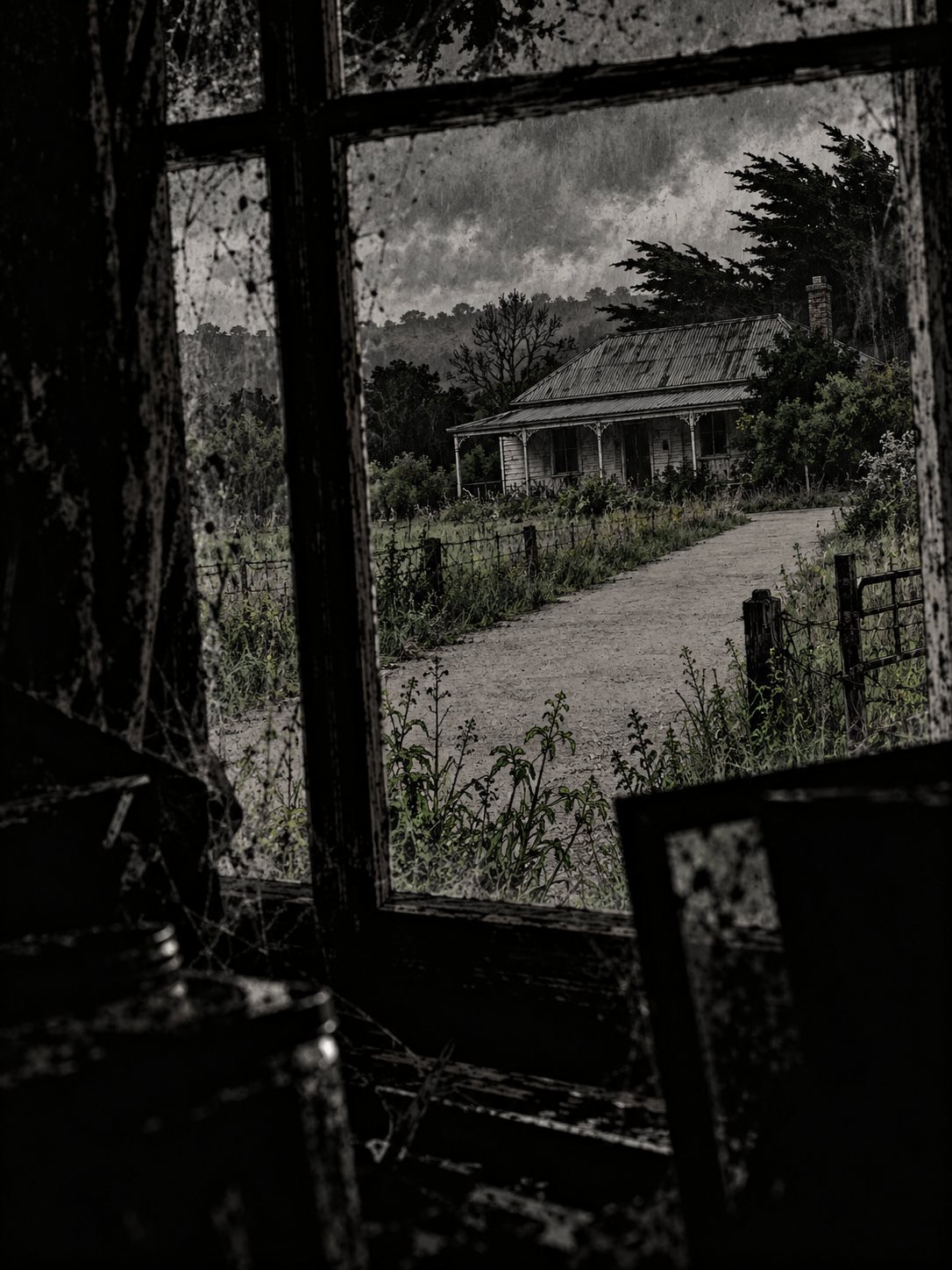
Years went by. Five. Ten. Fifteen. No body. No charges. No answers.
Try to picture fifteen years. A child who was in primary school when Chris Jarvis vanished would have finished school, started work, maybe started a family of their own.
Phones changed. Cars changed. The town changed. But the question at the centre of this family’s life stayed exactly the same. What happened on the morning of June 13, 2006?
In that time, the people who might know something kept it to themselves. Nobody came forward, at least not in a way that led to charges.
Cold cases often stay cold for exactly this reason. Not because there is no truth to find, but because the people who hold it do not speak.
Then, fifteen years after Chris Jarvis disappeared, someone decided to look again.
2021: detectives went back to the beginning

In 2021, detectives opened a new investigation.
Reopening an old case means going back through everything. Old statements. Old evidence. The people who were around at the time, many of them now older and living different lives.
It also means asking new questions. Who had a reason to want Chris Jarvis gone? Who was close to him on June 13, 2006? Who might talk now, after all these years?
One name was an obvious one to look at again: the landlord. The man who had been in a money dispute with Jarvis. The man whose tribunal hearing had been set for the day after the disappearance.
Steven Johnson. In the original investigation, nothing had been proved against him. Now detectives were looking again, with fresh eyes.
Within months, they moved. (ABC News)
November 2021: an arrest, and a starter pistol

In November 2021, police arrested Johnson. They took a gun from his property: a starter pistol.
A starter pistol is the kind of gun used to start races. It is usually designed to fire blanks, making a loud bang rather than firing bullets. One report described it as an imitation pistol.
Why would that matter in a murder case? Because the prosecution later alleged that a starter pistol was used in the attack on Chris Jarvis.
The defence had a different view. Johnson had kept that starter pistol for 16 years after Jarvis disappeared, they pointed out. If he had used it in a murder, why would he hold on to it for so long? That, they argued, made little sense for someone covering his tracks.
It was one object, and two completely different stories about it.
But the pistol was not the most important development. The biggest change was a person. (ABC News)
A man who said he was there that morning

Then another man became the prosecution’s key witness. He said he had been there that morning.
For legal reasons, he cannot be named. In court reports he is described as the co-accused, meaning he was also accused in connection with the case.
This was the turning point. For fifteen years, there had been no witness to what happened on June 13, 2006. Now there was a man who said he had been present, and who was prepared to give evidence about it.
But a witness like this comes with problems. The defence said he had an overwhelming incentive to stick to his story. And as the trial would show, his account was not clean.
He admitted lying to police. The defence said he gave conflicting accounts.
So the jury was handed a difficult task. Their verdict would depend heavily on whether they believed this one man. (The Standard)
The prosecution’s story: an ambush in the driveway

The prosecution said the two men ambushed Jarvis in his driveway, as he tried to leave for work.
According to the prosecution, they put him in his car and drove him to Framlingham Forest, where he was killed and buried. Framlingham Forest is a large area of bushland not far from Warrnambool.
Then, the prosecution said, they dumped his car at Thunder Point and set it on fire. Johnson denied it.
It is important to be clear about what this is. It is the prosecution’s account, built largely on the evidence of the key witness. Johnson denied being involved in any violent assault. His defence argued that it was the other man who was responsible for Jarvis’s death.
What is not in dispute is that Chris Jarvis has never been found. No grave has been located in the forest. Investigators have never been able to show his family where he lies.
The case would be decided without that answer. (ABC News)
A gravel driveway, smoothed over within hours

Prosecutors told the jury that Johnson graded his gravel driveway within hours of the ambush.
Grading a driveway means levelling and smoothing the surface, usually with machinery. It is normal maintenance on a rural property. Gravel driveways get rutted and need to be smoothed from time to time.
But the timing is what the prosecution focused on. They said it was to hide what had happened there.
Think about what a gravel driveway can show. Tyre marks. Footprints. Signs of a struggle. Smooth it over, and those marks are gone. But on its own, grading a driveway proves nothing.
Still, in a case with no body, juries are asked to look at the whole picture. A motive. A witness. A pistol. A driveway smoothed over the same day.
None of these alone would convict anyone. The prosecution’s argument was that, together, they told one story. (ABC News)
No body, no proof, and a witness who lied

The trial began in Warrnambool in September 2026. It was heard in the Supreme Court of Victoria, the state’s highest trial court, sitting in the local courthouse.
The prosecutor was Mark Gibson KC. The defence barrister was Patrick Doyle.
The defence said there was no body, no proof, and a key witness who had lied to police.
They called the prosecution case “speculation on speculation.” They told the jury that Johnson had used lawful means, the tribunal, to settle the rent dispute.
And they went hard at the key witness. “All you have to go on is the word of a man who is a practised liar with an overwhelming incentive to stick to his story,” Doyle told the jury.
That was the defence’s central point. Take away the witness, and what was left? The jury heard four weeks of evidence. Then it was their turn. (ABC News)
“If they find out I’m an ex-copper…”
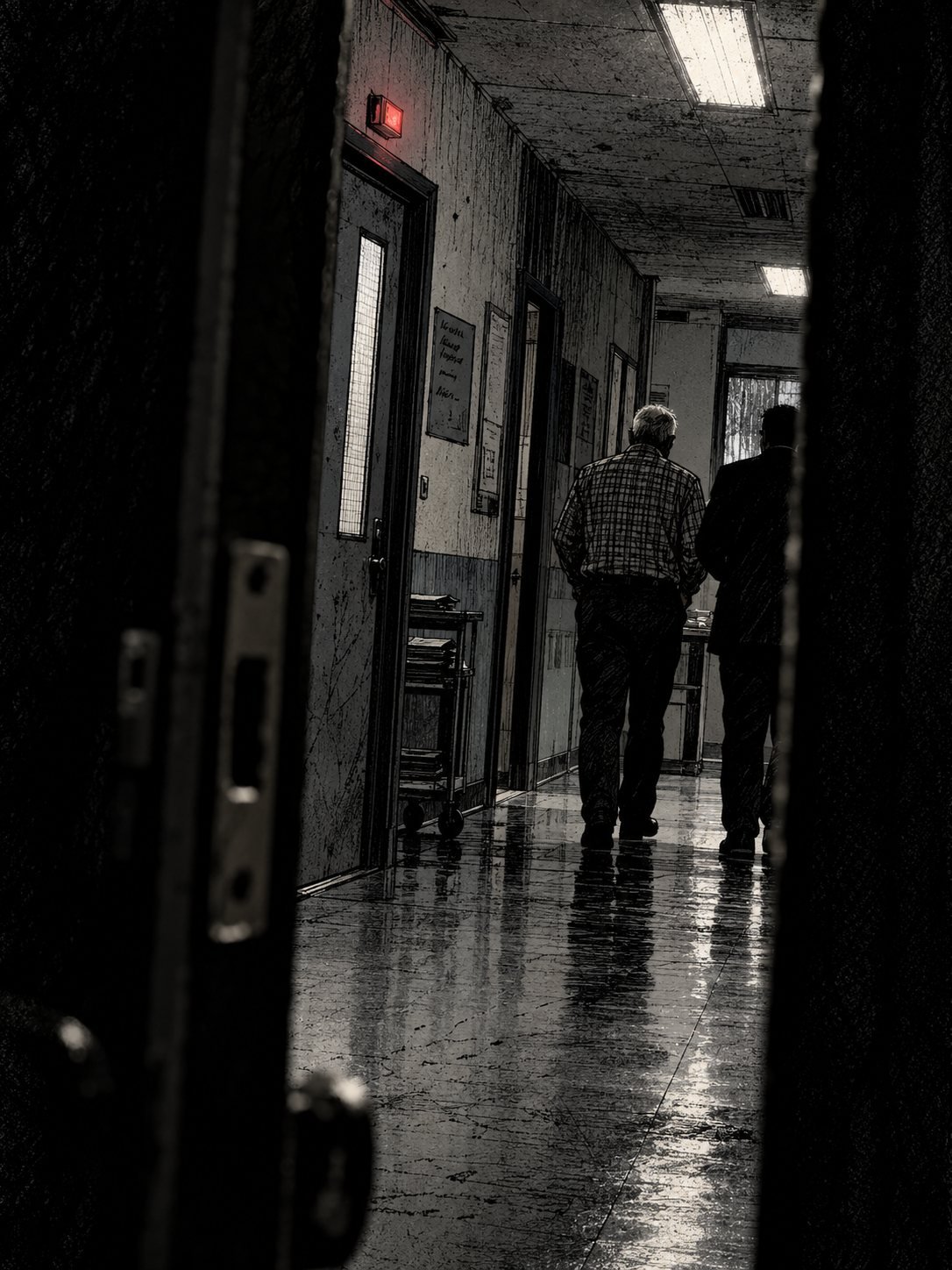
Prosecutors pointed to a remark Johnson allegedly made after a police interview. “If they find out I’m an ex-copper…”
“Copper” is slang for a police officer. An ex-copper is a former one.
The prosecution presented this as a revealing comment. A former police officer, just after being questioned by police, talking about what would happen if they found out about his past. The prosecution argued it showed what was on his mind.
It is worth being careful here. The remark was alleged. It was put to the jury as part of the prosecution’s case. And it is only a fragment. We do not know how the sentence ended.
But in a case built without a body, small things can carry great weight. A date. A driveway. A pistol. A few words said after an interview.
The jury had to decide what all of it meant. They took their time. (ABC News)
After four days, the jury said: guilty
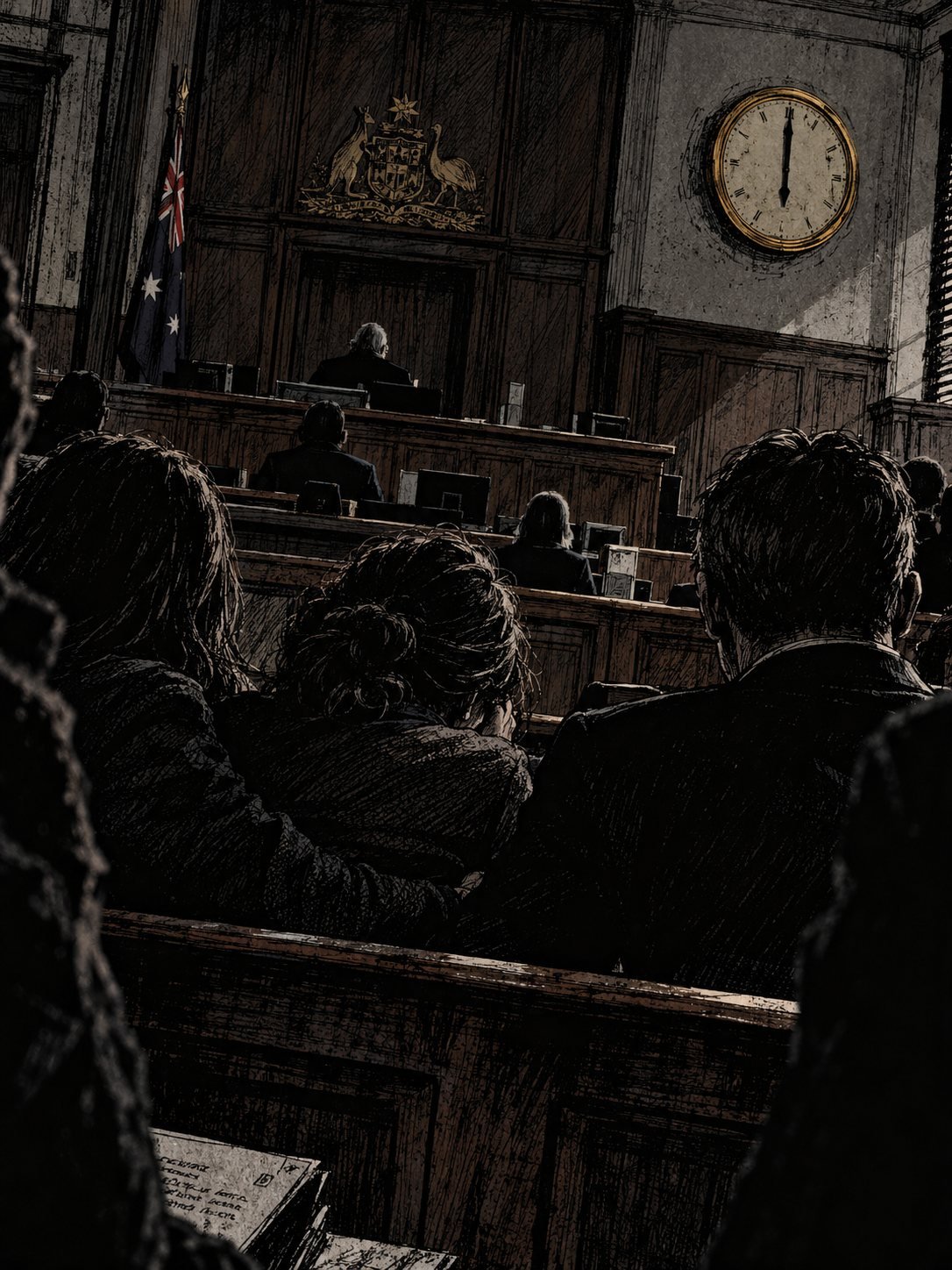
On October 23, 2026, after four days of deliberation, the jury found Steven Johnson guilty of murder.
The jury had begun deliberating on the Monday. The verdict came on the Friday afternoon, delivered by the foreperson, the juror who speaks for the group.
People in the public gallery burst into tears. Some sobbed. Others shook hands. For the family of Chris Jarvis, it was the first time in twenty years that anyone had been held responsible.
Johnson, 74, had denied the charge throughout. He was remanded in custody, meaning he was kept in jail after the verdict.
He has not yet been sentenced. A pre-sentence hearing is set for December 14. That hearing is where both sides make their arguments about what the punishment should be.
A guilty verdict answers one question. Who did the jury believe was responsible? It does not answer the question the family has asked for twenty years. (AAP)
A verdict, but still no grave
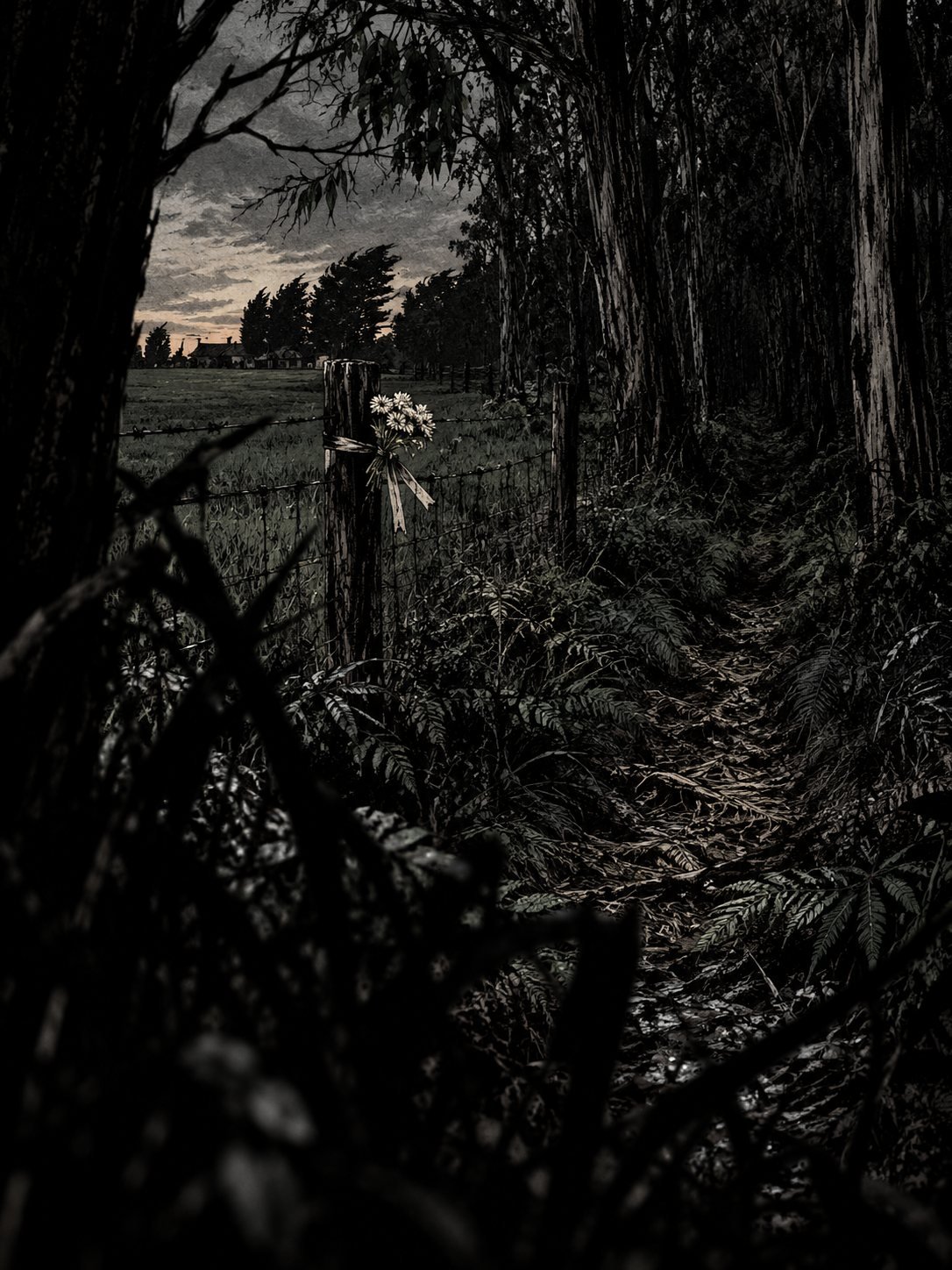
His daughter called it “the longest 20 years.”
The verdict brought the family a little closure. After two decades of not knowing, a jury had looked at the evidence and reached a decision.
But Chris Jarvis’s body has never been found. There is no grave for his family to visit. The prosecution said he was buried in Framlingham Forest. He has not been found there.
So some questions remain. Where exactly is Chris Jarvis buried? What role did the unnamed witness really play? And what sentence will the court hand down in December?
Chris Jarvis was a truck driver, a plumber and a father. He left home in the dark one winter morning in 2006, the day before a hearing about $2,210.
Twenty years later, there is a verdict. But his family is still waiting to bring him home. (The Standard)
Case notes: a murder conviction without a body
Chris Jarvis has never been found. So how did a jury convict anyone of killing him?
What the prosecution relied on. A motive: a $2,210 rent dispute, with a tribunal hearing the next day. A key witness who said he was there that morning. A starter pistol seized from the landlord’s property. A driveway graded within hours. And a remark the landlord allegedly made after a police interview.
What the defence argued. That the case was “speculation on speculation.” That the key witness had admitted lying to police and gave conflicting accounts. That the landlord had used lawful means, the tribunal, to settle the dispute. And that he kept the starter pistol for 16 years, which made little sense for someone covering his tracks.
What is still unknown: where Chris Jarvis is buried, what role the unnamed witness played, and what sentence the court will hand down in December.
Case file summary
- Victim: Christopher “Chris” Jarvis, 38, truck driver and plumber, Wangoom, near Warrnambool, Victoria
- Disappeared: June 13, 2006, the day before a rent tribunal hearing
- Car: Found burnt out at Thunder Point the same day
- New investigation: Opened in 2021; landlord Steven Johnson arrested in November 2021
- Verdict: Johnson, a former police officer, found guilty of murder on October 23, 2026. He denied the charge. A pre-sentence hearing is set for December 14
- Body: Never found
No real person has a recognizable face in these illustrations, and no violence or body is shown. Illustrations are artistic interpretations, not evidence. The account of what happened that morning is the prosecution’s case, which the defendant denied. The key witness cannot be named for legal reasons.
Sources
- ABC News: Steven Frederick Johnson found guilty of cold case murder of Christopher Jarvis
- ABC News: Cold case trial told Steven Johnson murdered tenant over $2k rent
- ABC News: Key witness in cold case murder trial admits lying to police
- ABC News: Cold case murder trial over Christopher Jarvis disappearance closes
- The Standard: Steven Johnson found guilty of murdering Wangoom man Chris Jarvis
- AAP: Former policeman found guilty over cold case murder