The Palm Print on the Window: Louisa Dunne and Britain’s Longest Cold Case (1967–2025)
A man climbed through a window and left his hand behind
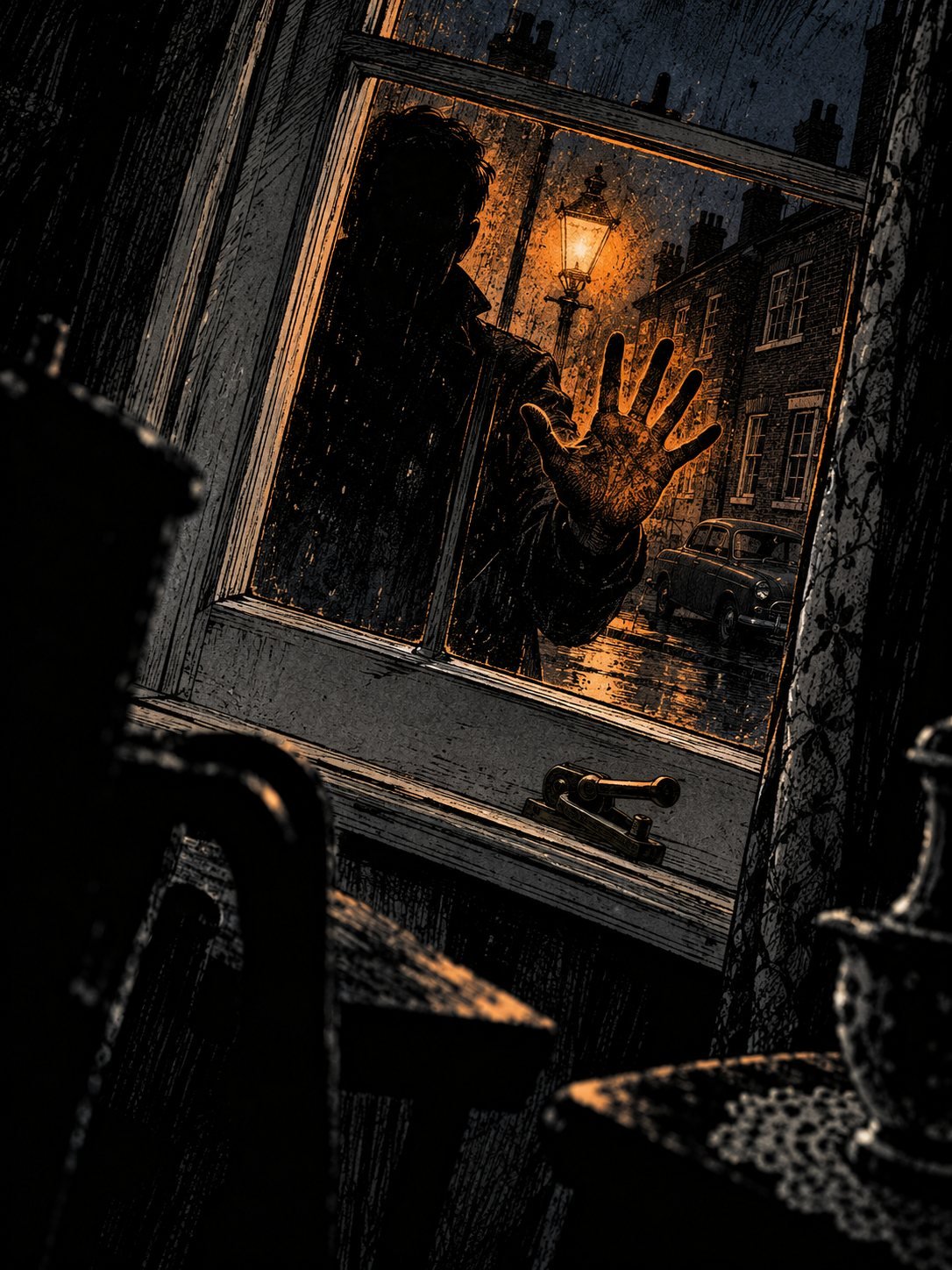
One night in June 1967, a man climbed through a window into a small terraced house in Bristol, England.
Bristol is a port city in the southwest of England. A terraced house is the classic British home of that era: a row of narrow houses joined together wall to wall, each with its own front door onto the street.
The man forced open a window to get in. Inside, a 75-year-old widow lived alone.
What he did inside that house would go unpunished for 58 years. For most of that time, nobody even knew his name. He went on with his life. He worked, moved away, grew old.
But when he came through that window, he left something behind. Something that could not fade, could not be wiped away by time, and would sit quietly in a police file for decades.
It was not a weapon. It was not a note. It was the mark of his own hand.
A palm print on the glass, waiting 58 years

He left a palm print on the window.
A palm print works like a fingerprint. The skin on the palm of your hand has ridges and patterns that are unique to you. Touch glass, and those patterns can stay on the surface. Police in 1967 knew how to photograph and record them.
The print was found on a window that he is believed to have used to get into the house.
In theory, that should have solved the case quickly. Find the man whose palm matches, and you have your suspect.
But a print only helps if you have something to compare it with. Police in 1967 had no computer database. They could only match the print against the prints of people they had already taken.
So the print sat in the file. A photograph of the hand of the man who had done this. Waiting for a name. It would be almost 60 years before anyone matched it. (CBS News)
By the time he stood trial, he was 92
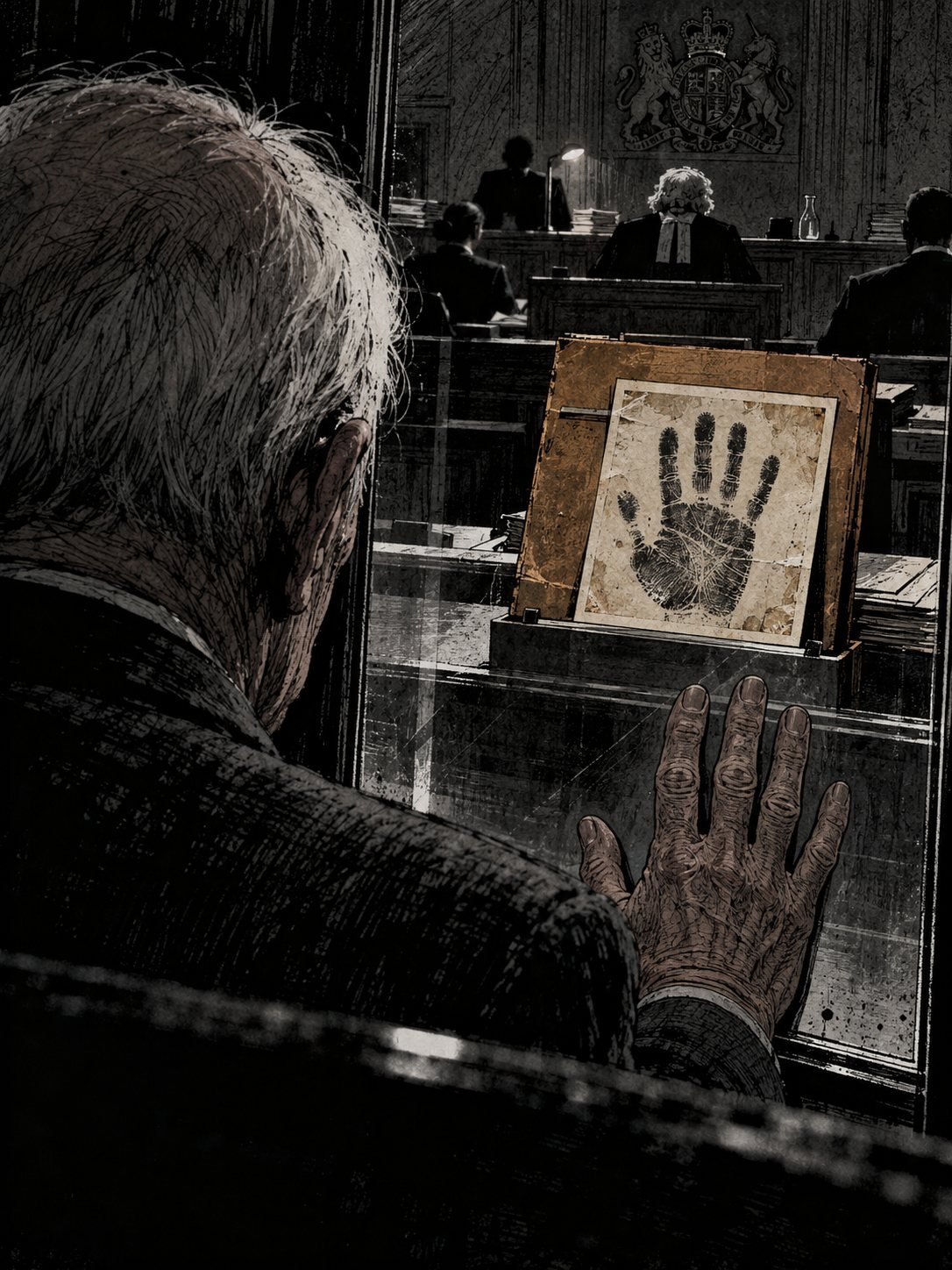
By the time the man stood trial, he was 92 years old.
He had been 34 on the night he climbed through that window. He lived a whole life between the crime and the courtroom. Most of the people who knew the victim had died by then. So had most of the people who had seen and heard things that night.
The trial took place at Bristol Crown Court in 2025. Crown Courts are where serious criminal cases are tried in England, in front of a judge and a jury.
The Crown Prosecution Service, which brings criminal cases in England, called it “one of the oldest cold cases to ever be solved in the U.K.” It is thought to be Britain’s longest-running cold case ever solved.
How does a case go unsolved for 58 years, and then get solved? The answer comes down to two things the police never threw away.
This is the story of Louisa Dunne, and the longest cold case ever solved in Britain. (Channel 4 News)
She was 75, and lived alone on Britannia Road

Louisa Dunne was 75.
She lived alone at 58 Britannia Road, in the Easton area of Bristol. Easton is a district of tightly packed terraced streets. In court, she was described as frail, small and elderly. She had been using the front room of her house as her bedroom.
She was a widow. She had two daughters, Iris and Edna. She had grandchildren, including Mary and Nigel.
Old photographs show her across the decades: as a young woman in the 1920s and 1930s, and later in life.
These details matter. In a story about a famous cold case, it is easy for the victim to become just a name in a headline. But Louisa Dunne was a mother and a grandmother, living quietly in her own home, in a street full of neighbours.
She was the kind of person who should have been safe in her own house. On one night in June 1967, she was not. (CBS News)
In the night, the neighbours heard a scream
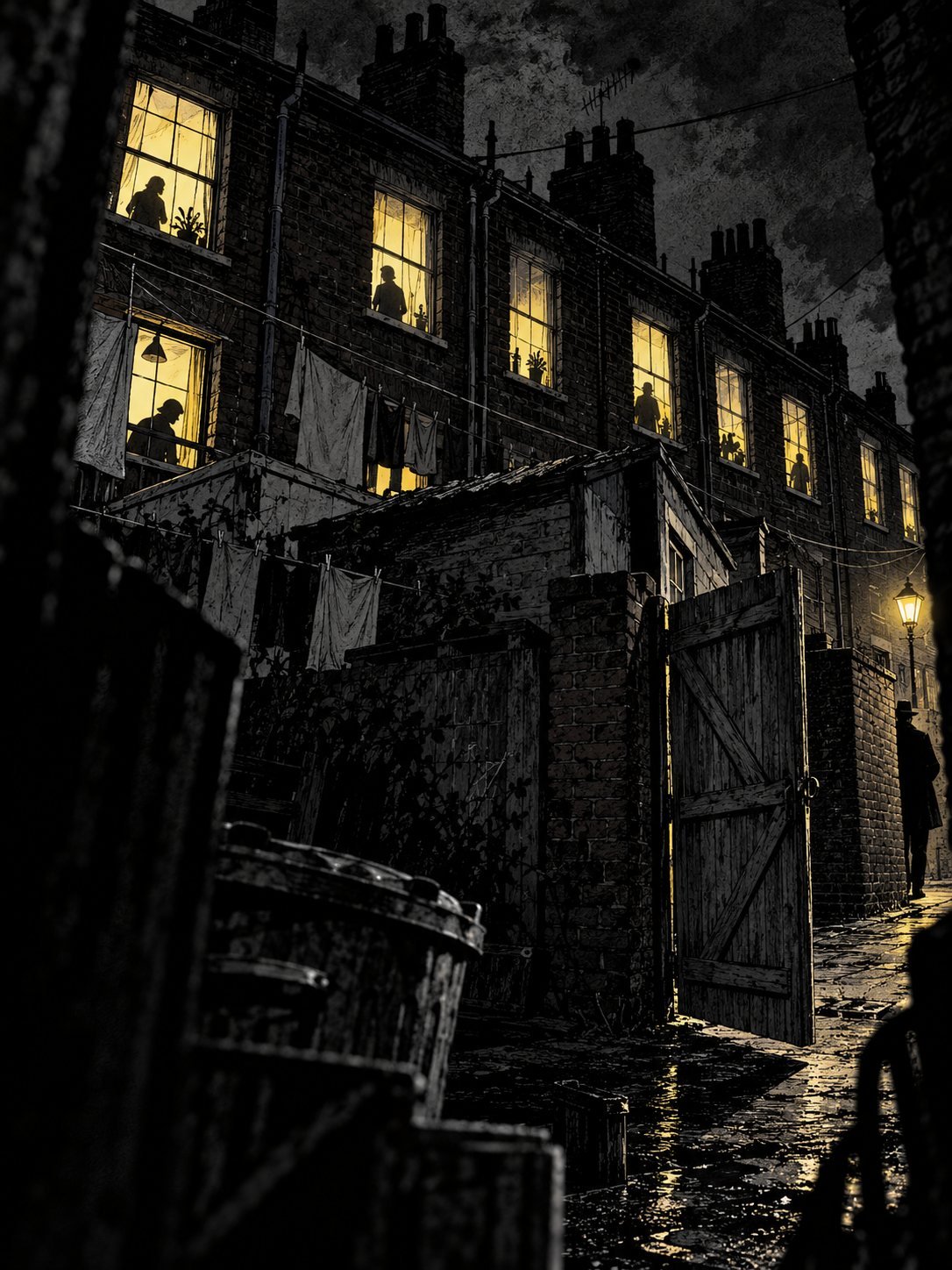
That night, neighbours heard a frightening scream.
In streets of terraced houses, neighbours live very close together. Walls are shared. Back yards sit side by side. A sound in the night can carry from one house to the next.
The scream came from Louisa Dunne’s home.
We do not know exactly what the neighbours thought at that moment, and the sources do not say what they did right away. What we do know is that the scream was remembered. Neighbours reported it to the police afterwards, and it became part of the case.
Decades later, almost none of those neighbours were still alive. But their memory of that sound survived. It was written down in statements at the time, and those statements would one day be read aloud to a jury.
A scream in the night is one of the few pieces of the story that came from witnesses rather than from science. By morning, the street would know what it meant. (CBS News)
On June 28, a neighbour found her
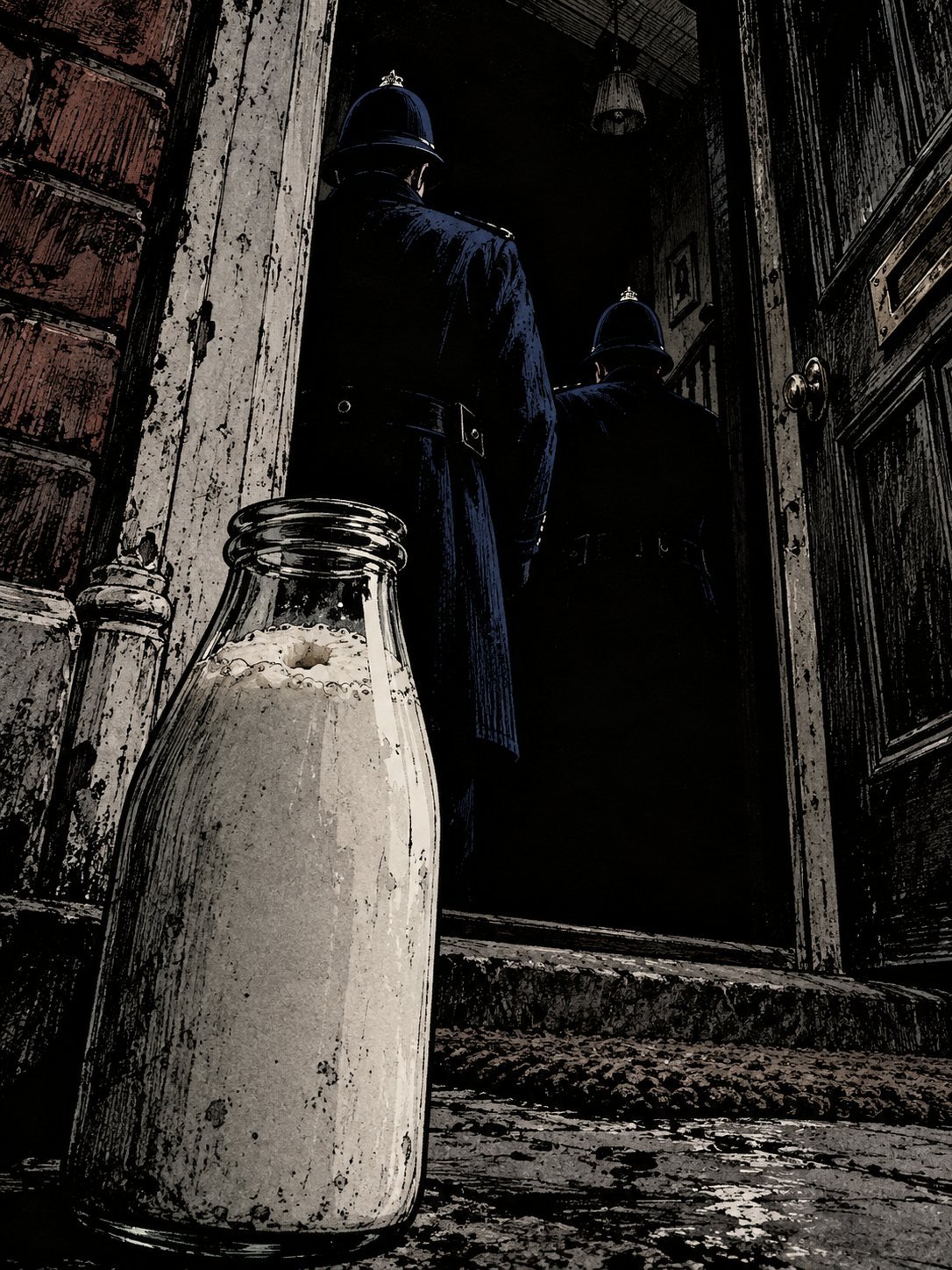
On June 28, 1967, a neighbour found Louisa Dunne dead in her home. She had been attacked and strangled. Later, the court heard that she had also been raped.
We will not go into more detail than that. Out of respect for her and her family, this story keeps to what the court heard and what the judge said.
A pathologist examined her. A pathologist is a doctor who works out how someone died. The conclusion was asphyxia: she had been strangled and could not breathe.
The police now had a murder in a quiet residential street. They had an elderly victim who lived alone, a scream heard by neighbours, and a window that had been forced open.
And on that window, they had a palm print.
What they did not have was a suspect. No key suspect was identified at the time. The search for one would become enormous. (Express & Star)
A murder that “clouded the rest of her life”

Louisa’s daughter never got over it.
Murder does not only take one life. It reaches into every family member who is left behind. Her daughters lost their mother in the worst possible way, and then had to live for years knowing the person responsible was still out there, unnamed and unpunished.
Decades later, Louisa’s granddaughter, Mary Dainton, spoke about it. “The anxiety caused by her mother’s brutal rape and murder clouded the rest of her life,” she said.
She was talking about her own mother, Louisa’s daughter. According to the report of her statement, her mother never recovered from what happened.
That is one of the cruelest things about a case that stays unsolved. The family cannot close the chapter. There is no trial, no verdict, no answer to the question “who?”
Mary Dainton would eventually get that answer. But it would come far too late for the people who loved Louisa most. (Express & Star)
19,000 men and boys gave their prints

It became one of the biggest police operations Bristol had ever seen.
At the time, the local force was called Bristol Constabulary. Detectives had one strong piece of evidence: the palm print on the window. So they set out to find its owner the only way they could in 1967. By collecting prints, one person at a time.
Officers took the prints of about 19,000 men and boys.
To picture that number, imagine the crowd at a mid-sized football stadium, every person stepping forward to have their hands inked and pressed onto paper. Every one of those prints then had to be checked against the one from the window.
It was slow, careful and exhausting work. And in 1967, there were no computers to do the comparing.
The idea was simple. If the man lived nearby, he was probably somewhere in those 19,000. But that depended on one thing: that police had asked the right people. (CBS News)
None matched. He had never been asked.
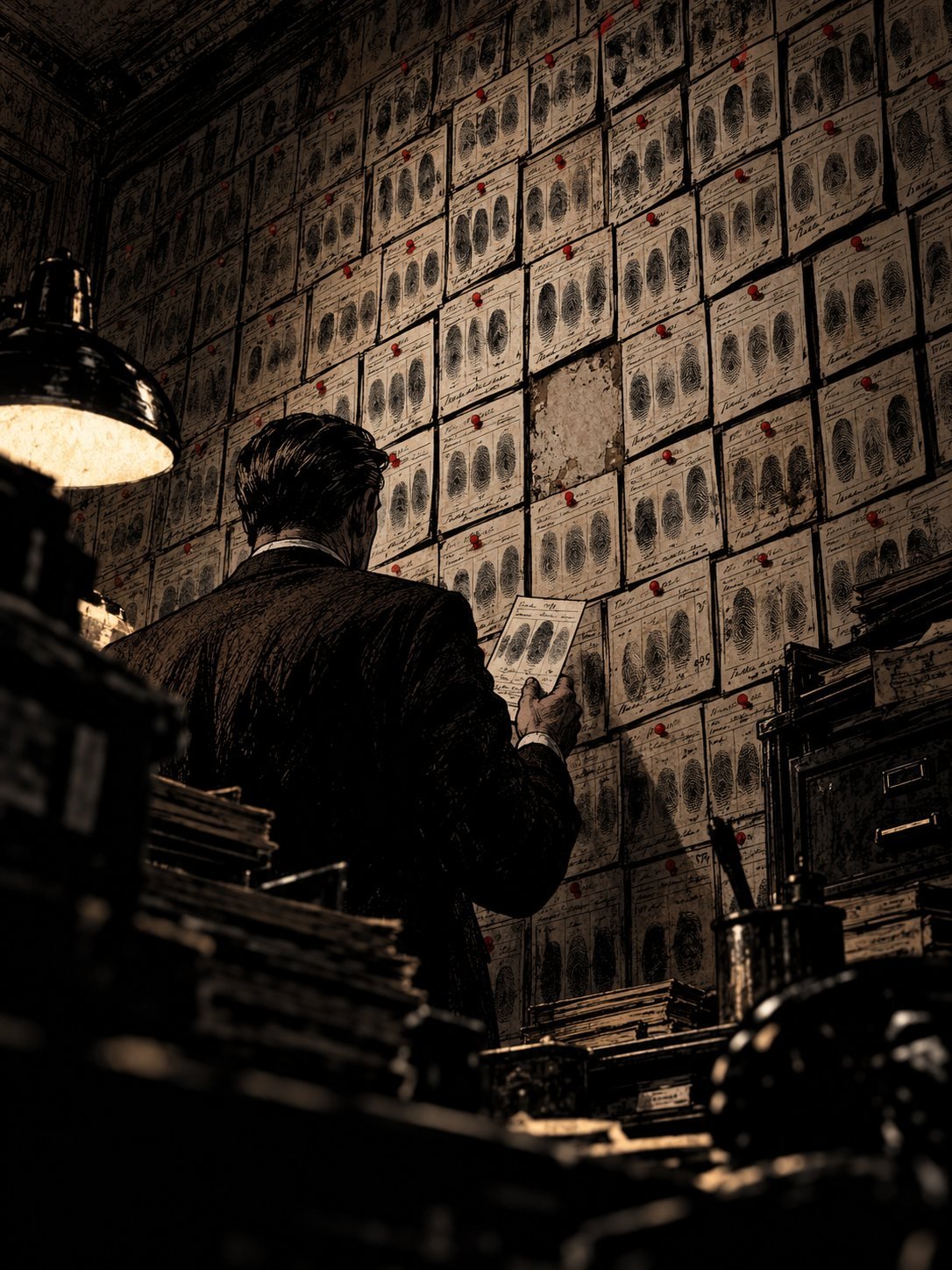
None of the 19,000 prints matched the palm print. The man who left it had never been asked to give his prints.
This was the weakness of the method. Police could only take prints from the people they chose to approach. They concentrated on the streets around the crime. If the person they were looking for lived just outside that area, he would never be asked, and the search would never find him.
That is exactly what happened.
The man lived on Picton Street, about 1.6 miles from Louisa Dunne’s home. That put him just outside the streets whose residents were asked for palm prints.
1.6 miles is about a 30-minute walk. Close enough to reach her house in the night. Far enough to fall outside the search.
All those prints, all that effort. And the one hand that mattered was never inked. (Express & Star)
A railway worker no one knocked for
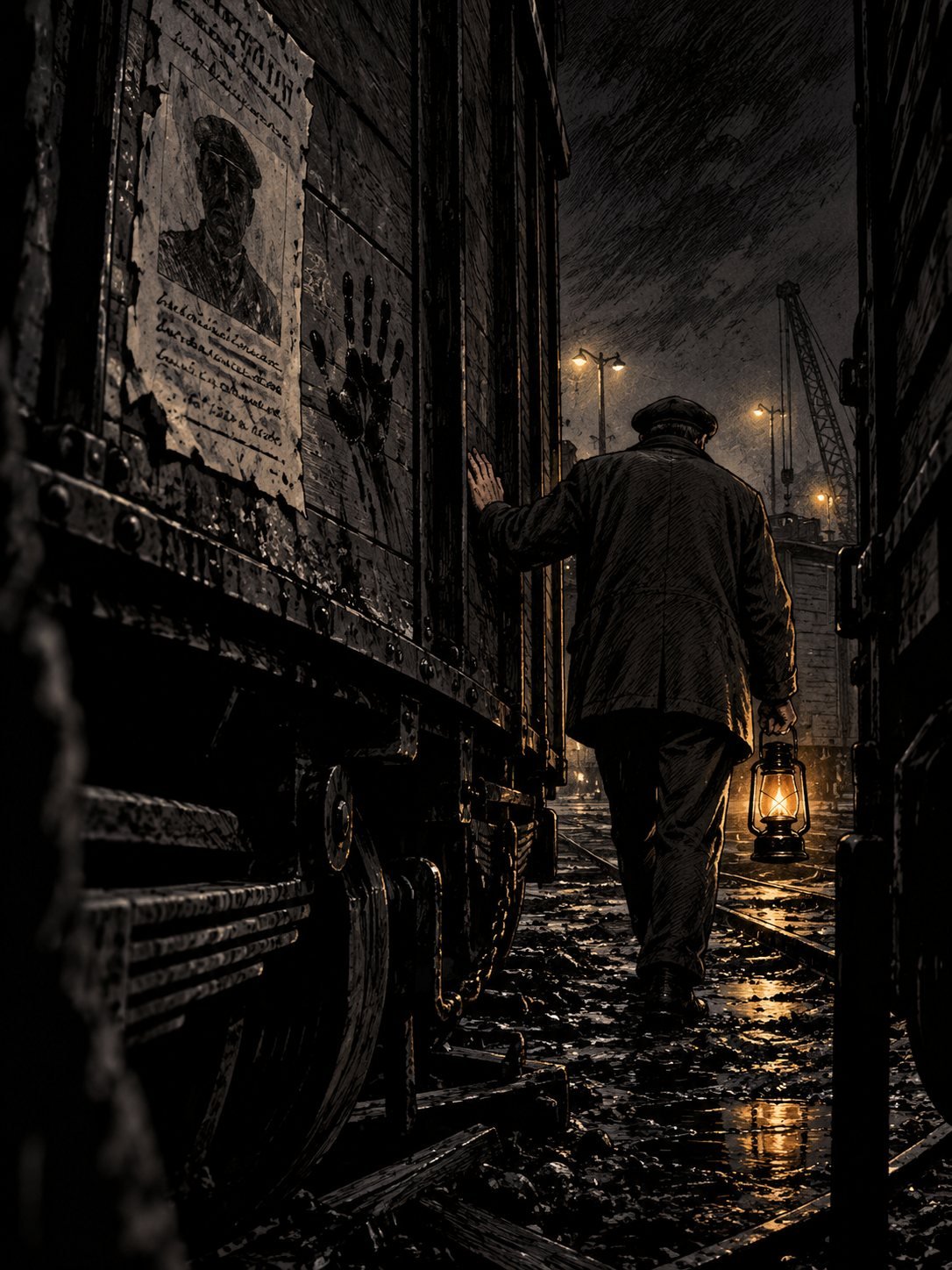
He was a 34-year-old railway worker named Ryland Headley.
In 1967, he lived in Bristol with his wife. He had a job. He had an address. He was not hiding. He was simply never on the list.
No one ever knocked on his door to ask for his prints. Because of that, the palm print on Louisa Dunne’s window was never compared with his hand.
It is easy to look back now and see the gap. But at the time, there was nothing to point detectives toward him. No witness named him. No piece of evidence led to his street.
So Ryland Headley went on living in the same city where Louisa Dunne had been killed. Her family mourned. The neighbours remembered the scream. The police file stayed open.
And the man the police were hunting was just a short walk away, outside the line they had drawn on the map. (Express & Star)
The case went cold, but the box was kept
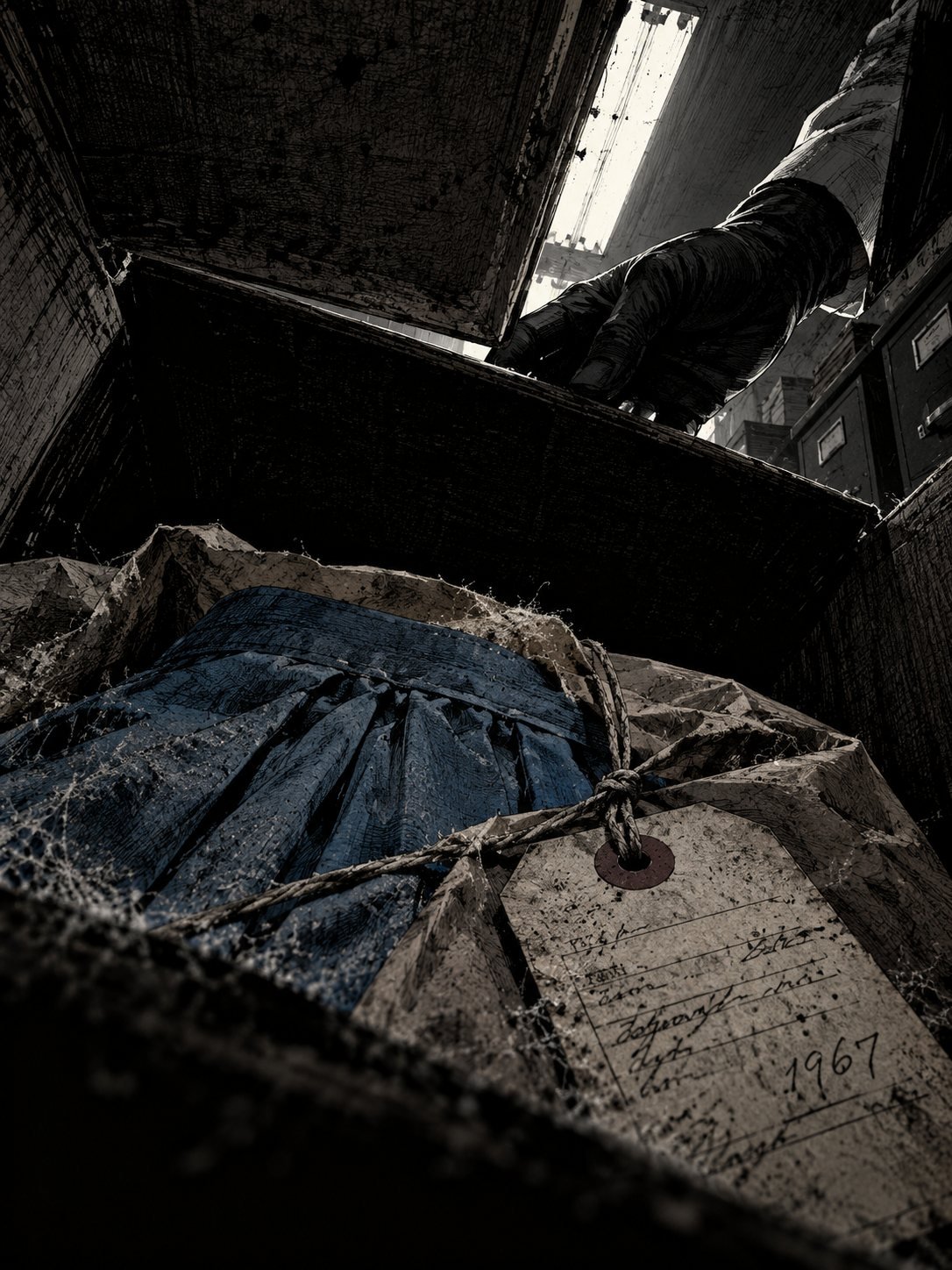
The case went cold. A cold case is one where the investigation has run out of leads. Detectives move on to new crimes. The files go into storage.
But the police kept something that would turn out to matter more than anyone could have imagined in 1967.
They kept her clothing, including a blue skirt, in an evidence box. They also kept other samples, and the photograph of the palm print.
In 1967, there was no such thing as DNA testing. Nobody knew that tiny traces of human cells left on fabric could one day identify a person. The skirt was kept simply because it was evidence in a murder case.
That decision, to keep the box and not throw it out, is the reason this story has an ending.
For decades, the blue skirt sat in storage. Unchanged. Unexamined by any modern science. Meanwhile, the man who had climbed through that window was about to commit more crimes, in another town. (CBS News)
Ten years later, two more elderly women in Ipswich
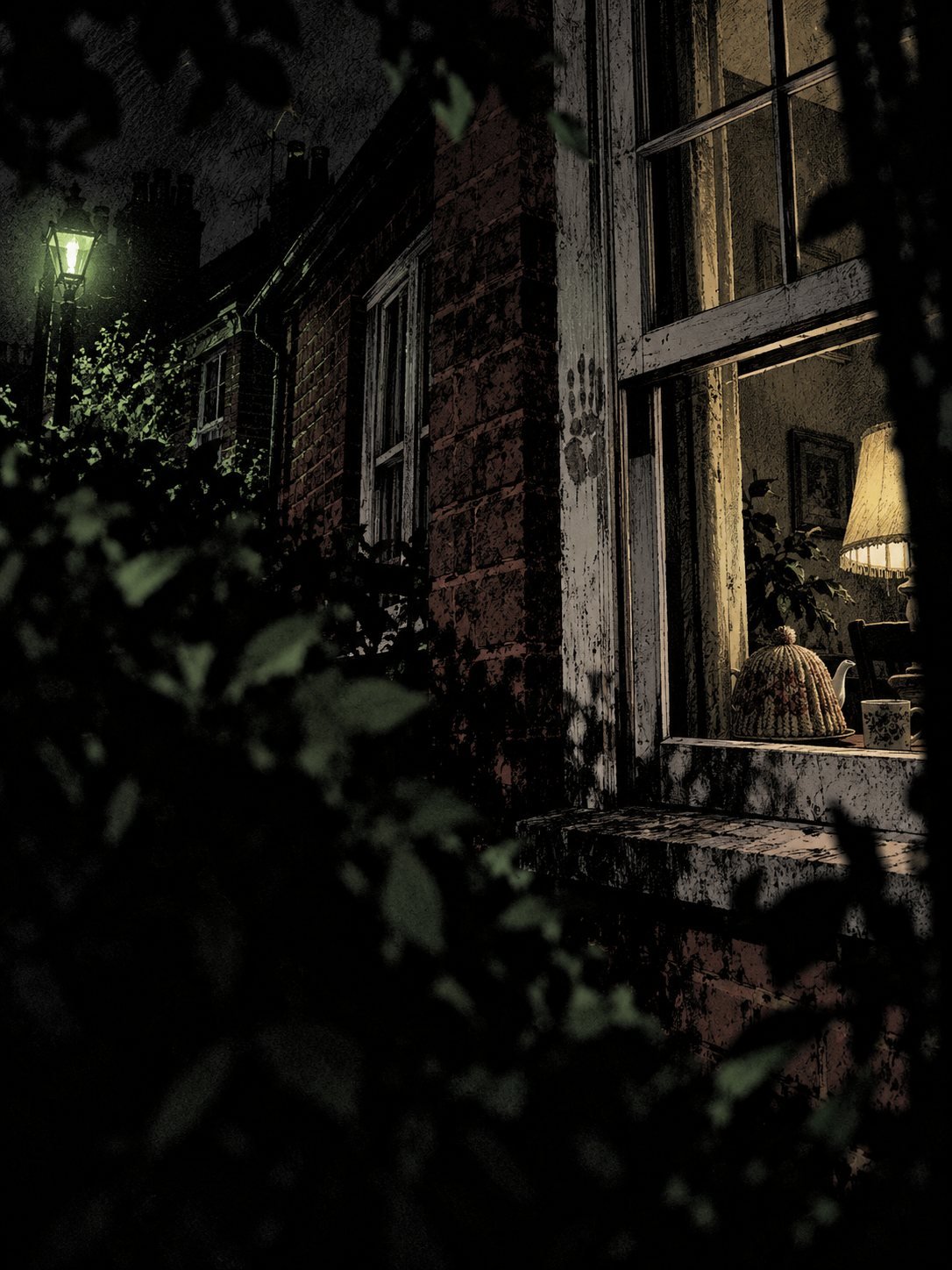
Ten years later, the scene shifted to Ipswich, a town in Suffolk, in the east of England. It is far from Bristol, on the other side of the country.
There, he attacked two elderly women. They were 79 and 84.
The pattern was hard to miss. In Bristol, a 75-year-old widow attacked in her own home. In Ipswich, two elderly women, also attacked in their homes. According to one report, they too were widows, and he broke into their houses.
He was convicted of two counts of rape for those attacks. At his 2025 trial, the written testimony of those two women was read to the jury.
Decades later, the judge in the Bristol case would describe these 1970s crimes as revealing “a chilling pattern of behaviour.”
But in the late 1970s, nobody put the pieces together. Bristol and Ipswich were separate police forces, with separate files. The man had been caught. Just not for Louisa Dunne. (CBS News)
Jailed for seven years, and nobody looked at Bristol
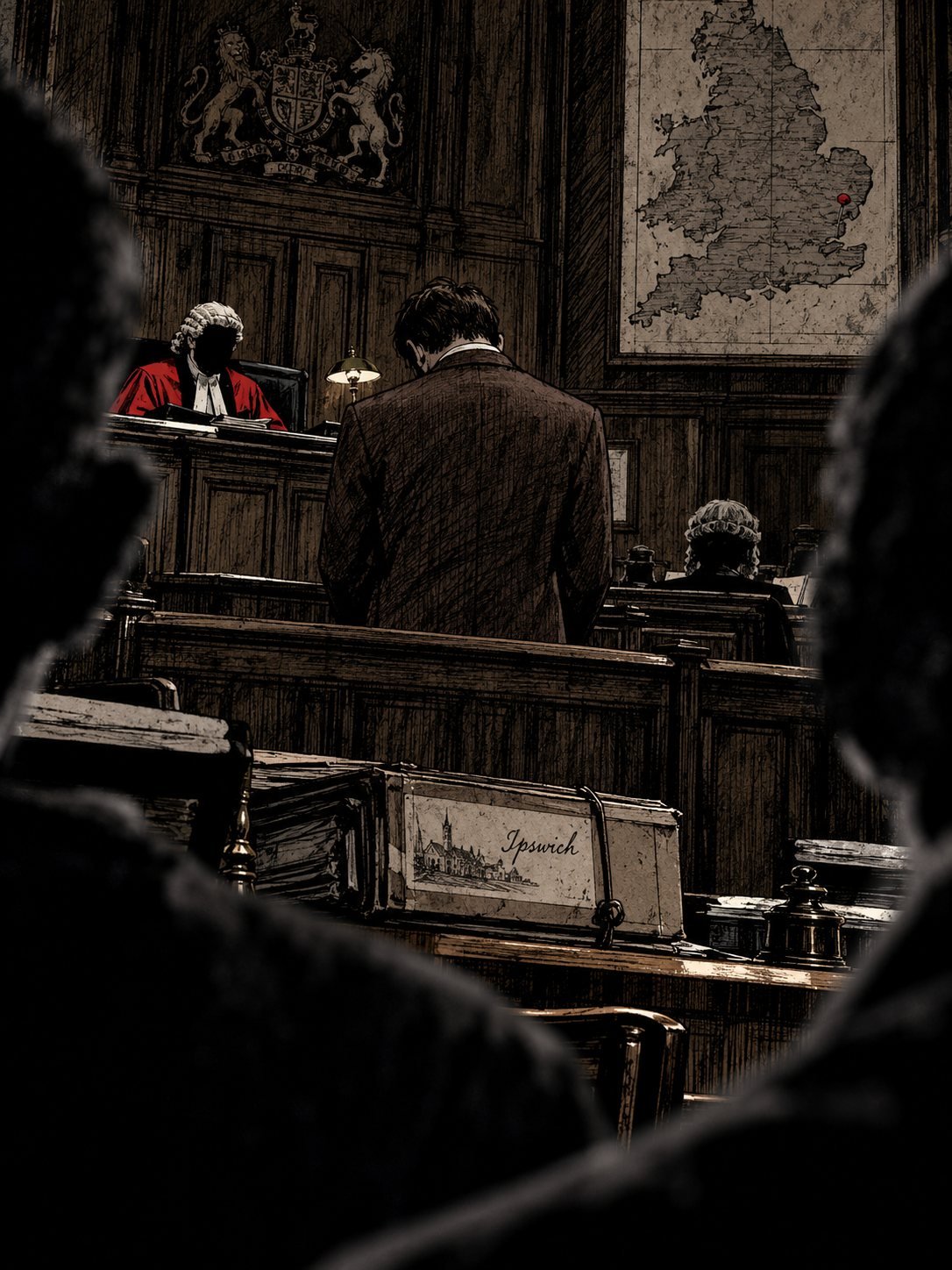
He pleaded guilty and was jailed for seven years.
Sources differ slightly on the details. One says he pleaded guilty in 1978 and was jailed for seven years. Another says he was first jailed for life, and the sentence was reduced to seven years on appeal.
Either way, this was a moment when the case could have been solved.
Headley’s prints were taken this time. But according to one report, he did not provide palm prints on his 1977 fingerprint form. And the print the Bristol detectives had was a palm print, not a fingerprint.
On top of that, nobody connected him to Bristol. There was no reason to. A crime in Ipswich in the late 1970s and an unsolved murder in Bristol in 1967 sat in separate files, on opposite sides of England.
So Headley served his sentence and was released. The palm print stayed in its file. The blue skirt stayed in its box. (CBS News)
2012: a swab that sat in a database

In 2012, he was arrested over an unrelated matter. Police took a DNA sample.
By then, DNA testing had changed policing. A DNA sample is usually taken with a swab from inside the mouth. The profile from it can be stored in a national database and compared with DNA found at crime scenes.
According to one report, Headley told police at the time that he had arthritis in his wrists. His DNA went into the national database, and sat there.
This is an important detail. Having someone’s DNA on file does not solve old crimes on its own. There must also be DNA from the crime scene to compare it with. And in 1967, nobody had been able to collect DNA from Louisa Dunne’s case.
So Headley’s profile sat in the database, unmatched, for more than ten years. It was like a key lying on a table, next to a lock nobody had thought to try.
The lock was a blue skirt, still in its evidence box in Bristol. (CBS News)
2023: someone opened the old box

In 2023, Avon and Somerset Police reopened the case.
Avon and Somerset Police is the force that now covers Bristol. Its cold case detectives review old, unsolved crimes to see if new science can help.
When they looked at the Louisa Dunne file, they found what the original team had kept: her clothing, including the blue skirt, and other samples.
In 2024, they sent the blue skirt for modern DNA testing. One report says the skirt went for forensic testing in May 2024.
Modern DNA testing can do things that were unthinkable in 1967. Scientists can now recover usable DNA from very small traces, even on fabric that is decades old, as long as it has been stored properly.
Forensic scientists extracted DNA from the skirt. For 57 years, the evidence had been there, waiting for the science to catch up. Now it had. (Express & Star)
The DNA matched. Then the palm matched too.
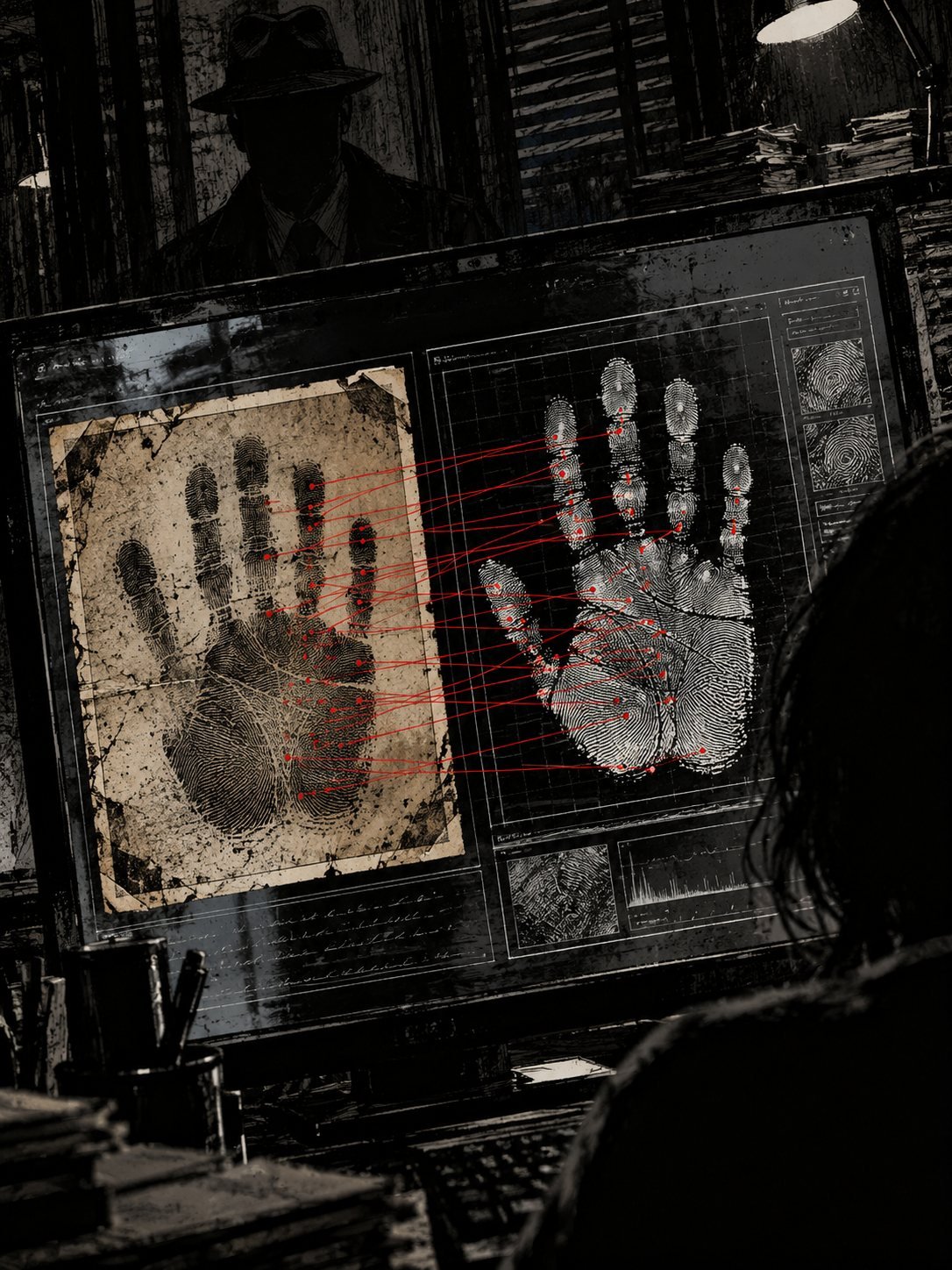
The DNA matched Ryland Headley. His 2012 sample, sitting in the national database, was a match for the DNA taken from Louisa Dunne’s skirt.
But the detectives did not stop there. They went back to the oldest piece of evidence in the file: the photograph of the palm print on the window.
They compared his palm print with the one from the window. It matched too.
That is what made this case so strong. Two completely different kinds of evidence, collected nearly six decades apart, pointed to the same man. One was modern DNA science. The other was the same kind of print comparison detectives had used in 1967.
The judge later said that diligent police work and forensic evidence, “particularly the DNA match, definitively linked you to this crime.”
Detective Inspector Dave Marchant of Avon and Somerset Police said it showed what was possible when “new and old policing techniques are brought together.” Now they knew his name. They knew where he lived. (CBS News)
November 2024: a knock on the door, at last
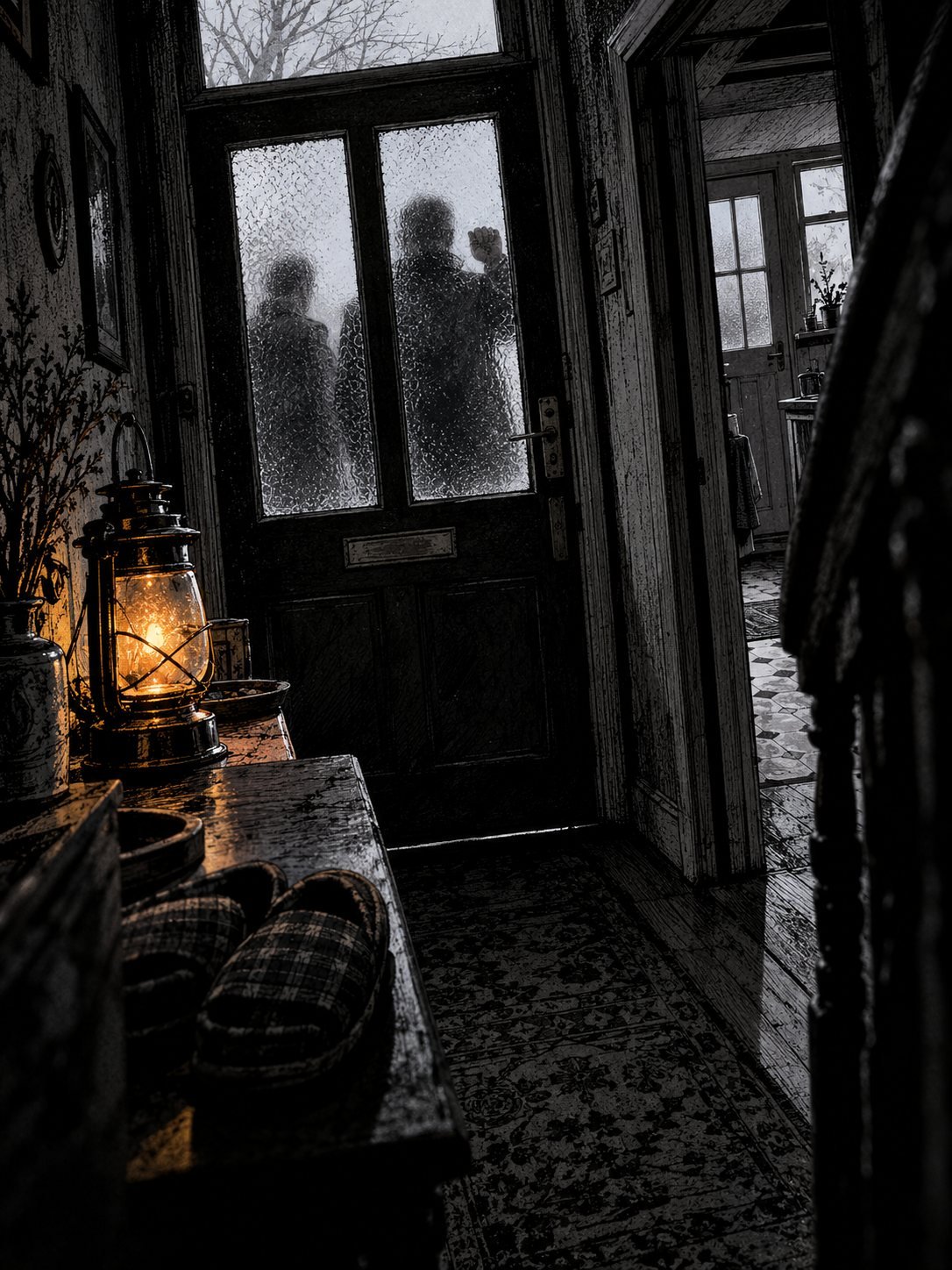
In November 2024, police knocked on his door in Suffolk. He was in his nineties.
In 1967, no officer had knocked on his door in Bristol to ask for his prints. Fifty-seven years later, detectives finally did knock, and this time it was to arrest him.
When Mary Dainton, Louisa’s granddaughter, learned that a man had been arrested, she said she was stunned.
Think about what that moment must have meant. For her whole life, her family’s story had included an unanswered question. Now, suddenly, there was a name and a face, and a man who had been alive all along.
Headley denied raping and murdering Louisa Dunne.
The case would go to trial. But there was a problem. A trial depends on witnesses. And almost everyone who had been there in 1967 was gone. (CBS News)
The witnesses were gone, so their words were read aloud

Almost every witness from 1967 had died.
So the jury heard their statements read aloud. These were the written statements taken by police at the time, nearly six decades earlier. Because the witnesses could not be questioned in court, the Crown Prosecution Service said the statements had to be treated as hearsay. Hearsay means evidence from someone who is not in court to be cross-examined.
It was an unusual trial. Statements written down in 1967, by people long dead, were read out in a modern courtroom. Even the two women from Ipswich spoke only through their written testimony.
The trial lasted two weeks. Louisa’s granddaughter came to court every day.
She sat through it all, listening to the evidence about what had happened to her grandmother. She was there for every word.
At the end, the jury would decide whether the 92-year-old man in front of them was the man who had climbed through that window. (CBS News)
“You will die in prison”

On June 30, 2025, the jury found Headley guilty of rape and murder.
The next day, the judge sentenced him to life, with a minimum of 20 years. A minimum term is the time someone must serve before they can even be considered for release. For a man of 92, it meant there would be no release.
The judge, Derek Sweeting, spoke directly to him. “You will never be released, you will die in prison.”
He told Headley: “You broke into her home, you sexually assaulted her, and in doing so, you caused her death.” He said that “the fact that the crime was unsolved and you remained at large for so long compounded their suffering,” speaking of her family.
The prosecutor, Charlotte Ream, put it simply: “For 58 years, this appalling crime went unsolved and Ryland Headley, the man we now know is responsible, avoided justice.”
The judge also noted that Headley showed no remorse or shame. (Express & Star)
Could his palm be on other unsolved files?

Detectives are now working with the National Crime Agency to check whether Headley can be linked to other unsolved crimes.
The National Crime Agency is a national law-enforcement body in the UK that deals with serious and organised crime. It can help forces across the country compare evidence and records.
Why look further? Because of what this case has already shown. A man who attacked a 75-year-old widow in Bristol in 1967. Who attacked two elderly women in Ipswich about ten years later. Who lived for decades without being connected to the first crime.
The question is whether there are other files, in other forces, with other evidence boxes, that could hold his DNA or his prints.
Detective Inspector Dave Marchant is leading that work, alongside other police forces and the National Crime Agency.
No new charges have been announced in the sources. For now, it is an open question. But this case has proved one thing. Old evidence, kept carefully, can still speak. (CBS News)
58 years later, the window remembered
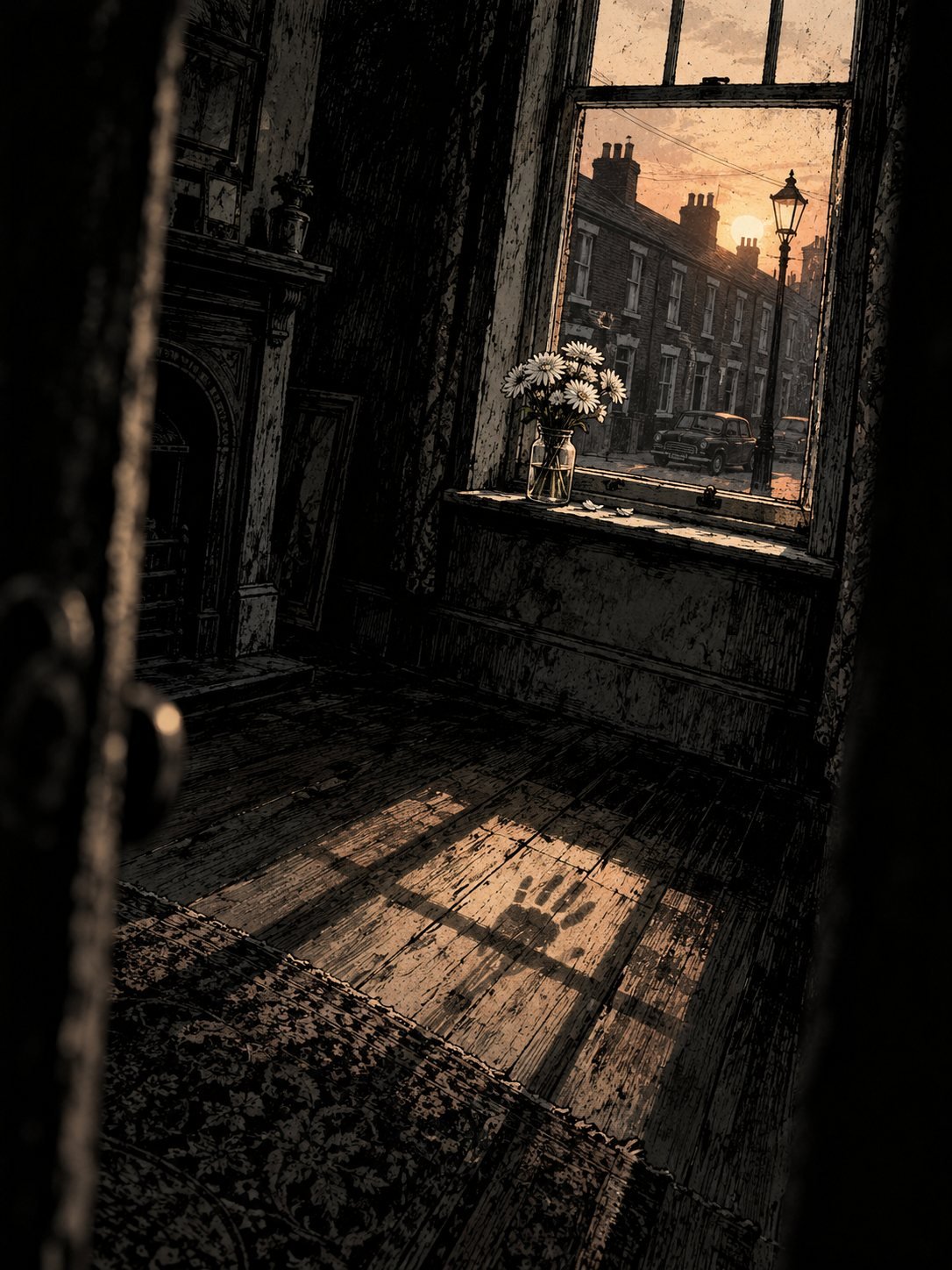
Louisa Dunne died 58 years before her killer was convicted. For 58 years, the man who killed her was never tried for it. He worked, moved across the country, committed other crimes, served his time, and grew old.
Her daughters did not live to see the verdict. Neither did the neighbours who heard her scream.
Her granddaughter, Mary Dainton, did. She said: “It saddens me deeply that all the people who knew and loved Louisa are not here to see that justice is being done.”
Ryland Headley is now one of Britain’s oldest convicted murderers.
What solved the case was not a confession. It was not a new witness. It was a blue skirt kept in a box, and a photograph of a palm print, both kept for decades by police who could not have known what science would one day do.
No one who loved her lived to see it. But the window remembered. (Express & Star)
Case notes: how a 1967 palm print solved a 2025 murder trial
Why it went cold. In 1967, police fingerprinted about 19,000 men and boys, but only those they chose to ask. Ryland Headley was never asked. Without a name, the palm print on the window had nothing to match against.
The missed connection. In the late 1970s, Headley was convicted of attacking two elderly women in Ipswich, a pattern the judge later called “chilling.” But nobody linked those crimes to an unsolved case in Bristol from a decade earlier.
What cracked it. Two things the police kept for decades: Louisa’s blue skirt and the photograph of the palm print. Modern DNA testing on the skirt produced a profile that matched Headley’s sample, taken in 2012 for an unrelated matter. Then the palm print matched too.
What is still open: whether Headley can be linked to any other unsolved crimes. Detectives are checking with the National Crime Agency.
Case file summary
- Victim: Louisa Dunne, 75, 58 Britannia Road, Easton, Bristol, England
- Found: June 28, 1967
- 1967 investigation: About 19,000 men and boys fingerprinted; no match
- Breakthrough: DNA from her skirt, tested in 2024, and the 1967 palm print both matched Ryland Headley
- Verdict: Guilty of rape and murder, June 30, 2025, Bristol Crown Court, aged 92
- Sentence: Life, minimum 20 years
- Status: Solved after 58 years; believed to be the longest-running cold case solved in the UK
No real person has a recognizable face in these illustrations, and no violence is shown. Illustrations are artistic interpretations, not evidence. Out of respect for the victims, details of the attacks are kept to what the court heard and the judge said.