Police Mailed Him a Letter About His Stolen Car. The Envelope Led to a 1986 Murder Charge
| Victim | Mary Ann Turner, 32 |
| Date and place | Nov. 4, 1986, alley near S. Ivory Street and E. Pacific Avenue, Spokane, Washington |
| Cause of death | Strangulation, per autopsy |
| Key evidence | Male DNA under her fingernails, matched in 2026 to a licked envelope, police say |
| Genealogy | Othram, The Woodlands, Texas |
| Accused | David John Tibbett, 74, arrested Oct. 21, 2026 |
A letter about a stolen car, and one lick of glue
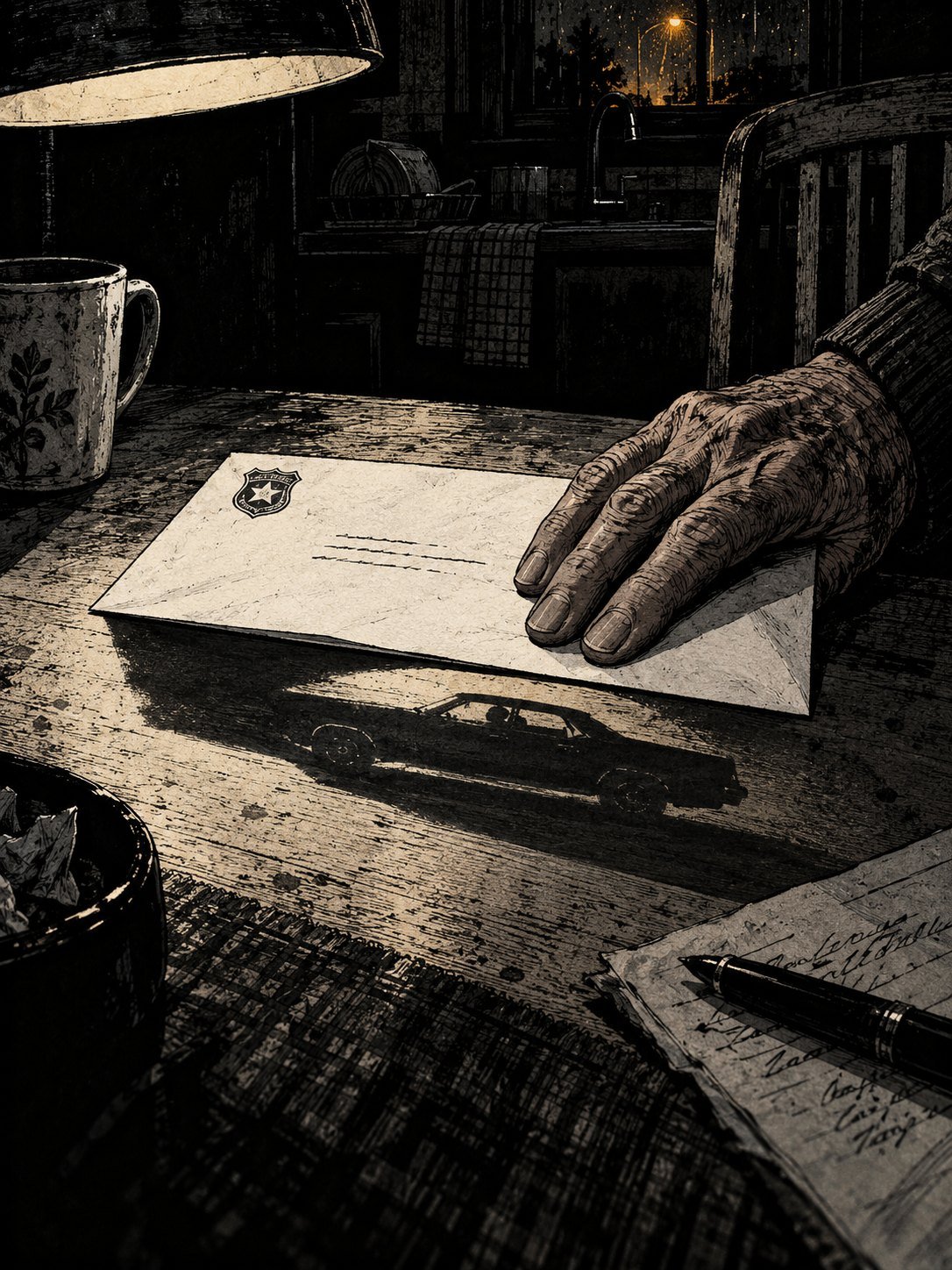
In February 2026, a man in Spokane, Washington, opened his mail and found a letter from the Spokane Police Department.
It was about his car. A few months earlier, he had reported it stolen. It had been found and returned to him. Now the police wanted to close the file.
The letter was on official police letterhead. It asked him to confirm that the car was no longer stolen, sign the letter, and mail it back.
It was the kind of boring paperwork people get all the time. Sign here, send it back, done.
The envelope had the old-fashioned kind of glue. To seal it, you had to lick it.
According to police, he signed the letter, licked the envelope, and mailed it back.
His name was David John Tibbett.
And the letter was never really about his car. (Spokesman-Review)
What the crime lab found on the flap
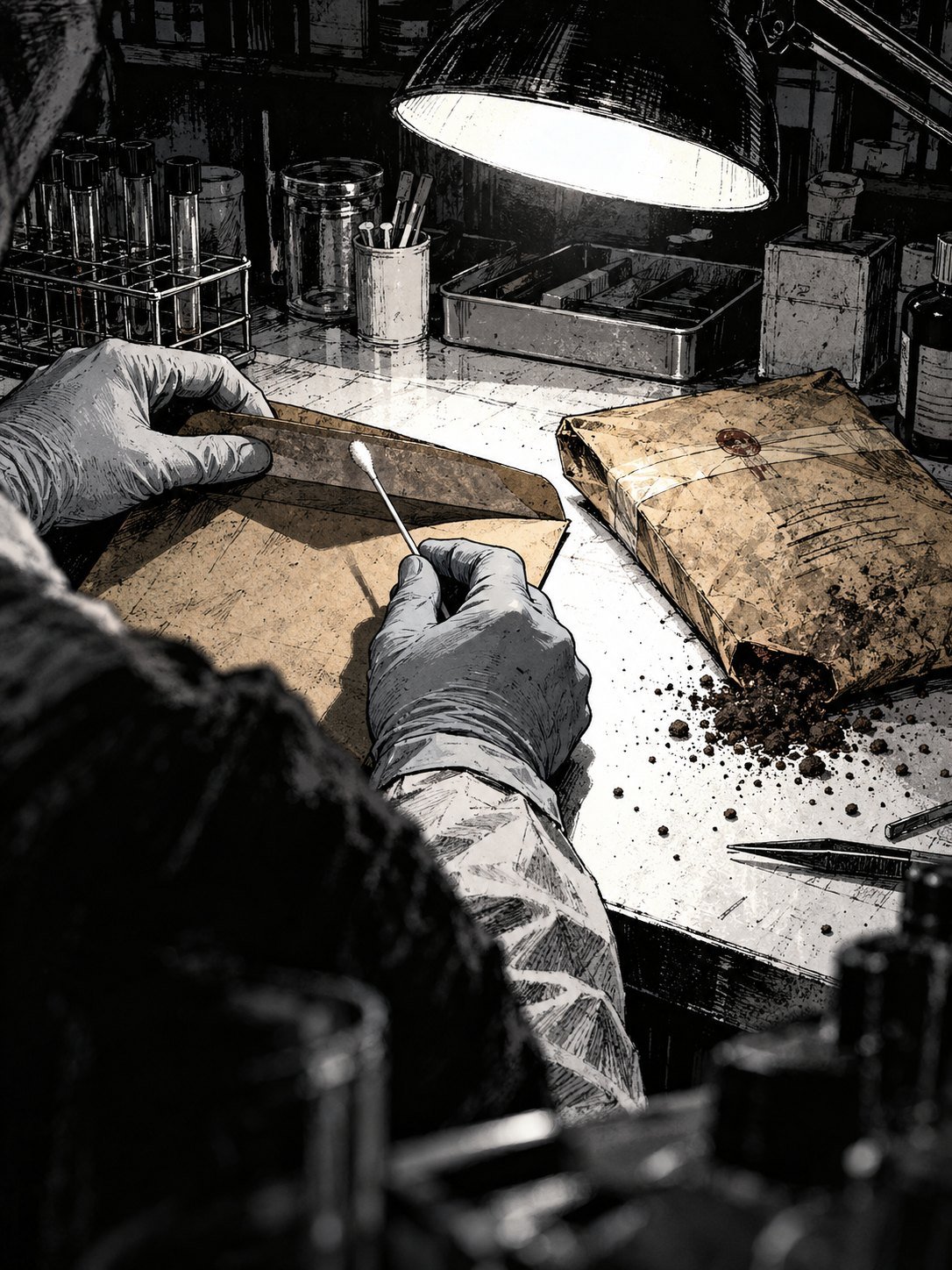
The envelope came back to police eight days later.
Detective Zac Storment didn’t open it. He rushed it, still sealed, to the Washington State Patrol Crime Lab.
Why does that matter? When someone licks an envelope, they leave behind a little saliva. Saliva carries cells from inside the mouth, and those cells carry a person’s DNA. A licked envelope is basically a DNA sample delivered by mail.
Scientists compared the DNA on that flap with DNA police had been holding onto for decades. It had been taken from under a murdered woman’s fingernails.
In March 2026, the lab reported its result. According to charging documents described by the Spokesman-Review, the fingernail DNA was 4.3 million times more likely to match the person who licked the envelope than anyone else in the United States.
The woman had died nearly 40 years earlier.
Police now believed they knew who had been with her when she died. (KXLY)
Arrested in the house he lived in back then
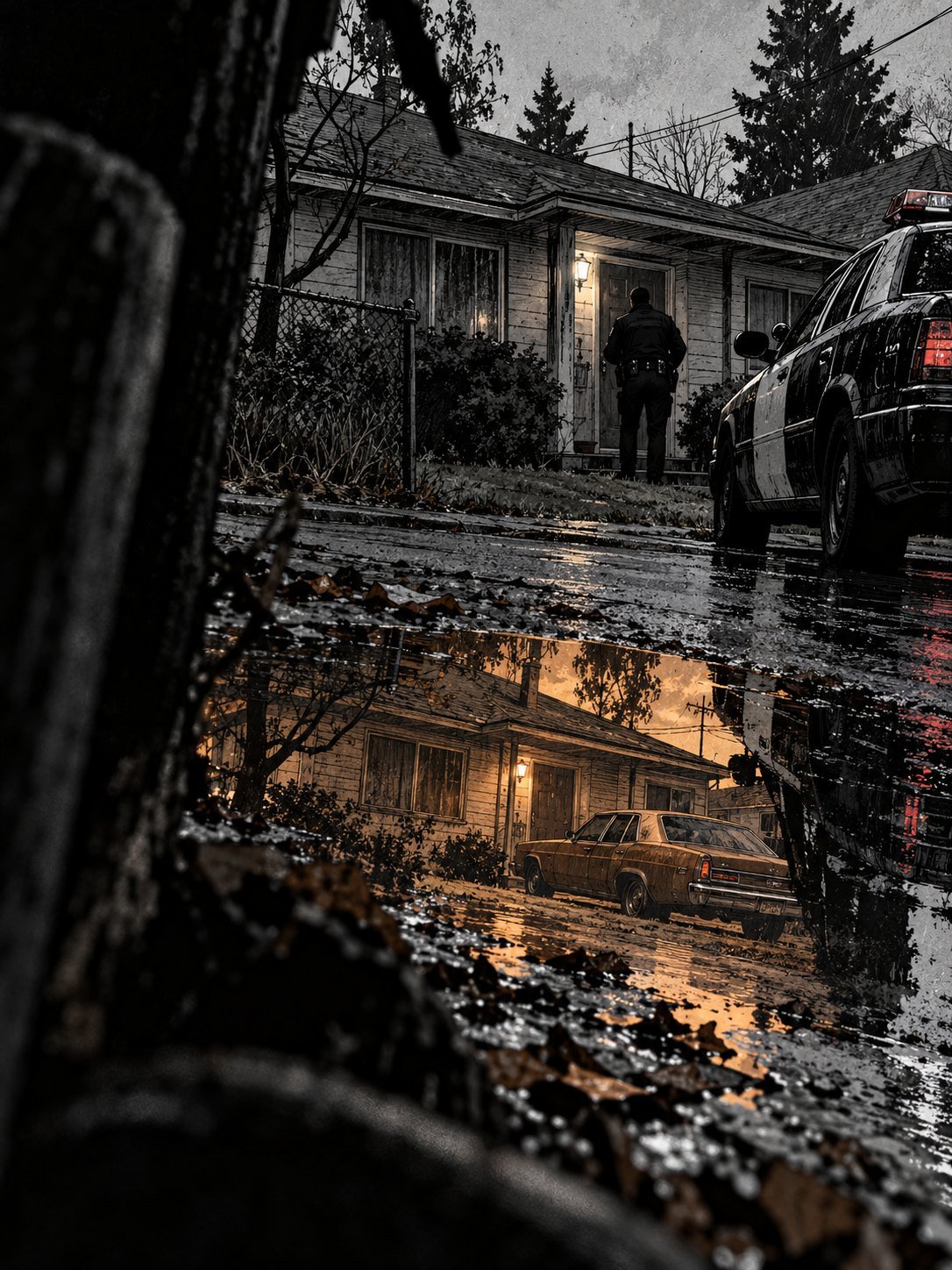
On Wednesday, October 21, 2026, police came to a house on East Decatur Avenue in Spokane.
Detectives from the department’s Major Crimes and Special Investigations units served a search warrant. Then they arrested the man who lived there, David Tibbett, now 74.
He was booked into the Spokane County Jail around 2:30 that afternoon, on suspicion of second-degree murder.
Here is the strange part. In 1986, Tibbett’s car was registered to this same house, 1817 East Decatur. Forty years later, he was still living there.
The arrest came almost exactly 40 years after a woman’s body was found in an alley in another part of town.
Tibbett has been charged. He has not been convicted. Everything about what happened that night is, for now, what police and prosecutors allege.
To understand what they allege, you have to go back to November 1986. (Spokesman-Review)
A mother walking the streets at night

In November 1986, Mary Ann Turner was 32 years old.
She had moved to Spokane from Sacramento, California. Spokane is a mid-sized city in eastern Washington, near the Idaho border. In 1986, parts of East Spokane near Sprague Avenue were known for street prostitution.
Her life had been hard from the start. She got pregnant at 13 and gave that baby up. She got pregnant again at 15. That second child was a daughter. By 1986, Mary Ann had been a mother for nearly 20 years, since she was a child herself.
By the fall of 1986, that daughter had run away from home.
So Mary Ann was out on the streets of East Spokane at night, and one of the reasons was that she was looking for her daughter.
She was a mother searching for her child.
And she would not live to see her again. (Spokesman-Review)
Her daughter had run away at 16
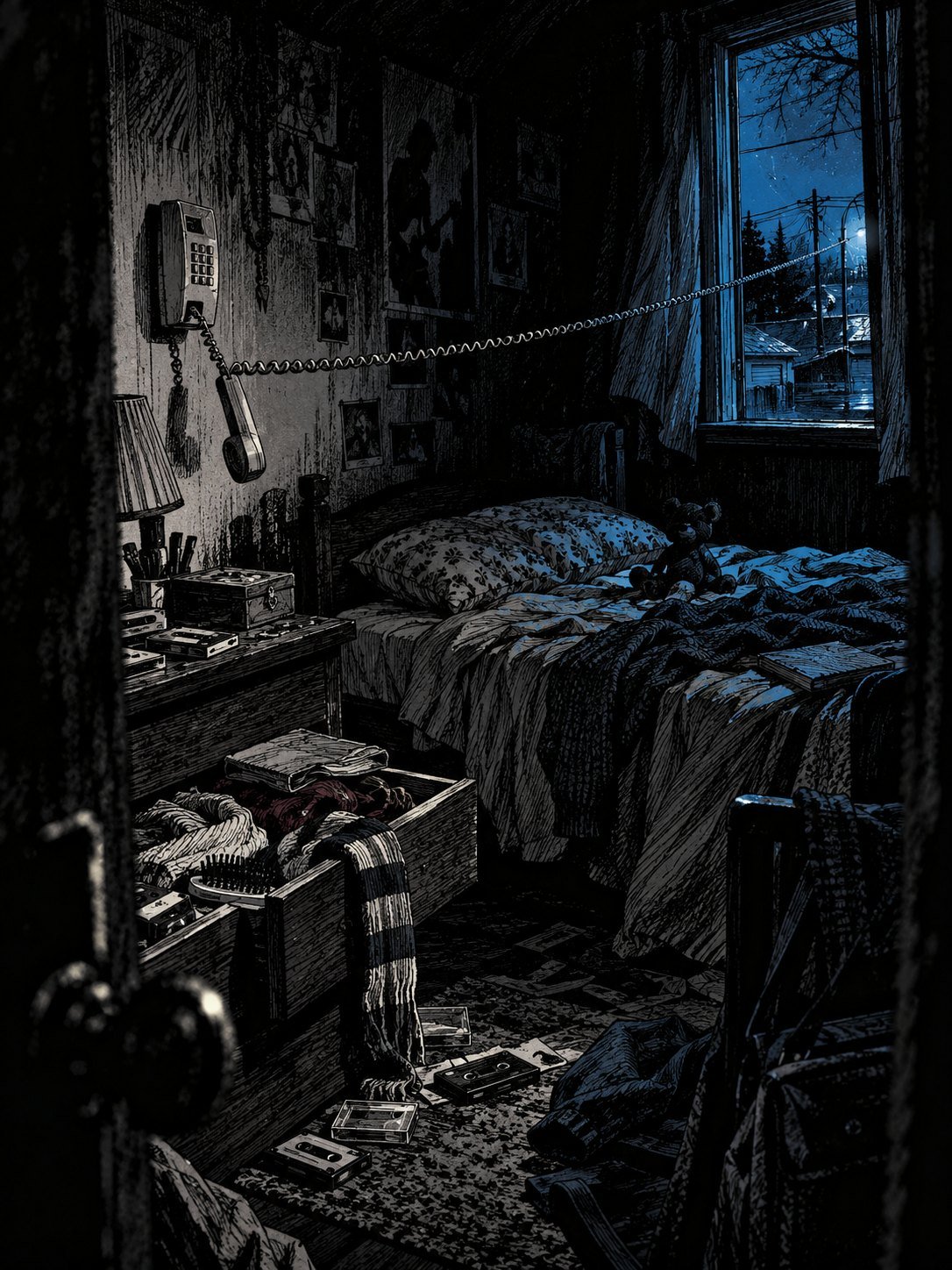
Her daughter’s name was Manieka. She was 16 when she ran away.
Mary Ann had been a mother since she was a teenager herself. She and Manieka were only about 15 years apart in age.
In 1986, there were no cellphones, no social media, no way to text a runaway and ask where she was. If you wanted to find someone who had left home, you went out and looked. You asked around. You walked the streets where you thought she might be.
Runaway teenagers are hard to find. They move around, and they often don’t want to be found.
Mary Ann was still looking for Manieka when she was killed.
Manieka was found later, in Seattle, on the other side of the state.
She attended her mother’s funeral.
Mary Ann never got to finish that search. (Spokesman-Review)
“She did it just to eat”

Mary Ann’s sister, Brenda Lee, has been open about how her sister lived.
She said Mary Ann sometimes did sex work to survive. “It was like a way of survival for her,” she said. “She did it just to eat.”
She also said it was “not a regular thing.”
Her sister’s words are a reminder that the woman at the center of this case was more than a name in a police file. She was a 32-year-old woman with a sister who loved her and a daughter she was trying to find. She was poor, and she did what she had to do to eat.
On the night of November 3 into November 4, 1986, she was working with a friend.
That friend would be the last person who knew her to see her alive. (AP via East Idaho News)
Her friend watched her get into a bronze Ford

Her friend was a woman named Yolanda Sapp. Some reports spell it Snapp. She and Mary Ann had been working together for about a month, near East First Avenue and South Magnolia.
In the early hours of November 4, Sapp watched Mary Ann get into a car. Early reports said it was around 2:30 a.m. Charging documents put it closer to 2:45.
Sapp described the car as burnt orange, a two-door. It drove west on East First Avenue.
Police at first went looking for a bronze car that looked like a Ford Torino, a big American car from the 1970s. About a week later, they showed Sapp a book of car photos. She pointed to a 1977 Ford Thunderbird as looking like the one she saw.
She described the driver as a white man in his 40s, with a “mushroom” haircut and glasses.
Sapp never saw Mary Ann again.
But someone else did. (Spokesman-Review)
Two police officers saw her alive
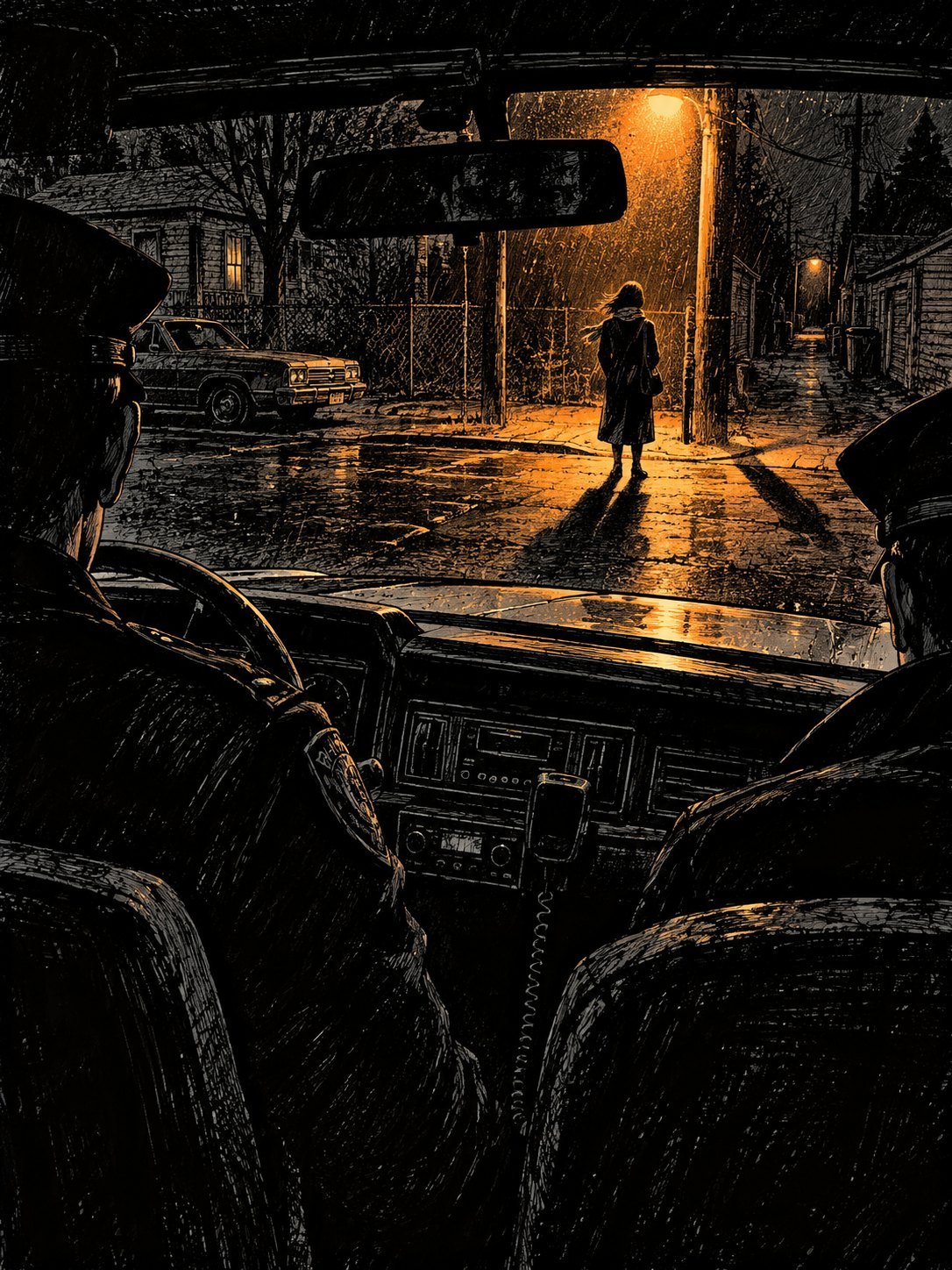
Later that night, two police officers saw Mary Ann.
She was standing alone on the corner of Sprague Avenue and North Madelia Street. Two officers, one corner, one woman by herself.
That detail, from court records, is one many early reports missed. Mary Ann was not last seen getting into the car. After that ride, whatever it was, she was back on a street corner, alone and still alive.
It is impossible to know what happened between that sighting and what came next. The records don’t say how she got from that corner to where she was found.
What they do say is the time. Her body was found about four hours after the officers saw her.
That means the answer lies somewhere in those four hours, in the dark before dawn. (Spokesman-Review)
A call at 7:40 a.m.: a “person down”
At about 7:40 a.m. on November 4, 1986, someone called the police.
The report was about “a person down in the roadway.” Words like that could mean almost anything: someone hurt, someone sick, someone who had passed out.
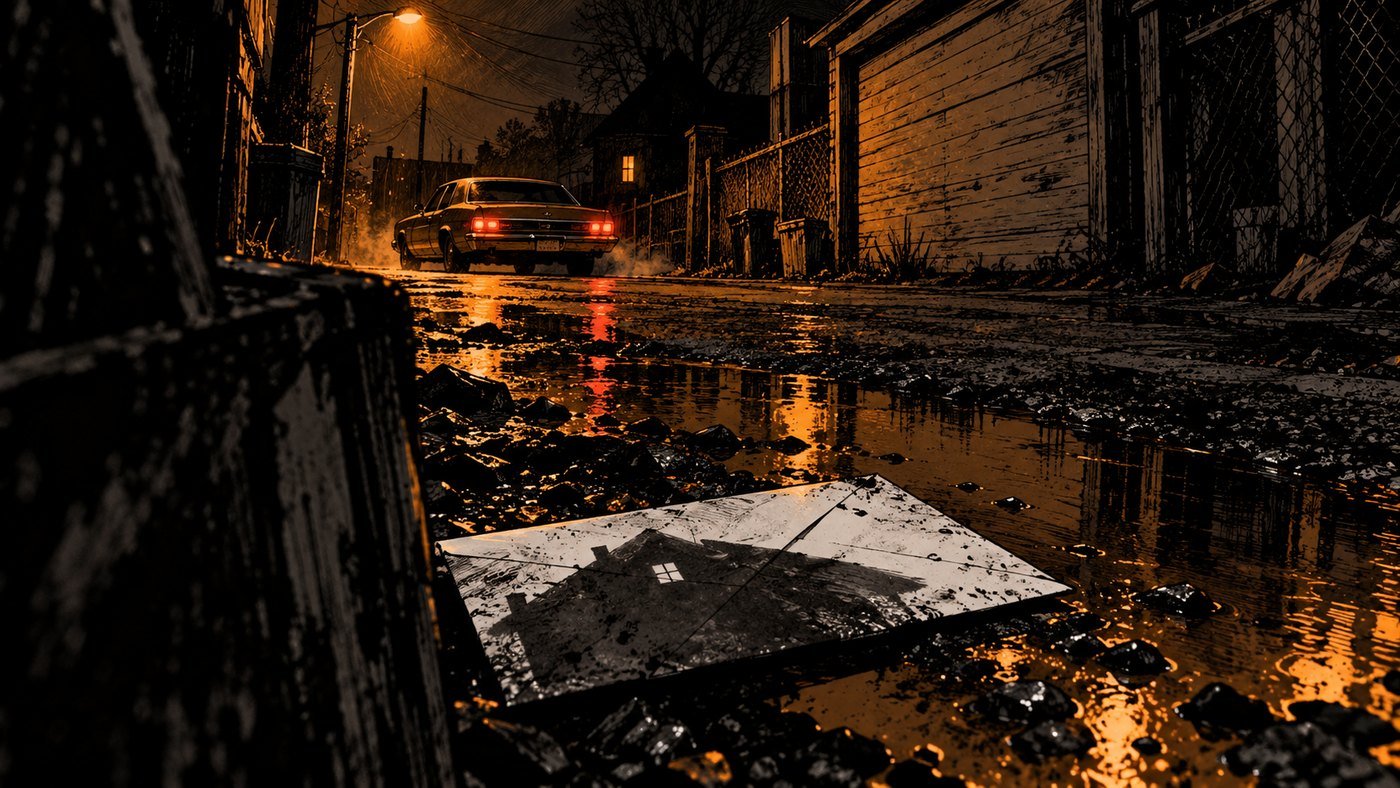
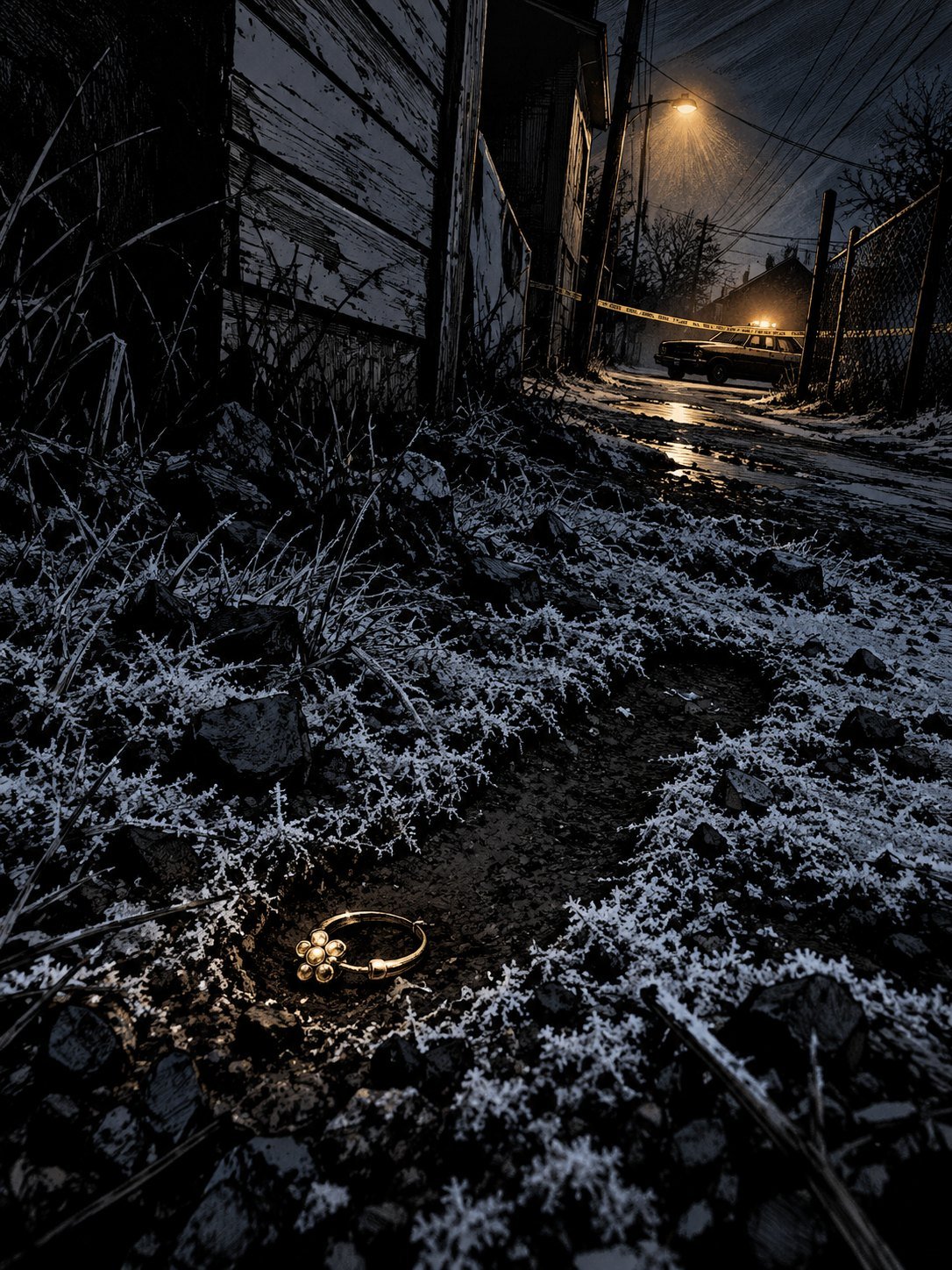
Officers went to an alley near South Ivory Street and East Pacific Avenue, in East Central Spokane, just south of East Sprague near the freeway. Beside a garage, they found Mary Ann Turner.
She was dead.
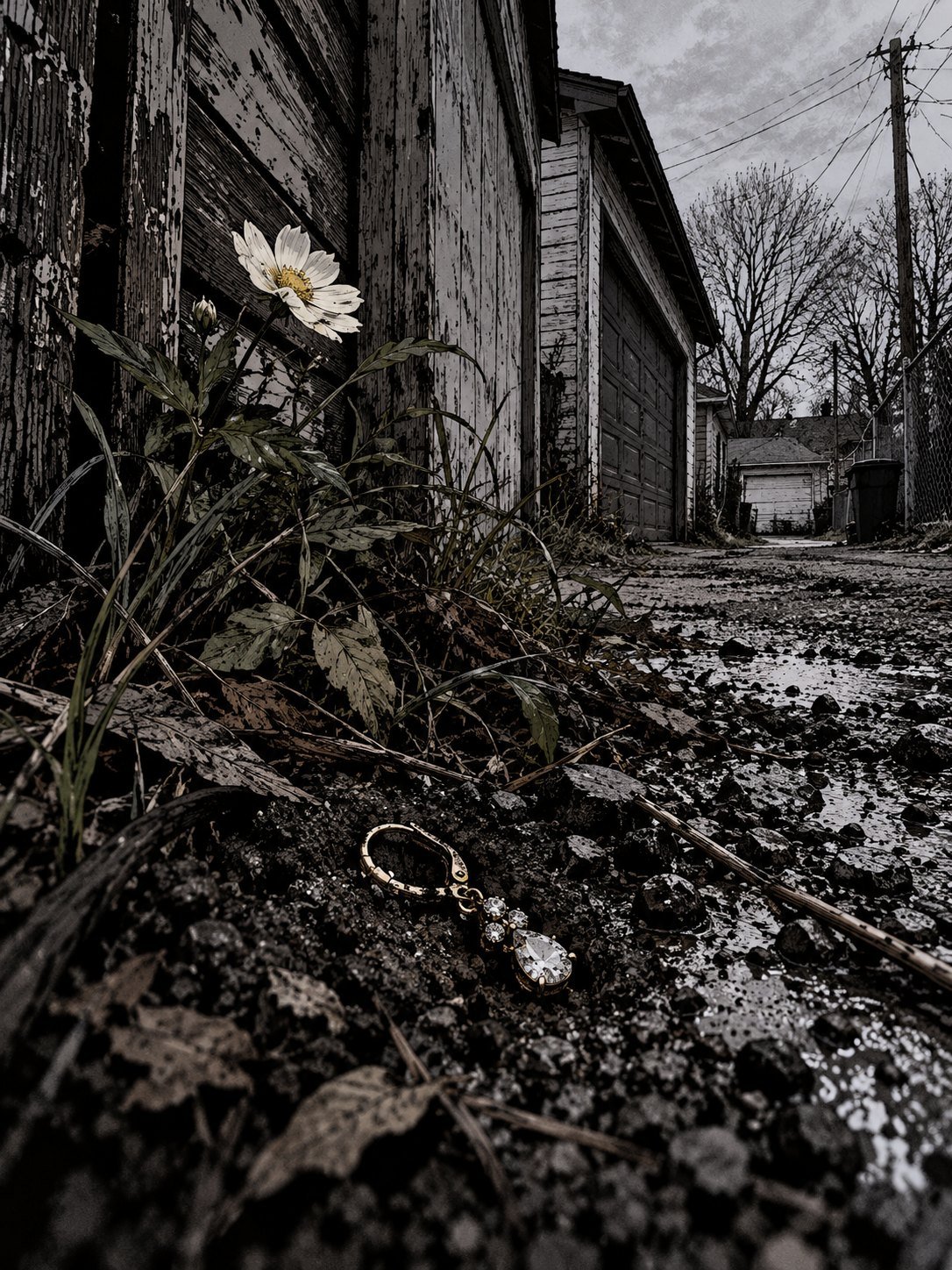
Her body was covered in dirt. There were signs of a struggle on the ground. One of her earrings was lying in the dirt nearby.
Police started from what was in front of them: the dirt, the earring, the marks on the ground.
And the scarf and sweater around her neck. (KHQ)
Strangled with her own scarf
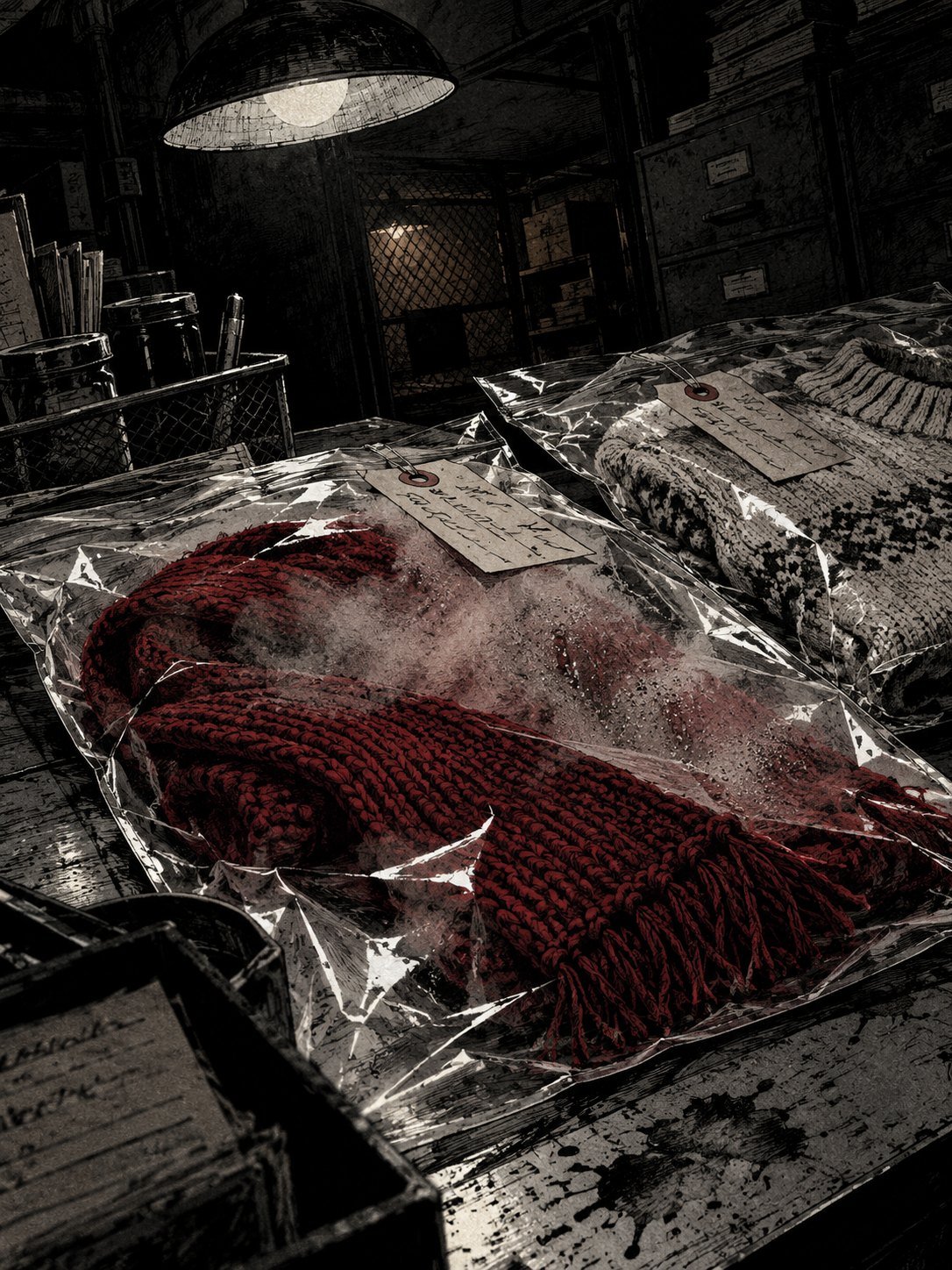
An autopsy found that Mary Ann had been strangled.
Her own scarf and sweater were wrapped around her neck.
November in Spokane is cold, and a scarf and sweater are what anyone would wear out on the street at night. One report says the scarf may have been what was used to strangle her.
Investigators collected swabs from her body, the kind of samples that would matter enormously decades later.
And they collected four cigarette butts from the scene.
In 1986, none of this could point to a name. DNA testing in criminal cases was brand new. Most police departments had never used it. Evidence like this mostly went into envelopes and boxes and onto shelves.
But the most important evidence of all was not around her neck.
It was on her hands. (Spokesman-Review)
She fought back. Under her nails, a man’s DNA
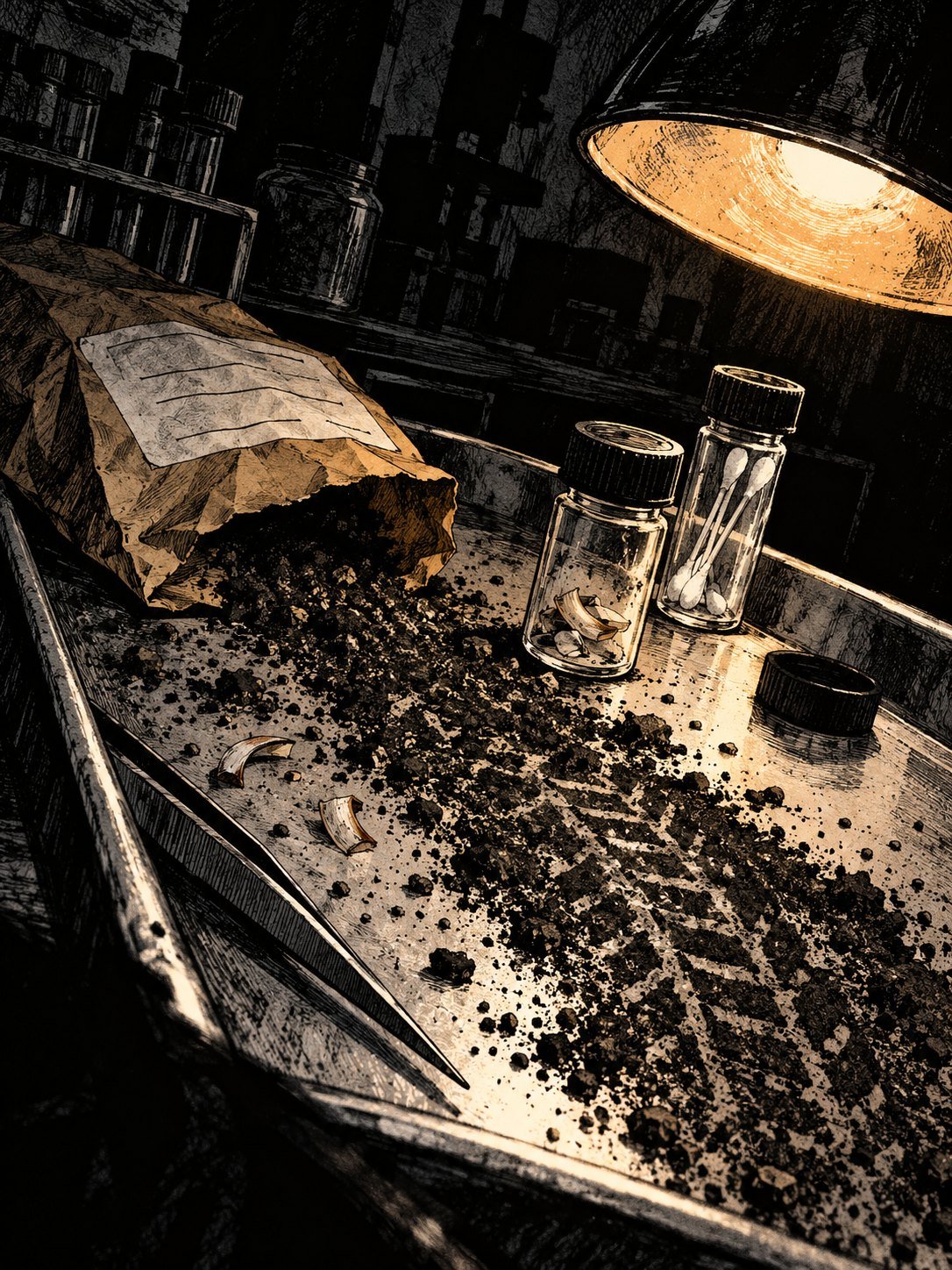
Mary Ann Turner fought back.
A search warrant filed decades later says crime scene and autopsy photographs “indicate Turner fought her killer violently.”
Her hands were “heavily soiled.” Her fingernails were “clogged with dirt.”
Investigators clipped her fingernails and preserved the clippings.
Here’s why that matters. When someone fights for their life, they scratch and grab. Tiny bits of the attacker’s skin and blood can end up under their nails. Today, a lab can pull DNA out of that. In 1986, labs could not do that with an amount so small.
In 1987, the Washington State Crime Lab did find microscopic amounts of blood under her nails. But it was too little to test with the technology of the time. The evidence went back to Spokane County.
So the clippings waited. For decades.
Meanwhile, police had something else: a name. (KXLY)
An anonymous caller named a name
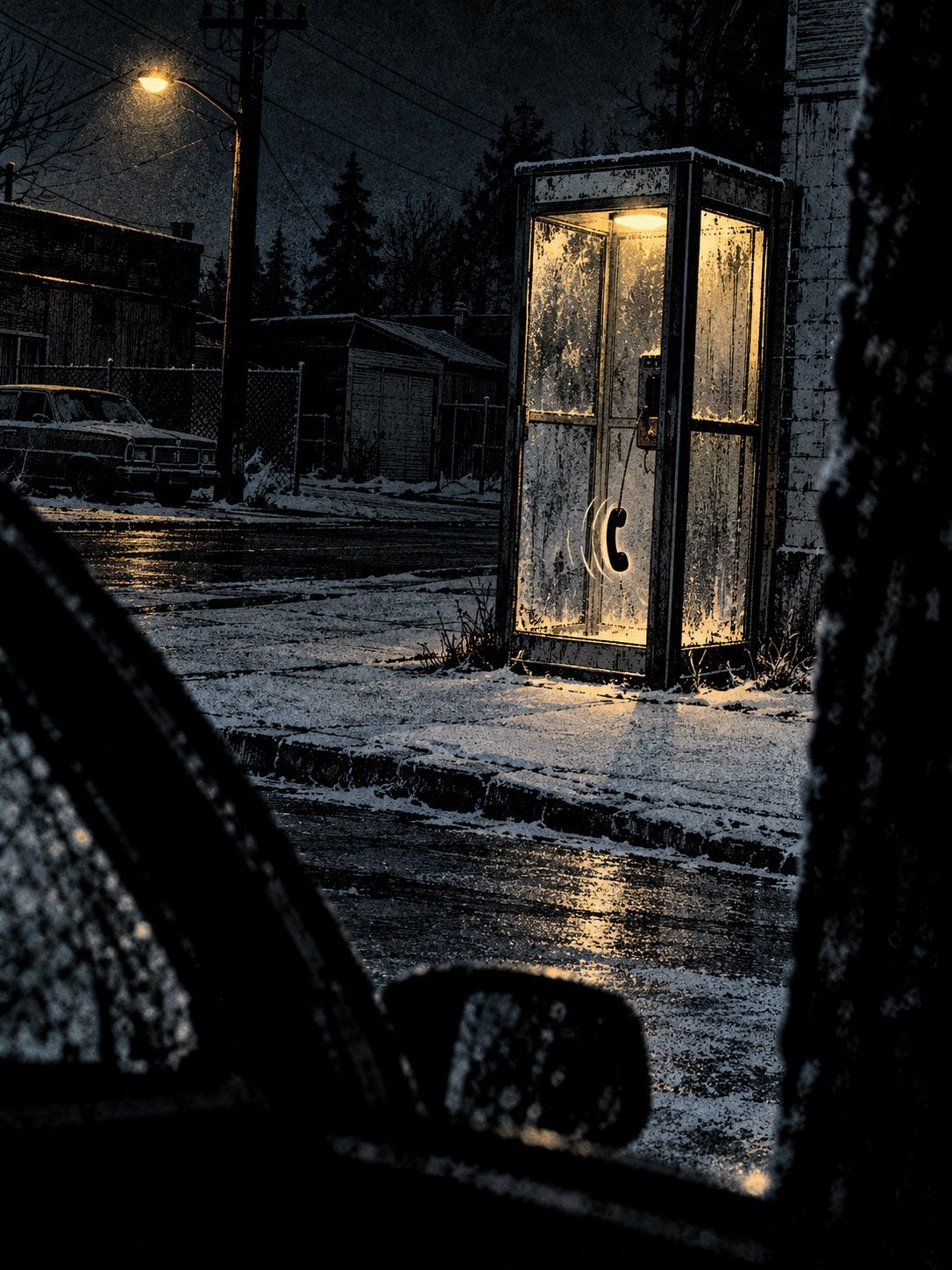
After Mary Ann’s murder, police asked the public for help.
Someone called Secret Witness, a tip line where people could report information without giving their name.
The caller named David Tibbett.
The caller said Tibbett was “known to hang around the hookers.” The tipster also said he was drunk in the area that night.
And the caller had a detail about the car. It wasn’t a Torino, the tipster said. It was a Ford Elite, copper-brown, with body damage.
Ford Elites, Torinos and Thunderbirds were all big Ford cars from the 1970s. To someone glimpsing a car on a dark street at 2:30 in the morning, they could look alike.
Nobody knows who that caller was. In 2026, police went public asking anyone who called Secret Witness about the case in 1986 to come forward.
Back then, detectives went to check the car. (KXLY)
The car was registered to his house
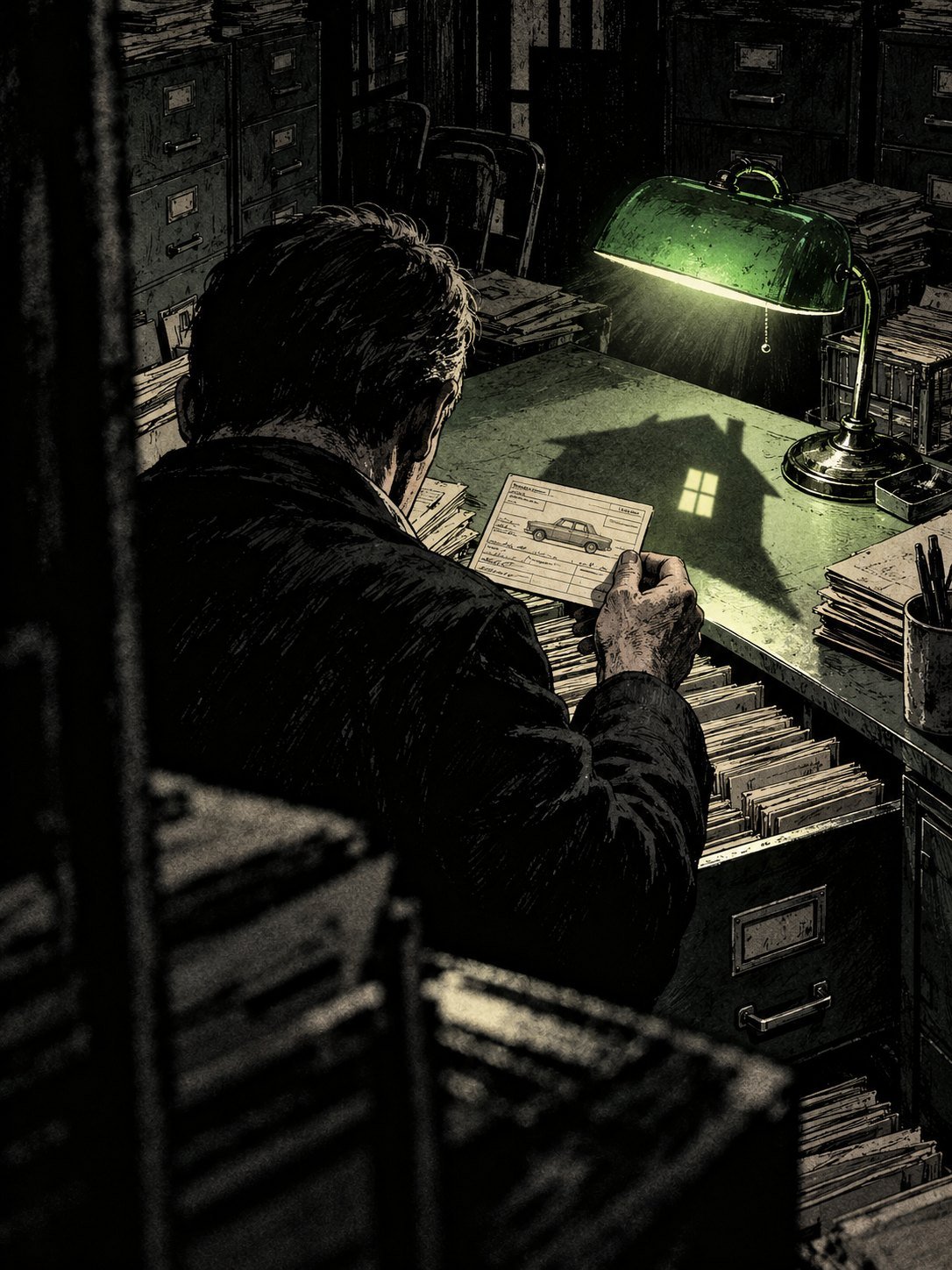
Detectives looked up vehicle records.
They found a mid-1970s Ford Elite registered to Tibbett’s home: 1817 East Decatur, in Spokane. Sources don’t agree on the exact model year. One says 1975. Another says 1976 and calls it bronze.
Bronze. Copper-brown. Burnt orange. Different people, describing the same color family.
That fit what Yolanda Sapp had described: a burnt-orange, two-door car. It fit the anonymous tip. And it was registered to the man the tipster had named.
Tibbett also had a history. He had been arrested in 1968 for sexual assault. In 1970, he was charged with second-degree assault and rape and pleaded guilty to the assault. He was labeled a “sexual psychopath,” a legal term at the time, and was sent to Western State Hospital in 1971. He was discharged in 1973.
On paper, it looked like detectives had something. Then they went looking for him. (Spokesman-Review)
He was in jail, and he wouldn’t talk
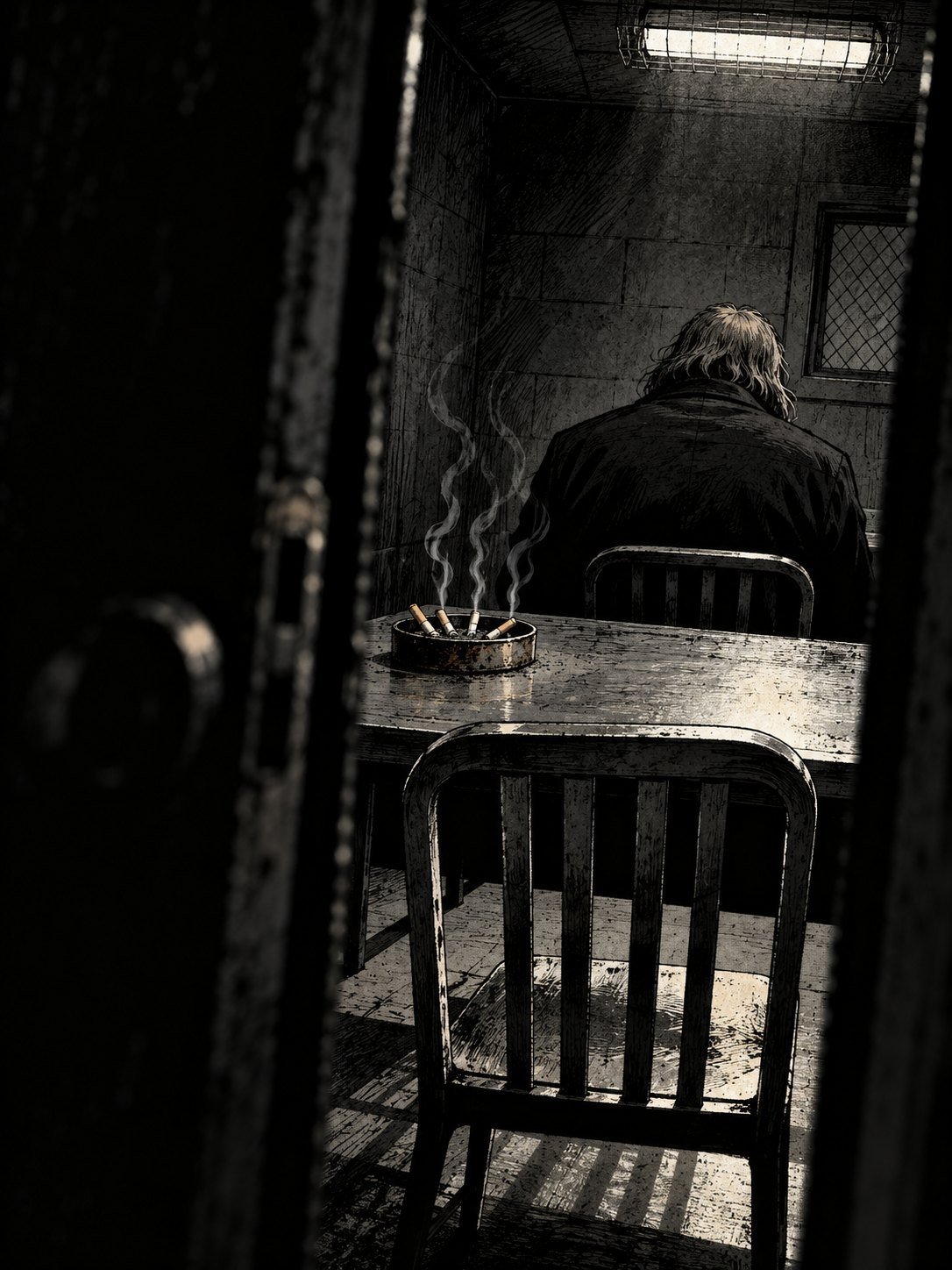
When detectives found David Tibbett, he was already in jail.
He had been arrested on a different charge, attempting to elude police. That arrest came after Mary Ann’s murder and had nothing to do with it.
Detectives tried to talk to him about Mary Ann Turner.
He refused to speak to them.
In the United States, that is every suspect’s right. No one has to answer police questions. And without a confession, police needed evidence that tied him to her. In 1986, they didn’t have it. A tip and a car color were not enough.
Tibbett was never arrested for Mary Ann’s death back then. The case went cold.
The evidence went into storage.
And the only witness who had seen Mary Ann get into that car had just a few years left to live. (KXLY)
The witness was murdered too, by someone else
About four years later, around 1990, Yolanda Sapp was found dead.
She had been murdered. The woman who saw Mary Ann Turner get into the burnt-orange car became a victim herself.
It would be easy to assume the same person was responsible. Police later charged someone else.
Sapp’s case also went unsolved for decades. Then, in 2014, police charged Douglas Perry, who by then lived as Donna Perry, with killing Sapp and two other women. Nothing in the reports links Tibbett to Sapp’s death.
In those years, more than one woman who worked the streets of Spokane was killed, and different killers were later identified in different cases.
For Mary Ann’s case, Sapp’s death meant something brutal and practical. The one eyewitness who had seen the car and the driver was gone.
If this case was ever going to be solved, it would have to be solved by science. (KXLY)
2008: the evidence finally spoke, but said no name
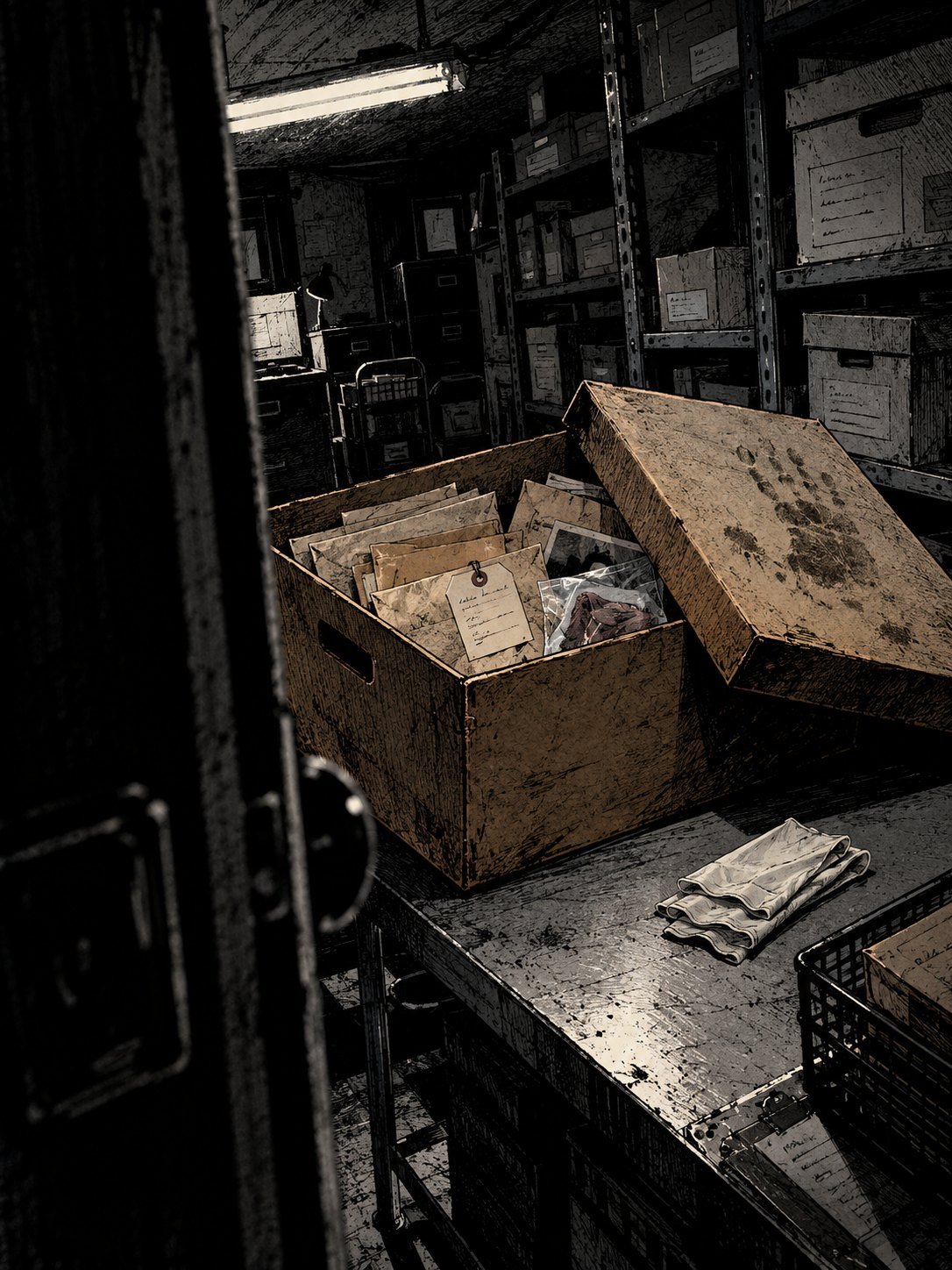
In 2008, a retired Spokane police detective named Kip Hollenbeck pulled the old evidence out of storage.
He sent it to a private DNA lab. By then, DNA technology had changed completely. Labs could now get a profile from tiny amounts of material that would have been useless in 1987.
The lab found semen on several of the swabs from Mary Ann’s body. It got a partial DNA profile from one of the cigarette butts. And from the fingernail clippings, it got a mix of Mary Ann’s DNA and the DNA of an unknown man.
The fingernail DNA and the semen came from the same man.
The profile was uploaded to CODIS, the national DNA database run by the FBI. It holds DNA profiles from people convicted of, or in some states arrested for, certain crimes.
There was no match. Not in 2008, and still not as recently as 2025.
The unknown man’s DNA existed. It just had no name attached. (KXLY)
A Texas lab traced the DNA to three brothers
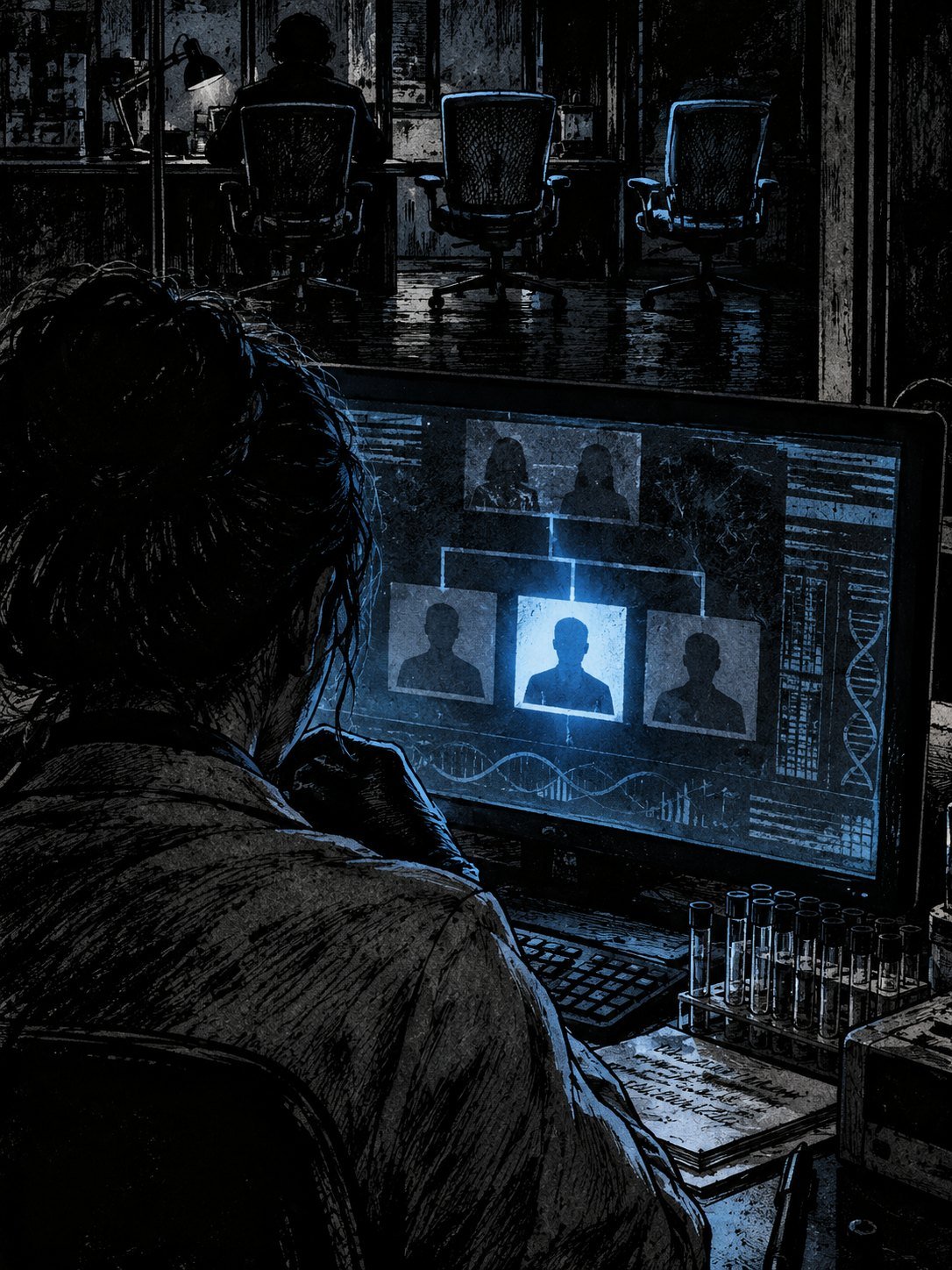
In September 2025, Spokane police sent the DNA to Othram, a private forensic lab in The Woodlands, Texas.
Othram uses a method called forensic genetic genealogy. Instead of looking for an exact match in a police database, it compares crime-scene DNA with public genealogy databases, the kind people use to research their family history. If a distant cousin of the suspect has uploaded their DNA, investigators can build a family tree and work out who the unknown person might be.
In December 2025, Othram began that work.
By January 2026, it had narrowed the DNA down to three brothers: Darrel Robert Tibbett, Daniel Howard Tibbett and David John Tibbett.
Darrel and Daniel had both died in 2013.
David was alive. And he was still living at 1817 East Decatur.
A family tree can say “one of these brothers.” It can’t say which. Police needed David’s own DNA. (Spokesman-Review)
He reported his car stolen. Detectives saw a chance

In November 2025, David Tibbett reported his car stolen.
The U.S. Border Patrol found it, and it was returned to him.
For detectives, that ordinary event was an opening. They needed a sample of his DNA without tipping him off. If they asked him for a cheek swab, he could simply say no, just as he had refused to talk to police in 1986.
So, according to a search warrant, police decided to “employ a ruse.”
Detectives in other cold cases have collected DNA from things a suspect leaves behind, like a discarded cup or a cigarette. This time, the plan was to get him to mail it to them.
On February 4, 2026, police records staff mailed him the letter about the stolen car.
He signed it, licked the envelope, and sent it back. Police received it eight days later.
Now it was up to the lab. (Spokesman-Review)
The envelope and the fingernails matched, the lab said
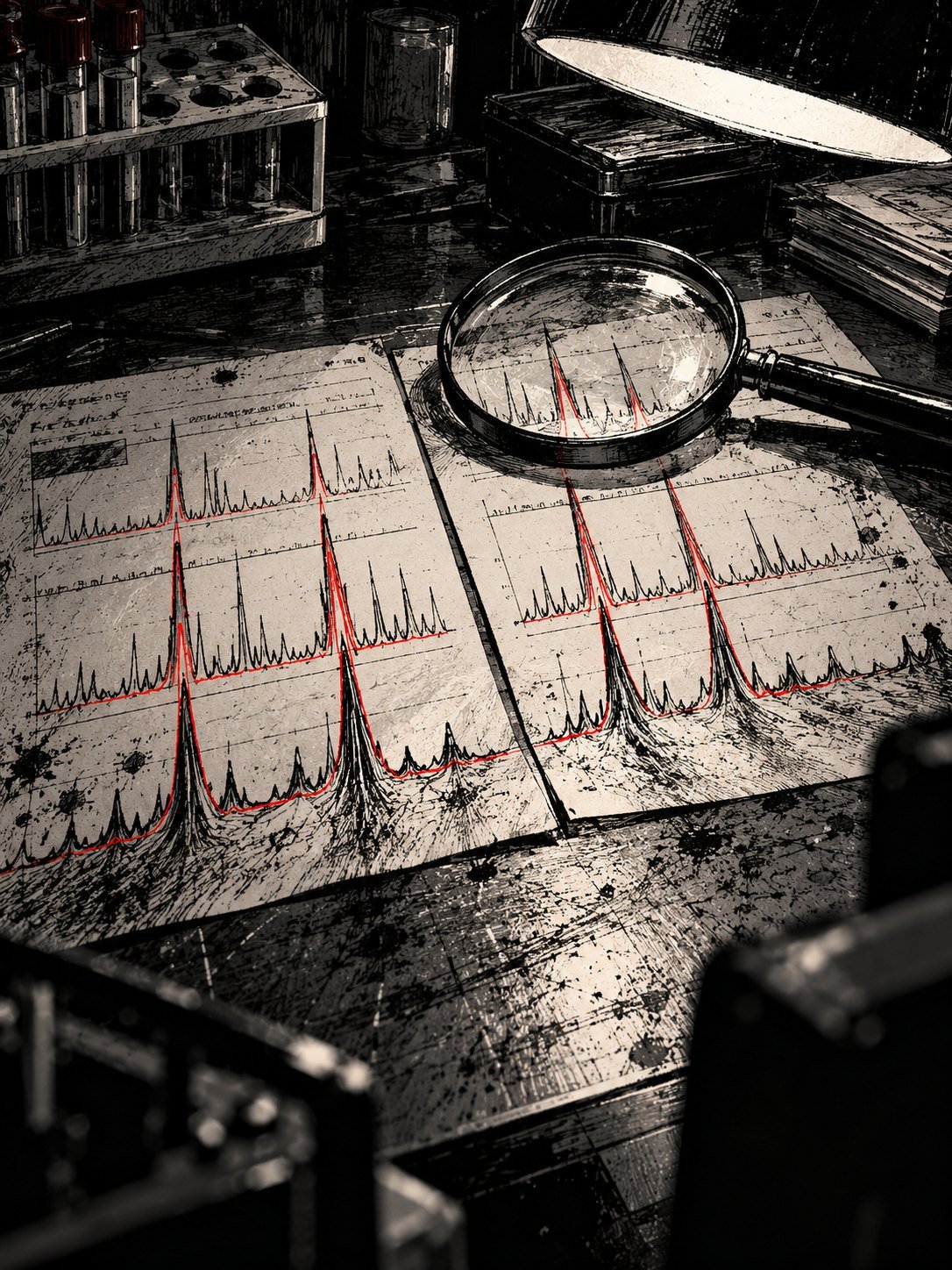
On March 11, 2026, police learned the result.
The Washington State Patrol Crime Lab said the DNA from under Mary Ann Turner’s fingernails matched the DNA on the envelope.
According to the Spokesman-Review’s account of court records, the fingernail DNA was 4.3 million times more likely to have come from the person who licked the envelope than from anyone else in the U.S.
After nearly 40 years, the DNA under her nails finally had a name, police say.
But the arrest did not come right away. About seven months passed between the lab result and the day police came to the door on East Decatur. Reports don’t explain the gap.
Then, on October 21, 2026, they served their search warrant and took him into custody.
The next day, he was in court. (KXLY)
He did not speak. Bond: $1 million
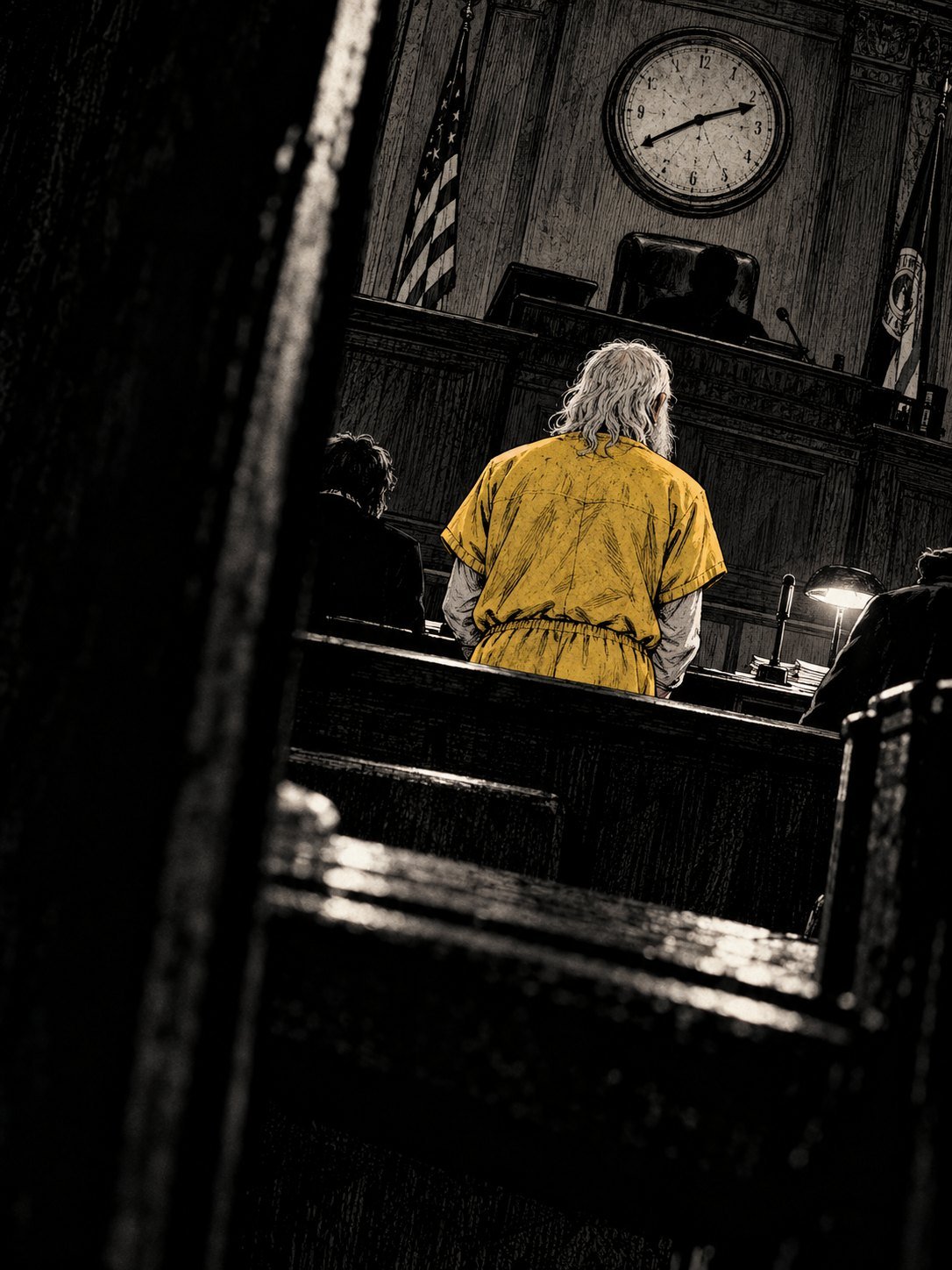
On Thursday, October 22, 2026, David Tibbett made his first appearance in Spokane County Superior Court.
He wore a yellow jail jumpsuit. He had white hair and a long white beard. He did not speak.
He is charged with second-degree murder. In Washington state, that generally means a killing that was intentional but not planned in advance.
He is being held in the Spokane County Jail on $1 million bond. His arraignment, the hearing where a defendant formally answers the charge, was set for October 27, 2026.
Tibbett has not been convicted of anything in Mary Ann Turner’s death. The evidence against him has not been tested in a trial.
Spokane police say the investigation is still ongoing. A police spokesperson said they are also looking at whether he may be linked to the deaths of other women.
Mary Ann’s family was watching. (KHQ)
“He has been free longer than Ms. Turner was alive”
Mary Ann Turner’s family joined the hearing by Zoom. They asked the court to keep Tibbett behind bars.
Prosecutor Preston McCollam read their statement aloud.
“He has been free longer than Ms. Turner was alive.”
Mary Ann was 32 when she died. The man now accused of killing her was still living in the same house 40 years later, according to reports, when that envelope came back in the mail.
The family asked one more question: “Why would the court give him a chance to get out and disappear now that this has been brought to light?”
Police are still asking anyone who called Secret Witness about this case in 1986 to contact them.
Mary Ann Turner fought hard enough that a man’s DNA stayed under her nails for 40 years. Police say it is his. Now a court will decide. (Spokesman-Review)
Case notes: a tip in 1986, a licked envelope in 2026
Mary Ann Turner, 32, was found dead in an alley near South Ivory Street and East Pacific Avenue in Spokane on the morning of Nov. 4, 1986 (Spokesman-Review). Police were called at about 7:38 a.m. on a report of a person lying in the roadway (KHQ). She had moved to Spokane from Sacramento and was out that night looking for her daughter, Manieka, who had run away at 16 (Spokesman-Review). Manieka was later found in Seattle and attended her mother’s funeral.
Her sister, Brenda Lee, told reporters that Turner sometimes did sex work. “It was like a way of survival for her,” she said. “She did it just to eat” (AP via East Idaho News).
On Oct. 21, 2026, police arrested David John Tibbett, 74, and charged him with second-degree murder. He has not been convicted, and police say the investigation remains ongoing (KXLY). The part most coverage skipped: according to charging documents, an anonymous caller gave police his name in 1986.
Timeline
| Date | What happened |
|---|---|
| Nov. 4, 1986, about 2:30-2:45 a.m. | A fellow street worker sees Turner get into a car (Spokesman-Review) |
| Later that night | Two police officers see her alone at Sprague Avenue and Madelia Street (Spokesman-Review) |
| Nov. 4, 1986, about 7:38 a.m. | “Person down” call; Turner found in an alley (KHQ) |
| 1986 | A Secret Witness caller names Tibbett; he is in jail on another charge and refuses to talk (KXLY) |
| 1987 | State crime lab finds only microscopic blood under her nails, too little to test (KXLY) |
| 2008 | A private lab develops an unknown male profile; no database match (KXLY) |
| Nov. 2025 | Tibbett reports his car stolen; Border Patrol recovers it (Spokesman-Review) |
| Jan. 2026 | Othram’s genealogy points to three Tibbett brothers (KXLY) |
| Feb. 4, 2026 | Police mail him a letter asking him to confirm the car is no longer stolen (Spokesman-Review) |
| March 11, 2026 | Crime lab reports the envelope DNA matches the fingernail DNA (KXLY) |
| Oct. 21, 2026 | Search warrant served; Tibbett arrested at his home (Spokesman-Review) |
| Oct. 22, 2026 | First court appearance; bond set at $1 million (KHQ) |
What the sources agree on, and where they don’t
| Detail | Source A says | Source B says |
|---|---|---|
| The car | A “1970s Ford Torino” (AP via East Idaho News) | Police first sought a bronze car resembling a Torino; the tip and registration point to a Ford Elite (Spokesman-Review). The witness picked a 1977 Thunderbird from a photo book (KXLY) |
| Time she got in | About 2:30 a.m. (Spokesman-Review, Oct. 21) | About 2:45 a.m., per charging documents (Spokesman-Review, Oct. 22) |
| The witness’s name | Yolanda Sapp (KXLY) | Yolanda Snapp (Spokesman-Review) |
| Year of his Ford Elite | 1975 (KXLY) | 1976 (Spokesman-Review); a later story says 1986, likely a typo (Spokesman-Review) |
| When Othram got the evidence | September 2025 (KXLY) | August 2025 (Othram/DNASolves) |
Details most coverage missed
She was seen alive after the car. Day-one reports suggested the car ride was the last sighting. Charging documents say two officers later saw her standing alone at Sprague and Madelia, about four hours before her body was found (Spokesman-Review).
The tip came early. A Secret Witness caller named Tibbett, said he was “known to hang around the hookers,” and placed him drunk in the area that night. Detectives found a Ford Elite registered to his East Decatur home. He was in jail for attempting to elude police and would not talk (KXLY). Police say he still lived in that house in 2026 (Spokesman-Review).
The envelope. Police records staff mailed a letter on official letterhead with an envelope that had to be licked. Detective Zac Storment took the returned envelope unopened to the state crime lab. The lab said the fingernail DNA was 4.3 million times more likely to come from the person who sealed it than from a random person (Spokesman-Review).
His earlier record, as reported. Court records cited by the Spokesman-Review say that in 1971 Tibbett pleaded guilty to assault after a rape charge, was labeled a “sexual psychopath,” and was committed to Western State Hospital until 1973 (Spokesman-Review).
The witness. The woman who saw Turner get into the car was killed about four years later. Douglas (now Donna) Perry was charged in 2014 in her death and two others (KXLY).
What we still don’t know
- Why about seven months passed between the March DNA report and the October arrest (KXLY).
- Who made the 1986 Secret Witness call. Police are asking former callers and staff to come forward (Spokesman-Review).
- Whether Tibbett is linked to other deaths. Police say they are looking (Spokesman-Review).
- Which car she actually got into, given the Torino, Thunderbird and Elite descriptions (Spokesman-Review).
- How he will plead. An arraignment was set for Oct. 27, 2026 (KHQ).
Case file summary
- Victim: Mary Ann Turner, 32
- Date and place: Nov. 4, 1986, alley near S. Ivory Street and E. Pacific Avenue, Spokane, Washington
- Cause of death: Strangulation, per autopsy
- Key evidence: Male DNA under her fingernails, matched in 2026 to a licked envelope, police say
- Genealogy: Othram, The Woodlands, Texas
- Accused: David John Tibbett, 74, arrested Oct. 21, 2026
- Charge: Second-degree murder; held on $1 million bond
- Status: Charged, not convicted; presumed innocent
Illustrations are artistic interpretations, not crime-scene or court photos. No real person has a recognizable face.
Related files
- Martha Moxley: Killed on Mischief Night With a Golf Club From the Kennedy Cousins’ House
- The Tylenol Murders: Seven Dead in Chicago, 31 Million Bottles Recalled, and Still No Killer
- The Hole in the Roof: The Unsolved Death of Rey Rivera (2006)
Illustrations are AI-generated artistic interpretations, not photos. No real person is depicted with a recognizable face. Read how we research and illustrate these files.
Sources
- Spokesman-Review: 74-year-old Spokane man arrested on suspicion of murder in 1986 cold case
- AP via East Idaho News: 74-year-old Spokane man arrested on suspicion of murder in 1986 cold case
- Spokesman-Review: How Spokane police tricked a ‘sexual psychopath’ into licking an envelope to link him to a 1986 killing
- Spokesman-Review: If you called in a tip to Secret Witness in the 1986 killing of Mary Ann Turner, police want to talk to you
- KXLY: Spokane police arrest man in decades-old murder case
- KXLY: It took almost 40 years, but Spokane woman’s fight with her killer may ultimately lead to justice
- KHQ: Cold case suspect makes first court appearance
- KHQ: Man charged in nearly 40-year-old cold case murder of Mary Ann Turner
- Othram (DNASolves): The 1986 murder of Mary Ann Turner