Divers Searched England’s Deepest Lake for a Missing Woman. They Found a Different One
Divers went looking for one woman. They found another
In February 1984, divers went down into Wast Water, in the Lake District of northern England.
This is England’s deepest lake. At its deepest point, it goes down 79 meters, about 258 feet. That is deeper than a 20-story building is tall. The bottom of the lake actually sits below sea level.
The divers were part of a hunt for a missing woman. A young French student had vanished near the lake the summer before, and police had searched the mountains and then the water.
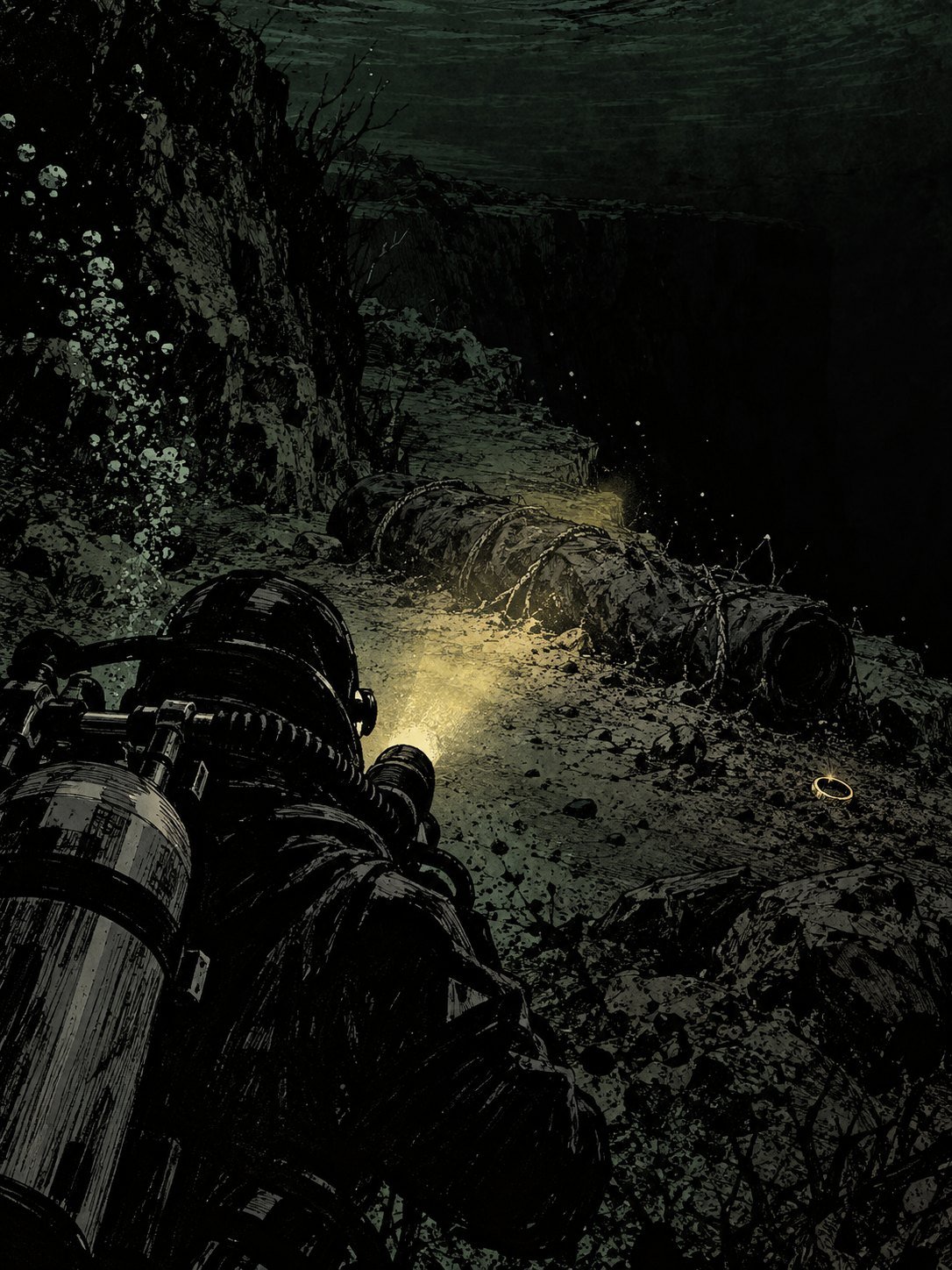
Down in the cold and the dark, a diver came across a bundle. It was wrapped up and weighted down.
Inside was a woman. But she was not the student they were looking for.
She was someone nobody in the Lake District had been searching for at all. She had been reported missing years earlier, about 300 miles away.
Her name was Margaret Hogg. (UPI)
Eight years underwater, and the ring still had his name
Margaret had been in the water for almost eight years.
That should have been far too long for anyone to recognize her. But Wast Water is not an ordinary lake. Its deep water is very cold and holds very little oxygen. Those are the conditions that slow down the natural process of decay. One wire report from the trial said she was “remarkably well preserved.”
And there was something else, small and gold, that the lake had kept perfectly.
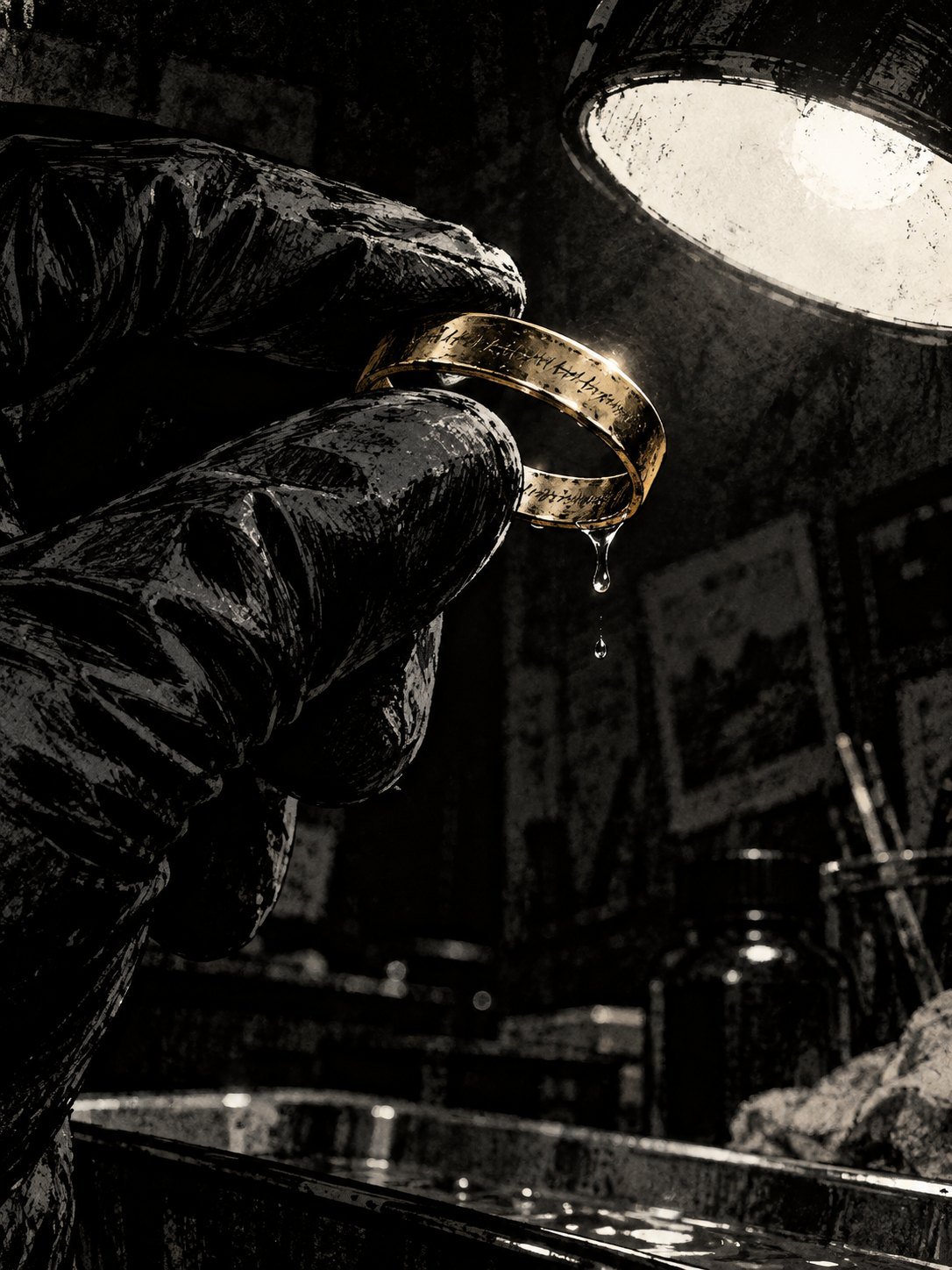
On her finger was a wedding ring. Engraved inside the band were two names and a date: “Margaret 15-11-63 Peter.”
Whoever had put her in the lake had forgotten to take it off.
That ring would do what eight years of silence had not. It would lead police straight to the man whose name was written inside it. (Whitehaven News)
Her husband told everyone she walked out

Peter Hogg was a commercial airline pilot.
For years, he had a simple story about his wife. She had left. The marriage had broken down, and she had walked out on him and their two boys.
People believed it. Staff at the family restaurant believed it. Neighbors on their street in Cranleigh, Surrey, believed it. Even their sons, by the account of neighbors and staff, were believed to have accepted it.
There was no body, after all. And Margaret had been seeing another man. Leaving with him, or leaving because of him, didn’t sound impossible.
About a month after she disappeared, Peter even reported her missing to Surrey police himself.
Then he went on with his life. He sold the restaurant. He later went through divorce proceedings, as if his wife were still alive somewhere and had simply gone.
The story held for almost eight years.
To see how it started, you have to go back to a quiet village in Surrey. (Cranleigh Magazine)
A stewardess who ran a village restaurant

Margaret Hogg had worked as an air stewardess. That was how she met Peter.
They married on November 15, 1963, at Caxton Hall register office in London. She was 24. That date is the one engraved in the ring.
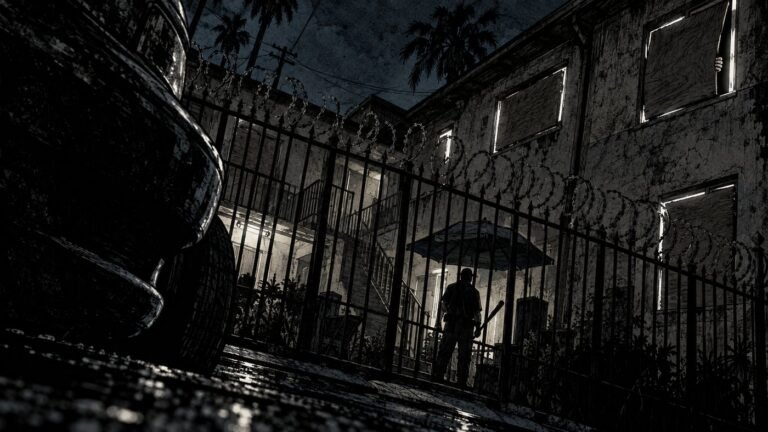
By the 1970s, the family had settled in Cranleigh, a village in Surrey, south of London. They lived in a detached house on Mead Road.
The couple bought a restaurant on Cranleigh High Street called Freeland House. It served classic English dishes, and Margaret managed it. A local florist later remembered her coming in to buy flowers for the restaurant.
From the outside, it looked like a comfortable life. A pilot husband, a busy restaurant, a house in a pleasant village.
Margaret was 37 when she died.
But behind the front door, the marriage was in serious trouble. (Cranleigh Magazine)
A pilot whose airline had just collapsed
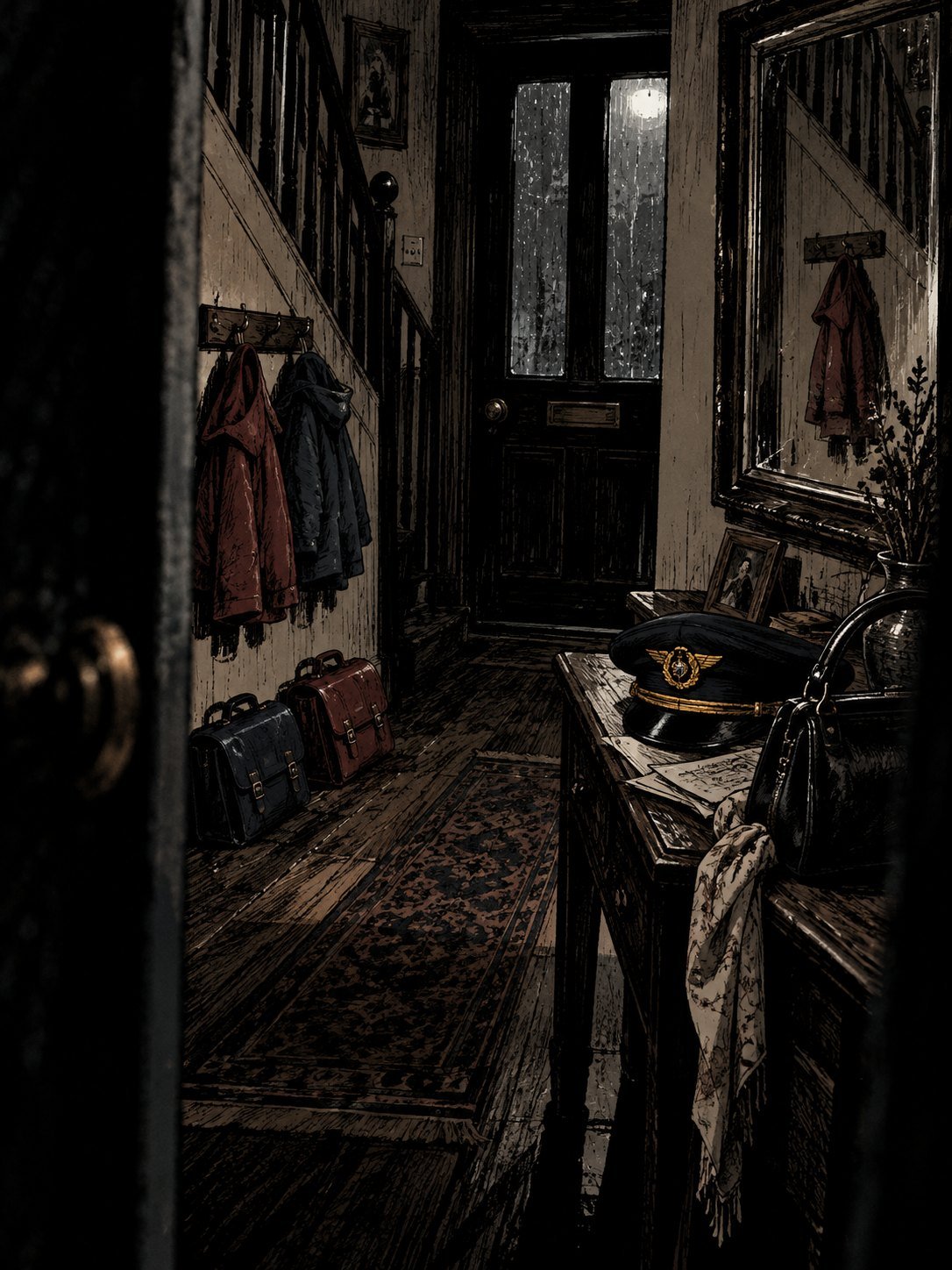
Peter Hogg had flown big passenger jets. He was a pilot for Court Line, a British holiday charter airline, and flew one of its TriStar airliners.
Then, in August 1974, Court Line collapsed. Peter moved on to a job at Gatwick Airport, south of London.
He had a connection to the north, too. As a boy, from 1941 to 1945, he had boarded at Keswick School, in the Lake District. He became head boy there.
At home in Cranleigh, there were two sons. In 1976 they were about 10 and 7 years old. The family employed an au pair to help look after them.
He would later say he had been left in a fairly strange town, with no real friends around.
Two small boys in the hallway. A father with a job in the sky.
And a mother who was spending time with someone else. (Cranleigh Magazine)
Three years with another man

Margaret had been having an affair for about three years.
The other man was a banker named Graham Ryan.
According to the Whitehaven News, about a week before she died, Margaret had been away on a trip to Dorset with him.
Peter knew about it. In his confession, he said she often flaunted the relationship in front of him.
Plenty of marriages survive affairs, and plenty end in divorce. Nothing in the record suggests anyone outside the house expected what came next.
The affair would become the center of the whole case. It was what the couple fought about on the last night. And it was the reason so many people found Peter’s story easy to believe afterward. A wife with a lover, who suddenly isn’t there anymore? Of course she left.
That was exactly the conclusion Peter needed people to reach. (Whitehaven News)
The row that ended with her dead
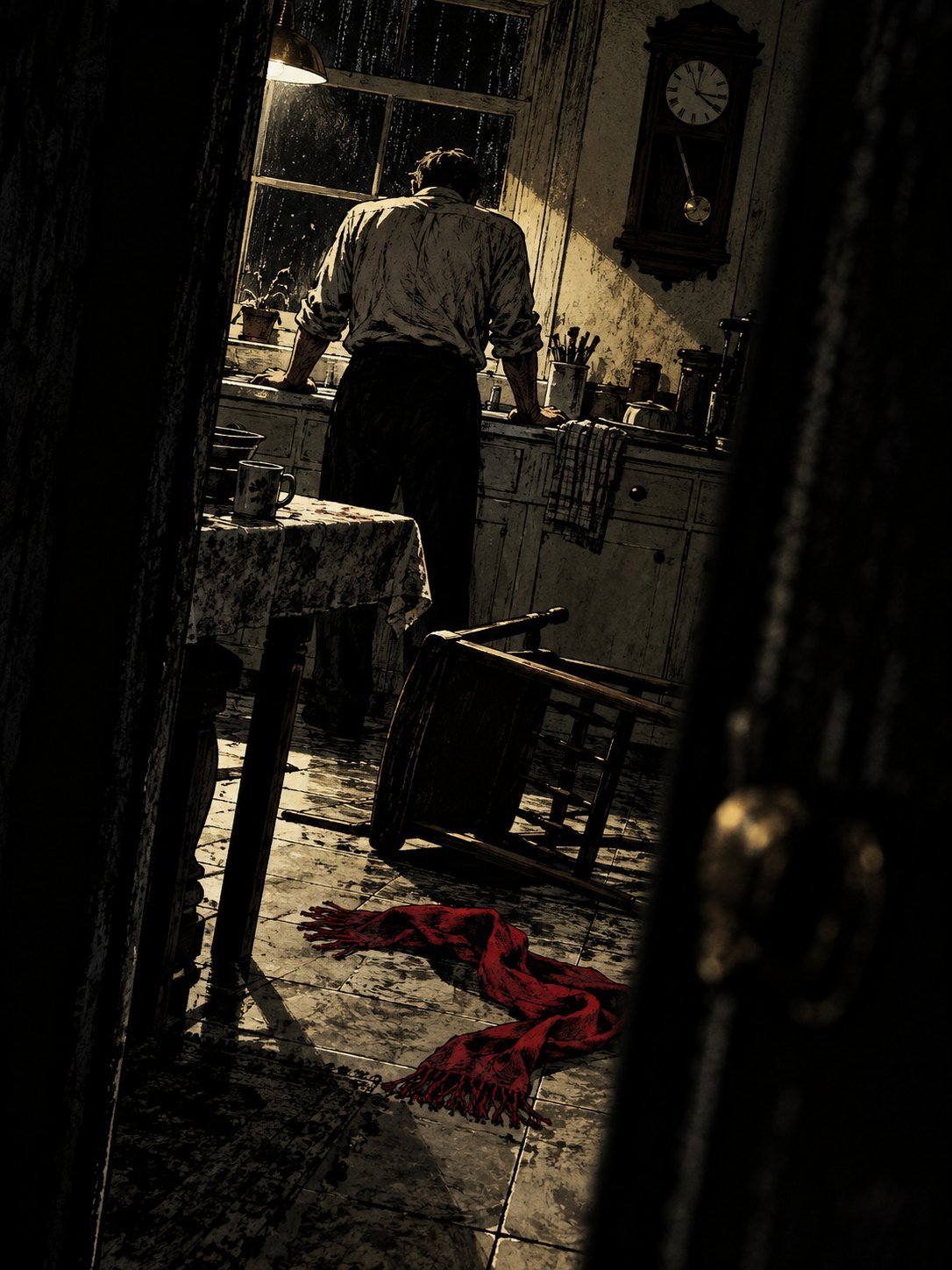
In 1976, the couple had a furious row about Margaret’s lover. Most sources place it in October. One magazine, drawing on 1984 newspapers, gives January 1.
What happened next comes mostly from Peter’s own account.
He said Margaret attacked him. “She came at me like a tiger, scratching, kicking and punching,” he said.
He said he grabbed her around the neck and squeezed. He later admitted he had strangled her. When police finally confronted him, he told them: “I think I strangled her.”
Margaret was dead.
Peter didn’t call the police. He later explained why. He said he felt that if he brought the police in, he could be taken away, with two young children at home and no real friends nearby. “I felt at the time, rightly or wrongly,” he said, that calling them would make things worse.
So instead, he made a plan. (Wikipedia)
A dinghy, a concrete block, and his wife

He loaded the car that night.
A rubber dinghy. A concrete block. And Margaret.
Her body was wrapped up. Sources describe the layers differently: plastic sheeting, carpet, a hessian sack. It was tied up and weighted with concrete, so that it would sink and stay down. The point was simple. A body that floats gets found.
Then he set off north.
Cranleigh is in the south of England, below London. The Lake District is in the far northwest, near Scotland. The drive is about 300 miles. That is roughly like driving from New York City to Washington, D.C., and then a good way further.
In his confession, Peter said he drove overnight.
He was heading for a place he already knew. And for a lake he believed would never give anything back. (Lakeland Walking Tales)
He chose England’s deepest lake
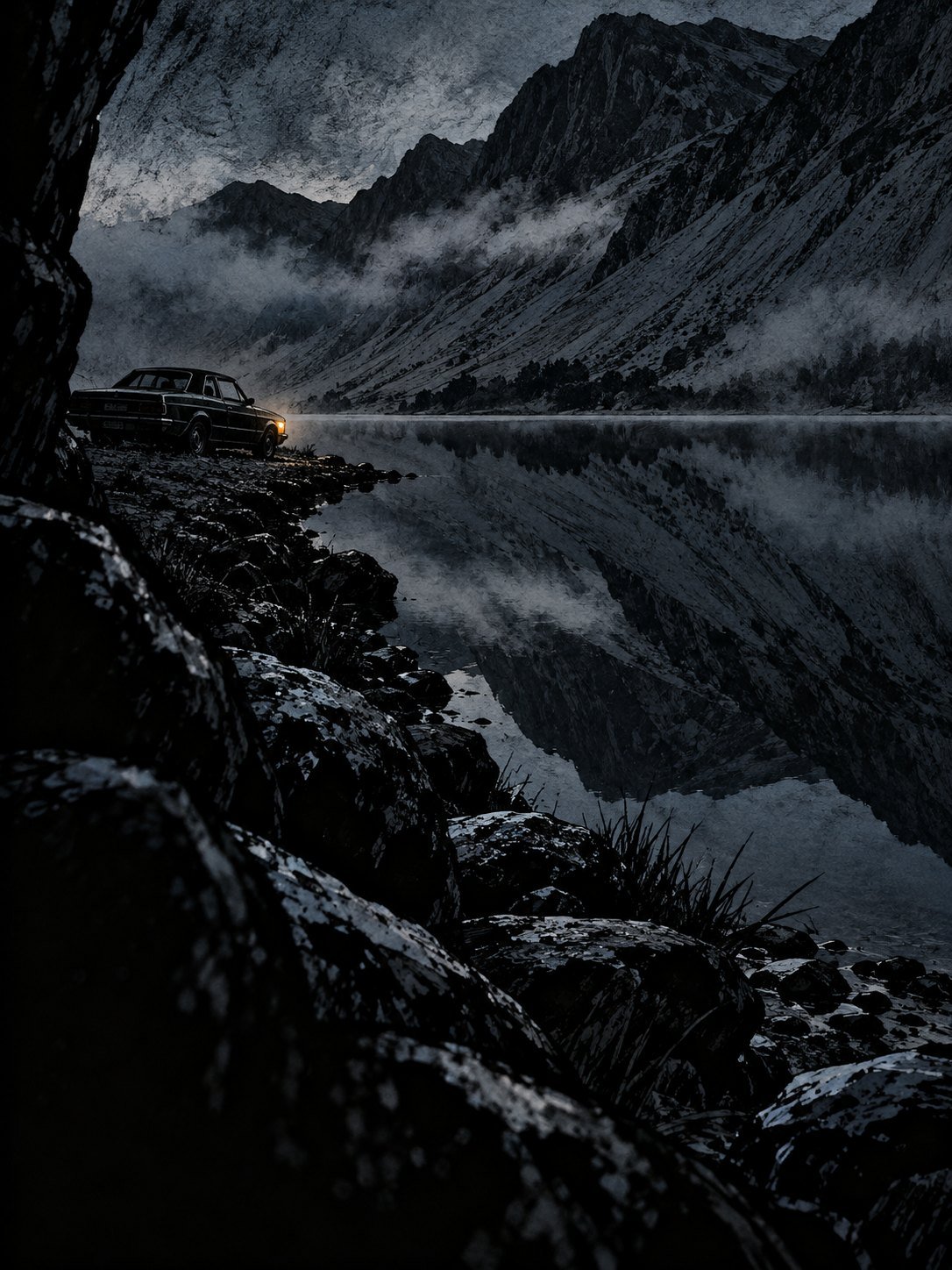
He drove to the Lake District, the region of England where he had gone to school.
His destination was Wast Water, in the valley of Wasdale.
Wast Water is about 79 meters deep at its deepest point. It is the deepest lake in England. Huge, steep slopes of loose rock, called screes, plunge straight down into it from one side. The water is cold and dark.
For someone trying to hide a body, a lake like this looks perfect. Deep enough that no one would ever stumble across what lay at the bottom. Remote enough that no one would see a man out on the water.
Peter had boarded at Keswick School, in the same Lake District, as a boy. No source records why he chose this particular lake.
He arrived at the shore with the dinghy and the bundle.
Then he pushed off into the water. (Keswick Reminder)
He rowed out and let her go

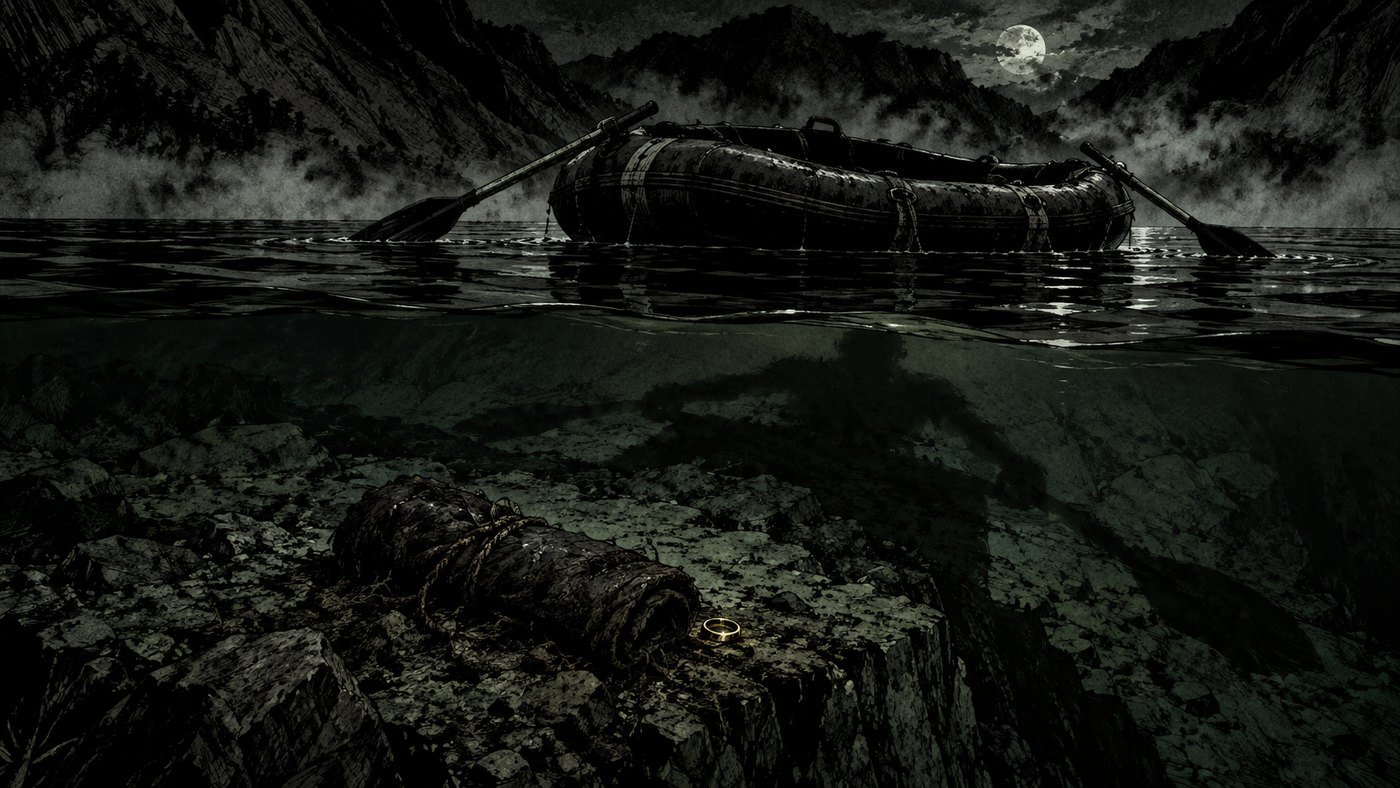
Peter rowed out onto Wast Water in the inflatable boat.
Somewhere out on the lake, he stopped and put the bundle over the side. The concrete pulled it under.
He thought the lake would keep her forever.
It almost did. Wast Water is so deep that a body dropped over its deepest parts would sink far beyond the reach of ordinary divers. And no one was looking for Margaret in the Lake District. As far as anyone in Cranleigh knew, she had walked out on her family.
No witness to that crossing has ever been described in the reports. He rowed back. He drove home to Surrey and the boys.
About a month later, he reported her missing.
The perfect hiding place had one problem. It wasn’t quite as perfect as he thought.
The bundle didn’t go all the way down. (Whitehaven News)
A few meters from the deep
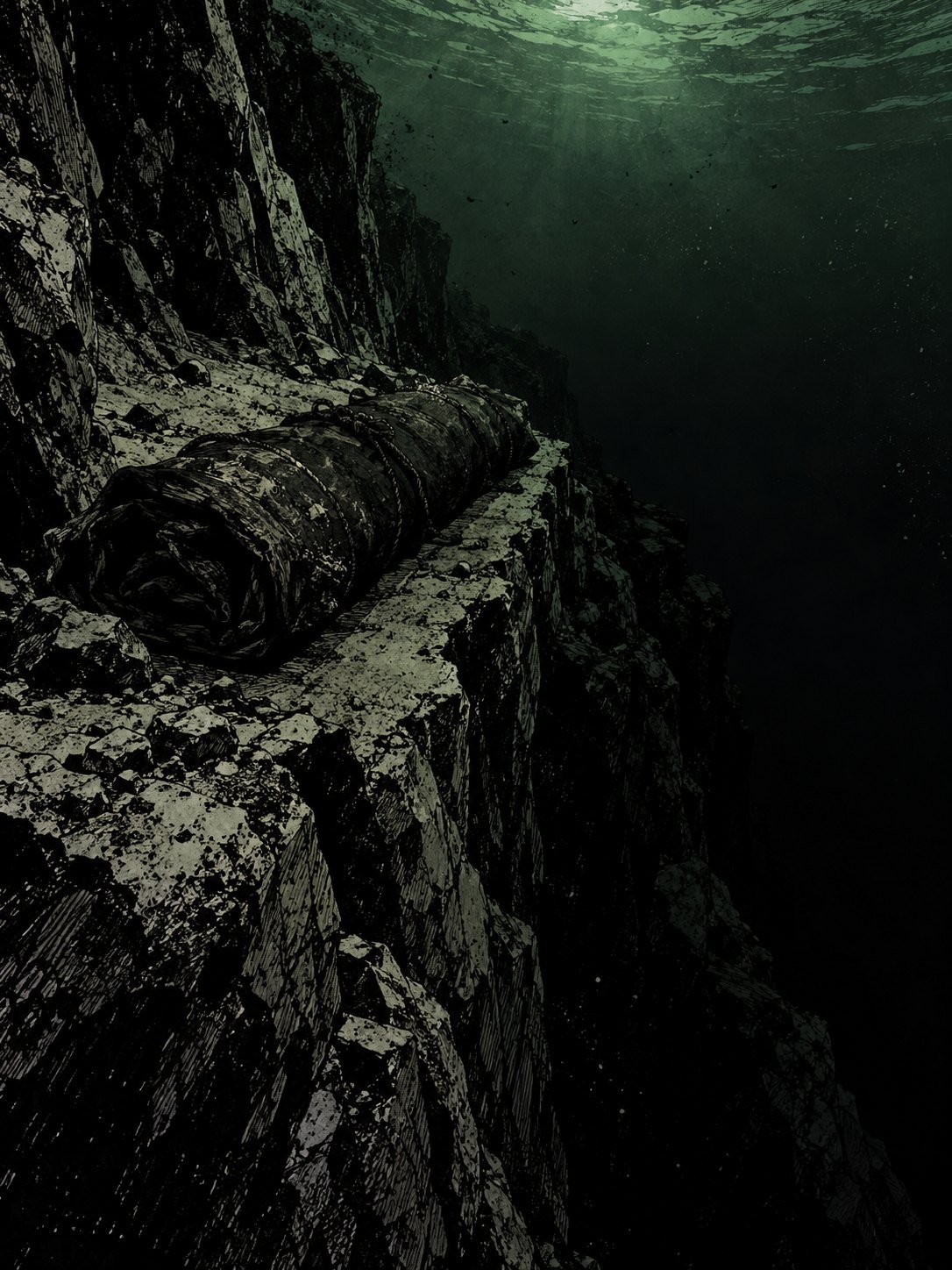
Divers later found her about 34 meters down. That’s about 110 feet, around the height of an 11-story building.
Most accounts say the bundle came to rest on an underwater shelf, a ledge on the steep side of the lake. And just beyond it, the lake keeps dropping, all the way to 79 meters.
That is nearly twice as deep. A few meters farther out, and she would have sunk to a depth beyond the reach of most divers.
It is the most famous detail in the story. But it may not be the whole truth.
A diver named Colin McCourt later told the Whitehaven News that the divers had moved the package onto the ledge themselves before police recovered it. That article says the body lay about 36 meters down on the lake bed, not on a ledge.
Either way, she was within reach.
And for years, it turns out, divers had already seen the sack. (Wikipedia)
Seven years later, a French student vanished

On July 31, 1983, almost seven years after Margaret died, a 21-year-old French student set out from the youth hostel at Wasdale, at the head of the lake.
Her name was Véronique Marre. She was an agricultural student from Paris. She was heading for Grasmere, another village in the Lake District, across the mountains. The route between the two crosses high, rough mountain country.
She never arrived.
Véronique was never seen alive again.
Her disappearance had nothing to do with Peter Hogg. Nothing connects the two cases except geography. She vanished in the same valley, next to the same lake.
But that coincidence would change everything.
Because when a young woman vanishes next to the deepest lake in England, police don’t only search the mountains.
Sooner or later, they search the water. (Lakeland Walking Tales)
The search for Véronique reached the lake
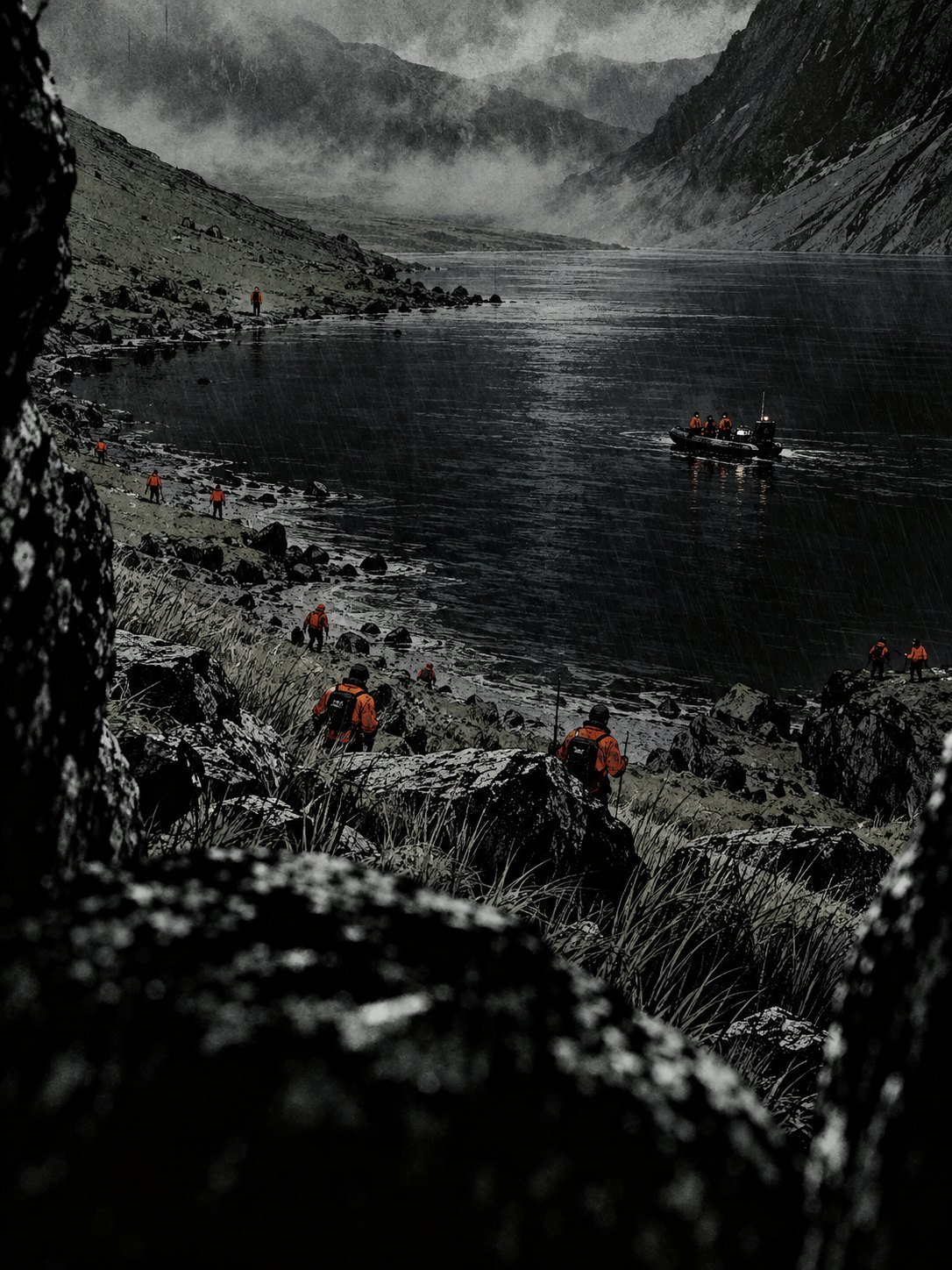
What followed was one of the biggest searches the Lake District had seen.
Detective Chief Inspector Steve Reid led it. Search dogs went out. Mountain rescue teams combed the fells. Fells are what people in northern England call the high, rocky hills.
They found nothing.
So the search turned to Wast Water itself. In 1983, the lake was searched too.
And according to diver Colin McCourt, divers had already noticed a sack in the lake. It had been seen for years. They didn’t know what was in it.
“We knew it couldn’t be her because the sack had been seen long before she went missing,” he told the Whitehaven News.
Think about that. A wrapped sack, sitting in England’s deepest lake, noticed by divers. And for years it wasn’t connected to anything, because nobody in the area was known to be missing.
In February 1984, someone finally reported it. (Lakeland Walking Tales)
He thought it was an old carpet

On February 29, 1984, a leap day, diver Neil Pritt found a bundle deep in the lake.
At first, he thought it was an old carpet. People dump rubbish in lakes. A rolled-up bundle of carpet on the bottom wasn’t unthinkable.
But this one was wrapped, tied and weighted down.
Accounts differ on exactly who did what next. Some say police divers searching for Véronique found it. The Whitehaven News says local amateur divers alerted police, and police frogmen then recovered it.
What everyone agrees on is the result. The bundle came up out of Wast Water.
It had been hiding in plain sight for years, seen and ignored. And it took the search for a completely different woman to finally bring it to the surface.
The obvious question was whether it was Véronique. (Wikipedia)
It wasn’t Véronique

It was not Véronique.
The woman inside had been in the water for years, not months. And she was older. She was not the 21-year-old student.
The cold, deep water had preserved her.
Here’s why. In most places, a body breaks down because of bacteria and oxygen. In the cold, oxygen-poor depths of Wast Water, that process nearly stopped. Instead, the body’s fats slowly changed into a waxy substance. Scientists call it adipocere. It is sometimes called “grave wax.”
Margaret had died in 1976. She came out of the water in 1984. That is why, eight years later, she could still be examined and identified.
Police now had a woman no one had reported missing in the area, and no idea who she was.
But they did have one clue. It was on her finger. (UPI)
The ring that named her

She was identified by her wedding ring and her dental records.
The ring read: “Margaret 15-11-63 Peter.” A first name, a wedding date, and a husband’s name. Police released details about it to the public.
In Surrey, someone recognized the description. A friend came forward. Police traced the couple.
Margaret Hogg, the woman everyone in Cranleigh thought had walked out on her family, had never left at all.
Her dentures helped confirm it. A dentist in Hertfordshire confirmed they were hers. Police also used the plastic sheeting she had been wrapped in.
It took them only six days from the discovery to put a name to her.
Eight years of a carefully told story, undone in less than a week by a piece of jewelry.
Now police wanted to talk to the man whose name was engraved inside it. (Whitehaven News)
He denied it. Then he confessed

Police came for Peter Hogg in March 1984.
He was 56 years old. By then he had been working at Gatwick, flying for Air Europe. He had a new partner, a woman who had been his housekeeper since 1982.
At first, he denied killing Margaret.
Then he confessed.
He told police: “I think I strangled her.” He also said: “Murder is not the right word.”
On March 6, 1984, he was charged with her murder at Guildford magistrates’ court in Surrey and remanded in custody for 14 days.
The confession told the whole story. The row. The strangling. The overnight drive north. The dinghy on the lake.
Now a jury would decide what to call it. Peter had already told police what he thought: not murder.
The British press had its own name for the case. (Wikipedia)
The papers called her the Lady in the Lake

The papers called her the Lady in the Lake.
In 1985, Peter Hogg went on trial. The trial lasted five days. He faced charges of murder, manslaughter, obstructing the coroner and perjury.
The difference between murder and manslaughter matters here. In English law, murder means killing with intent. Manslaughter can apply when a person kills but a jury finds there was provocation, meaning something pushed them to lose control in the moment.
Peter’s account of the row, with Margaret coming at him, and the affair behind it, went to the heart of that question.
The jury cleared him of murder.
They convicted him of manslaughter, on the grounds of provocation.
It meant the court accepted he had killed his wife, and hidden her for eight years, but not that he had set out to kill her.
Next came the sentence. (UPI)
Four years for eight years of lies

On March 8, 1985, Judge Thomas Pigot sentenced Peter Hogg, now 57, to four years in total.
That total covered more than the killing. One report breaks it down as three years for manslaughter, plus one year for obstructing a coroner and for perjury in his divorce proceedings. Perjury means lying under oath. The sources we found don’t spell out the exact lie, but it came in the legal process of divorcing a wife he knew was dead.
The judge cited Hogg’s “exemplary character and his glowing testimonials.” He said: “His crimes have been entirely out of character and I intended to impose the minimum sentence that was proper.”
Four years. For a man who had killed his wife, sunk her in a lake and let her family believe she had abandoned them.
How long Peter Hogg actually served is not stated in any source we could find.
His case was over. But the woman whose disappearance had led to it all was still missing. (Whitehaven News)
Véronique was found high above the lake
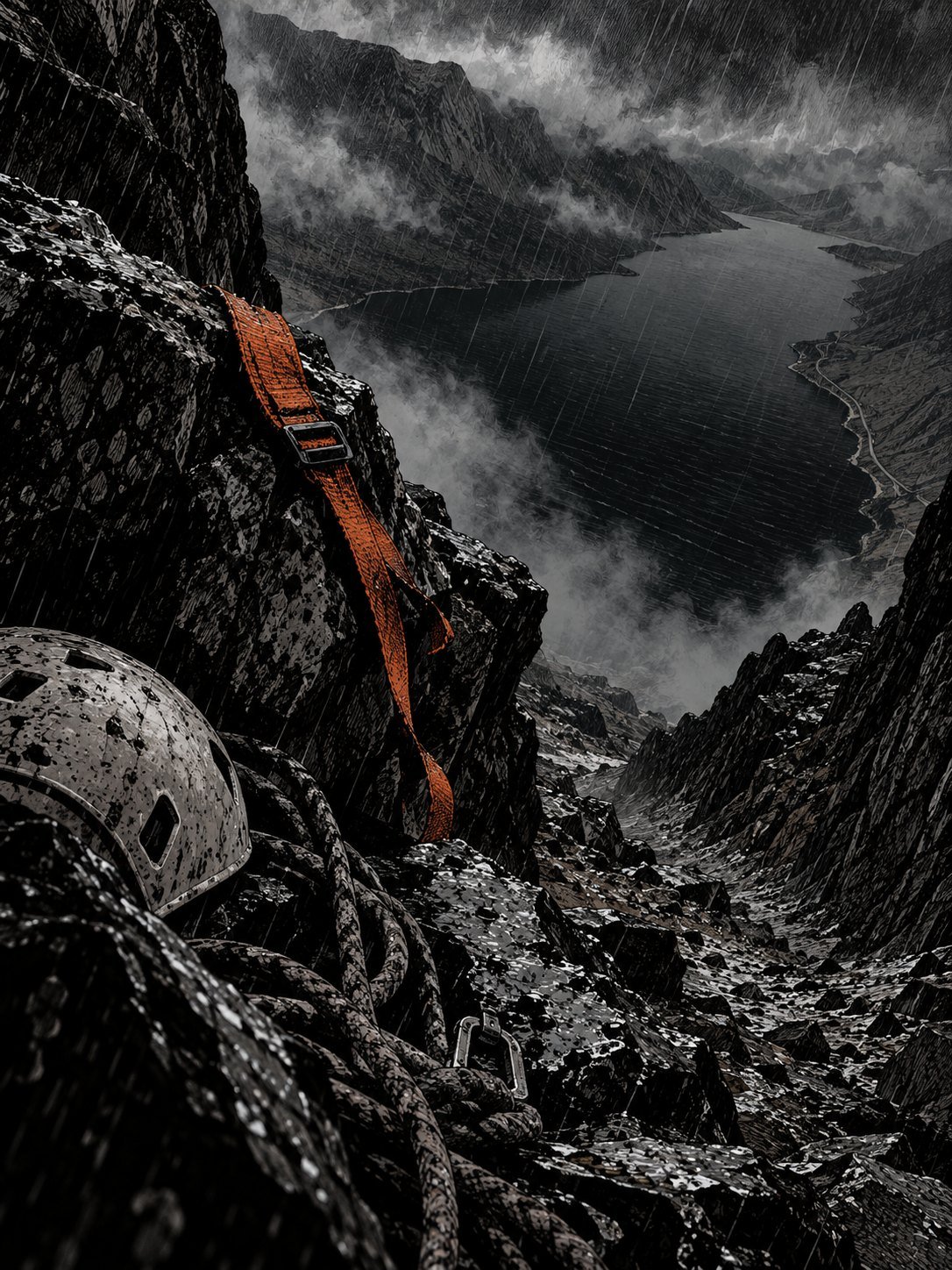
Véronique Marre was finally found in 1985.
On May 6, 1985, a climber named Mike Parkin came across her remains in a steep gully below a crag called Broken Rib, high on the fells above Wast Water. It was about 1,000 feet above the lake.
She had most likely fallen. But it could never be said for certain how she died. The coroner recorded an open verdict, which means the cause of death was never formally determined.
One local newspaper gives a different date, April 1984. Most sources, including the one that names the climber, say May 1985.
Her case was separate from Margaret’s from start to finish. Nothing links her death to Peter Hogg.
Yet without her, Margaret might never have been found. A young woman’s disappearance on the mountains led searchers into the lake. And in the lake, they found the answer to a completely different mystery. (Lakeland Walking Tales)
Wast Water gave her back

Margaret lay a few meters from the deep water.
If the most famous version of the story is right, she rested on a ledge. A little farther, and no diver could have reached her. If the divers’ version is right, she lay on the lake bed, seen for years and ignored. Either way, the lake did not keep her secret.
She was identified because of a ring her husband forgot to remove, and found because of a search for someone else.
At her family’s wish, after cremation at Distington, Margaret’s ashes were scattered on Wast Water.
Today, this case is often confused with another one. In 1976 a different woman, Carol Park, disappeared, and in 1997 she was found in Coniston Water, another Lake District lake. That case is also called the Lady in the Lake.
But this was Margaret Hogg. A stewardess, a restaurant manager, a mother of two. For eight years, people believed she had walked away.
She never left. (Lakeland Walking Tales)
Case notes: a ring, a contested ledge, and the wrong missing woman
Margaret Hogg was 37, a former air stewardess living in Cranleigh, Surrey, with her husband Peter, an airline pilot, and their two sons (Cranleigh Magazine). In 1976 she disappeared. About a month later, Peter reported her missing to Surrey police (Whitehaven News). Restaurant staff and neighbors came to believe she had left him (Cranleigh Magazine).
Nearly eight years later her body was recovered from Wast Water, England’s deepest lake at 79 meters (258 feet) (Wikipedia). It was well preserved by the cold, deep water. Peter Hogg was cleared of murder and convicted of manslaughter in 1985 (UPI).
Timeline
| Date | What happened |
|---|---|
| 1941-1945 | Peter Hogg boards at Keswick School in the Lake District and later becomes head boy (Keswick Reminder) |
| Nov. 15, 1963 | Peter and Margaret marry at Caxton Hall register office, London (Cranleigh Magazine) |
| 1976 (most sources say October) | After a row over her affair, Peter strangles Margaret, drives about 300 miles north and sinks her body in Wast Water from an inflatable boat (Whitehaven News) |
| About a month later | He reports her missing to Surrey police (Whitehaven News) |
| July 31, 1983 | French student Véronique Marre, 21, leaves Wasdale youth hostel and vanishes; the lake is later searched (Lakeland Walking Tales) |
| Feb. 29, 1984 | Diver Neil Pritt finds a wrapped bundle he first takes for old carpet (Wikipedia) |
| March 1984 | Margaret is identified within six days by her ring and dentures (Whitehaven News); Peter, 56, is charged with murder (Keswick Reminder) |
| March 8, 1985 | After a five-day trial, he is sentenced to four years (UPI) |
| May 6, 1985 | A climber finds Marre’s remains below Broken Rib, high above the lake (Lakeland Walking Tales) |
What the sources agree on, and where they don’t
| Detail | Source A says | Source B says |
|---|---|---|
| When she vanished | October 1976 (Whitehaven News) (Wikipedia) | Jan. 1, 1976, last seen after lunch (Cranleigh Magazine) |
| Ring inscription | “Margaret 11.11.63 Peter” (Wikipedia) | “Margaret 15-11-63 Peter,” matching the wedding date (Whitehaven News) (Lakeland Walking Tales) |
| Where the body lay | About 34 meters (110 feet) down on a shelf (Wikipedia) (Lakeland Walking Tales) | 36 meters, on the lake bottom, “not on a ledge as commonly thought” (Whitehaven News) |
| Who found her | Diver Neil Pritt (Wikipedia) (Lakeland Walking Tales) | Police frogmen, alerted by local amateur divers (Whitehaven News) |
| Sentence makeup | Four years for manslaughter (UPI) | Three years for manslaughter plus one year for obstructing a coroner and perjury (Whitehaven News) |
| When Marre was found | May 6, 1985 (Lakeland Walking Tales) (Wikipedia) | April 1984 (Whitehaven News) |
All sources agree on the total of four years, the manslaughter verdict and the engraved ring. The 1985 date for Marre is better supported, since two sources give it and one names the climber who found her.
Details most coverage missed
Marre’s case was separate, and it was never a murder case. She was found on the fells more than a year after Margaret, below a crag called Broken Rib. The coroner returned an open verdict (Lakeland Walking Tales). Nothing links her death to Peter Hogg.
The ledge may be a retelling. Most accounts say the bundle stopped on an underwater shelf, and that a few meters more would have sent it into much deeper water (Lakeland Walking Tales). Diver Colin McCourt told the Whitehaven News that divers had moved it onto the ledge themselves before police recovered it. The same article says the sack had been seen in the lake years before (Whitehaven News).
The killer knew the area. Peter Hogg was a boarder and former head boy at Keswick School in the Lake District (Keswick Reminder). No source records why he chose this lake.
She came back to the lake. At her family’s wish, Margaret’s ashes were scattered on Wast Water after cremation at Distington (Whitehaven News).
The judge pointed to his character. Judge Thomas Pigot cited Hogg’s good character and standing as a father when passing sentence (UPI). A different “Lady in the Lake” case, the 1976 disappearance of Carol Park on Coniston Water, is often confused with this one (Press Gazette).
What we still don’t know
- The exact date Margaret died. October and Jan. 1 both appear in print (Cranleigh Magazine).
- Whether the body lay on a ledge or on the bottom, and who moved it (Whitehaven News).
- Why a sack reportedly seen years earlier was not recovered sooner (Whitehaven News).
- How long Peter Hogg actually served. No source we found states it (UPI).
- How Véronique Marre died. The open verdict left it undetermined (Lakeland Walking Tales).
Case file summary
- Victim: Margaret Hogg, 37, former air stewardess, Cranleigh, Surrey
- Disappeared: 1976 (most sources say October)
- Found: Feb. 29, 1984, Wast Water, Cumbria, about 34-36 meters down
- Identified by: Engraved wedding ring and dental records
- Convicted: Peter Hogg, her husband, of manslaughter; cleared of murder
- Sentence: Four years in total, including obstructing a coroner and perjury (March 8, 1985)
- Related case: Véronique Marre, 21, missing July 1983, found May 1985 on the fells; open verdict, not linked to Hogg
- Status: Closed
Illustrations are artistic interpretations, not crime-scene, court or police photos. No real person has a recognizable face.
Sources
- UPI Archives: Airline pilot Peter Hogg, who strangled his wife (March 8, 1985)
- Whitehaven News: The lady in the lake (2009)
- Keswick Reminder: When a former Keswick School head boy was charged with the “Lady in the Lake” murder
- Cranleigh Magazine: They came to Cranleigh: Peter and Margaret Hogg
- Lakeland Walking Tales: Margaret Hogg
- Lakeland Walking Tales: Véronique Marre
- Wikipedia: Margaret Hogg
- Wikipedia: Wast Water
- Press Gazette: Lady in the Lake murder, why a reporter returned to the crime (Carol Park case)