They Killed 28 People in Belgian Supermarkets, Sometimes for Coffee. The Brabant Killers Were Never Caught
🎧 Narrated Mystery: press play and hear the whole case read aloud, like an audiobook (about 20 minutes).
Three years of raids on ordinary shops. Twenty-eight dead
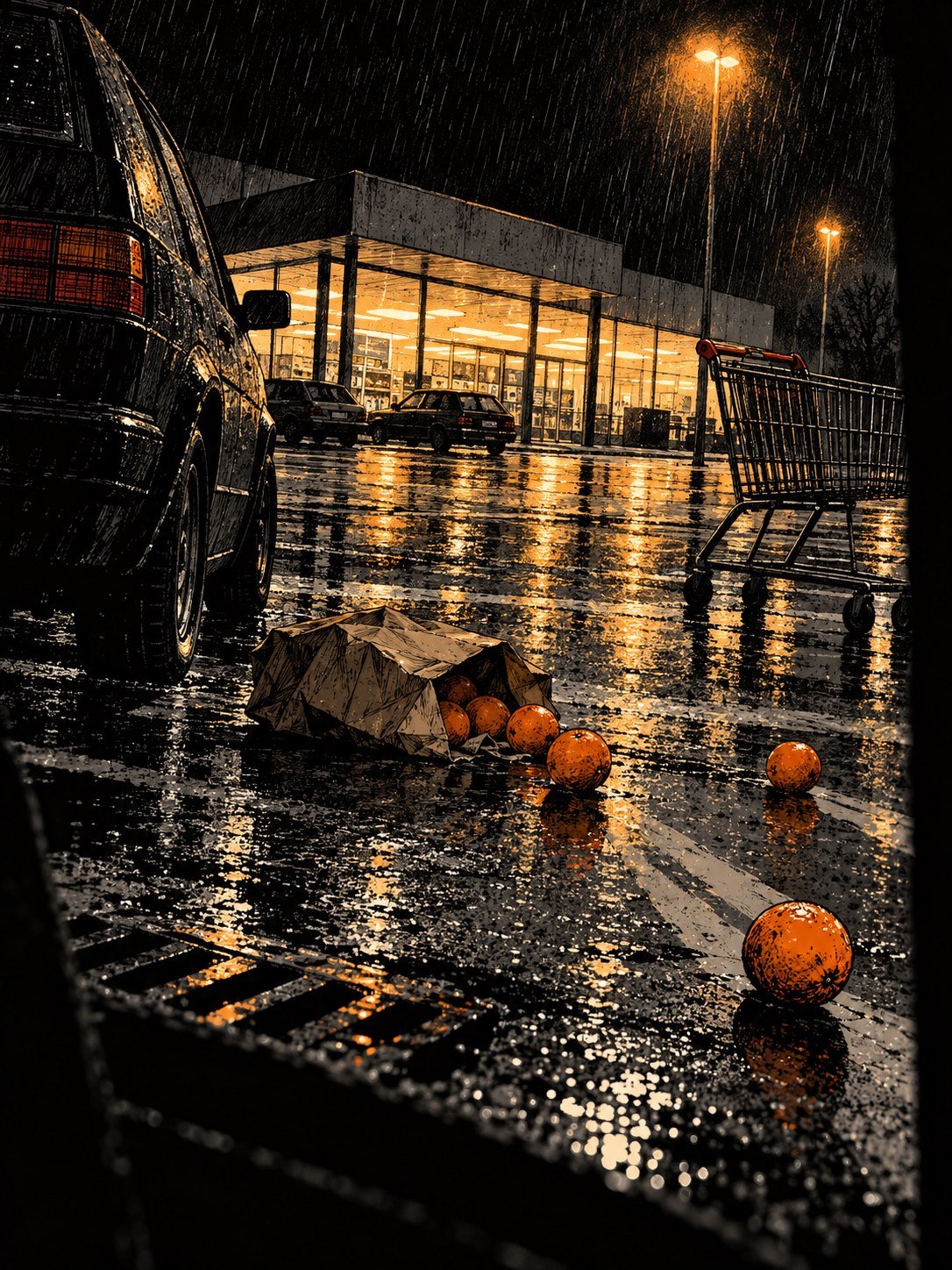
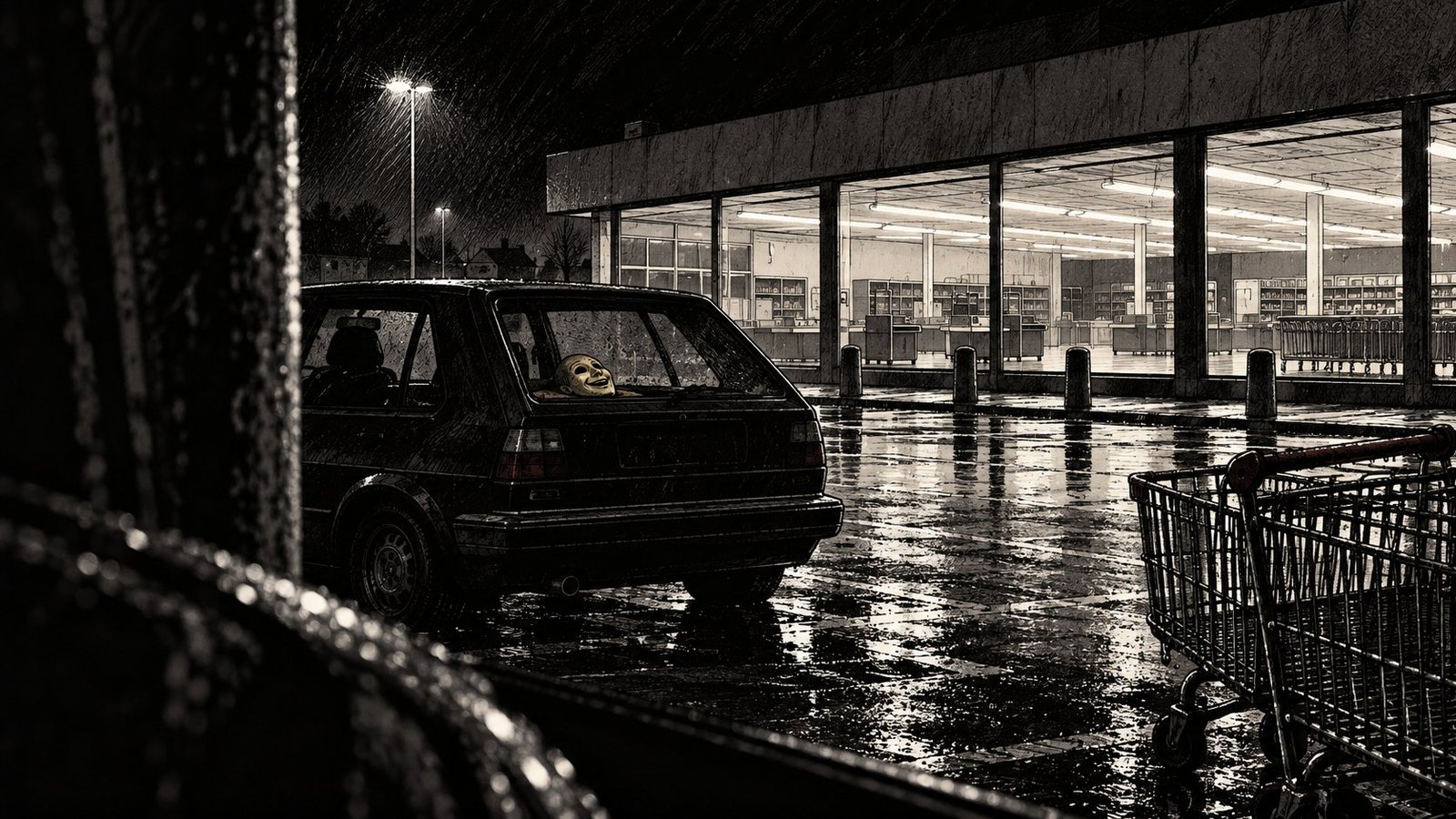
Picture a Belgian supermarket car park on a wet weekend evening in 1985. The big windows are lit. People are loading bags into the boots of their cars. Kids are messing around by the trolleys.
Then a dark car pulls in, and men with pump-action shotguns get out.
Between 1982 and 1985, a gang did this again and again across Belgium. They hit gun shops, an inn, restaurants, a jeweller’s and, above all, supermarkets.
They killed 28 people. Some of the dead were children.
In the French-speaking south they are called the Mad Killers of Brabant. In the Dutch-speaking north they are the Bende van Nijvel, the Gang of Nivelles.
More than forty years later, nobody knows who they were. (Brussels Times) (Wikipedia) (Brussels Times, 2024)
Sometimes they killed for champagne and coffee
The strangest thing about the gang is what they took.
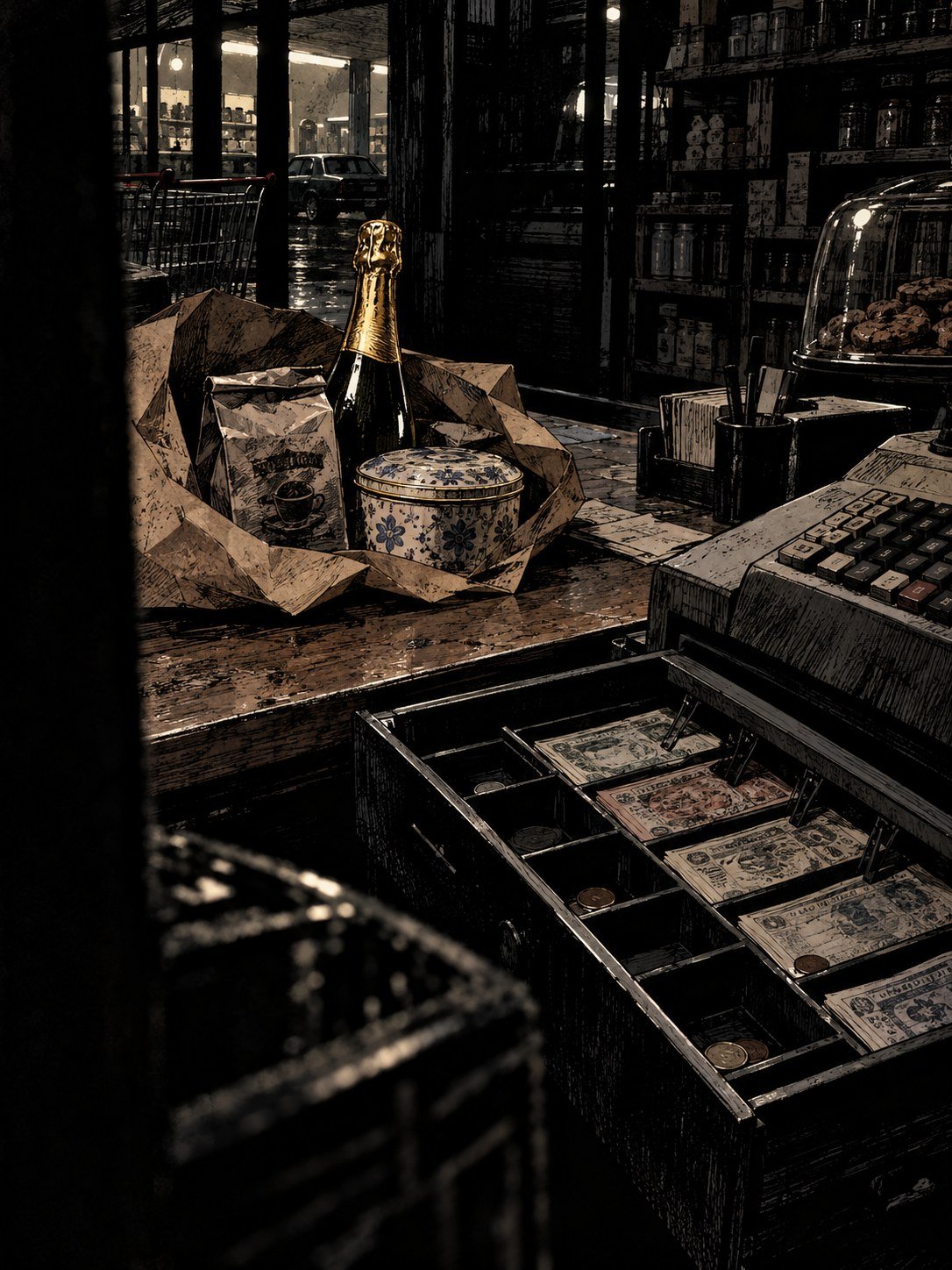
At a country inn, they killed the night caretaker and left with champagne, coffee and delicacies. At a supermarket in Nivelles, three people died, and the loot was tea, coffee and cooking oil.
Even the bigger raids made little sense as robberies. Belgian broadcaster VRT says their two supermarket attacks on one night in 1985 brought in just over 3 million Belgian francs, about 80,000 euros. It called that wildly out of proportion to the violence.
At their last raid, the take was about 200,000 francs, roughly 5,000 euros, plus some cheques.
Professional robbers do not risk life sentences for coffee. That mismatch is why so many Belgians came to believe the robberies were a cover for something else.
But what? That question has never been answered. (Brussels Times) (Wikipedia) (VRT)
Forty years later, they were still opening graves
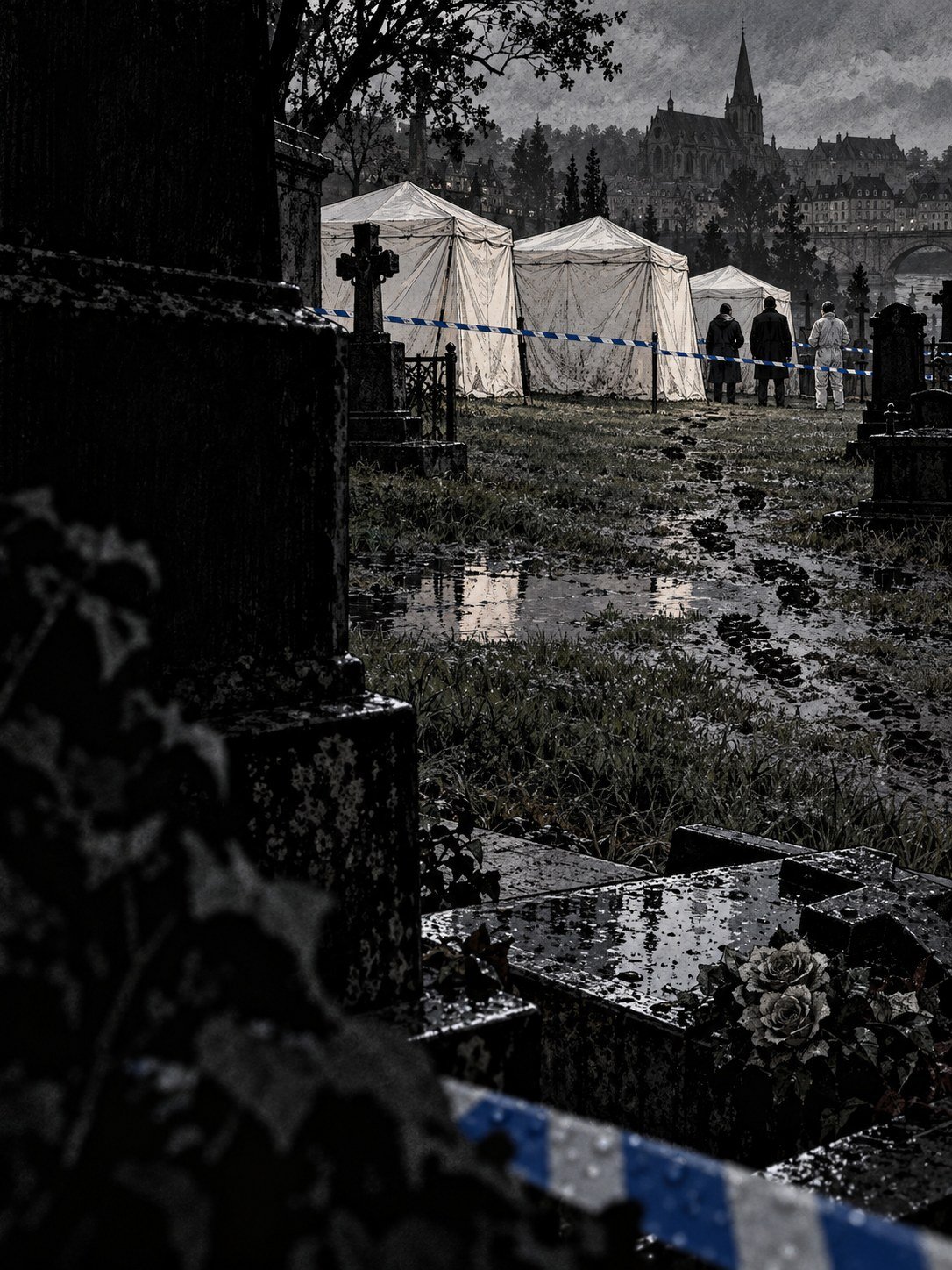
May 27, 2026. A cemetery in Charleville-Mézières, a town in the French Ardennes, just over the border from Belgium.
White tents went up over three graves. Investigators exhumed three bodies: one of two French brothers suspected of being in the gang, and both of their parents.
It was the latest step in an investigation that had already exhumed more than 40 bodies over the years, looking for DNA that might match the killers.
The brothers had been figures in organised crime in the French Ardennes about forty years ago. Both were long dead.
The DNA results came back two months later. We’ll get to them.
First, you need to know how it started. And it started small. (La Libre, Jul 2026) (bx1) (Brussels Times, 2024)
It started with a stolen hunting rifle
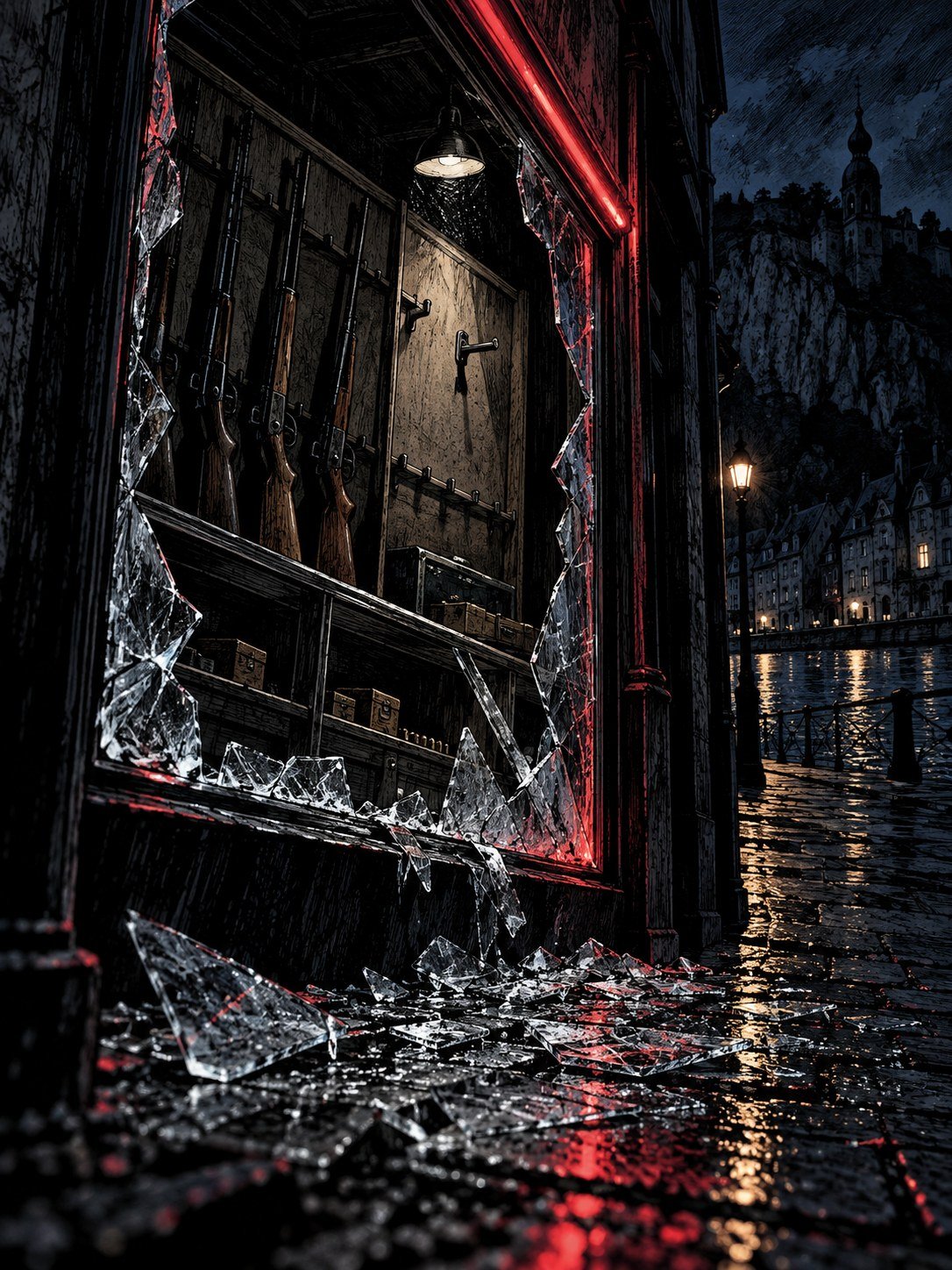
March 13, 1982. Dinant, a small town on the river Meuse in southern Belgium.
Someone broke into the Bayard gun shop and stole a hunting rifle. That’s all. It barely made the news.
In August, a small grocery in Maubeuge, just across the French border, was looted at night. The thieves took food and wine.
Then, on September 30, 1982, the gang raided an arms dealer in Wavre. A policeman was killed and two gendarmes were wounded. About 15 weapons were taken.
Looking back, investigators would see a pattern: first weapons, then food and drink, then violence.
At the time, nobody connected them. (La Libre) (Wikipedia)
At a country inn, they killed the man who held the keys
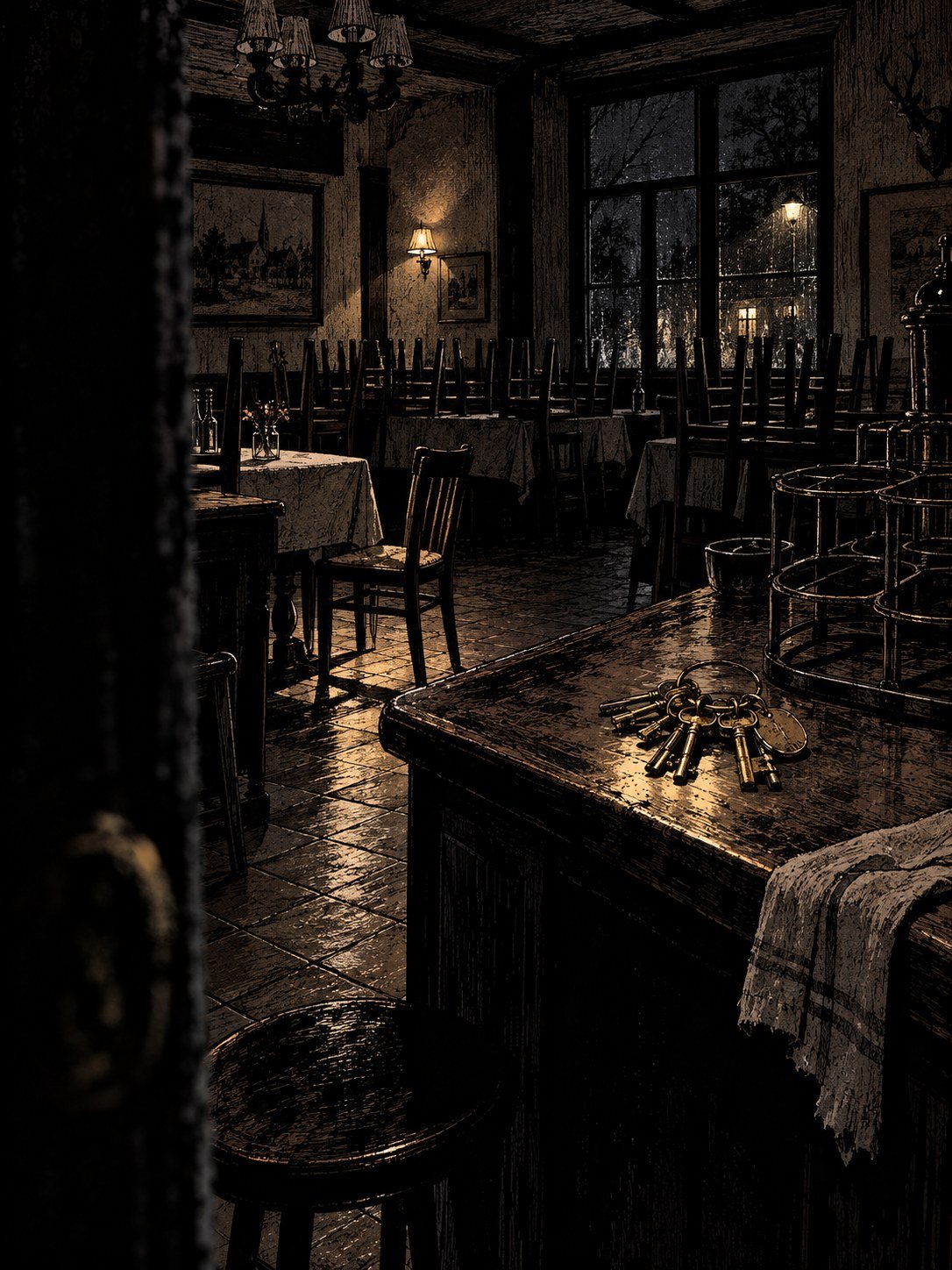
December 23, 1982, two days before Christmas. L’Auberge du Chevalier, an inn in Beersel, just south of Brussels.
The night caretaker, José Vanden Eynde, was alone in the building.
The gang killed him.
Then they took champagne, coffee and delicacies. Nothing that would make anyone rich. The kind of things you’d buy for a Christmas party.
It’s the first killing in the series that shows what investigators would struggle with for decades: extreme violence for a reward that barely seemed to matter.
Less than three weeks later, they killed again. (La Libre) (Brussels Times)
A taxi driver found in the boot of his own cab

January 1983. A Brussels taxi driver, Constantin Angelou, was found shot dead in the boot of his own taxi, near Mons.
His cab had been taken, and he had been killed in it.
This case left one of the most important clues in the whole investigation: a cigarette butt found in his car.
For more than forty years, there have been only two DNA profiles linked to the gang. That cigarette butt is one of them.
The other came from a bulletproof vest that would surface in a canal years later.
Every DNA test since, hundreds of them, has been checked against those two traces. (La Libre) (Wikipedia) (DH, Aug 2026) (Brussels Times)
They took tea, coffee and cooking oil. Three people died
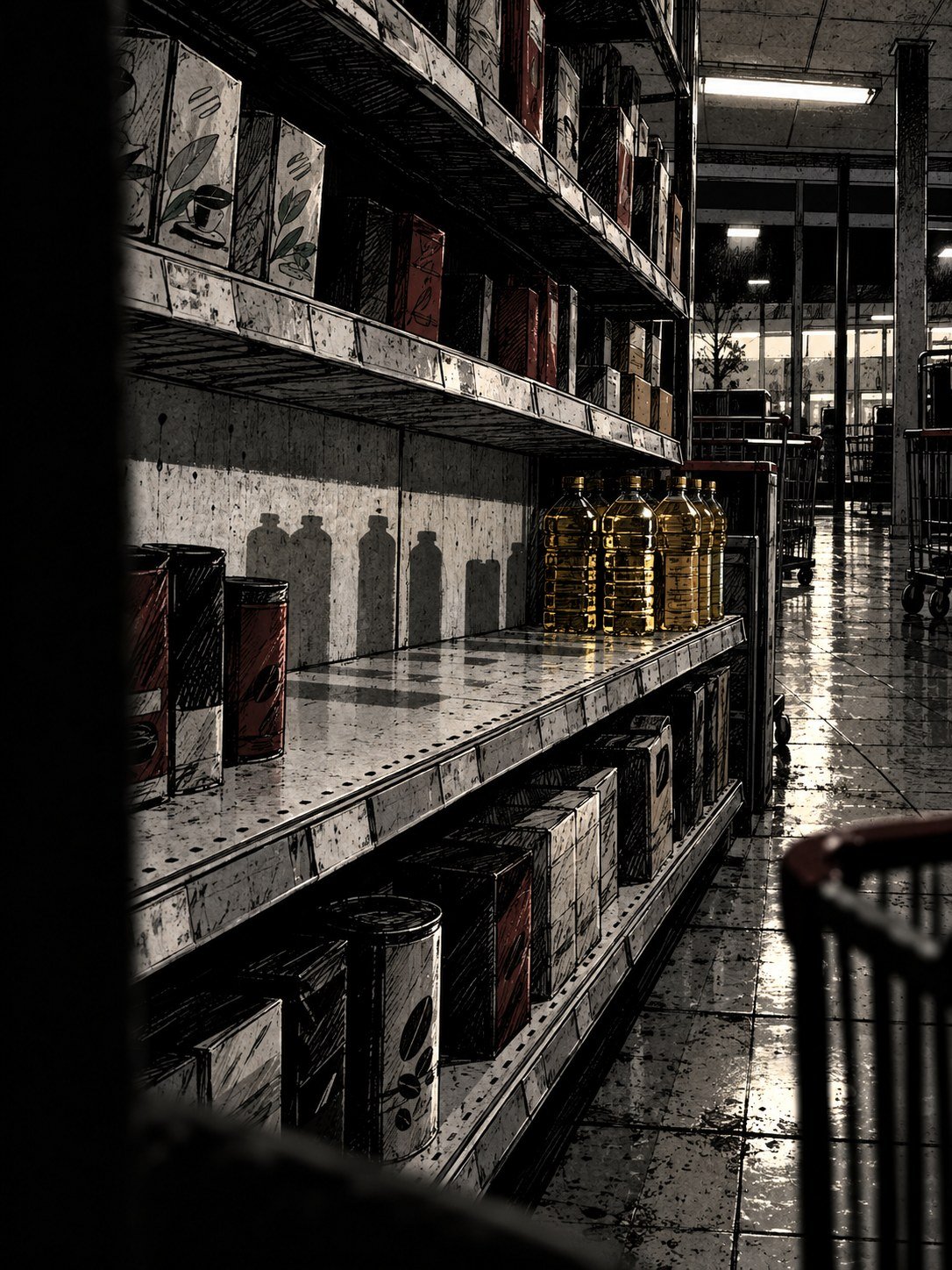
Through 1983, the raids kept coming. A Delhaize supermarket in Genval was held up in February. No one died. The manager of a Colruyt supermarket in Halle was shot dead in March.
In September, at a weaving firm in Temse, the gang stole seven bulletproof vests. The caretaker was killed and his wife badly wounded.
A week later, on September 17, 1983, they hit a Colruyt supermarket in Nivelles.
Two motorists and a gendarme were killed. Another gendarme was wounded.
The loot was tea, coffee and cooking oil.
Nivelles is Nijvel in Dutch. That raid gave the gang its Flemish name. (La Libre) (Wikipedia) (Brussels Times)
A jeweller couple killed. Then, for two years, nothing
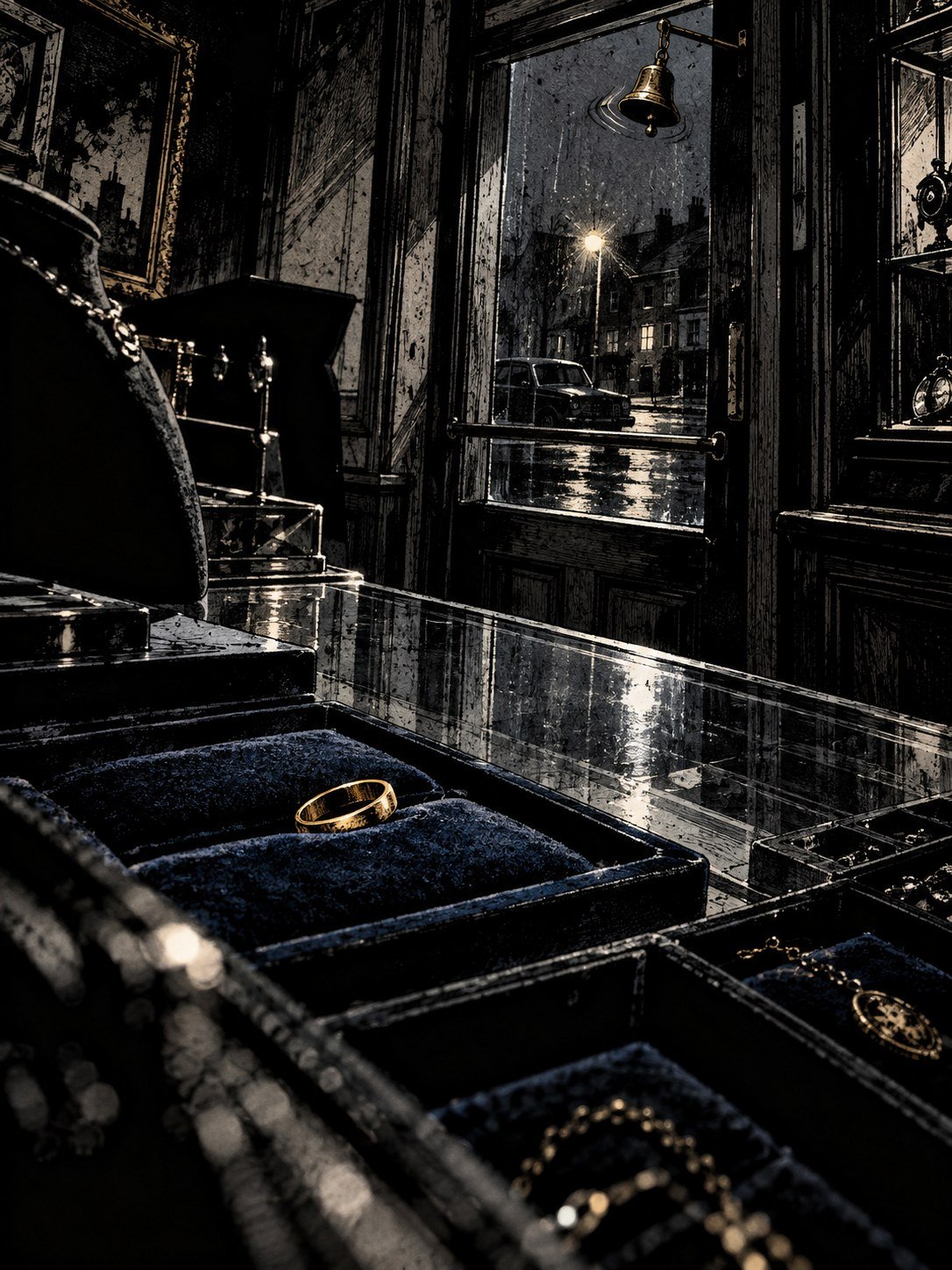
The killing spread. On October 2, 1983, the owner of a restaurant in Ohain was shot dead. On October 7, the manager of a Delhaize supermarket in Beersel was killed.
On December 1, 1983, the gang walked into a jewellery shop in Anderlues, in Hainaut, and killed the jeweller and his wife.
And then they stopped.
For almost two years, from December 1983 to September 1985, there were no attacks.
Nobody knows why. It is one of the biggest puzzles in the case. Were they in prison for something else? Abroad? Waiting for an order?
When they came back, they were worse. (La Libre) (Wikipedia)
A dark Golf GTI pulled into a supermarket car park
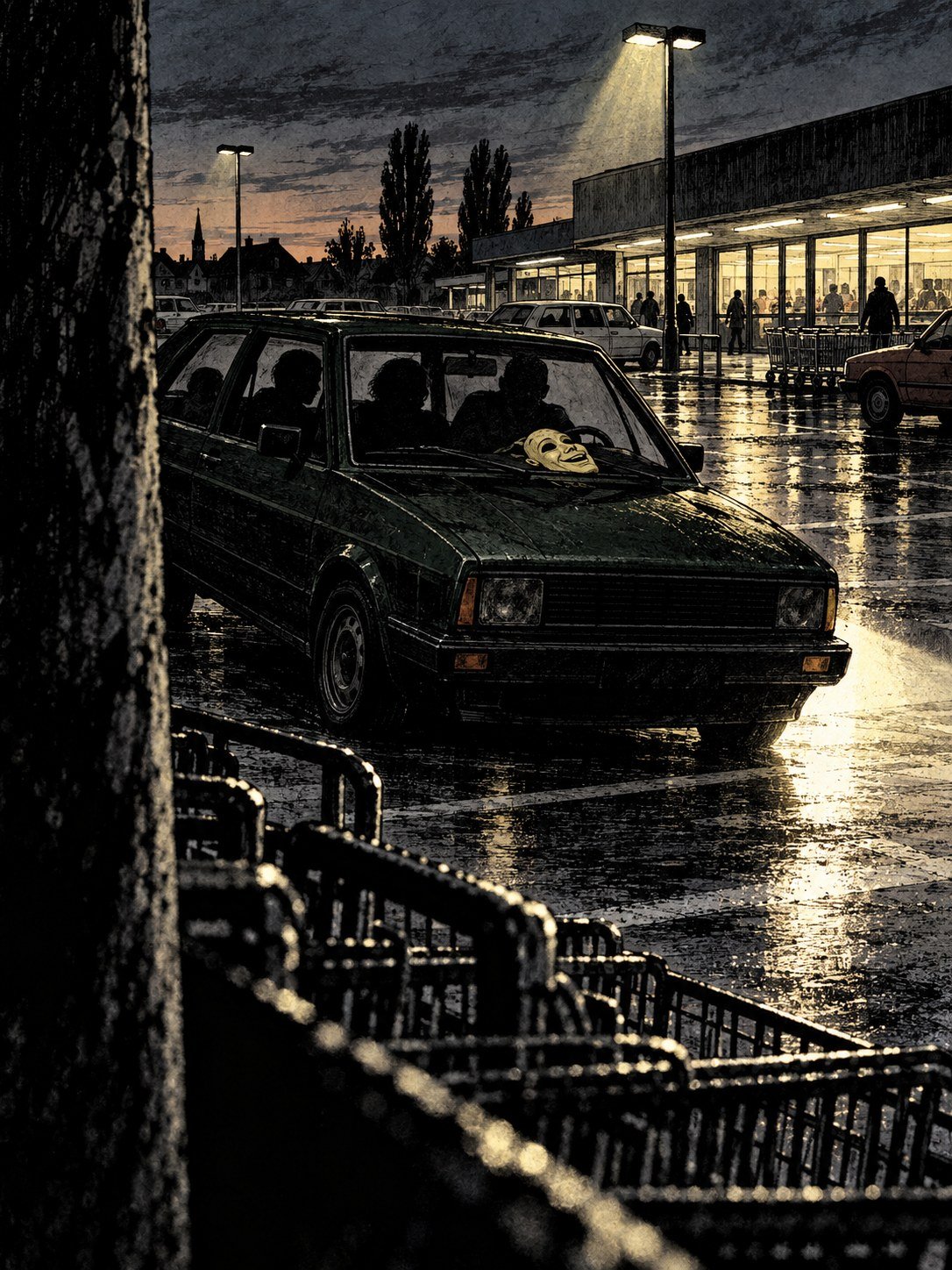
Friday, September 27, 1985, about 8 p.m. The Delhaize supermarket in Braine-l’Alleud, south of Brussels.
A dark Volkswagen Golf GTI pulled into the car park. It had been stolen a week earlier from a VW dealer in Kortenberg.
Three men got out. Two of them wore masks that, witnesses said, looked like famous faces. The biggest one wore a green safari hat.
Belgians would come to know these three by their nicknames. The Giant, tall and possibly the leader. The Killer, the main shooter. And the Old Man, older, the driver.
They were armed with pump-action shotguns.
They walked toward the doors. (VRT) (Wikipedia) (Brussels Times)
A boy was taken hostage. A man offered to take his place
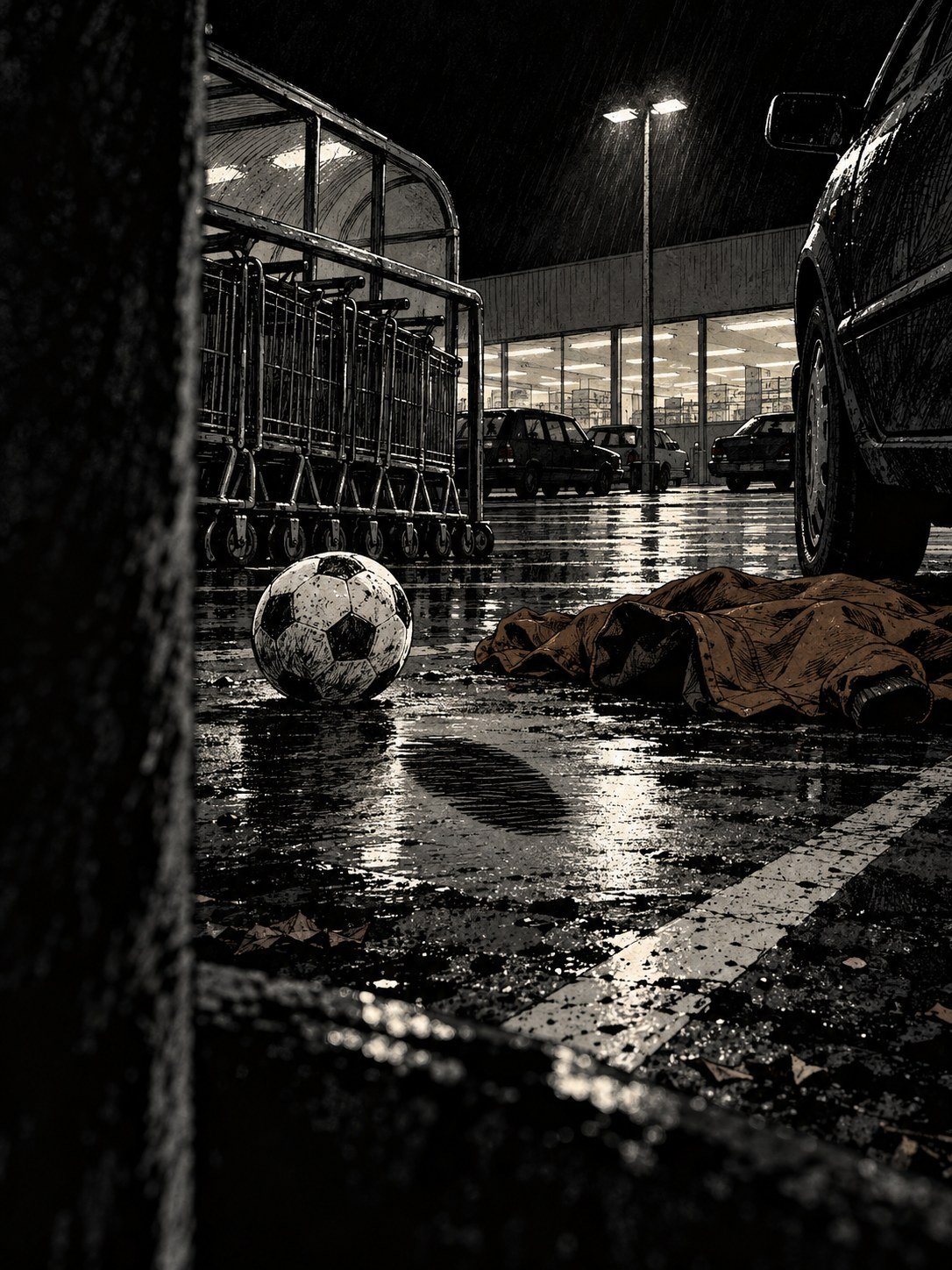
A 12-year-old boy was playing in the car park. The gang grabbed him as a hostage.
A customer who knew the boy stepped forward and offered to take his place.
They shot him dead.
Three people were killed at Braine-l’Alleud that night. The boy was later released, alive.
The gang got back into the Golf and drove away.
They were not going home. They were going to the next supermarket. (VRT) (La Libre)
35 minutes later, a second supermarket. A 14-year-old boy

The same car drove about 16 kilometers, roughly 10 miles, to another Delhaize, in Overijse. At about 8:35 p.m., they went in.
Five more people died. Among them was a 14-year-old boy who was shot in the car park, a cashier, and a 31-year-old man the gang used as a human shield.
One victim, Léon Finné, was a banker and a gendarmerie informant. He was shot twice, and then nine more times.
That detail has haunted the case. If the killings were random, why was one man shot so many times? Some people believe not every victim was chosen by chance.
It has never been proven either way.
In 35 minutes, two ordinary supermarkets had become crime scenes. (VRT) (La Libre)
The cashier didn’t normally work Friday evenings
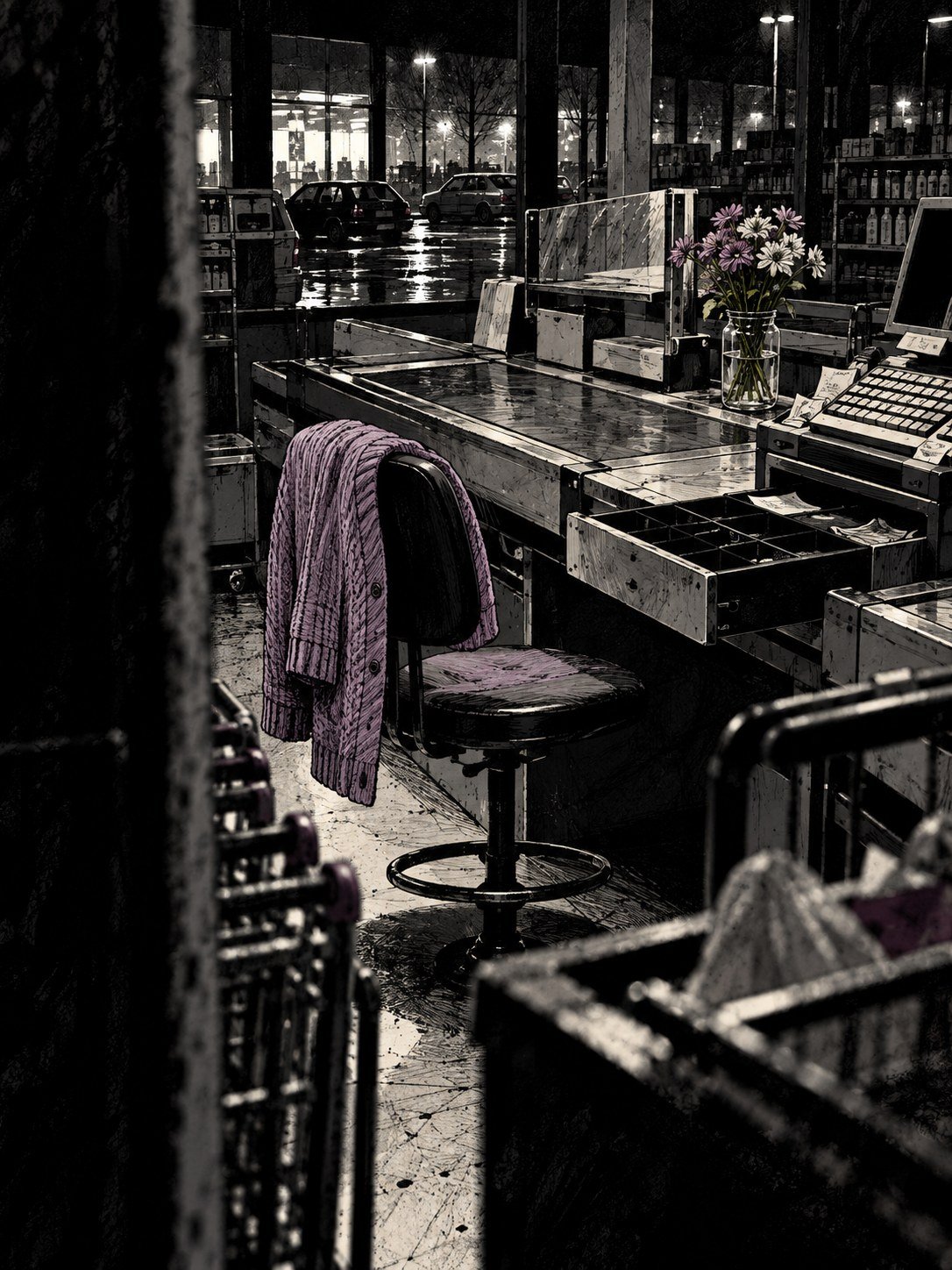
One of the dead at Overijse was a cashier named Rosa.
She did not normally work on Friday evenings.
Her head cashier had asked her to come in that day, just once, as a favour.
Stories like hers are why this case still hurts in Belgium. The victims were not gangsters or rivals. They were people doing their shopping, working a shift, playing in a car park.
Anyone could have been there. That was the terror of it.
After that night, many Belgians were afraid to go to the supermarket. (VRT)
“My little boy lay here”
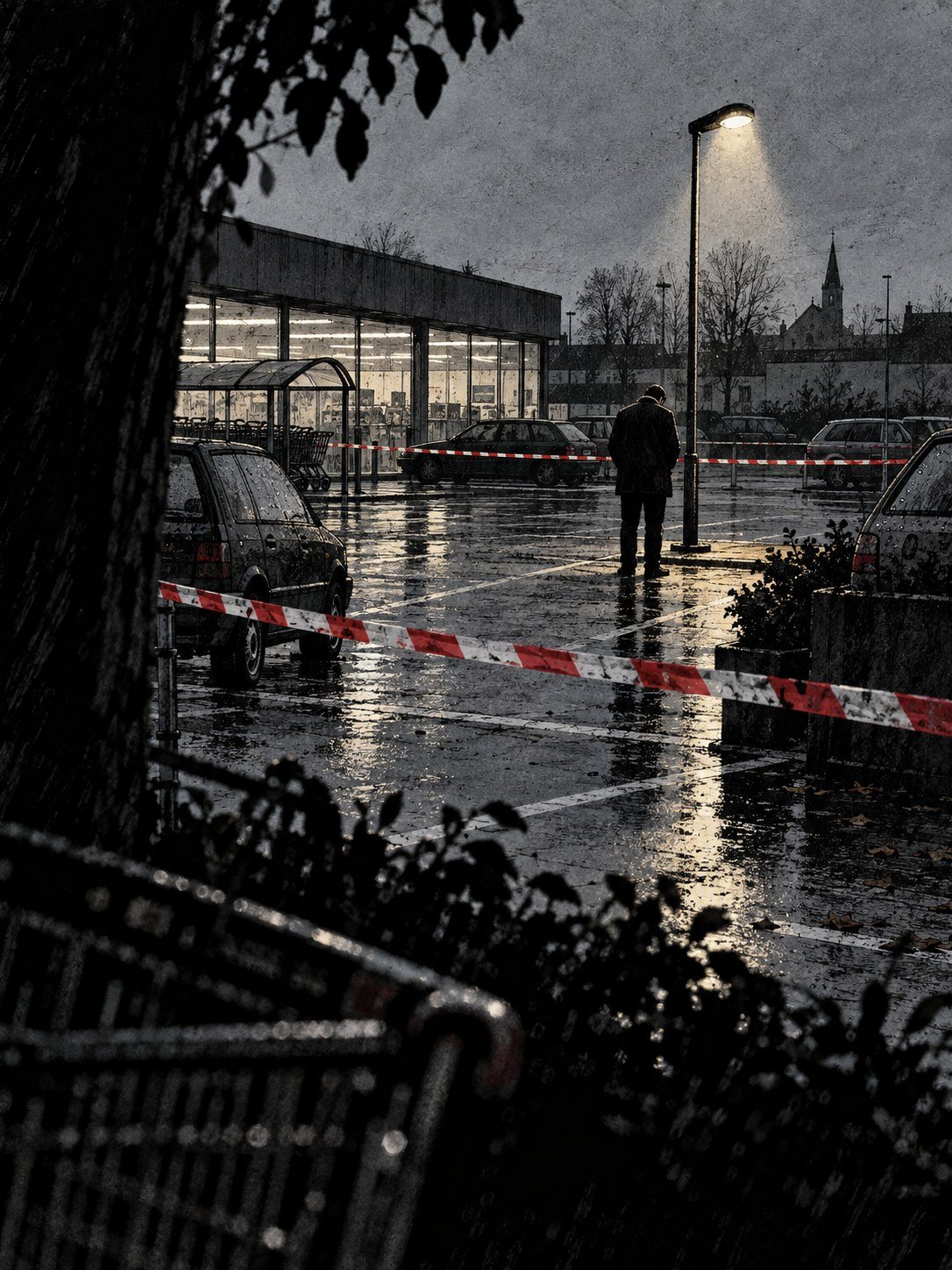
The next morning, the car park at Overijse was empty and taped off.
The father of the murdered 14-year-old came and stood at the spot where his son had died.
“Hier lag mijn zoontje,” he said. My little boy lay here.
The two raids that night were investigated separately, by different judges and different police forces, even though the same gang had done both in the same hour.
That split would become typical of the case. Rival police services, lost evidence, cars that were not kept.
And the gang had one more attack left in them. (VRT) (Wikipedia)
Aalst, November 9, 1985: their last and bloodiest attack

Saturday, November 9, 1985, around 7:30 p.m. A Delhaize supermarket in Aalst, in Flanders.
The gang killed eight people. It was their bloodiest attack, and the last one anyone knows of.
Among the dead were Gilbert and Thérèse Van de Steen and their daughter Rebecca. Their nine-year-old son, David, survived with a critical leg wound. He was raised by his grandparents.
Hours earlier, two boys in nearby Opwijk had written down the number plates of a dark Golf and a light Mercedes. The notebook reached police. The boys were never questioned.
The take that night was about 200,000 Belgian francs, around 5,000 euros, and some cheques.
Then the Mad Killers of Brabant disappeared. They never struck again. (Wikipedia) (Brussels Times, cold case) (bx1) (Brussels Times)
A year later, divers found their gear in a canal

November 6, 1986. Ronquières, on the Brussels-Charleroi canal.
Police divers pulled bags out of the water. Inside were a bulletproof vest, a gun that had been stolen from a policeman, and ammunition. Cheques from the Aalst raid were also recovered from the same canal.
It looked like a breakthrough. The cut-up vest later gave investigators the second of their only two DNA profiles.
But experts who examined the bags later concluded they had only been in the water briefly, perhaps days. Someone seemed to have thrown them in shortly before the search.
In 2019, two former investigators were arrested on suspicion of withholding information linked to that canal search. Both denied it.
Had the find been planted? Nobody has ever proven it. (La Libre, 2019) (Brussels Times)
The gang seemed to know too much

From early on, suspicion fell on the police themselves.
The gang seemed to have inside information. Their ammunition was similar to that used by the Groupe Diane, the elite unit of Belgium’s gendarmerie. To many, the raids looked like the work of trained men.
Rivalries between police forces caused mistakes: dumped getaway cars that were not kept, objects with fingerprints that were lost.
Other theories pointed to the far right, or to secret NATO “stay-behind” networks trying to frighten the public. A parliamentary inquiry in 1990-91 found no real evidence of that.
No link to the gendarmerie was ever officially proven. But its handling of the case was one of the reasons the force was later abolished.
And then, in 2017, a dying man’s words seemed to point straight at it. (Brussels Times) (Wikipedia) (Brussels Times, 2024)
“I was the Giant”
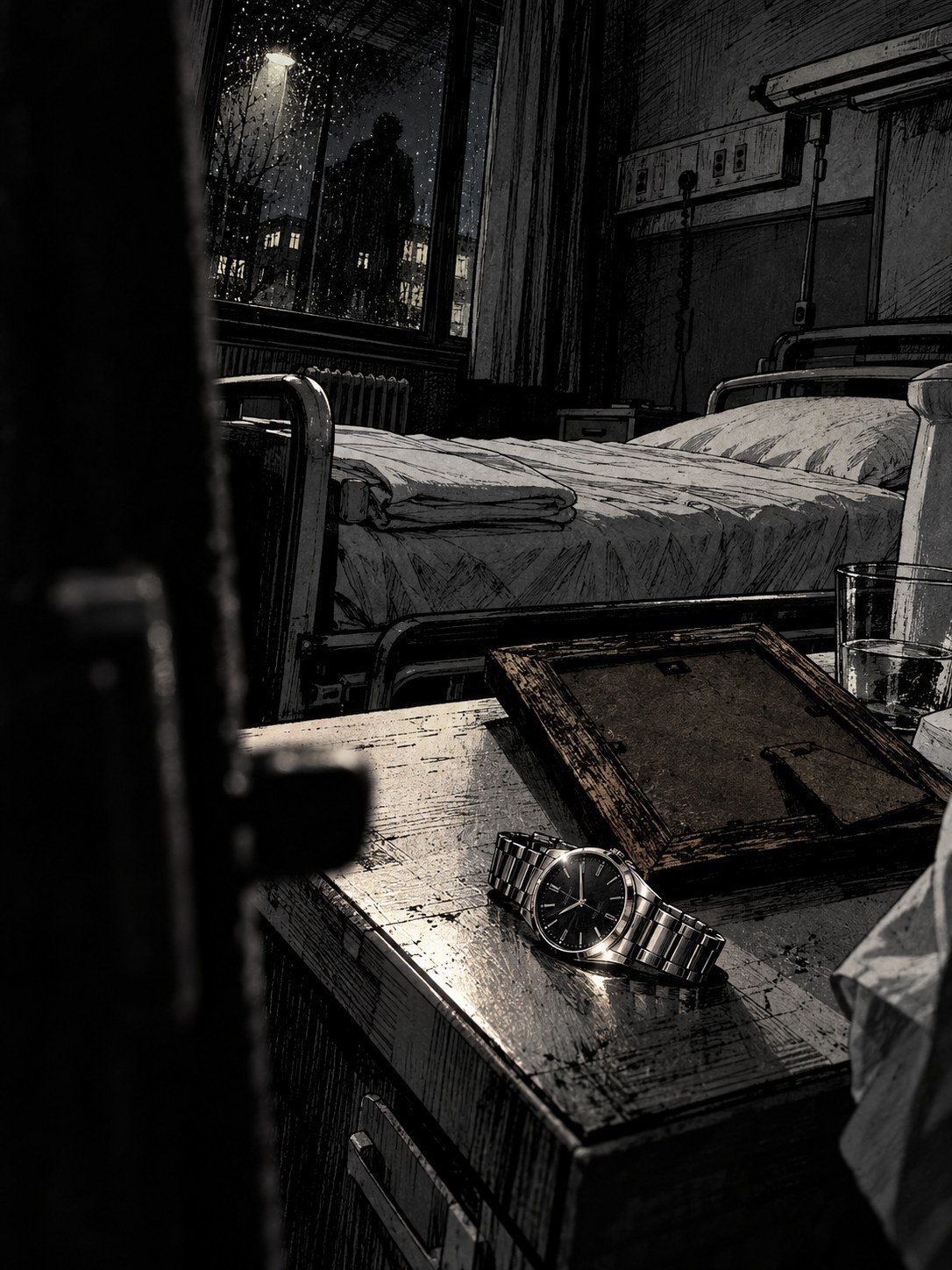
In October 2017, the brother of a former gendarme went public.
His brother, Christiaan Bonkoffsky, had been a member of the elite Groupe Diane. He died in 2015. On his deathbed, the brother said, he had confessed: “I was the Giant.”
It was the most sensational lead in years. Investigators took it seriously.
The publicity brought in 400 new tips.
But in April 2018, investigators said they were 99 percent sure he was not the Giant.
Another lead that had looked like an answer turned into another question. (VRT, 2017) (VRT, 2018) (Wikipedia)
593 DNA samples, 40 exhumations, two million pages
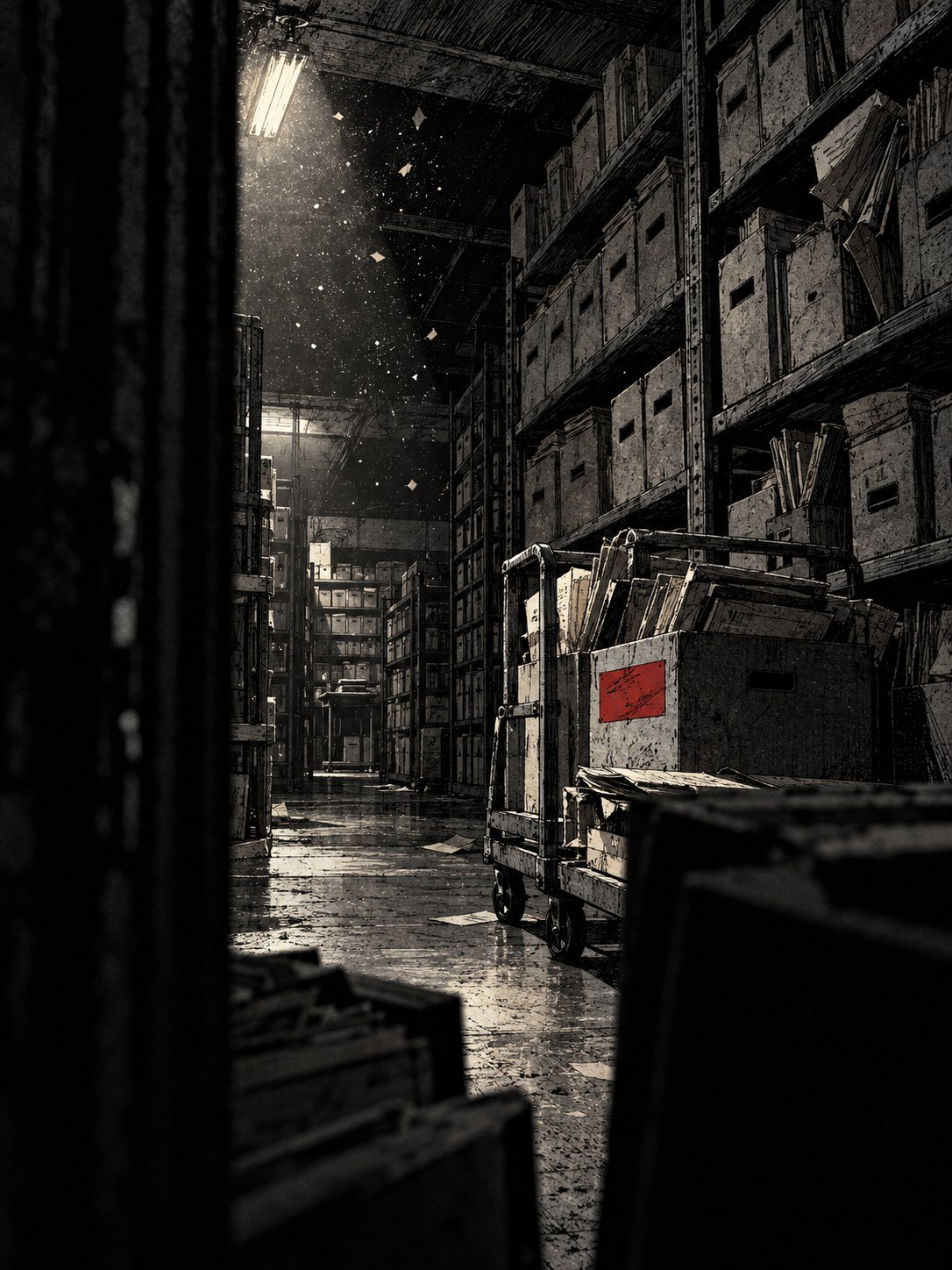
By 2017, the investigating team had grown from 11 to 30 people. They re-released old photos and ran hundreds of DNA tests. In 2020 they exhumed a stuntman who had died in 1987.
Nothing matched.
On June 28, 2024, Belgium’s federal prosecutor announced the investigation was being closed.
By then, investigators had checked 1,815 tips, taken 593 DNA samples, compared more than 2,700 fingerprints and carried out more than 40 exhumations. The file ran to about two million pages.
David Van de Steen, the boy who survived Aalst, called the system “incompetent and corrupt.”
But the law no longer lets these crimes expire. And the victims’ lawyers were not finished. (Brussels Times, 2024) (VRT, 2024) (Brussels Times)
The French brothers’ DNA came back. Negative
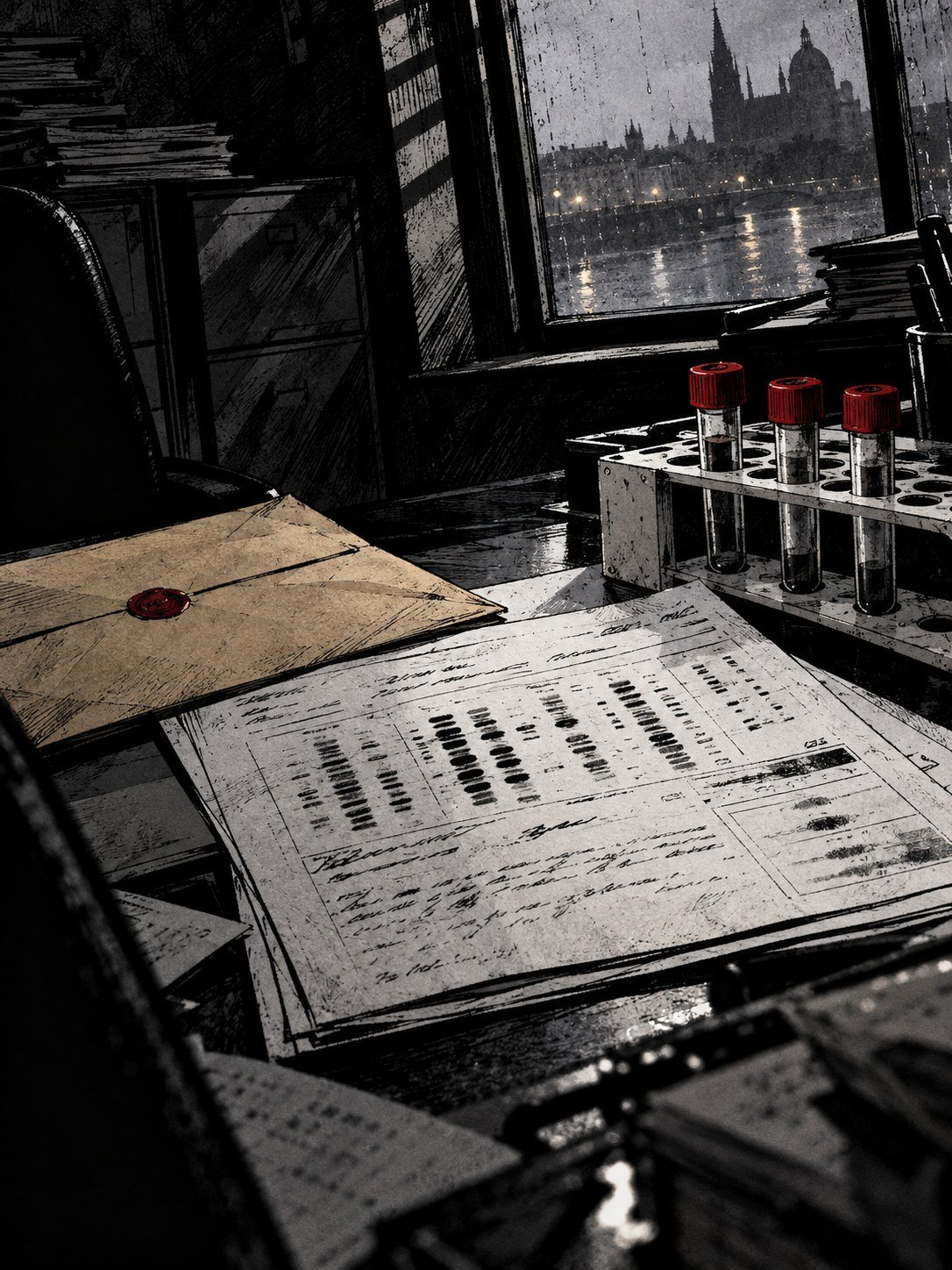
In 2025, a court in Mons ordered investigators to look at two French brothers, Xavier and Thierry Sliman.
A former gendarme pointed out that the brothers had been in prison in 1984 and 1985, exactly during the gang’s two-year silence. A woman carjacked in 1983 said she was 99 percent sure one of them had been her attacker.
That is why, in May 2026, the graves in Charleville-Mézières were opened.
On July 30, 2026, the federal prosecutor gave the result. The DNA comparisons were negative.
The lead could not be taken any further. The victims’ lawyer, Patrick Ramaël, said he would keep fighting.
Another dead end, forty years on. (bx1) (Brussels Times, cold case) (La Libre, Jul 2026)
The investigator who wants to dig up a landfill
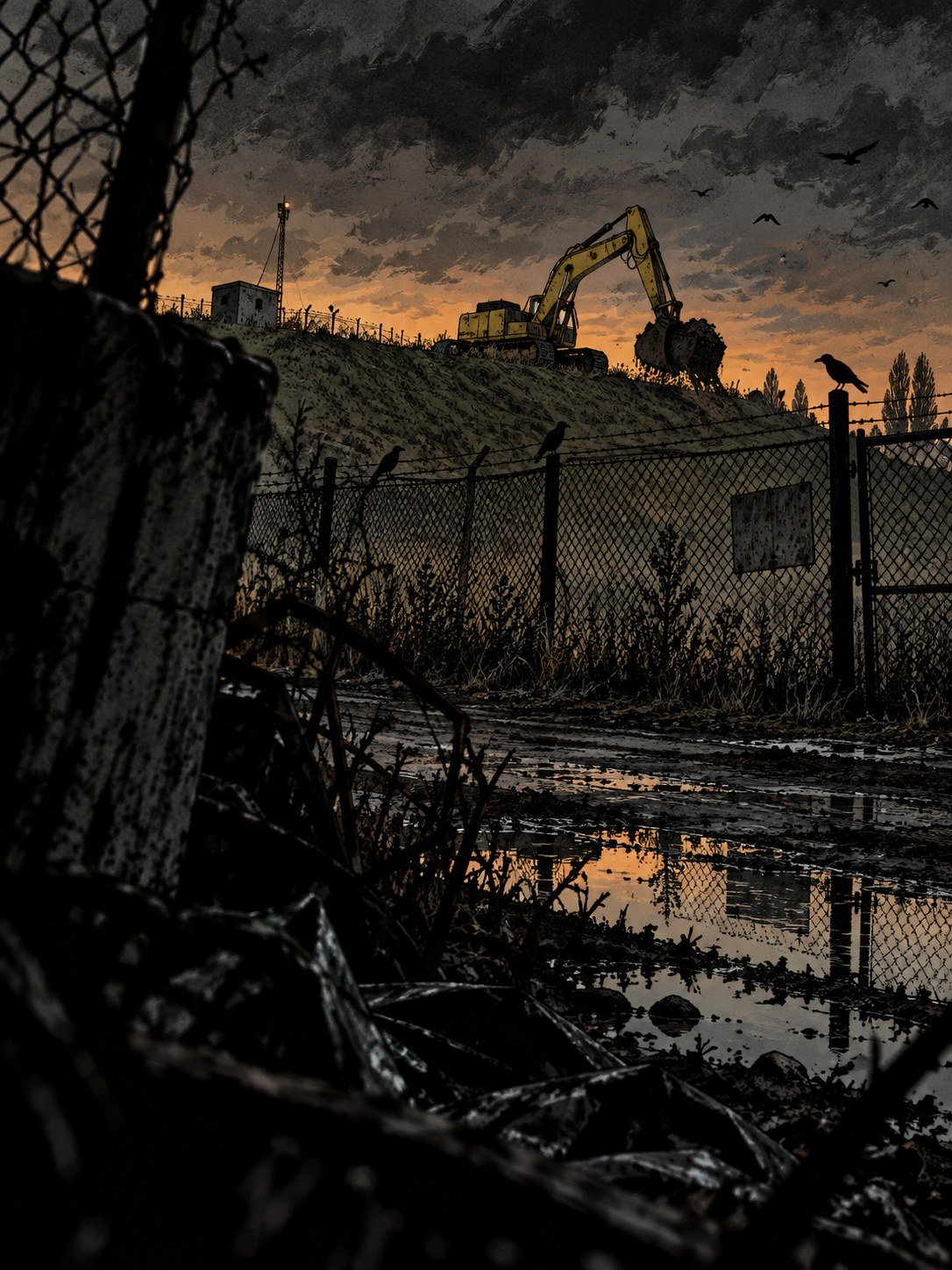
Two days later, the retired chief investigator, Eddy Vos, spoke to the Belgian press.
He has his own theory. He believes the Killer, whom he blames for 24 of the 28 deaths, was wounded at Aalst and then finished off by his own accomplices in a wood.
He thinks the body could be in an old landfill near Braine-le-Comte. He wants it dug up.
“The Australians did it,” he said. “Why not us?”
It is his hypothesis, not a finding. Most of the gang’s weapons, including two pump-action shotguns and two Ingram submachine guns, have never been found either.
Then, in October 2026, something came out of a river. (DH, Aug 2026)
In October 2026, divers pulled pieces of a Golf GTI from a river
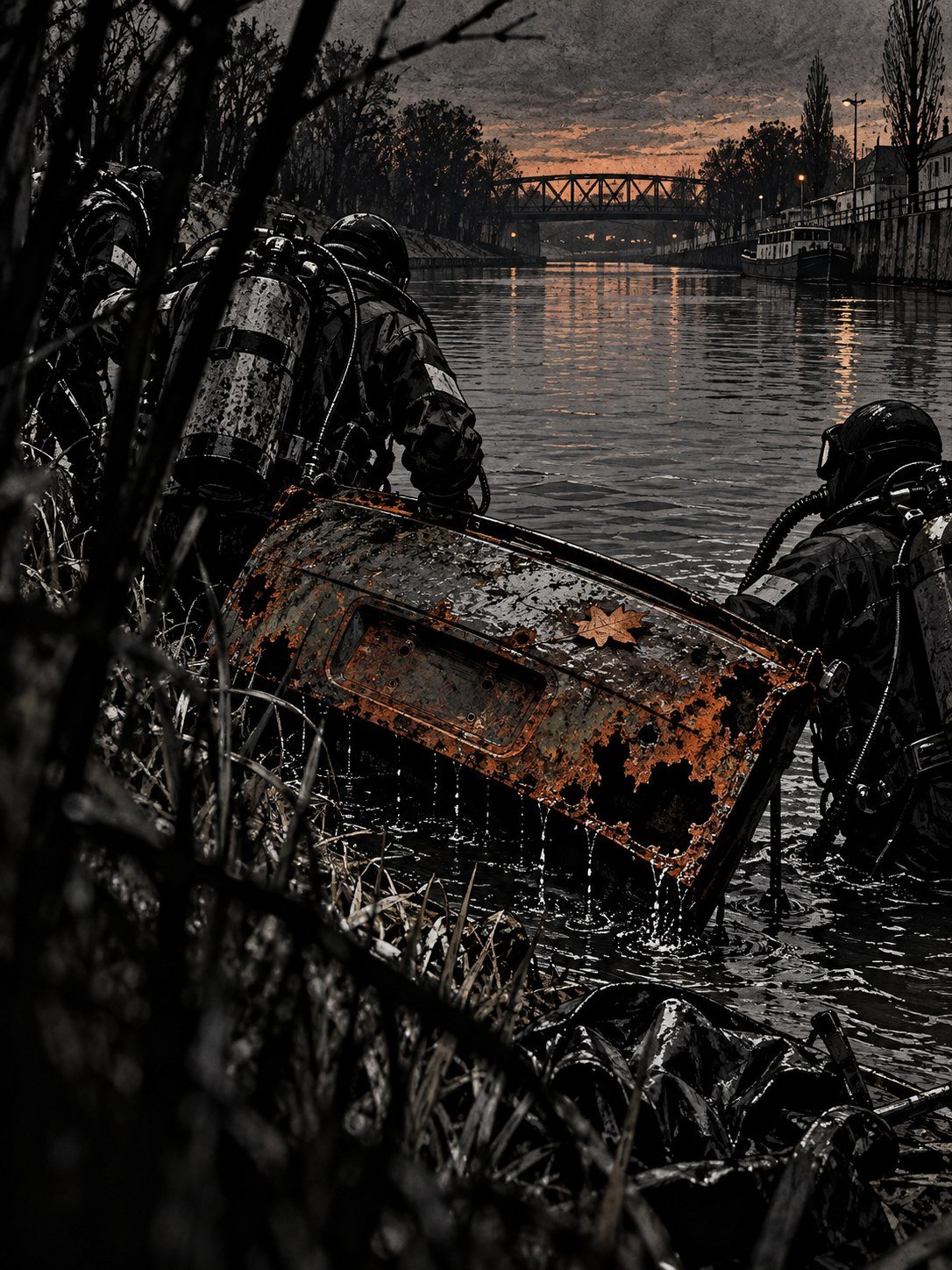
In the summer of 2026, magnet fishers on the river Dender near Geraardsbergen pulled up the boot lid of a car.
In October, firefighters diving there recovered more parts: pieces of a cut-up Volkswagen Golf GTI, a model built between about 1984 and 1990.
The gang used Golf GTIs. This one had been cut into pieces before it went into the water.
Nobody has proven it was theirs. It may be nothing.
But for families who have waited more than forty years, every piece of rusted metal matters.
Twenty-eight people were killed going about their lives. The men who did it walked away, and Belgium is still searching the water for them. (Brussels Times, Oct 2026)
Case notes: why 28 murders were never solved
Between 1982 and 1985, a gang known as the Brabant killers (Bende van Nijvel) killed 28 people in raids on shops, an inn, restaurants and supermarkets across Belgium (Brussels Times) (Wikipedia) (Brussels Times, 2024). Three core members are known only by nicknames: the Giant, the Killer and the Old Man (Wikipedia) (Brussels Times). Nobody has ever been convicted.
The federal prosecutor closed the investigation in June 2024 after 1,815 tips, 593 DNA samples and more than 40 exhumations (Brussels Times, 2024) (VRT, 2024). A French lead was reopened by court order in 2025, but DNA comparisons came back negative on July 30, 2026 (bx1) (La Libre, Jul 2026). In October 2026, parts of a cut-up Golf GTI were recovered from the Dender; no link to the gang has been proven (Brussels Times, Oct 2026).
Timeline
| When | What happened |
|---|---|
| Mar 13, 1982 | Hunting rifle stolen from a gun shop in Dinant (La Libre) |
| Sep 30, 1982 | Wavre arms dealer raided; a policeman killed (La Libre) (Wikipedia) |
| Dec 23, 1982 | Night caretaker killed at an inn in Beersel (La Libre) (Brussels Times) |
| Jan 1983 | Taxi driver found shot in his cab’s boot near Mons (La Libre) (Wikipedia) |
| Sep 17, 1983 | Nivelles Colruyt: three killed for tea, coffee and oil (La Libre) (Wikipedia) |
| Dec 1, 1983 | Jeweller couple killed in Anderlues; then almost two years of silence (La Libre) (Wikipedia) |
| Sep 27, 1985 | Braine-l’Alleud (3 dead) and Overijse (5 dead) in one evening (VRT) |
| Nov 9, 1985 | Aalst: 8 dead, the last known attack (Wikipedia) (Brussels Times, 2024) |
| Nov 6, 1986 | Gear found in the Brussels-Charleroi canal at Ronquières (La Libre, 2019) |
| Oct 2017 | Ex-gendarme’s alleged deathbed confession: “I was the Giant” (VRT, 2017) |
| Jun 28, 2024 | Investigation officially closed (Brussels Times, 2024) (VRT, 2024) |
| Jul 30, 2026 | DNA from the French lead comes back negative (La Libre, Jul 2026) |
| Oct 2026 | Cut-up Golf GTI parts recovered from the Dender (Brussels Times, Oct 2026) |
What the sources agree on, and where they don’t
| Detail | Source A says | Source B says |
|---|---|---|
| Number injured | 22 (Wikipedia) | More than 40 (Brussels Times) (Brussels Times, 2024) |
| How long the canal bags were underwater | Under a month (earlier estimate) (La Libre, 2019) | Possibly only a day or two (La Libre, 2019) |
| Who fired most shots | The Killer, blamed for 24 deaths by ex-chief investigator Eddy Vos (DH, Aug 2026) | No official attribution; this is his own view |
Details most coverage missed
Only two DNA traces exist. A cigarette butt from the murdered taxi driver’s car and DNA on a vest found in water in 1986. Every test since has been checked against those two (Brussels Times).
A child’s notebook was ignored. Hours before Aalst, two boys in Opwijk noted the plates of a dark Golf and a light Mercedes. The notebook reached police; the boys were never questioned (bx1).
The two-year gap may matter. The French lead rested on the brothers being in prison in 1984-85, exactly when the gang went quiet. The DNA ruled them out, but the gap is still unexplained (bx1) (La Libre, Jul 2026).
What we still don’t know
- Who the Giant, the Killer and the Old Man were.
- Why a gang willing to kill took so little money.
- Whether the 1986 canal find was planted, and by whom.
- Whether the Golf parts in the Dender belong to the gang.
Case file summary
- Who: The Brabant killers (Tueurs du Brabant / Bende van Nijvel), identities unknown
- Where: Brabant, Hainaut and East Flanders, Belgium
- When: 1982-1985
- What: A series of raids that killed 28 people
- Status: Unsolved; investigation closed in 2024, leads still being checked
Illustrations are artistic interpretations, not photos. No real person has a recognizable face.
Sources
- Wikipedia: Brabant killers
- Brussels Times: Brabant killers case, who, what, when
- Brussels Times: Belgium officially closes unsolved Brabant killers case (2024)
- Brussels Times: Can Belgium’s biggest cold case finally be solved?
- Brussels Times: Car parts potentially linked to Brabant killers found (Oct 2026)
- La Libre: Tueries du Brabant, rappel des faits
- La Libre: un deuxième ancien enquêteur inculpé (2019)
- La Libre: comparaisons ADN de la piste française négatives (Jul 30, 2026)
- DH: le directeur d’enquête estime qu’il reste une carte à jouer (Aug 1, 2026)
- VRT NWS: Veertig jaar geleden sloeg Bende van Nijvel toe in Delhaize
- VRT NWS: de man die De Reus zou kunnen zijn (2017)
- VRT NWS: onderzoekers geloven niet langer dat Bonkoffsky de Reus is (2018)
- VRT NWS: federaal parket over Bende van Nijvel (2024)
- bx1: piste française (Apr 2025)