The Purse Strap: How Chicago Police Found Who Killed 8-Year-Old Gloria Kowalewicz in 1960, and Why It Was One of Their Own
An 8-year-old walked to Mass and never arrived
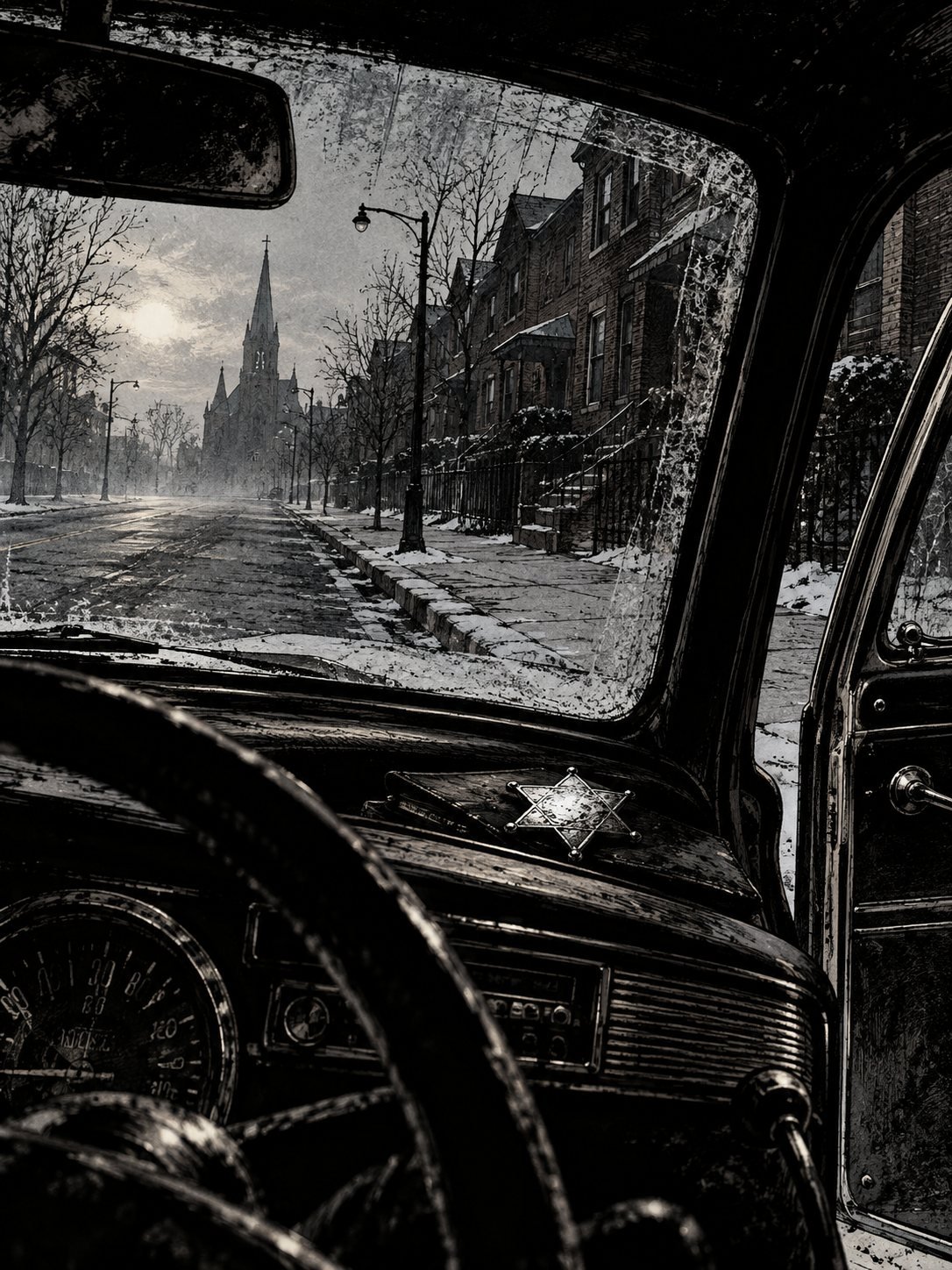
November 12, 1960. A Saturday in Chicago.
Just before 8 a.m., an 8-year-old girl left her home to walk to morning Mass. It was not far. Her church was only a few blocks away.
She was a third-grader, and she had recently made her First Communion, the ceremony where Catholic children receive communion for the first time. For a child that age, it is a big moment, often marked with a new dress, a prayer book and a small white purse.
Among the things she had with her that morning was a small white communion purse, with her prayer book inside.
This walk should have taken a few minutes.
Instead, it became a mystery. And when the answer finally came, 65 years later, it pointed somewhere almost no one would have looked. (KATV)
She never reached the church doors
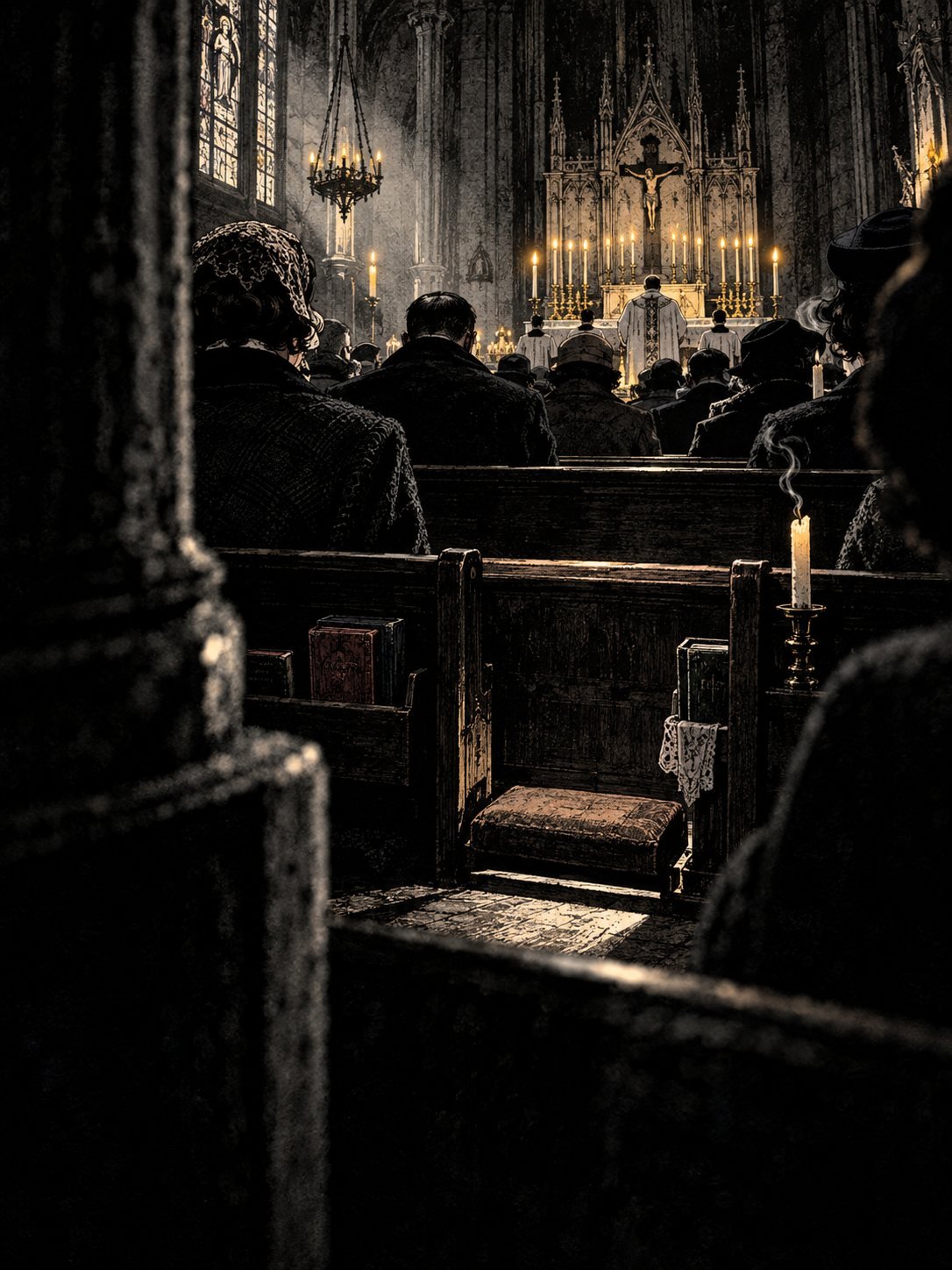
She never got there.
Her church was St. Mary of Mount Carmel, a short walk from home. She was going to Saturday morning Mass.
Somewhere between her front door and the church, she disappeared.
In 1960 there were no cell phones and no security cameras on every corner. There was no quick way to trace a child’s steps.
That is part of what made the case so hard from the start. No one has ever publicly described what happened on that short walk.
About four hours later, she was found. Her church was a few blocks from home. The place where she was found was more than 15 miles away.
Her coat, her shoes and her purse would all end up in an evidence box.
For the next 65 years, nobody could say who had taken her.
Police say they know who killed her. He was one of them

In October 2026, the Chicago Police Department said it finally knew who had killed her.
The story was first reported by the Chicago Tribune, and police then gave a statement to the Associated Press.
The man police named had been a Chicago police officer himself.
He had worn the same star badge as the detectives who spent decades trying to solve the case. He went on to become a detective, and later worked for a federal office in Nevada.
He was never arrested. He was never charged. He died in 2006, twenty years before police announced his name. So there will never be a trial, and what the public knows comes from police statements and news reports, not from evidence tested in court.
But to understand how police got there, you have to start with the girl herself. (WFSB)
Her name was Gloria. She was eight
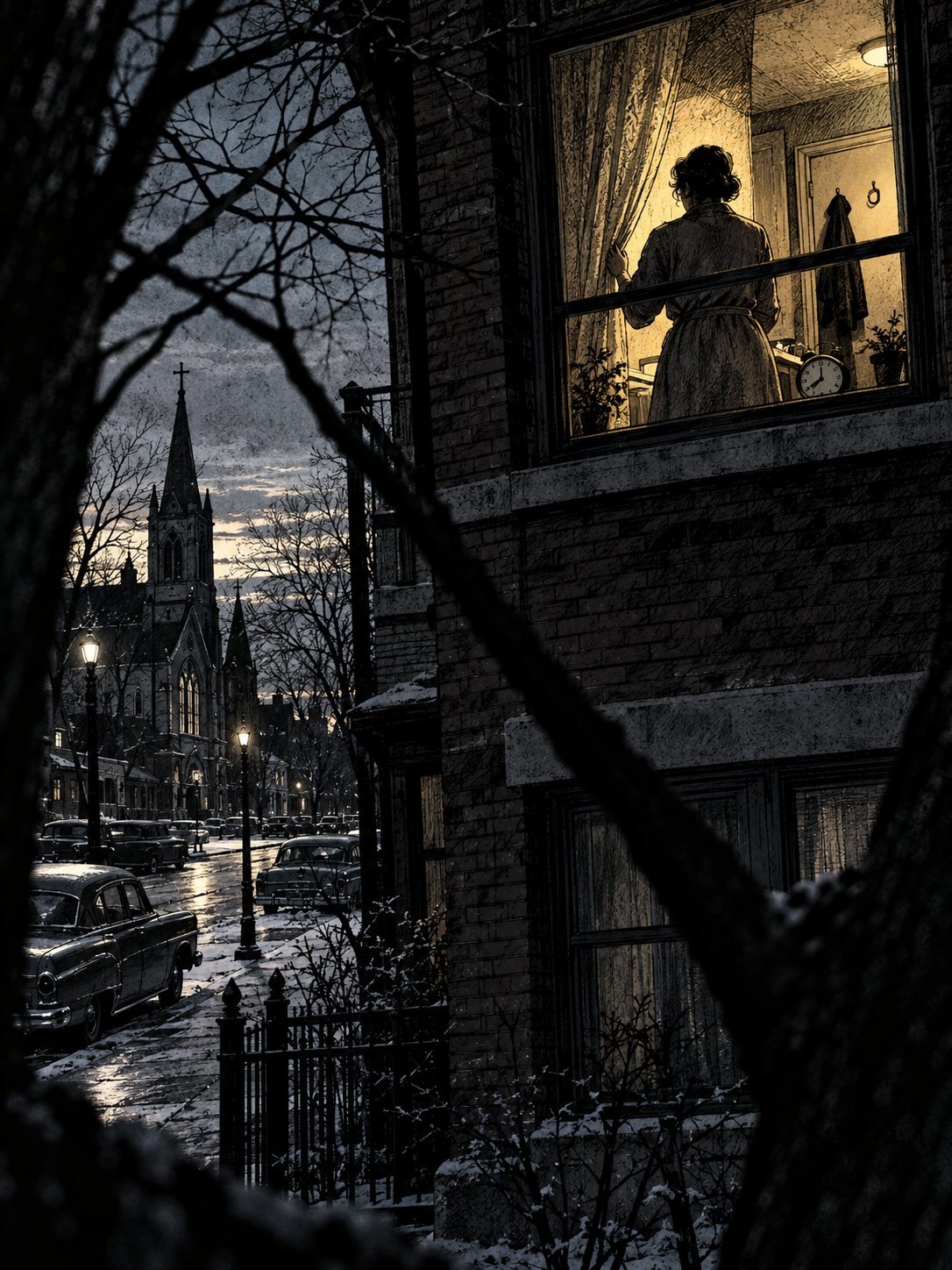
Her name was Gloria Kowalewicz. She was 8 years old.
She lived with her family in Chicago. Her church, St. Mary of Mt. Carmel, was only a few blocks from home, close enough for a child to walk on her own.
Gloria had a baby brother, Adam. He was an infant in 1960. Decades later, he would be there to hear how her story ended.
There is very little else in the public record about who Gloria was as a person. The sources describe her mostly through the things she carried: her coat, her shoes, a white communion purse with a prayer book inside.
Those objects would become the heart of the case.
Her First Communion had been recent. The purse and the prayer book were part of that.
Because that Saturday, Gloria did not come home. (Fox News)
Four hours later, she was found in a ditch
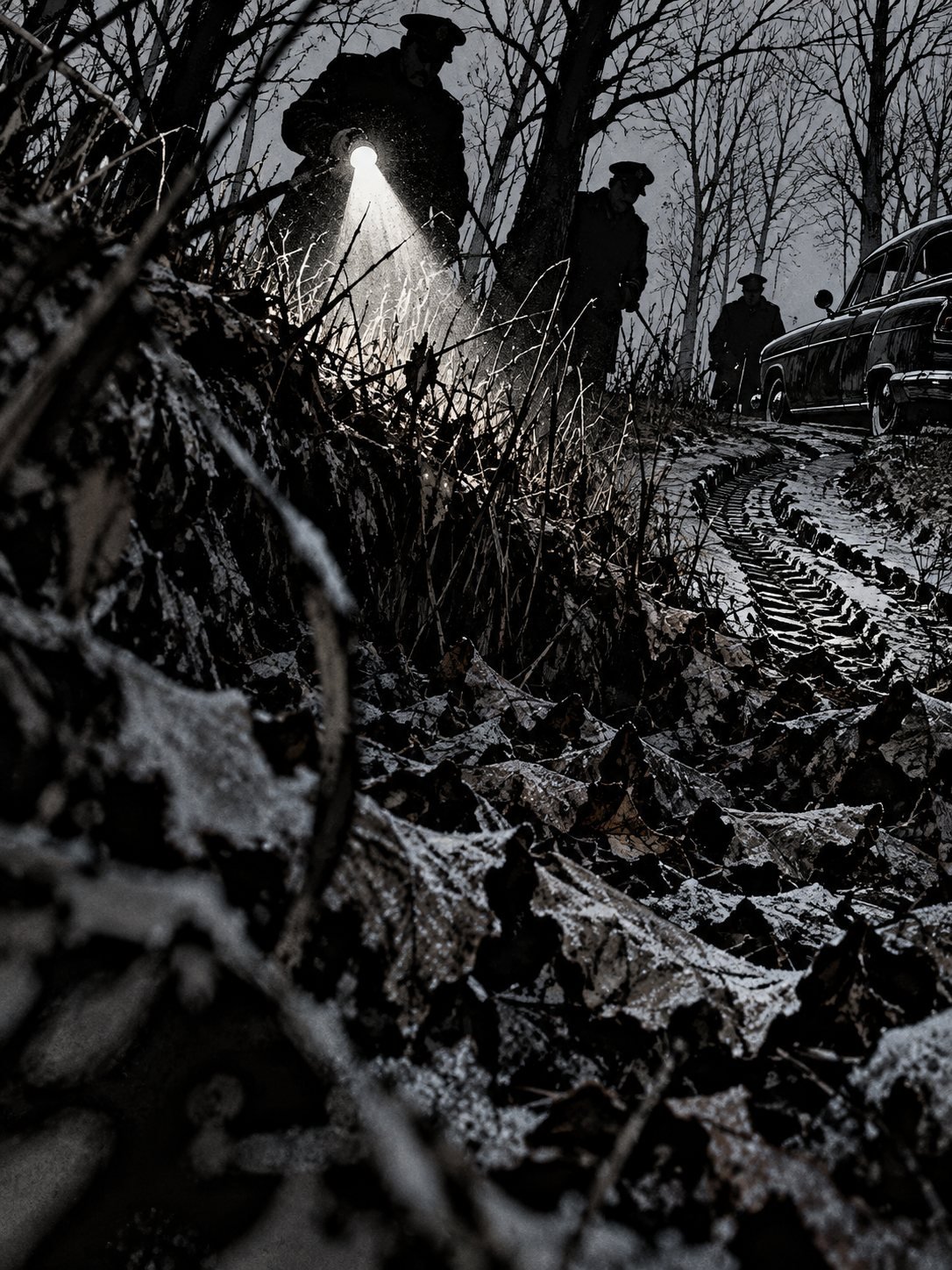
About four hours after she left home, Gloria was found.
A driver for a laundry company found her in a ditch in a forest preserve area southwest of the city. The Chicago Tribune reported the location as Palos Park, more than 15 miles southwest of her home.
Chicago’s forest preserves are large stretches of woods and open land around the edges of the city, used for walking, picnics and nature.
Fifteen miles is a long way from a church a few blocks from home. However she got there, it was nowhere near the route she had set out on.
She had been shot.
In just four hours, a short walk to church had become a murder investigation that stretched from the city into the woods.
Police began collecting everything they could find. (KATV)
A bullet, a coat, and a white communion purse

Investigators collected what was left.
There was a bullet. The Associated Press reported a bullet; another account, citing the Tribune, described a single bullet casing found near her.
There were her coat and her shoes.
And there was her white communion purse, with her prayer book still inside.
A communion purse is a small, simple bag, often given to a child for the ceremony to carry a rosary or a prayer book. It is something a family keeps.
For investigators, it was evidence. Someone had handled that purse. Anyone who touched its strap might have left a fingerprint.
Fingerprints in 1960 were stored on paper cards. To match one, you needed a suspect and a card to compare it against.
The purse went into an evidence box. Its strap would wait more than sixty years. (Fox News)
Evidence along a highway back into Chicago

Whoever killed her left more evidence, both at the scene and along a highway leading back into Chicago.
In 1960, investigators made plaster casts of tire tracks. Plaster casts are a classic way to record a tread pattern. You pour plaster into the impression in the ground, let it harden, and keep an exact copy of the tire marks.
Her coat was found separately, several miles from the scene.
That pattern pointed to a vehicle. Evidence turned up not just in the woods but along the route back toward the city.
It also meant the case covered a lot of ground. A city neighborhood. A highway. A forest preserve more than 15 miles away.
Detectives had physical evidence. What they did not have was a name.
So they started knocking on doors. (Fox News)
More than 1,300 people were interviewed
A task force was put together, and detectives went door to door. They knocked on hundreds of doors.
More than 1,300 people were interviewed, according to the Associated Press. NBC News put it as “thousands” questioned, with hundreds of leads followed.
Either way, it was an enormous effort. Picture every family on dozens of city blocks being asked the same questions: did you see her that morning, did you see a car, did you notice anyone strange?
More than 1,000 people attended Gloria’s funeral on November 16, 1960, four days after her death.
Yet with all those interviews, no answer came.
About six months later, in 1961, the Chicago Tribune described the search as bogged down.
Hundreds of leads were followed. None led to a charge.
Detectives tried another tool. (Fox News)
Polygraph tests, and still nobody charged
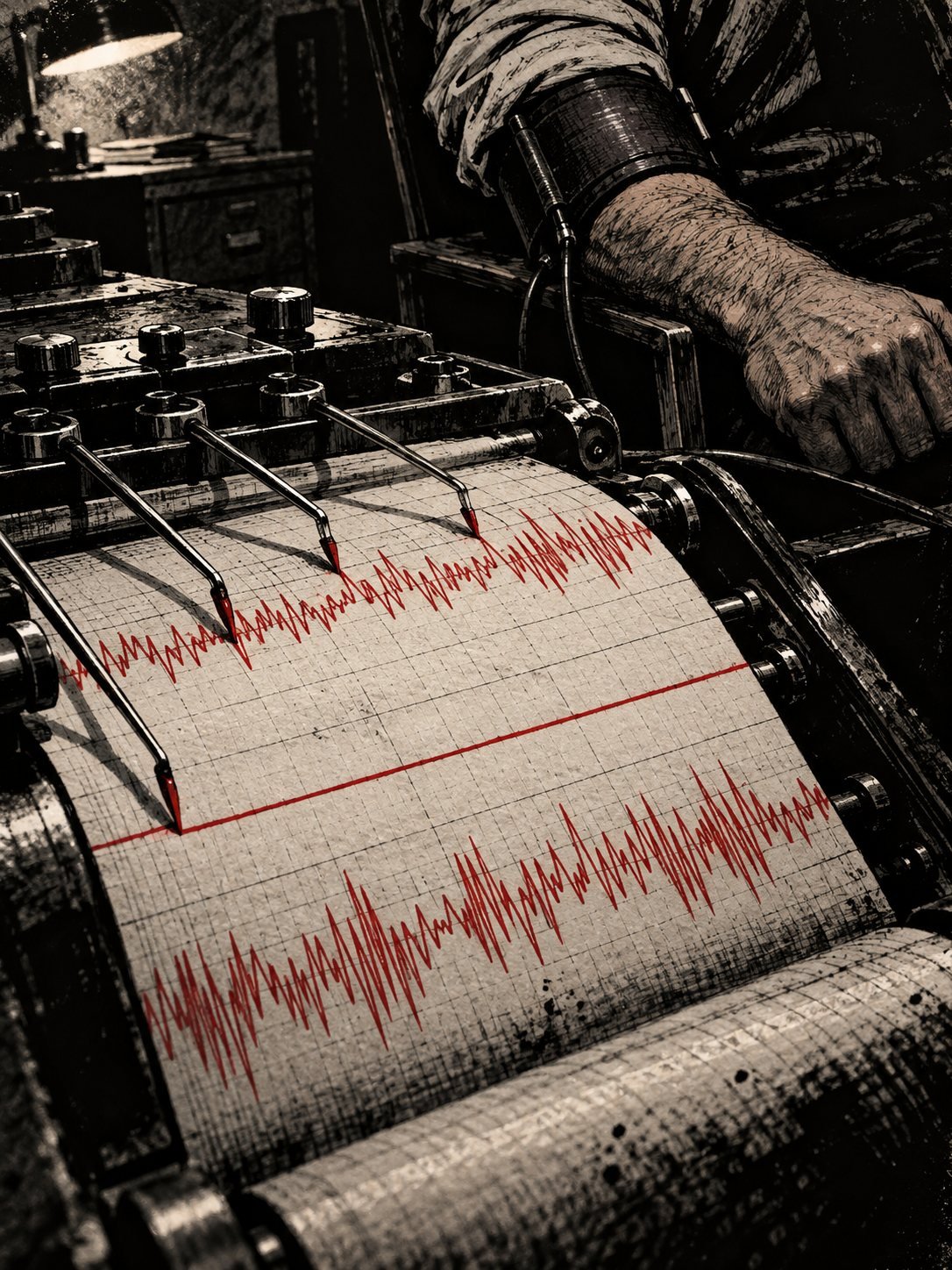
More than a dozen people were questioned with a polygraph.
A polygraph, often called a lie detector, records things like breathing, pulse and sweating while a person answers questions. The idea is that lying causes stress, and stress shows up on the chart.
In reality, polygraph results are not reliable proof. Nervous innocent people can fail, and calm liars can pass. That is why they are generally not accepted as evidence of guilt in court.
Still, in 1960 it was one of the few tools detectives had to narrow down a list of suspects.
It did not work here. No one was charged.
The task force had the evidence, the interviews and the tests. It had the full weight of the Chicago Police Department behind it.
It still had no name.
The case went cold. The evidence stayed

The case went cold.
A cold case is one that is still unsolved but no longer actively worked, because every lead has been followed and nothing new is coming in.
But the evidence was kept. For decades.
That is the part that eventually mattered. The bullet, the coat, the shoes, the purse. All of it sat in storage while the years went by.
In 2010, investigators developed a DNA profile from her clothing. They compared it against the national DNA database, which holds profiles from people who have been arrested or convicted.
It produced no match. Whoever left that DNA was not in any criminal database.
The DNA waited another 14 years for a name. And the man it would point to had, by then, been dead for years.
His story starts a year before Gloria’s death. (WFSB)
In 1959, a young man joined the police

In 1959, a year before Gloria disappeared, a young man named Thomas F. McInerney Jr. joined the Chicago Police Department.
He came from a law-enforcement family. According to Blaze News, he was the son of a Cook County Jail corrections officer and an Army Ranger paratrooper veteran.
When he applied to join the force, the department did something routine. It took his fingerprints.
It was a standard step. The prints went onto a card, and the card went into the department’s files.
Nobody thought twice about it. It was paperwork.
But that card would turn out to be the most important piece of paper in the case. For the entire life of the investigation, a record that could identify him sat in the department’s own files.
In November 1960, he was 24 years old. (WFSB)
He went on to become a homicide detective

McInerney did not stay a patrol officer.
According to NBC News, in 1960 he was a 24-year-old patrol officer on Chicago’s West Side. He was promoted to detective in 1964. The Associated Press described him as a detective working violent crimes at the time. The sources disagree on his rank that year.
Either way, he went on to become a homicide detective. Homicide detectives investigate killings. They interview witnesses, collect evidence and build cases against murderers.
It is unclear whether he ever worked on Gloria’s case. NBC News reported that it is not known whether he took part in the original investigation.
There is another detail that makes the story even harder to read. NBC reported that his parents lived less than a mile from Gloria’s home. Blaze News said a few blocks.
Police say they found no evidence he had any prior contact with her. (KATV)
Twenty-eight years on the force, then retirement

McInerney served about 28 years with the Chicago Police Department.
He retired in 1987.
Twenty-eight years is a full career. It means decades of shifts, cases and colleagues.
During all that time, Gloria’s case stayed unsolved. Her purse sat in storage. His fingerprint card sat in the department’s files. Nobody, as far as any published report says, ever compared the two.
No published source says whether investigators in the 1960s checked the purse print against police personnel records. It is one of the questions still open today.
In 1987, McInerney walked away from the Chicago Police Department with his career intact.
His service covered the years when the case went from a massive manhunt to a cold file. He was in the same department the whole time.
He was not done with investigative work. (KATV)
A second career, and an award for his work
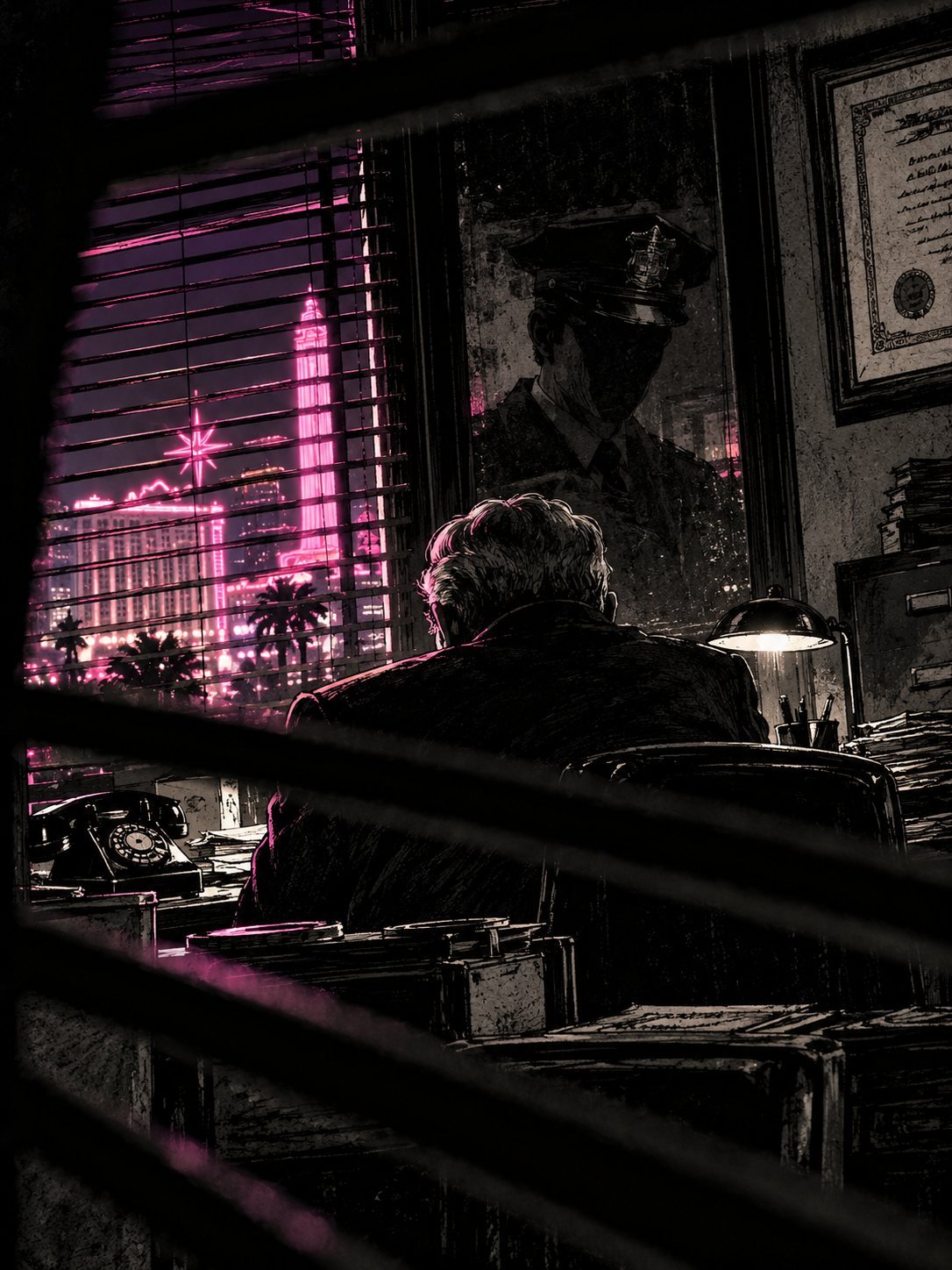
After leaving Chicago, McInerney moved to Nevada.
He worked as an investigator for the Federal Public Defender’s Office in Nevada. A public defender’s office represents people who are charged with crimes but cannot afford a lawyer. Its investigators help build the defense, tracking down witnesses and checking evidence.
So the former homicide detective now worked on the other side of criminal cases.
According to his obituary, he was honored as an outstanding investigator. In 2003, he was named Outstanding Federal Defender Investigator.
He retired from that office in 2004.
On paper, it was a long and respectable working life. Two careers. An award. A retirement.
The office was in Nevada, and he later died in Las Vegas.
Nothing in that record pointed back to a ditch in a forest preserve in 1960. (WFSB)
He died in 2006, never charged, never named

Thomas F. McInerney Jr. died on August 30, 2006, in Las Vegas. He was 70.
He was never charged with any crime connected to Gloria Kowalewicz. During his lifetime, he was never even named as a suspect.
That matters. In the American justice system, a person is presumed innocent unless proven guilty in court. McInerney never faced a court over this case. He never had the chance to answer the evidence, and there will never be a trial.
What exists now is the Chicago Police Department’s conclusion, announced in 2026, based on DNA, fingerprints and other evidence.
At the time of McInerney’s death, her DNA profile was still years away from even existing.
No court ever ruled on what he did or did not do.
The breakthrough would come from a purse strap. (KATV)
The fingerprint on her purse strap waited 60 years
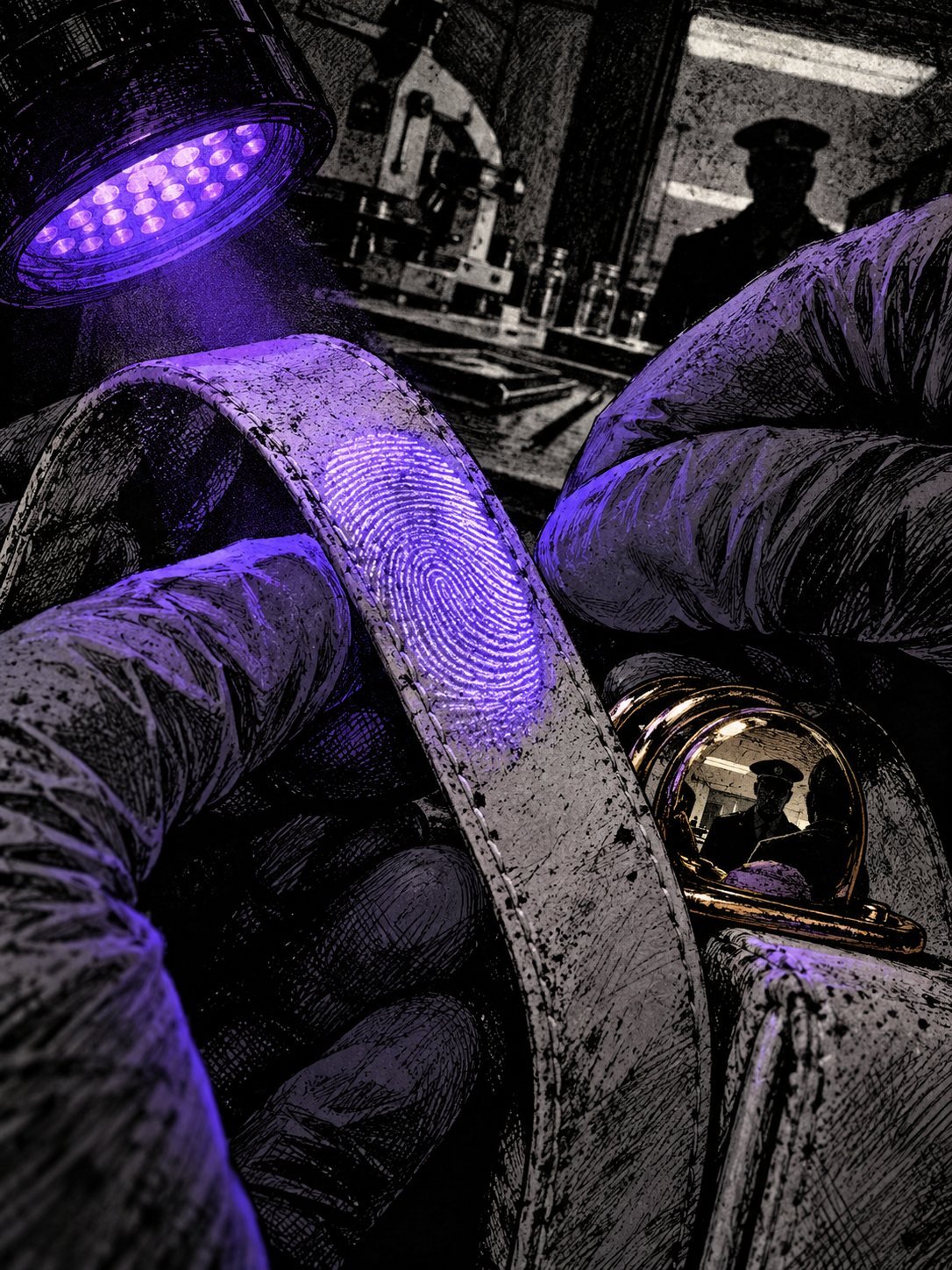
The fingerprint on Gloria’s purse strap had been waiting more than sixty years.
In 1960, a print like that was only useful if detectives already had someone in mind. There was no computer to search millions of records in seconds.
New forensic methods finally made the evidence speak.
The key was DNA. In 2010, a profile from her clothing had matched no one. But DNA science kept moving. A newer technique, genetic genealogy, could find a match even when the person was not in any police database.
Instead of looking for the person, genetic genealogy looks for their relatives. Many people have uploaded their own DNA to family-tree websites. If a relative of the suspect is among them, investigators can work backward through the family tree.
Starting in 2024, at the request of the Chicago Police Department, the FBI ran genetic genealogy on the case. Her coat was submitted for testing that year.
Then the family tree started narrowing. (KATV)
A family tree pointed to one name
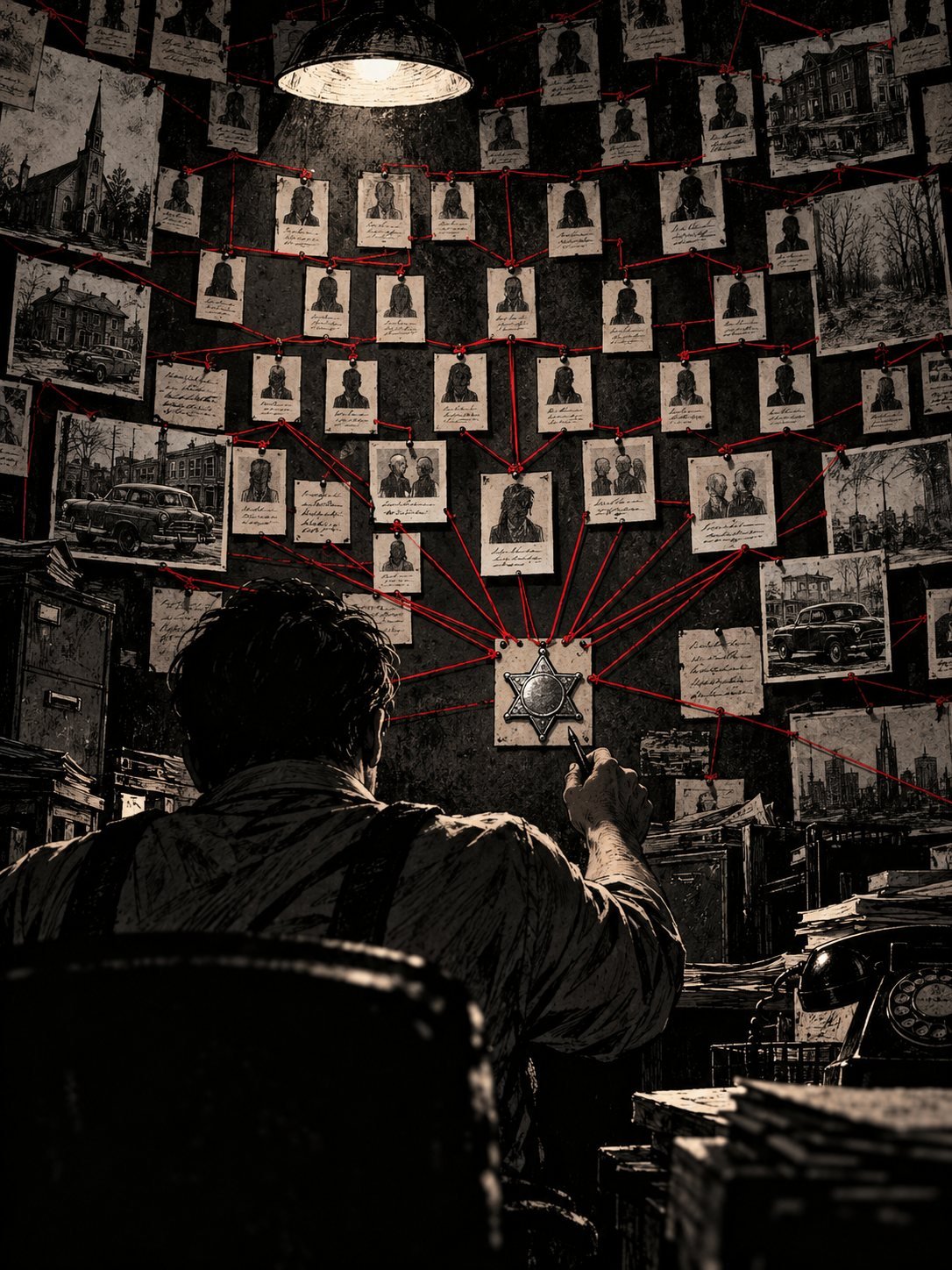
Genetic genealogy pointed detectives toward one name: Thomas F. McInerney Jr.
Here is how this kind of search usually works. The DNA from the evidence partly matches people who uploaded their DNA to genealogy sites. Those people might be distant cousins. Investigators then build out family trees, sometimes going back generations, until the branches meet at one person who fits.
NBC News reported that the FBI identified McInerney in 2024. Other reporting says the coat was submitted in 2024 and the match was confirmed in July 2026.
The FBI and the Illinois State Police helped compare the DNA and the fingerprint.
A name from a family tree is a lead, not proof. Investigators needed to check it against something solid.
And the Chicago Police Department had exactly the right thing in its own files. (KATV)
His 1959 job application prints matched
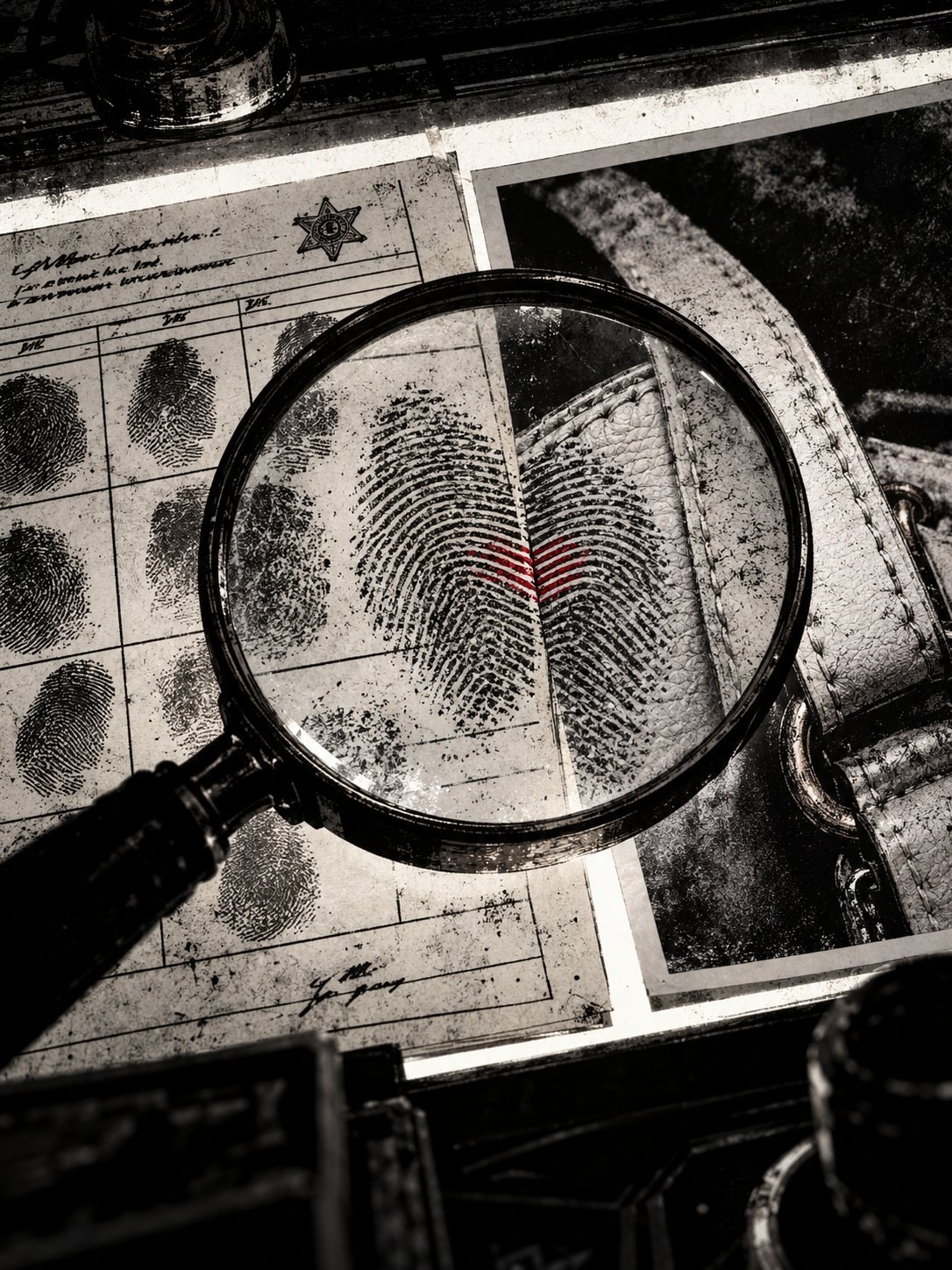
They matched.
The fingerprints McInerney gave when he applied to join the Chicago Police Department in 1959 matched the print lifted from the strap of Gloria’s purse.
Investigators confirmed the DNA and fingerprint matches in July 2026, about three months before the public announcement.
Think about what that means. Genetic genealogy supplied the name. The old print confirmed it. The record that could identify him had been sitting in the department’s own files since before Gloria disappeared.
There was more. The Tribune reported that detectives also used ballistics, the study of guns and bullets, and that records showed McInerney had owned three Colt revolvers of the type used.
DNA. A fingerprint. Ballistics. Three separate lines of evidence, all pointing the same way, according to police.
Now the department had to say it out loud. (KATV)
“He should never have worn the CPD star”
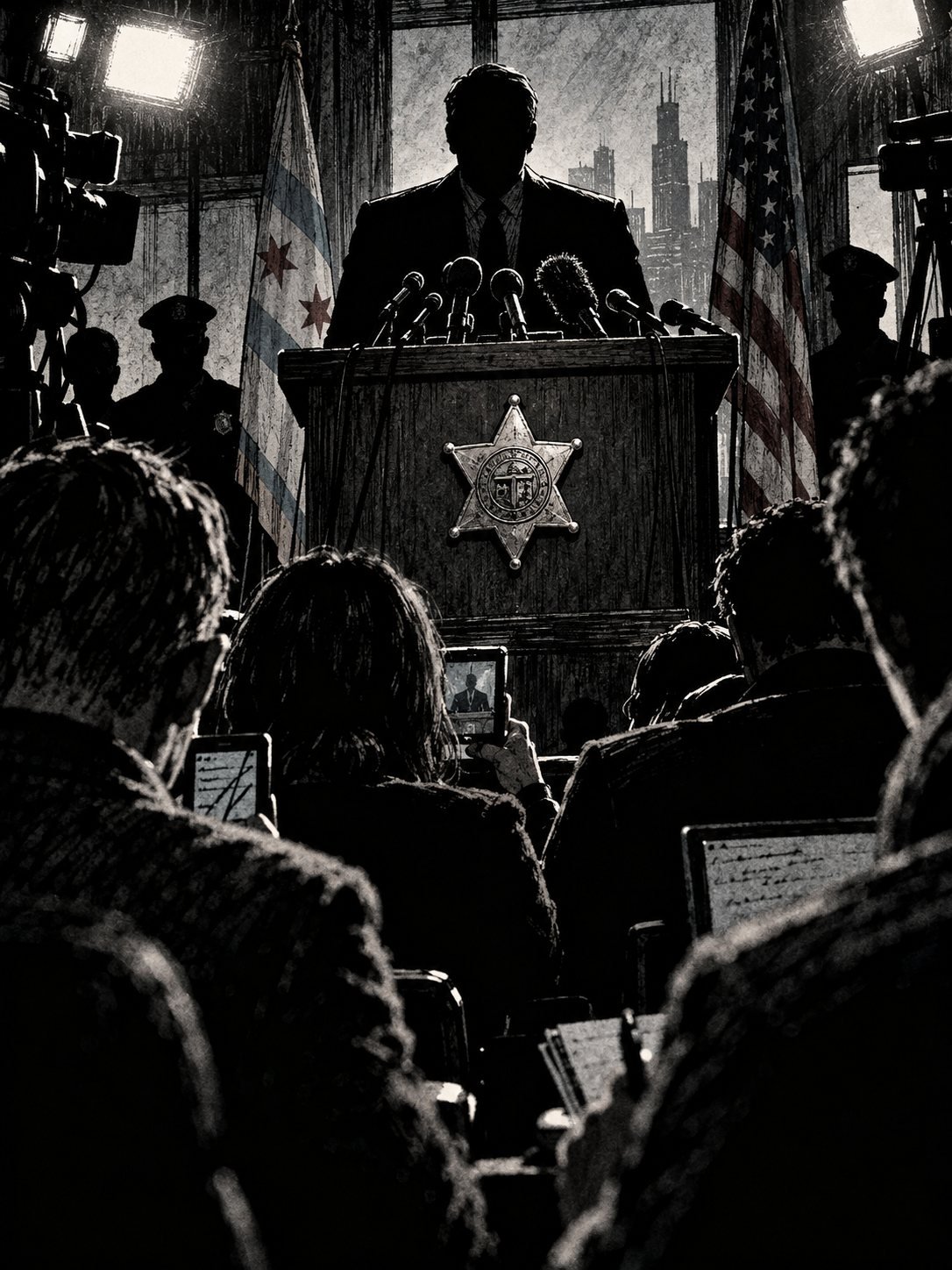
In October 2026, the Chicago Police Department announced the result.
It was an extraordinary statement for a police department to make about one of its own. The department said: “McInerney should never have worn the CPD star.”
The star is the Chicago police badge. It is the symbol of the job, the thing officers wear on their chest every shift.
Chief of Detectives Kevin Bruno went further. He called McInerney “a murderer who was acting as a police officer.”
Police did not give a motive. They said they found no evidence he had any prior contact with Gloria.
Those statements are the department’s conclusion. McInerney died without ever being charged, so they will never be tested in a courtroom.
For the people who had waited longest, the news came too late. (Fox News)
Her parents did not live to hear it
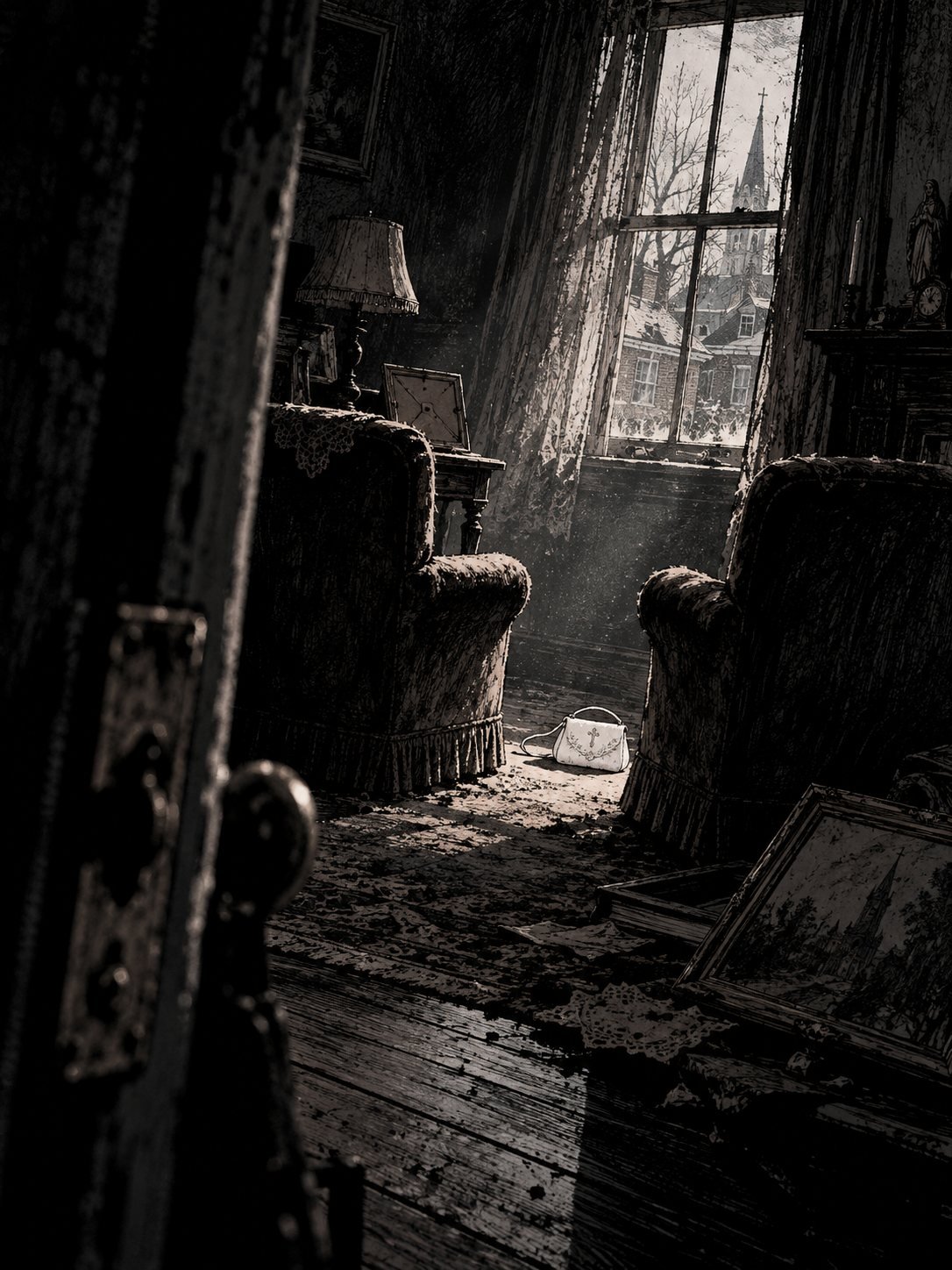
Gloria’s parents did not live to hear it.
They spent the rest of their lives without knowing who took their daughter on the way to church. They did not learn that police had named a man, or that he had been a Chicago police officer, or that he had died in 2006 without ever being charged.
Gloria’s brother, Adam, was an infant when she died.
In 2026, he was there to hear the answer his parents never got.
His reaction was short. McInerney, he said, “never paid his dues.”
There is no trial to attend. No sentence to hear. Just a statement from the department, and a name.
The answer came 65 years after the morning Gloria walked out the door to go to Mass.
And the investigation may not be over. (Fox News)
Gloria’s case is closed. Others may be opening

Gloria’s case is closed, according to the Chicago Police Department. But the story does not end there.
Prosecutors are now reviewing cases that may have involved McInerney. The Cook County State’s Attorney’s Office said it is reviewing cases that “may have involved” him, without saying how many or how long it will take.
He spent 28 years as a Chicago officer and detective. The cases from those years are now being looked at again.
The FBI is also looking at other unsolved crimes from that period. It says it is pursuing leads.
Some voices have gone further. A former New York police officer predicted there were more victims. That is an opinion, not evidence, and no other victim has been publicly identified.
Some questions may never be answered. Why Gloria? Did he work on her case? Did anyone in the 1960s ever check the purse print against officers?
Gloria’s case is closed. Others may just be opening. (KATV)
Case notes: a purse strap, a job application, and a 65-year wait
Most coverage of this case leads with DNA. The detail that actually closed the loop was older and plainer: a set of fingerprints the Chicago Police Department took from Thomas F. McInerney Jr. when he applied to join the force in 1959. Police say those application prints matched a print lifted from the strap of Gloria Kowalewicz’s purse (NBC News).
In other words, a record that could identify the man sat in the department’s own files for the entire life of the investigation. Genetic genealogy supplied the name. The old print confirmed it.
Because McInerney died in 2006, there will be no trial. What the public knows comes from police statements and reporting, not from evidence tested in court. Gloria’s brother, Adam, who was an infant in 1960, put it simply: McInerney “never paid his dues” (NBC News).
Timeline
| Date | What happened |
|---|---|
| 1959 | McInerney joins the Chicago Police Department. His job-application fingerprints go on file (NBC News). |
| Nov. 12, 1960, just before 8 a.m. | Gloria, a third-grader who had recently made her First Communion, leaves home for Saturday Mass at St. Mary of Mount Carmel (NBC News). |
| Nov. 12, 1960, about four hours later | A laundry company driver finds her in a forest preserve area southwest of the city (AP) (Blaze News, citing Chicago Tribune). |
| Four days later | More than 1,000 people attend her funeral (NBC News). |
| 1961 | About six months later, the Chicago Tribune describes the search as bogged down (Blaze News). |
| 1964 | McInerney is promoted to detective (NBC News). |
| 1987 | He retires from CPD after 28 years (AP). |
| 2003 to 2004 | Named Outstanding Federal Defender Investigator in 2003; retires from the Federal Public Defender’s Office in Nevada in 2004 (NBC News). |
| Aug. 30, 2006 | McInerney dies in Las Vegas, aged 70 (Blaze News). |
| 2010 | A DNA profile is developed from her clothing. It produces no match (NBC News). |
| 2024 to July 2026 | At CPD’s request, the FBI runs genetic genealogy. Investigators confirm the DNA and fingerprint matches in July 2026 (IBTimes UK). |
| Oct. 11 to 13, 2026 | The Chicago Tribune breaks the story; CPD gives its statement to the AP (AP). |
What the sources agree on, and where they don’t
All outlets agree on the date, the walk to Mass, the roughly four-hour gap, the purse-strap print and his 2006 death. They differ on several specifics.
| Detail | Source A says | Source B says |
|---|---|---|
| His job in 1960 | “Then a detective working violent crimes” (AP) | A 24-year-old West Side patrol officer, promoted to detective in 1964 (NBC News) |
| Where she was found | “A forest preserve in southwest Chicago” (AP) | Palos Park, more than 15 miles southwest of her home (Blaze News, citing Tribune) |
| Ballistic evidence | “A bullet” (AP) | “A single bullet casing” near her (Blaze News) |
| Scale of the 1960 hunt | More than 1,300 people interviewed (AP) | “Thousands” questioned, hundreds of leads (NBC News) |
| How close his parents lived | Less than a mile away (NBC News) | A few blocks away (Blaze News) |
| When genealogy named him | In 2024, the FBI “identified McInerney” (NBC News) | Coat submitted in 2024; match confirmed July 2026 (IBTimes UK) |
Details most coverage missed
The DNA waited 14 years for a name. A profile existed by 2010 but matched no one in the national database. Only when the FBI compared it with family-tree uploads did a lead appear (NBC News).
More than DNA and a print. The Tribune reported that detectives also used ballistics, and that records showed McInerney owned three Colt revolvers of the type used (IBTimes UK). In 1960, investigators had made plaster casts of tire tracks, and her coat turned up several miles from the scene (Blaze News).
A law-enforcement family. McInerney was the son of a Cook County Jail corrections officer and an Army Ranger paratrooper veteran (Blaze News). Chief of Detectives Kevin Bruno called him “a murderer who was acting as a police officer” (IBTimes UK).
What we still don’t know
- Why Gloria? Police found no evidence he had prior contact with her and have not stated a motive (NBC News).
- Did he work on her case? NBC reports it is unclear whether he took part in the original investigation (NBC News).
- Were there other victims? The FBI says it is pursuing leads on other unsolved crimes from that period (AP). A former NYPD officer predicted more victims, but that is opinion, not evidence (Fox News).
- What will prosecutors review? The Cook County State’s Attorney’s Office said it is reviewing cases that “may have involved” him, without naming scope or timing (KATV).
- Was the print ever checked against officers? His application prints were on file from 1959 (NBC News). No published report says whether 1960s investigators compared the purse print with police personnel records.
Case file summary
- Victim: Gloria Kowalewicz, 8
- When: November 12, 1960, just before 8 a.m.
- Where: Walking to St. Mary of Mt. Carmel Church, Chicago; found about four hours later in a forest preserve area southwest of the city (reported as Palos Park)
- Key evidence: Fingerprint on the strap of her communion purse, matched to his 1959 job-application prints; DNA from her clothing; ballistics
- Identified: Thomas F. McInerney Jr., joined the Chicago Police Department in 1959, detective from 1964, retired 1987
- Died: August 30, 2006, Las Vegas, aged 70, never charged
- Announced: October 2026, Chicago Police Department
- Status: Solved by police; FBI and Cook County State’s Attorney reviews ongoing
No child appears in these illustrations, and no violence is shown. No real person has a recognizable face. Illustrations are artistic interpretations, not evidence.
Sources
- KATV (AP): 8-year-old girl killed by former detective in 1960, police say
- Fox News: Detective suspected in girl’s murder may have killed others
- WFSB (CNN Newsource): Former officer identified as suspect in cold case murder
- AP via WPXI: Chicago police say DNA ties a former detective to decades-old unsolved killing of 8-year-old girl
- NBC News (via NBC Connecticut): Chicago police solve 1960 murder of Gloria Kowalewicz
- Blaze News: Cold case murder of Chicago girl Gloria Kowalewicz (citing Chicago Tribune)
- IBTimes UK: Former Chicago officer identified in 1960 Gloria Kowalewicz killing