Jo Hee-pal: Korea’s Biggest Con Man Was Declared Dead. His Victims Say He Isn’t
Narrated Mystery: press play and hear the whole case read aloud, like a true crime podcast episode, or an audiobook for a long drive (about 23 minutes). The narrator is an AI voice.
Proof of death, 51 seconds long
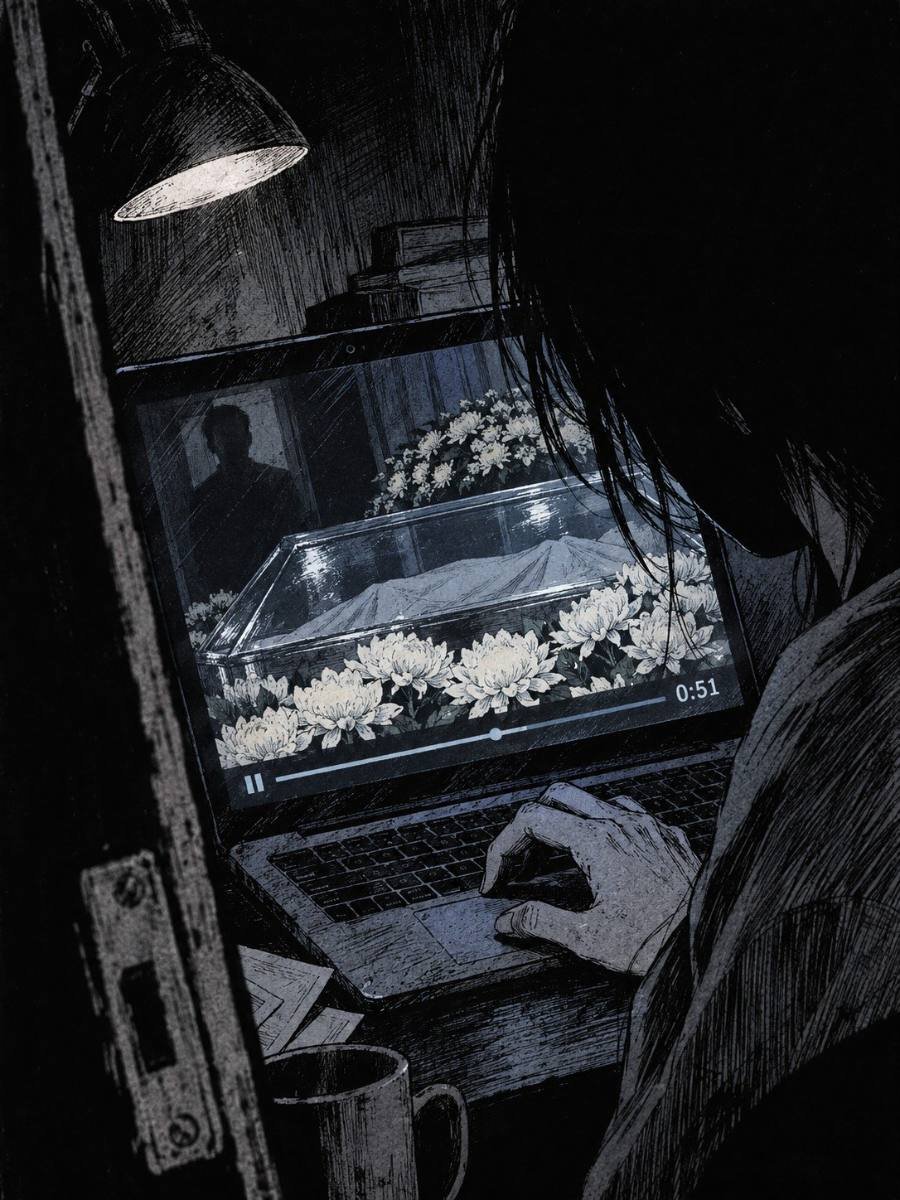
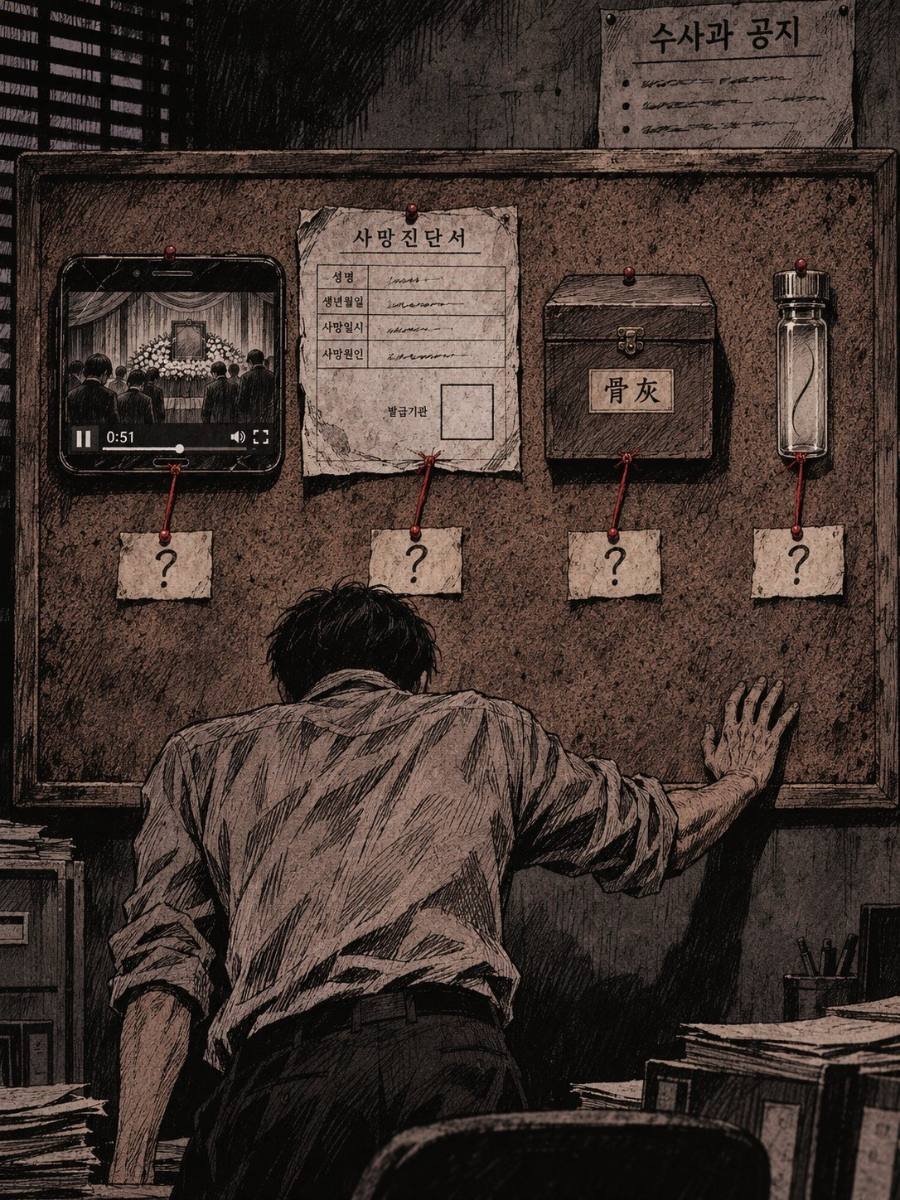
The proof that Korea’s most wanted fraud suspect was dead came as a video of his own funeral, found on his daughter’s computer.
It is not long. It shows a funeral hall, a body being placed in a coffin, and then a close-up of a face behind glass. A KBS reporter who later investigated the case took that last shot as a message: the dead man, he thought, wanted his death to be known.
On 21 May 2012, Korea’s National Police Agency announced that Jo Hee-pal had died in China five months earlier.
Jo had run BMC, a Daegu company that promised ordinary people monthly rent from medical machines. He had been on the run since 2008.
The police themselves said they could not tell from the video whether the man was dead or alive, or whether he was Jo at all. The Korea Times ran the story under the headline “People skeptical about death of man involved in fraud.”
In 2016, prosecutors concluded that he did die, in December 2011. His victims still do not accept it. (Much of the English-language press spells him Cho Hee-pal.) (SEOUL-2012) (JOURNALIST-KBS) (KT-2012-05-22) (KT-2012-05-29) (HANKOOK-2016-06) (KBMAEIL-2016-06-29)
A labourer from Daegu learns the trade
Before any of this, Jo Hee-pal was nobody in particular.
He was born in 1957, by Korean Wikipedia’s account, in Yeongcheon, North Gyeongsang Province. He had only an elementary-school education. In Daegu he got by on manual labour and odd jobs in gambling dens.
In his mid-40s he found a new line of work. His elder brother was at a multilevel-marketing company, and Jo learned the business there.
In October 2004 he started his own. He called it BMC, for Big Mountain Company, and set it up in Dong District, Daegu, together with Kang Tae-yong. Kang became the administrative vice-president. He handled the money.
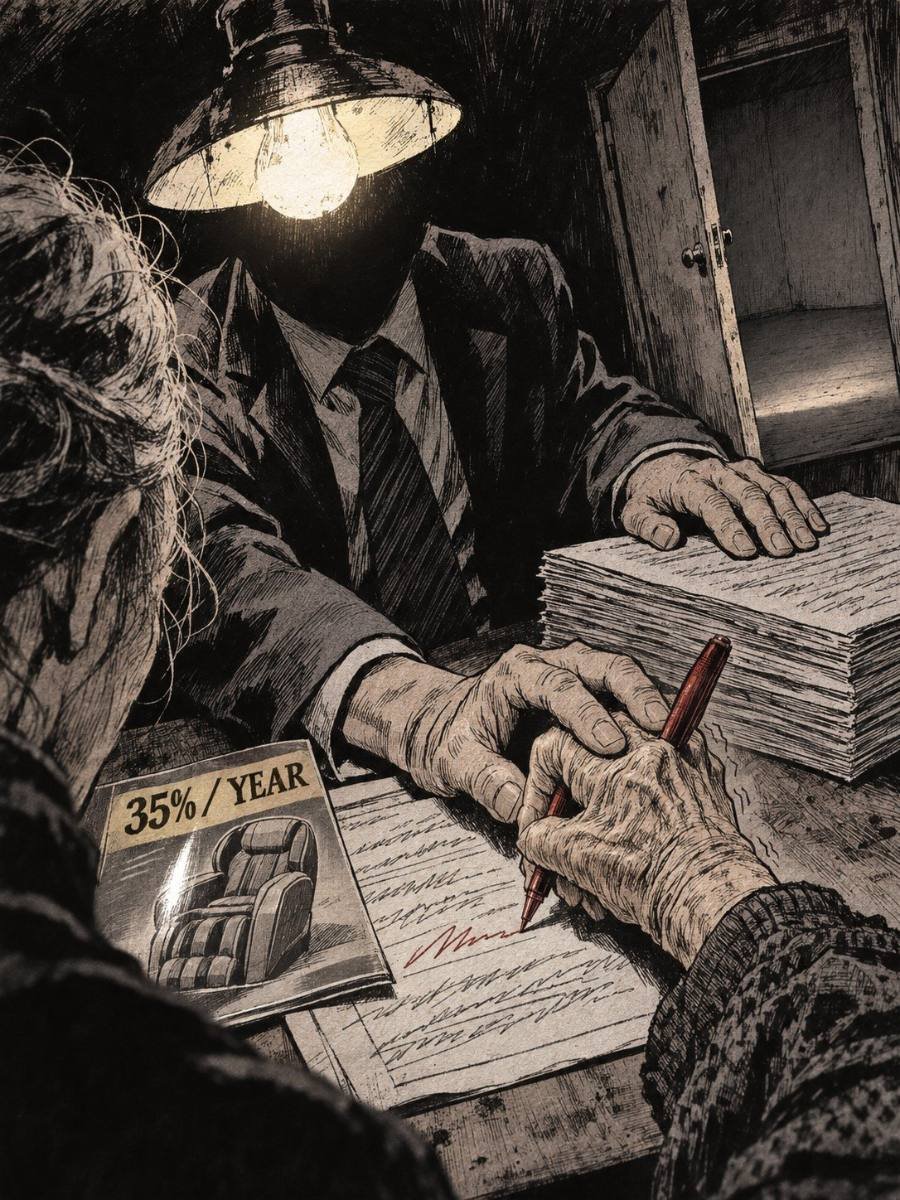
The pitch was simple enough to explain at a kitchen table. You bought health or medical equipment. The company rented it out to jjimjilbang, Korea’s big public bathhouses, all over the country, and the rent came back to you.
The return was fixed: 35% a year, paid every month. An SBS documentary in 2021 put the promise even higher, at a reported 48%. (KOWIKI) (MAEIL-2016) (KBMAEIL-2016-06-29) (JOONGANG-2016) (HANKOOK-2016-06) (SBS-KKOKKOMU-2021)
Rent from a massage chair you never saw
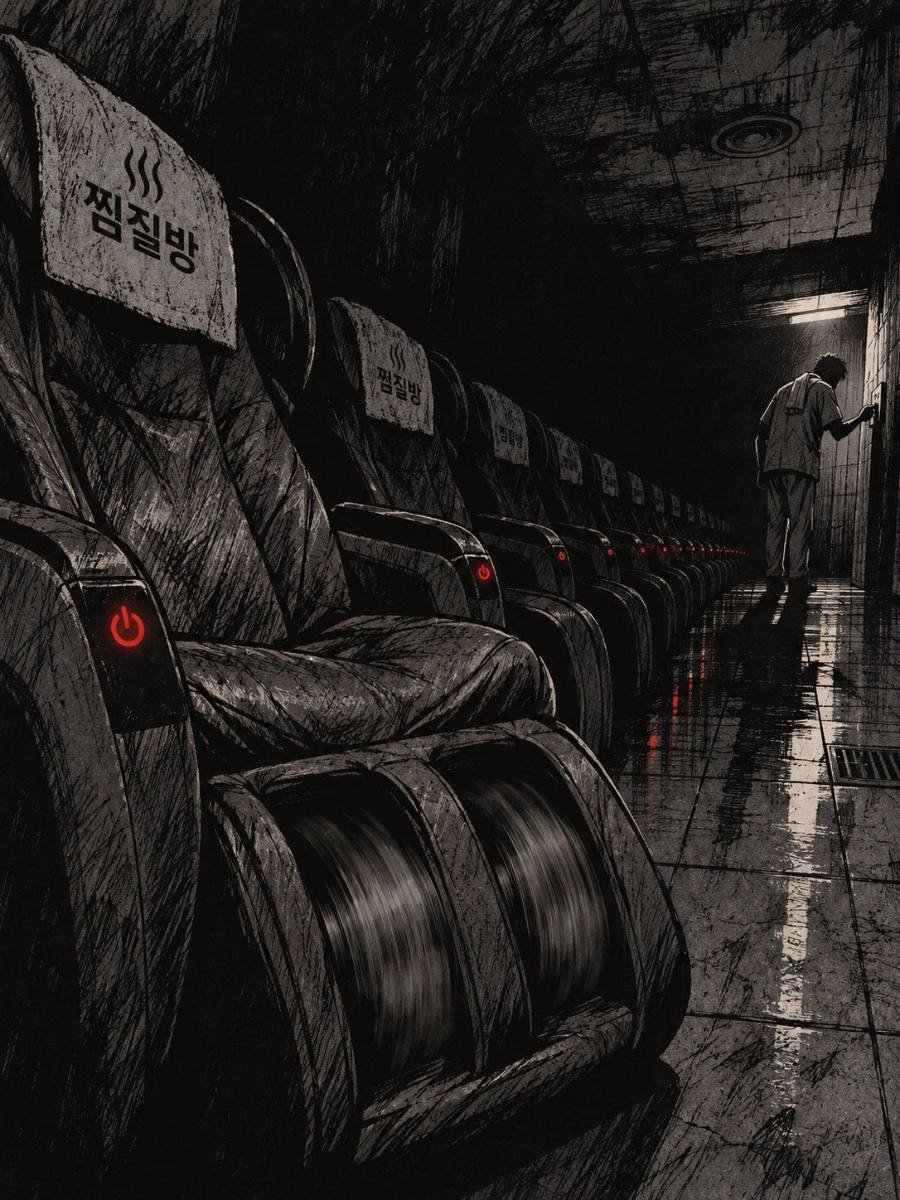
SBS later gave the idea a name, a “reverse rental”, and the example it reached for was the massage chair.
So imagine owning one. On paper it sits in a bathhouse somewhere in Korea, and every month a payment lands in your account. It feels like rent.
Prosecutors and the courts saw something else. They found a Ponzi structure, in which money paid in by new investors was used to pay the returns of the people who had come before them. Korean law has a word for this, 유사수신, illegal deposit-taking. Here it had been dressed up as a rental business.
And it spread. One regional daily counts about 20 locations, Seoul and Busan among them, with Daegu at the centre and Incheon a second hub. The fraud the courts eventually ruled on ran from June 2006 to October 2008. (SBS-KKOKKOMU-2021) (MAEIL-2016) (KBMAEIL-2016-06-29) (KBMAEIL-2017-08) (AJU-2016) (ASIAE-2021)
Five trillion won in, most of it out again
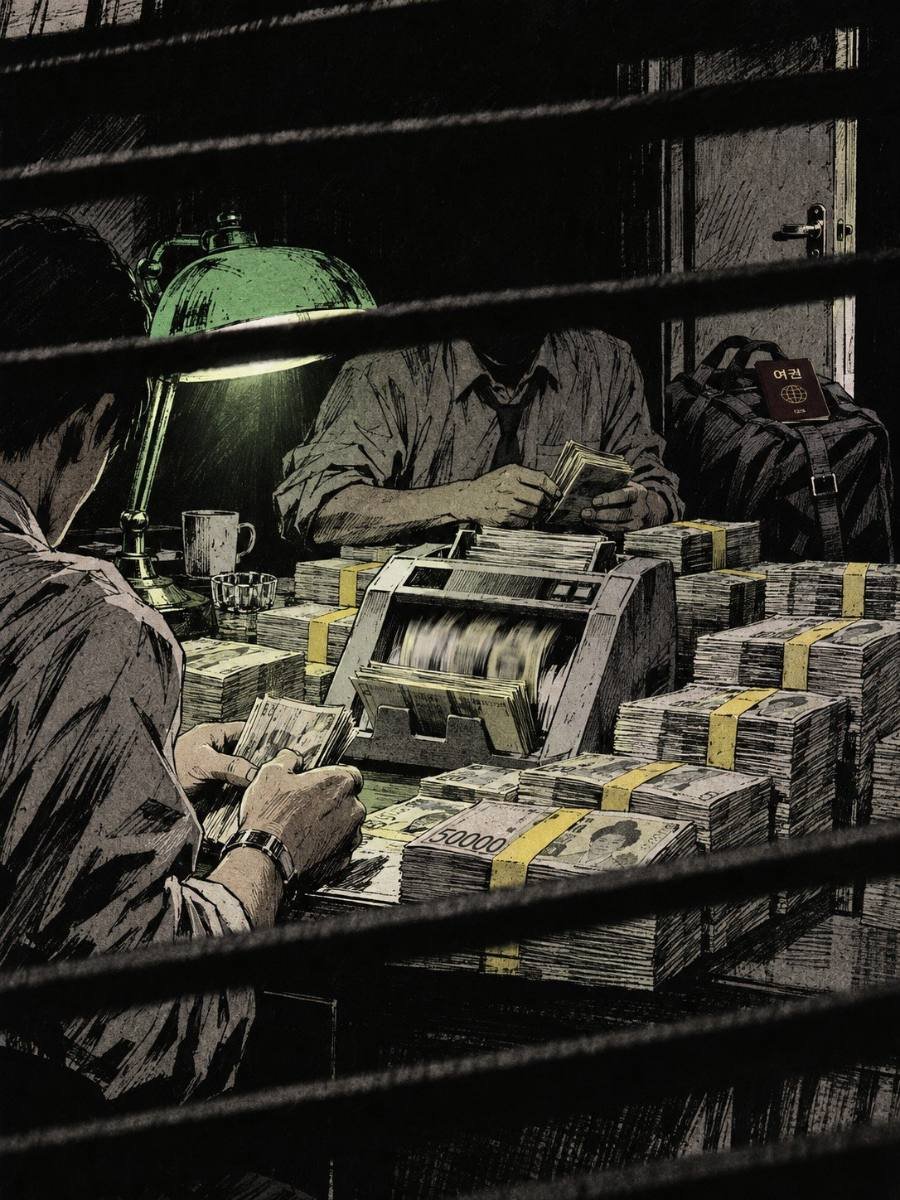
Numbers in this case have a habit of growing. It helps to keep track of who is talking, and when.
In the early years police put the scheme at about 4 trillion won and about 30,000 victims. The original indictment said 2.79 trillion won and about 29,000 people.
After Kang Tae-yong was caught in 2015, prosecutors spent five months inside the bank records of 23 companies, about 18 million transactions. They also had two server hard drives the group had moved to China in June 2008, and their figures matched the sales data on the drives by about 95%.
On 3 March 2016 they released what they called the first official damage figure. About 4.88 trillion won had come in, from about 70,000 victims. About 4.64 trillion won had gone back out to investors.
By June the intake stood at 5.0715 trillion won, roughly $4 billion. That is the famous “5 trillion”, and it is money taken in, not money lost. Most of it went round in circles as “returns”. The real unrecovered loss of principal, prosecutors said, was about 840 billion won, roughly $700 million. (KT-2012-05-22) (SEOUL-2012) (YEONGNAM-2016-03) (HANKOOK-2016-06) (JOONGANG-2016)
Coffee with the police, a month before he vanished
Police had started an internal inquiry into the business in 2006. In October 2008 warrants came, for Jo and his core aides, on fraud charges.
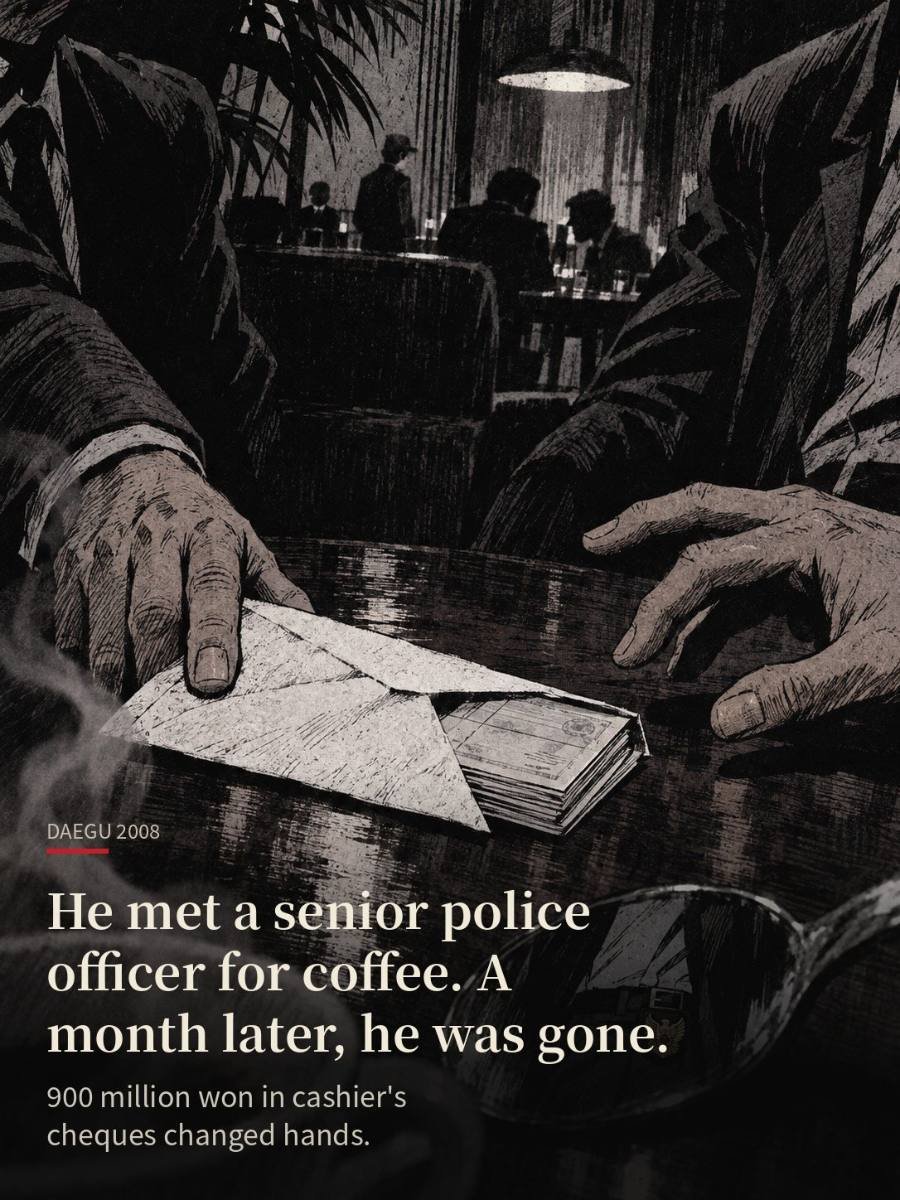
On 30 October 2008, Jo sat down in a hotel coffee shop in Suseong-gu, Daegu, and handed over 900 million won in cashier’s cheques.
The man across the table was a senior superintendent. At the time he headed a criminal-investigation unit at the Daegu Metropolitan Police Agency.
About a month later, Jo was gone.
On 25 March 2016 the Daegu District Court sentenced the officer to 10 years in prison, a 15 million won fine and forfeiture of the 900 million won. It found that he had stayed in contact with Jo while Jo was on the run, and had passed him information about the investigation.
Whether that sentence changed on appeal is something this file could not confirm. (MAEIL-2016) (KBMAEIL-2016-06-29) (AJU-2016) (SEOUL-2016-06-B)
A boat for “Chairman Wang”
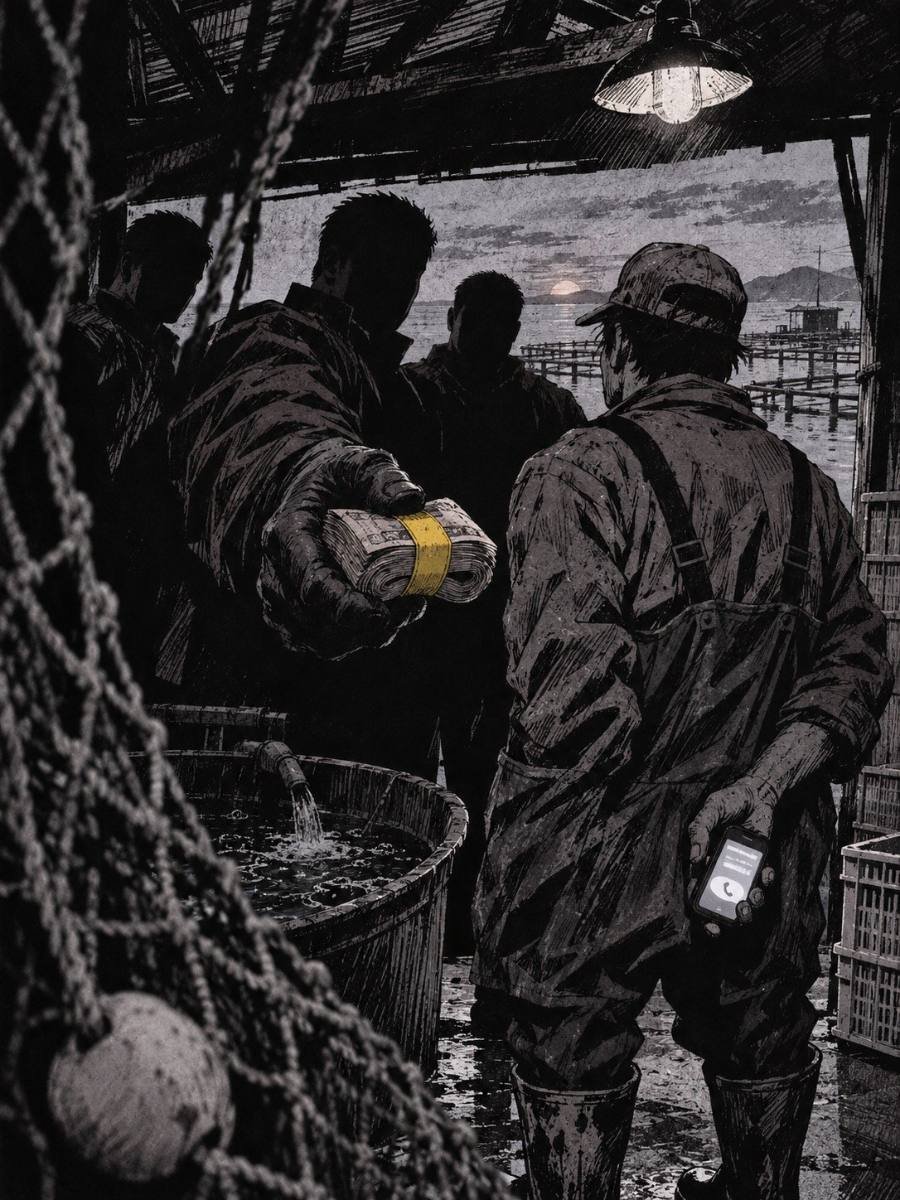
In October 2008, according to SBS, an acquaintance turned up at the place of a fish farmer in Taean, on Korea’s west coast, with several large men. They needed a boat. The passenger, they said, was a mysterious businessman called “Chairman Wang”. The pay on offer was large.
The farmer did not know he was being asked to smuggle out a fraud suspect. He later told CBS radio that the man said his business had failed and that he had another business in Hong Kong.
He went to the Coast Guard instead.
His idea was a trap at sea. Let the boat sail, he suggested, then stage a “random inspection” out on the water and take the passenger there. SBS says the Coast Guard planned to catch “Wang” in the act, and that the farmer joined a secret joint operation.
So a fish farmer from Taean was now part of a sting. (SBS-KKOKKOMU-2021) (NOCUT-2014)
A walk on the beach in broad daylight
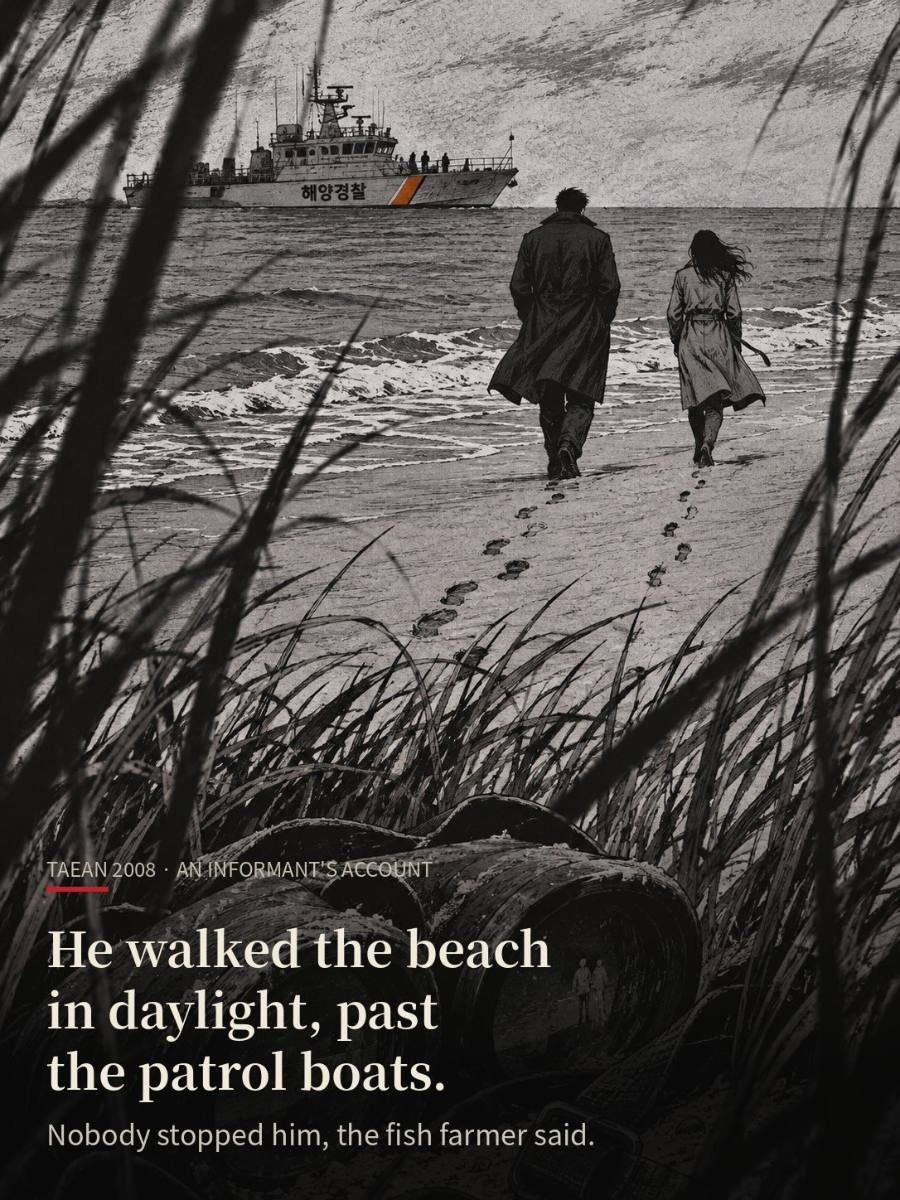
What happened next comes from the farmer’s own account. No official record checked for this file confirms it.
He says Jo came to the first three meetings in disguise. By the second attempt to leave, he no longer bothered.
On the final attempt, the farmer says, Jo walked along the beach in daylight, openly, with his mistress beside him. The farmer could see Coast Guard patrol boats nearby. He could see a navy warship.
Nobody stopped them. Jo left by the route that had been planned.
Korean Wikipedia records that Taean’s maritime-police chief was suspended in January 2009 and reinstated four months later. A reporter for the magazine Sisain later said on CBS radio that the Coast Guard claimed it had taken the man for a drug suspect.
The farmer says the officers got “the lightest possible punishment”. He filed a complaint against the top officer. (NOCUT-2014) (KOWIKI) (NOCUT-2015-10)
Two boats in the open West Sea
He left in December 2008, about two months after the warrants. One reporter, alone among the sources, dates it to 9 December.
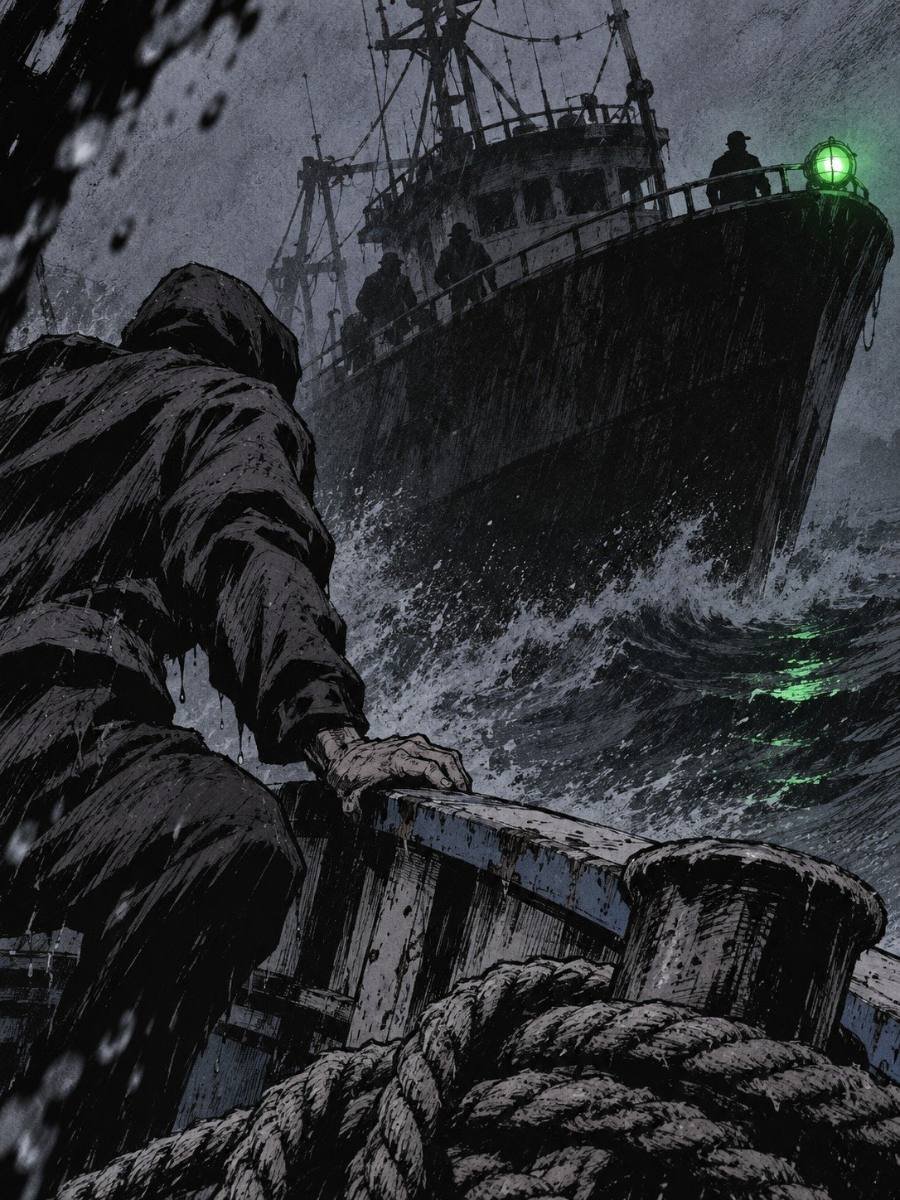
The departure point was Mageompo, a small port on Anmyeon Island in Taean. He went out on a fish farmer’s boat.
It ran out past Gyeokryeol Island, into the open West Sea. Somewhere out there a second boat was waiting, bound for China, and he moved across to it.
Family helped too. A maternal nephew worked on the escape and reportedly arranged a Chinese fishing boat. Remember the nephew. He comes back.
Kang Tae-yong was already gone. He had fled to China on his own the month before, in November 2008. Korean Wikipedia says Jo was put on the wanted list that same November. (NOCUT-2015-10) (KBMAEIL-2016-06-29) (MAEIL-2016) (KOWIKI) (SEOUL-2012) (KBMAEIL-2015-10-21) (KBMAEIL-2017-03)
A new man named Jo Yeong-bok
In China, Jo Hee-pal became somebody else.
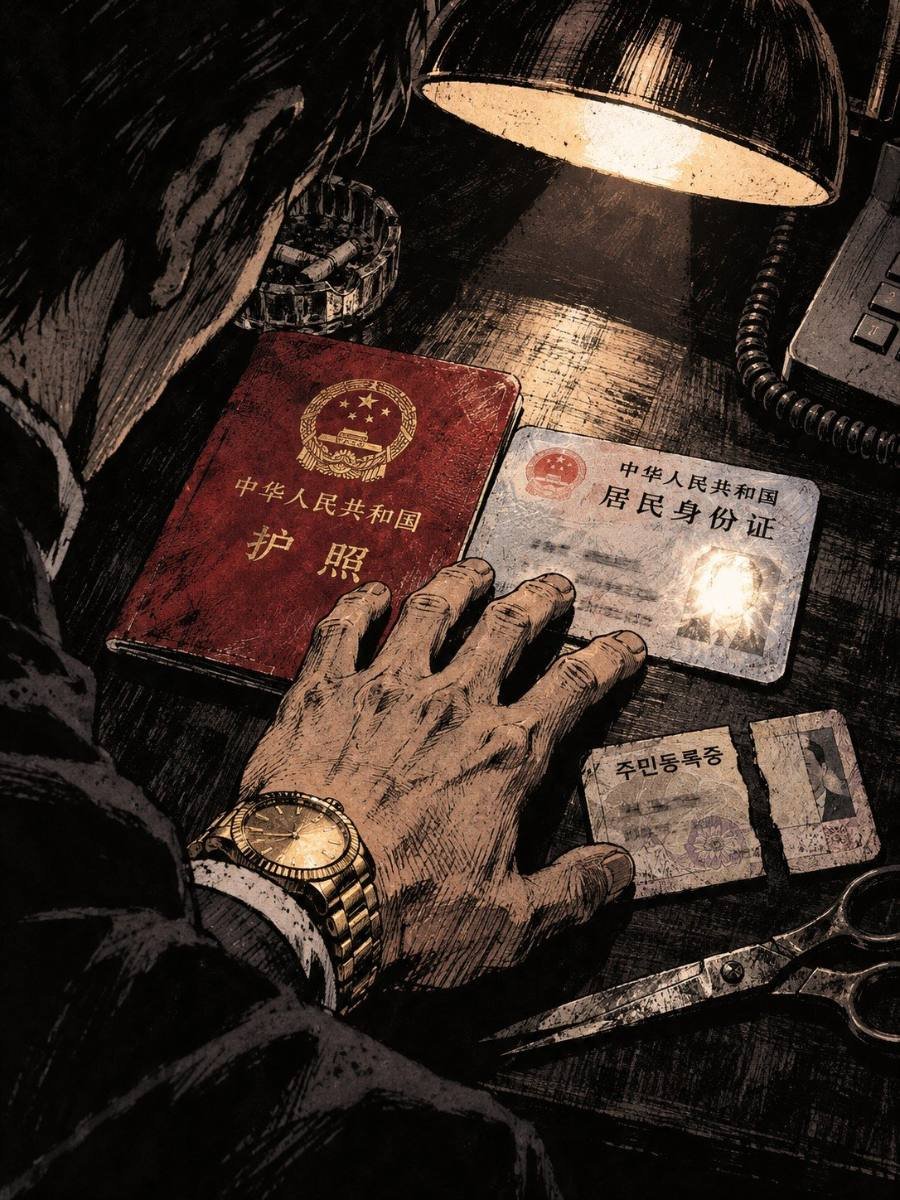
Chinese authorities issued him an ID card, a driver’s licence and a passport as Jo Yeong-bok, a 53-year-old ethnic Korean. The English-language press spelled the alias Cho Yong-bak or Cho Young-bok. He reportedly lived in Yantai, a port city in Shandong province.
Prosecutors and the Korean press say he ran restaurants and factories under other people’s names, and that Korean police officers he knew came over and played golf and drank with him.
In 2015 a self-described former aide, jailed for eight months for hiding him, told the Korea Herald about plastic surgery, a failed attempt to remove his fingerprints and a handgun. He said he last phoned Jo in late 2013. None of it has been confirmed, and the prosecutors’ 2016 conclusion contradicts him.
The circle around Jo was getting smaller. In February 2012, Chinese police arrested two senior figures from the scheme. They were handed over to Korea in mid-May. (KT-2012-05-22) (KH-2015) (SEOUL-2012) (MAEIL-2012) (MAEIL-2016) (KBMAEIL-2016-06-29) (SEOUL-2016-06-B) (NOCUT-2015-10)
Two hours in the karaoke basement
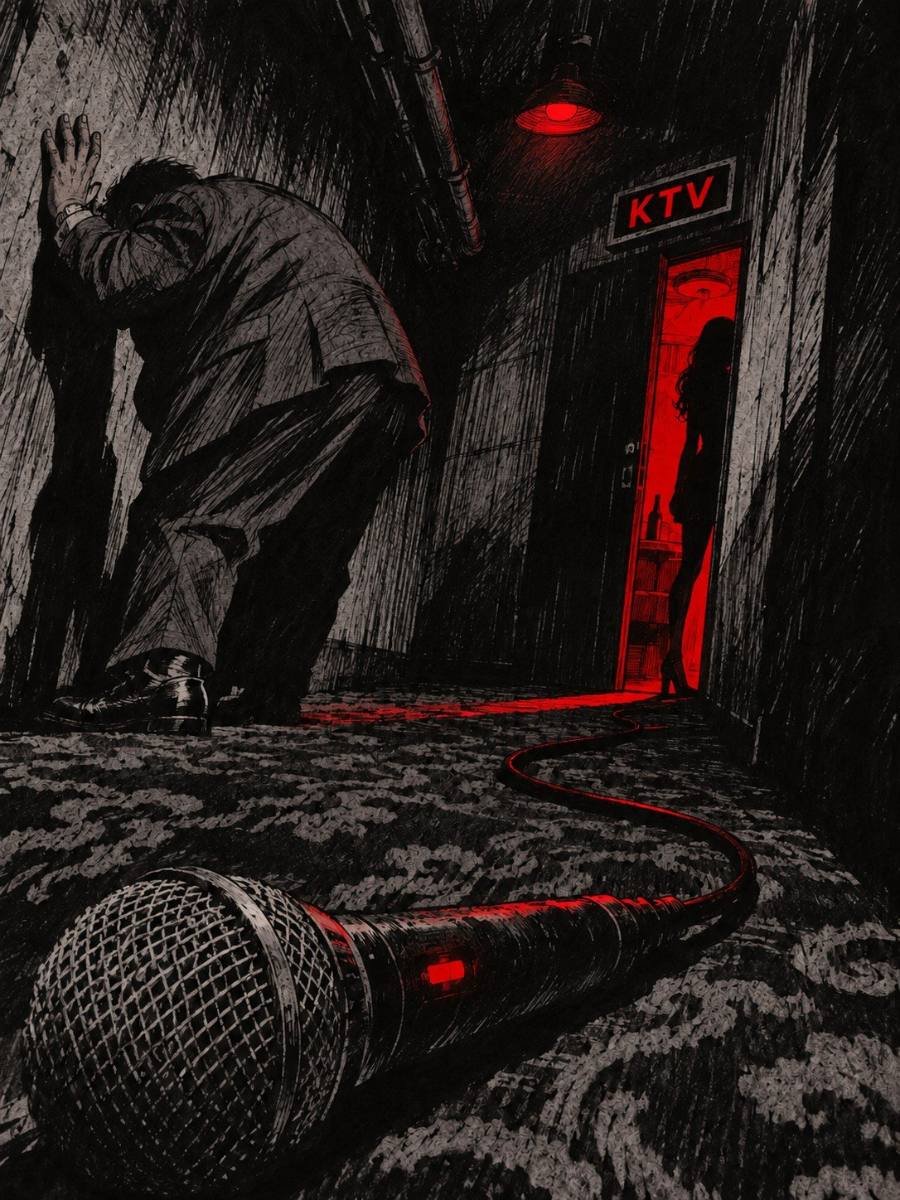
Here is the night as Korean police described it in May 2012.
18 December 2011. Jo had dinner with five people. One of them was a girlfriend who had come over from Korea.
From about eight o’clock they drank in the hotel’s basement, in a bar or a karaoke room, for about two hours. The Korea Times version has him collapsing while singing, after two shots of liquor.
Back in his room he complained of pain, in his chest or his stomach depending on the account. He thought it was indigestion. He asked for emergency care.
When prosecutors told the story again in 2016, they put him in the hotel-basement karaoke with his mistress.
Which hotel, and which city, depends on who you ask and when. The 2012 reports say Yantai, or Qingdao. The 2016 prosecution conclusion says a hotel in Weihai. All three are in Shandong province. (SEOUL-2012) (MAEIL-2012) (KT-2012-05-22) (HANKOOK-2016-06) (SEOUL-2016-06-A) (JOONGANG-2016) (KH-2015)
Quarter past midnight, in the back of an ambulance
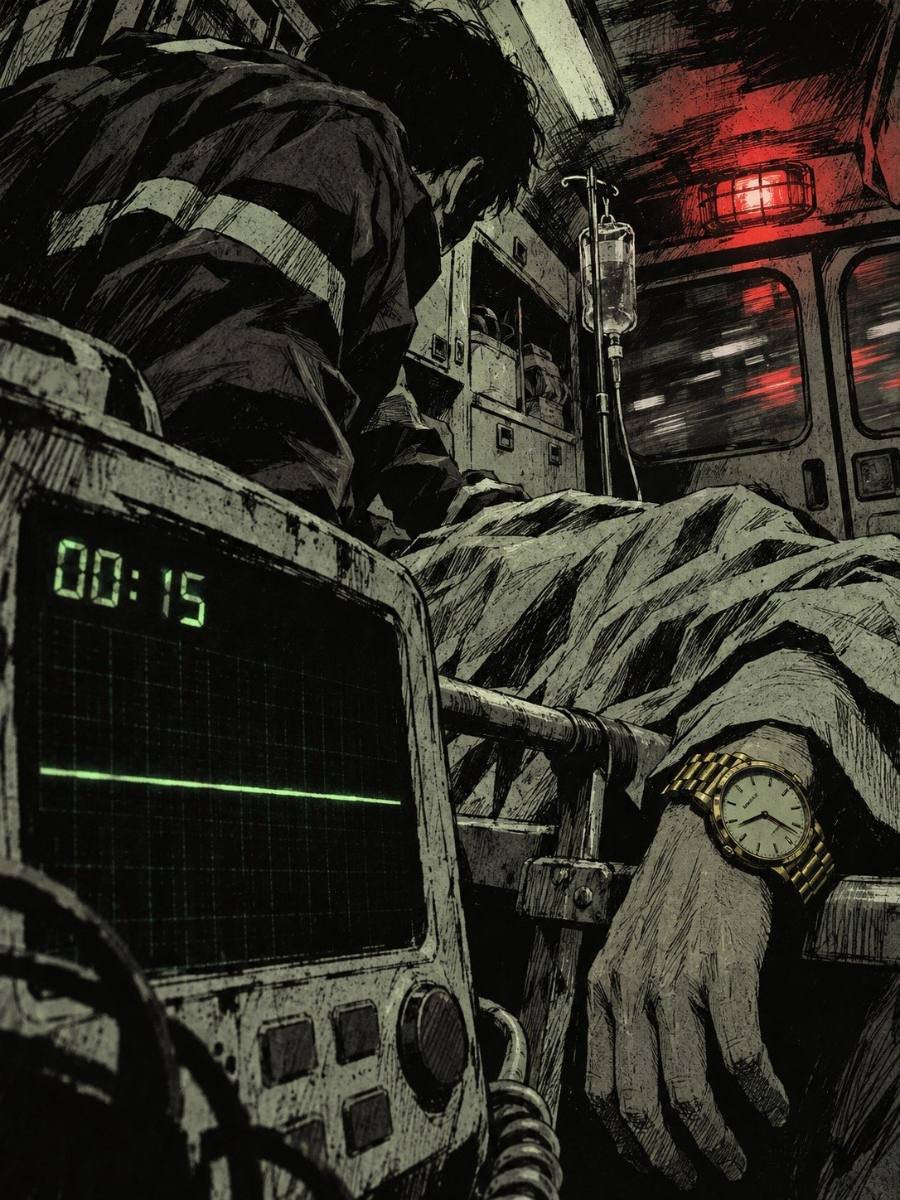
He never reached the hospital.
Police said he died in the ambulance at about 00:15 on 19 December 2011, on the way to the People’s Liberation Army 404th Hospital. The cause given was acute myocardial infarction, a heart attack. One Korean daily added cardiac arrest from pancreatic necrosis.
He had no record of treatment for a heart condition in Korea.
Even the date wobbles. The Korea Times in 2012 gave 18 December. JoongAng Daily, writing in 2016, said he died two days after he collapsed.
None of that would have mattered much if there had been a body to examine. There was not going to be one. (SEOUL-2012) (MAEIL-2012) (HANKOOK-2016-06) (KT-2012-05-22) (KT-2012-05-29) (JOONGANG-2016)
Ashes home before anyone knew
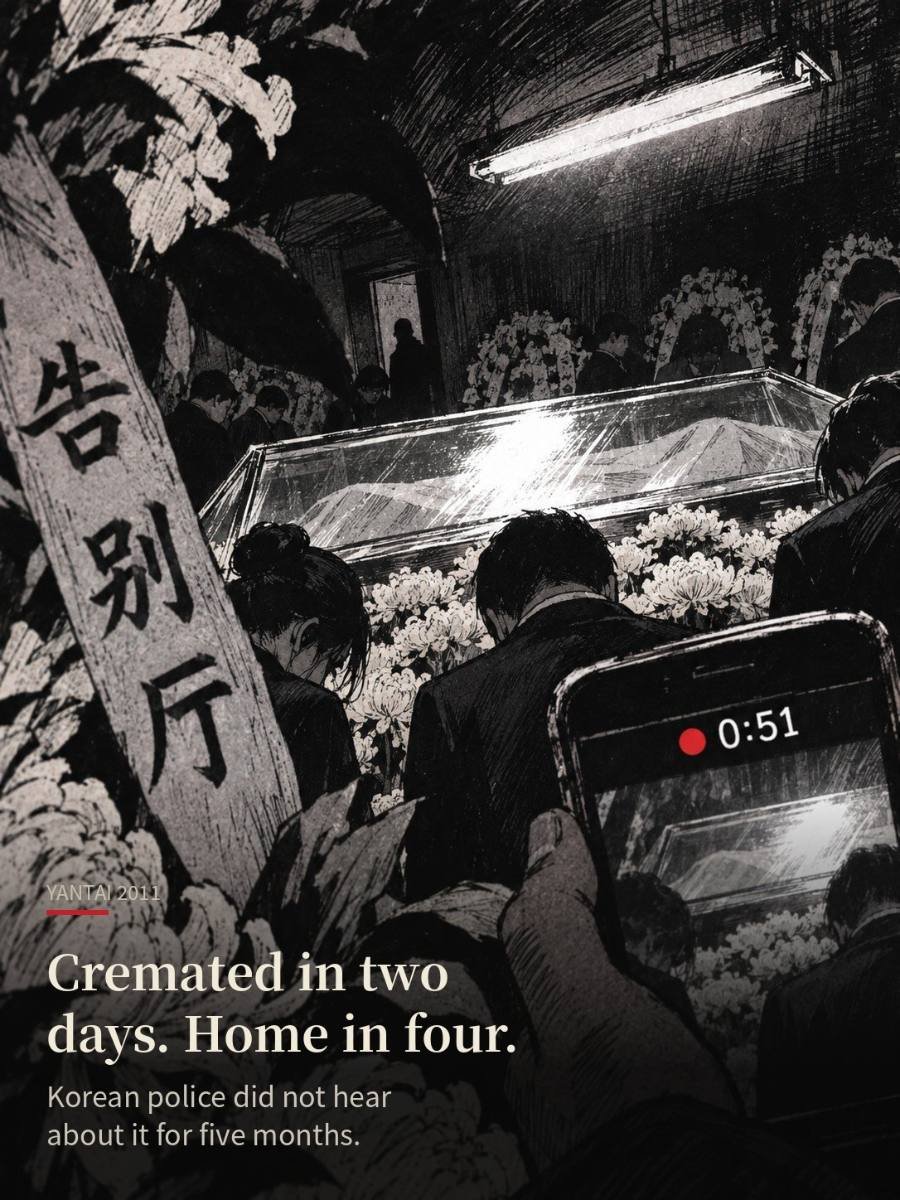
What came next came fast.
About ten relatives, his brothers and children among them, got emergency visas and flew to China. On 21 December he was cremated at a funeral home in Zhifu District, Yantai. By 23 December the remains were back in Korea, and they were placed in a public cemetery in North Gyeongsang Province.
The family later told police why they had not waited. They were afraid angry victims would desecrate the body.
And somebody filmed the funeral. That is the 51-second video, with its close-up through the glass. Police did not know in 2012 who had held the camera. A reporter later said it was the nephew who had helped with the escape, which has not been confirmed.
A source quoted by the Korea Times put the oddness plainly: “Koreans usually take video footage of wedding ceremonies. But it is rare for us to take video footage of funerals.”
Police in Korea did not hear about any of it for five months. (SEOUL-2012) (MAEIL-2012) (MAEIL-2016) (KT-2012-05-29) (KT-2012-05-22) (NOCUT-2015-10) (JOURNALIST-KBS)
A death certificate with an empty square
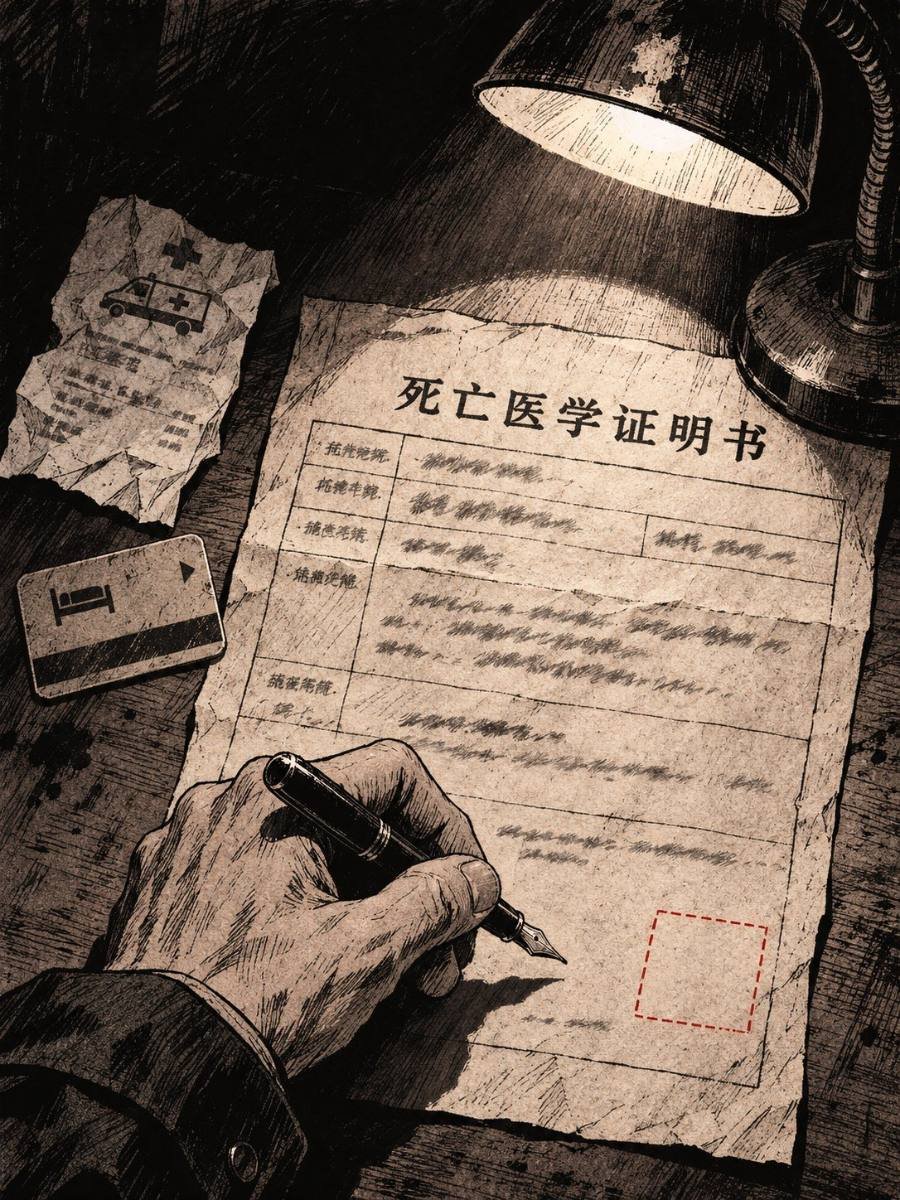
When police went looking in May 2012, they searched the homes of Jo’s relatives and associates. They came away with emergency medical records, a death certificate and a cremation certificate. Some of the papers, and his Chinese ID card, were at the home of the nephew.
Police said the doctor who issued the certificate had confirmed the identity. They had established it was Jo, they said, “to a reasonable degree”. There had been no DNA test. You cannot take DNA from ashes, and the hospital that handled the remains had kept no samples from him.
The timing did not help. The announcement came days after the two senior figures were handed over from China, and five months after a death police had somehow missed. The Korea Herald later reported speculation that it had been announced in a hurry to shield senior officials.
An insurance-fraud investigator gave the Korea Times his view: “It’s a typical method in insurance scams.”
Three years later a TV team would notice something else about that death certificate. It had no Chinese police-station seal. (SEOUL-2012) (KT-2012-05-22) (MAEIL-2016) (MAEIL-2012) (KH-2015) (KT-2012-05-29) (NEWDAILY-2015)
Two golfers, 18 holes, nobody behind them
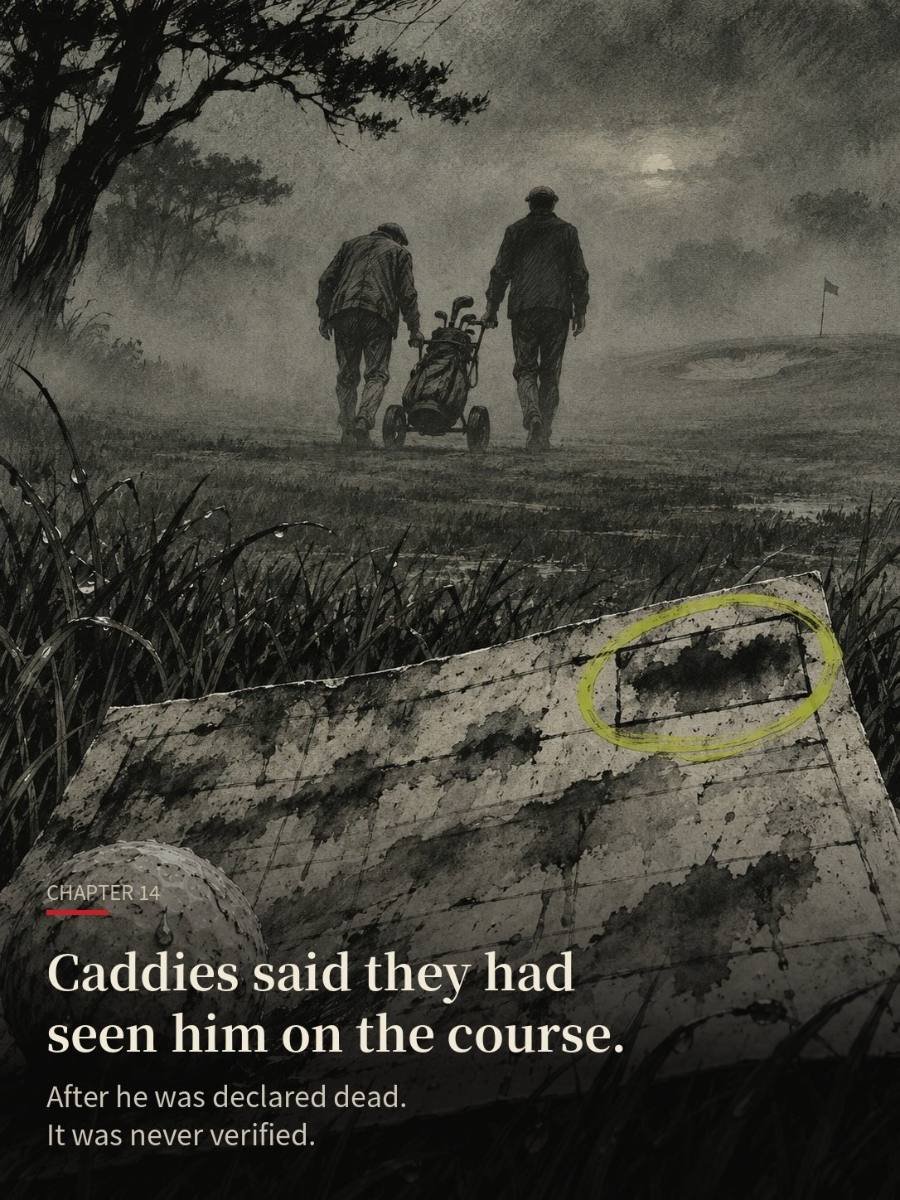
For a man the police called dead, he was seen in China a great deal. Or so people said.
In September 2012 Korean prosecutors asked Chinese public security to check whether he was alive. Late that year the KBS current-affairs programme Sisa Gihoek Chang went to Shandong and came back with a blunt title: “Jo Hee-pal is alive.”
Hotel staff told the KBS team that nobody had died there. At two of the five golf courses it checked in Weihai and Yantai, caddies said they had seen him recently. One remembered the name Jo Yeong-bok. A Yantai police investigator was quoted as saying he was alive, though the reporter could not confirm it.
In October 2015 SBS’s Unanswered Questions went too, with a well-known criminal psychologist. At a golf course in Qingdao the team found a record dated after the reported death. An employee remembered two people playing 18 holes alone, “with no groups ahead or behind”.
One witness claimed to have seen him in a Weihai bar, in a wheelchair, with a bodyguard. A source said a broker in Guangzhou had made him a fake passport. An expert told the programme the funeral video “shows signs of editing”.
None of these sightings was ever verified. (KOWIKI) (SEOUL-2016-06-B) (JOURNALIST-KBS) (SBS-UQ-1004) (NEWDAILY-2015) (TENASIA-2015)
The right-hand man comes home
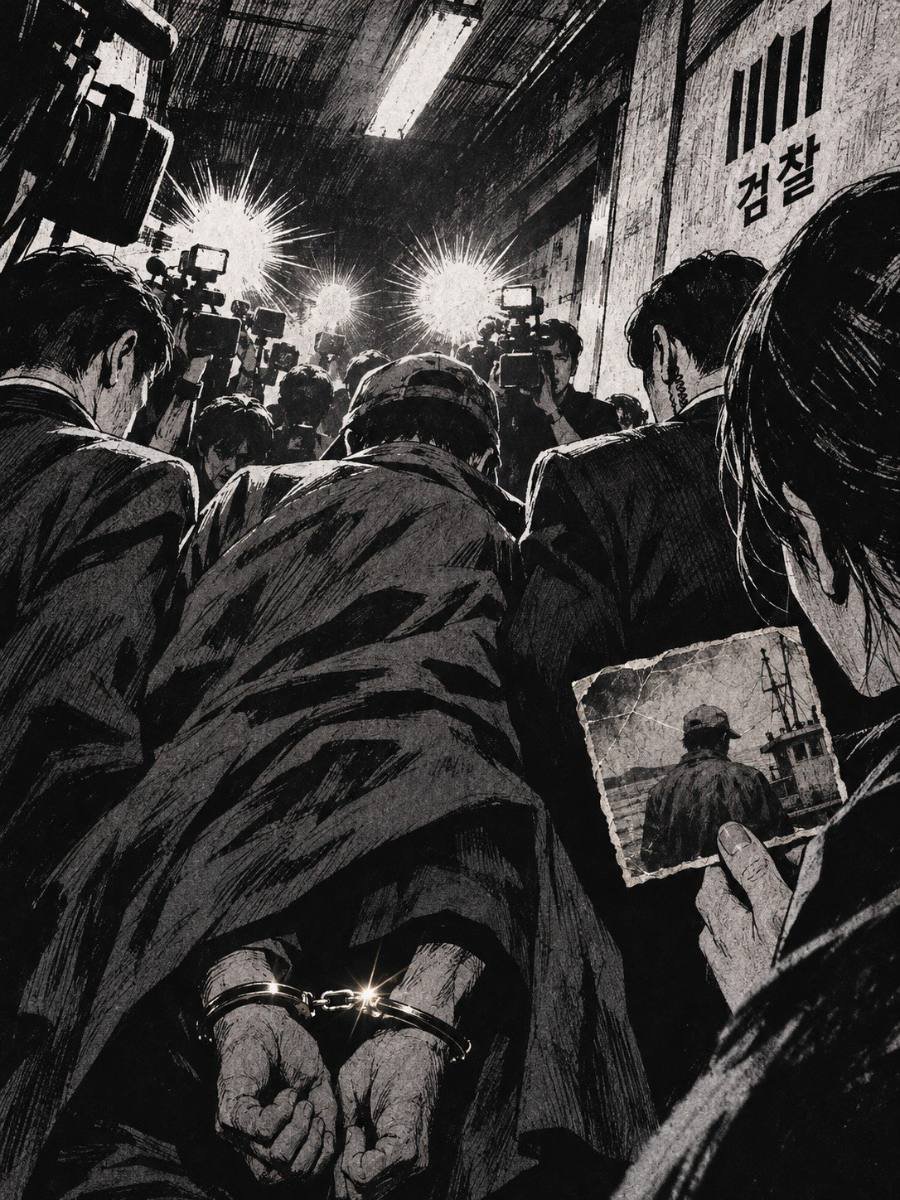
On 10 October 2015, the same day that SBS episode aired, Chinese police arrested Kang Tae-yong at his home in Suzhou. He had been on the run for about seven years.
Jo’s nephew was with him. The Sisain reporter says the nephew had tipped off the authorities. That claim has not been confirmed.
Ten days later, the nephew was found dead in his office in Daegu.
On 16 December 2015 Kang was handed over to Korea and taken to the Daegu District Prosecutors’ Office. He told investigators: “Jo Hee-pal died in winter 2011.”
Money from Kang had reached high places. Kim Kwang-jun, a senior prosecutor at the Seoul High Prosecutors’ Office, was arrested in November 2012, partly over money taken from Kang. He got seven years, final in May 2014, for about 1 billion won in bribes and entertainment from several givers, 270 million won of it tied to Jo’s side. Kang later said it had not been a bribe, and Kim sought a retrial.
Kang himself got 22 years, for aggravated fraud, embezzlement, bribery and hiding criminal proceeds. Upholding it in August 2017, the Daegu High Court pointed to his flight to China and to what the scheme had done to its victims: “the severing of social bonds”. The sentence became final that year. (KH-2015) (NOCUT-2015-10) (KBMAEIL-2015-10-21) (SEOUL-2016-06-B) (SEGYE-2015) (MAEIL-2016) (KHAN-2013) (KHAN-2016) (KBMAEIL-2017-08) (ASIAE-2021)
A single hair, kept since 2011
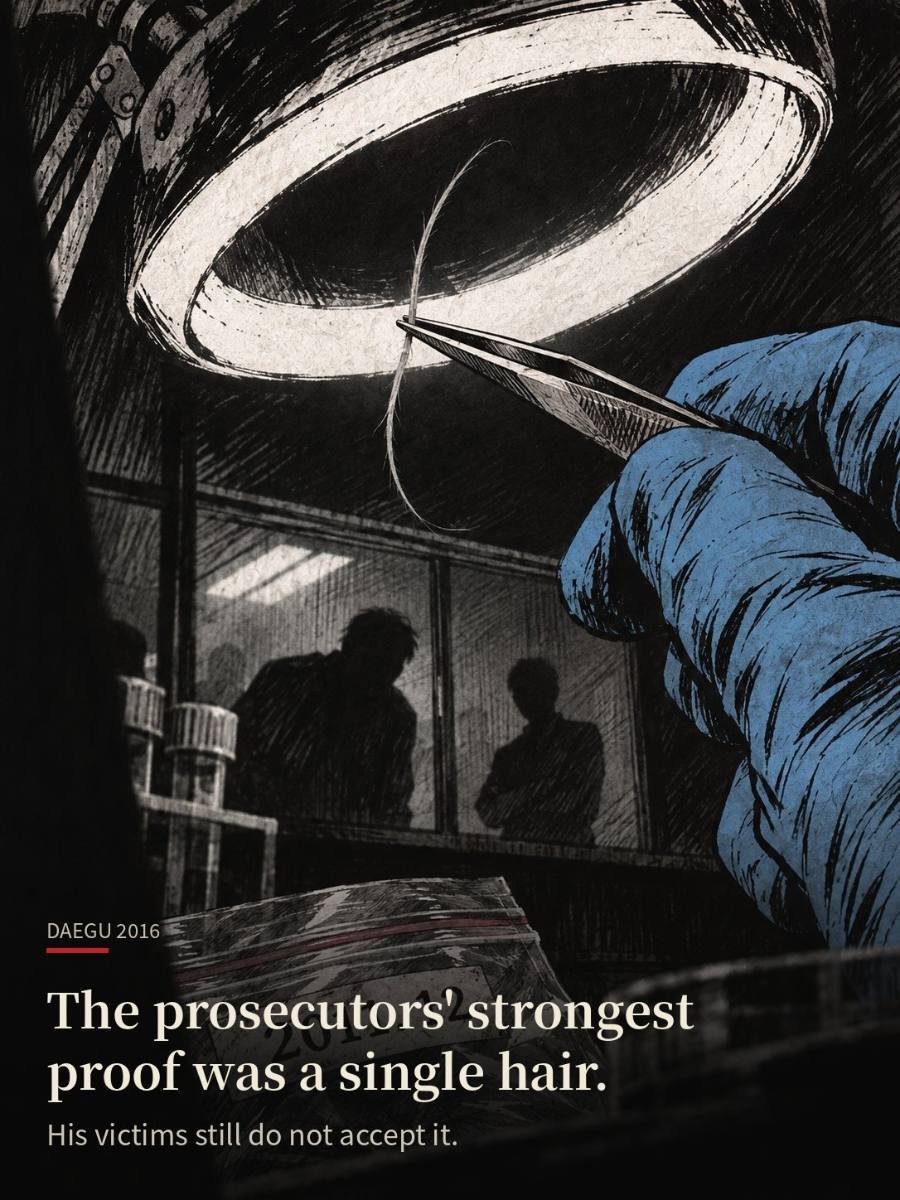
On 28 June 2016 the Daegu District Prosecutors’ Office gave its answer.
A deputy chief prosecutor announced the end of a two-year re-investigation. The conclusion: Jo Hee-pal died on 19 December 2011. His case was closed as 공소권 없음, “no right of prosecution”.
Point by point, they answered the doubters. The strongest piece was a hair. It had been collected right after the death, and the National Forensic Service matched it to Jo.
Three people who were there that night, the mistress among them, and 14 funeral attendees gave consistent accounts of the emergency room, the funeral and the cremation. Two of the witnesses to the death passed polygraph tests. The Chinese doctor who treated him identified the patient as Jo. His son, then 30, said his father had died in China.
Forensic examiners found no forgery or editing in the funeral video. The men taken for Jo on a Chinese golf course were unrelated to him. The hospital, they said, was about 500 metres from where he was staying. And the missing seal? Chinese authorities use it, prosecutors said, only when homicide is suspected.
By then 71 people had been charged over the scheme. Eight police and prosecution officials had been punished for helping Jo’s group in exchange for money. (HANKOOK-2016-06) (SEOUL-2016-06-A) (JOONGANG-2016) (MAEIL-2016)
Still holding a number in 2026
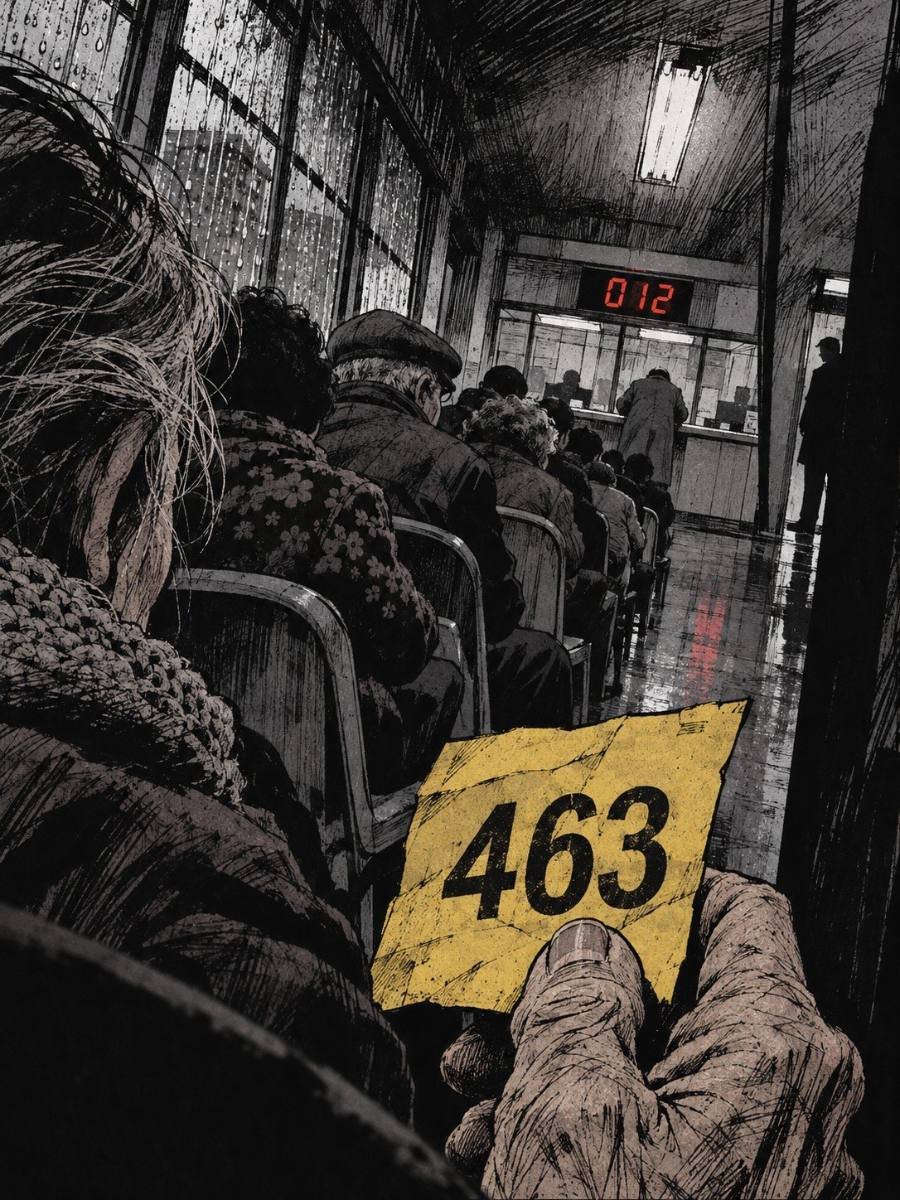
The victims’ group, known by its Korean short name Basillyeon, rejected the conclusion. It called it “엉터리 수사”, a sham investigation, and said it believed Jo was alive in China.
That December the film Master opened, with one of Korea’s biggest stars playing “Chairman Jin” of a fraud company called One Network. It was widely reported as inspired by the Jo Hee-pal case.
The money has come back slowly. By June 2016, 72 billion won had been deposited with the court or recovered. Cash returned in 2021 went to the companies’ estates rather than straight to investors.
Victims have been paid in stages since 2017. On 24 June 2026, the Daegu District Court’s Western Branch held another distribution hearing. It had 71 billion won of criminal proceeds on deposit, split into four cases, with about 74,000 people across all of them.
Payments to about 22,000 victims from one 32 billion won case were due to start on 10 July 2026. That was 18 years after the collapse.
Prosecutors concluded that Jo Hee-pal died in a hotel in Shandong in December 2011. His victims still do not accept it. Many of them are still waiting for their money. (HANKOOK-2016-06) (KBMAEIL-2016-06-29) (MAEIL-MASTER-2016) (ASIAE-2021) (HERALDK-2026)
Case notes: Jo Hee-pal and the BMC scheme
From 2004 to 2008 Jo Hee-pal’s Daegu company BMC sold investors medical equipment, supposedly rented out to bathhouses, for a fixed monthly return; prosecutors found a Ponzi scheme that took in about 5.07 trillion won from about 70,000 people (MAEIL-2016) (HANKOOK-2016-06). Jo fled to China by boat in December 2008 (KBMAEIL-2016-06-29). Police announced his death in May 2012 (SEOUL-2012), and prosecutors concluded in 2016 that he had died in December 2011. Victims’ groups do not accept it (HANKOOK-2016-06) (KBMAEIL-2016-06-29).
Where the case stands (as of November 2026)
Prosecutors concluded on 28 June 2016 that Jo Hee-pal died in China on 19 December 2011, citing a hair sample matched by the National Forensic Service, consistent witness accounts and a forensic check of the funeral video, and closed his case as “no right of prosecution” (HANKOOK-2016-06) (SEOUL-2016-06-A) (JOONGANG-2016). The victims’ group called it a sham investigation and said it believed he was alive in China (HANKOOK-2016-06) (KBMAEIL-2016-06-29). Jo was never tried.
Kang Tae-yong’s 22-year sentence is final (KBMAEIL-2017-08) (ASIAE-2021). In June 2026 a Daegu court still held 71 billion won for distribution, with payments to about 22,000 victims from one case due to start on 10 July 2026 (HERALDK-2026).
Timeline
| When | What happened |
|---|---|
| Oct 2004 | Jo and Kang Tae-yong set up BMC in Dong District, Daegu (MAEIL-2016) (JOONGANG-2016) |
| June 2006 – Oct 2008 | The period of the fraud the courts ruled on (KBMAEIL-2017-08) (ASIAE-2021) |
| June 2008 | Two server hard drives moved to China (later recovered by prosecutors) (YEONGNAM-2016-03) |
| Oct 2008 | Warrants for Jo and core aides; a stranger asks a Taean fish farmer to smuggle out “Chairman Wang” (MAEIL-2016) (SBS-KKOKKOMU-2021) |
| 30 Oct 2008 | 900 million won in cashier’s cheques handed to a police unit chief in a Daegu hotel coffee shop (AJU-2016) |
| Nov 2008 | Kang Tae-yong flees to China (KBMAEIL-2017-03) |
| Dec 2008 | Jo leaves Mageompo port, Taean, by boat and transfers at sea to a boat bound for China (9 Dec in one account) (KBMAEIL-2016-06-29) (MAEIL-2016) (NOCUT-2015-10) |
| 18–19 Dec 2011 | Official account: after an evening drinking in a hotel basement in Shandong, Jo dies in an ambulance at about 00:15 (SEOUL-2012) (HANKOOK-2016-06) |
| 21–23 Dec 2011 | Cremation in Zhifu District, Yantai; remains brought back to Korea (MAEIL-2012) |
| Feb 2012 | Two senior figures in the scheme arrested in China; handed over to Korea in mid-May (SEOUL-2016-06-B) (MAEIL-2012) |
| 21 May 2012 | National Police Agency announces Jo died in China (SEOUL-2012) (KT-2012-05-22) |
| 19 Nov 2012 | Senior prosecutor Kim Kwang-jun arrested; part of his case is money from Kang (SEOUL-2016-06-B) (KHAN-2013) |
| Late 2012 | KBS broadcasts “Jo Hee-pal is alive” (JOURNALIST-KBS) (KOWIKI) |
| 9 July 2013 | Kim Kwang-jun sentenced to 7 years (final May 2014) (KHAN-2013) (KHAN-2016) |
| 10 Oct 2015 | Kang Tae-yong arrested in Suzhou, China; the same day SBS airs its episode on the sightings (KH-2015) (NOCUT-2015-10) (SBS-UQ-1004) |
| 16 Dec 2015 | Kang handed over to Korea; tells investigators Jo died in winter 2011 (SEGYE-2015) |
| 3 Mar 2016 | Prosecutors’ first official damage figure: about 4.88 trillion won in, about 70,000 victims (YEONGNAM-2016-03) |
| 25 Mar 2016 | The police superintendent sentenced to 10 years (AJU-2016) |
| 28 June 2016 | Prosecutors conclude Jo died on 19 December 2011 and close his case (HANKOOK-2016-06) (JOONGANG-2016) |
| Dec 2016 | The film Master, widely reported as inspired by the case, opens (MAEIL-MASTER-2016) |
| 10 Aug 2017 | Daegu High Court upholds Kang’s 22-year sentence (final later in 2017) (KBMAEIL-2017-08) (ASIAE-2021) |
| 24 June 2026 | Daegu court distribution hearing; payments to about 22,000 victims due from 10 July (HERALDK-2026) |
Evidence locker
Real records only: cropped screenshots of news reports, with our markings. Illustrations elsewhere in this file are AI-generated.
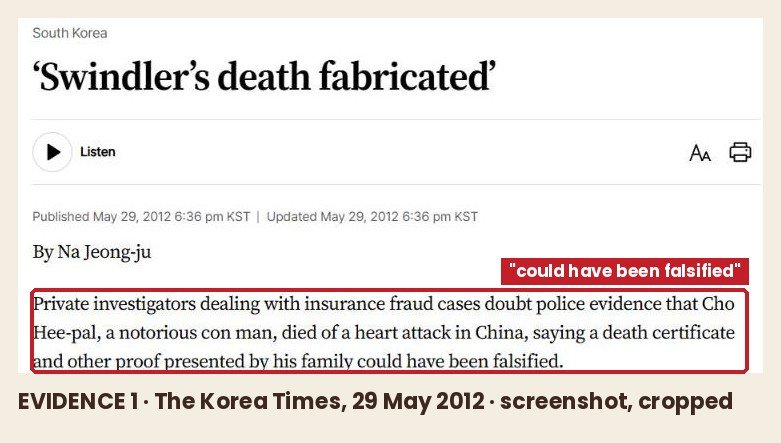 EXHIBIT A · TAP TO ENLARGE
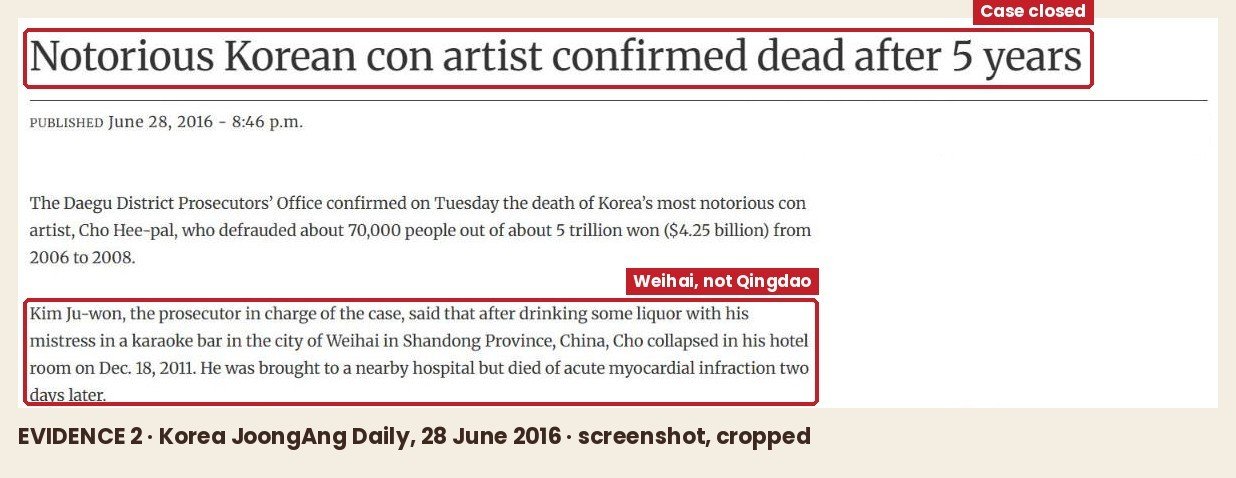 EXHIBIT B · TAP TO ENLARGE
Where the records disagree
| Detail | What sources say |
|---|---|
| Is he dead? | Prosecutors concluded in 2016 that he died in China on 19 December 2011. The victims’ group rejected the conclusion and said it believed he was alive (HANKOOK-2016-06) (KBMAEIL-2016-06-29) |
| City of death | Yantai or Qingdao (2012 reports); Weihai (2016 prosecution conclusion). All in Shandong (SEOUL-2012) (KT-2012-05-22) (HANKOOK-2016-06) |
| Date of death | 19 December 2011 at about 00:15; 18 December (Korea Times, 2012); “two days” after collapsing (JoongAng Daily, 2016) (SEOUL-2012) (KT-2012-05-22) (JOONGANG-2016) |
| Promised return | 35% a year, paid monthly; or a reported 48% (SBS, 2021) (MAEIL-2016) (SBS-KKOKKOMU-2021) |
| Money taken in | About 4 trillion won (police, early years); 2.79 trillion (original indictment); 4.88 trillion (March 2016); 5.0715 trillion (June 2016); about 8 trillion (victims’ group) (KT-2012-05-22) (YEONGNAM-2016-03) (HANKOOK-2016-06) (KOWIKI) |
| Actual loss | About 830 billion won (March 2016) or about 840 billion won (June 2016) in unrecovered principal (YEONGNAM-2016-03) (HANKOOK-2016-06) |
| Number of victims | About 29,000 to 30,000 (early counts); 40,000 to 50,000 (2015 reports); about 70,000 (prosecutors, 2016); 100,000+ (victims’ group) (KT-2012-05-22) (KH-2015) (SBS-UQ-1004) (HANKOOK-2016-06) (NOCUT-2015-09) |
| The funeral video | “Signs of editing” (an expert on SBS, 2015); no forgery or editing (prosecution forensic division and NFS, 2016) (NEWDAILY-2015) (SEOUL-2016-06-A) (JOONGANG-2016) |
| Arrest of the two aides in China | 8 or 14 February 2012 (SEOUL-2016-06-B) (NOCUT-2015-10) |
| Year he fled | December 2008 in every other source; the Korea Times (29 May 2012) says 2010, which appears to be an error (KBMAEIL-2016-06-29) (KT-2012-05-29) |
What we still don’t know
- Exactly which day Jo left Taean: only one reporter gives 9 December 2008.
- Why, by the informant’s account, nobody stopped Jo on the beach, and what any official inquiry found.
- Who filmed the 51-second funeral video.
- Whether the police superintendent’s 10-year sentence was changed on appeal.
- How many victims there really were: counts run from about 29,000 to more than 100,000.
Editor’s note
You would think that a fraud with this many victims would be solved faster, not slower. About 70,000 people lost money, by the prosecutors’ own 2016 count, and still the case dragged on for years. What weighs on me is everything a victim has to carry after the money is gone. You still have to find money for rent and food, still go to work, still explain to your family what happened. And on top of all that, you are expected to keep chasing the case yourself. When people are worn out and stop speaking up, that does not mean anything has been solved. Time passes and attention fades first. The real problem is that the victims end up holding on far longer than the people whose job it is to find the answers.
To me, the biggest failure was speed. The Jo Hee-pal case also exposed corruption: a senior police officer took 900 million won from Jo a month before he fled, and eight police and prosecution officials were later punished for helping his group. I believe that is a large part of why the investigation lagged, and why he was able to slip out to China on a fishing boat.
I find it hard to simply accept that he is dead. I am not convinced of the opposite either. But if I were a victim, my first thought on hearing the announcement would be: then what about my money, and my life? Whether he died or not, there are things that still need to be brought into the light. Before anyone tells the doubters to stop doubting, someone should listen properly to why they still cannot accept it, and explain.
— Strange World Files
Case file summary
- What: A “medical-device rental” Ponzi scheme that courts and prosecutors classed as illegal deposit-taking and fraud; its founder fled to China, where police and later prosecutors said he died
- Where: Daegu, with branches across Korea; escape from Taean; Shandong province, China
- When: 2004 to 2008 (scheme); December 2008 (escape); December 2011 (reported death); 28 June 2016 (case closed)
- Toll: About 5.07 trillion won taken in from about 70,000 people, and about 840 billion won in unrecovered principal (prosecutors, June 2016)
- Status: Closed for Jo (prosecutors concluded he is dead; victims do not accept it). Kang Tae-yong serving 22 years. Court payouts to victims still under way in 2026
Illustrations are AI-generated artistic interpretations, not photos. No real person is depicted with a recognizable face. Read how we research and illustrate these files.
Sources
- Yeongnam Ilbo, “조희팔 사기 사건 피해액 4조8800억…피해자는 7만여명”, 4 March 2016
- Hankook Ilbo, “검찰 ‘조희팔은 죽었다’ 결론”, 28 June 2016
- Seoul Shinmun, “‘조희팔 중국서 사망’ 檢 결론…’내연녀와 음주 후 심근 경색으로'”, 28 June 2016
- Seoul Shinmun, case timeline, 28 June 2016
- Korea JoongAng Daily, “Notorious Korean con artist confirmed dead after 5 years”, 28 June 2016
- Maeil Shinmun, “죽지도 살지도 않은 조희팔, 검찰수사로 최종 ‘사망’ 결론…”, 28 June 2016
- Kyungbuk Maeil, 29 June 2016
- Seoul Shinmun, “‘4조원 다단계 사기왕’ 중국서 돌연사 미스터리”, 22 May 2012
- Maeil Shinmun, 22 May 2012
- Korea Times, “People skeptical about death of man involved in fraud”, 22 May 2012
- Korea Times, “Swindler’s death fabricated?”, 29 May 2012
- Korea Herald, “[Newsmaker] Is Korea’s most-wanted conman really dead?”, 14 October 2015
- Segye Ilbo, 18 December 2015
- Kyungbuk Maeil, on the nephew, 21 October 2015
- Kyungbuk Maeil, Kang appeal hearing, 17 March 2017
- Kyungbuk Maeil, Kang appeal ruling, 11 August 2017
- Asia Economy (English), “Prosecutors Initiate Refund Procedure for 3.2 Billion Won Seized in Jo Hee-pal Case”, 10 March 2021
- Aju News, “‘조희팔 범죄수익’ 9억 뇌물로 받은 총경…징역 10년”, 25 March 2016
- Kyunghyang Shinmun, Kim Kwang-jun first-instance ruling, 9 July 2013
- Kyunghyang Shinmun, 29 August 2016
- Herald Economy, “18년 만에 받는 조희팔 피해금…공탁금 320억 일부 내달 배당”, 24 June 2026
- Nocut News / CBS 김현정의 뉴스쇼, interview with informant Park, 20 June 2014
- Nocut News / CBS 시사자키, interview with Sisain reporter, 30 October 2015
- Journalists Association of Korea, award write-up for KBS 시사기획 창 “조희팔 살아있다”, posted 16 January 2013
- SBS 그것이 알고싶다 ep. 1004 programme page
- New Daily, preview of 그것이 알고싶다, 10 October 2015
- TenAsia, 11 October 2015
- SBS 꼬리에 꼬리를 무는 그날 이야기 S2 ep. 9 programme page
- Maeil Shinmun column on *Master*, 23 December 2016
- Korean Wikipedia, “조희팔”