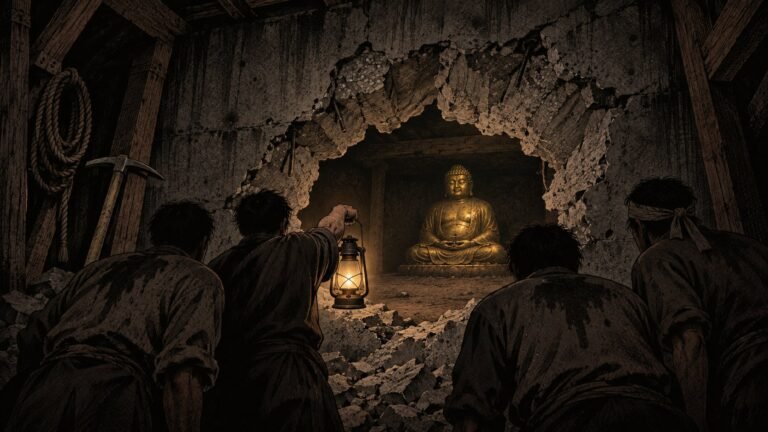
A Father Carried His Son Into the Jungle to Escape the Bombs. They Came Out 41 Years Later

Narrated Mystery: press play and hear the whole case read aloud, like a true crime podcast episode, or an audiobook for a long drive (about 9 minutes). The narrator is an AI voice.
What the record shows
- Who: Ho Van Lang and his father, Ho Van Thanh, a former local guerrilla
- Into the forest: after a bomb killed Thanh’s two eldest children; 1972 or 1974, depending on the source
- Found: by villagers in 1975; officials tried to bring them back from 2004
- Out: early August 2013, after the father fell seriously ill; Lang died of liver cancer on 6 September 2021
Still uncertain
- Why the father stayed for decades after the war ended.
- How much Lang understood of the outside world before 2013.
- His exact age: reports give 41 in 2013 but 52 at his death in 2021.
Quang Ngai, Vietnam, 1972 to 2013. A father who would not come down, a son the headlines called Tarzan, and a district notice that says they were found in 1975.

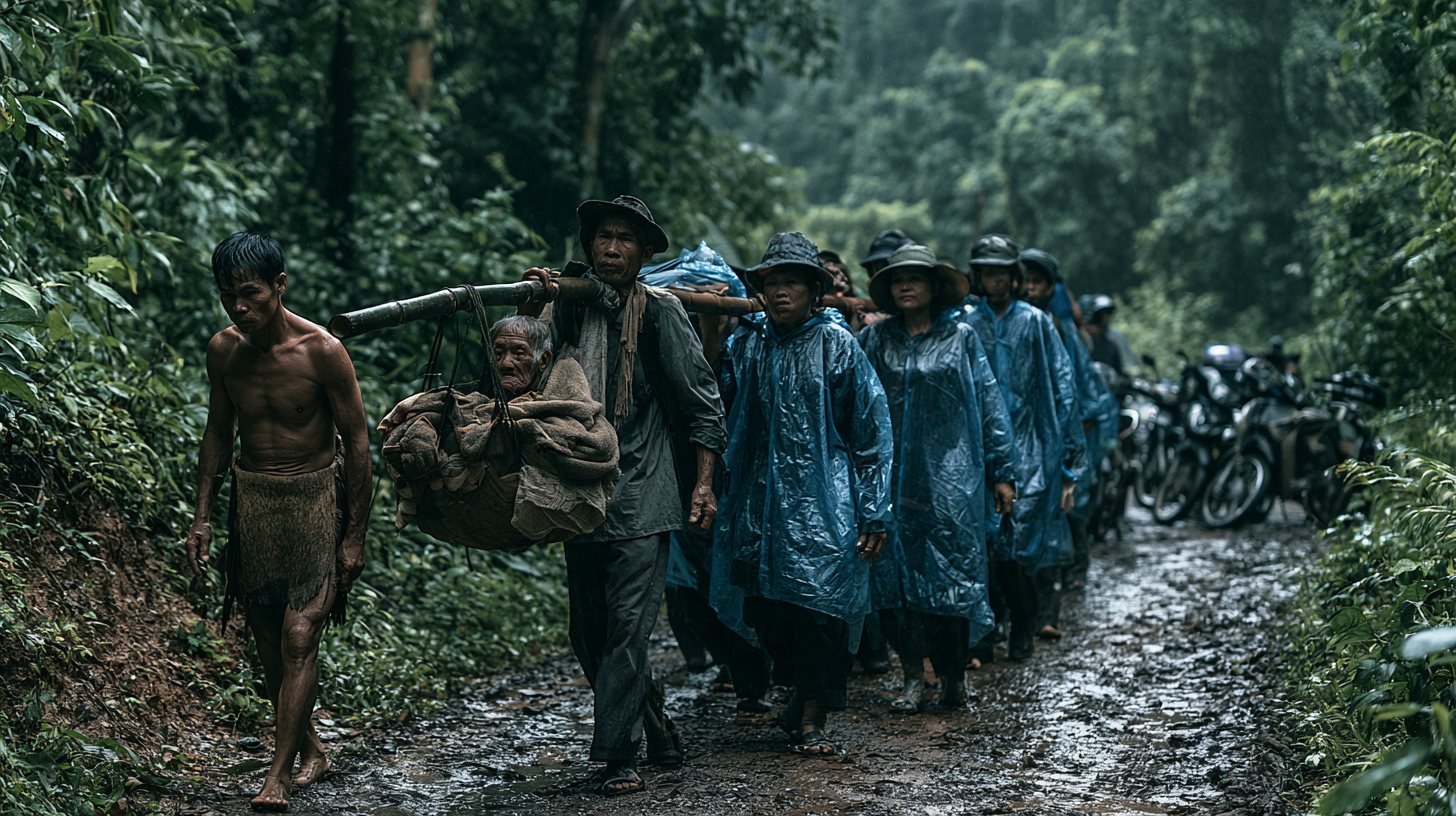
August 2013. A muddy path out of the forest in Quang Ngai province, central Vietnam.
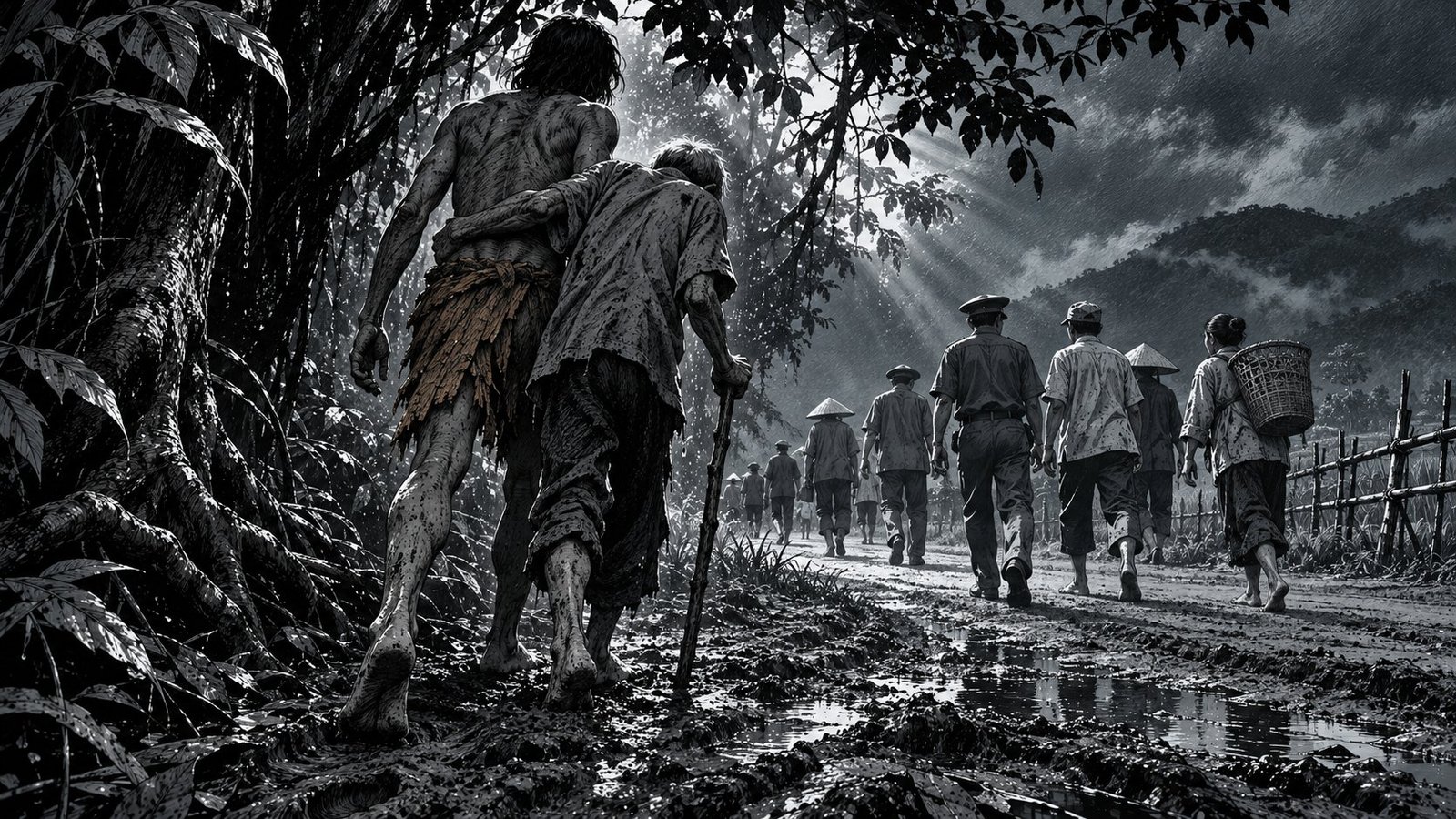
Relatives are bringing two men home. One is 82 and seriously ill. The other is in his early forties, barefoot, wearing a loincloth made from tree bark.
The younger man has lived almost his whole life in the forest. Within a few years, headlines around the world would give him a name: the “real-life Tarzan” who “didn’t know women existed.”
His name was Ho Van Lang. And the story the world told about him was not quite the story of his life.
So what really happened in that forest?
What happened the day the bomb fell?
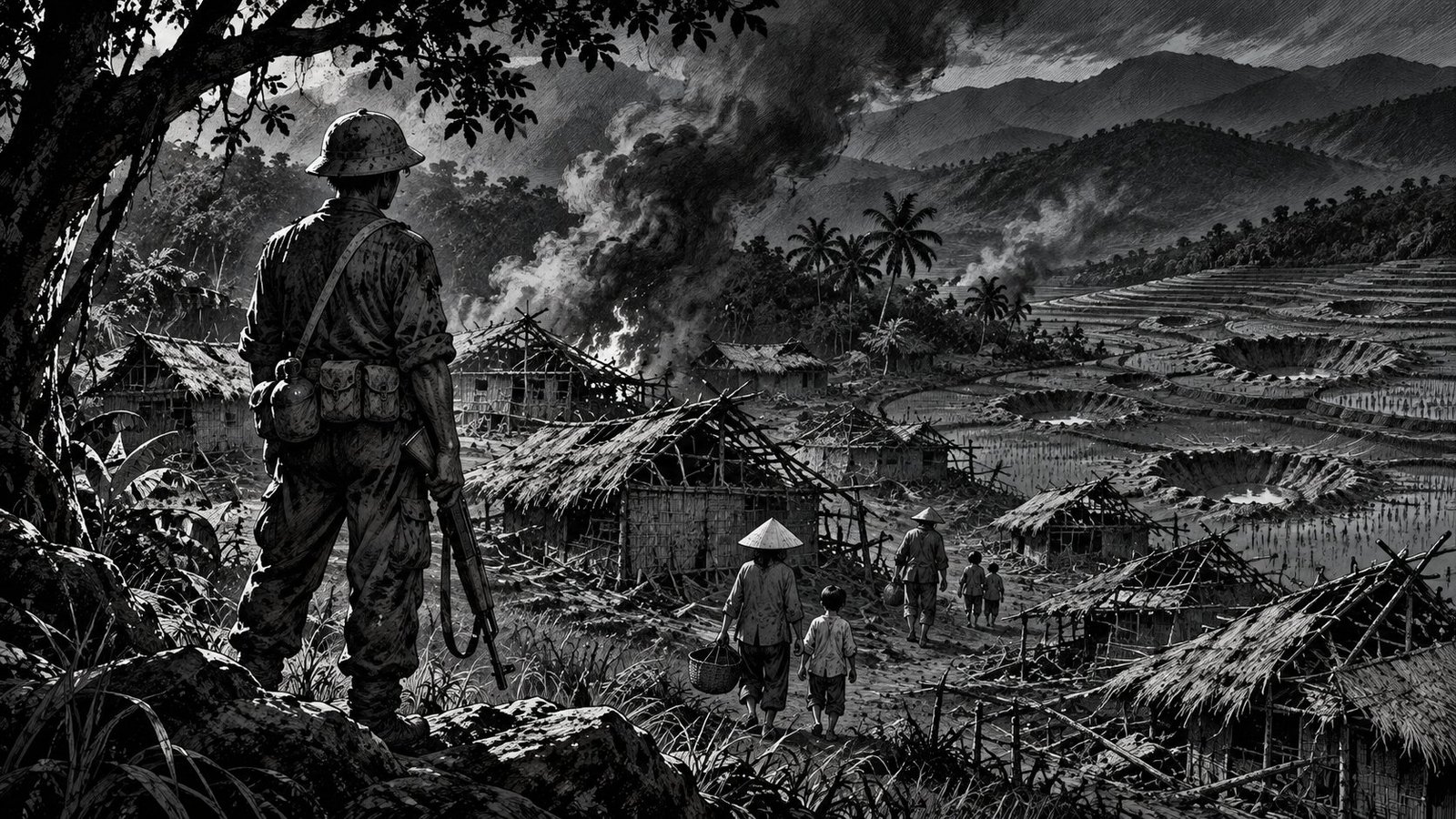
The forest started with a war.
Lang’s father, Ho Van Thanh, was a local guerrilla fighter. According to the newspaper Tuoi Tre, an American bomb struck the family and killed his two eldest children; one Tuoi Tre report adds his elderly mother. Grief and terror broke him.
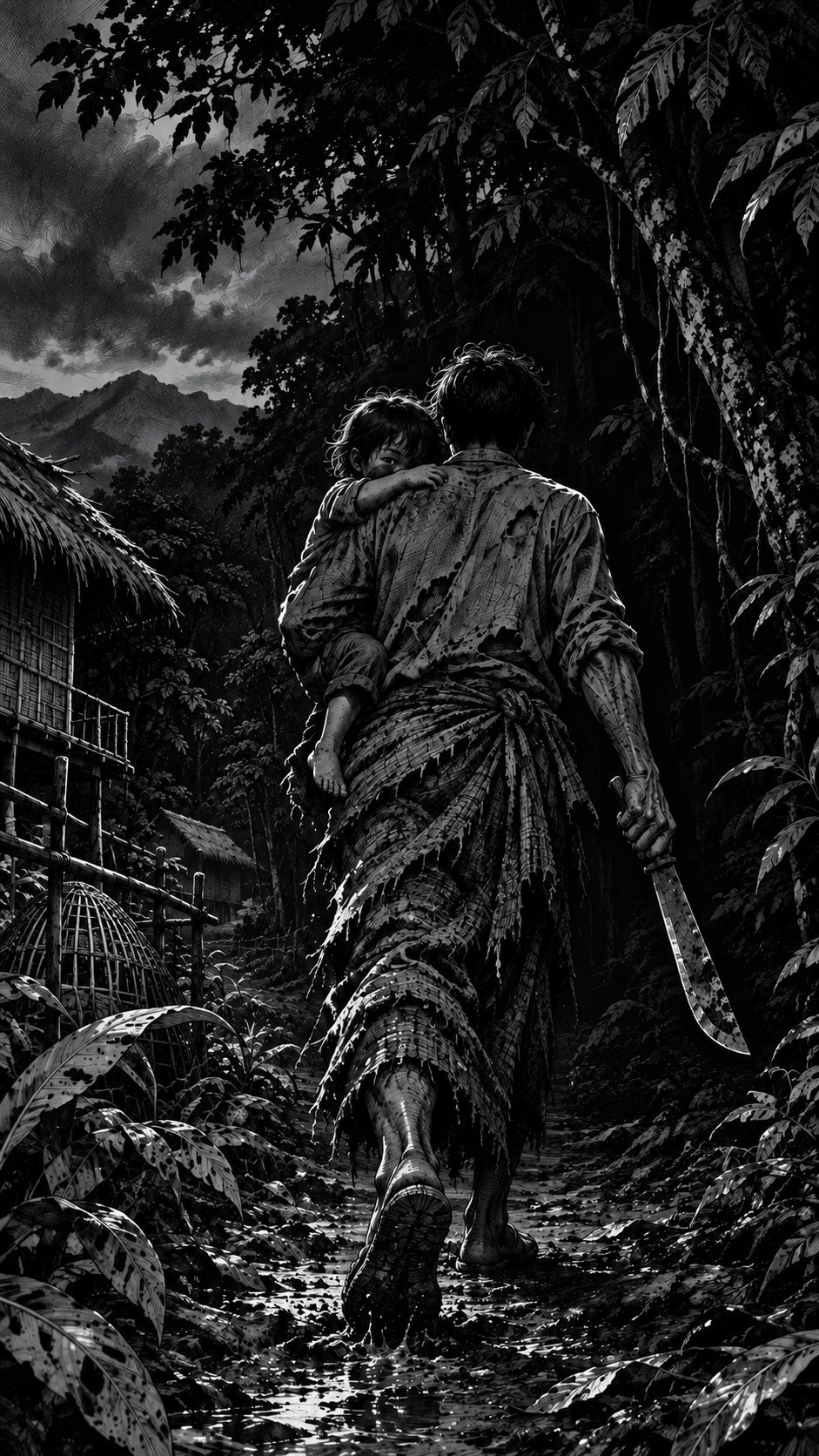
He walked into the forest carrying his son Lang. Even the date is disputed. Tuoi Tre and VietNamNet put it in 1972. A district notice issued in August 2013 says 1974, when Lang was about five.
Either way, the father never came back. Not when the bombing stopped. Not when the war ended in 1975. Not for nearly four decades.
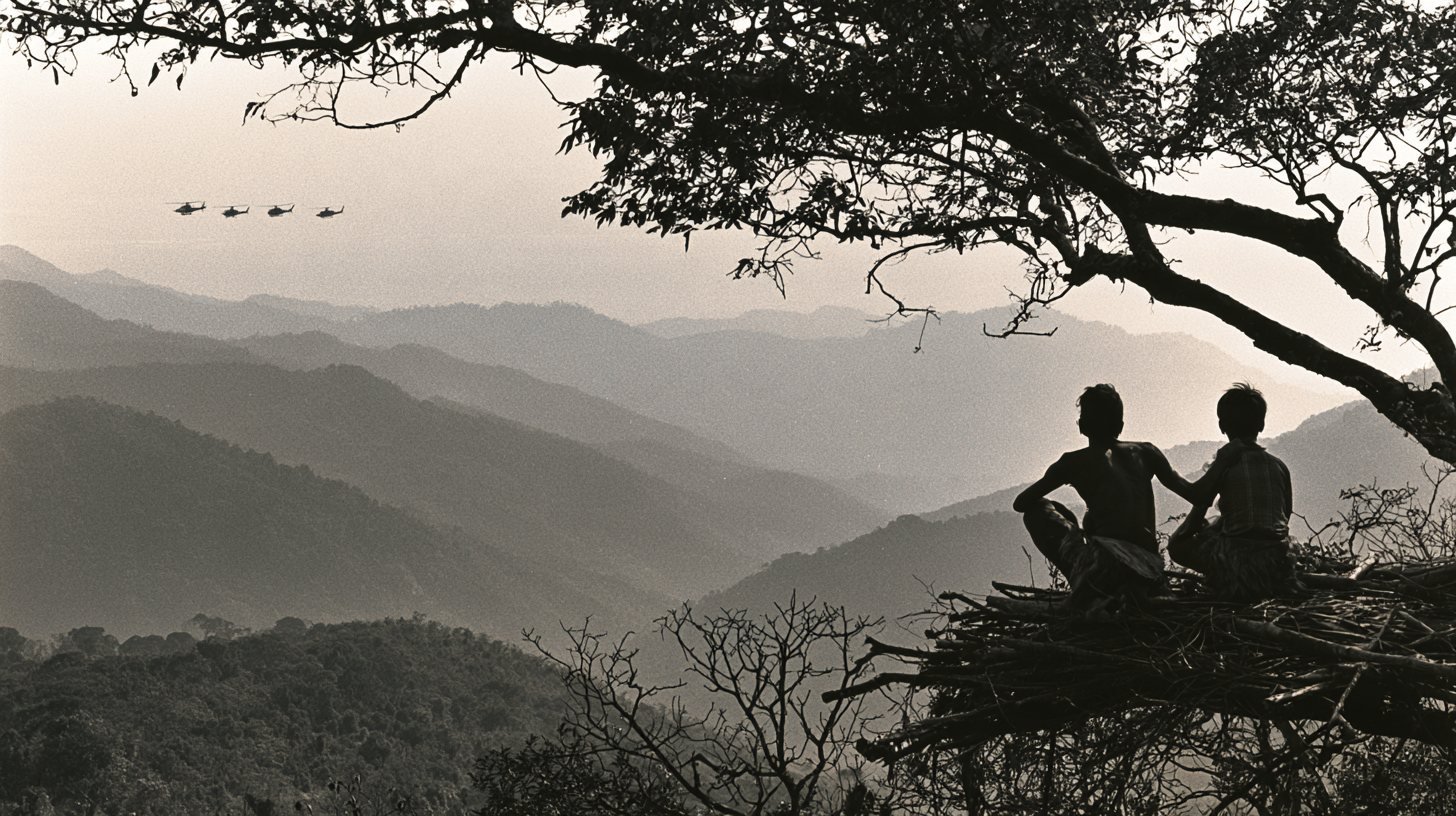
It seemed like a story about a man hiding from a war. It wasn’t only that.
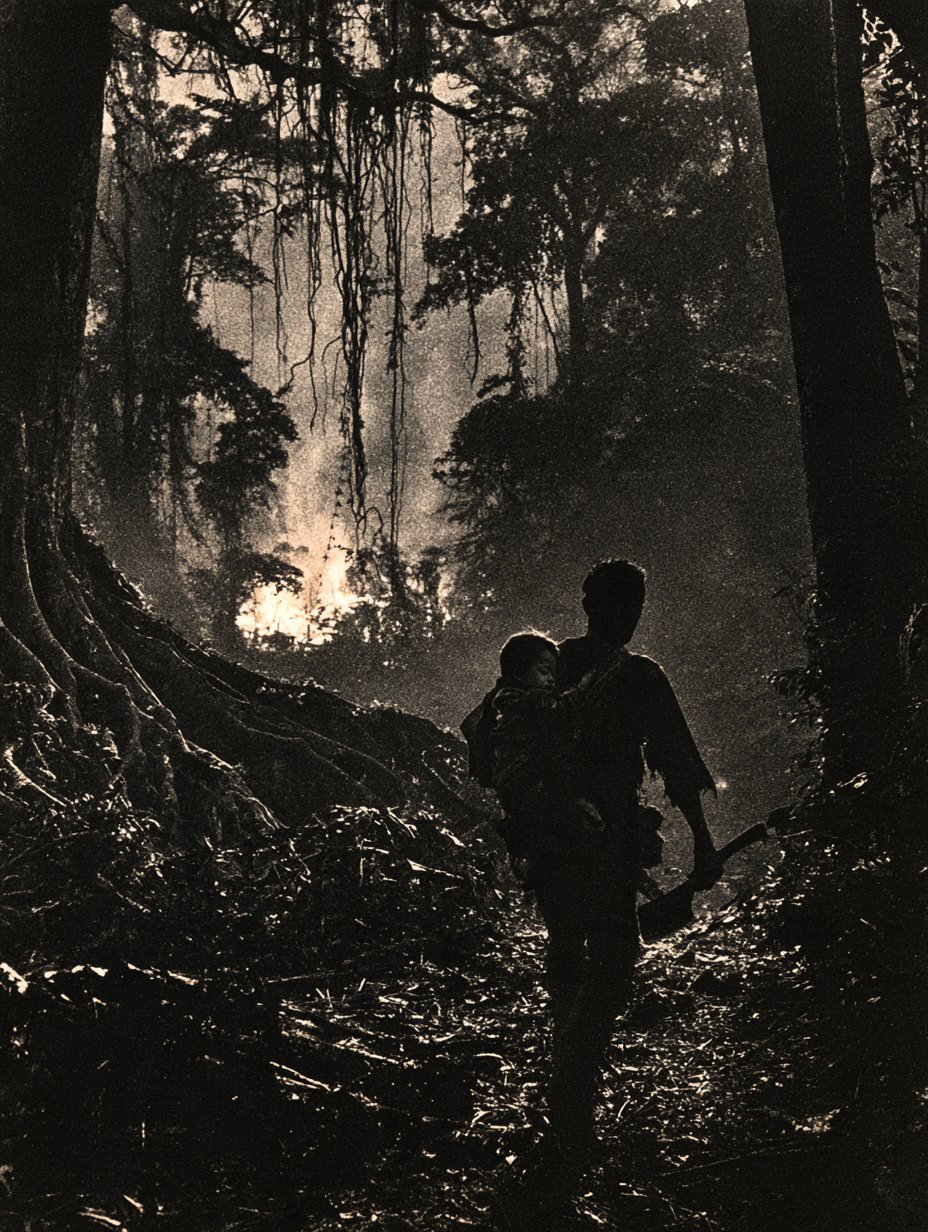
How did a father and son live in the jungle for 41 years?
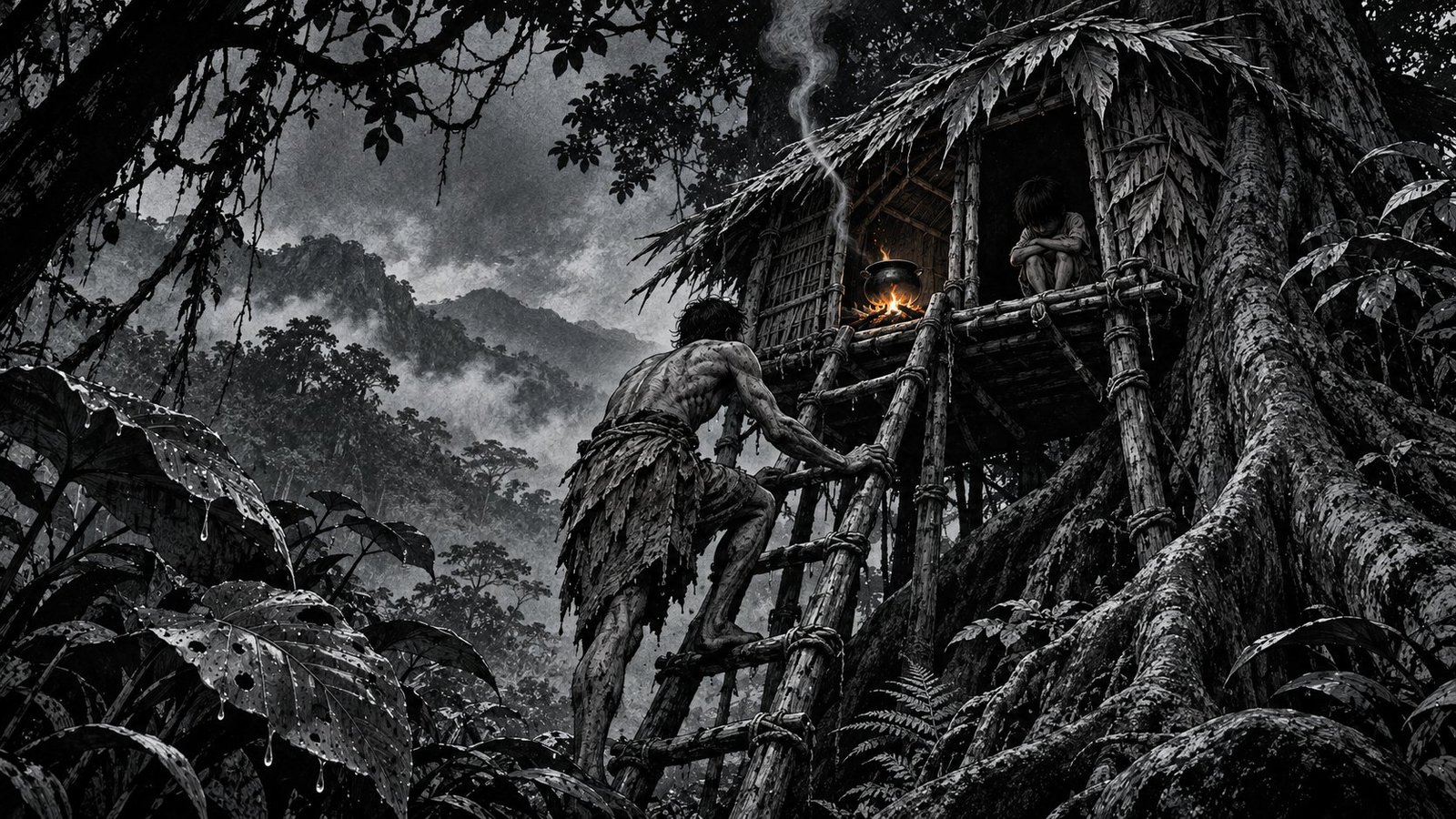
Father and son built a hut high off the ground, deep in the forest near Tra Kem village. They grew what they could, gathered wild plants and hunted.

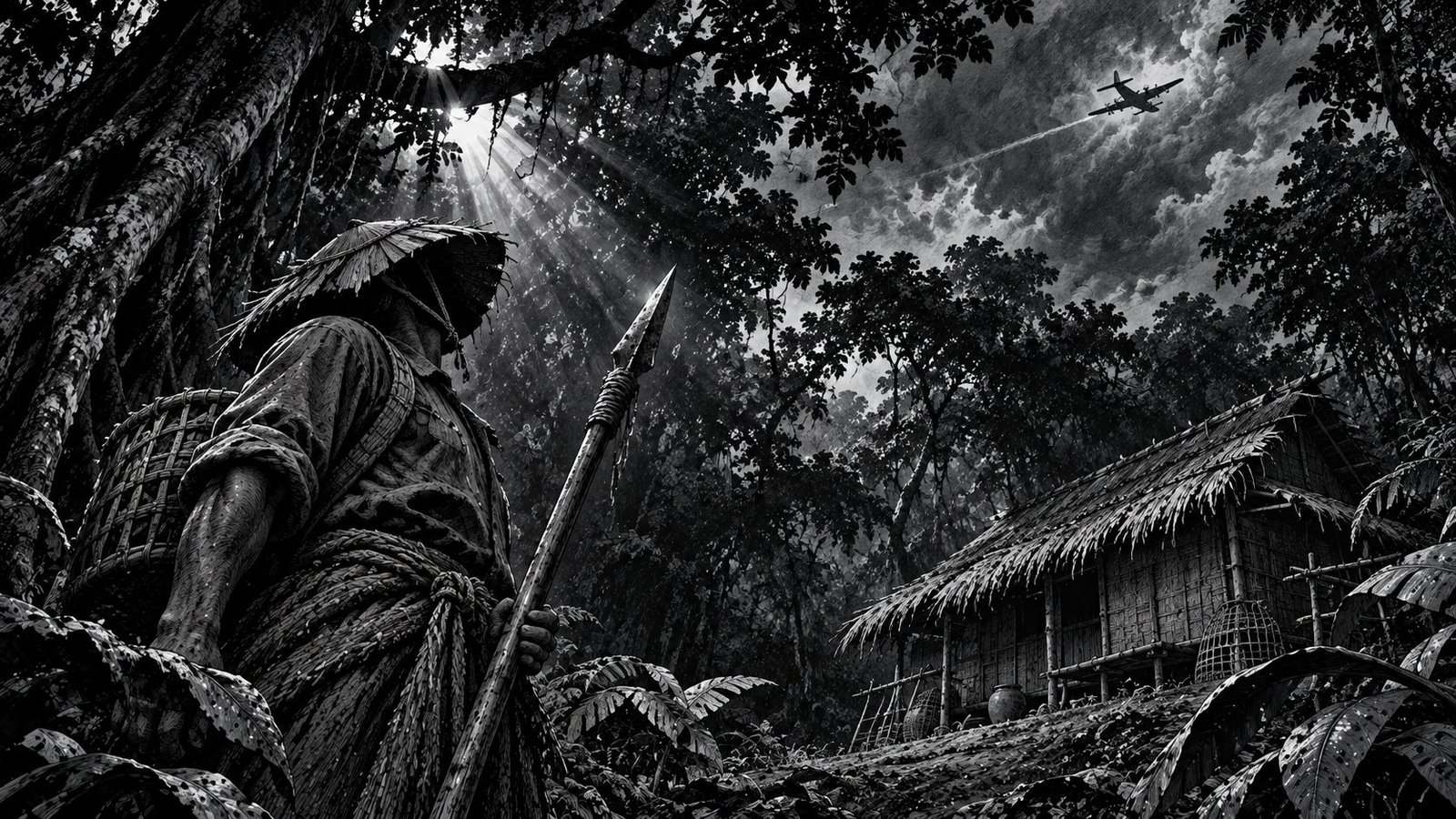
Lang grew up knowing the forest better than any trained guide. The wilderness guide who later spent time with him, Alvaro Cerezo, called his bushcraft “superhuman.”

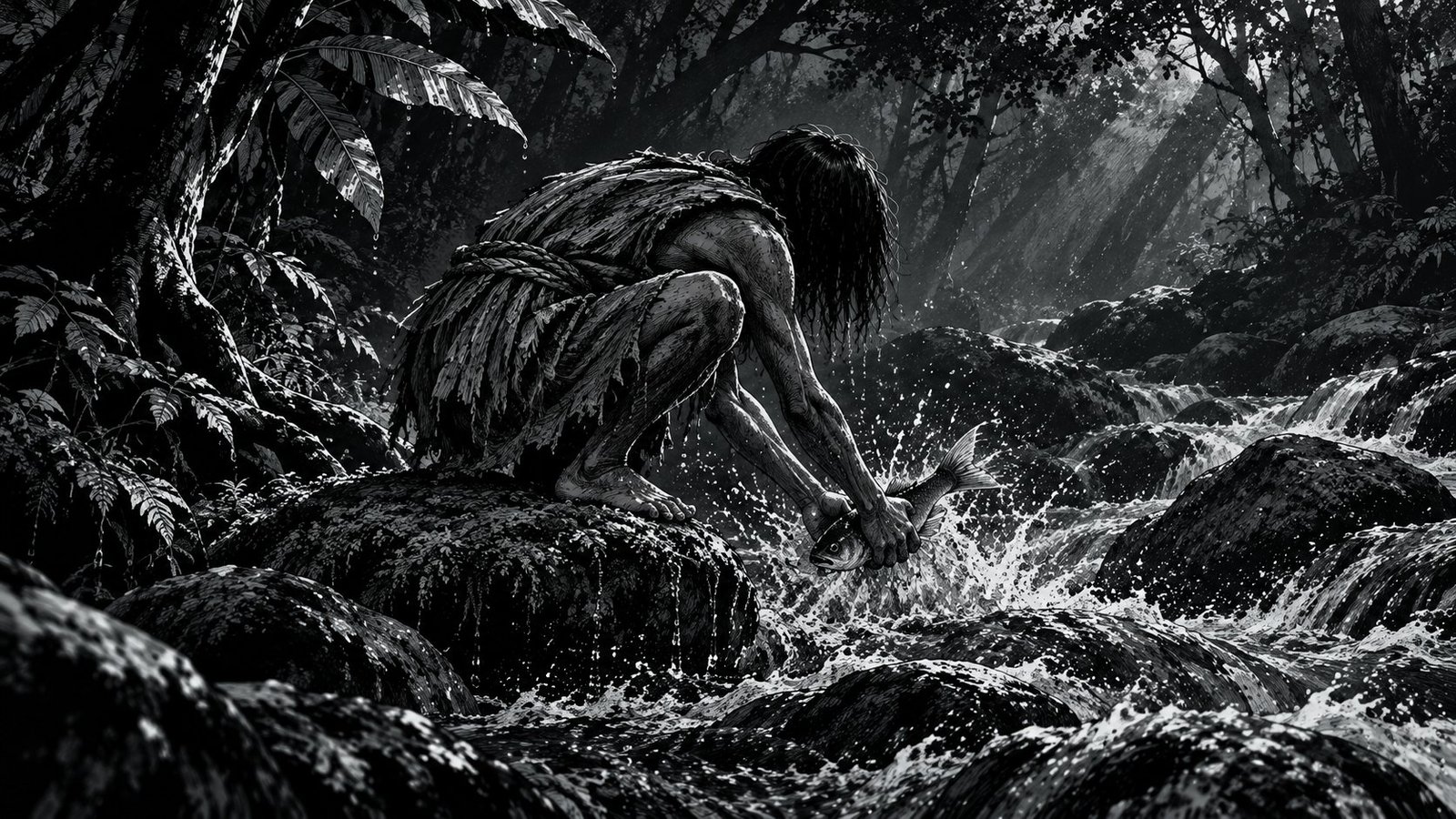
What he did not grow up with was other people. Or did he?
Were they really found for the first time in 2013?
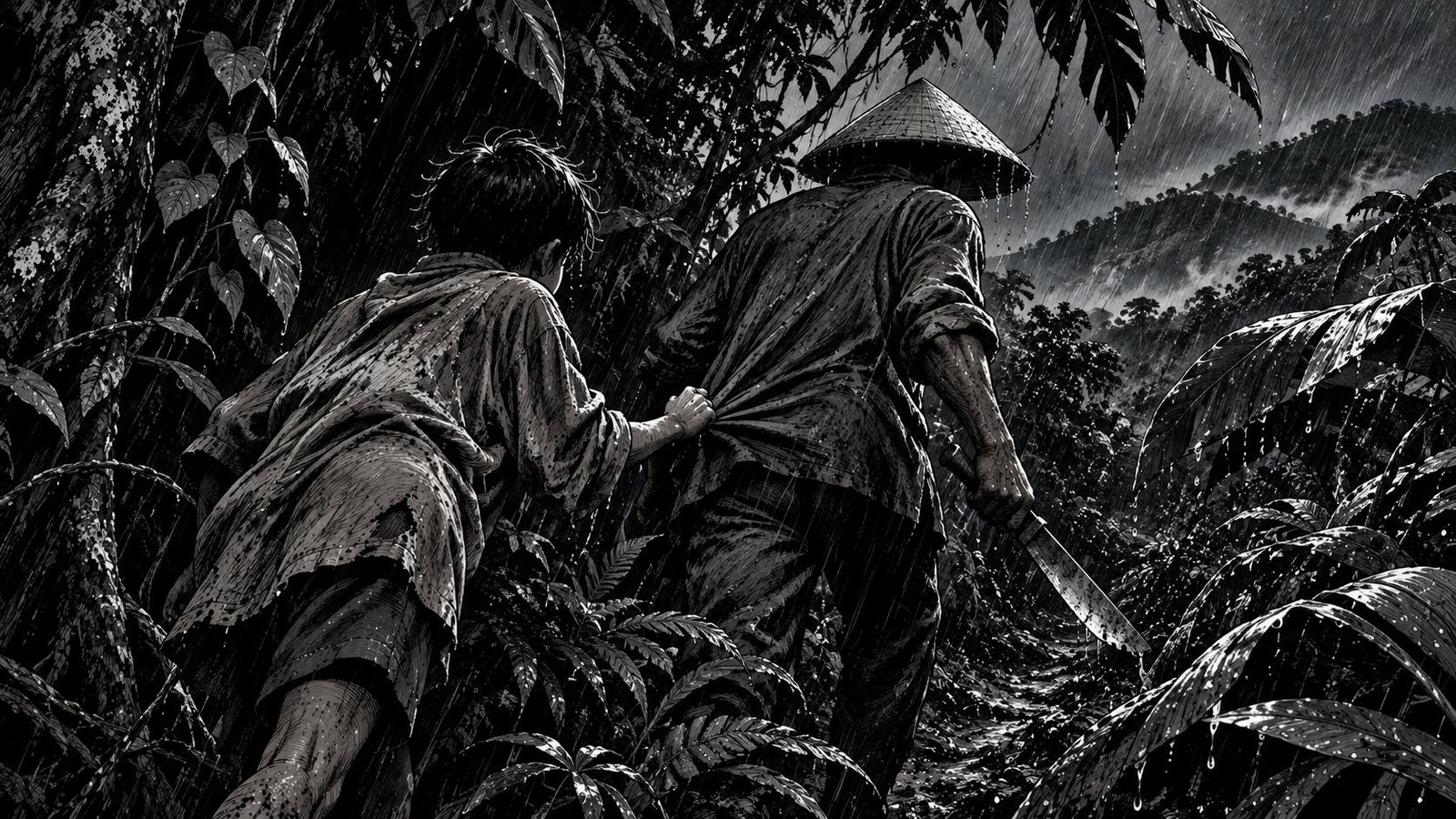
This is where the record and the headlines start to separate.
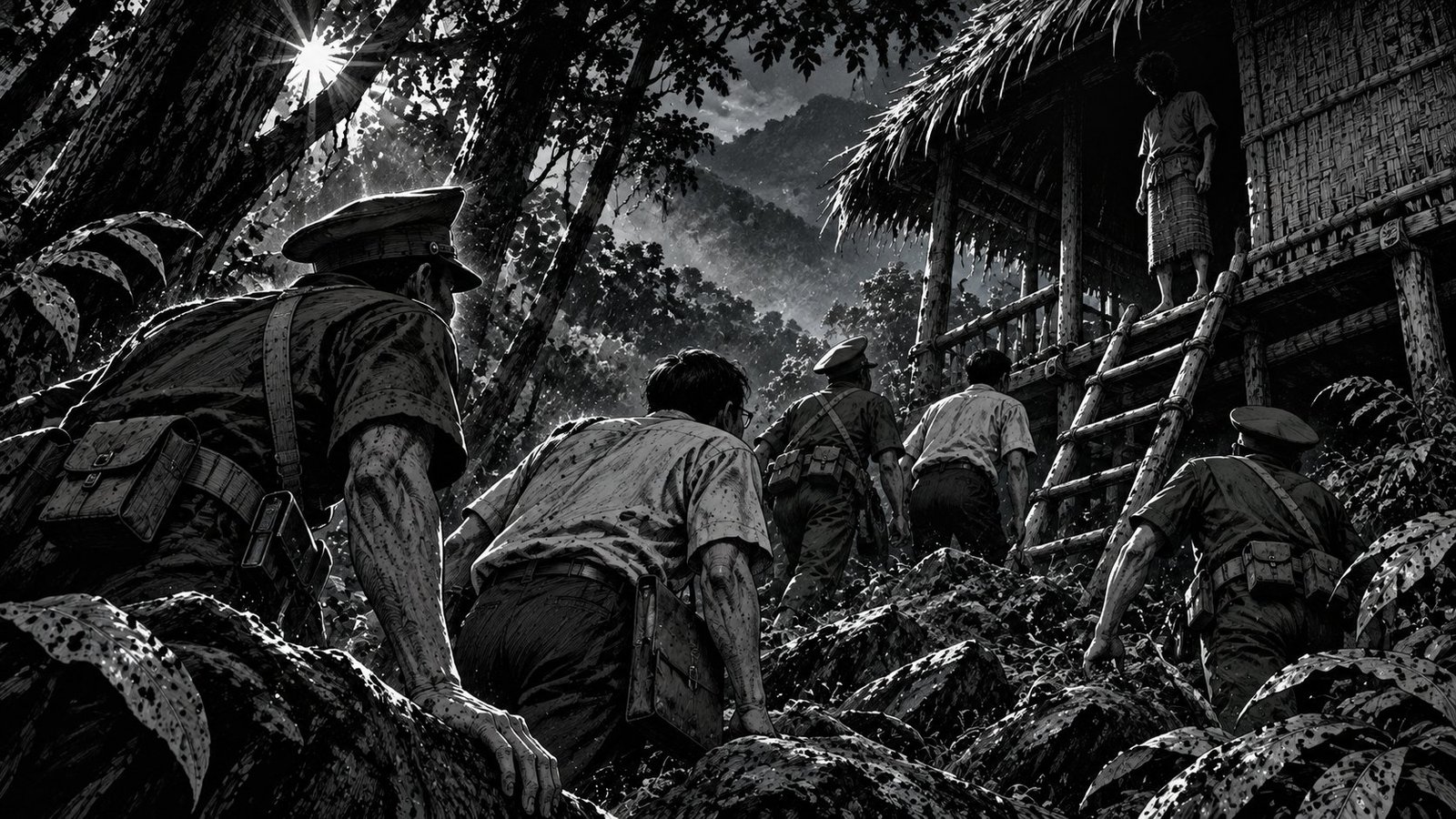
According to the same district notice, villagers found the father and son in 1975, the year the war ended. In 1999, the newspaper Tien Phong reported, a farmer caught them taking melons from his field and called the district police. In 2004, district officials began trying to persuade the father to come home. He refused.
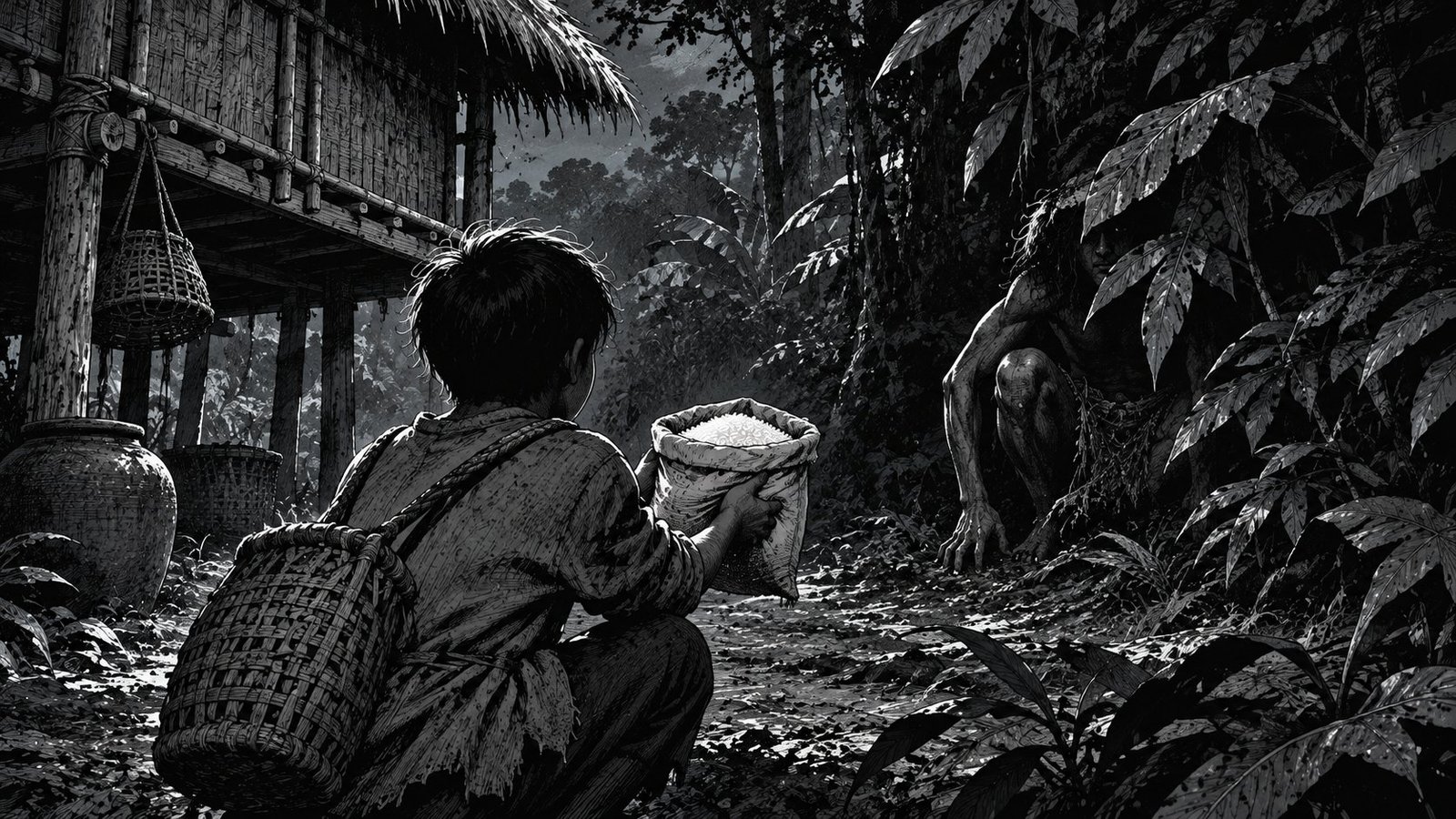
Lang also had a younger brother, Ho Van Tri, who stayed in the village. Tuoi Tre reported that Tri and an uncle went into the forest several times to try to bring them back, and could not persuade them.
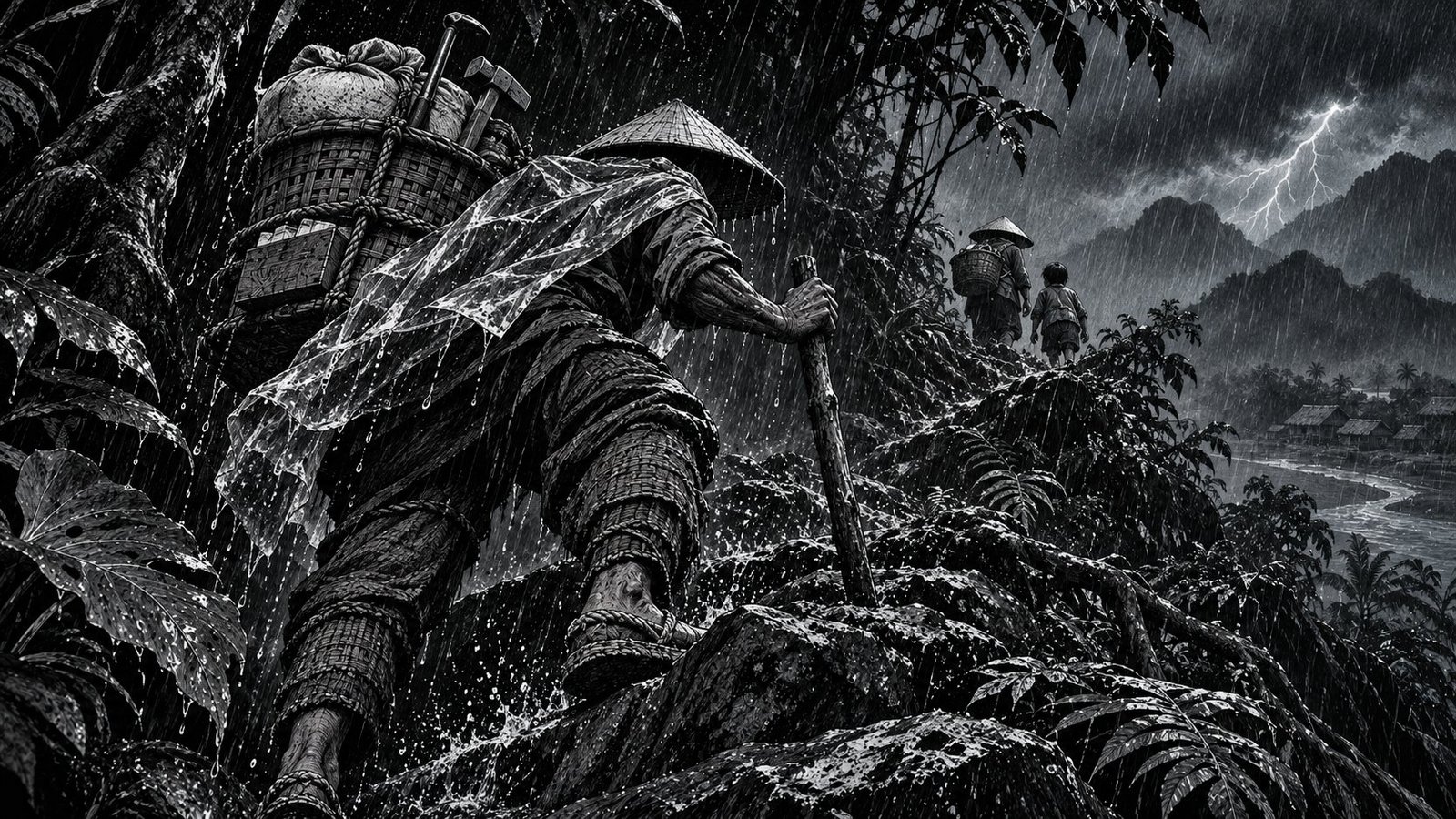
Every year, Tri carried salt, fish sauce and other supplies up to them. He told Tuoi Tre he usually slept by the stream on those visits, because he was afraid to stay in their hut.
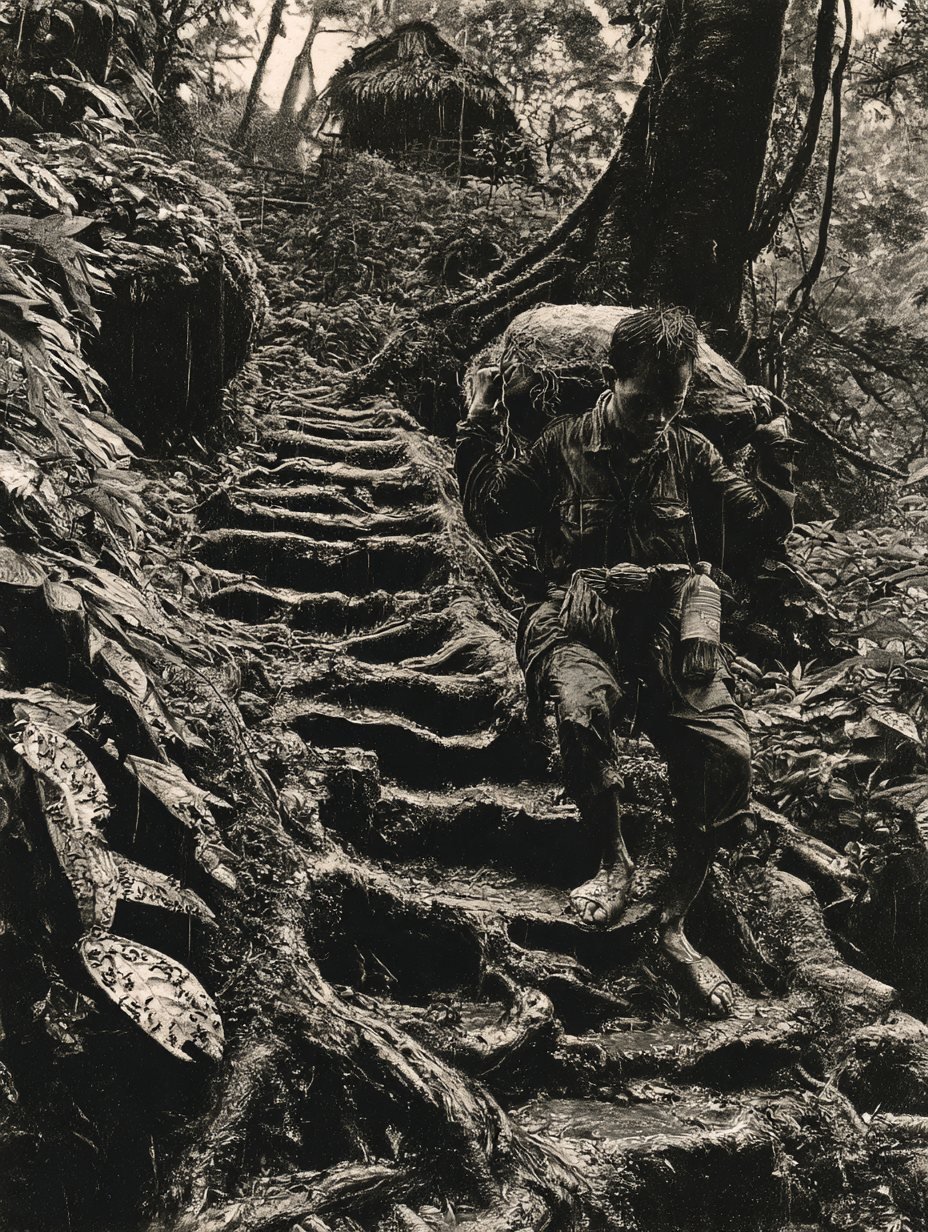
So the “forty years without seeing another human” was not true. The forest was a place they chose to stay, and their family knew exactly where they were.
What happened when they came out of the jungle?
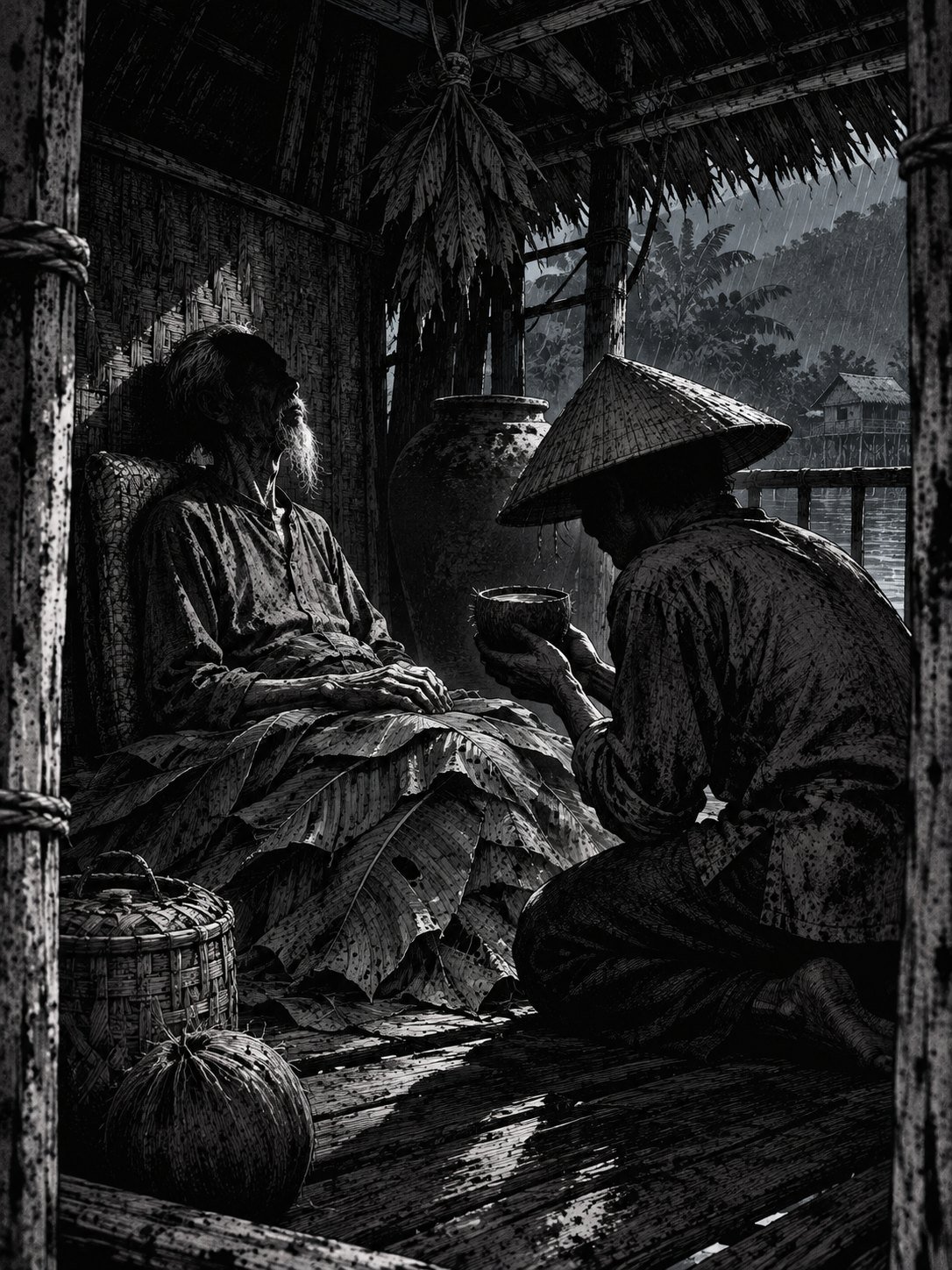
By 2013 the father was old and failing. On 2 August, villagers found him seriously ill and told the family, who brought both men out of the forest.
At the district health centre the father recovered enough to eat on his own. Lang ran a fever. Relatives said both men kept asking to go back to the forest.
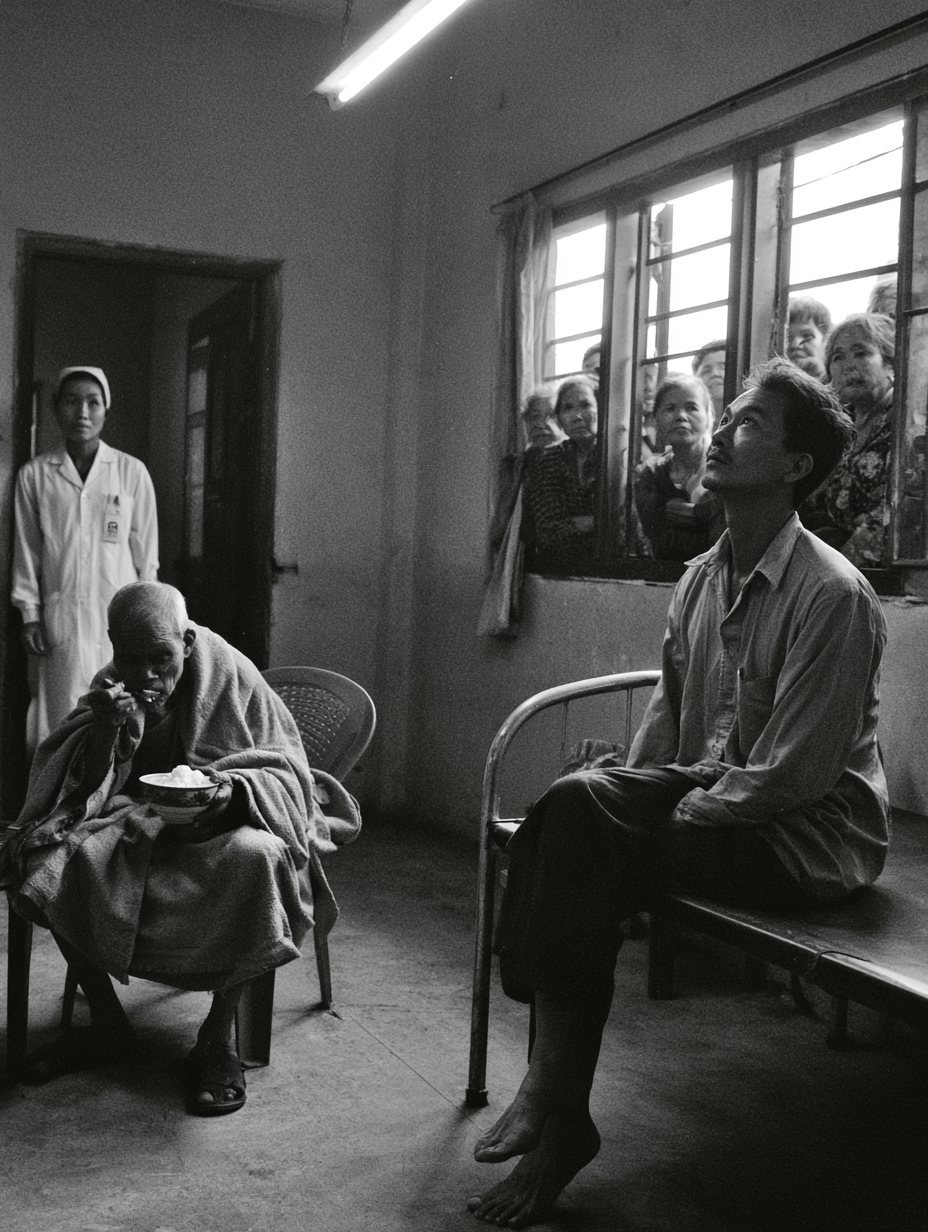
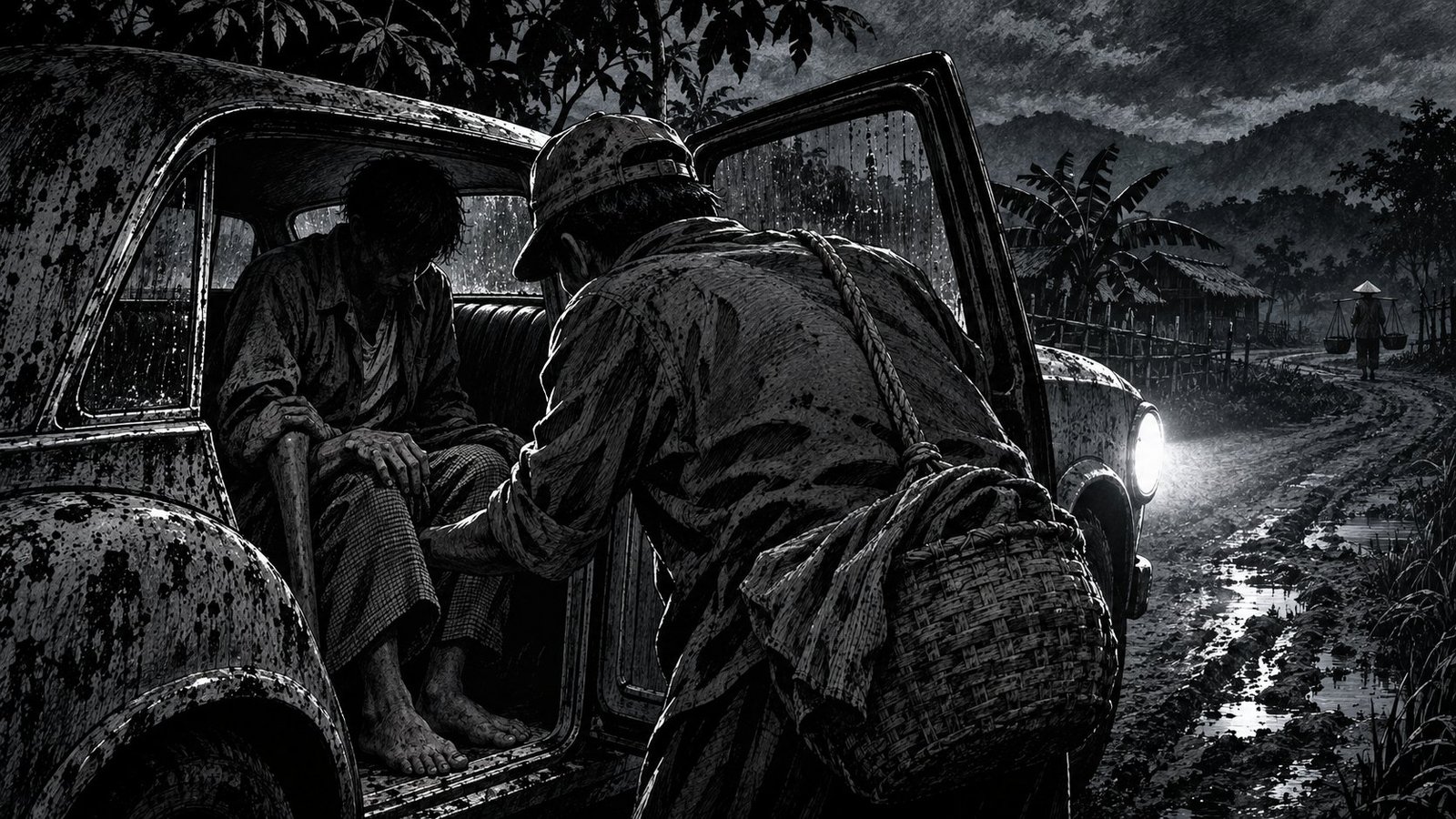
It seemed like the end of the story: two men, home at last. It wasn’t.
How did Ho Van Lang learn to live in a village?
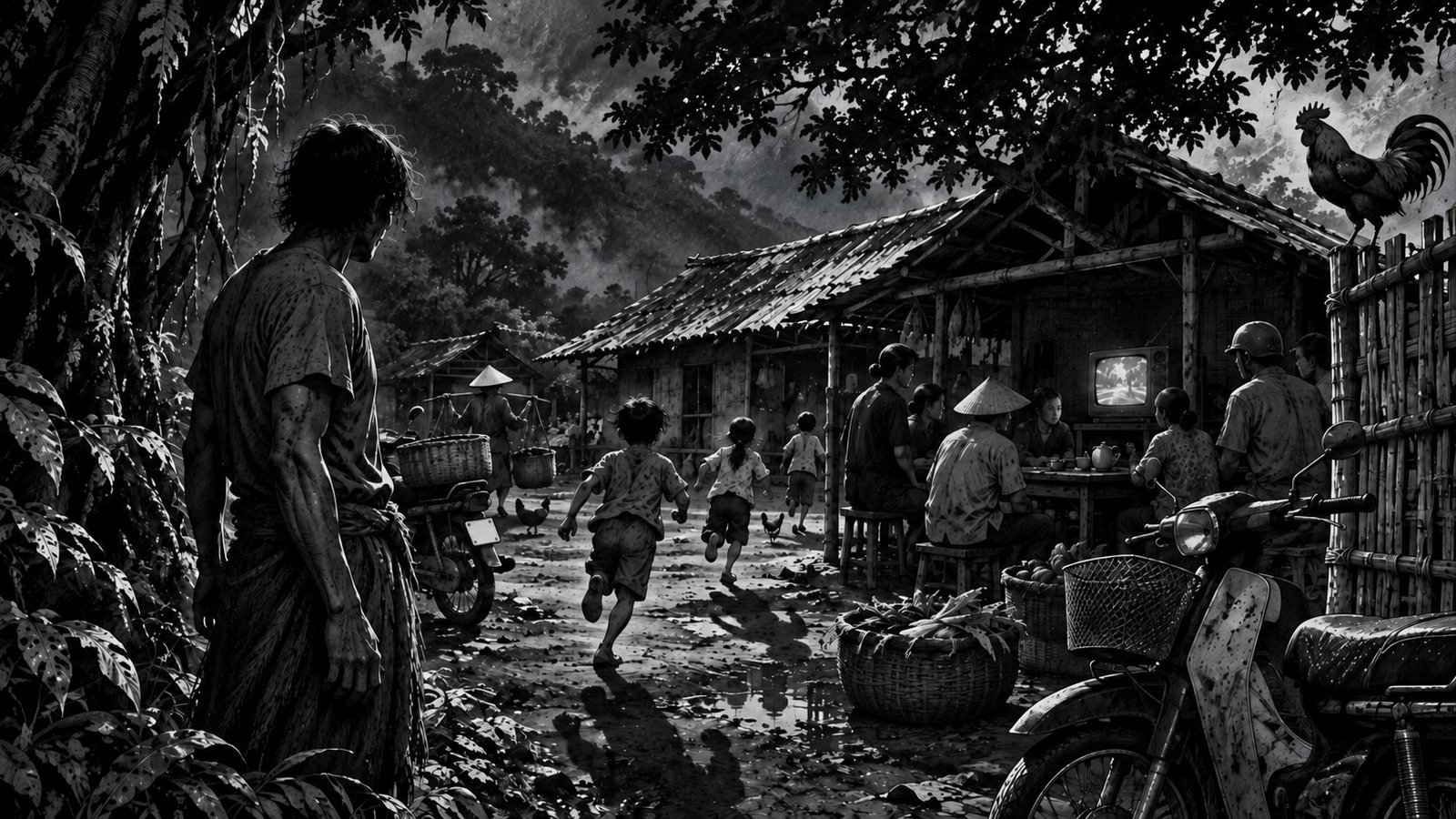
Lang learned to speak with villagers. He met his brother’s children. According to the accounts collected by Grunge, he enjoyed riding in cars but found the modern world noisy, and still spent a lot of his time in the forest.

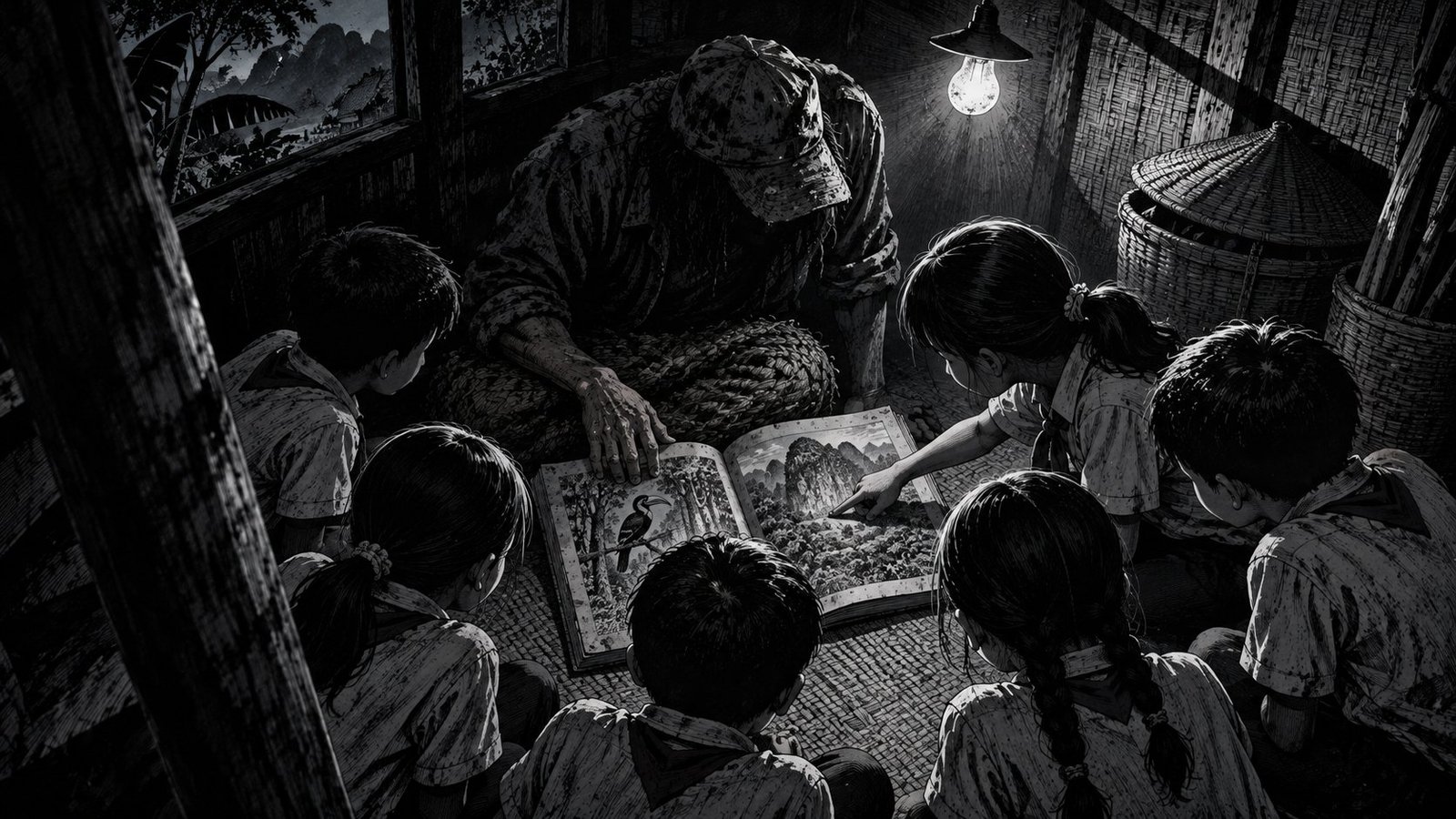
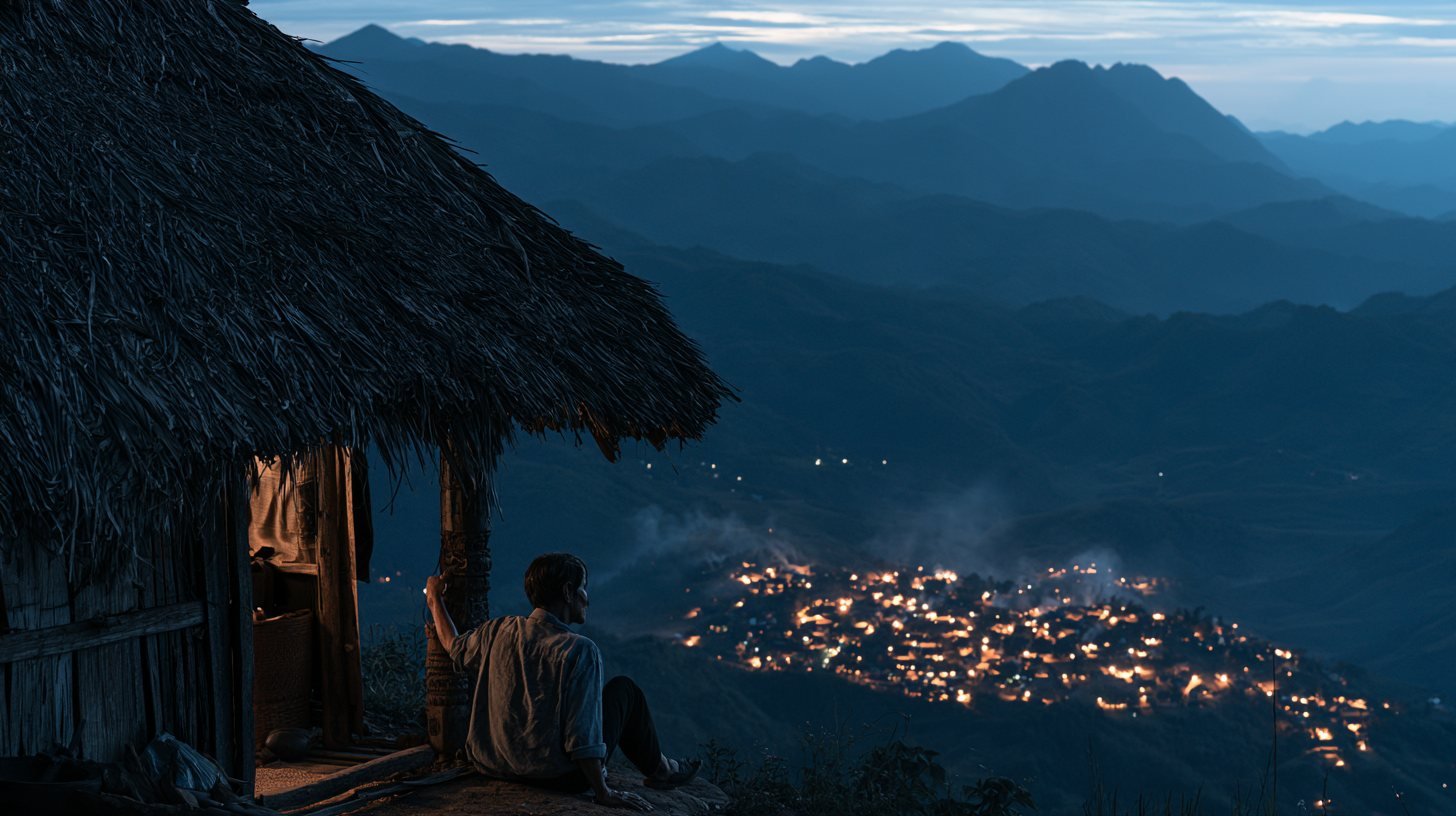
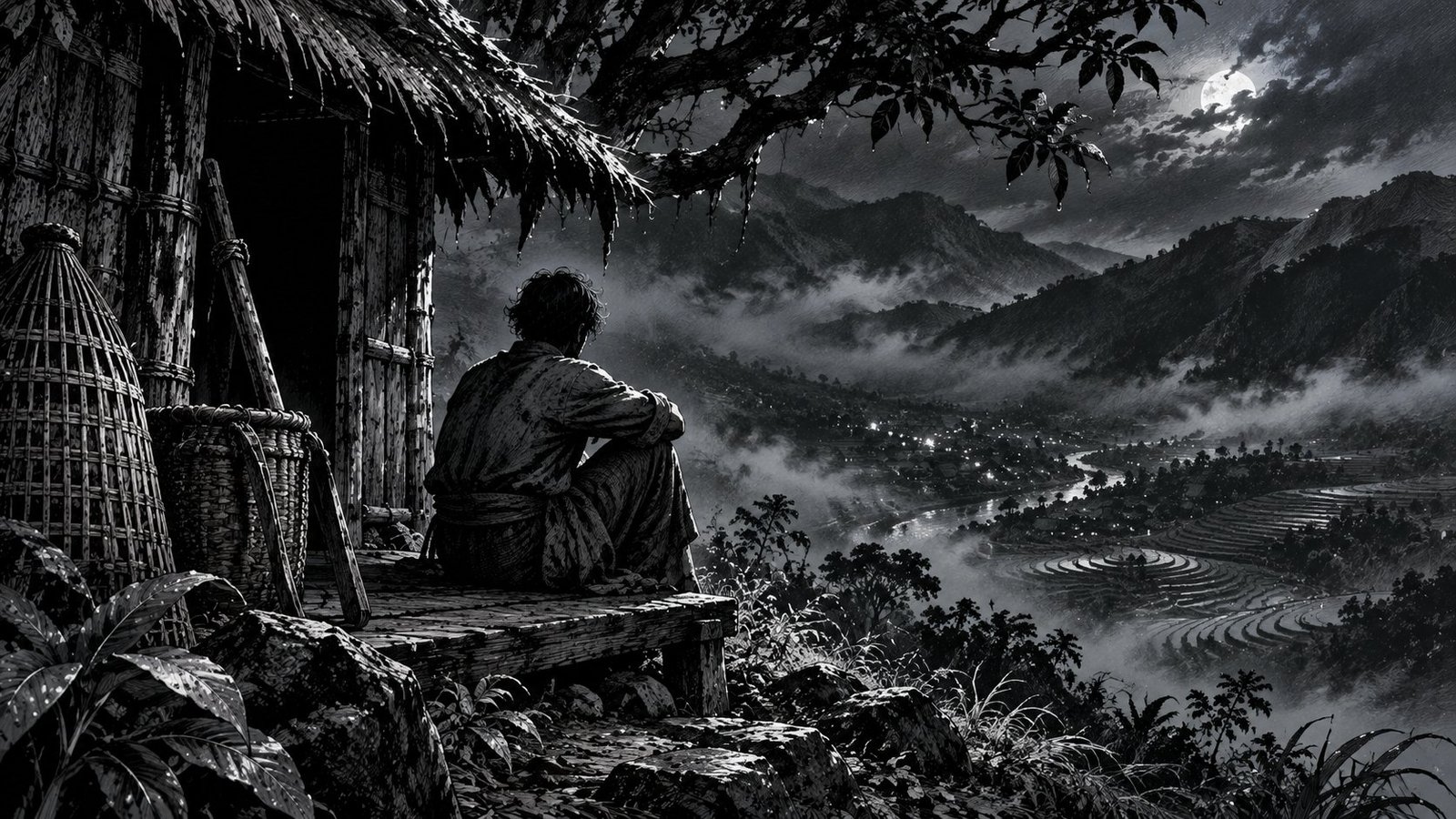
His father died in 2017. Lang, lonely without him, built a hut on the edge of a mountain near the village and lived there alone, coming down to farm with his family.
Why did the ‘real-life Tarzan’ headline go around the world?

The story that went viral was not about a brother, a district office, or a grieving father.
It was this: “Real-life Tarzan lived in the jungle for 41 years and didn’t know women existed.”
Versions of that headline ran in tabloids and viral-news sites in many languages. Some went further and claimed he did not know what sex was.

Where did it come from? The most careful version in the English coverage, reported by Grunge, is that his brother said Lang did not understand the difference between men and women. That is a statement about understanding, filtered through a translator and a family member. “Didn’t know women existed” is a much bigger claim.
And it sits awkwardly with the record. Lang had a mother who was still alive when he left. He was visited by his brother and an uncle. And for eight years after 2013 he lived among the women of his own family.
What ending did nobody expect?
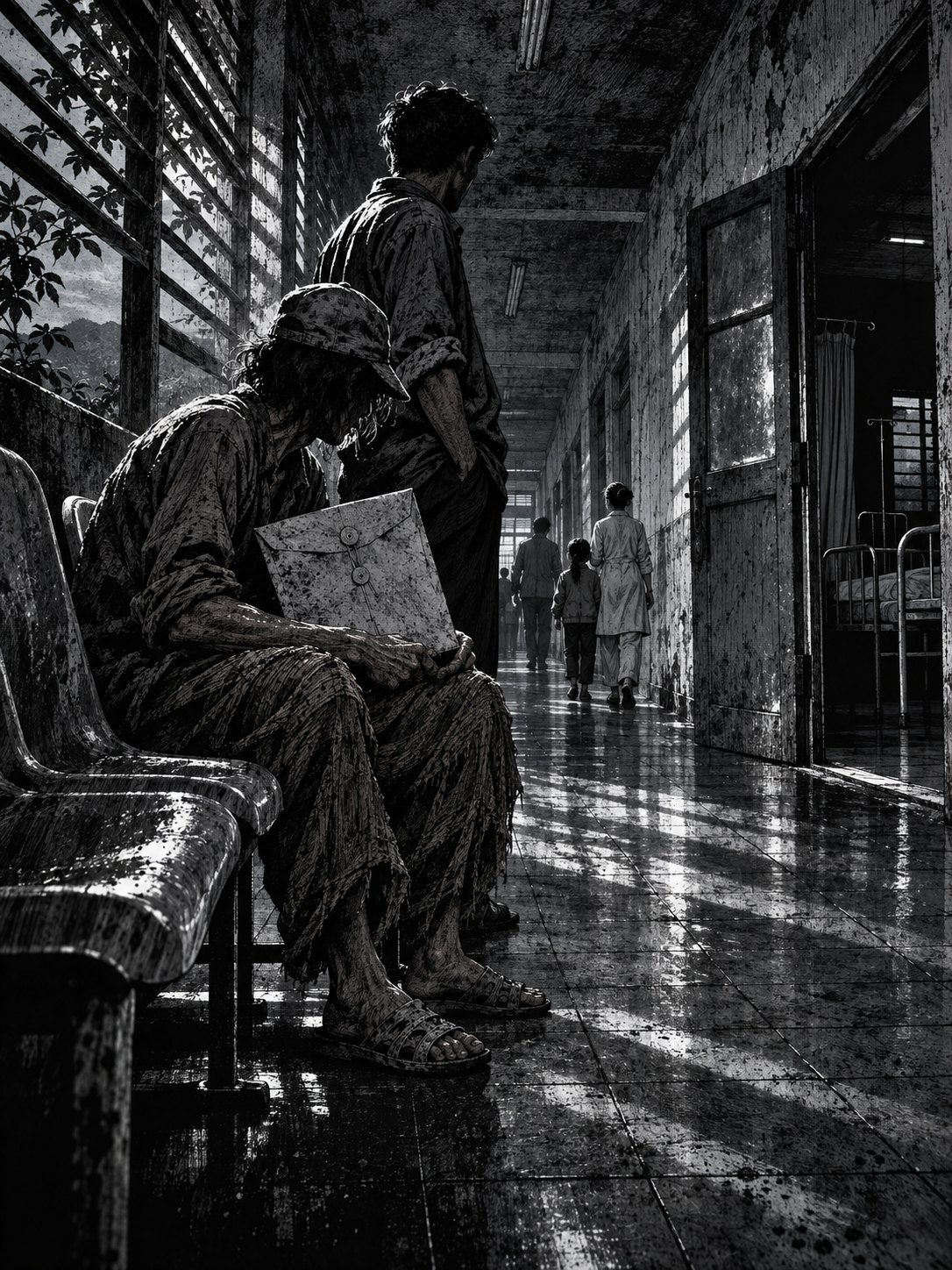
In late 2020 or early 2021 (the Vietnamese reports differ), Lang began suffering severe pain in his chest and abdomen. A hospital in Quang Ngai diagnosed liver cancer, already too advanced to cure.
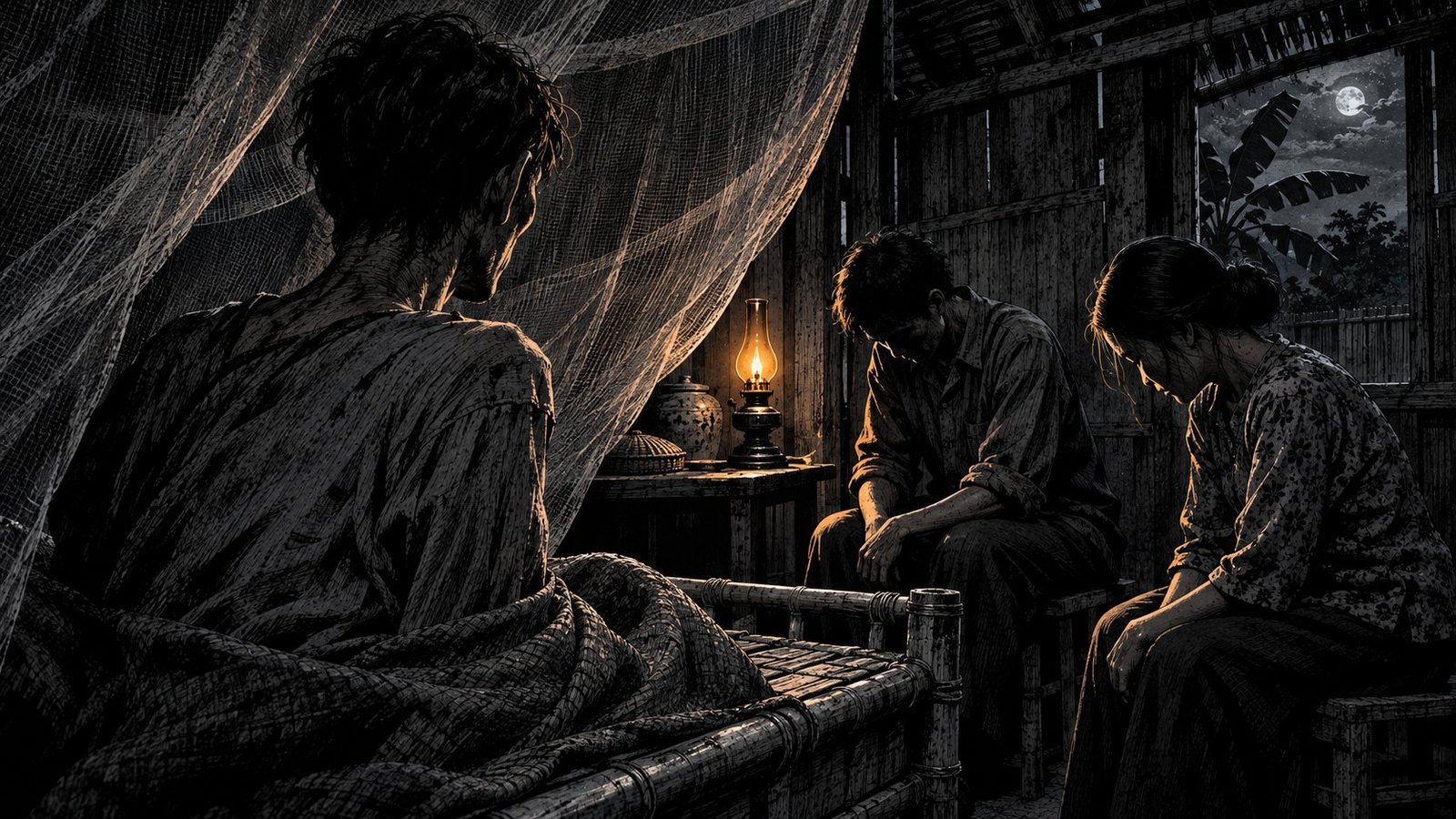
He died at home on 6 September 2021, according to VietNamNet and VnExpress. His last wish, VnExpress reported, was simple: “My only wish is for my brother and his wife to find a cure for me.”
Cerezo believes the modern world killed him: processed food, cigarettes and alcohol, after a life eating from the forest. It is an emotional explanation, and it spread almost as fast as the first headline.
But no doctor has said that. The reports of his death give the diagnosis, liver cancer, and not a cause.
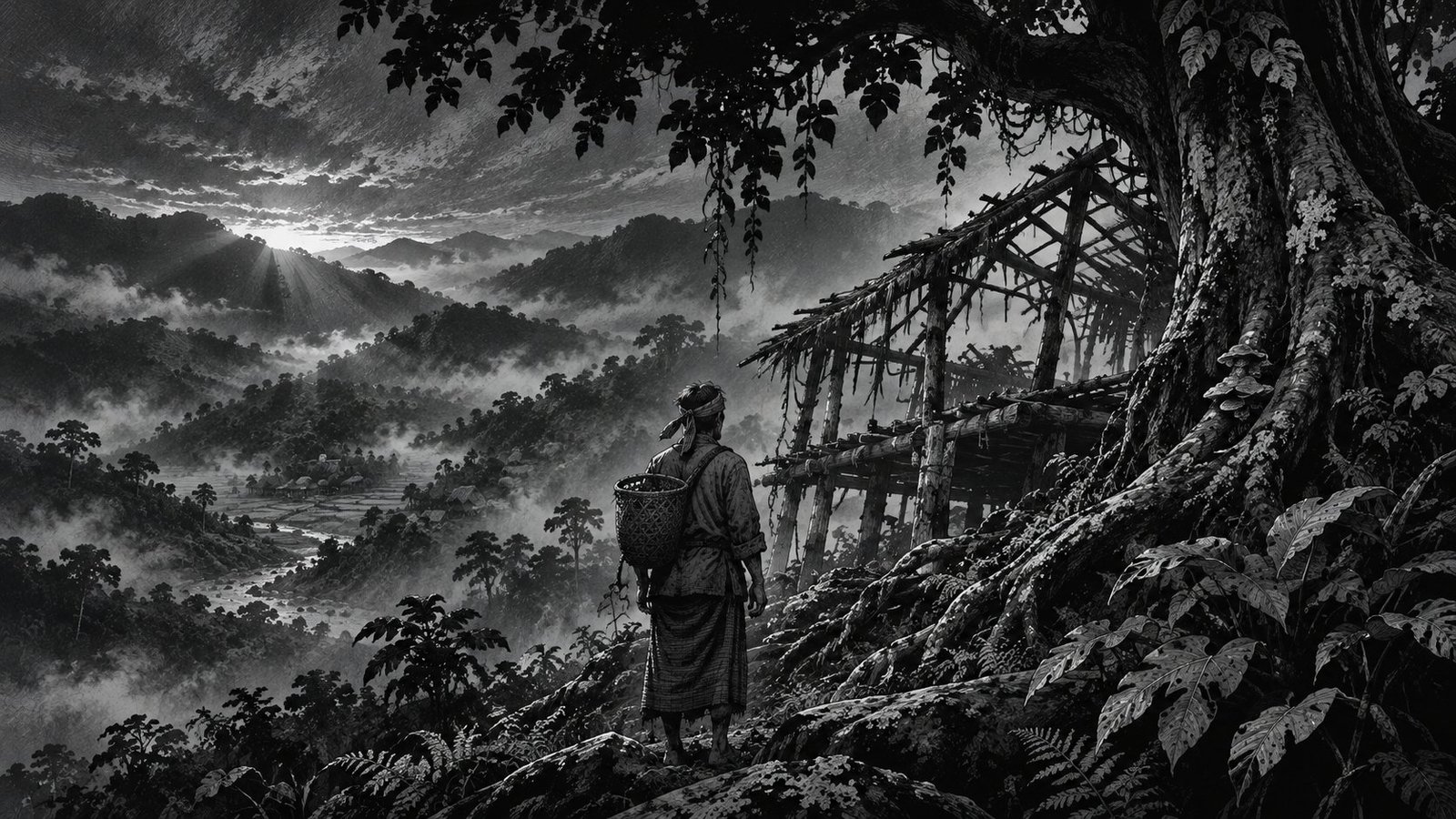
So who was the real Ho Van Lang: a wild man who had never seen the world, or a son who stayed in the forest because his father would not leave it?
Related cases: Yoshie Shiratori, who escaped four Japanese prisons; 438 days adrift in the Pacific; Juliane Koepcke, who walked out of the Amazon alone.
Evidence locker
Real records only. The drawings above are illustrations.
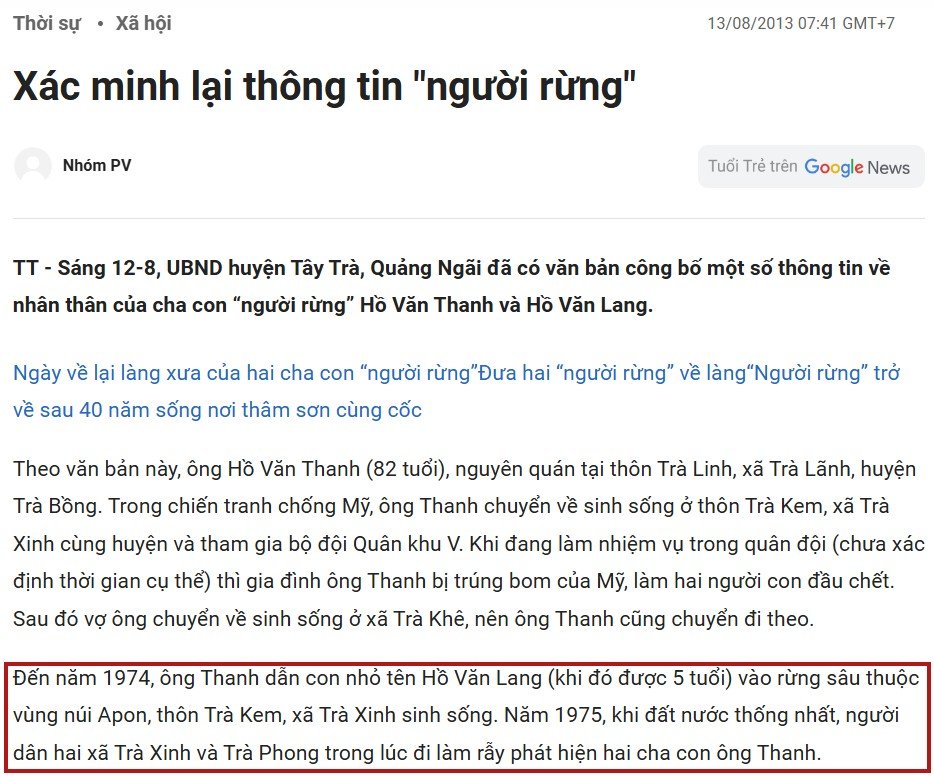 EXHIBIT A · TAP TO ENLARGEEXHIBIT B · TAP TO ENLARGE
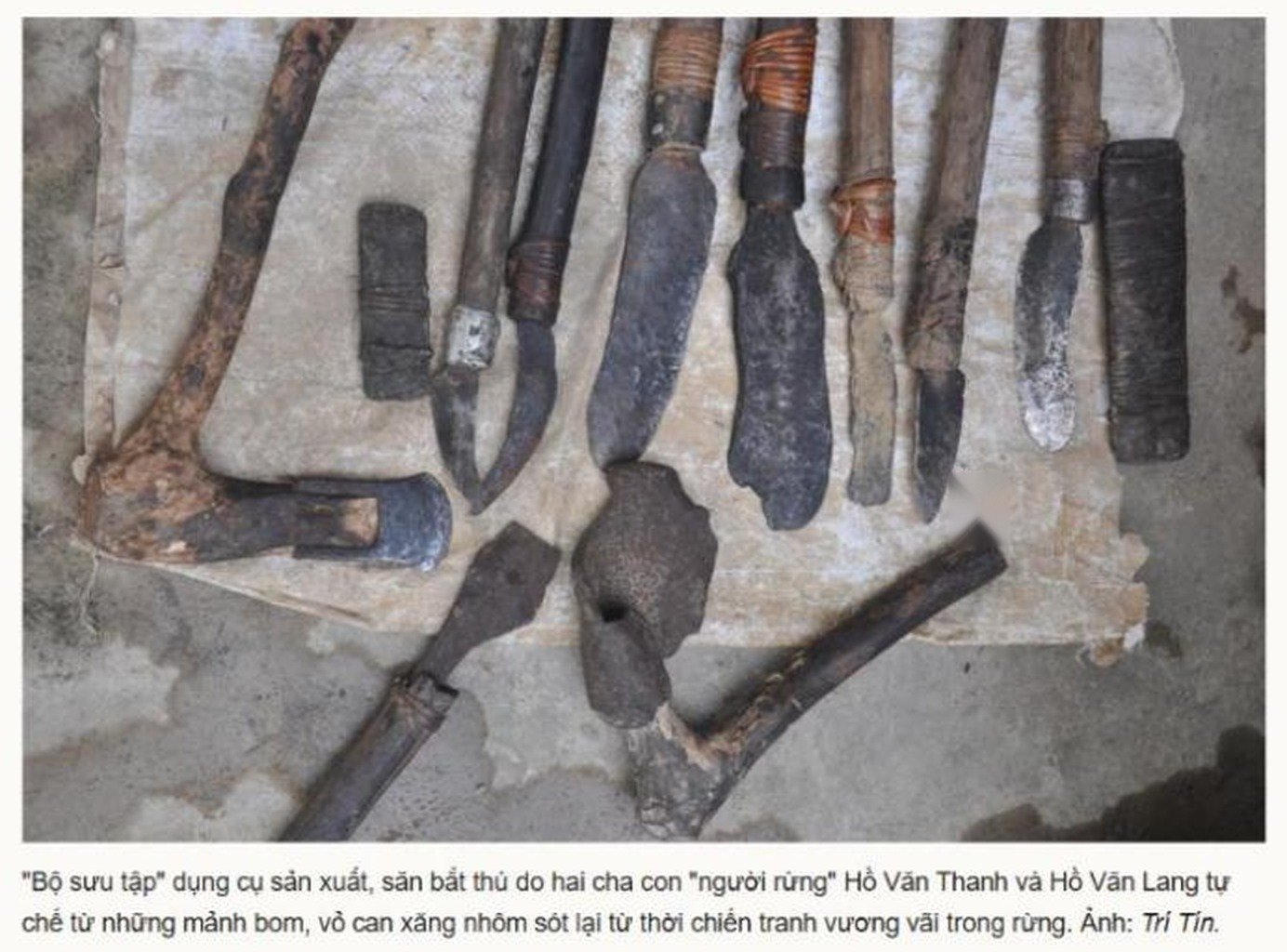 EXHIBIT C · TAP TO ENLARGE
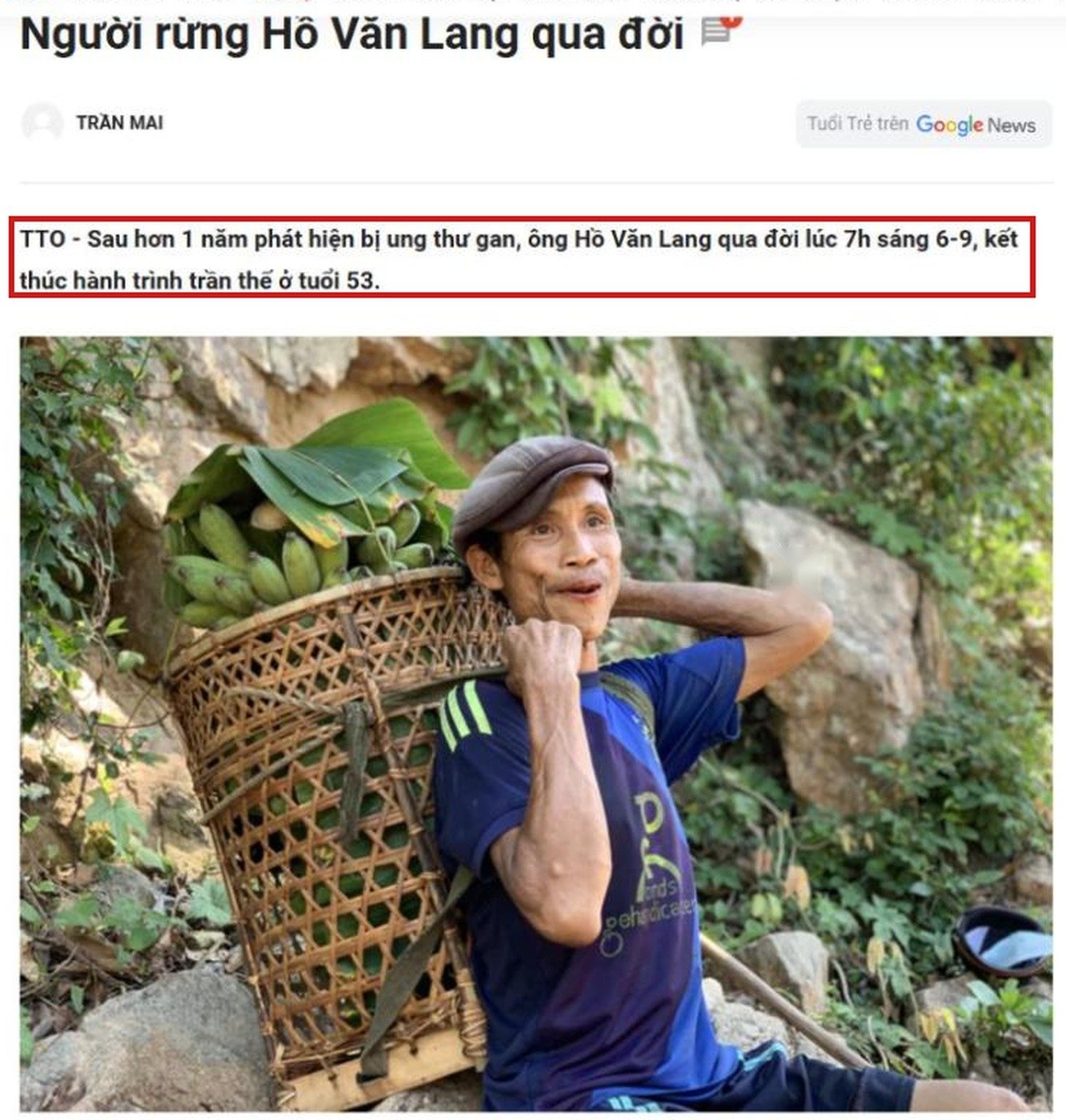 EXHIBIT D · TAP TO ENLARGE
The story you may have heard, and what the file says
| The popular version | What the record shows |
|---|---|
unverified “He didn’t know women existed.” | The closest sourced claim is that his brother said he didn’t understand the difference between men and women. His mother was alive when he left, and he lived among the women of his family for eight years after 2013. |
debunked “He lived in total isolation for 41 years.” | A district notice says villagers found the pair in 1975. His brother carried them salt and supplies every year, and officials tried to bring them back from 2004. |
partly true “He fled the Vietnam War.” | His father took him into the forest after a bomb killed members of the family. But they stayed for nearly forty years after the war ended. |
unverified “Civilisation killed him.” | He died of liver cancer. The idea that modern food and alcohol caused it comes from his friend, not from a medical finding. |
confirmed “He was brought back in 2013.” | Relatives brought him and his father out of the forest in early August 2013, after villagers found the father seriously ill. |
Why the record is stranger than the legend. The legend is a wild man who had never seen another person. The record is a family that knew exactly where he was: villagers who found the pair in 1975, a district office that tried for years to bring them home, and a younger brother who climbed into the forest every year with salt and slept by the stream because he was afraid to stay in the hut. It is not a Tarzan story. It is a war story that lasted forty years after the war.
Where do people disagree, and who has the better case?
People who meet this story online tend to split three ways.
The believers take the viral version at face value, often because it was shared by large outlets.
The sceptics point out that the boldest claims, especially about women, trace back to a small number of interviews, translated and retold, and that Vietnamese reporting from 2013 describes regular family contact.
A third group is uncomfortable with the whole thing: they see a traumatised family turned into a curiosity, and a “Tarzan” label put on a man who could not answer back.
Our view: the core is real and well reported in Vietnamese media: the bombing, the father, the forest, the return in 2013 and the death in 2021. The “41 years alone” and “didn’t know women existed” lines are the weakest parts of the story and the parts that made it famous. The third group has the best point: the most interesting person here may be the brother, who barely appears in the headlines.
What do we still not know?
- Why the father refused to come home after 1975, and again from 2004.
- Exactly when they entered the forest: 1972 or 1974.
- How old Lang really was.
- What Lang himself understood about the outside world before 2013, in his own words.
Quick answers
Who was Ho Van Lang? A Vietnamese man whose father took him into the forest of Quang Ngai province as a small child, after bombs killed members of the family. They lived there until August 2013.
Did Ho Van Lang really not know women existed? That claim is not well supported. His brother is reported as saying he didn’t understand the difference between men and women. His mother was alive when he left, and family members visited the forest.
Was Ho Van Lang really alone for 41 years? No. A 2013 district notice says villagers found the pair in 1975, and his younger brother brought them supplies every year.
How did Ho Van Lang die? He died of liver cancer at home on 6 September 2021.
What is a little-known fact about Ho Van Lang? His younger brother told Tuoi Tre he slept by the stream on his visits, because he was too afraid to stay in the hut.
Editor’s note
The person we kept looking for in this story was not the man in the bark loincloth. It was his younger brother, who kept climbing into the forest with salt and fish sauce for a father and a brother who would not come home, and who slept outside by the stream because he was afraid of the hut. He barely appears in the headlines that made Ho Van Lang famous.
The headline that travelled furthest, that he did not know women existed, is also the weakest part of the record. So is the idea that nobody knew he was there. Vietnamese reporting from 2013 says villagers found them in 1975 and officials tried to bring them back from 2004. We understand why the simpler version spread. We just do not think it is the story.
So the question we are left with is about the father. The war ended in 1975, and the forest did not have to be a hiding place after that. What kept him there for almost forty more years, and did anyone ever really ask him?
— Strange World Files
Sources
- Tien Phong, “‘Người rừng’ trở về sau 39 năm” (9 August 2013, in Vietnamese): tienphong.vn
- VnExpress, “Ký ức về cha con ‘người rừng’” (12 August 2013, in Vietnamese): vnexpress.net
- Tuoi Tre, “Người rừng Hồ Văn Lang qua đời” (6 September 2021, in Vietnamese): tuoitre.vn
- Tuoi Tre, “Người rừng trở về sau 40 năm sống nơi thâm sơn cùng cốc” (9 August 2013, in Vietnamese): tuoitre.vn
- Tuoi Tre, “Xác minh lại thông tin người rừng” (13 August 2013, in Vietnamese): tuoitre.vn
- VnExpress International, “Vietnam’s jungle man dies of cancer, eight years on” (September 2021): e.vnexpress.net
- VietNamNet, “Vietnam’s ‘forest man’ Ho Van Lang passes away” (7 September 2021): vietnamnet.vn
- Grunge, “The Tragic Death Of Vietnam’s Real-Life Tarzan”: www.grunge.com
- JOE, example of the viral headline: www.joe.co.uk