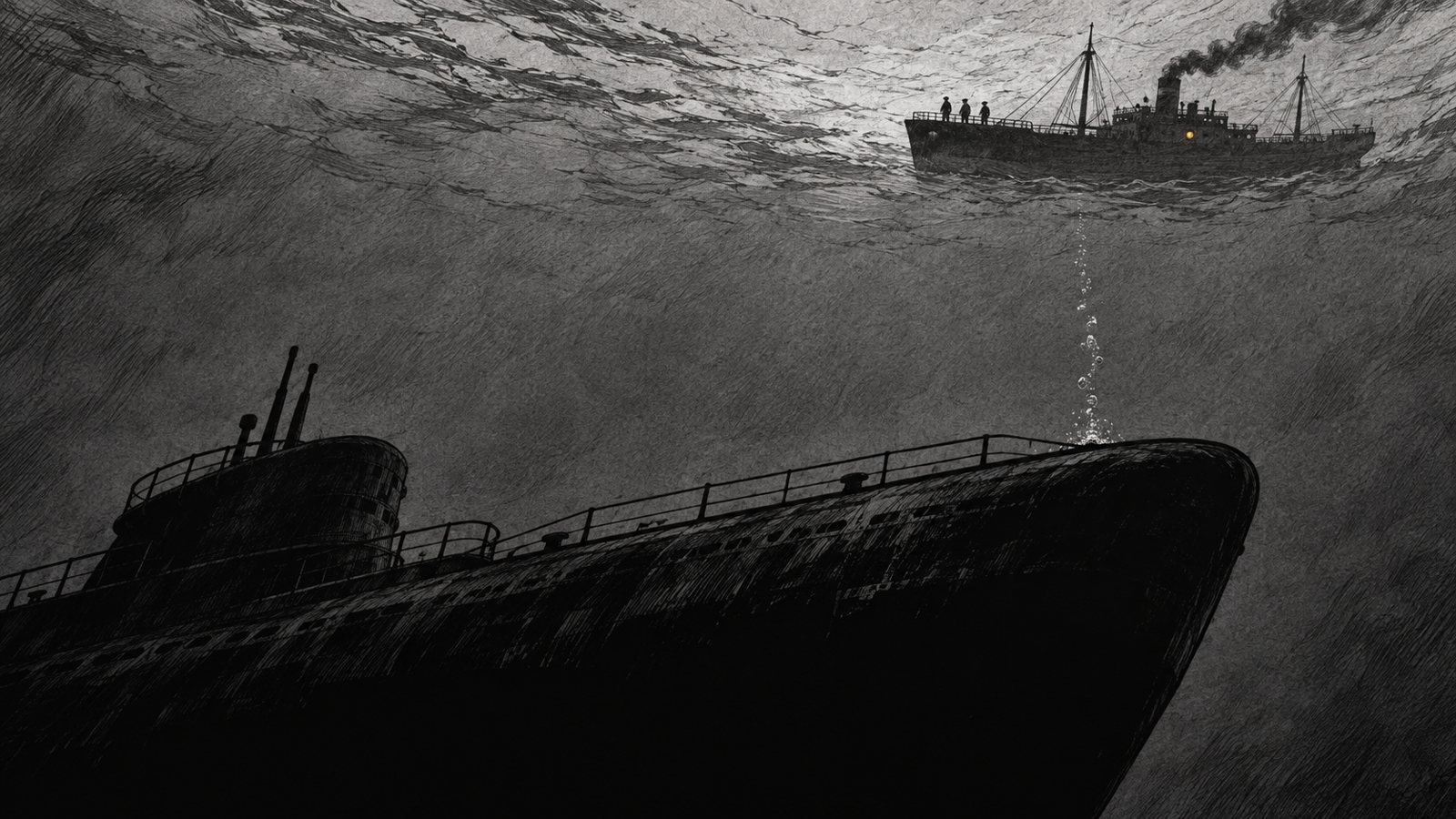
SS Cornwallis Found: The U-Boat That Landed Nazi Spies Sank It 4 Days Later
Narrated Mystery: press play and hear the whole case read aloud, like a true crime podcast episode, or an audiobook for a long drive (about 6 minutes). The narrator is an AI voice.
What the record shows
- What: The SS Cornwallis, a sugar freighter sunk on 3 December 1944 by U-1230, the U-boat that had landed two spies in Maine four days earlier
- Toll: Forty-three men died; the spies were caught within a month
- Status: Found by sonar in July 2026; divers confirmed it nearly 400 feet down
Still uncertain
- Whether anyone at the time linked the spies’ landing to the sinking four days later.
- What the wreck looks like in detail; the team has released only limited information so far.
Two men on a snowy road
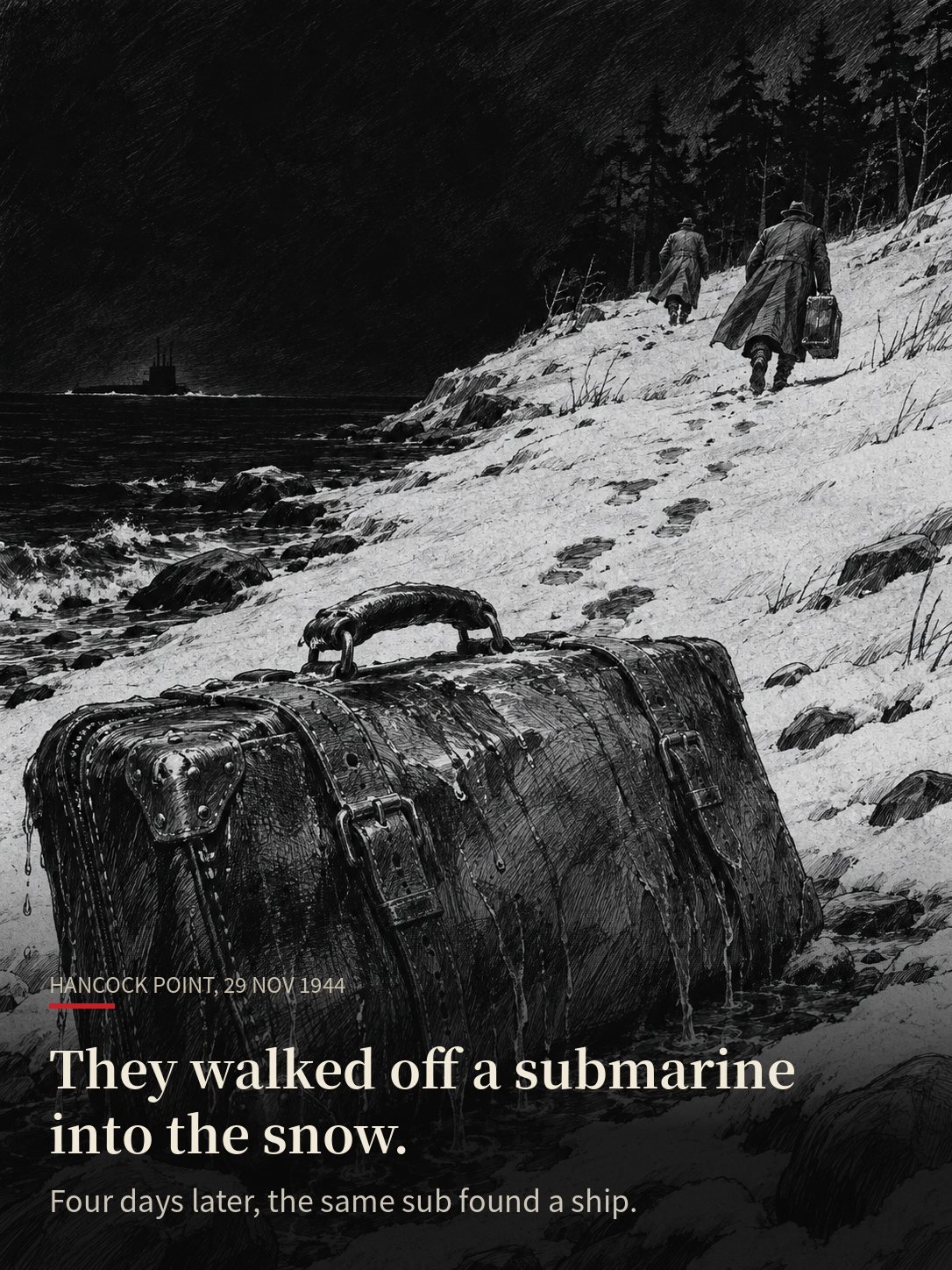
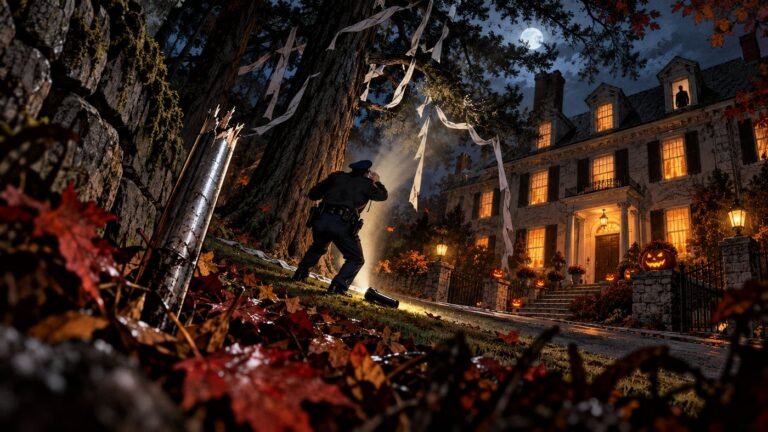
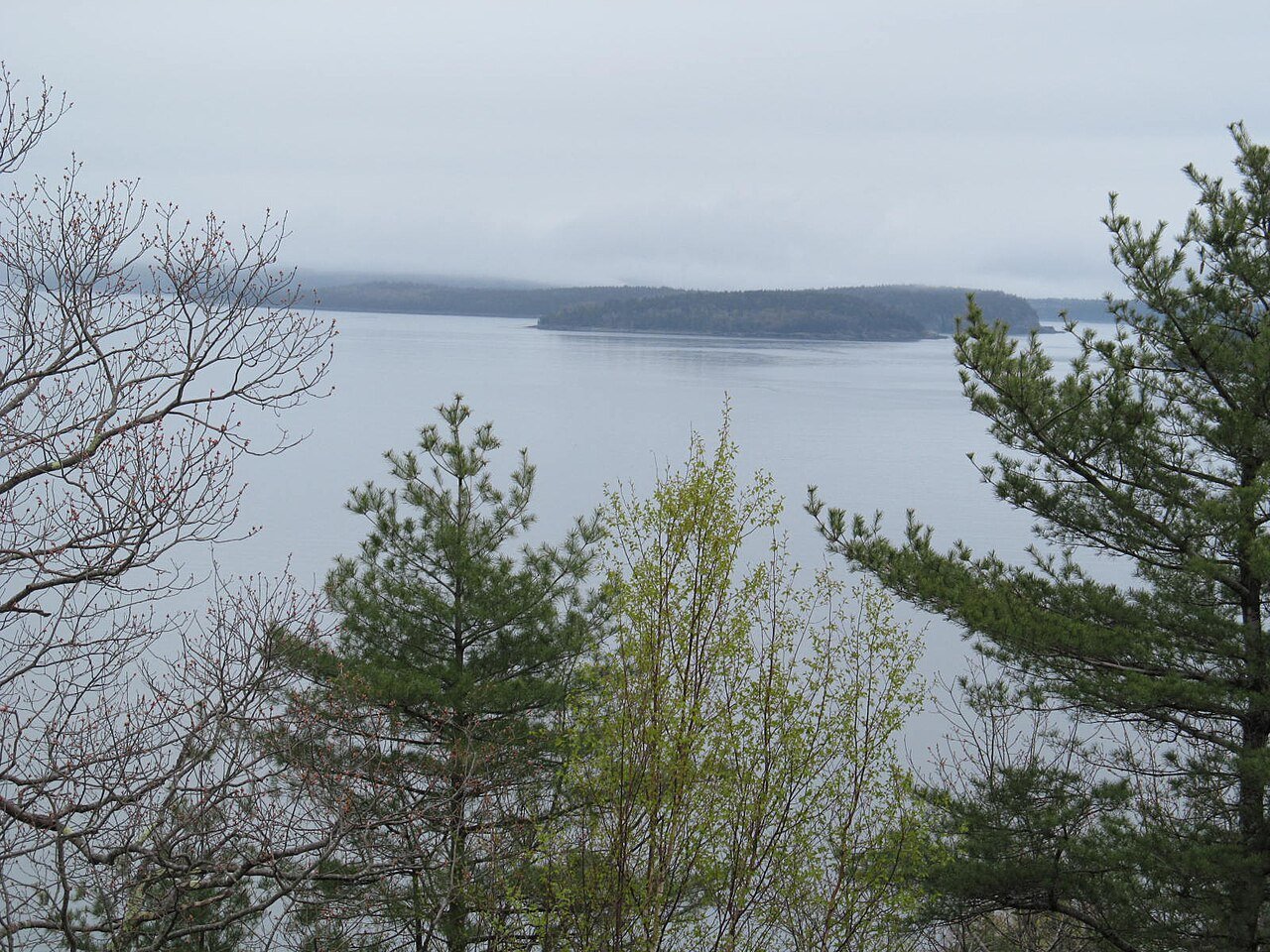
Shortly before midnight on 29 November 1944, a rubber dinghy came out of the black water of Frenchman Bay, Maine. Two men climbed onto the stones at Hancock Point with a large suitcase each. (HNET)
Behind them, in the dark, the German submarine U-1230 turned back to sea. (HNET)
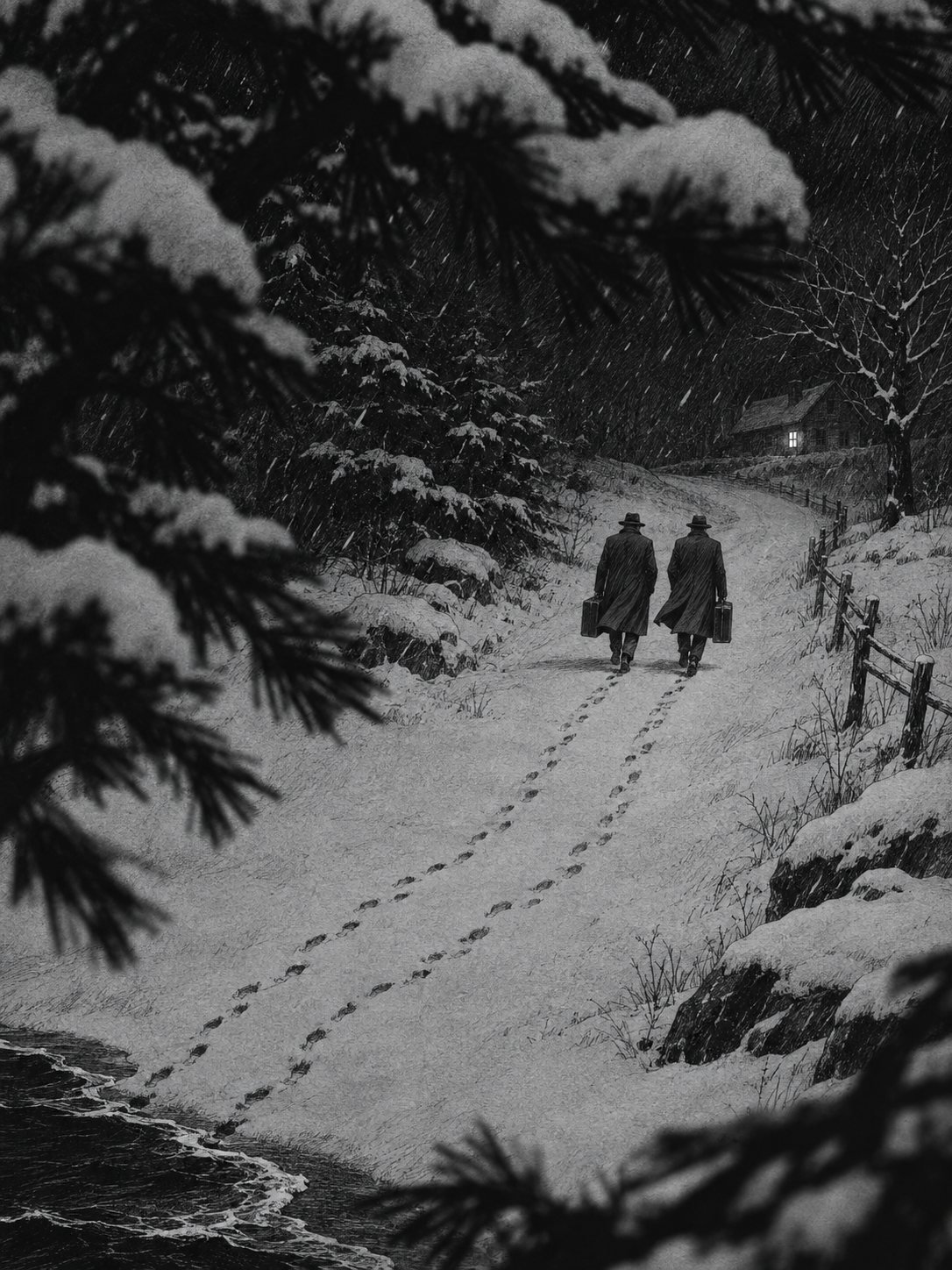
The men walked up to the road in the snow. A woman driving home from a card game passed them. So did a 17-year-old Boy Scout coming home from a dance. Both noticed the same thing: two strangers in town clothes, no boots, carrying suitcases on a deserted peninsula in a Maine November. (BDN)
The pair got a ride to Bangor, then trains to Portland, Boston and New York. (HNET)
Four days later, the submarine that had dropped them off found a ship.
A ship that had already survived one torpedo
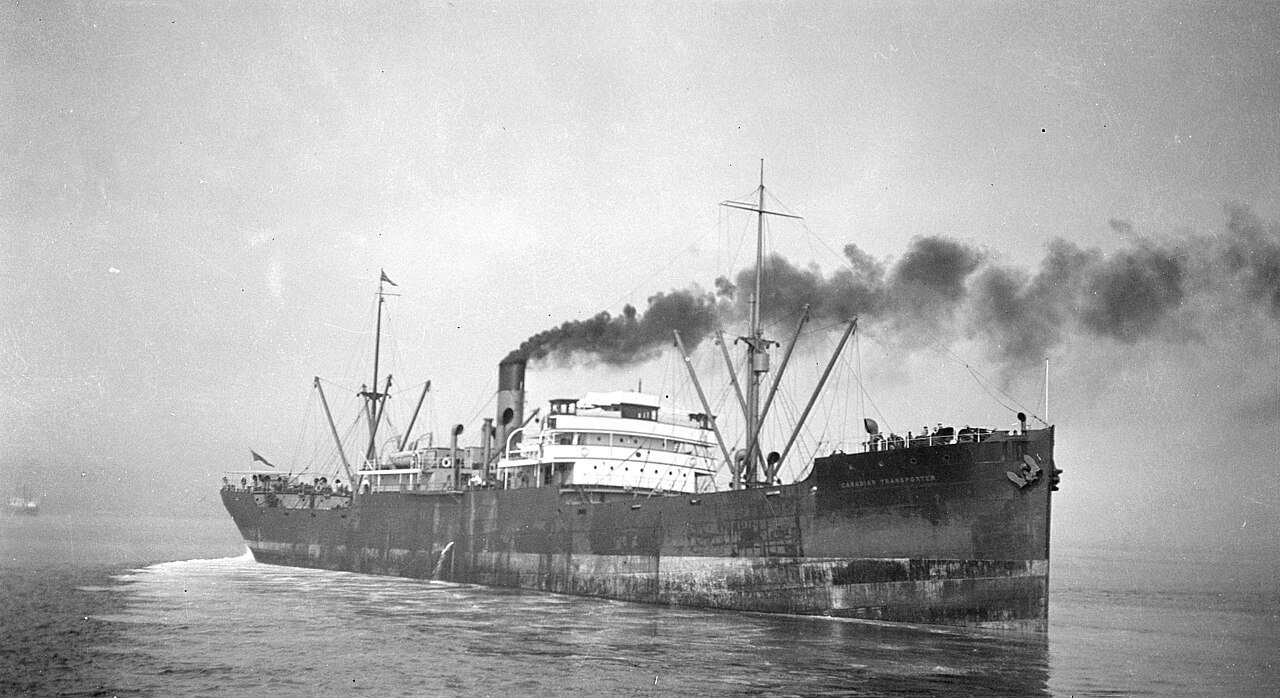
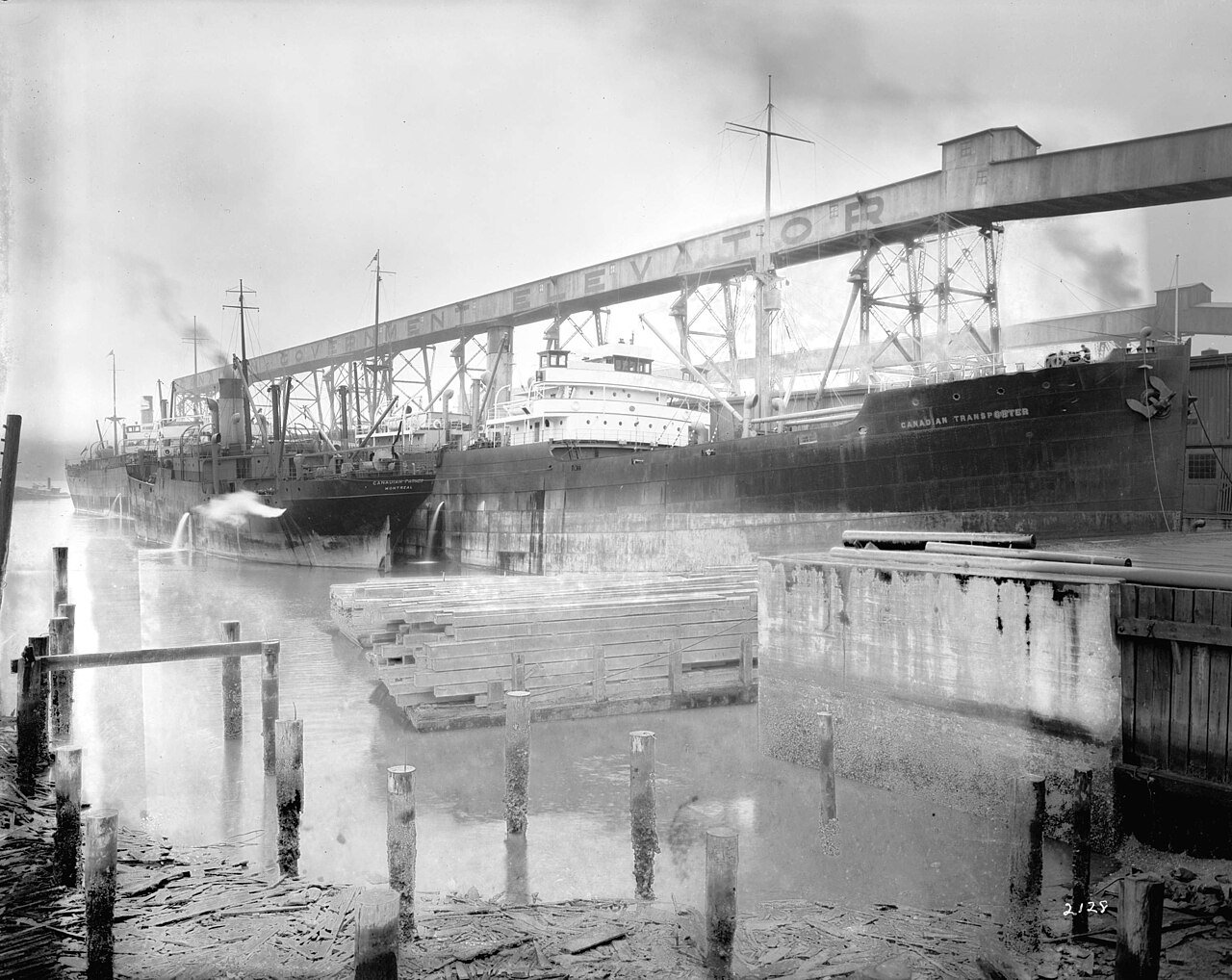
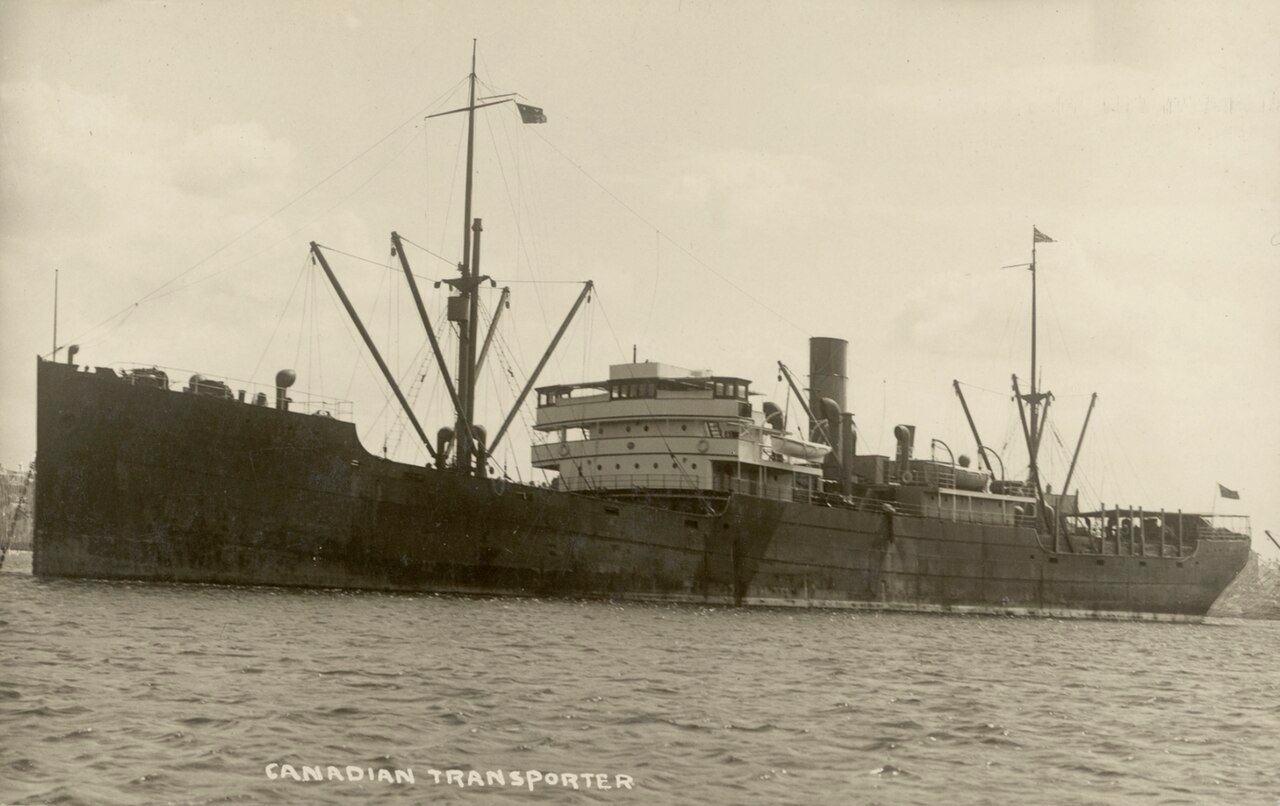
The Cornwallis was a 400-foot Canadian freighter with a single funnel, built in Vancouver in 1921 as the Canadian Transporter. (WIKI) (CBS)
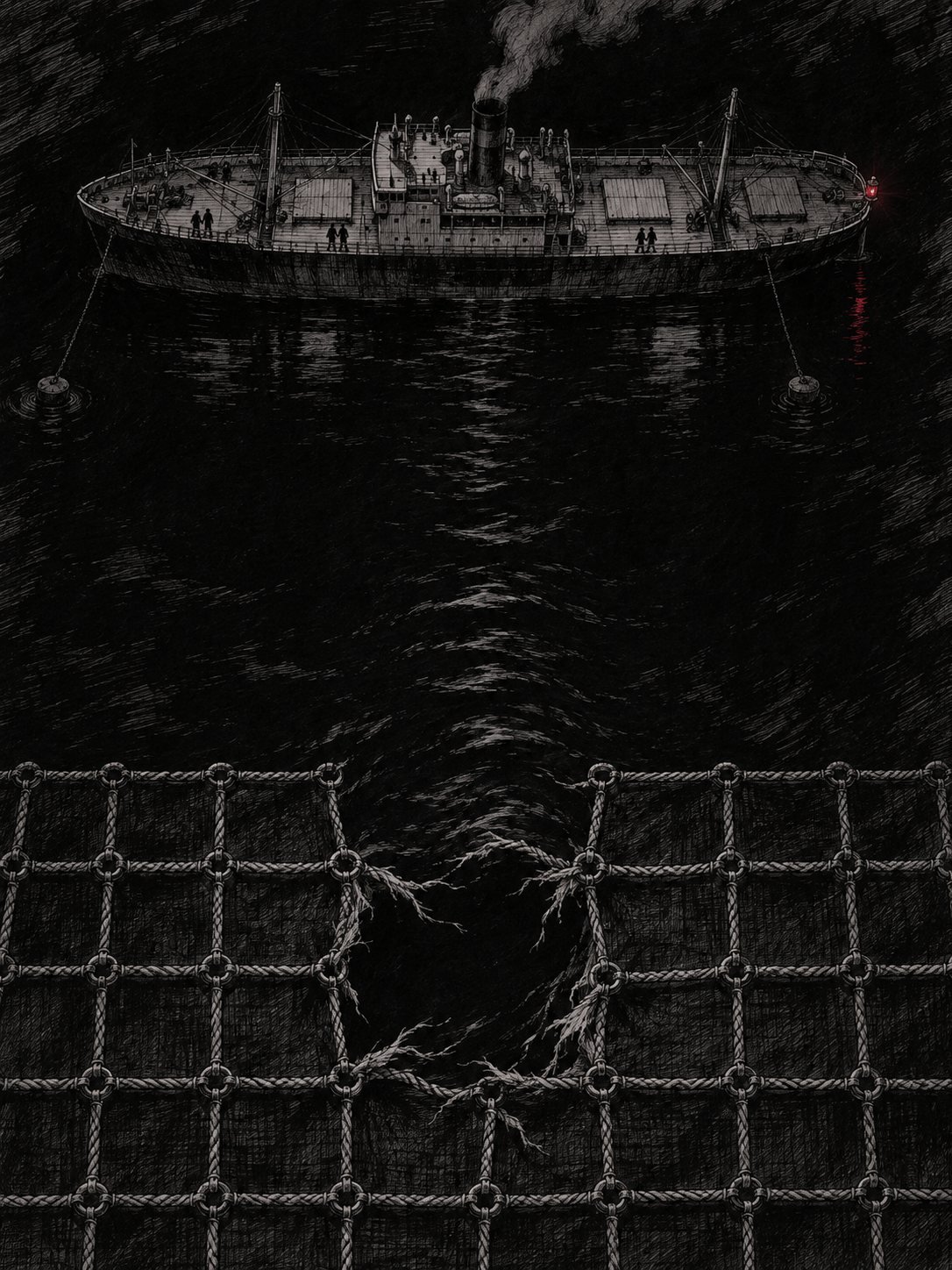
She had been torpedoed once already. On 11 September 1942 she lay at anchor in Carlisle Bay, Barbados, behind an anti-torpedo net. The U-boat U-514 fired anyway. One torpedo broke through the net and hit her. She settled in shallow water, was raised, patched, towed away and repaired. (WIKI)
By 1944 she was back at work.
Sugar and molasses
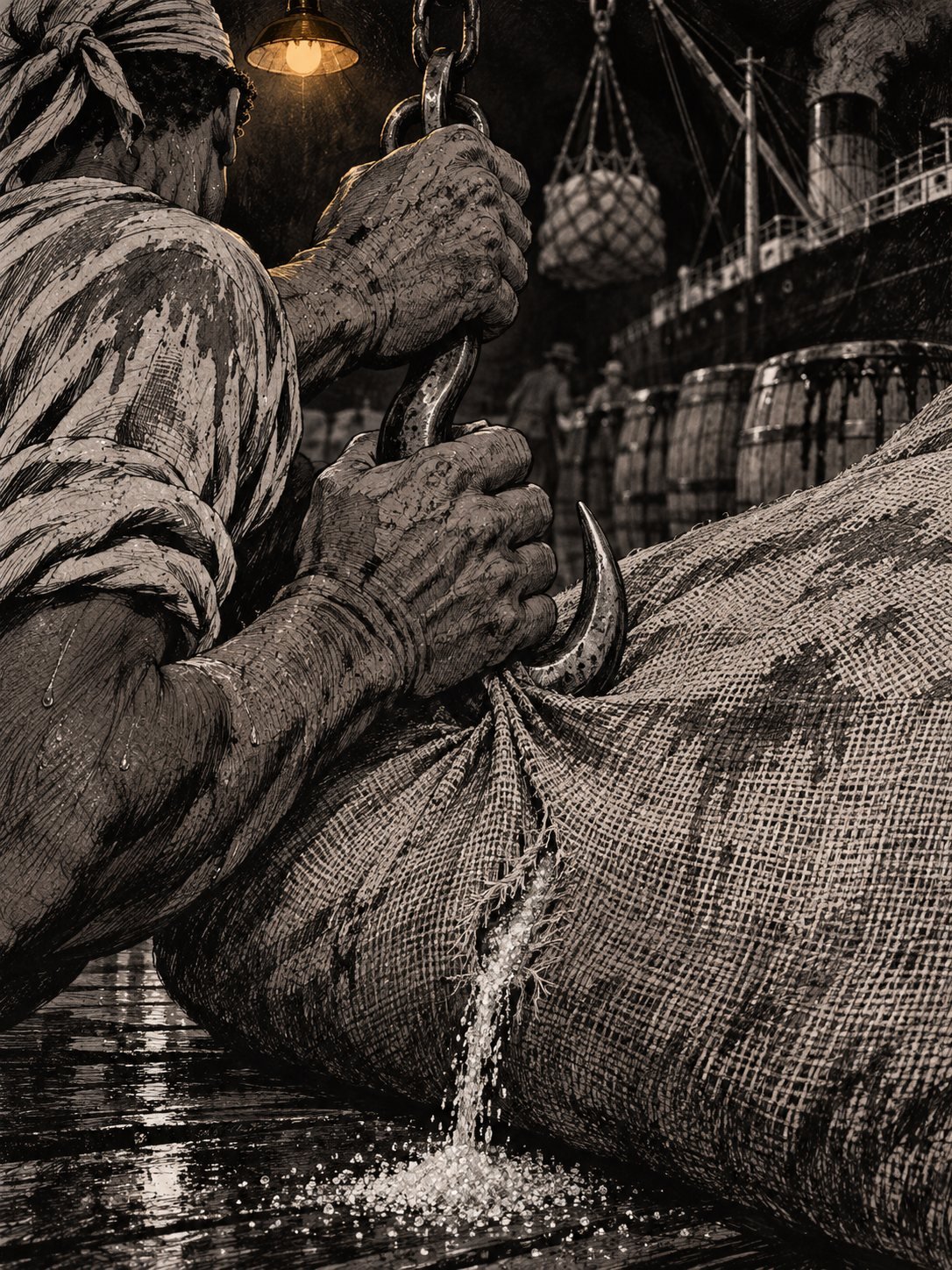
On 20 November 1944 the Cornwallis left Barbados with sugar and molasses for Saint John, New Brunswick. She was ordered to sail alone, up the New England coast, with no escort. (WIKI) (CBS)
There were 48 men aboard, including seven armed guards. She carried a 4-inch gun, a 12-pounder and machine guns. (WIKI) (CBS)
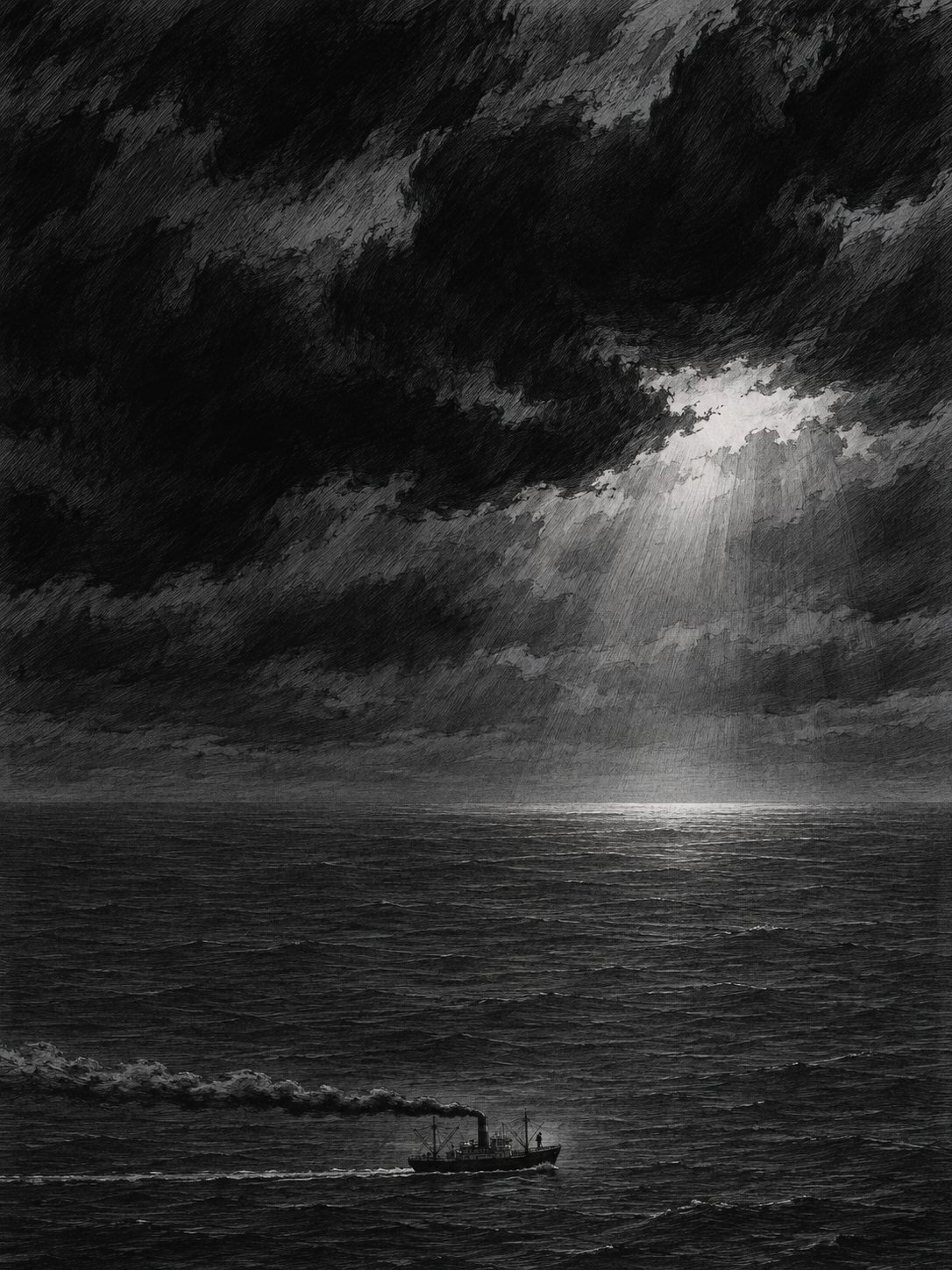
According to the historian Eric Wiberg, none of them were ever fired. (CBS)
When and where was the Cornwallis sunk?
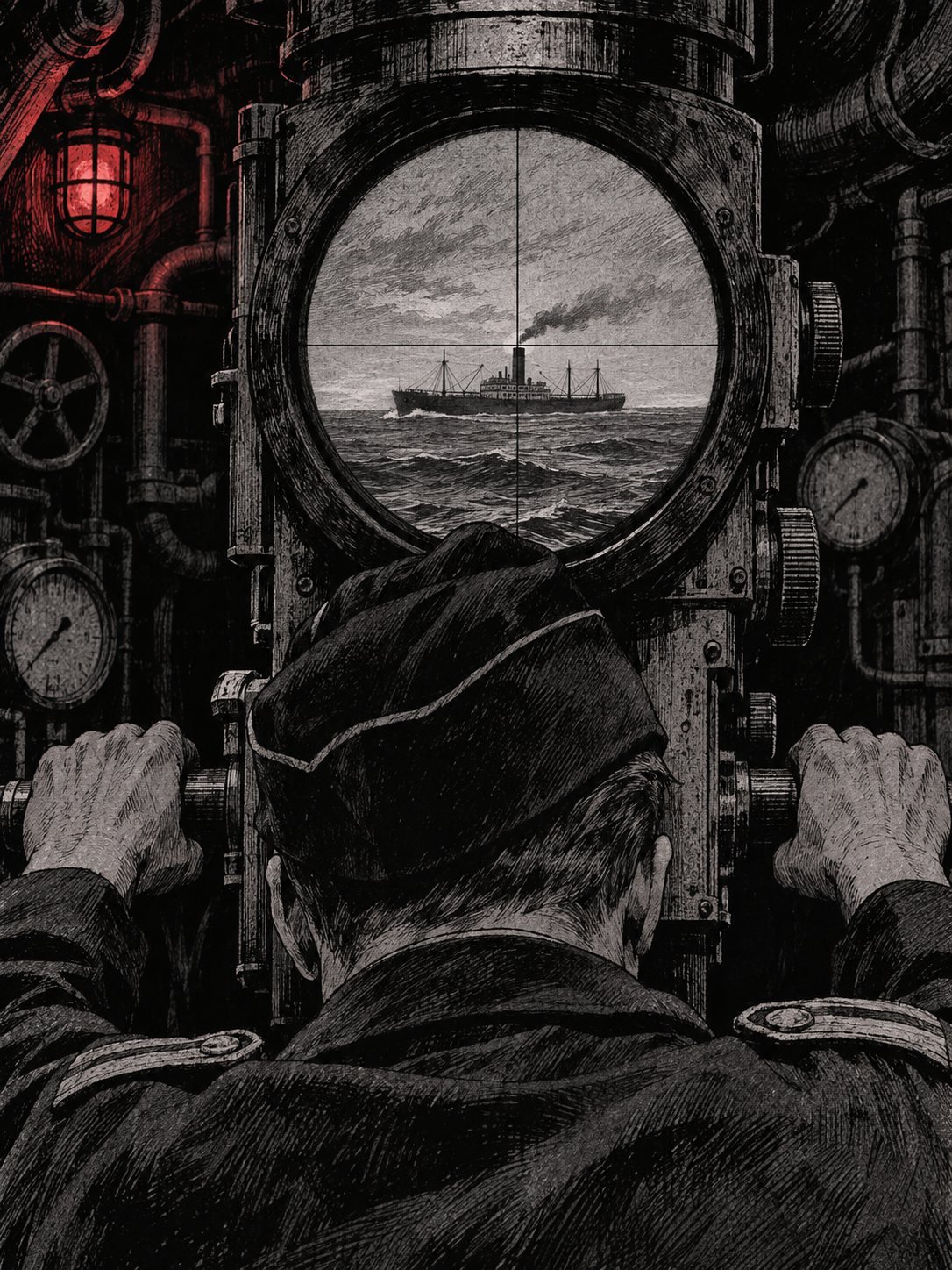
At about 6 a.m. on 3 December 1944, off Mount Desert Rock in the Gulf of Maine, U-1230 fired on the Cornwallis. The U-boat was commanded by Hans Hilbig. (CBS) (WIKI)
It was the same submarine that had put the two spies ashore at Hancock Point four days earlier. (CBS)
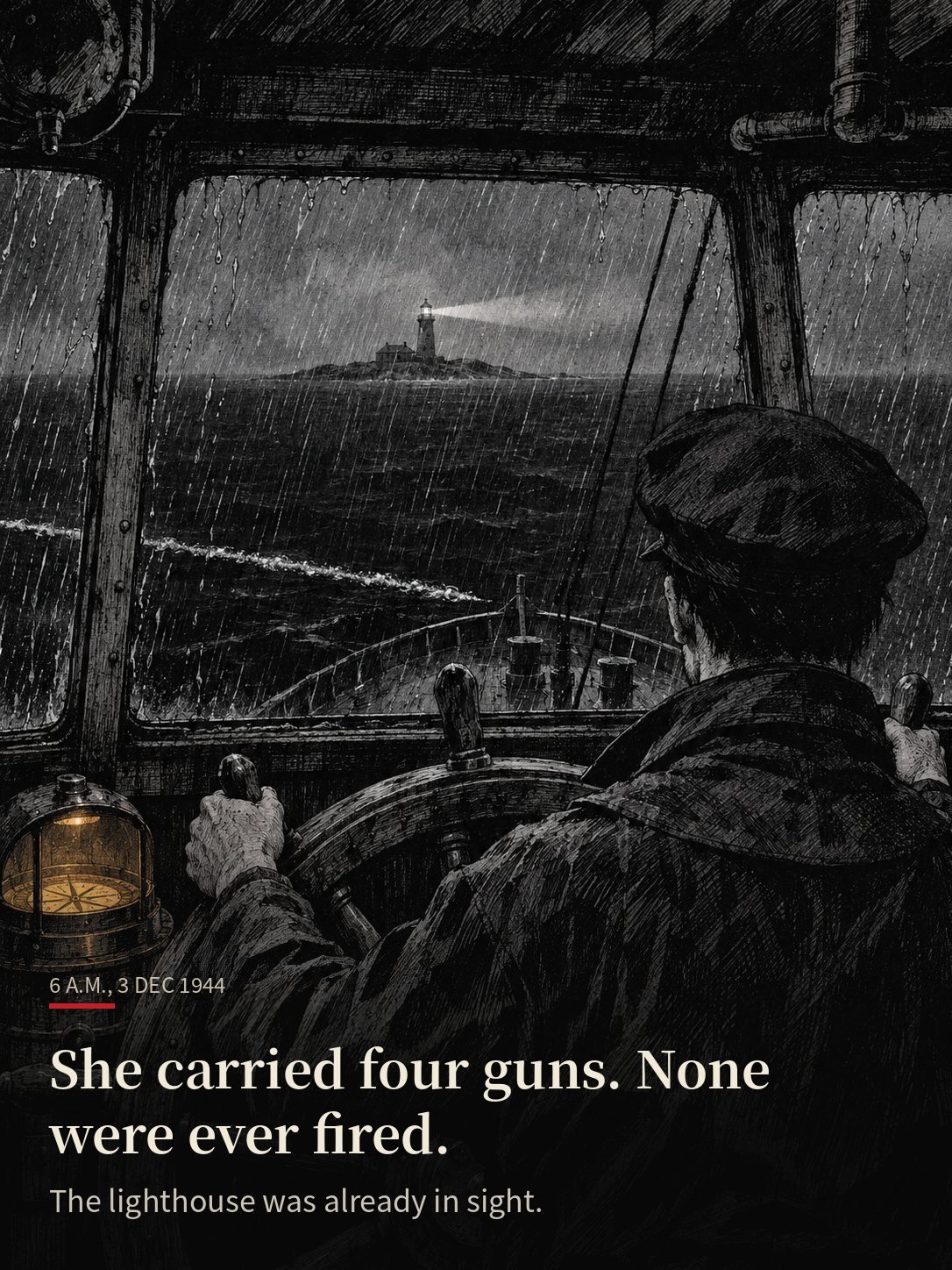
A single torpedo hit the forward part of the ship. (WIKI)
Under ten minutes
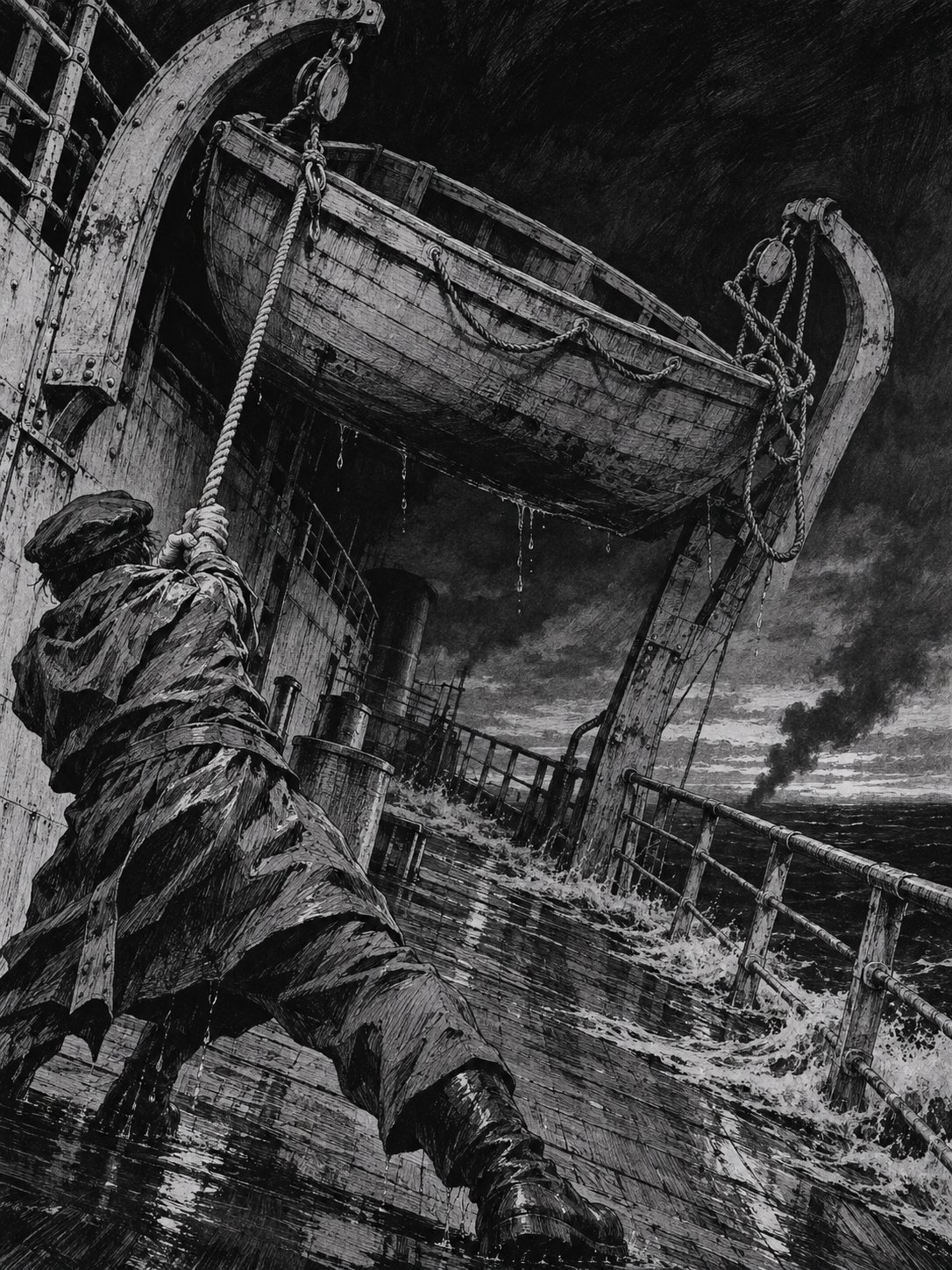
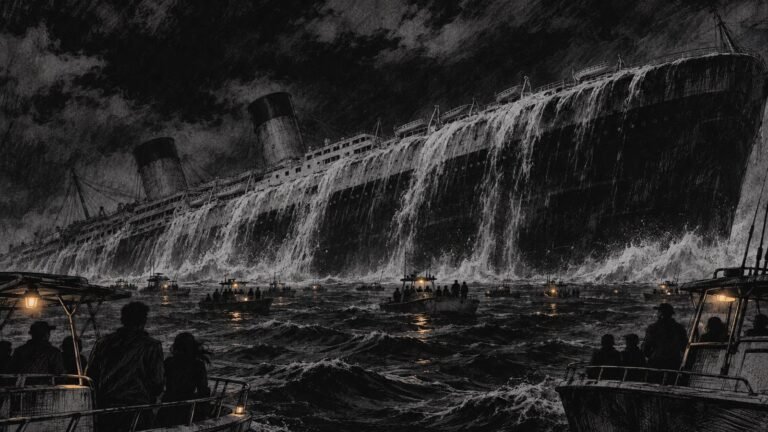
The Cornwallis rolled onto her starboard side and went down in less than ten minutes. (WIKI) (CBS)
The starboard lifeboat amidships jammed on its davits and could not be lowered. (WIKI)
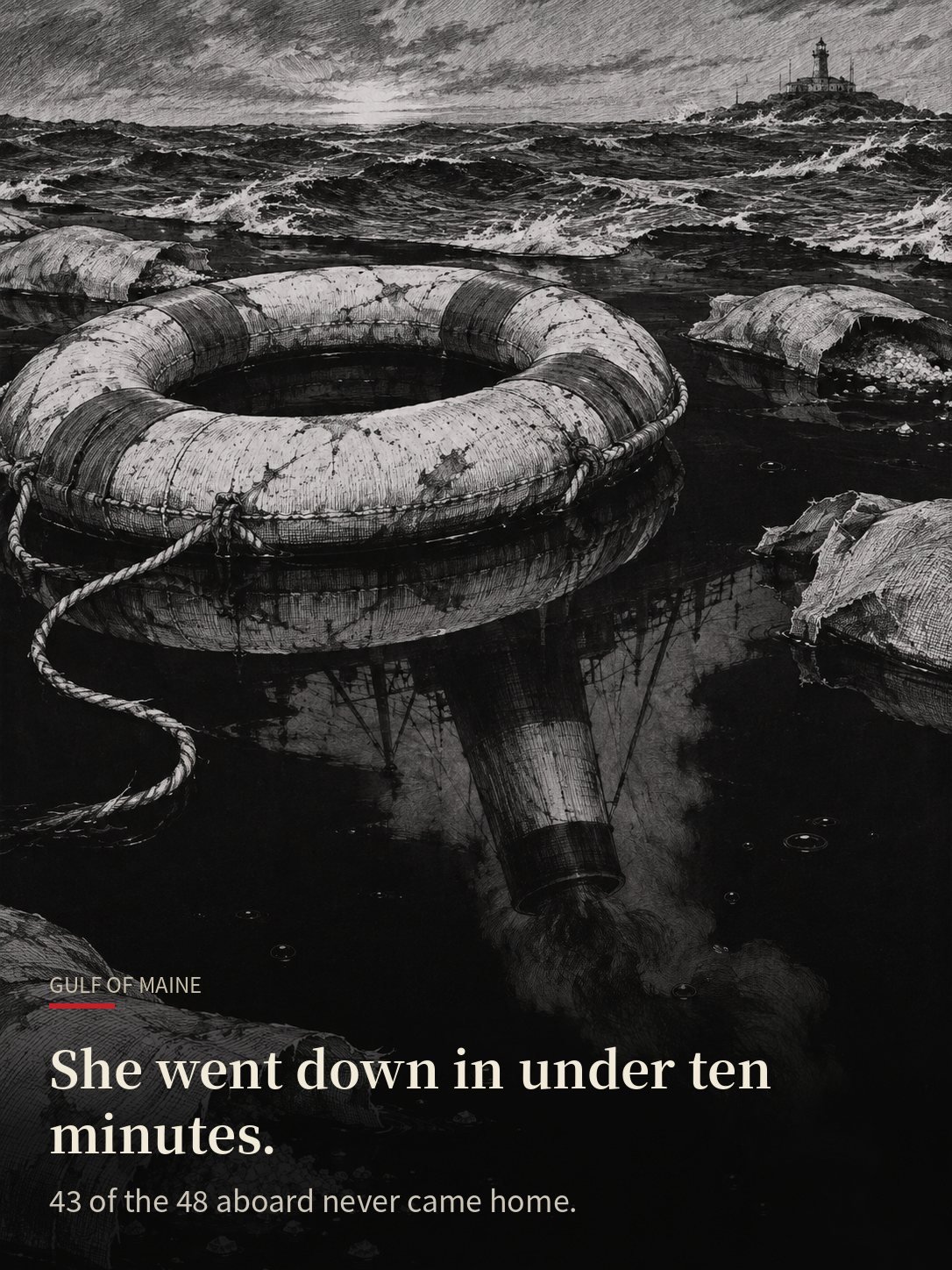
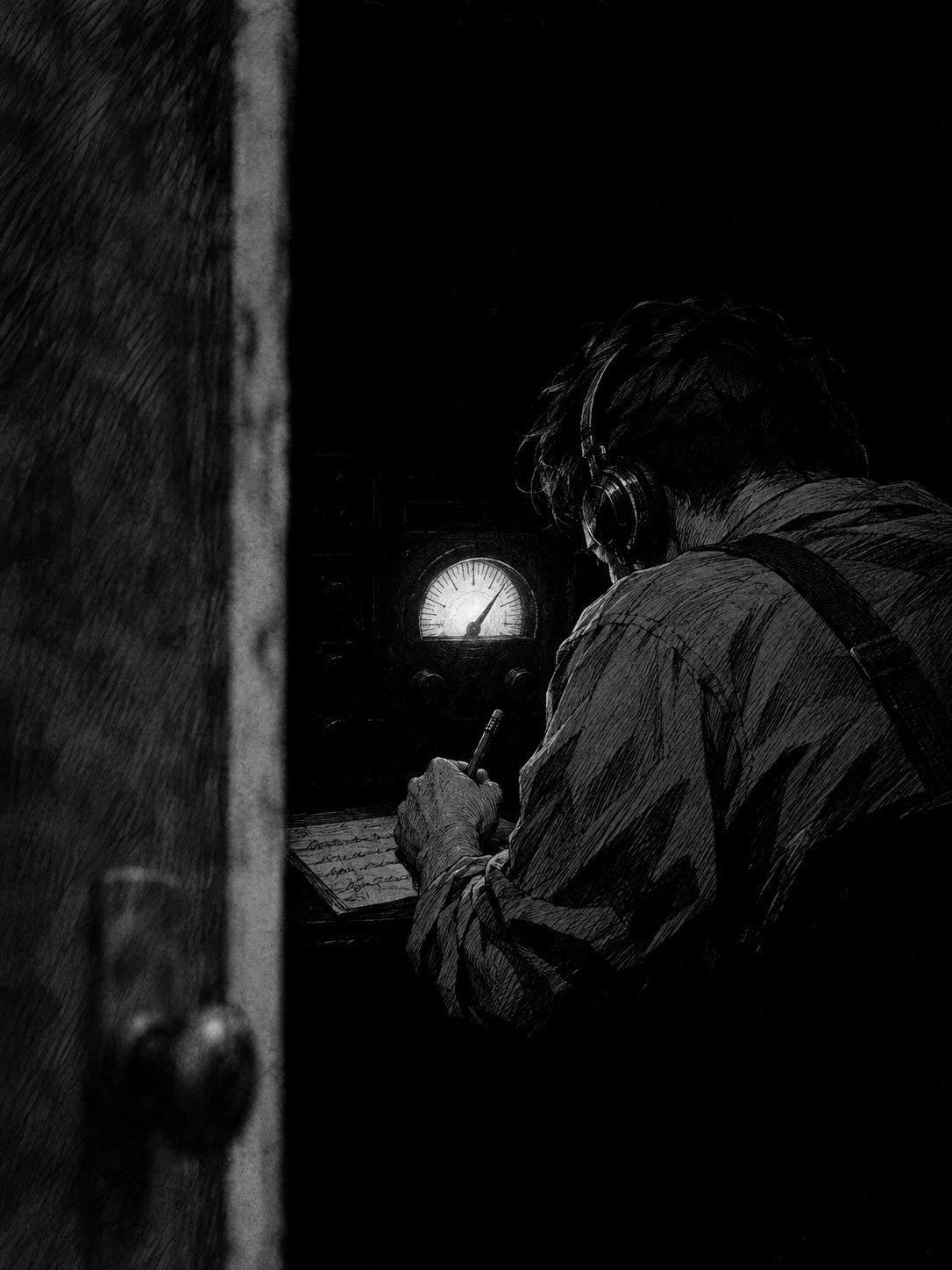
An SOS went out. It was picked up at Yarmouth, Nova Scotia. (WIKI)
Then the sea closed over a slick of sugar and molasses about ten miles south-west of Mount Desert Rock. (WIKI)
Six in the boat
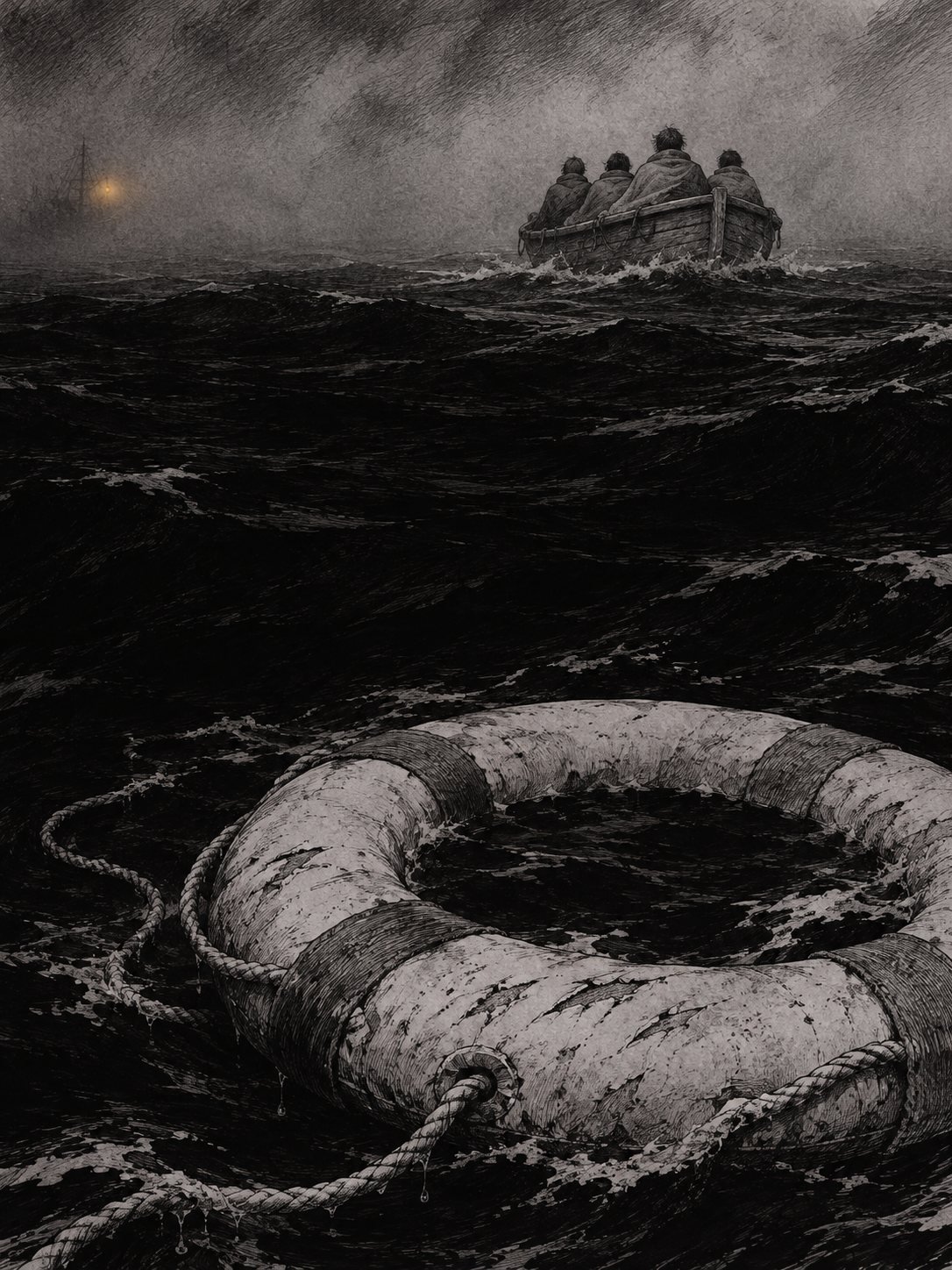
Six men got away in a lifeboat that floated free. One of them died of hypothermia before help came. (WIKI) (CBS)
The five who were left were picked up and landed at Rockland, Maine. (WIKI) (CBS)
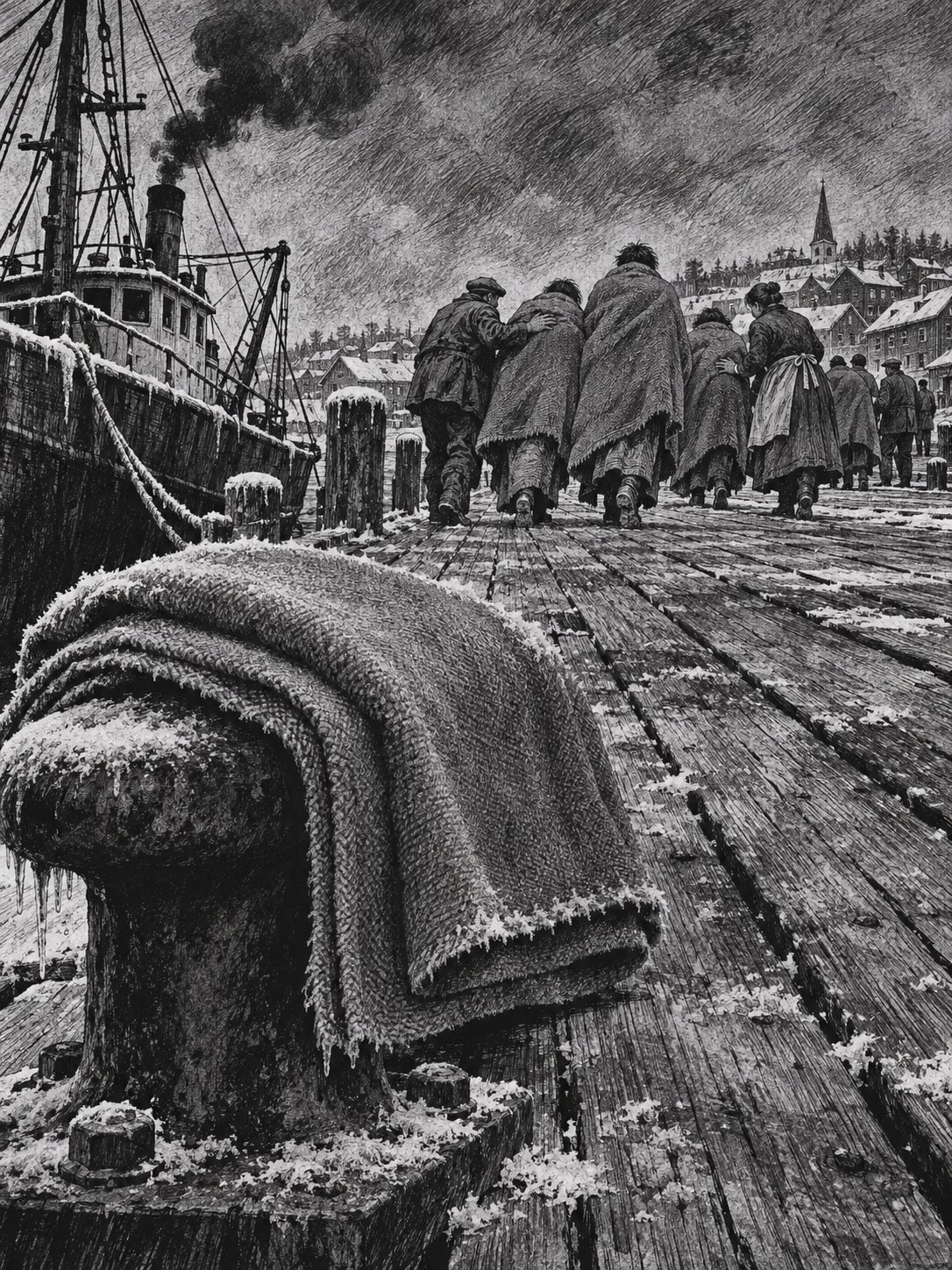
Forty-three of the 48 were lost. (WIKI)
What happened to the two Nazi spies?
The two men from the dinghy were Erich Gimpel, a German radio specialist, and William Colepaugh, an American from Connecticut who had gone over to Germany. Their mission was code-named Operation Elster. (CTH) (HNET)
They had brought $60,000 in US cash and a packet of 99 small diamonds, hidden under a false bottom in a suitcase. (HNET)
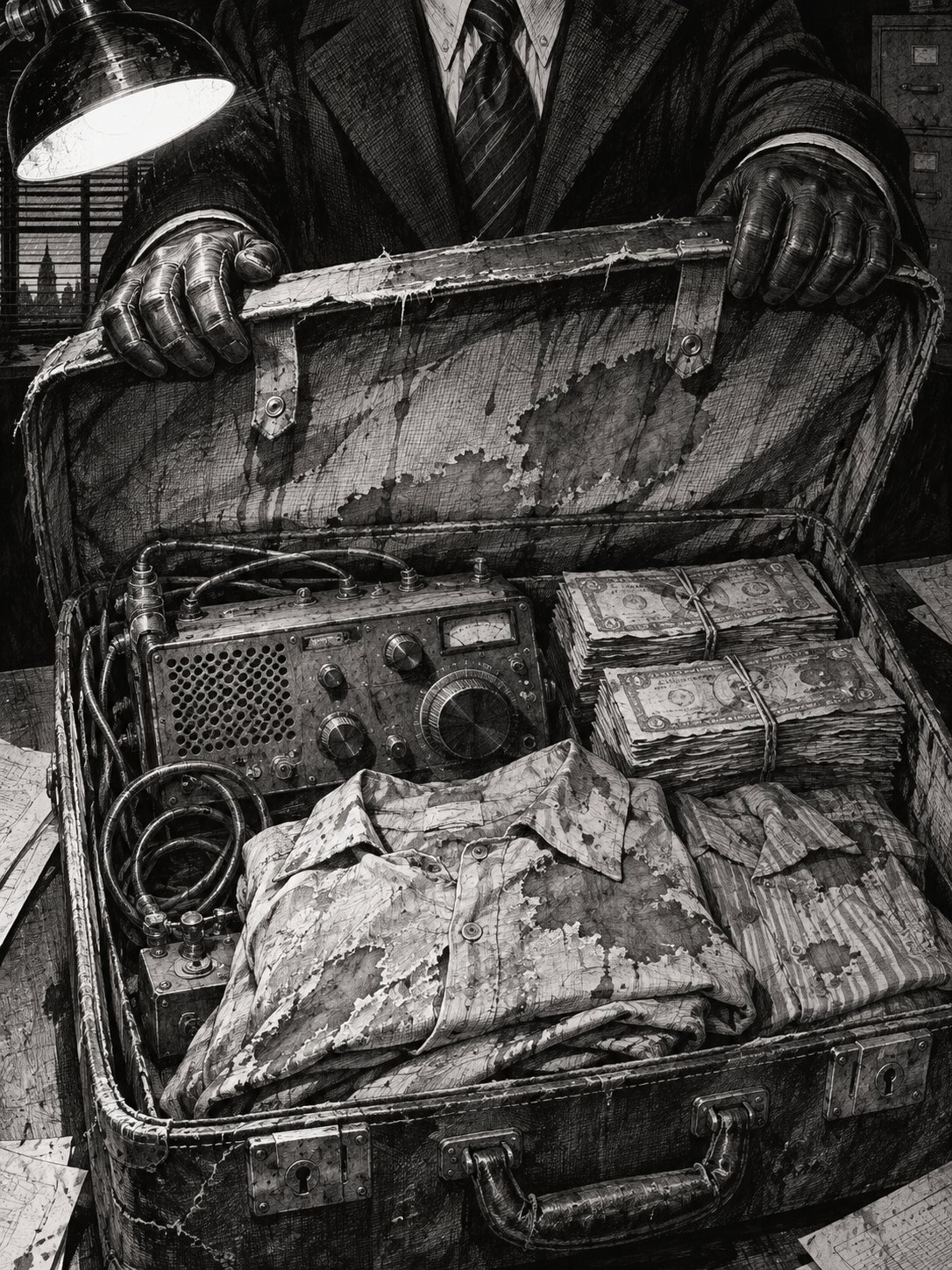
In New York, Colepaugh walked out with both suitcases. He told an old classmate what he was, and the FBI arrested him on 26 December. (HNET) (CTH)
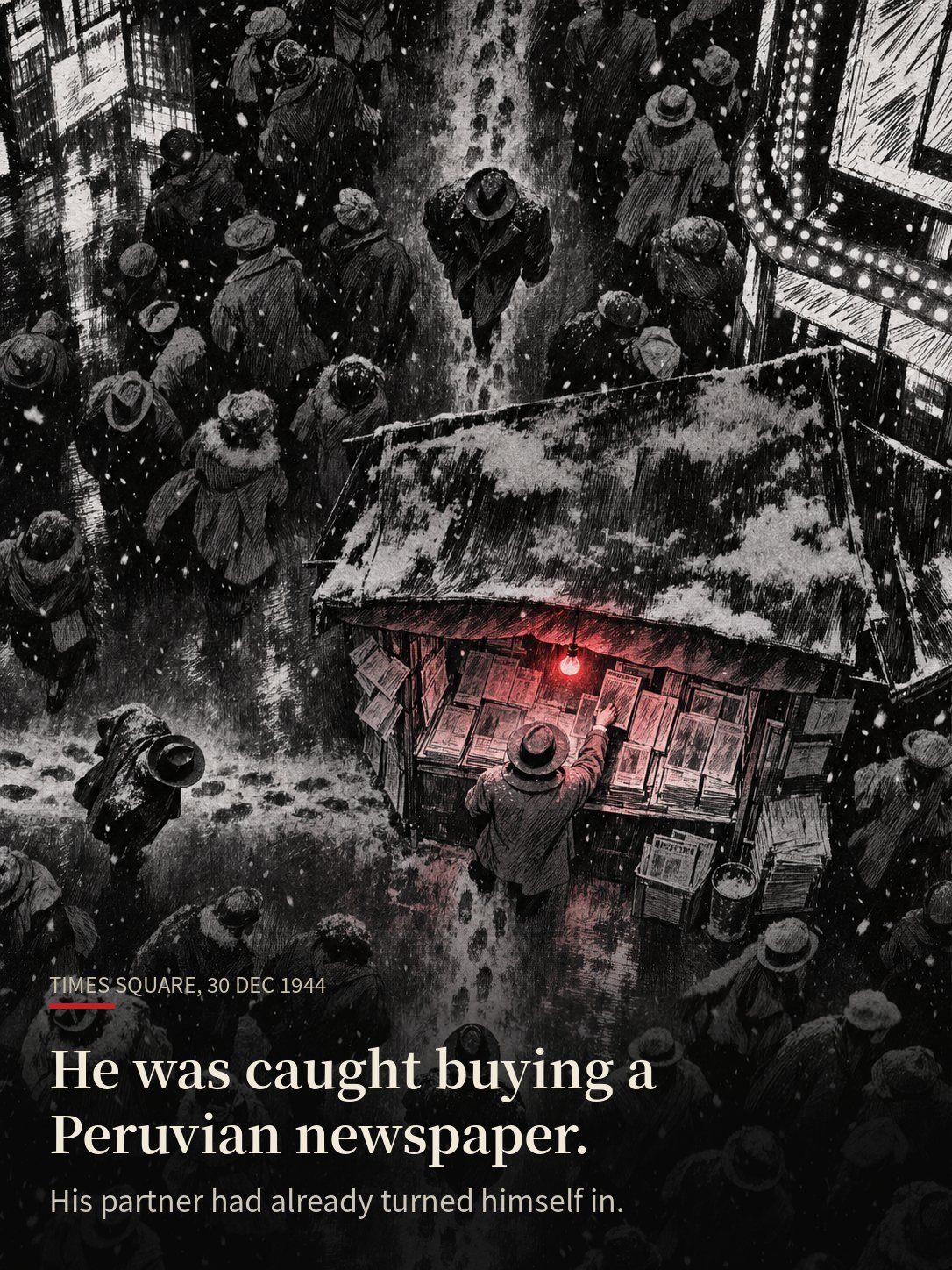
On 30 December agents waited at a Times Square newsstand that sold Peruvian newspapers. Gimpel came to buy one. They arrested him as he reached into his breast pocket to pay. (HNET)
Both men were sentenced to death. President Truman commuted the sentences. (HNET) (CTH)
How was the wreck of the Cornwallis found?
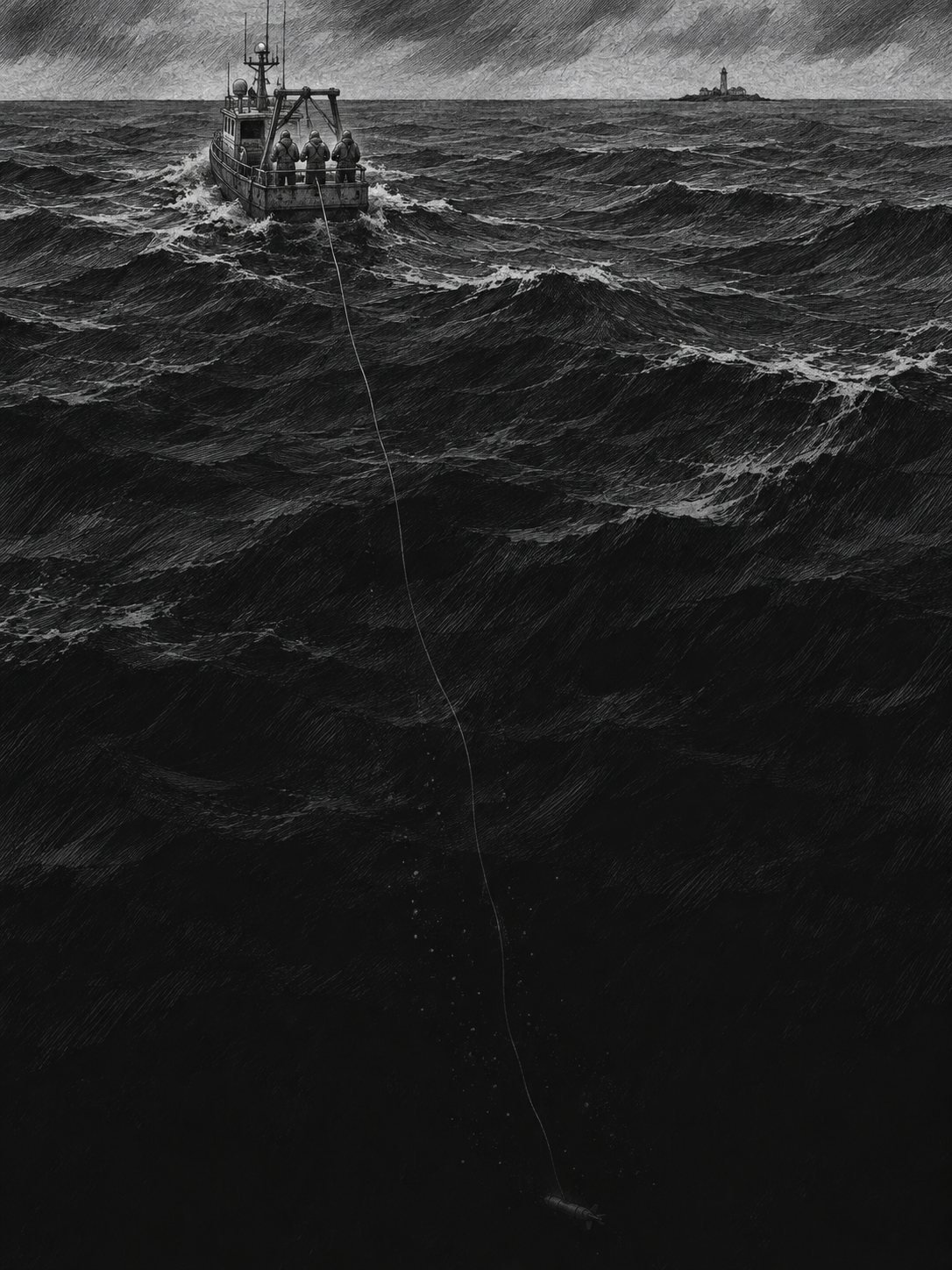
The wreck of the Cornwallis stayed lost for more than 80 years.
A civilian dive group from Portsmouth, New Hampshire, the Nomad Exploration Team, began looking for her in 2019. They worked in cold water and strong currents, far offshore. (NHPR) (CBS)
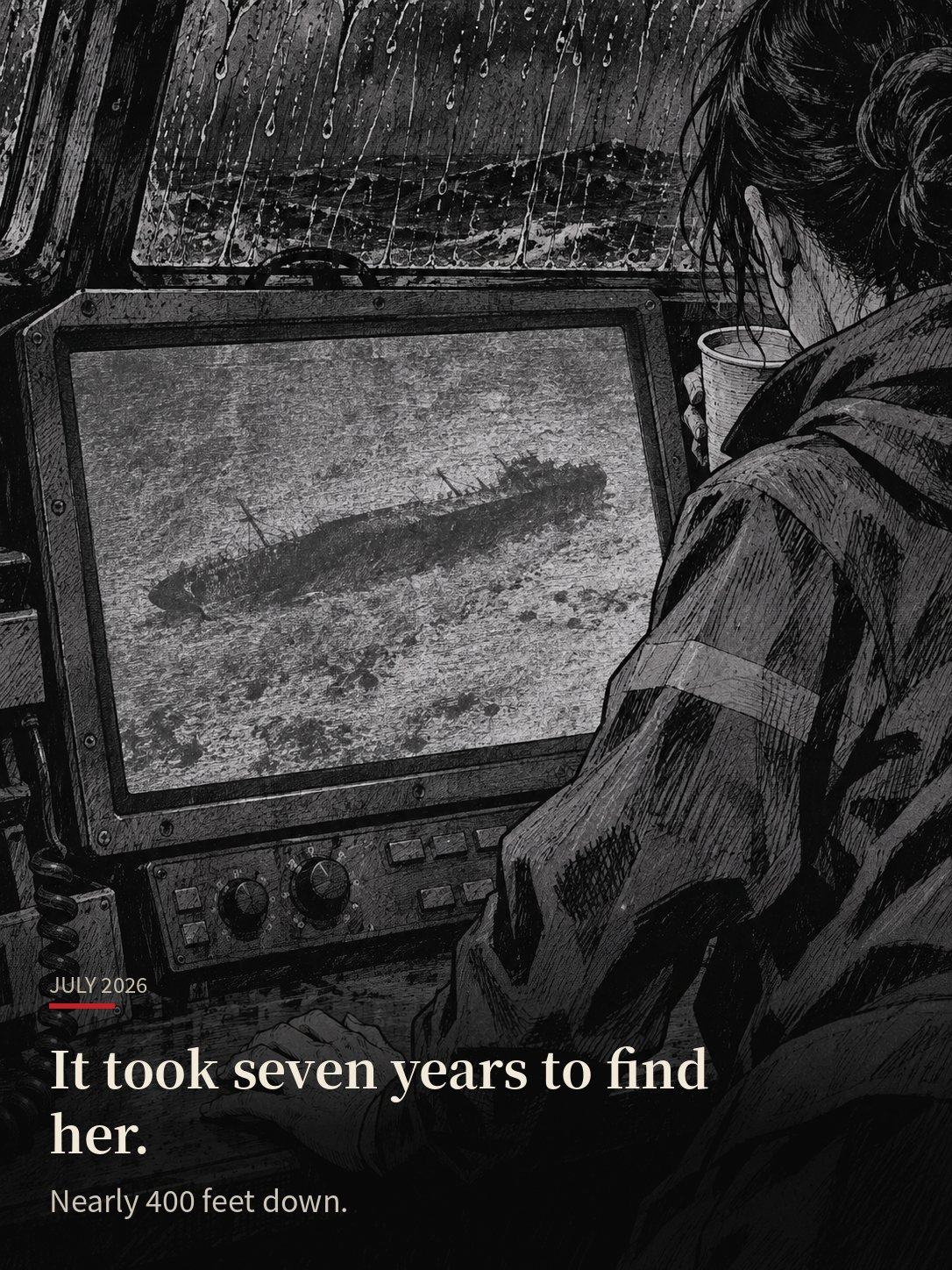
In mid-July 2026, side-scan sonar showed a ship on the seabed off Mount Desert Rock. (NHPR)
Nearly 400 feet down
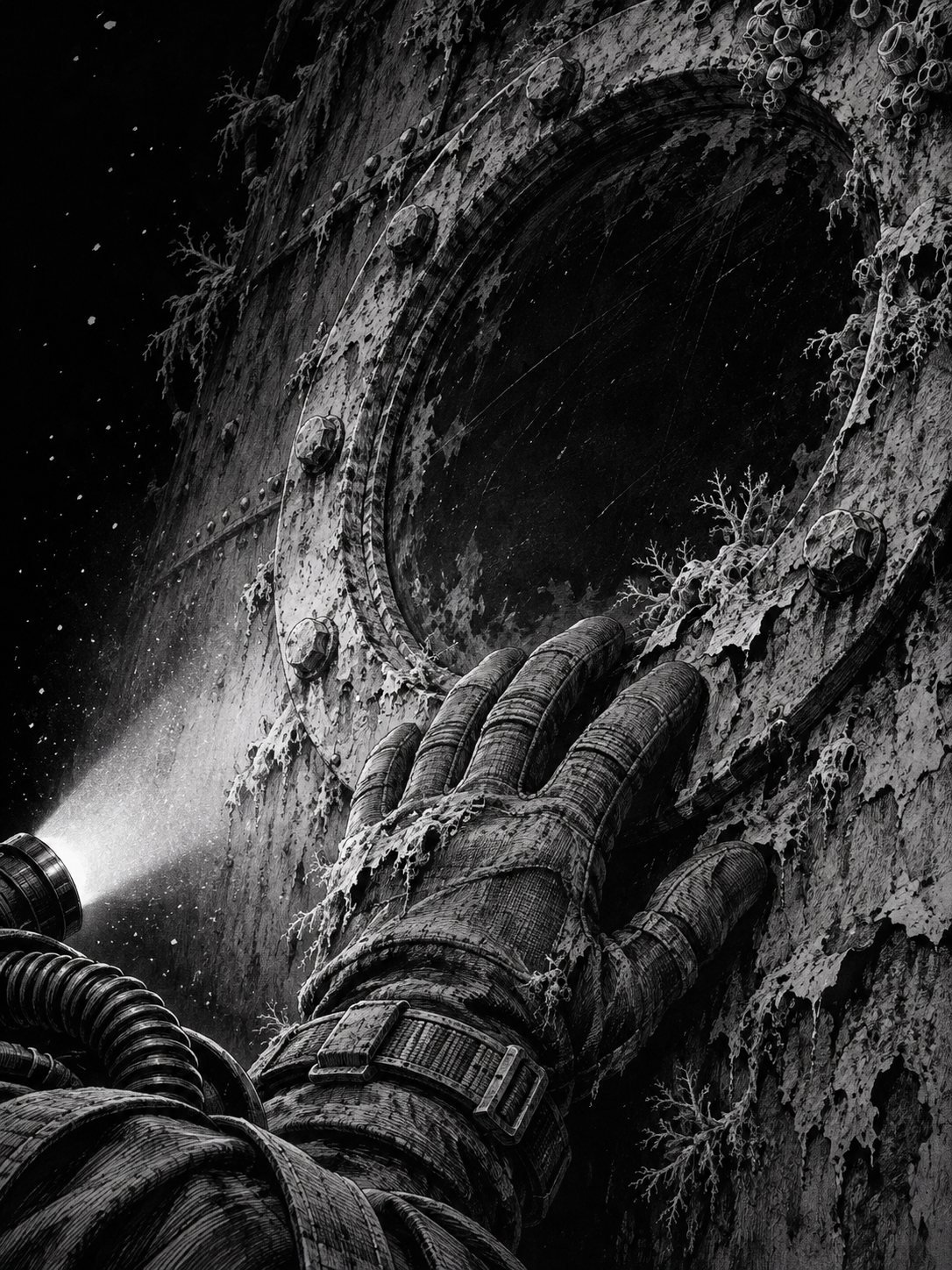
Divers went down nearly 400 feet to confirm what the sonar had found. It was the Cornwallis. (NHPR) (CBS)
“Lying at nearly 400 feet, the Cornwallis is no longer the ship that sailed north with sugar and molasses,” the team said. (CBS)
The team announced the find in late October 2026. (CBS) (MAREX)
The same sea
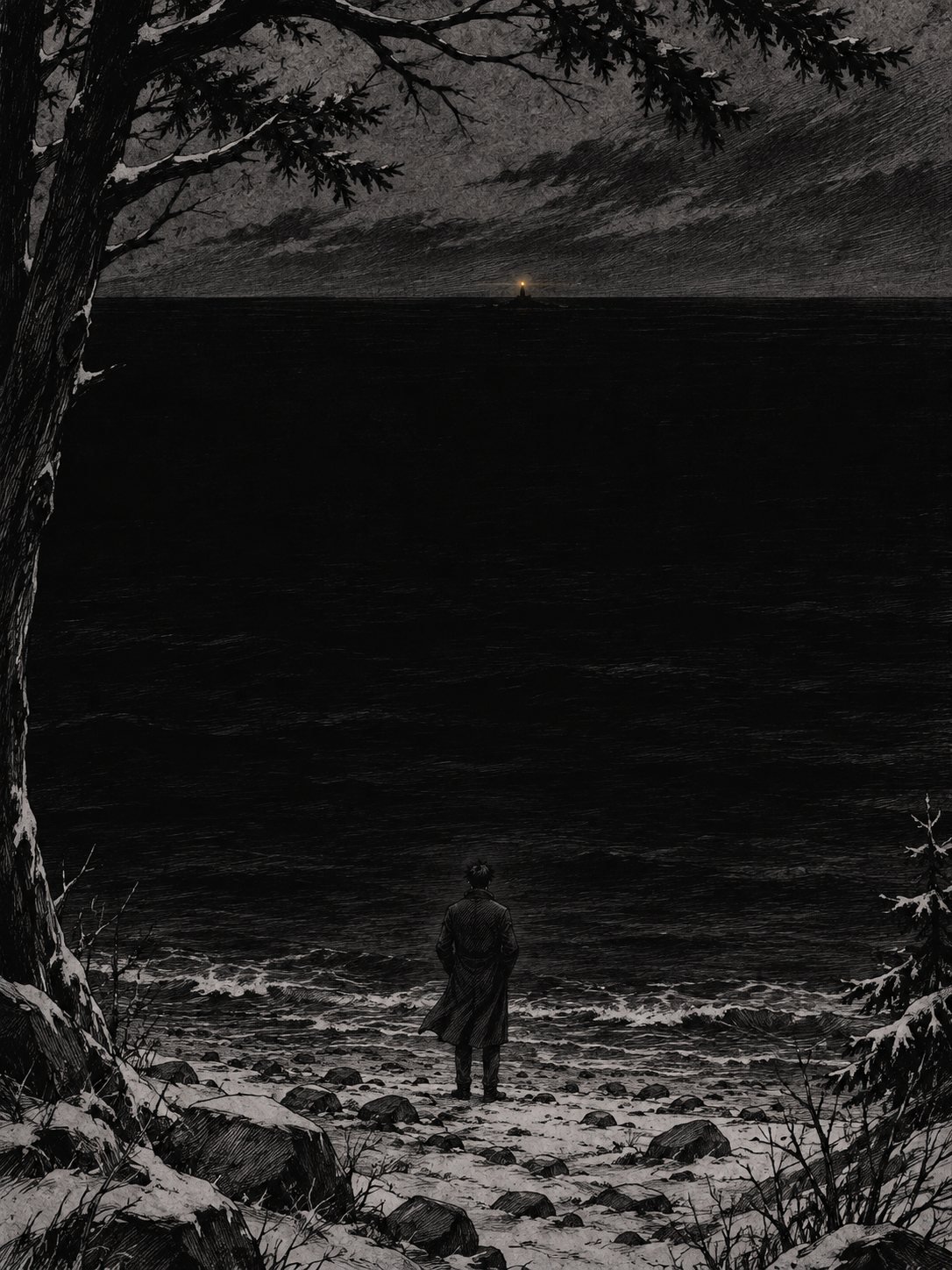
Stand on the beach at Hancock Point and look south. The bay where the dinghy landed and the water where the Cornwallis went down are part of the same stretch of coast.
Two men walked out of that sea and lived for decades. Forty-three men went into it four days later and never came back.
Evidence photos
Real photographs and published figures, kept separate from our illustrations. Each one says what it shows, and what it cannot prove.
Evidence box: documented vs. claimed
| Point | Status | Source |
|---|---|---|
| U-1230 landed Gimpel and Colepaugh near Hancock, Maine, on 29 Nov 1944 | Documented | (HNET) (CBS) |
| U-1230 sank the Cornwallis on 3 Dec 1944 | Documented | (WIKI) (CBS) |
| 48 aboard, 43 lost, 5 survived | Documented | (WIKI) (CBS) |
| Sank in under 10 minutes | Documented | (WIKI) (CBS) |
| The ship’s guns were never fired | Historian’s account | (CBS) |
| Wreck found July 2026 at nearly 400 feet | Documented | (NHPR) (CBS) |
Timeline
- 1921: Built in Vancouver as the Canadian Transporter. (WIKI)
- 11 Sep 1942: Torpedoed at anchor in Barbados by U-514; raised and repaired. (WIKI)
- 20 Nov 1944: Leaves Barbados alone with sugar and molasses. (WIKI)
- 29 Nov 1944: U-1230 lands two spies at Hancock Point, Maine. (HNET)
- 3 Dec 1944, about 6 a.m.: U-1230 torpedoes the Cornwallis off Mount Desert Rock. (WIKI) (CBS)
- 26 Dec 1944: Colepaugh arrested in Queens. (HNET)
- 30 Dec 1944: Gimpel arrested at a Times Square newsstand. (HNET)
- 2019: Nomad Exploration Team begins searching. (NHPR)
- July 2026: Wreck found by side-scan sonar and confirmed by divers. (NHPR) (CBS)
- Late Oct 2026: Discovery announced. (CBS)
Evidence locker
Primary records and the closest copies we could trace. The last three exhibits are an openly licensed map and photographs.
Access: Via press.
Supports: The find, its depth and the loss of life.
Limits: The full survey data from the dive team has not been published.
Access: Via press.
Supports: Who found the wreck and when.
Limits: It does not publish the exact wreck position.
Access: Secondary history.
Supports: The spy landing and the link to the same U-boat.
Limits: It is a narrative history, not an archive record.
Access: Direct original (transcribed by the Navy Department Library).
Supports: The landing date, the U-boat, and the link between the landing and the sinking.
Limits: It names Frenchman Bay and Crabtree Neck, not Hancock Point. It is an excerpt, not the full diary.
Access: Direct original (transcribed by the HyperWar Foundation).
Supports: The voyage, the spy landing and the agents’ names.
Limits: It stops at the landing and does not cover the Cornwallis. It reflects what the agents told the Navy.
Access: Secondary history (compiled database).
Supports: The sinking date, position, attacker and losses.
Limits: A compiled database, not an official casualty list.
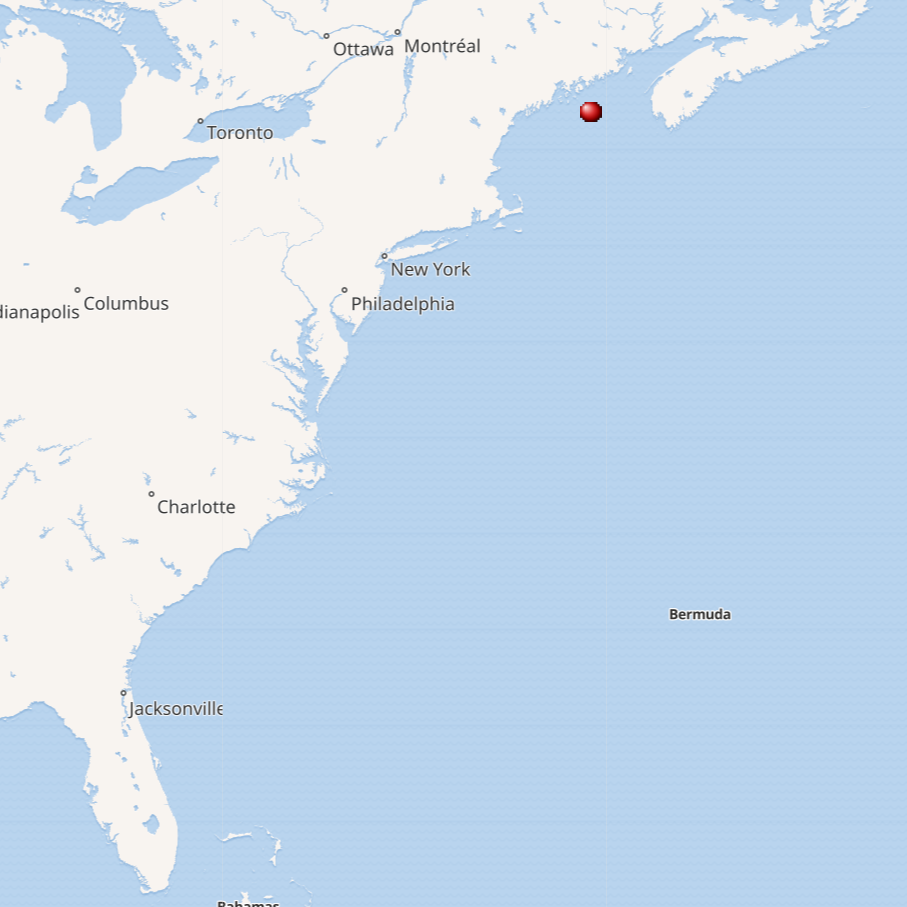 EXHIBIT G · TAP TO ENLARGE
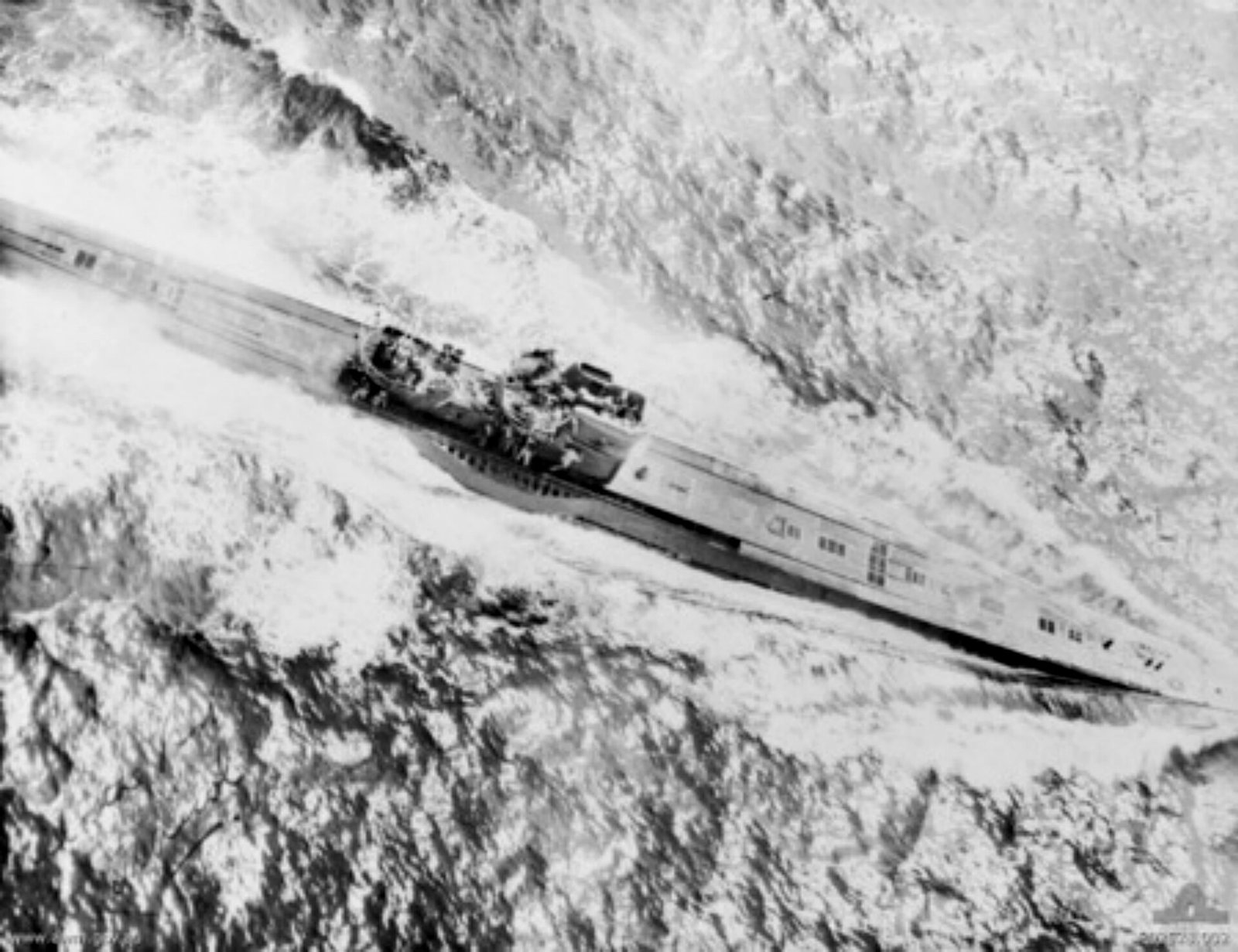 EXHIBIT H · TAP TO ENLARGE
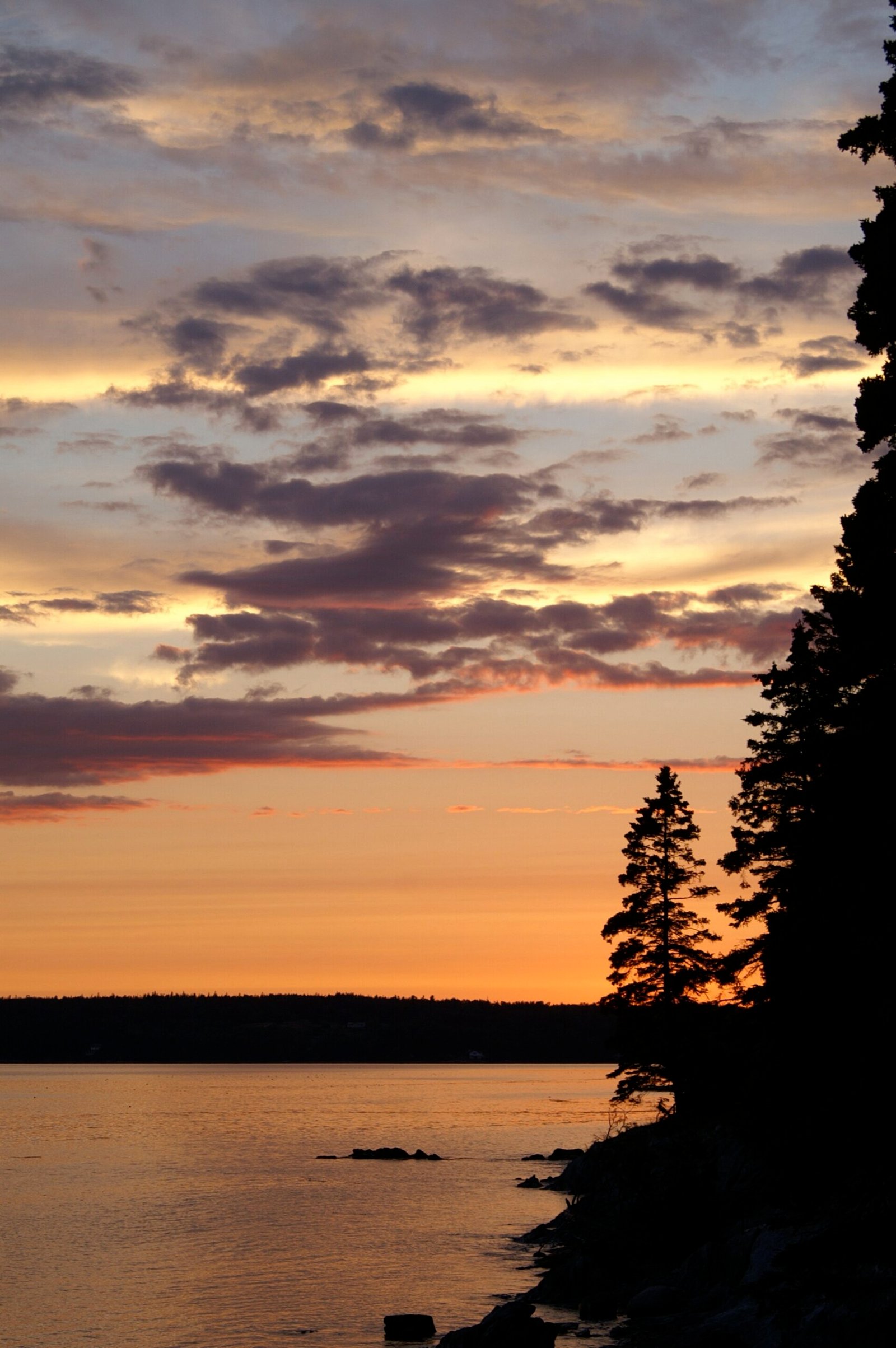 EXHIBIT I · TAP TO ENLARGE
The story you may have heard, and what the file says
| The popular version | What the record shows |
|---|---|
confirmed “The U-boat that landed Nazi spies sank her.” | U-1230 landed two agents at Hancock Point, Maine, on 29 November 1944, and sank the Cornwallis four days later, on 3 December. |
debunked “Everyone aboard died.” | Forty-three of the 48 people aboard died. Five survived. |
debunked “The spies got away.” | Erich Gimpel and William Colepaugh were caught within a month. |
debunked “It was the first time she had been torpedoed.” | In September 1942 the U-514 torpedoed her at anchor in Barbados. She was raised, repaired and sent back to work. |
unverified “The navy linked the spies to the sinking at the time.” | Whether anyone in 1944 connected the landing to the sinking four days later is not documented. |
Why the record is stranger than the legend. The legend is a spy story. The record is a sugar freighter that had already survived one torpedo, sunk in under ten minutes by the submarine that had just put two spies ashore, and a wreck that waited until 2026, nearly 400 feet down.
Where the records disagree
- Who picked up the survivors. Wikipedia names the fishing vessel Notre Dame. CBS says fishing boats picked them up and transferred them to a US Navy ship, which took them to Rockland. (WIKI) (CBS)
- What the spies wore. HistoryNet says suits and topcoats. The witnesses on the road, as told to the Bangor Daily News, remembered street clothes, no warm coats and no boots. (HNET) (BDN)
- Tonnage. Most sources give 5,458 gross tons; one line of the Wikipedia article gives 5,438. (WIKI) (CBS)
What we still don’t know
- Whether anyone at the time linked the spies’ landing to the sinking four days later.
- What the wreck looks like in detail; the team has released only limited information so far.
Quick answers: SS Cornwallis
What was the SS Cornwallis?
A 400-foot Canadian steam freighter built in 1921, sunk by the German submarine U-1230 in the Gulf of Maine on 3 December 1944. (WIKI)
How many people died when the Cornwallis sank?
Forty-three of the 48 people aboard. Five survived. (WIKI) (CBS)
Who found the Cornwallis wreck?
The Nomad Exploration Team, a civilian dive group based in Portsmouth, New Hampshire, in July 2026. (NHPR)
What was the connection to Nazi spies?
U-1230 had landed two German agents, Erich Gimpel and William Colepaugh, at Hancock Point, Maine, four days before it sank the Cornwallis. (CBS) (HNET)
How deep is the wreck?
What is a little-known fact about the SS Cornwallis?
She had already been torpedoed once. In September 1942 a different U-boat, U-514, fired through an anti-torpedo net in Barbados and hit her at anchor. She sank in shallow water, was raised and repaired, and went back to work. (WIKI)
Editor’s note
What strikes me is that the strangeness was visible mainly to people who knew what their own road normally looked like. The neighbours did not work out that the two men were spies, but they did not ignore the feeling that something was off. You do not need special training to be an important witness to the ordinary life you have watched for years.
I came to this story for the words “Nazi spies”. What stayed with me after reading were the 43 crew members of the cargo ship who died because of the same submarine. It reminded me not to let the dramatic part of a story push aside the ordinary people who lost their lives in it.
I would like the wreck left where it lies, and the crew’s names and lives remembered on land. Finding the ship is an achievement, and I hope it also brings out who the men were who never came home from it. If their families gain a place to go and remember them, a discovery made 82 years late can still mean something to the people it touched.
— Strange World Files
Case file summary
A U-boat landed two spies on a snowy Maine beach, then sank a lone sugar freighter four days later. Forty-three men died. The spies were caught within a month. The ship stayed lost until a small dive team found her nearly 400 feet down in 2026.
Illustrations are AI-generated artistic interpretations, not photos. No real person is depicted with a recognizable face. Read how we research and illustrate these files.
Sources
- Wikipedia, “SS Cornwallis”
- CBS News, “SS Cornwallis, sunk by Nazi sub, found off Maine,” 29 October 2026
- New Hampshire Public Radio, “WWII-era ship sunk by German U-boat found in Gulf of Maine,” 30 October 2026
- The Maritime Executive, “Divers find wreck of WWII steamship SS Cornwallis”
- HistoryNet, “The secret life of Erich Gimpel”
- Connecticut History, “A Connecticut Nazi Spy Has a Change of Heart”
- Bangor Daily News, “How a Down East Boy Scout and his neighbor helped foil the plans of two Nazi spies,” 29 November 2020