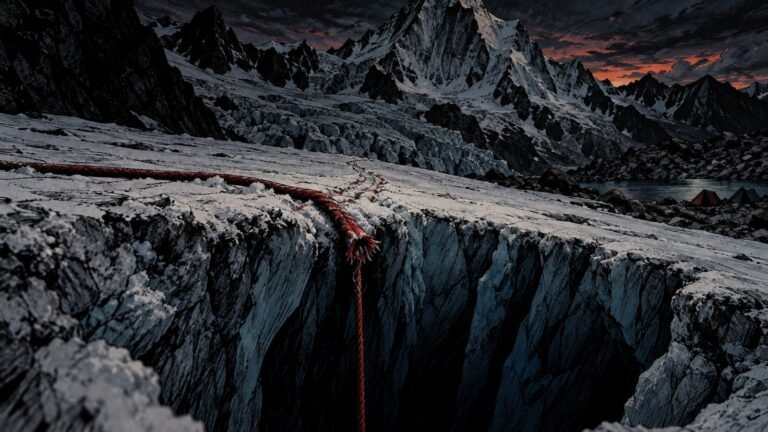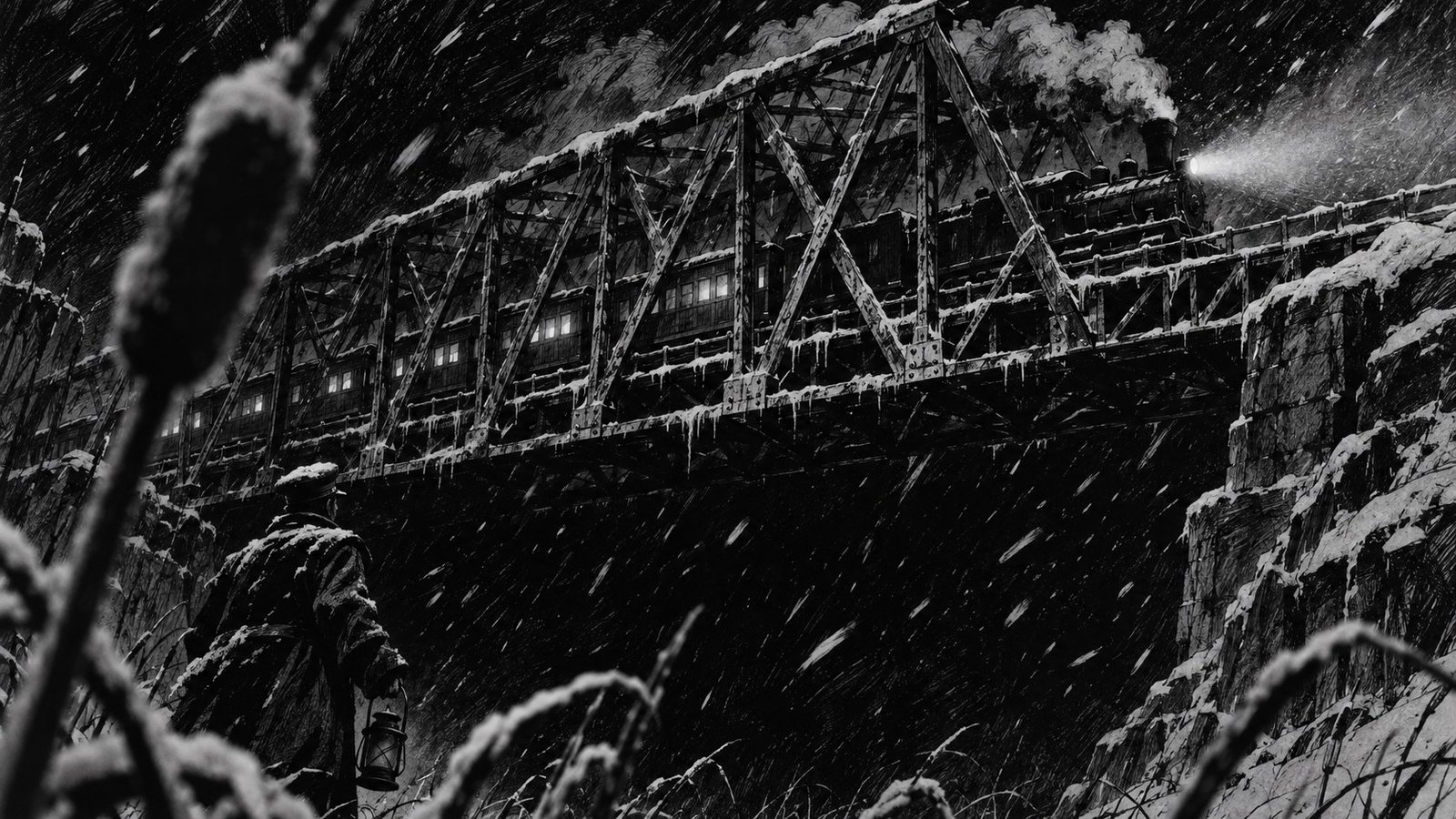
Ashtabula Bridge Disaster 1876: The Train That Fell Into a Frozen Gorge, and the Fire Engines That Never Pumped
What the record shows
- When: Friday 29 December 1876, about 7:30 p.m.
- Toll: About 92 dead, perhaps 100
- Status: Inquest blamed the bridge, the lack of inspection and the stoves; no one was tried
Still uncertain
- Exactly how many people died, and how many were aboard.
- How many victims were never identified.
- How engineer Charles Collins died.
Narrated Mystery: press play and hear the whole case read aloud, like a true crime podcast episode, or an audiobook for a long drive (about 10 minutes). The narrator is an AI voice.
Listen to the narration above first, then read along. The key words are underlined in the story.
- lurchedmoved forward suddenly and unsteadily
- couplingthe link that joins two railway cars
- gorgea deep, narrow valley with steep sides
- inspectedlooked at carefully to check for problems
- objectedsaid they disagreed with a plan
- junctiona place where parts meet and join
- inquestan official inquiry into how people died
- overrulereject a decision using greater authority
1. About how far did the second locomotive and the cars fall?
About 70 feet into the gorge, though sources range from about 60 to 76 feet.
2. How long did the coroner’s inquest sit?
It sat for 68 days.
3. What did the coroner’s jury find about the railroad and the bridge?
It found that the railroad had never properly inspected the bridge.
“Like the report of a torpedo”
Friday 29 December 1876, about 7:28 in the evening. Ashtabula, Ohio, in a blizzard.
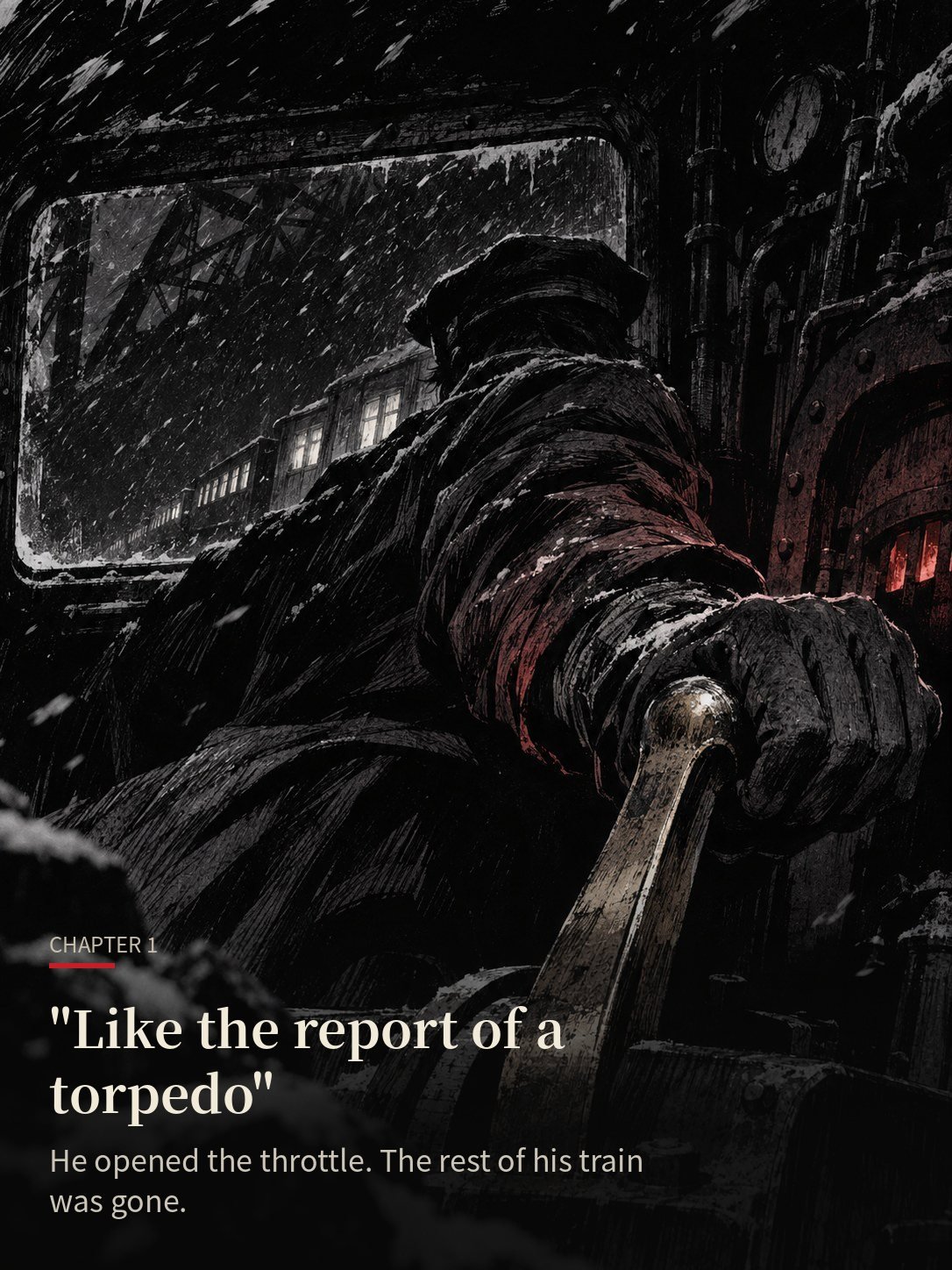
The westbound Pacific Express was crawling onto an iron bridge high above the frozen Ashtabula River. In the lead locomotive, Socrates, engineer Daniel McGuire heard “a sharp crack, like the report of a torpedo.”
He shoved the throttle wide open. Socrates lurched forward and reached the far side. The coupling behind it tore away.
Behind him, the bridge was gone, and so was the rest of his train. (PEET) (LOA-NYT1890) (TS)
Hours late, on the wildest night of the year
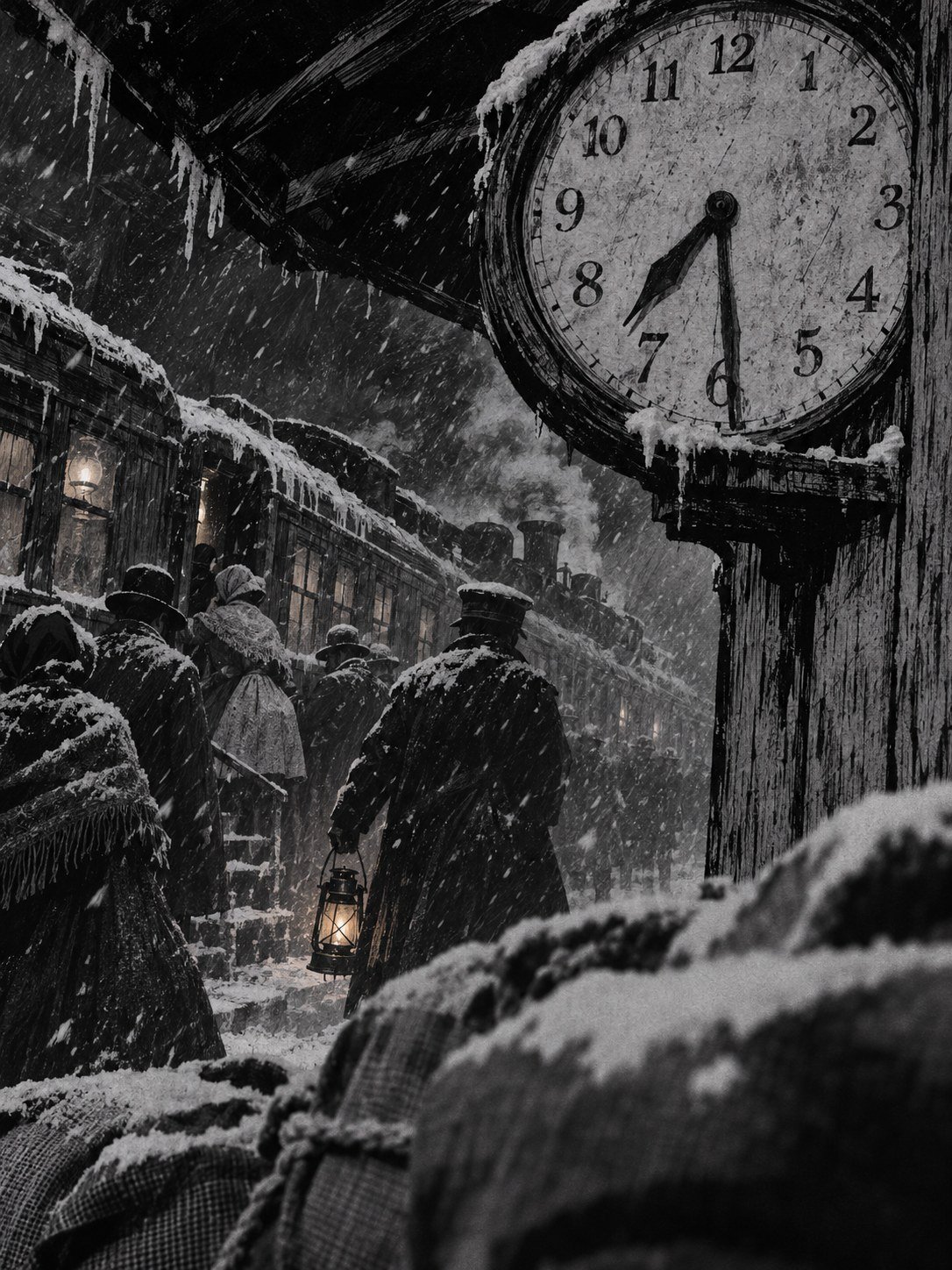
The train was No. 5 of the Lake Shore & Michigan Southern Railway, pulled by two locomotives, Socrates and Columbia. It had eleven cars: express and baggage cars, coaches, a smoking car, a drawing-room car and three sleeping cars.
It was running hours late. The Chicago Tribune called it “the wildest winter night of the year.” Snow had drifted waist-deep.
How many people were aboard is still not certain. The 1878 county history counted 156 passengers; a marker at the site says 176. (HAC1878) (LOA-TRIB) (TS) (HMDB)
Stoves at the end of every car
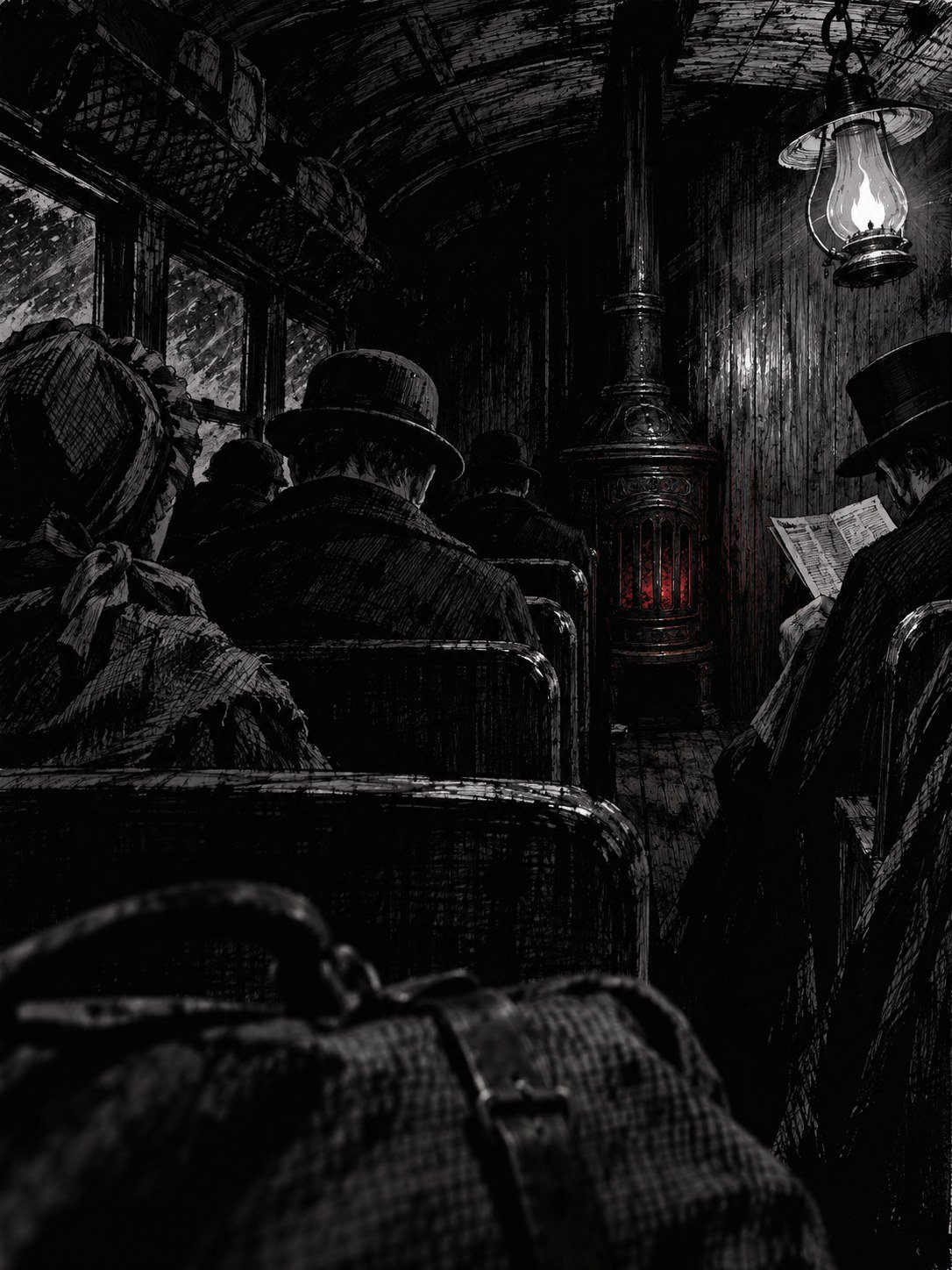
The cars were made of wood.
They were heated by coal stoves and lit by oil lamps. On a night like this, every stove was burning. (HAC1878)
A happy family in the state-room
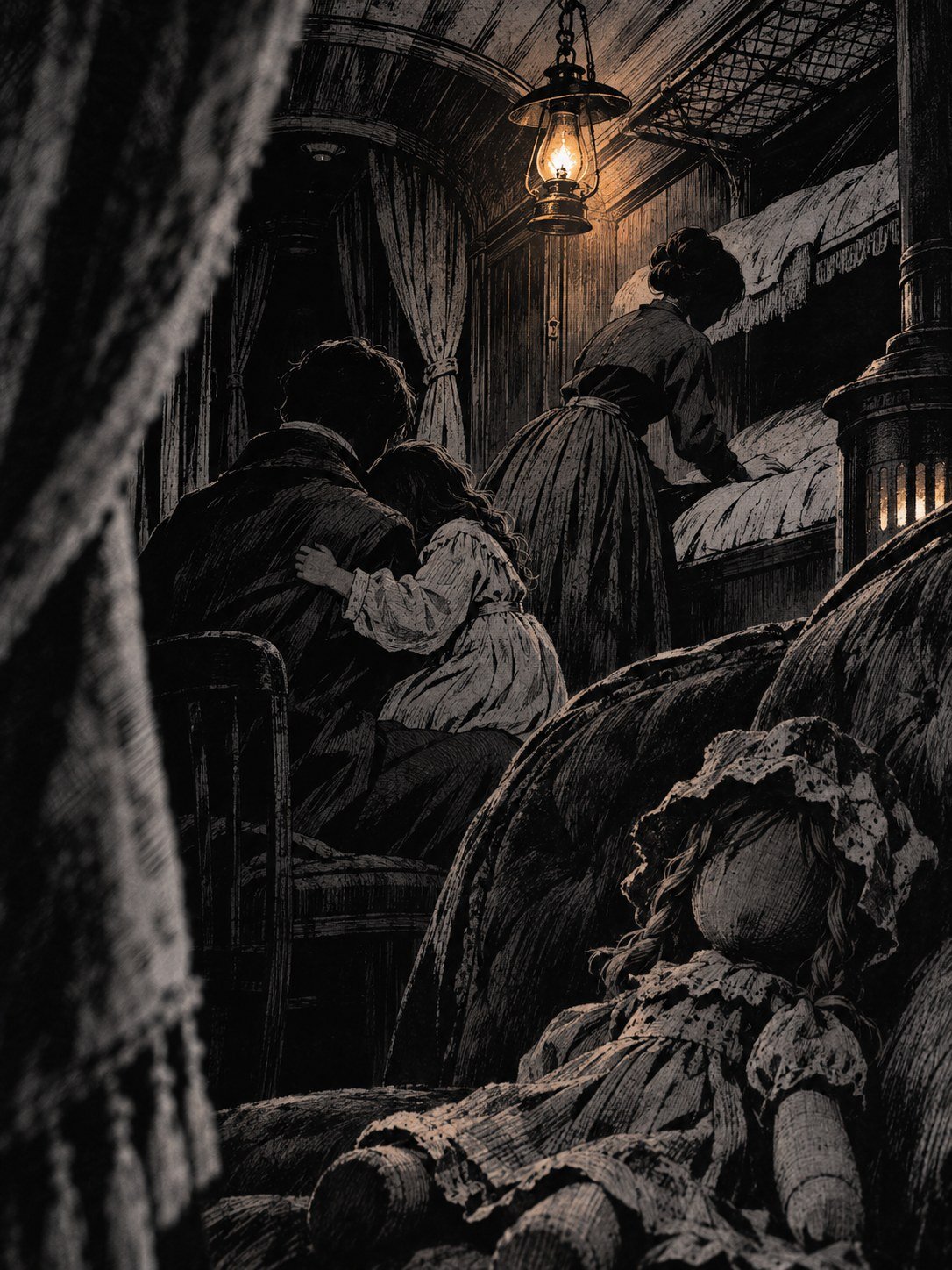
In the sleeping cars, passengers were settling in for the night.
One survivor, T. C. Wright of Tennessee, later remembered a “happy family” he had seen in a state-room. Another, Mr. Ormsbee of Boston, was riding in the drawing-room car. (PEET)
A hymn writer and his wife
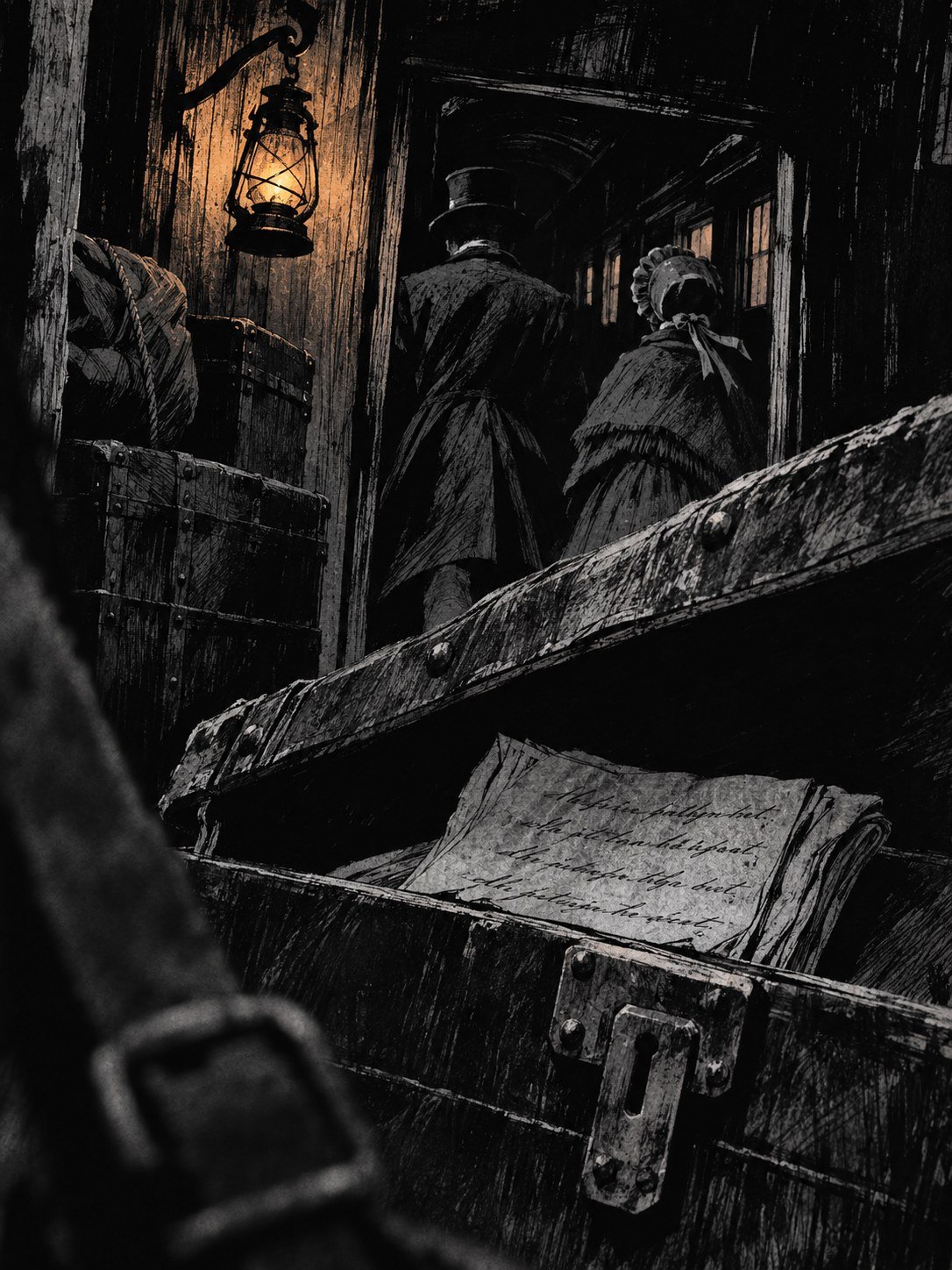
Among the passengers were Philip P. Bliss, one of the best-known hymn writers in America, and his wife, Lucy.
They were travelling without their two small sons, George and Philip Paul, who had stayed behind at Rome, New York. (TS) (ET)
“The President’s bridge”
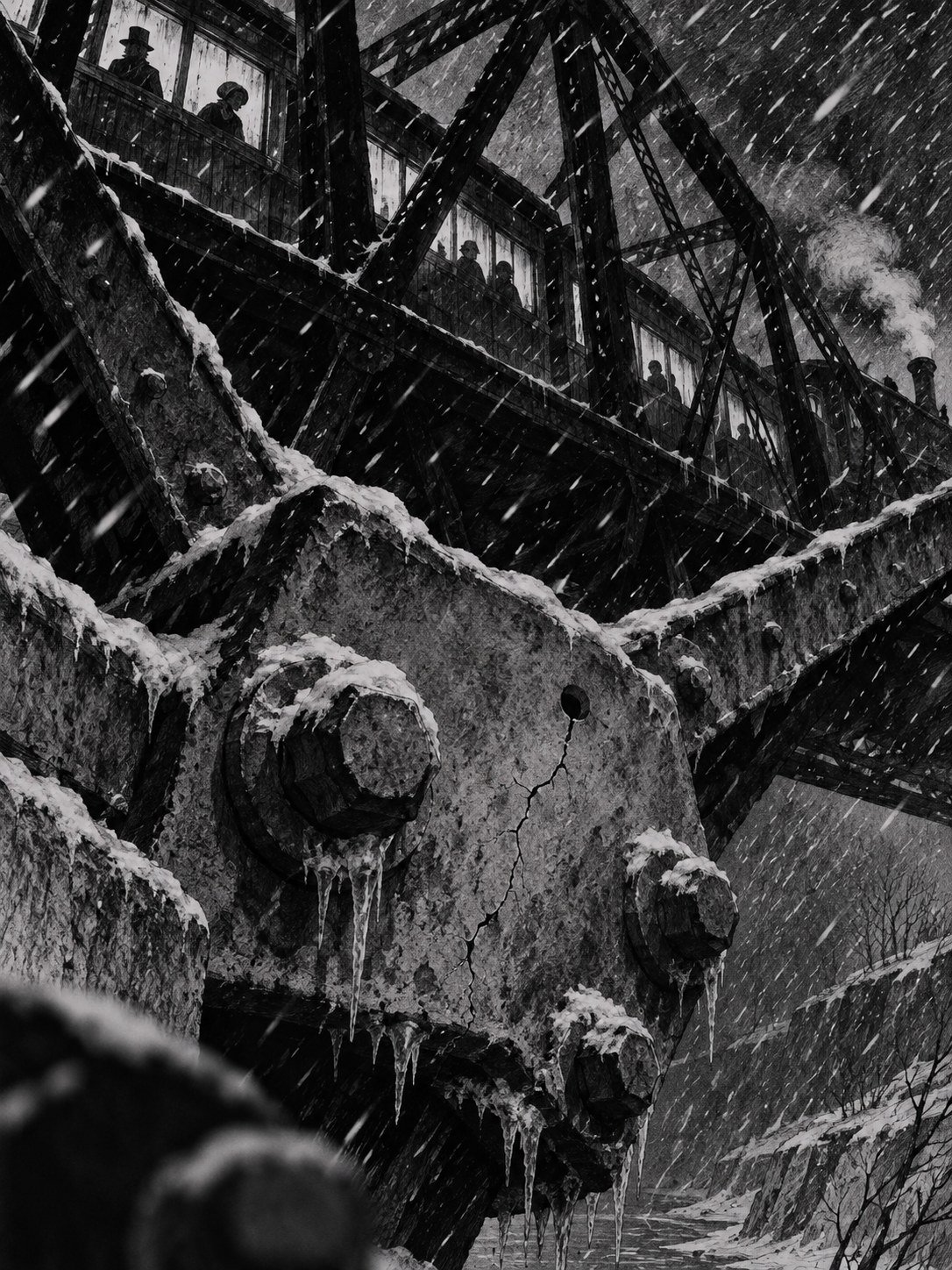
The bridge was an all-iron Howe truss, built in 1865 to replace a wooden one. It was designed under the railroad’s president, who held patent rights to the Howe truss. Its members met in cast-iron junction blocks.
Two of the railroad’s own engineers, Joseph Tomlinson and Charles Collins, objected to it. Tomlinson was fired. Collins, it was said, called it “the President’s bridge.”
It had stood for eleven years, and the coroner’s jury later found that the railroad had never properly inspected it.
That night the train went onto it at less than 10 miles an hour, its headlamp beam short and dim in the snow. (STRUCT) (LOA-TRIB)
“Falling, falling, falling”
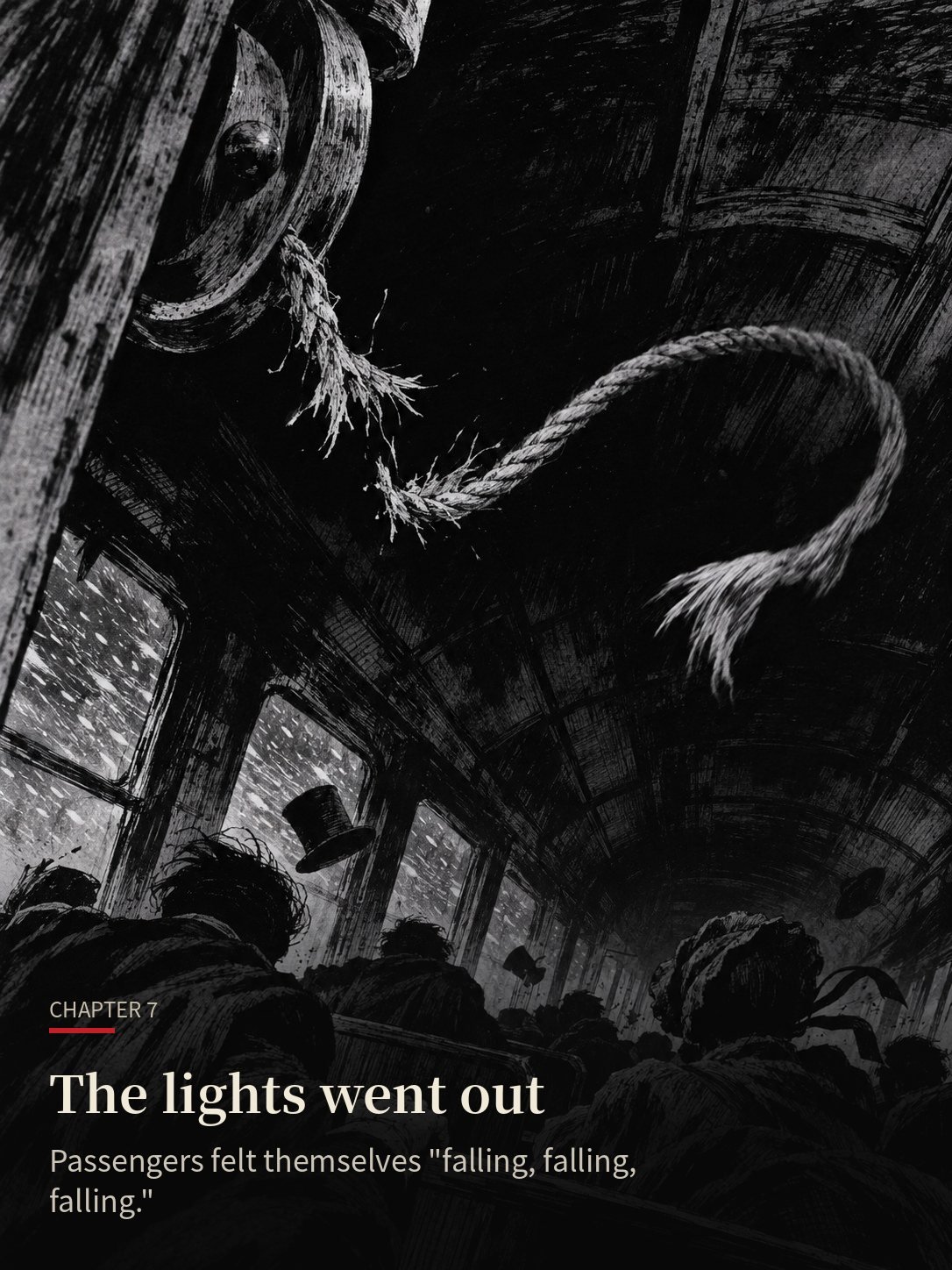
Inside the cars, the bell-rope snapped. The lights went out.
Passengers later said they felt themselves “falling, falling, falling.”
The second locomotive, Columbia, and all eleven cars dropped into the gorge, about 70 feet. Sources give anything from about 60 to 76 feet. (PEET) (TS) (HAC1878) (LOA-TRIB) (STRUCT)
Fire on the ice

The cars landed in a heap on the frozen river.
About five minutes later, the Tribune reported, fire broke out, as the stoves and lamps spilled into the splintered wood. Within about ten minutes it had spread to every car.
The river was 3 to 6 feet deep under about 8 inches of ice. Survivors crawled out through windows into freezing water up to their waists. (LOA-TRIB)
“I was going to be killed”
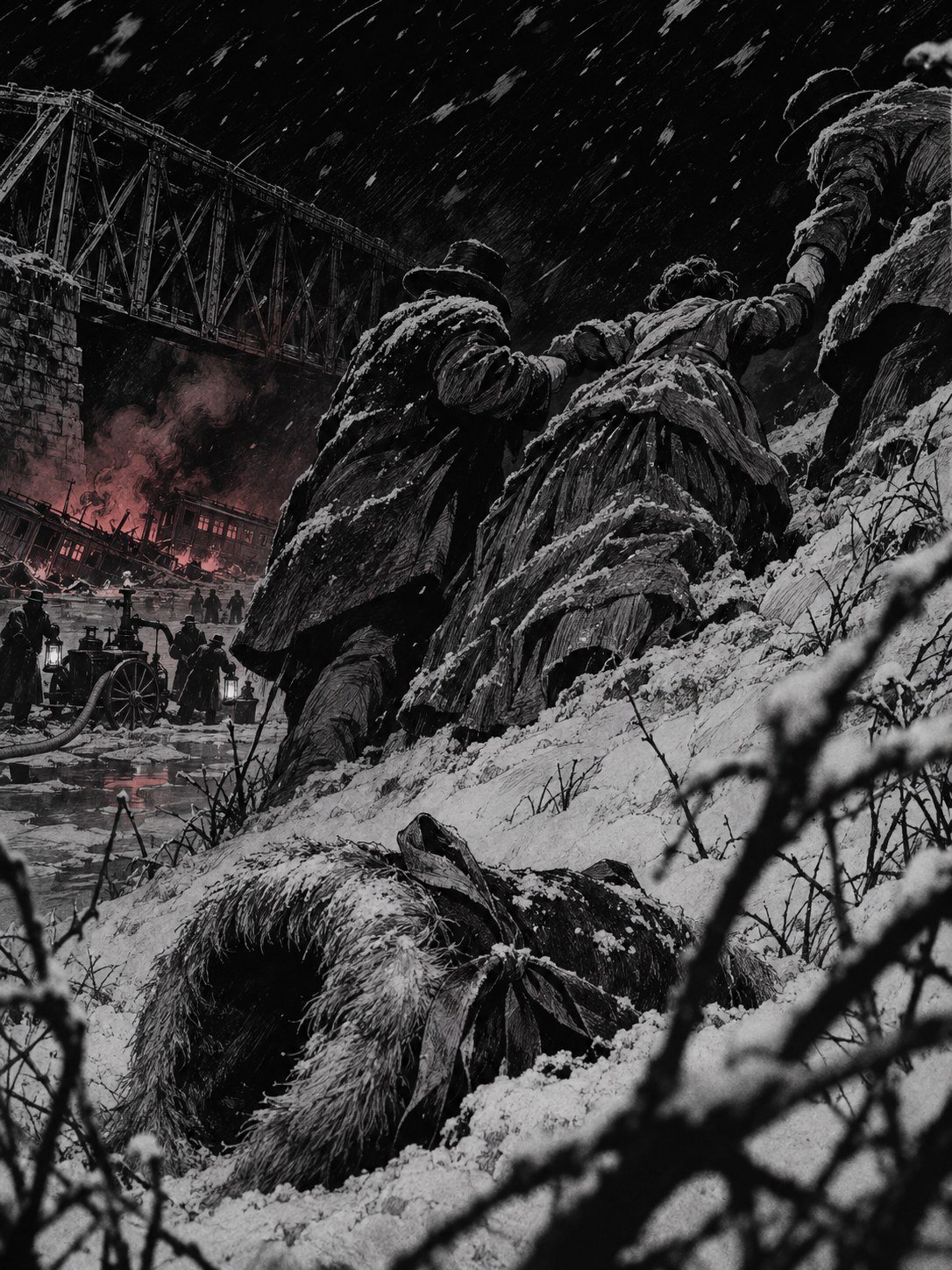
Miss Marian Shepard of Ripon, Wisconsin, was in one of the cars.
“I made up my mind I was going to be killed,” she said later.
She was helped out and up the bank by two other passengers, Mr. White of Chicago and Mr. Tyler of St. Louis. (HAC1878) (PEET)
“Oh! help me!”
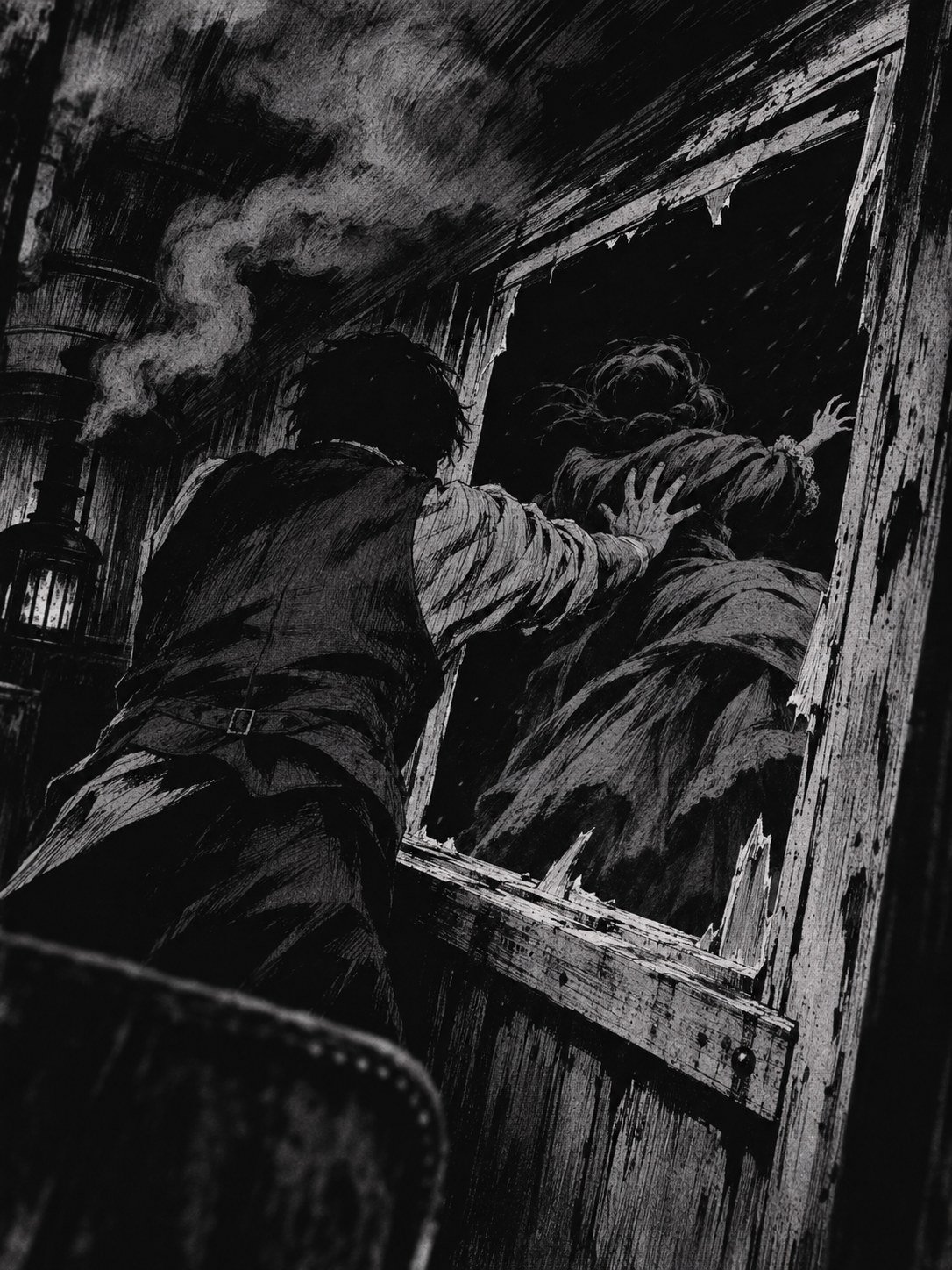
J. E. Burchell of Chicago heard a woman scream, “Oh! help me!”
He pushed a woman out through a window and to safety.
Gustavus “Pop” Folsom, the engineer of Columbia, rode his locomotive down into the gorge and escaped with a broken leg. (LOA-HARP) (ET) (LOA-TRIB)
Fire engines, but no water
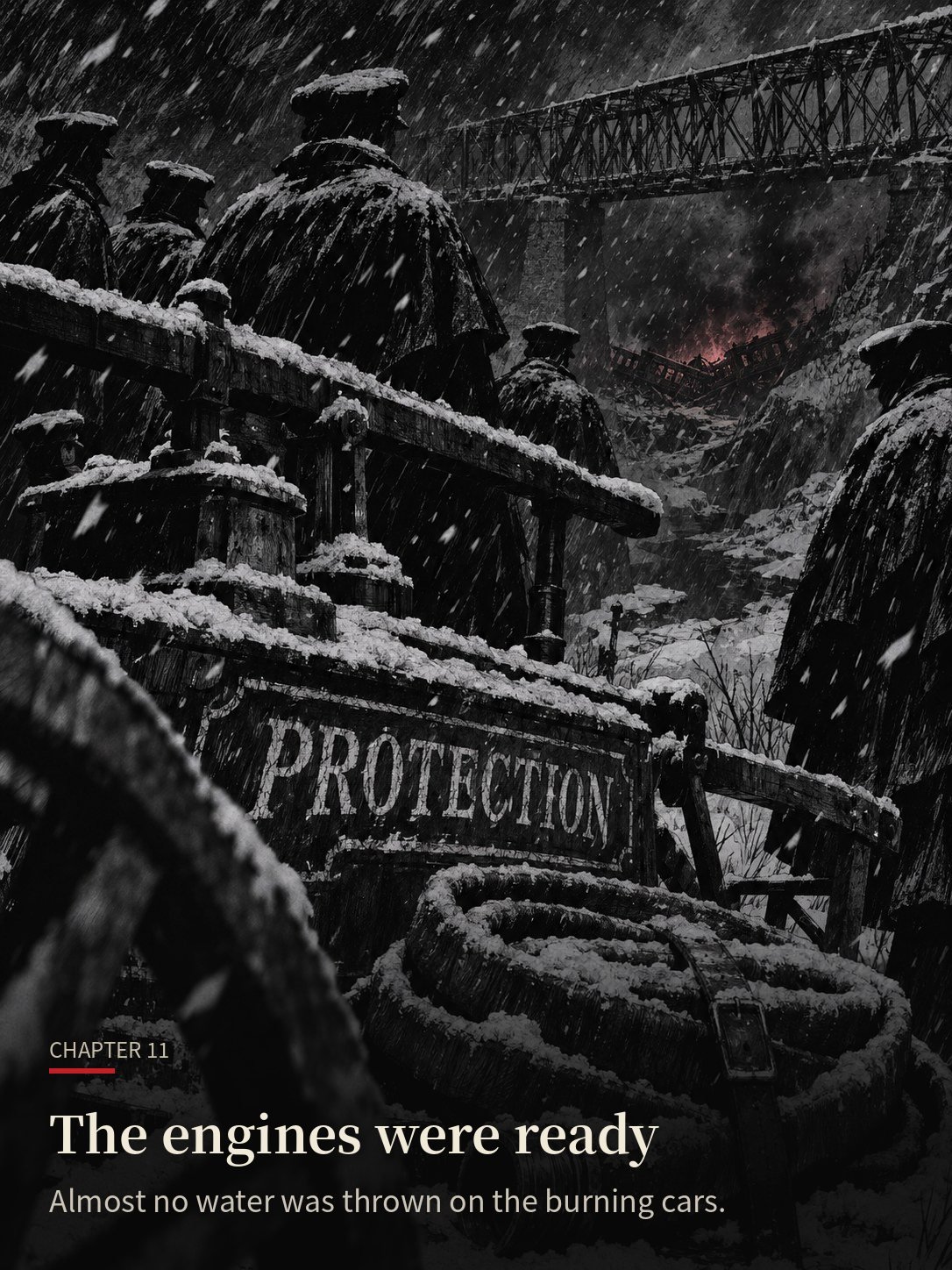
Up on the rim of the gorge, the town’s fire engines were ready: a steamer and the hand engine Protection. A 500-foot hose was at the waterworks, about 150 yards away. A railway also stood at the centre of the Halifax Explosion of 1917, where a dispatcher stayed at his telegraph key to warn an incoming passenger train.
Almost no water was thrown on the burning cars. (PEET) (LOA-HARP) (HAC1878)
“We had better hang him, then”
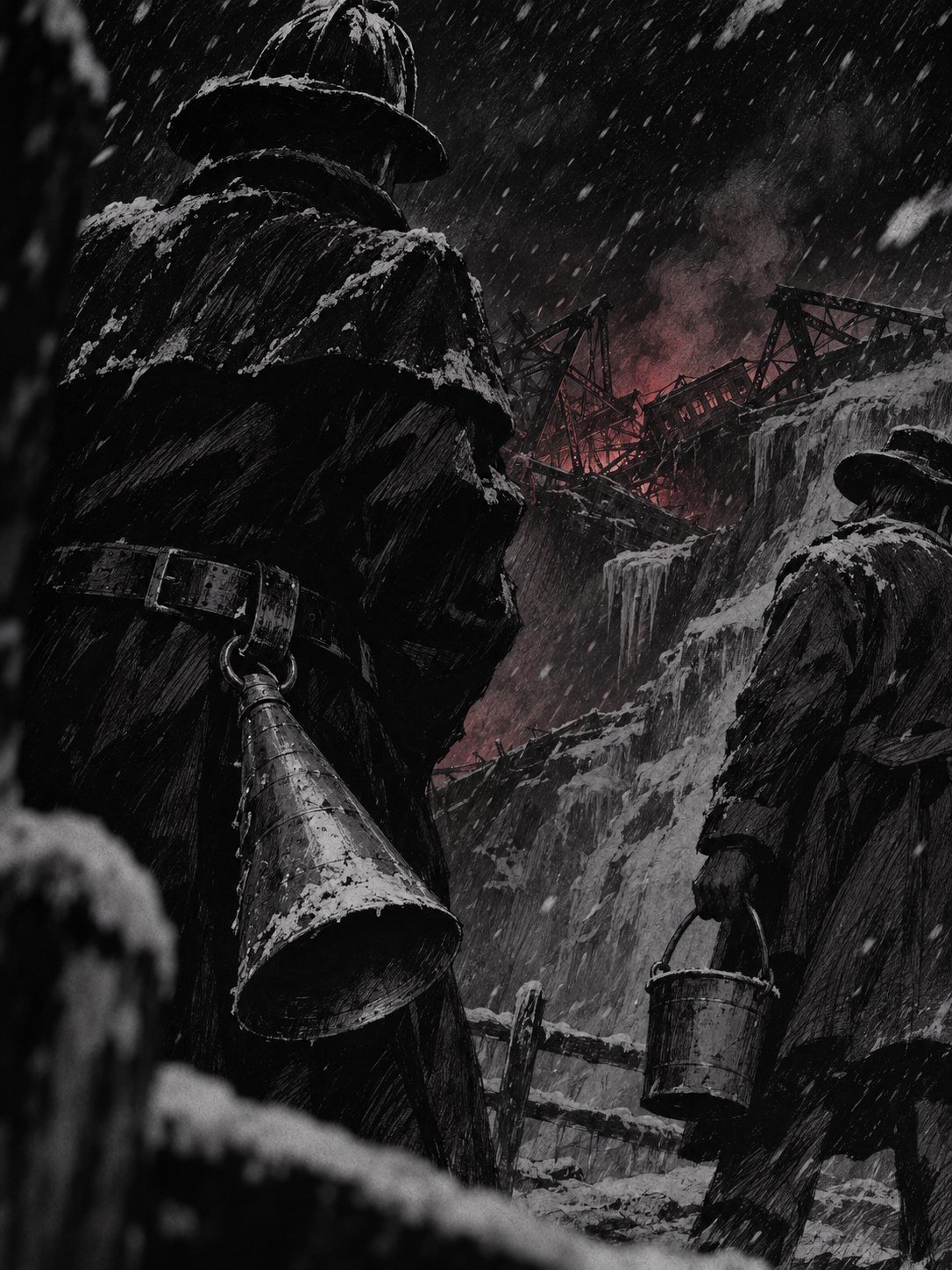
The fire chief, a tinner by trade, gave no order to fight the fire.
When one citizen was told the chief would give no order, he answered: “We had better hang him, then.” (PEET)
Pails from the village stores
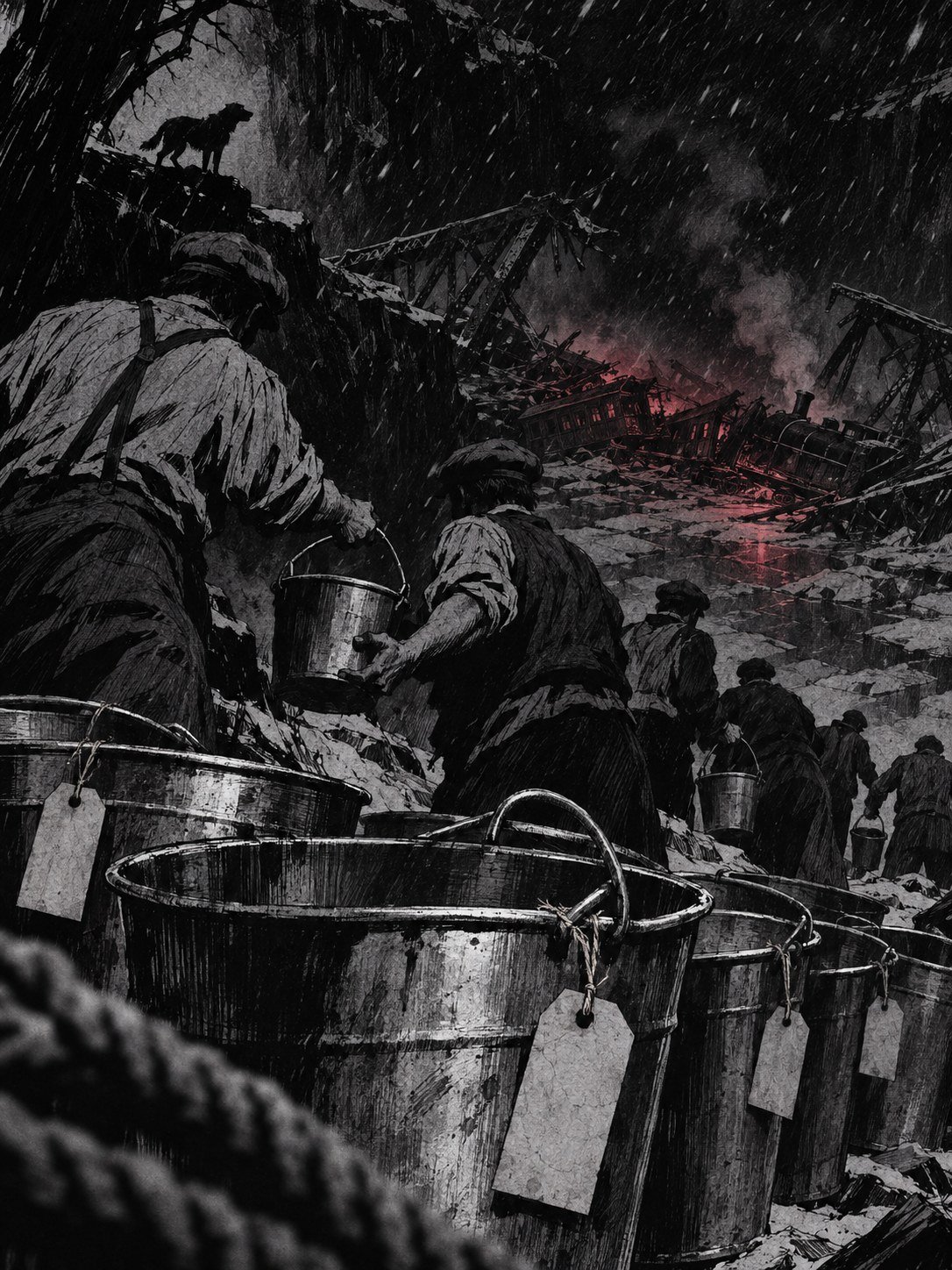
Without orders, men went into the village stores, took pails and carried water down the slope themselves. Corners cut on a structure that looked solid also flooded Boston’s North End in 1919, when the molasses tank painted to hide its leaks finally burst at lunchtime.
Through it all, a dog’s howling echoed through the valley, until someone rescued it. (PEET)
“No. 5 has gone off the bridge”
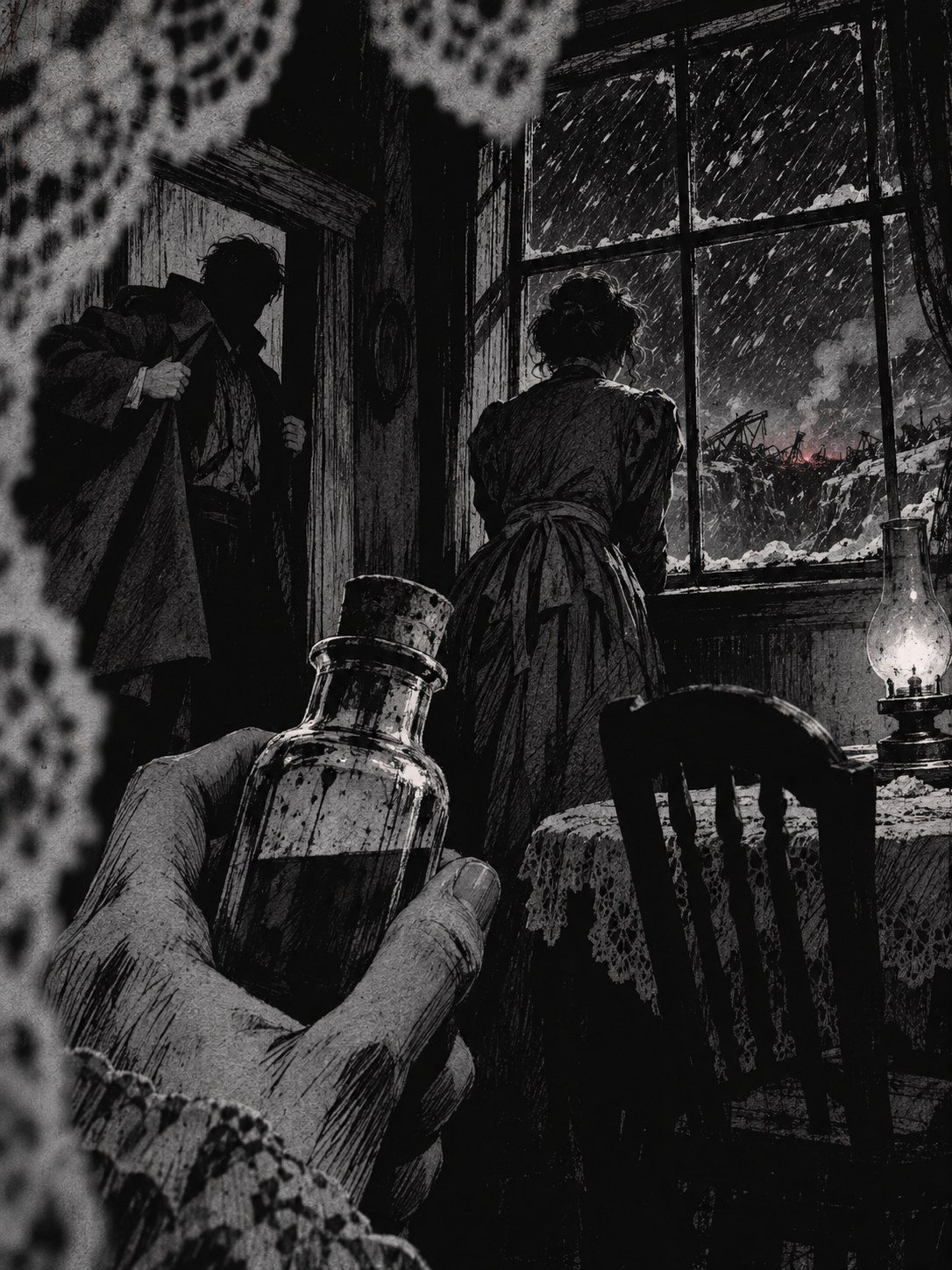
In a house in Ashtabula, Mrs. Apthorp saw the glow.
“My God, Henry,” she said, “No. 5 has gone off the bridge.”
At 9 p.m. the Western Union night manager, George Lowe, telegraphed Cleveland. A relief train left Cleveland just after 10 p.m. It took hours to push through the drifts. (PEET) (LOA-NYT1890) (ET)
Watches melted into nuggets
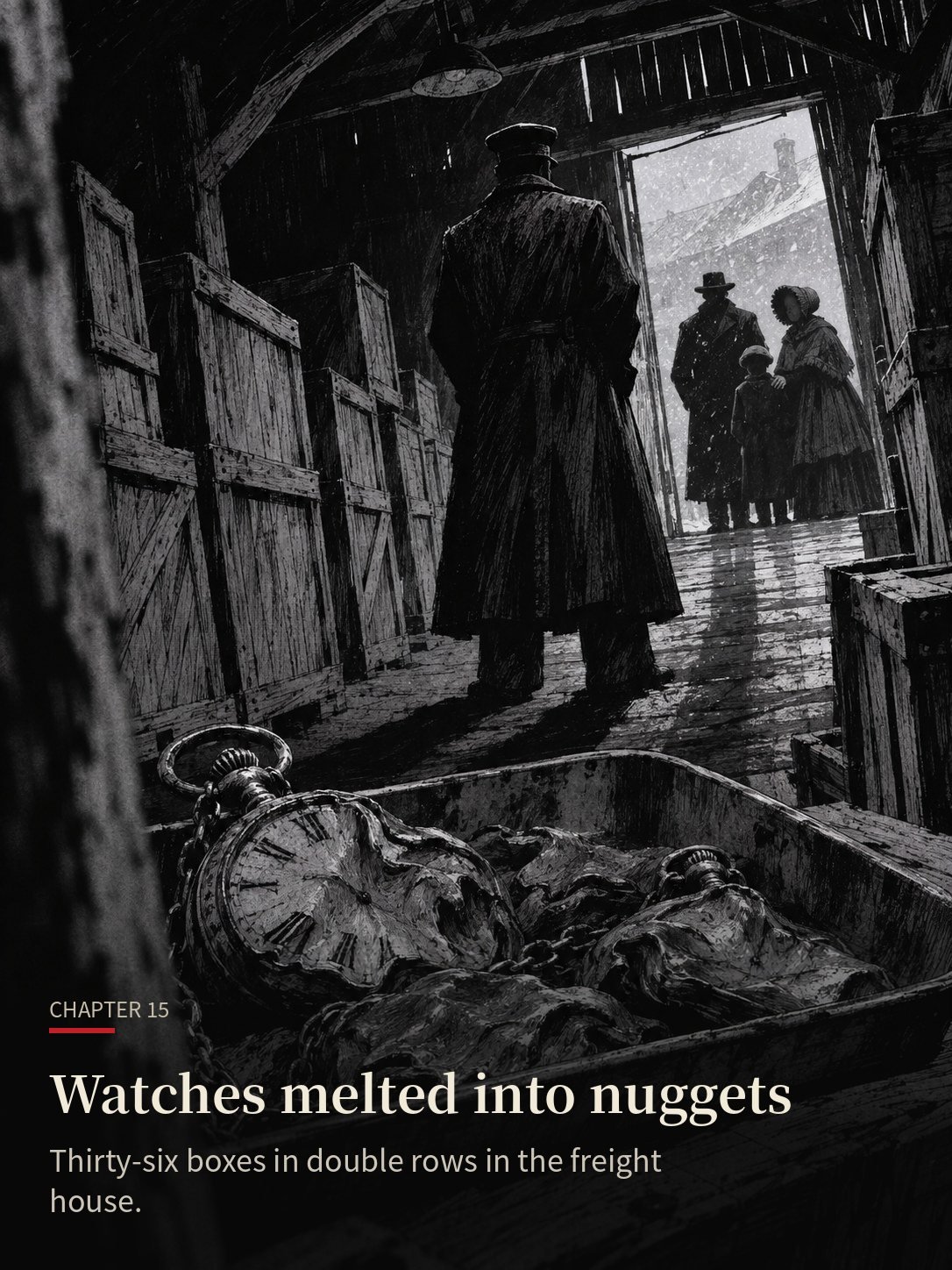
The cold freight house became a morgue. Thirty-six bodies lay there in boxes, in double rows.
Watches were found melted into shapeless nuggets. Thieves had come in the night: victims were robbed, black masks were found, and one man’s pocketbook, which had held $7,000, was found empty. A young man had hidden his father’s gift watch inside his shirt; robbers still took his purses and his ticket to California.
Philip Bliss and his wife were among the dead. A story grew that a man some believed was Bliss went back into the flames to die with his family; others thought that man was a Mr. Brunner of Wisconsin. Bliss’s trunk was later found nearly undamaged. Inside was the text of his last hymn. (PEET) (TS)
A happy new year
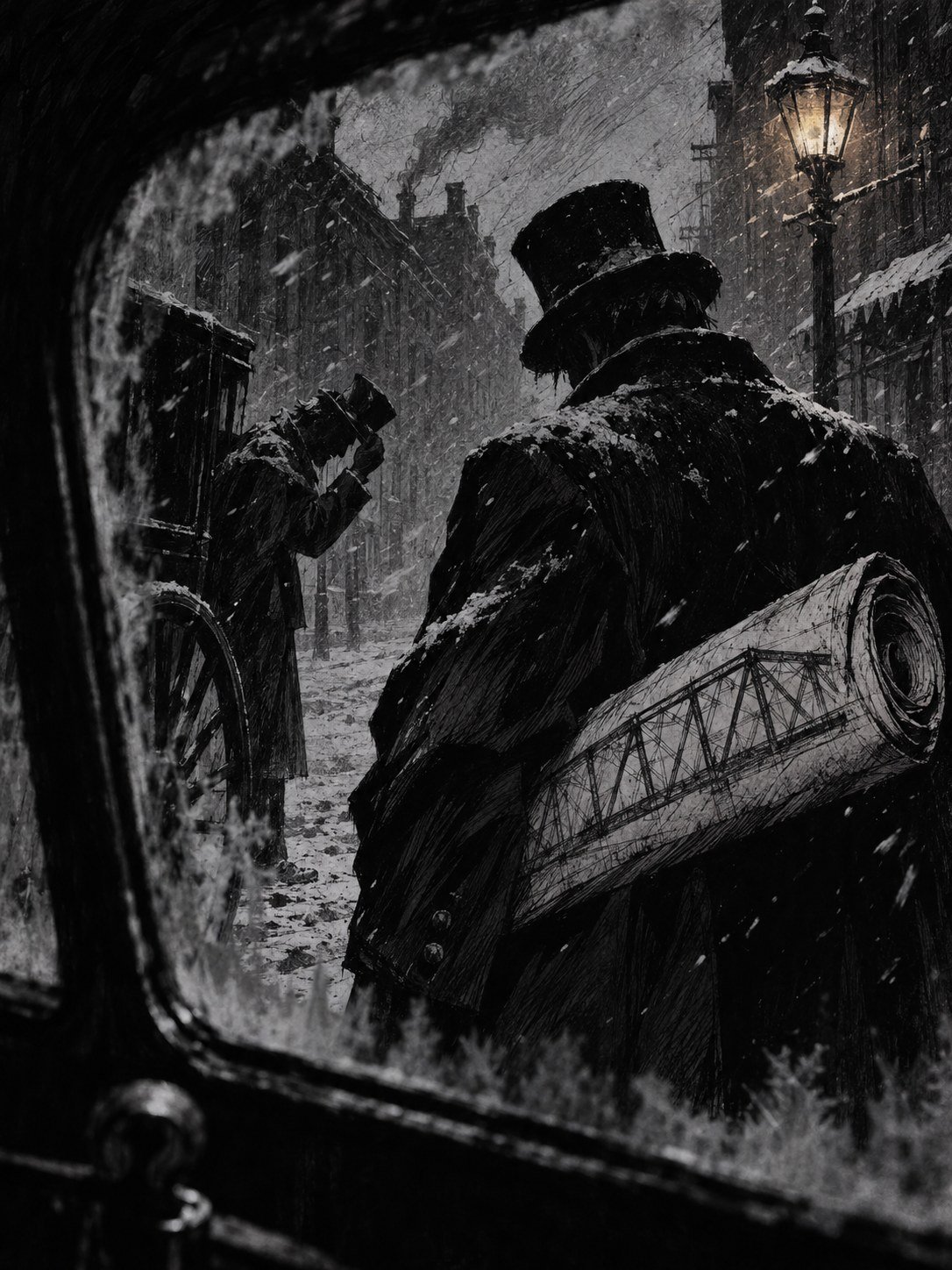
The coroner’s inquest sat for 68 days. It found that the bridge was faulty in design, construction and erection, that it had not been properly inspected in eleven years, and that the cars’ stoves broke an Ohio law requiring heaters that put themselves out. An Ohio legislative committee found weak compression members and braces that had lost their retaining lugs.
On New Year’s morning, a coachman wished Charles Collins, the engineer who had objected to the bridge, a happy new year. Collins wept.
In January 1877, after testifying, Collins was found shot dead in his bedroom in Cleveland. Later autopsy reports suggested he may have been murdered. How he died has never been settled.
The railroad’s president died in 1883. (STRUCT) (PEET) (COLL) (ETC) (ECH)
Nineteen coffins on the hill
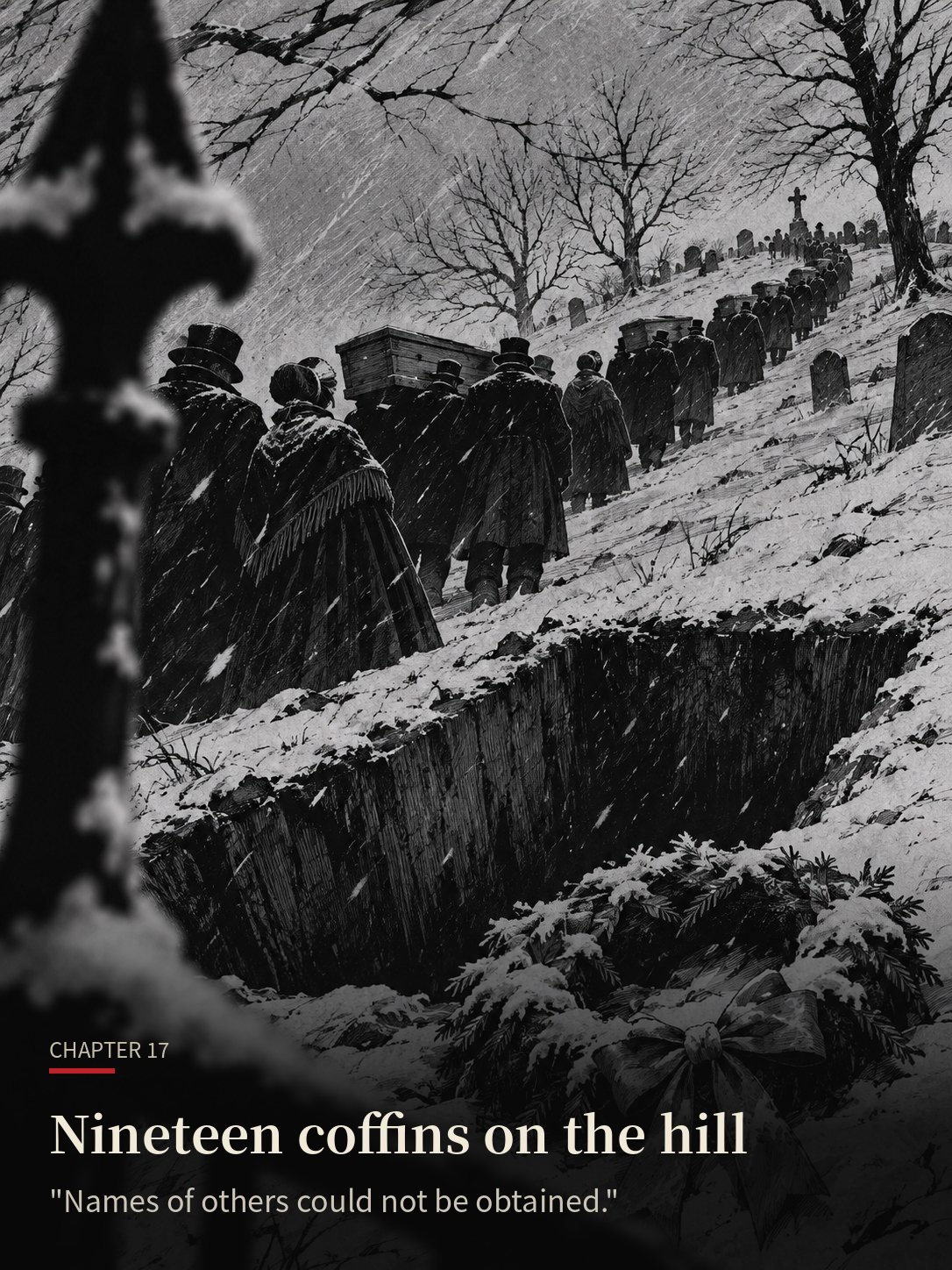
Nineteen coffins of remains that could not be identified were buried on the hill at Chestnut Grove Cemetery. Another account puts the number of unidentifiable victims far higher.
In 1895 an obelisk “to the unrecognized dead” was unveiled there. It lists 24 names, and adds: “Names of others could not be obtained.” Charles Collins lies in a mausoleum in the same cemetery, near it.
Afterwards, engineers stopped using cast iron in load-bearing bridge members, and the railroad moved to steam heating. Ashtabula’s hospital grew out of the disaster.
Each 29 December, a wreath is laid at the memorial. This year is the 150th anniversary. (HAC1878) (ATLAS) (TS) (COLL) (STRUCT) (WIKI) (STAR)
The evidence file
The accounts, findings and memorials this case rests on, and where they are now.
Exhibits
- Exhibit A — The Ashtabula Disaster (1877). A book by the Rev. Stephen D. Peet, published in Chicago within months of the wreck, gathering the witness accounts: the engineer’s “sharp crack, like the report of a torpedo”, the unused fire engines, the pails taken from the village stores. Its full text is freely available on Project Gutenberg. (Project Gutenberg)
- Exhibit B — The Chicago Tribune dispatch, 30 December 1876. Filed the day after, it called the storm “the wildest winter night of the year” and reported that fire broke out about five minutes after the fall and reached every car within about ten. It put the river at 3 to 6 feet deep under about 8 inches of ice. (Legends of America, reprint)
- Exhibit C — Harper’s Weekly, 20 January 1877. It printed an official list of 55 dead, which it said was “supposed to be somewhat higher”. Later counts range from about 80 to about 100; the Encyclopedia of Cleveland History gives 92. (Legends of America, reprint; Encyclopedia of Cleveland History)
- Exhibit D — The coroner’s inquest verdict. After 68 days, the jury found the bridge faulty in design, construction and erection, found it had not been properly inspected in eleven years, and found that the cars’ stoves broke an Ohio law requiring heaters that put themselves out. Summary based on STRUCTURE magazine. (STRUCTURE magazine)
- Exhibit E — The Ohio legislative committee report, 30 January 1877. It found weak compression members and braces that had lost their retaining lugs. Summary based on STRUCTURE magazine. (STRUCTURE magazine)
- Exhibit F — Philip P. Bliss’s trunk. The hymn writer’s trunk was found nearly undamaged after the fire, with the text of his last hymn inside. Where it is now is not recorded. (Times and Seasons)
- Exhibit G — The obelisk “to the unrecognized dead”. Unveiled on 30 May 1895 above the graves of 19 coffins of unidentified remains; one account puts the unidentifiable dead at 48. It lists 24 names and adds: “Names of others could not be obtained.” Standing in Chestnut Grove Cemetery, Ashtabula. (Atlas Obscura)
- Exhibit H — The site markers. A marker at the site says 97 of 176 people aboard died; the Ohio Historical Marker of 2003 gives 160 passengers. The 1878 county history counted 156. (Historical Marker Database; Engineering Tragedy)
Evidence locker
Real archival images. Illustrations elsewhere in this file are AI-generated.
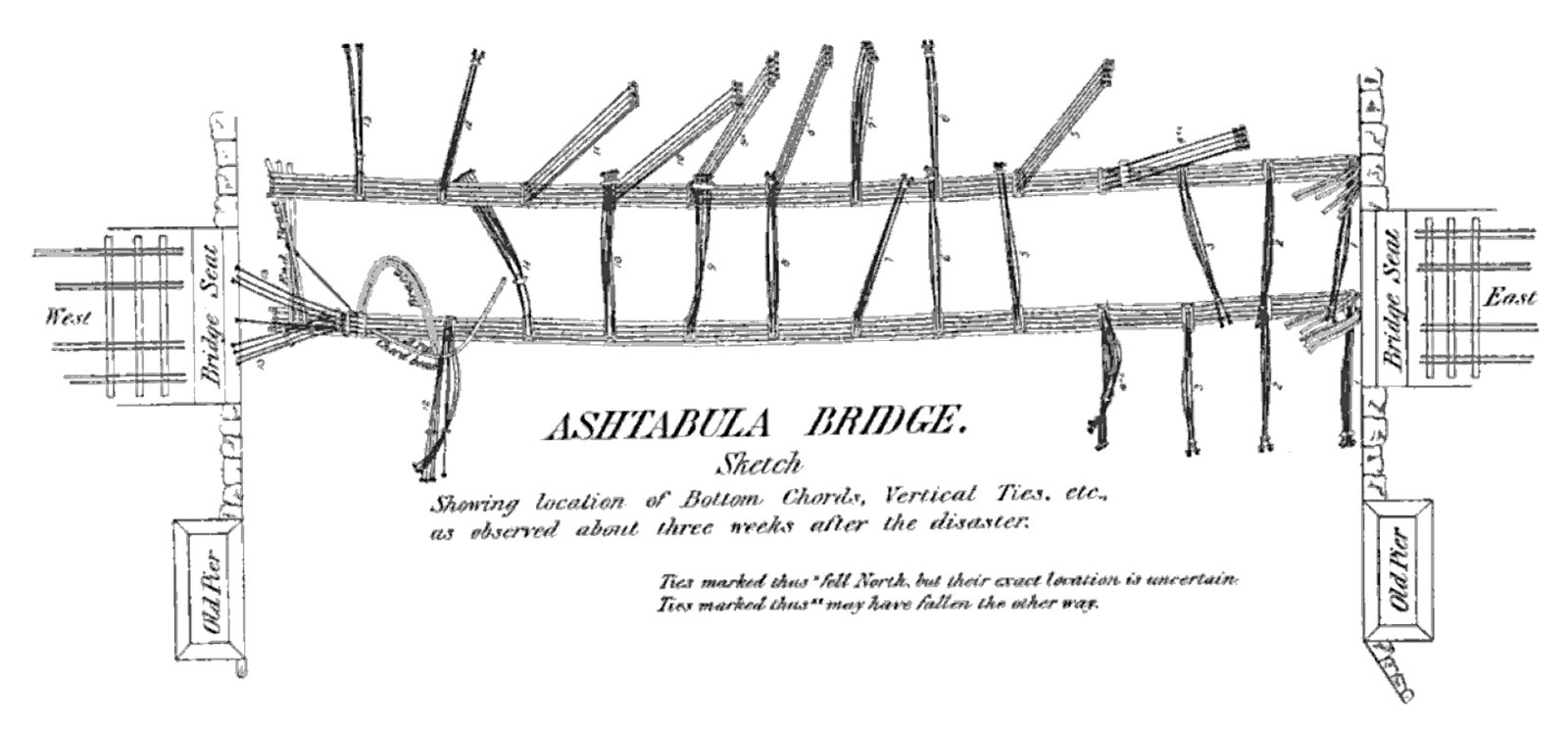 EXHIBIT A · TAP TO ENLARGE
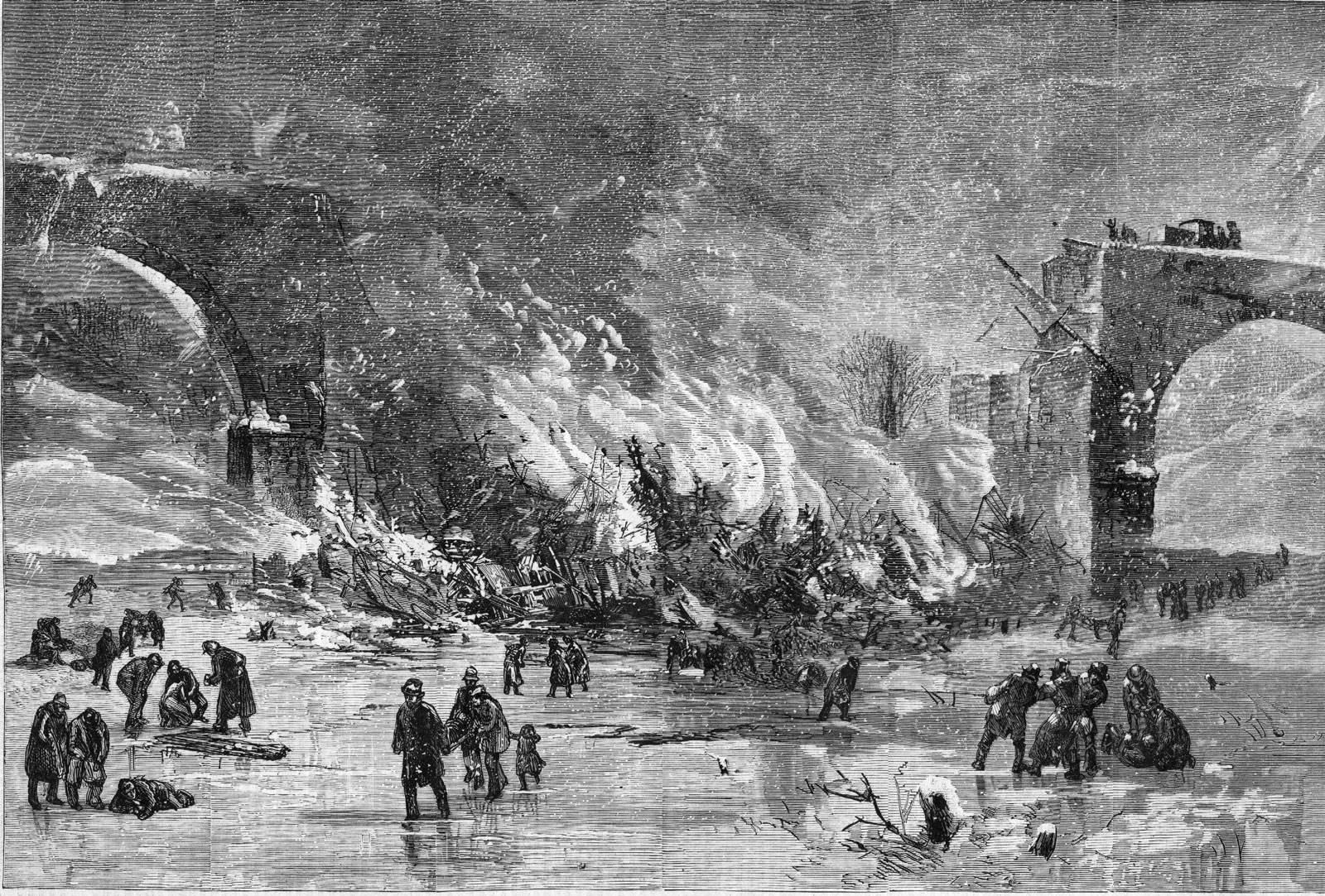 EXHIBIT B · TAP TO ENLARGE
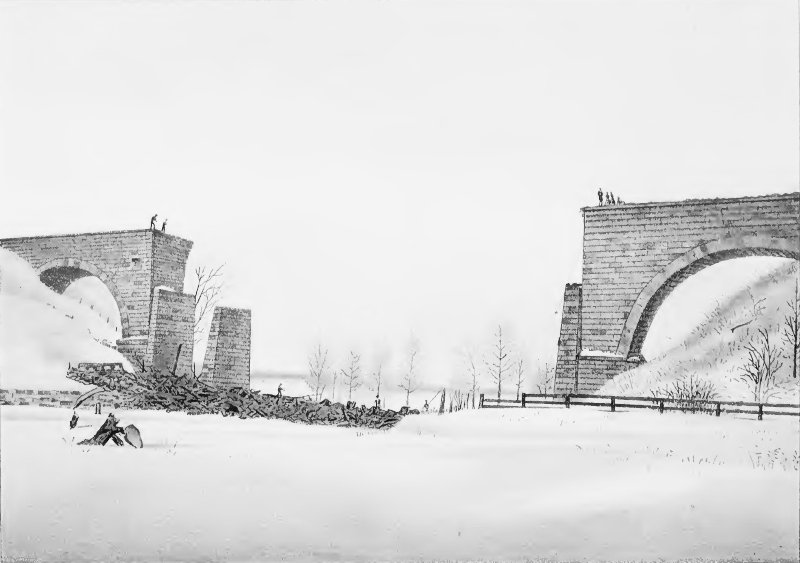 EXHIBIT C · TAP TO ENLARGE
In the papers: “ASHTABULA’S HORROR” — New York Herald, 31 December 1876.
Quick answers: the Ashtabula River bridge disaster
What was the Ashtabula River railroad disaster?
On the night of 29 December 1876, an iron bridge over the Ashtabula River in Ohio gave way under the Pacific Express during a blizzard. The second locomotive and all eleven wooden cars fell about 70 feet onto the frozen river, and fire broke out minutes later.
How many people died in the Ashtabula bridge disaster?
About 92, perhaps 100. Figures differ between sources because the number of people aboard was never certain: the 1878 county history counted 156 passengers, while a marker at the site says 176.
What caused the Ashtabula bridge collapse?
The coroner’s inquest found the all-iron Howe truss bridge faulty in design, construction and erection, and found that the railroad had not properly inspected it in its eleven years of use. Fire then spread from the cars’ coal stoves and oil lamps, which broke an Ohio law requiring heaters that put themselves out.
Why wasn’t the fire put out at Ashtabula?
The town’s fire engines reached the rim of the gorge, but the fire chief gave no order to fight the fire, and almost no water was thrown on the burning cars. Townspeople took pails from the village stores and carried water down the slope themselves.
What happened to Philip P. Bliss?
The hymn writer Philip P. Bliss and his wife, Lucy, were among the dead. A story grew that he went back into the flames to die with his family, but that remains a tradition, not a certainty.
What happened to Charles Collins, the Ashtabula bridge engineer?
Charles Collins, a railroad engineer who had objected to the bridge, was found shot dead in his Cleveland bedroom in January 1877, after testifying at the inquest. Later autopsy reports suggested he may have been murdered, and how he died has never been settled.
Is there a memorial to the Ashtabula disaster victims?
Yes. Nineteen coffins of unidentified remains were buried at Chestnut Grove Cemetery in Ashtabula, where an obelisk “to the unrecognized dead” was unveiled in 1895, and a wreath is laid there each 29 December. Afterwards engineers stopped using cast iron in load-bearing bridge members, and the railroad moved to steam heating.
Case notes: the bridge, the fire and the engines that never pumped
On 29 December 1876 the iron bridge over the Ashtabula River gave way under the Pacific Express. Eleven cars fell into the gorge and burned (TS) (HAC1878) (LOA-TRIB).
Where the case stands (as of November 2026)
Closed. The coroner’s jury blamed the bridge’s design, construction and erection, the railroad’s failure to inspect it for eleven years, and stoves that broke Ohio law (STRUCT). No one was ever tried for the disaster.
Engineers afterwards stopped using cast iron in load-bearing bridge members, and the railroad moved to steam heating (STRUCT).
The coroner’s jury blamed the bridge itself and the railroad that never properly inspected it, and said the fire engines on hand were not used.
Timeline
| When | What happened |
|---|---|
| 1865 | An all-iron Howe truss bridge replaces the wooden bridge over the Ashtabula River (STRUCT) |
| 29 Dec 1876, about 7:28 p.m. | The Pacific Express reaches the bridge in a blizzard; other accounts say 7:30, 7:45 or shortly before 8 (TS) (HAC1878) (LOA-TRIB) (ET) |
| Moments later | The bridge gives way; Columbia and all eleven cars fall into the gorge (TS) (HAC1878) |
| About five minutes later | Fire breaks out and spreads to every car within about ten minutes (LOA-TRIB) |
| 9 p.m. | The Western Union night manager telegraphs Cleveland; a relief train leaves just after 10 p.m. (LOA-NYT1890) (ET) |
| 30 Jan 1877 | Ohio legislative committee reports weak compression members and braces missing their lugs (STRUCT) |
| January 1877 | Engineer Charles Collins, who had objected to the bridge, is found shot dead in his Cleveland bedroom (COLL) (HAC1878) (ETC) |
| 1877 | After 68 days, the coroner’s jury blames the design, construction, erection, the lack of inspection and the stoves (STRUCT) |
| 30 May 1895 | The obelisk “to the unrecognized dead” is unveiled at Chestnut Grove Cemetery (ATLAS) |
| 29 Dec 2026 | 150th anniversary of the disaster (STAR) |
Where the records disagree
| Detail | What sources say |
|---|---|
| Deaths | 92 (Encyclopedia of Cleveland History); 97 of 176 (site marker); at least 80 plus 5 later (1878 county history); about 100 (Tribune) (ECH) (HMDB) (HAC1878) (LOA-TRIB) |
| Passengers | 156 (county history), 159 (Times and Seasons), 160 (Ohio marker), 176 (site marker) (HAC1878) (TS) (OHM) (HMDB) |
| Height of the fall | About 60 ft (coroner’s jury), 70 ft (Tribune), 75 ft (Harper’s), up to 76 ft elsewhere (HAC1878) (LOA-TRIB) (LOA-HARP) (STRUCT) |
| Time of the fall | About 7:28, 7:30, 7:45 p.m. or shortly before 8 (TS) (HAC1878) (ET) (LOA-TRIB) |
| Unidentified dead | 19 coffins buried (1878 county history, Atlas Obscura) vs 48 unidentifiable (Times and Seasons) (HAC1878) (ATLAS) (TS) |
| Collins’ death | Dates given as 14, 17 or 20 January 1877; how he died has never been settled (HAC1878) (COLL) (ETC) |
What we still don’t know
- Exactly how many people died, and how many were aboard.
- How many victims were never identified.
- How engineer Charles Collins died.
- Who robbed the dead in the gorge that night.
What happened after
Ashtabula’s hospital grew out of the disaster: an emergency clinic in 1882, then Ashtabula General Hospital in 1904 (LIB). Each 29 December a wreath is laid at the memorial (STAR).
Editor’s note
We think the first question has to be about the man who pushed the design through. Calling Ashtabula “a systems failure” is true as far as it goes, but it also lets the person who actually made the decision step quietly to the back of the room. Someone chose an untested design and insisted it be built. That deserves to be said plainly before anything else.
The second question is the one that worries us more, though: when he was wrong, who could have stopped him? If warnings could come up from the shop floor but nobody was able to overrule the man at the top, then the problem didn’t leave the company with him. The next boss, with the next bridge, would have had the same freedom to be wrong.
The part of this file we can’t shake is the fire. Some of those passengers survived the fall itself. They hit the ice, they were alive, and before they had time to feel lucky the stoves that had been keeping them warm through the blizzard set the wreck alight. Planning for safety means planning for what happens after something has already gone wrong, and Ashtabula is about as hard a lesson in that as we know.
What frightens us most is a quieter thought: “It held yesterday, so it’ll hold today.” When a fault doesn’t bring something down right away, every uneventful crossing starts to feel like proof that it’s fine. Stopping the trains costs money and brings complaints the same afternoon. A disaster that never happens doesn’t show up anywhere. So the burden usually lands on the person saying “this is dangerous” to prove it, when it should be the organisation backing whoever decides to stop and check. The people buying tickets had no way of knowing any of this. They just got on the train.
Case file summary
- What: An iron railroad bridge collapsed under a passenger train, which then caught fire
- Where: Ashtabula River gorge, Ashtabula, Ohio, USA
- When: Friday 29 December 1876, about 7:30 p.m.
- Toll: About 92 dead, perhaps 100
- Status: Inquest blamed the bridge, the lack of inspection and the stoves; no one was tried
Illustrations are AI-generated artistic interpretations, not photos. No real person is depicted with a recognizable face. Read how we research and illustrate these files.
Sources
- The Ashtabula Disaster, Rev. Stephen D. Peet, J. S. Goodman / Louis Lloyd & Co., Chicago, 1877 (Project Gutenberg)
- History of Ashtabula County, Ohio (1878), ch. XVII “Railway Disaster”
- Chicago Tribune dispatch, 30 Dec 1876, reprinted at Legends of America
- Harper’s Weekly, 20 Jan 1877, reprinted at Legends of America
- “The Story of a Disaster”, New York Times, 29 Dec 1890, reprinted at Legends of America
- Newspaper Accounts, Engineering Tragedy documentary site
- Charles Collins, Engineering Tragedy documentary site
- Ashtabula Bridge Failure, Frank Griggs Jr., STRUCTURE magazine
- Stone, Amasa, Encyclopedia of Cleveland History, Case Western Reserve University
- In Search of a Namesake: Charles Collins, Collinwood Observer, 10 Feb 2018
- Ashtabula Bridge Disaster Monument, Atlas Obscura
- Site of the 1876 Train & Bridge Disaster, Historical Marker Database
- Ohio Historical Marker 10-4 (Ohio Bicentennial Commission / Ohio Historical Society, 2003), via engineeringtragedy.com
- The Ashtabula Horror, Ardis E. Parshall, Times and Seasons, Feb 2009
- Memory of train disaster has lingered, Star Beacon via Yahoo News, Dec 2025
- From Tragedy to Transformation, Henderson Memorial Public Library event, 15 Jul 2026
- Ashtabula River railroad disaster, Wikipedia (leads only)