A 74-Year-Old With Alzheimer’s Walked Into the Amazon. Eleven Days Later, Rangers Found Him Sitting in the Forest
What the record shows
- Who: Janarino Ferreira dos Santos, 74, a former gold prospector and hunter living with Alzheimer’s disease
- Missing: last seen about 11 a.m. on 10 November 2026 walking into forest at km 12 of the BR-210, Ilha Redonda, north of Macapá
- Found: Friday 20 November by volunteer rangers, about 10 km away, sitting on the ground in his underwear, two days before the official search was due to be suspended
- How he lived: buriti fruit, water from puddles, beds made of açaí leaves; his footprints went in circles
Still uncertain
- How far he walked in total.
- Whether he took any of his medication.
- What he means by “I saw many things in the forest.”
Narrated Mystery: press play and hear the whole case read aloud, like a true crime podcast episode, or an audiobook for a long drive (about 8 minutes). The narrator is an AI voice.
Friday, 20 November 2026. Afternoon, in a stretch of forest outside Macapá, the capital of Amapá state in the Brazilian Amazon.
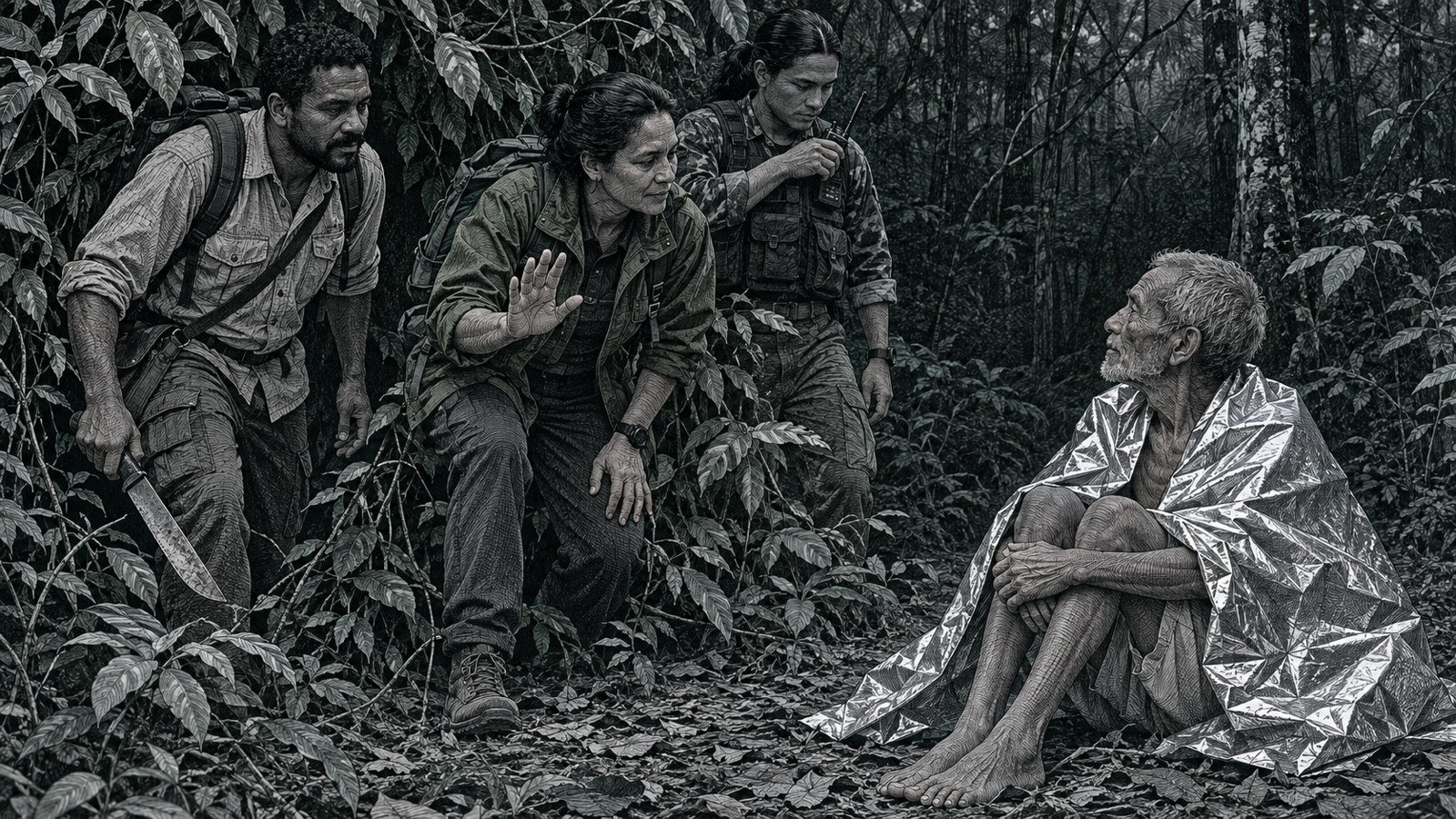
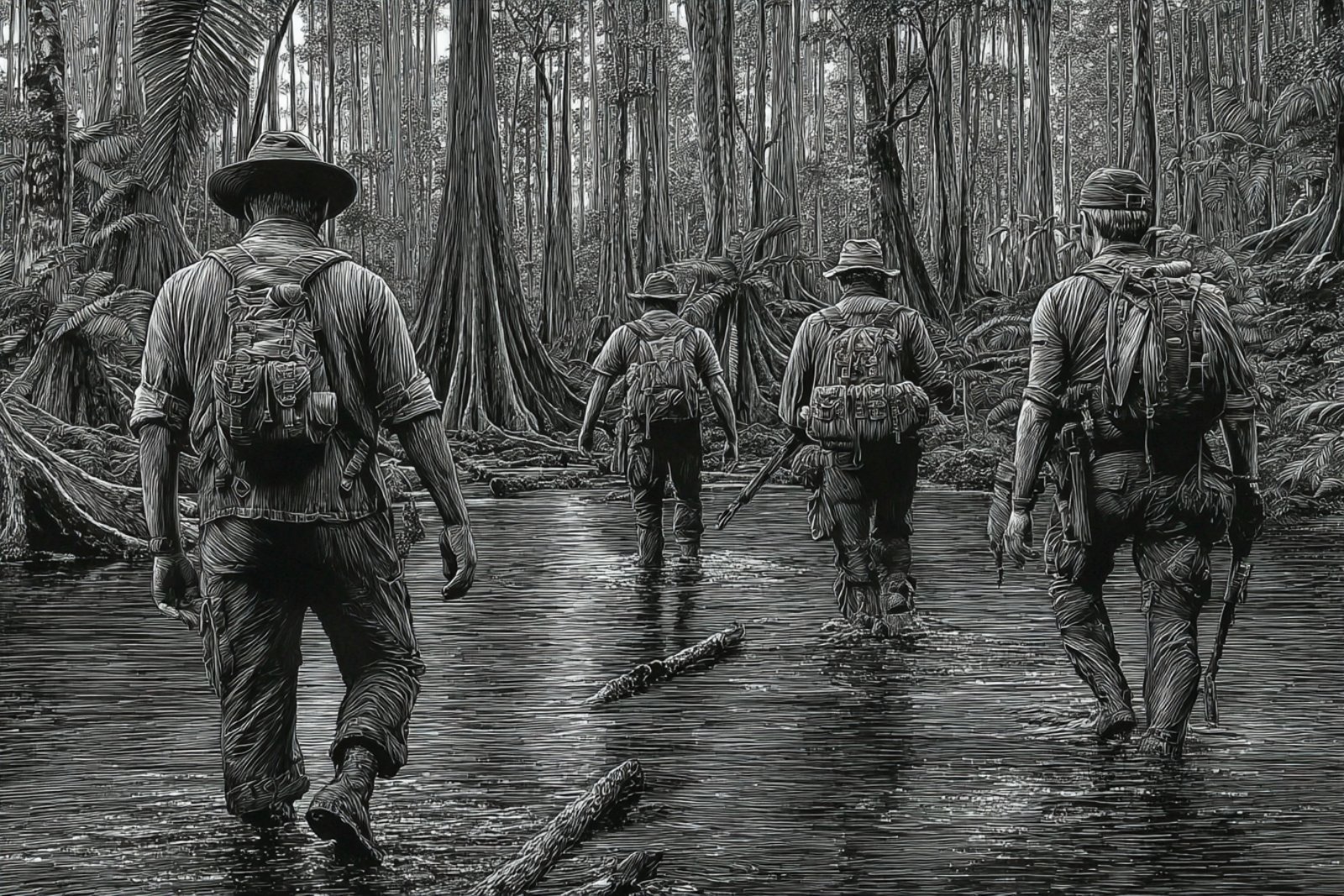
A group of park rangers has been walking the same patch of forest for days. Then one of them, Herbeson Santos, looks to his right.
“About 30 metres away, and I spotted him. I was left speechless,” he later told local media, as reported by Reuters.
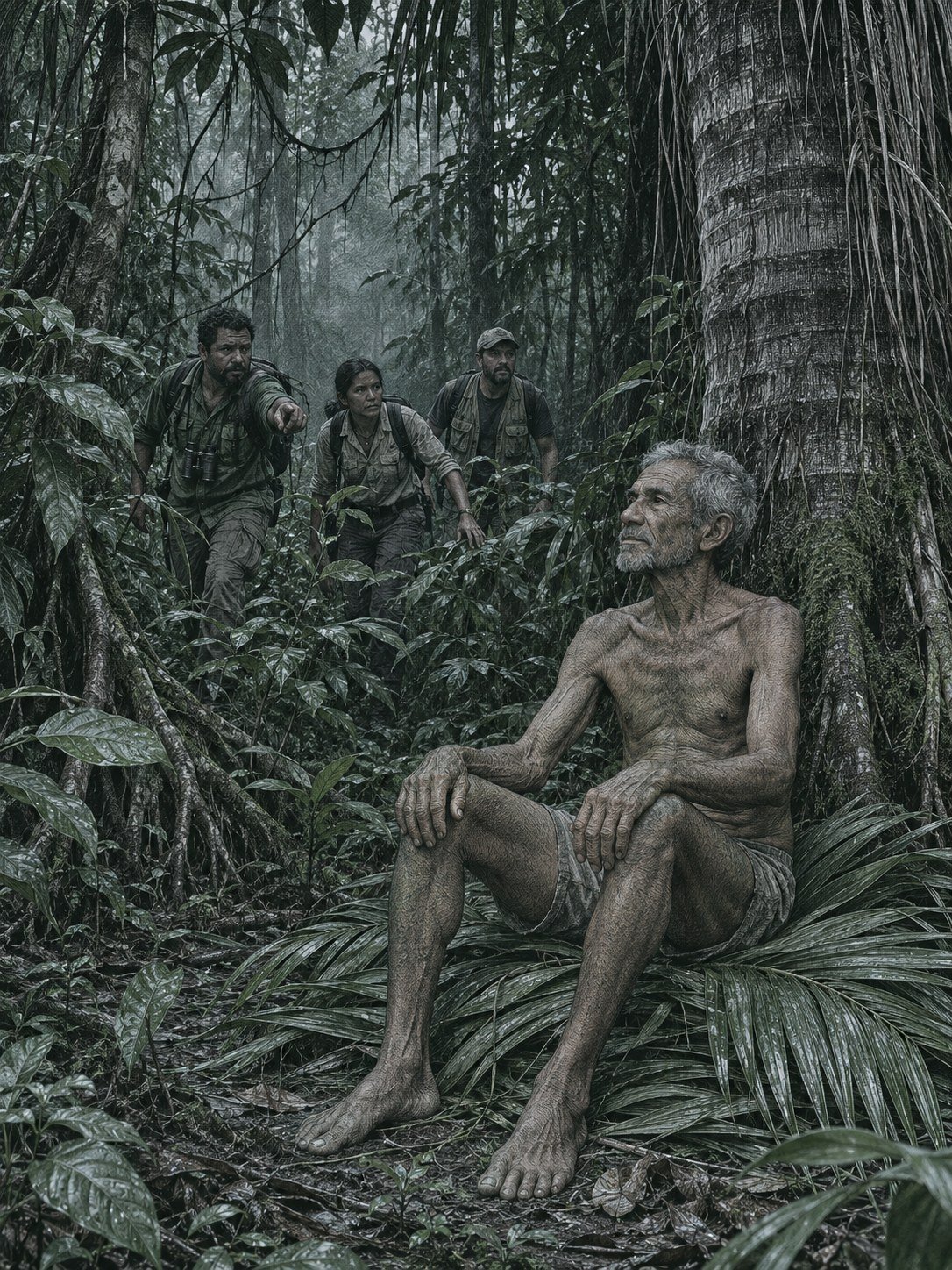
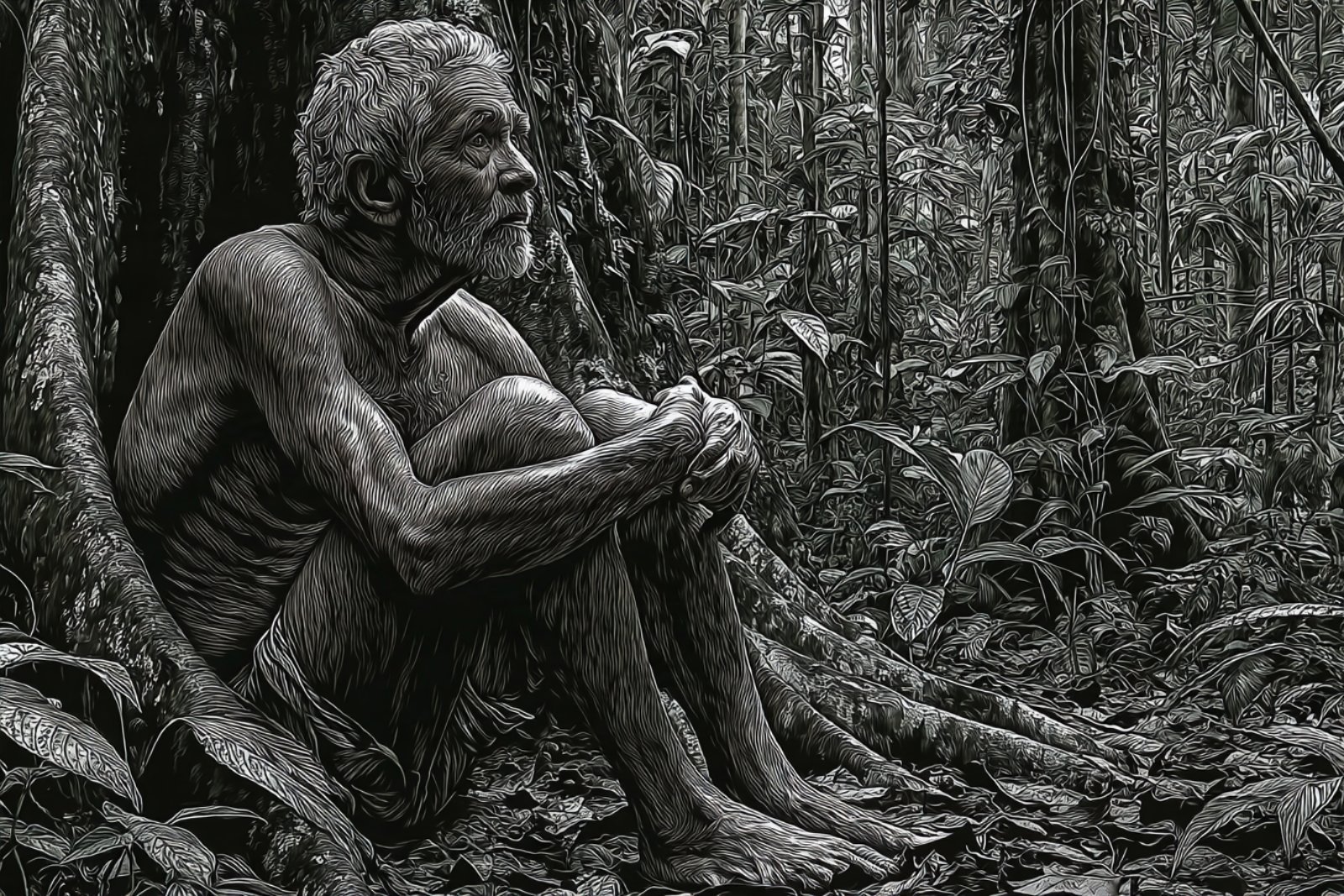
He is 74 years old. He is sitting on the ground, barefoot, wearing only his underwear. He is visibly weak.
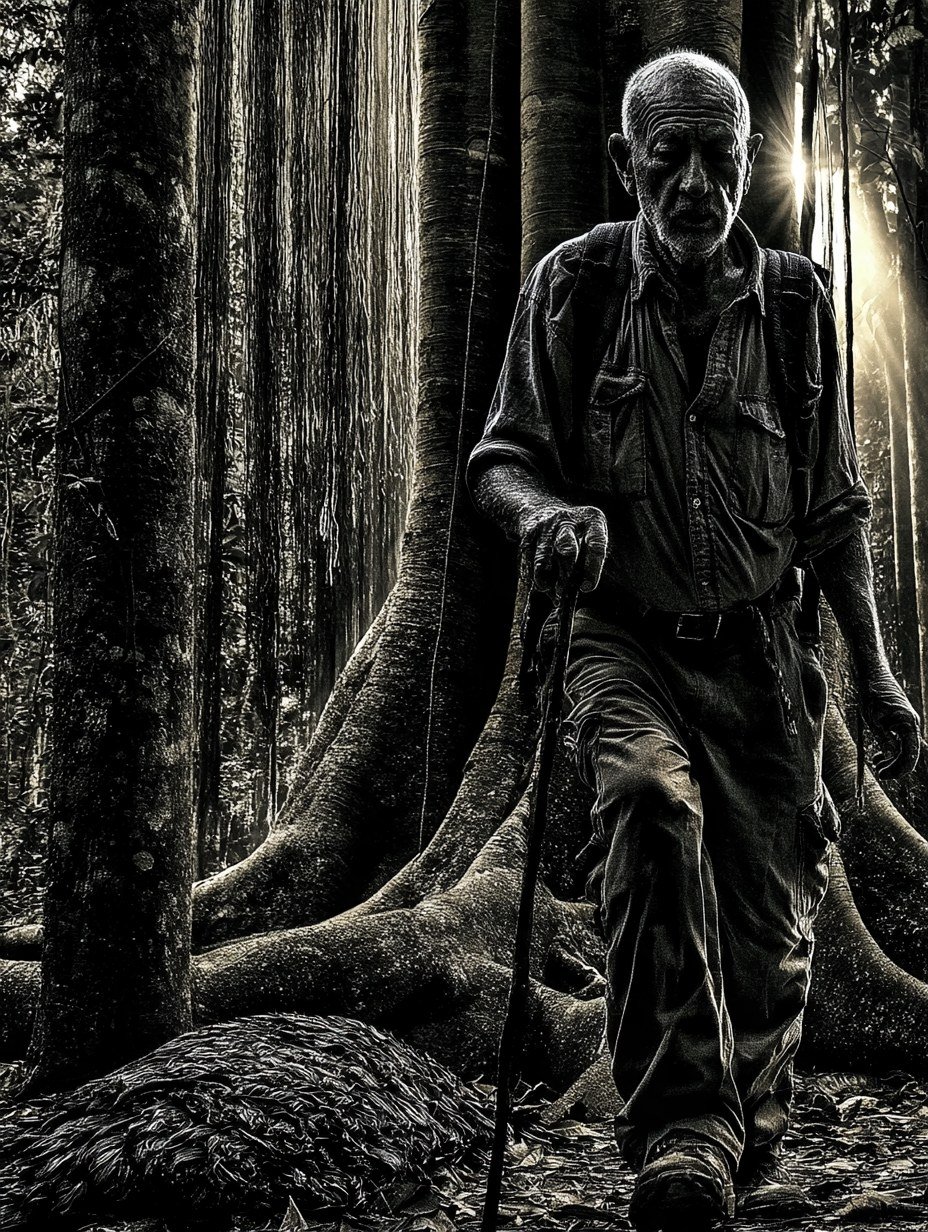
His name is Janarino Ferreira dos Santos. He has been missing for eleven days. He has Alzheimer’s disease.
The family had made a poster. His granddaughter had already said out loud what everyone was thinking: “We thought he could already be dead.”
So how does a man who is losing his memory stay alive in the Amazon for eleven days?
How does a 74-year-old with Alzheimer’s get lost in the forest?

According to the family’s missing-person poster and the Amapá civil police, he was last seen at about 11 a.m. on Tuesday 10 November, walking into the forest from a dirt track called Ramal da Mércia, at kilometre 12 of the BR-210 highway, in the Ilha Redonda area on the northern edge of Macapá.
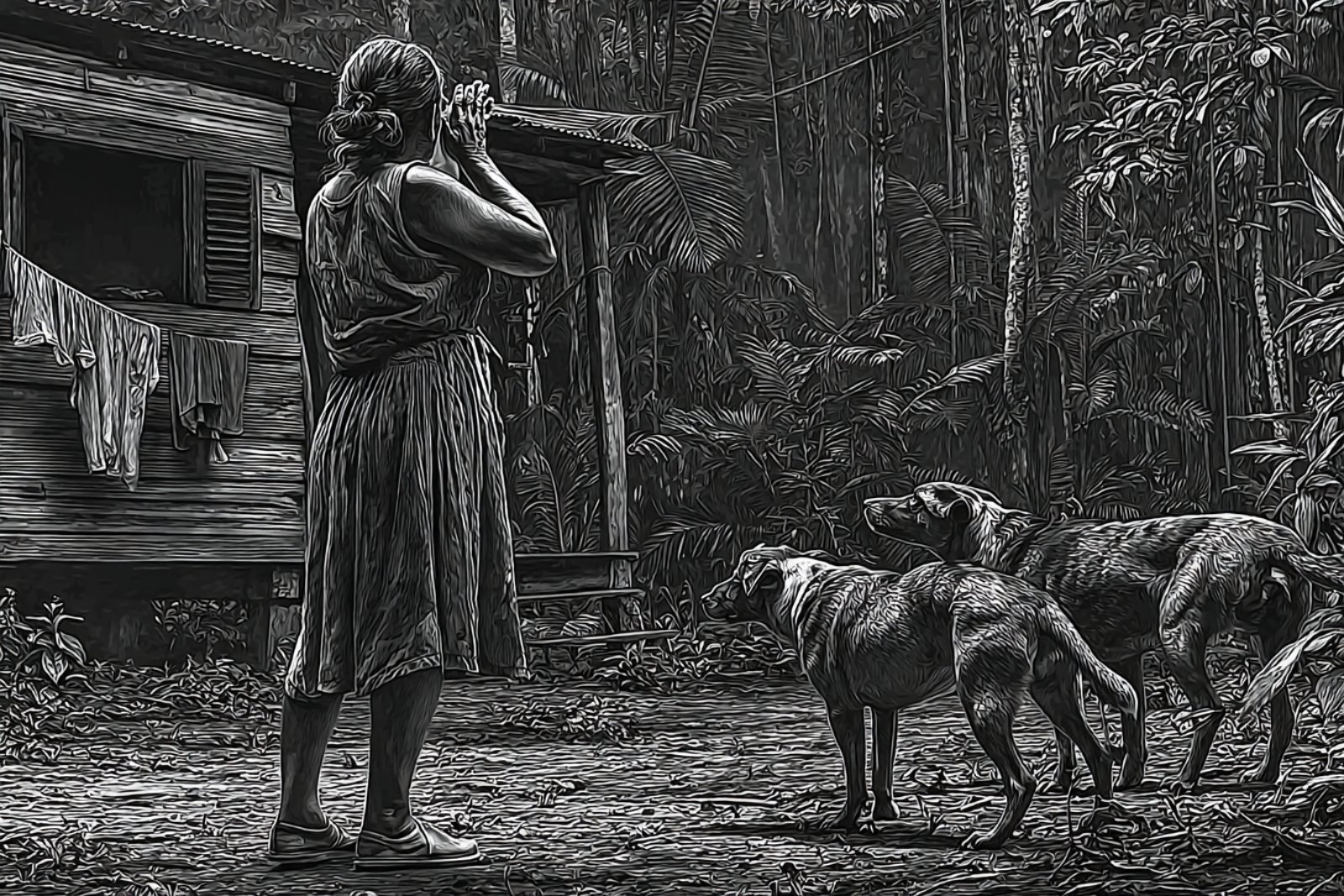
He lives at the edge of the forest. According to the Associated Press, he walked out of the house while relatives were visiting a neighbour. A local paper, Diário do Amapá, tells it slightly differently: he was on the property with his daughter and two dogs, and she followed him into the trees but could not find him.
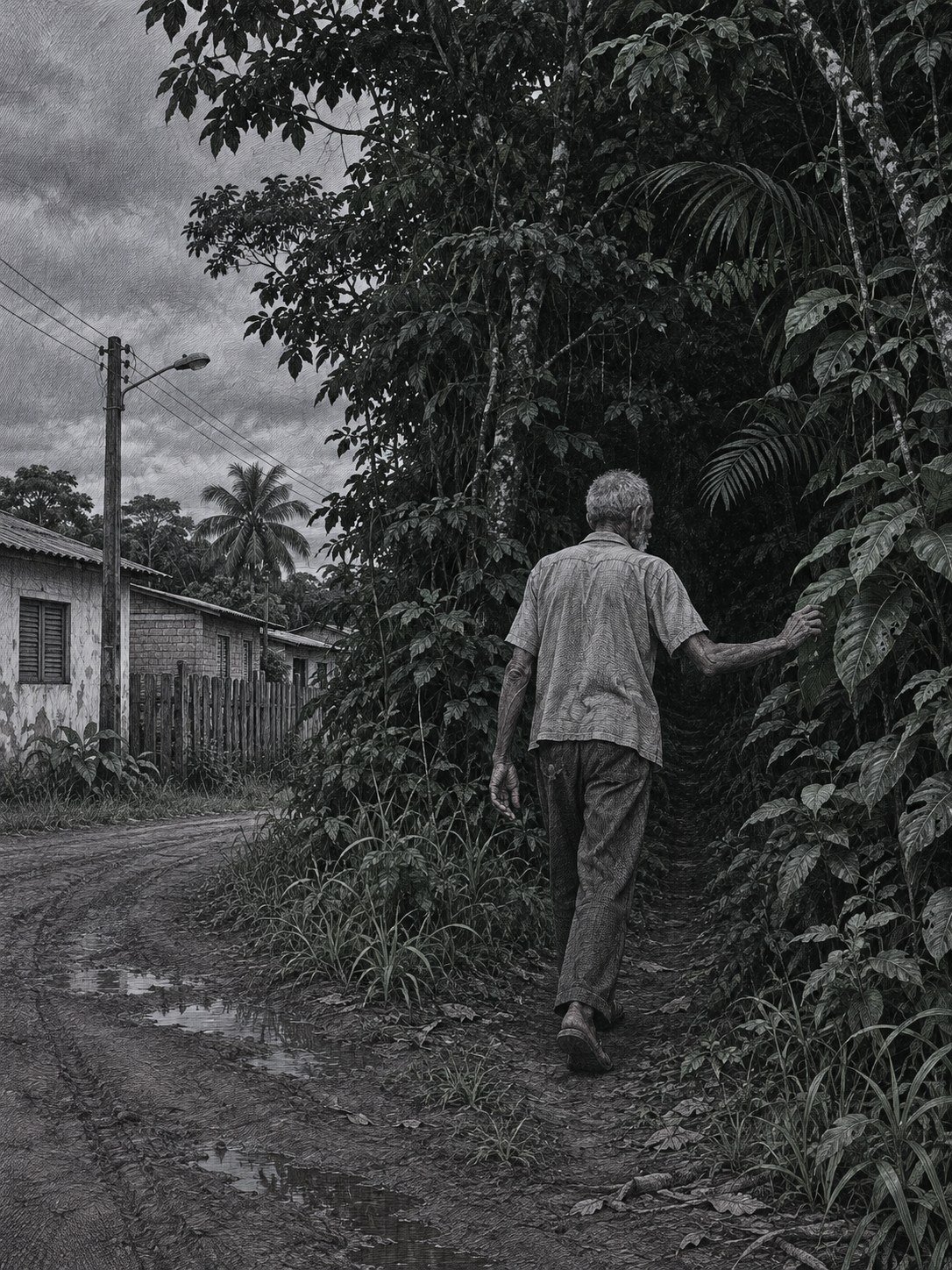
He was last seen walking toward the trees.
He was not a stranger to the forest. He had worked for years as a garimpeiro, a gold prospector, and later as a farmer in Oiapoque, near the French Guiana border, before retiring; a ranger simply told the AP that “when he was younger he had worked in the rainforest, so he knew how to get around.” He is the father of twelve. He also lives with high blood pressure and diabetes, and is blind in one eye.

That detail sounds like good news. It is also what made the search so hard. A man who knows the forest can walk a long way into it.
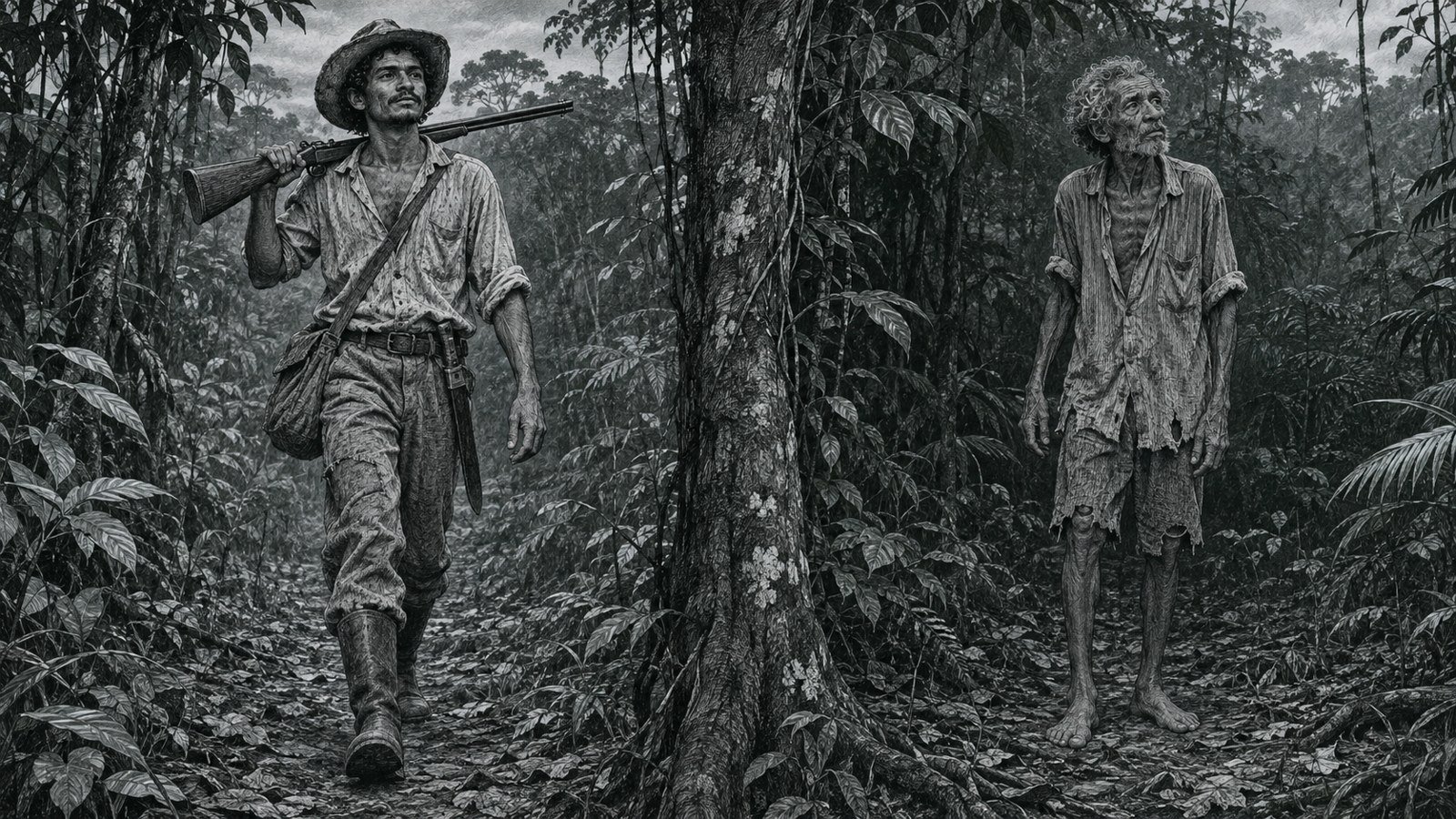
And a man with Alzheimer’s may not know he is lost.
Nine days, and a granddaughter’s message
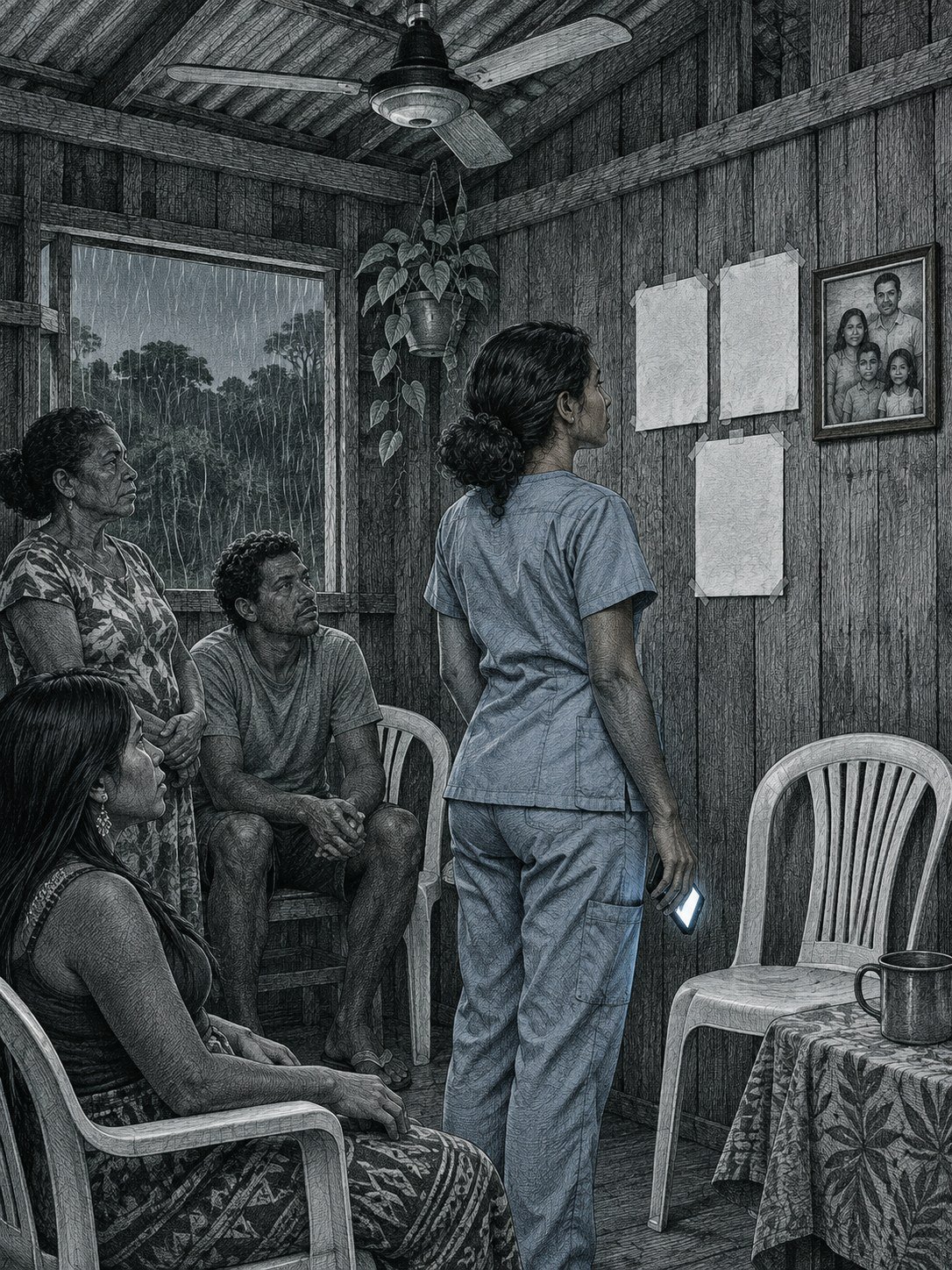
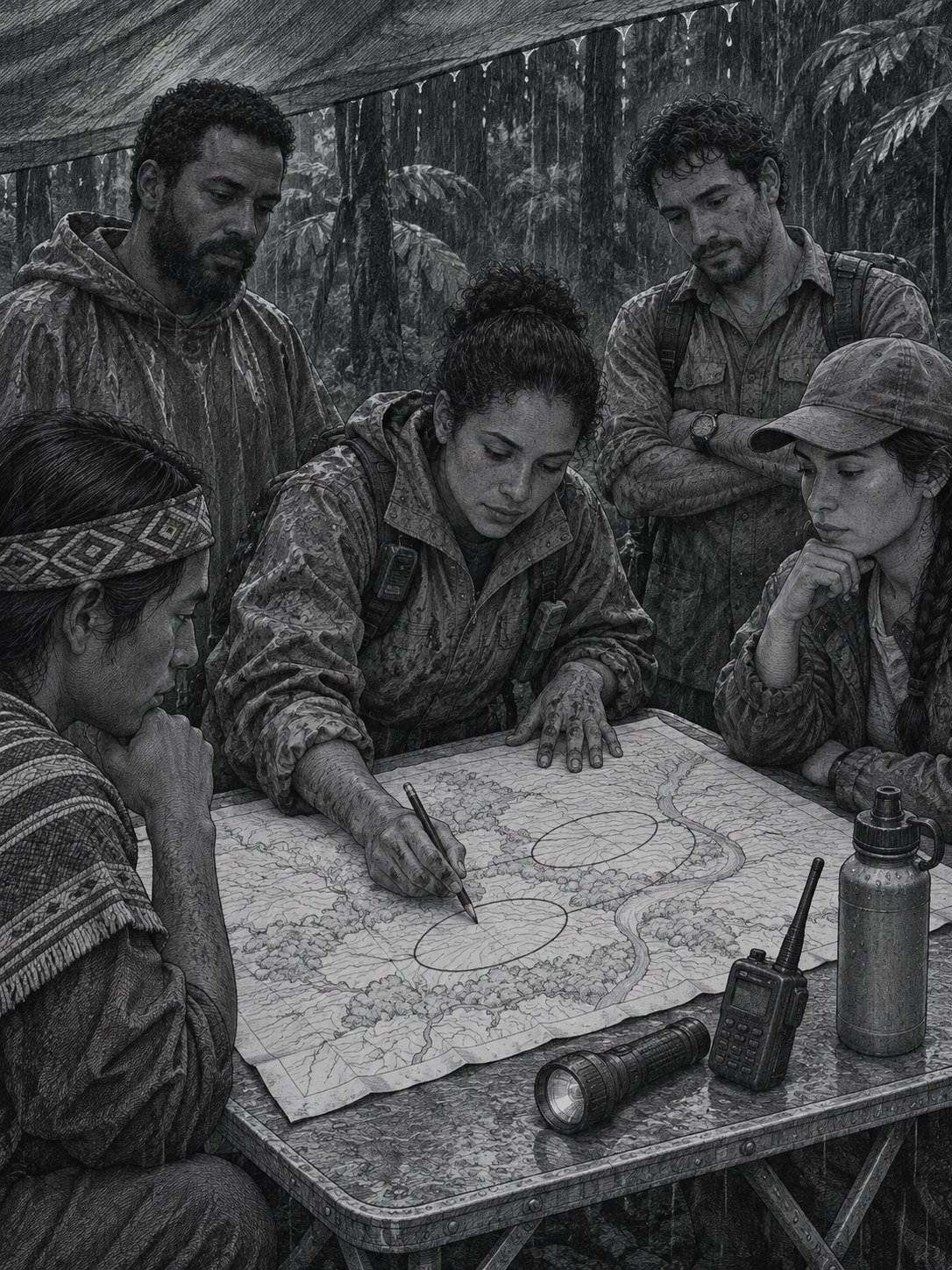
The search began the next day. On the ground it was coordinated by Amapá’s military fire brigade, with the state’s air tactical group flying a helicopter and drones with a thermal camera over the trees, and the civil police missing-persons unit working the case. Two volunteer groups joined in: a team called Xibante da Selva, led by a former army soldier who now teaches security courses, and the Corporação de Guarda-Parques Tamanduaí, a volunteer park-ranger corps.
On the ninth day, his granddaughter Sara posted a plea on Instagram so that the search would not be called off: “Don’t forget us. Don’t forget grandpa.”
She is a 26-year-old nurse. She knew what eleven days without his medication, in the heat, could mean for a man with his conditions. In the same video, according to the AP, she said the official search was due to be suspended on Sunday 22 November.
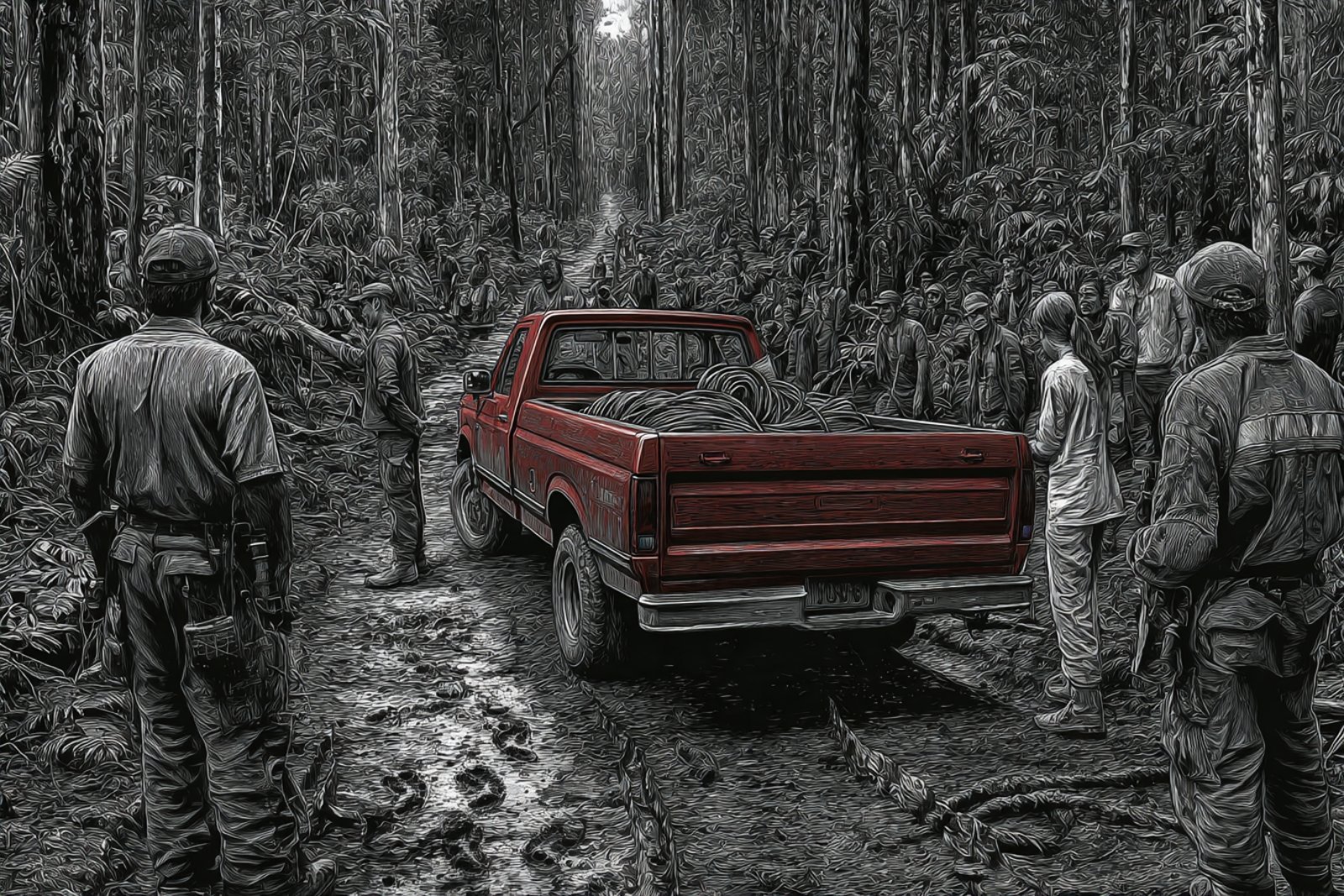
It seemed like the story was heading toward the ending everyone feared. It wasn’t.
What the trackers found before they found him
The trackers kept finding signs that someone was still alive out there.
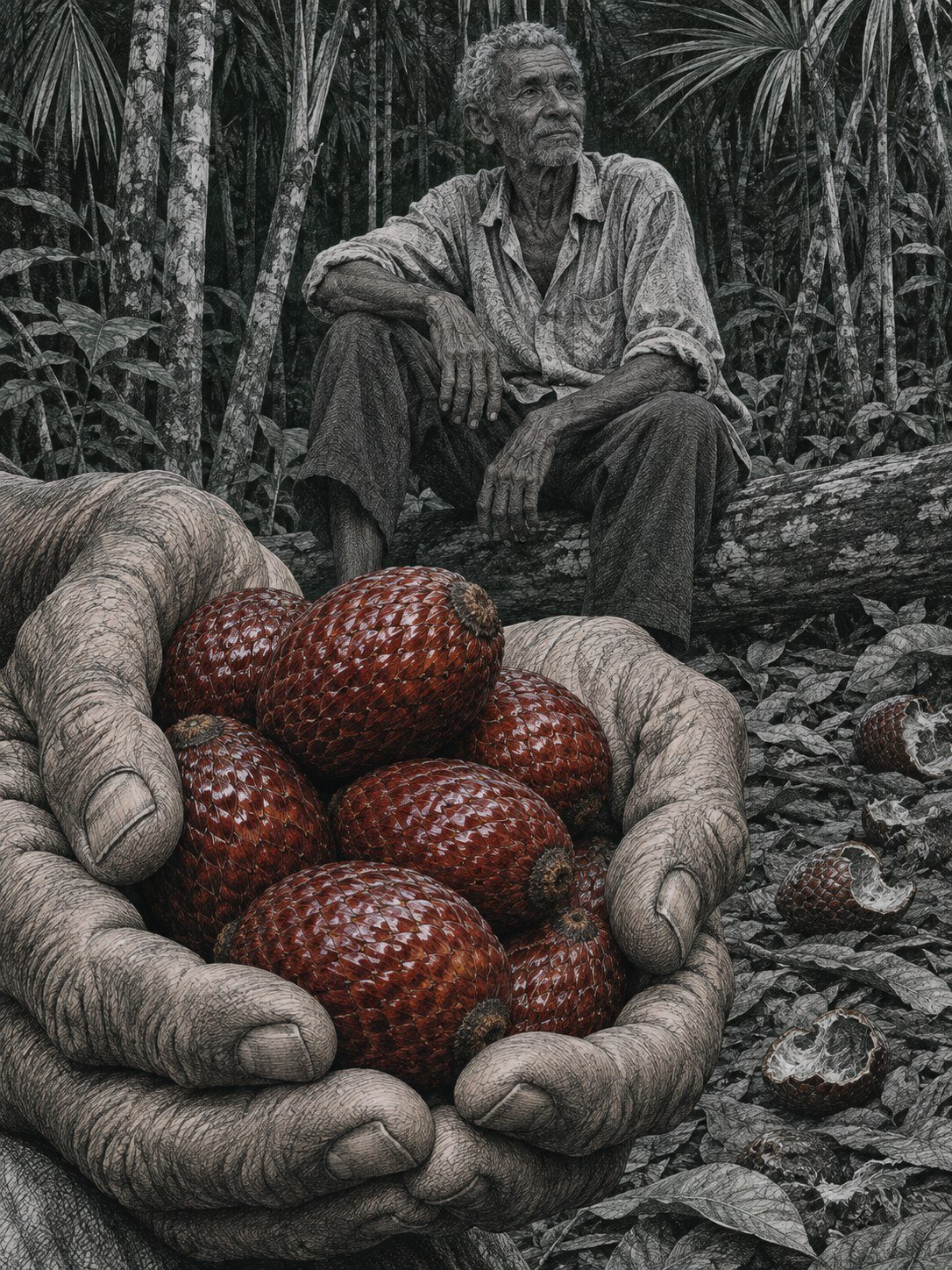
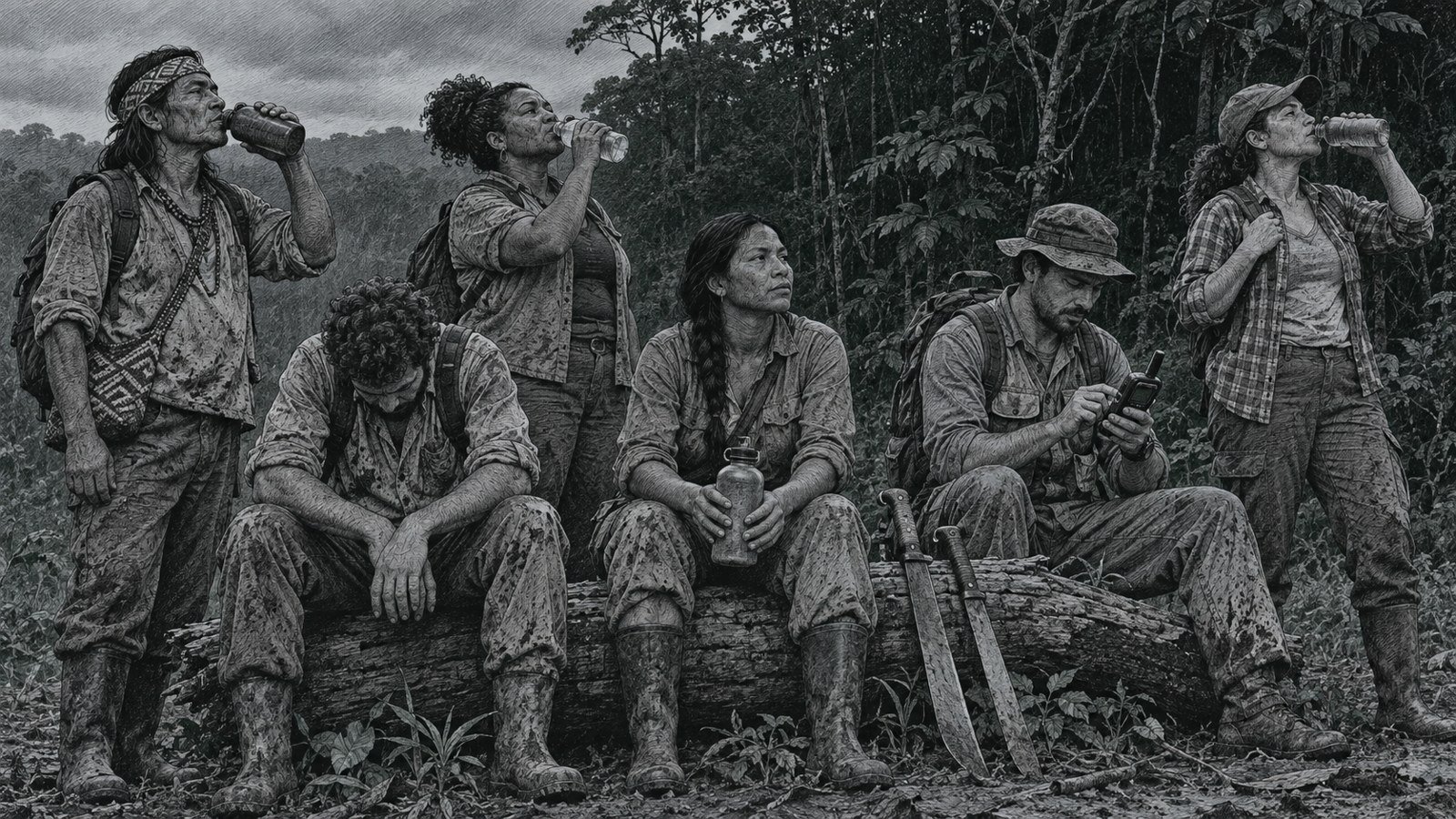
Remains of buriti fruit that looked as if a person had eaten them. Water collected in puddles. Beds and small shelters made from açaí palm leaves. The AP reported two of these beds: one about four days old, and one made from leaves cut from a palm that same morning.
How could they tell the fruit had been eaten by a man? Agoutis eat buriti too. Aniel Cardoso, the woodsman who led the volunteer team, told Brazilian reporters that the marks were not the same. “A mordida é diferente,” he said. The bite is different.
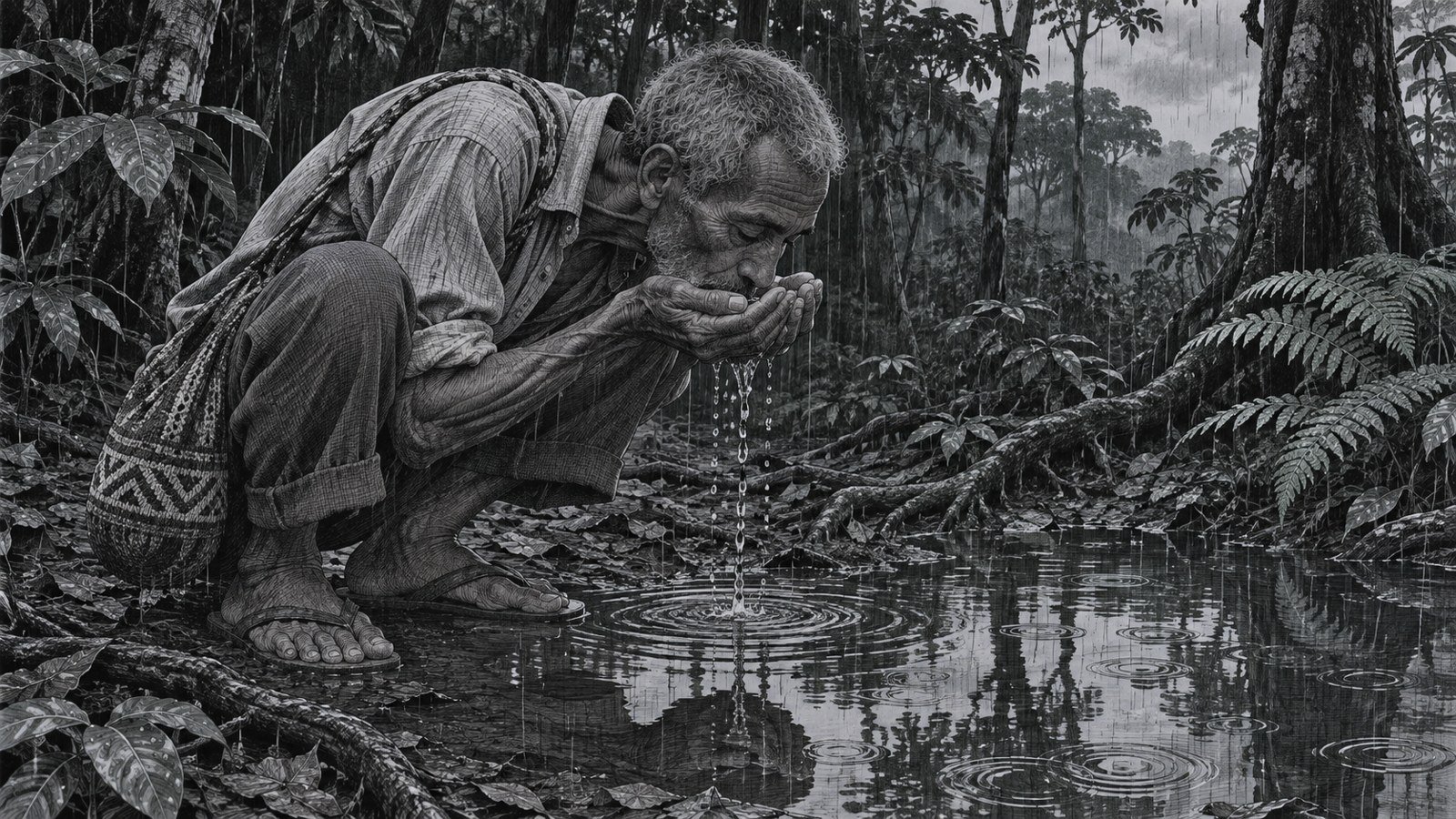
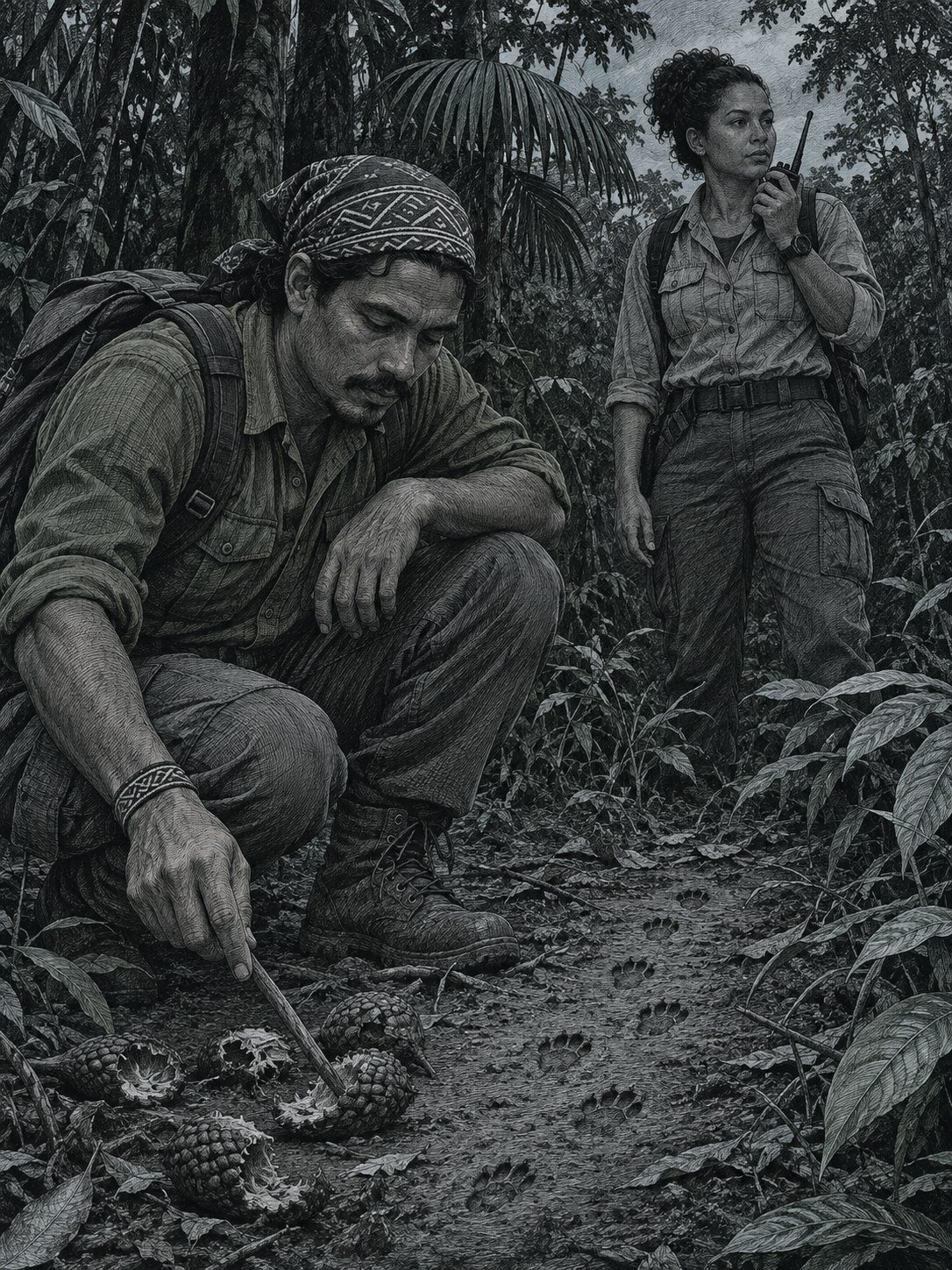
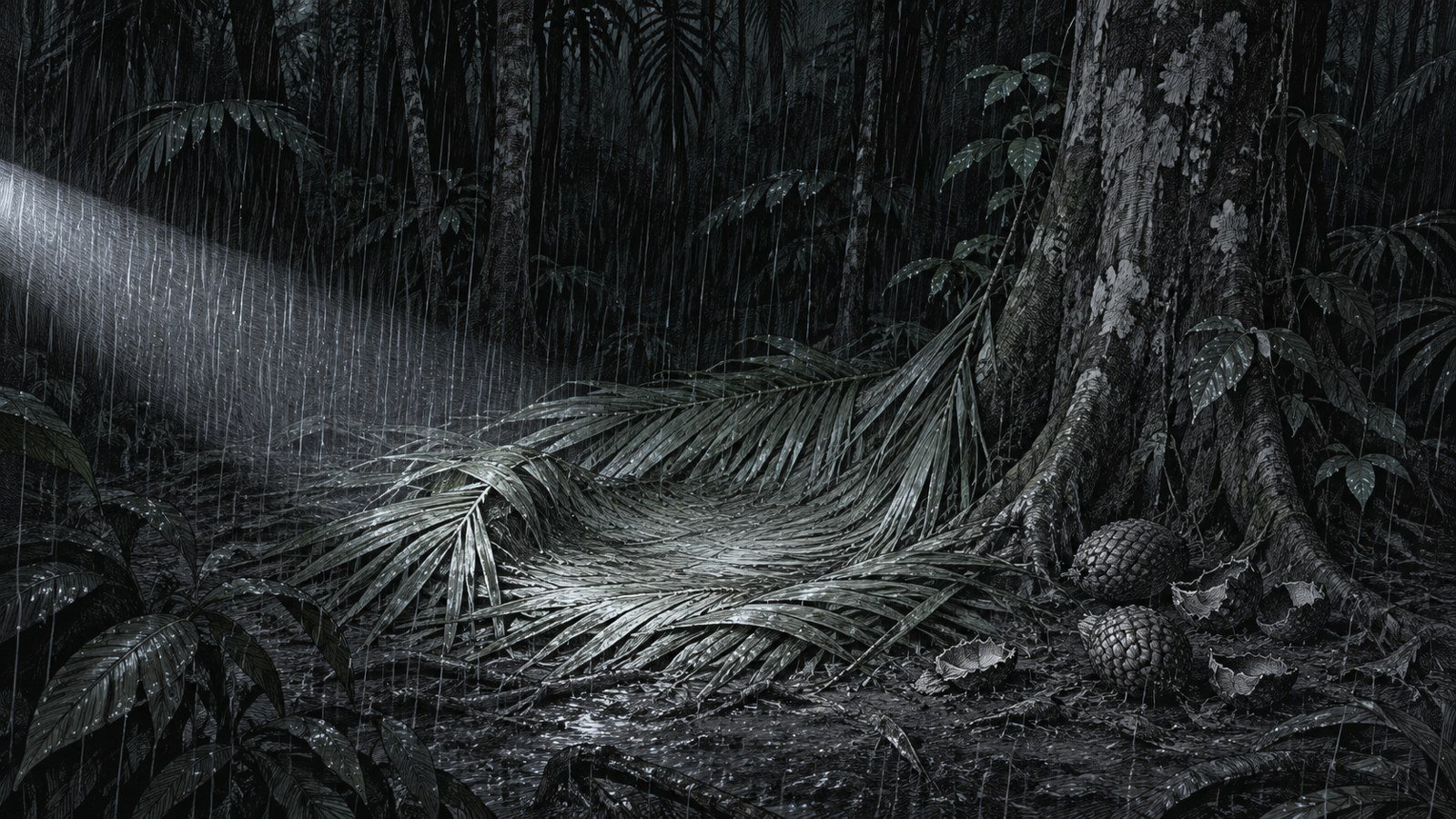
And footprints. The footprints told the strangest part of the story. They suggested he had been walking in circles, coming back again and again to places he had already been.
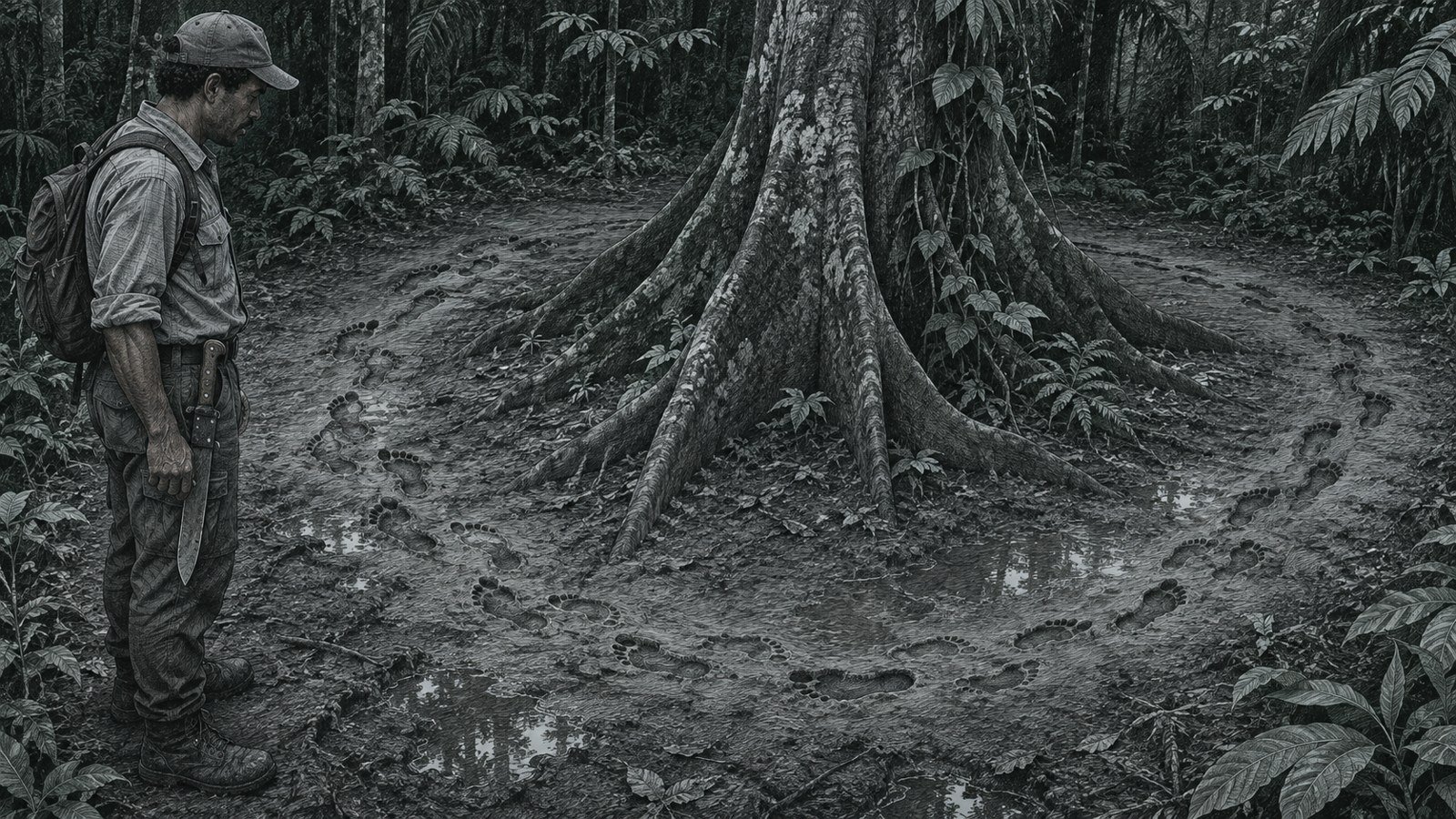
“That’s when we realized he could be alive, and that he could be close,” ranger Aniel Cardoso told the AP.
The last clue was not something they saw. At one resting place, according to NC News, there was a strong smell of urine. The family had told the searchers he had urinary problems. So someone had been there recently, and the rangers knew who. Shortly afterwards, they found him.
Picture it from the rangers’ side. Every fresh print was proof he was alive. Every loop was proof he did not know the way out.
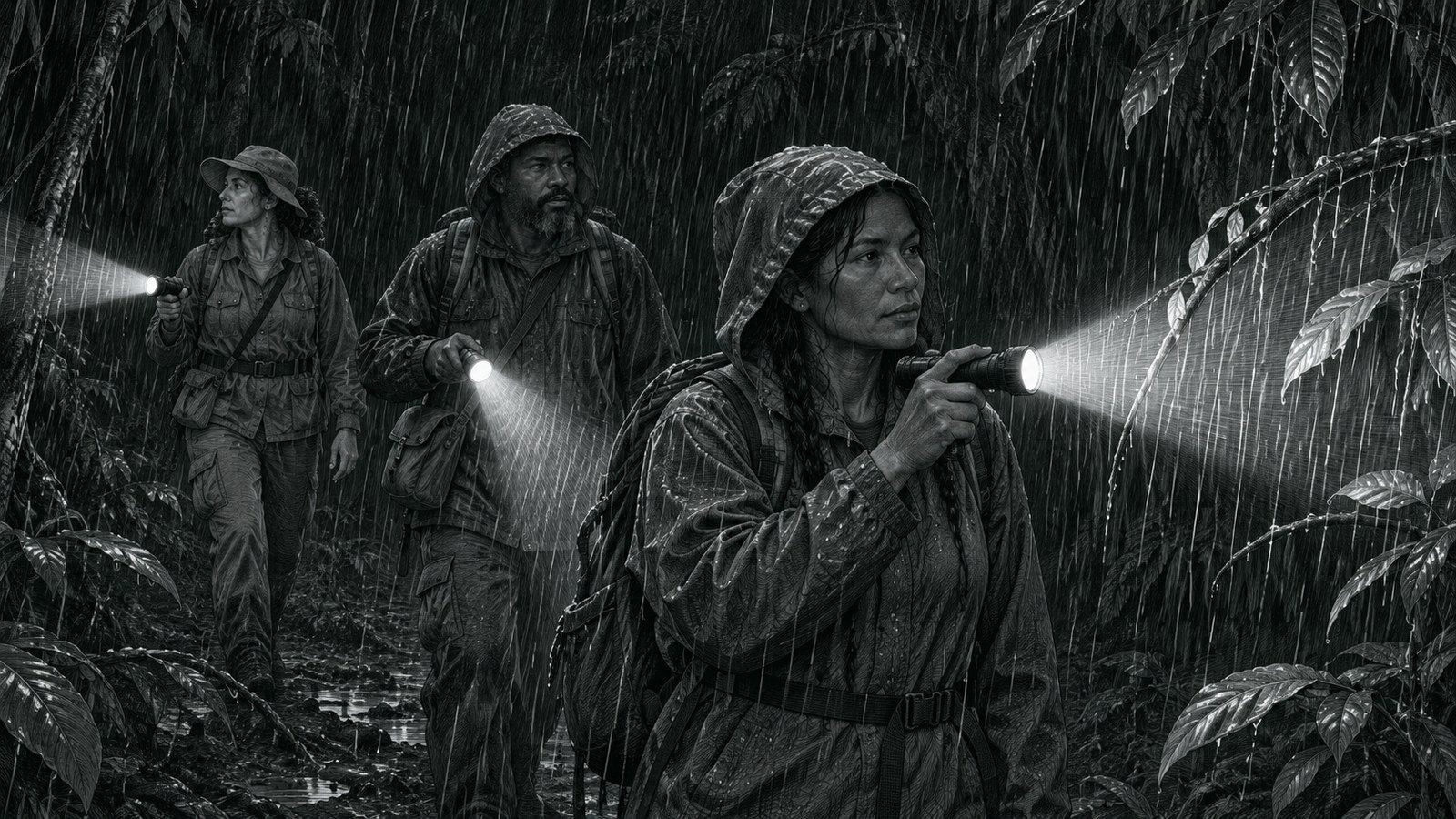
Found, ten kilometres away
On the afternoon of Friday 20 November, the rangers found him about 10 kilometres from the place where he had disappeared.
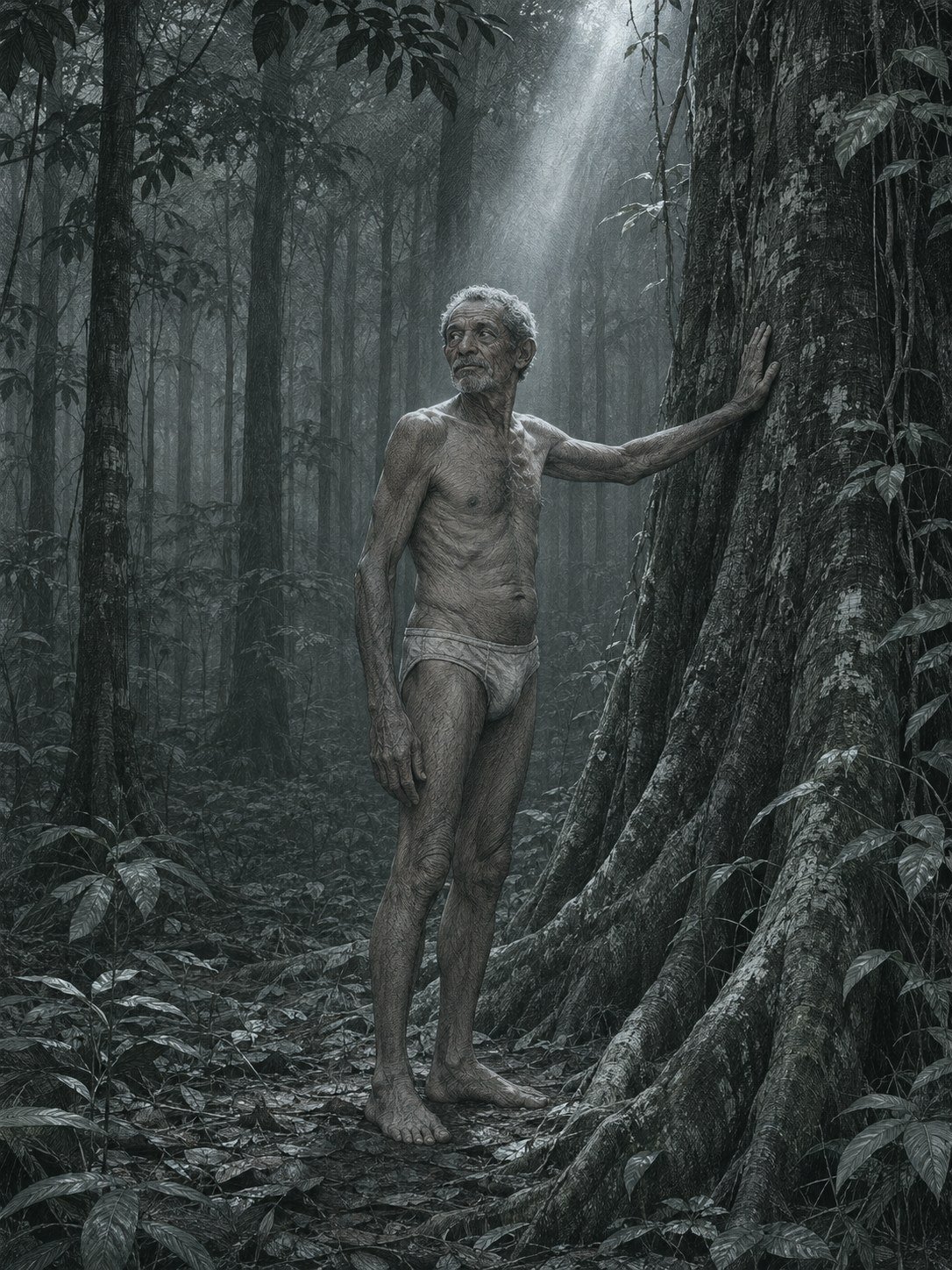
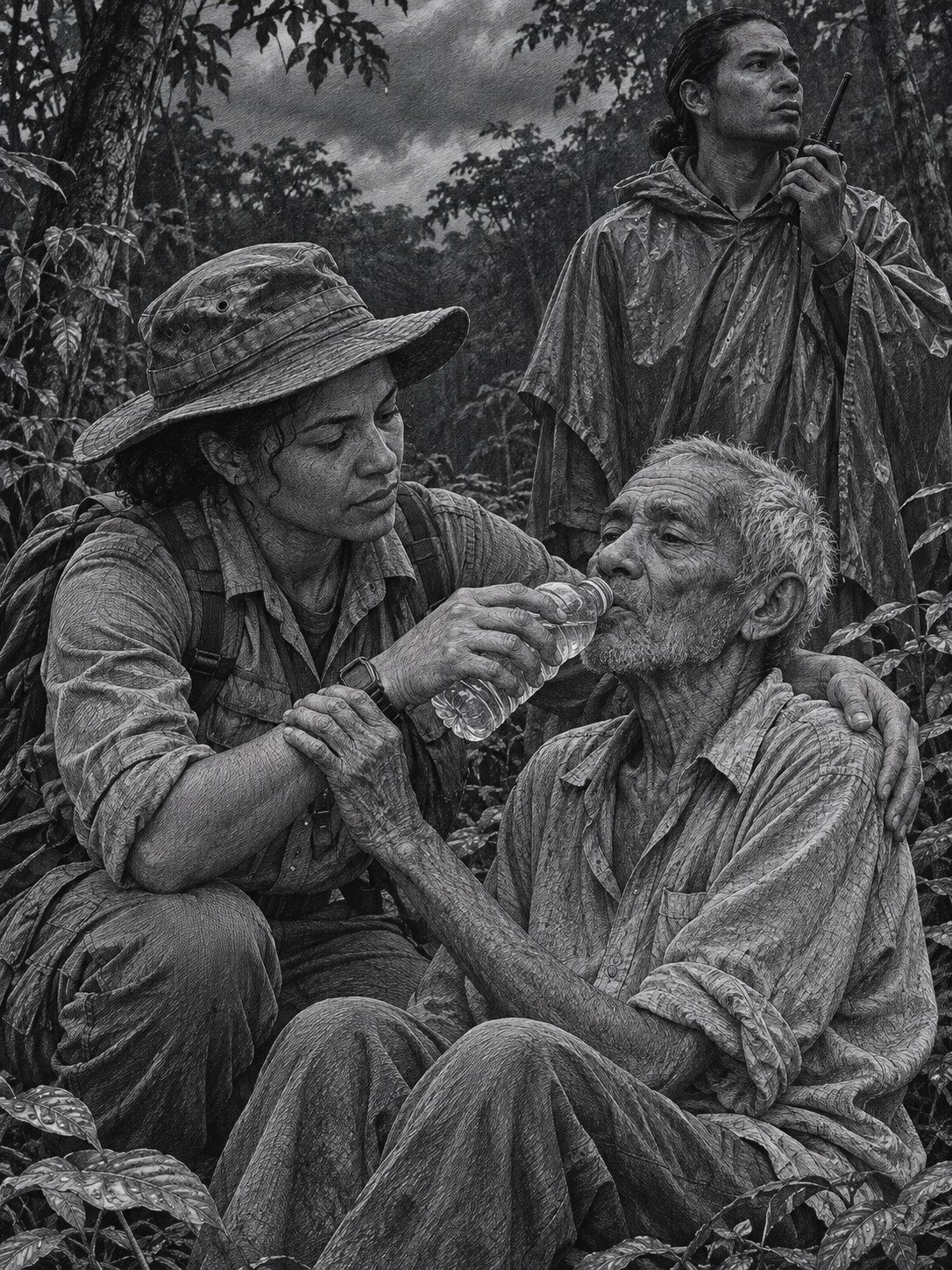
He was sitting down. He had no shoes and almost no clothes. “He wasn’t able to talk, he was no longer walking and he was very thirsty,” Cardoso told the AP. The ground around him was swampy, part of a field where water buffalo graze, in an area that is also home to caimans and venomous snakes.

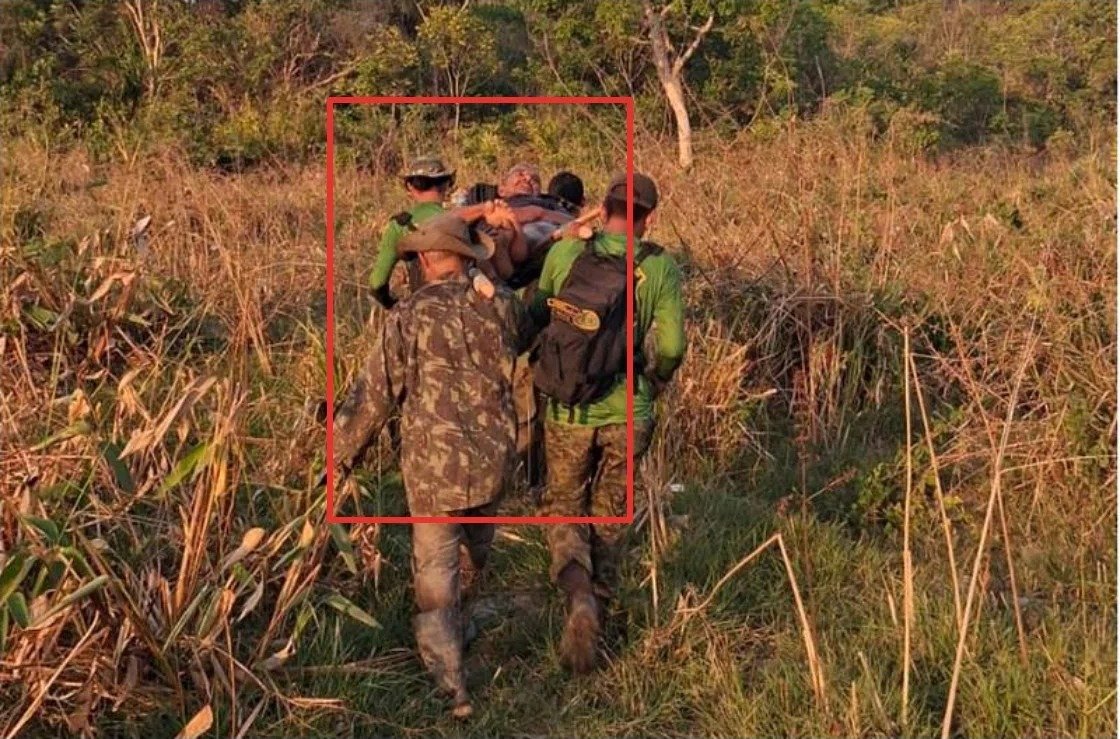
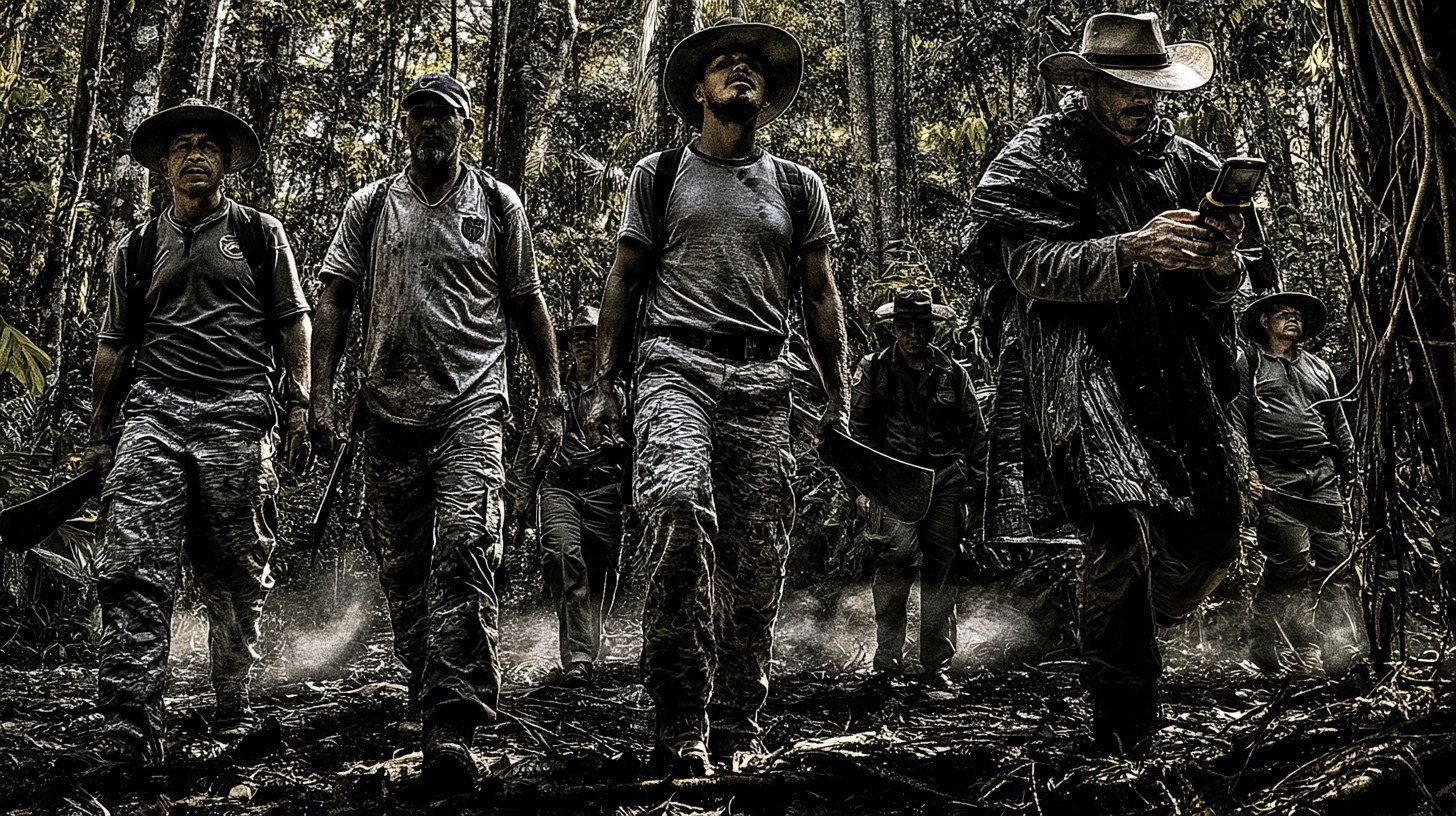
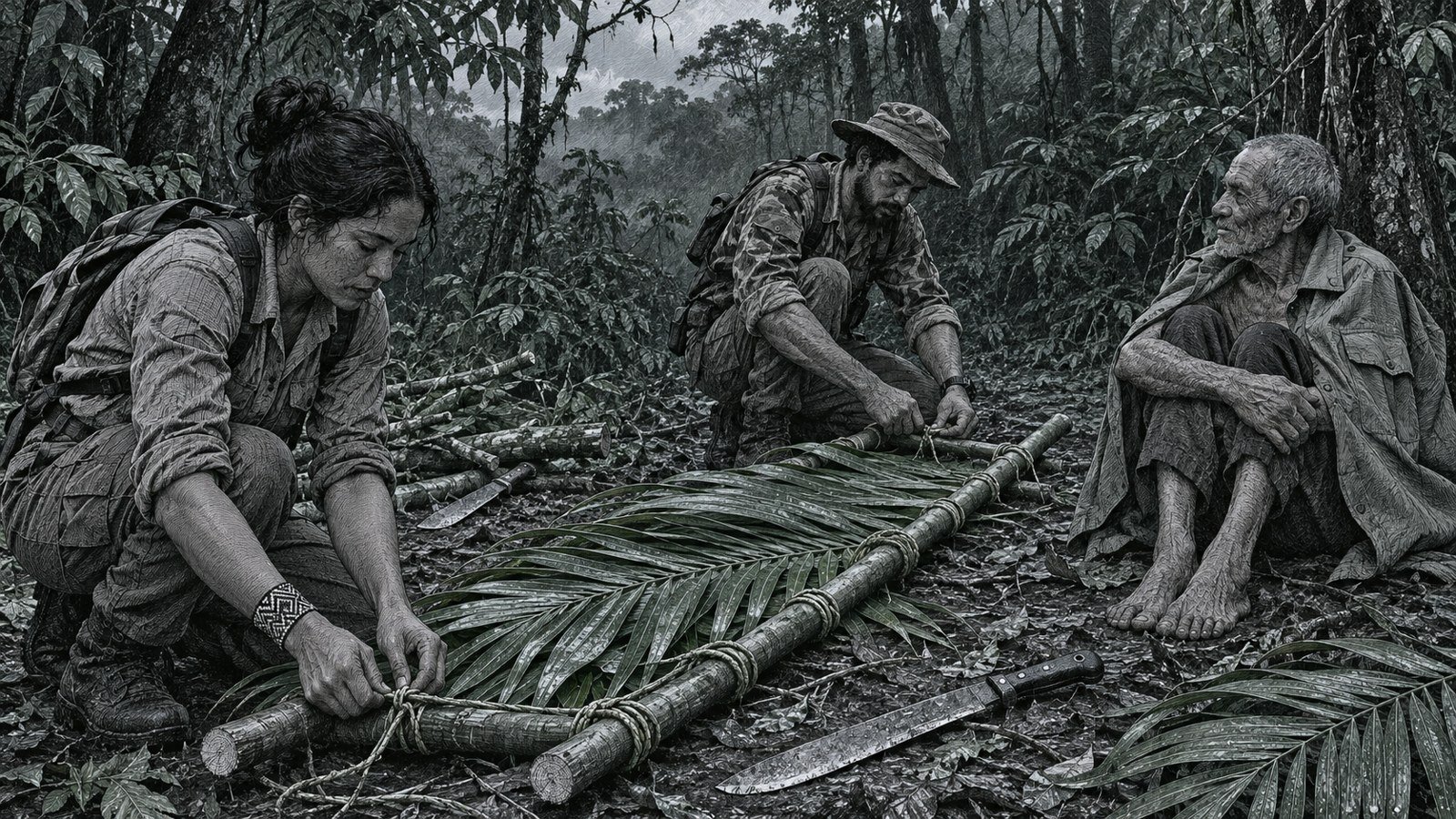
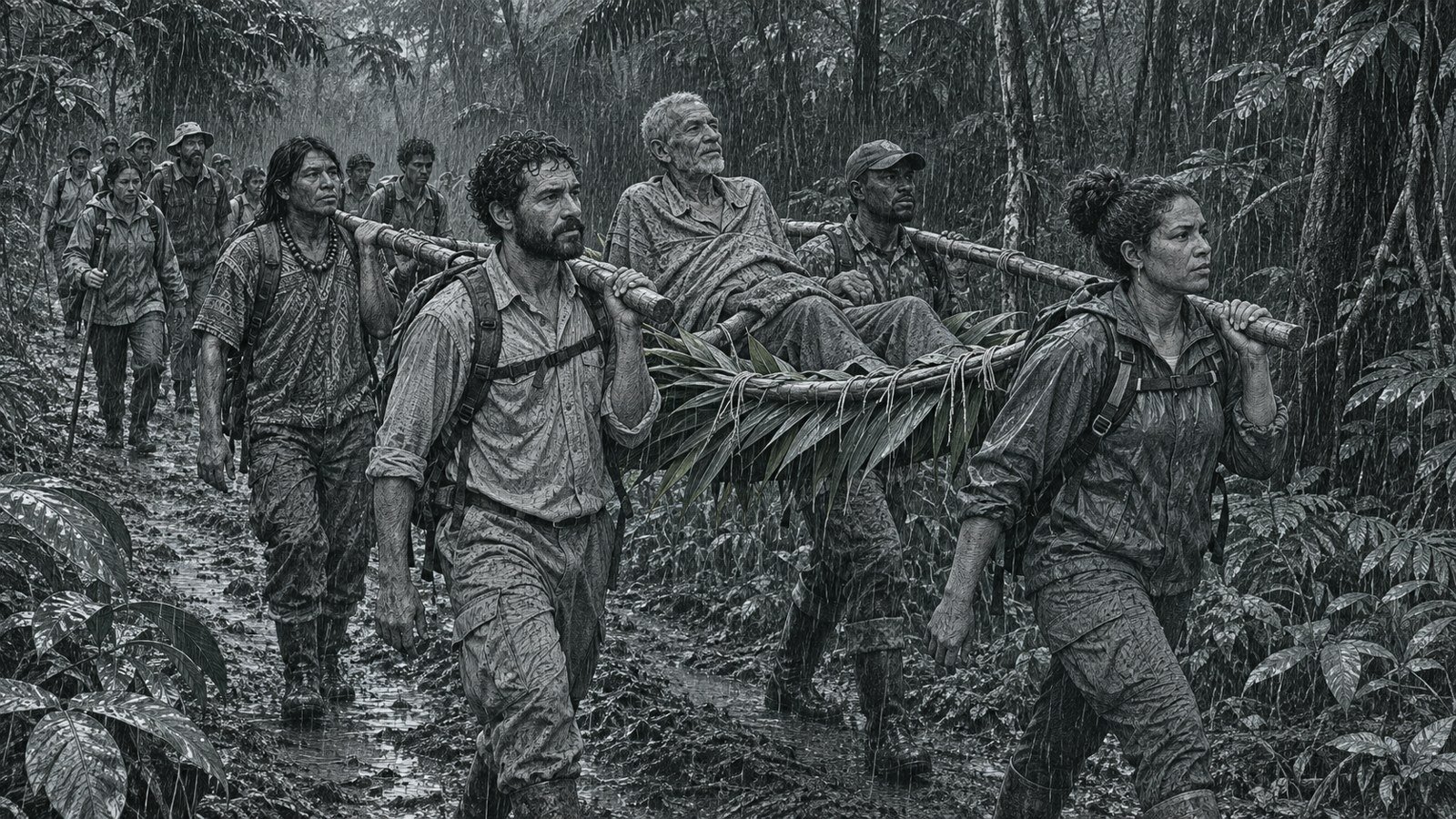
He could not walk out. They cut poles and vegetation, lashed them with rope into a stretcher, and carried him in single file through flooded ground where a slip could break a limb. By the time they reached the road, the Reuters account notes, the firefighters had nearly finished their search; the rangers had started their own. He was taken to the Hospital de Emergências de Macapá.
One ranger put it simply. “It was our persistence in walking, walking and walking until we found him,” Aniel Cardoso told the Associated Press.
The president of the volunteer ranger group saw it differently. “I am certain that it was only God who kept him alive throughout these past few days,” Nerivan da Silva da Conceição told Reuters. At the spot where they found him, a local paper reported, the volunteers stopped and prayed.
Cardoso had a more specific reason to be relieved. Two months earlier, another man had gone missing near Macapá. He was found dead.
It seemed like the end of the story. A lost man, found. It wasn’t quite.
What the hospital found
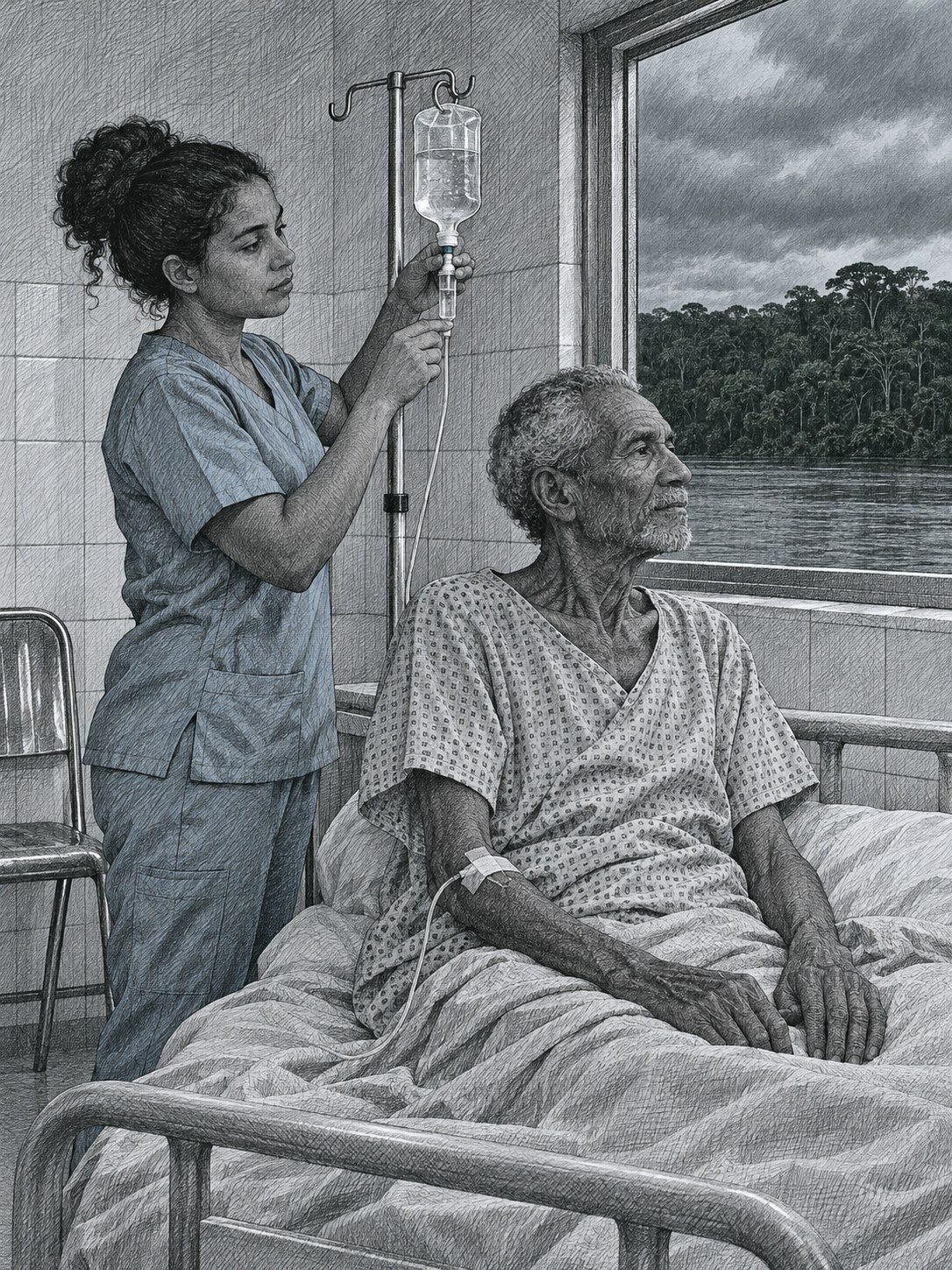
He was kept in hospital under observation. His granddaughter said he had a urinary infection and signs of dehydration.
People, citing Folha de S.Paulo, reported thorns in his feet and quoted the family saying he was doing okay.
Then there is the question nobody can fully answer yet: what does he remember?
So far, he has said only one thing about the eleven days. That he “saw many things in the forest.”
The family has not yet asked him for the details.
Why the record is stranger than the headline
The headline is “man survives 11 days in the Amazon.” The record is stranger.

He was not deep in the wilderness. He was found about ten kilometres from where he walked in.
He did not walk out. He was sitting when they found him.
And the thing that may have kept him alive is the same thing his illness was taking away: a lifetime of knowing the forest. He chose fruit he recognised. He drank where water collected. He built a bed from the right leaves.
He did all of that while walking in circles.
If you profile the eleven days, what does the record actually support?
The reports tell us what happened. They do not explain it. So we did what a search planner would do: we set his case against what research says about people with dementia who go missing, and asked five questions. For each one, we separate what is on the record from what is only our inference, and say what would settle it.
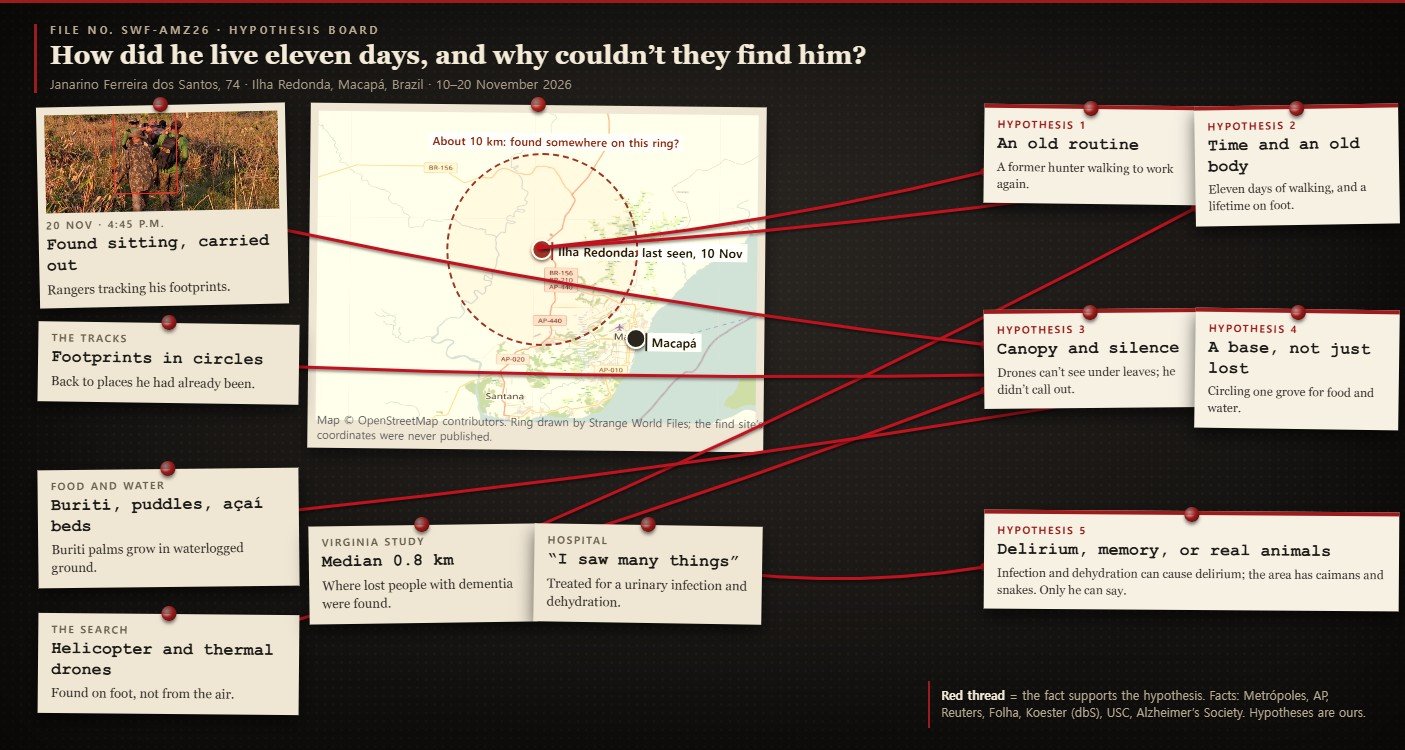
1. Why did he walk away from the road, into the trees?
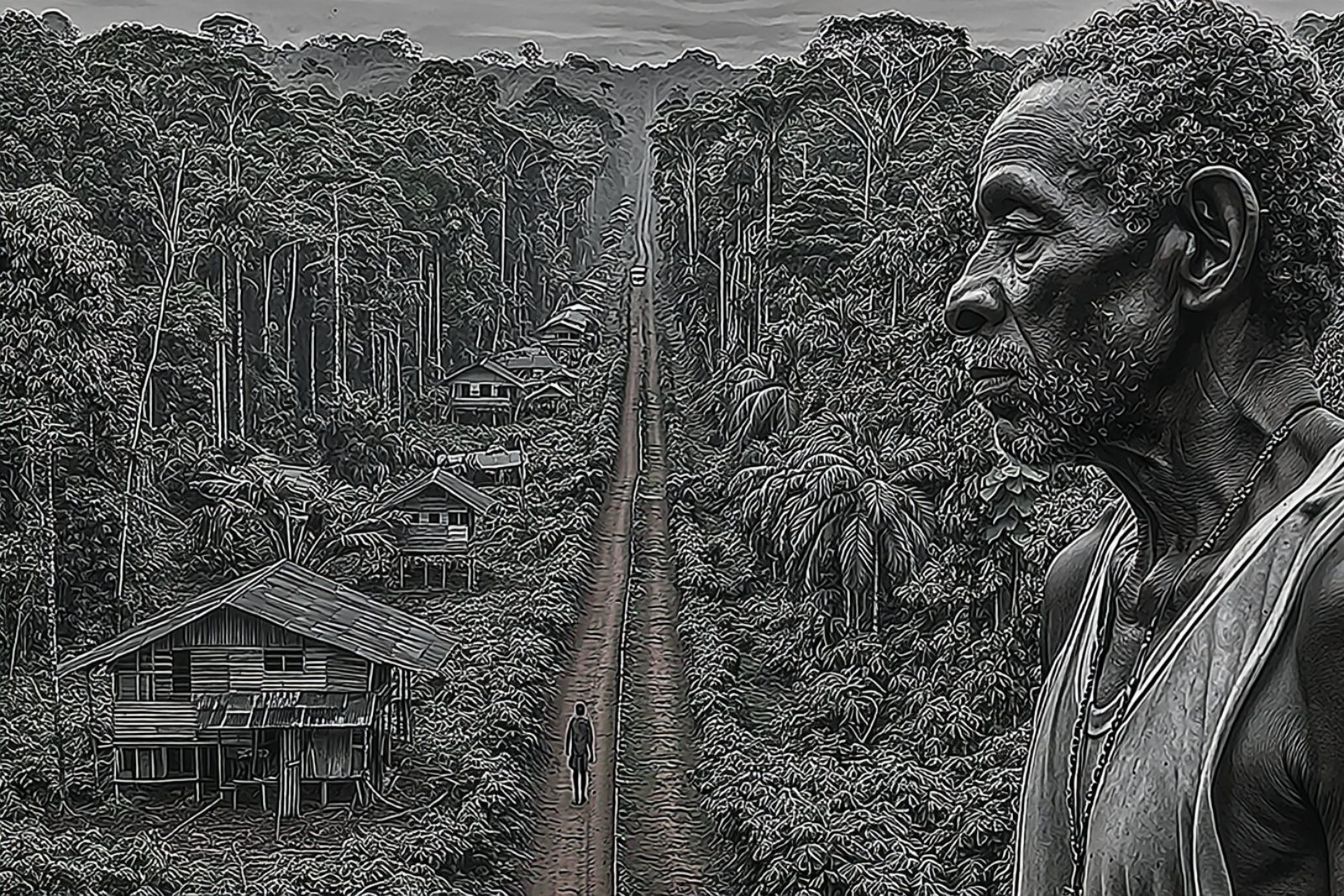
On the record: he lived at the forest edge, he had spent years as a prospector and a hunter, and one local account says he was outside with his daughter and two dogs when he walked in.
Possible explanations: (a) an old routine. A man who once walked into the forest to work may simply have been doing it again. (b) The path of least resistance. In a study of 29 dementia searches in Virginia, the researcher Robert Koester’s team concluded that lost subjects tend to follow the easiest line through the terrain until they reach water or get stuck in thick brush. (c) Following the dogs. Nothing in the record supports this; we list it only because the dogs were there.
Our inference: (a) fits his life best, but it is a guess. What would settle it: asking the family whether this was a direction he used to walk in when he hunted.
2. How did he end up ten kilometres away?
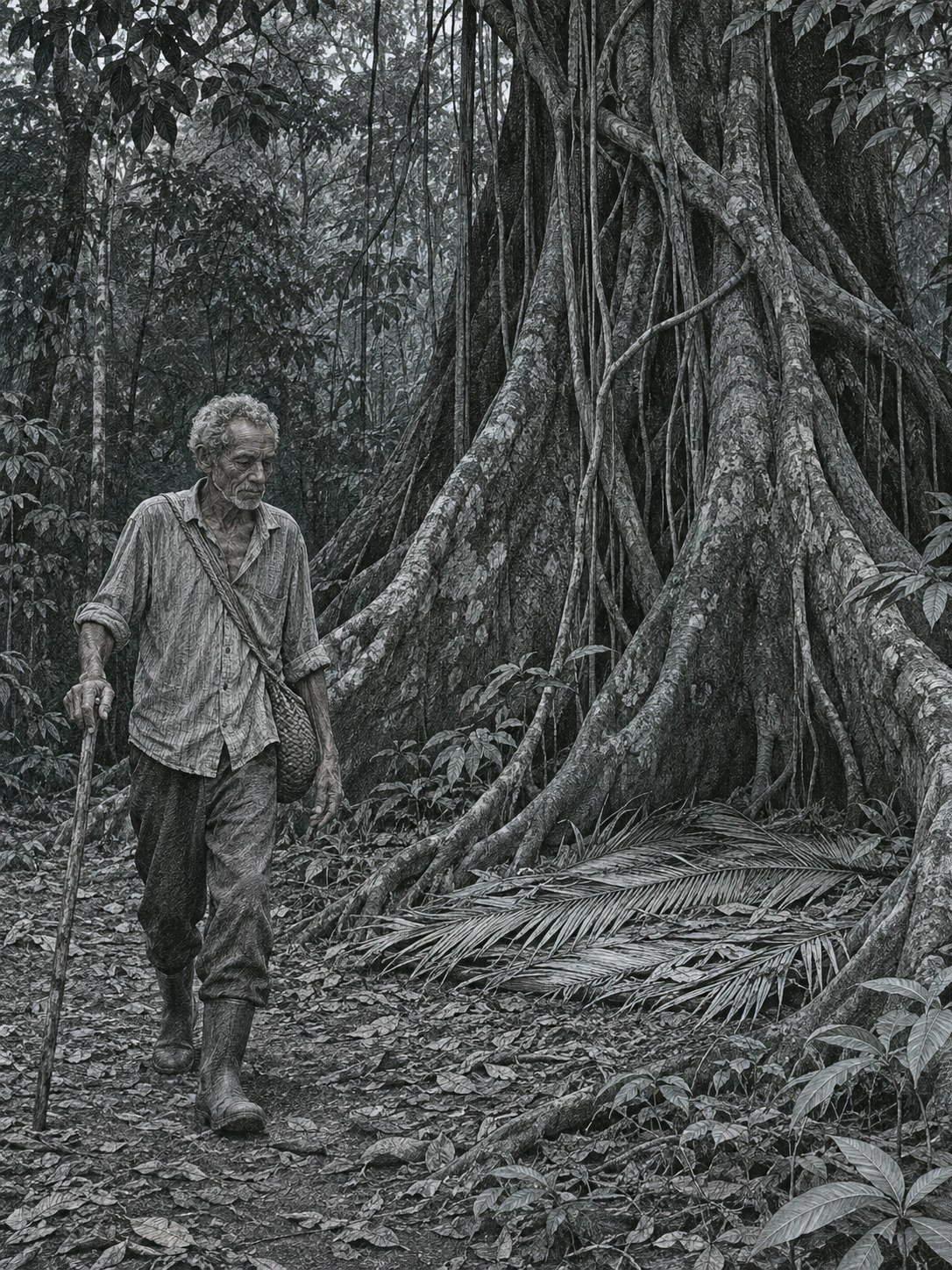
On the record: in that Virginia study, people with Alzheimer’s were found a median of 0.8 km from where they were last seen, and none more than about 3 km. He was found about 10 km away.
That is not a small difference.
Possible explanations: (a) time. He was out for eleven days, and a man who keeps walking for days covers far more ground than one found the same afternoon. (b) His body. Years of prospecting on foot left him able to cover ground most 74-year-olds could not. (c) The number itself. One report says he was found 10 km from where he vanished; the AP says about 10 km from Macapá. Those may not be the same measurement.
Our inference: (a) and (b) together, with (c) as a real caution. What would settle it: the coordinates of the find site, set against the Ramal da Mércia. No outlet has published them.
3. How did a helicopter and thermal drones miss him for nine days?
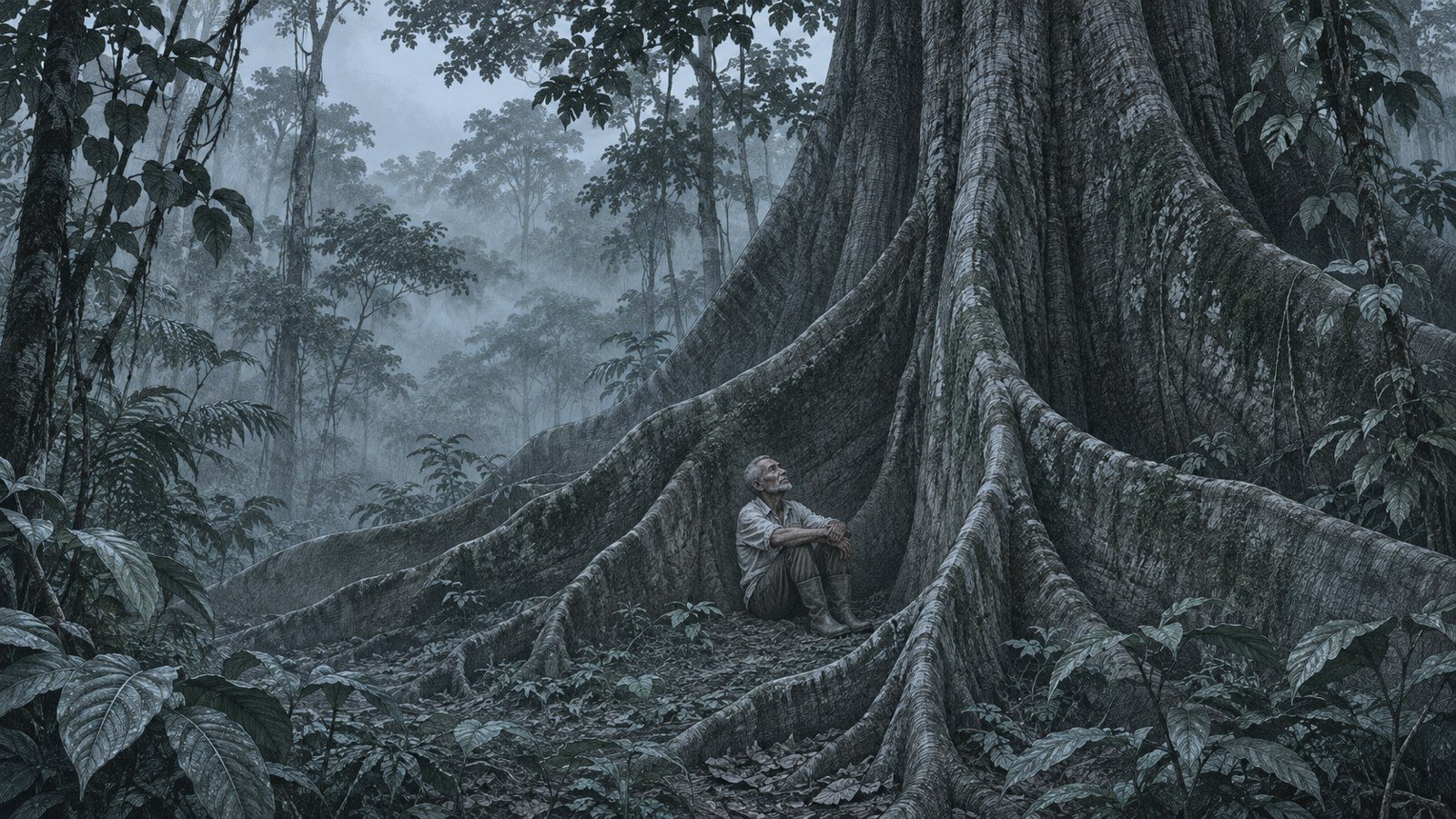
On the record: the state air unit flew a helicopter and drones with thermal cameras. The volunteers found him on foot, by tracking.
Possible explanations: (a) the canopy. Researchers at Johannes Kepler University Linz built a new drone system precisely because ordinary drones cannot easily see under a leafy canopy (Science Robotics, 2021). (b) Silence. Koester’s study notes that lost people with dementia generally will not cry out for help or answer when searchers shout. (c) Movement. A man walking in loops can leave a searched patch and wander back into it after the searchers have gone.
Our inference: all three, and none of them is anyone’s failure. It is the reason the trackers’ method worked when the aircraft did not. What would settle it: the search logs, showing which sectors were flown and walked on which days.
4. Was he lost, or was he camping?
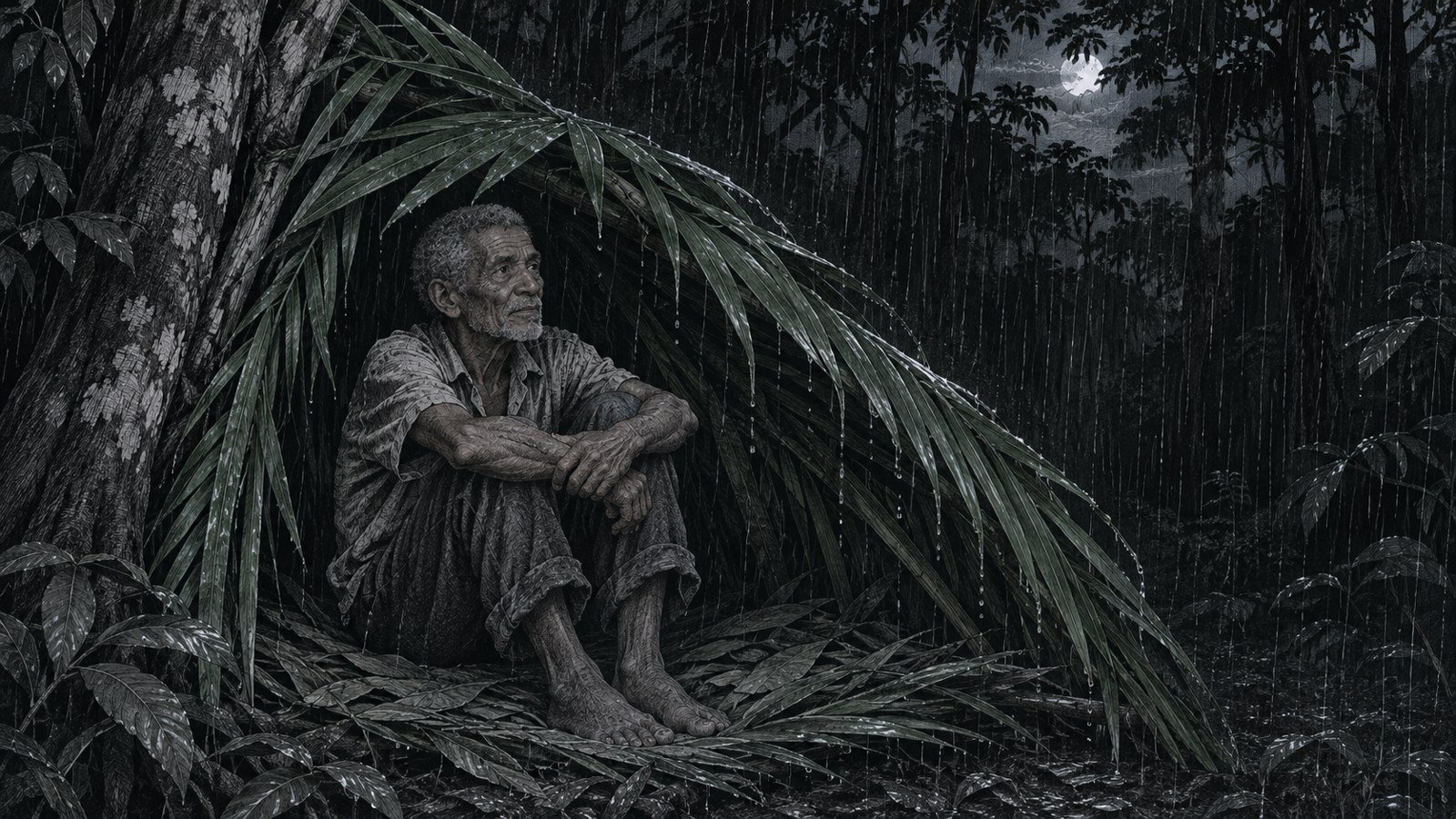
On the record: his footprints went in circles. The rangers found two beds of açaí leaves, one about four days old and one cut that morning. He ate buriti and drank from puddles. He was found in swampy ground.
Possible explanations: (a) ordinary disorientation. Max Planck Institute researchers showed in 2009 (Current Biology) that healthy people walking without the sun or a landmark drift into circles, some under 20 metres across. Under a rainforest canopy the sun is hidden most of the day. (b) The illness, which takes away the ability to hold a direction. (c) A base. The buriti palm grows in flooded, waterlogged ground. Where buriti stands, there is usually water. A man who knew that could keep returning to one grove for both food and drink.
That last idea turns the circles around.
Our inference: (a) and (b) explain why he could not leave; (c) may explain why he stayed alive. What would settle it: a map of the tracks the rangers followed. If the loops centre on buriti and water, he was not only lost. He was living there.
5. What did he mean by “I saw many things in the forest”?
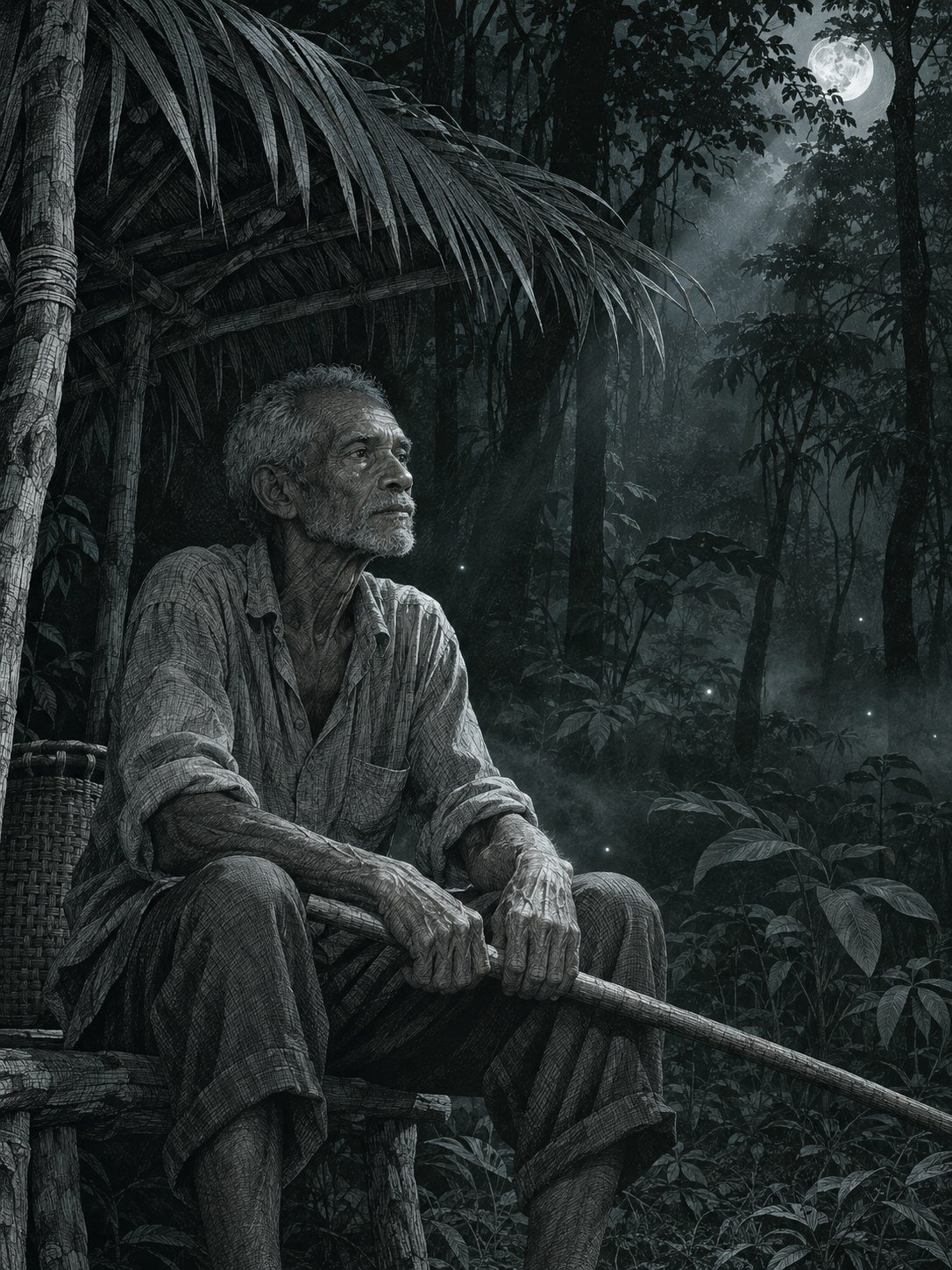
On the record: it is the only thing he has said about the eleven days. In hospital he was treated for a urinary infection and dehydration.
Possible explanations: (a) literal sights. The area is home to caimans and venomous snakes, and water buffalo graze nearby. (b) Delirium. The Alzheimer’s Society says urinary infections can cause sudden, severe confusion in people with dementia, and that delirium, which dehydration can also trigger, can include seeing things that are not there. (c) Memory. Old forest years and new ones may have run together.
Our inference: we cannot choose, and we will not pretend to. What would settle it: only him, if and when his family decides to ask.
What the profile adds up to
Put the five answers together and a picture forms. He did not beat the jungle. He went where an old forest worker would go, stayed where an old forest worker could stay alive, and could not do the one thing his illness had taken: find the way back. The trackers found him because they read the same ground he was living on.
Limits: the dementia figures come from one small American study (29 searches) and may not fit the Amazon. Everything marked as inference above is ours, not the rescuers’ or the doctors’.
The story you may have heard, and what the file says
| The popular version | What the record shows |
|---|---|
debunked “He was lost deep in the Amazon jungle.” | He was found about 10 km from where he disappeared, in forest near Macapá, a state capital. (Metrópoles; AFP) |
debunked “He survived on nothing for 11 days.” | He ate buriti fruit and drank water from puddles and streams, and slept on beds of açaí leaves. (Metrópoles; AFP; People) |
debunked “He walked out of the forest on his own.” | Rangers found him sitting, weak, and carried him out on an improvised stretcher. (Metrópoles) |
partly true “He was missing for exactly 11 days.” | The family poster gives 10 November as the day he vanished; he was found on 20 November. Reports count this as 11 days. (AFP; Metrópoles) |
unverified “He remembers nothing.” | Unknown. He has said only that he “saw many things in the forest”; the family has not asked for details. (Metrópoles) |
Why the record is stranger than the legend. The legend is a man who beat the jungle. The record is a man who never got far from the edge of it, and still could not find his way out, because his illness kept turning him back to where he had already been. What saved him was not distance. It was what his hands and feet still knew.
Where the argument is
This case is only a week old, and the public discussion is thinner than the headlines suggest. The one case-specific thread we could verify is on r/brasil, posted on 23 November, with a score of about +150. The readable comments are admiration and sympathy, not argument: one calls surviving the forest with Alzheimer’s “a gigantic feat” (“Esse idoso é O CARA!”), another writes about what the disease takes away, the memory of “children, grandchildren, spouses, friends, brothers and sisters.” We found no public thread on X, no readable comment sections under the Brazilian reports, and no verified comments under the AP video.
So the real argument is not between readers. It is between the people who were in the forest, and it runs through their own words.
Away from Reddit, the largest audience for the story was the Associated Press video report on YouTube. When we checked on 29 November it showed eight comments. The most-liked, with ten likes, gave the credit to the searchers: “Great outcome. Congratulations to all those who searched.” One commenter asked, “No one was taking care of him?” It had no likes and no replies. Another reached for a joke. That is the whole public argument we could find: relief, credit to the people who walked, and one unanswered question about the family.
Faith. The volunteers prayed at the spot where they found him, and the president of the ranger corps told Reuters that only God had kept him alive. In Brazil that is the most common first reaction, and nobody we could find took issue with it.
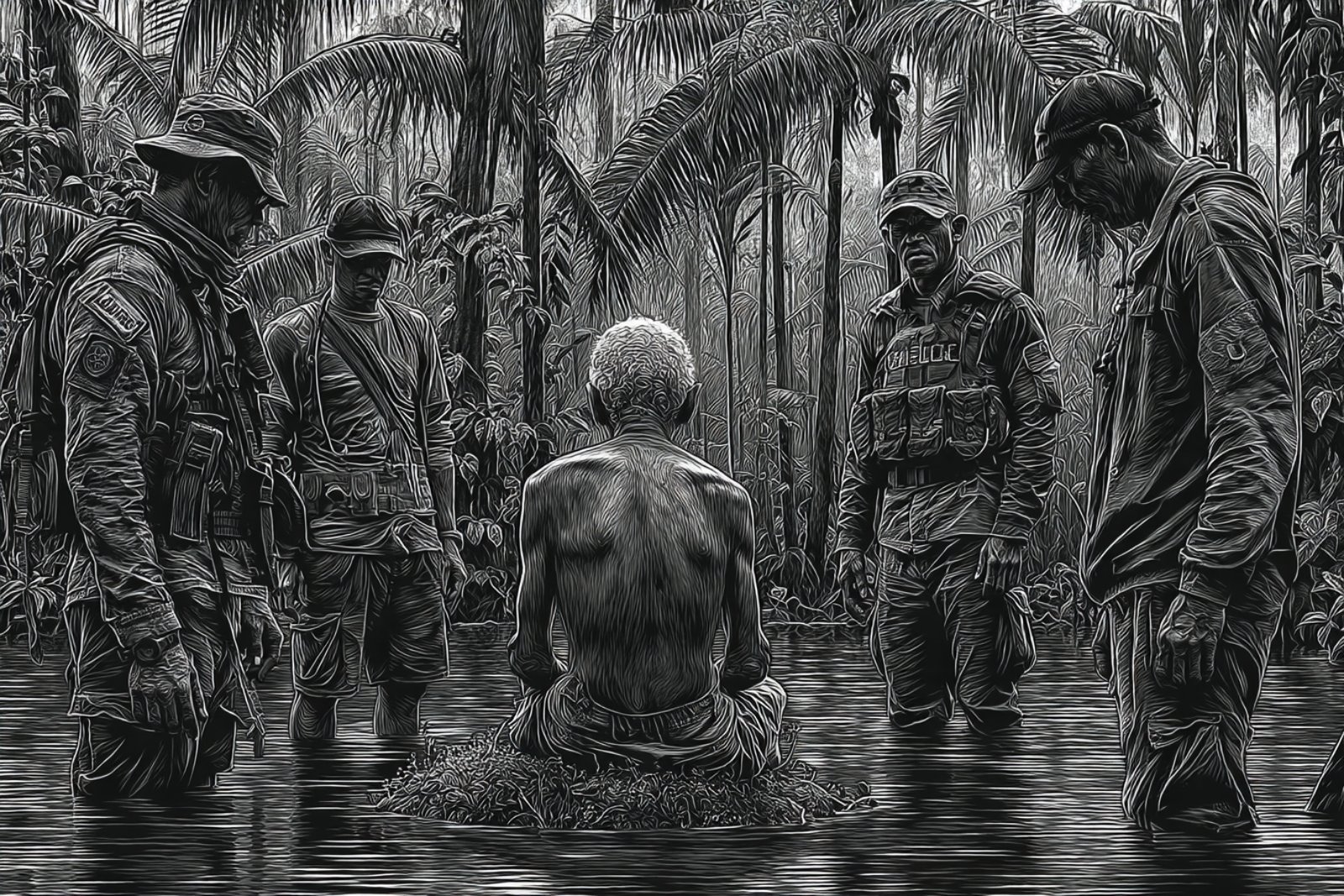
Persistence. Ranger Aniel Cardoso credited “walking, walking and walking.” The tracks, the four-day-old bed and the one cut that morning are what turned a body search into a rescue.
Experience. Cardoso also said he had worked in the rainforest when younger and “knew how to get around.” The family said the same, in hope rather than certainty. No commenter we found pushed this into the “jungle expert beats the Amazon” story that the headlines invite; the trackers’ own account shows skill and disorientation side by side.
The Sunday deadline. On 19 November the family had been told the fire brigade intended to stop on Sunday the 22nd. Sara asked for the search to continue and for tracking dogs. He was found on the Friday by volunteers, after the firefighters had nearly finished. We found no one defending the cutoff in public; the only visible position was “keep looking.” The question that remains is a practical one: in a state that had lost another missing man near Macapá two months earlier, who decides when a search ends, and on what evidence?
Wandering. Families of dementia patients recognise this story at once. Two accounts of how he left exist (relatives at a neighbour’s house, or his daughter following him into the trees and losing him), and neither amounts to neglect. We found no one blaming the family, and we would not either.
Our view: the record supports persistence and experience most directly. The physical evidence (fruit remains, açaí-leaf beds, water from puddles) is what an experienced forest worker would do, and the tracking of his footprints is what led rangers to him. Faith is the family’s and the rangers’ own meaning, and the record cannot test it. The strongest open question is the Sunday deadline: he was alive on day eleven, and the official search had two days left.
Where the records disagree
- His past. Metrópoles: former gold prospector and hunter. Diário do Amapá: a farmer in Oiapoque. NC News reconciles the two: years as a prospector, then farming in Oiapoque. AP, quoting a ranger: “worked in the rainforest” when younger.
- How he walked off. AP: while relatives were visiting a neighbour. Diário do Amapá: he was with his daughter and two dogs, and she followed but lost him.
- Ten days or eleven. Local papers count ten days of searching; national and international reports count eleven days missing (10 to 20 November).
- Distance. About 10 km from where he vanished (Metrópoles, AFP); “about 10 km from Macapá” (AP) — not necessarily the same measurement. Folha de S.Paulo, quoting the rescuers, measures it as about 10 km from the road where the search team went in. No outlet has published coordinates that would let anyone check one figure against another.
- Granddaughter’s name. Sara Monte dos Santos (Metrópoles); Sara Montes (AFP, AP).
- Water. Puddles (Metrópoles); natural springs or sources (AFP, Reuters); puddles and streams (People).
- His age. Almost every report says 74. SelesNafes, in its search-phase report of 16 November, gives 75. The police appeal of 17 November says 74.
What we still don’t know, day by day
The timeline is the clearest thing in this file. The questions sit in the gaps between its dates.
- Tuesday 10 November, about 11 a.m. — Last seen walking into the forest at km 12 of the BR-210, Ilha Redonda. Open: which direction he took first, and why a man who knew this forest walked away from the road instead of towards it.
- 10–15 November. — Fire brigade, GTA aircraft with thermal cameras, drones, police and volunteer rangers search; no trace of him is reported for these days. Open: where he slept for the first five or six nights. The older of the two açaí-leaf beds the rangers found was about four days old, which points to roughly 16 November; nothing earlier has been found.
- Wednesday 19 November. — His granddaughter posts a new video appeal: “Don’t forget my grandfather.” Open: how many people were still in the forest by then, and on which days — no outlet has published the numbers.
- Friday 20 November, afternoon. — Volunteer rangers follow footprints that loop back on themselves, a fresh bed of açaí leaves, and a smell of urine, and find him sitting on the ground about 10 km from where he vanished, at about 4:45 p.m., according to Folha de S.Paulo. Open: how far he actually walked. Ten kilometres is the straight-line gap, not the distance his looping tracks add up to.
- Sunday 22 November. — The day the family had been told the fire brigade intended to stop; no formal suspension order has been published. Open: whether the volunteer groups would have kept going without it. They have not been asked on the record.
- Tuesday 24 November. — His daughter, Rayane Alfaia, tells Brazilian media he has been moved from Macapá’s emergency hospital to a state inpatient unit, is eating again and is “out of danger, thank God.” She expects him home “in a few days.” Open: whether he has gone home yet. No outlet has reported his discharge.
- After the hospital. — He tells his family he “saw many things in the forest.” Open: whether he was able to take any of his regular medication during those 11 days, whether his doctors will say how the disease affected his survival, and what, if anything, that sentence refers to.
Quick answers
Who is Janarino Ferreira dos Santos?
A 74-year-old former gold prospector and hunter from the Macapá area of Amapá, Brazil, who has Alzheimer’s disease. He went missing in forest near Macapá in November 2026 and was found alive 11 days later.
How did the man with Alzheimer’s survive 11 days in the Amazon?
According to his family and the rangers, he ate buriti palm fruit, drank water from puddles and streams, and slept on beds made of açaí leaves.
Who found him?
Park rangers from a volunteer ranger group and other rescuers, who tracked his footprints and found him on 20 November 2026.
Where was he found?
About 10 kilometres from where he disappeared, in forest near Macapá.
What is a little-known fact about the Amazon Alzheimer’s survival case?
His footprints showed he had been walking in circles, returning again and again to places he had already been, so he was found close to where he vanished.
Editor’s note
What I keep returning to is not the eleven days but the circles. A man who has spent his life in this forest knows which fruit to eat and which leaves to sleep on, and his body still does those things. What it can no longer do is hold a direction. He kept arriving back at places he had already been, and I find that harder to picture than the jungle itself.
The rangers’ side of it stays with me too. For days, every new footprint was good news and bad news at once: he is alive, and he is still lost. Walking a trail that keeps looping back on itself takes a kind of patience that does not make headlines, which is probably why one of them simply called it “walking, walking and walking.”
And then there is the sentence the family has not followed up on yet: he saw many things in the forest. I do not know whether that is a memory, a dream, or the illness talking. I am not sure the family wants to know either. For now, they have him back, and that seems like enough.
— Strange World Files
Evidence locker
Real records only. The drawings above are illustrations.
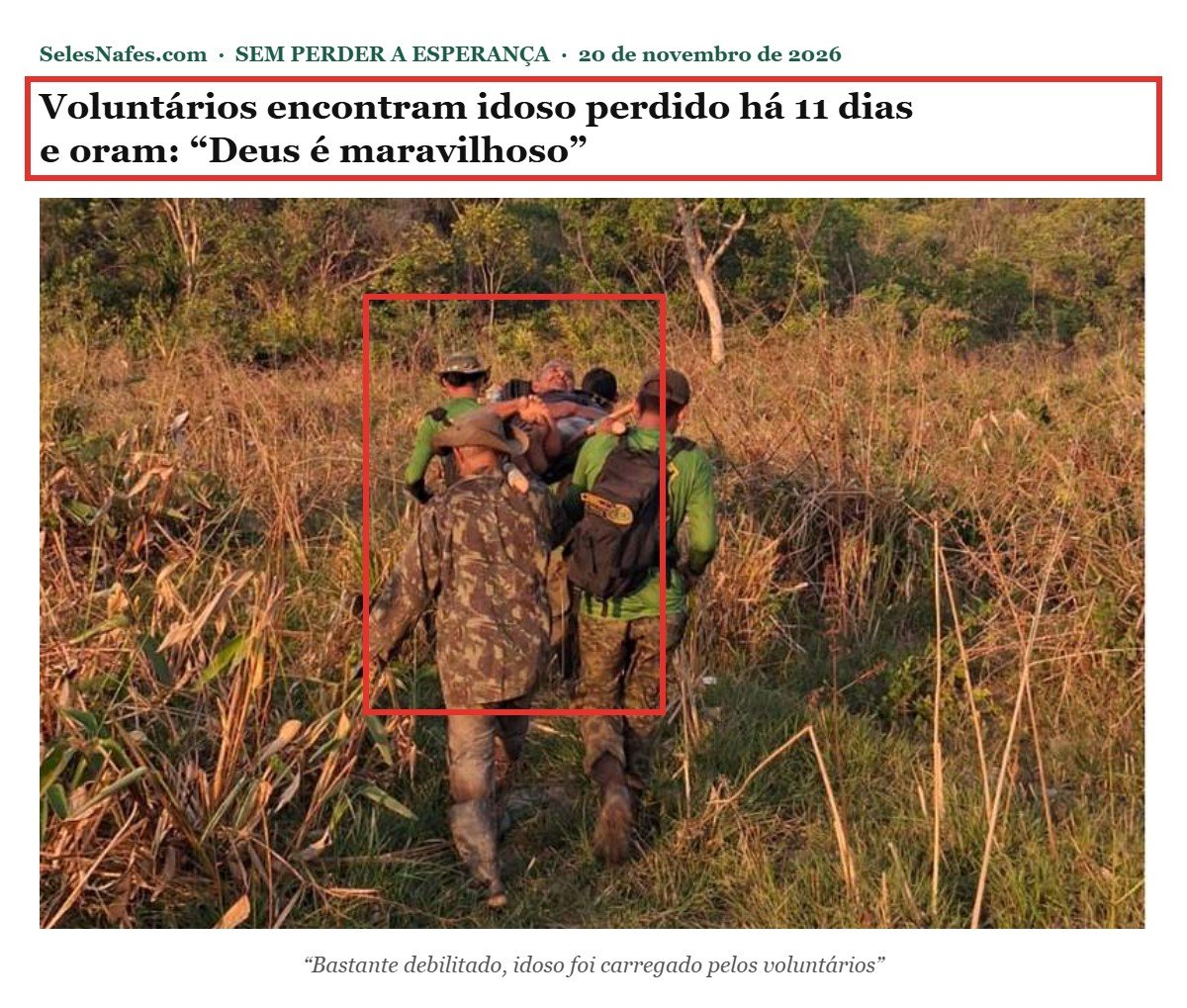 EXHIBIT A · TAP TO ENLARGE
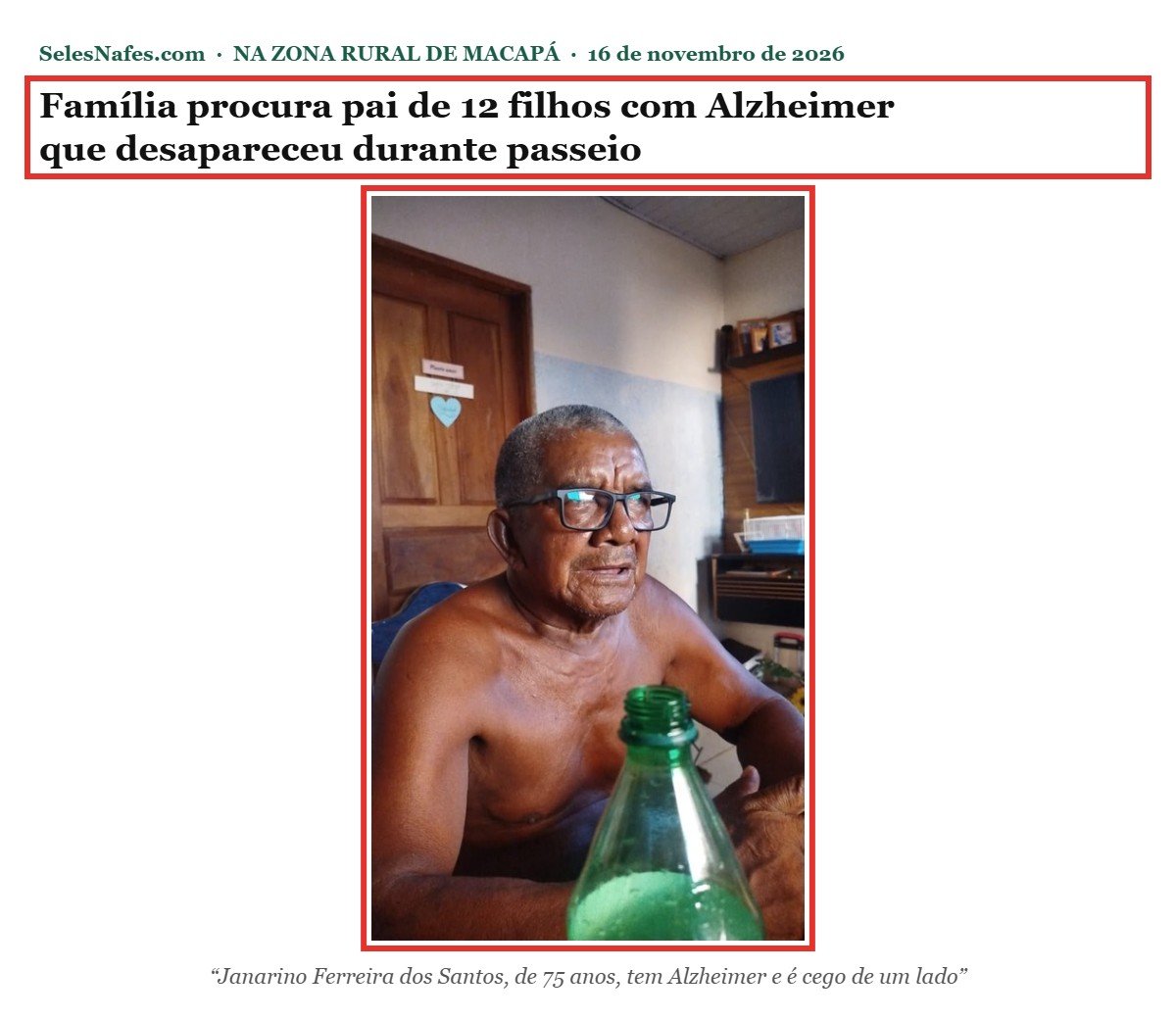 EXHIBIT B · TAP TO ENLARGE
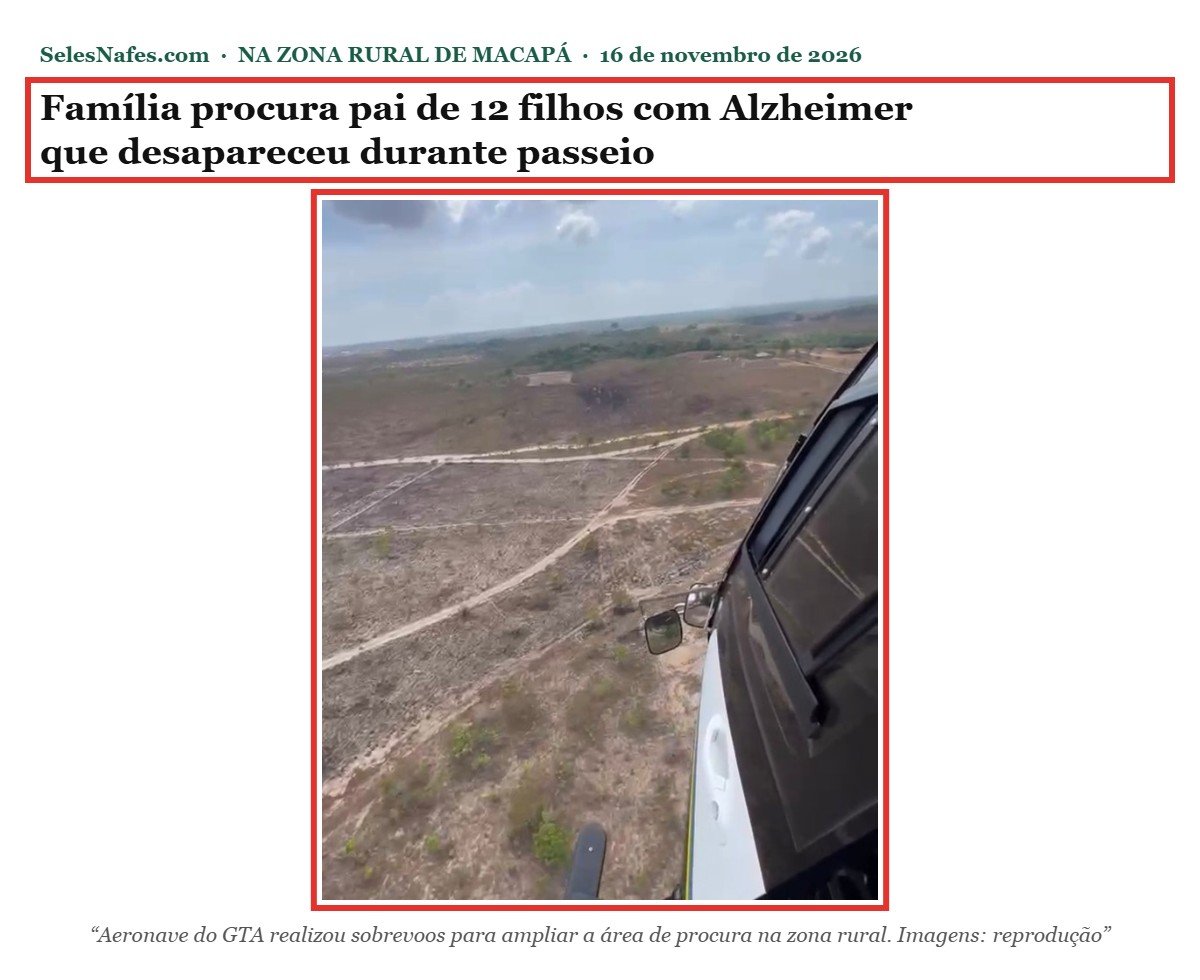 EXHIBIT C · TAP TO ENLARGE
 EXHIBIT D · TAP TO ENLARGE
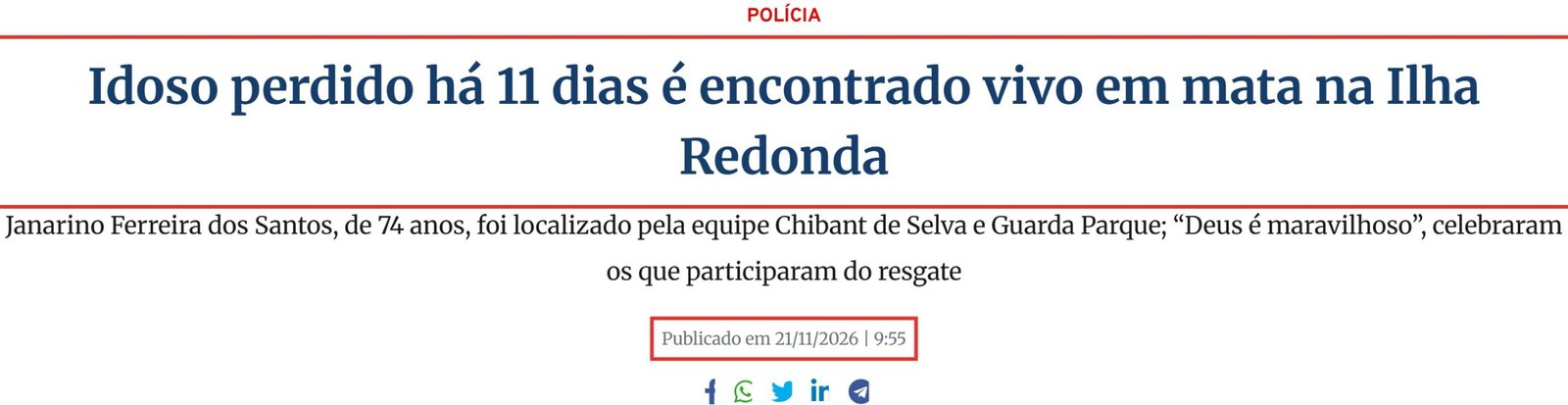 EXHIBIT E · TAP TO ENLARGE
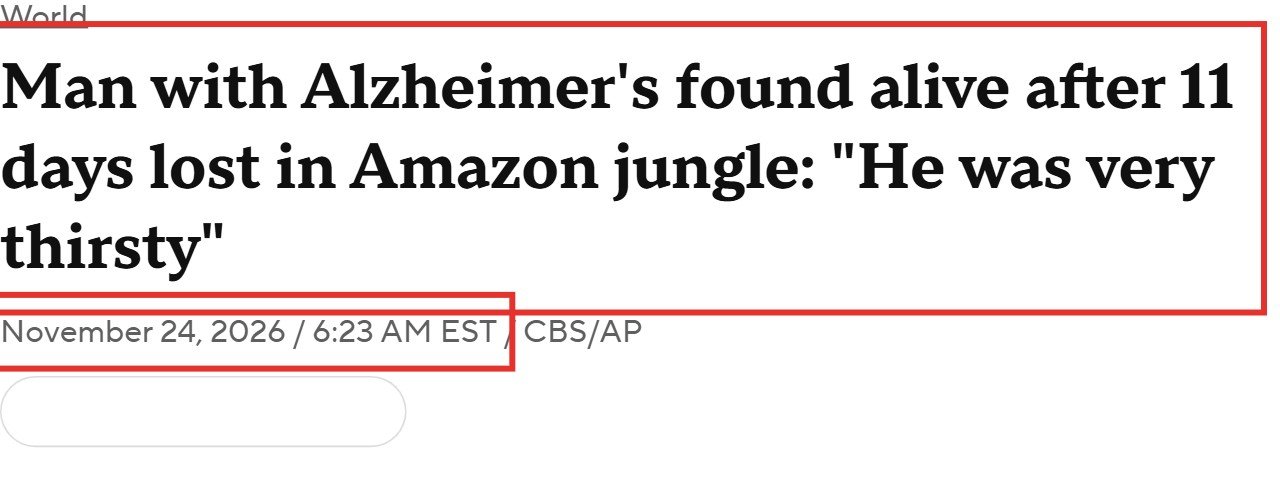 EXHIBIT F · TAP TO ENLARGE
- Family missing-person poster (gives 10 November as the day he vanished), reported by AFP via Diario de Pernambuco. Image rights unknown; link only.
- Rescue photograph credited to Amapá’s Grupo Tático Aéreo, carried by AFP; licence unknown, link only.
- Granddaughter’s Instagram plea on day nine: quoted by AFP; no screenshot, as she is a private person.
- Hospital details (urinary infection, dehydration, thorns in his feet): Metrópoles and People, citing Folha de S.Paulo.
- Rescue photographs by the volunteer rangers: handout to Reuters (Corporação de Guarda-Parques Tamanduaí do Amapá) and to AP (Aniel Cardoso / Xibante da Selva). Both agency-licensed, link only.
- Rescue video showing the stretcher being carried out: g1 / AP video, linked from the CBS report above.
- Police statement on the last sighting (Ramal da Mércia, km 12 BR-210, about 11 a.m. on 10 November): reported by AF News and Diário do Amapá.
Sources
- Robert J. Koester and David E. Stooksbury, “Lost Alzheimer’s Subjects: Profiles and Statistics” (29 Virginia searches, 1986–1991), dbS Productions: dbs-sar.com
- Max Planck Institute for Biological Cybernetics, “Walking in circles” (2009), on Souman et al., Current Biology, doi:10.1016/j.cub.2009.07.053: mpg.de
- AAAS, “Rescue drone sees through thick forest to track people” (2021), on Bimber et al., Science Robotics: aaas.org
- University of Southern California, Plants and People, “Mauritia flexuosa habitat: aguajal, Amazon wetlands”: scalar.usc.edu
- Alzheimer’s Society, “Delirium” and “Urinary tract infections and dementia”: alzheimers.org.uk
- Infobae, “Fruta, agua de charco y refugios improvisados: cómo sobrevivió 11 días perdido en la selva amazónica un hombre con Alzheimer” (25 November 2026), citing Folha de S.Paulo, g1, CBS and AP: infobae.com
- Acento, “Fuera de peligro anciano con alzhéimer que sobrevivió 11 días perdido en la Amazonía” (24 November 2026), quoting his daughter Rayane Alfaia: acento.com.do
- Gazeta Brasil, “Idoso com Alzheimer sobrevive 11 dias na mata e é resgatado no Amapá” (22 November 2026), on the bitten buriti and the GTA statement: gazetabrasil.com.br
- People, republished by Yahoo, “Missing 74-Year-Old Man with Alzheimer’s Found Alive After Being Lost in Jungle for 11 Days” (25 November 2026), citing AP, Reuters and Folha de S.Paulo: www.yahoo.com
- Metrópoles, “Ex-garimpeiro, homem com Alzheimer sobrevive 11 dias perdido na mata” (November 2026): www.metropoles.com
- AFP via Diario de Pernambuco, “Idoso com Alzheimer sobrevive a 11 dias perdido na Floresta Amazônica” (23 November 2026): www.diariodepernambuco.com.br
- CBS News, with AP and AFP, “Man with Alzheimer’s found alive after 11 days lost in Amazon jungle” (November 2026): www.cbsnews.com
- Reuters (Anna Portella, Sergio Queiroz), “Elderly Alzheimer’s patient found after 11 days lost in Amazon” (25 November 2026), via Yahoo News: news.yahoo.com
- Diário do Amapá, “Idoso perdido há 11 dias é encontrado vivo em mata na Ilha Redonda” (21 November 2026): www.diariodoamapa.com.br
- Seles Nafes, “Voluntários encontram idoso perdido há 11 dias e oram” (November 2026): selesnafes.com
- NC News, “Idoso com Alzheimer sobrevive 11 dias na floresta comendo frutos e dormindo sobre folhas” (22 November 2026): ncnews.com.br
- AF News, “Equipes encontram Janarino com vida após dez dias desaparecido em Macapá” (20 November 2026): www.portalafnews.com