The Hole in the Roof: The Unsolved Death of Rey Rivera (2006)
A hole the shape of a man, punched through a hotel roof

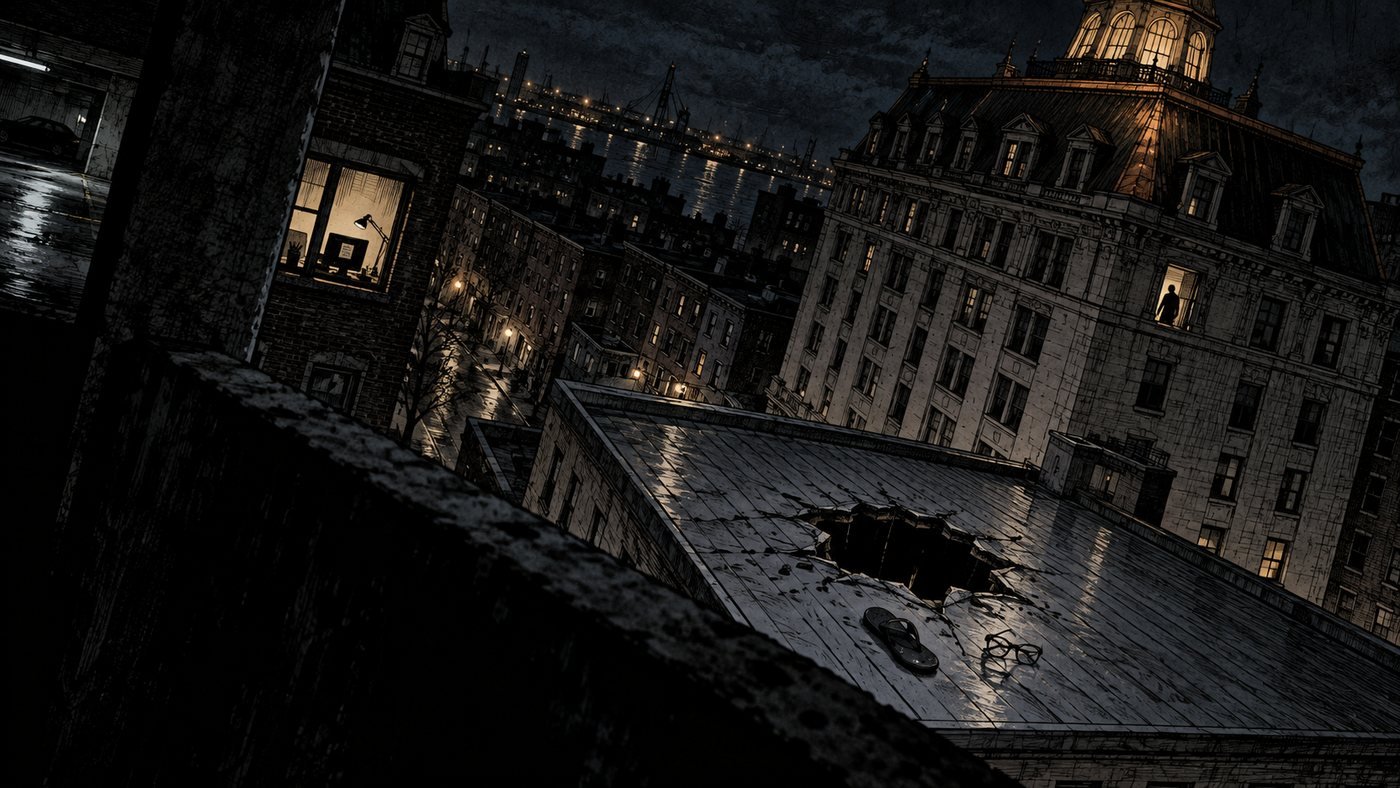
Baltimore, May 2006. A family stood on the top level of a parking garage in the Mount Vernon neighborhood and looked down at the building next door.
That building was the Belvedere, a grand old hotel built in the early 1900s. Most of it has since been turned into condos. Below its tall main tower are lower sections with flat roofs of their own.
The family was not sightseeing. They were searching for someone who had been missing for a week.
On one of those lower roofs, they saw something that should not have been there. A hole. Torn straight through the roof.
It was roughly the size and shape of a man.
No one in the building had noticed it. It had simply been sitting there, open to the sky, while the city went about its business.
Eight days in a room that nobody ever entered
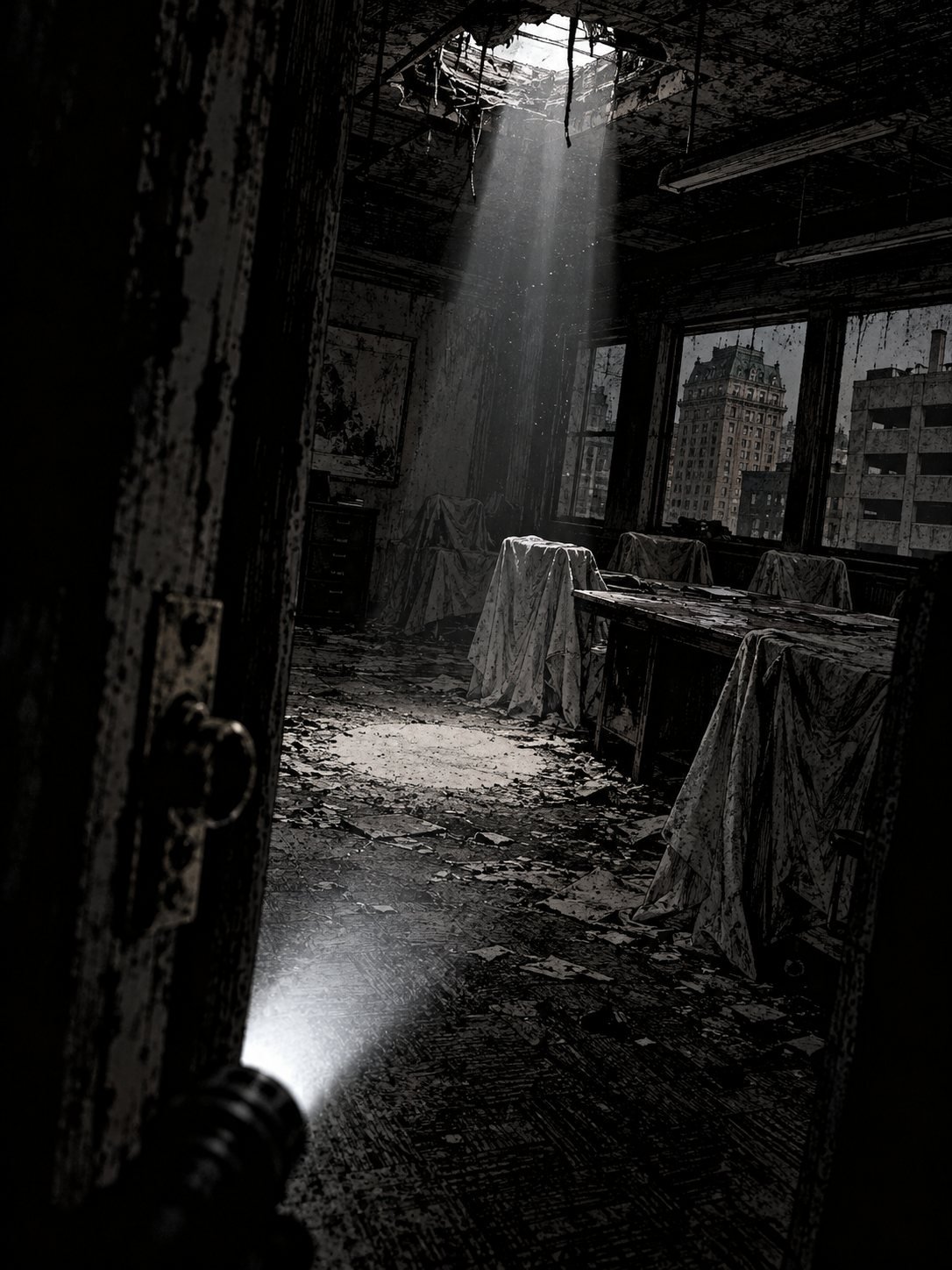
Directly under that hole was an old conference room. It belonged to a part of the building that was no longer in use. Nobody held meetings there anymore. Nobody walked through it.
That is why nobody found him. A room like that can go weeks without anyone opening the door. In a big old building, whole sections can sit closed off and forgotten while the rest stays busy.
When police finally went in, they found the body of a 32-year-old man. He had been missing for eight days. For most of that time, he had been lying in an empty room inside one of the best-known buildings in the city, while his family searched the streets outside.
How he got there was the first question. It would not be the last.
Because back at his home, his wife had already found something even stranger than the hole.
The note behind the monitor was not a goodbye

At the couple’s home, his wife looked behind his computer. Taped to the monitor was a note, folded inside a clear plastic sleeve. A blank check was taped up with it.
The note was typed in small print. It did not read like a goodbye. It was full of strange references: the names of famous Hollywood figures, movie titles, and phrases taken from the Freemasons.
When a person is found dead after a fall, a note like that can look like an answer. Investigators sent it to the FBI to be analyzed.
The FBI’s answer was clear. It was not a suicide note.
So what was it? And why had a man who left it behind ended up inside an abandoned hotel room, under a hole in the roof?
This is the story of Rey Rivera. (Wikipedia)
A water polo coach who came east for a friend
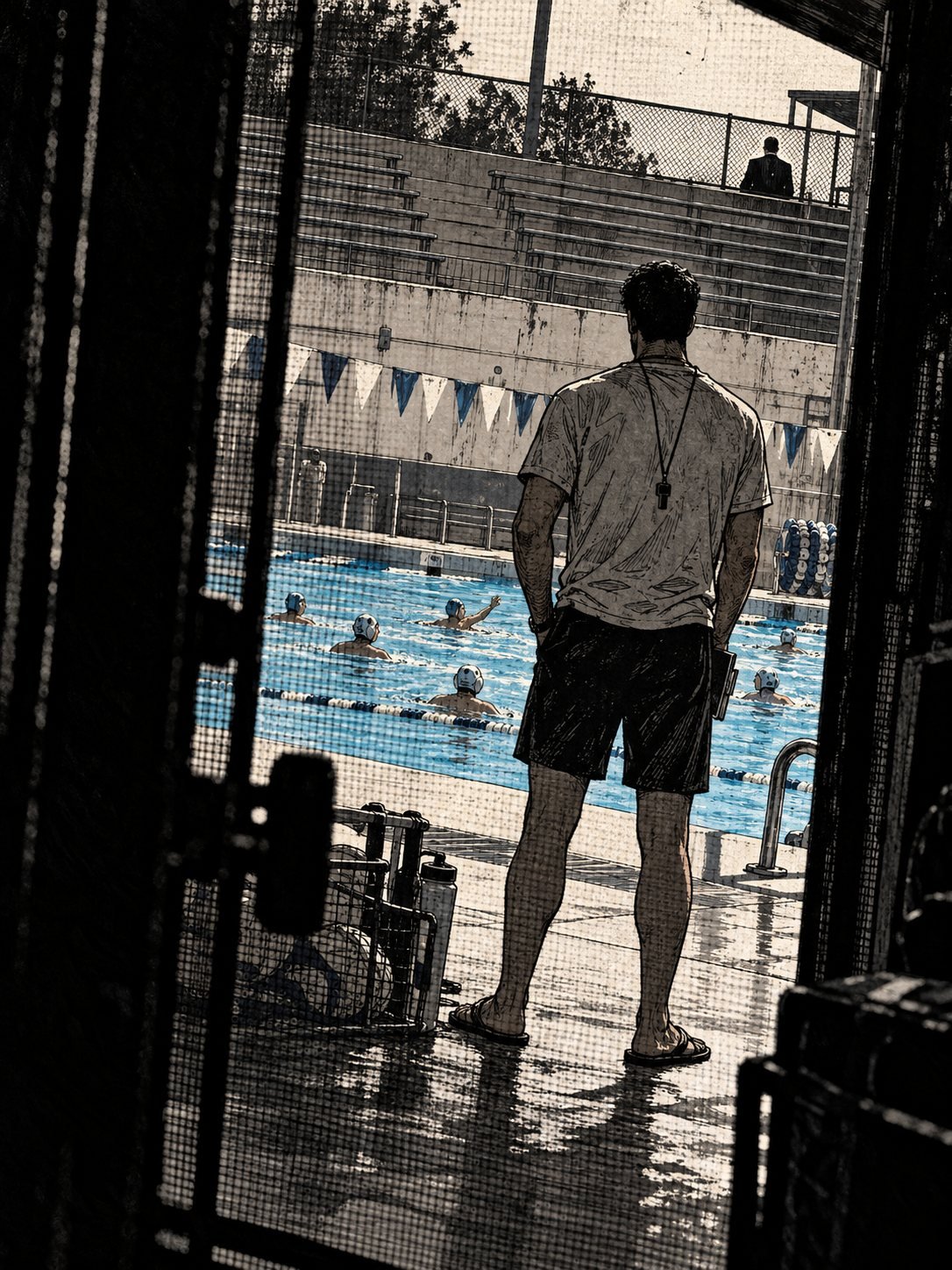
Rey Rivera was a former water polo player and coach. He graduated from the University of the Pacific in 1995 and played professionally in Spain. Back in California, he coached swimming and water polo at a high school in Burbank. Later, in Baltimore, he helped coach water polo at Johns Hopkins University.
He was tall. About 6 feet 5.
He and his wife, Allison, had moved from California to Baltimore to work for a longtime friend, the publisher Porter Stansberry. Rey wrote and produced videos for Stansberry’s investment newsletter, part of the publishing company Agora.
It was supposed to be a step on the way somewhere else. The couple planned to go back west so Rey could pursue screenwriting.
As Allison later put it: “We’re planning on moving and starting a new life.”
But in the spring of 2006, something in Rey began to change.
Twice in one week, the house alarm went off

In the week before he disappeared, the alarm at the Riveras’ home went off twice.
A home alarm going off once can be a fluke. A loose window, a pet, a glitch. Twice in a single week is harder to shrug off.
Allison noticed something else too. Rey seemed frightened.
That was not like him. He was a big, athletic man who had spent his life around pools and teams. She later described a growing sense of paranoia in him in those final days, including how anxious he became when the alarm sounded.
Allison also described him being shaken after an encounter with a man he did not know, at a park.
Nobody has ever explained what set the alarm off, or who that man was. Or what, exactly, Rey was afraid of.
Then, on a Tuesday afternoon in May, his phone rang. (Wikipedia)
One phone call, and he ran out the back door
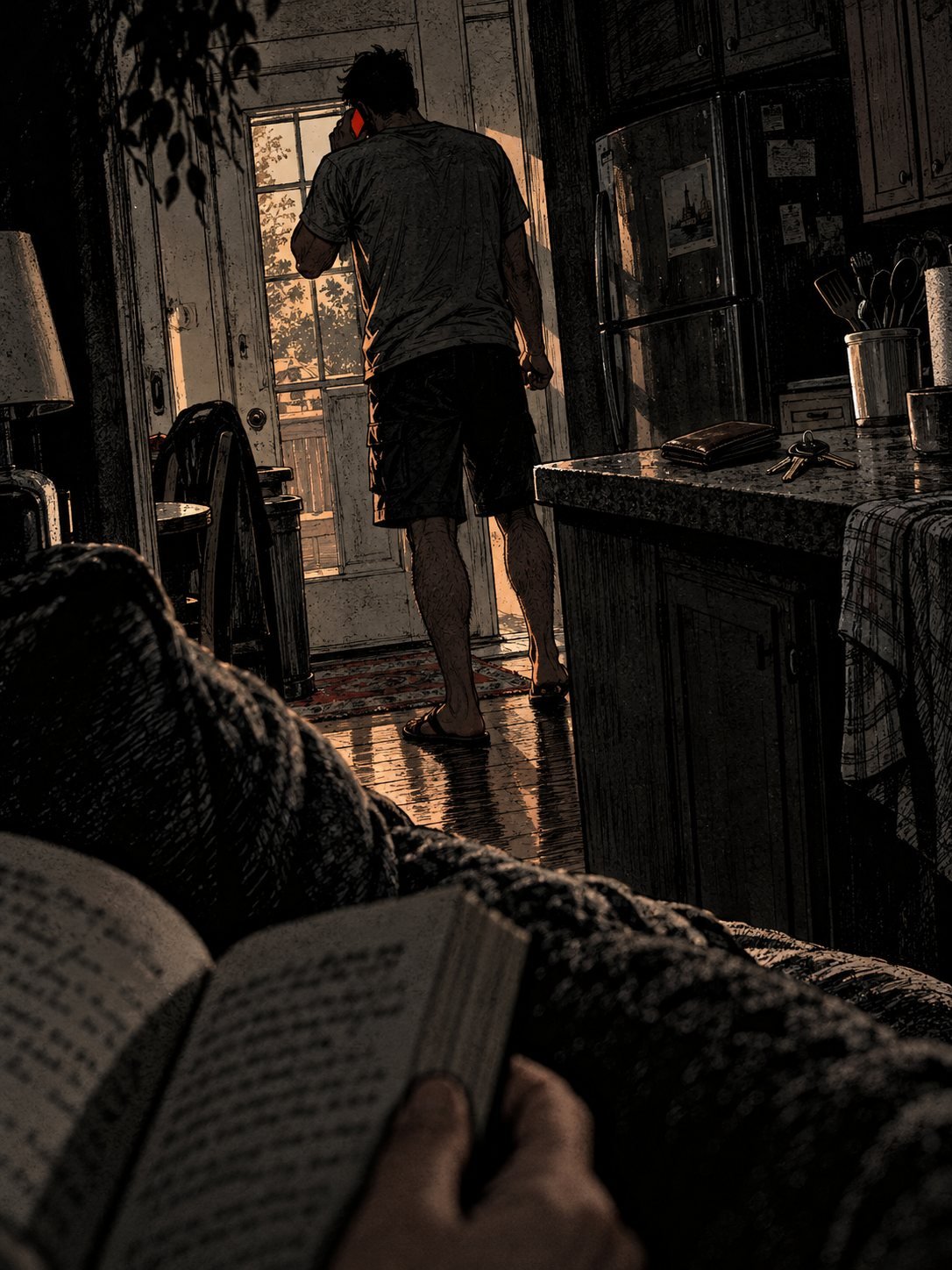
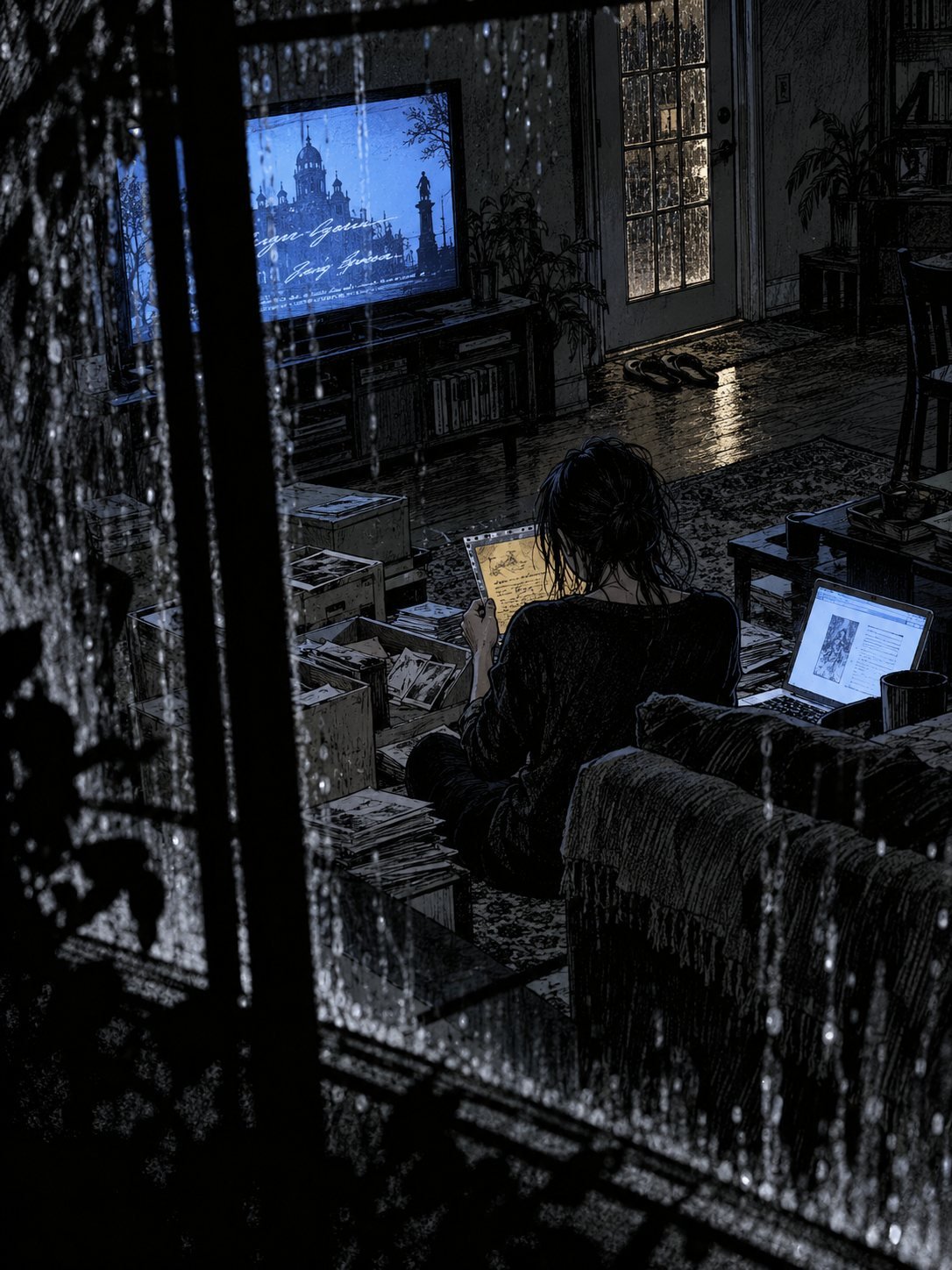
May 16, 2006. Allison was away on a business trip in Richmond, Virginia. At the house in Baltimore, a houseguest was staying with Rey: Claudia, one of Allison’s colleagues.
Around 4 in the afternoon, Rey took a phone call. Claudia was in the house with him.
Claudia heard him react with alarm. Then he hurried out the back door.
He did not shut anything down. He left the lights on. He left his computer running.
That detail matters. People who plan to disappear tend to tidy up. People who plan to be gone for a few minutes leave things exactly as they are. Everything about the house said he expected to come straight back.
He never did. (Wikipedia)
He drove off in his wife’s car and went silent
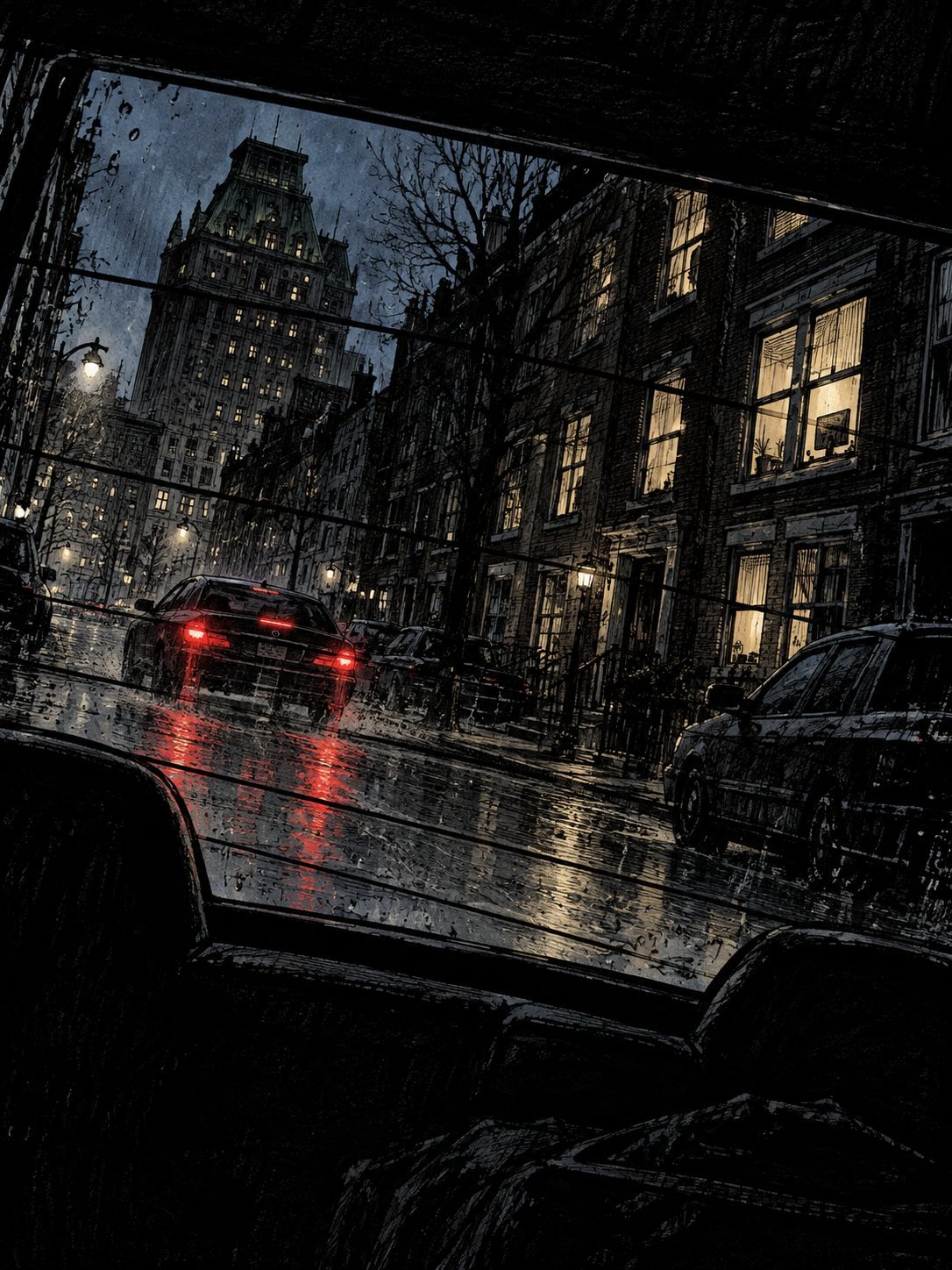
Rey drove away in Allison’s car.
That night, Allison called home from Richmond. Claudia told her she had not seen Rey since he left. Allison tried to reach him herself. She could not.
At first she assumed he had gone out for drinks and would turn up. By the next day, there was still nothing.
On the afternoon of May 17, she reported her husband missing.
A missing adult does not always get much attention in a big city. Grown men leave home for all kinds of reasons. So Rey’s family started searching on their own.
They checked the places he might go. They asked the people he knew. For almost a week, they found nothing at all.
The car was parked neatly beside a grand old hotel
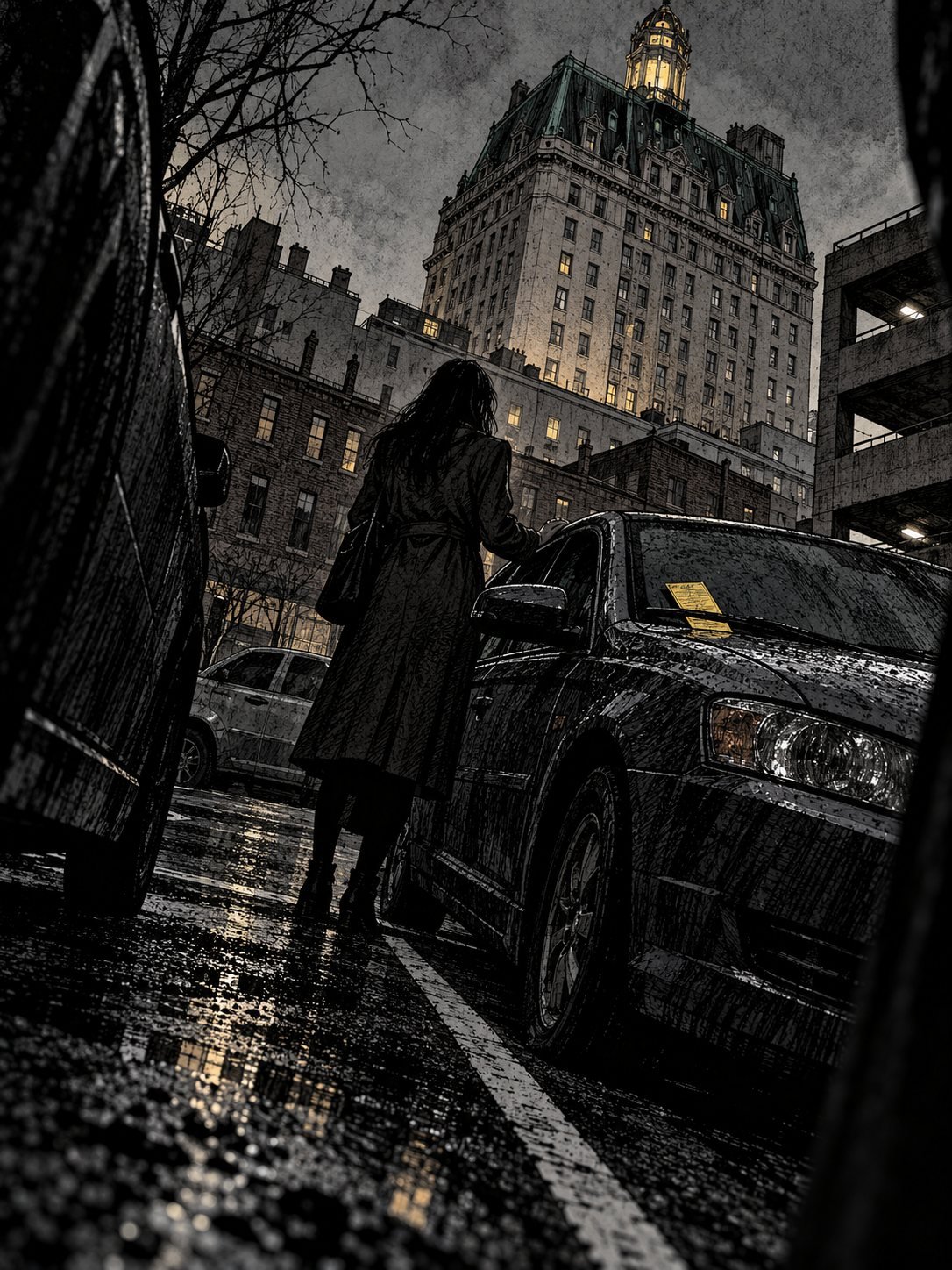
About a week after Rey vanished, family members found Allison’s car.
It was parked in a lot in Mount Vernon, an old and handsome part of Baltimore known for its historic buildings. The lot was near the Belvedere Hotel.
It was also near the office where Rey worked.
So the car had not been abandoned on a highway or by a river. It was sitting a short walk from his job, beside one of the most famous buildings in the neighborhood.
If Rey had driven there, where had he gone next? Into the office? Into the hotel? Somewhere else entirely?
The family looked up at the buildings around them. And somebody had the idea of climbing to the top of the parking garage next door, to get a better view. (All That’s Interesting)
From the top of the garage, they finally looked down
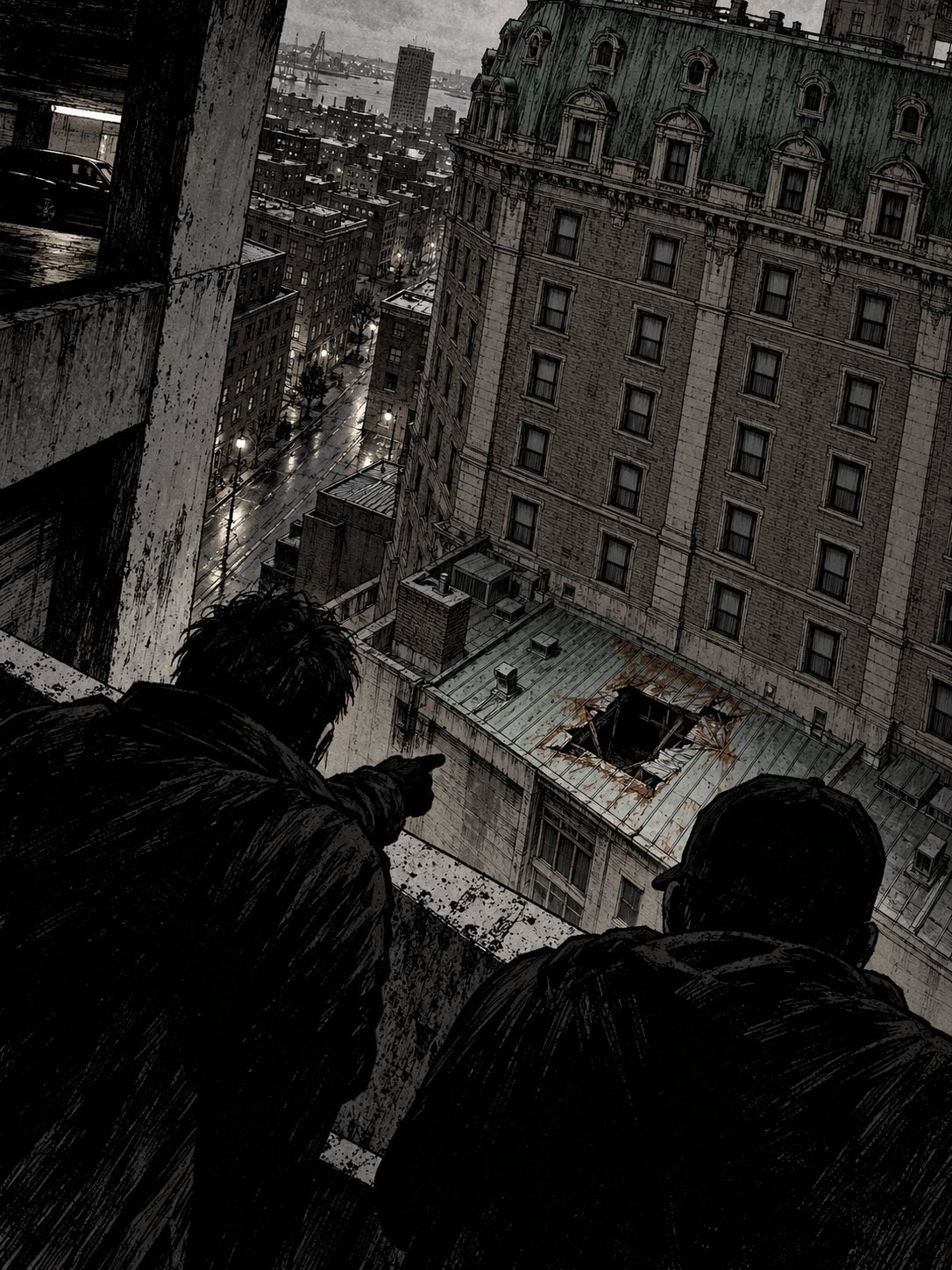
From the top of the parking garage, the family could see across to the Belvedere. They could see the hotel’s lower roofs spread out below them.
That was when they saw the hole.
It was the same hole that opens this story. A ragged gap in a flat roof, about the size of a person.
Think about what that view meant. Rey’s family had spent a week searching streets and making calls. All that time, the clue had been sitting in plain sight, on a roof you could only really see from above.
Nobody needed to say what they were afraid of. The question now was what was underneath that roof.
They called the police. After a week of not knowing, the search for Rey Rivera had come down to one roof, and one room.
Under the hole, a room nobody had checked in years

On May 24, 2006, police went into the room beneath the hole.
It was the old conference room in a disused part of the building. Rey’s body was there. He had been dead for days.
Here is the unsettling part. The Belvedere was not an empty ruin. It was a well-known, occupied building. And yet no one inside had noticed a hole torn through one of its roofs, or anything wrong in the room below it.
A man had come through the ceiling of a building full of people, and the building had kept going about its day.
Investigators now had a location. They did not yet have an explanation. How had he gotten into the building? How had he gotten onto the roof?
And the first things they found on the roof only made the puzzle harder. (Wikipedia)
His glasses survived a fall that tore through metal
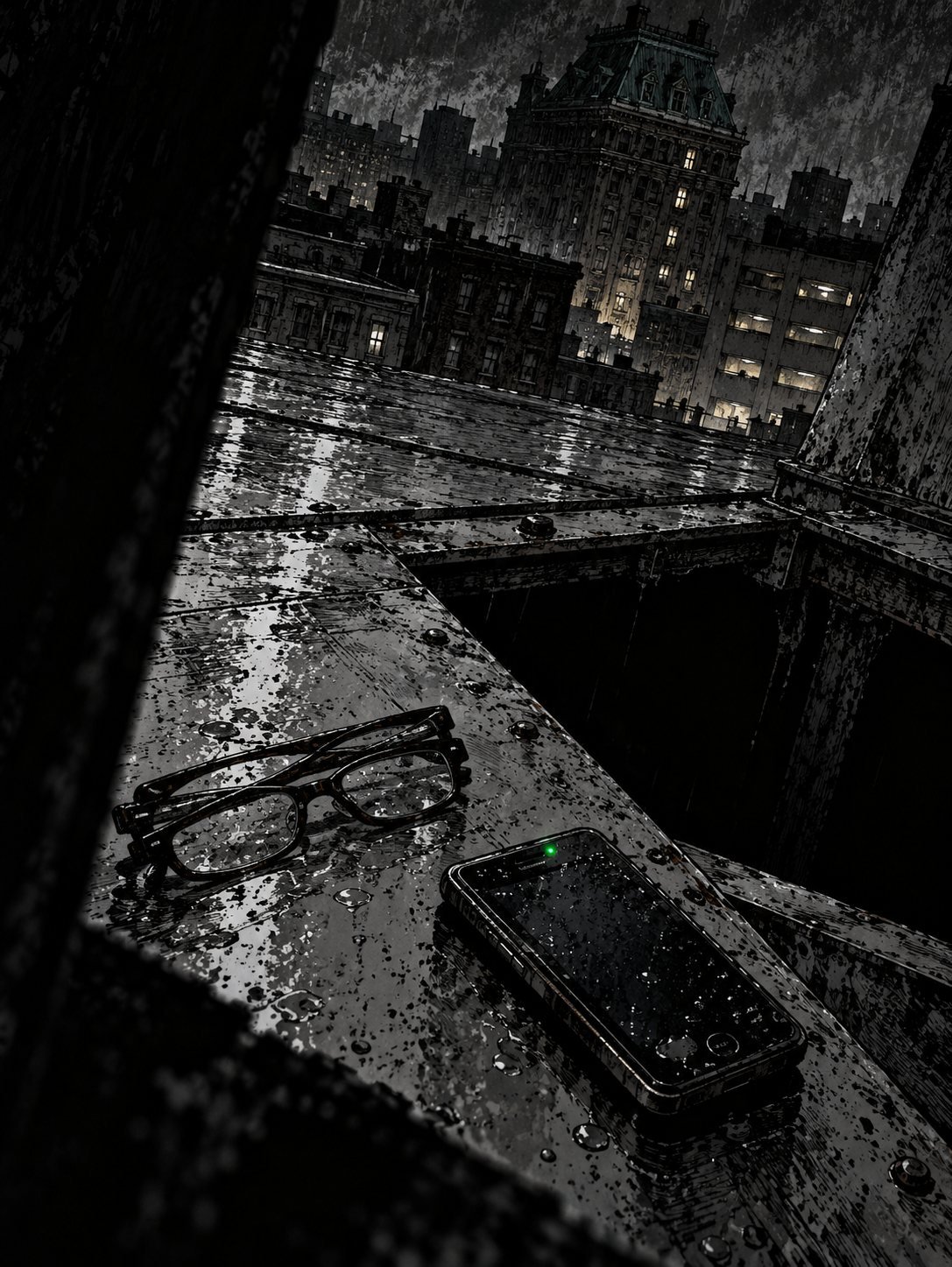
On top of the hotel, investigators found Rey’s eyeglasses and his phone.
Neither was broken.
Some reports also describe his sandals being found intact up there.
That is a hard thing to make sense of. Whatever happened to Rey was violent enough to tear a hole through a roof. His injuries, as the autopsy would later show, were severe. And yet a pair of glasses, one of the most fragile things a person carries, sat there undamaged.
Did they fall with him and land softly? Were they put there? Did he take them off himself before something happened? Each answer points to a very different story about his last minutes.
Nobody has ever been able to say. And it became one of the details people kept returning to, year after year. (Wikipedia)
Nobody saw him go up. Nobody could say where from
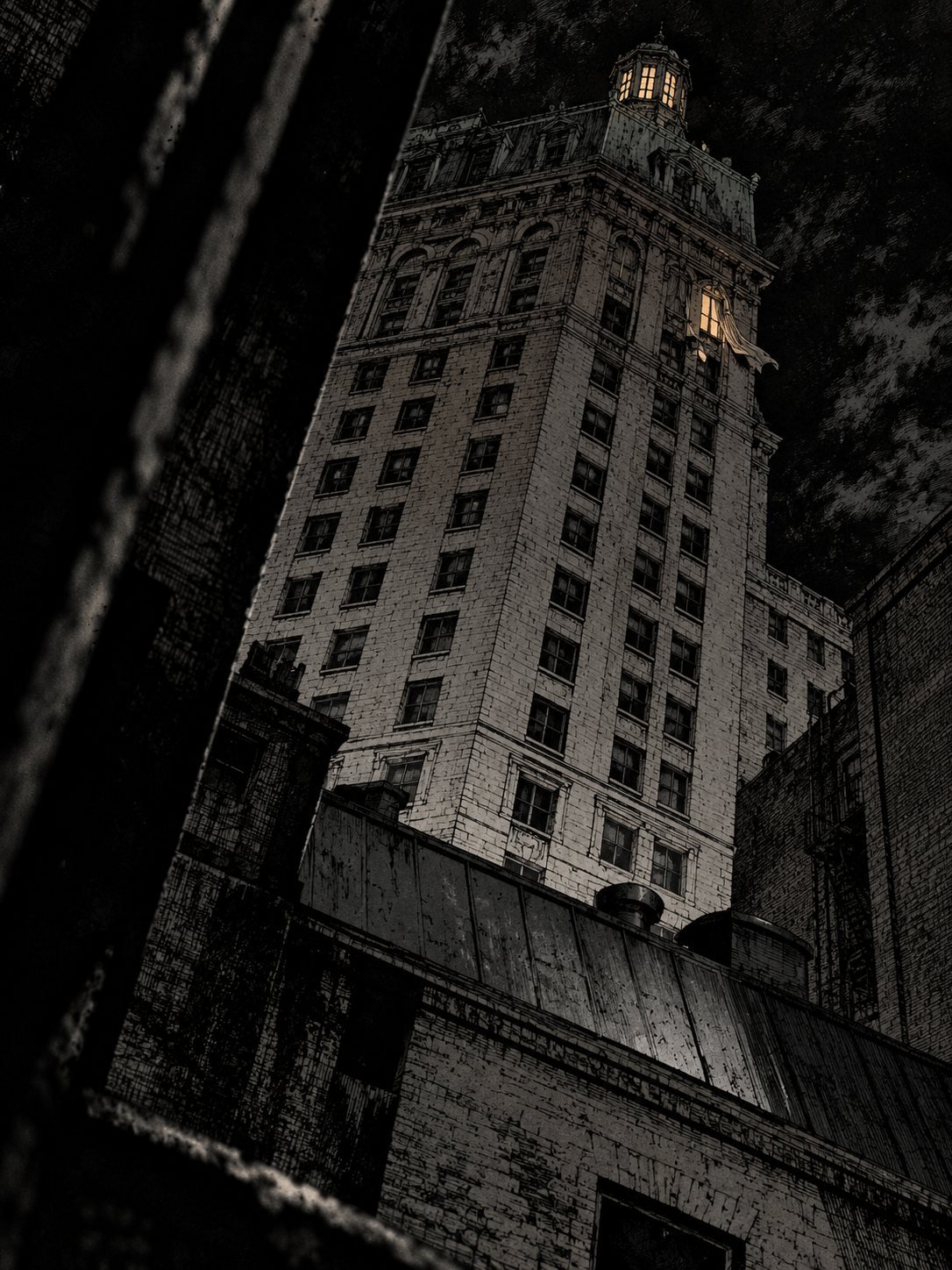
Police believed Rey had jumped from high up on the building.
But there were problems with that idea right from the start.
No one saw him go up. No witness placed him in the lobby, on the stairs, or in an elevator.
The security cameras were no help either. The building was considered highly secure, but because of a technical problem, investigators could not get the footage they needed to see his route to the upper floors.
And no one could say exactly where he had fallen from. The later Netflix episode raised the possibility of a ledge on the 11th floor. But no one reported seeing him there, and no evidence showed he had reached it through any room or office.
A fall needs a starting point. In this case, nobody could find one.
Not suicide. Not homicide. Officially, nobody knows
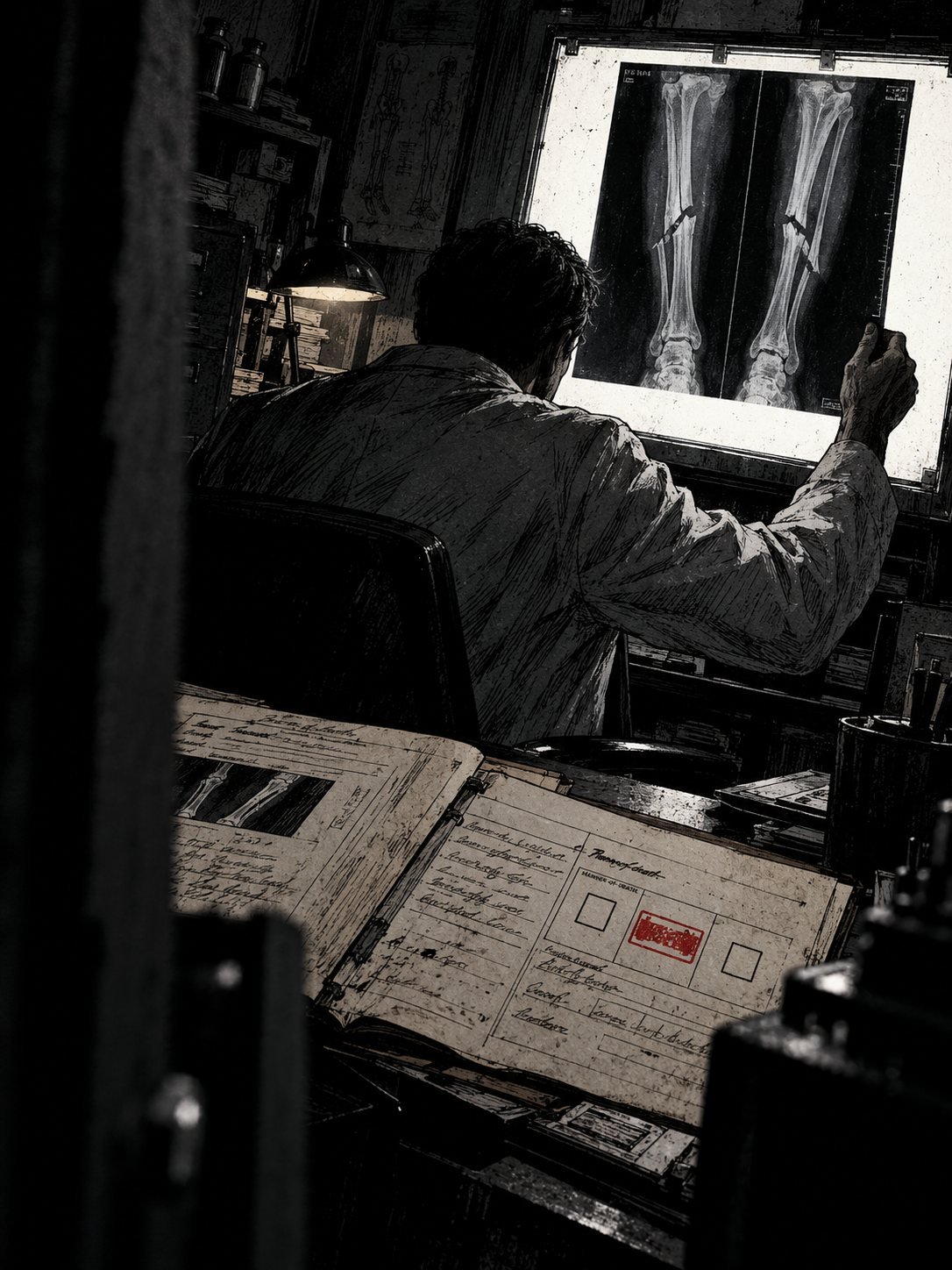
The autopsy listed Rey’s injuries: broken ribs, punctured lungs, and two broken shins, along with other serious wounds.
In the United States, a medical examiner records two different things. The cause of death is the injury or illness that killed someone. The manner of death is the category: natural, accident, suicide, homicide, or undetermined.
For Rey, the Baltimore City Medical Examiner chose undetermined.
That word is not a shrug. It is an official statement that the evidence did not support any of the other boxes. Not suicide. Not homicide. Not accident.
The Baltimore Police Department saw it differently. Police still called the death a probable suicide.
Two official bodies, looking at the same case, came to two different places. And one of the detectives on the case was about to go further. (Wikipedia)
The detective said it looked staged. Then he was moved

Michael Baier was a Baltimore Police detective who worked on the case. He was one of the few people in law enforcement who did not believe it was a suicide.
Now retired, he has described the scene bluntly: “it looked staged.”
Staged means arranged to look like something it is not. It is a strong word for a detective to use.
About three weeks after he started on the investigation, Baier was reassigned. He was off the case.
There is no public record showing why. Detectives are moved between cases for many ordinary reasons, and no one has shown that this move was anything more than that.
But for the family, the timing was hard to ignore. One of the few investigators who questioned the official view was no longer on the case, less than a month in. The probable-suicide view stayed in place. (Wikipedia)
A man who was afraid of heights, found under a roof

Rey was about 6 feet 5. Big, strong, and athletic.
People who knew him said he had one fear that stood out. Heights.
His brother, Angel, said it simply: “Not my brother.” He added that Rey “was terrified of heights.”
That is why the official theory never sat right with his family. For a jump from high on the building, a man who was frightened of heights would have had to climb to the top of a tall hotel, unseen, and step off.
The family also pointed out that Rey had no known history of mental illness. He had even booked office space for that weekend to finish a project.
His family never believed he killed himself. And the strangest piece of evidence was still sitting in a plastic sleeve, unexplained. (Wikipedia)
The note asked for dead stars to be made younger
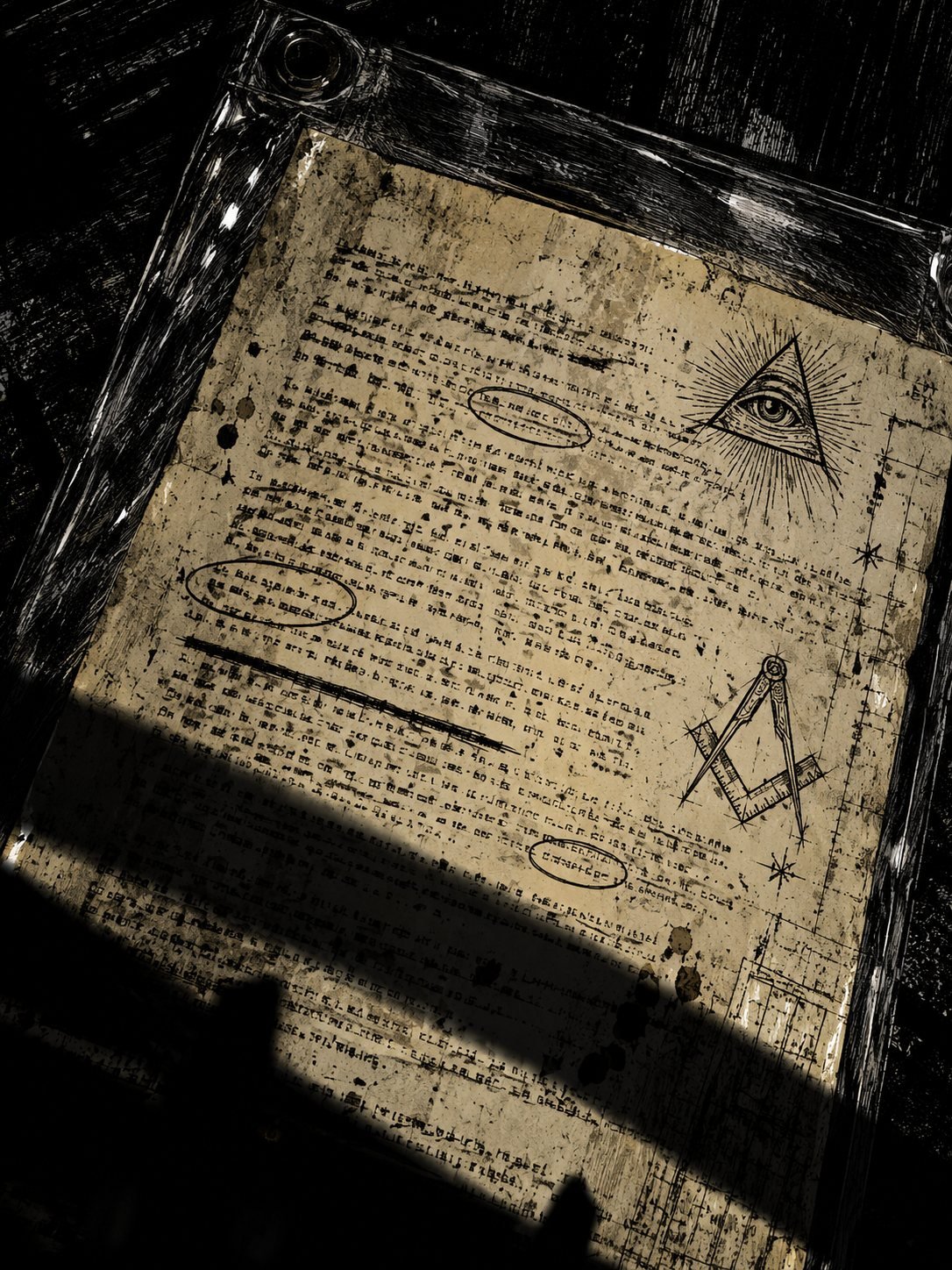
The note was addressed to “brothers and sisters.”
It was typed in small print and rambled across many subjects. It named famous people, including Christopher Reeve and Stanley Kubrick, who had both died. It also named people Rey actually knew. It asked that they, and he, be made five years younger.
It began and ended with phrases used by the Freemasons. The Freemasons are an old fraternal organization with lodges around the world, known for their private rituals and symbols, such as the square and compass.
The note also mentioned movie titles. One popular theory points to a 1997 film, The Game, which the note referenced. Allison said she saw no real connection.
The FBI did not read it as a suicide note. But nobody could say what it was.
And it turned out Rey had been thinking about the Freemasons for a while. (All That’s Interesting)
The day he vanished, he asked about joining a lodge
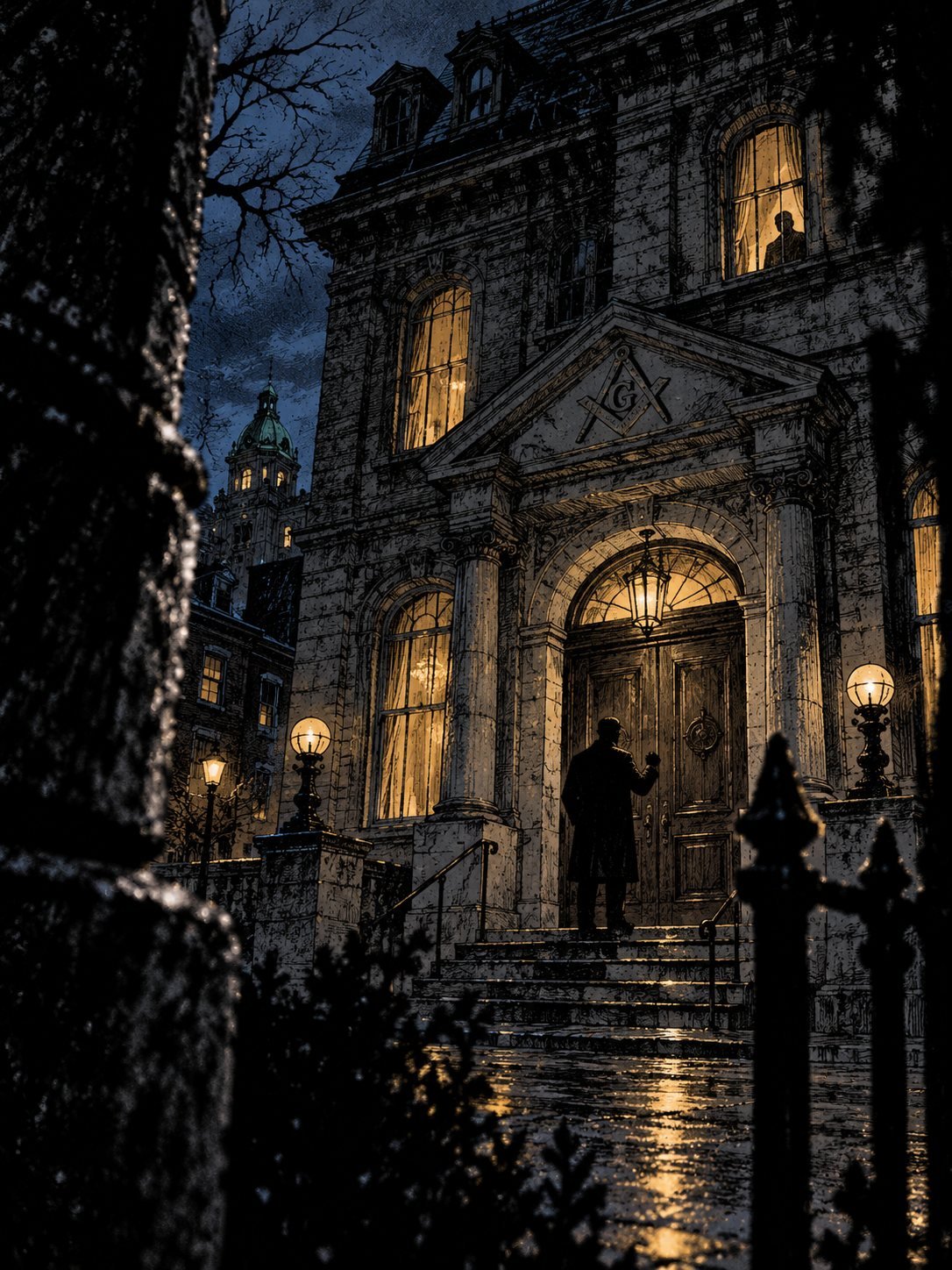
On the day he disappeared, Rey reportedly contacted a Masonic lodge in Maryland and asked about becoming a member.
A representative of the lodge later confirmed that he had asked. The representative did not recall anything unusual about it.
Rey had also been reading books about Freemasonry. One of them was a book called The Builders.
On its own, an interest in the Freemasons is not strange. Millions of people have been members. But put it next to a note that opens and closes with Masonic phrases, written by a man who seemed frightened in his final week, and it becomes one more piece that does not fit anywhere.
Nobody knows why he was drawn to it so suddenly.
And then there was the phone call that started it all. (Oxygen)
The last call came from inside his own workplace
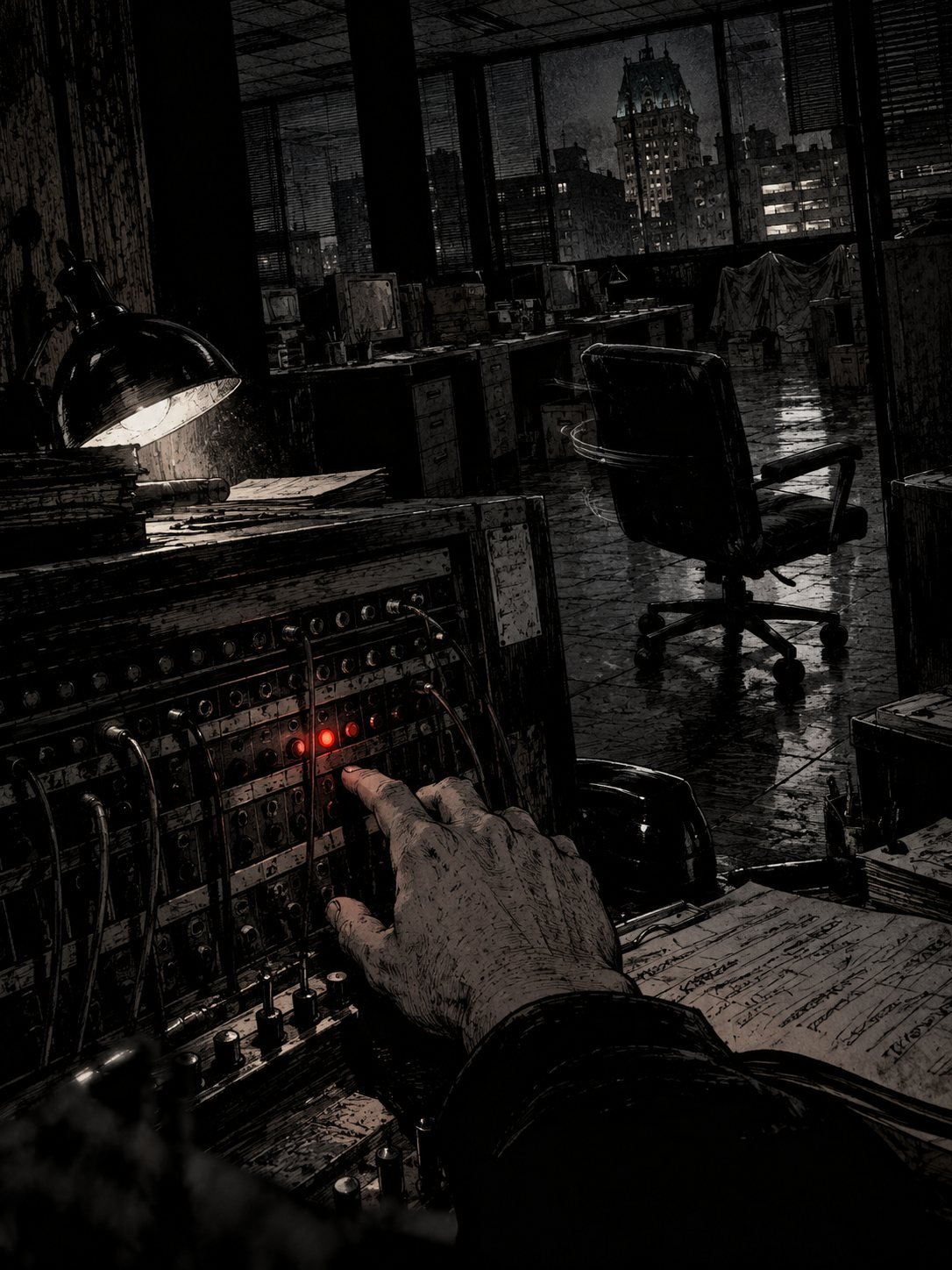
Phone records answered one question and opened another.
The last incoming call to Rey’s phone came from the main switchboard of Agora Publishing, the company where he worked.
A switchboard is the central phone system of an office. Calls from many different desks can go out through the same main number. So a record that says a call came from the switchboard does not say who was holding the phone.
Who made that call was never identified.
Porter Stansberry said that everyone at the company who had worked with Rey was away at a corporate retreat on Maryland’s Eastern Shore when the call was made. No one has ever been accused of anything in connection with the call.
So who was in the office that afternoon? Nobody has ever said. (Wikipedia)
A stranger kept calling police about his computers
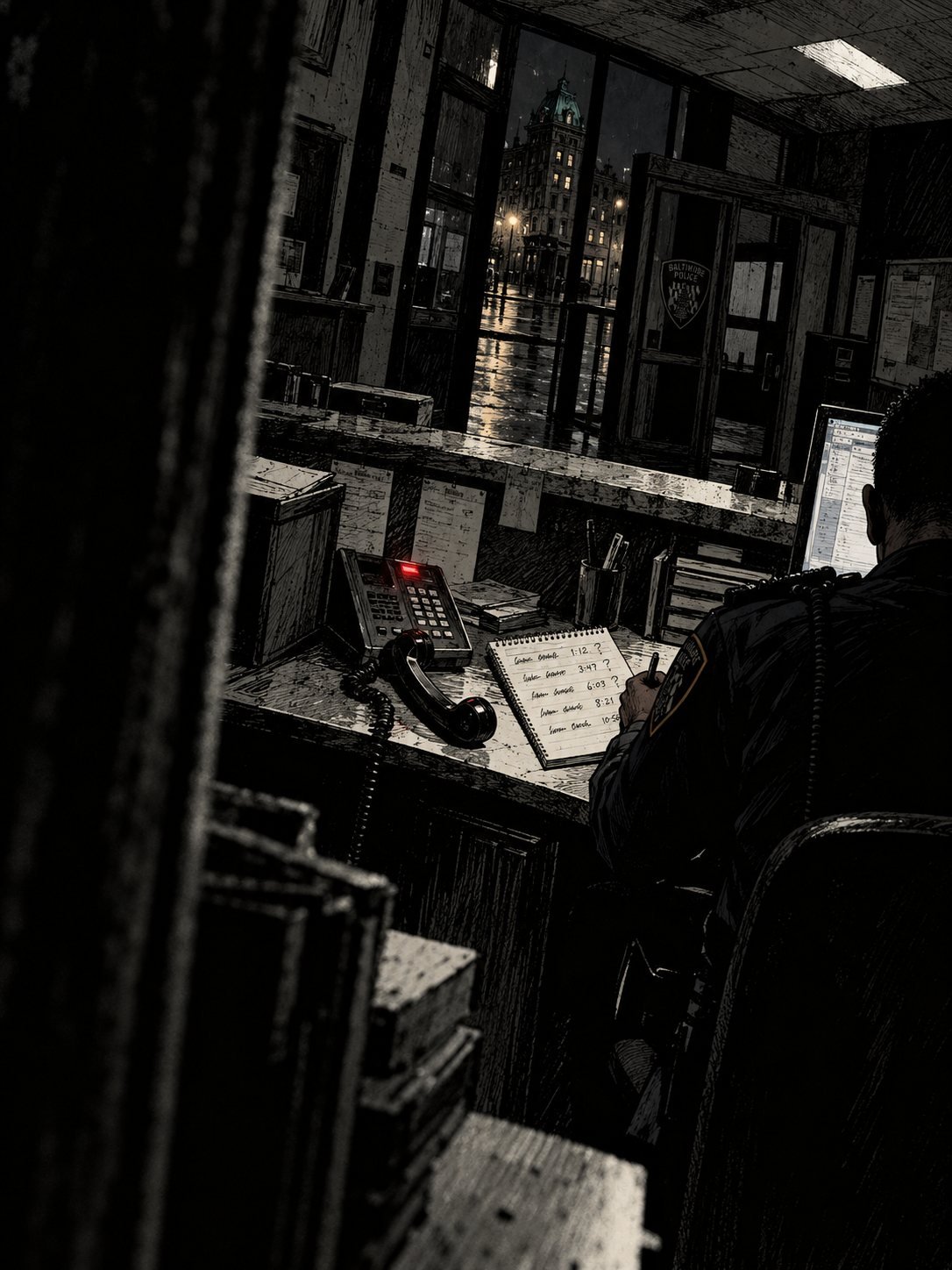
Years later, the producers of Unsolved Mysteries revealed another odd detail.
After Rey’s death, an unidentified person repeatedly called the police station. The caller wanted to know about Rey’s computers. What their status was. Whether they could be retrieved.
The caller was not his wife. It was not his family.
Allison found that deeply troubling. Her husband had left the house in a hurry with his computer still running. And now someone she did not know was trying to find out where that computer had gone.
The producers publicly asked the person behind the workplace call to come forward. To this day, the identity of the person asking about the computers has never been made public either.
Two unknown callers. One at the beginning of the story, one after the end. Neither has ever been named. (Wikipedia)
Millions watched the hole in the roof on Netflix
In 2020, the case became the very first episode of Netflix’s reboot of Unsolved Mysteries. The episode was called “Mystery on the Rooftop.”
The show’s producer, Terry Dunn Meurer, called it “one of the most intriguing and baffling mysteries that we have done.”
Rey’s brother, Angel, took part in the hope that someone who knew something would finally come forward.
A writer named Mikita Brottman, who lived in the Belvedere, had already followed the case for ten years. In 2018 she published a book about it, An Unexplained Death.
Millions of people saw the hole in the roof and the note behind the computer. Theories filled the internet. The tips came in.
The answer did not. The episode ended the way the case had ended years before: with questions, and an appeal for anyone who knew something to speak up. (CBS Baltimore)
Still undetermined. Still unexplained. Still waiting

The medical examiner never changed the ruling. Rey Rivera’s manner of death remains undetermined.
Police still regard it as a probable suicide. His family still does not accept that.
The note has never been explained. Nobody has said why the house alarm kept going off, or what frightened Rey in his last week. Nobody has said how his glasses survived, or exactly where he fell from.
And no one has ever said who called him that afternoon, from a switchboard at his own workplace, in a call that sent him running out of the house.
Allison and Rey’s family have kept looking for answers. Police and some online sleuths still accept the suicide explanation. Others never will.
The room under the roof sits in the same old hotel. The questions are still open.
Case notes: suicide, accident, or something else?
Police and the medical examiner never agreed on what happened to Rey Rivera. Here is the evidence each side points to.
The case for suicide. Police said the injuries fit a fall from high on the building. The note was strange and rambling, and some read it as a sign of a crisis. There was no clear sign of a struggle, and no suspect was ever named.
The case against it. Nobody saw him enter the building or go up. His glasses and phone survived a fall that tore through a metal roof. He was said to be afraid of heights. The FBI did not read the note as a suicide note. And a detective who said the scene looked staged was moved off the case within weeks.
The theories in between. Some believe he fell from a lower ledge or the parking garage next door, not from the top of the hotel. Others focus on the phone call that sent him running, and on the Freemason phrases in the note. None of these has been proven.
Three questions still unanswered: Who called him on the afternoon of May 16? Where exactly did he fall from? And what did the note mean?
Case file summary
- Case: Death of Rey Rivera, 32, Baltimore, Maryland
- Disappeared: May 16, 2006, after a phone call at home
- Found: May 24, 2006, in a disused room of the Belvedere Hotel, beneath a hole in a lower roof
- Medical examiner: Manner of death undetermined
- Police: Probable suicide
- Status: Unsolved. Featured on Netflix’s Unsolved Mysteries in 2020
No real person has a recognizable face in these illustrations, and no body is shown. Illustrations are artistic interpretations, not evidence. Details such as the exact fall height differ between reports and are left out. No one named here has been accused of any crime.