The Mad Trapper of Rat River: 48 Days, Minus 40, and a Man With No Name
| Case | The Mad Trapper of Rat River, Northwest Territories and Yukon, Canada |
| Manhunt | December 31, 1931 to February 17, 1932, about 48 days |
| Victims | Constable Edgar Millen killed; Constable Alfred King and Sergeant Earl Hersey wounded |
| Firsts | First time the RCMP used an aircraft in a manhunt |
| Status | Identity unknown. Exhumed in 2007; DNA work in 2021 traced his ancestry to southern Sweden. |
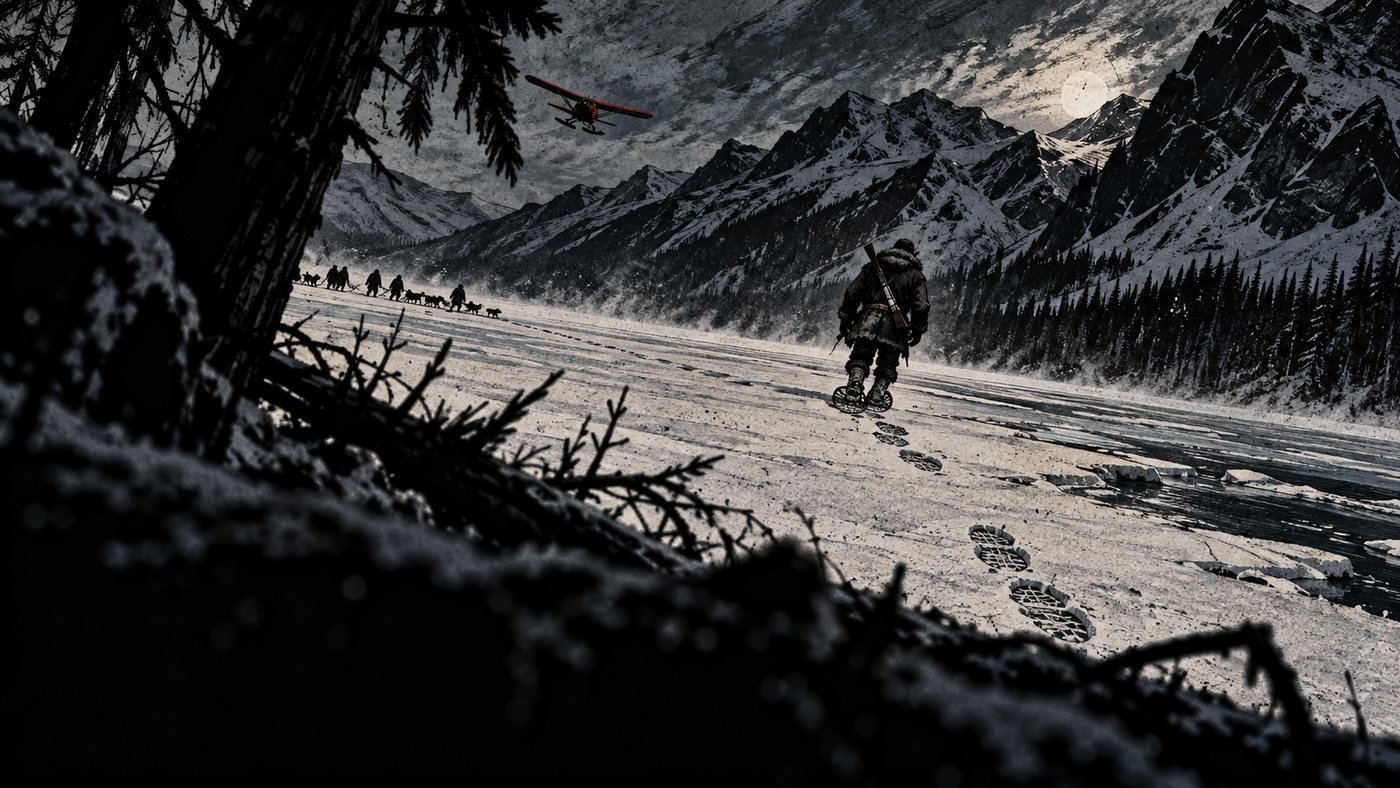
Day 48 on a frozen river, he finally turned around
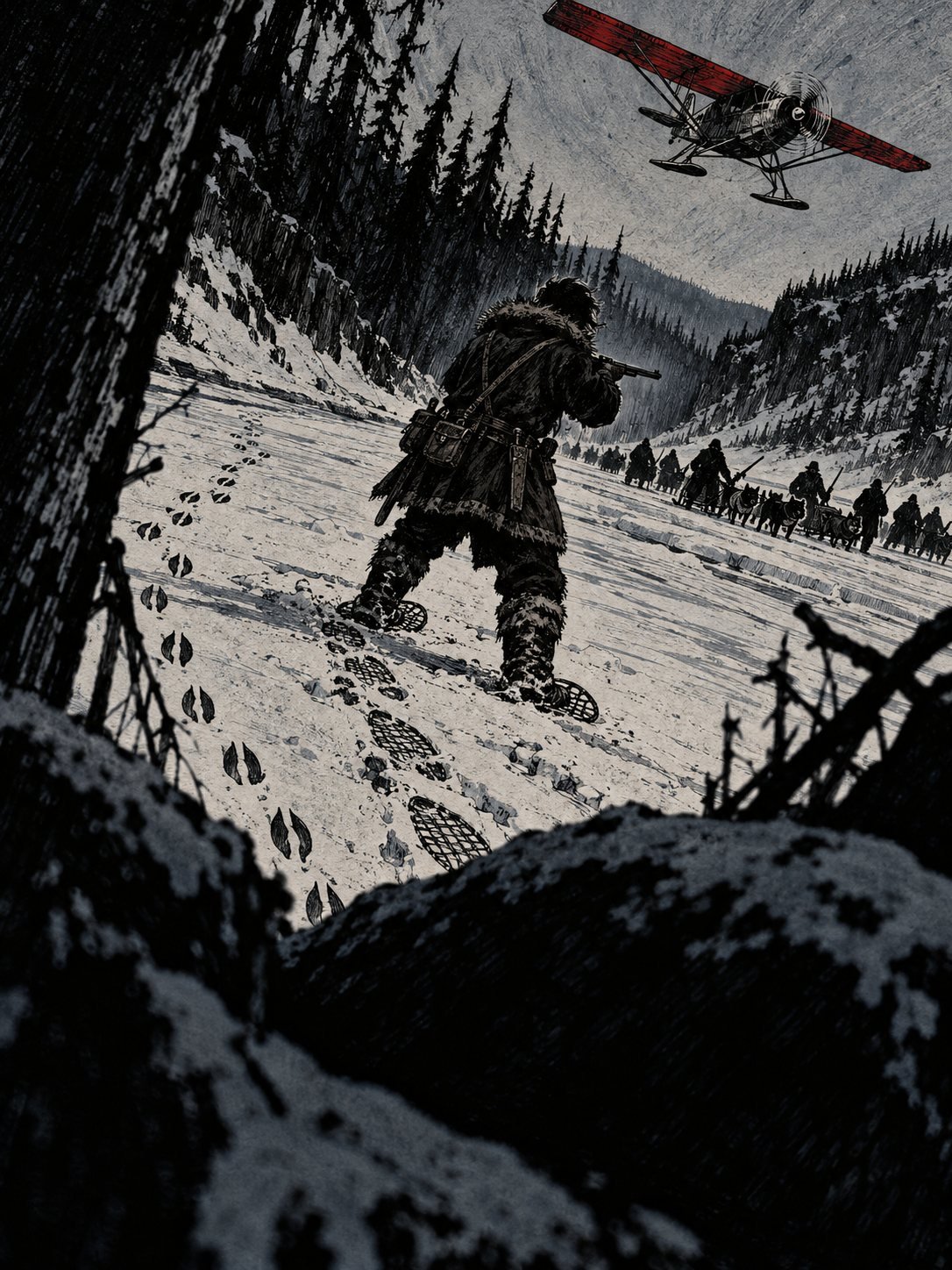
February 17, 1932. The Eagle River in the Yukon, in the far northwest of Canada. Frozen solid, walled in by snow and spruce.
On the ice stood a lone man with a rifle. Behind him, closing in, was a posse of police officers, trappers and dog teams. Overhead circled a small ski plane.
They had been chasing him for 48 days.
In that time, he had shot one police officer and killed another. He had escaped a siege with dynamite. He had crossed a mountain range in a blizzard that everyone said could not be crossed.
Now he turned to face them.
By the end of that day, he would have shot three men in all, and killed one of them.
And through the whole chase, he had never said a single word. (The Canadian Encyclopedia)
Cash, gold, five pearls, a dead squirrel. No name
When it was over, the police searched him.
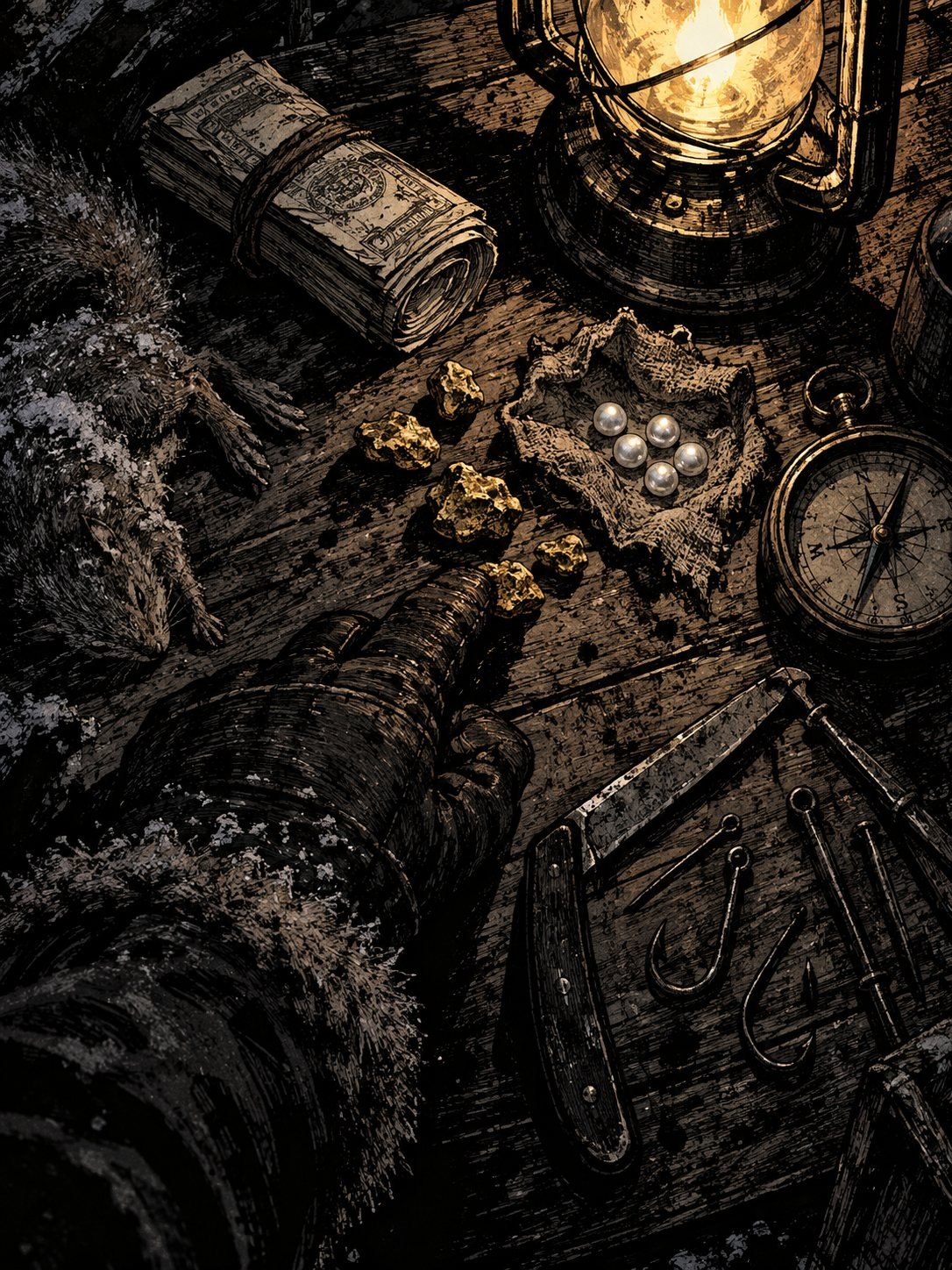
They found more than $2,400 in cash, mostly Canadian, with $10 in American money. Some gold. Five small pearls.
A compass. A razor. A knife. Fish hooks. Nails. A dead squirrel and a dead bird.
In 1932, in the middle of the Great Depression, $2,400 was a great deal of money. This man had been carrying it around in the Arctic wilderness, on the run.
There was also a large supply of Beecham’s Pills, a popular patent medicine of the day. And his teeth held gold fillings, dental work of exceptional quality. Whoever he was, he had not always been poor.
But there were no letters. No papers. No photograph.
Nothing with a name on it.
Police sent his photographs and fingerprints across Canada and the United States. Nobody knew who he was. (The Canadian Encyclopedia)
Buried under a name almost nobody believes was his
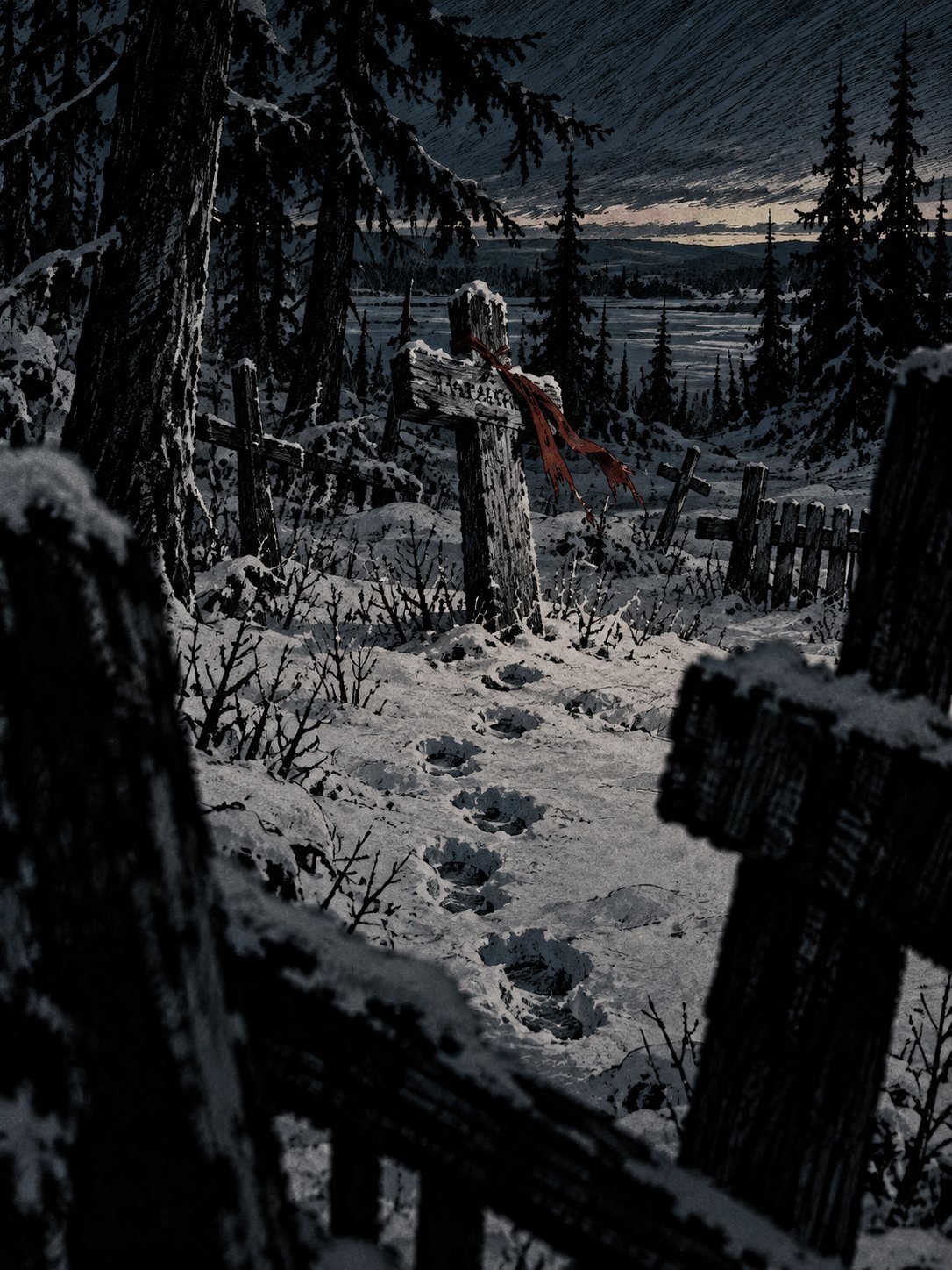
He was buried in the little northern settlement of Aklavik, under the name he had given once, months earlier: Albert Johnson.
Almost nobody believes that was his name. Even the Canadian Encyclopedia describes him as only “tentatively but never positively identified.”
Over the years, people suggested one candidate after another. A drifter from British Columbia. A man from North Dakota. A missing relative from Nova Scotia. A Norwegian.
In a 1989 book, the researcher Dick North argued that he was an American fugitive named Arthur Nelson.
In 2007, his grave was opened and his remains were studied by forensic scientists. Years of DNA testing followed.
Nearly a century later, no one can say for certain who he was.
This is the story of the Mad Trapper of Rat River. (DNASolves)
In July 1931, a quiet stranger drifted out of nowhere
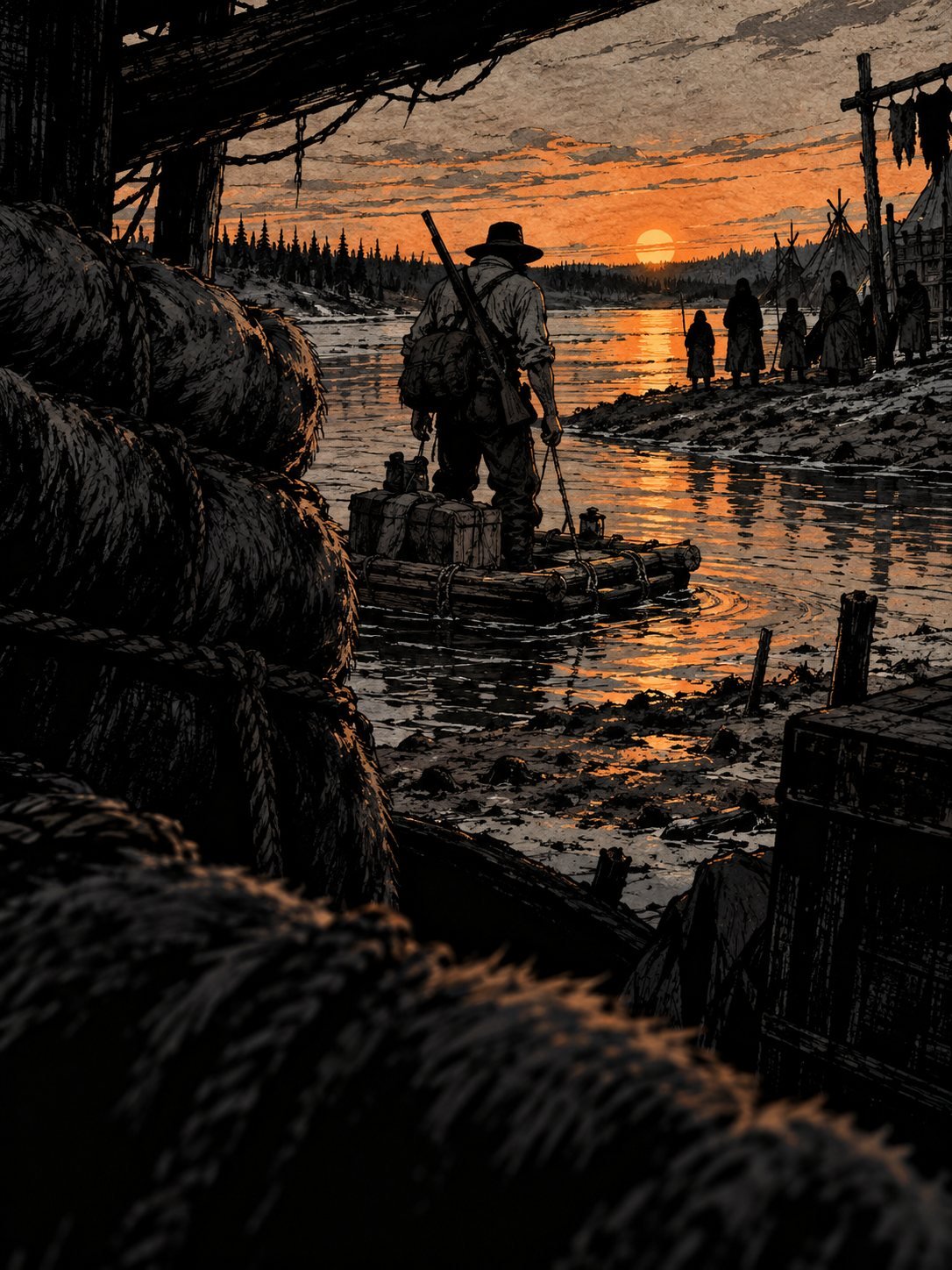
In July 1931, a stranger came down the Peel River to Fort McPherson, on a raft.
Fort McPherson was a trading post in the Northwest Territories, just south of the Arctic coast. It was the kind of place where everybody knew everybody, and a new face got noticed fast.
He was quiet, lean and well armed. He kept himself clean-shaven. He was thought to be in his thirties.
He said very little to anyone. People who met him did not learn where he had come from, or why he had come so far north.
In 1931, the Great Depression had driven many outsiders into the northern bush to try trapping for a living. So a lone newcomer was not, in itself, strange.
But this one was different. He had money.
He paid in cash, and gave the Mountie almost nothing
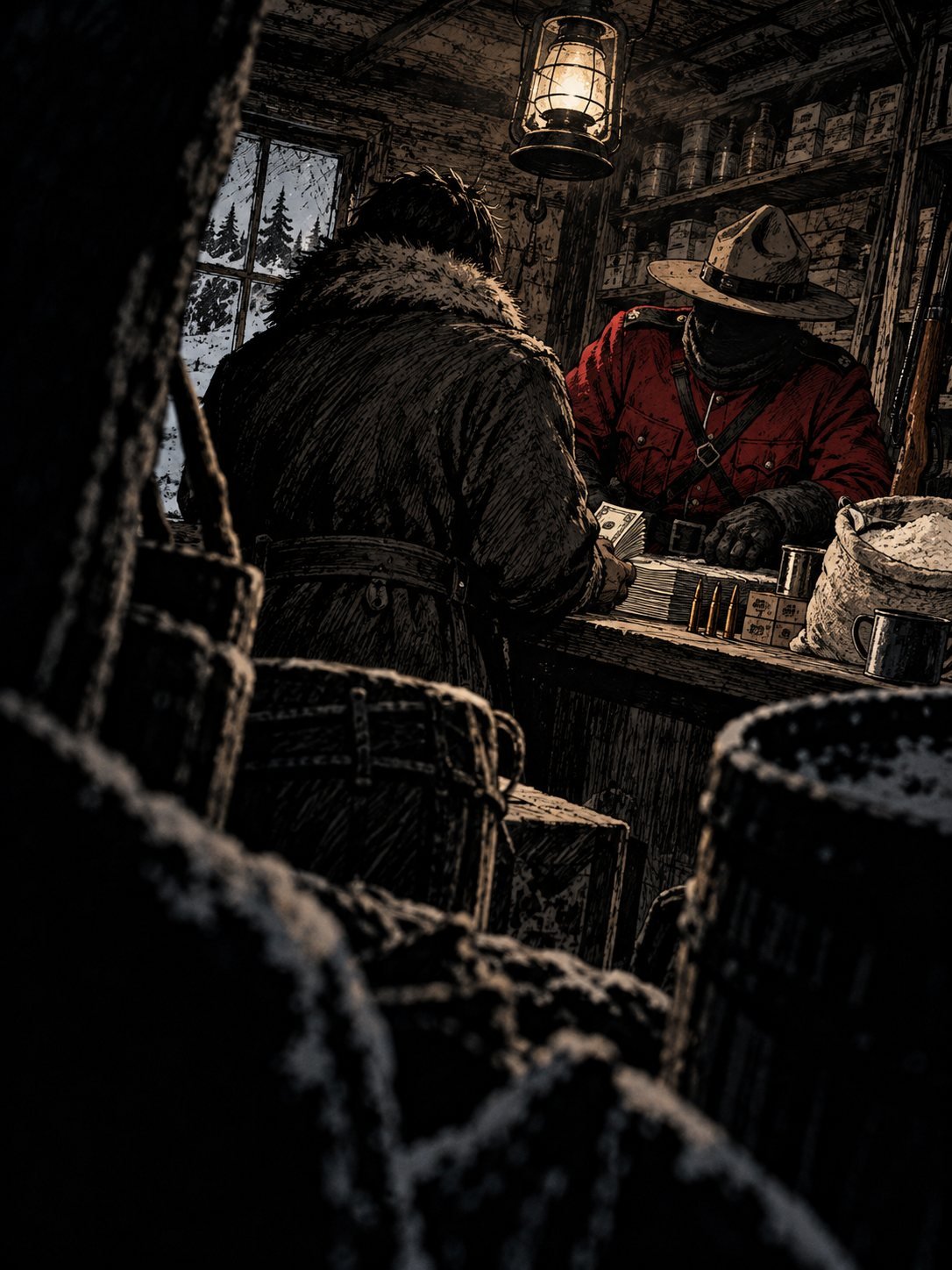
He bought supplies and paid in cash. A lot of cash.
That stood out. On July 21, 1931, the local Mountie, Constable Edgar Millen of the Royal Canadian Mounted Police, questioned him.
Millen got almost nothing. The man gave few direct answers. Millen thought he heard a Scandinavian accent.
The man said his name was Albert Johnson.
He had no trapping licence. Millen told him to buy one, and let him go. There was no law against being quiet, or having money.
Edgar Millen had no way of knowing it, but he had just met the man who would kill him, about six months later, in a frozen thicket. (Wikipedia)
He built a cabin that looked less like a home than a fort
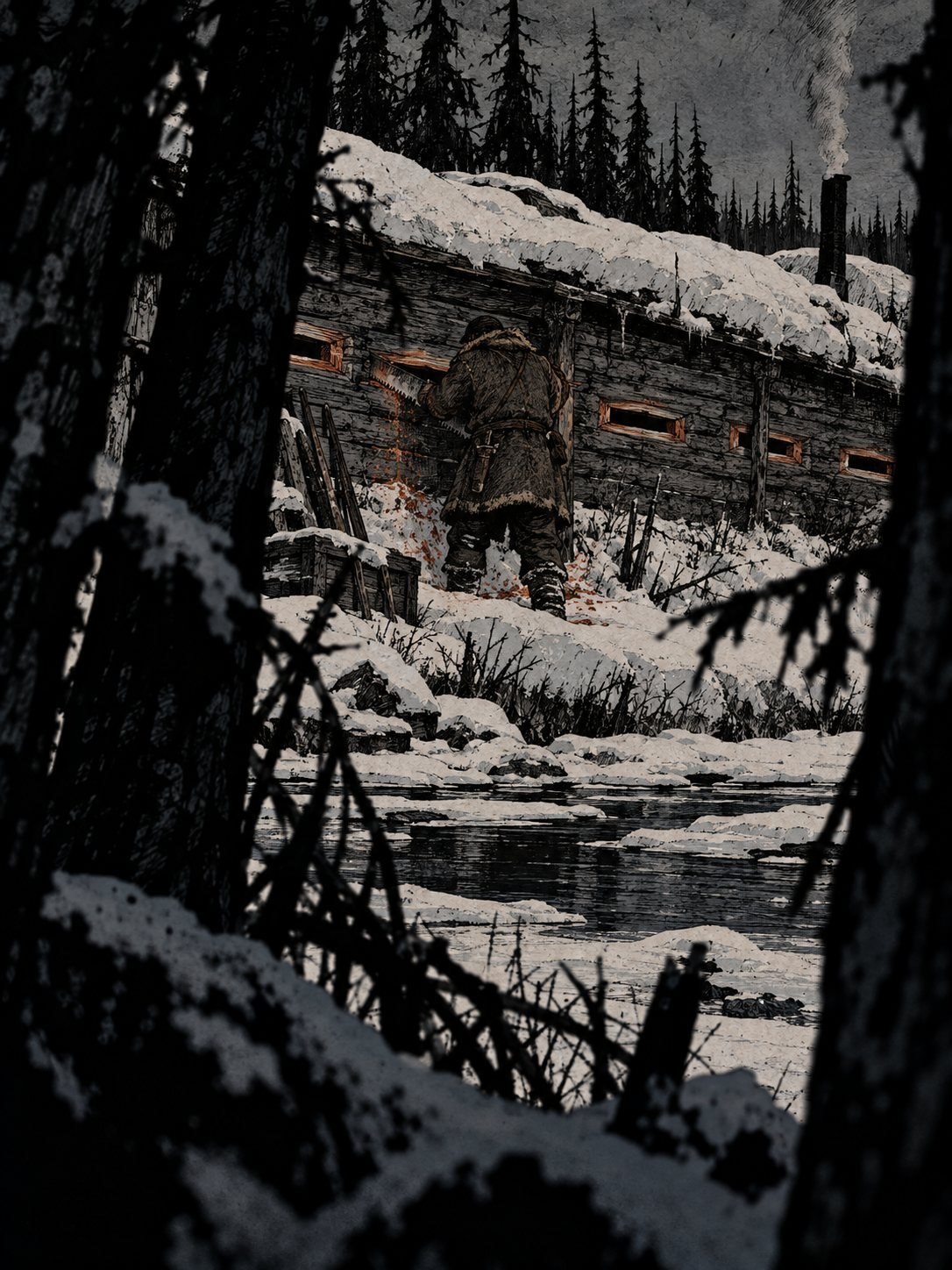
He went up the Rat River, a remote waterway in the delta of the Mackenzie River, and built a cabin.
It was tiny, about 2.5 by 3 meters. That is smaller than many garden sheds. It was low and half sunk into the ground. The walls were thick.
A cabin half below ground can make sense in the far north. Earth holds warmth. But the people who saw this one later said it looked less like a home than a fort.
He lived there alone through the fall of 1931, as the days grew shorter and the temperature dropped far below freezing.
Nobody knows what he did all those months.
Then, in December, the first complaint came in.
Someone was springing traps and hanging them in the trees
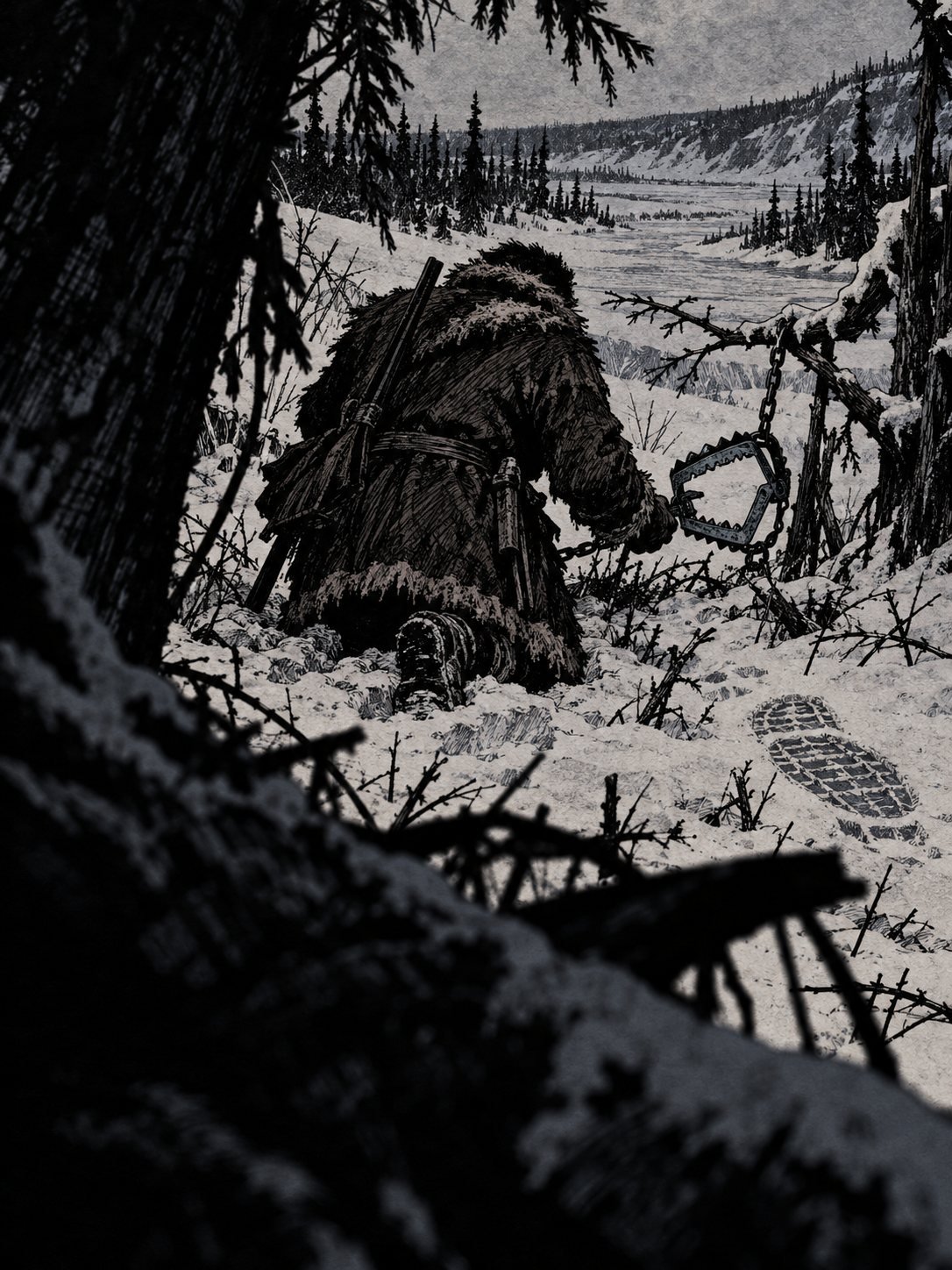
By December, local Gwich’in trappers had a complaint.
The Gwich’in are Indigenous people whose traditional lands cover this part of the north. Trapping was how many families made their living through the long winter. A trapline is a route of traps that a trapper checks again and again, sometimes over many kilometers.
Someone had been springing their traps and hanging them up in the trees. That meant no catch, and a wasted trip.
They suspected the stranger on the Rat River.
The complaint was never proven. Some have suggested that with so many outsiders moving onto traditional trapping grounds, complaints like this were also a way to push newcomers out.
Either way, it was a small matter. A police visit, a warning. That should have been the end of it.
The police knocked. He was inside. He would not answer
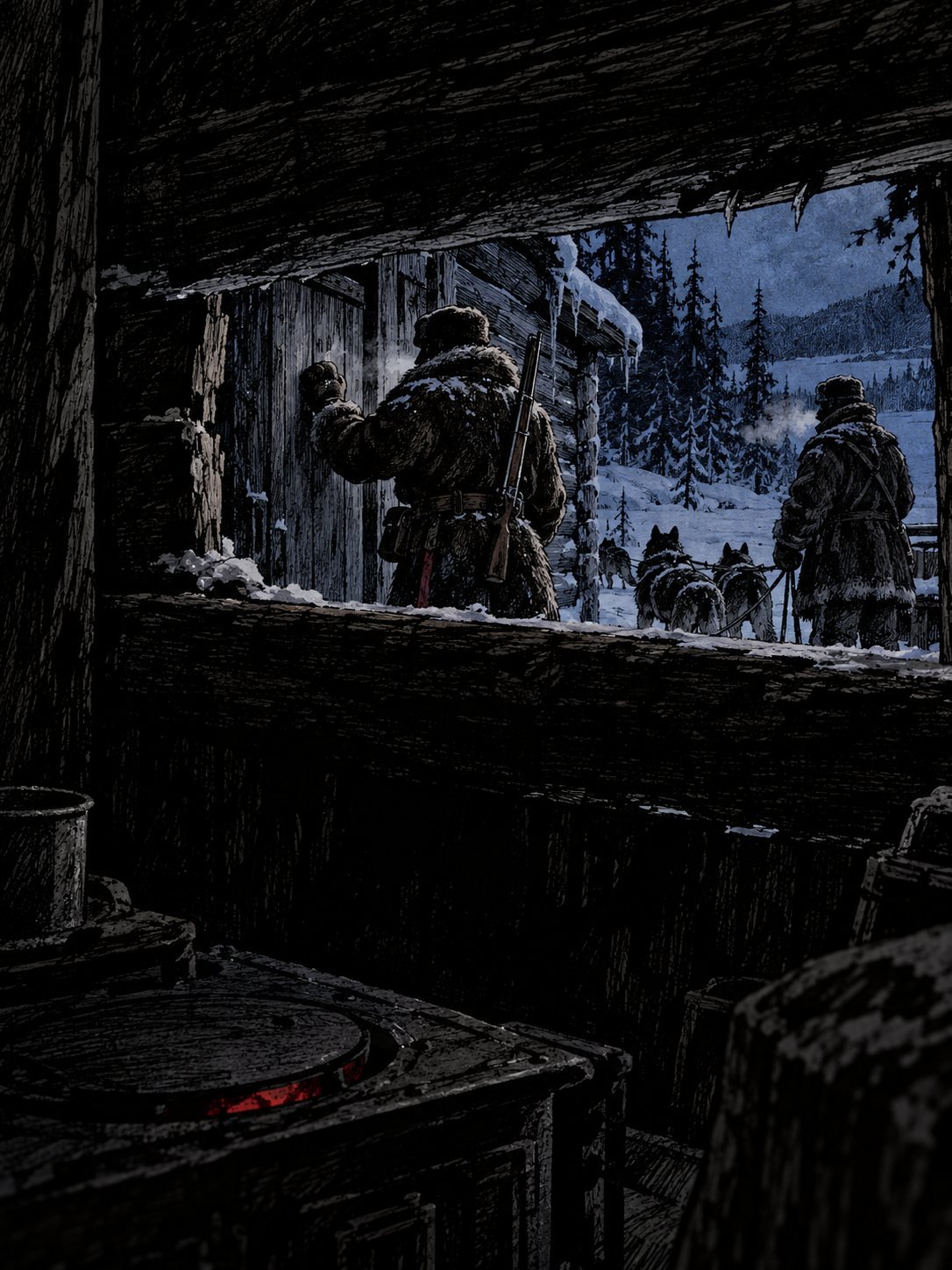
On December 26, 1931, Constable Alfred King and Special Constable Joe Bernard went out to the cabin to talk to him. It was a trek of roughly 100 kilometers.
They knocked. They called out.
They knew he was inside.
When King tried to look in through the window, the man put a sack over it.
He did not answer.
Refusing to talk to the police was not a crime. But it made a small complaint into a stand-off. King could not go in without legal permission. So he headed back to the police post at Aklavik to get a search warrant.
That meant a long trip, more than a hundred kilometers, there and back again.
Whatever the man in the cabin was doing during those days, he had time to prepare. (Wikipedia)
King tried the door. A bullet came through the wood
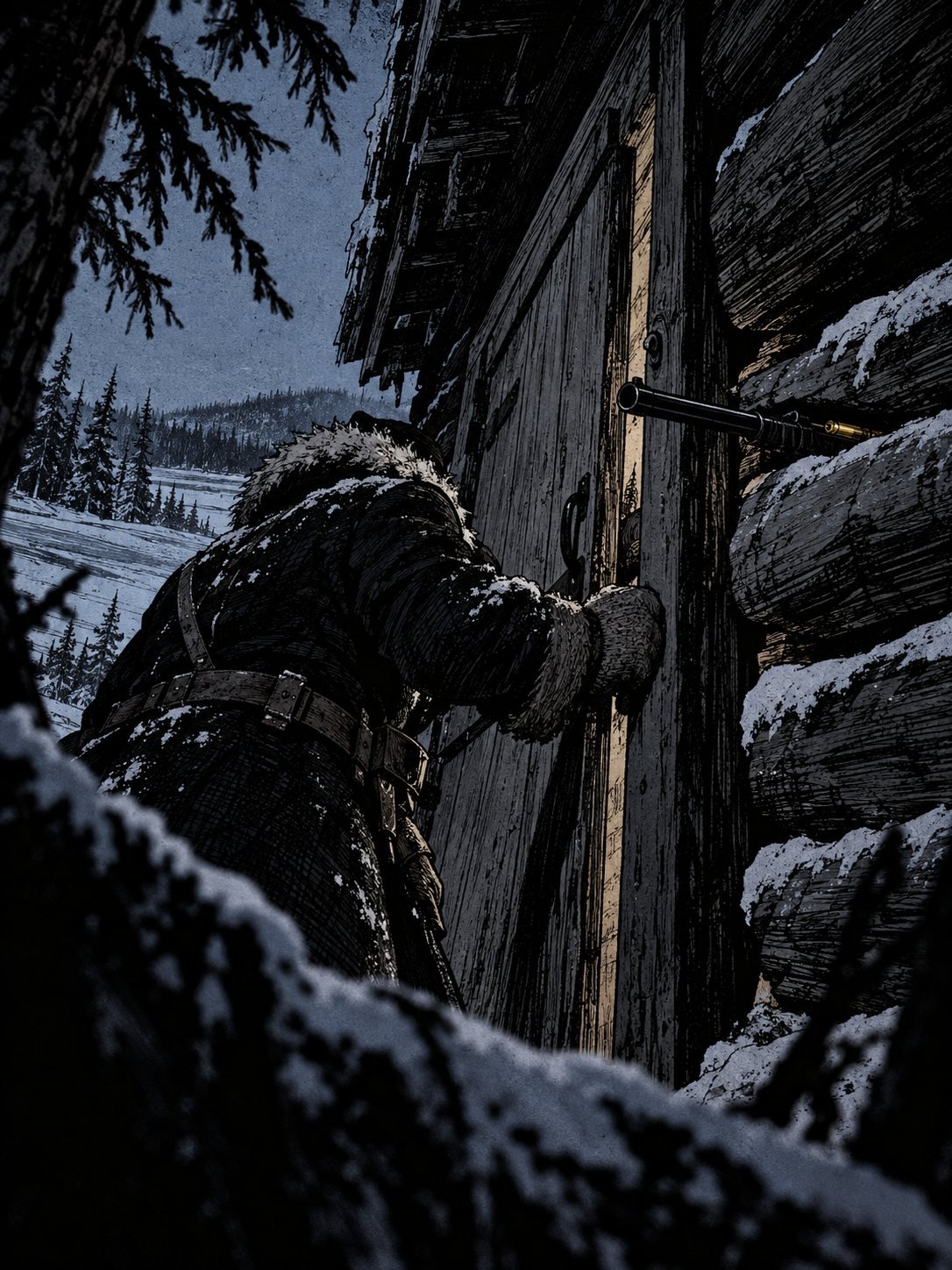
They came back on December 31 with a search warrant and more men.
Again, the man inside refused to talk.
King tried the door.
A shot came through it. The bullet hit him in the chest.
The man had fired through his own front door, at a police officer he could not even see, over a complaint about traps. There was a brief exchange of gunfire. The officers did not stay to fight it out.
They got King out.
The other men on that trip were Special Constable Joe Bernard, Constable R.D. McDowell and Special Constable Lazarus Sittichinli. Now they had a wounded man and a long way to go.
From that moment, this was no longer about a trapline. A man had shot a Mountie. And the whole north would soon hear about it. (The Canadian Encyclopedia)
A wounded Mountie, a dog sled, and 130 kilometers of dark
King survived. But only because of what the others did next.
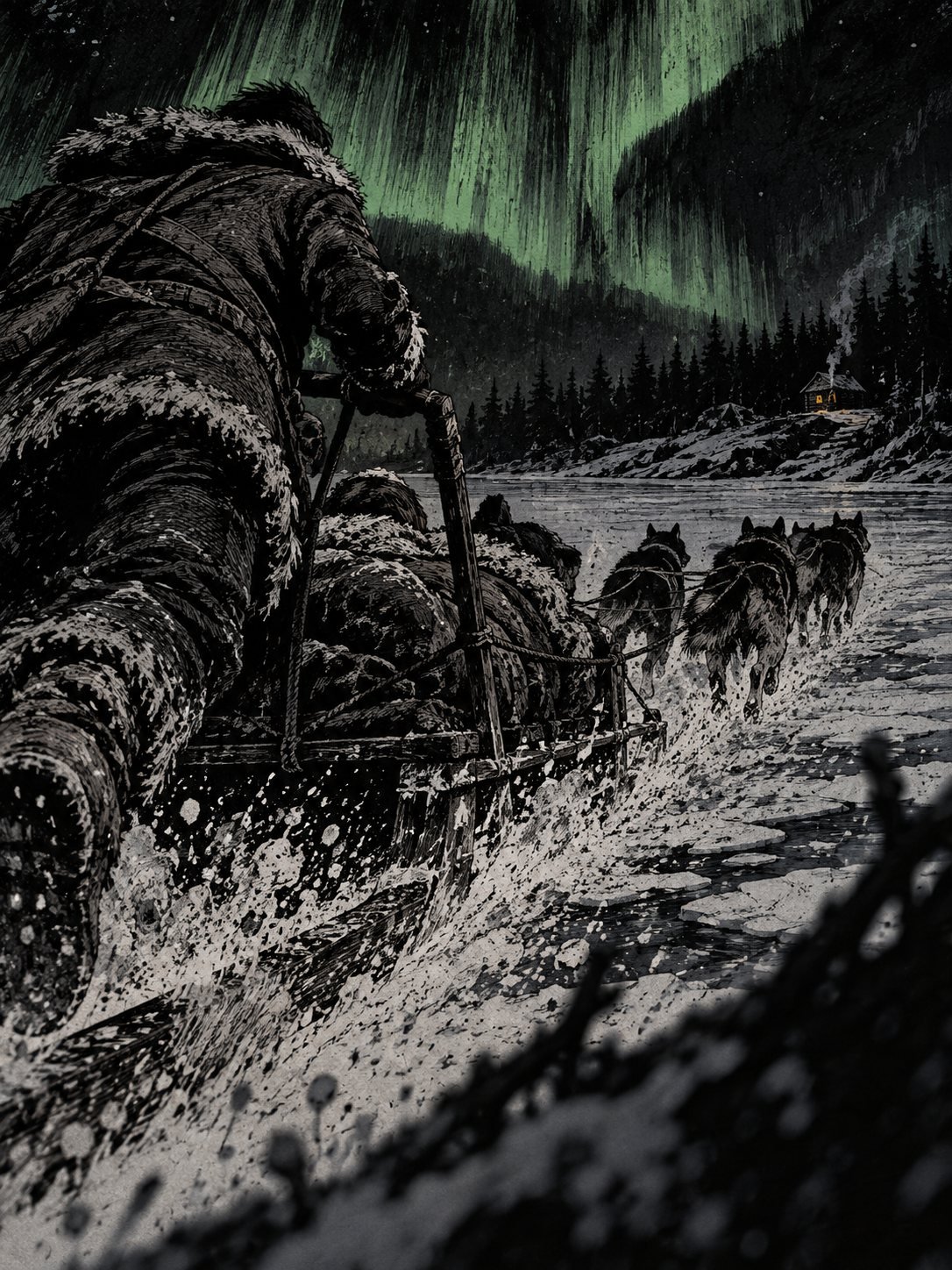
They strapped him to a dog sled and raced him back through the dark to the hospital at Aklavik, about 130 kilometers away, at forty below.
At forty below zero, Celsius and Fahrenheit meet. It is the same number on both scales. Bare skin can freeze in minutes. Breath freezes on your face. And in late December that far north, the sun barely rises at all.
King made it. He eventually recovered.
Back in Aklavik, Inspector Alexander Eames began putting together a much bigger posse.
The police were coming back. And this time, there would be a lot more of them. (The Canadian Encyclopedia)
Fifteen hours of gunfire at 43 below zero
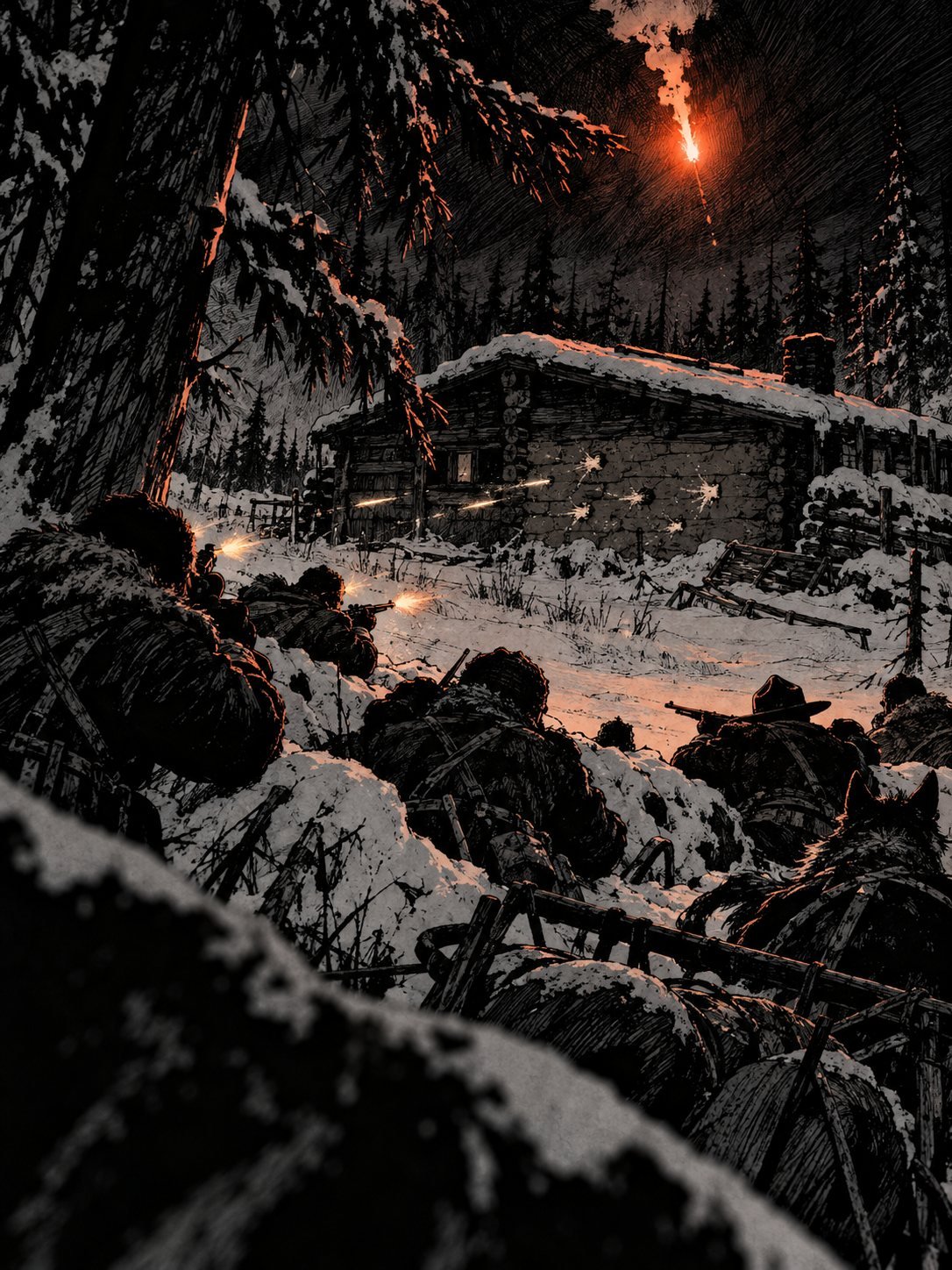
On January 9, 1932, a bigger posse surrounded the cabin. It was led by Inspector Alexander Eames and included police officers, special constables and volunteers. Among them were Constable Edgar Millen, a trapper named Karl Gardlund, and a guide, Charlie Rat.
It was about minus 43 degrees.
Eames called on the man to surrender. He answered with gunfire.
For some 15 hours, the posse fired hundreds of shots into the walls.
He fired back. From his little half-buried fort, armed with a rifle and a shotgun, one man held off a whole posse. Attempts to rush the cabin were driven back.
The men outside were lying in the snow, in the dark, in the kind of cold that kills. The man inside had thick walls.
Something had to give. (The Canadian Encyclopedia)
They threw dynamite. When the smoke cleared, he kept firing
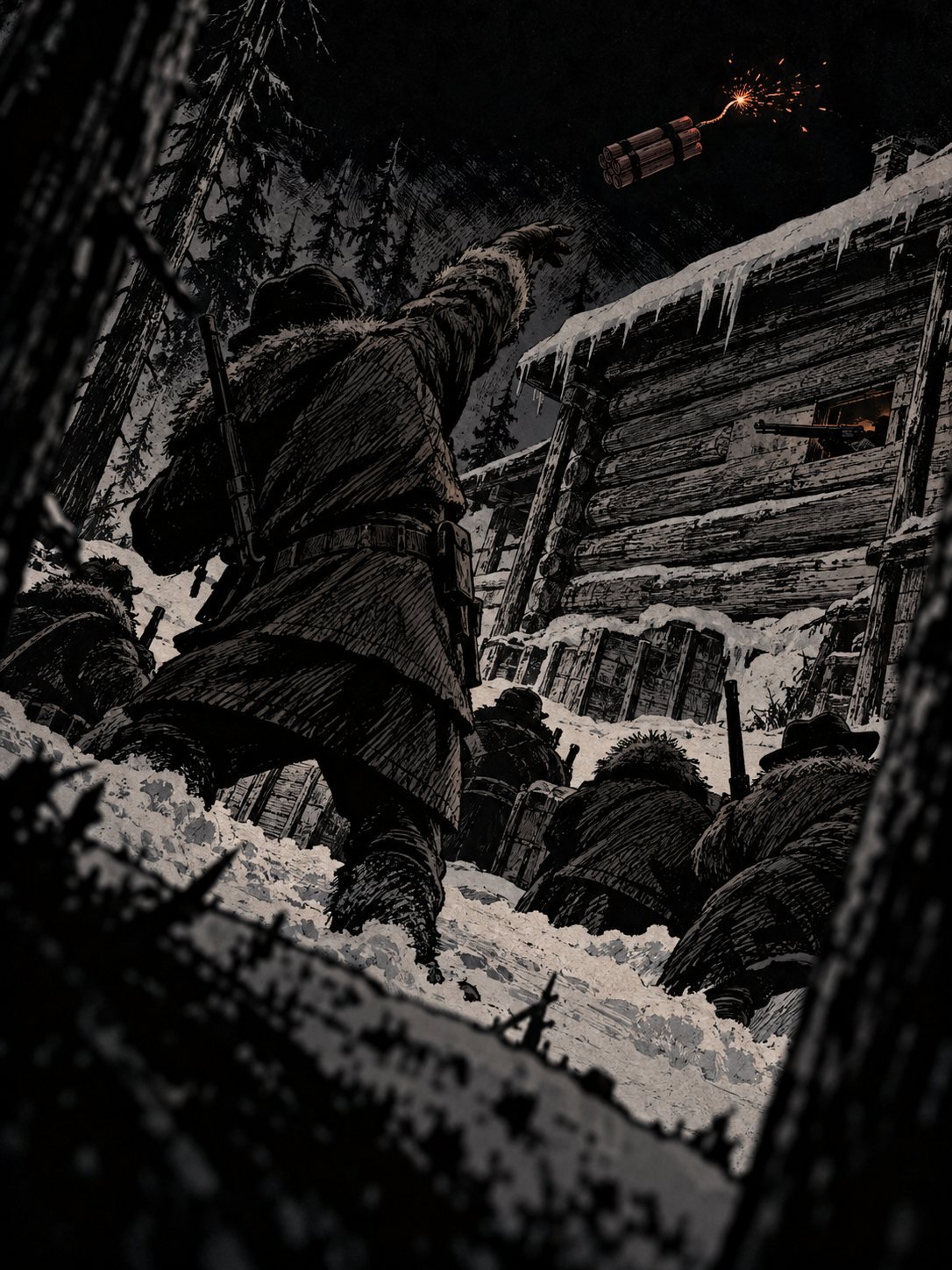
Near the end, they threw dynamite.
It was so cold that the men had to thaw the dynamite inside their coats before it could be used.
The blast tore into the cabin roof. In the common version of the story, it blew off much of the roof and partly collapsed the walls. A later police report suggested the damage was less dramatic.
Either way, when the smoke cleared, he was still shooting.
Around 4 a.m., with food for the men and dogs running low, the posse gave up and turned back to Aklavik.
One man in a tiny cabin had held off a police siege, a night of gunfire and a dynamite blast.
And he was not even hurt.
The cabin was empty. A pit had been dug beneath the floor
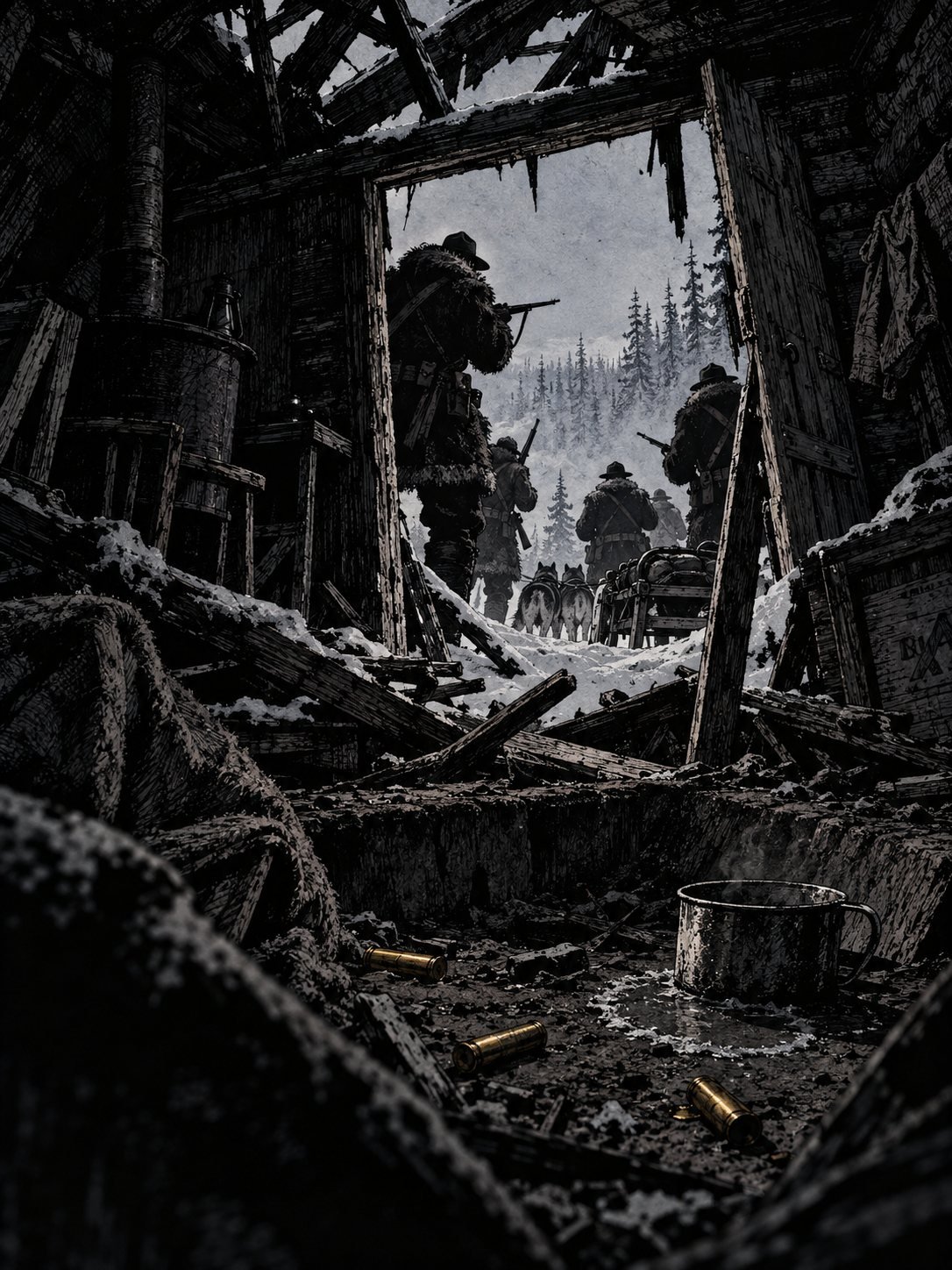
When they came back on January 14, delayed by a blizzard, the cabin was empty.
He had survived the blast, most likely in a pit he had dug beneath the cabin floor, about 1.5 meters deep. Looking back, the low cabin and the thick walls made a grim kind of sense.
Fresh snow had covered his tracks.
Now he was somewhere out there, alone, in the middle of an Arctic winter.
By then, the story had reached the outside world. A military radio station at Aklavik sent word south, and the newspapers called him the Mad Trapper of Rat River.
Inspector Eames disagreed with the nickname. He called the man not a “demented trapper” but “a shrewd and resolute man.” (Wikipedia)
The Mountie who first met him walked into his rifle
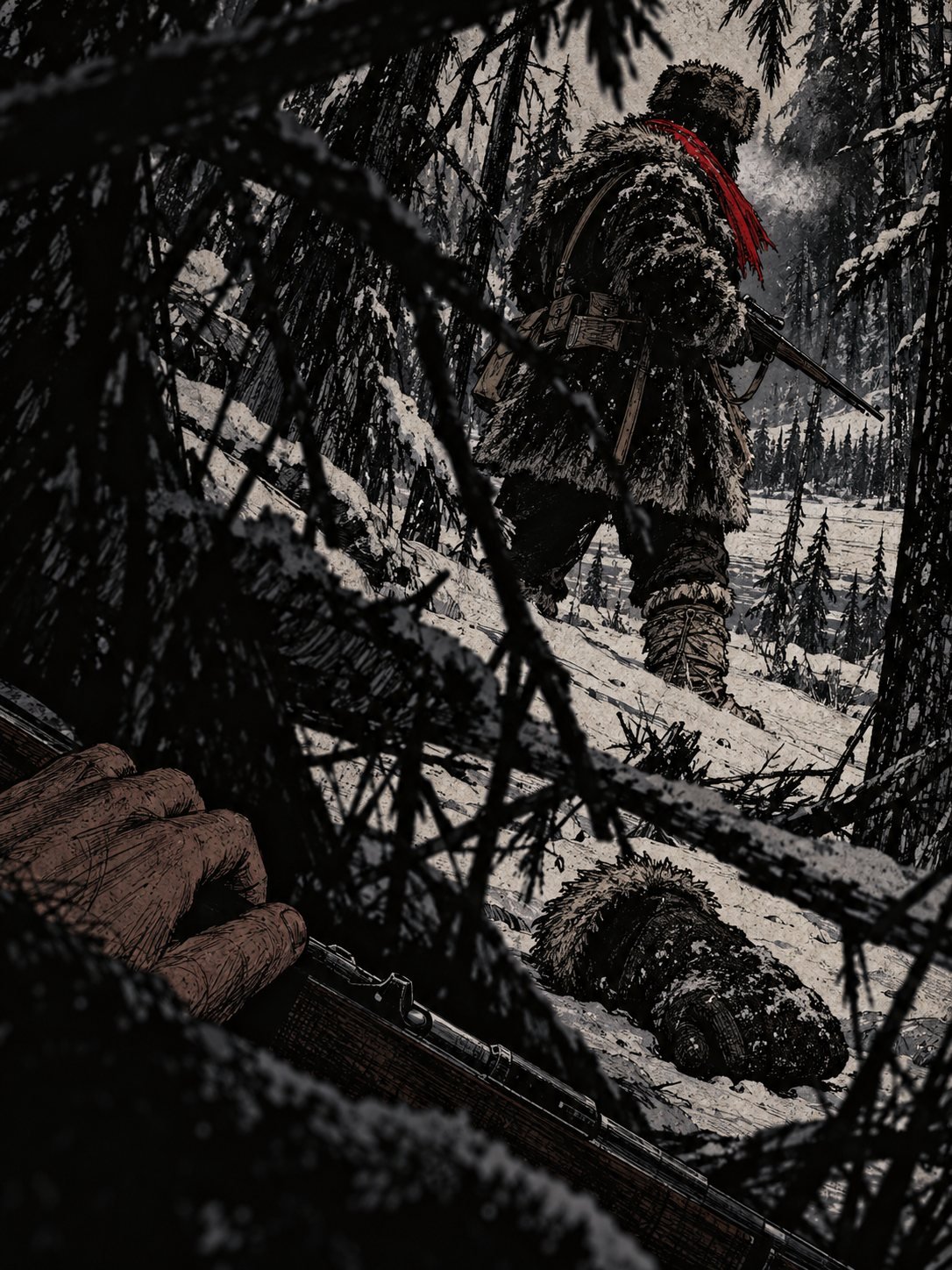
For two weeks, the posse searched. On January 30, they found him dug in among the spruce.
Constable Edgar Millen, the officer who had first questioned him back in Fort McPherson, moved in. He called on the man to surrender.
The answer was rifle fire.
There was an exchange of shots.
Millen was killed.
He was the only police officer to die in the manhunt. Today, a stone cairn in his honour stands in the Northwest Territories as a historic site.
The posse pulled back. That night, the man escaped again, by climbing a nearly vertical cliff in the dark.
Six months earlier, Millen had questioned this man and let him go. Now Millen was dead, and the man was gone. (Wikipedia)
The only sound he ever made was a laugh
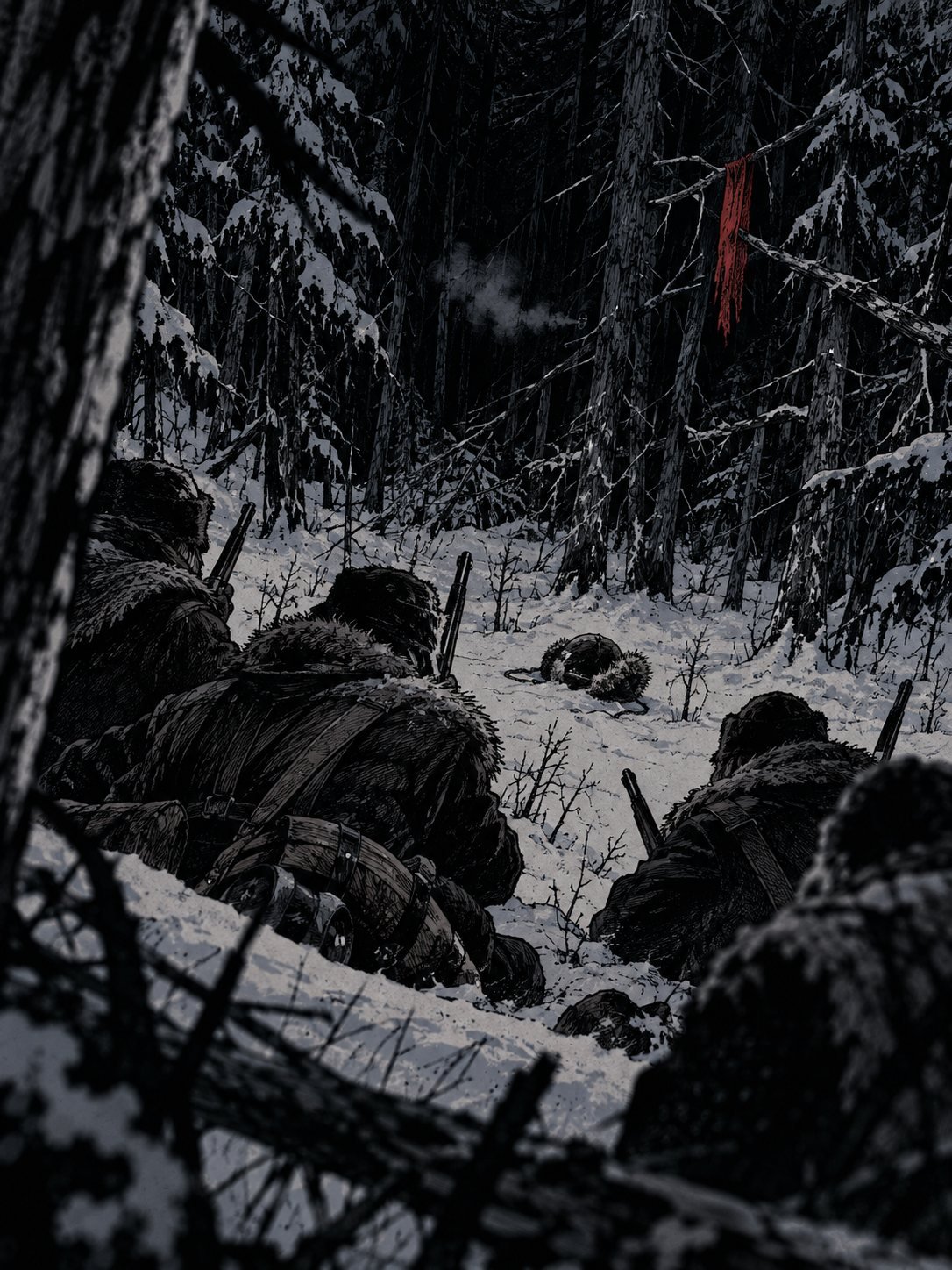
The men in the posse later said they heard only one sound from him in the whole manhunt.
Not a shout. Not a demand. Not a single word of explanation.
After Millen fell, from somewhere in the trees, he laughed.
It is one of the most chilling details in the whole story, and one of the main reasons he became a legend. Through weeks of gunfire, a siege, and a chase across the Arctic, he never said why. He never bargained. He never gave his side.
With no words of his own, everyone else filled in the story for him. Was he a hardened criminal? A man running from something in the south? Someone who had snapped?
The laugh was all he left them. (Wikipedia)
He climbed over a mountain everyone said was impossible
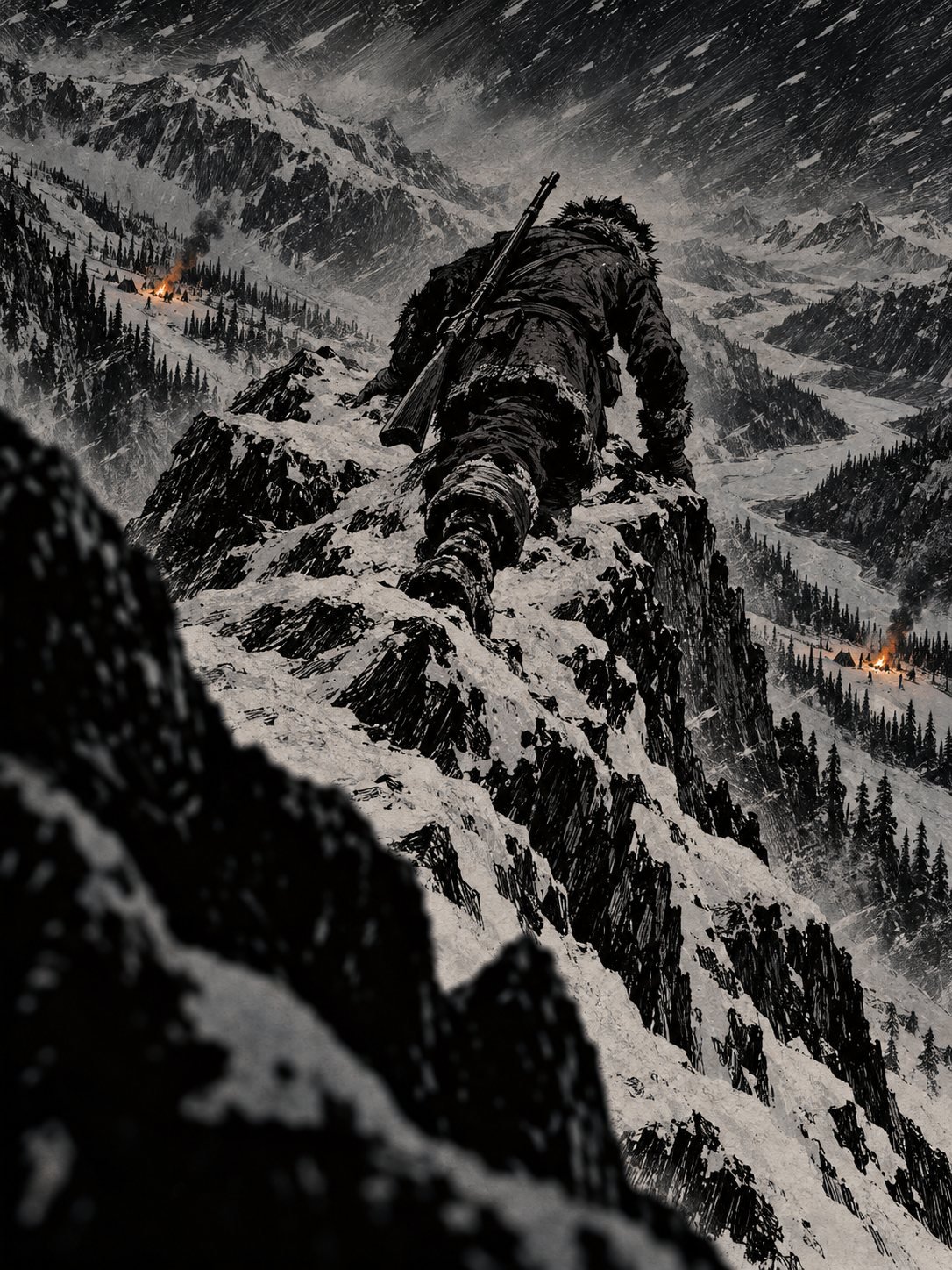
Now the police thought they had him trapped.
The search had grown huge. Gwich’in and Inuvialuit trackers had joined the posse. They knew the backcountry far better than any outsider.
To the west were the Richardson Mountains, the range that separates the Northwest Territories from the Yukon. There were only two passes through them. The police blocked both.
He went over the top instead.
In a blizzard, in the dead of winter, he crossed peaks more than 2,000 meters high. He did it with no trail, no shelter, and the police behind him.
The trackers had thought that was impossible.
For days, nobody knew where he was. It was only on February 12 that police got word that he had crossed the mountains.
He had slipped through their fingers again. (Wikipedia)
He walked inside the caribou tracks, and vanished
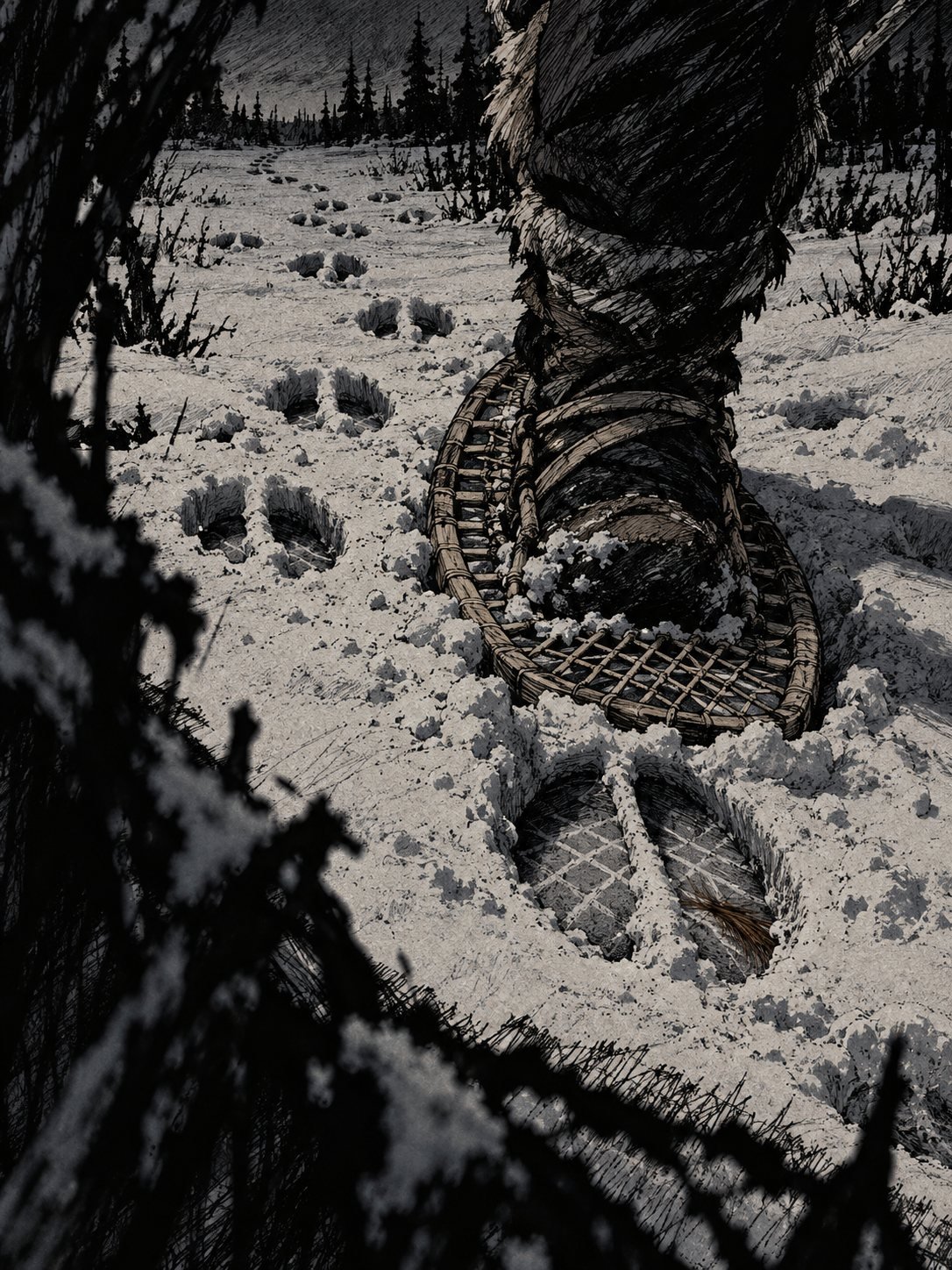
On the other side of the mountains, he found a new way to disappear.
Every winter, huge herds of caribou migrate across this country. Thousands of hooves pack the snow into hard, trampled trails, often down the middle of frozen rivers where the animals can see predators coming.
He walked in their tracks.
His footprints were lost among thousands of hoofprints. And the packed snow meant he could move fast without even wearing snowshoes.
At night, he left the caribou trail to camp on the riverbank, and in the morning he went back to it.
His trail vanished into theirs.
On the ground, the trackers were stuck. They needed a way to see the whole country at once.
A war ace in a ski plane found his footprints from the sky
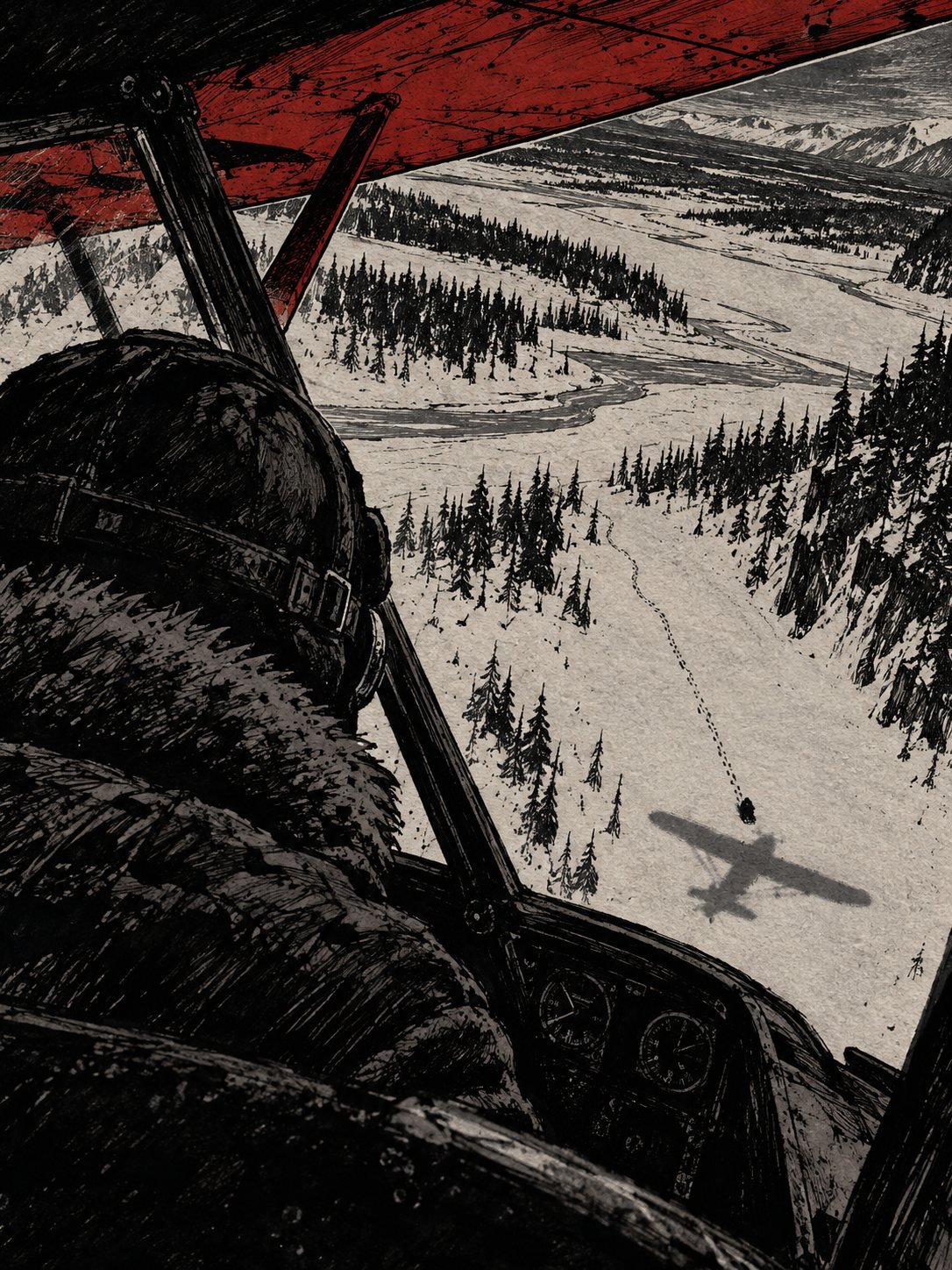
So the police tried something new.
Wilfrid “Wop” May, a famous bush pilot and former First World War flying ace, flew north to join the search in a ski-equipped Bellanca monoplane. He landed in Aklavik on February 5.
It was the first time the RCMP had used an aircraft in a manhunt.
May ferried men and supplies and searched from the air. A blizzard grounded him for a time. Then, on February 14, flying where the Eagle and Bell rivers meet, he saw it.
From the air, May spotted a line of footprints where the trail left the caribou tracks, heading for the riverbank.
Fog kept him on the ground for two more days. Meanwhile, a posse led by Inspector Eames set off up the Eagle River.
The chase was almost over. (The Canadian Encyclopedia)
On a hairpin bend of the Eagle River, it ended
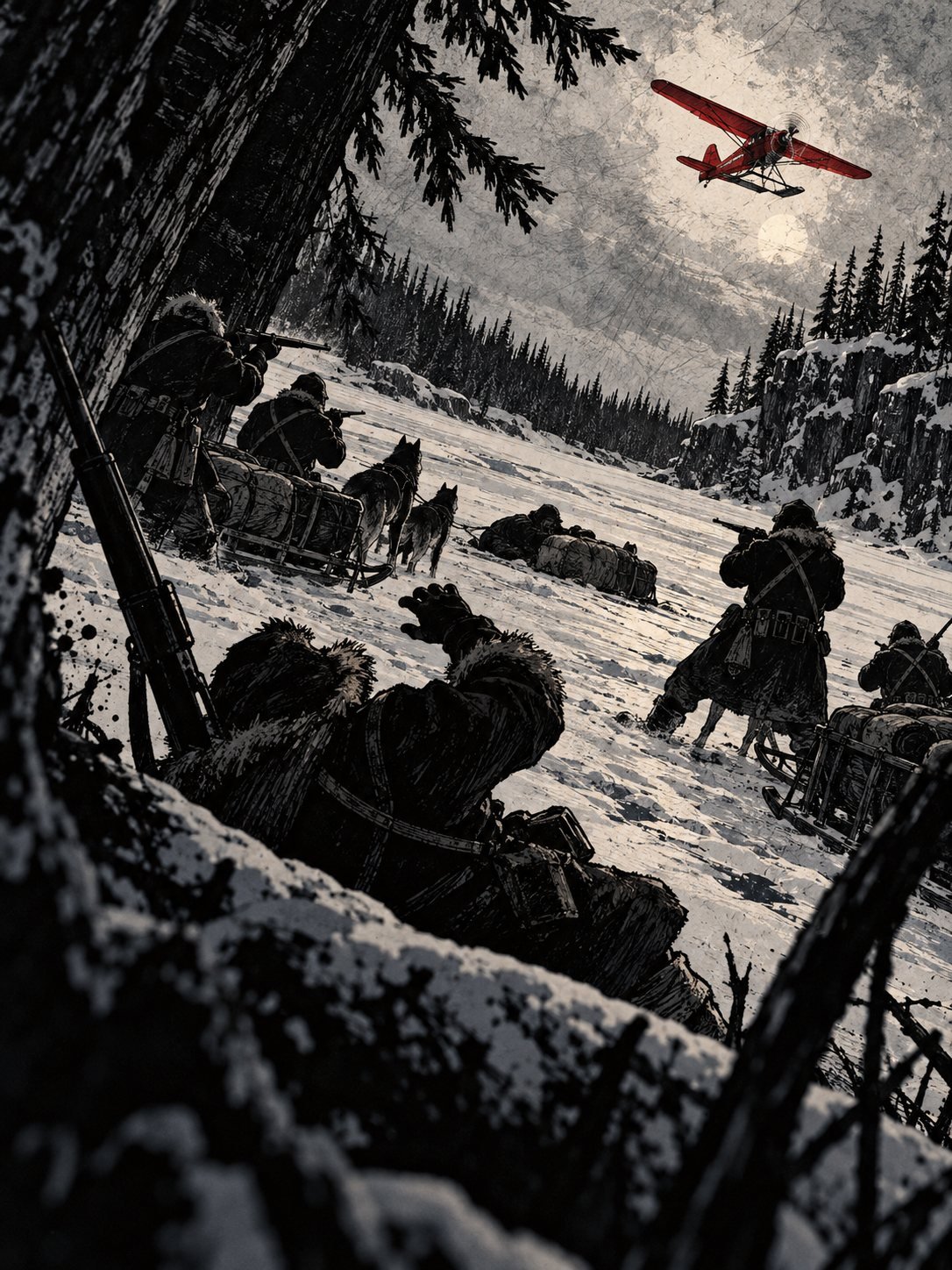
On February 17, the posse and the plane caught up with him on the Eagle River in the Yukon.
May was in the air, signalling the posse. The men on the ground came around a sharp bend in the frozen river, and there he was.
He dropped into the snow and fired, using his backpack as cover. He shot and wounded Sergeant Earl Hersey. Hersey survived.
Then the posse opened fire from several sides. He was hit several times.
The Mad Trapper was dead.
The manhunt had lasted 48 days and covered roughly 240 kilometers, in temperatures that averaged around forty below.
Two policemen had been wounded and one killed. Nobody yet knew the name of the man who had done it. (The Canadian Encyclopedia)
The whole continent followed the chase. No one claimed him
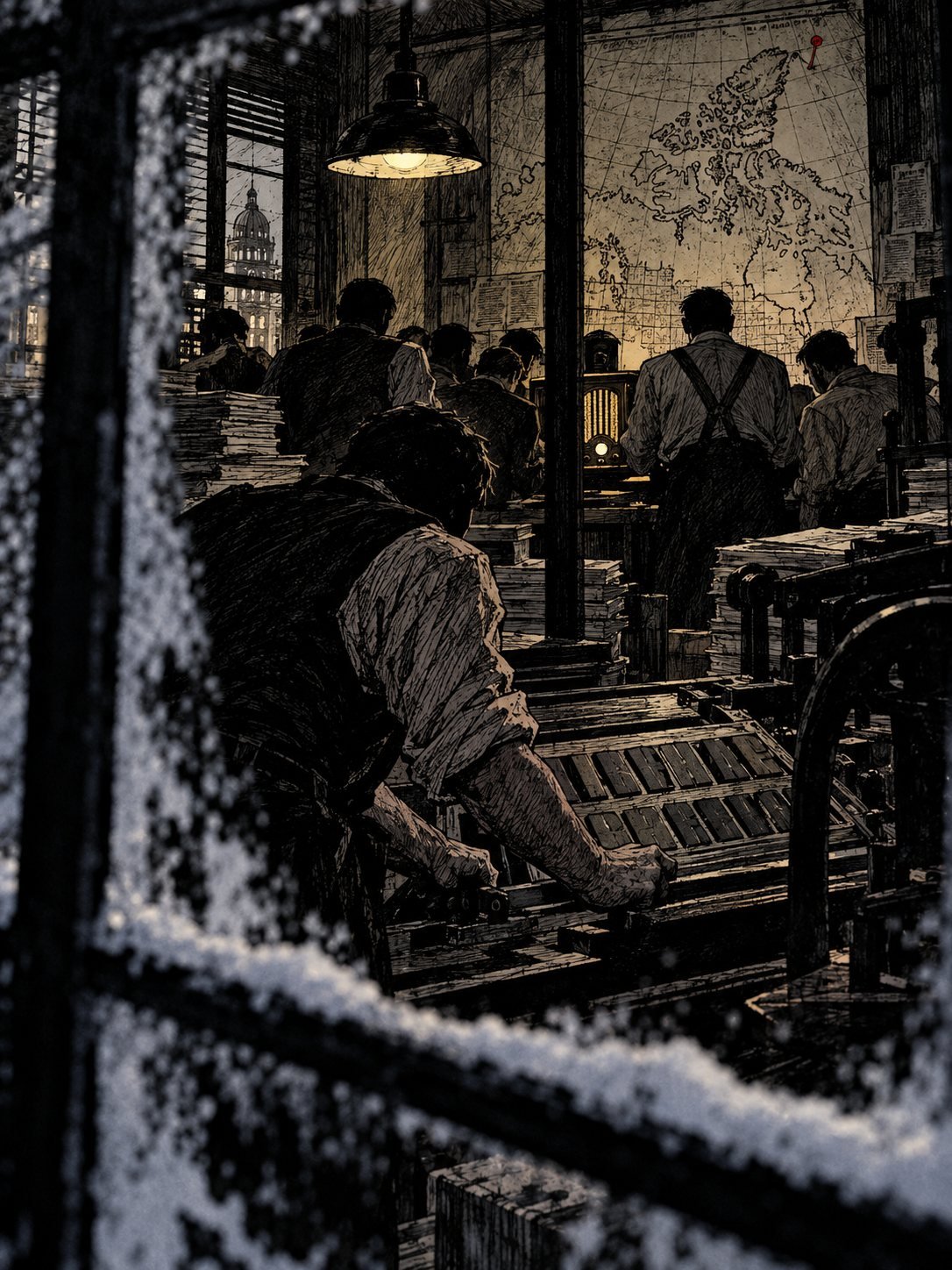
By then, newspapers across North America were following the chase.
They called him the Mad Trapper of Rat River.
People who had never been anywhere near the Arctic read about him on their front pages. In the middle of the Great Depression, with so many people out of work, some of the public even sympathized with the lone man holding off the police.
Then came the strangest part. His fingerprints matched no file in Canada or the United States. Police sent out his photographs. No one recognized him.
No one ever came forward to claim him.
No mother, no brother, no old friend. A man who had become one of the most famous people on the continent, and nobody knew his name. (The Canadian Encyclopedia)
DNA traced him to Sweden. The final name is still missing
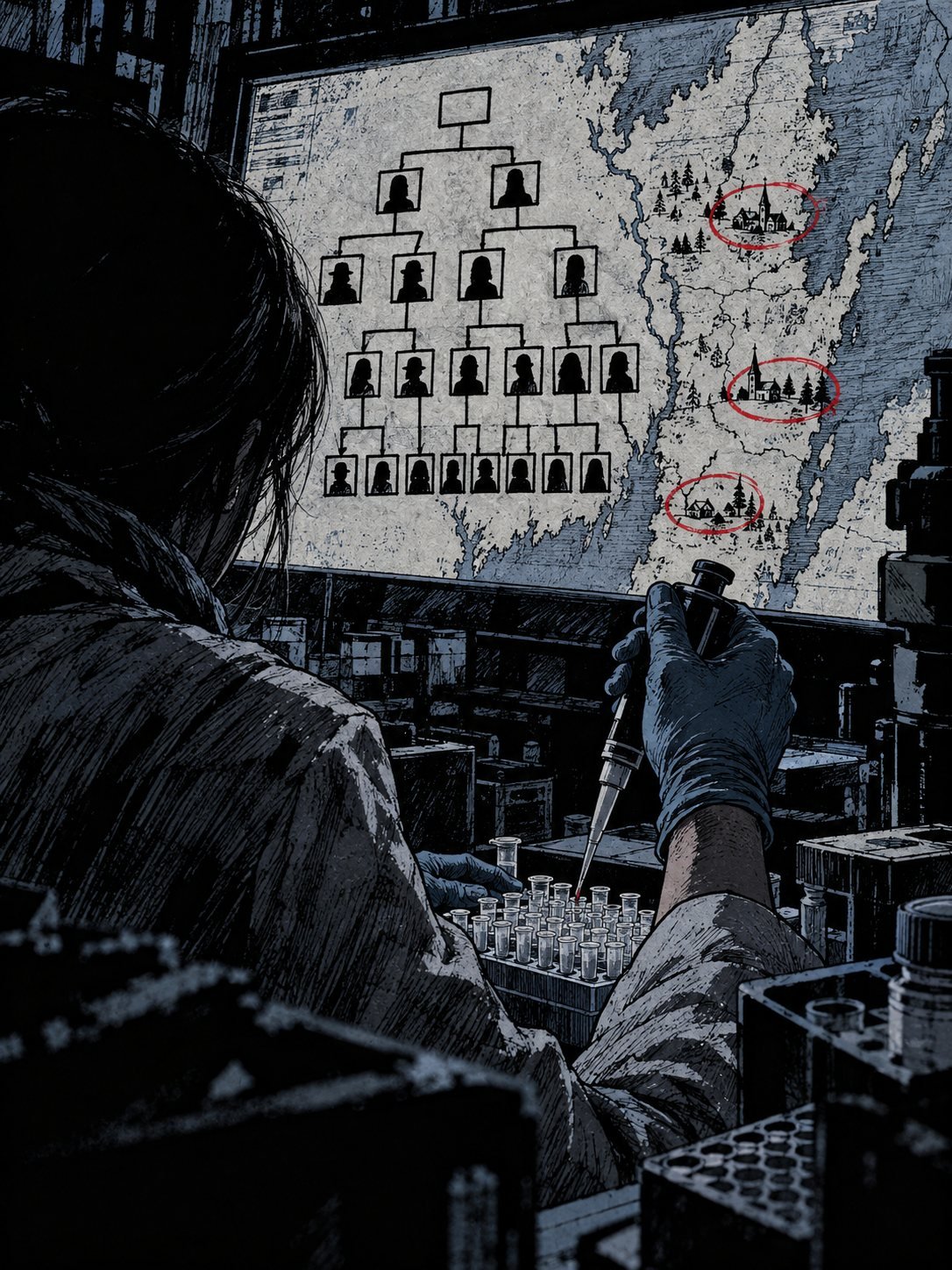
In 2007, his body was exhumed. Scientists found a man of about 30 to 40, with scoliosis, a curve in the spine that likely caused him chronic back pain, and expensive, high-quality dental work. Afterward, his remains were reburied in Aklavik with full religious rites, led by the local priest and Indigenous elders.
Chemical traces in his teeth, which record where a person grew up, suggested he came from the American Midwest or Scandinavia.
DNA ruled out the men people had suspected, including a Nova Scotia family’s missing relative and a North Dakota man.
In 2021, a genetics lab, Othram, traced his ancestry to a few small villages in southern Sweden: Hånger, Kävsjö and Kulltorp. He is likely descended from a Swedish couple born in the late 1700s, or from their close relatives.
The name at the top of the family tree is still missing. (DNASolves)
Case notes: who was the Mad Trapper?
Nearly a century later, almost everything about him is still a question. These are the ones people keep coming back to.
Why the silence? Through weeks of gunfire and pursuit, the posse never heard him speak. He never explained himself, never bargained, never gave a reason. The silence is a big part of why the legend grew: with no words of his own, everyone else filled in the story.
Why all that money? A man living alone in a tiny cabin was carrying more than $2,400, gold and pearls. That was a lot of money in 1932. It has fed theories that he was a fugitive, a robber or a man running from something in the south.
Was the trap complaint even true? The whole chase began with a report that he had been tampering with other men’s traps. It was never proven. A visit about a minor complaint turned into one of the biggest manhunts in Canadian history.
Who was he? Over the years, researchers proposed several names, including an American drifter called Arthur Nelson. DNA testing ruled out the leading candidates. The latest genetic work points to Swedish ancestry, but the final step, a name, is still missing as far as public records show.
Case file summary
- Case: The Mad Trapper of Rat River, Northwest Territories and Yukon, Canada
- Manhunt: December 31, 1931 to February 17, 1932, about 48 days
- Victims: Constable Edgar Millen killed; Constable Alfred King and Sergeant Earl Hersey wounded
- Firsts: First time the RCMP used an aircraft in a manhunt
- Status: Identity unknown. Exhumed in 2007; DNA work in 2021 traced his ancestry to southern Sweden.
No real person is shown with a recognizable face, and violence is implied rather than drawn. Illustrations are artistic interpretations, not evidence. Distances and some dates differ between sources.
Related files
- The Black Donnellys: The Night a Whole Township Came to the Door (1880)
- Martha Moxley: Killed on Mischief Night With a Golf Club From the Kennedy Cousins’ House
- The Voice on the Phone: The Kidnapping of Lee Hyung-ho, Korea’s Most Haunting Cold Case
Illustrations are AI-generated artistic interpretations, not photos. No real person is depicted with a recognizable face. Read how we research and illustrate these files.

One Comment