He Stopped at a Burger King to Use the Restroom. Two Teenagers Were Inside. It Took Korea 20 Years to Name His Killer
Narrated Mystery: press play and hear the whole case read aloud, like a true crime podcast episode, or an audiobook for a long drive (about 22 minutes). The narrator is an AI voice.
He only stopped to use the restroom
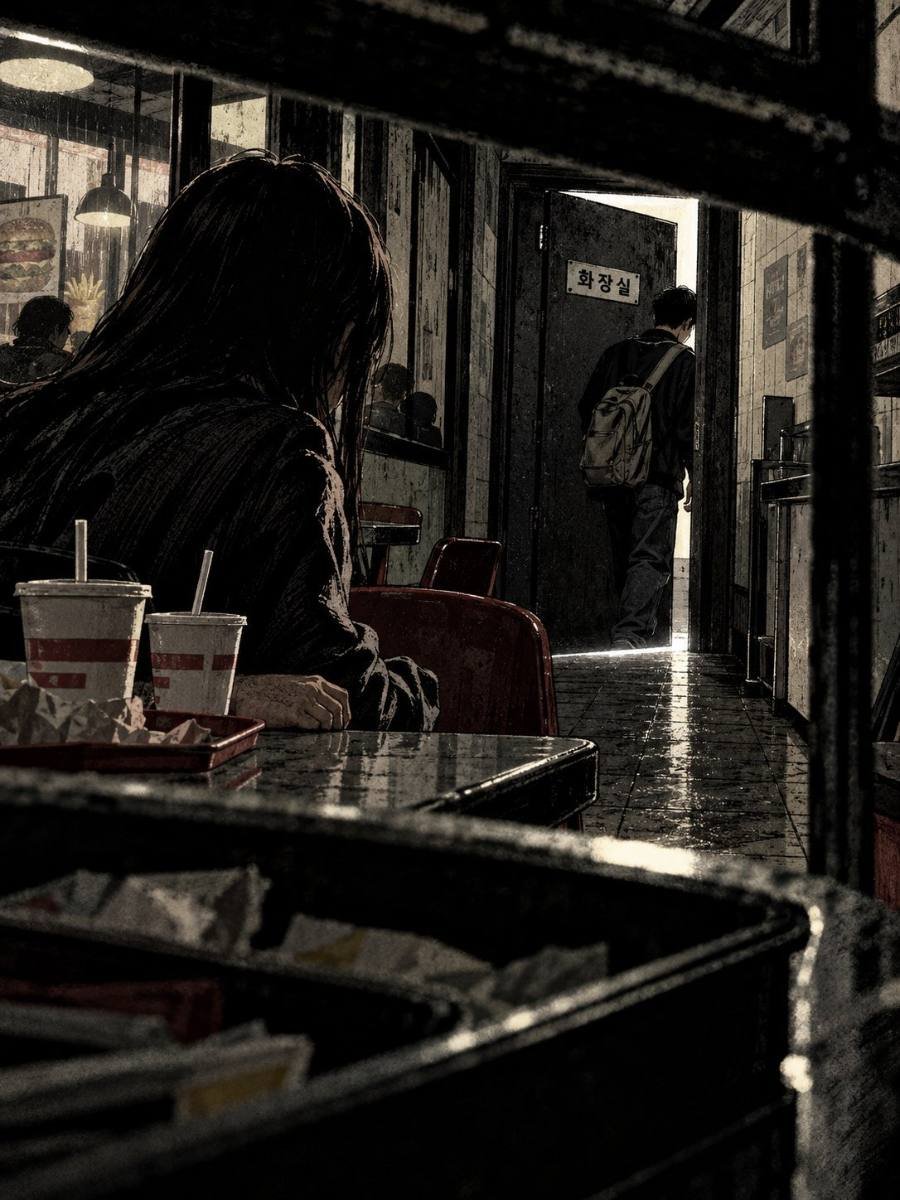
Thursday night, 3 April 1997. Seoul. Around ten o’clock.
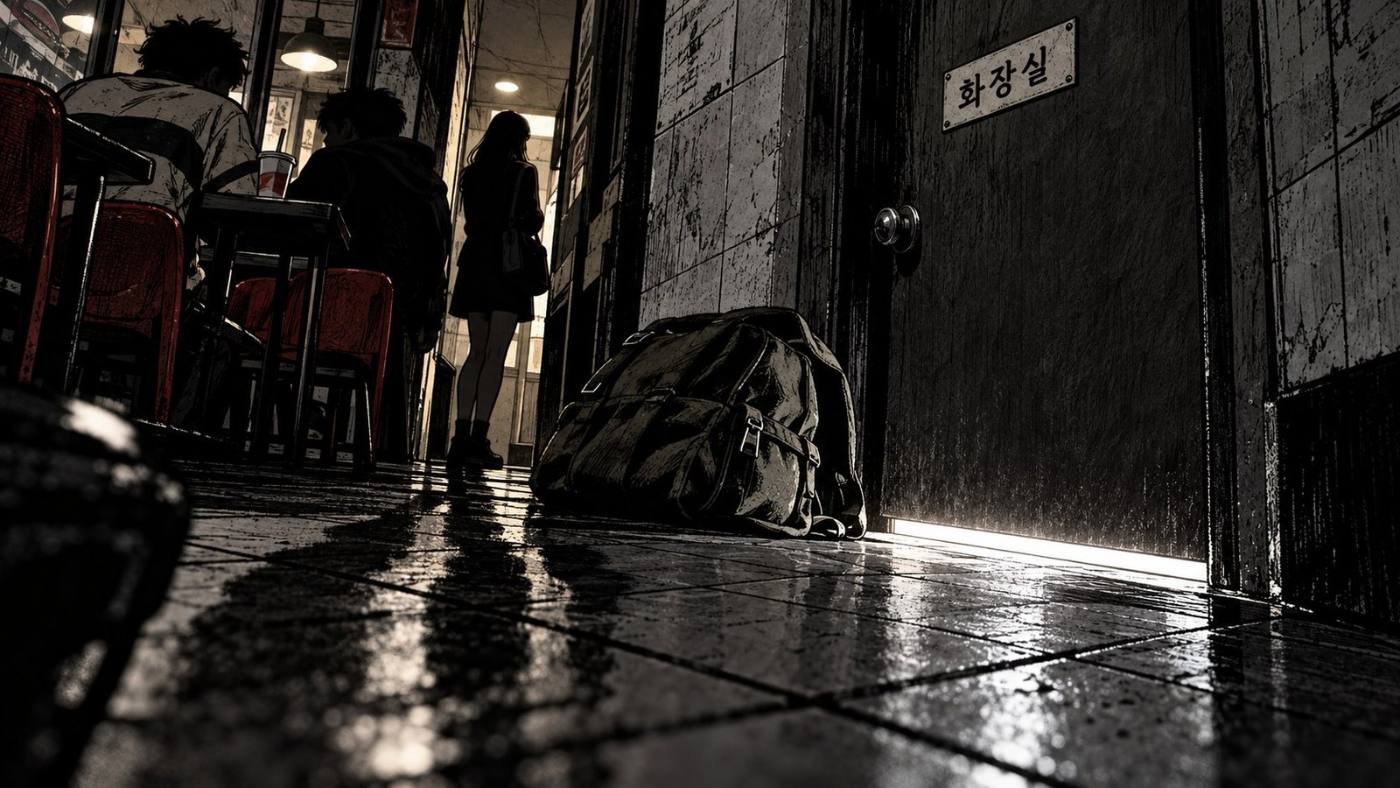
A university student was walking his girlfriend home through Itaewon. On the way they stopped at a Burger King. He needed the restroom.
She waited.
About ten minutes went by. He did not come back.
What happened inside that small men’s room would take Korea’s courts almost 20 years to settle. Two American teenagers had been in there with him, and each would say the other one did it. One was convicted of murder and later acquitted. The other was released, left the country, and was convicted of the murder in 2016. The Supreme Court made that verdict final in January 2017. (KHAN-2015a) (MT-2021) (JA-2017) (KT-2017) (STRIPES-2017)
Itaewon, where Seoul met the US Army
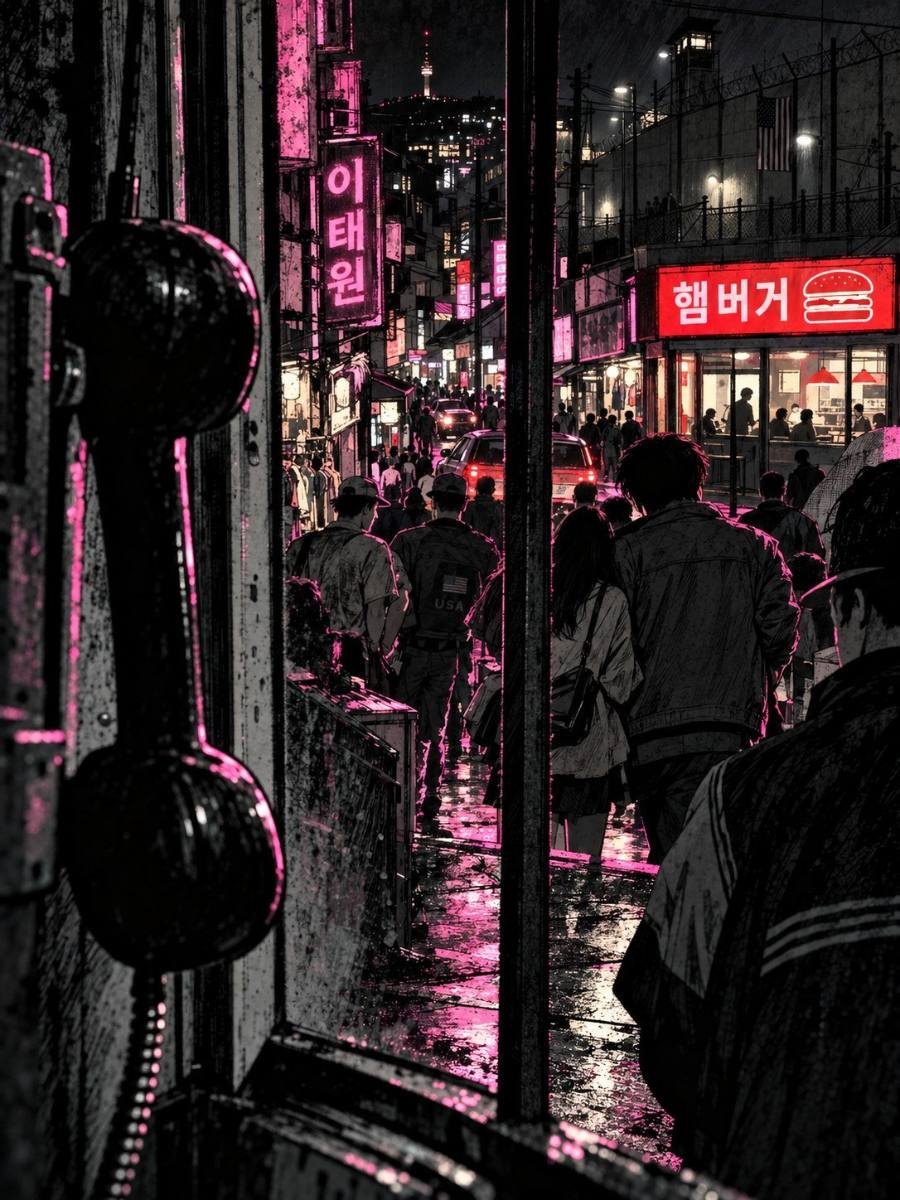
If you have never been there, Itaewon is a neighbourhood in Yongsan district, in central Seoul.
The Korea JoongAng Daily describes it as an area “once mostly frequented by U.S. military personnel.” The Eighth US Army’s main compound sat in the same district, at Yongsan. Later the area turned into a nightlife and tourist strip, and the Christian Science Monitor would call it “Seoul’s main expat district.”
The student was Jo Jung-pil. He studied at Hongik University in Seoul. He was 22.
Korean reports often make him 23. That is the traditional Korean way of counting age, which gives everyone an extra year. The courts and the English-language press use the international age, and so does this file. You will also see his family name spelled Cho. Same man, different romanisation. (JA-2016b) (CSM-2015) (SEGYE-2011a) (JA-2016a) (JA-2017) (KHAN-2015a) (KT-2017) (SEGYE-2011c)
A stranger to everyone inside
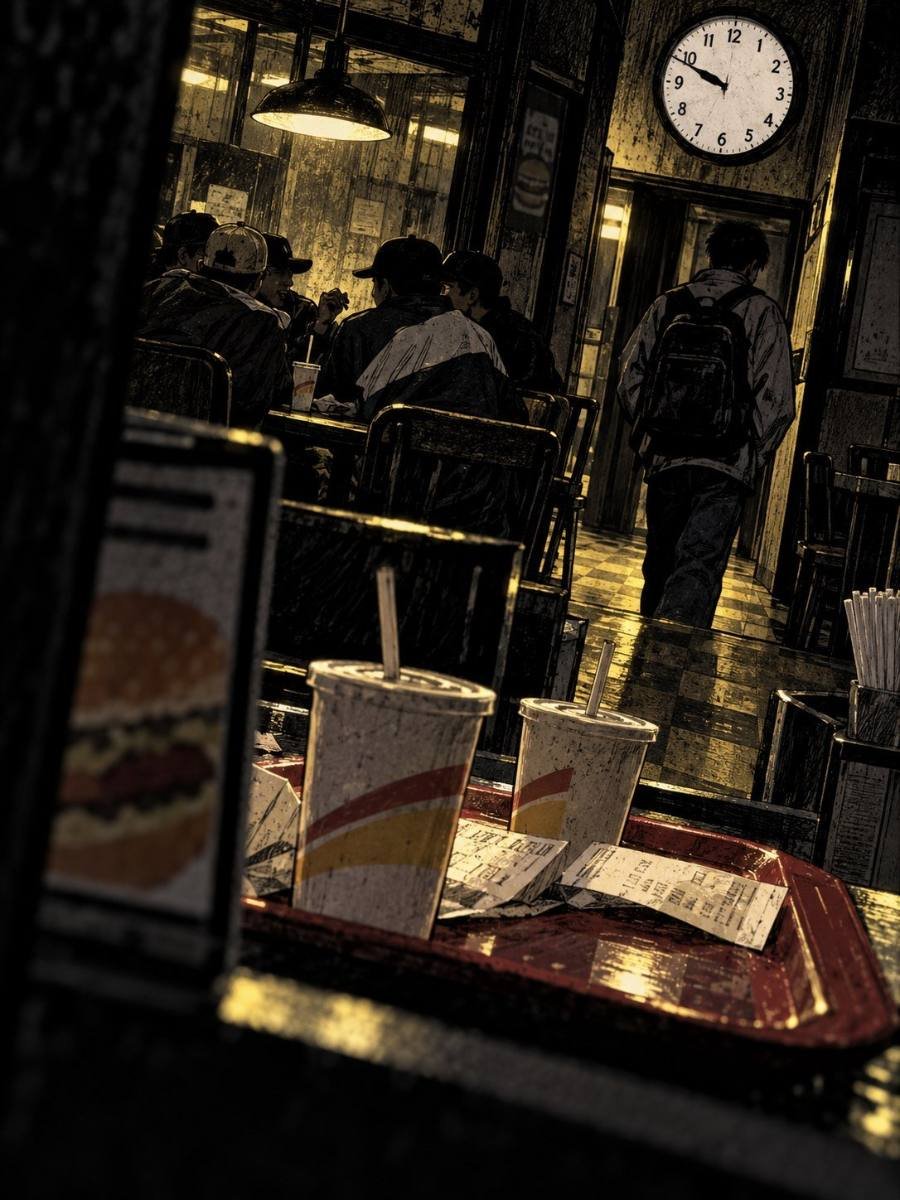
The Burger King stood in Itaewon-dong, in Yongsan district.
Nobody agrees on the exact minute. One Korean report says about 9:30 p.m. Another says 10:20 p.m. Most accounts settle on around 10 p.m., and so will this one.
It had been a busy evening. Wikipedia’s account of the case says there had been about 22 teenagers at the restaurant, and that most of them had left before the killing.
Jo did not know any of them. No source has ever found a link between him and the two teenagers who were about to matter. The Korea JoongAng Daily called him “apparently a stranger to both.” Segye Ilbo, a Seoul daily, found no motive and no grudge. (KHAN-2015a) (NT-2018) (STRIPES-2017) (SEGYE-2011c) (JA-2017) (WIKI) (JA-2011)
Three people in a small men’s room
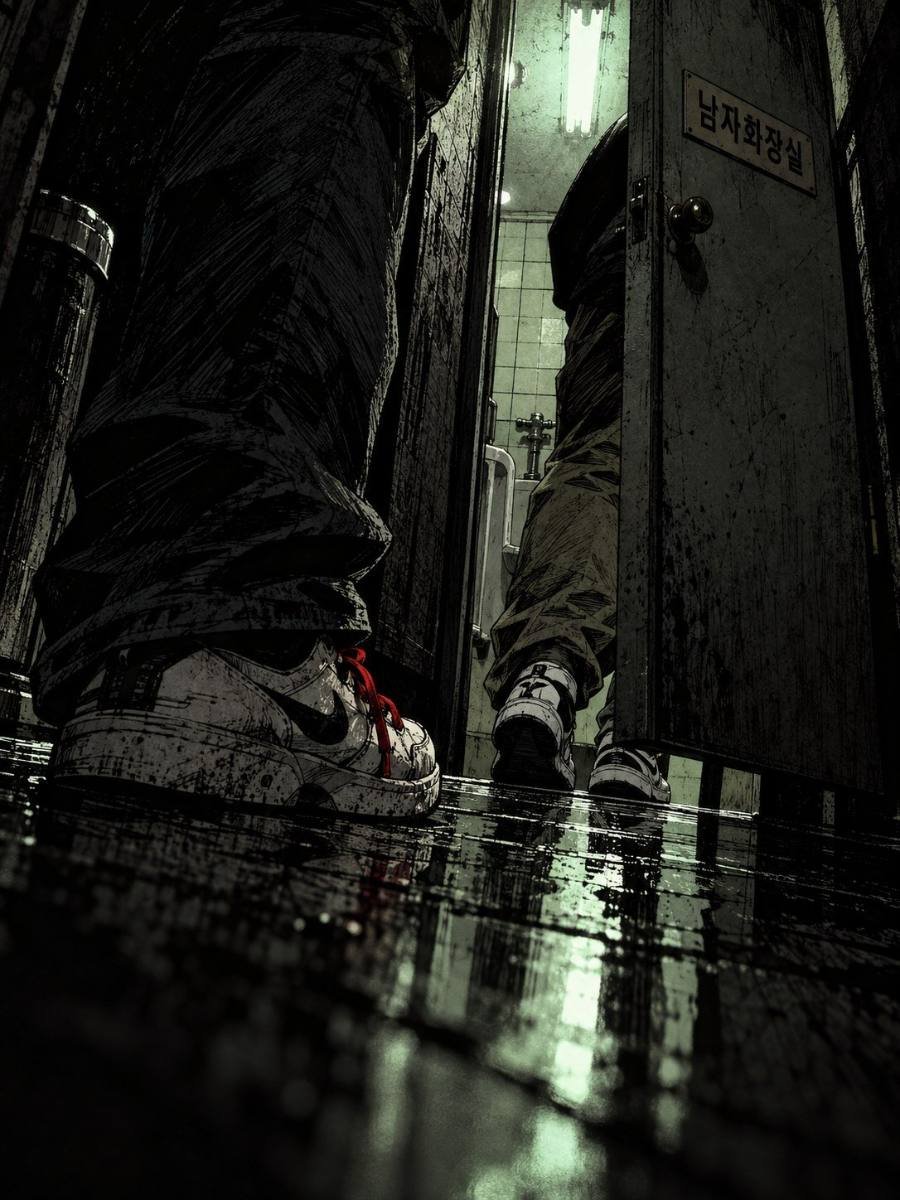
The restroom was small. No source describes much more than that, apart from “a corner” where Jo was later found.
Two American teenagers were in there with him.
One was Arthur John Patterson. He was 17, born in December 1979. His mother was Korean. His father was a civilian working for the US military, which is why the family was in Seoul. Korean outlets often give his age as 18, by the Korean count.
The other was Patterson’s friend, a Korean-American teenager of 18. A court later acquitted him, and this file does not name him.
Two teenagers. One student. Each of the two would later tell investigators that the other one had done it. (KHAN-2015a) (CSM-2015) (JA-2016b) (MT-2021) (KT-2017) (JA-2017) (AP-2015) (JA-2016a) (SEOUL-2015)
What she found in the corner
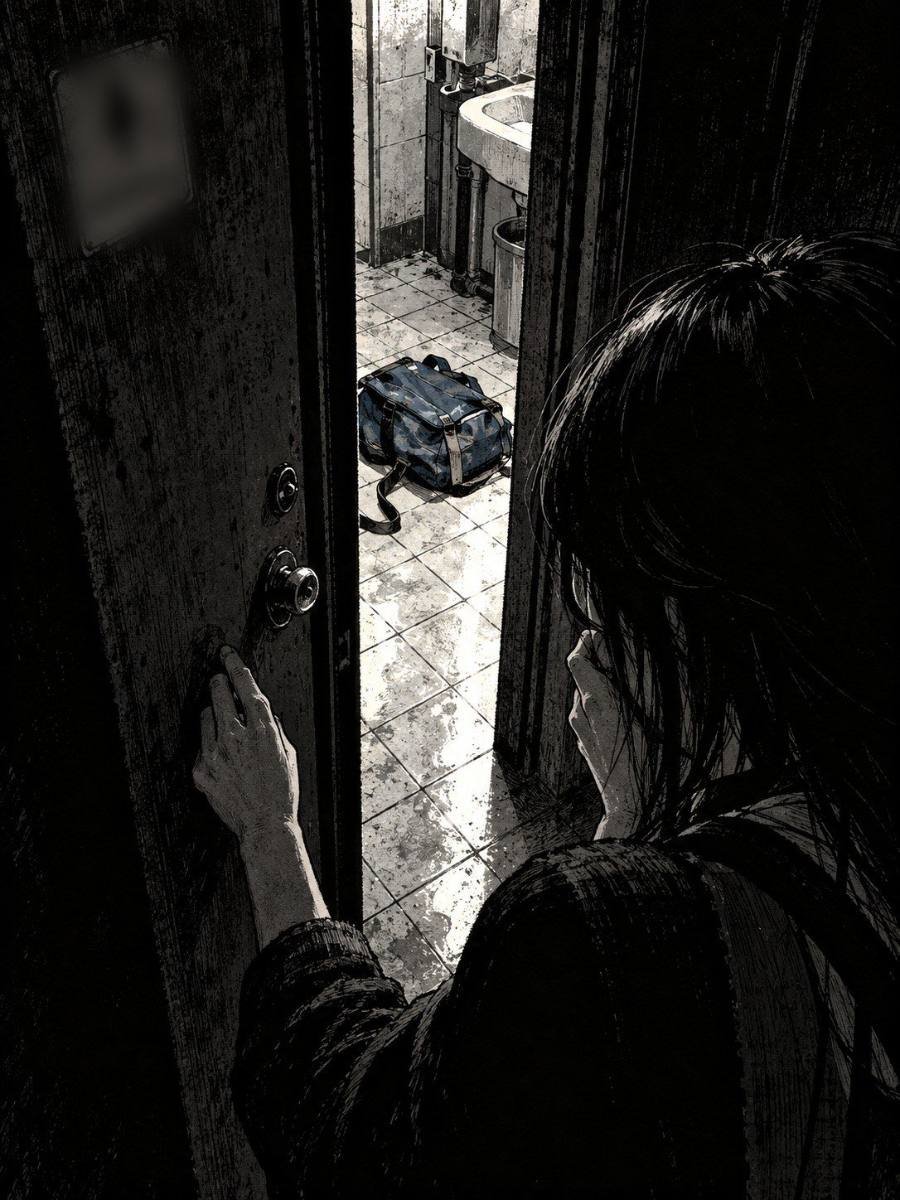
When he still had not come out, his girlfriend went to look.
She found him in a corner of the restroom. None of the sources names her, and this file will not either.
He had been stabbed several times. Most reports say he was already dead when emergency crews arrived. The Associated Press says he died on the way to hospital.
Jo Jung-pil had walked in with a backpack on his shoulders. Remember that. Eighteen years later, prosecutors would bring it up in court.
No motive. No grudge. Just two teenagers who had been in the room with him. (MT-2021) (YTN-2025) (KHAN-2015a) (JA-2016a) (AP-2015) (SEOUL-2015) (SEGYE-2011c)
Somebody gave the Army a name
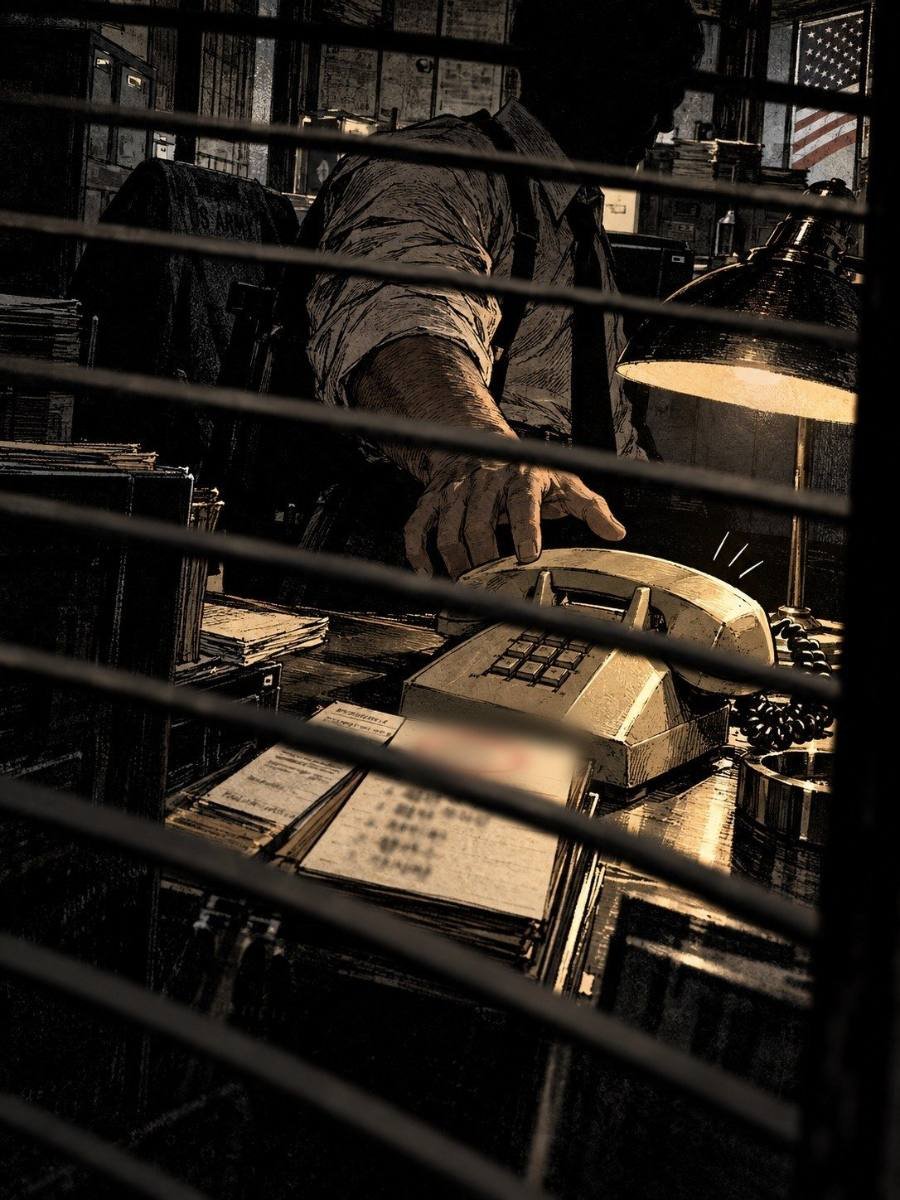
The next day, a tip reached the US Army’s Criminal Investigation Division, known as the CID.
It named Patterson. According to YTN and Wikipedia, whoever sent it did not give their own name.
A Yongsan police detective who worked the case later told Segye Ilbo that Korean police and the CID arrested Patterson together. They found him at the Dragon Hotel, inside the Eighth US Army compound.
Cases like this run through SOFA, the US–Korea Status of Forces Agreement, the treaty that sets the terms for American forces in the country. The handover to Korean police took one day.
“In SOFA history the US military had never handed a suspect over to us so fast,” the detective said. YTN dates the handover to 6 April 1997. (SEGYE-2011a) (YTN-2025) (MT-2021) (WIKI) (KHAN-2015a)
A half-burned shirt and borrowed clothes
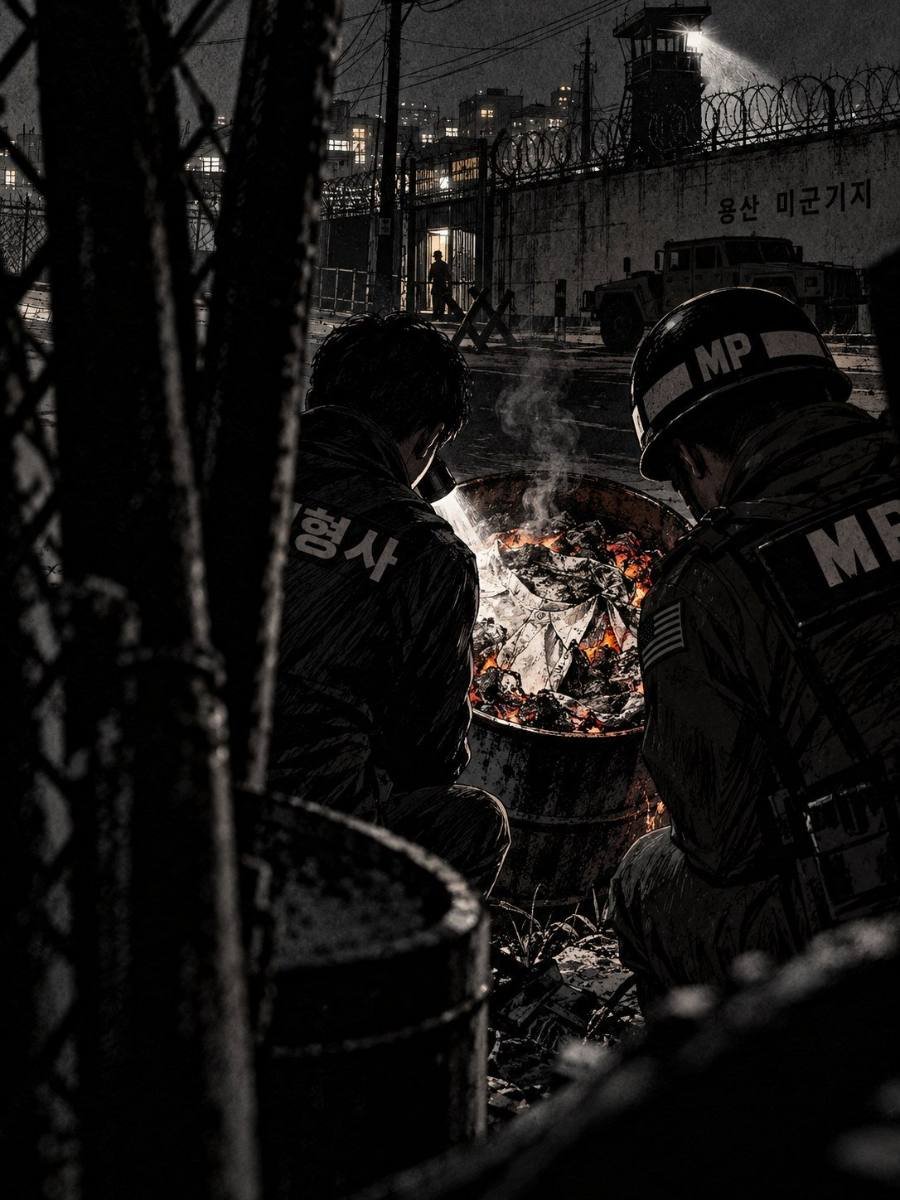
Investigators recovered what was left of a shirt.
It belonged to Patterson. It was bloodstained and partly burned.
According to an SBS television retelling, summarised by Money Today, he had washed and changed into a friend’s clothes after the attack.
Years later, in 2015, a friend from his high-school days testified that Patterson had washed blood out of his hair.
Destroying evidence would be one of the charges he eventually faced. Murder would not. Not for another 14 years.
First, though, Patterson told investigators where the knife was. (SEGYE-2011a) (YTN-2025) (MT-2021) (SIDAE-2017)
Lifting every drain cover on the base
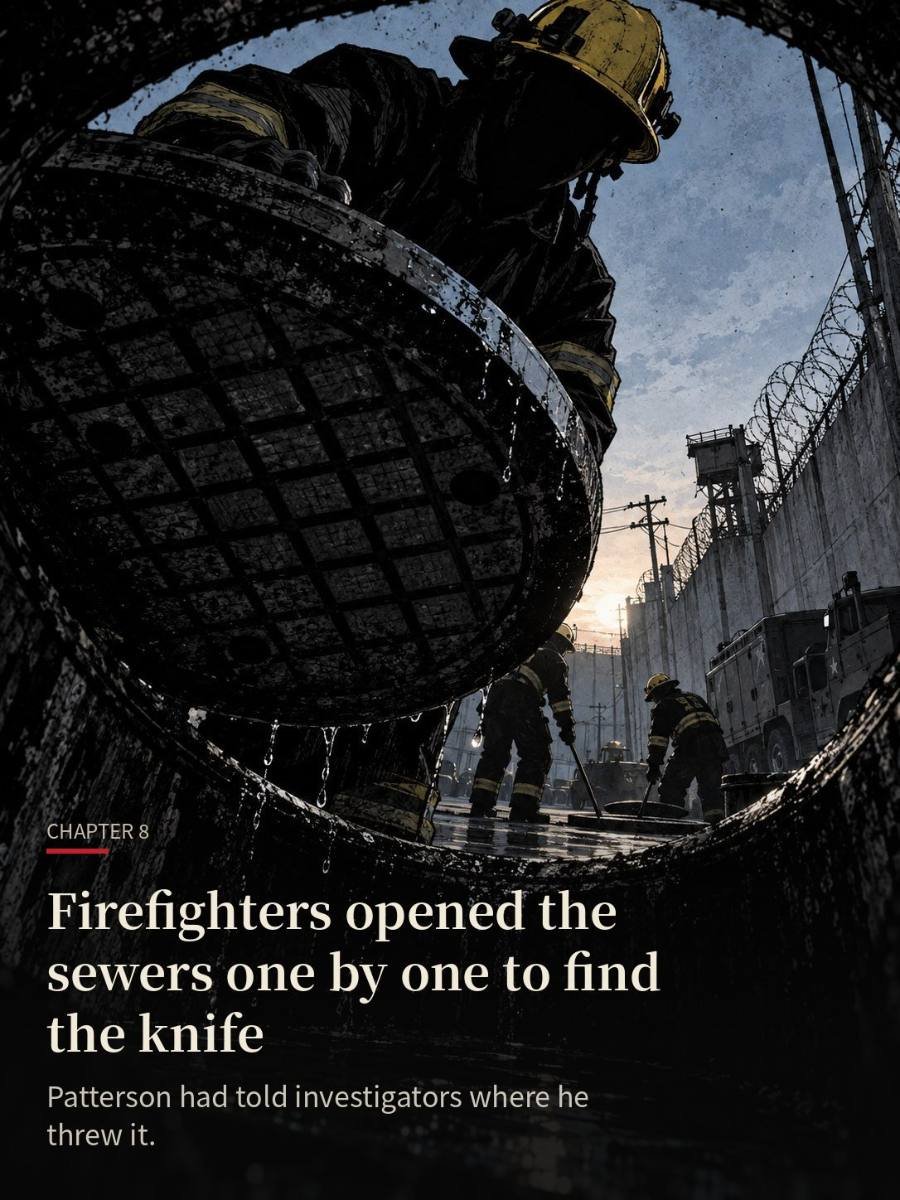
He said he had thrown it into a sewer inside the Eighth Army compound.
So US military firefighters started opening drain covers. One, then the next, then the next, down the line, until the knife turned up.
For the Americans, the picture already looked clear. The CID concluded that Patterson was the attacker. At his trial in 2015, a former CID investigator testified that 15 people had told the CID that Patterson did the stabbing.
The Korean detective believed the Americans were sure. In 2011 he went further. “Considering the various circumstances, the murderer was Patterson,” he said.
He did not live to see a court agree. He died in a car accident in March 2013. (SEGYE-2011a) (KHAN-2015b) (MT-2021) (SIDAE-2017) (JA-2016b)
Each one pointed at the other
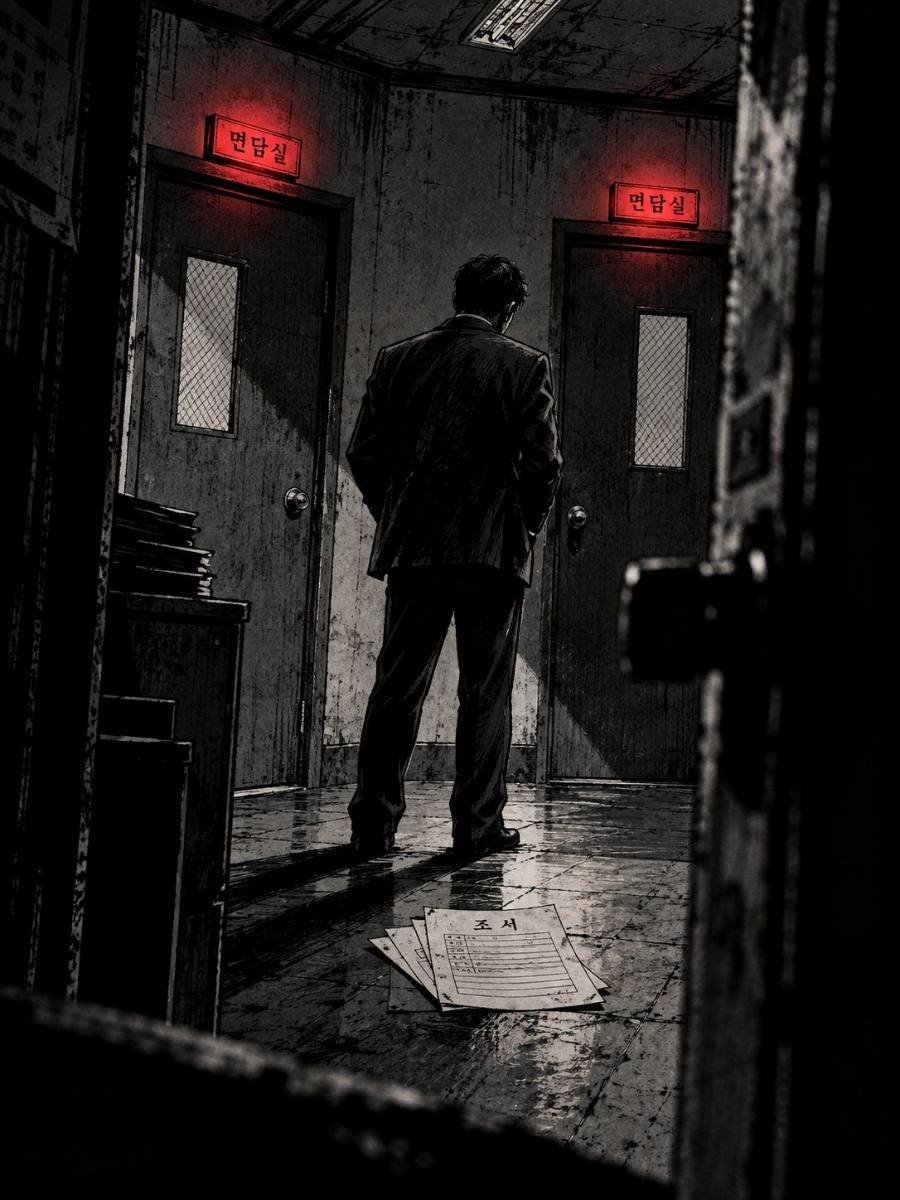
The friend came in on 8 April 1997. His father brought him.
From then on, the two teenagers told the same story with the names swapped. Each said the other one had done it. Patterson blamed his friend. His friend blamed Patterson.
Korean police treated the two as co-principals, meaning both could be held equally responsible, and sent both of them to prosecutors on murder charges.
Now it was the prosecutors’ decision. They had a tip, a burned shirt, a knife from a sewer and an Army investigation that pointed one way.
They also had an autopsy. (YTN-2025) (WIKI) (KHAN-2015a) (JA-2016a) (SEOUL-2015) (AP-2015) (SEGYE-2011a)
176, 172, 180
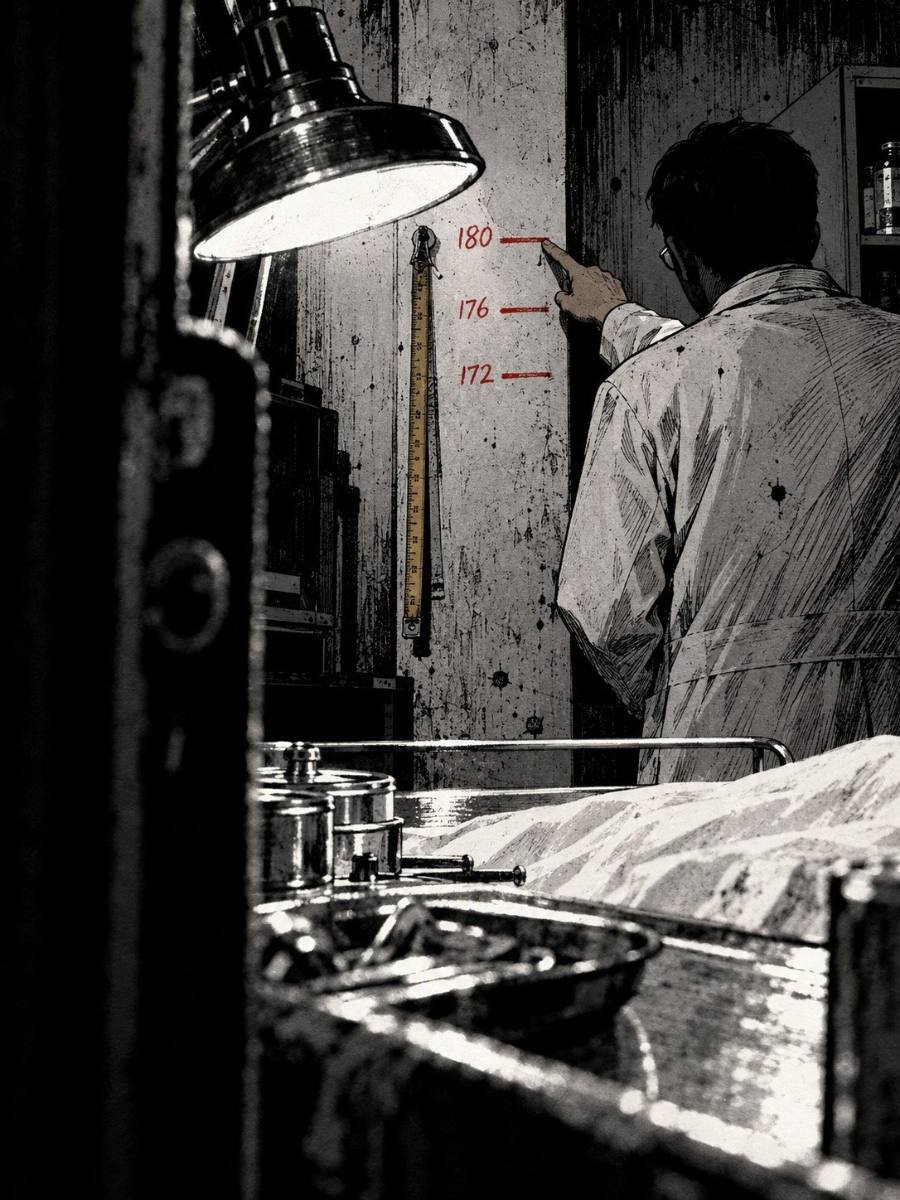
The autopsy was carried out by a professor at Seoul National University.
He told the court in 1997 that the attacker was probably taller and stronger than the victim.
Then look at the three of them. Jo was 176 cm tall. Patterson was 172 cm, and slight. His friend was about 180 cm and heavily built. In feet, roughly five foot nine, five foot eight and five foot eleven.
That opinion was one of the reasons prosecutors singled out the friend. Patterson, the smallest of the three, was the one the Army’s investigators had named.
Eighteen years later the same doctor would be asked about it again, under oath. (NT-2015) (MT-2021) (YTN-2025)
Life for one teenager, 18 months for the other
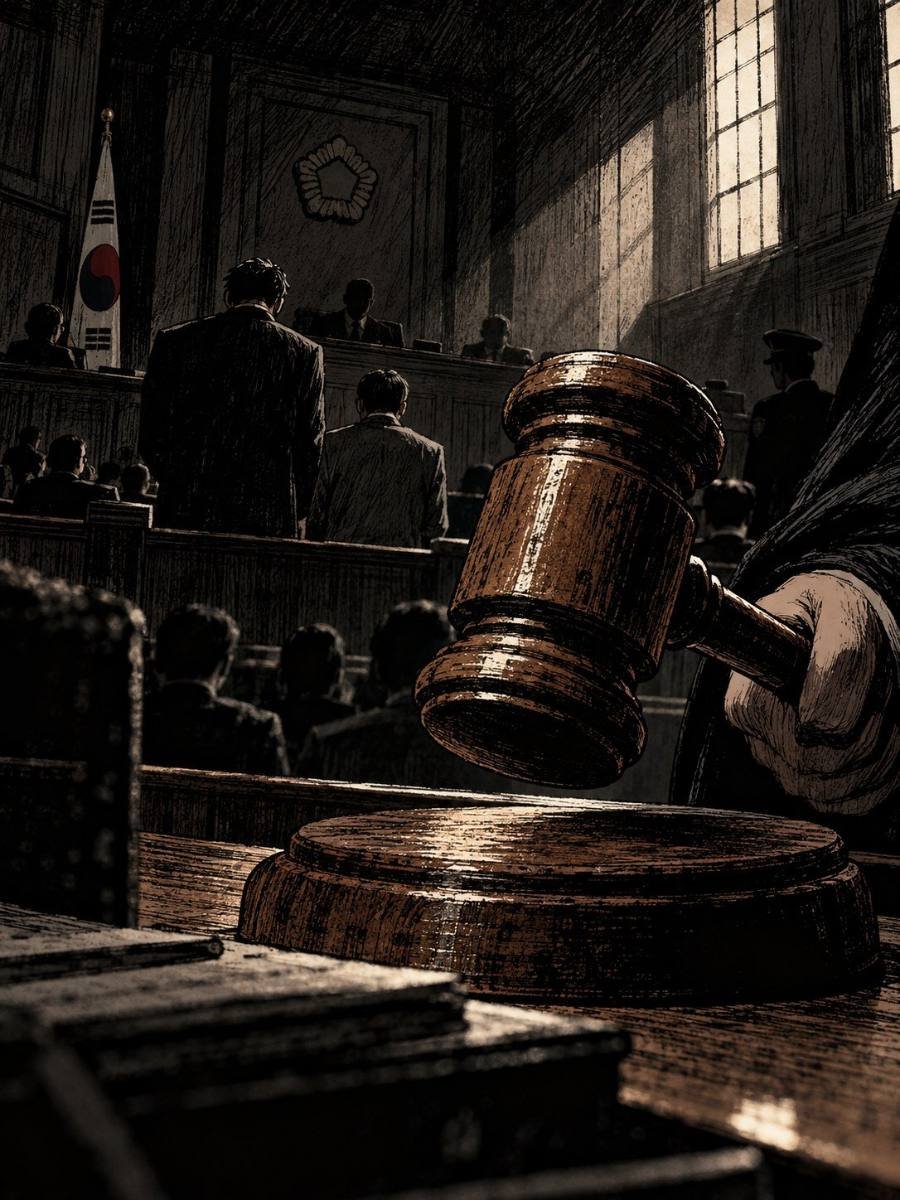
Prosecutors charged only one of the two with murder. It was the friend.
Patterson was charged with possessing an illegal weapon and destroying evidence. One Korean timeline dates both indictments to 26 April 1997.
On 2 October 1997, the district court sentenced the friend to life in prison. Patterson got 18 months.
On appeal, on 26 January 1998, the friend’s sentence was cut to 20 years. Patterson, as a minor, got an indeterminate juvenile term: at least one year, at most 18 months.
The prosecutor who had made the call later left the prosecution service and opened a law office in North Jeolla province. He has turned down every interview, the Korea JoongAng Daily reported. (SIDAE-2017) (KT-2017) (CSM-2015) (KHAN-2015a) (SEOUL-2015) (AP-2015) (STRIPES-2017) (JA-2016b)
Nobody left in the dock
Three months later, the case came apart.
On 24 April 1998, Korea’s Supreme Court overturned the friend’s conviction for insufficient evidence and sent the case back. According to the daily Kyunghyang Shinmun, the court found Patterson’s statements unreliable.
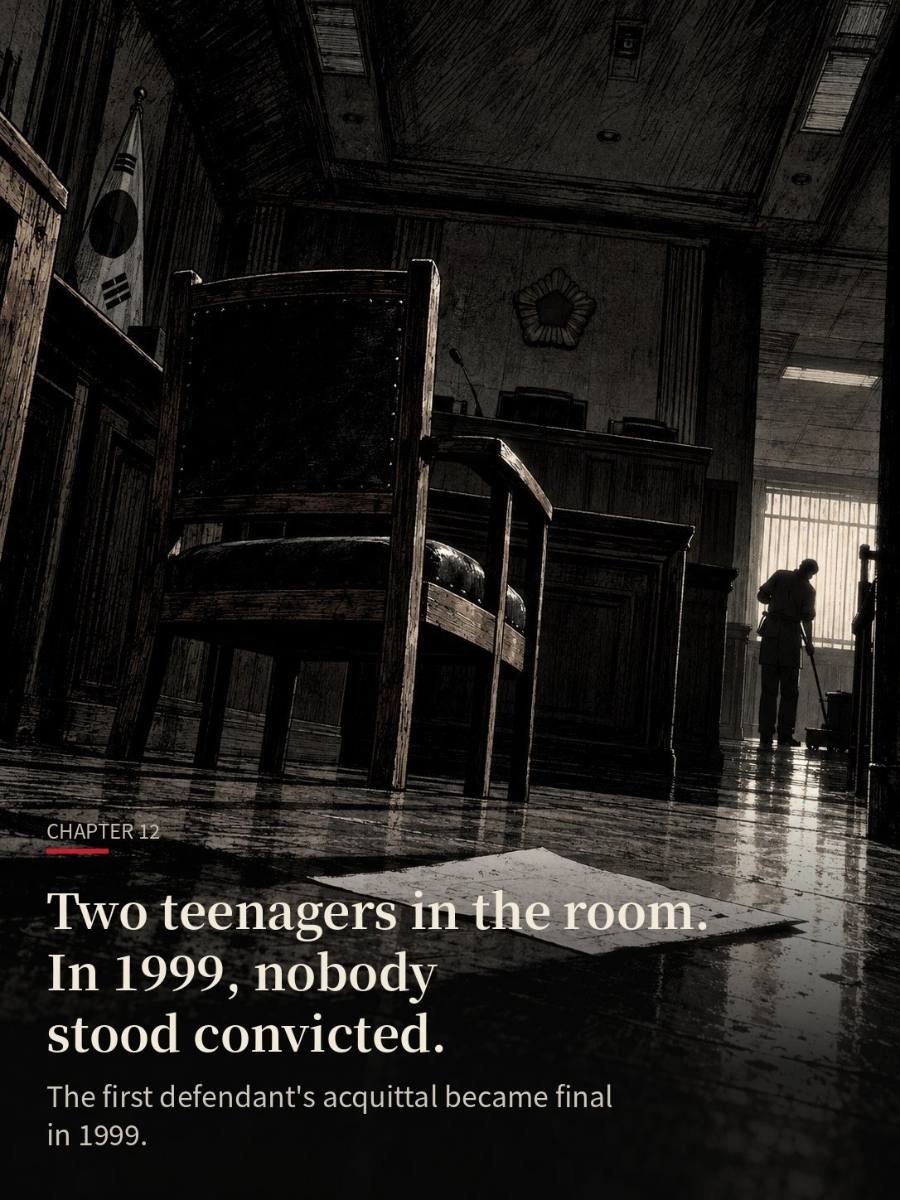
In September 1998 the Seoul High Court acquitted the friend on retrial. In Korea, prosecutors can appeal an acquittal, and they did. In September 1999 the Supreme Court made the acquittal final.
So there was a dead student. There were two teenagers who had been in the room with him. And there was no one convicted of killing him.
Critics had a phrase for it: “a murder case without a murderer.” (SIDAE-2017) (NEWSIS-2018) (KHAN-2015a) (SEGYE-2011c) (SEOUL-2015) (KT-2017)
Free on Liberation Day
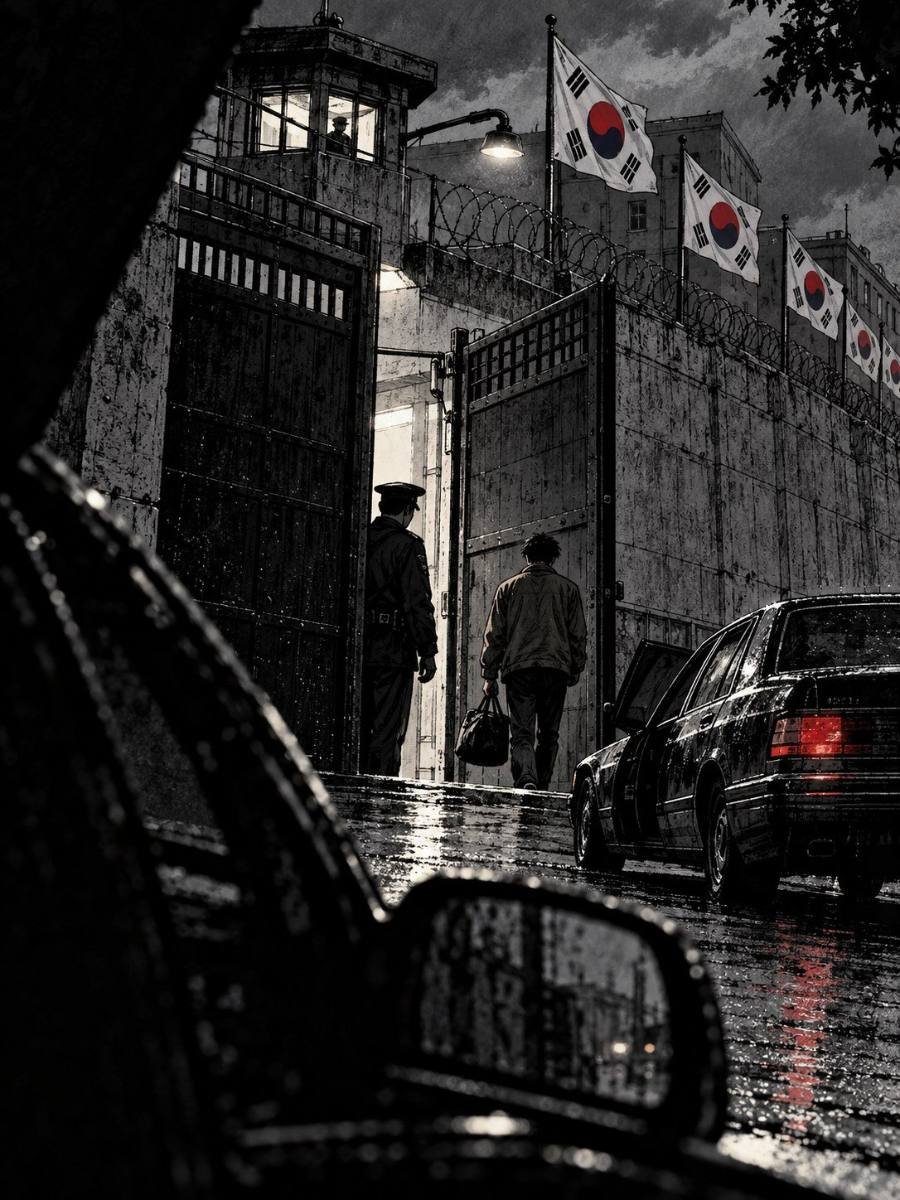
By the time the friend was acquitted on retrial, Patterson was already out.
He walked free on 15 August 1998. That is Liberation Day, Korea’s national holiday marking the end of Japanese colonial rule in 1945.
Most sources call his release a special pardon or amnesty. Two Korean sources describe it as a suspension of his sentence. The Korea Times put the time he had served at about eight months.
Jo’s family refused to let it end there. On 9 November 1998 they filed a murder complaint against Patterson themselves. Prosecutors reopened the case and barred him from leaving Korea. (JA-2016a) (STRIPES-2017) (KT-2009) (SEOUL-2015) (SIDAE-2017) (KHAN-2015a) (NT-2018) (AP-2015)
The days nobody renewed the ban
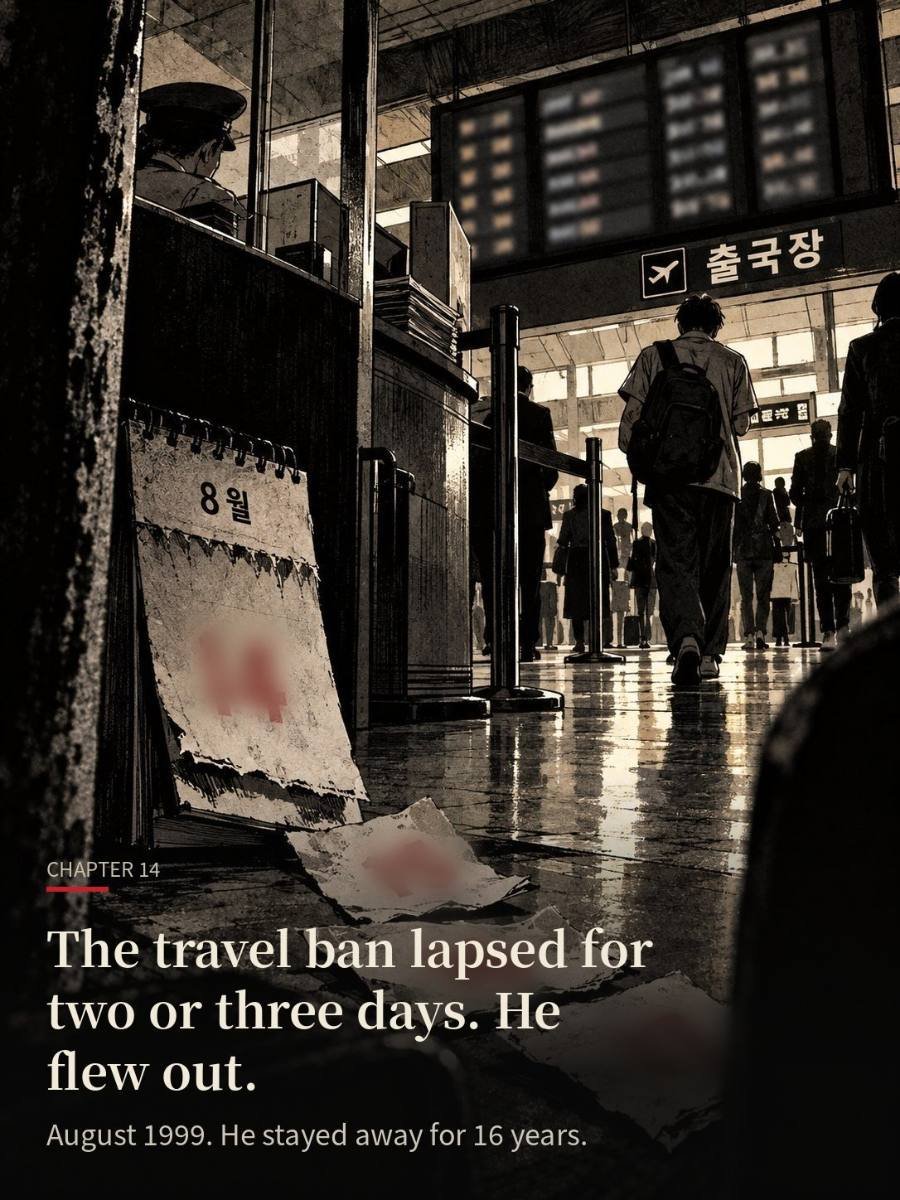
A travel ban like that does not run forever. This one had to be renewed.
In August 1999 it lapsed. Nobody renewed it in time.
Kyunghyang blamed a personnel reshuffle at the prosecutors’ office and put the gap at three days. A civil court in 2018 put it at two days and blamed the prosecutor in charge. The Associated Press, citing the Justice Ministry, says Patterson left “while authorities were trying to renew the travel ban.”
He flew to the United States. One Korean timeline gives the date as 24 August 1999.
His friend’s acquittal became final the following month. By then, Patterson was on the other side of the Pacific.
Prosecutors asked the US for investigative help in November 2000 and again in January 2002. On 17 October 2002 they suspended the case. (KHAN-2015a) (NT-2018) (AP-2015) (SIDAE-2017) (KT-2017) (CSM-2015) (SEGYE-2011c) (SEOUL-2015)
A small box of her son’s hair
Jo’s mother is Lee Bok-su.
In the autumn of 1998, according to a Seoul city media service, she kept strands of her son’s hair from his room in a small box. She said she wished she could clone him from them.
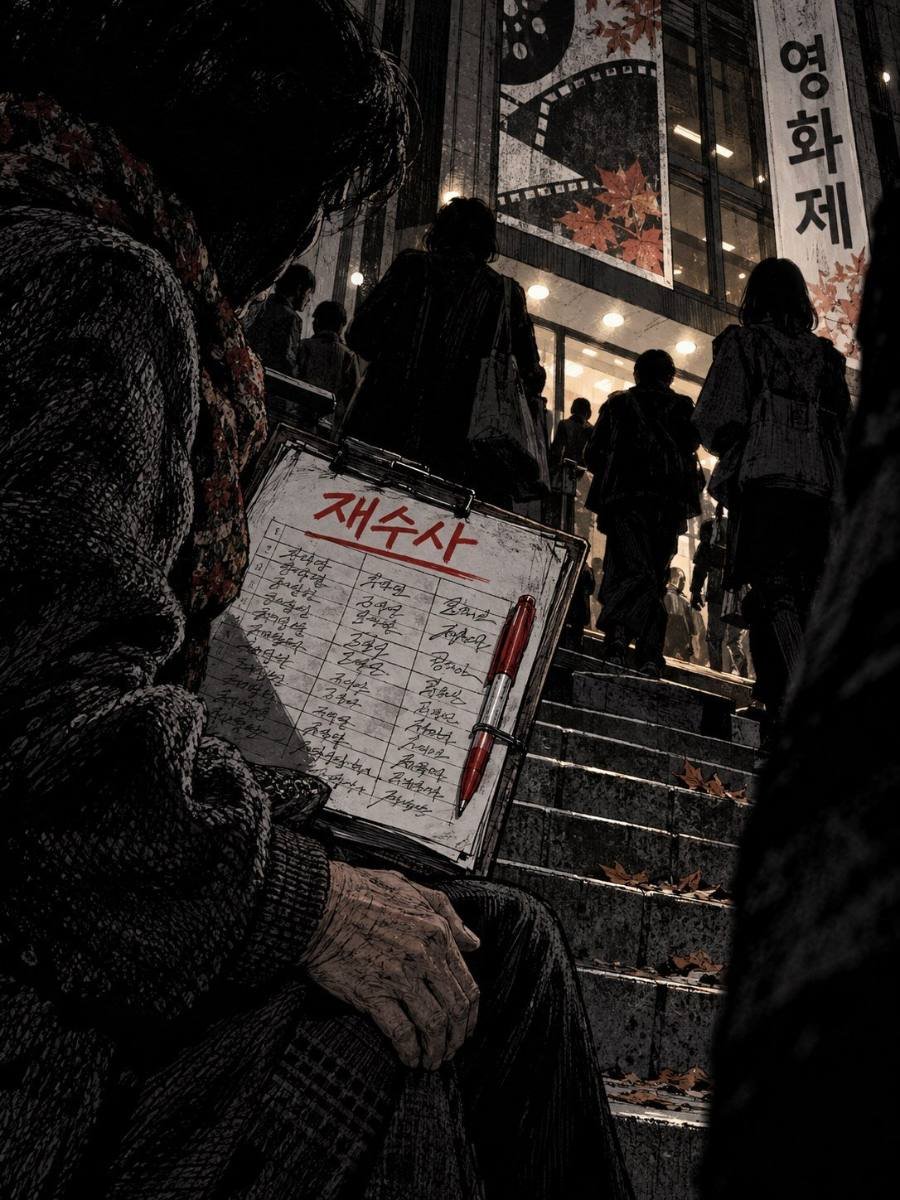
A year later she was going wherever crowds gathered, including a human-rights film festival, to collect signatures on a petition for a new investigation. She sat outside the theatre, resting her aching legs. She asked: “Why don’t they lock up Patterson?”
It went on for years. A court later found that the family had pressed prosecutors for a proper investigation for more than ten years, and that prosecutors had tried to avoid accepting their complaint. In 2006 another Seoul court ordered the state to pay the family 34 million won, about $34,000, over the prosecutors’ failures. The lapse, that court found, had effectively denied the family the chance to uncover the truth.
In 2018 she explained to a court why she never stopped. The Korean word she used was han, a deep and unresolved grief. “I thought that somehow I had to lay Jung-pil’s grief to rest first,” she said. (MEDIAHUB-2016) (NT-2018) (TWIG-2018) (KT-2017) (STRIPES-2017) (KT-2009) (SEGYE-2011c)
The movie that reopened the file
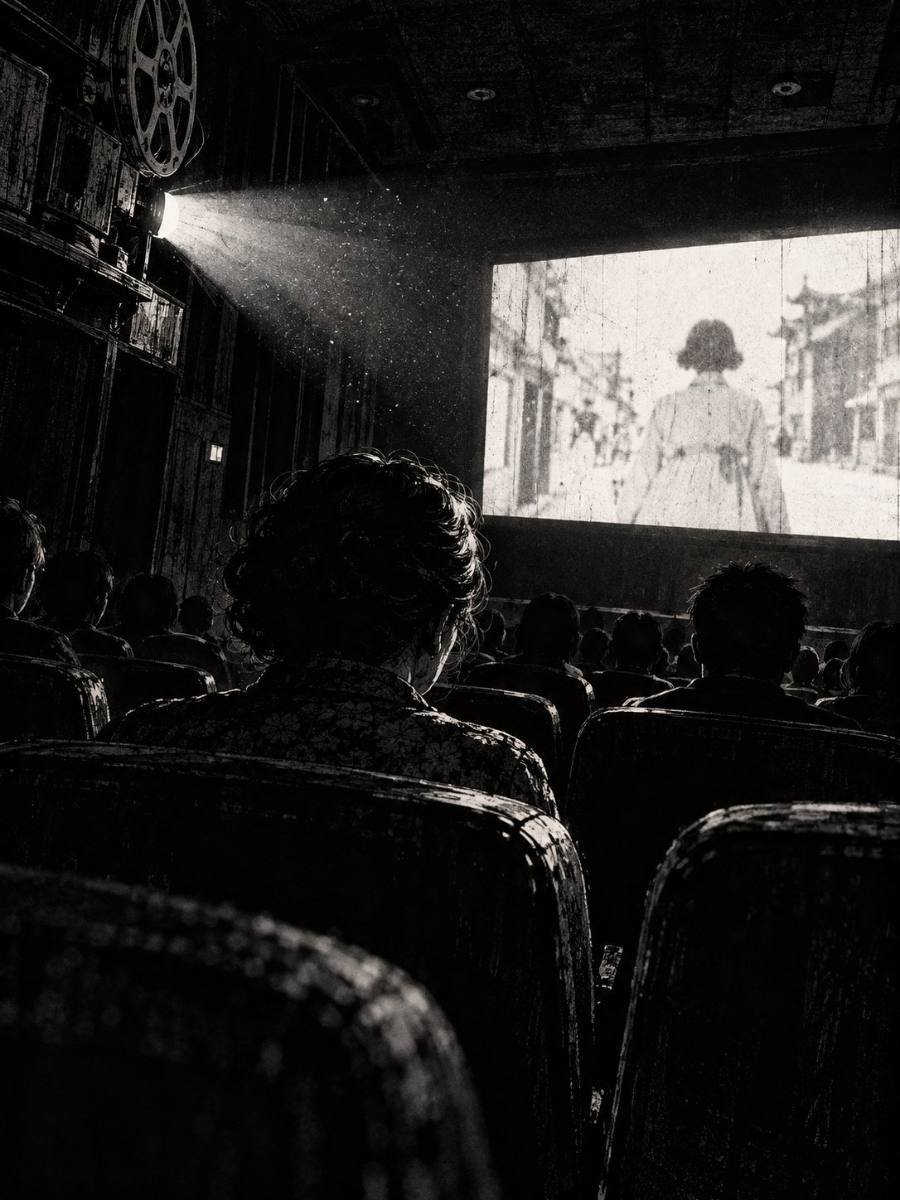
Twelve years after the killing, the story went to the cinema.
The Case of Itaewon Homicide, directed by Hong Ki-seon, opened in Korea in September 2009. Jang Keun-suk played the character based on Patterson. Song Joong-ki played Jo. Jung Jin-young played the lead legal figure, a prosecutor in some accounts and a crusading lawyer in others.
By December the Korea Times counted more than 300,000 viewers. Wikipedia lists 531,068 admissions.
Public anger followed, at the prosecutors and at SOFA, along with calls for a new investigation. A crew from SBS’s investigative programme Unanswered Questions went to the United States, found Patterson within a week and interviewed him.
On 15 December 2009, prosecutors decided to reinvestigate and asked the Justice Ministry to arrange his extradition. The Korea JoongAng Daily credits the family’s complaints and the film together for reopening the case. (KHAN-2015a) (KT-2017) (SEGYE-2011b) (WIKI-FILM) (KT-2009) (SEGYE-2011c) (MT-2021) (JA-2016a) (JA-2017)
“Everyone in this club loves him”
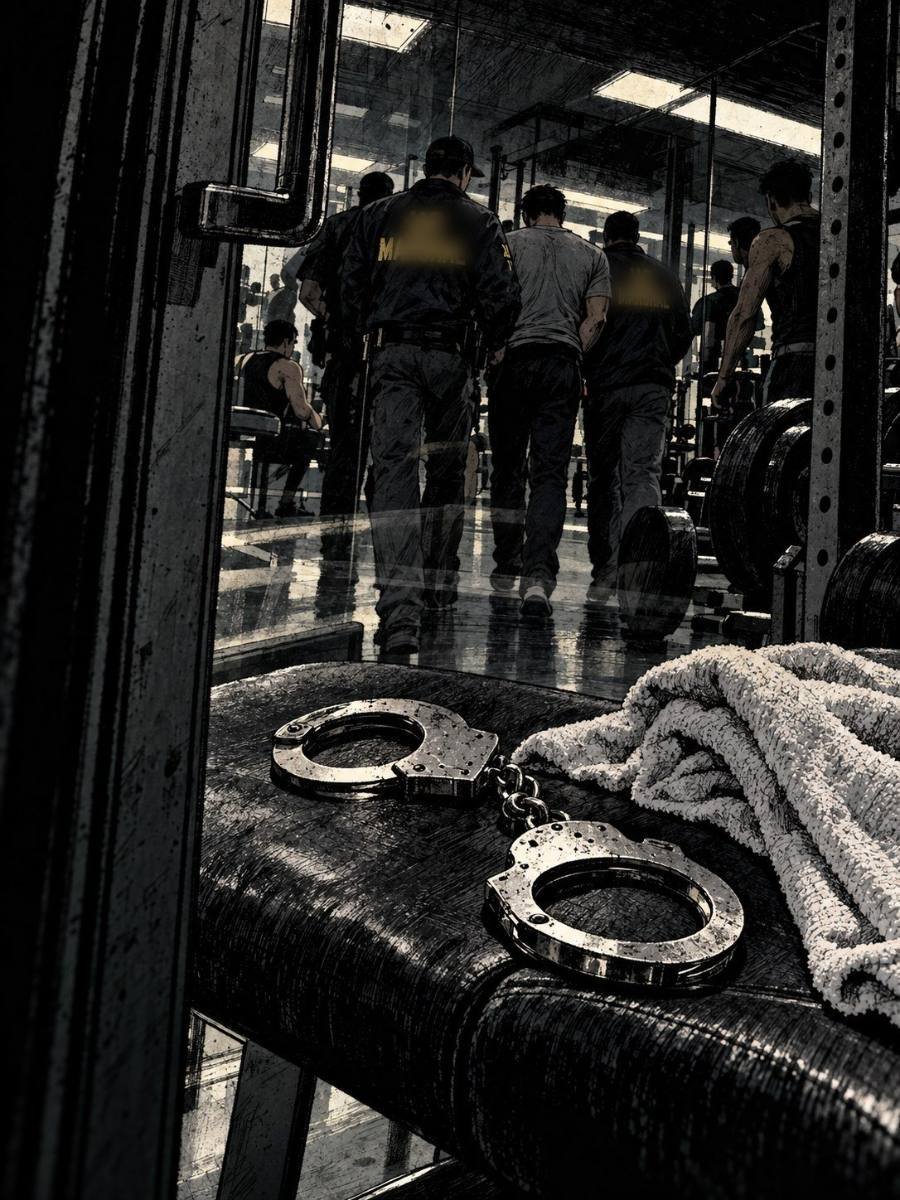
In May 2011, US authorities arrested Patterson near Los Angeles. The arrest was only made public in October.
He was 32 by then, working as a trainer at a fitness club in Los Angeles. Four of his coworkers petitioned for his release. His manager at the club told reporters: “Everyone in this club, including myself, loves him.”
A California court denied him bail. Kyunghyang says he asked three times.
In Seoul the clock was running. On 22 December 2011, prosecutors indicted him for murder, about three months before the 15-year statute of limitations would have run out. Segye noted that the clock had in any case stopped while he was abroad.
On 22 October 2012 a federal court in Los Angeles approved his extradition. He fought it with habeas corpus petitions and lost at both levels in 2013. (JA-2011) (KHAN-2015a) (JA-2016a) (SIDAE-2017) (STRIPES-2017) (SEGYE-2011c)
Sixteen years away, then Incheon
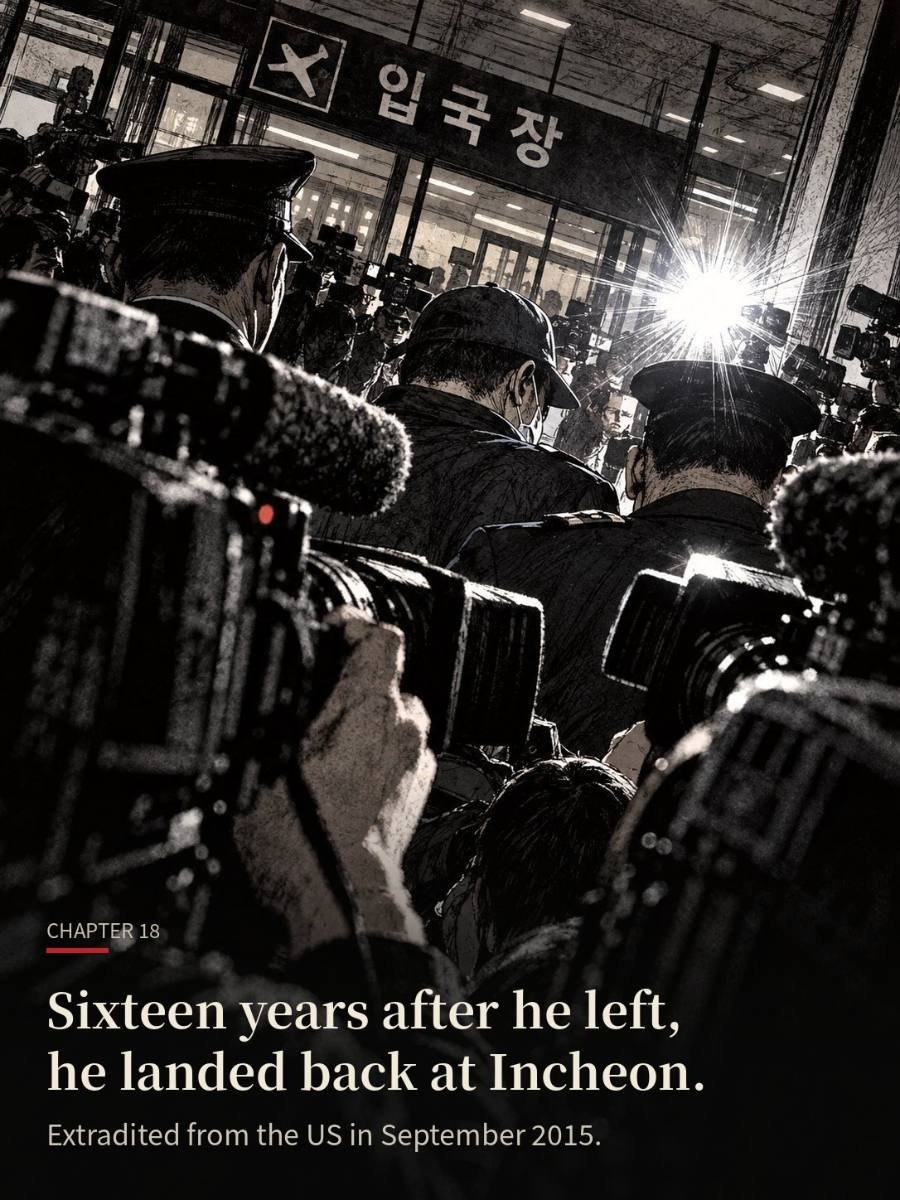
On 21 September 2015 the Justice Ministry sent officials to bring him back.
The day before he landed, Lee Bok-su spoke to Kyunghyang by phone. The news had jolted her awake, she said. She would be at the trial in person.
Kyunghyang expected the plane to land at dawn. The Christian Science Monitor says he had been sent from Sunnyvale, California.
On 23 September 2015, Patterson arrived at Incheon International Airport, Seoul’s main gateway. He was 35. He had left in 1999. Sixteen years.
Reporters were waiting. “I’m still shocked that I’m even here,” he said. Then, about Jo’s family: “It’s not right that they have to keep going through this pain over and over and over.” (KHAN-2015a) (CSM-2015) (AP-2015) (SIDAE-2017) (KT-2018)
They built the restroom again
The trial opened in Criminal Division 27 of the Seoul Central District Court. At the first preparatory hearing, on 8 October 2015, Patterson pleaded not guilty.
On 4 November the friend, acquitted long before, took the stand as a witness for the prosecution.
The autopsy doctor came back too. This time he testified that the height gap between Patterson and Jo would not have prevented the wounds. What he had meant in 1997, he said, was only that a much shorter attacker, around 150 to 160 cm, would have found it awkward.
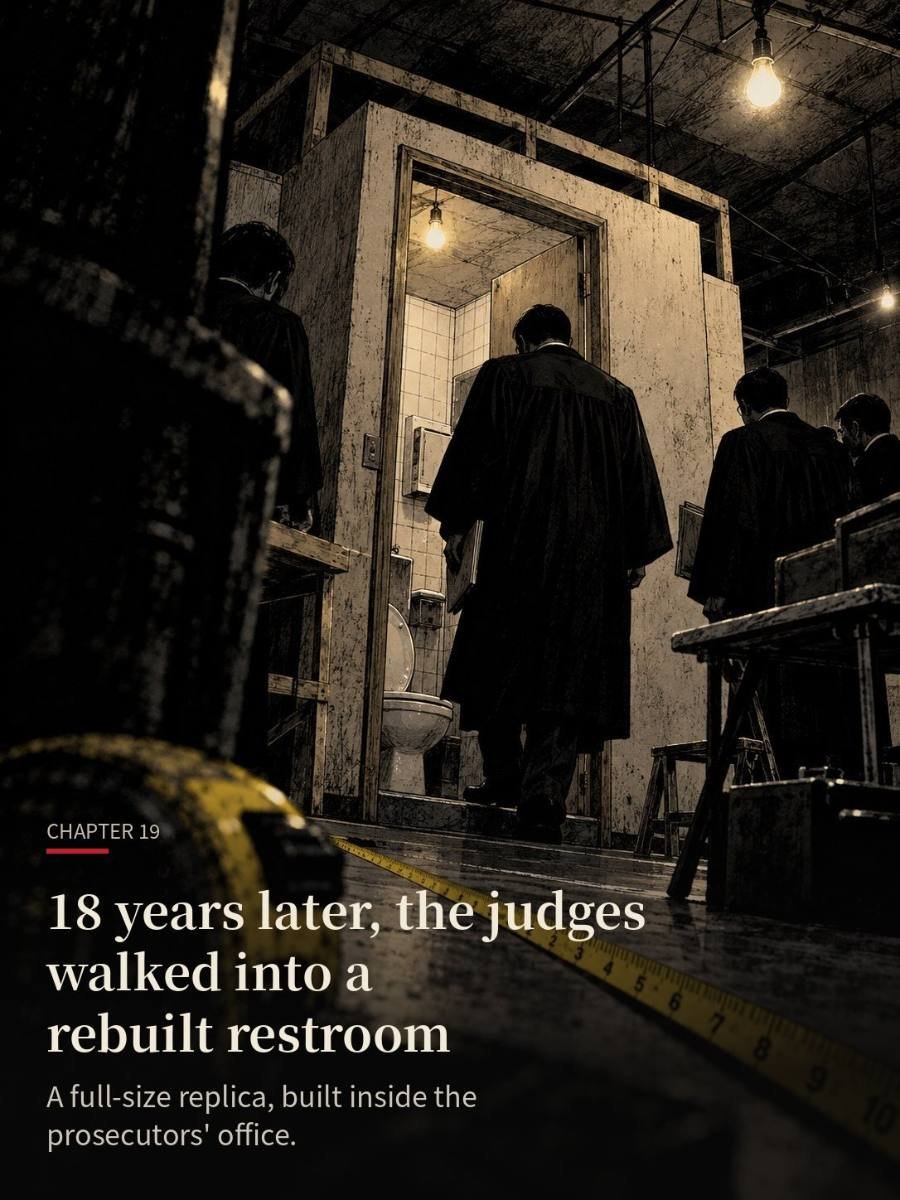
On 14 December 2015 the judges stepped into a restroom built for the trial: a full-size replica, put up inside the prosecutors’ office.
The case now rested on blood-spatter analysis. It showed far more blood on Patterson’s face, hands and clothing than on his friend. Prosecutors also pointed out that Jo had been wearing his backpack. (SIDAE-2017) (NT-2015) (KHAN-2015b) (CSM-2015) (JA-2016b) (SEOUL-2015) (JA-2016a) (MT-2021)
No room for any reasonable doubt
Prosecutors asked for 20 years. It was the legal maximum for someone who had been a minor at the time of the crime.
On Friday 29 January 2016 the court convicted Patterson, then 36, of murder and gave him exactly that. It found his statements “inconsistent and contradicted evidence” and said he had shown no remorse. He stayed calm while the verdict was read, looking from the judge to his interpreter and back.
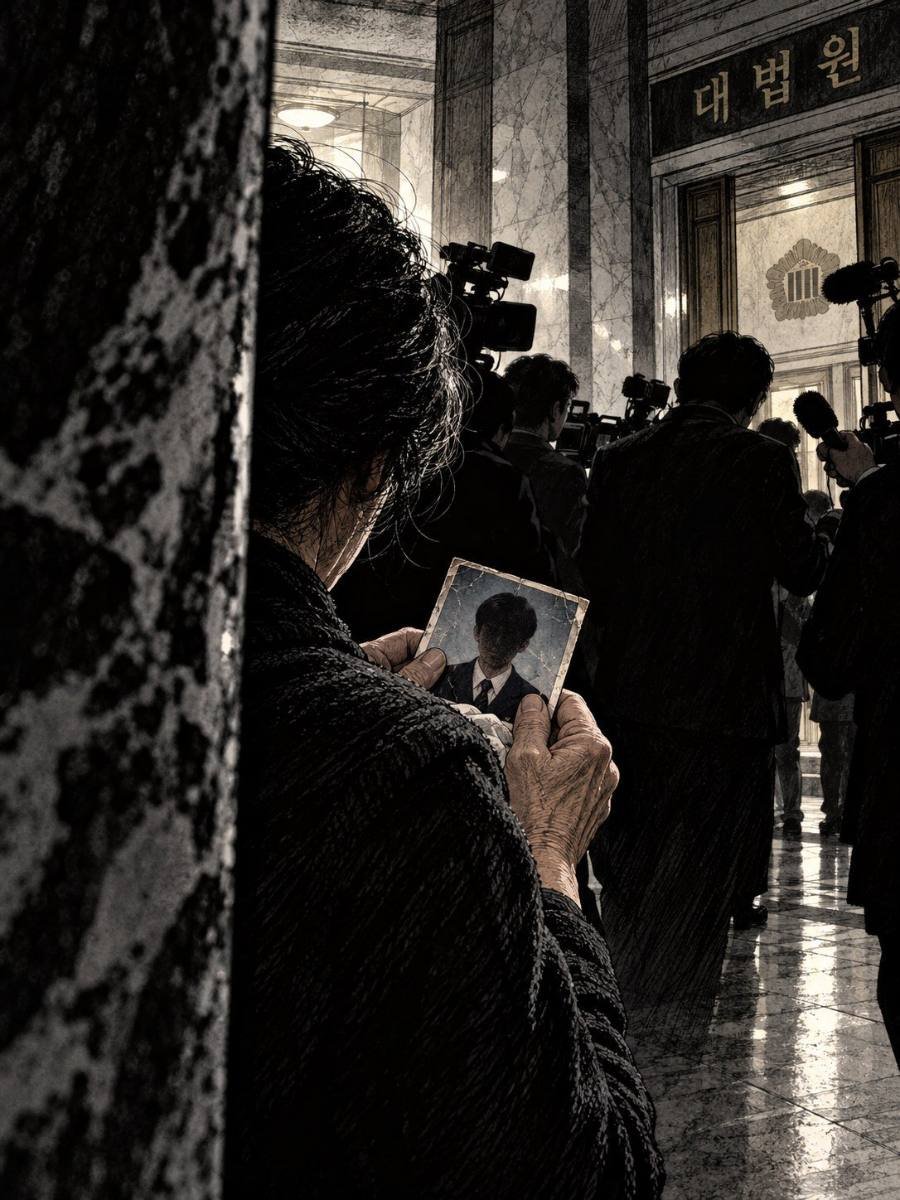
Lee Bok-su was 74. “I feel much better now,” she said.
His lawyer appealed. On 13 September 2016 the Seoul High Court upheld the sentence.
On 25 January 2017 the Supreme Court dismissed his last appeal in a brief hearing. Patterson was not there. “There is no room for any reasonable doubt that Patterson stabbed the victim Cho with a knife and killed him,” the court said.
His mother, now 75, wept. “My son has been avenged because the real criminal was caught and our family’s desire has been fulfilled,” she told reporters. “Justice was served thanks to the great public attention to the case.” (SIDAE-2017) (JA-2016a) (JA-2016b) (KT-2017) (JA-2017) (STRIPES-2017)
A cosmetics shop where the Burger King stood
The family went back to court one more time. In March 2017 they sued the state.
On 26 July 2018 a Seoul court ordered the state to pay them 360 million won over the botched investigation. Prosecutors, the court said, had believed Patterson’s account without basis, even though his statements contradicted the blood evidence in the restroom.
Five months later a different court threw out the family’s new damages suit against Patterson and his friend, pointing to civil judgments the family had already won. “It is so unfair,” Lee Bok-su said.
Patterson’s 20-year sentence is final. None of the sources checked for this file gives a release date or says where he is held. His friend’s acquittal stands. In 2015 his whereabouts were reported as unclear.
The Burger King itself has closed. By 2016 the building held a cosmetics shop and a restaurant. (NT-2018) (TWIG-2018) (KT-2018) (NEWSIS-2018) (JA-2017) (KT-2017) (AP-2015) (JA-2016b)
Case notes: the Itaewon Burger King murder
On 3 April 1997, Hongik University student Jo Jung-pil, 22, was stabbed to death in the restroom of a Burger King in Itaewon, Seoul. Two American teenagers had been in the restroom with him, and each blamed the other. Prosecutors charged the other teenager with murder; he was convicted and then acquitted. Patterson left Korea in 1999 after a travel ban lapsed, was extradited from the United States in 2015, and was convicted of the murder in 2016, a verdict made final in 2017 (KHAN-2015a) (JA-2016a) (JA-2017) (KT-2017).
Where the case stands (as of November 2026)
Arthur John Patterson’s murder conviction and 20-year sentence became final on 25 January 2017, when the Supreme Court of Korea said there was “no room for any reasonable doubt” that he stabbed Jo (JA-2017) (KT-2017) (STRIPES-2017). Twenty years was the maximum because he was under 18 at the time (KT-2017) (JA-2017). The other teenager in the restroom was acquitted, and that acquittal has been final since 1999 (SEGYE-2011c) (SEOUL-2015).
In 2018 a Seoul court ordered the state to pay the family 360 million won over the botched investigation (NT-2018) (TWIG-2018) (KT-2018). None of the sources checked gives a release date for Patterson or names the prison where he is held.
Timeline
| When | What happened |
|---|---|
| 3 Apr 1997, around 10 p.m. | Jo Jung-pil, 22, is stabbed in the restroom of a Burger King in Itaewon, Seoul (KHAN-2015a) (JA-2017) (STRIPES-2017) |
| 4 Apr 1997 | A tip naming Patterson reaches the US Army CID; Korean police and the CID later arrest him together on the Eighth Army compound (SEGYE-2011a) (YTN-2025) |
| 6 Apr 1997 | Patterson handed over to Korean police (YTN’s date) (YTN-2025) |
| 8 Apr 1997 | The other teenager comes forward, brought in by his father (YTN-2025) (WIKI) |
| 26 Apr 1997 | Prosecutors charge the other teenager with murder; Patterson with weapon possession and destroying evidence (SIDAE-2017) (KT-2017) |
| 2 Oct 1997 | First instance: life imprisonment for the other teenager, 18 months for Patterson (SIDAE-2017) (SEOUL-2015) |
| 26 Jan 1998 | Appeal: other teenager’s sentence cut to 20 years; Patterson gets a juvenile term of 1 year to 18 months (SIDAE-2017) (KHAN-2015a) |
| 24 Apr 1998 | Supreme Court overturns the other teenager’s conviction for insufficient evidence (SIDAE-2017) (NEWSIS-2018) |
| 15 Aug 1998 | Patterson released on Liberation Day (JA-2016a) (STRIPES-2017) (KT-2009) |
| Sept 1998 | Seoul High Court acquits the other teenager on retrial (KHAN-2015a) (NEWSIS-2018) |
| 9 Nov 1998 | Jo’s family files a murder complaint against Patterson; he is barred from leaving Korea (SIDAE-2017) (AP-2015) |
| Aug 1999 | The travel ban lapses for two or three days; Patterson flies to the US (24 Aug in one timeline) (KHAN-2015a) (NT-2018) (SIDAE-2017) |
| Sept 1999 | Supreme Court makes the other teenager’s acquittal final (SEGYE-2011c) (SEOUL-2015) |
| 17 Oct 2002 | Prosecutors suspend the case after two requests for US help (SIDAE-2017) |
| 2006 | Court orders the state to pay the family 34 million won over prosecutors’ failures (KT-2017) (STRIPES-2017) |
| Sept 2009 | The film The Case of Itaewon Homicide opens (KHAN-2015a) (WIKI-FILM) |
| 15 Dec 2009 | Prosecutors decide to reinvestigate and seek extradition (KT-2009) |
| May 2011 | Patterson arrested near Los Angeles (disclosed in October) (JA-2011) (KHAN-2015a) |
| 22 Dec 2011 | Seoul prosecutors indict Patterson for murder (SIDAE-2017) (STRIPES-2017) |
| 22 Oct 2012 | Federal court in Los Angeles approves extradition (SIDAE-2017) (KHAN-2015a) |
| 23 Sept 2015 | Patterson arrives at Incheon International Airport (AP-2015) (SIDAE-2017) |
| 14 Dec 2015 | Judges inspect a full-size replica of the restroom (SIDAE-2017) (JA-2016b) |
| 29 Jan 2016 | Patterson convicted of murder, sentenced to 20 years (JA-2016a) (MEDIAHUB-2016) |
| 13 Sept 2016 | Seoul High Court upholds the sentence (SIDAE-2017) |
| 25 Jan 2017 | Supreme Court makes the conviction and 20-year sentence final (JA-2017) (KT-2017) (STRIPES-2017) |
| 26 July 2018 | Court orders the state to pay the family 360 million won (NT-2018) (TWIG-2018) |
| 13 Dec 2018 | A further damages suit is dismissed (NEWSIS-2018) (KT-2018) |
Evidence locker
Real records only: cropped screenshots of news reports, with our markings. Illustrations elsewhere in this file are AI-generated.
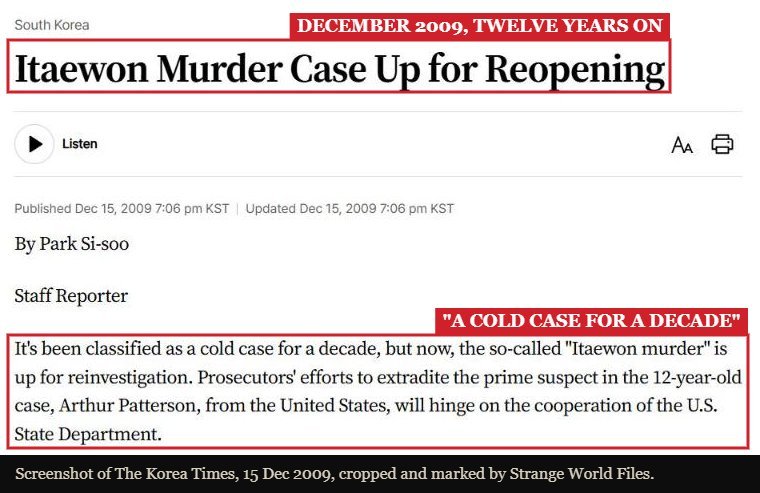 EXHIBIT A · TAP TO ENLARGE
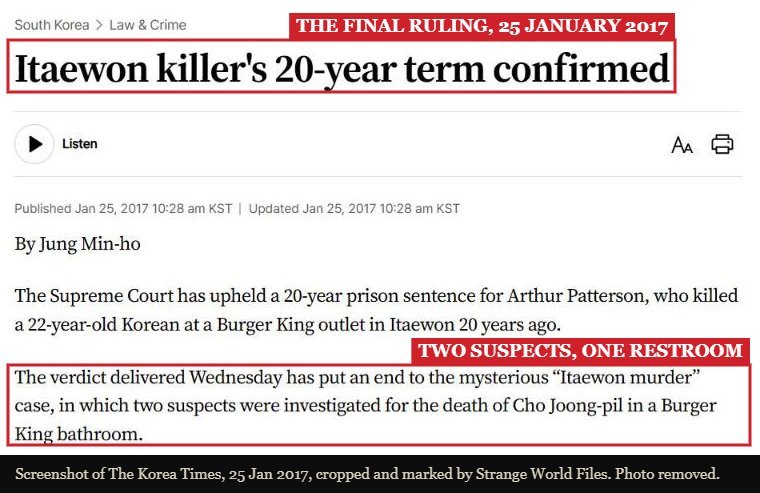 EXHIBIT B · TAP TO ENLARGE
Where the records disagree
| Detail | What sources say |
|---|---|
| Ages | Jo 22 or 23, Patterson 17 or 18: international versus Korean age. Courts and the English press use 22 and 17 (KT-2017) (JA-2017) (KHAN-2015a) (SEGYE-2011c) |
| Time of the attack | About 9:30 p.m., about 10 p.m., shortly before 10 p.m., or 10:20 p.m. (NT-2018) (KHAN-2015a) (STRIPES-2017) (SEGYE-2011c) |
| Where Jo died | Already dead when emergency crews arrived, or on the way to hospital (KHAN-2015a) (JA-2016a) (AP-2015) |
| Patterson’s father | Civilian employee of the US military, or a US military contractor (AP-2015) (JA-2016a) (CSM-2015) |
| Patterson’s 1998 release | Liberation Day special pardon or amnesty, or a suspension of sentence (JA-2016a) (STRIPES-2017) (SIDAE-2017) (KHAN-2015a) |
| When the acquittal became final | September 1999 in most sources; some say 1998 (SEOUL-2015) (SEGYE-2011c) (KT-2017) (NT-2018) |
| Length of the travel-ban gap | Three days, during a personnel reshuffle, or two days (KHAN-2015a) (NT-2018) |
| Extradition request | September 2009, December 2009 or January 2010 (SIDAE-2017) (SEGYE-2011c) (KHAN-2015a) |
| US arrest | May 2011, or October 2011, when the arrest was disclosed (JA-2011) (SEGYE-2011b) |
| First-instance verdict | 29 January 2016 (a Friday) or 28 January (JA-2016a) (SIDAE-2017) |
| Civil damages from Patterson and his father | 300 million won ordered in 2003, or about 200 million won in total (KT-2018) (NEWSIS-2018) |
| Restroom replica | In the basement of the prosecutors’ office, or a ground-floor set in its annex (JA-2016b) (SIDAE-2017) |
What we still don’t know
- Exactly when the attack happened: accounts run from about 9:30 to 10:20 p.m.
- Who sent the tip that named Patterson the day after the killing.
- Why the travel ban was not renewed in time, and whether the gap was two days or three.
- Where Patterson is serving his sentence, and when he will be released.
- Whether the state appealed the July 2018 compensation ruling.
Case file summary
- What: A 22-year-old university student was stabbed to death in a fast-food restaurant restroom; two American teenagers who were inside each blamed the other
- Where: A Burger King in Itaewon-dong, Yongsan district, Seoul
- When: Thursday 3 April 1997, around 10 p.m.
- Victim: Jo Jung-pil, 22, a Hongik University student
- Status: Closed. Arthur John Patterson’s murder conviction and 20-year sentence final on 25 January 2017
Illustrations are AI-generated artistic interpretations, not photos. No real person is depicted with a recognizable face. Read how we research and illustrate these files.
Sources
- Wikipedia, “Itaewon murder case”
- Wikipedia, “The Case of Itaewon Homicide”
- Korea Times, “Itaewon killer’s 20-year term confirmed” (25 Jan 2017)
- Korea Times, “Itaewon Murder Case Up for Reopening” (15 Dec 2009)
- Korea Times, report on the December 2018 compensation ruling in the Itaewon murder case (13 Dec 2018)
- Korea JoongAng Daily, “American convicted in Itaewon murder case” (29 Jan 2016)
- Korea JoongAng Daily, “In time, notorious murder case is laid to rest” (2016)
- Korea JoongAng Daily, “Supreme Court rules on 20-year-old Itaewon murder case” (25 Jan 2017)
- Korea JoongAng Daily, “Itaewon murder suspect held in US” (Oct 2011)
- Stars and Stripes, “South Korea upholds 20-year sentence for former US Forces Korea dependent” (25 Jan 2017)
- Associated Press via Fox News, “American man extradited to South Korea for trial in 1997 murder” (23 Sep 2015)
- Christian Science Monitor (John Power), “South Korea: 20 years later, California son faces trial for Seoul murder” (13 Oct 2015)
- 시대일보, 이태원 살인사건 일지 (25 Jan 2017)
- 서울신문, “’16년 만에 범인 송환’…다시 주목받는 이태원 살인사건” (22 Sep 2015)
- 경향신문 (22 Sep 2015)
- 경향신문 (24 Sep 2015)
- 세계일보, “미군도 패터슨이 범인일 것이라 확신했다고 생각합니다” (김락권 인터뷰, Oct 2011)
- 세계일보, 영화와 재수사 (Oct 2011)
- 세계일보 (11 Oct 2011)
- 뉴스토마토, “패터슨 2차 재판, 당시 부검의 ‘둘 다 진범 가능성'” (11 Nov 2015)
- 뉴스토마토, “법원, ‘이태원 살인사건’ 유족 대한 국가 배상책임 인정(종합)” (26 Jul 2018)
- “‘이태원 살인사건’ 국가 부실수사…법원 ‘유족에 3억 6000만원 배상'” (27 Jul 2018)
- 뉴시스, report on the family’s 2018 damages suit (13 Dec 2018)
- 서울시 미디어허브, “애끓는 모정 19년, 故조중필씨 어머니” (2016)
- 머니투데이, “‘이태원 살인사건’ 패터슨, 20년만에 ‘징역 20년’…비산흔이 증거” (SBS 꼬꼬무 recap, 18 Jun 2021)
- YTN radio transcript (6 Mar 2025)