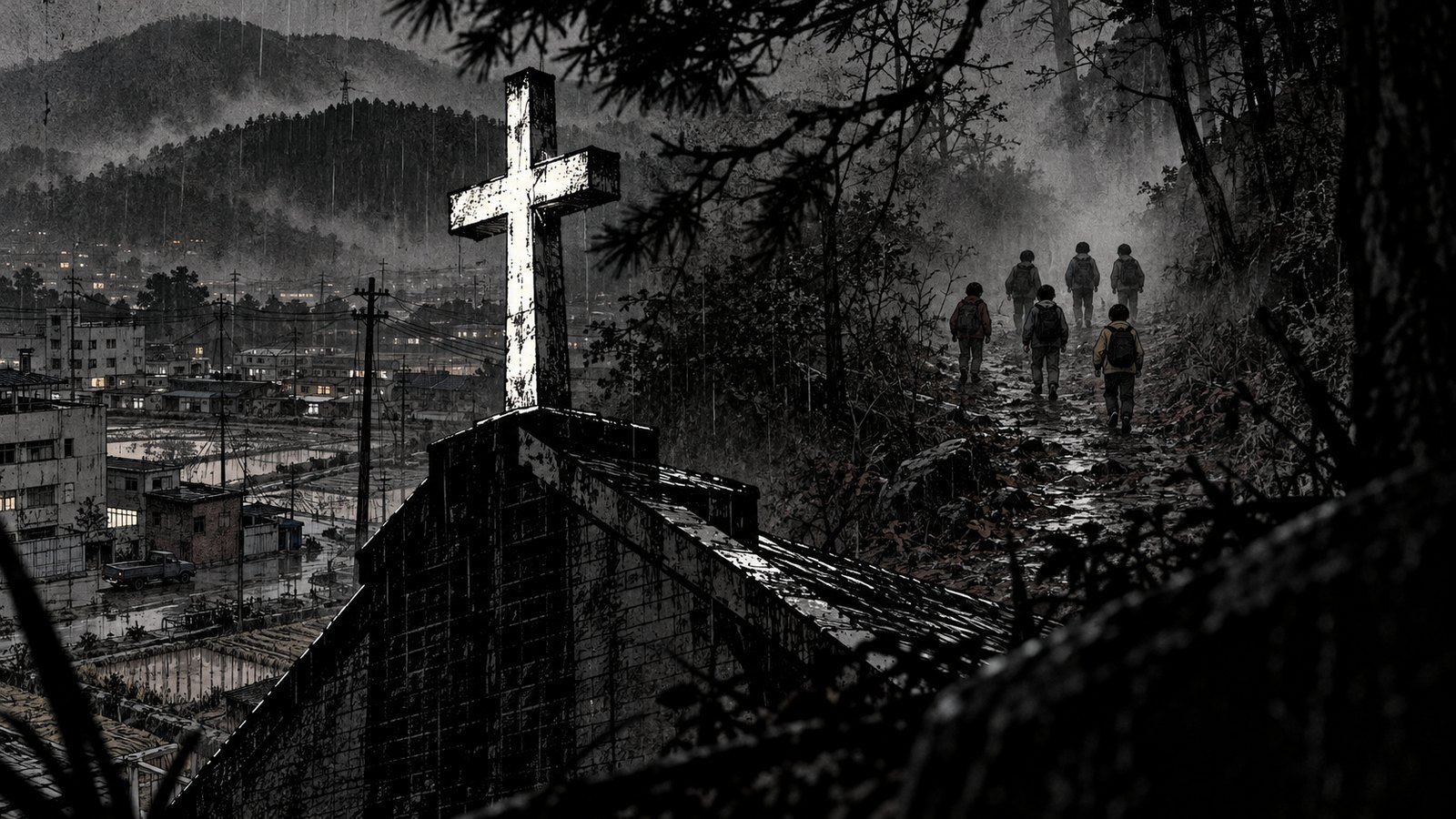
The Frog Boys: Korea’s Biggest Search Missed Five Boys on the Hill Behind Their Homes
🎧 Narrated Mystery: press play and hear the whole case read aloud, like an audiobook (about 18 minutes). The narrator is an AI voice.
An acorn gatherer found a child’s shoe
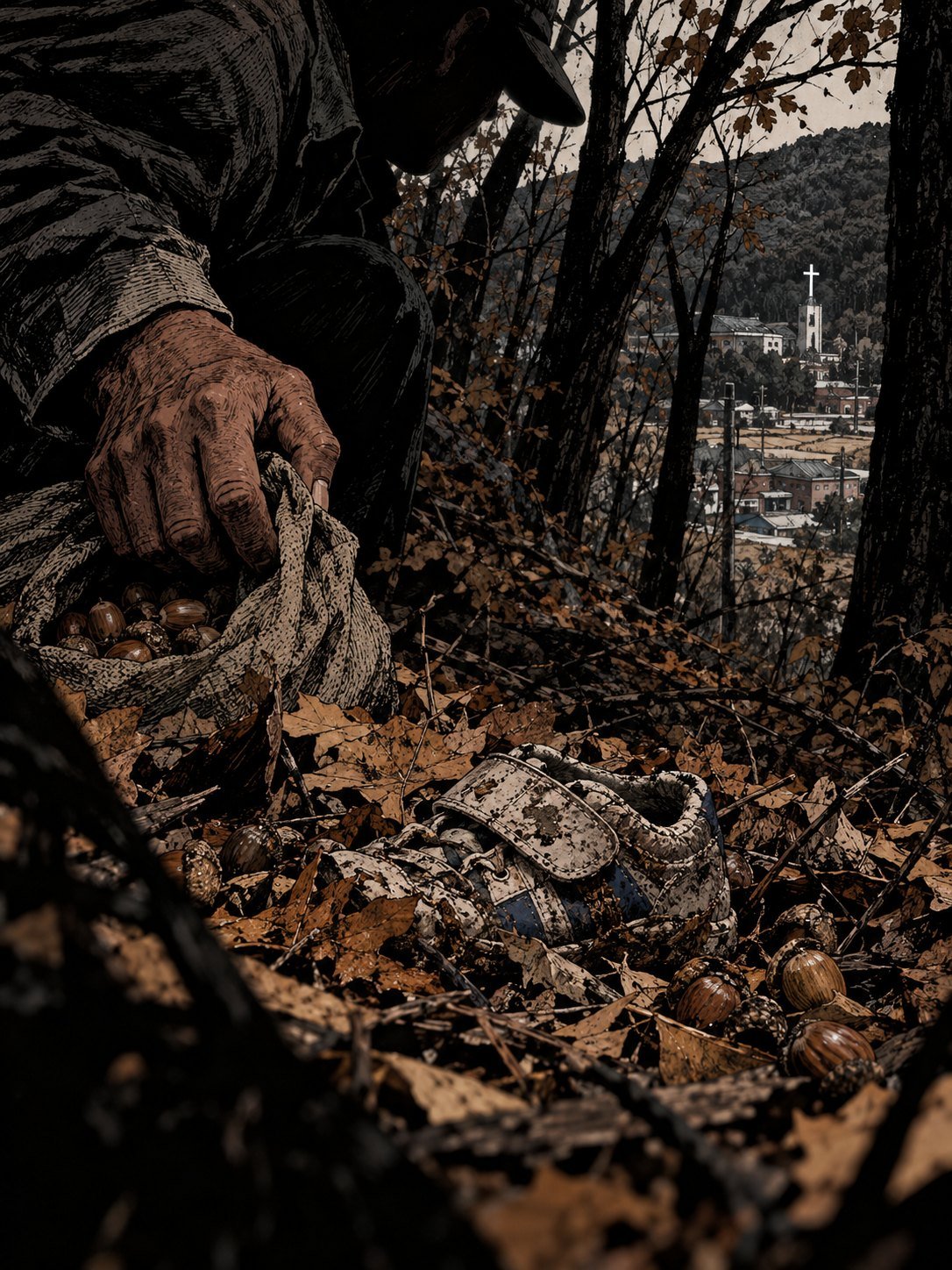
Thursday, September 26, 2002. A man was gathering acorns on Mount Waryong, a low wooded hill on the western edge of Daegu, South Korea.
In the leaf litter of a steep valley, he saw something that did not belong there. Scraps of old clothing. Pieces of shoes. Small ones.
The valley was called Sebang-gol. It sat behind a high school building site, a short walk from a village church.
He had found five boys. They had been missing for eleven and a half years.
For most of that time, their faces had been everywhere in Korea. On cigarette packs. On phone cards. On the backs of postmen’s motorcycles. Their fathers had driven the length of the country looking for them.
And all along, they had been on the hill behind their homes. (JAD-2002-FOUND) (MT-2016) (NEWSIS-2019) (MAEIL-2006)
A school holiday for an election
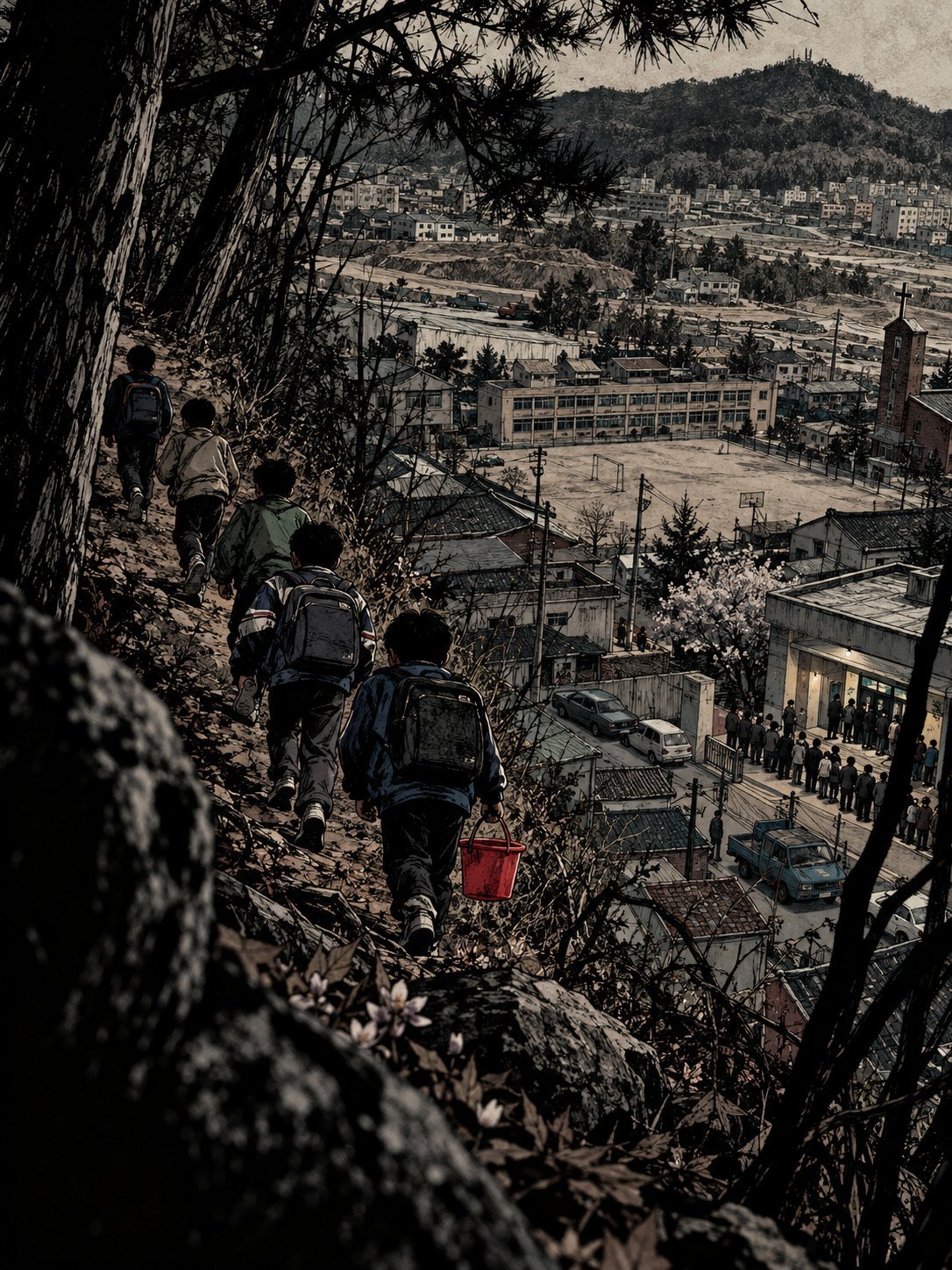
Go back to the morning of Tuesday, March 26, 1991.
Korea was holding its first local council elections in about 30 years, and the government had declared the day a public holiday. Schools were shut. Polling stations were open. Police, the families later said, were stretched thin by the vote.
In Igok-dong, a neighbourhood at the foot of Mount Waryong, five boys from Seongseo Elementary School set off together.
Woo Cheol-won was 13. Jo Ho-yeon was 12. Kim Young-gyu was 11. Park Chan-in was 10. Kim Jong-sik was 9.
They told their families they were going up the mountain. (MT-2016) (AJU-2019) (JAD-2025) (MAEIL-2006) (MAEIL-2002-09-27) (LADYKHAN-2006)
They went for salamander eggs, not frogs

The case would go down in history as the “Frog Boys”. It is a mistake that stuck.
The boys were really after salamander eggs, the clear jelly clusters that appear in cold mountain streams in early spring. Hunting for them was a normal spring pastime for local children.
Early reports garbled it into frogs, and the name never changed.
Mount Waryong is not wild country. It rises to about 300 metres (1,000 ft), with paths, streams and houses pressed up against its lower slopes.
That afternoon the weather turned. Records give a high of about 12°C (54°F) and rain later in the day. (JAD-2025) (NEWSIS-2019) (AJU-2019) (ILYO-2021) (WIKITREE-2024)
An empty place at taekwondo

The first sign came at about one o’clock.
Woo Cheol-won’s father, Woo Jong-woo, expected his son at taekwondo class. He never showed up.
By the afternoon the families knew something was wrong. They went to the police. Officers went up the hill that night and stopped when it got too dark to see.
Early on, police treated it as a runaway case. Five boys on an adventure, they assumed, who would come home when they got hungry.
They did not come home. (JAD-2025) (KH-2025) (LADYKHAN-2006) (SEOUL-2022)
The first night on the hill
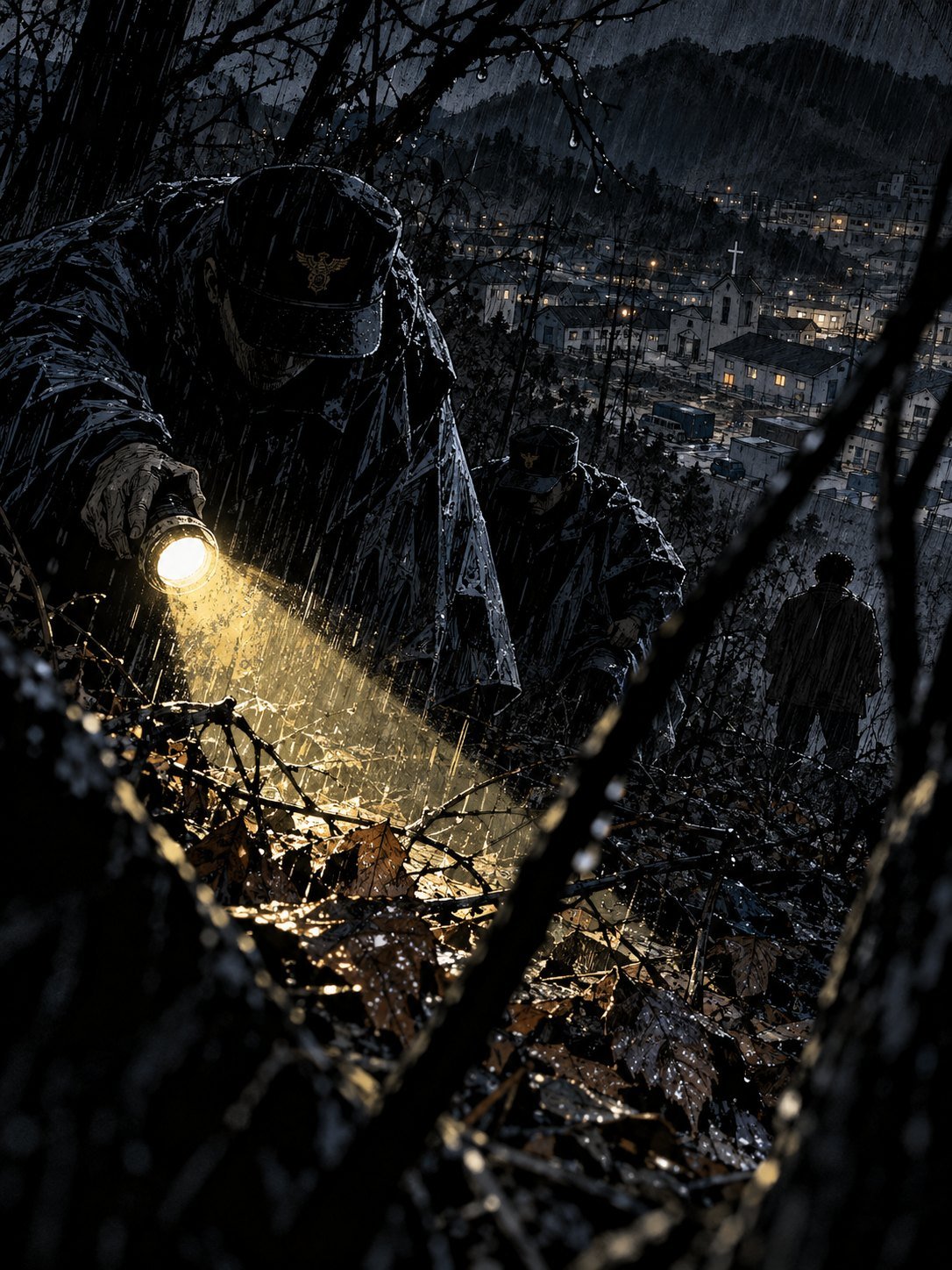
The families did not wait for daylight.
According to one 2006 account, they asked the army’s 50th Division, based nearby, to lend them searchlights. The answer was no.
A fourth-grader later said he had heard a terrible scream from the mountain that day. Police were criticised for not following it up.
Within days, the police had a list of theories. The boys had run away. They had been taken by a ring that used children to beg. They had fallen somewhere.
Nobody yet suspected that the answer might be within walking distance of their front doors. (LADYKHAN-2006) (JAD-2025) (MAEIL-2002-09-27)
The biggest search Korea had ever run
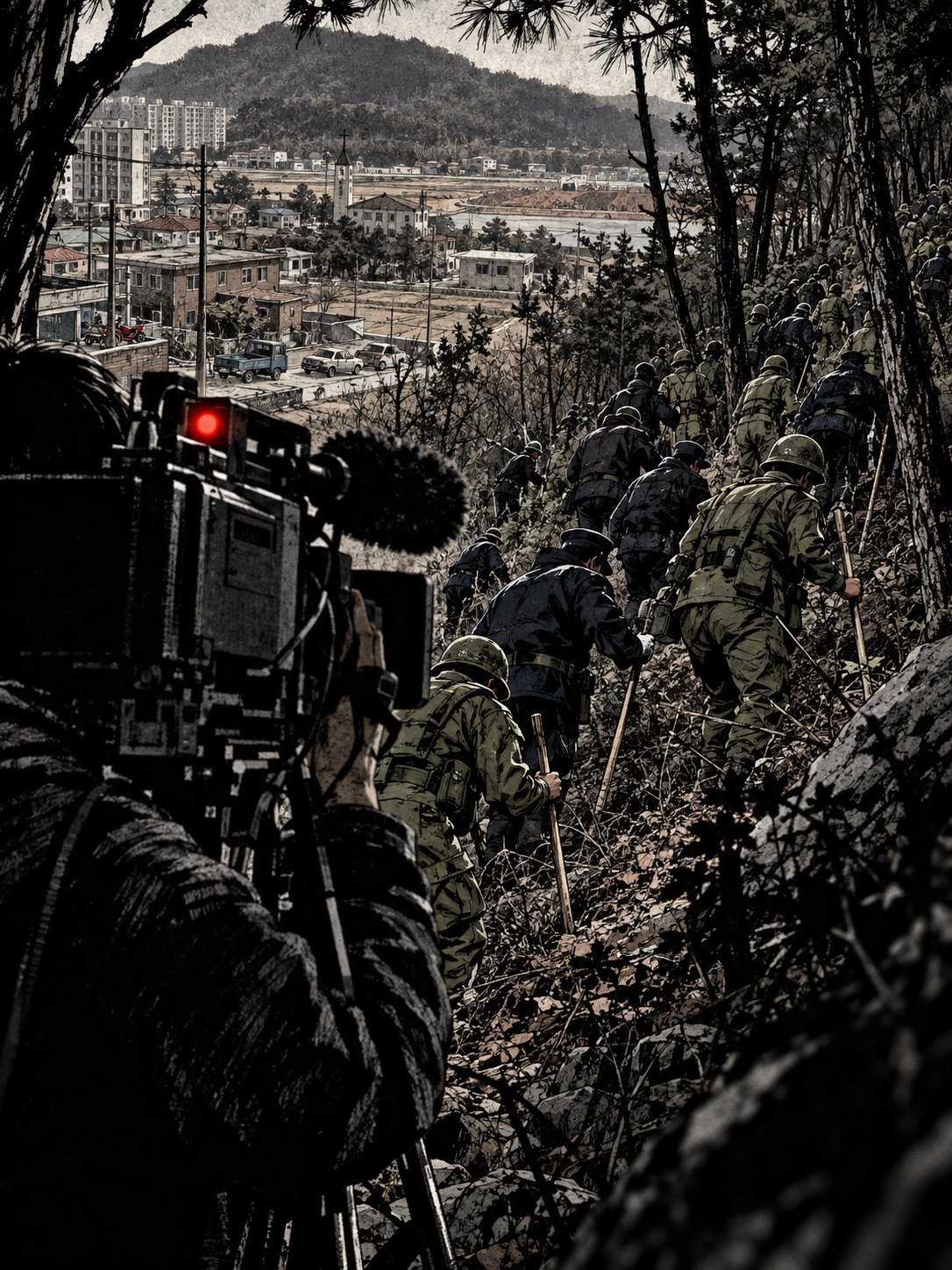
On April 17, 1991, the National Police Agency took over. President Roh Tae-woo ordered police to throw everything at the case.
What followed was the largest search for a single case in Korean history. Figures run from 250,000 to 500,000 depending on who was counting, and how. The safest version is that more than 300,000 police, soldiers and volunteers took part over the years.
Lines of searchers swept the hills, and the searches were broadcast on television. One account says Mount Waryong alone was searched more than 500 times.
The reward rose to 42 million won.
Nothing turned up. (MAEIL-2006) (LADYKHAN-2006) (MT-2016) (NEWSIS-2019) (JAD-2025) (WIKI-EN)
Their faces on cigarette packs
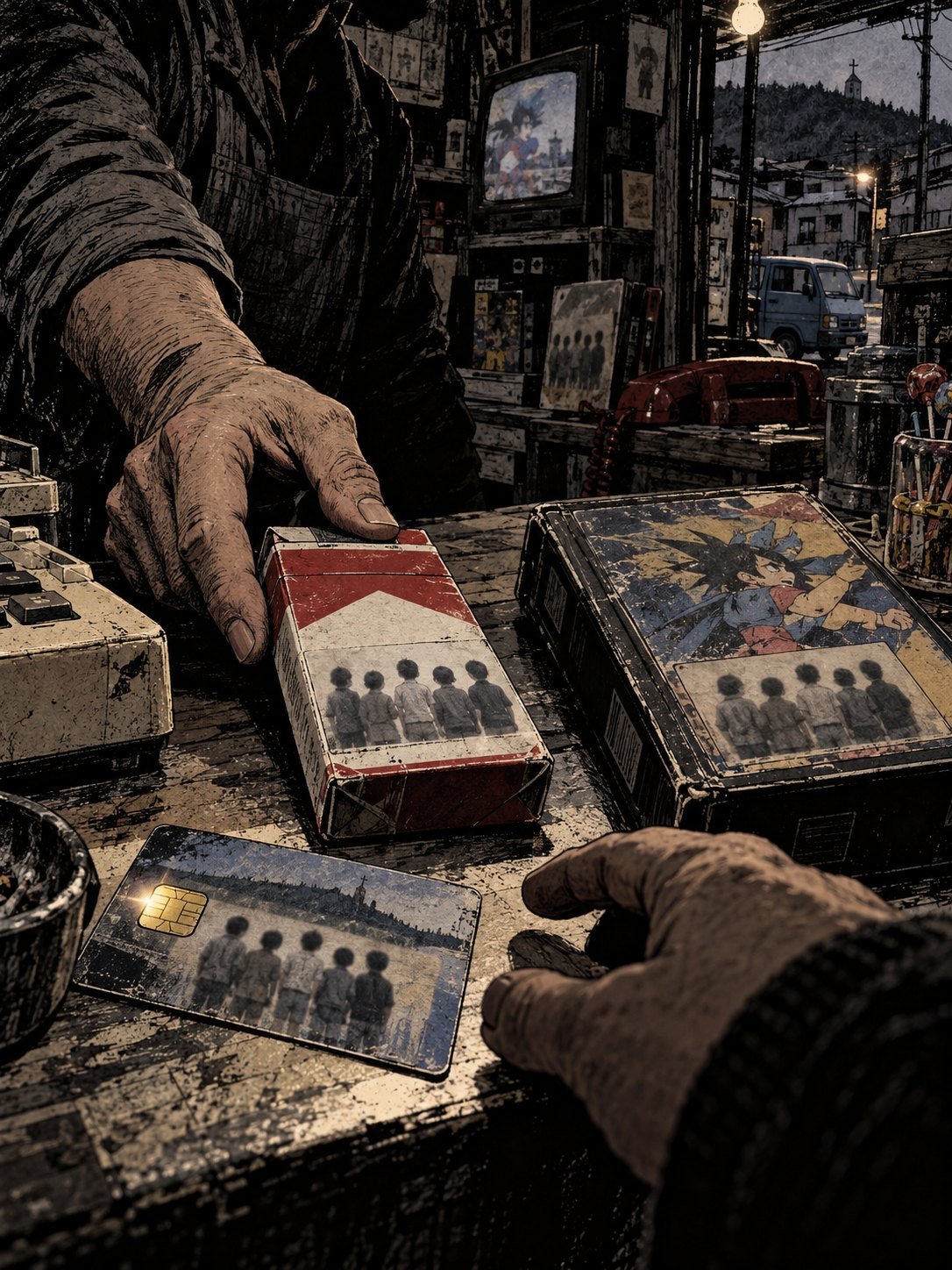
If you lived in South Korea in 1991, you probably saw the five boys’ faces.
Their photos were printed on cigarette packs and public telephone cards, then on postcards and videotapes, including children’s cartoon tapes. One report puts the number of flyers at about 22 million.
Mobile phones were rare and there was no internet. A face on a phone card was how you reached everybody.
A song called “Frog Boys” was written about them. A film, “Come Back, Frog Boys”, came out in 1992.
The boys became the most famous missing children in Korea. Still, nobody had seen them. (MT-2016) (JAD-2025) (AJU-2019) (MAEIL-2002-10-16) (WIKI-EN)
Twelve thousand postmen
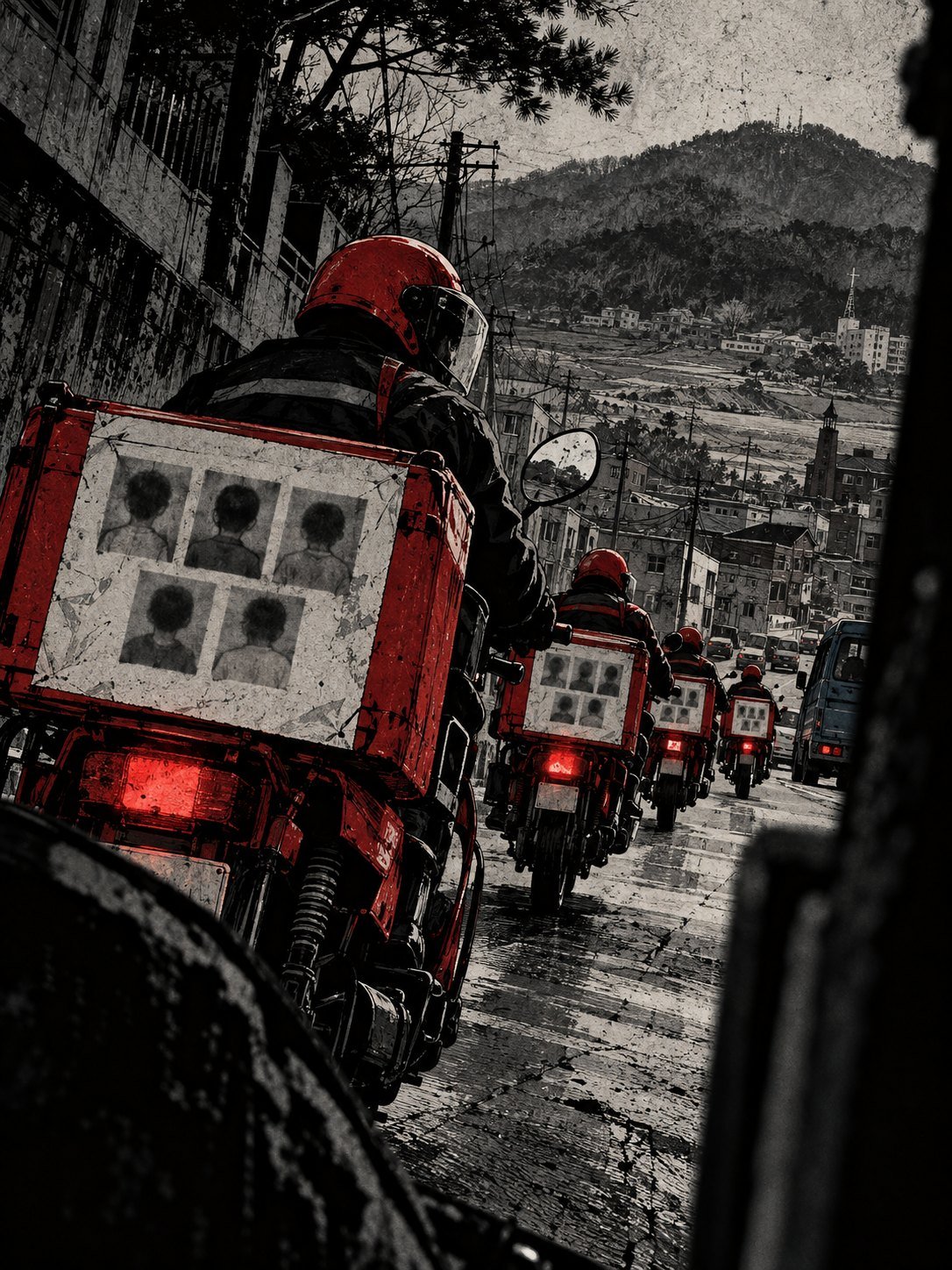
On September 14, 1991, about 12,000 postal workers fixed “find the Daegu children” posters to their delivery motorcycles.
For months, the red bikes carried the five boys’ faces down every street they served.
In July 1995, police printed about 20,000 new leaflets. These showed computer-aged images of how the boys might look four years on, made with help from Myongji University.
Somewhere, the thinking went, an older boy might be recognised by a stranger. (MAEIL-2006)
Five fathers who quit their jobs
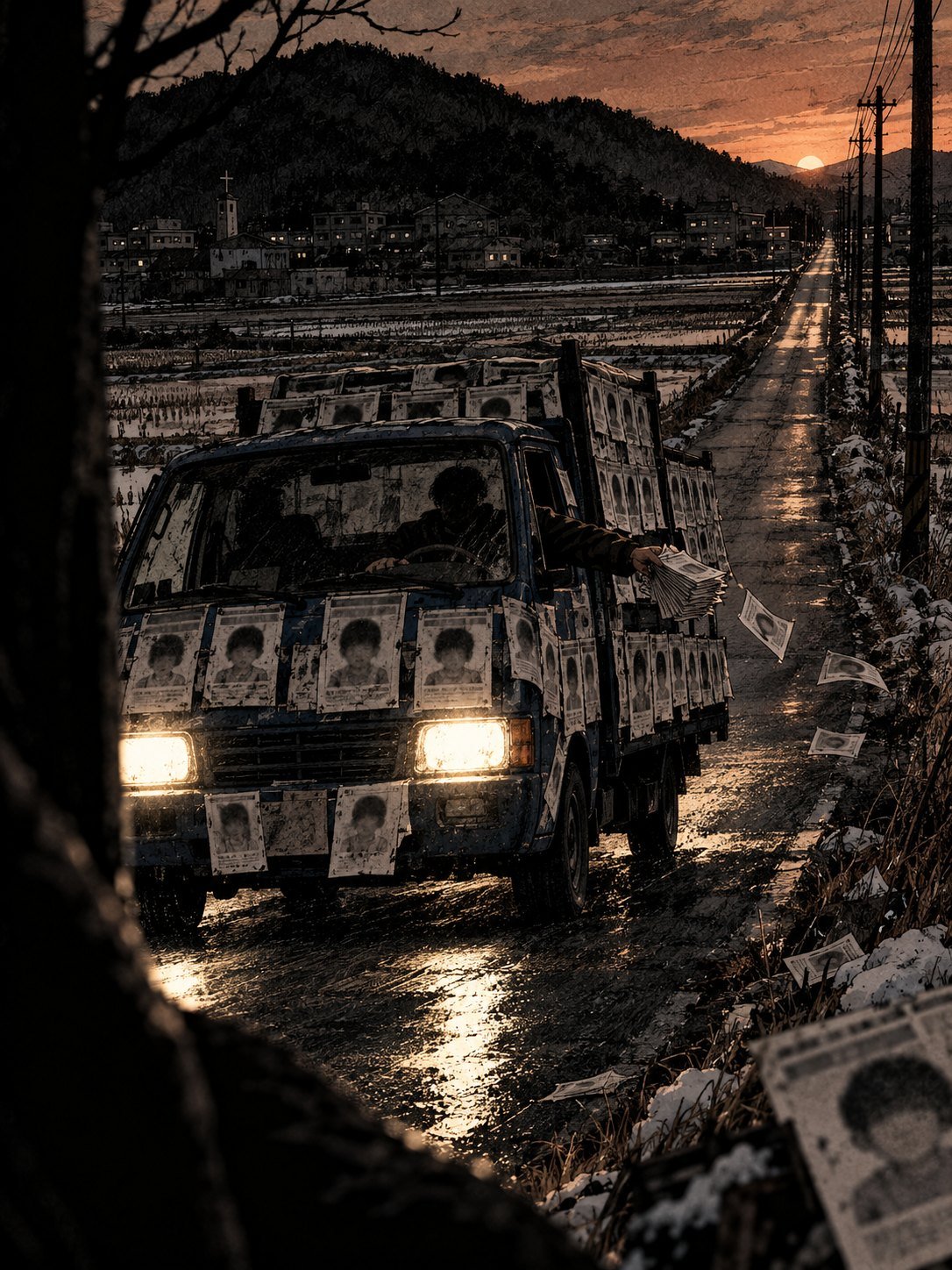
All five fathers gave up their work to search.
Jo Ho-yeon’s father, Jo Nam-hwan, covered a truck in his son’s photo and drove it around the whole country, everywhere except the island of Ulleungdo, about three and a half times.
A file photo from March 1992 shows the fathers handing out flyers from a truck plastered with their sons’ faces.
They kept it up for about three and a half years. Then they went back to work and held a press conference handing the search back to the police.
“Now it’s your job to find the children,” Woo Jong-woo told reporters. (WIKI-EN) (MAEIL-2022) (KH-2025) (LADYKHAN-2006) (ILYO-2021)
A phone call demanding money

Fame brought calls, and not all of them were kind.
In early April 1991, one family received a ransom demand. The caller wanted 4 million won.
For a short time, police weighed the idea of a group kidnapping. If someone wanted money, the boys might still be alive somewhere.
Other calls followed. Many were pranks. (KH-2025) (MAEIL-2002-09-27)
Money left on the tracks

The caller said to leave the money on the railway tracks at Daegu Station.
Nobody came for it.
Another call, said to be from one of the boys to his home on May 31, 1991, would be pulled apart by computer analysis years later. It would become part of something much worse. (KH-2025) (SEOUL-1996)
Shamans, salt fields and shrimp boats
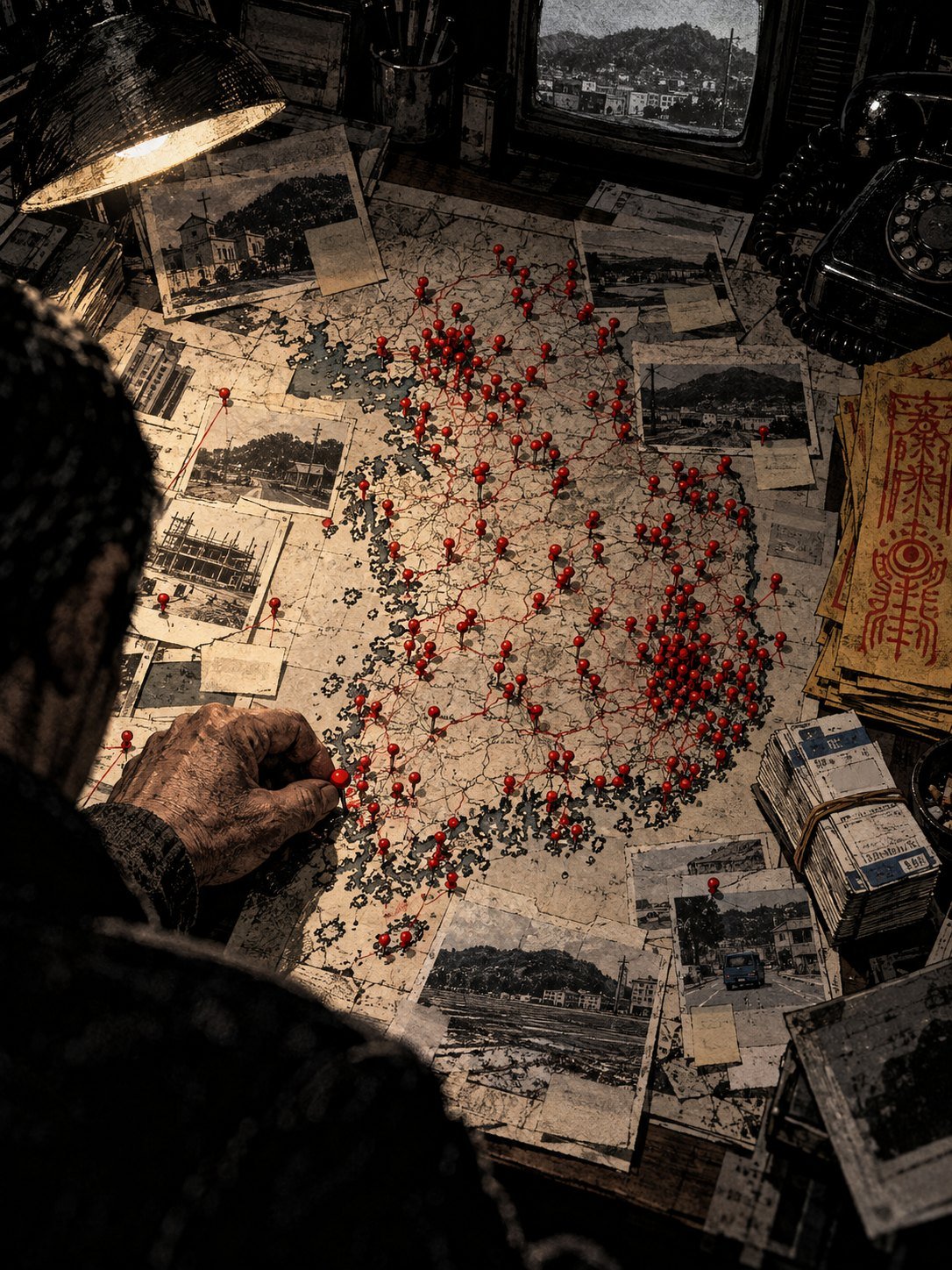
Over the years, more than 300 tips came in. Every one of them was false.
Sightings sent police to Gumi. Reports from Busan said the boys had been seen begging or selling coffee. Later tips said they were being held on shrimp-fishing boats. In July 2001, a tip placed them in a salt field on an island in Sinan.
A claim that they were buried in a village for Hansen’s disease patients ended in a clash between residents and police. A psychic pointed to a royal tomb in Gyeongju.
The parents followed somewhere between 200 and 300 tips from shamans. One sent them to Naju, where they searched through a garbage truck and found nothing. (MAEIL-2006) (NOCUT-2017) (MAEIL-2002-09-27) (LADYKHAN-2006) (JAD-2025)
They dug up a father’s home
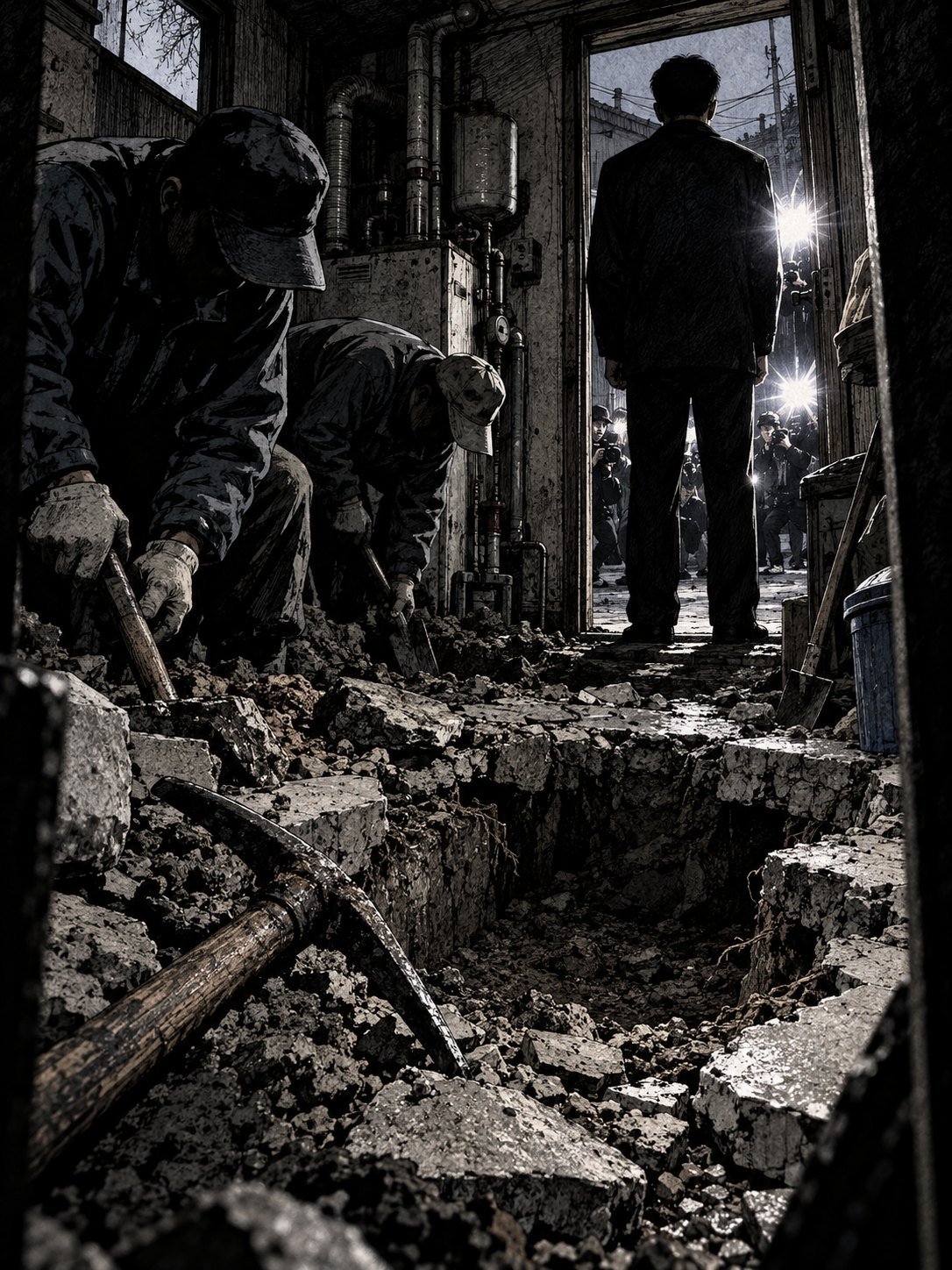
In January 1996, the worst false lead of all arrived.
A psychologist affiliated with KAIST, one of Korea’s top science universities, went public with a claim: one of the fathers had killed the five boys and buried them at home. He pointed to that father’s alibi and to his own analysis of the 1991 phone call.
The father agreed to let them dig, to clear his name.
On the afternoon of January 12, 1996, ten workers broke open the toilet, the boiler room and the shower room of the family home. After about two hours, they stopped. Nothing was found.
The accuser was later fined for defamation and apologised. The fathers said it was not enough.
The father died of cancer in October 2001. The families blamed the accusation for his illness. He did not live to see the boys found, a year later. (SEOUL-1996) (KH-2025) (JAD-2025) (MT-2011) (DAILIAN-2023)
Police tape in Sebang Valley
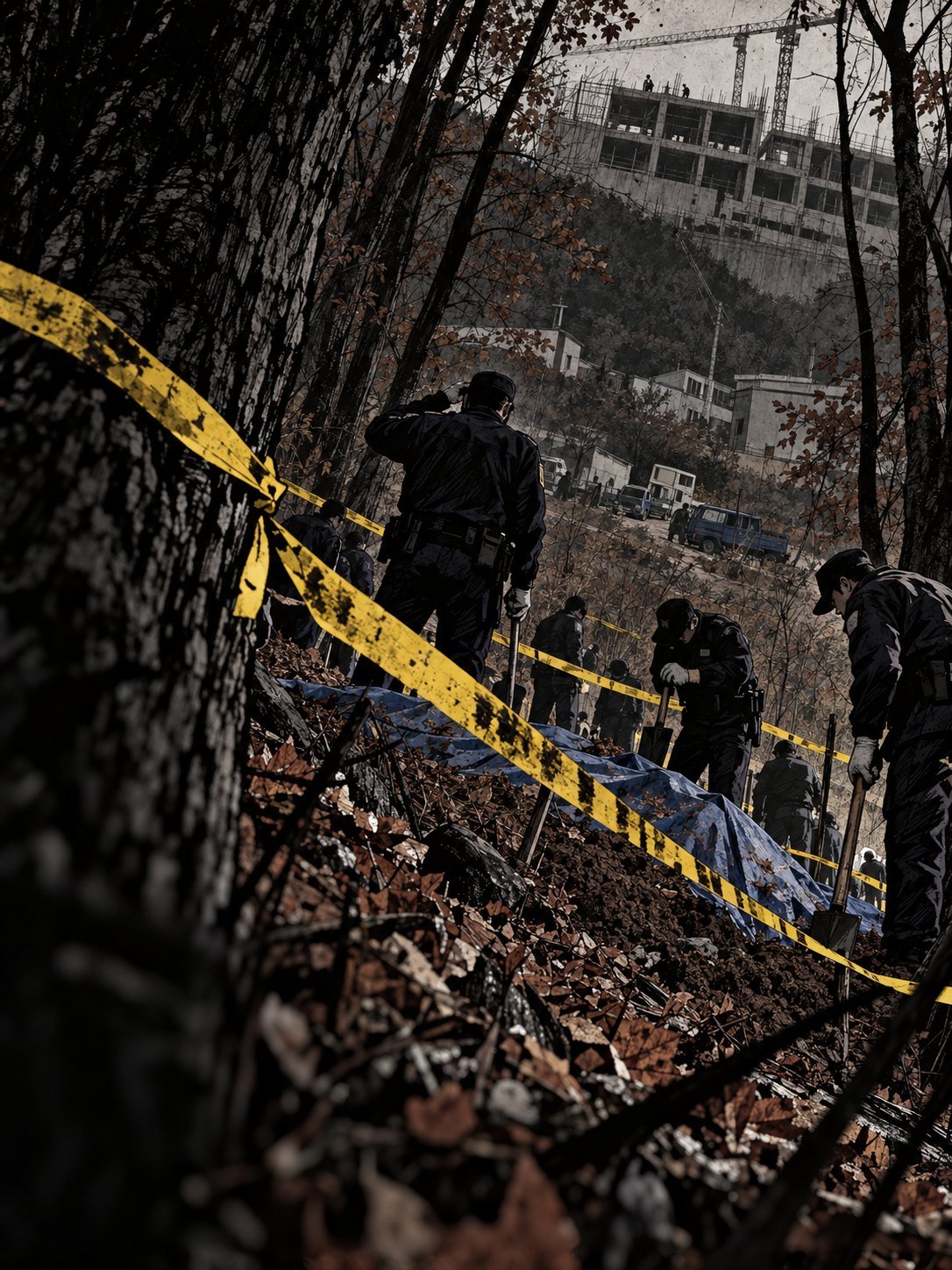
Which brings us back to the acorn gatherer, and the morning of September 26, 2002.
The spot was mid-slope in Sebang-gol, a deep valley facing Bulmi Valley, where the boys had reportedly last been seen. It lay behind the construction site of Seongsan High School, about 70 metres from a village church, and near an army firing range.
Clothing and shoes matched what the boys had worn the day they left. Dental braces helped identify Jo Ho-yeon. DNA confirmed the rest.
The families were furious about how the site was handled. Police began digging with shovels and picks before forensic experts arrived.
And there was a question nobody could answer. Woo Jong-woo said the valley had been left out of the original search. Other accounts say it had been searched. (NEWSIS-2019) (WIKITREE-2024) (MAEIL-2006) (MAEIL-2019) (JAD-2002-FOUND) (JAD-2025) (LADYKHAN-2006) (ILYO-2021)
Lost in the cold, the police said
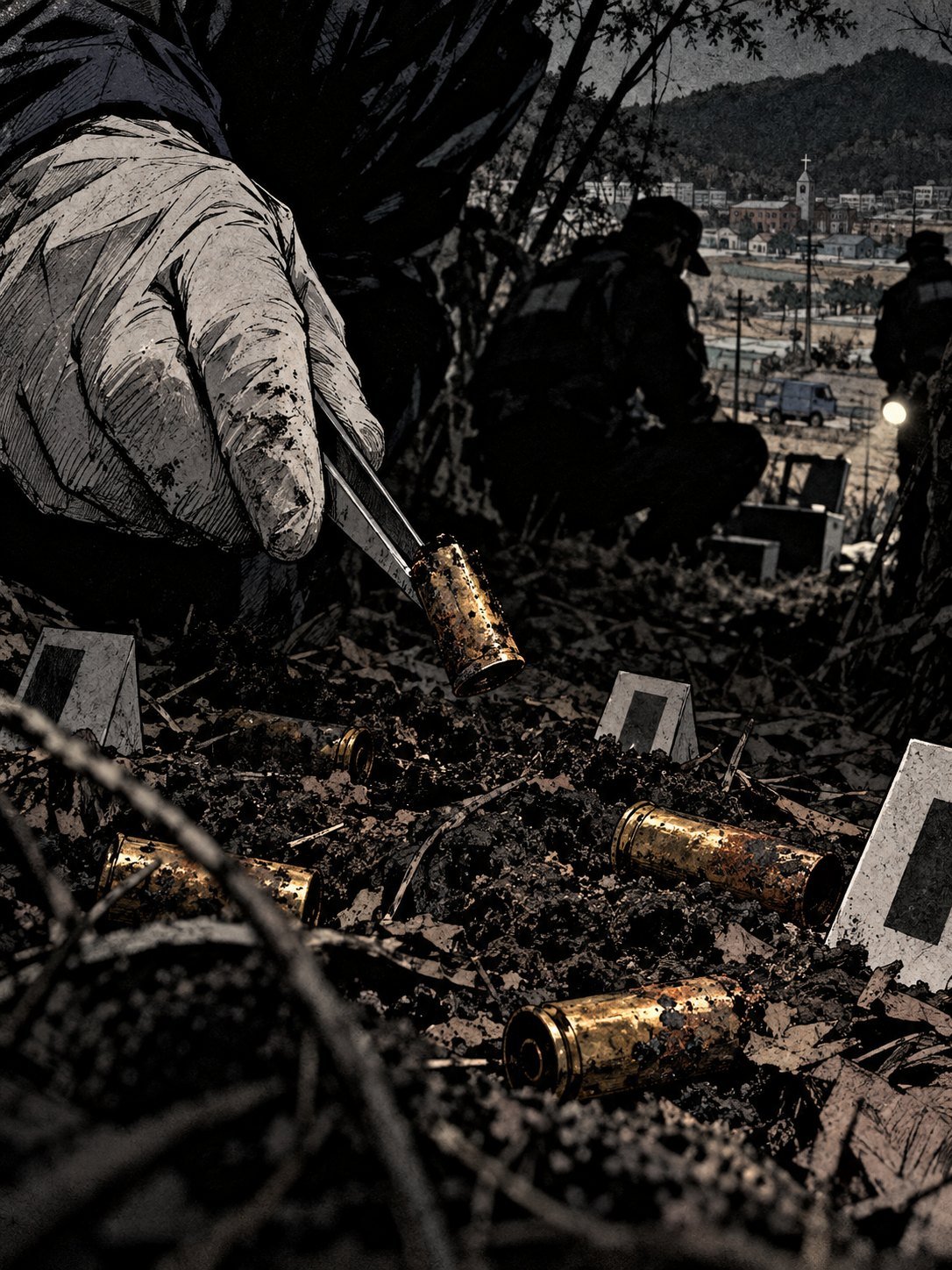
Within two days, police had an answer. The boys, they said, had most likely got lost and died of hypothermia.
They pointed to how close together the boys had been found, as if they had huddled for warmth.
The parents did not believe it. The site was close to home. Why could local boys not find their way home from there? And some of the clothing had been tied in knots.
Then there were the bullets. Within about 100 metres, investigators recovered 145 bullets and casings from six kinds of firearm. The army said no training had been scheduled that day.
But no bullet marks were ever found on the remains. (LADYKHAN-2006) (JAD-2002-FOUND) (JAD-2002-BAFFLE) (KHAN-2002-10-02) (JAD-2025) (MAEIL-2019)
The finding that changed everything
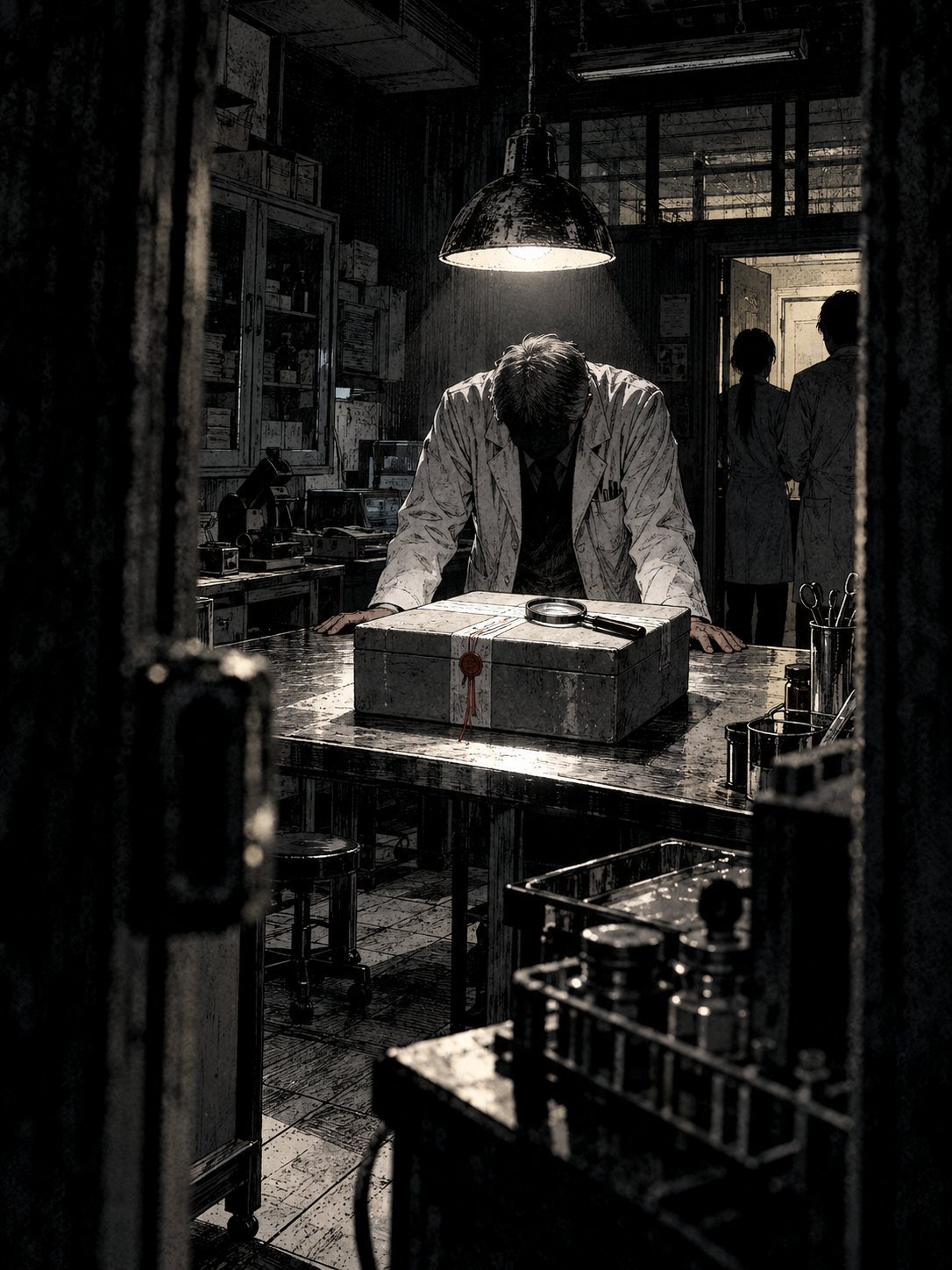
The remains went to a forensic team at Kyungpook National University, led by Professor Kwak Jeong-sik. A US forensic anthropologist joined the review.
On November 12, 2002, the team announced its conclusion. This was not hypothermia. The boys had been killed.
The team found injuries on three of the boys’ skulls. It said they were killed at the site, on the day they disappeared.
It could not say what the tool was. It appealed to the public for information about an unusually shaped implement.
Police reclassified the deaths as homicide. They never named a suspect. (KHAN-2002-11-12) (MAEIL-2002-11-13) (MAEIL-2006) (JAD-2025)
A stone over the site
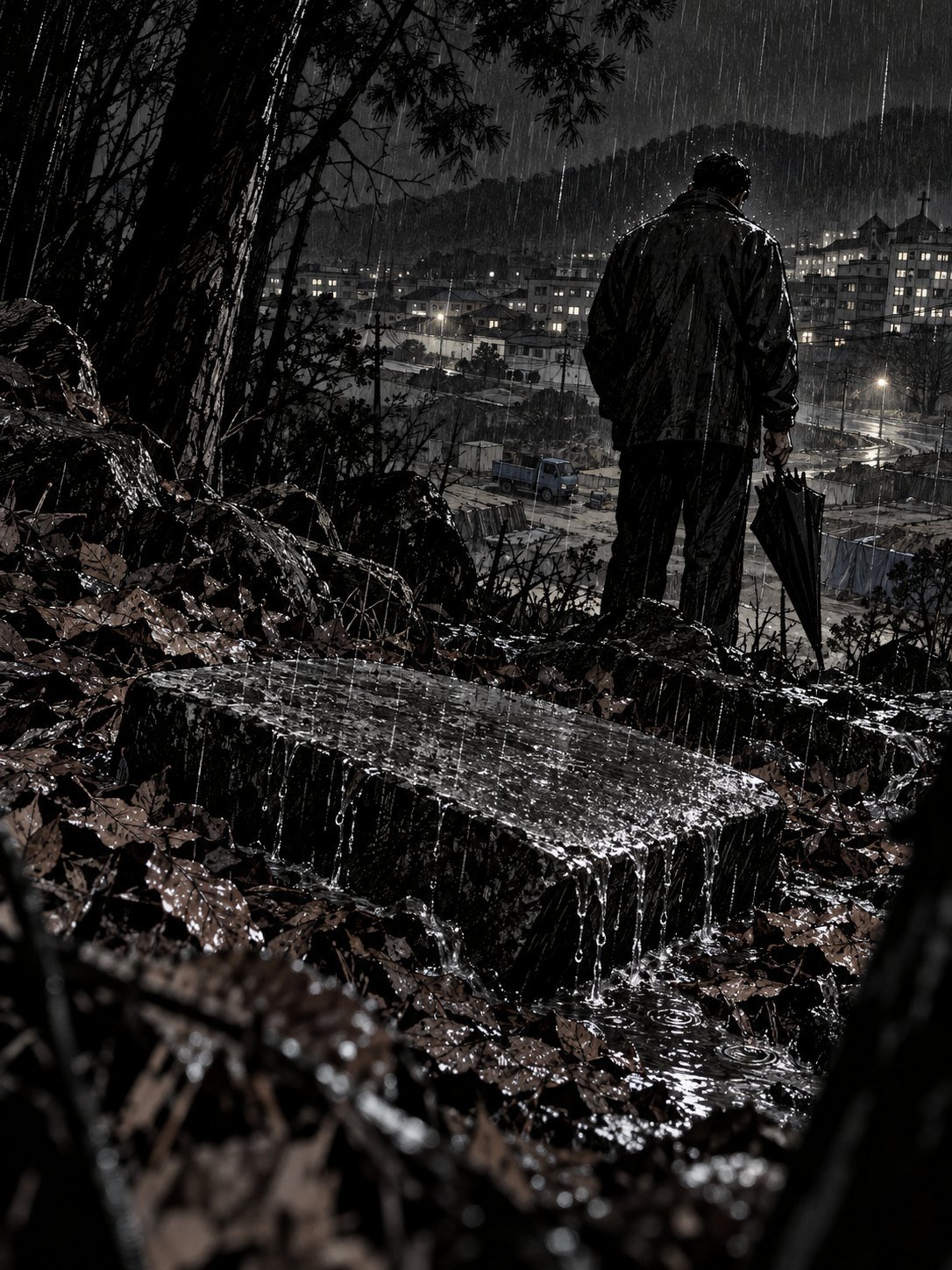
One detail stayed with investigators. A rock had been lying over part of the remains, and the forensic team took it as a sign that someone had covered them after the killing.
Not everyone accepted the homicide finding. In 2007, a senior Daegu officer from the original investigation wrote that the boys died of cold while picking up spent bullets, and that the skull marks came from rocks moved by floods. The author of a 2022 book on the case also argues for hypothermia.
A forensic professor told JoongAng Daily in 2025 that the cause of death cannot be fixed from bones buried for a decade, but that visible damage should not be ignored.
So the argument has run for more than twenty years. And nobody has ever been charged. (KHAN-2002-11-12) (ILYO-2021) (SEOUL-2022) (JAD-2025)
Five wreaths, thirteen years on
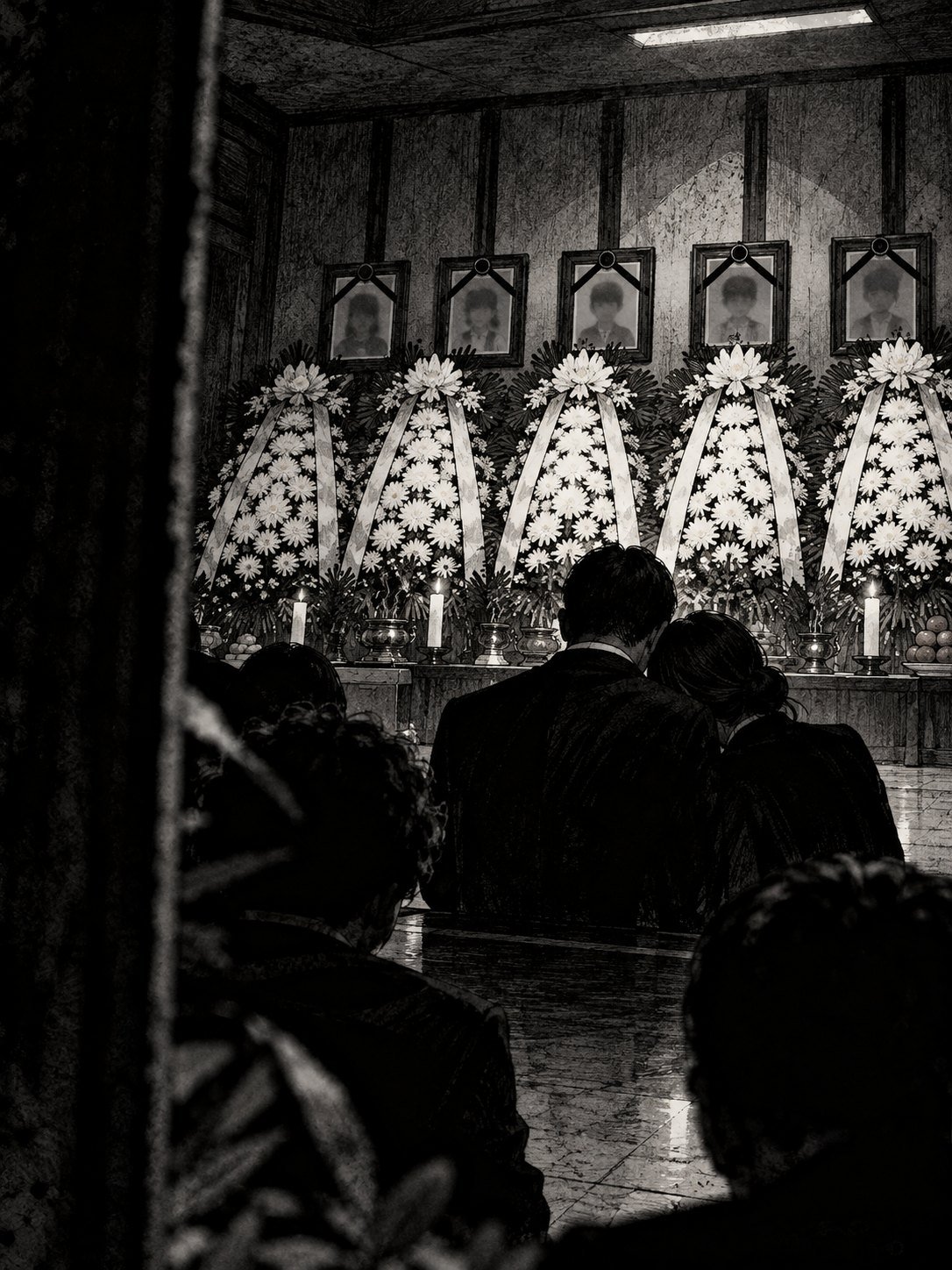
On March 26, 2004, thirteen years to the day after the boys walked up the hill, a joint funeral was held at Kyungpook National University Hospital.
A year earlier, Seongseo Elementary had given the five boys honorary graduations.
After the funeral, the remains were cremated. The parents kept the skulls, hoping they might one day help identify whoever did this. (MAEIL-2006) (LADYKHAN-2006) (JAD-2025) (KH-2025)
Ashes on the Nakdong River
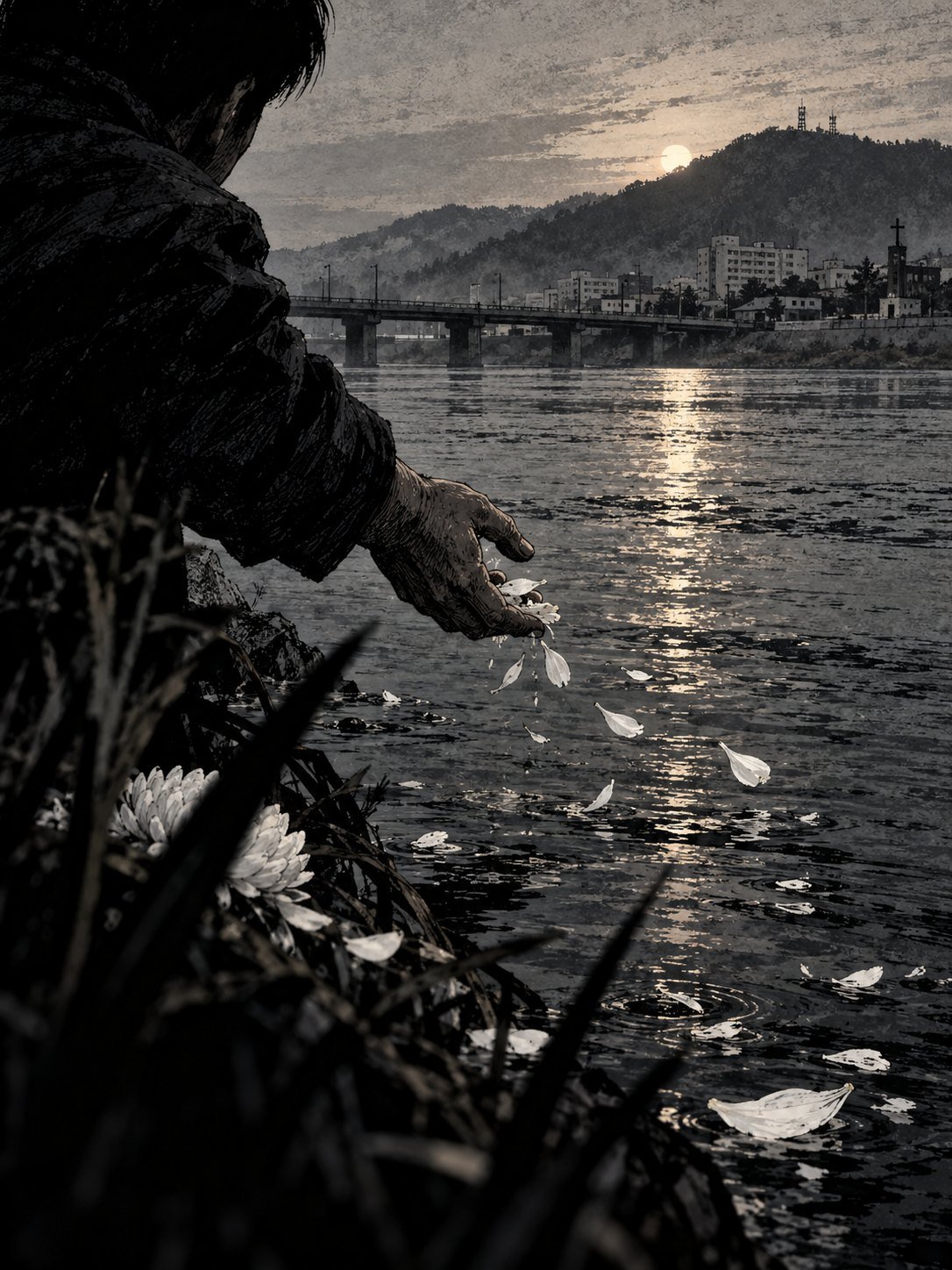
The ashes were scattered on the Nakdong River.
In August 2005, the families and a civic group sued the state for 450 million won. They argued that the police’s hypothermia theory had wrecked the early investigation.
They lost at every level of the courts. In 2005 a court also found that nothing illegal had happened in the way the site was dug up. (JAD-2025) (KH-2025) (ILYO-2021) (MAEIL-2006)
Midnight, March 25, 2006
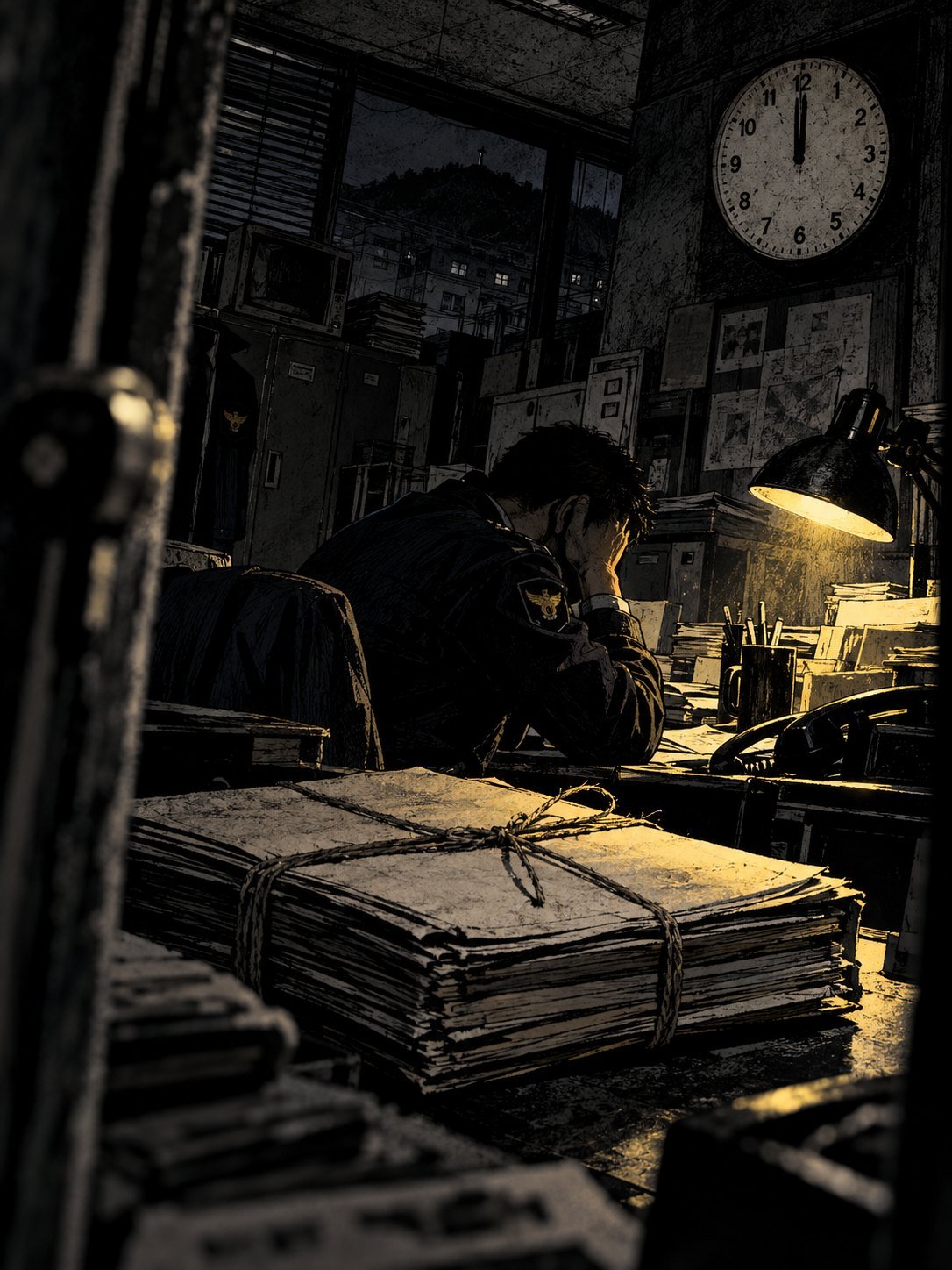
Korea’s statute of limitations for murder was then 15 years.
The families spent about a year campaigning to extend it or abolish it. The National Assembly did not act in time.
At midnight on March 25, 2006, the clock ran out. By then, only one criminal investigation team was left on the case.
The law changed later. In 2007, the limit for murder rose to 25 years. In 2015 the “Tae-wan Act” abolished it for murder punishable by death. Neither change reached back in time.
Whoever killed the five boys can no longer be prosecuted for it. (AJU-2019) (MT-2016) (MAEIL-2006) (NOCUT-2017) (JAD-2025)
A memorial on the hill
In September 2019, police used DNA to identify the Hwaseong serial killer, and interest in the Frog Boys flooded back. No source links him to this case.
On September 20, 2019, National Police Commissioner Min Gap-ryong visited the site, the first police chief ever to do so, and promised to reinvestigate from the beginning.
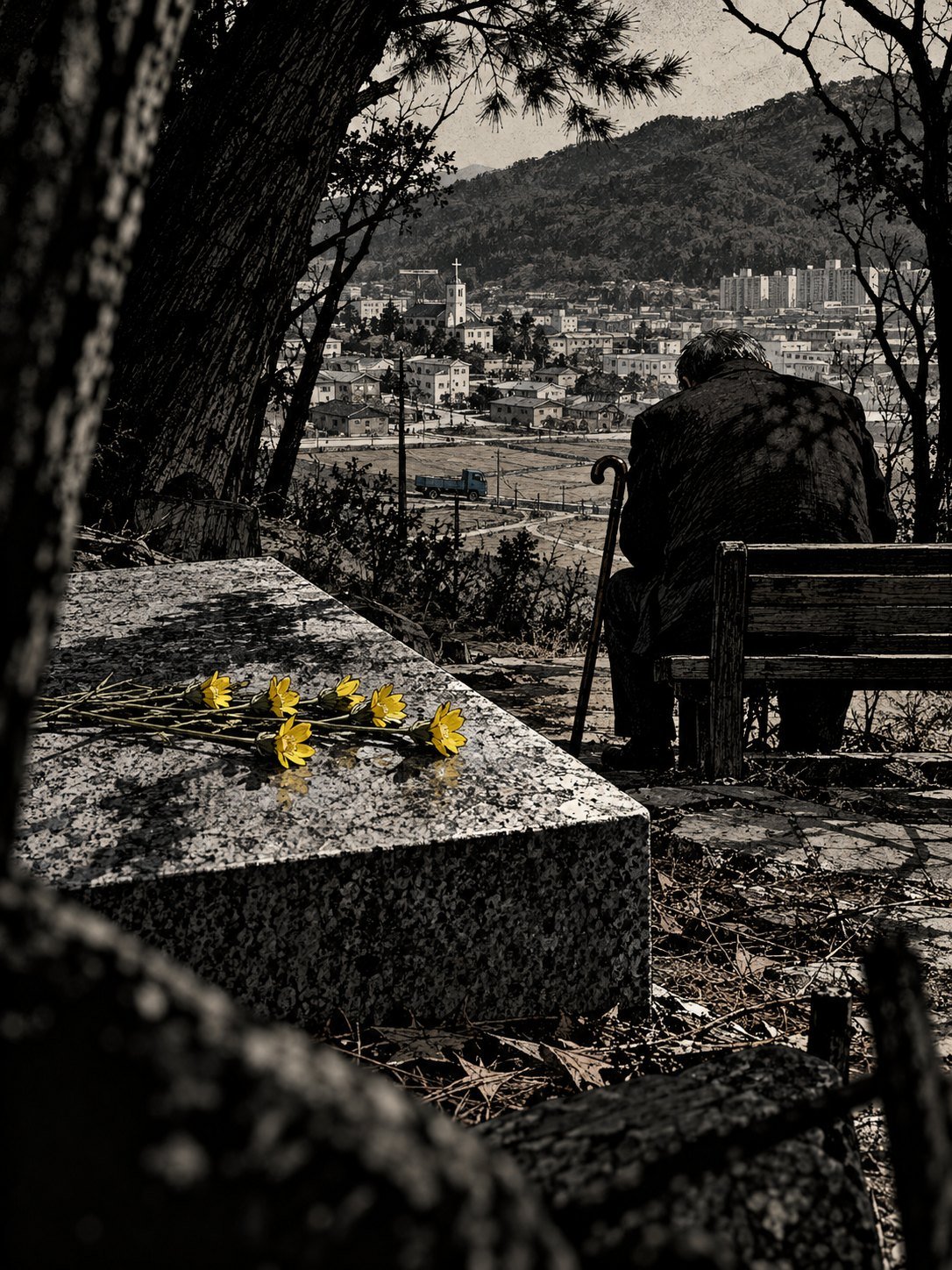
In March 2021, Daegu put up a granite memorial in Seonwon Park on Mount Waryong, for the 30th anniversary.
The fathers have been dying. Kim Young-gyu’s father died in April 2022. Park Chan-in’s father died in May 2023, still missing his son, his family said. By March 2024, three of the five fathers were gone.
The file sits with the Daegu police cold-case unit. In 2025, Korea JoongAng Daily reported no suspects and no new evidence. (NEWSIS-2019) (MAEIL-2019) (MAEIL-2022) (NEWSIS-2023) (DAILIAN-2023) (MAEIL-2024) (JAD-2025)
Case notes: the Frog Boys of Mount Waryong
On 26 March 1991, five boys from Seongseo Elementary School in Daegu, South Korea, went up Mount Waryong to look for salamander eggs and never came home. After the largest search in Korean history, their remains were found on the hill on 26 September 2002. A university forensic team ruled that they had been killed. No one has ever been charged (JAD-2025) (KHAN-2002-11-12).
Where the case stands (as of November 2026)
Unsolved. The Daegu police cold-case unit still holds the file, and in 2025 Korea JoongAng Daily reported no suspects and no definitive new evidence (JAD-2025) (KH-2025).
Because the 15-year statute of limitations ran out in 2006 and later reforms were not retroactive, no one can now be prosecuted for the killings (NOCUT-2017) (JAD-2025). Police still receive occasional tips (MAEIL-2024).
Timeline
| When | What happened |
|---|---|
| 26 Mar 1991 | Election-day holiday; five boys go up Mount Waryong and do not return (MT-2016) (JAD-2025) |
| 17 Apr 1991 | National Police Agency takes over the search (MAEIL-2006) |
| 14 Sep 1991 | About 12,000 postal workers carry the boys’ posters (MAEIL-2006) |
| Jul 1995 | Leaflets with computer-aged images (MAEIL-2006) |
| 12 Jan 1996 | One father’s home dug up after a public accusation; nothing found (SEOUL-1996) |
| Oct 2001 | The wrongly accused father dies (MT-2011) |
| 26 Sep 2002 | Acorn gatherer finds the boys in Sebang-gol (JAD-2002-FOUND) (NEWSIS-2019) |
| 12 Nov 2002 | Kyungpook National University team rules it homicide (KHAN-2002-11-12) |
| 26 Mar 2004 | Joint funeral (MAEIL-2006) |
| 25 Mar 2006 | 15-year statute of limitations expires (AJU-2019) (JAD-2025) |
| 20 Sep 2019 | Police chief visits the site and pledges a fresh review (NEWSIS-2019) |
| Mar 2021 | Memorial unveiled in Seonwon Park (NEWSIS-2023) |
| Mar 2024 | Three of the five fathers have died (MAEIL-2024) |
Evidence locker
Real places and records only. Illustrations elsewhere in this file are AI-generated.
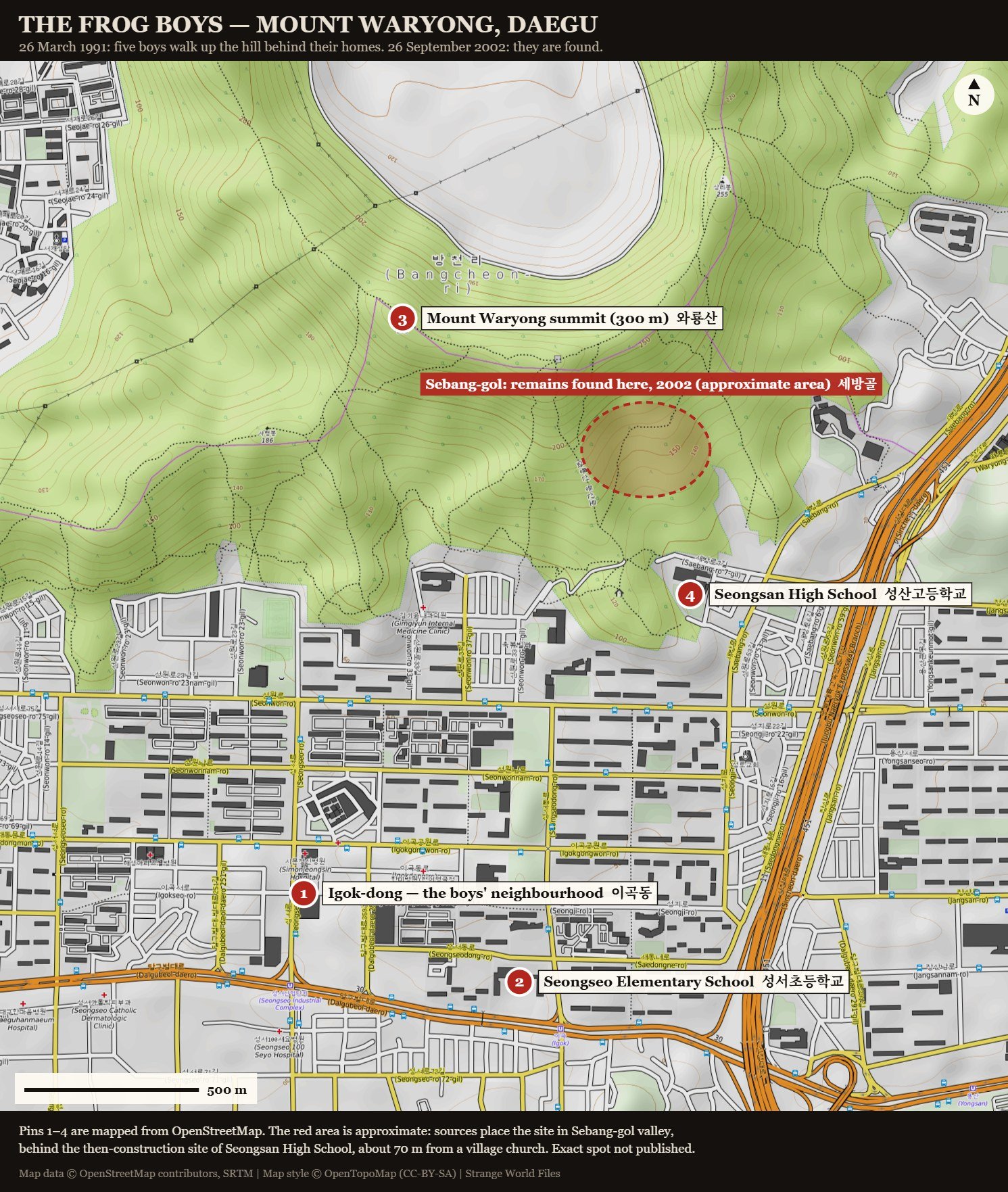 EXHIBIT A · TAP TO ENLARGE
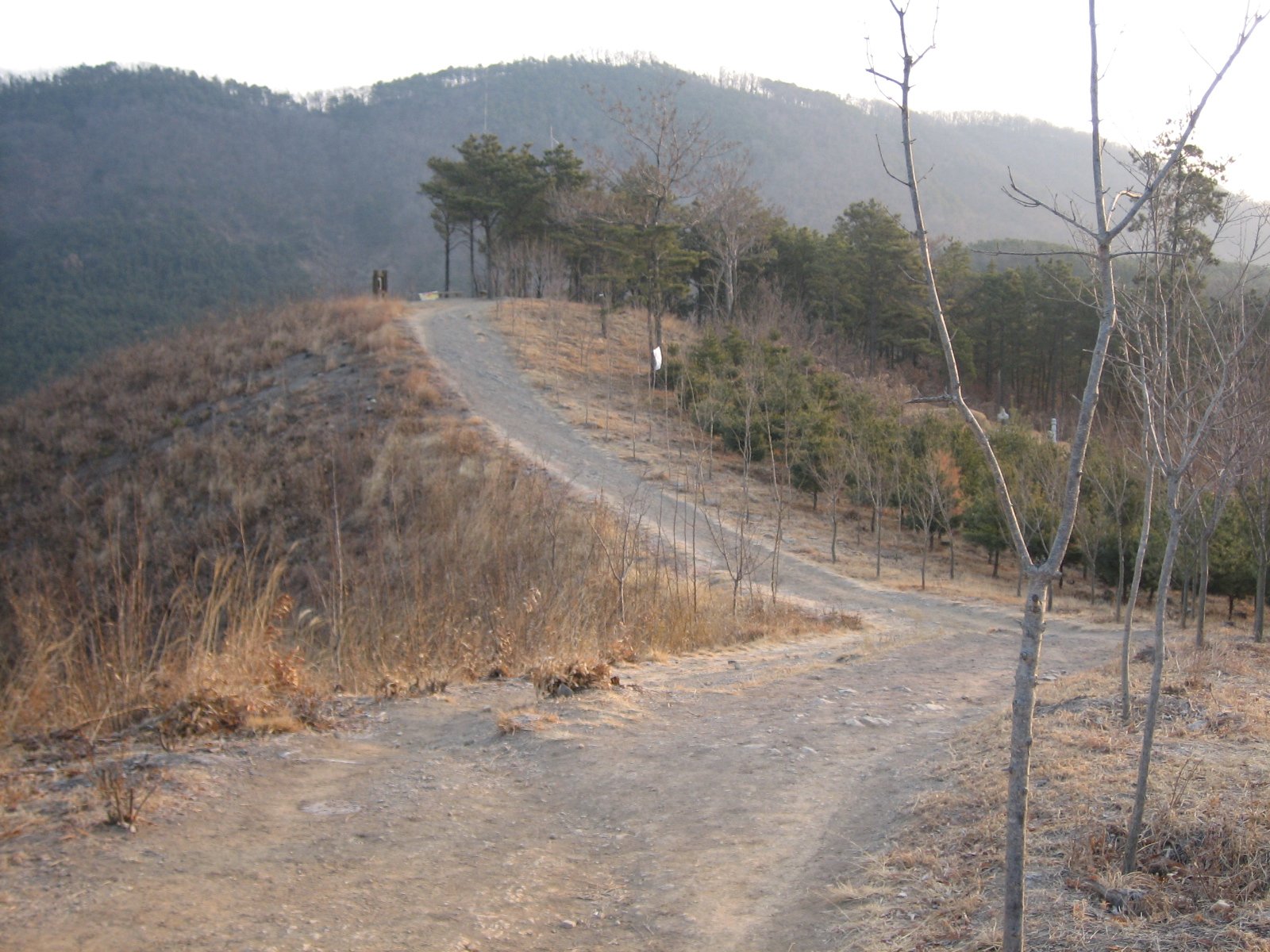 EXHIBIT B
Where the records disagree
| Detail | What sources say |
|---|---|
| How many searched | 250,000, 300,000, 320,000, 350,000 or 500,000; some figures count person-days (ETODAY-2022) (KH-2025) (NEWSIS-2019) (NEWSIS-2023) (MT-2016) |
| Was the valley searched in 1991? | “Left out” or “just outside” the search area, versus “already searched” (ILYO-2021) (JAD-2025) (WIKI-EN) (JAD-2002-BAFFLE) |
| Distance from home | About 300 m, 2 km or 3.5 km, depending on the report (JAD-2002-BAFFLE) (JAD-2002-FOUND) (NOCUT-2017) |
| Cause of death | Hypothermia (police, 2002; a former officer; a 2022 book) versus homicide (Kyungpook National University) (JAD-2002-FOUND) (KHAN-2002-11-12) (ILYO-2021) (SEOUL-2022) |
| The tool | Described as blunt, “blunt and sharp” or sharp; never identified (KHAN-2002-11-12) (MAEIL-2006) (NEWSIS-2023) |
| The ransom call | Early April 1991, or “about a month after” (KH-2025) (MAEIL-2002-09-27) |
| Death of the accused father | October 2001 in most sources; one timeline gives 1995, which is impossible because he agreed to the 1996 dig (MT-2011) (MAEIL-2006) |
What we still don’t know
- Who killed the five boys, and why.
- What tool caused the injuries the forensic team found.
- Whether Sebang-gol was ever searched in 1991.
- Who made the 1991 ransom call, and who tipped off a Seoul outlet about the burial spot in 2002.
What happened after
The families are still asking for a national truth commission and for AI and other new forensic techniques to be applied (MAEIL-2022) (MAEIL-2024). Dalseo-gu marks the week of the anniversary as Child Protection Week (KBMAEIL-2025). The case inspired the 2011 film “Children”, whose killer is fictional (MAEIL-2011).
Editor’s note
That a father who had lost his child also had to prove his own innocence is unbearably cruel. It was a second wound.
Back then, the children’s faces were printed even on cigarette packs. That alone shows how much the whole country cared about this case.
There was no CCTV in that era, and forensic science was limited. It was a time when people talked about detectives who solved cases on foot. So in one sense I can understand why a father ended up on the list of suspects. But it is heartbreaking.
— Strange World Files
Case file summary
- What: Five schoolboys vanished on a hill behind their homes; their remains were found 11 years later
- Where: Mount Waryong, Seongseo, Dalseo-gu, Daegu, South Korea
- When: 26 March 1991 (found 26 September 2002)
- Victims: Woo Cheol-won, 13; Jo Ho-yeon, 12; Kim Young-gyu, 11; Park Chan-in, 10; Kim Jong-sik, 9
- Status: Ruled homicide in 2002; unsolved; statute of limitations expired 2006
If you have information
The statute of limitations has expired, but the Daegu Metropolitan Police Agency’s cold-case unit still holds the file. In South Korea, information can be given to police on 112.
Illustrations are AI-generated artistic interpretations, not photos. No real person is depicted with a recognizable face. Read how we research and illustrate these files.
Sources
- Korea JoongAng Daily, “Frog Boys case: Five students vanished in 1991, found dead years later — still no answers” (23 Jun 2025)
- Korea JoongAng Daily, “Bodies of 5 ‘frog boys,’ missing since 1991, found on mountain” (2002; archive stamp 6 Jan 2003)
- Korea JoongAng Daily, “‘Frog boys’ baffle investigators” (2002; archive stamp 6 Jan 2003)
- The Korea Herald, True Crime series part 2, Frog Boys timeline (14 Aug 2025)
- 서울신문, “과기원 박사 ‘살해돼 묻혔다’ 주장… 발굴작업/아무것도 못 찾아 2시간만에 중단” (13 Jan 1996)
- 서울신문, “‘개구리 소년 변사사건’ 30년 추적기 발간” (24 Mar 2022)
- 경향신문, 개구리소년 총기 흔적·탄두 보도 (2 Oct 2002)
- 경향신문, 경북대 법의학팀 감정 결과 (12 Nov 2002)
- 레이디경향, “영원히 풀지 못한 ‘개구리 소년’ 사건 남겨진 가족의 ‘恨'” (1 Apr 2006)
- 매일신문, 개구리소년 실종 11년 (27 Sep 2002)
- 매일신문, 주간 칼럼 (노래 “개구리소년”) (16 Oct 2002)
- 매일신문, 경북대 법의학팀 “타살” 결론 (13 Nov 2002)
- 매일신문, 공소시효 만료 앞둔 개구리소년 사건 (17 Mar 2006)
- 매일신문, 영화 ‘아이들’ 대구 시사 (19 Feb 2011)
- 매일신문, 대구경찰청 개구리소년 재수사 (7 Oct 2019)
- 매일신문, 개구리소년 31주기 추모제 (28 Mar 2022)
- 매일신문, 개구리소년 33주기 추모제 (26 Mar 2024)
- 머니투데이, “개구리소년 살해 누명쓰고, 간암으로 세상떠” (23 Feb 2011)
- 머니투데이, “14년 전 오늘…’개구리 소년 실종사건’ 5명 시신발견” (26 Sep 2016)
- 뉴시스, “대구 와룡산 ‘개구리소년’ 유해발굴 현장 방문” (20 Sep 2019)
- 뉴시스, “눈물 마를 날 없는 32년…내일 ‘개구리 소년’ 추모제” (26 Mar 2023)
- 일요시사, “<긴급기획> 개구리소년 30주기 ③사건 지휘한 강력과장의 편지” (19 Mar 2021)
- 노컷뉴스 (CBS 김현정의 뉴스쇼), “[탐정 손수호] ‘개구리 소년’을 미제로 만든 건 누구인가” (28 Sep 2017)
- 위키트리, “소년 5명 한꺼번에 실종됐다가 유골로… 대한민국 역사상 가장 미스터리한 사건” (26 Sep 2024)
- 데일리안 (연합뉴스 인용), “‘생전 그리워만 하다가…’ 개구리소년 부친 박건서씨 별세” (7 Jul 2023)
- 아주경제, “개구리소년 사건, 다시 화제인 이유는 뭐길래?” (19 Sep 2019)
- 이투데이, “[이슈크래커] ‘수사는 계속된다’ 개구리소년 사건 재조명된 이유” (9 Jun 2022)
- 경북매일, 달서구 아동보호주간 기념식 (23 Mar 2025)
- Wikipedia, “Frog Boys”