
The Voice on the Phone: The Kidnapping of Lee Hyung-ho, Korea’s Most Haunting Cold Case
| Case | Kidnapping and murder of Lee Hyung-ho, 9, Apgujeong, Seoul |
| Date | January 29, 1991; found March 13, 1991 |
| Evidence | Recorded ransom calls and handwritten notes |
| Status | Unsolved. The statute of limitations expired on January 29, 2006. |
Sixty phone calls, and the voice never once lost its calm
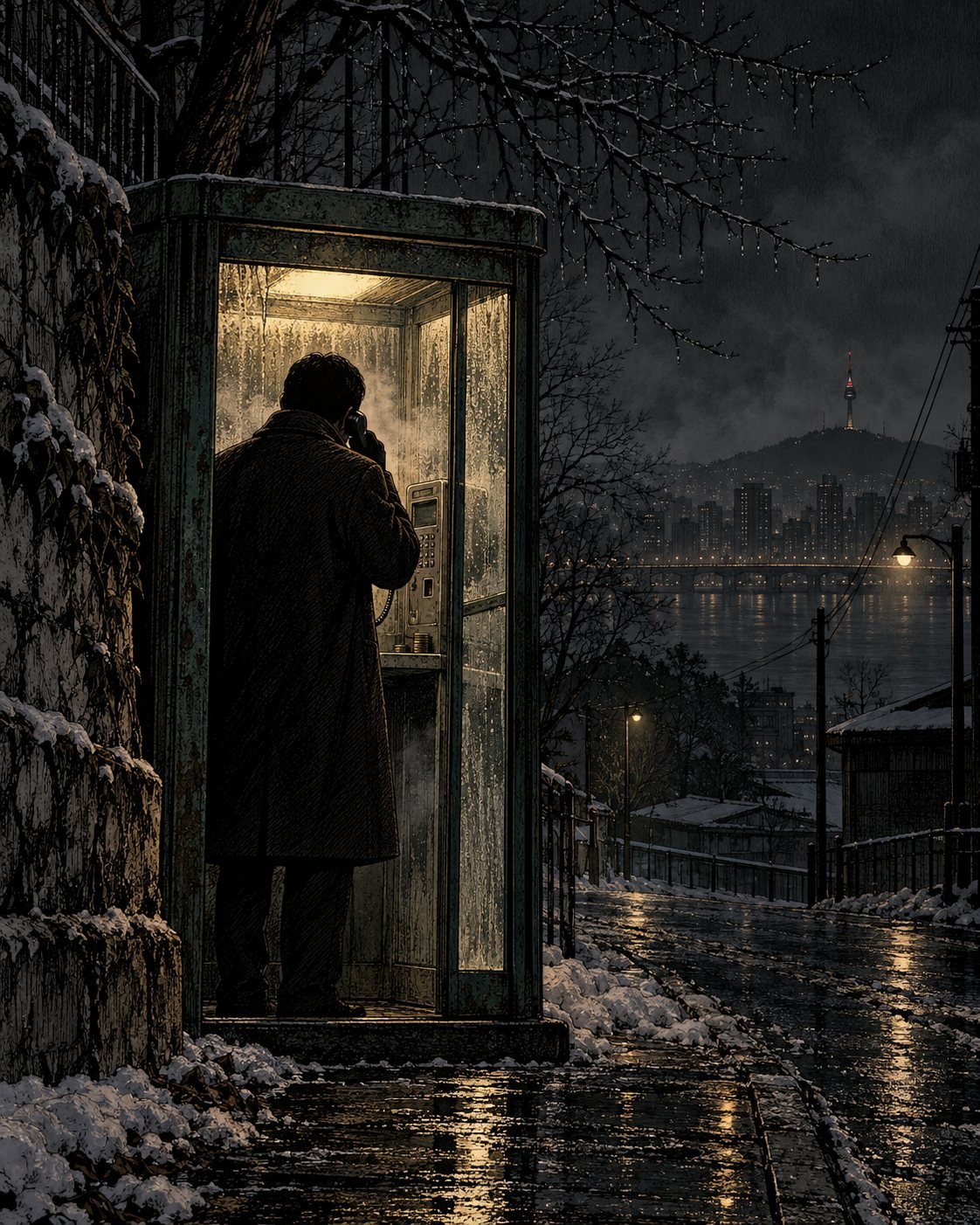
In the winter of 1991, a man called one family in Seoul more than 60 times.
He was calm. He was polite. He never seemed to raise his voice. He sounded less like a criminal making threats and more like someone closing a business deal.
That was the strangest part. Because on the other end of the line was a father and a stepmother who were losing their minds. And the man calmly telling them what to do had their nine-year-old son.
This was 1991. Almost nobody in Korea carried a mobile phone. If you wanted to call someone from the street, you walked into a public phone booth and dropped in a coin. Public phones were everywhere.
For weeks, this man moved from booth to booth across Seoul. He talked. He gave orders. He hung up.
Then he vanished. More than three decades later, nobody knows his name. But everybody knows his voice. (Korea JoongAng Daily)
The tapes are still the best clue anyone has
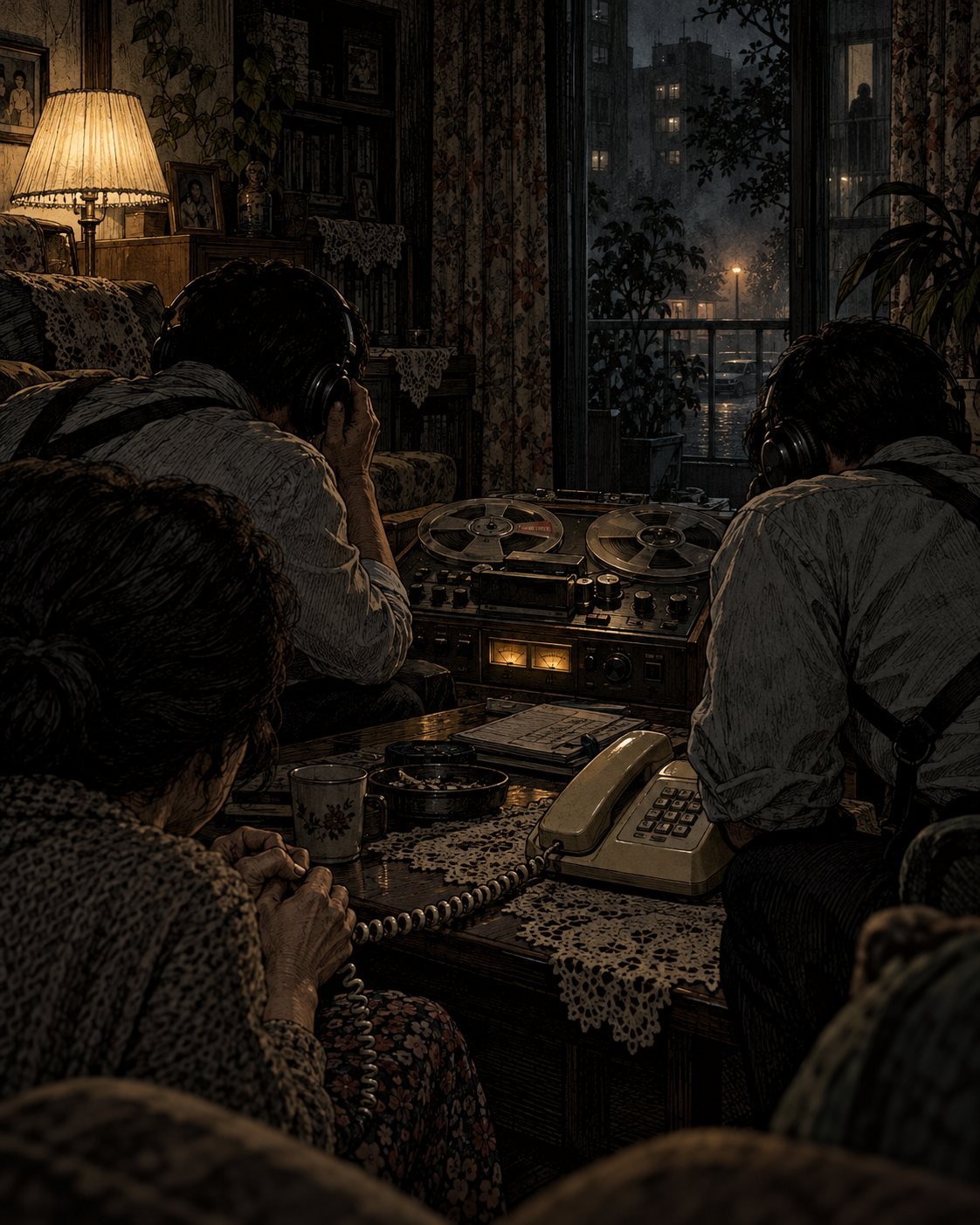
“Do you want Hyung-ho to die?” he asked in one call.
Police recorded every word. Every demand, every threat, every new set of instructions went onto tape.
In most kidnappings, police hope for a fingerprint, a witness, a car. In this case they got hours of a man’s voice instead. They heard how he spoke, the words he picked, the way he paused. They had the sound of the person who knew exactly where the boy was.
It should have been enough. It felt like a man who talked that much would eventually slip.
He didn’t. More than three decades later, those recordings are still the best evidence anyone has. They have been played on the news and in TV investigations for years.
And the question they raise has never been answered. How do you hear a man so clearly and still never see his face? (Money Today)
He told his parents he’d stay out until they got home

This is the true story of the kidnapping of Lee Hyung-ho, the case behind the Korean film Voice of a Murderer, and of the voice that was never matched to a face.
Hyung-ho was nine. He was a third-grader at a nearby elementary school. His family lived in the Hyundai Apartment complex in Apgujeong, one of the wealthiest neighborhoods in Seoul, in Gangnam, south of the Han River.
On January 29, 1991, he was playing outside building 205 with friends from the neighborhood. As it got dark, the other children went home for dinner. Hyung-ho told his parents he would stay outside until they got back.
He was last seen on the monkey bars at about 5:20 p.m. One boy later remembered a man hanging around the playground as the kids left. He didn’t think much of it at the time.
Around 7 p.m., dinner was ready, and his father, Lee Woo-sil, went down to bring him in. The playground was empty. The parents searched the neighborhood and knocked on friends’ doors.
Hyung-ho did not come home for dinner. At 11 p.m., the phone rang.
70 million won, and a car with a phone in it
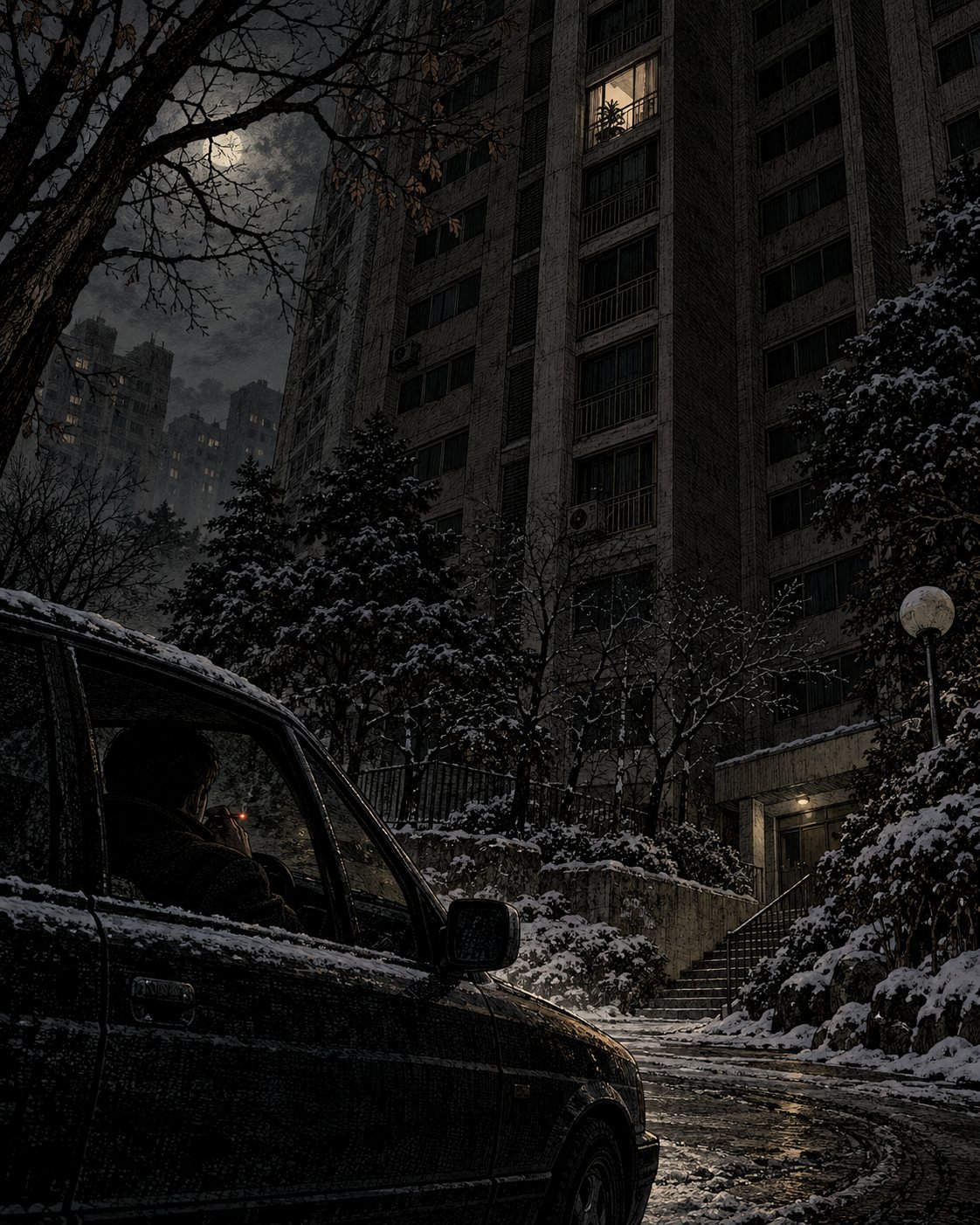
The first call came that night, at around 11 p.m. A man the family had never heard before spoke in a flat voice with a Seoul accent.
“We have Hyung-ho,” he said. “I’ll call back in two days. Prepare 70 million won and a vehicle with a phone. Don’t tell anyone.” Then the line went dead.
Seventy million won was a huge sum in 1991, worth about $144,000 today. But the second demand was even stranger. A car with a phone in it.
Back then, a mobile phone usually meant a car phone, a bulky unit fixed to the dashboard. Few families had one. The kidnapper wanted the father driving around the city where he could reach him at any moment.
The family called the police anyway. Police began recording the calls.
The kidnapper seemed to expect that. At one point he even called the house pretending to be a police detective, to test whether the family had gone to the police. The detectives in the room thought fast and he didn’t catch on. But he was already playing a game the police didn’t know the rules of.
Never longer than a few minutes. Never the same phone
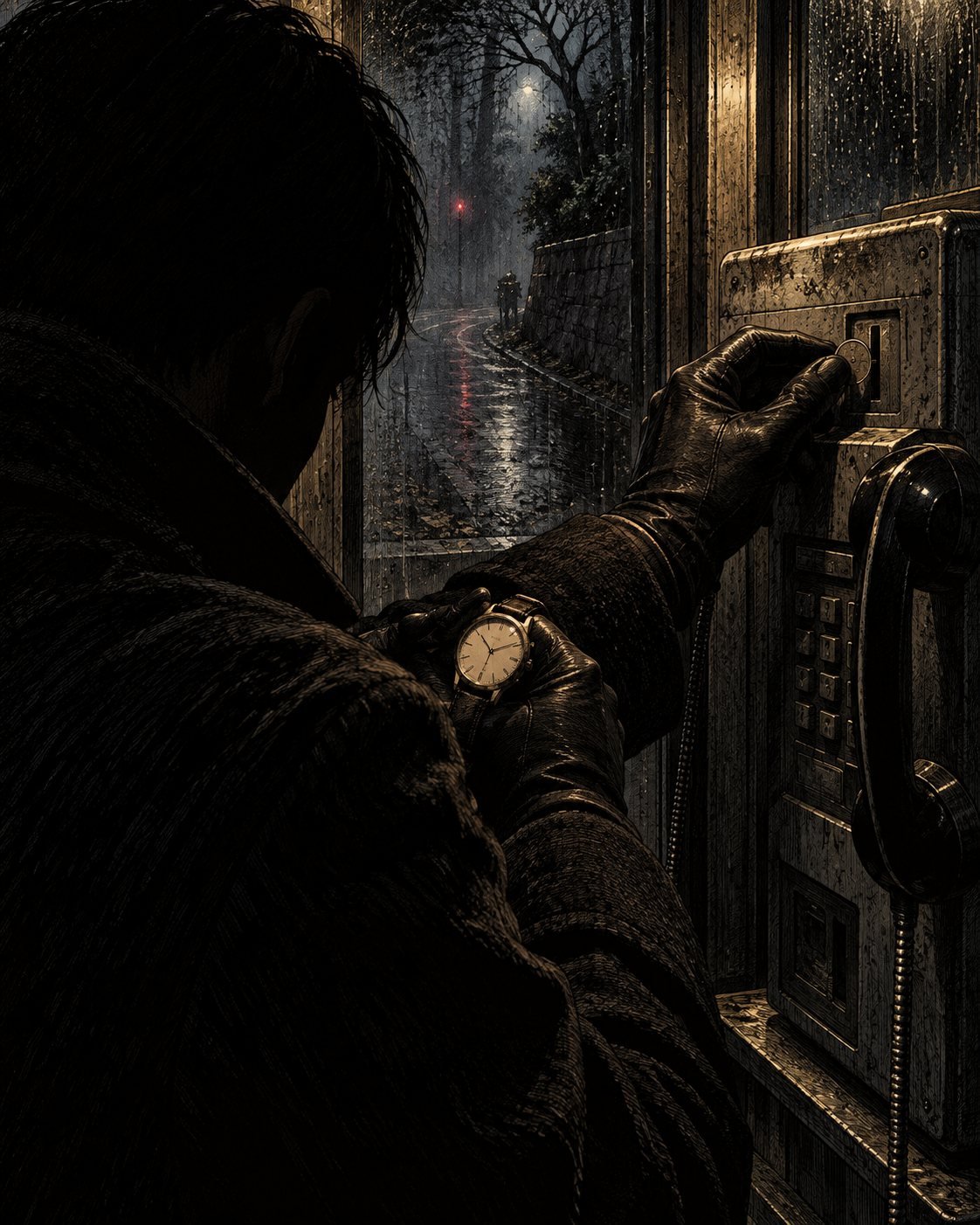
He always used public phones. And he kept every call short, a few minutes at most. It was never long enough to trace.
That was the whole trick. A public phone doesn’t belong to anybody. Even if police worked out which booth he had used, he would be long gone by the time anyone got there. And Seoul was full of them.
He was careful in other ways too. He kept changing meeting places, so he could check whether anyone was following the father. When he left instructions, he wrote them on notes and left them at the spot. Police found no fingerprints on any of them.
When he asked for money to be sent to a bank account, it was an account opened under someone else’s name, at banks that had no security cameras.
Short calls. Moving targets. No prints. No cameras. Every step seemed planned to leave nothing behind.
The police had his voice. Everything else, he had taken away from them.
He was polite, even when angry. And he kept saying “we”

Detectives listened to the tapes over and over. They tried to build a person out of a sound.
He spoke with a Seoul accent. He stayed polite even when he was angry. In Korean, you change the endings of your words to show respect, and he kept using the respectful forms even while he was threatening a child’s life. Reports later said he could also pronounce English words precisely. Investigators guessed he was a man around his thirties, from Seoul or the area around it.
Then there was one small word. He kept saying “we.” Sometimes “us.” At one point he described himself as just someone who was taking part.
Voice analysis suggested the calls came from one man. But the drops were complicated. Someone was watching police movements, moving notes around, and changing locations in real time.
Some investigators came to believe more than one person was involved. One man on the phone. Others out on the street.
If that was true, the police were not hunting a voice. They were hunting a team.
A detective in the trunk, and a kidnapper who noticed

Two days in, the father had borrowed a car with a phone. The man called again.
The father begged him to put Hyung-ho on the line. The caller said the boy had a cold. “He went to sleep after taking medicine,” he said. It gave the family something to hold on to.
Later that day, he sent the father to Gimpo Airport, Seoul’s main airport at the time. The instructions were oddly exact. Open the trunk six minutes after the call, then close it. Park in the domestic terminal lot. Flash the headlights twice. Leave the inside lights on and the keys in the ignition. Take a bus home.
When the trunk opened, a detective jumped inside. After the car was parked, he moved down to the floor of the back seat. Police staked out the parking lot.
Nobody came. Three hours passed. Then the phone rang.
“Why aren’t you keeping your word? I saw someone in the back seat of your car,” the caller said.
The detective had been there. The kidnapper had seen him. Somehow, he was watching the people who were watching for him.
Notes taped to phone booths, and no fingerprints anywhere

He kept moving the drop. The father was sent from place to place, following handwritten notes left at phone booths and shops.
That same night, the calls came from pay phones in Chungmuro, a busy part of central Seoul. He told the father to park at a taxi stand by the Dae Han Cinema, leave the doors unlocked, and walk to a nearby cafe. Two men went for the car. Undercover officers arrested them on the spot. They turned out to be ordinary burglars.
Meanwhile the caller rang the mother at home. He said he could see detectives nearby. “If the police intervene, you’ll never see Hyung-ho again,” he warned.
At 1:47 a.m. there was another call, and another drop. A female police officer posed as the mother and rode with the father. The caller kept changing the location over the car phone. The chase lasted until 5 a.m. Nobody showed up anywhere.
Every note he left was a clue in theory. In practice, police found no fingerprints on any of them.
Each failed handoff told him a little more about where the police were standing. (Money Today)
A bakery, a department store, and an account nobody touched

On February 4, the caller promised the father he would see his son the next evening. When the father broke down crying, the man scolded him. “This is all because you couldn’t keep your promises.”
Then came the scavenger hunt. The first note was tucked inside the glass of a newspaper board outside Taegukdang, a famous bakery in central Seoul. It pointed to a second note, hidden in a gap in a utility pole outside the Midopa Department Store in Myeong-dong, one of the city’s busiest shopping streets.
The second note told the parents to deposit 20 million won into a Hanil Bank account. There was a branch right across the street.
Today that would be a risky way to collect ransom. But before 1993, you didn’t need ID to open a bank account in Korea. You could fill out a form under any name you liked.
Police hoped the money would act like bait. The father deposited 20 million won. Detectives waited for someone to try to take it out.
No one ever came to withdraw it. Whoever he was, he didn’t bite.
The one spot police weren’t watching was the one that mattered

On February 13, the caller phoned again. “You want him to die, don’t you? This is your last chance.” This time he wanted 50 million won in cash.
The trail ran along the Olympic Expressway, the big riverside highway on the south bank of the Han River. A note at a bridge in Yeouido sent the father to a lamppost near Yanghwa Bridge, farther west. Under a rock there was another note. Leave the bag on a nearby utility box, it said, and deposit 20 million won into a second account, at the Commercial Bank of Korea.
Following police advice, the bag was not all real money. Real cash was mixed with fakes.
The father left the bag on the utility box. Police were not watching that spot. Reports say a mix-up sent officers to the wrong place. When they checked, the bag was gone.
Soon after, the caller rang one more time. “What a way to trick me,” he said. “But you really shouldn’t behave this way.”
He had the bag. Now he wanted the money in the bank. (Korea JoongAng Daily)
A man came for the money. The screen flashed. He ran
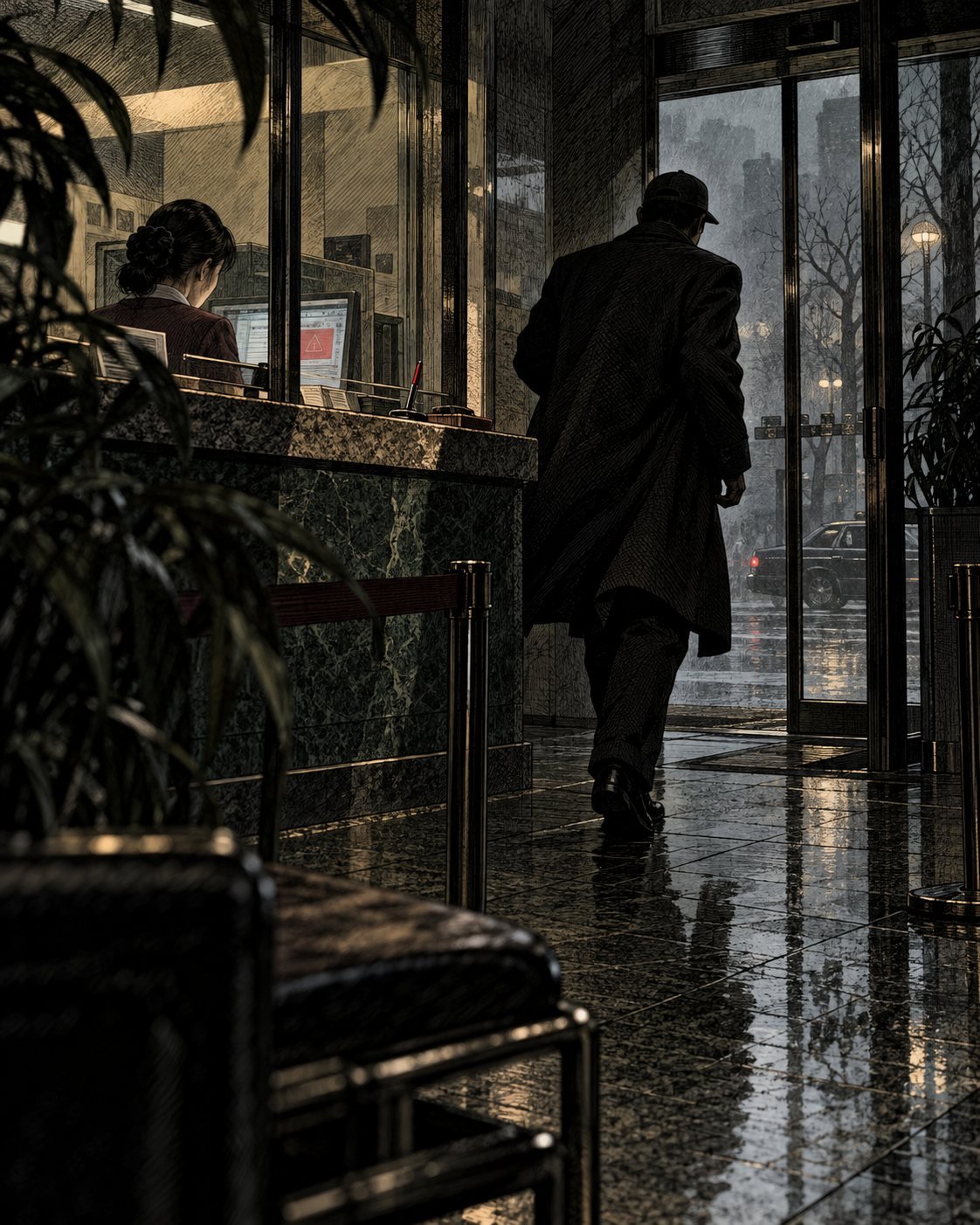
On February 19, a man walked into a Commercial Bank of Korea branch in northern Seoul. He tried to withdraw money from the account where the father had sent part of the ransom.
The account had been frozen. When the teller saw it was flagged, the teller told him his bankbook wasn’t working. He grabbed the bankbook back and ran.
It was the closest anyone ever came to him. And it wasn’t close enough.
He left no fingerprints. The bank had no video cameras. Police had only the teller’s memory, and they used it to draw a sketch of his face. Later, police made a version showing how he might look 15 years on.
Was this the man on the phone? Or someone working with him? Nobody knows. Some reports treat him as the kidnapper. Others say he may have been an accomplice.
He was never identified. He walked out of the bank, and out of the story, and nobody has seen him since.
The phone that rang 60 times went quiet

After that, there was nothing.
For three weeks this family’s phone had been the center of their life. It had rung more than 60 times. It had sent the father to an airport, a cinema, a bakery, a department store, a riverside highway. Every call meant fear, but it also meant something else. It meant the man still needed them. It meant there was still a deal to be made.
The last thing they had heard about their son was that he had a cold and had gone to sleep after taking medicine.
The family kept waiting by the phone, day after day.
It did not ring again.
The silence was worse than the threats. As long as he was calling, there was a way forward. Now there wasn’t one.
Workers cleaning a culvert under the expressway stopped

On March 13, 1991, workers were cleaning a drainage culvert beneath the Olympic Expressway in Jamsil, on the bank of the Han River in southern Seoul.
A culvert is a big concrete pipe or tunnel that carries rainwater under a road and out to the river. Workers go in to clear them out.
That day, inside one of them, they found Hyung-ho.
It was 43 days after he disappeared from the playground. It was the same expressway the father had driven along a month earlier, following the kidnapper’s notes with a bag of money in the car.
Two days later, on March 15, the family held his funeral. His older brother carried his portrait in the procession.
Weeks of chasing notes and phone calls had led here. But the worst part of the story was still in the autopsy report. (Korea JoongAng Daily)
Every call had been a lie from the start

The autopsy suggested he had been killed not long after he was taken.
Think about what that means. The first call came at 11 p.m. on the night he vanished. The kidnapper said “We have Hyung-ho.” Two days later he said the boy had a cold and was asleep after taking medicine. Over the next weeks he scolded the parents for not caring enough, for not keeping their promises, for bringing in the police.
By then, Hyung-ho was most likely already gone.
For weeks, every call, every demand and every promise had been a lie. The parents had been chasing a child they could no longer save, and the man on the phone knew it the whole time.
The day after Hyung-ho was found, police took the case public. Until then the investigation had been kept quiet.
Now it was a murder. And the only real lead was a voice on a tape.
The voice analysis pointed to one man. He was 300 km away
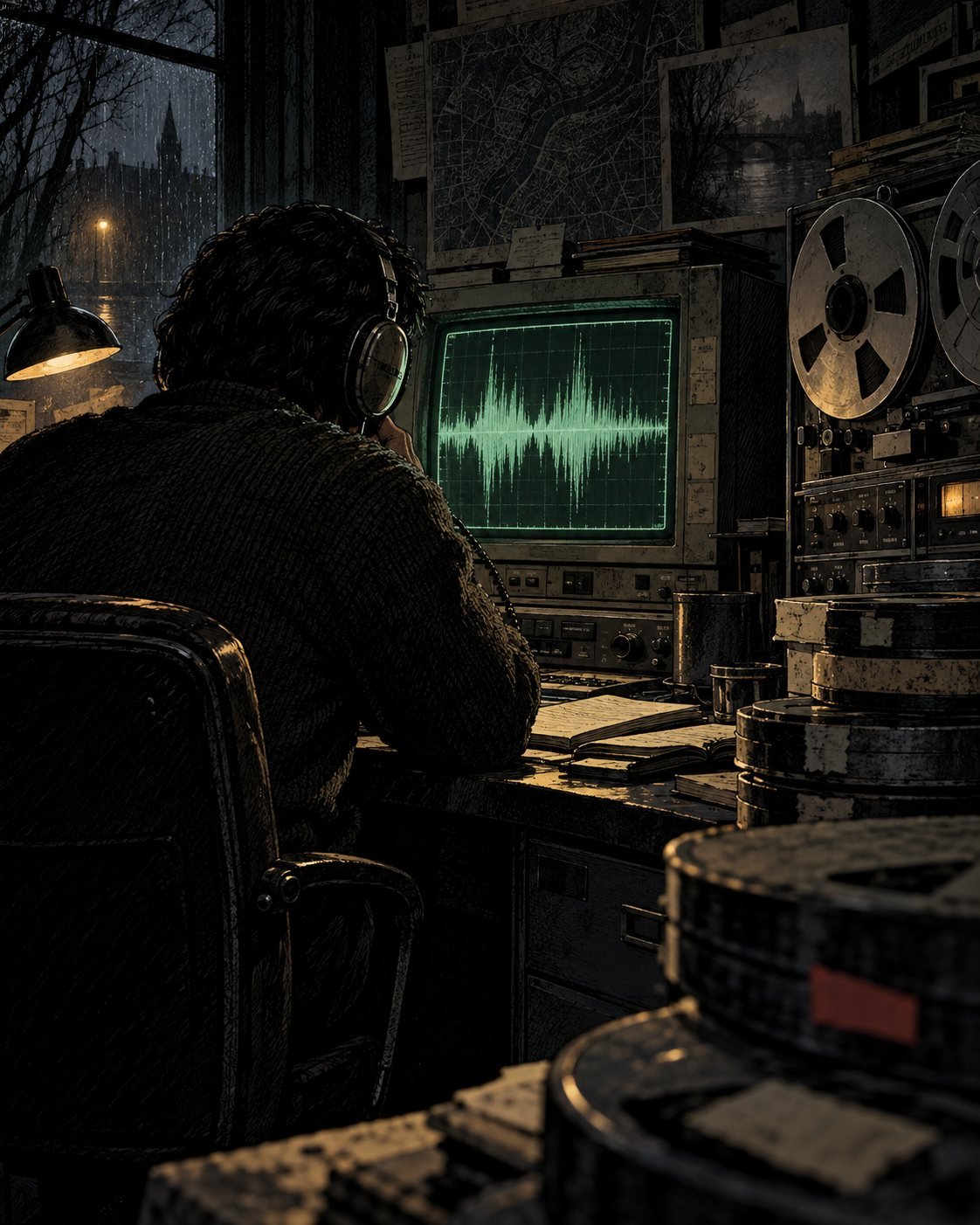
Investigators had his voice, his handwriting and almost nothing else.
So they turned to science. The National Institute of Scientific Investigation, Korea’s state forensics lab, compared the kidnapper’s recorded voice with possible suspects. The analysis pointed toward a relative of the family, on the side of Hyung-ho’s birth mother.
He denied any involvement. And he could show where he had been. He had highway toll receipts placing him in Gyeongju, a city in the southeast, more than 300 kilometers from Seoul, on the day Hyung-ho was taken. An innkeeper there said he had checked in.
There was no physical evidence connecting him to the crime. Police had to let him go. He was never charged.
This is the problem the case notes come back to. In 1991, voice analysis could say two recordings sounded alike. It could not prove who was speaking. When the one person it pointed to had a solid alibi, there was nothing behind it.
The trail went cold. And it has stayed cold ever since. (Money Today)
280,000 flyers, 1,000 tapes, and no name that held up

If police couldn’t match the voice, maybe someone else could.
The voice was played to the public in the hope that someone would recognize it. Police printed 280,000 flyers and made 1,000 tapes of the kidnapper’s voice, and sent them out across the country. The teller’s sketch went out too.
The idea was simple. Somewhere, someone had heard this man speak before. A coworker. A neighbor. A relative. Someone who would hear the tape on the news and freeze.
Many people heard it. Over the years it was played again and again, on news reports and TV investigations. It stuck in popular memory.
No one came forward with a name that held up.
It’s an unsettling thought. A man who spoke to a family more than 60 times, who could have been anyone’s colleague or friend, and not one person in a country of millions said a name that stuck.
Fifteen years to the day, the case simply closed
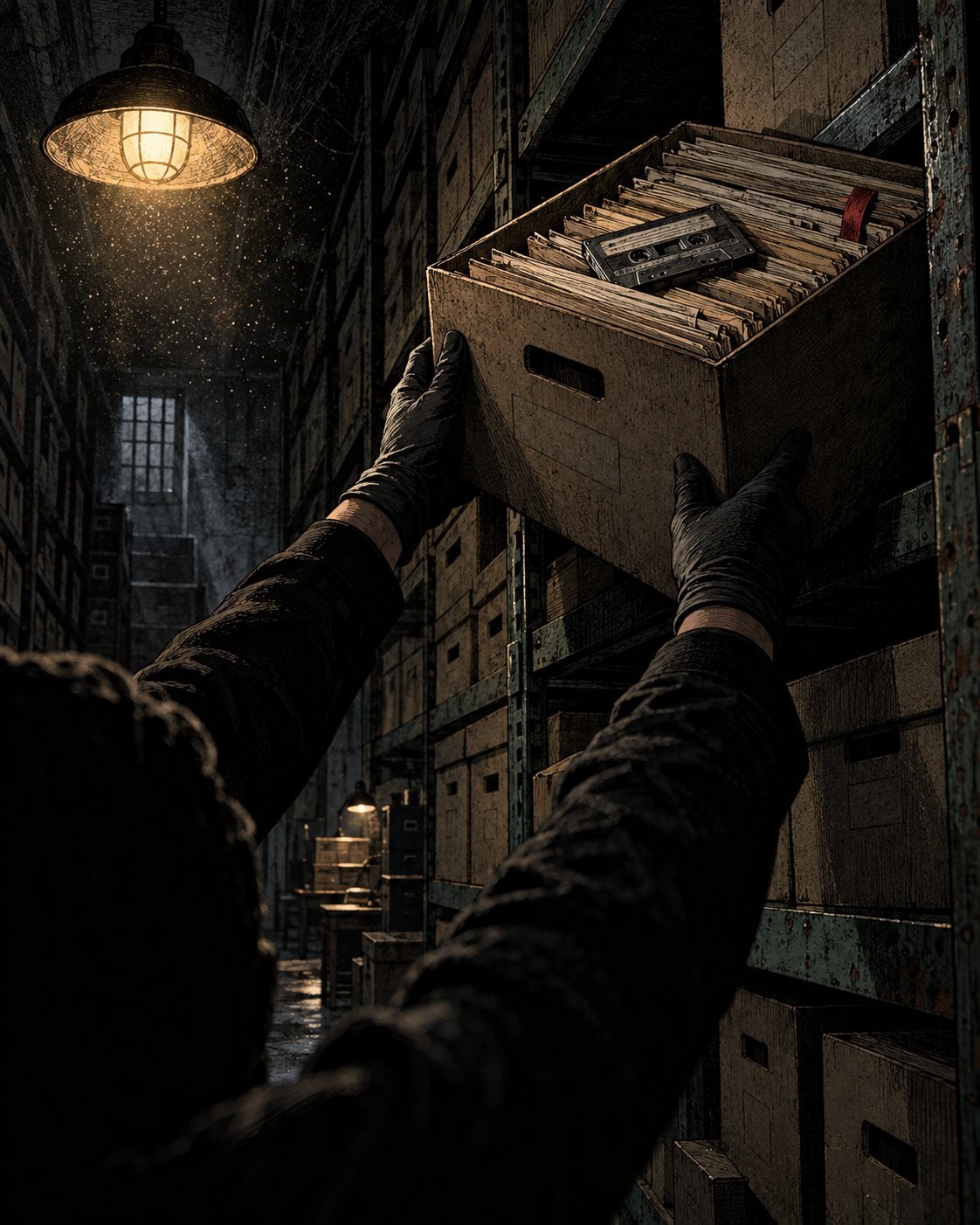
In Korea at the time, even murder had a deadline. It was called the statute of limitations. If nobody was charged within 15 years, nobody could be charged at all.
On January 29, 2006, exactly 15 years after Hyung-ho disappeared from the playground, that time ran out. The case was officially closed. Even if the man had walked into a police station the next morning and confessed, he could not have been prosecuted for this crime.
Cases like this one helped push South Korea to change the law. In 2015, the country scrapped the time limit for murder.
But the change could not reach back to this case. Its clock had already stopped.
The notes, the sketch, the tapes: all of it now belonged to a closed case.
Legally, it was over. For the people who had heard that voice, it was not.
A movie brought the voice back to a whole new generation

In 2007, the film Voice of a Murderer brought the case to a new generation.
It was based on the kidnapping and murder of Lee Hyung-ho. And it did what the police campaign had done years before. It put the kidnapper’s voice back in front of the public. Audiences who had been children in 1991, or not born yet, now knew the story.
The question it left them with was the same one the father had been left with. Who was he?
In 2019, police took another look. A cold case team at the Seoul police reopened the investigation, more than 28 years after the kidnapping. The team kept working the case.
No one could be prosecuted anymore. But a name would still mean an answer for the family.
The man was still never found. (Wikipedia)
He’d be in his sixties now. His voice would still be his

If he is alive, he would be well into his sixties now.
He might be someone’s grandfather. He might be riding the subway home tonight, talking on the phone, his face turned away from everyone else in the car. His voice would be older, but it would still be his. The same accent. The same way of putting words together.
Hyung-ho’s father, Lee Woo-sil, never got the answer. Tormented that he could not save his son, he fell into alcoholism. It took him years to recover, with the support of his surviving son and his wife.
Almost two decades after Hyung-ho’s death, he told an investigative TV program there was just one question he wanted to ask the kidnapper. “Why did you have to kill my son?”
It was never a mystery what the kidnapper sounded like. The mystery is who he was.
Somewhere, someone may still know that voice.
Case notes: why a voice was not enough
It seems impossible. Police had hours of a kidnapper’s voice on tape, and still could not find him. Looking back, three things stand out.
A voice narrows the field, but it does not name anyone. In 1991, voice analysis could suggest that two recordings sounded alike. It could not prove who was speaking. When the one person it pointed to had a solid alibi, there was nothing else to fall back on.
The kidnapper controlled the clock. Short calls from public phones, notes with no fingerprints, and drop sites that kept changing meant police were always reacting. Every handoff happened on his terms, and each one that failed taught him where the police were.
The time limit closed the case before the science caught up. Cases like this one helped push South Korea to scrap the statute of limitations for murder in 2015. For Hyung-ho, it came too late.
The hardest part is that the voice is still out there. It was never a mystery what the kidnapper sounded like. The mystery is who he was.
Case file summary
- Case: Kidnapping and murder of Lee Hyung-ho, 9, Apgujeong, Seoul
- Date: January 29, 1991; found March 13, 1991
- Evidence: Recorded ransom calls and handwritten notes
- Status: Unsolved. The statute of limitations expired on January 29, 2006.
Out of respect for the victim, he does not appear in any illustration. The caller is drawn only as an unidentified figure, since his real identity is unknown. Illustrations are artistic interpretations, not evidence, and are not taken from the 2007 film.
Related files
- Martha Moxley: Killed on Mischief Night With a Golf Club From the Kennedy Cousins’ House
- The Silk King Who Walked Into the Jungle: The Disappearance of Jim Thompson (1967)
- The Black Donnellys: The Night a Whole Township Came to the Door (1880)
Illustrations are AI-generated artistic interpretations, not photos. No real person is depicted with a recognizable face. Read how we research and illustrate these files.






2 Comments