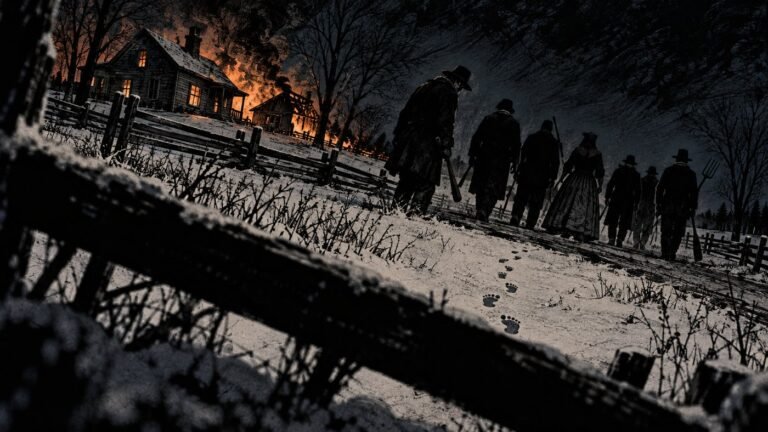
He Came Back for 115 Colonists and Found One Word: CROATOAN. The Lost Colony of Roanoke Was Never Found
🎧 Narrated Mystery: press play and hear the whole case read aloud, like an audiobook (about 23 minutes).
CROATOAN: the one word left at the Roanoke Lost Colony

He crossed an ocean to find more than a hundred people. He found one word.
August 1590. John White walks up to the colony he left on Roanoke Island three years earlier.
There is a high palisade of great tree trunks. There is no one inside it.
On one of the main posts at the entrance, about five feet from the ground, someone has cut a word in “fayre Capitall letters”: CROATOAN.
White had left about 115 to 118 men, women and children here. His own daughter was one of them. So was his baby granddaughter.
Now there is only the word.
And something is missing from it. Something White had asked them to carve, if they ever had to leave in trouble.
It is not there.
This is the story of how America’s oldest English mystery began, and why it has never been closed. (WHITE-1590-EV) (WHITE-1590-CONST) (NPS-1587)
A trumpet in the dark, and no answer from Roanoke
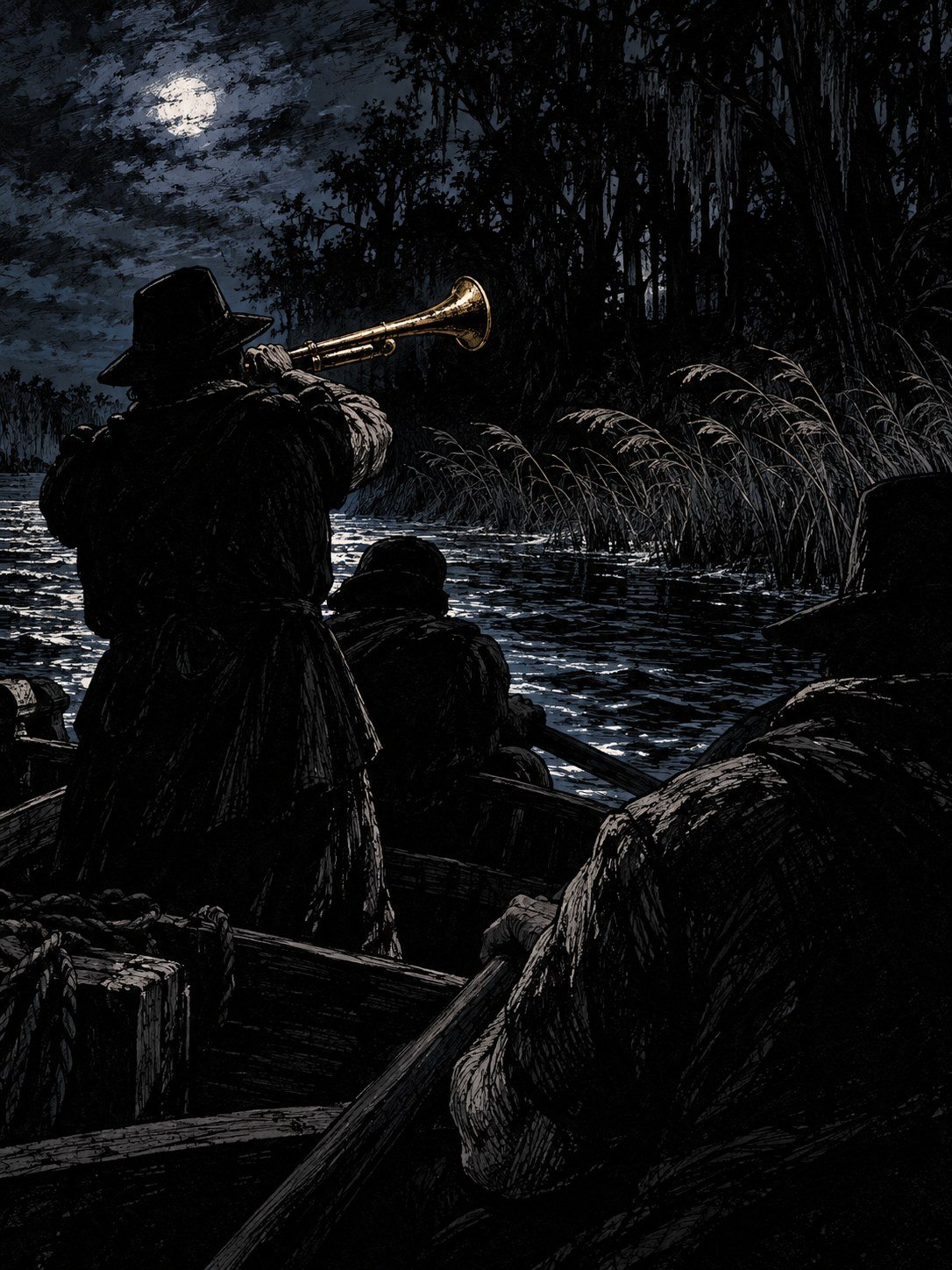
The night before, White and his men were rowing toward the island in the dark.
Through the woods they could see “the light of a great fire.”
Someone was there. Or someone had been.
When they came near the shore, they sounded a call on a trumpet. Then they played “many familiar English tunes of Songs.”
Songs the colonists would know. Songs that said: we are English, we are friends, we came back.
Nothing came back.
No shout. No answering song. No figure stepping out of the trees.
White had spent three years trying to get to this shore. Now he was close enough to call out, and the island stayed silent.
They waited for daylight to land.
What they found in the morning only made the silence harder to explain. (WHITE-1590-EV) (WHITE-1590-CONST)
Virginia Dare’s third birthday, and the chests in the trench
White reached the settlement on 18 August 1590.
It was Virginia Dare’s third birthday. She was his granddaughter, the child White called “the first Christian borne in Virginia.”
He did not find her.
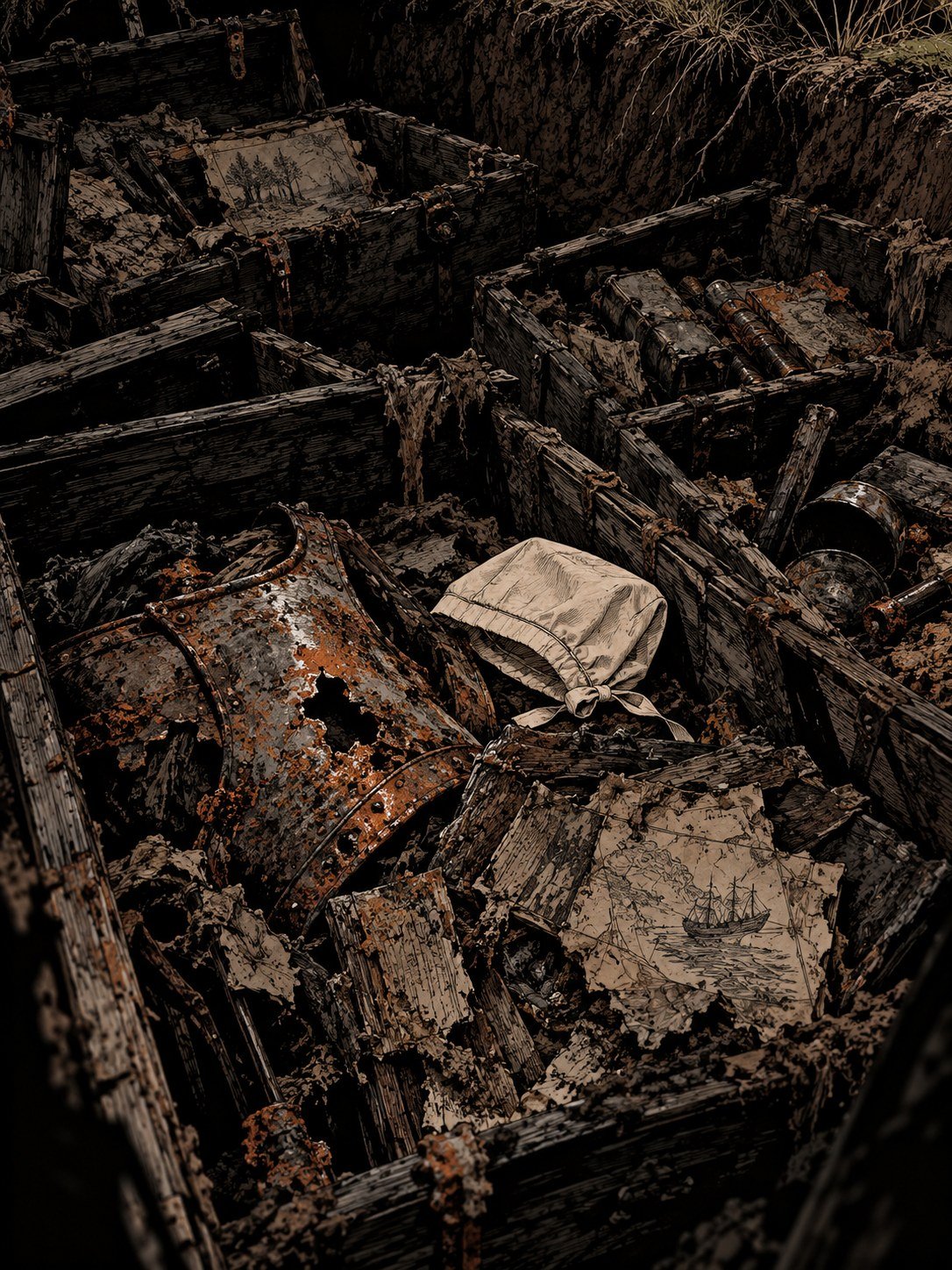
He found chests instead. Five of them had been “carefully hidden of the Planters” at the end of an old trench. Three were his.
His books were “torne from the couers.”
His pictures and maps were rotted by rain.
His armour was “almost eaten through with rust.”
These were the things he had left in the colonists’ care. They had hidden them before they went.
Now they lay ruined in the weeds.
A grandfather stood in the weeds on his granddaughter’s birthday, holding the ruins of his own belongings.
To understand how he got there, we have to go back six years. (NPS-JWC) (WHITE-1590-CONST) (WHITE-1587-VJ)
1584: how Roanoke and ‘Virginia’ began

On 25 March 1584, Walter Raleigh received a charter from Queen Elizabeth.
It let him explore and settle what it called “remote heathen and barbarous lands.”
A month later, on 27 April, Philip Amadas and Arthur Barlowe sailed with two ships for the American coast.
They came home with two Native men: Wanchese and Manteo.
Manteo’s name matters. Remember it. It will come back at the very end of this story.
Barlowe wrote a “glowing report” of the land. It was enough to convince Raleigh to try a real settlement the next year.
In January 1585 Raleigh was knighted.
The land the English had visited, called Wingandacoa, was given a new English name: Virginia.
Everything looked promising.
The first people sent to live there would discover it was not that simple. (NCPEDIA-VOYAGES)
The first Roanoke colony quits, and leaves men behind
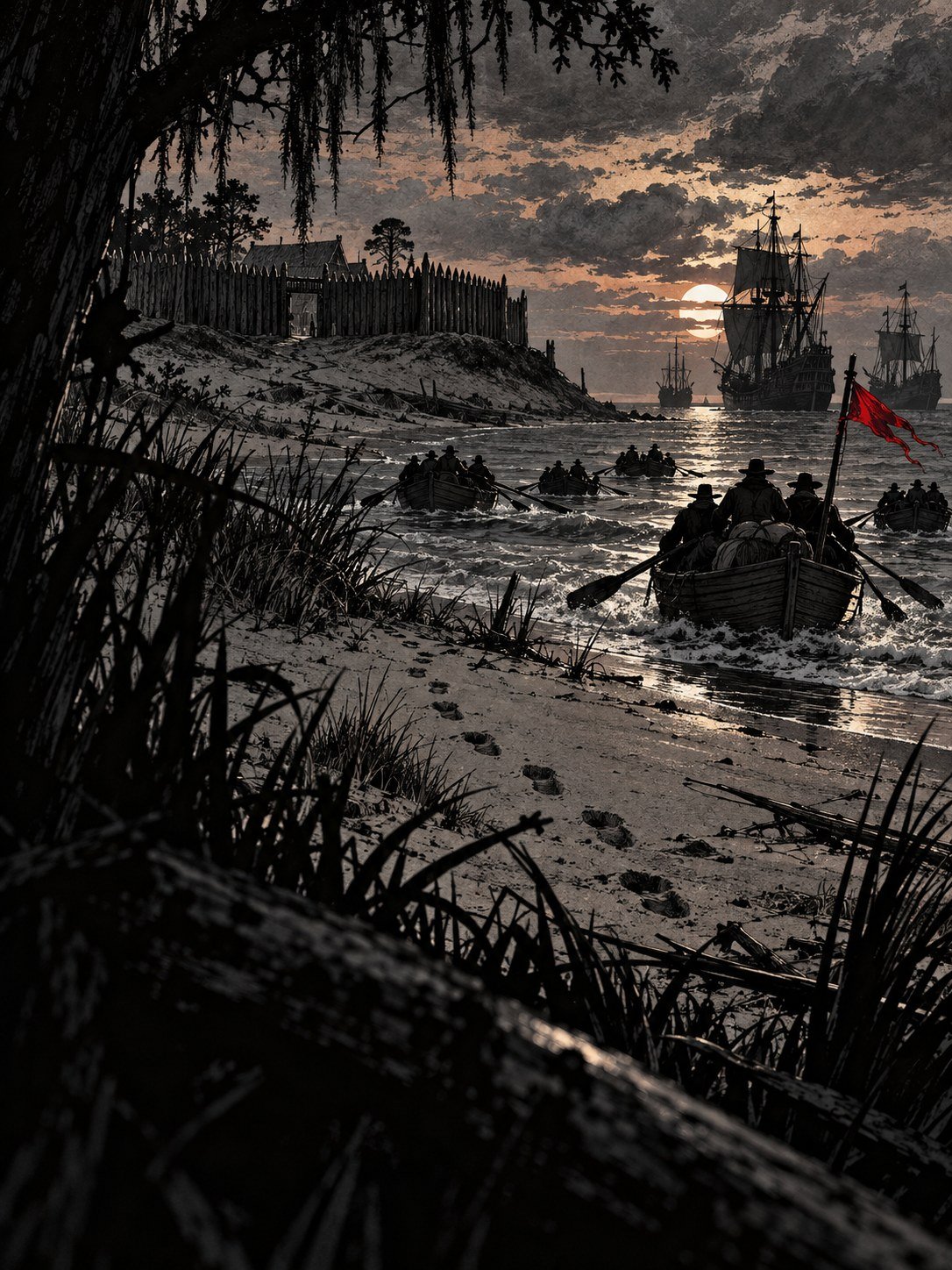
In April 1585 Sir Richard Grenville led seven ships across. On board were Governor Ralph Lane, the scientist Thomas Harriot and an artist named John White.
Relations with the local people turned violent. Grenville burned the village of Aquascogoc over a missing silver cup. Later Lane burned Dasamonquepeuc and had the chief Wingina killed.
Lane was left with 107 men. Grenville promised supplies by Easter.
The supplies did not come in time.
In June 1586 Sir Francis Drake arrived and offered Lane a ship. Lane took it. On 18 June 1586, in the National Park Service’s words, “the first colony ended in disorder.”
Three of Lane’s men were away on an expedition. They were left behind.
Grenville’s relief fleet arrived after Lane had gone. He left about fifteen men on the island and sailed home.
The NPS calls those first three the original “lost colonists.”
They would not be the last. (NPS-FIRST)
John White’s 1587 Lost Colony lands on an empty island

In January 1587 a new settlement was created on paper: the “Cittie of Ralegh in Virginia,” governed by John White and twelve assistants. Each settler was promised 500 acres.
The NPS says 118 men, women and children sailed. Other sources say about 115.
They were meant to settle on Chesapeake Bay. They never got there.
The pilot, Simon Fernandes, refused to take them farther. The NPS says he argued it was too late in the year.
So on 22 July 1587 they were put ashore at Roanoke.
They went looking for Grenville’s fifteen men.
They found “the fort rased downe, but all the houses standing unhurt.”
The lower rooms were “overgrowen with Melons of divers sortes.”
Of the fifteen men, they found only “the bones of one.”
The new colony’s first sight of its home was an empty fort and an unanswered question. (NPS-JWC) (NPS-1587) (WHITE-1587-VJ)
Roanoke, July 1587: a man goes crabbing alone

Six days after landing, on 28 July 1587, one of White’s assistants, George Howe, went into the water alone.
He was “catching Crabs” with a forked stick, away from the others.
He was attacked there and killed by arrows.
For a colony that had just found the bones of the last group of Englishmen, it was a terrible start.
White’s men wanted revenge.
They attacked, but they hit the wrong people. The NPS says they struck friendly Croatoan people by mistake.
It was Manteo, one of the two men who had sailed to England in 1584, who stopped the attack.
The Croatoan were his people.
It is worth holding on to that. In three years, the only clue the colony leaves behind will point to them. (WHITE-1587-VJ) (NPS-1587)
Virginia Dare: the first English child born in the colony

On 13 August 1587, Manteo was baptized and named Lord of Roanoke and of Dasamonquepeuc.
The NPS calls it the first Protestant baptism, and the first English title granted, in the New World.
Five days later there was a birth.
On 18 August 1587, White’s daughter Elinor (also spelled Eleanor) White Dare gave birth to a girl.
They named her Virginia.
She was christened “the Sonday following.” White called her “the first Christian borne in Virginia.”
A second baby was born to the Harvie family soon after.
For a moment, the colony had something it had not had since it landed: a reason to feel like it might last.
White had a daughter and a granddaughter on the island now.
He was about to leave them both. (WHITE-1587-VJ) (NPS-JWC) (NPS-1587)
John White sails away from Roanoke, and his family

On 22 August, four days after Virginia’s birth, the assistants and planters “with one voice requested” White to go back to England for supplies.
He agreed in writing on 25 August.
On the morning of 27 August 1587, he “departed from Roanoak.”
His daughter stayed. His nine-day-old granddaughter stayed.
The NPS says the colonists split into two groups before he left. One stayed on Roanoke. The other went inland.
White later wrote that they were “prepared to remoue from Roanoak 50 miles into the maine.”
So he knew they might move.
That is why they agreed on a signal: carve where you have gone. If you leave in distress, carve a cross over it.
The voyage home was grim. At the Azores, only five of the fifteen seamen on the flyboat were fit for duty. (WHITE-1587-VJ) (NPS-1587) (WHITE-1590-CONST)
The Spanish Armada traps John White in England

White reached England on 8 November 1587 and reported to Raleigh.
The trip home had been hard. The flyboat limped into Ireland in mid-October before he made it to England.
He needed ships. He needed them fast.
He did not get them.
The Spanish Armada was threatening England. Elizabeth I ordered all English vessels to stay home and defend the country.
The Privy Council stopped White’s planned voyage.
Think about what that meant from his side.
Somewhere across the ocean, his daughter and granddaughter were waiting on supplies that he had promised to bring.
And the whole English navy was being told not to sail.
The colony’s lifeline had been cut by a war that had nothing to do with it.
White would try anyway. (NPS-SEARCH) (NPS-1590) (NPS-1587)
Robbed at sea: the Brave and the Roe never reach Roanoke
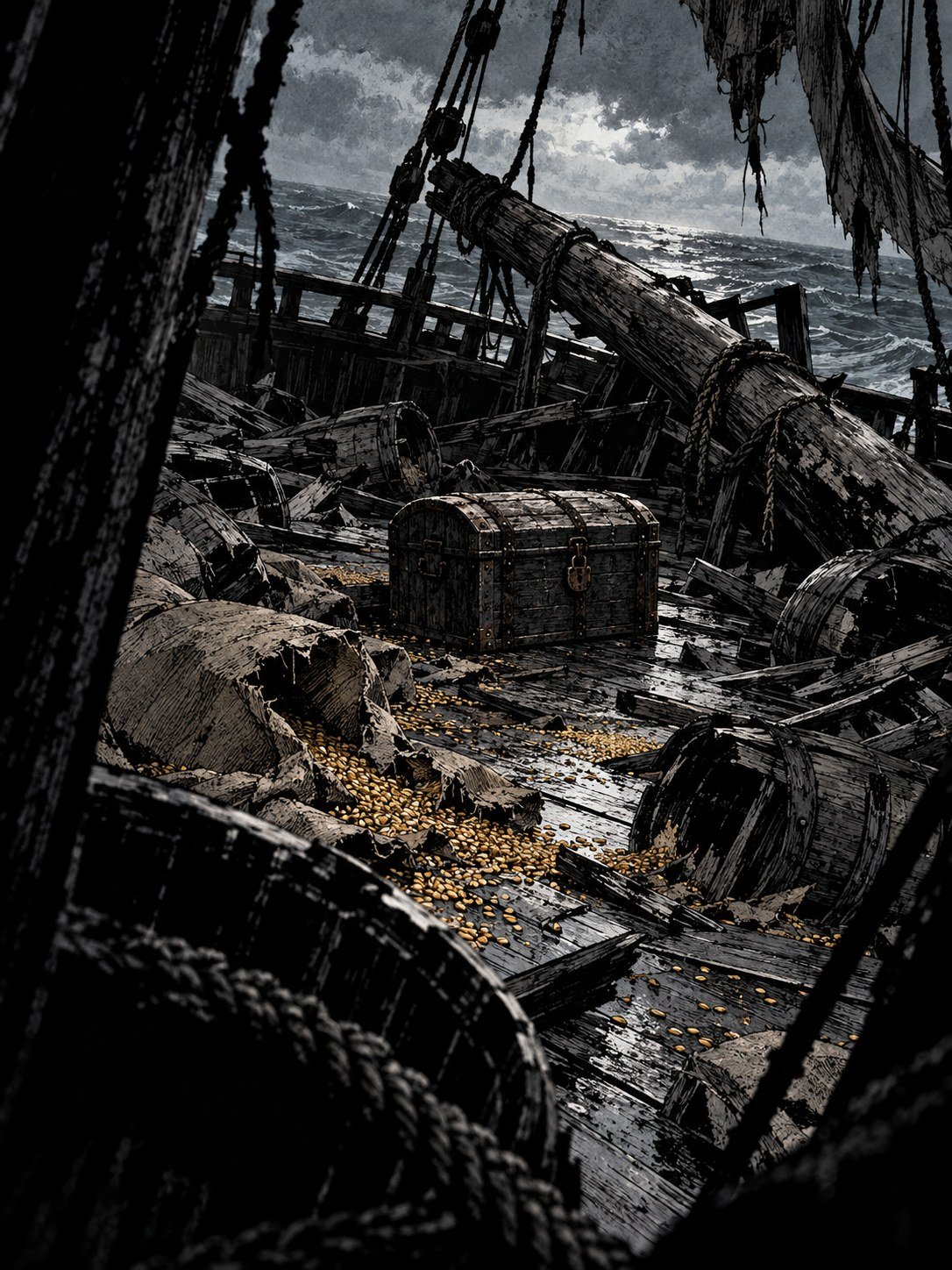
Two small ships were allowed to go.
One was the Brave, a 30-tun bark. The other was the Roe, a 25-tun pinnace.
They were tiny next to the ships that had carried the colony over. The Lyon alone had been 120 tun.
They never delivered anything.
French ships attacked them at sea and took their supplies.
Another chance to reach the colonists was gone.
Some later accounts give exact dates and a death toll for this attack, but the National Park Service confirms only the attack and the lost supplies.
What we know for sure is the result.
Another year passed with nobody from England reaching Roanoke Island.
And the colonists, wherever they were by then, had no way of knowing why. (NPS-SEARCH) (NPS-JWC)
A Spanish ship finds the Roanoke settlement deserted
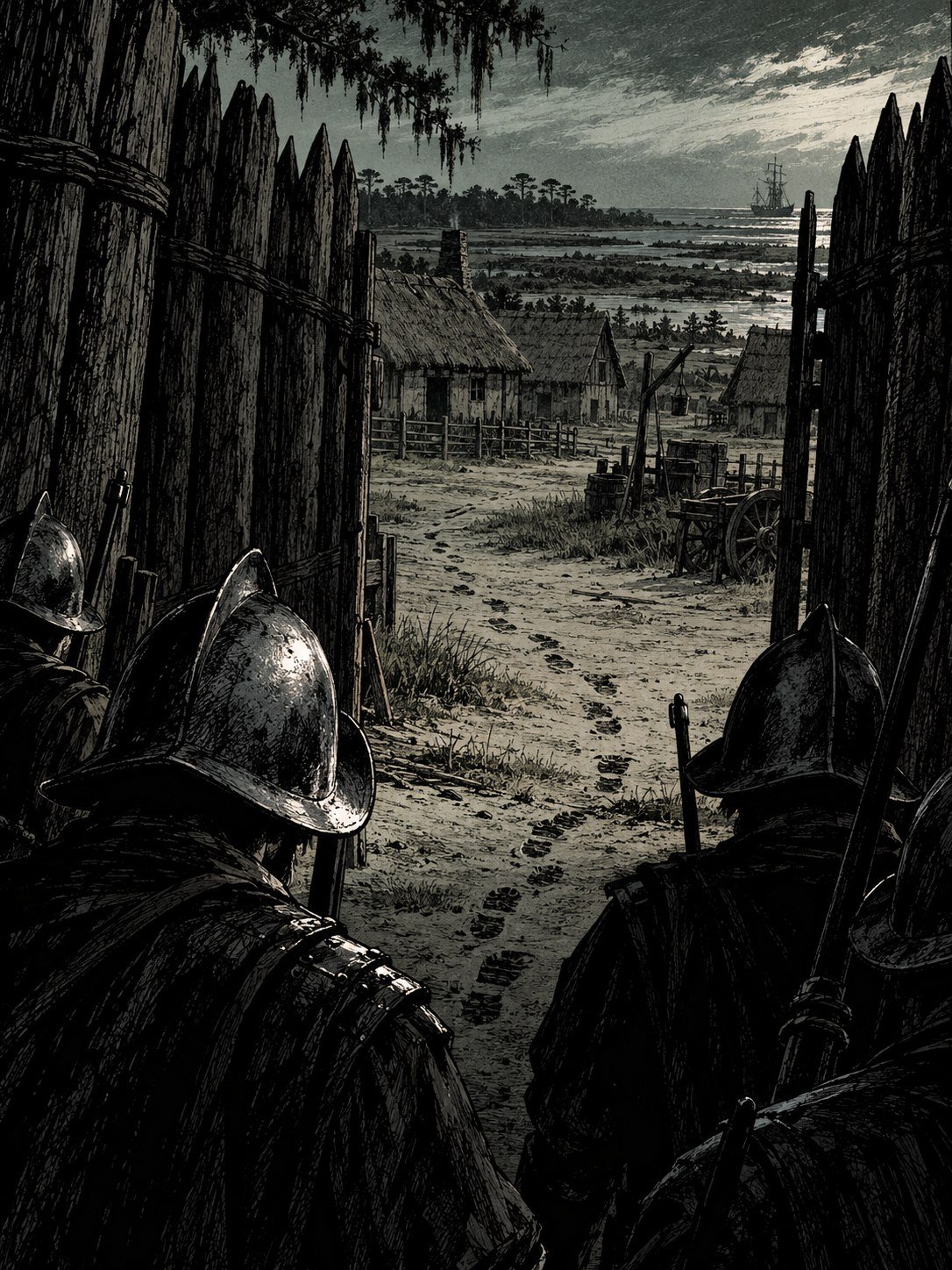
Someone did reach the island in 1588. It was not the English.
In June 1588, according to documents later found in a Spanish archive, a Spanish raiding party arrived at Roanoke.
They found the settlement deserted.
Accounts of exactly what they saw, and how closely they looked, differ.
But it is an early and unsettling clue. Less than a year after White left, the place may already have been empty.
Meanwhile, in England, the money men were moving.
On 7 March 1589, Raleigh signed an agreement with nineteen London “Gentlemen and Merchants” to support the colony.
Paper support, though, did not put a ship on the water.
White was still waiting.
It would take another full year before he finally sailed. (NCPEDIA-SEARCH) (NPS-SEARCH)
August 1590: a great smoke over Roanoke Island

White finally got back across the ocean by sailing with privateers.
The expedition left Plymouth on 20 March 1590 with the Hopewell, the Little John and the John Evangelist. The Moonlight, under Edward Spicer, sailed separately.
White wrote: “The 15 of August towards Euening we came to an anker at Hatorask.”
They were about three miles offshore. Roanoke was right there, across the water.
Then they saw it.
“A great smoke rise in the Ile Roanoak neere the place where I left our Colony.”
Smoke meant fire. Fire meant people.
After three years of delays, war and robbery, it looked like a sign of life.
White was three miles from his family.
Getting those last three miles would cost lives. (WHITE-1590-CONST) (NPS-SEARCH)
Seven men drown in the inlet on the way to Roanoke
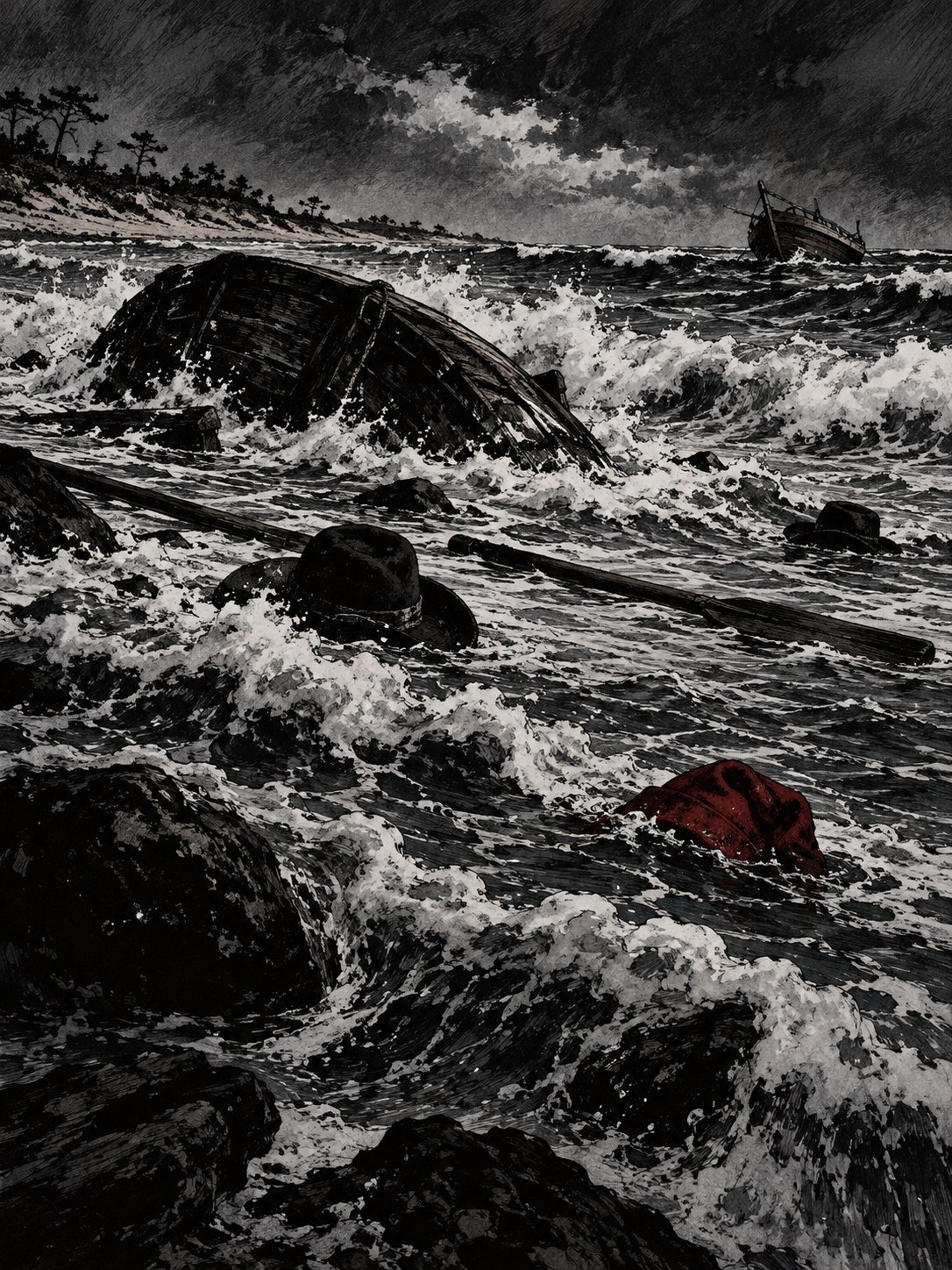
On 17 August the boats set out to cross the inlet.
Captain Spicer’s boat overturned.
White wrote: “They were a 11 in all, & 7 of the chiefest were drowned.”
Seven men died before they ever set foot on the island they had come to search.
White blamed “the rash and vndiscreet styrage of Ralph Skinner his Masters mate.”
It is a bitter line to read.
The rescue had been delayed by a war, then by French ships, then by years of waiting.
Now it was being paid for by sailors who had never met the colonists at all.
The survivors kept going.
That night they rowed on toward the glow of fire in the woods, the trumpet, and the songs nobody answered. (WHITE-1590-CONST)
Footprints at daybreak: someone was on Roanoke that night
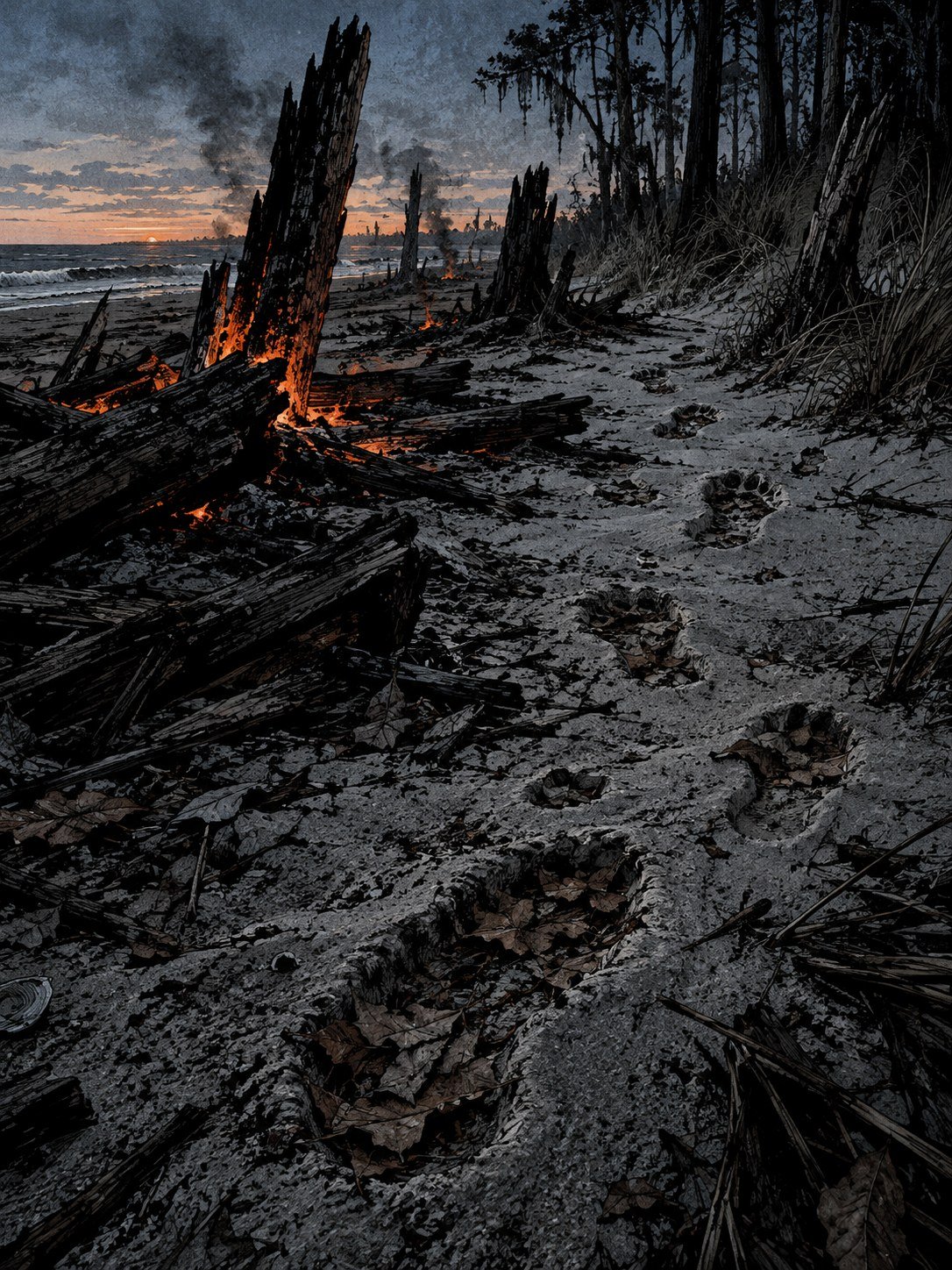
They “landed at day-breake.”
The fire they had seen was still there, but it was not a camp.
They found “the grasse & sundry rotten trees burning about the place.”
Then they looked down.
In the sand were prints of “the Saluages feet of 2 or 3 sorts troaden yt night.”
Fresh footprints. Made that same night.
So people had been here, only hours earlier. Native people, by White’s account, walking across the same ground.
But not the colonists. Not anyone who came out to meet the trumpet.
Whoever made those prints had walked away before the boats landed.
The search party walked on toward the place White had left his colony.
The first message was waiting for them on a tree. (WHITE-1590-CONST) (NPS-JWC)
CRO: three letters carved on a Roanoke tree

On a tree on the bank, White found “these faire Romane letters CRO.”
Three letters. Not a full word.
White understood them at once, because he had set up this system himself.
Before leaving in 1587, he had told the colonists to carve the name of wherever they went.
And if they left in distress, they were to carve “a Crosse” over the name.
So the letters were a message. The question was what it said.
Had someone started carving and been interrupted? Had they run out of time?
Nobody knows. White’s account does not say why the word stopped at three letters.
There was no cross beside them.
He kept walking. The full word was waiting at the gate. (WHITE-1590-EV) (NPS-HB16)
Inside the empty fort: CROATOAN, and no cross
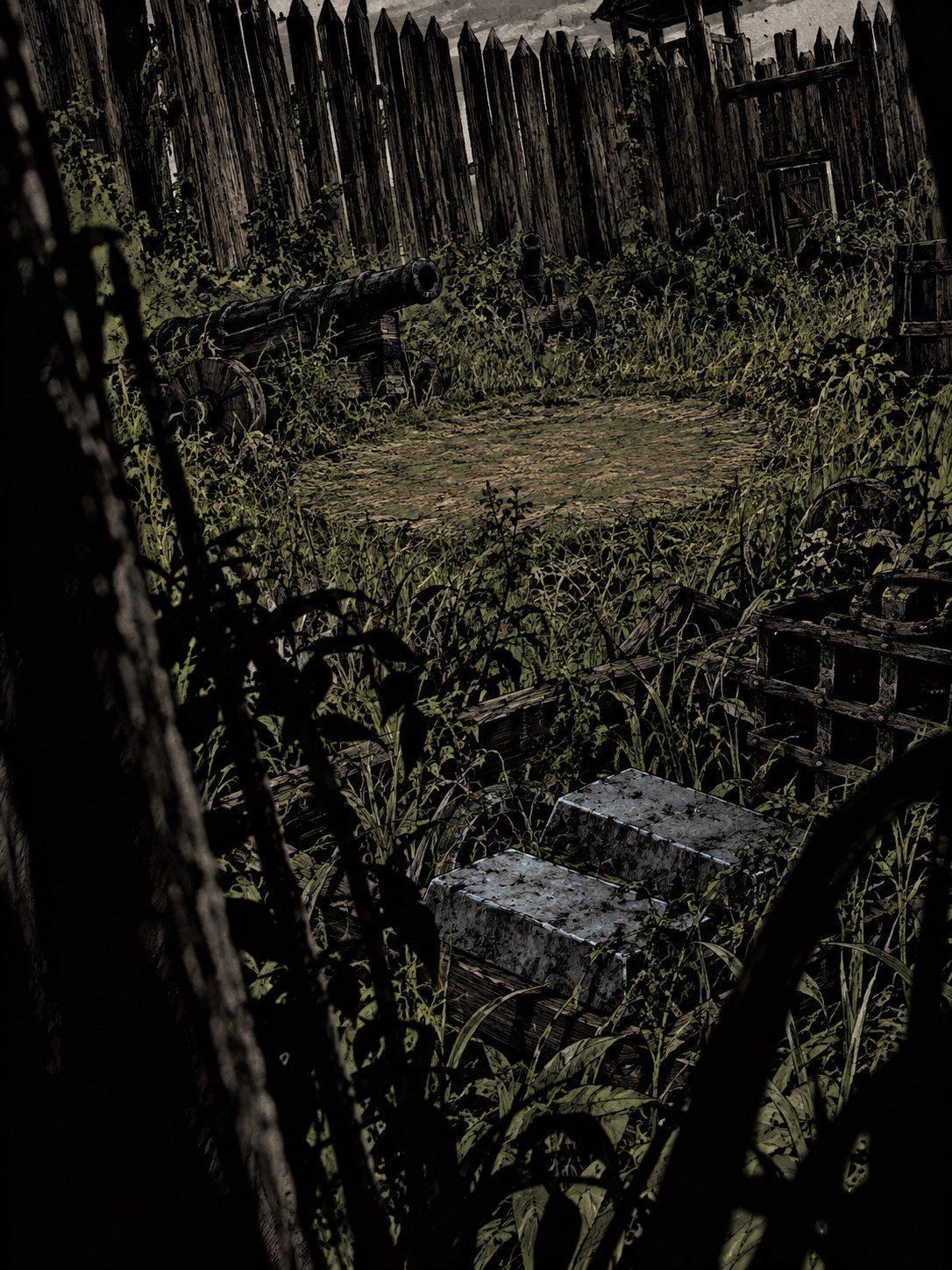
The colony was now “very strongly enclosed with a high palisado of great trees, with cortynes and flankers.”
That wall had not been there in 1587. NCpedia says it was built after White left. National Geographic reads it as a sign the settlers expected an attack.
On a main post at the entrance: CROATOAN.
It was “without any crosse or signe of distresse.”
Inside, the houses had been “taken downe.”
Left behind were “many barres of Iron, two pigges of Lead, foure yron fowlers, Iron sacker-shotte,” almost overgrown with grass and weeds.
The houses were taken apart. The heavy iron and lead were left behind.
To White, it looked like a planned move, not a flight.
He just needed to follow it. (WHITE-1590-CONST) (NCPEDIA-LOST) (NATGEO-2018)
Croatoan, so close, and a storm that ended the search
White knew what Croatoan meant.
It was “the place where Manteo was borne, and the Sauages of the Iland our friends.”
Today it is part of Hatteras Island.
He took the carving as “a certaine token of their safe being at Croatoan.”
He never got there.
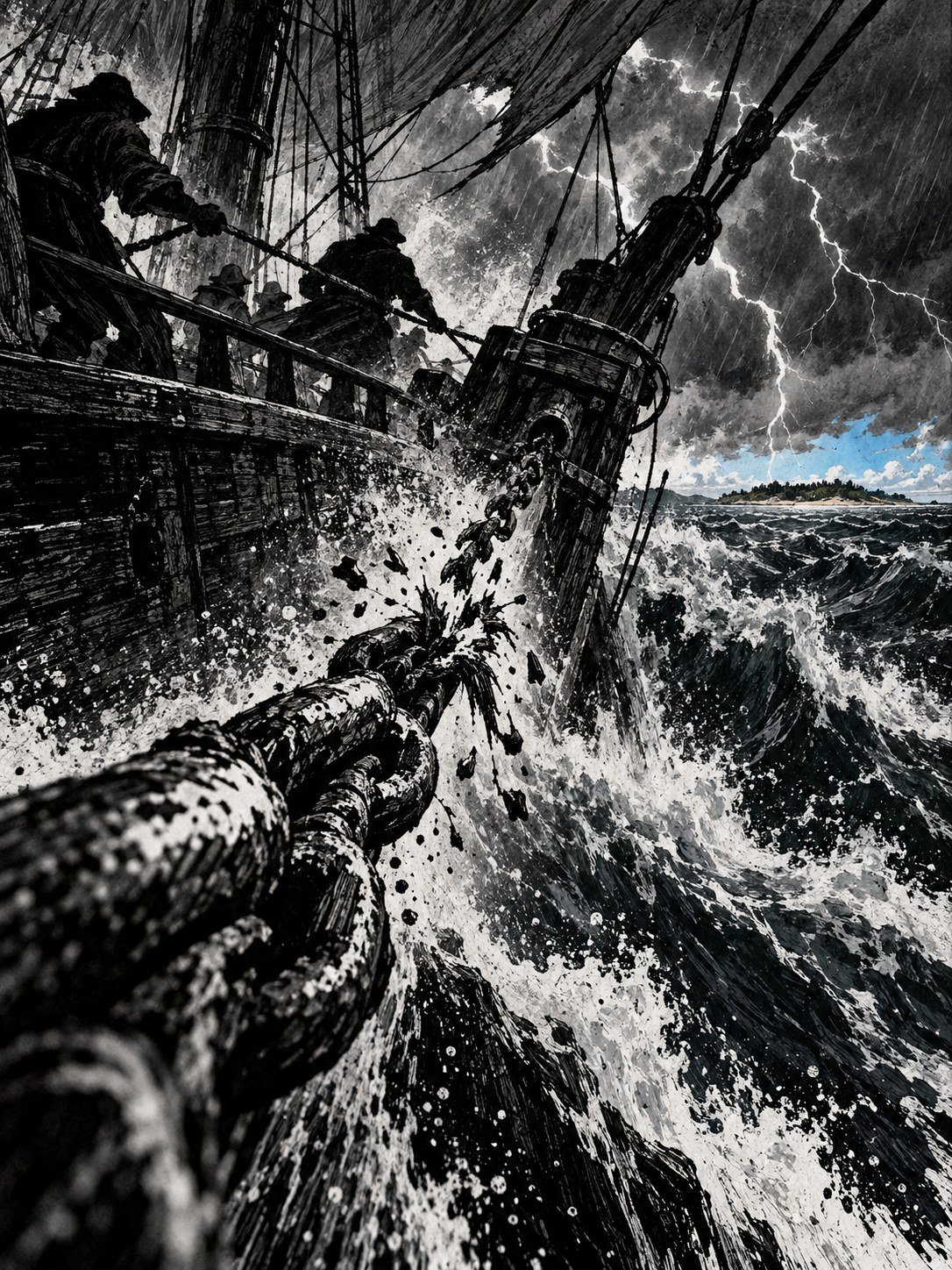
A storm hit. A cable broke and another anchor was lost, leaving “but one Cable and Anchor left vs of foure.”
“The weather grew to be fouler and fouler.”
The Moonlight sailed for England. White’s ship turned for the Azores and anchored at Plymouth on 24 October 1590.
He never learned what became of the colony.
Later searches went nowhere. Jamestown writers heard rumours of English survivors living among Native people, but nobody found them.
His daughter, his granddaughter and the rest of the colonists had vanished from the record. (WHITE-1590-CONST) (NPS-1590) (NCPEDIA-SEARCH)
Site X: the hidden fort on John White’s own map

White drew a map of this coast, La Virginea Pars. It is held by the British Museum.
In 2012, at the First Colony Foundation’s request, the museum examined two patches stuck on it.
Under one was a fort symbol.
It sits where Salmon Creek meets the Chowan River in Bertie County, about 50 miles west of Roanoke Island. Researchers call it “Site X.”
Fifty miles. The same distance White said the colonists were preparing to move “into the maine.”
Digs there turned up two dozen pieces of English pottery, but no fort.
Not everyone is convinced. Archaeologist Charles Ewen: “They are looking to prove rather than seeking to disprove their theory.”
Even Site X team leader Nick Luccketti admits: “We do not have a smoking gun.”
The pottery could also come from later English traders. (COASTAL-2024) (NATGEO-2020) (WHITE-1590-CONST)
Croatoan / Hatteras: digging for the Lost Colony
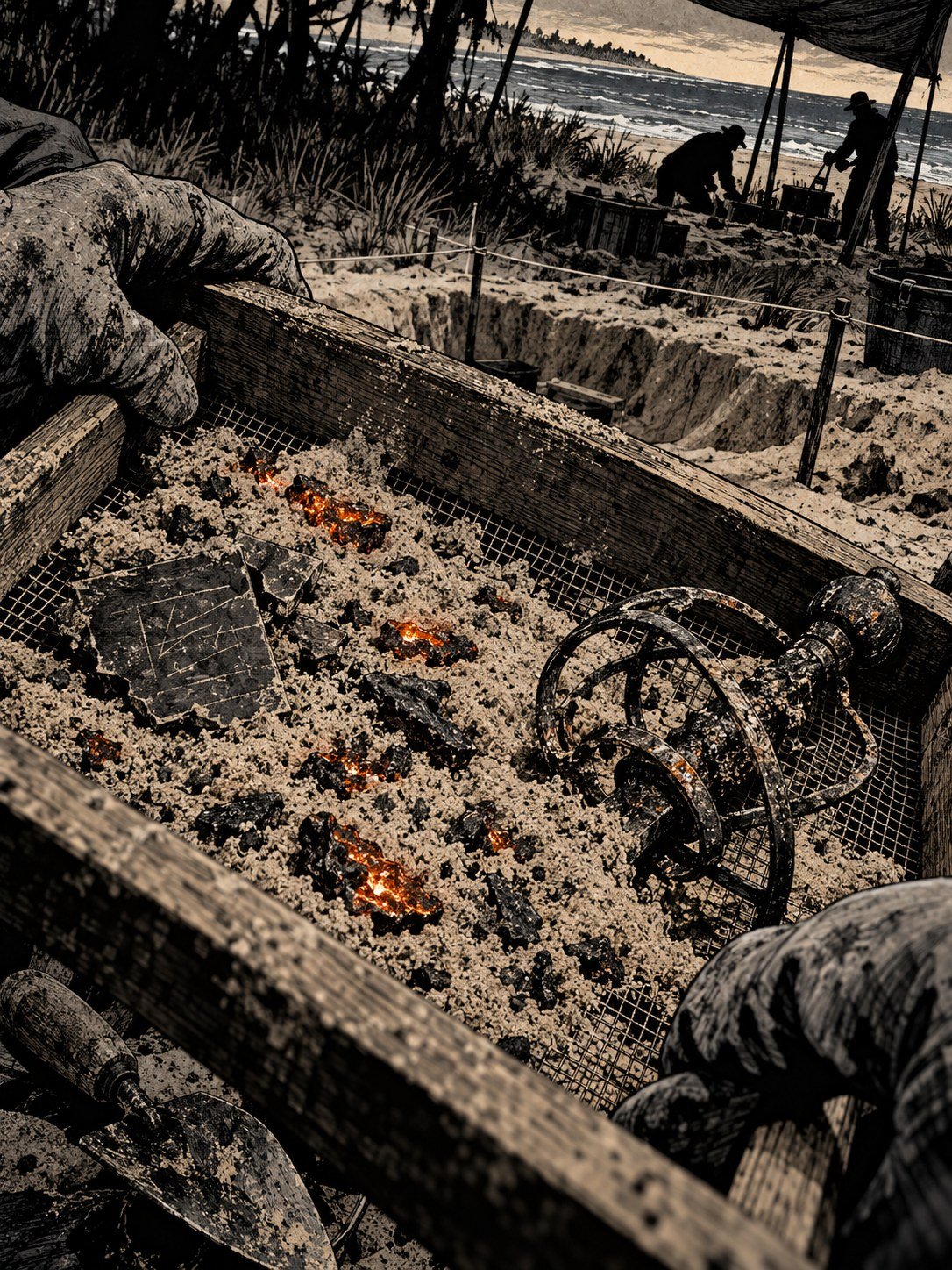
On Hatteras, the old Croatoan, the University of Bristol has run more than 70 excavations since 2009.
Finds include German stoneware, copper ingots, a rapier handle, a lead pencil and a writing slate. Earlier digs turned up an Elizabethan gold ring.
But Bristol dates the rapier, slate and pencil to mid-17th-century levels, long after 1590.
Mark Horton said in 2015: “These are still just clues.”
In 2025, Horton and Scott Dawson announced hammerscale, iron flakes from blacksmithing, in a late-16th-century layer.
They argue the colonists joined the Croatoan community.
The claim has not been peer-reviewed, and no forge hearth has been found.
Ewen: “The hammer scale is just not doing it for me without good context.”
No confirmed new find has been reported since. (BRISTOL-2015) (LIVESCI-2025) (FOX-2025)
The Dare Stones: a message from Eleanor Dare, or a hoax?
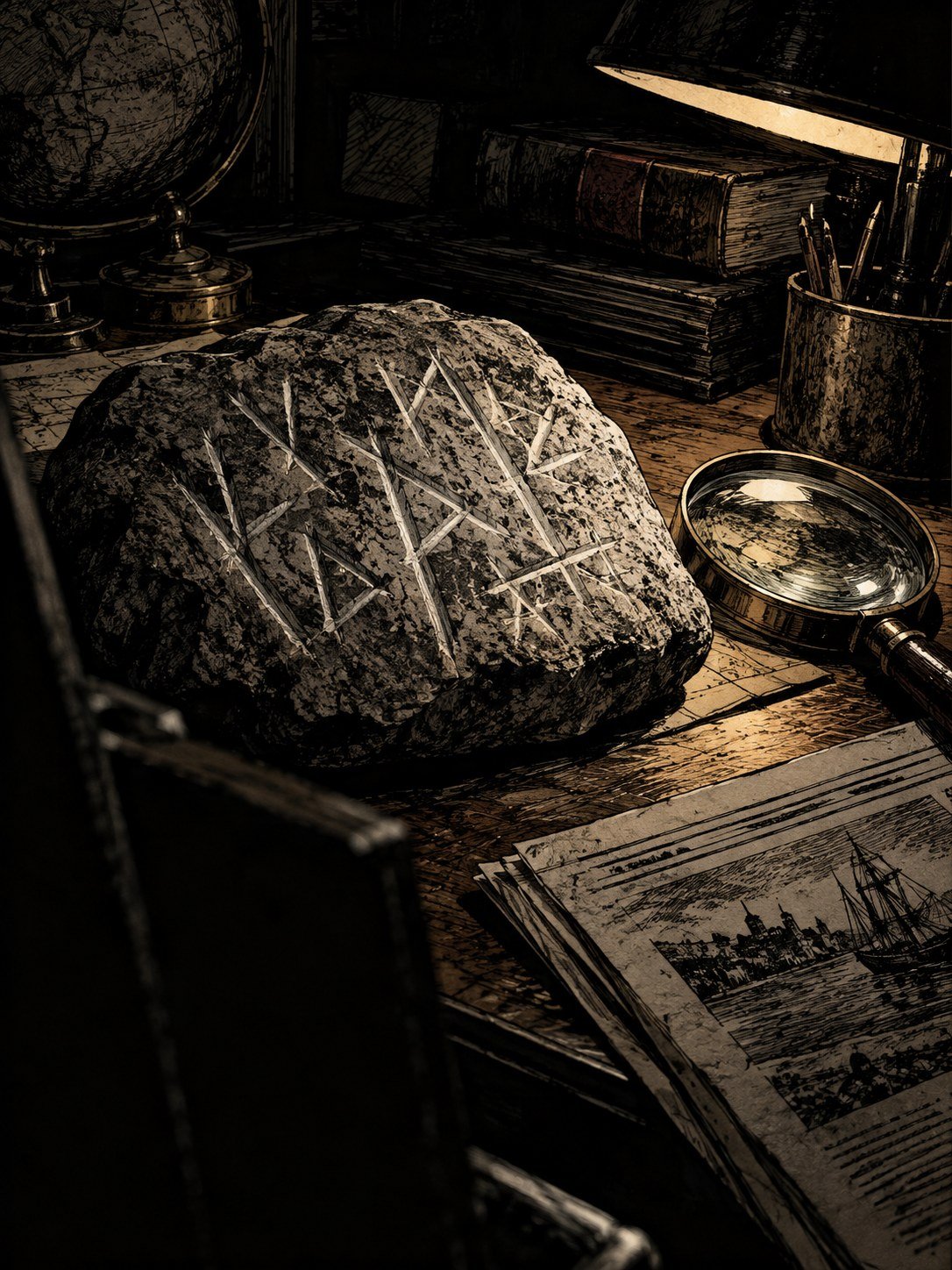
In November 1937, a California tourist named Louis Hammond brought a 21-pound stone to Emory University.
He said he found it near Edenton. It was signed “EWD” and told of the colonists’ deaths, including Ananias and Virginia Dare.
It looked like the answer.
Then more stones appeared. 48 in all. A Georgia stonecutter, Bill Eberhardt, supplied 42 of them, all later judged forgeries.
In 1941, The Saturday Evening Post exposed the stones as a hoax.
Tests in 2016 led some to suggest the first stone could be genuine. Most historians still consider the Dare Stones fakes.
So the honest ending is the same as White’s.
A word on a post. Clues in the sand.
And the Lost Colony of Roanoke is still lost. (NCPEDIA-DARESTONES) (NATGEO-2018)
Case notes: the Lost Colony of Roanoke
In July 1587 about 115 to 118 English men, women and children were left on Roanoke Island, in what is now North Carolina (NPS-1587) (NATGEO-2020). Their governor, John White, sailed home for supplies. War with Spain kept him away for three years (NPS-1590) (NPS-SEARCH). When he returned on 18 August 1590, the settlement was empty. The only clue was the word CROATOAN carved on a post (WHITE-1590-EV) (NPS-JWC).
Timeline
| When | What happened |
|---|---|
| 25 Mar 1584 | Walter Raleigh gets a royal charter to settle in America (NCPEDIA-VOYAGES) |
| Apr 1585 | First colony under Ralph Lane sails with Grenville (NPS-FIRST) |
| 18 Jun 1586 | Lane’s colony abandons Roanoke with Drake (NPS-FIRST) |
| 22 Jul 1587 | White’s colonists are left on Roanoke instead of Chesapeake Bay (WHITE-1587-VJ) (NPS-1587) |
| 18 Aug 1587 | Virginia Dare is born (WHITE-1587-VJ) |
| 27 Aug 1587 | White sails for England (WHITE-1587-VJ) |
| 1588 | Armada crisis: English ships ordered to stay home (NPS-1590) (NPS-SEARCH) |
| 15 Aug 1590 | White sees a great smoke rise over Roanoke (WHITE-1590-CONST) |
| 17 Aug 1590 | A boat overturns in the inlet; seven men drown (WHITE-1590-CONST) |
| 18 Aug 1590 | White finds CRO on a tree and CROATOAN on a post, with no cross (WHITE-1590-EV) (WHITE-1590-CONST) |
| 2012 | Patches on White’s map are examined; a hidden fort symbol appears (Site X) (COASTAL-2024) |
| May 2025 | Hammerscale reported on Hatteras; not peer-reviewed (IFP-2025) (LIVESCI-2025) |
Where the records disagree
| Detail | What reports say |
|---|---|
| How many colonists | 118 (NPS), 115 (National Geographic), about 100 (Britannica), about 150 (NCpedia, matching the planned number) (NPS-1587) (NATGEO-2020) (BRIT-LOST) (NCPEDIA-LOST) |
| Tree or post | White puts CRO on a tree and CROATOAN on a post; some later accounts put CROATOAN on a tree (WHITE-1590-EV) (NPS-HB16) |
| Who found the map patch | National Geographic credits a 2011 find by Brent Lane; others date the British Museum study to 2012 (NATGEO-2018) (COASTAL-2024) |
| Hatteras finds | Bristol dates the rapier, slate and pencil to mid-17th-century levels; the 2025 hammerscale claim is not peer-reviewed (BRISTOL-2015) (LIVESCI-2025) |
| Dare Stone No. 1 | 2016 tests led some to suggest it could be genuine; historians and linguists disagree. The later stones are forgeries (NCPEDIA-DARESTONES) |
Details most coverage missed
The missing cross was the real message. White had told the colonists to carve a cross above the name if they left in distress. There was none (WHITE-1590-EV) (WHITE-1590-CONST).
The houses were taken down, not burned. The settlement had been dismantled and enclosed by a high palisade (NPS-SEARCH) (WHITE-1590-CONST).
Fifteen men had already vanished there once. Grenville left about fifteen men on Roanoke in 1586. In 1587 White’s colonists found only bones (NPS-FIRST) (WHITE-1587-VJ).
What we still don’t know
- Whether the colonists went to Croatoan, inland, or split up.
- Whether Site X or the Hatteras finds belong to the 1587 colonists.
- What happened to Virginia Dare.
- Why White never got back to Croatoan to look.
Case file summary
- What: Disappearance of England’s 1587 colony in America
- Where: Roanoke Island, North Carolina, USA
- When: Left August 1587; found empty 18 August 1590
- People: About 115 to 118 men, women and children, including Virginia Dare
- Status: Unsolved; digs continue at Site X and on Hatteras
Illustrations are artistic interpretations, not photos. No real person has a recognizable face.
Sources
- John White, “The fift voyage… 1590” (Hakluyt transcription)
- John White Returns to Roanoke (excerpt, Hakluyt 1600, vol. 3) – Encyclopedia Virginia
- White’s 1587 voyage narrative (Hakluyt) – Virtual Jamestown First Hand Accounts
- 1587: The Lost Colony – Fort Raleigh NHS
- 1590 Rescue Voyage – Fort Raleigh NHS
- The John White Colony – Fort Raleigh NHS
- Search for the Lost Colony – Fort Raleigh NHS
- The First English Colony – Fort Raleigh NHS
- A List of Participants in the Roanoke Voyages – NPS
- NPS Historical Handbook 16 (Fort Raleigh), search chapter
- The History of Archeology in Fort Raleigh NHS – NPS
- NPS news release, 13 Sep 2021: Archaeologists to embark on new search
- Lost Colony – NCpedia (P. W. Evans, 2006)
- Roanoke Voyages – NCpedia
- The Search for the Lost Colony – NCpedia
- Dare Stones – NCpedia
- Lost Colony – Britannica
- The Search for the Lost Colony of Roanoke – National Geographic (A. Lawler, 2018)
- Newfound survivor camp may explain Lost Colony – National Geographic (A. Lawler, 5 Nov 2020)
- New clues to the fate of America’s lost colony – Univ. of Bristol (12 Aug 2015)
- Lost Colony – Colonial Williamsburg Trend & Tradition (P. Aron, 14 Apr 2025)
- Latest dig yields new clues at Fort Raleigh – Coastal Review (Sep 2021)
- Foundation maps out journey of its Lost Colony research – Coastal Review (Jan 2024)
- Coastal Land Trust takes a risk to save “Site X” (31 Aug 2017)
- Land deal will preserve site linked to Lost Colony mystery – PBS NewsHour/AP (28 Apr 2018)
- Archaeologists find new clues about NC’s Lost Colony – Arkeonews (11 May 2024)
- New discovery by Croatoan Archaeological Society… – Island Free Press (5 May 2022)
- Public invited to sift through dig site soil – Island Free Press (28 Aug 2024)
- “Smoking gun” evidence of Lost Colony’s relocation to Hatteras – Island Free Press (15 May 2025)
- Lost Colony may have assimilated… not everyone is convinced – Live Science (10 Jun 2025)
- Mystery of America’s ‘Lost Colony’ may finally be solved – Fox News (7 Jun 2025)
- New Book: Excavating the Lost Colony Mystery – First Colony Foundation