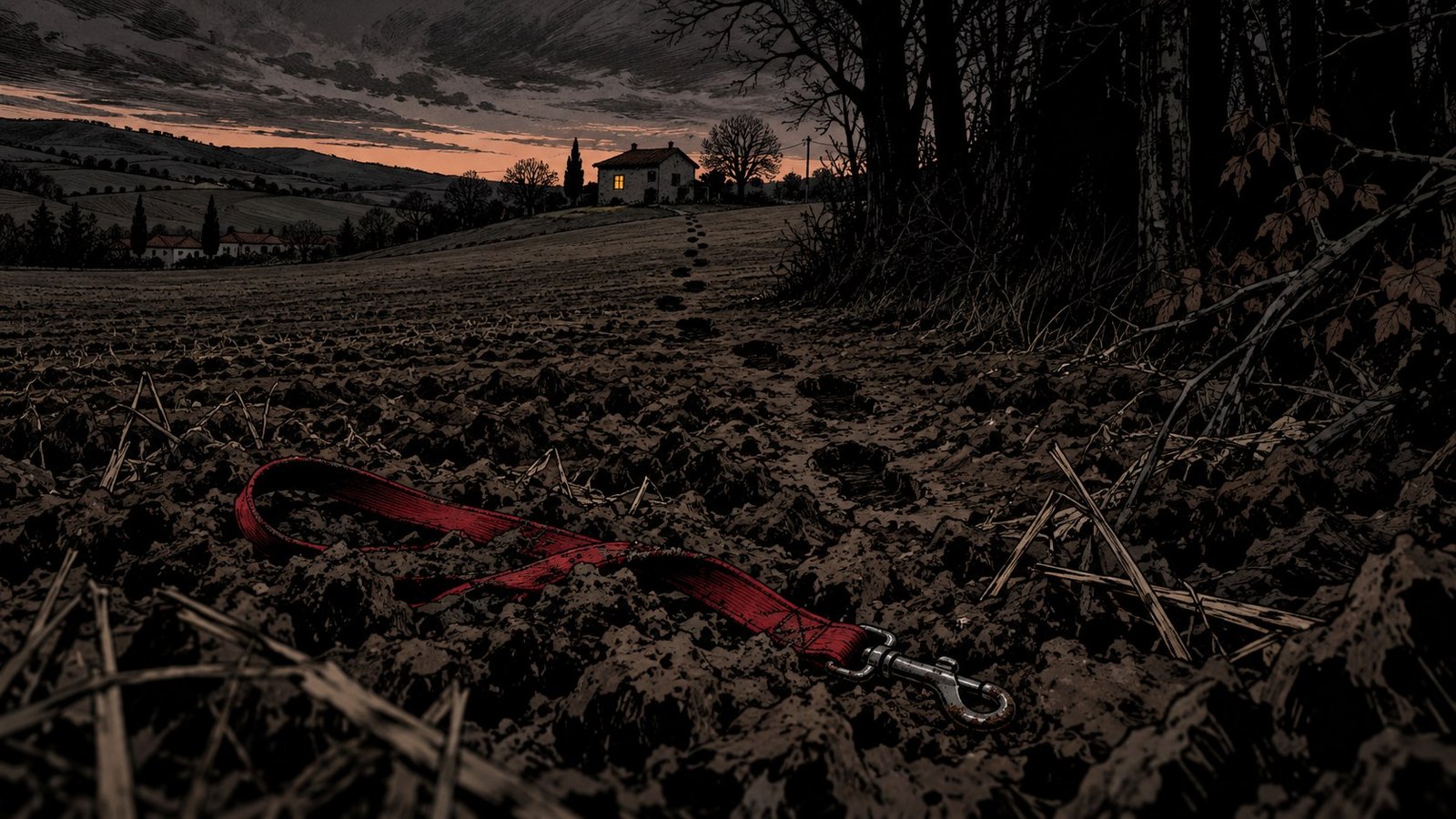
Convicted of Murder With No Body. Then Cédric Jubillar Led Police to Delphine
| Who | Delphine Jubillar (33), nurse; her husband Cédric Jubillar |
| Where | Cagnac-les-Mines and Mailhoc, Tarn, France |
| When | December 15-16, 2020; remains found July 16, 2026 |
| What | A disappearance, a murder conviction without a body, then a confession |
| Status | Convicted (2025); appeal trial due in the first half of 2027 |
🎧 Narrated Mystery: press play and hear the whole case read aloud, like an audiobook (about 18 minutes). The narrator is an AI voice.
Gendarmes at the edge of a field, five and a half years later
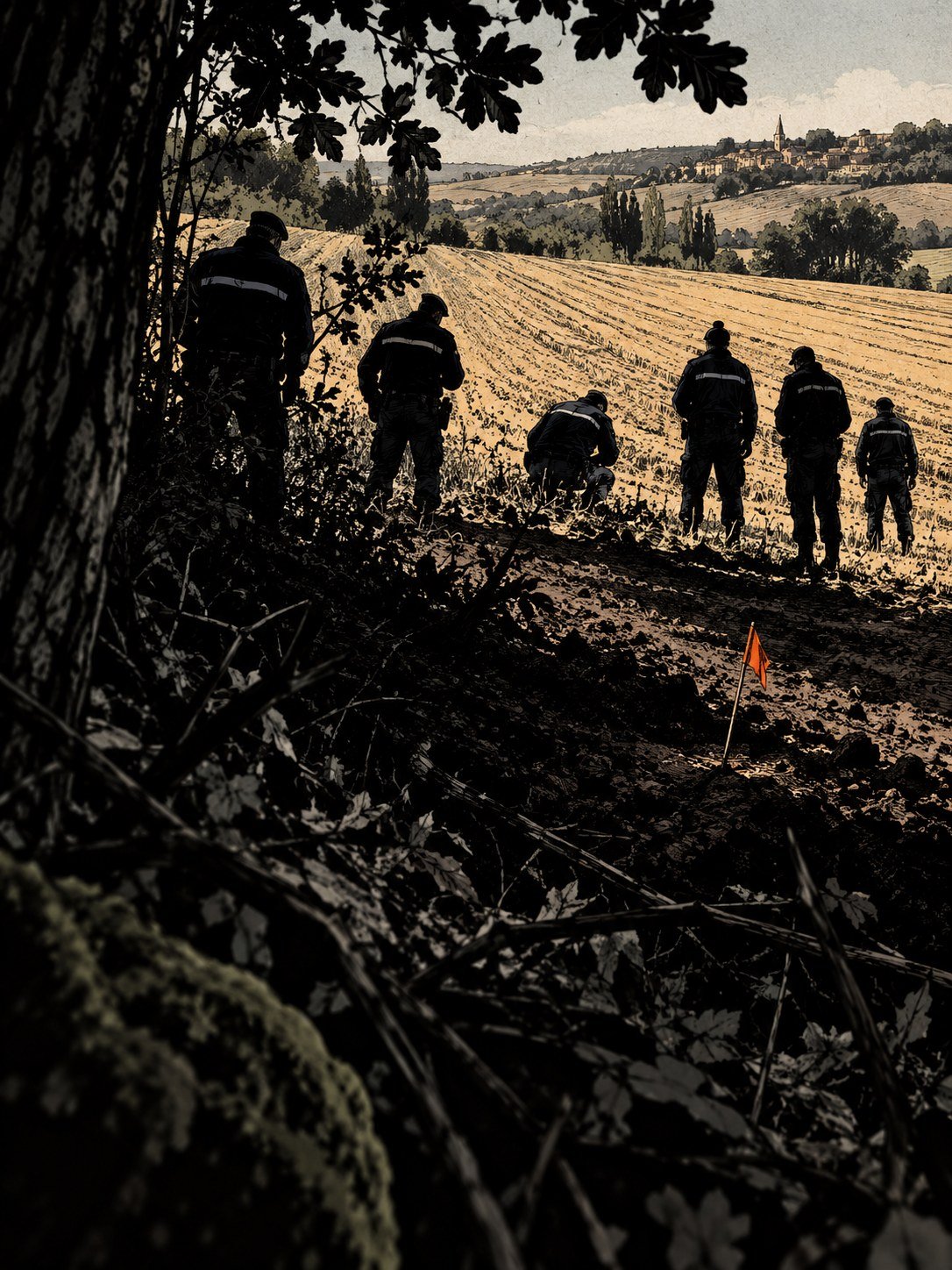
July 2026. A summer morning in the Tarn, a quiet farming region in the south of France.
About a hundred gendarmes stood along the edge of a field where it meets a wood. Gendarmes are France’s military police, the force that handles crime in the countryside.
They were there because a man in prison had finally told them where to dig.
The woman they were looking for had been missing since December 2020. For five and a half years, nobody knew where she was. Huge searches had found nothing. A jury had already convicted her husband of her murder without a body.
Her name was Delphine Jubillar. She was a nurse, 33 years old, a mother of two.
A local resident watching the search said what many people were thinking: “We’re surprised. We didn’t think he would have left her here.” (Paris Match) (La Gazette France)
A murder conviction without a body
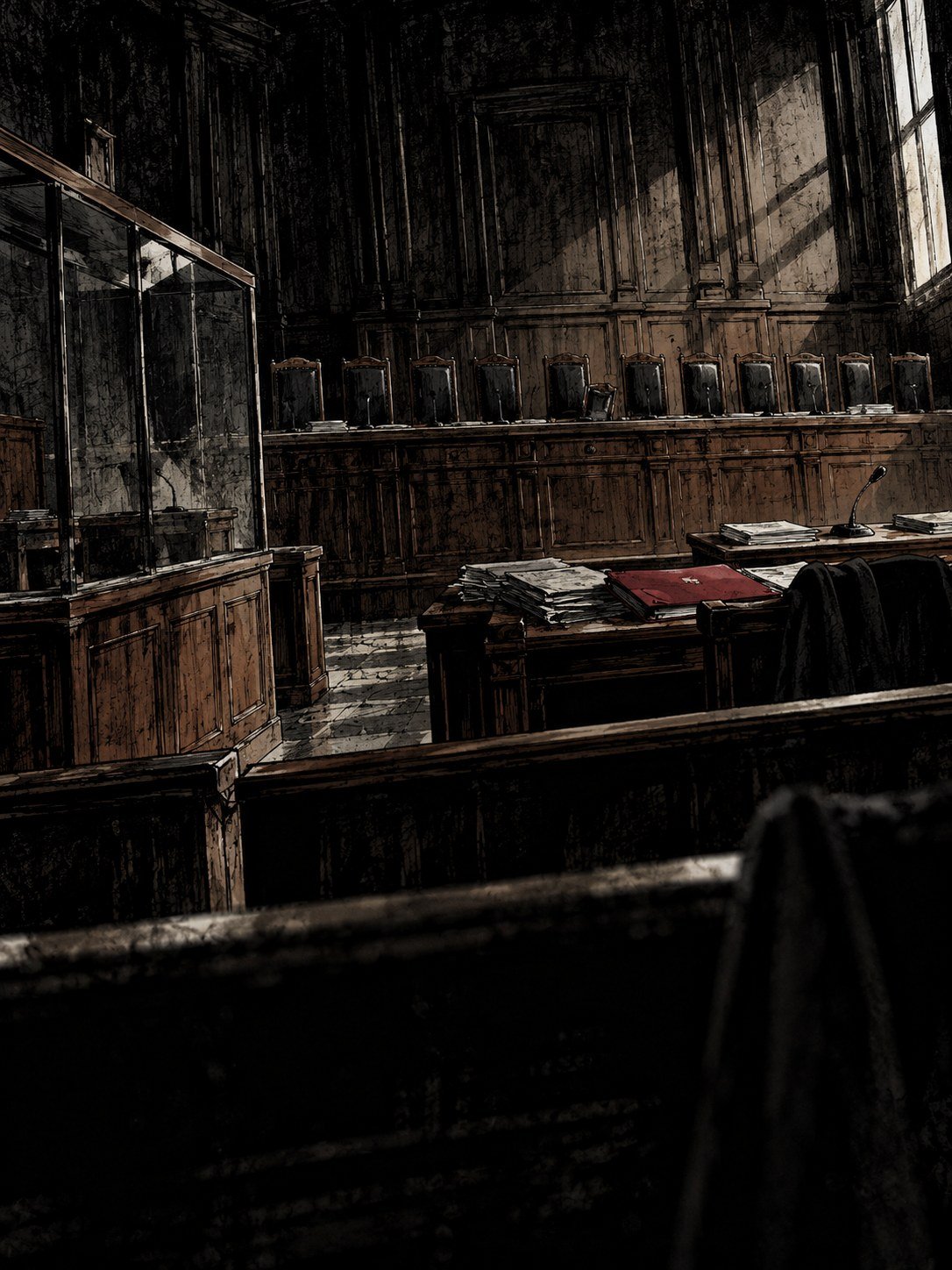
To understand why that field mattered, you have to go back to a courtroom in Albi, the main town of the Tarn.
In October 2025, Delphine’s husband, Cédric Jubillar, stood trial for her murder at the Tarn assize court. In France, serious crimes are judged by professional judges and citizen jurors sitting together.
There was no body. No crime scene. No blood. No weapon. The case rested on circumstantial evidence and on what people said he had told them.
On October 17, 2025, the court found him guilty of murder. He was sentenced to 30 years in prison. The decision was reached by seven votes out of nine.
His lawyers announced an appeal the same day. He had always said he was innocent.
Many people in France thought the case could still collapse on appeal. Without a body, there would always be doubt. (Wikipedia)
Then he wrote a letter from his cell
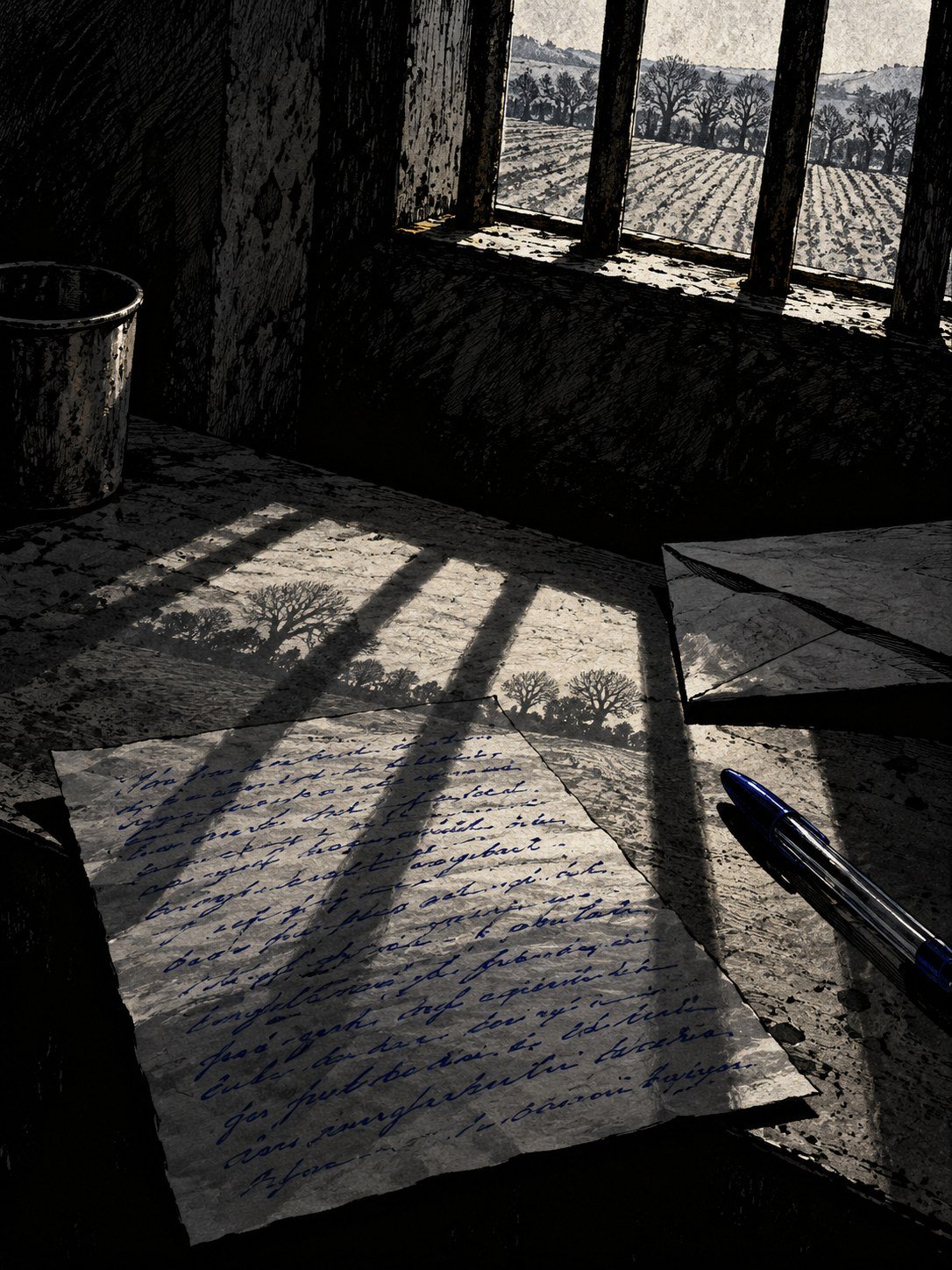
The doubt lasted less than a year.
In July 2026, Cédric Jubillar had new lawyers, a father and son named Guy and Pierre Debuisson. On July 6, a letter he had written to them was made public.
In it, he said he was at the origin of his wife’s death.
It was the first time he had admitted any part in it. For more than five years he had told police, the court and the media that he had no idea what happened to her.
A little over a week later, he told investigators how she died. And then he took them to the field.
But the story of that field starts on a single night in December 2020, in a small house in a former mining village. (DH/AFP) (La Gazette France)
A curfew night in a quiet French village
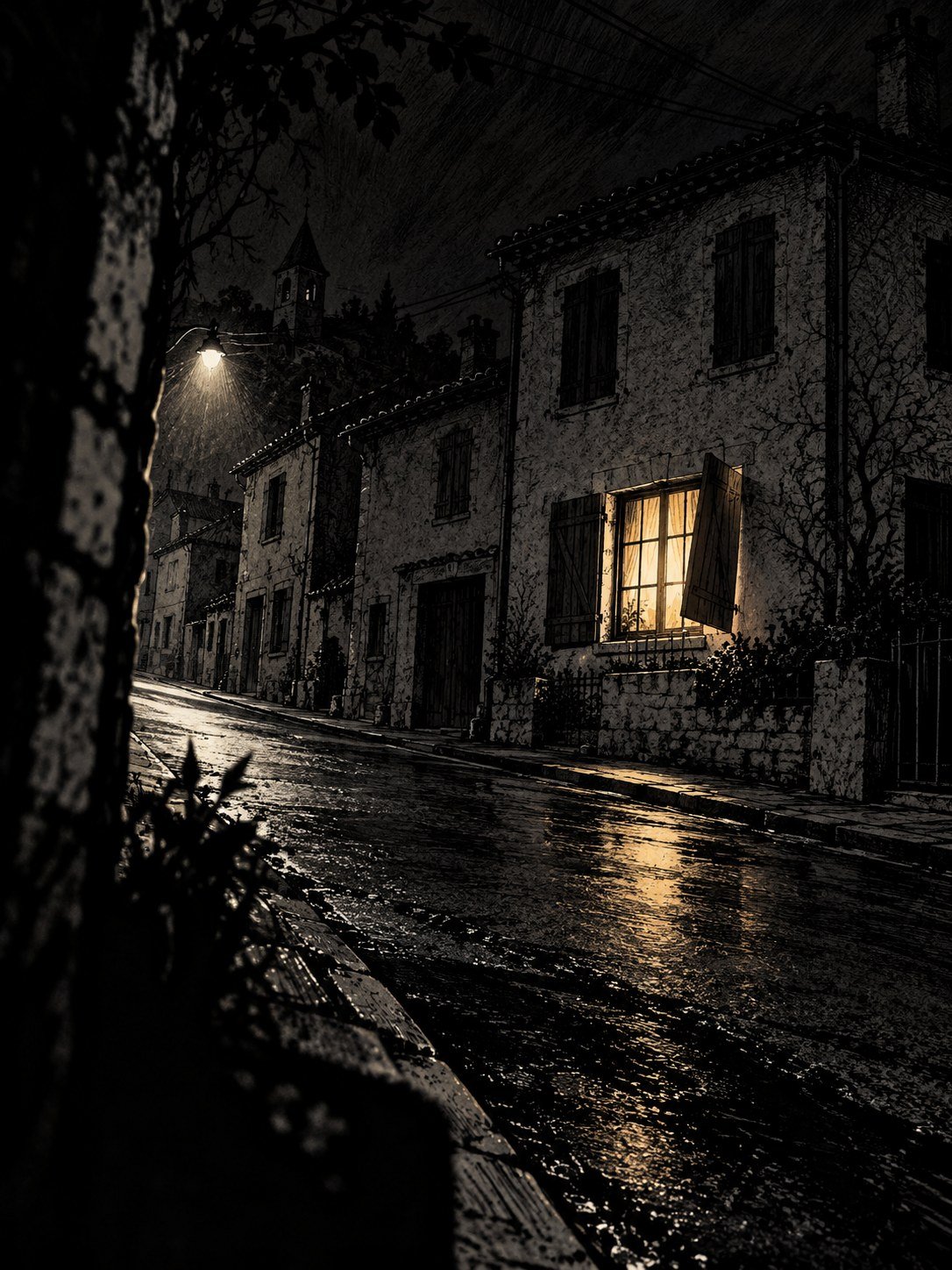
The village is Cagnac-les-Mines, a few miles from Albi. It is a small place of stone houses with wooden shutters, built around old coal mines.
The night was December 15, 2020. France was in the middle of the Covid pandemic, and a nightly curfew had just come into force. From 8 p.m. to 6 a.m., people were supposed to stay home.
The streets were empty. Almost nobody was outside to see anything.
In one house lived the Jubillar family: Delphine, her husband Cédric, their six-year-old son Louis and their 18-month-old daughter Elyah.
By the next morning, Delphine would be gone. And every detail of that night would be argued over for years. (Wikipedia) (Brut)
A nurse who slept on the sofa
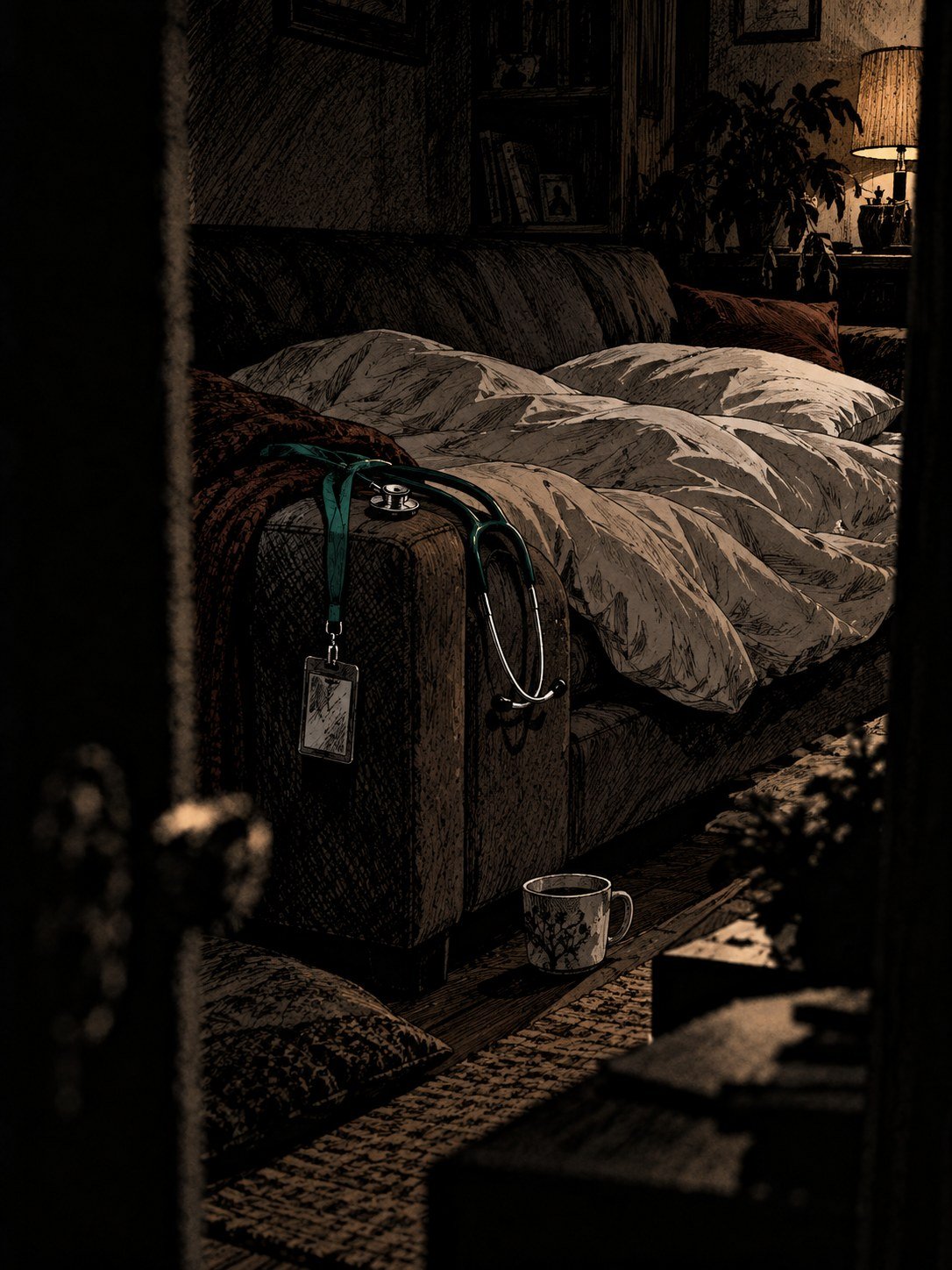
Delphine worked as a nurse on night shifts. In the days before she vanished, she was on leave.
Her marriage was ending. She had asked for a separation, and the couple were going through a divorce. In the months before, she had also been seeing another man, whom the French press called her lover. Investigators later questioned him and found nothing linking him to her disappearance.
While the divorce went through, the couple still lived under the same roof. Delphine slept on the sofa in the living room.
That morning she had dropped her son at school and her daughter with the nanny, an ordinary day.
The sofa she slept on, and the duvet on it, would become some of the most discussed objects in the case. (Wikipedia) (Brut)
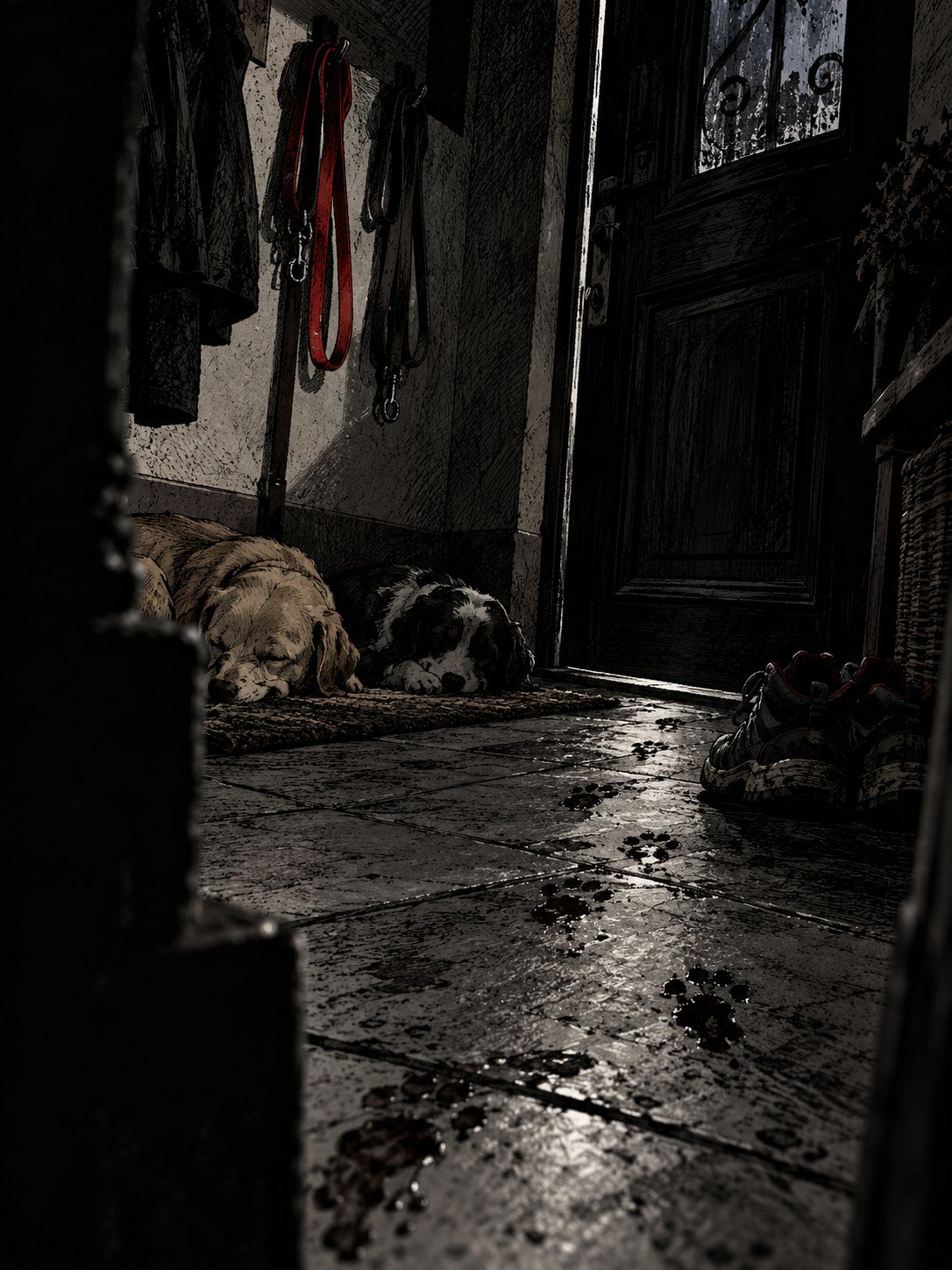
The two dogs were still home
Cédric gave his version of the night many times.
He said he went to bed around 10:30 p.m. He said Delphine went out at about 11 p.m. to walk the family’s two dogs.
It was a strange story from the start. There was a curfew, it was a cold December night, and Delphine was a mother of two small children.
And there was a bigger problem. When Cédric woke up in the night, the dogs were at home.
If she had gone out walking them, how did they get back without her? Nobody ever answered that question in a way that convinced investigators. (Brut)
Woken by the baby at 3:45 a.m.
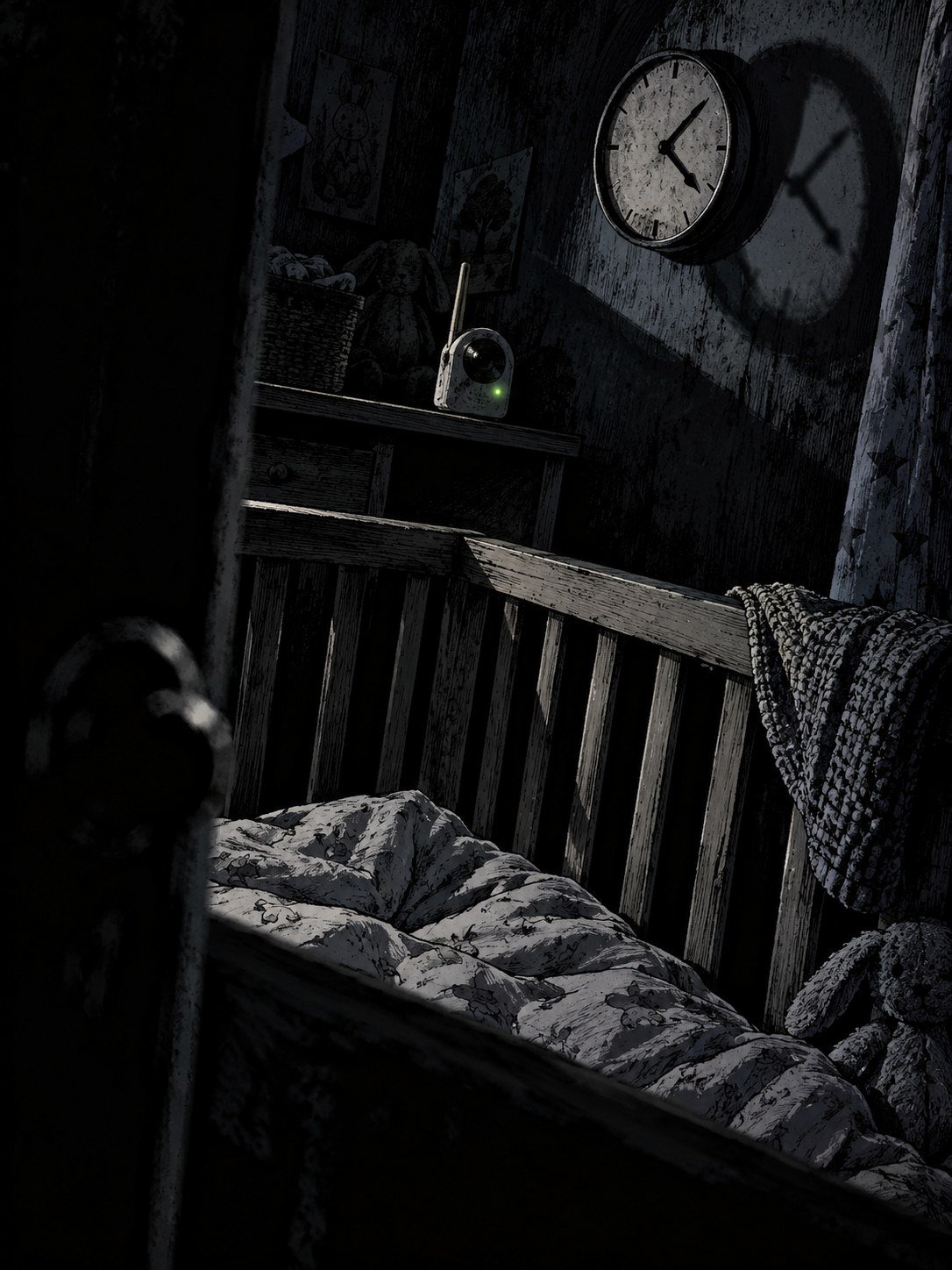
Cédric said he was woken at about 3:45 a.m. by his daughter crying.
He got up, he said, and found that Delphine was not in the house. The dogs were still there.
He said he called some friends first.
Investigators would later say there was no sign of a struggle in the house. No broken furniture. No blood.
A specialist tracking dog later followed a scent that looped around near the house and went nowhere.
Delphine’s phone, according to data presented at trial, seemed to have stayed near the home that night. (Brut) (Wikipedia)
The call to the gendarmes at 4:09
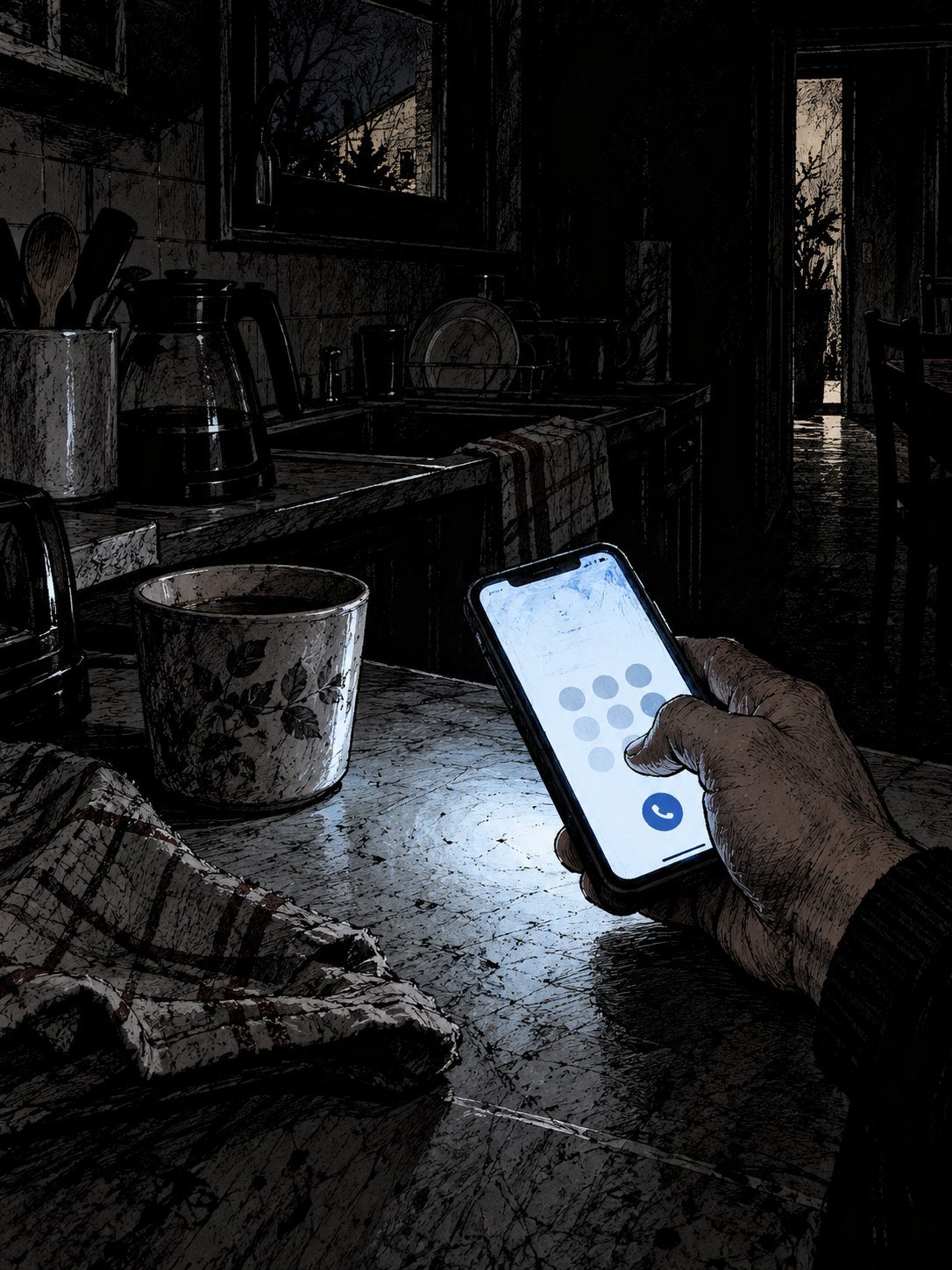
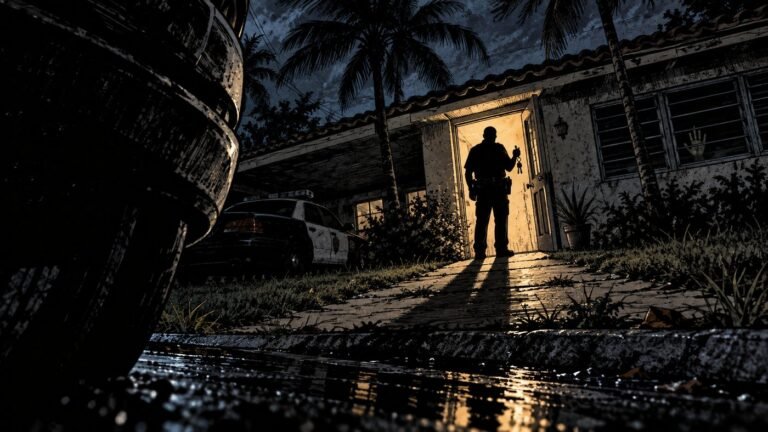
At 4:09 a.m., Cédric called the gendarmerie to report his wife missing.
That call started one of the biggest missing-person investigations France had seen in years.
At first, investigators looked at every possibility. That she had left on her own. That she had an accident. That she was with her lover.
None of those possibilities held up. She had two young children, and her family did not believe she would have left them.
Within months, the investigation turned toward the person who had made the call. (Brut) (Wikipedia)
Searches in the cold that found nothing
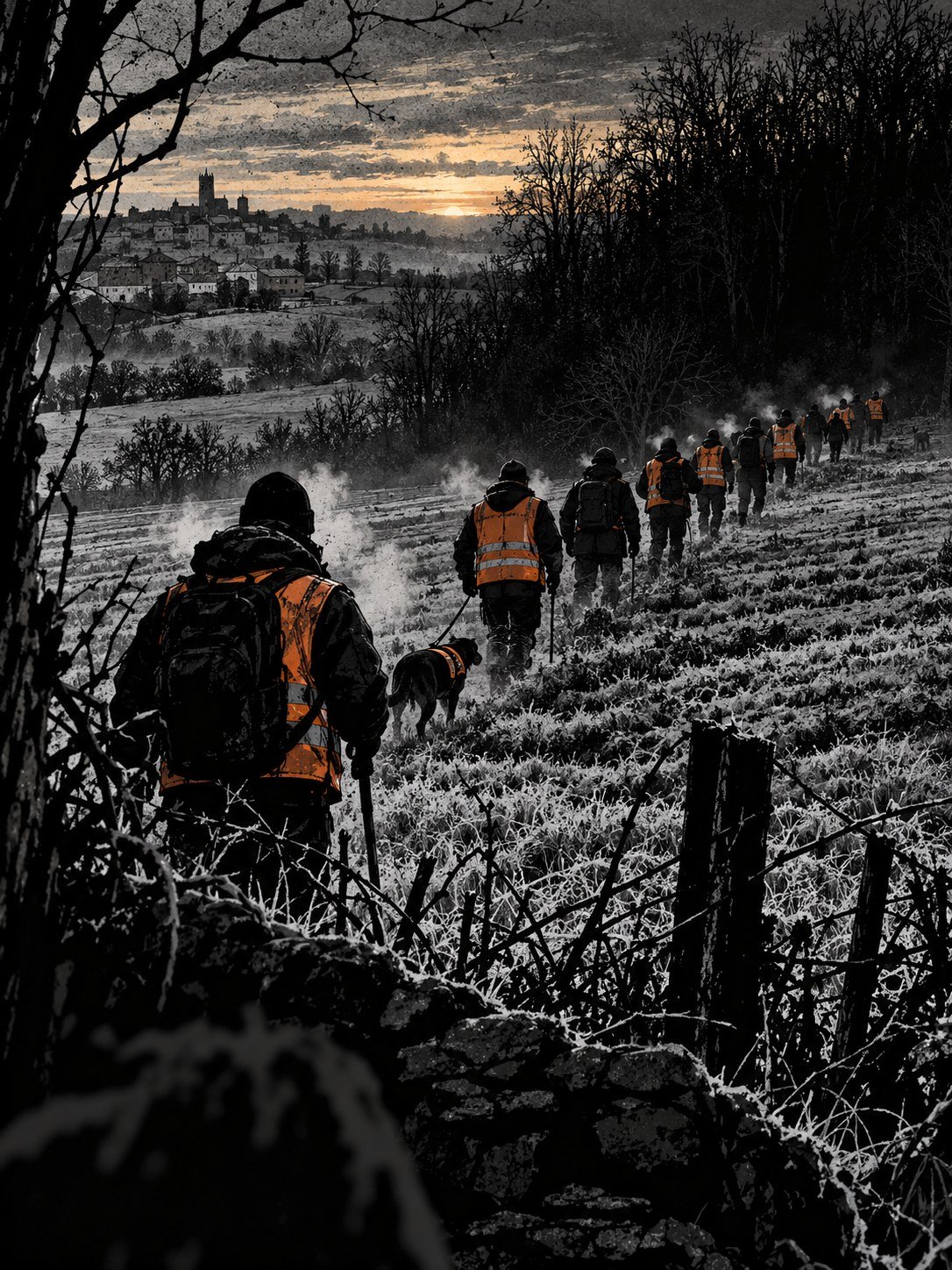
The searches started almost at once.
Gendarmes, volunteers and search dogs went over the fields and woods around Cagnac-les-Mines. The Tarn is farmland and forest, with hedges, ditches and woods everywhere.
Week after week, they found nothing.
In 2022, phone location data led to fresh searches. Again, nothing conclusive.
Delphine’s family kept her picture in the news. Her face was everywhere in France. But the countryside kept its secret.
It would keep it for five and a half years. (Brut) (Wikipedia)
The duvet that had just been washed
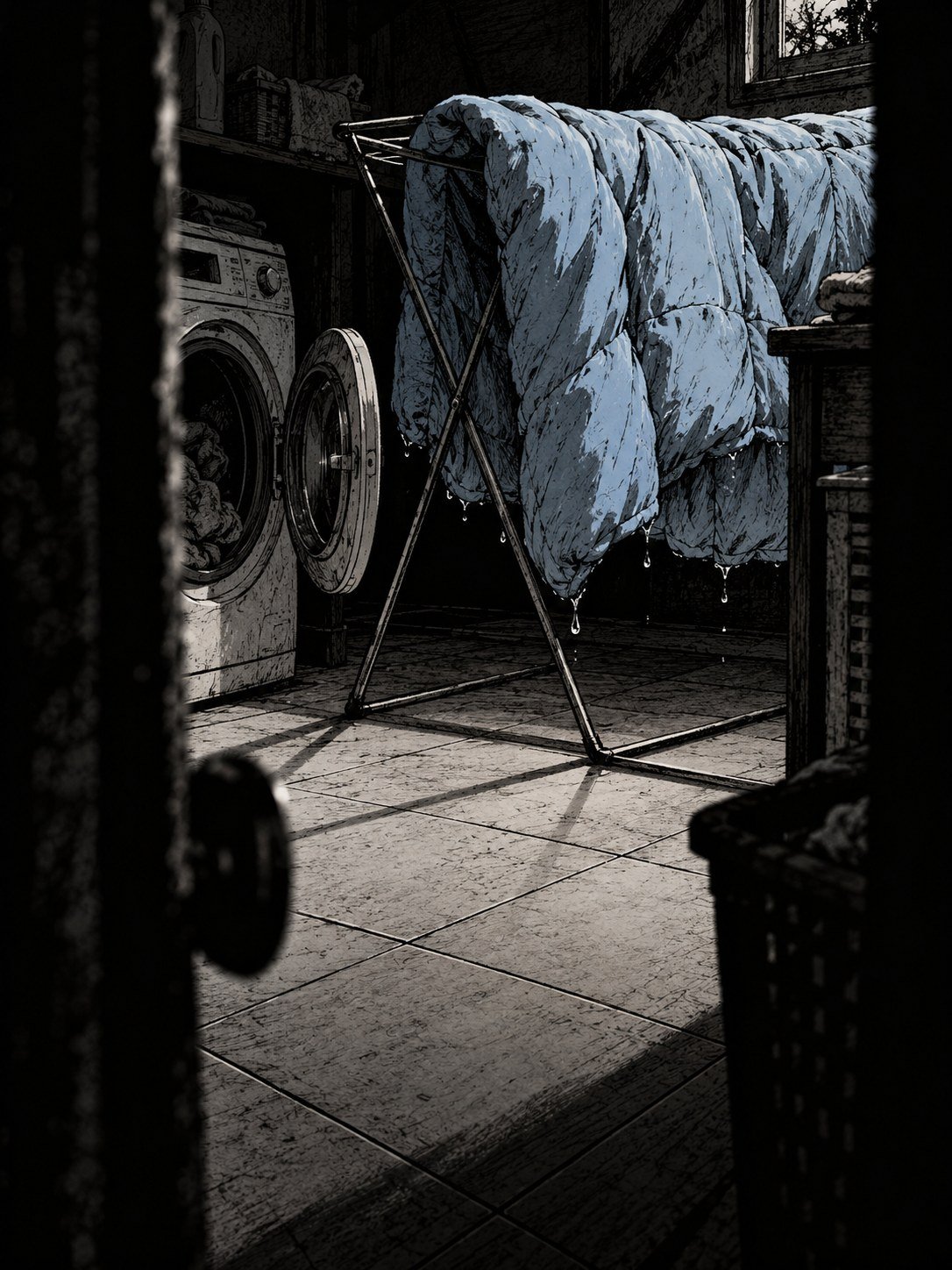
When the gendarmes arrived at the house that night, something caught their attention.
The duvet from the sofa where Delphine slept had been washed. It was still drying.
Who washes a duvet in the middle of the night your wife goes missing? To investigators, it was one of the most suspicious details in the case.
But it was also one of the most disputed. Tests on the washing machine water found no blood. Later tests on the duvet and its cover found no human blood either. Cédric’s defense said the duvet had not even been in the machine.
That was the pattern of the whole case. Every clue looked bad for him, and every clue had another explanation. (Brut) (Wikipedia)
What the children and neighbors heard
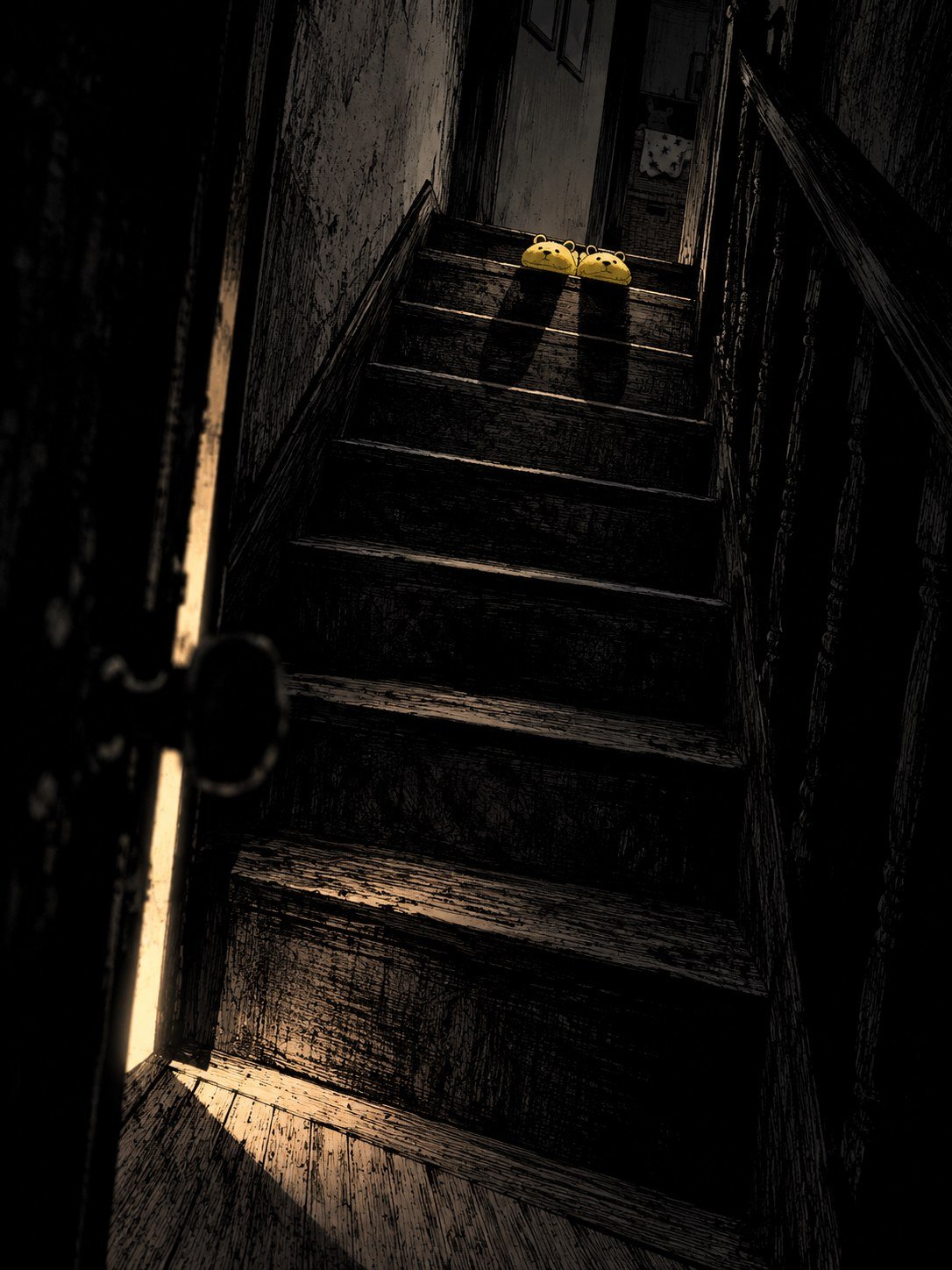
There were two people in the house who could not tell their story easily. One was 18 months old. The other was six.
Delphine’s son, Louis, and some neighbors said they heard raised voices that night.
Some neighbors spoke of cries of fear. That account was later contested.
Over the years, it was reported that Louis became convinced that his father was responsible. The children’s lawyer said he did not want to see his father.
At trial, Cédric also admitted that he had been violent toward his children.
It was another piece of a picture that was damning but never complete. (Brut) (Wikipedia)
Nine graves opened in a village cemetery
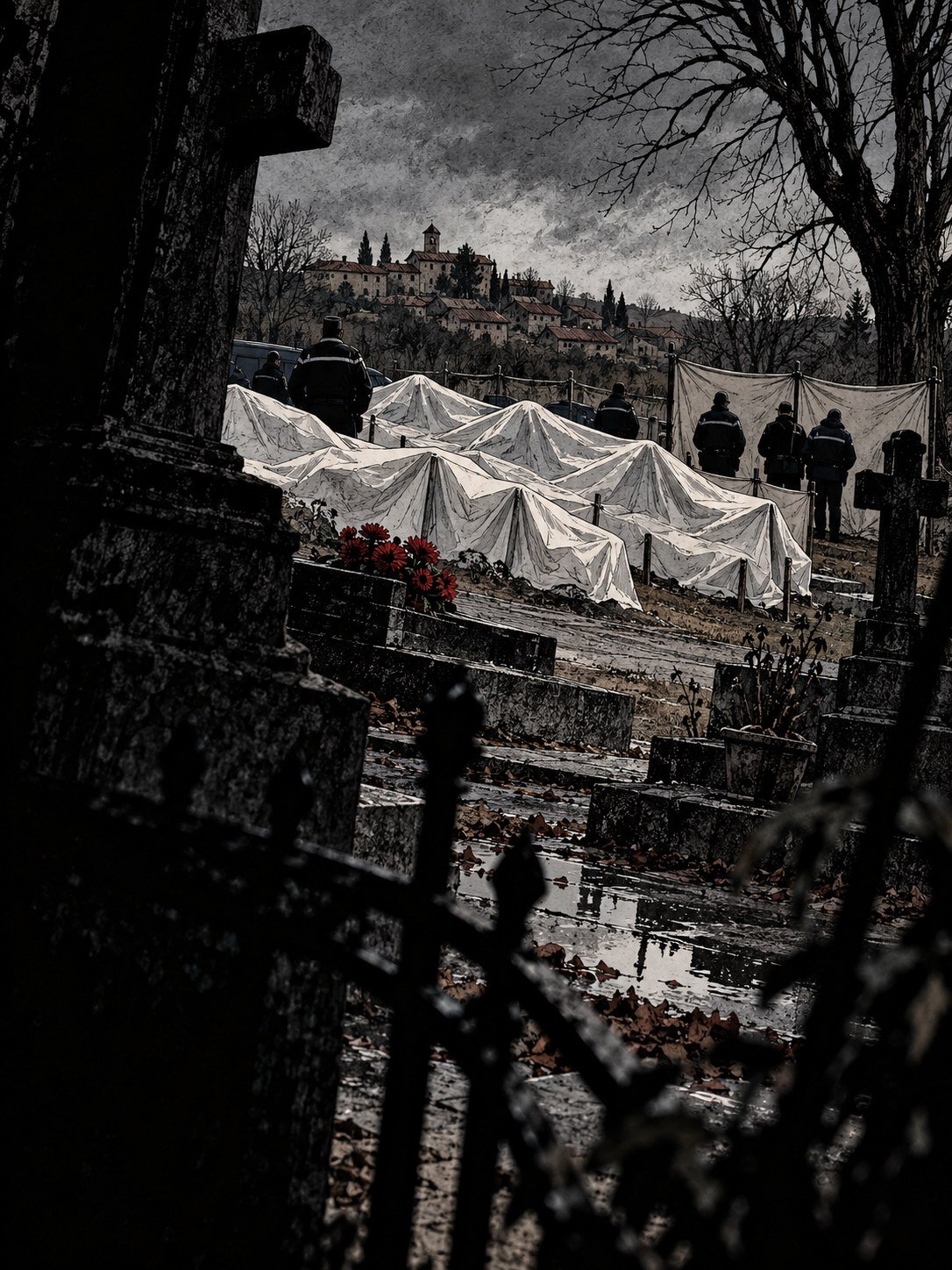
The searches went to extraordinary lengths.
In July 2022, investigators opened nine graves in a cemetery, in case Delphine had been hidden in one of them.
She wasn’t there.
Think about what that means for the families of the people buried there, and for Delphine’s family, waiting by the phone each time.
The case had become a national obsession. TV programs, documentaries and podcasts went over every detail. Amateur detectives built their own theories.
And still there was no body. (Brut)
A family record book on a street in Albi

Seven months after Delphine vanished, something of hers turned up.
It was the couple’s livret de famille, a family record book that French families keep with the details of marriages and births.
It was found lying on a street in Albi.
Nobody could explain how it got there. The defense later criticized investigators for not testing it for DNA.
It was one more strange clue that pointed nowhere. A woman had vanished from her house, and months later part of her family’s paperwork showed up in a town nearby. (Wikipedia)
Charged with murder, still saying he was innocent
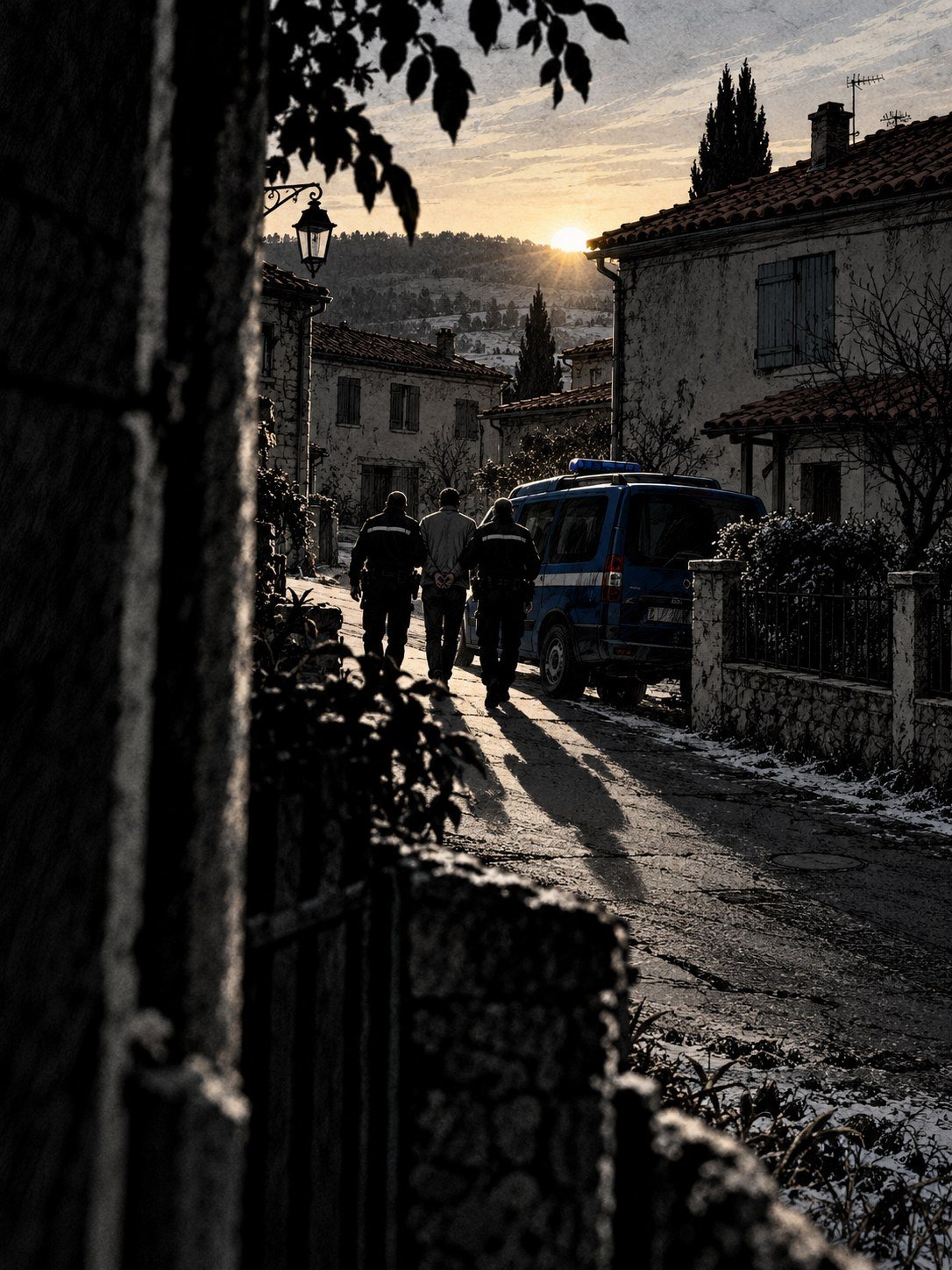
In June 2021, six months after the disappearance, Cédric Jubillar was arrested.
On June 16, 2021, he was charged with his wife’s murder and held in pre-trial detention. He would stay in prison from then on.
He said he was innocent. He kept saying it for five years.
But some of his own words were used against him. He admitted that before Delphine vanished, he had said “I will kill her” in anger. He said he didn’t mean it.
A nanny told investigators he had compared himself to another man who killed his wife, in a well-known French case, and said he would have done better: she would never have been found. He denied saying it. (Brut) (Wikipedia)
What he told the men in his cell
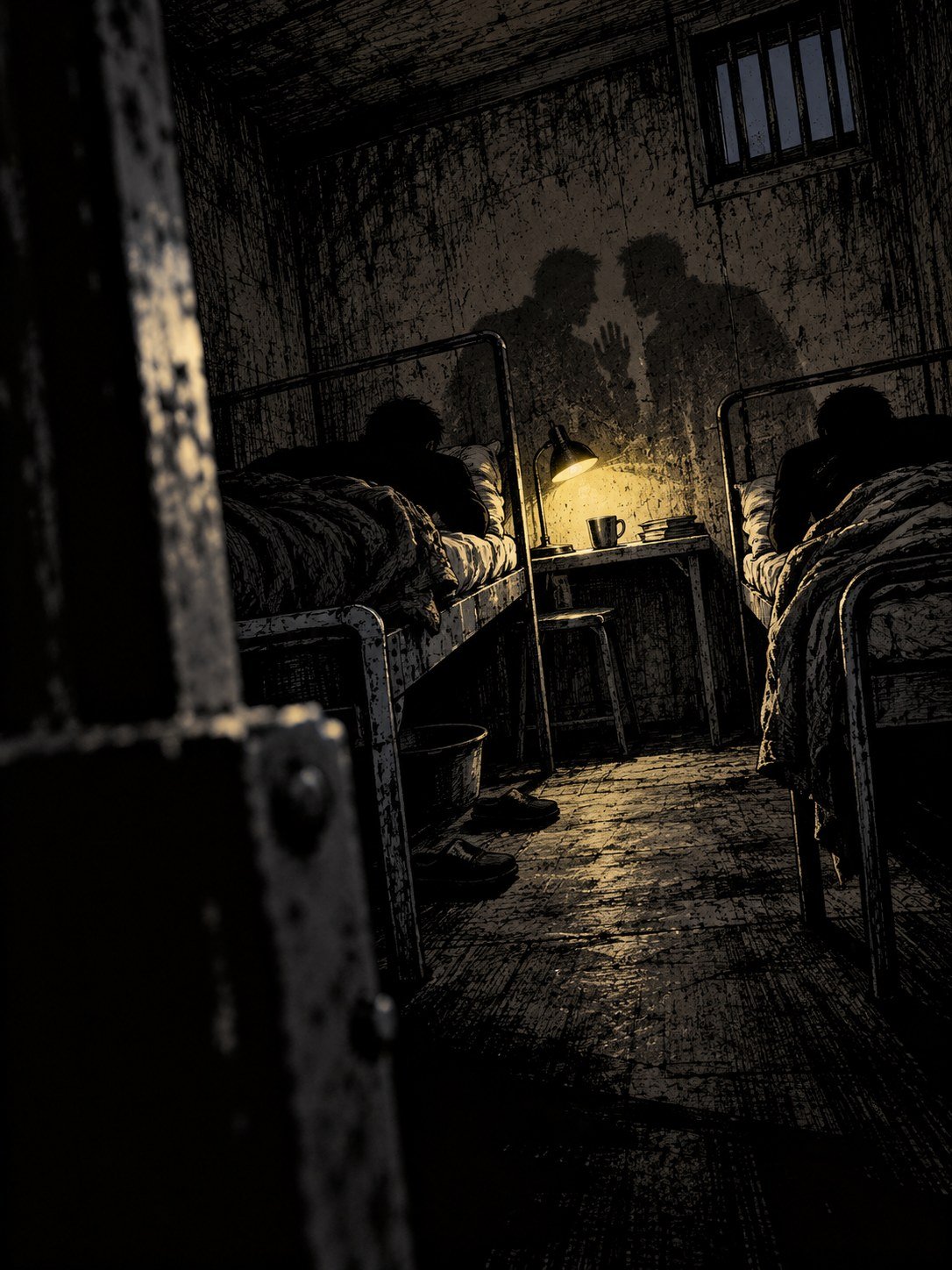
In prison, according to investigators, Cédric talked.
Fellow detainees told investigators about things he had said to them. At trial, the lead investigator, Major Bernard Lorvellec, spoke about these alleged confessions during about seven hours of testimony.
Cédric’s defense said these were stories from unreliable witnesses, men hoping to gain something.
He also reportedly told a friend: “Obviously, it was me who killed her.” He said it was dark humor.
Every one of these statements could be argued away. Taken together, they painted a picture the jury would find hard to ignore. (Wikipedia) (Brut)
A former girlfriend’s account
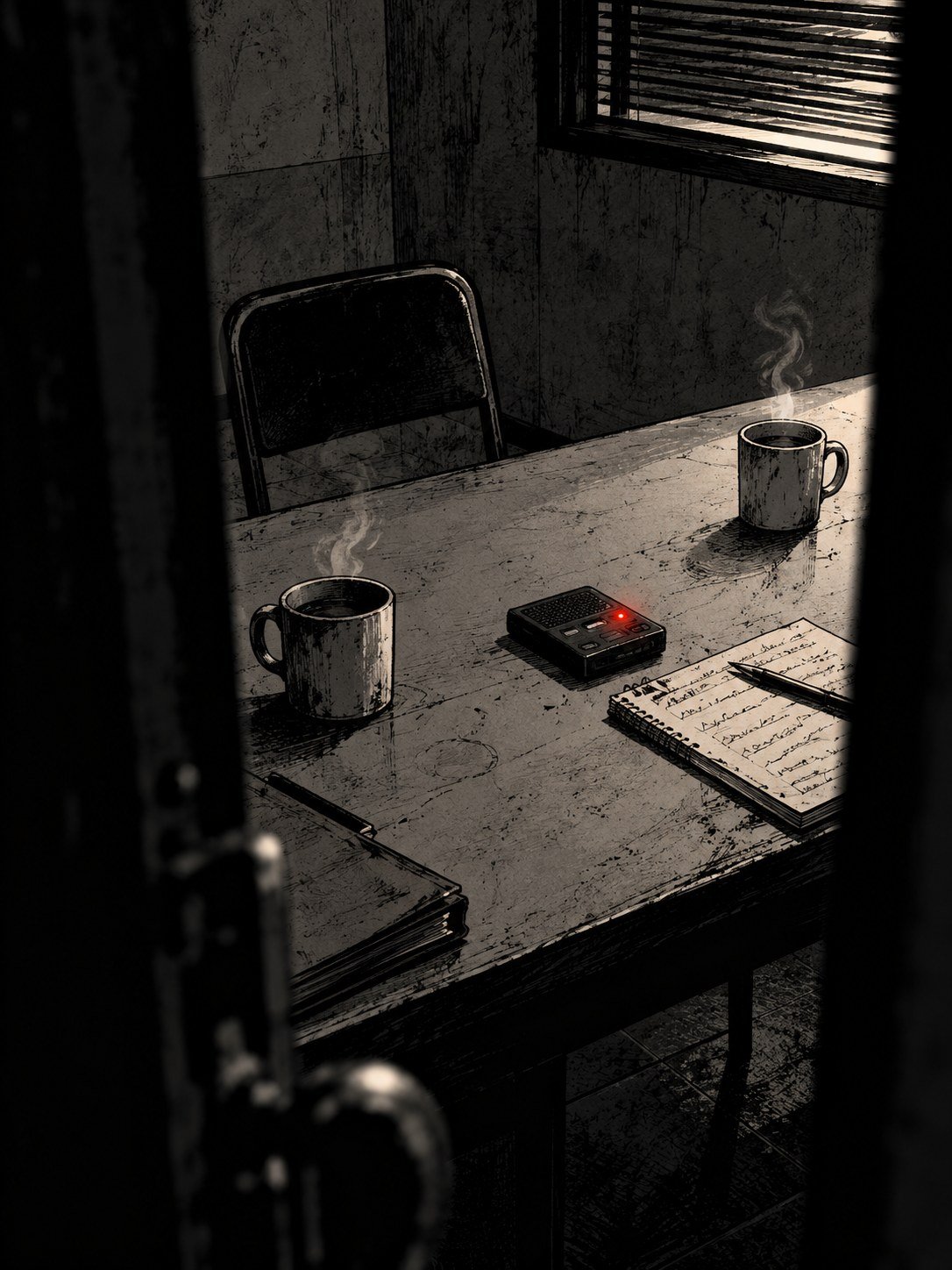
After Delphine disappeared, Cédric had a new relationship with another woman. It ended in June 2025.
On July 23, 2025, she went to the gendarmes.
She told them that he had told her he strangled Delphine. That he hid her body near a worksite. That he prepared the spot with a pickaxe. That he burned her clothes and hid her phone.
Her account was reported to have changed over time, and the defense attacked it.
But some of what she described would later match what Cédric himself told investigators. Not every detail. Enough to matter. (Brut)
Guilty, by seven votes out of nine
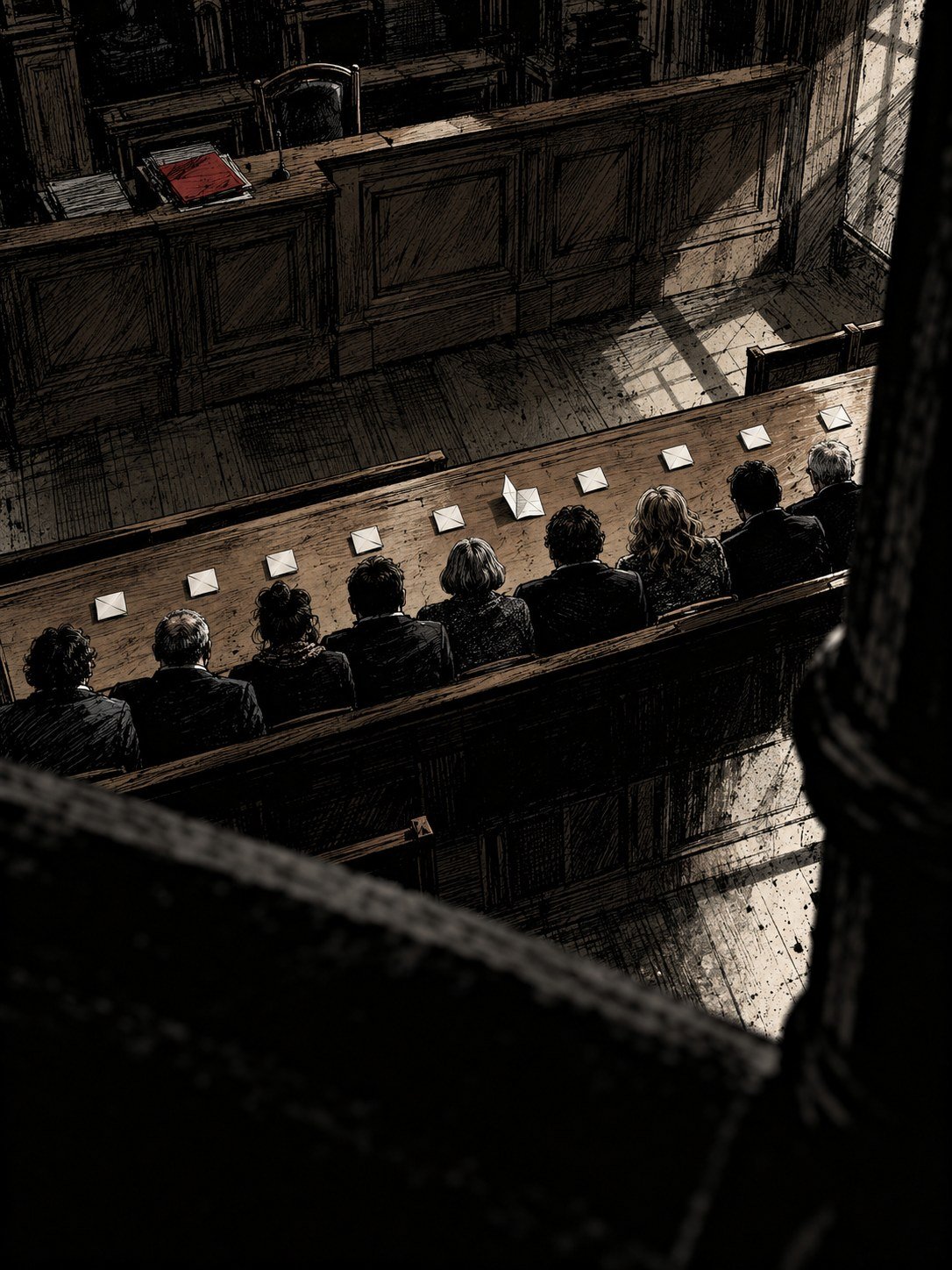
The trial opened on September 22, 2025, at the assize court in Albi.
It lasted about a month. Around 65 witnesses and 11 experts were heard. A genetics expert said the DNA tests had found no undeniable proof directly implicating Cédric.
Cédric was questioned for hours by the presiding judge. He kept to his story.
On October 17, 2025, the court found him guilty of murder and sentenced him to 30 years, as the prosecution had asked. Seven of the nine votes were for conviction.
His lawyers appealed immediately. In December 2025, he lost his parental authority. The children went to live with Delphine’s sister. (Wikipedia) (blue News/AFP) (Paris Match)
The letter to his new lawyers
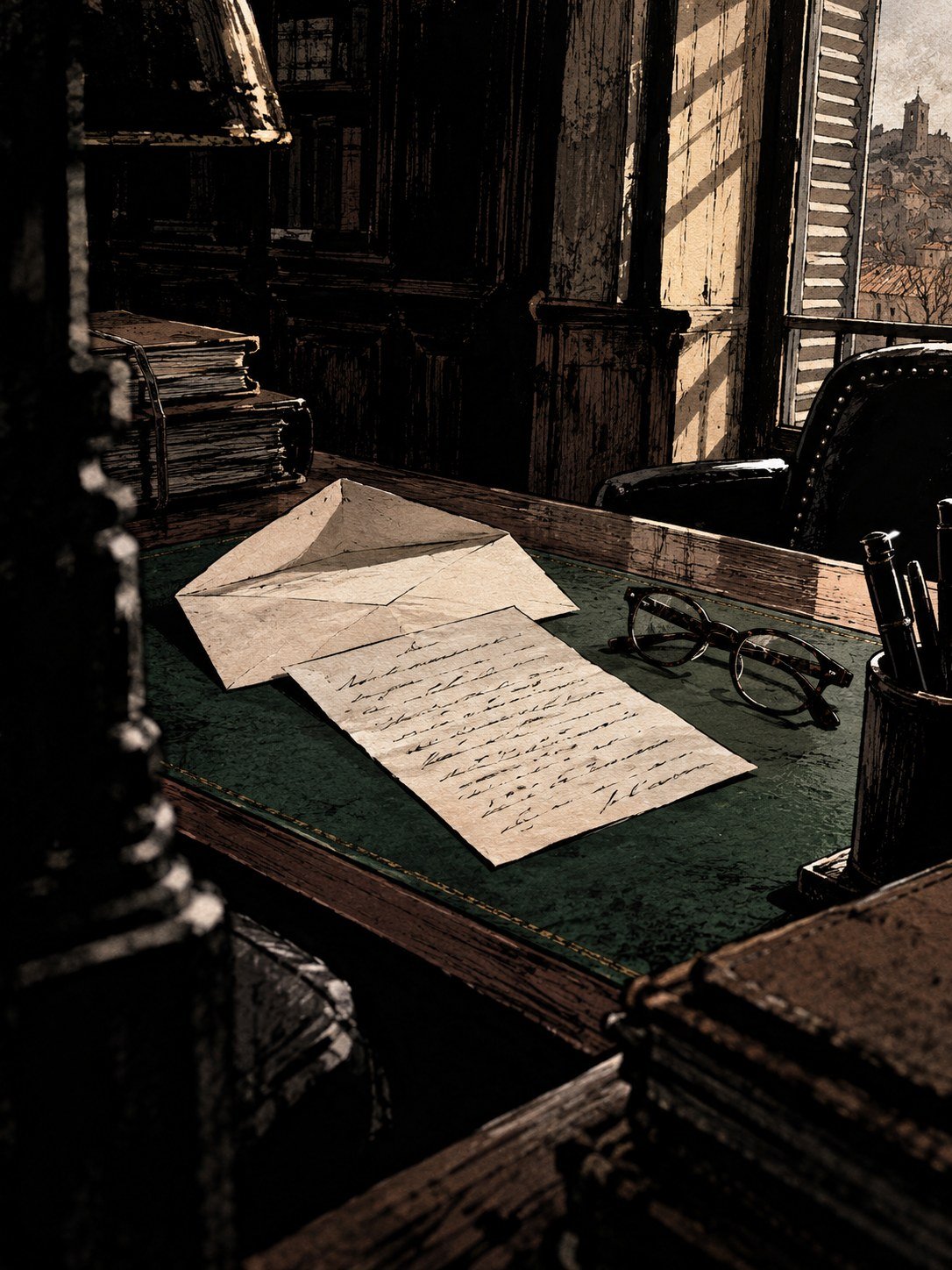
The appeal trial was set for September 2026, in Toulouse. Cédric changed lawyers.
His new lawyers were Guy and Pierre Debuisson. On July 6, 2026, the letter he had written to them was made public.
In it, he admitted he was at the origin of his wife’s death.
On July 15, he gave investigators his account. He said Delphine had said something that made him snap. “I wanted her to be quiet.”
“I grabbed her by the neck and I squeezed,” he said. “She fell limp.” He said it took him a few moments to realize he had just killed the mother of his children.
His lawyer Pierre Debuisson called it “an abominable act.” Guy Debuisson said his client never intended to kill her. (DH/AFP) (blue News/AFP) (Paris Match)
He led them to the edge of a field
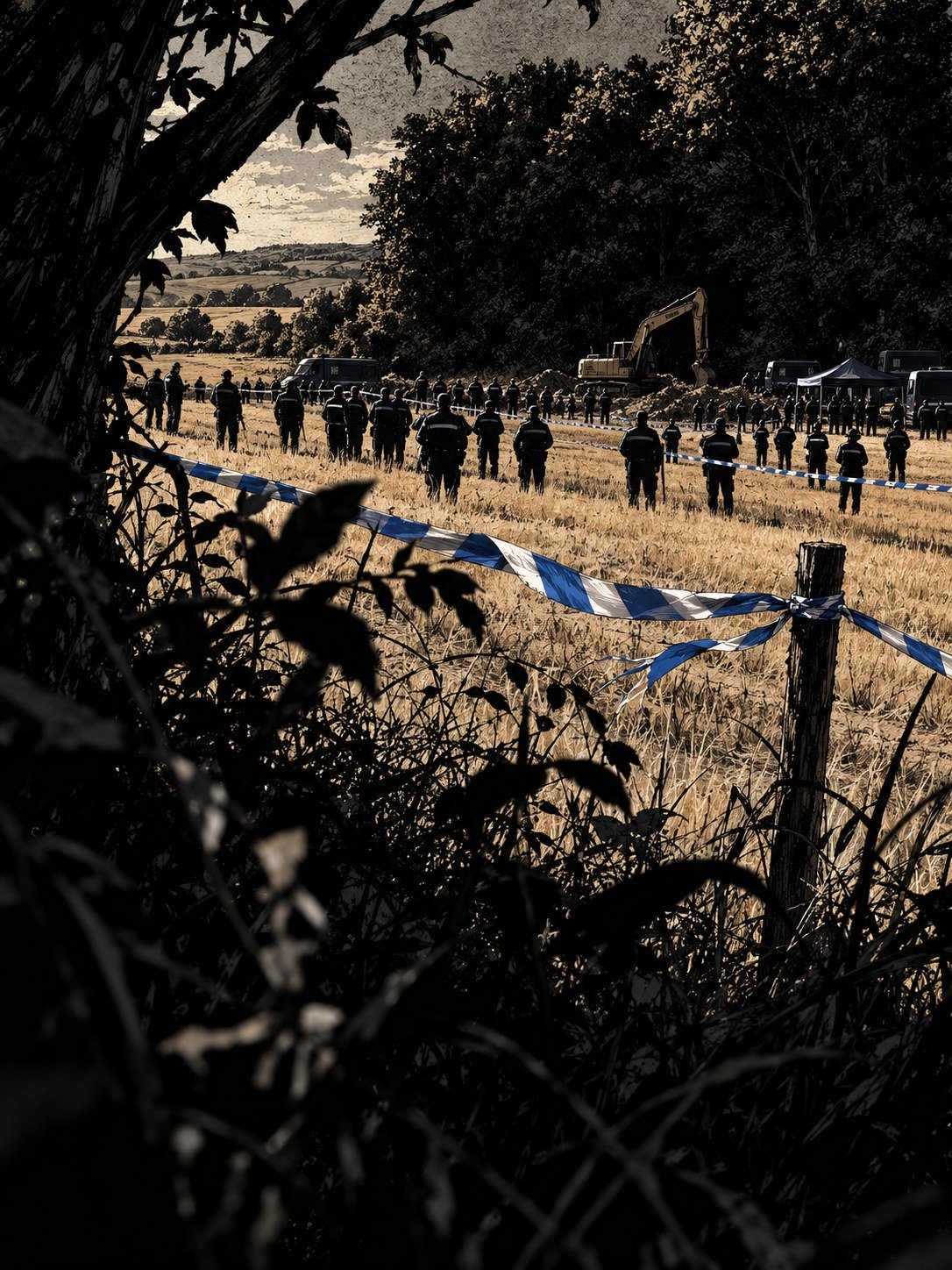
On July 16, 2026, Cédric Jubillar led investigators to the spot.
It was at the edge of a field next to a wood, near the village of Mailhoc, about 10 kilometers, roughly 6 miles, from the family home.
About a hundred gendarmes took part in the search.
Bones were found.
For five and a half years, searchers had covered fields and woods all over the area. Delphine had been only a few miles from her home the whole time.
“We’re surprised,” a local resident said. “We didn’t think he would have left her here.” (Paris Match) (La Gazette France)
DNA confirmed it was Delphine
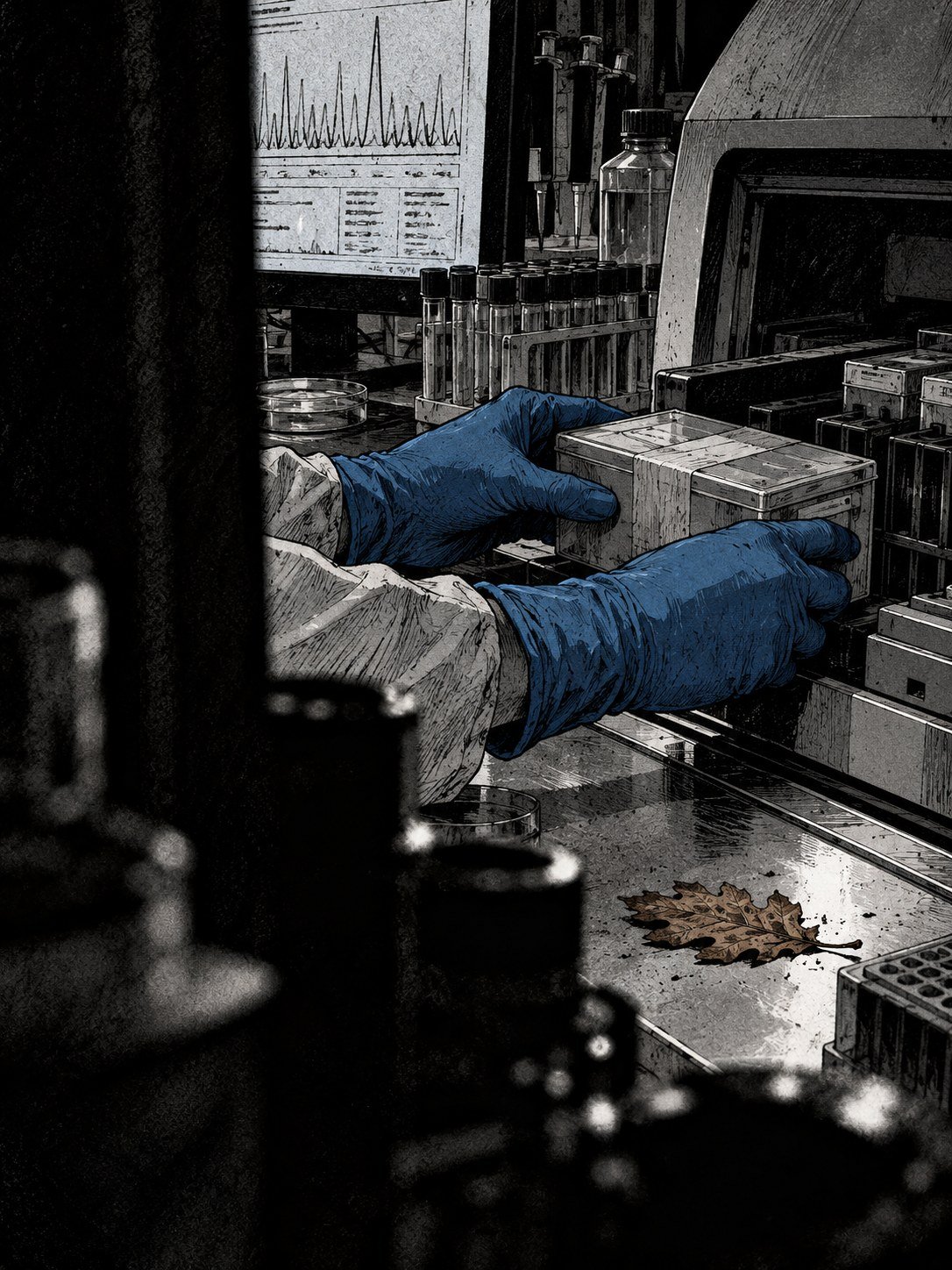
The bones were sent to the IRCGN, the gendarmerie’s national forensic laboratory.
On July 19, 2026, DNA confirmed it. They were the remains of Delphine Jubillar.
After five and a half years, her family finally knew where she was.
The family’s lawyer, Battikh, said: “The truth has won over the lie.”
It also changed the question for the appeal. It was no longer whether he did it. It was what to call it, and what sentence it deserved. His lawyers said he never meant to kill her. The prosecution had called it murder. (La Gazette France) (blue News/AFP)
The children, and a trial still to come
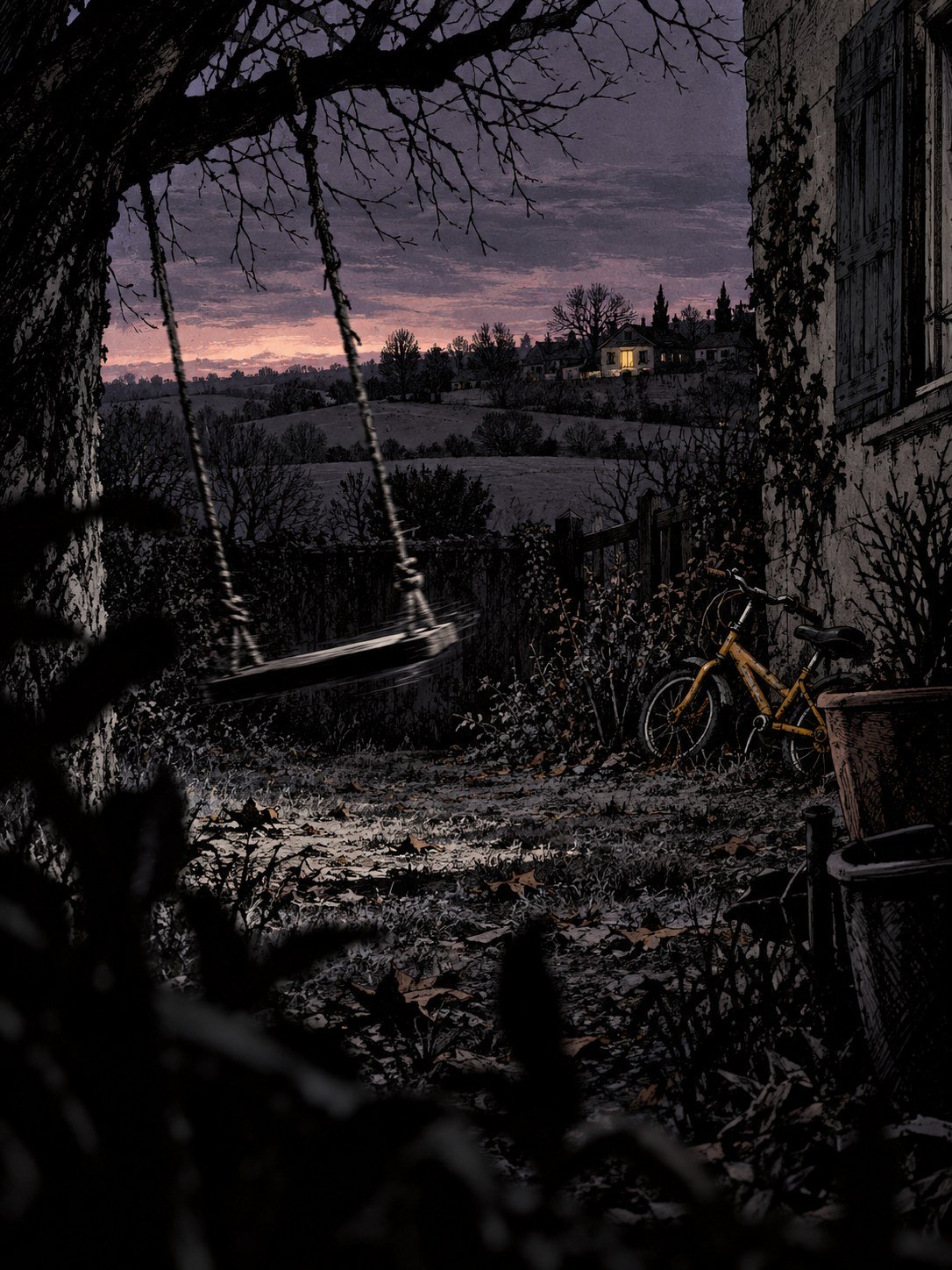
Delphine’s two children now live with her sister.
Louis was six when his mother vanished. Elyah was 18 months old. They grew up with a mother who was simply gone, and a father in prison who said he knew nothing.
On July 21, 2026, the appeal trial set for September in Toulouse was postponed to the first half of 2027, to allow time for the new evidence.
There, a new jury will hear what Cédric Jubillar finally admitted, and decide what it means.
For five and a half years, the case was a mystery without a body. In the end, it was solved the simplest way possible. The man who knew where she was finally said so. (Paris Match, Jul 21) (blue News/AFP) (Paris Match)
Case notes: a murder conviction with no body, then a confession
Delphine Jubillar, a 33-year-old nurse and mother of two, vanished from her home in Cagnac-les-Mines, in the Tarn, on the night of December 15-16, 2020 (Wikipedia) (Brut). Her husband, Cédric, reported her missing at 4:09 a.m. (Brut). He was charged with murder in June 2021 and convicted on October 17, 2025, without her body ever being found (Wikipedia).
In July 2026, he admitted causing her death, described strangling her, and led investigators to her remains near Mailhoc, about 10 km from home (DH/AFP) (blue News/AFP) (Paris Match). DNA confirmed her identity on July 19, 2026 (La Gazette France). His appeal trial was postponed to the first half of 2027 (Paris Match, Jul 21).
Timeline
| When | What happened |
|---|---|
| Dec 15-16, 2020 | Delphine vanishes during a Covid curfew night; Cédric calls the gendarmerie at 4:09 a.m. (Brut) |
| Mid-2021 | The couple’s family record book is found on a street in Albi (Wikipedia) |
| June 16, 2021 | Cédric is charged with murder and held in custody (Brut) (Wikipedia) |
| July 2022 | Nine graves opened in a cemetery; nothing found (Brut) |
| July 23, 2025 | A former girlfriend tells gendarmes he confessed to her (Brut) |
| Sep 22, 2025 | Trial opens at the Tarn assize court in Albi (Wikipedia) |
| Oct 17, 2025 | Guilty of murder, 30 years, by 7 votes of 9; appeal lodged (Wikipedia) |
| Dec 2025 | He loses parental authority (blue News/AFP) (Paris Match) |
| July 6, 2026 | His letter to his new lawyers is made public (DH/AFP) |
| July 15-16, 2026 | He confesses and leads investigators to the remains near Mailhoc (blue News/AFP) (Paris Match) |
| July 19, 2026 | DNA confirms the remains are Delphine’s (La Gazette France) |
| July 21, 2026 | Appeal trial postponed to the first half of 2027 (Paris Match, Jul 21) |
What the sources agree on, and where they don’t
| Detail | Source A says | Source B says |
|---|---|---|
| Where she was found | Near Mailhoc (Paris Match) | A photo caption names Villeneuve-sur-Vère (La Gazette France) |
| Distance from home | About 10 km (Paris Match) (La Gazette France) | His ex-girlfriend described a spot about 15 km south of Albi (Brut) |
| The duvet | Washed and drying when gendarmes arrived (Brut) | The defense said it was never in the washing machine; no human blood found (Wikipedia) |
Details most coverage missed
The dogs were home. His story was that she went out to walk the two dogs, but the dogs were in the house when he woke (Brut).
The jury was not unanimous. The 2025 verdict was reached by seven votes out of nine (Wikipedia).
His lawyers dispute intent, not the act. They say he never meant to kill her, which is what the appeal will now turn on (Paris Match) (blue News/AFP).
What we still don’t know
- What she said that he says made him snap. He has not said publicly (blue News/AFP).
- How the family record book ended up on a street in Albi.
- How the appeal court will classify the killing, and what sentence it will give.
Case file summary
- Who: Delphine Jubillar (33), nurse; her husband Cédric Jubillar
- Where: Cagnac-les-Mines and Mailhoc, Tarn, France
- When: December 15-16, 2020; remains found July 16, 2026
- What: A disappearance, a murder conviction without a body, then a confession
- Status: Convicted (2025); appeal trial due in the first half of 2027
Illustrations are artistic interpretations, not photos. No real person has a recognizable face.
Related files
- Ted Bundy Was Never Charged With Killing the Police Chief’s Daughter. 52 Years Later, DNA Proved He Did
- Police Mailed Him a Letter About His Stolen Car. The Envelope Led to a 1986 Murder Charge
- Battle Ground 1962 Double Murder Solved: The DNA Came Back Two Days After He Died
Illustrations are AI-generated artistic interpretations, not photos. No real person is depicted with a recognizable face. Read how we research and illustrate these files.
Sources
- Wikipedia: Murder of Delphine Jubillar
- Brut: Tout ce que l’on sait sur la disparition de Delphine Jubillar
- DH/AFP: Cédric Jubillar reconnaît le meurtre de son épouse (July 6, 2026)
- blue News/AFP: Cédric Jubillar a avoué avoir étranglé sa femme
- Paris Match: des ossements retrouvés à l’endroit indiqué (July 16, 2026)
- La Gazette France: les ossements sont bien ceux de Delphine Jubillar
- Paris Match: le procès renvoyé au premier semestre 2027