The Tylenol Murders: Seven Dead in Chicago, 31 Million Bottles Recalled, and Still No Killer
The killer didn’t break in. He put it back on the shelf.
In the fall of 1982, someone in the Chicago area did something that still sounds unthinkable.
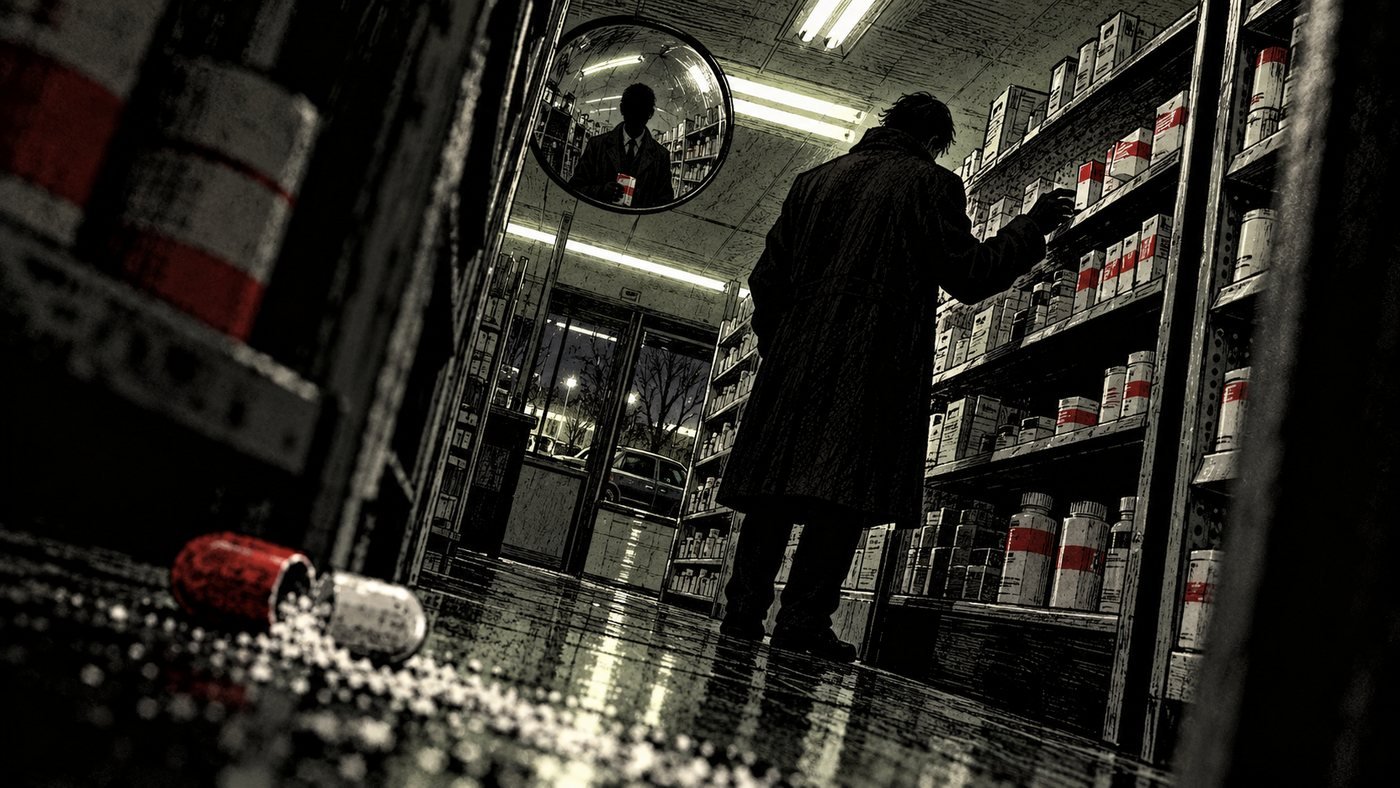
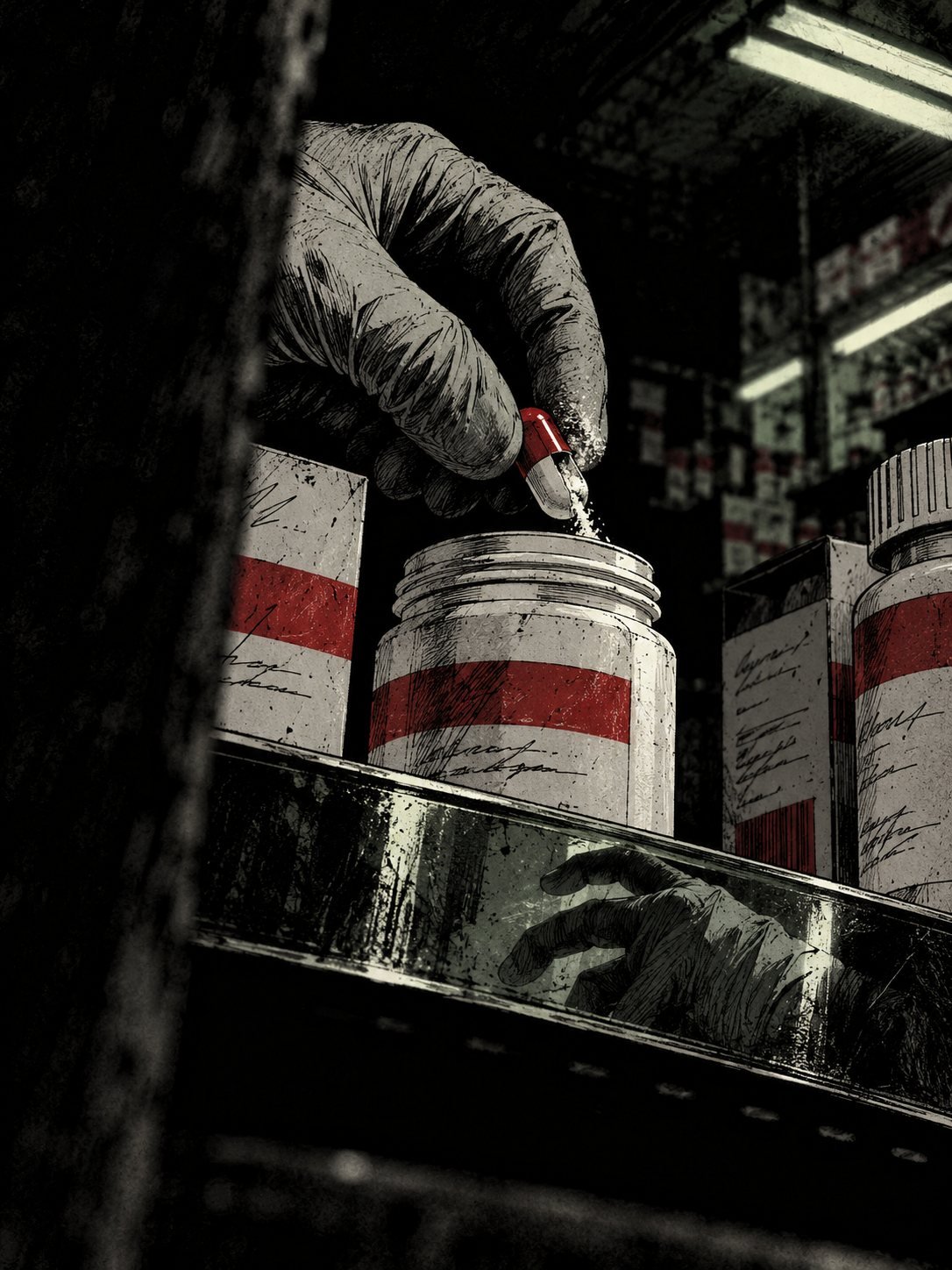
They took bottles of Extra-Strength Tylenol, the most trusted painkiller in America. They opened some of the capsules. They filled them with cyanide, a fast-acting poison. Then they put the bottles back on store shelves, where ordinary people would pick them up and pay for them.
To understand why this worked, picture how a medicine bottle looked in 1982. There was no foil seal under the cap. No plastic band around the neck. A capsule is just two small halves of gelatin pushed together. Anyone could pull one apart, change what was inside, and close it again.
The poisoner did not need to break into a house. Did not need to meet a single victim. Did not need to know their names.
The victims came to the poison. They walked into a store, took a bottle off the shelf, and carried it home themselves. (Wikipedia)
Seven people took the pills. Seven people died.
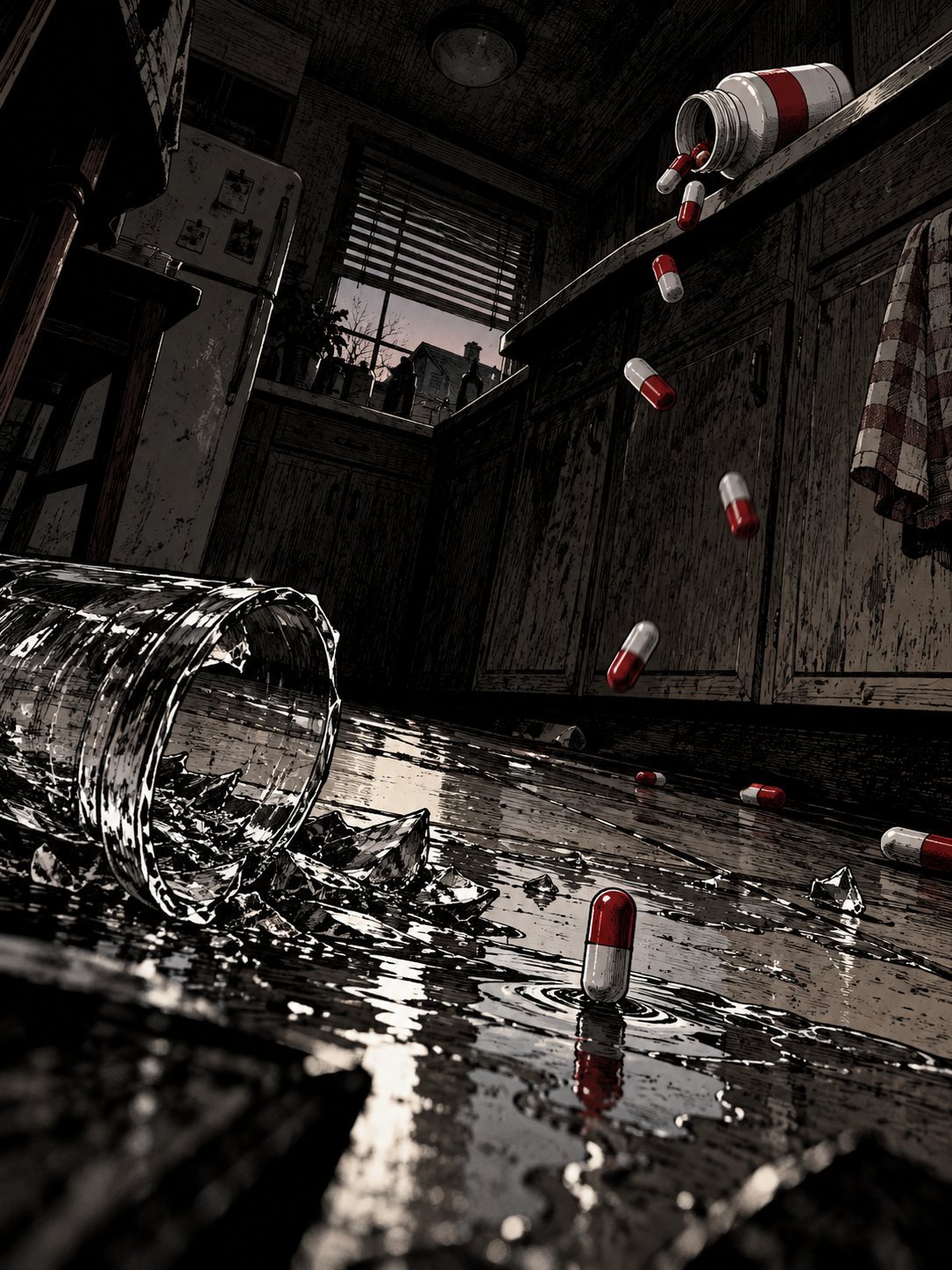
Over a few days, seven people in the Chicago area took those capsules. All seven died.
Apart from one family, they had no known connection to each other. They lived in different places around the city. A girl with a cold. Three members of one family. A new mother. A woman who had bought a bottle at a drugstore.
The only thing they had in common was a bottle of Extra-Strength Tylenol.
That is what made the case so frightening. In most murder cases, police start with the people closest to the victim. Who had a motive? Who was there? Here, those questions led nowhere. The killer had no reason to choose any of these people, because the killer did not choose them at all.
Anyone in Chicago who had a headache that week could have been next.
And it took investigators time to see that the deaths were linked at all. (Wikipedia)
Forty years on, still no one charged
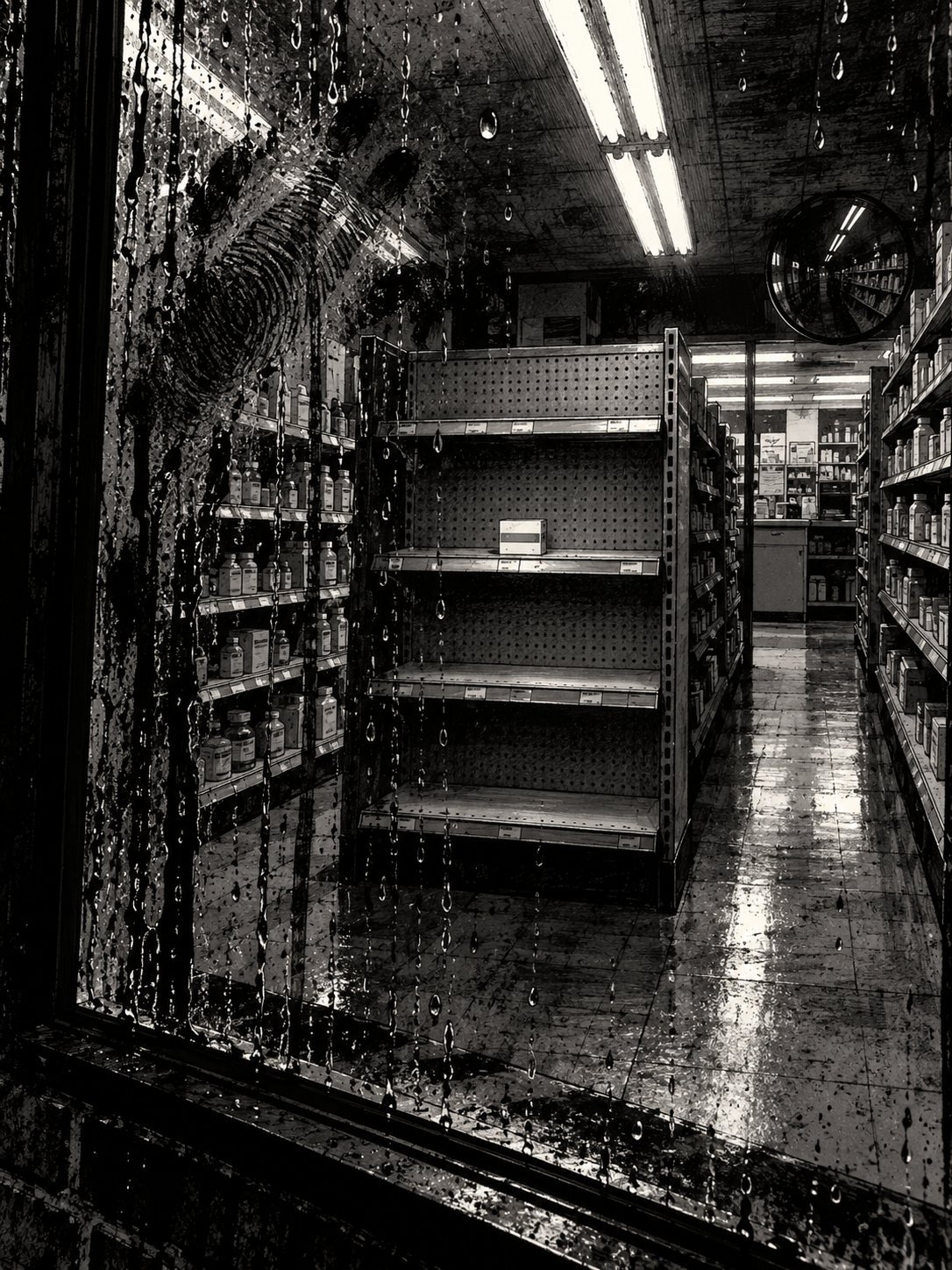
More than forty years later, no one has ever been charged with the murders.
Think about everything that has changed since 1982. DNA testing became a routine police tool. Police reopened the case again and again, with new tools each time.
And still, nobody has stood in a courtroom accused of putting poison in those bottles.
Two men became famous suspects. One wrote a letter demanding money and went to prison for it. The other talked about having cyanide and was questioned and searched. Neither was ever charged with the killings. In 2026, a third name surfaced, from a cold case in Idaho. He has not been charged either.
The FBI has called the claims linking other cases to the Tylenol murders “unsubstantiated.” Chicago police call it an “open cold case.”
So this is a story without a final answer. But it is also a story that changed something you probably touched this morning. This is the story of the Tylenol murders.
A 12-year-old with a cold took one pill
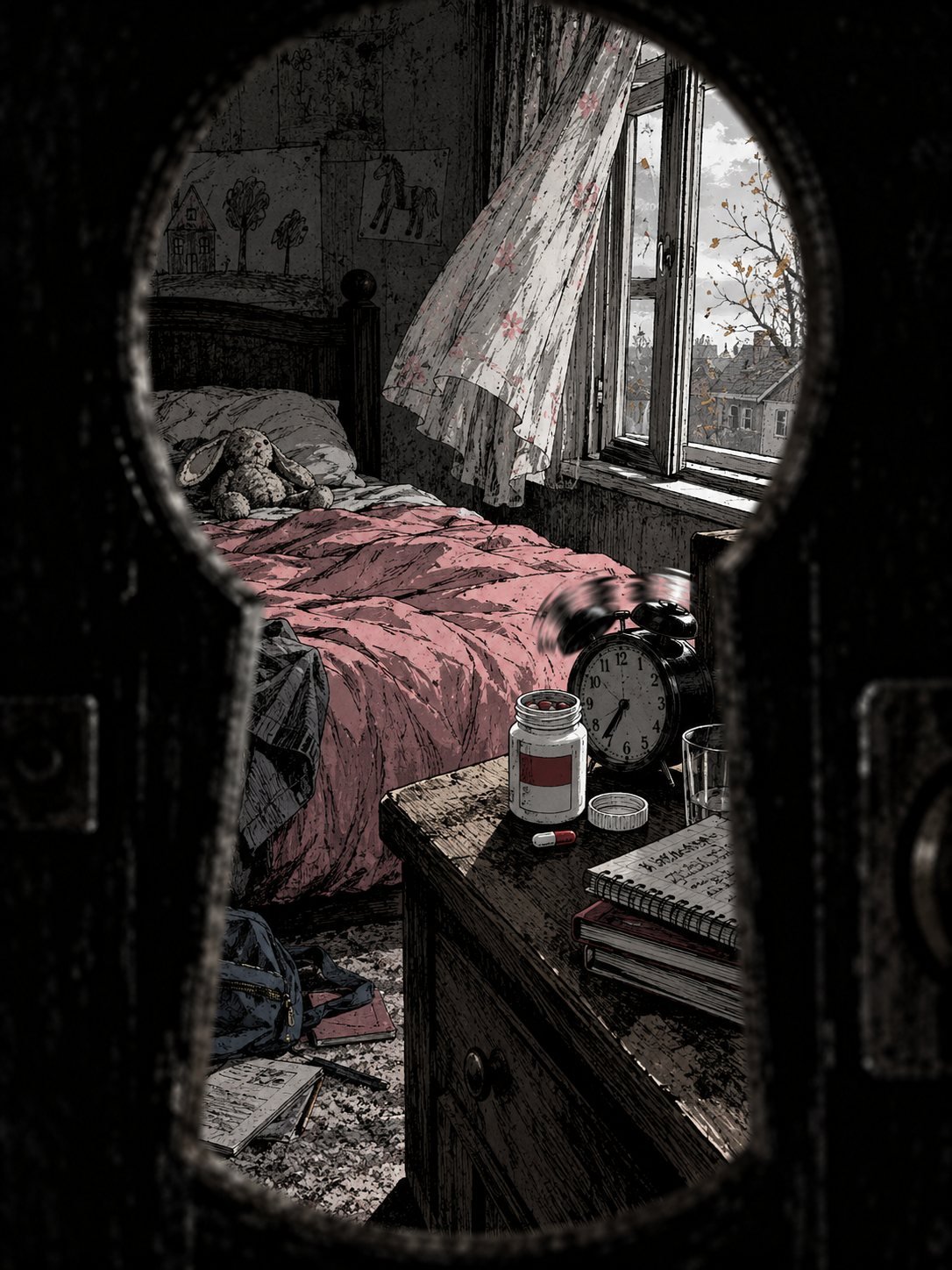
Mary Kellerman was 12 years old. She lived in Elk Grove Village, a suburb of Chicago.
She had a cold. So she did what millions of people do when they feel sick. She took one Extra-Strength Tylenol.
That was all. One capsule, from a bottle in her own home. A medicine her family trusted, the kind that sat in almost every bathroom cabinet in the country. She died the next day.
Sources differ slightly on the exact timeline of her death. One account says she was taken to hospital on September 28. Another says all seven victims took their capsules around September 29. Either way, she was among the very first to die, and nobody yet knew why.
At that point, there was no reason to suspect the pill. A child getting sick and dying is a tragedy, but nobody thought of the medicine she had taken to feel better.
Her family’s bottle would turn out to be one of the most important pieces of evidence in the case. (Wikipedia)
In Arlington Heights, a young man collapsed at home
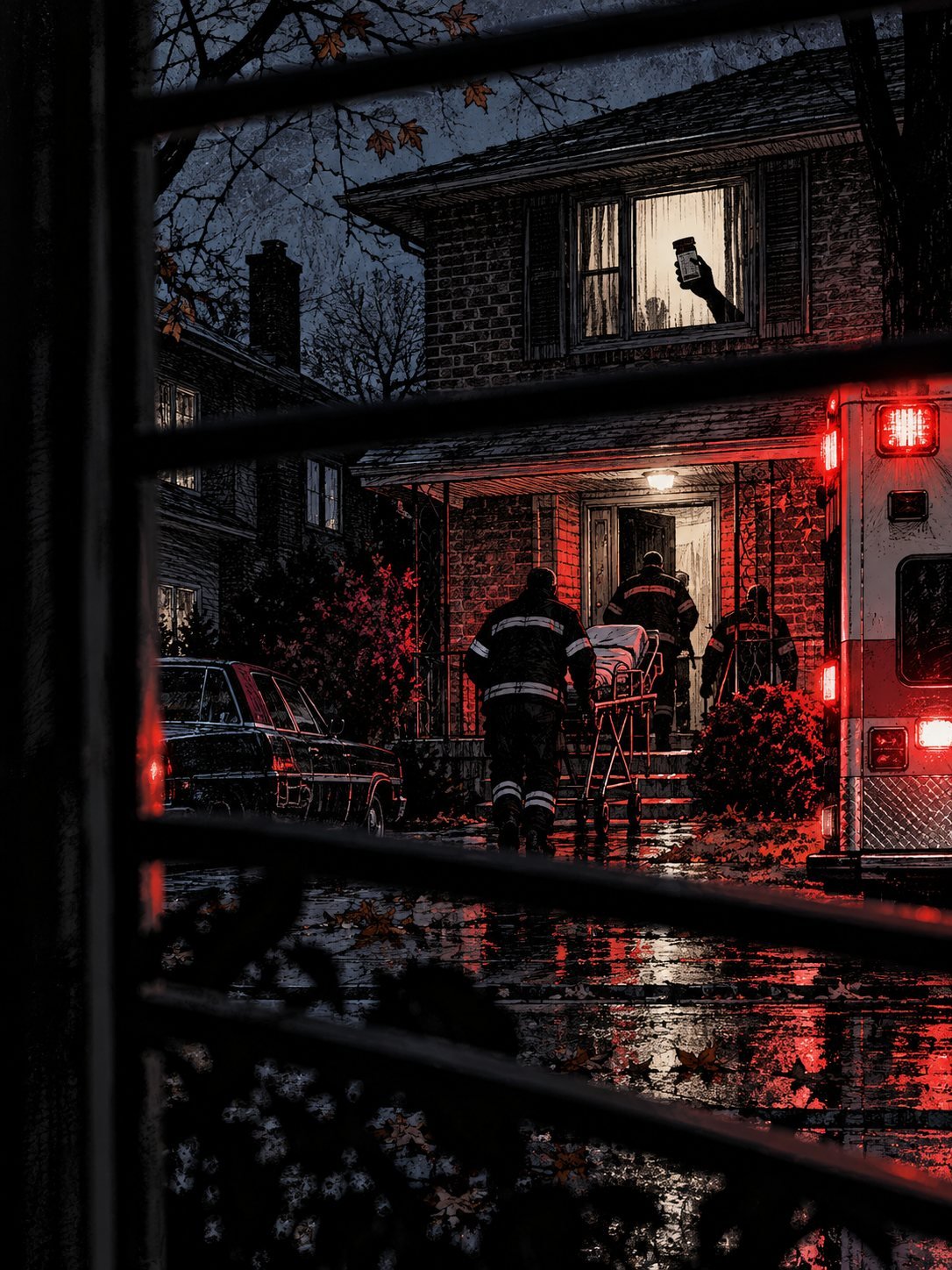
In Arlington Heights, another Chicago suburb, Adam Janus collapsed at home. He was 27 years old. He died.
At first, nothing pointed to poison. There was nothing to connect his death to a 12-year-old girl in a different town.
From the outside, two unrelated deaths in two suburbs on the same few days would not have looked like a pattern. Big metropolitan areas see sudden deaths every day. A heart problem, an illness nobody knew about. That is how it might have been recorded. Two suburbs, two families, two deaths that nobody had yet put side by side.
But Adam had taken Extra-Strength Tylenol too. And the bottle he took it from was still in the house.
Nobody in his family had any reason to be afraid of that bottle.
That is why what happened next was so devastating. (Wikipedia)
His brother and sister-in-law reached for the same bottle
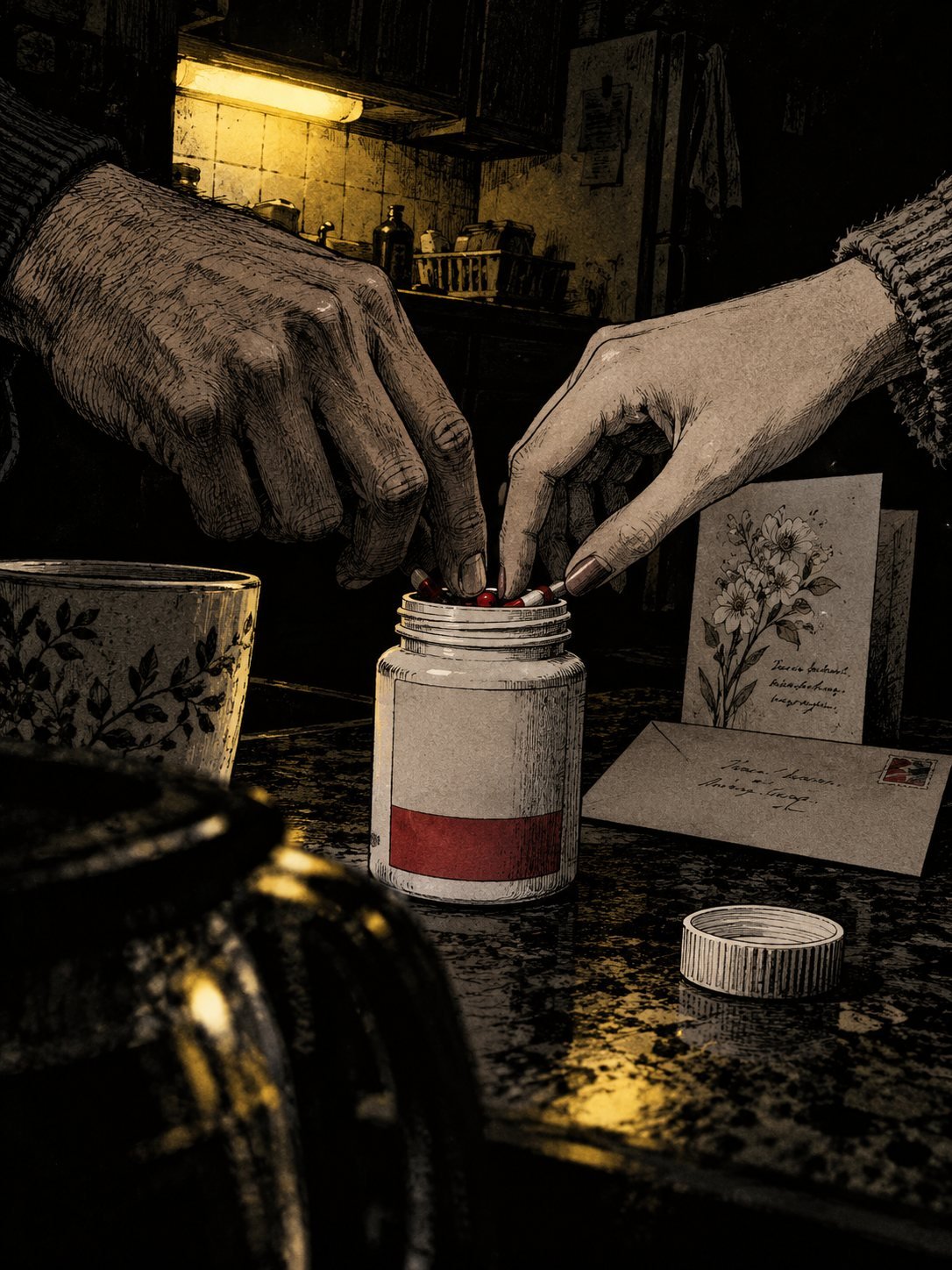
Adam’s brother Stanley was 25. Stanley’s wife, Theresa, was 19. They took Tylenol from the same bottle Adam had used. They died too.
One family lost three people. Two brothers and a young wife, all from one bottle of a medicine sold everywhere.
It is hard to imagine anything more ordinary than taking a painkiller in a relative’s home. Nobody reads a warning label on a bottle they already know. Nobody stops to wonder whether the capsules inside have been changed.
The Janus deaths were also a turning point for the investigation. One death can look like natural causes. Three deaths in one family, in one house, in a matter of days, cannot.
Someone was going to look very closely at what was inside that house.
But before they did, more people across the Chicago area would take the same medicine. (Wikipedia)
She had given birth only a week before
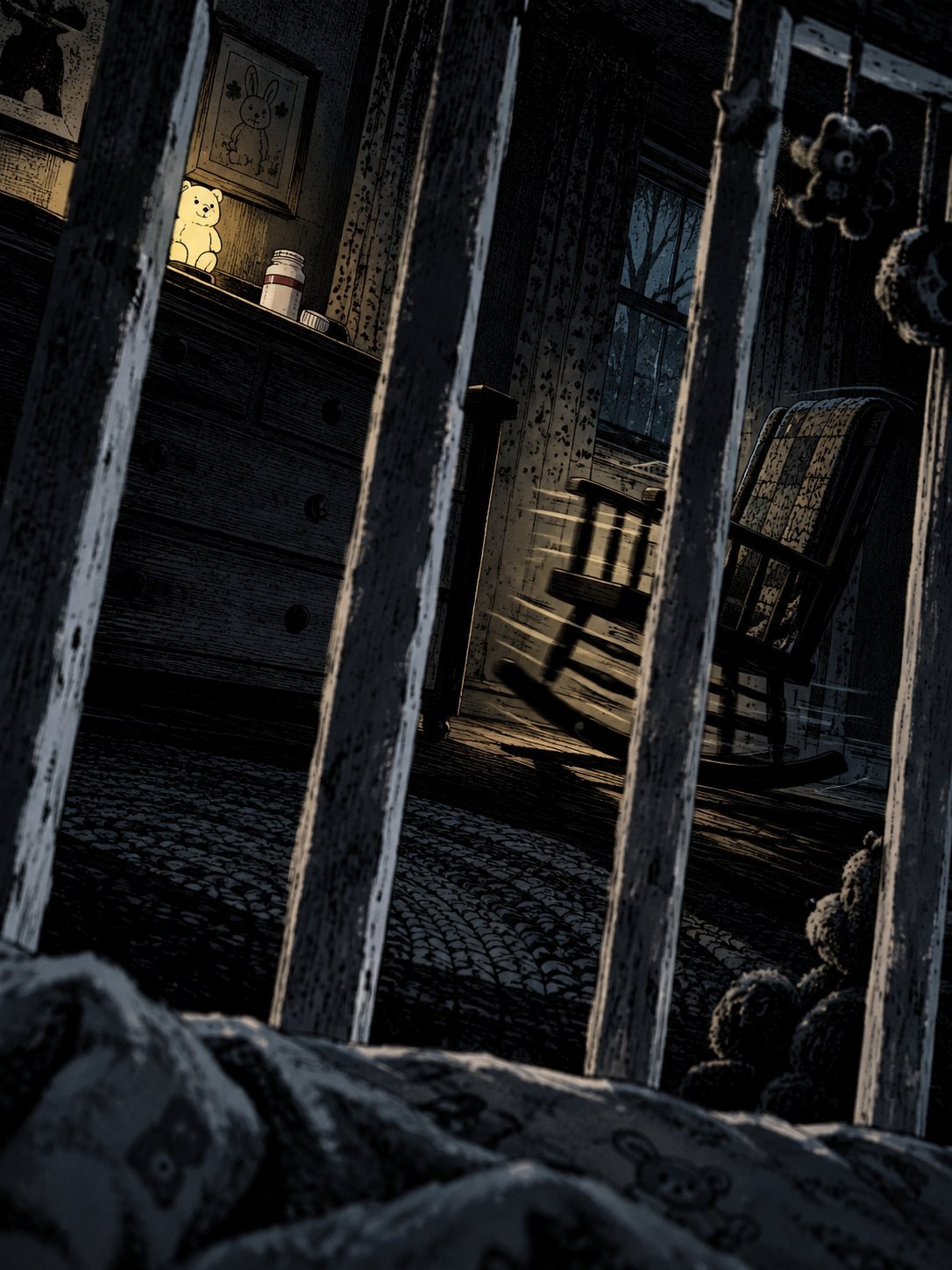
Mary Reiner was 27. About a week before she died, she had given birth to her fourth child.
That one fact says a lot about who the victims were. They were not people who took risks. They were not involved in anything dangerous. Mary Reiner was a young mother recovering from childbirth, doing what a new mother might do: taking a common painkiller.
She was one of seven people killed by the poisoned capsules.
Her death shows how random the killer’s method was. Whoever put cyanide into those bottles could not have known who would buy them. A child, a family, a mother with a newborn at home. The poison did not care.
And that is exactly why police would later struggle to solve the case. There was no link between the killer and the victims to follow. Normal detective work starts with relationships. Here, the only relationship was between a stranger and a store shelf.
The list of the dead was not finished yet. (Wikipedia)
Another woman, another bottle, the same week
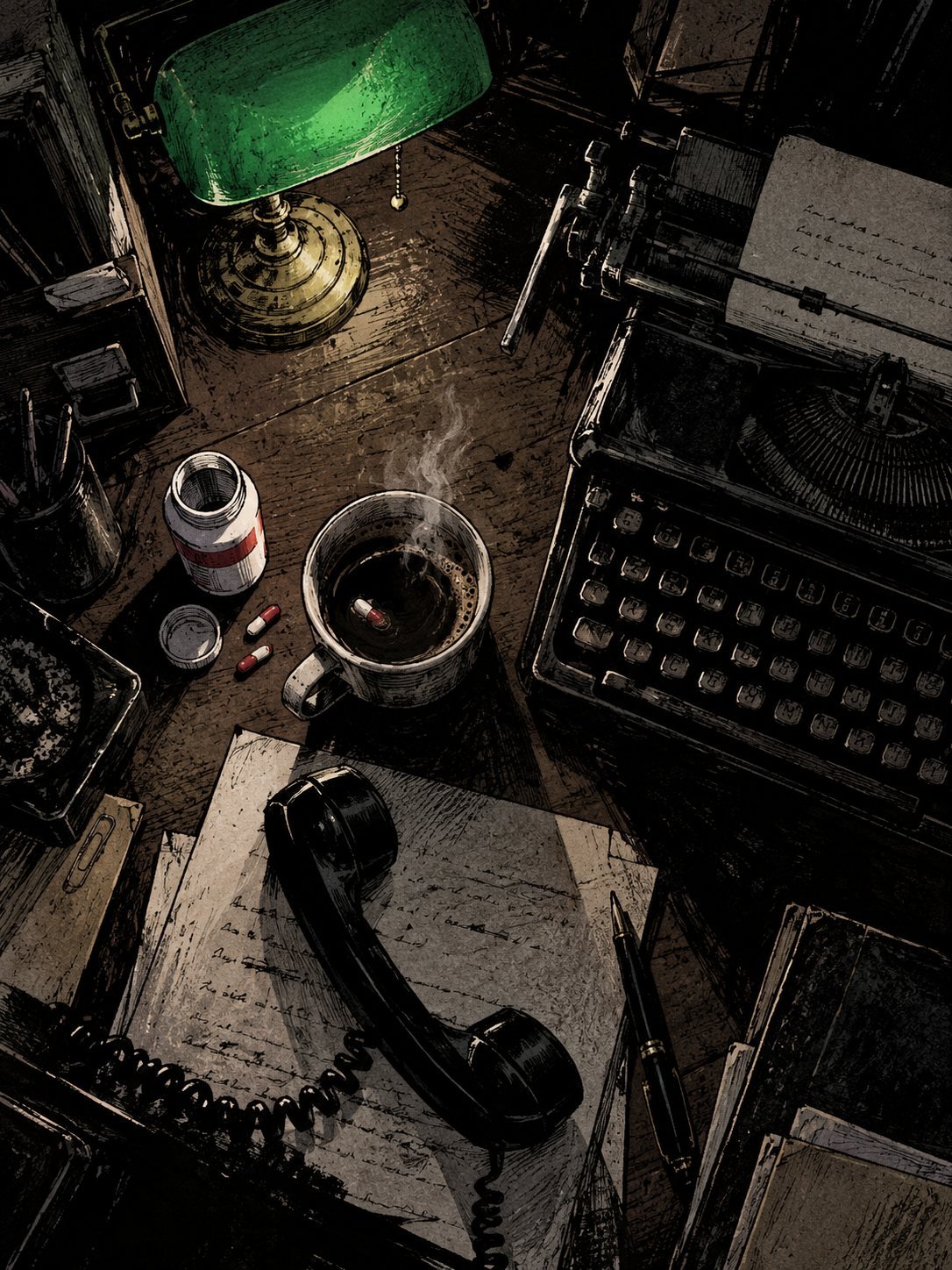
Mary McFarland was 31. She died the same week.
The coverage of her death is brief, and we will keep it brief here too, because the sources say little more. But even in a few lines, her story is the same as the others. Someone who took a capsule from a bottle of Extra-Strength Tylenol and did not survive.
By now the pattern was starting to form. Different towns. Different ages. Different families. Deaths that came on suddenly, with no clear cause.
Imagine being a doctor or a coroner that week. You see one unexplained death, then another, then another. They do not know each other. They did not eat at the same restaurant or work at the same place.
What would make you look at a bottle of headache pills?
Somewhere in the Chicago area, people were starting to ask exactly that question. But there was still one more victim to come. (Wikipedia)
A store camera caught her buying the bottle
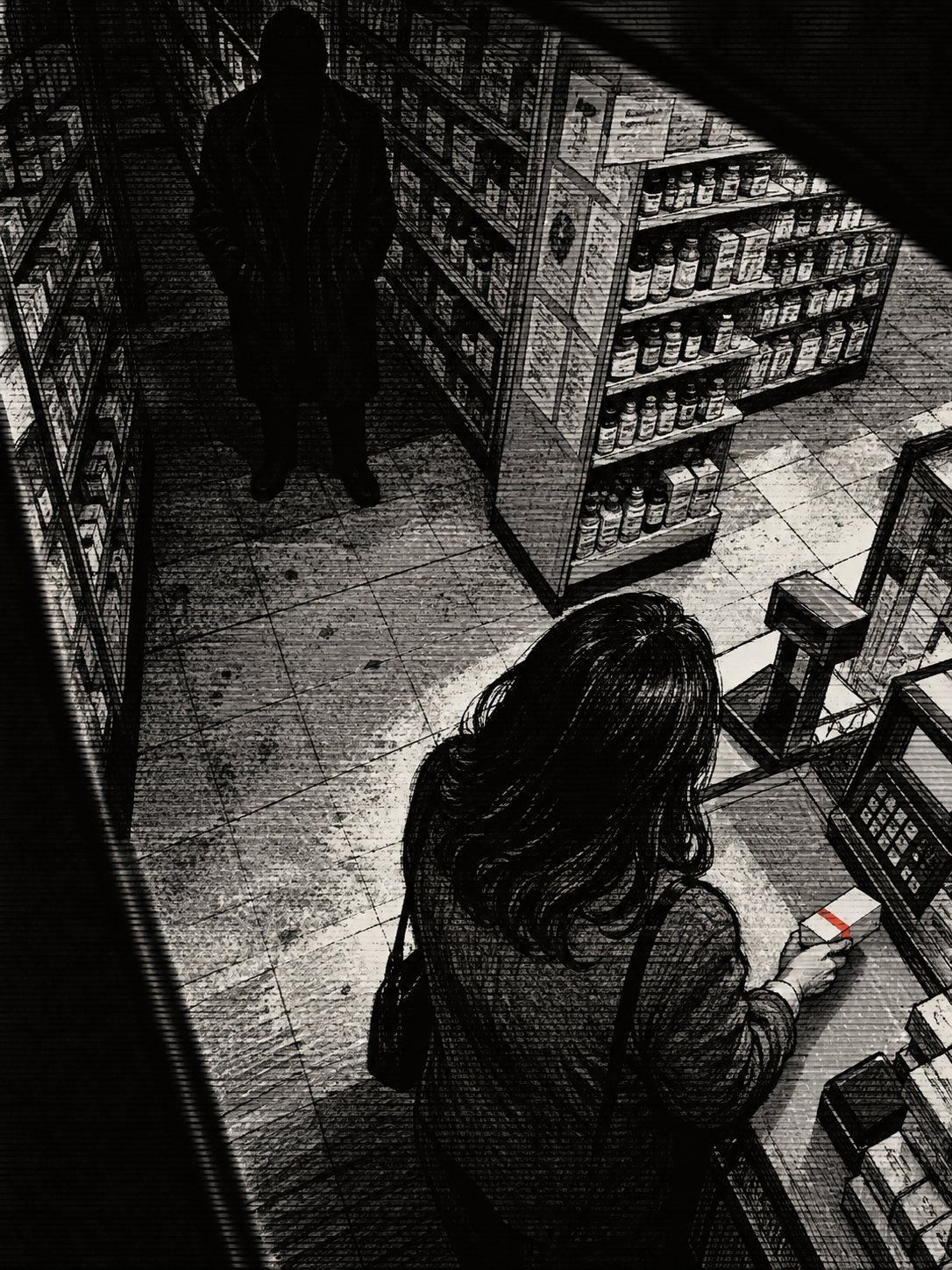
Paula Prince was 35. She was caught on a store camera buying a bottle at a Walgreens, a big drugstore chain.
It is one of the most haunting images in the whole case. A security camera frame of a woman doing something completely normal. Paying for medicine.
She was found dead in her Chicago apartment.
That camera footage raises an obvious question. If the store had a camera, did it catch the poisoner too? Could investigators see who had been near those shelves?
The sad answer lies in how the crime worked. The killer did not have to be in the store at the same time as the victim. The bottles could have been placed on the shelf hours or days earlier. In 1982, nobody was watching the medicine aisle closely.
So the camera captured the victim. It did not capture the person who had changed what was inside the bottle. Seven people were now dead. And people were finally starting to connect the dots. (Wikipedia)
The nurse who found the bottle in the Janus house
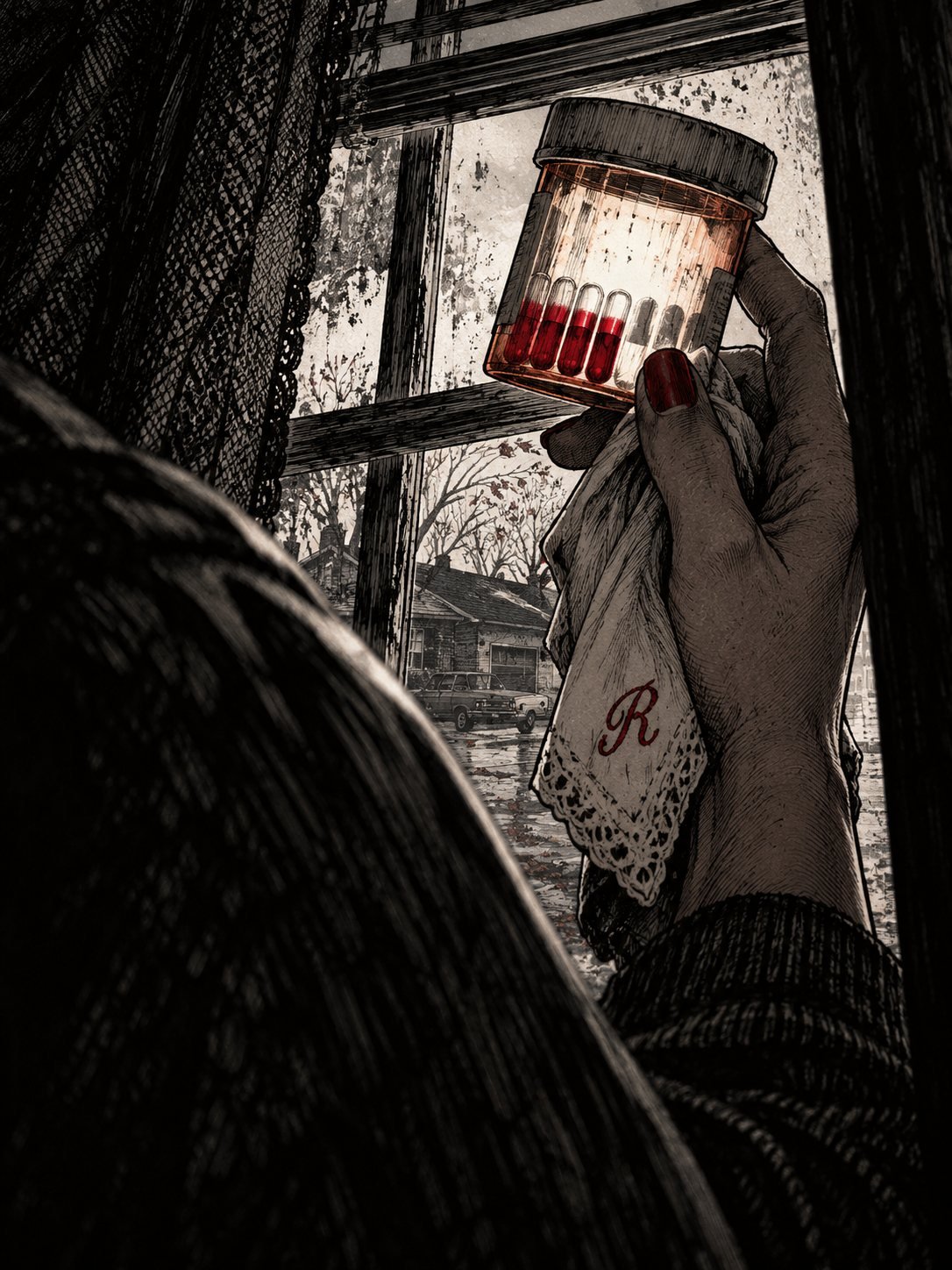
A local public-health nurse went to the Janus house. Public-health nurses work for local health departments. Part of their job is to track down the cause when illness strikes several people at once.
Three people in one home had died. Something in that house had to explain it. She found the bottle of Extra-Strength Tylenol. Six capsules were missing.
That number mattered. It suggested how many pills had been taken from the bottle, by the people who had died. It also meant the rest of the bottle was still there, untouched, and could be tested.
It sounds simple now. Of course you check the medicine. But a bottle of ordinary painkillers was not an obvious place to look for a killer.
This one bottle turned the case. Until now, police had been looking at a cluster of strange deaths.
Now they had a suspect object. All they had to do was open it. (Wikipedia)
He opened the bottle and smelled bitter almonds
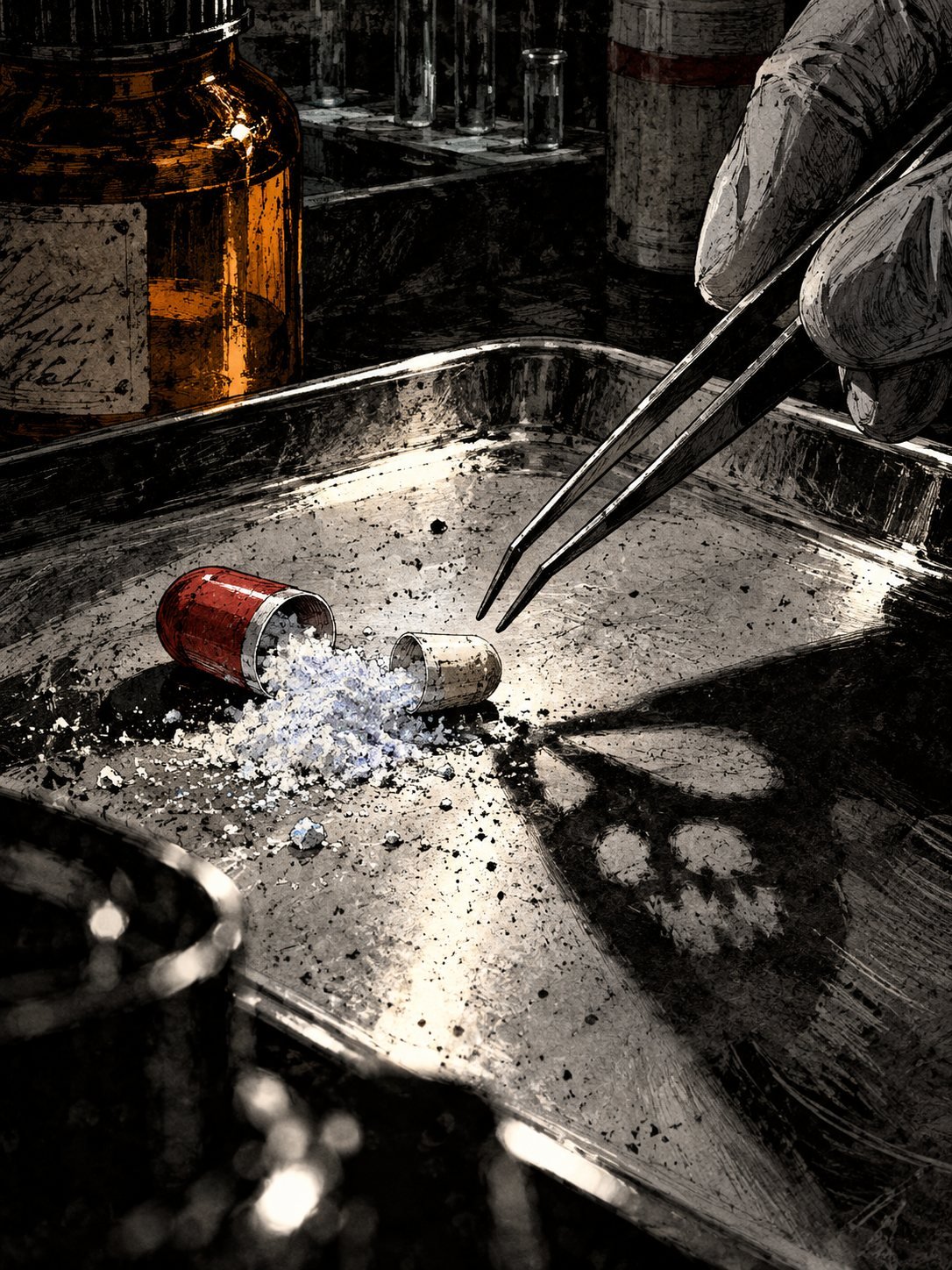
An investigator opened the bottle and smelled bitter almonds.
That smell is a classic warning sign. Cyanide is known for giving off the scent of bitter almonds, though not everyone can smell it. To someone who knows, it is unmistakable.
The capsules were tested. It was cyanide. Cyanide is a poison that stops the body from using oxygen. It works fast, which helps explain why the victims died so suddenly.
And the amounts were terrifying. Some capsules held nearly three times a fatal dose. That means one capsule was more than enough. The person who filled them was not trying to make someone sick. The amount was meant to kill.
The exact poison was potassium cyanide.
Now investigators knew how the seven had died. What they did not know was how many more poisoned bottles were still out there. On shelves. In homes. In handbags and desk drawers. Every hour mattered. (Wikipedia)
The girl’s bottle came from the same factory batch
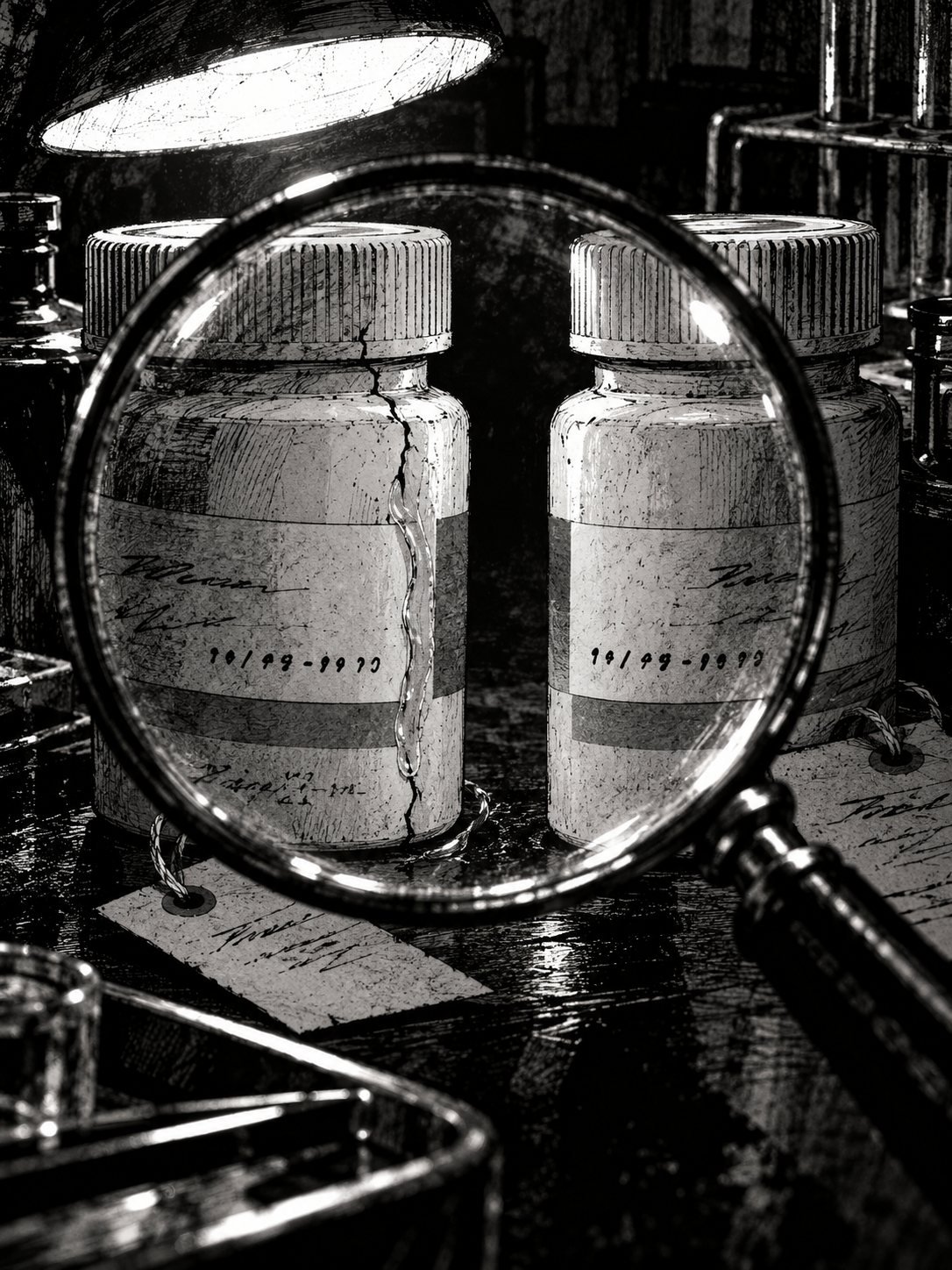
Paramedics had kept the bottle from the Kellerman home, where 12-year-old Mary had taken her one capsule.
Investigators compared it with the bottle from the Janus house. It came from the same production lot.
A production lot is a batch of medicine made together in a factory. Every bottle carries a lot number, so companies can trace problems back to a specific run. If two poisoned bottles come from the same lot, the first thought is: was the batch contaminated at the factory?
If that were true, the danger could have reached far beyond Chicago.
But as the investigation went on, the picture turned out differently. The poisoned bottles found across the area came from different factories. And they turned up in different stores all around Chicago.
That pointed to something worse than an accident. Someone had tampered with the bottles after they reached the shelves. The danger was not in the factory. It was in the aisle. (Wikipedia)
The warning went out on every TV and radio
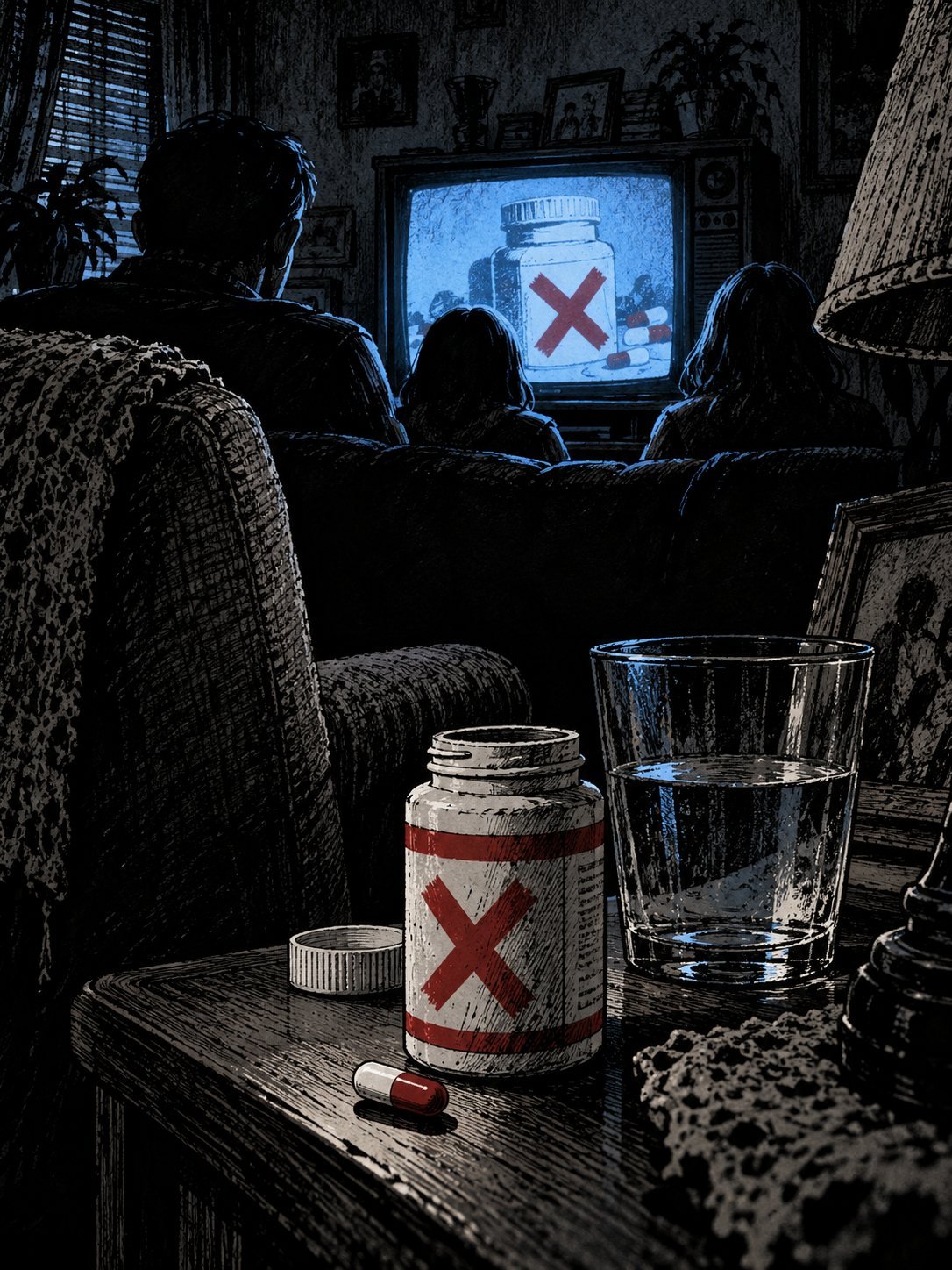
The warning went out across the country on television and radio. Do not take Extra-Strength Tylenol.
In 1982, there was no internet and no smartphone alert. News moved through TV broadcasts, radio bulletins and newspapers. The message had to reach millions of homes at once.
People emptied their medicine cabinets.
Think about what that meant. Tylenol was the most trusted painkiller in America. People gave it to their children. And suddenly, a bottle in your own bathroom might kill you.
The fear spread far beyond Chicago. Nobody knew whether the poisoner had struck only there, or whether the same thing could happen in any other city.
A medicine that everyone trusted had turned into something people were afraid to touch. The company that made it now had to decide what to do. (Wikipedia)
31 million bottles, pulled off shelves nationwide
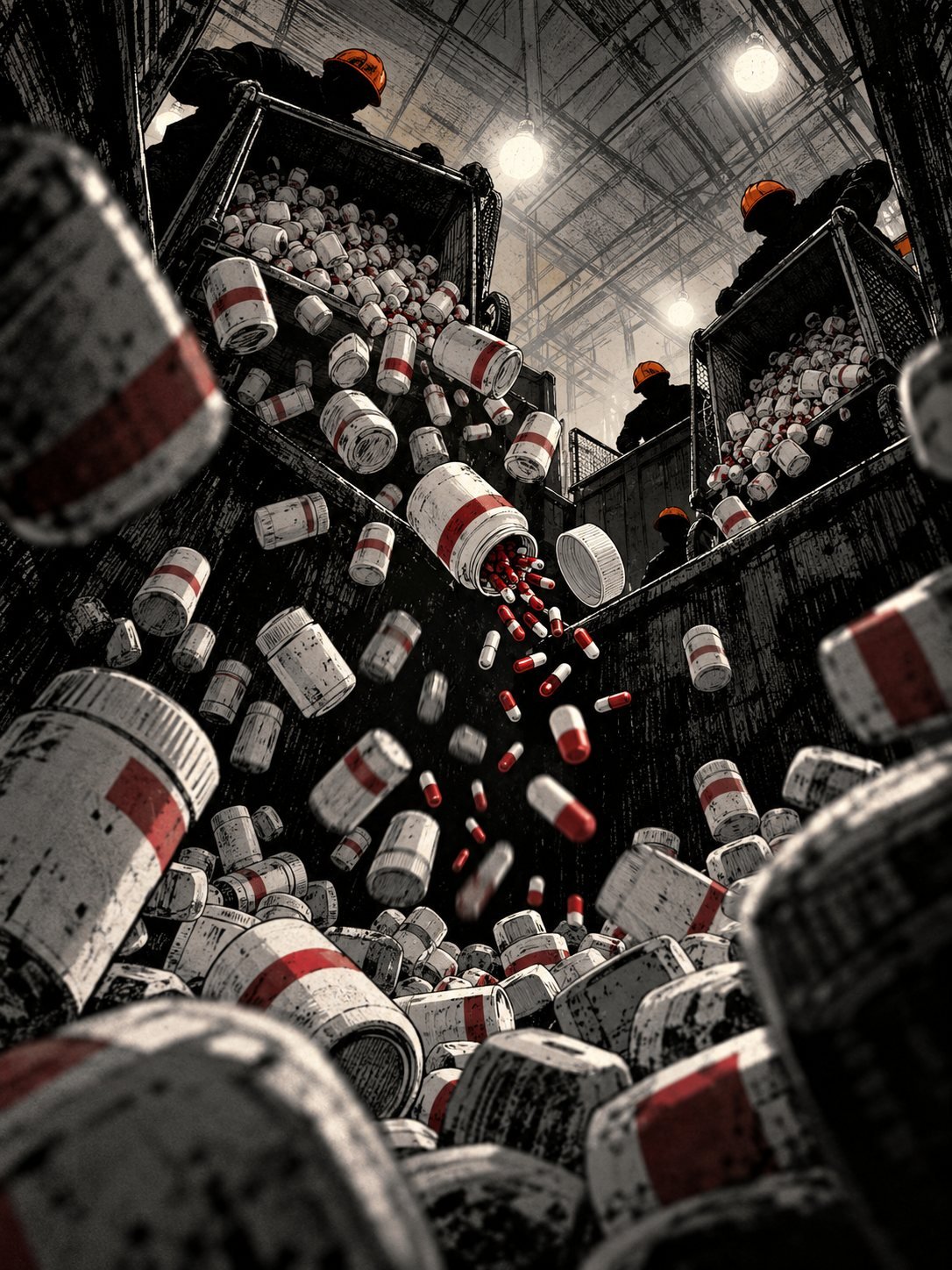
The company recalled an estimated 31 million bottles across the United States.
A recall means the company asks stores and customers to return the product so it can be removed from sale. This was not a small, local recall. It covered the whole country. The nationwide recall came on October 5, 1982.
That is tens of millions of bottles, pulled from shops in every corner of the country.
And remember: the poisoned bottles were found in the Chicago area. The company pulled its product from every store in America anyway, because nobody could be sure the killer had stopped there.
Whatever it cost, it sent a clear message. The company was putting safety first.
For investigators, though, the recall did not answer the main question. Who had done this? Then, days later, a letter arrived. (Wikipedia)
Then came a letter: one million dollars to stop
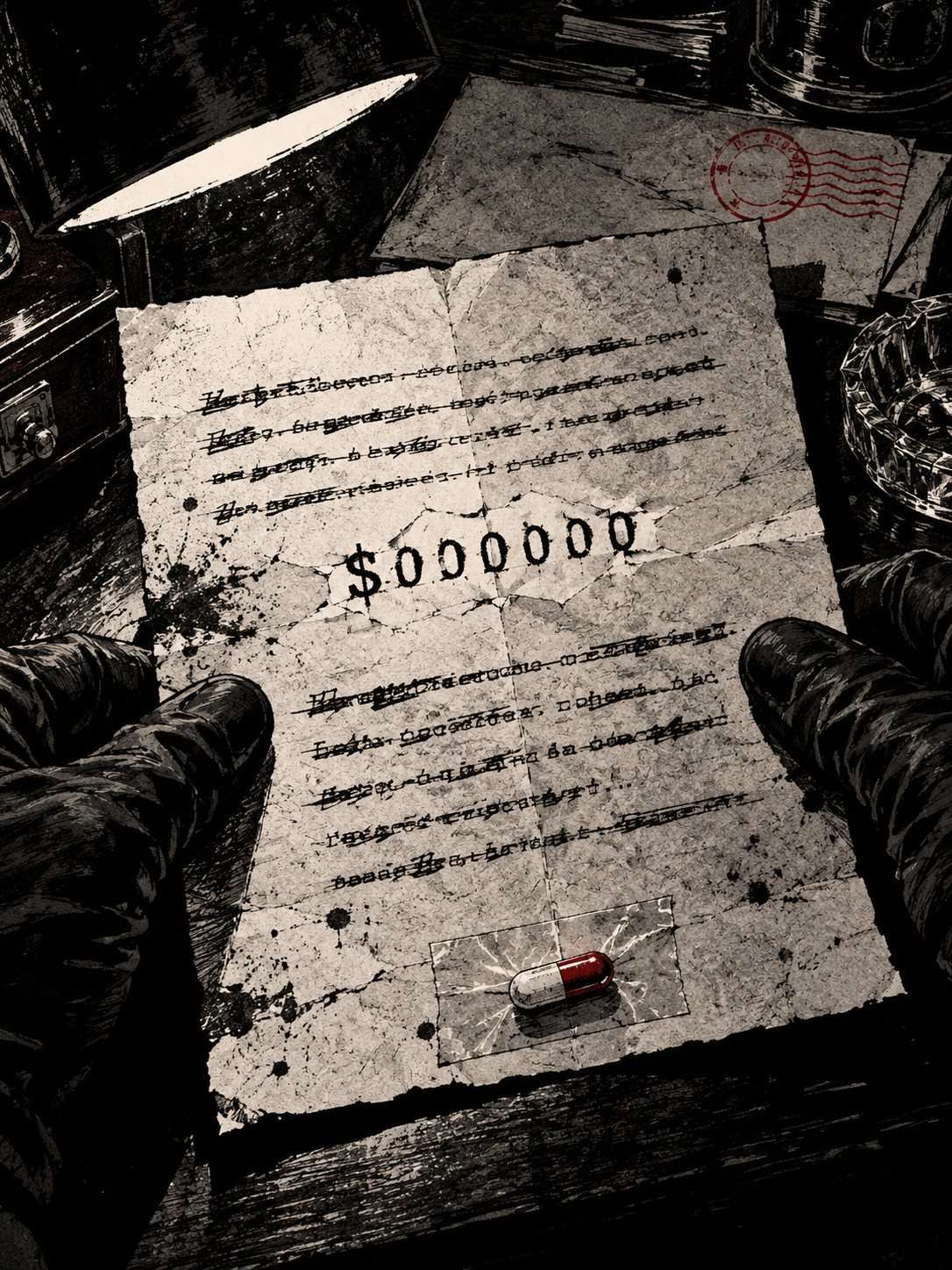
Days later, the company received a letter. It demanded $1 million to stop the killings.
This is called extortion: demanding money by threatening harm. The letter writer was claiming the power to stop the deaths, if the company paid.
For investigators, a letter like this is both a lead and a trap. It could come from the killer. Or it could come from someone trying to cash in on a crime they had nothing to do with.
The letter was sent to Johnson & Johnson, the company behind Tylenol. Years later, by 2007, investigators found something hidden on it. Under layers of ink, there was a postmark: October 1, 1982.
Why does that matter? A postmark that early suggests the letter was mailed before the public knew the deaths were linked to the pills.
If that is right, how did the writer already know? The letter led to a name. (Wikipedia)
James Lewis: prison for the letter, never charged with murder
The letter was traced to a man named James Lewis.
He was convicted of extortion on October 28, 1983, and went to prison. Sources give slightly different figures for how long: one says more than 12 years, another says 13 years, counting a separate mail fraud case.
He always denied poisoning anyone.
Lewis remained the best-known name in the case for decades. The FBI searched his home in Cambridge, Massachusetts, in February 2009. In an FBI undercover video, he said the letter had taken him three days to write. When an agent counted back on a 1982 calendar, Lewis blamed a “faulty memory.”
Investigators reportedly believed they had a “chargeable, circumstantial case.” But prosecutors never acted on it.
James Lewis was never charged with the murders. Writing the letter was the only crime he was convicted of in this case. And he was not the only man police looked at. (WTTW)
A dock worker who said he had cyanide
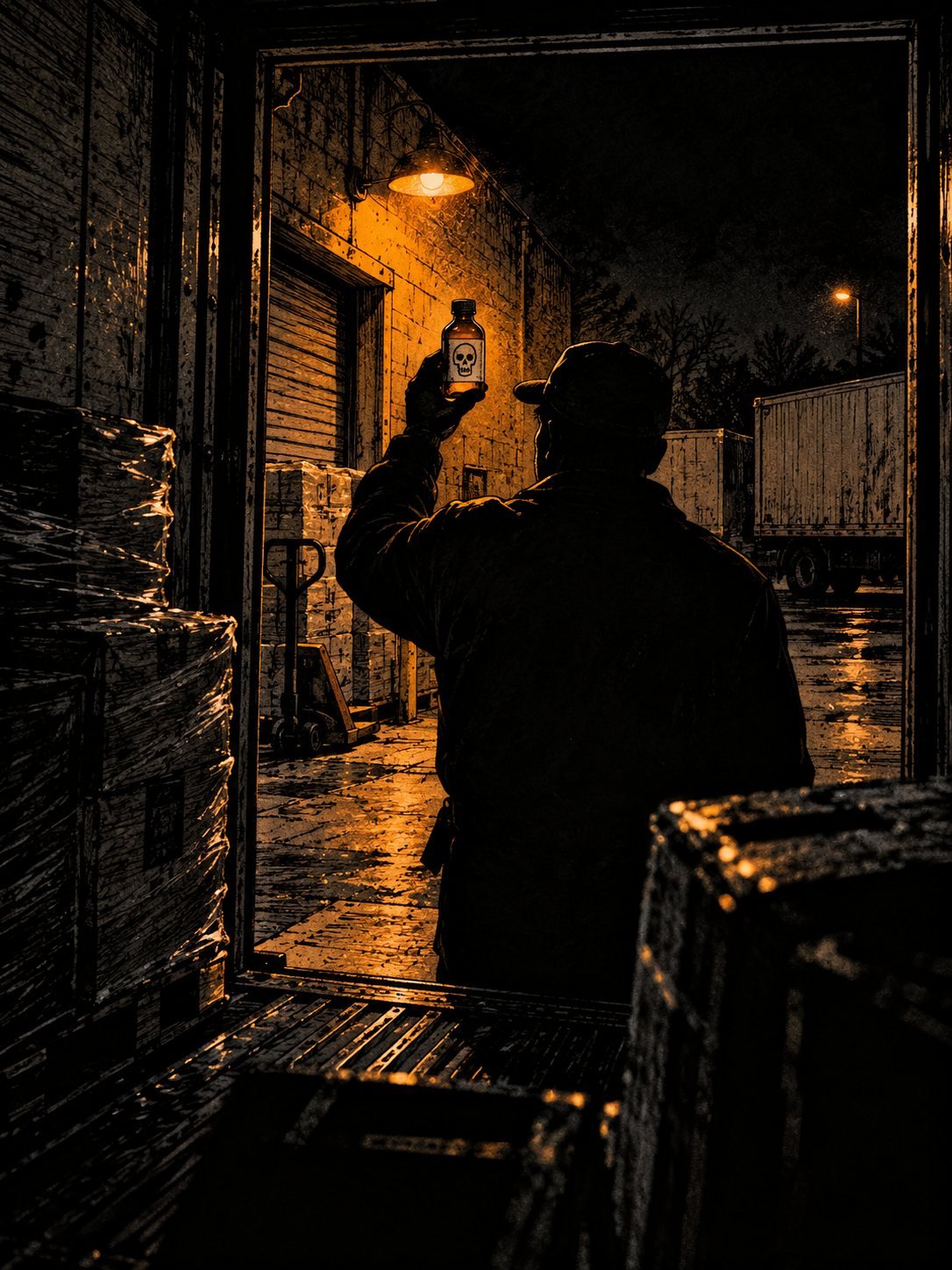
Another man was Roger Arnold. He was a dock worker for a supermarket chain, Jewel. Dock workers load and unload trucks at the back of the store, where goods arrive.
Arnold had told police he had cyanide. To investigators hunting a cyanide poisoner, that was impossible to ignore. He was questioned and searched.
But he was never charged in the poisonings. Arnold later went to prison for an unrelated killing. He died in 2008.
His case shows how hard this crime was to solve. Plenty of people had access to stores. Plenty of people could, in theory, get hold of cyanide. Being able to do something is not the same as having done it. Without a witness, a confession or physical proof linking someone to the bottles, there was no case to bring.
Two men had been named. One had written the letter. One had talked about the poison.
Years later, science gave investigators a new way to test both. (WTTW)
Years later, the DNA matched neither man
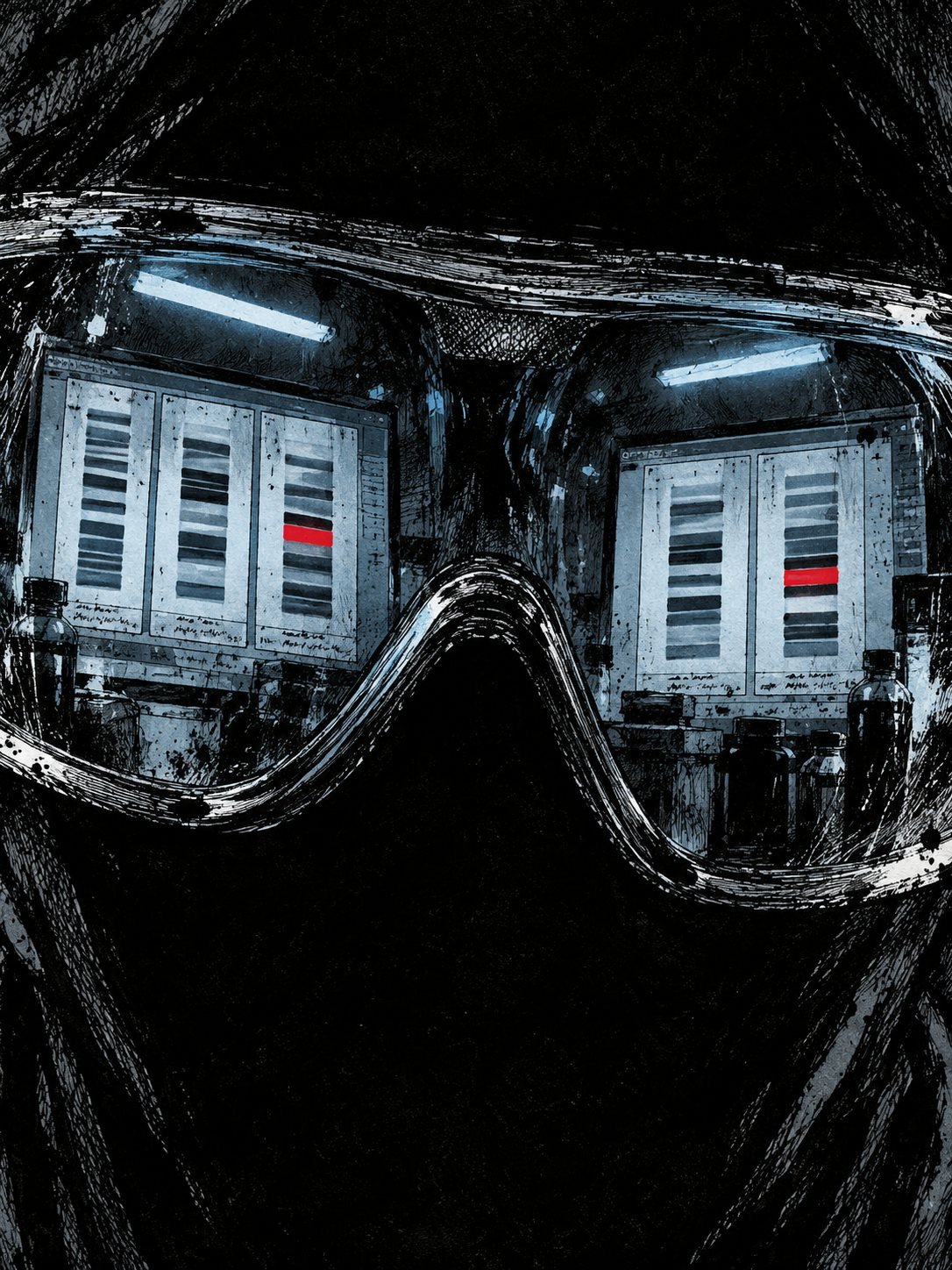
In 2010, investigators compared DNA from the bottles with both men.
James Lewis gave samples under a grand jury subpoena. A subpoena is a court order that requires someone to hand over evidence. Roger Arnold had died, so his body was exhumed, meaning it was taken from his grave, in June 2010 to get his DNA.
Neither matched.
There is an important detail most coverage missed. A sealed court petition said testing of three bottles and capsules had produced DNA. Several of the DNA profiles were set aside because they belonged to people who had handled the evidence over the years.
So “no match” does not mean the bottles held no usable DNA. It means the DNA that was found did not belong to Lewis or Arnold.
Whether any unexplained profile remains, and who it might belong to, has not been made public. The case did not close. But the murders had already changed the world in a way you can still feel today. (WTTW)
Why every medicine bottle now has a seal
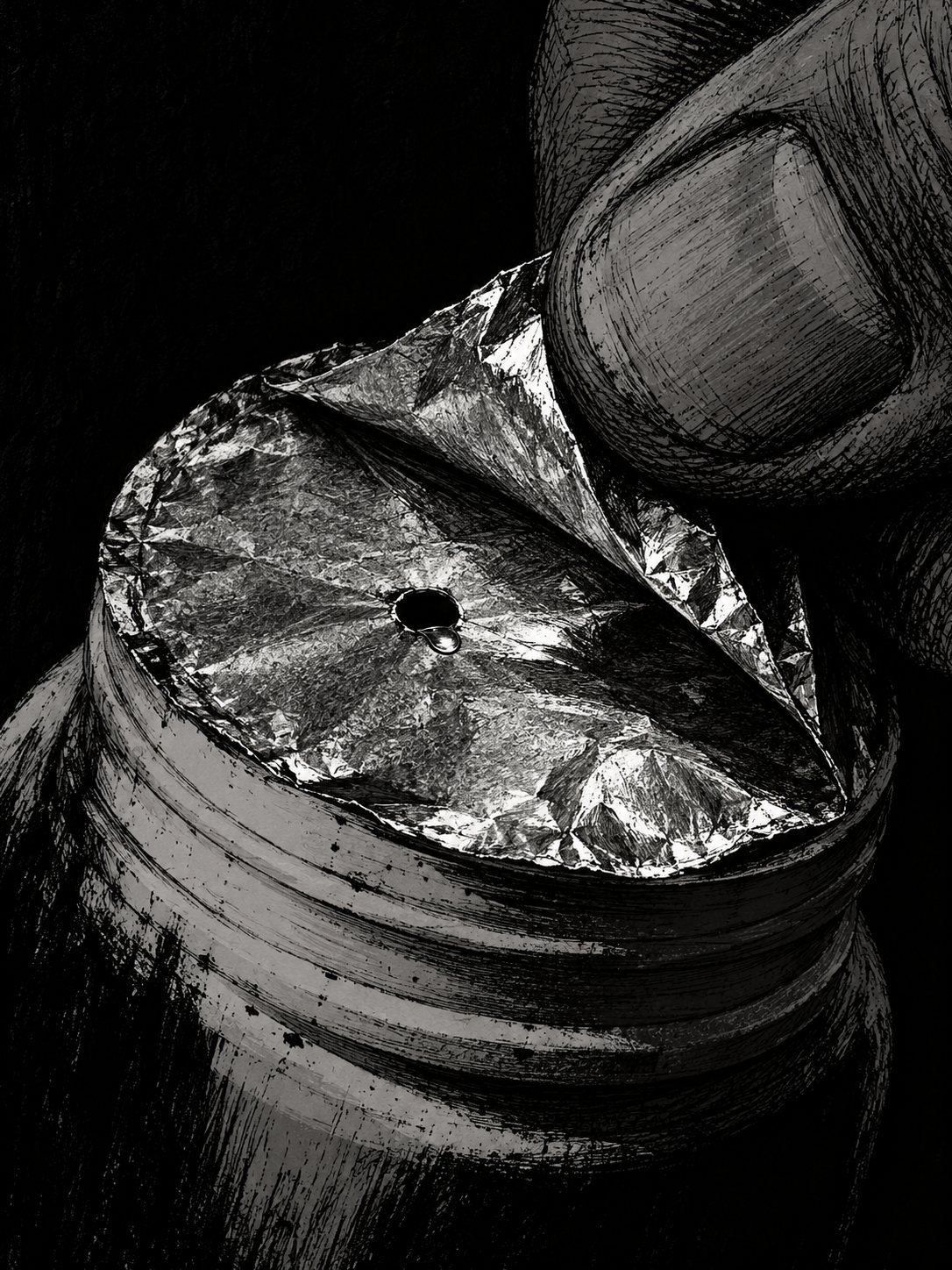
The murders changed every medicine cabinet in America.
In 1983, Congress passed the Federal Anti-Tampering Act. Tampering with products became a federal crime. That means it is investigated and prosecuted at the national level, not just by local police. And companies began sealing their packages.
Think about the last time you opened a new bottle of pills. You probably had to peel back a foil seal under the cap. Maybe there was a plastic band around the neck, or the box itself was sealed. If any of those were broken, you would know something was wrong.
That is the point. A seal does not make tampering impossible. It makes it visible.
Before 1982, a bottle could be opened and closed again with no trace. Afterwards, a broken seal became a warning sign anyone could see.
Every time you peel back that foil, you are touching the legacy of seven people who died in the fall of 1982.
Lewis died. A chemist’s name surfaced in Idaho.
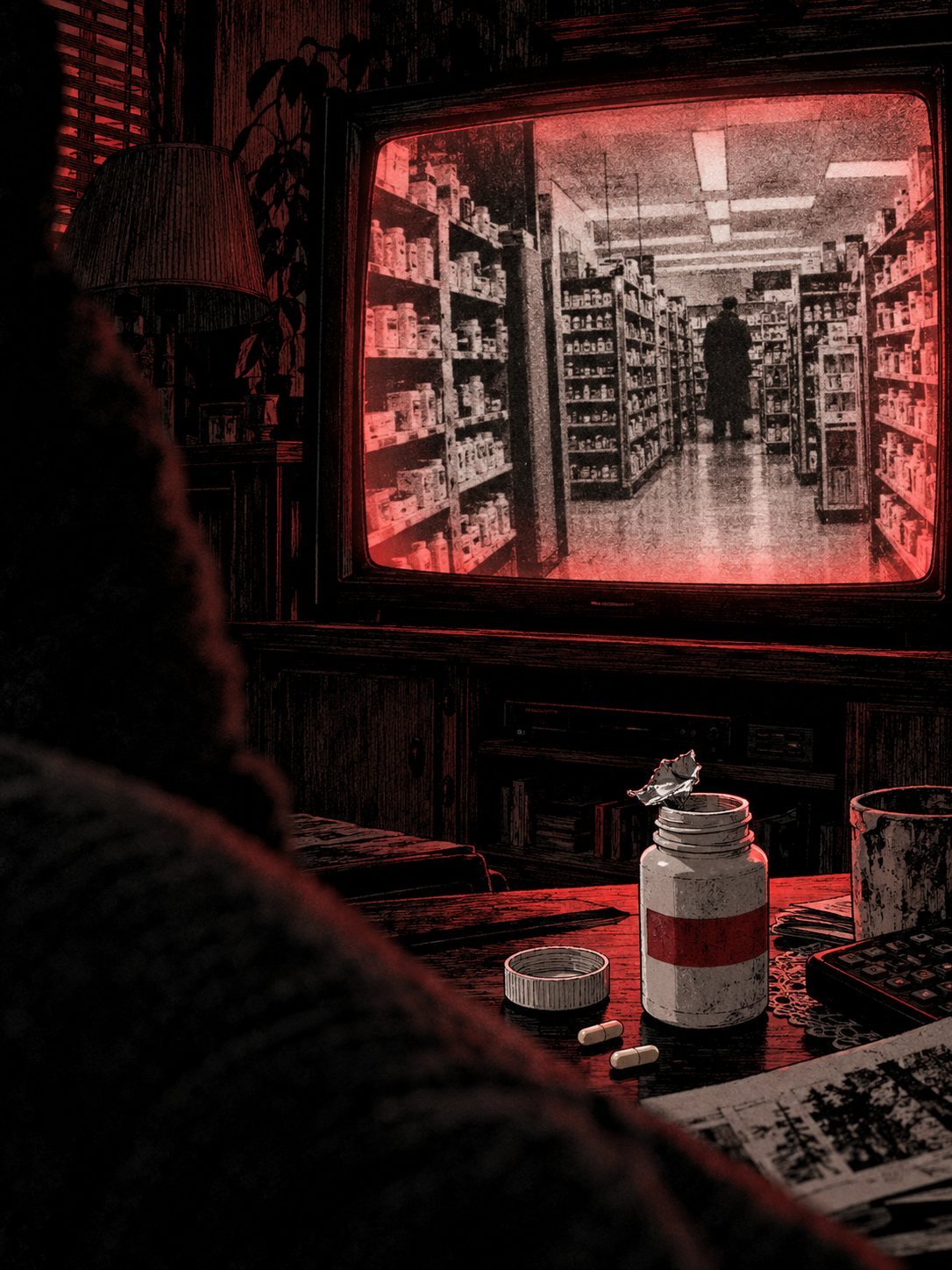
James Lewis died in 2023. He was 76, and was found dead at home on July 9. Police called it “not suspicious.” He had never been charged with the murders.
In 2025, a Netflix series, Cold Case: The Tylenol Murders, brought the case back to millions of viewers. It did not name a killer.
Then, in September 2026, a new name entered the record. In Idaho, the Ada County Sheriff’s Office identified a man who had died of cyanide in a Boise church on December 4, 1982. For decades he had been known only as the “Unknown Wanderer.” He was Dr. Mathew Francis Betkouski, an organic chemist.
Investigators looked at a possible link to Chicago. The sheriff called him a “viable suspect.” But the detective on the case said, “we’re not naming him as a suspect,” and that he could not place him in Chicago in the final week of September 1982.
He has never been charged. (Netflix Tudum)
Someone walked in, and walked out again
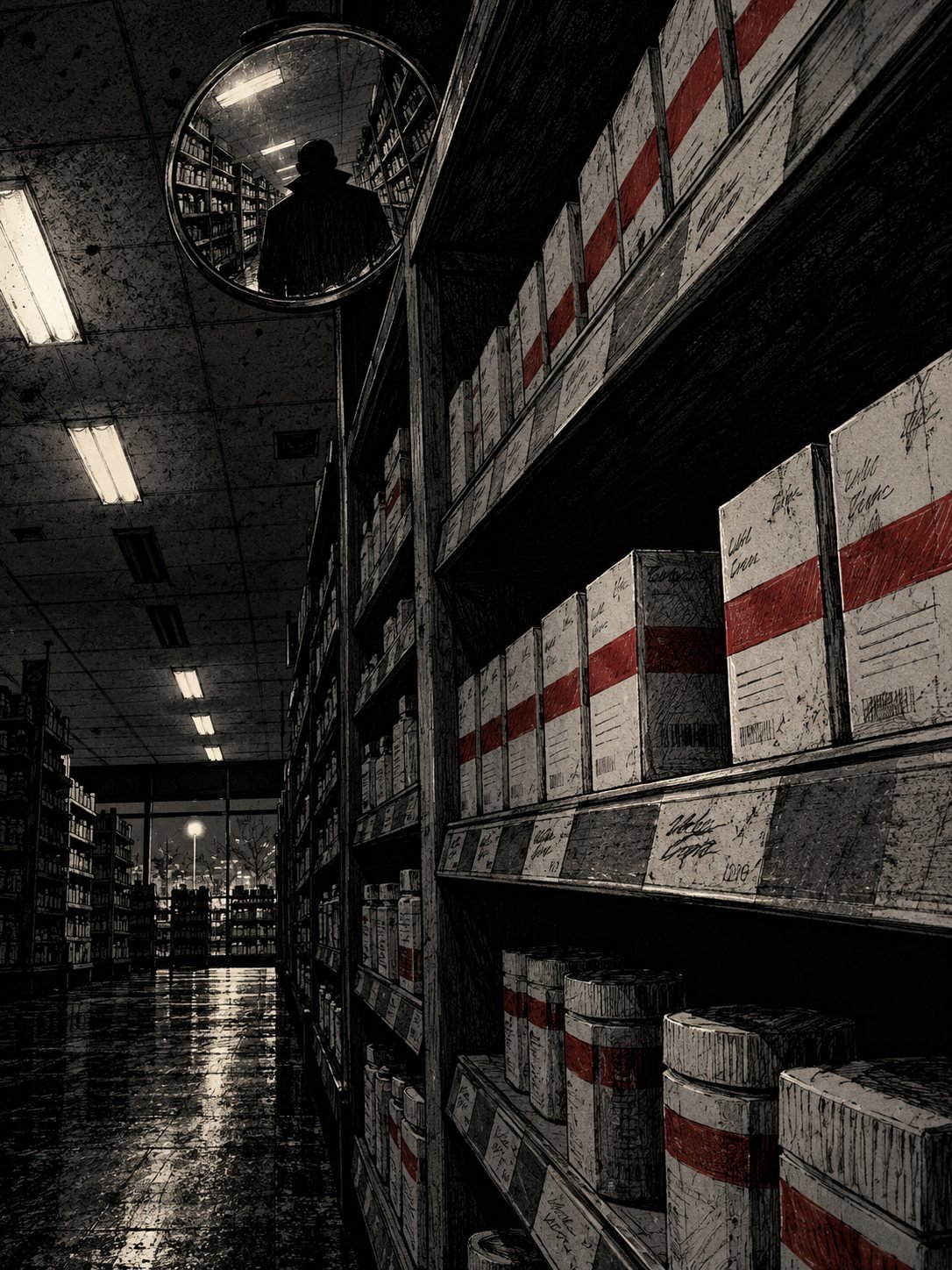
Seven people died. Mary Kellerman. Adam Janus. Stanley Janus. Theresa Janus. Mary Reiner. Mary McFarland. Paula Prince.
More than forty years later, no one has been charged.
The case has been reopened, reorganized and handed between agencies. A task force was rebooted in 2010 and dissolved in 2013, when Arlington Heights police took primary responsibility. In 2026, the FBI described itself as the lead agency. Chicago police still call it an open cold case.
The questions are still there. Where was Mathew Betkouski in late September 1982? The Idaho detective put it plainly: “I cannot put his shoes in a pharmacy store aisle 44 years ago.” Does any unexplained DNA profile from the bottles remain, and could it point to someone? How did a letter come to be mailed on October 1?
The answers may still be out there.
What we know for certain is how it was done. Someone walked into those stores, and walked out again.
Case notes: a letter, a dock worker, and a chemist who died in Boise
For four decades the Tylenol case was told as a story about two men. James Lewis wrote the $1 million extortion letter and served prison time for it. Roger Arnold, a Jewel dock worker who talked about cyanide, was questioned and cleared of the poisonings. DNA testing in 2010 matched neither of them (Chicago Tribune).
In September 2026 a third name entered the record. The Ada County Sheriff’s Office in Idaho identified the “Unknown Wanderer,” a man who died of cyanide in a Boise church on December 4, 1982, as Dr. Mathew Francis Betkouski, an organic chemist (News4JAX). Investigators examined a possible link to Chicago but said plainly that he is not named as a suspect and that they cannot place him in Chicago in the final week of September 1982 (KBOI/WSMV).
The FBI said that claims linking other cases to the Tylenol murders over 44 years have been “unsubstantiated,” and Chicago police called the poisonings an “open cold case” (Newsweek). No one has been charged.
Timeline
| Date | What happened |
|---|---|
| Sept. 29, 1982 | Seven people take cyanide-laced Extra-Strength Tylenol capsules in the Chicago area within about 24 hours (Chicago Tribune) |
| Oct. 1, 1982 | Postmark date on Lewis’s extortion letter to Johnson & Johnson, found hidden under layers of ink by 2007 (Chicago Tribune) |
| Oct. 5, 1982 | Nationwide recall; about 31 million bottles were in circulation (Wikipedia) |
| Oct. 15, 1982 | Betkouski leaves his Las Cruces, New Mexico, residence for the last time (News4JAX) |
| Dec. 4, 1982 | An unidentified man dies of cyanide at Sacred Heart Catholic Church in Boise (AZFamily) |
| 1983 | Congress passes the Federal Anti-Tampering Act (NBC News) |
| Oct. 28, 1983 | Jury convicts Lewis of extortion (Wikipedia) |
| Feb. 2009 | FBI searches Lewis’s Cambridge, Massachusetts, home (ABC News) |
| Jan.–June 2010 | Lewis gives samples under a grand jury subpoena; Arnold’s body is exhumed in June for DNA. Neither matches (Chicago Tribune) |
| 2019 | Ada County Detective Tim Cooper reopens the Boise case (News4JAX) |
| July 9, 2023 | Lewis, 76, is found dead at home; police call it “not suspicious” (AP) |
| Sept. 23, 2026 | Ada County names the Unknown Wanderer as Betkouski (Spokesman-Review) |
What the sources agree on, and where they don’t
| Detail | Source A says | Source B says |
|---|---|---|
| When Mary Kellerman took the capsule | Hospitalized Sept. 28, died the next day (Wikipedia) | All seven took capsules in a 24-hour period on Sept. 29 (Chicago Tribune) |
| Lewis’s time in prison | “More than 12 years” (AP) | 13 years, for the letter and a separate mail fraud case (ABC News) |
| Where Betkouski lived when he vanished | Jacksonville, Florida, according to his brother (Newsweek) | Las Cruces, New Mexico, which he left on Oct. 15, 1982 (AZFamily) |
| The relative whose DNA confirmed the ID | A brother in the Los Angeles area, his “sole surviving immediate family member” (News4JAX) | A brother who lived in Los Angeles until his death in 2021 (Newsweek) |
| How strong the Tylenol link is | Sheriff Matt Clifford called him a “viable suspect”; psychiatrist Park Dietz believes he was the killer (Spokesman-Review) | Detective Cooper: “we’re not naming him as a suspect” (KBOI/WSMV); ex-prosecutor Jeremy Margolis called the profile “laughable” (Spokesman-Review) |
Details most coverage missed
The hidden postmark. By 2007, investigators found an October 1, 1982 postmark under layers of ink on Lewis’s letter. In an FBI undercover video, Lewis said the letter took him three days to write. When an agent counted back on a 1982 calendar, Lewis blamed a “faulty memory” (Chicago Tribune). A postmark that early suggests he mailed it before the public knew the deaths were linked to the pills (NBC News).
What the 2010 DNA actually found. A sealed exhumation petition said testing of three bottles and capsules produced nuclear and mitochondrial DNA. Several profiles were set aside because they belonged to people who had handled the evidence (Chicago Tribune). “No match” for Lewis and Arnold does not mean the bottles held no usable DNA.
The Betkouski file has gaps cutting both ways. In March 1982, police were called when he tried to get capsules at a Las Cruces pharmacy, and cyanide was found in his room (Spokesman-Review). In May 1982, an unsolved cyanide death involving encapsulated medication occurred in Las Cruces; he is not named a suspect in it (AZFamily). But the cyanide later found at his family’s Los Angeles home was sodium cyanide, not the potassium cyanide used in Chicago, and his only confirmed Chicago photos are believed to date from December 1981 (Fox News).
Who holds the case. The original task force was rebooted in 2010 and dissolved in 2013, when Arlington Heights police took primary responsibility (Chicago Tribune). In 2026 the FBI described itself as the lead agency (Newsweek), while Ada County sent its file to Chicago police (AZFamily).
What we still don’t know
- Where Betkouski was in late September 1982. Detective Cooper: “I cannot put his shoes in a pharmacy store aisle 44 years ago” (News4JAX).
- What the information Ada County shared with Chicago police but did not release publicly contains (Newsweek).
- Whether any unexplained DNA profile from the bottles remains, and whether it has been compared with Betkouski’s (Chicago Tribune).
- How Lewis’s letter came to be mailed on October 1, and why prosecutors never acted on what investigators called a “chargeable, circumstantial case” before his death (Chicago Tribune).
- Whether the May 1982 Las Cruces cyanide death is connected to anything in Chicago (AZFamily).
Case file summary
- Victims: Mary Kellerman (12), Adam Janus (27), Stanley Janus (25), Theresa Janus (19), Mary Reiner (27), Mary McFarland (31), Paula Prince (35)
- Where: Chicago metropolitan area, Illinois, USA
- When: Late September to early October 1982
- Method: Extra-Strength Tylenol capsules laced with potassium cyanide and returned to store shelves
- Recall: About 31 million bottles nationwide
- Extortion: James Lewis convicted in 1983 for a $1 million demand letter; never charged with the murders; died in 2023
- DNA: 2010 tests matched neither Lewis nor Roger Arnold (exhumed after his 2008 death)
- 2026: Idaho’s “Unknown Wanderer” identified as chemist Mathew Betkouski; possible link examined, not named a suspect
- Status: Unsolved; no one has ever been charged with the murders
No real person has a recognizable face in these illustrations, and no violence is shown. Illustrations are artistic interpretations, not evidence. Packaging is drawn without brand names.
Sources
- Wikipedia: Chicago Tylenol murders
- WTTW Chicago Stories: Who committed the Tylenol murders?
- Netflix Tudum: Cold Case: The Tylenol Murders
- Chicago Tribune (via NNY360): Movement in the Tylenol murders (2022)
- ABC News: James Lewis submitted DNA, print samples (2010)
- AP via PBS NewsHour: James Lewis, suspect in the 1982 Tylenol murders, dies at 76
- NBC News: James Lewis, prime suspect in unsolved Tylenol murders case, dies at 76
- News4JAX: Jacksonville connection helps crack 40-year mystery
- Spokesman-Review: Idaho officials solved a cold case that may have a connection to the Tylenol murders
- KBOI via WSMV: Police ID ‘Unknown Wanderer,’ probe possible tie to 1982 Tylenol murders
- AZFamily: Idaho cold case breakthrough possibly linked to 1982 Tylenol murders
- Fox News: Tylenol murders mystery deepens after ‘Unknown Wanderer’ identified
- Newsweek: Who is Mathew Betkouski?