Lost 6 Days in the Gippsland Bush With No Food or Phone. A Tackle Box Saved Him
Gippsland, Australia, November 2026. A 17-year-old left a bush camp near Walhalla East in shorts and work boots. For six days, hundreds of people searched.


Narrated Mystery: press play and hear the whole case read aloud, like a true crime podcast episode, or an audiobook for a long drive (about 3 minutes). The narrator is an AI voice.
What the record shows
- Who: A 17-year-old who walked away from camp with no phone, food or water
- When: Missing for six days while hundreds of people searched
- Found: A police helicopter spotted his fishing tackle box in a dry riverbed, with him beside it
Still uncertain
- Where he went in the first four days.
- How he found water.
Friday, 4 p.m.
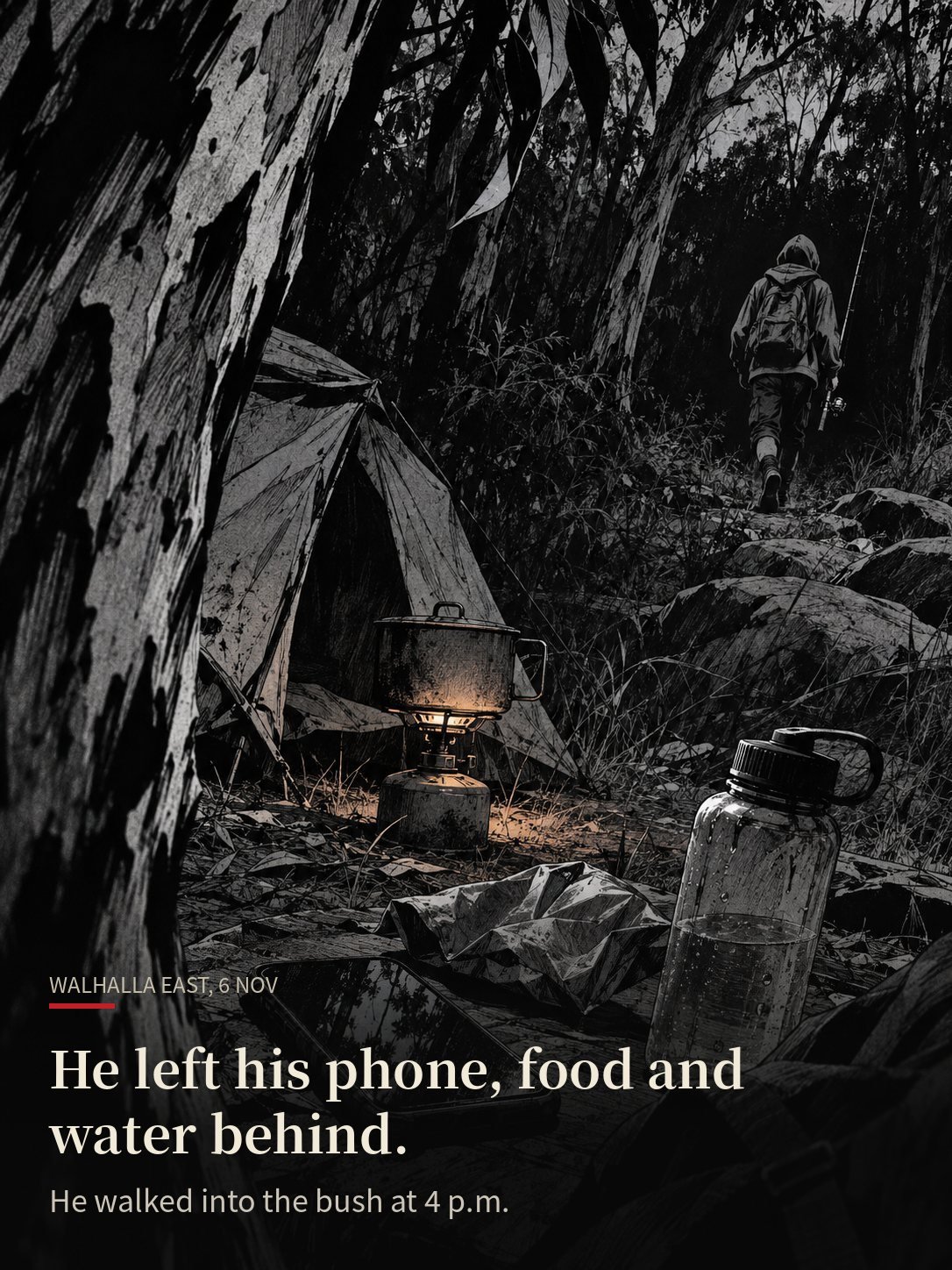
On Friday 6 November 2026, at about 4 p.m., a 17-year-old boy walked away from a makeshift camp near Walhalla East, in the bush of Gippsland, about 180 km east of Melbourne. He had been camping there with a friend. (ABC)
He was wearing shorts and work boots. (ABC)
His phone, his food and his water stayed behind at the camp. (ABC) (OZ)
Into rough country
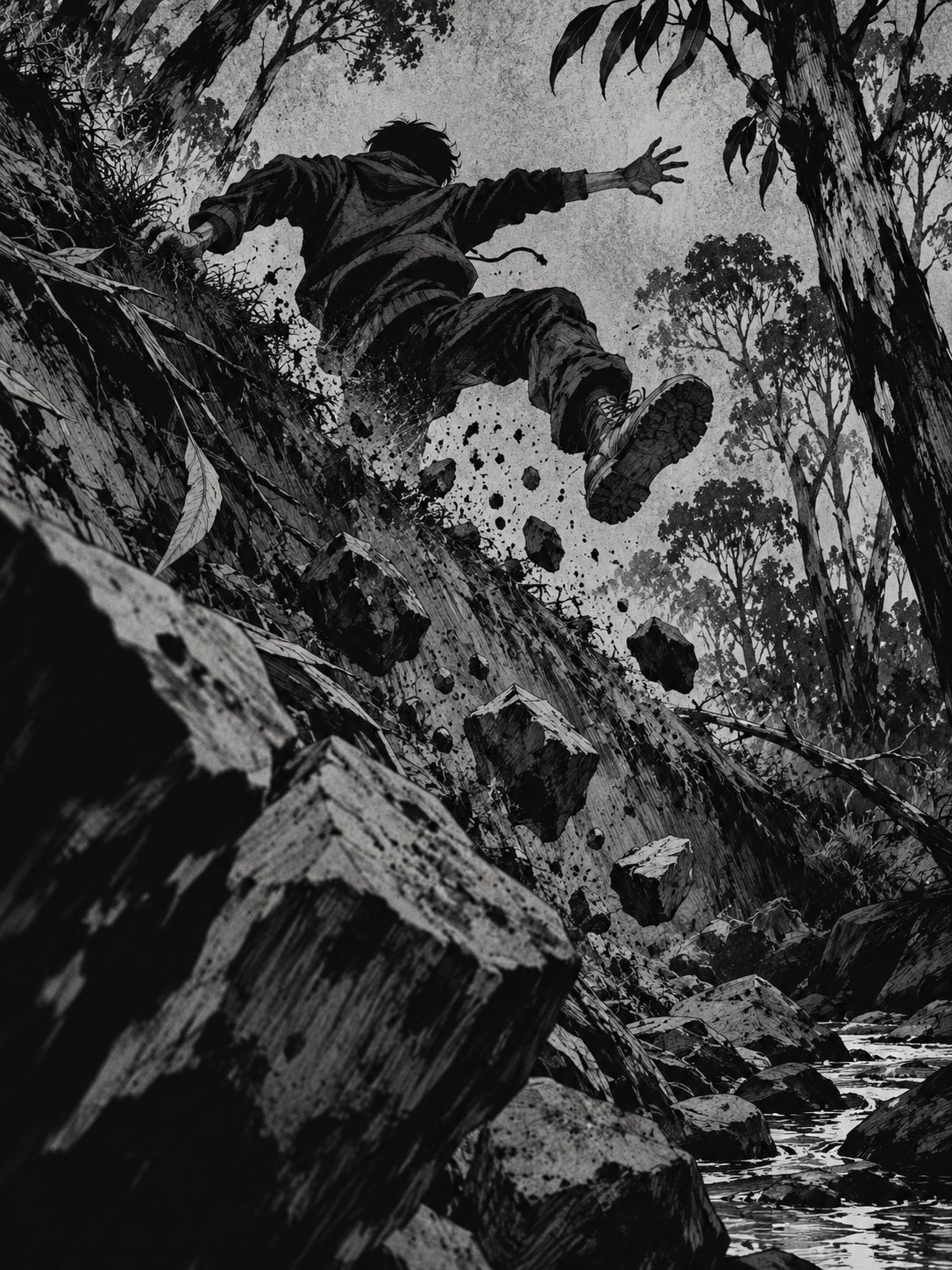
Police later said he walked for days through rugged, rocky terrain. (ABC)
Two days before he was found, he fell down a steep riverbank. After that he stopped moving. He spent the last two days sleeping and waiting for someone to find him. (ABC)
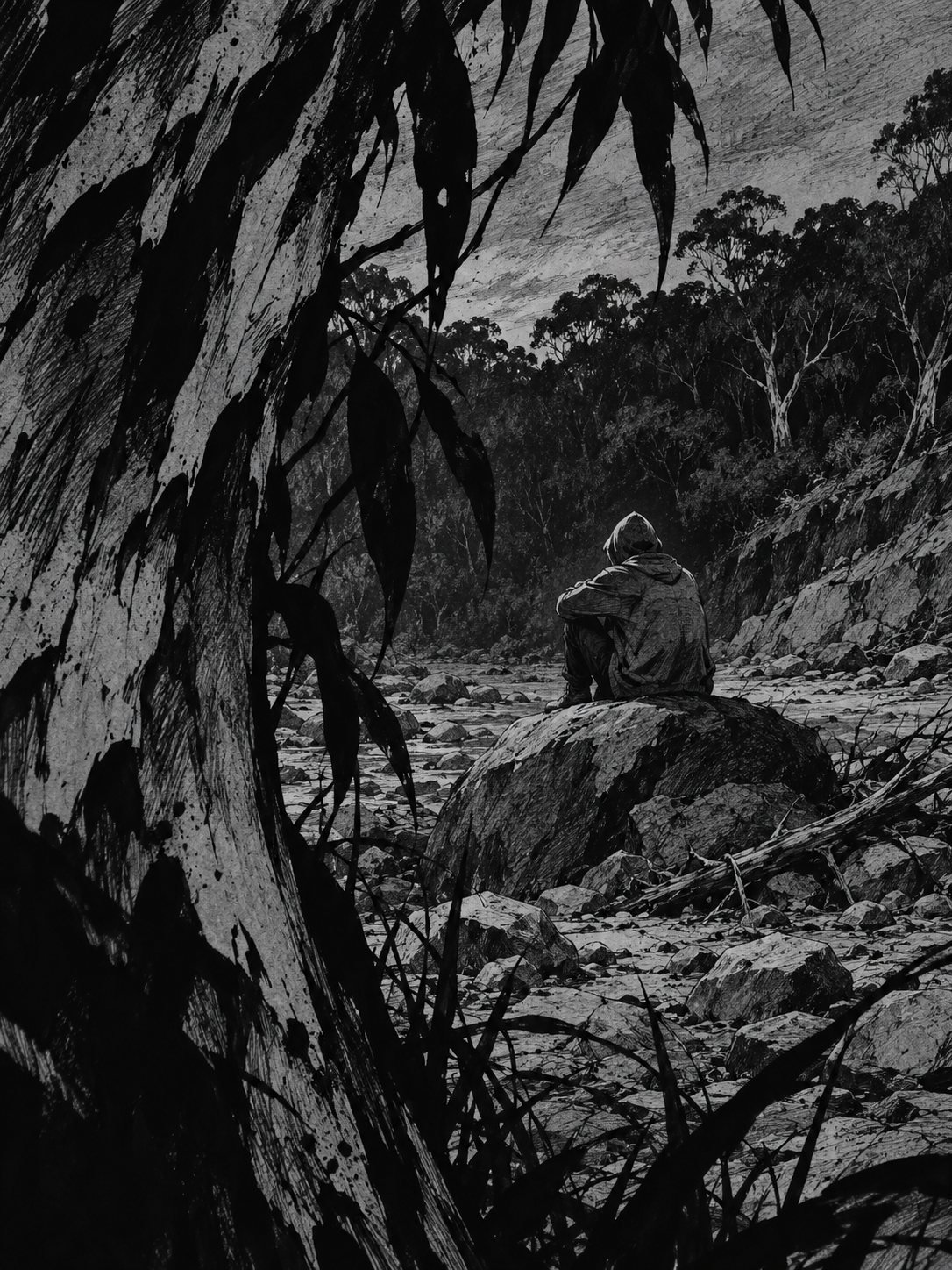
The nights were cold and the days were hot. (ABC)
Six days of searching
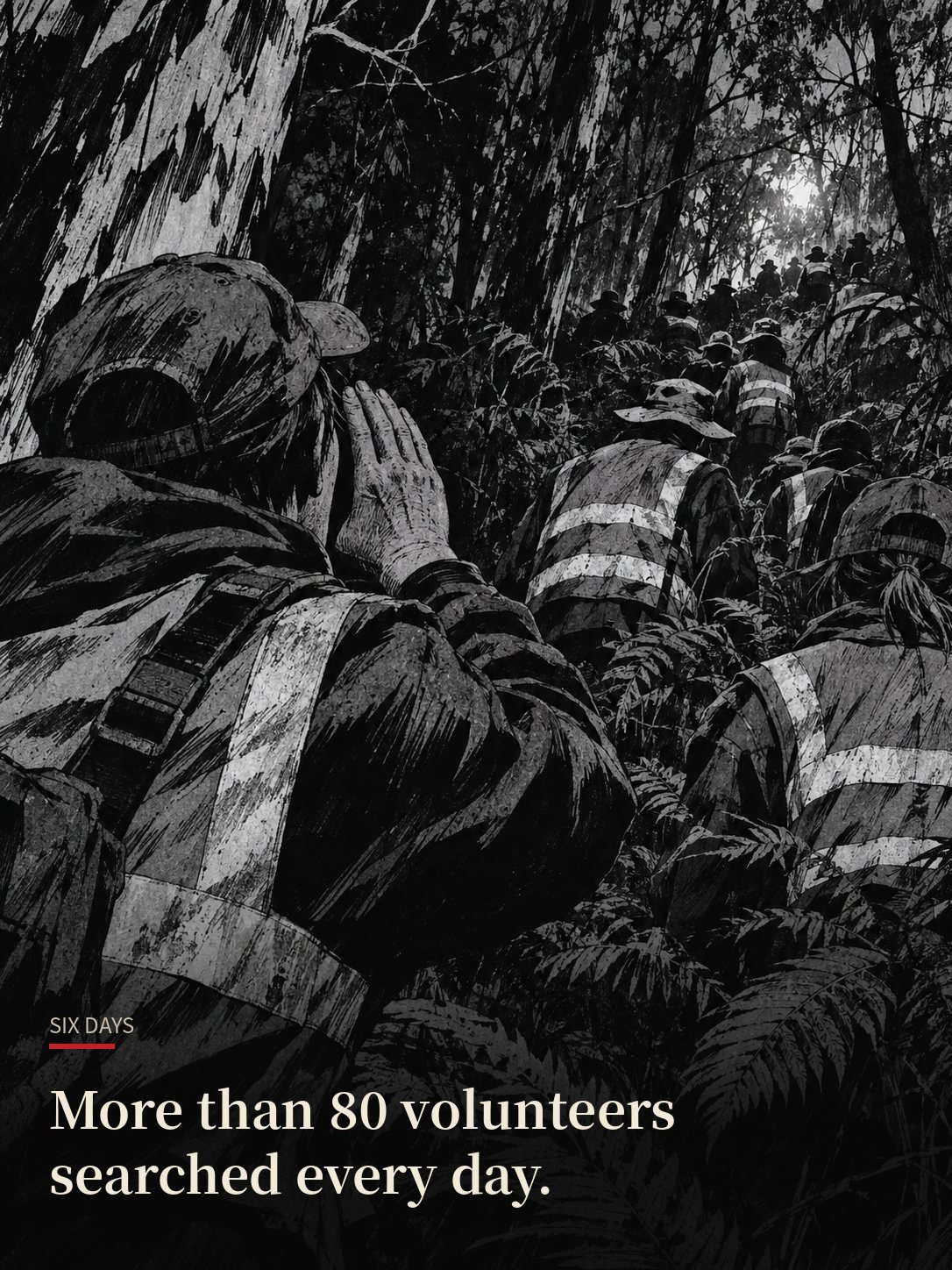
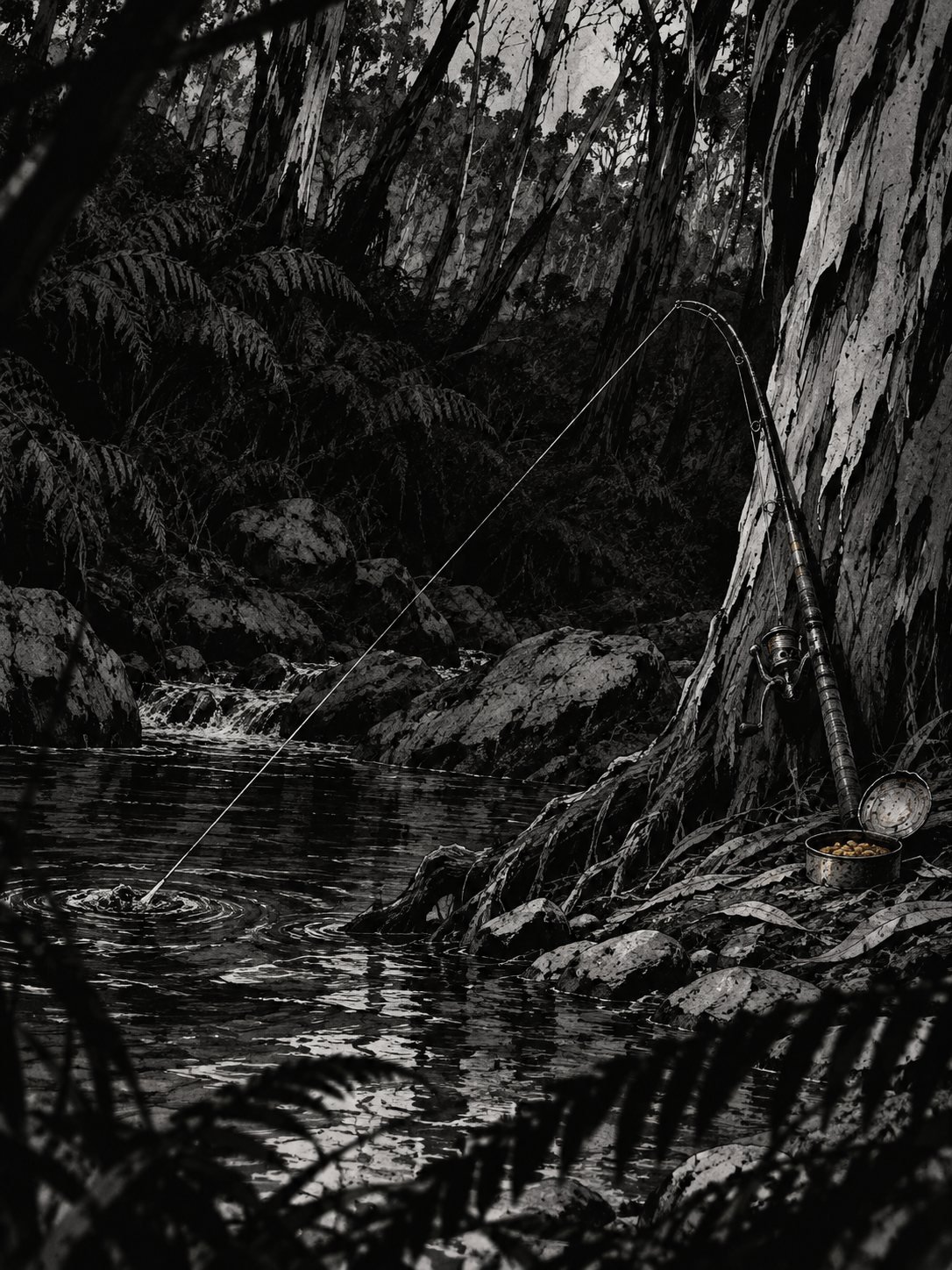
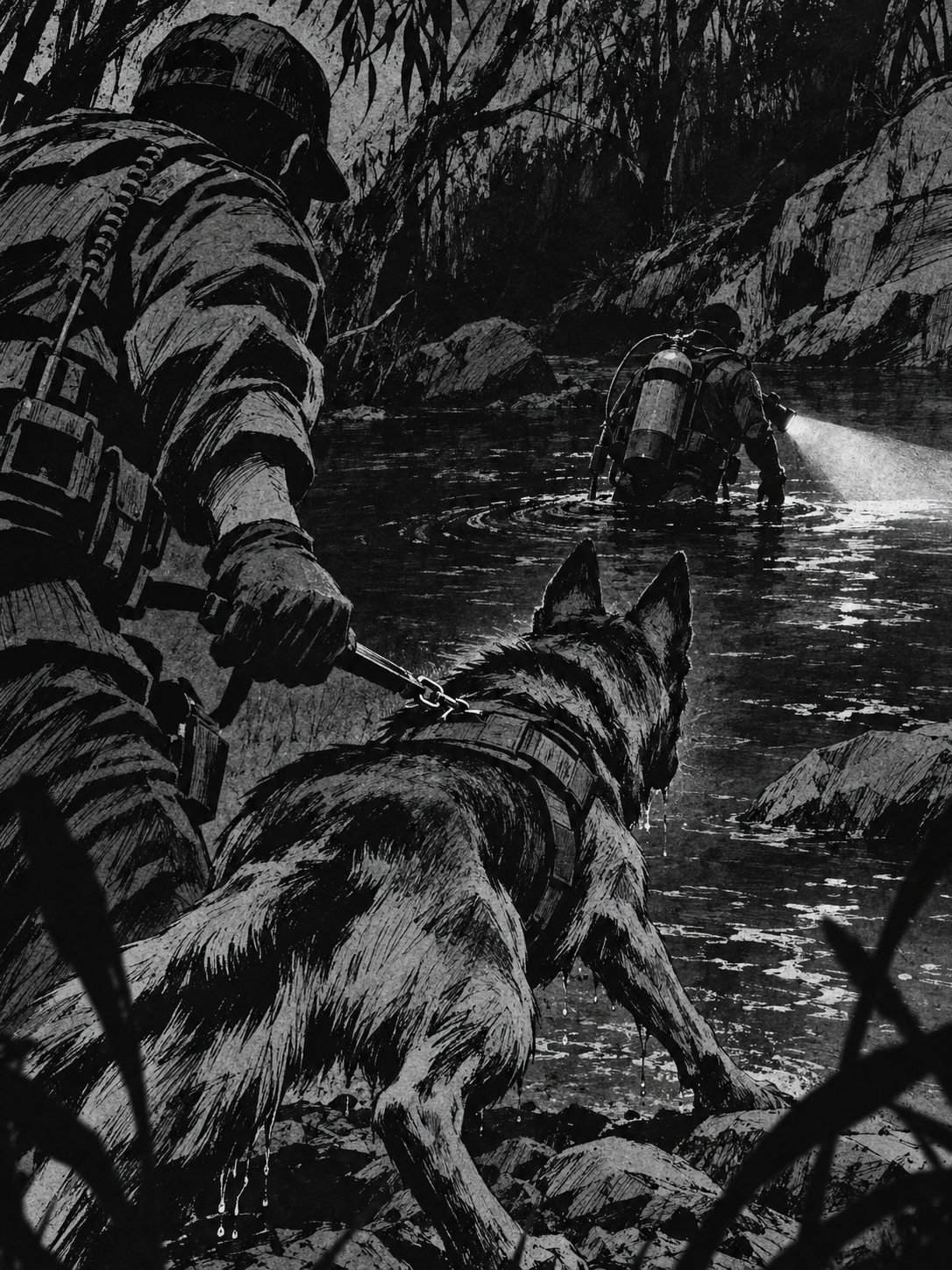
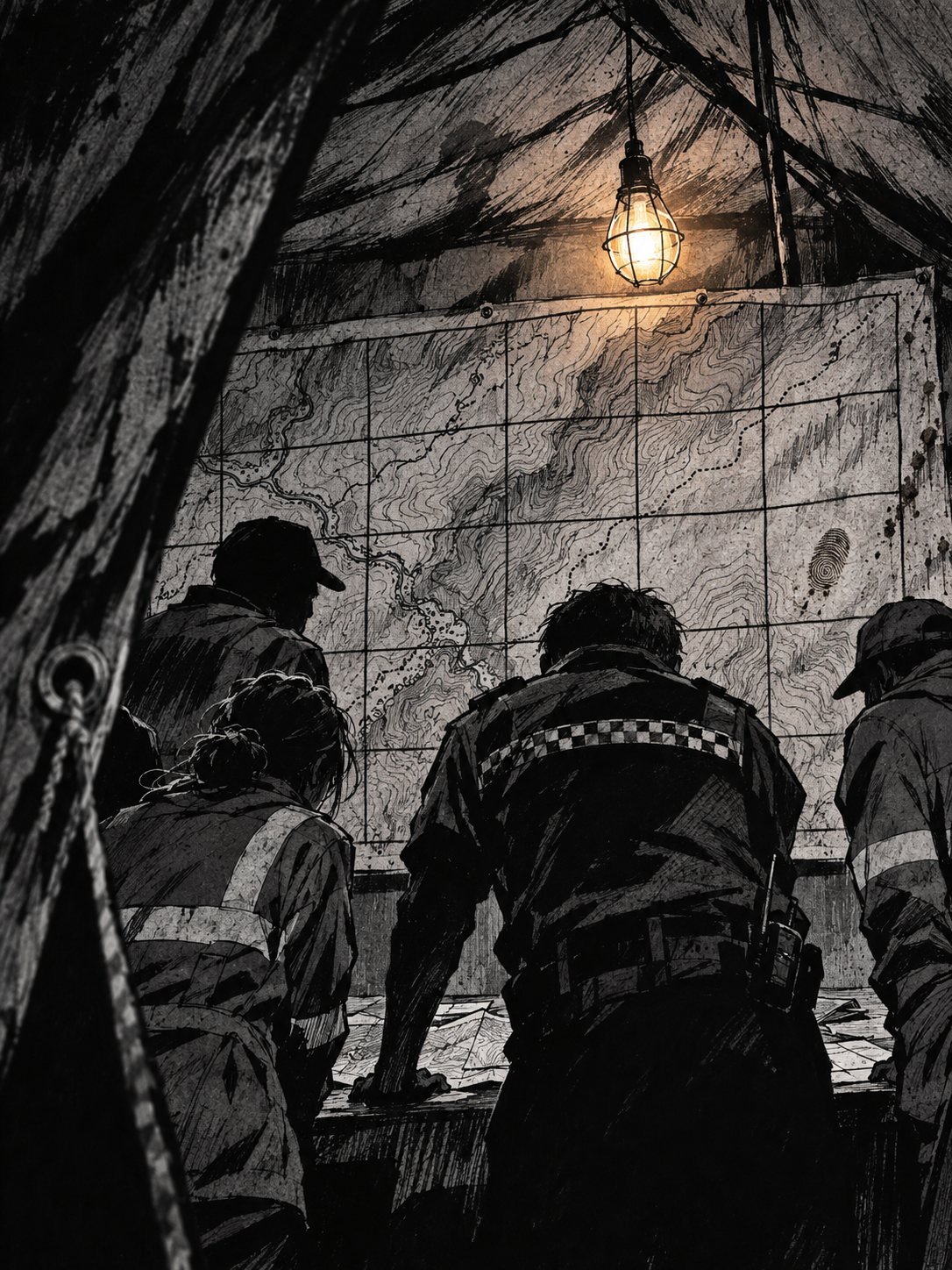
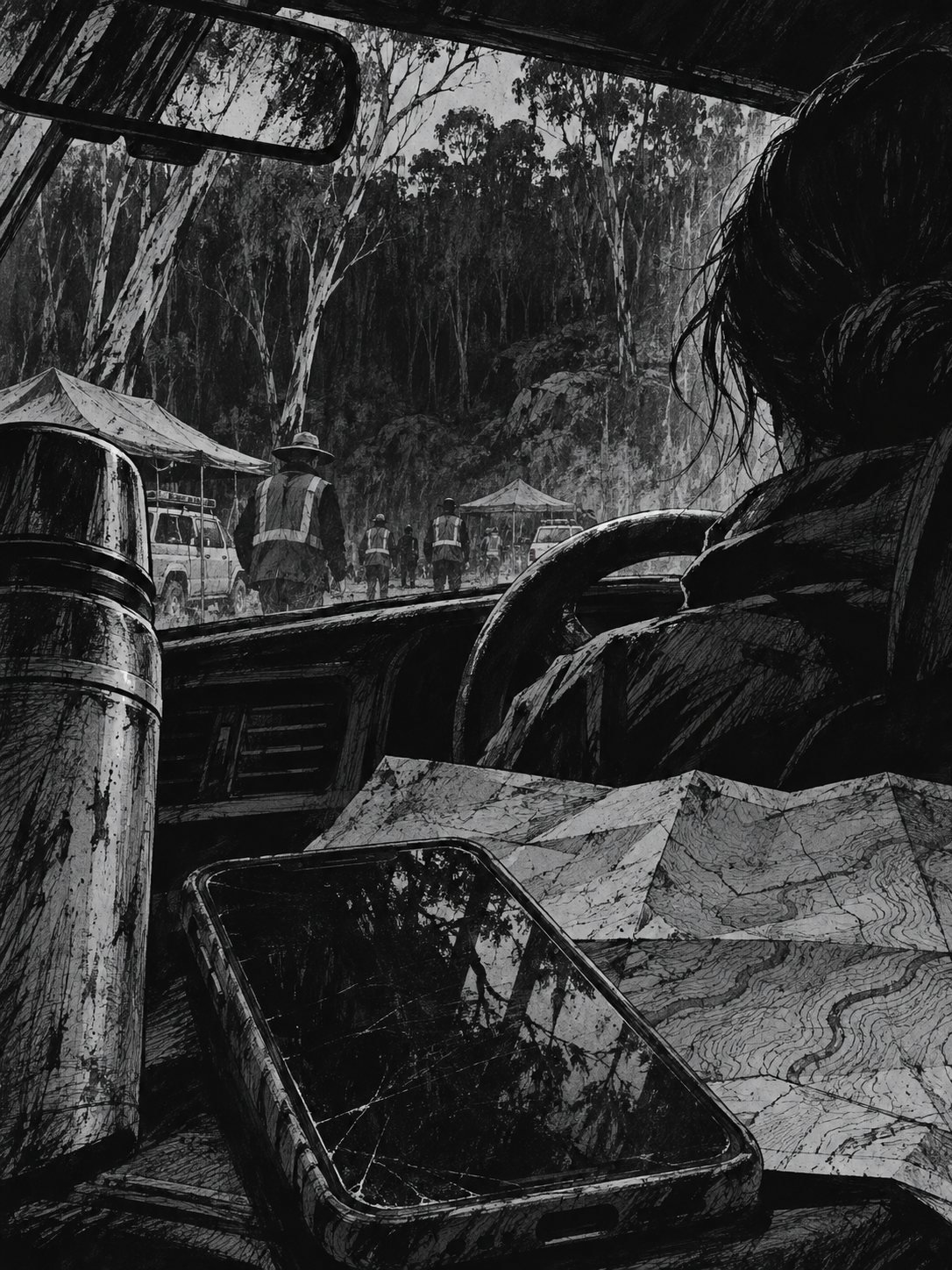
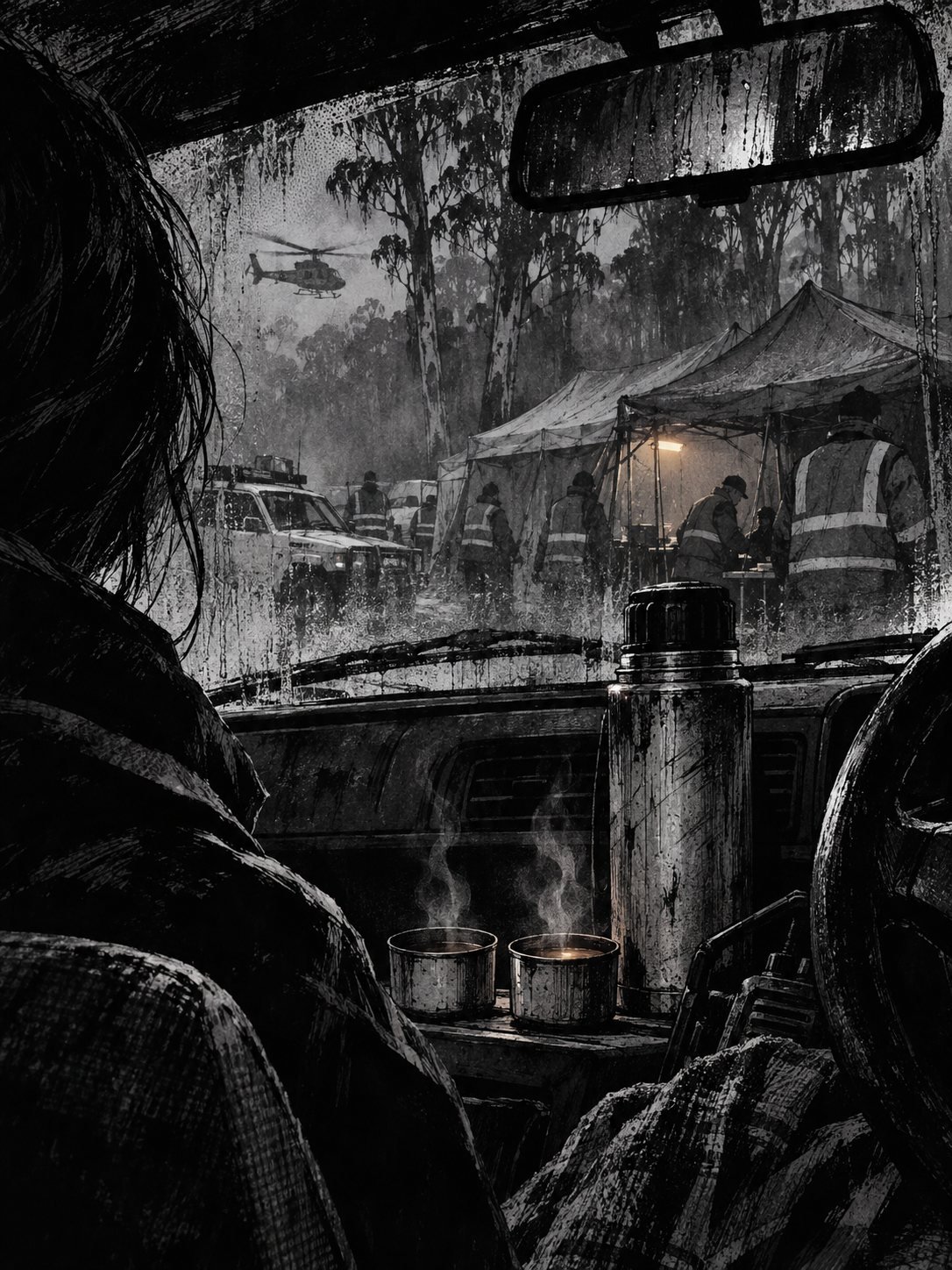
The search lasted six days. Police divers checked the water, the dog squad worked the creek banks, and helicopters flew over the valleys. (ABC)
More than 80 volunteers joined the search every day. Over six days, hundreds took part. (ABC)
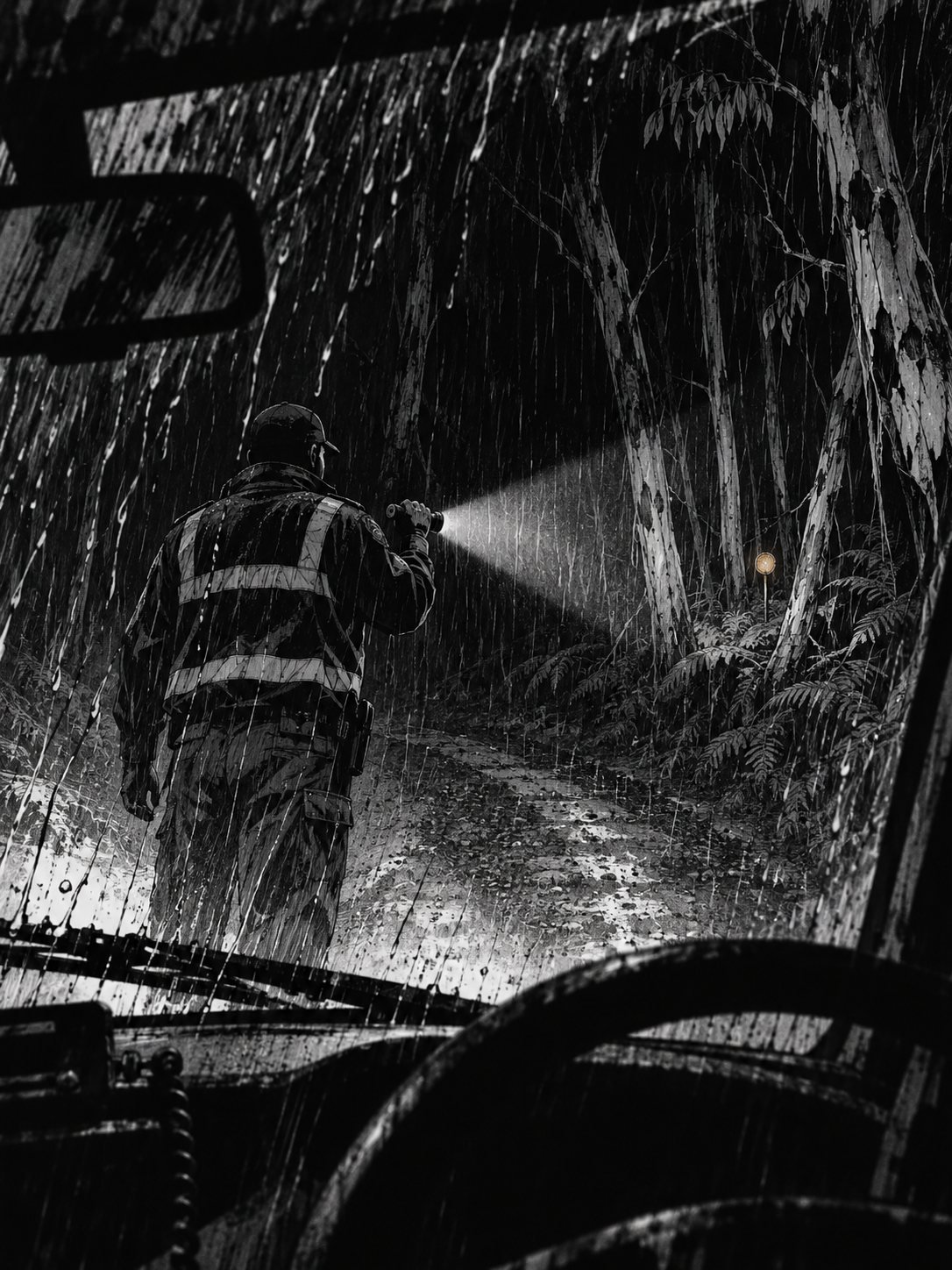
His mother waited at the staging ground in the small town of Cowwarr. She said later she had always believed he was alive. (ABC) (OZ)
The tackle box
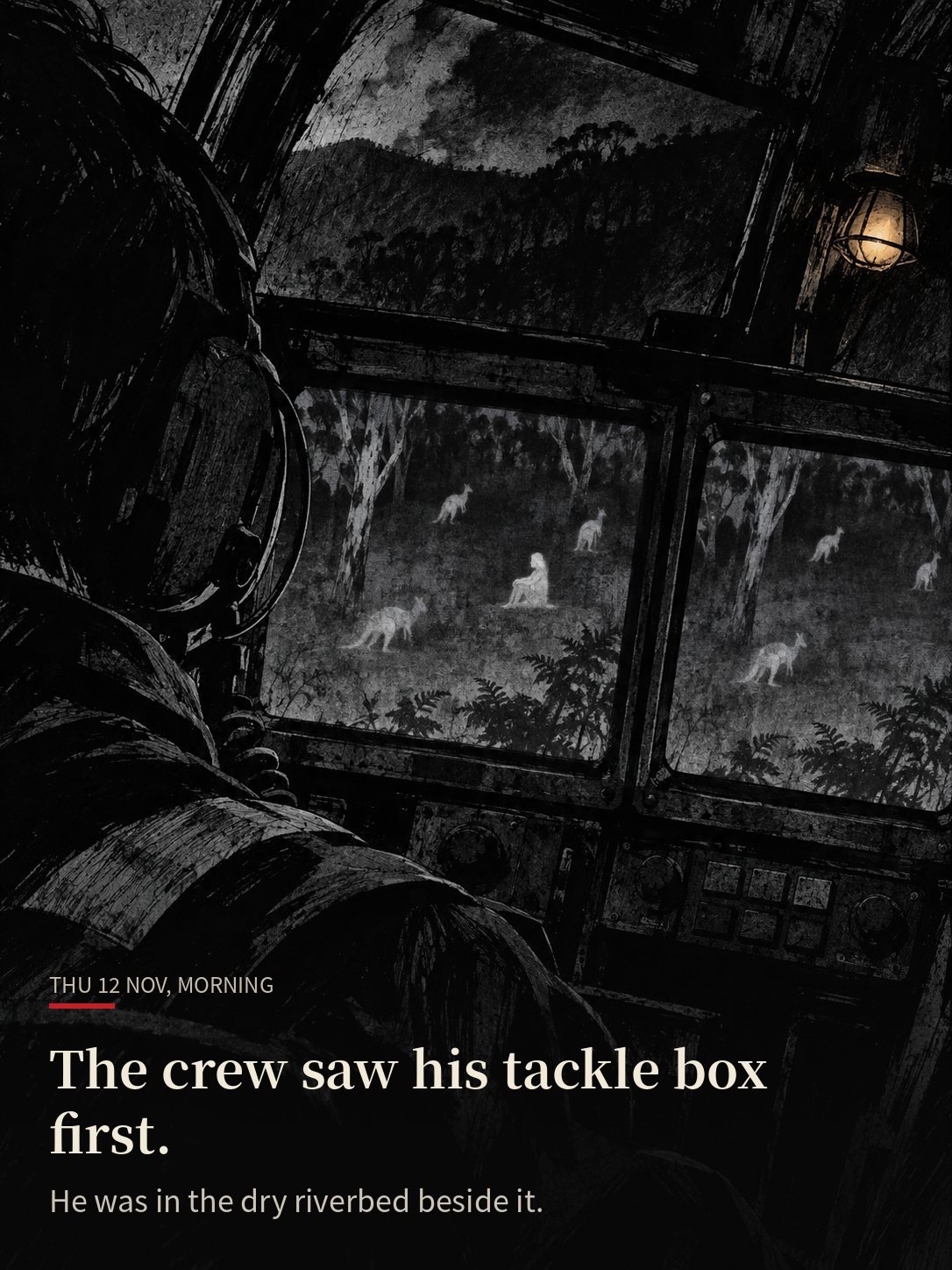
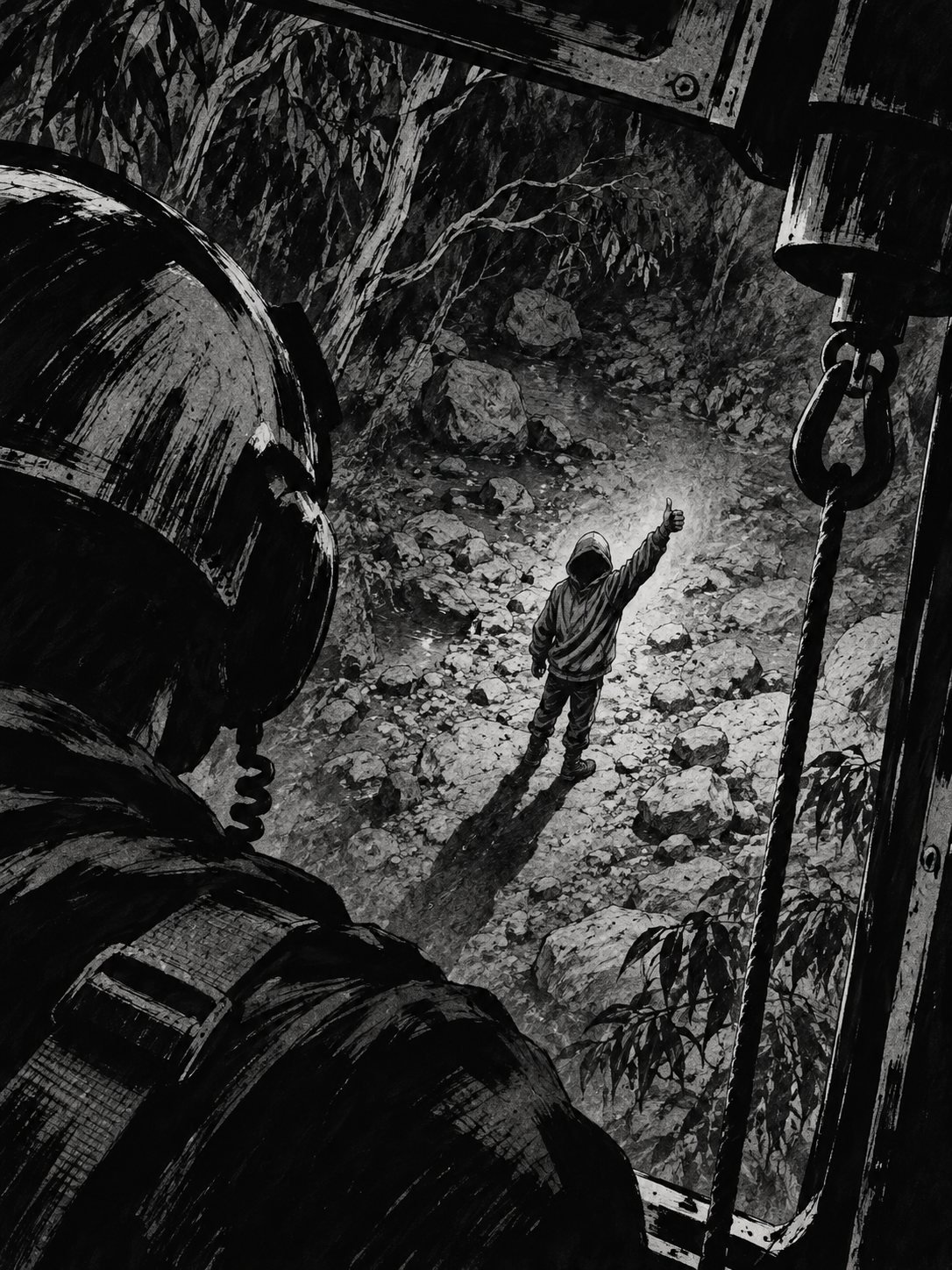
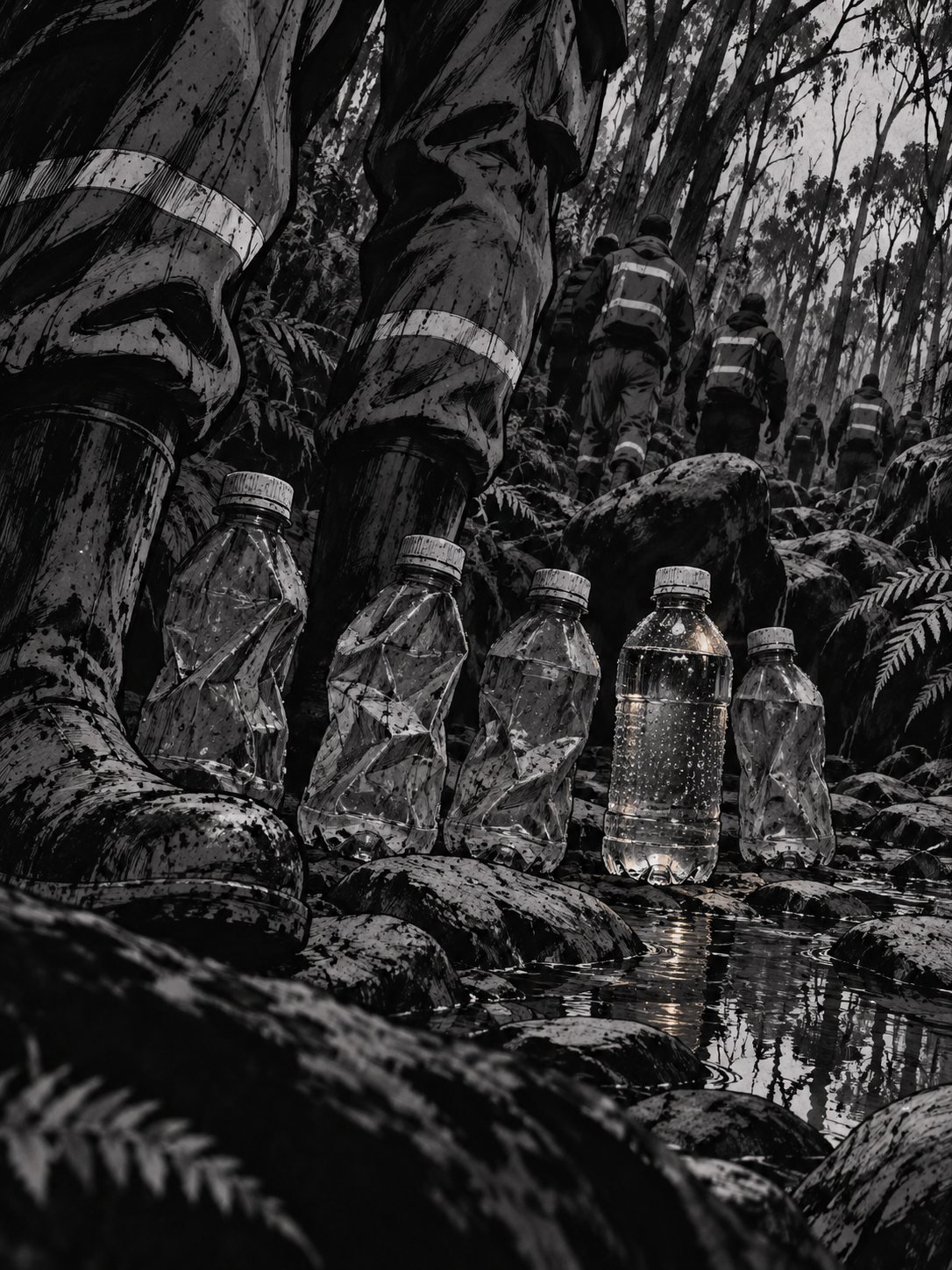
On the morning of Thursday 12 November, a police helicopter crew saw something small and out of place on the rocks below: his fishing tackle box. (ABC)
Near it, in a dry riverbed about 2 km from Stoney Creek, was the boy. (ABC) (OZ)
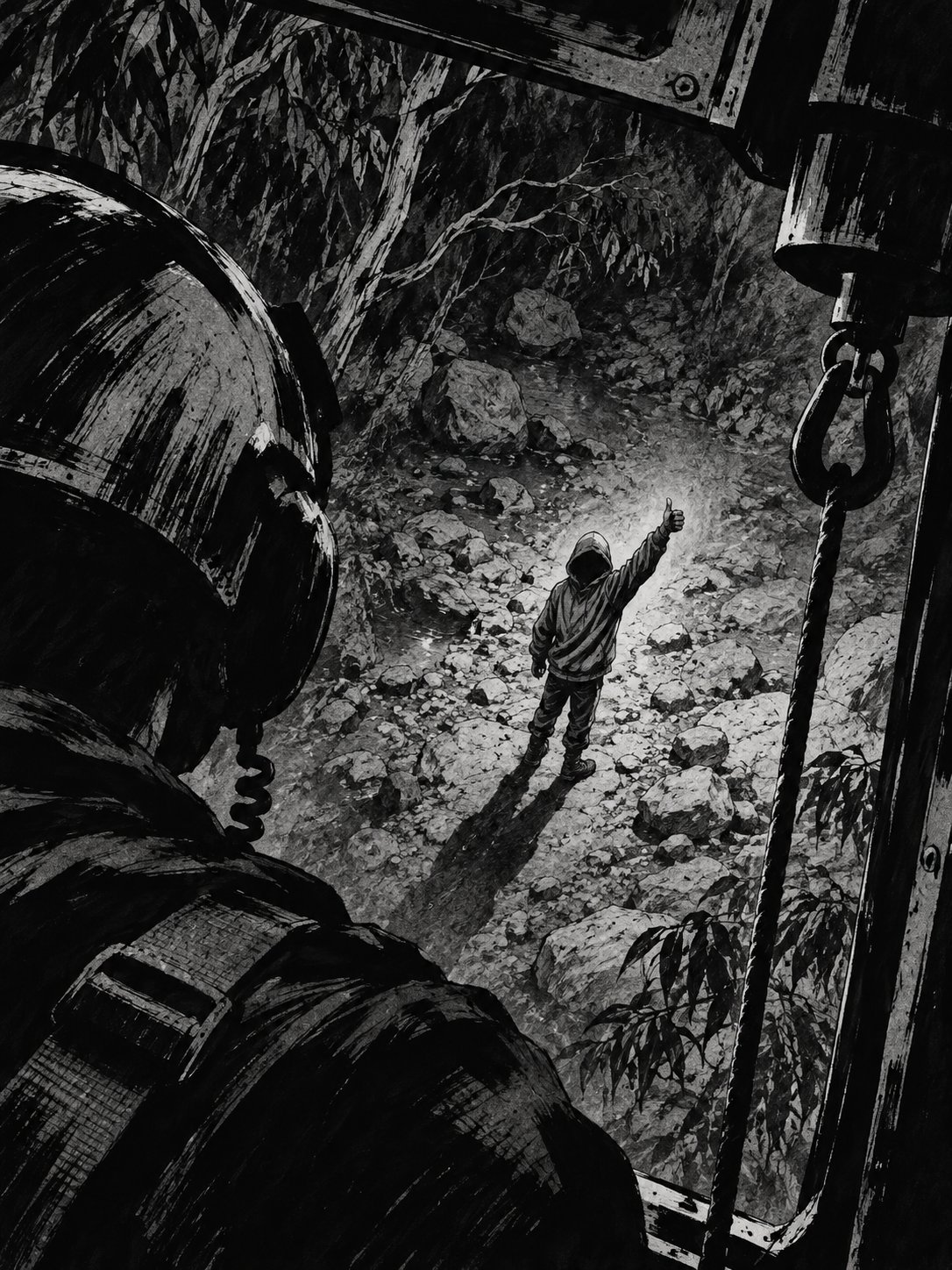
He woke to the sound of the helicopter and gave the crew a thumbs-up. (ABC)
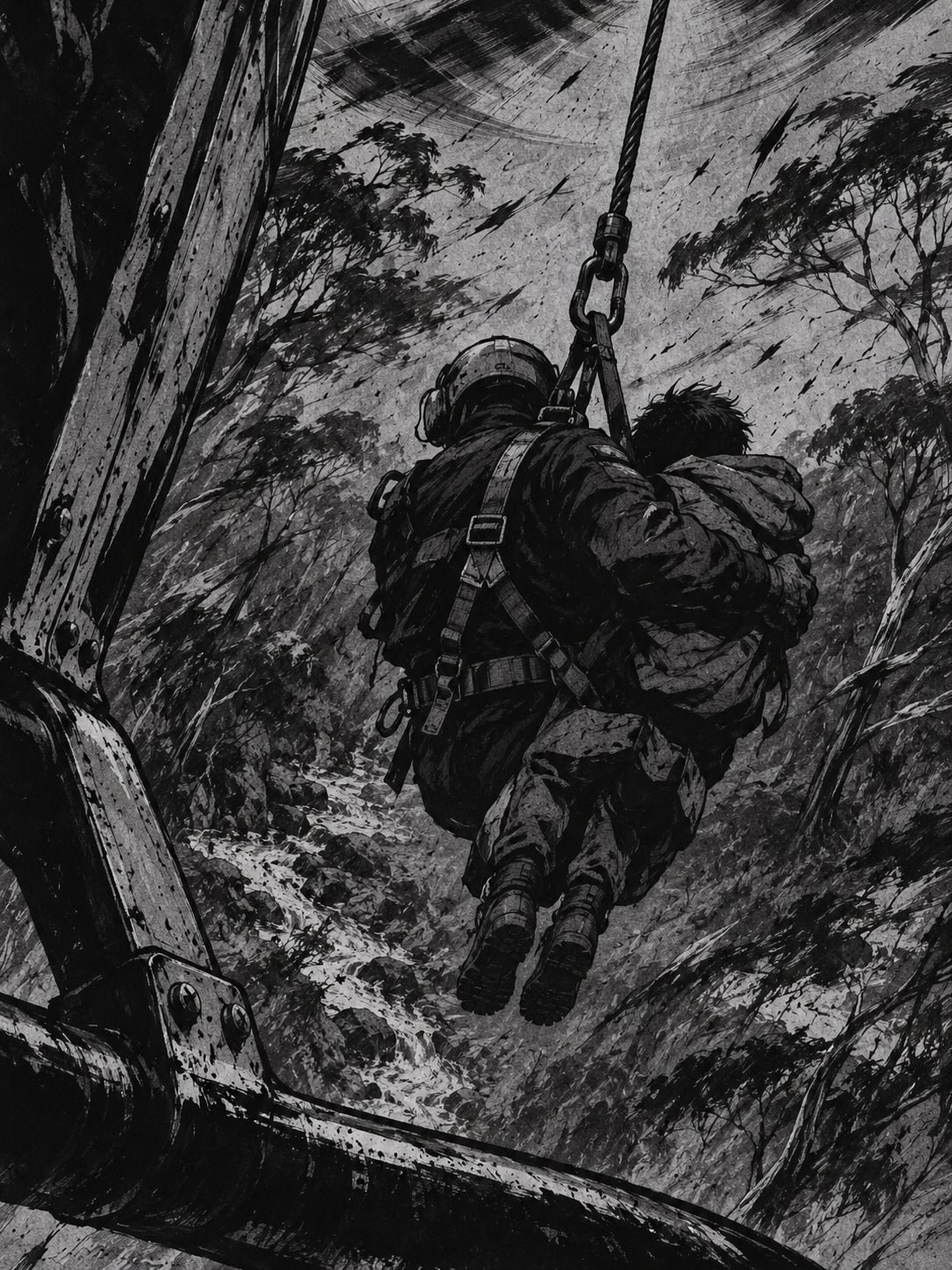
The crew winched him up and flew him to the staging ground. (ABC) (OZ)
“Grounded for life”
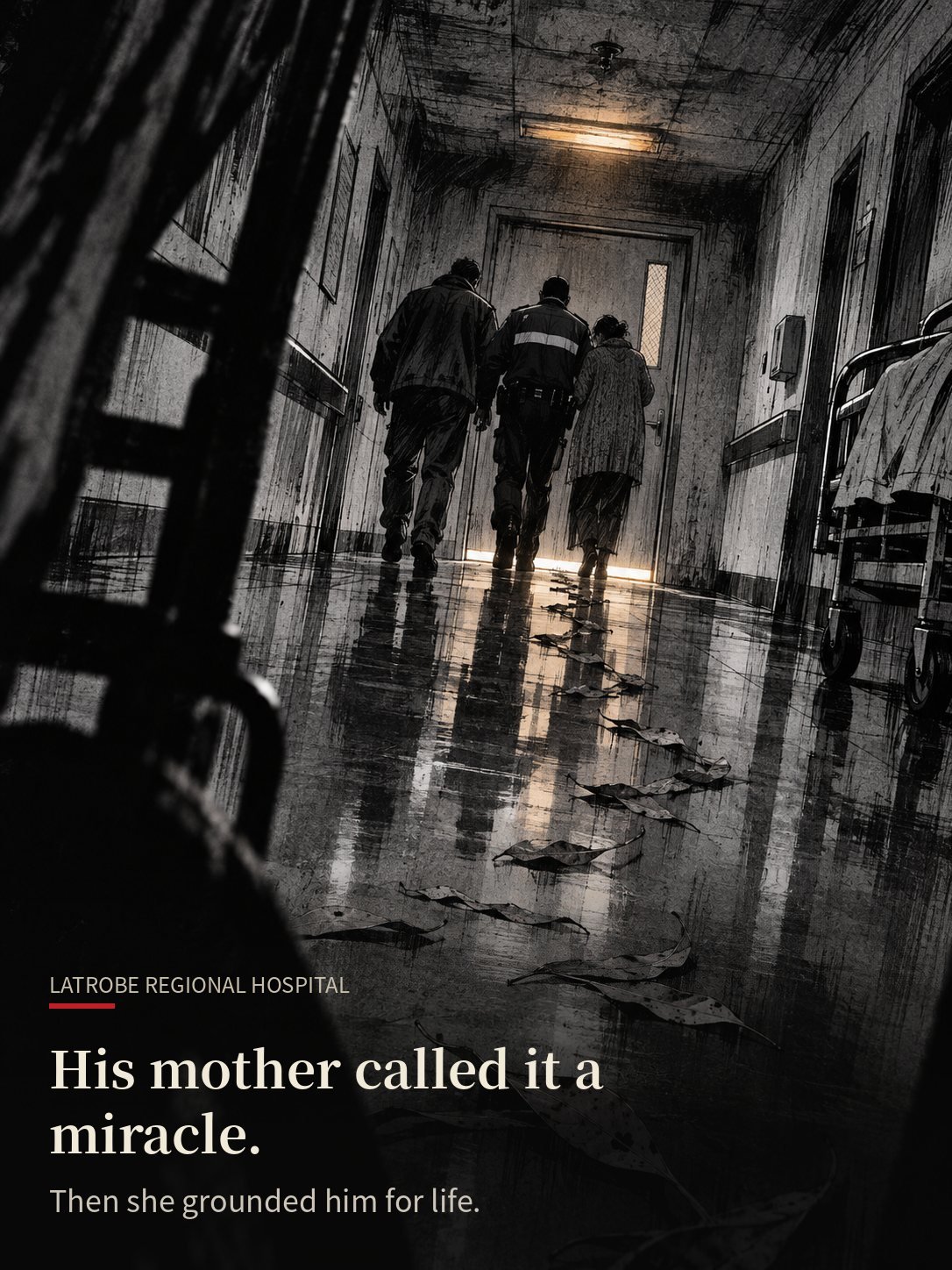
He was exhausted and could not walk. He had cuts on his legs and severe sunburn on his face and upper body. (ABC)
But he was talking, and police said he was happy and able to tell them what had happened. Paramedics checked him, and he ate a doughnut and drank water. (ABC) (OZ)
His mother called it “a miracle.” Then she added that he was “grounded for life.” (ABC)
He was taken to Latrobe Regional Hospital with her for monitoring. (ABC)
How did he survive?
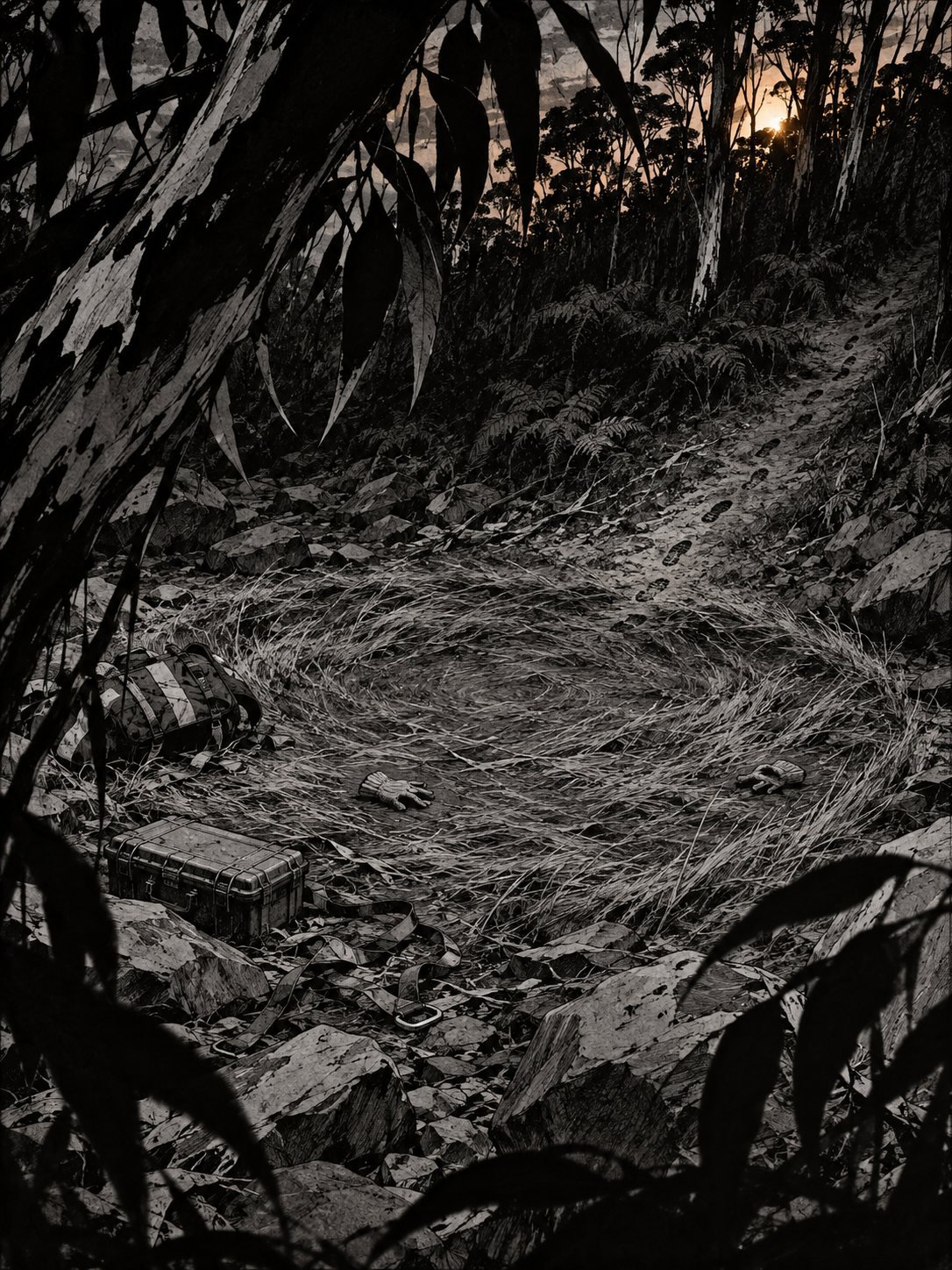
Police said they still had not learned how he lasted six days without supplies or proper clothing. (OZ)

What is known is small. He had no phone, no food and no water. In the end he stayed in one place, and the one thing he still had, a tackle box, was what the helicopter saw first. (ABC)
Evidence photos
Real photographs and published figures, kept separate from our illustrations. Each one says what it shows, and what it cannot prove.
Evidence box: documented vs. claimed
| Point | Status | Source |
|---|---|---|
| He went missing on Friday 6 Nov 2026 at about 4 p.m. | Documented | (ABC) |
| He left his phone, food and water at camp | Documented | (ABC) (OZ) |
| More than 80 volunteers searched each day | Documented | (ABC) |
| A helicopter crew spotted his tackle box first | Documented | (ABC) (OZ) |
| He fell down a riverbank two days before rescue | Police account | (ABC) |
| How he survived without supplies | Not yet known | (OZ) |
Timeline
- Fri 6 Nov 2026, about 4 p.m.: He leaves camp near Walhalla East. (ABC)
- About 10 Nov: He falls down a steep riverbank and stays put. (ABC)
- 6 to 12 Nov: Police divers, the dog squad, helicopters and hundreds of volunteers search. (ABC)
- Thu 12 Nov, morning: A helicopter crew spots his tackle box and winches him out. (ABC)
Evidence locker
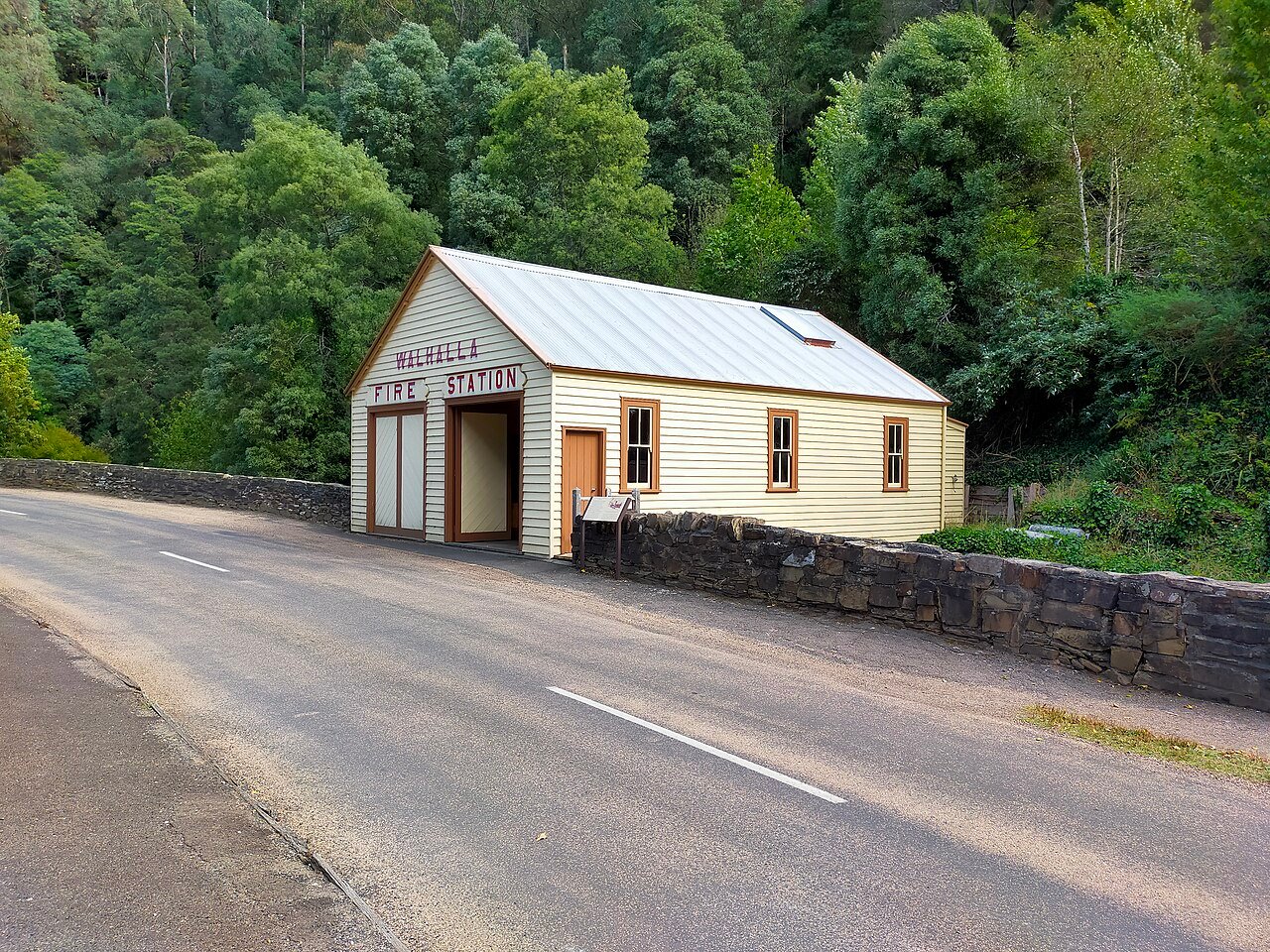
Primary records and the closest copies we could trace. Exhibits A and B are openly licensed photographs of the area; no photographs of the teenager are shown.
 EXHIBIT A · THE STAGING TOWN
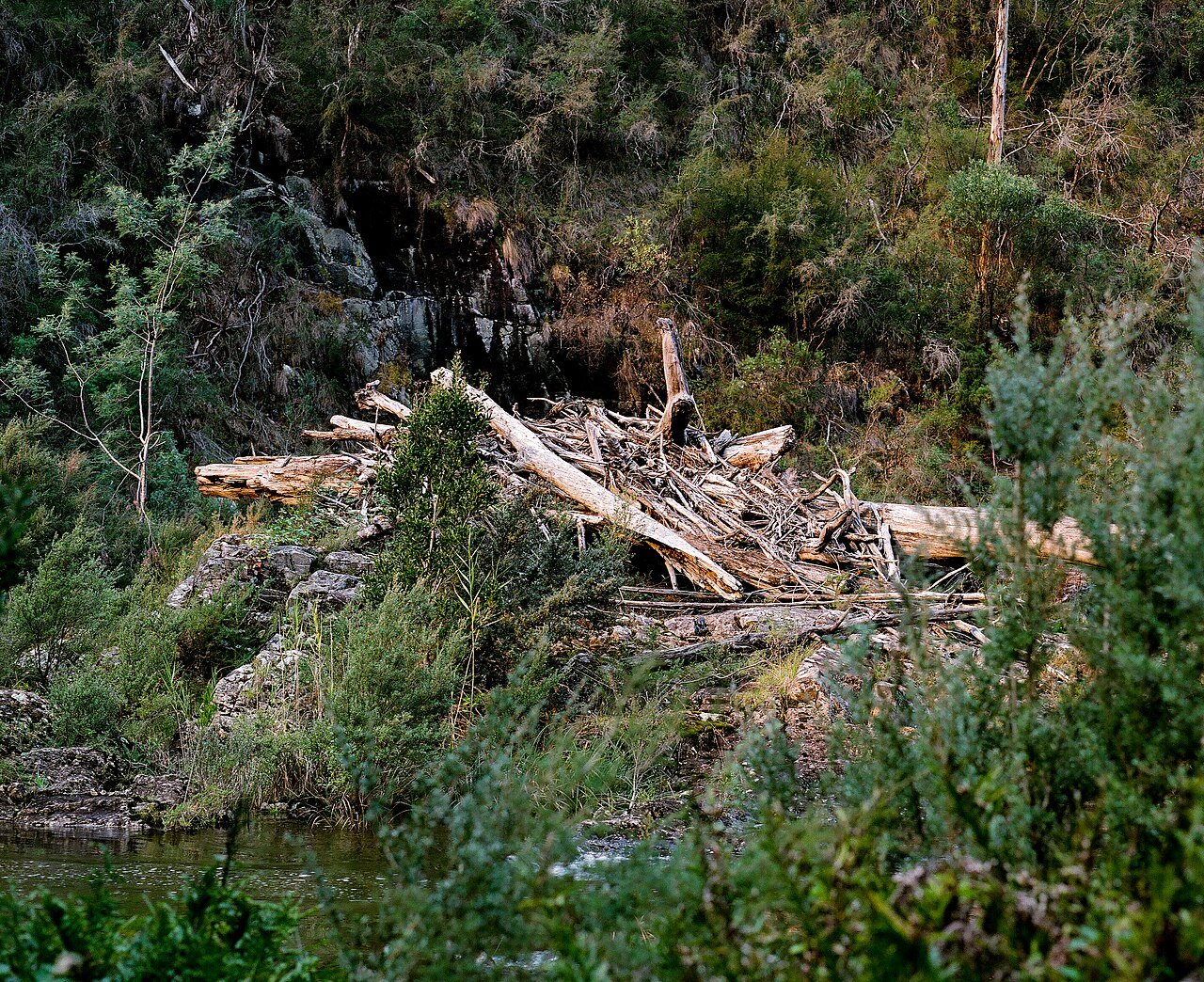
 EXHIBIT B · THE COUNTRY
Access: Via press (Victoria Police statements).
Supports: The timeline, the search and how he was found.
Limits: How he survived six days without supplies is not yet known.
Access: Via press (Victoria Police statements).
Supports: The rescue, and what he had with him.
Limits: The story was corrected once: an early version said he was camping with a relative.
Access: Via press (relays 9News and police).
Supports: How he got through six days.
Limits: Second-hand. It relays another outlet’s interview.
Where the records disagree
- Asleep or waving. ABC says he was found sleeping and woke to give a thumbs-up; another report says the crew saw him lying down and waving his arms. (ABC) (OZ)
- Direction from Stoney Creek. ABC says about 2 km east; another report says north-east. (ABC) (OZ)
- How many searched. ABC gives more than 80 volunteers a day and hundreds in total; another report says more than 100 people. (ABC) (OZ)
- His condition. ABC reports cuts and severe sunburn; his mother was quoted elsewhere saying he had only a few scratches. (ABC) (OZ)
What we still don’t know
- Where he went in the first four days.
- How he found water.
Quick answers: the Gippsland missing teen
Where did the teenager go missing?
Near Walhalla East in Victoria’s Gippsland region, about 180 km east of Melbourne. (ABC)
How long was he missing?
Six days, from Friday 6 November to Thursday 12 November 2026. (ABC)
How was he found?
A police helicopter crew spotted his fishing tackle box in a dry riverbed, then found him nearby and winched him out. (ABC)
Was he hurt?
He was exhausted, could not walk, and had cuts and severe sunburn, but he was talking and able to tell police what happened. (ABC)
What is a little-known fact about the Gippsland missing teen?
When the helicopter found him, the first thing he did was give the crew a thumbs-up. (ABC)
Editor’s note
The thumbs-up to the helicopter makes me smile every time. The searchers had spent six days holding on to a photograph and a last known movement, and then the boy himself answered them. For the family, being told “we found him” and seeing him move with their own eyes must have felt like two different things. I think I would have watched that one gesture over and over.
The tackle box being spotted first stays with me too. From a helicopter over that much bush, how small a single object must have looked. The crew took it seriously, went closer, and found him beside it. What I like about a result that feels like a miracle is that underneath it there was somebody noticing a clue and checking it, and the teams who came back with nothing on the days before were part of that work as well.
Which leaves the question I would ask him. Once he realised he was lost, what did he decide to do, and which of those decisions carried him through six days?
— Strange World Files
Case file summary
A 17-year-old walked away from camp in the Gippsland bush with no phone, food or water. For six days hundreds of people searched. A police helicopter finally spotted his fishing tackle box in a dry riverbed, and the boy beside it gave the crew a thumbs-up.
Status: Survived. He was found alive after six days in the bush.
Illustrations are AI-generated artistic interpretations, not photos. No real person is depicted with a recognizable face. Read how we research and illustrate these files.