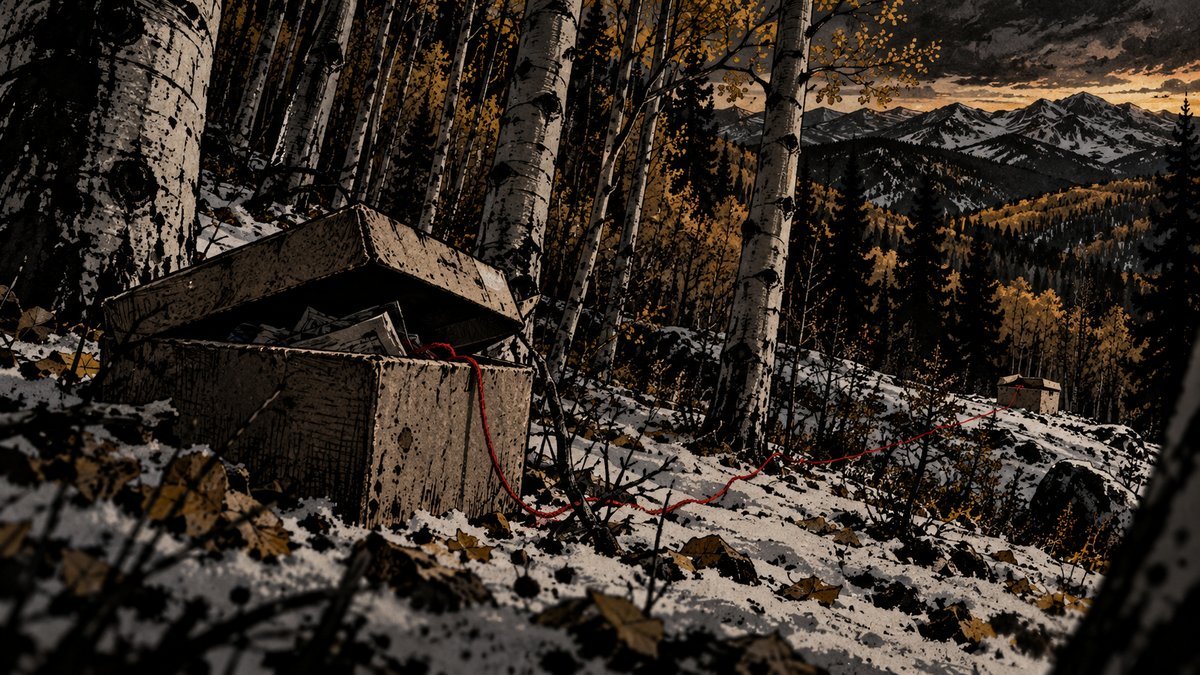
Ted Bundy Was Never Charged With Killing the Police Chief’s Daughter. 52 Years Later, DNA Proved He Did
🎧 Narrated Mystery: press play and hear the whole case read aloud, like an audiobook (about 25 minutes).
Deer hunters walked into the gold aspens. A missing girl was there
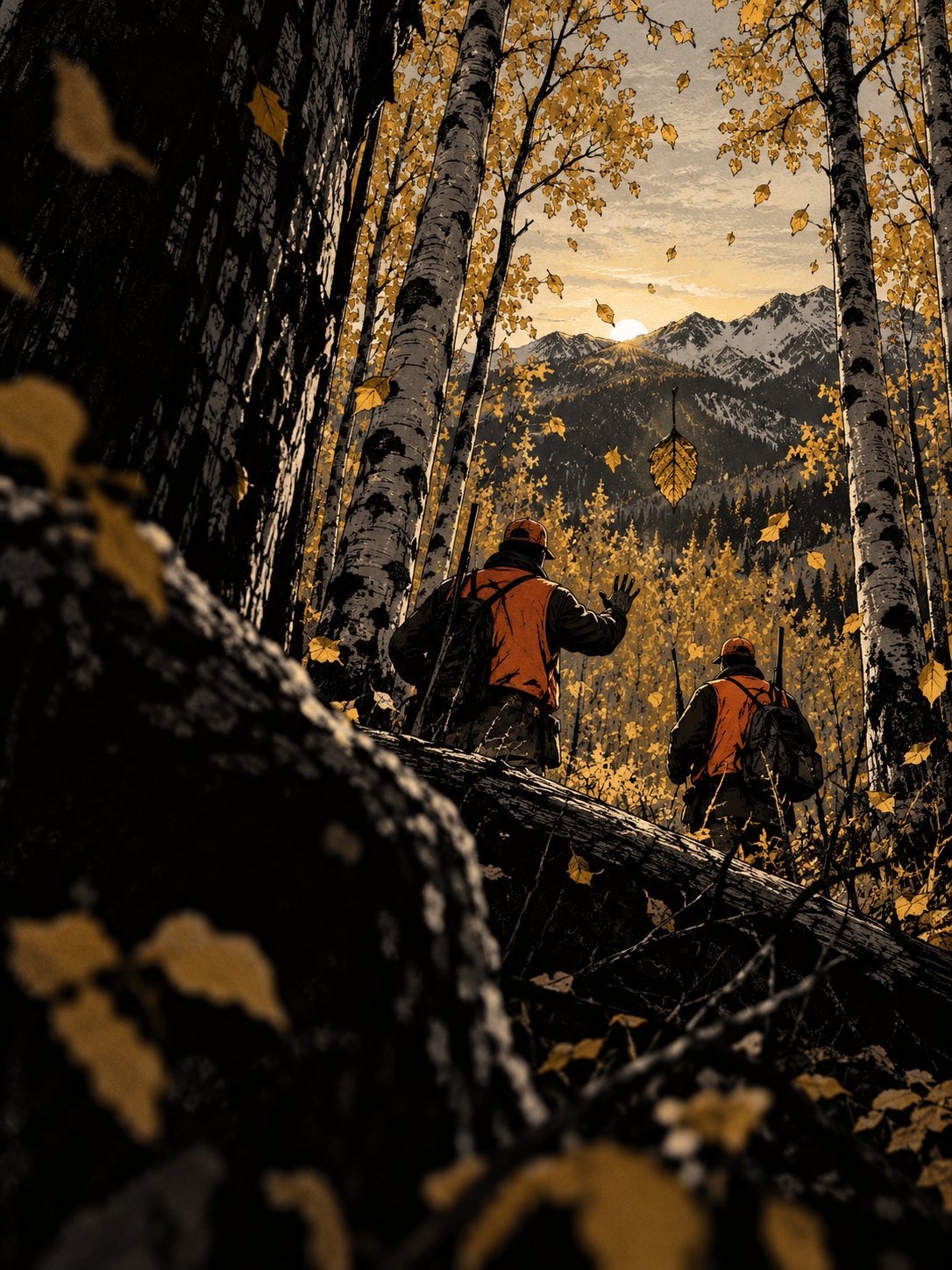
October 27, 1974. A wooded slope in the mountains east of Salt Lake City, Utah.
It was hunting season. The aspens on these slopes turn bright gold in autumn. Hunters were out in the trees.
Then they stopped.
In the woods near a place called Summit Park, deer hunters had found the body of a teenage girl.
Her name was Melissa Ann Smith. She was 17 years old, a high school senior from Midvale, a small town just south of Salt Lake City. She had been missing for nine days.
Investigators had a suspect even then. A young law student had moved to Salt Lake City that fall, and girls had started to vanish.
But for 52 years, nobody was ever named. Nobody was ever charged. The case was never officially closed.
It would take a vial of blood, a second girl’s case and DNA technology Utah’s crime lab didn’t have until 2023 to finish it. (CBS News) (KPCW)
52 years to the day, the sheriff stepped up to the microphones
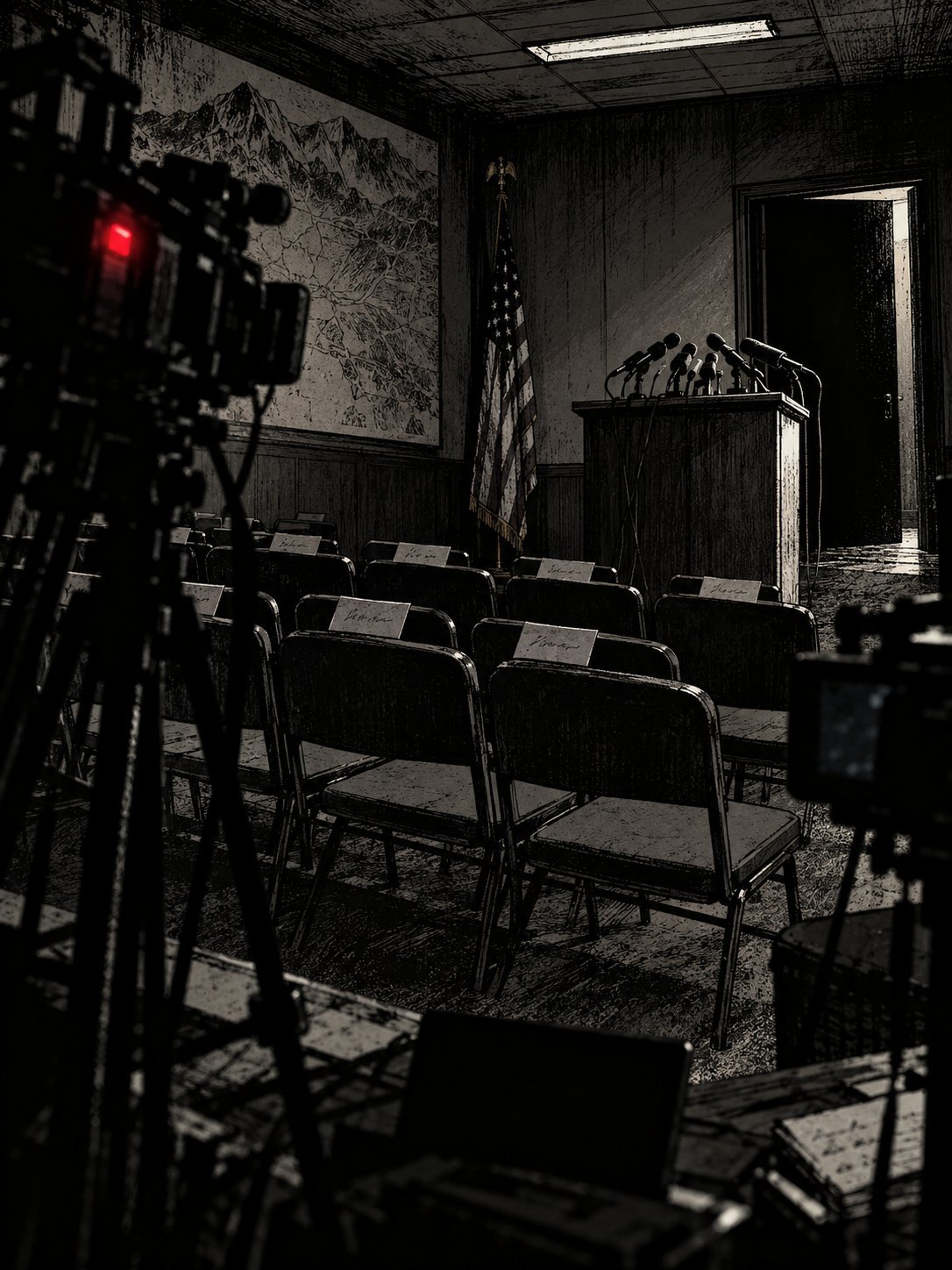
Fast-forward to Tuesday, October 27, 2026.
The Summit County Sheriff’s Office and the Summit County Attorney’s Office called a joint press conference. The date was not an accident. It was exactly 52 years since the hunters found Melissa.
Officials from three counties stood together. Summit County Sheriff Kacey Bates. Summit County Attorney Margaret Olson. Salt Lake County Sheriff Rosie Rivera. A sergeant from the Utah County Sheriff’s Office.
Their message was simple. The man who killed Melissa Smith was Ted Bundy.
“After 50 years, we have reached a point that so many have worked toward,” Bates said.
But some of the seats that mattered most were empty. Melissa’s closest living relatives knew the case had been solved. They live out of state, and they chose not to attend or speak to reporters.
The people who had waited the longest for this day were mostly gone.
To understand why, and how investigators finally got here, you have to go back to two cardboard boxes. (KPCW) (USA Today)
Two girls, two cases, one match
Here is the strange part.
The DNA that solved Melissa’s case was not matched directly to Ted Bundy. It was matched to another girl.
Her name was Laura Ann Aime. She was also 17. She disappeared in Utah County a few weeks after Melissa, in the same terrible autumn of 1974.
In April 2026, investigators in Utah County had finally confirmed that Bundy killed Laura. They closed her case on April 1.
Then the Utah State Crime Lab did something simple. It compared the DNA taken from Melissa’s body in 1974 with the DNA profile from Laura’s case.
On July 14, the lab reached its conclusion. The two profiles matched.
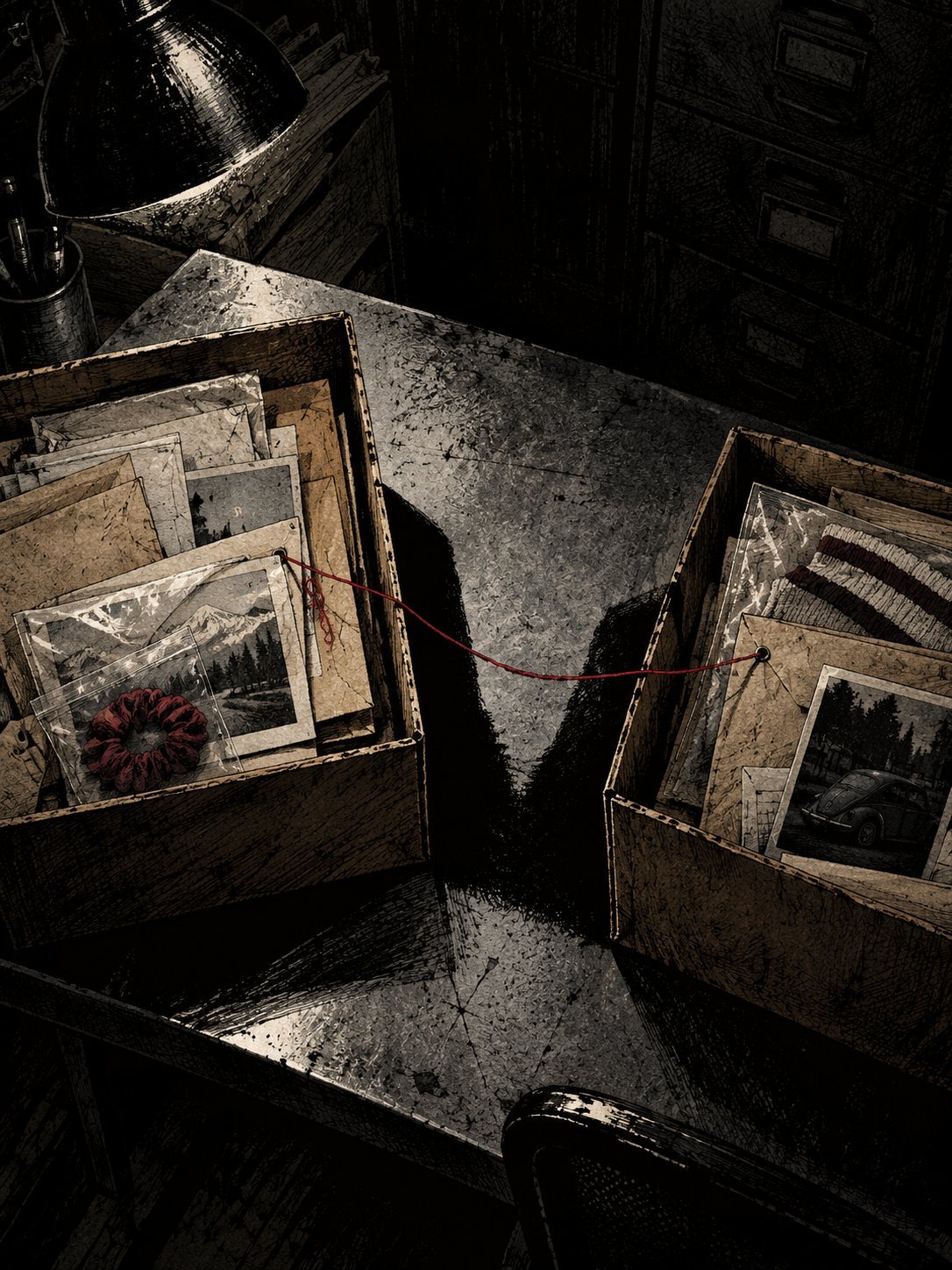
Think of it like two old evidence boxes, stored in different counties for half a century, suddenly connected by a single red thread.
Laura’s case led to Bundy. Melissa’s case led to Laura. And now, after 52 years, Melissa’s case led to Bundy too.
To see how a case like this stays open for half a century, start in Midvale. (TownLift) (CBS News)
She was the police chief’s daughter
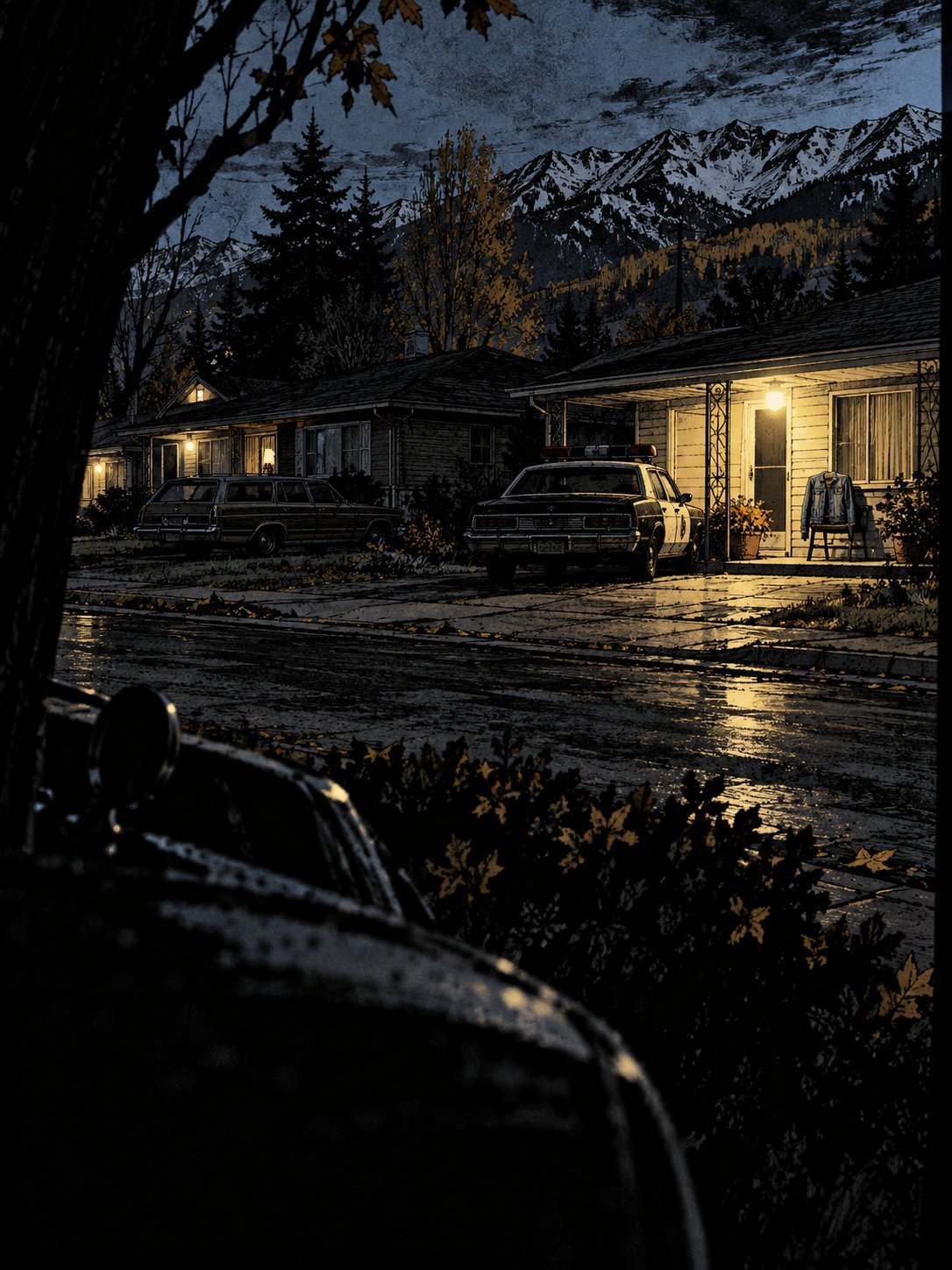
In 1974, Midvale was a small suburb on the south side of Salt Lake City, below the Wasatch Mountains.
Melissa Ann Smith lived there. She was 17, a high school senior.
Her father was Louis Smith. He was Midvale’s chief of police.
Think about what that means. The man in charge of keeping the town safe was her dad. In a small town, people tend to know the police chief’s family.
Melissa also had a sister named Jolene and a mother named Joan.
None of that protected her.
And this is what makes the case so chilling. If a police chief’s daughter could vanish in her own town, so could anyone’s.
It started on an ordinary Friday night in October. (USA Today) (Cowboy State Daily)
She walked out of a pizza place. She never got home

On Friday, October 18, 1974, Melissa went to a local pizza restaurant in Midvale.
She wasn’t there for a date or a party. According to Cowboy State Daily, she had been visiting a friend.
Then she left.
That’s the last confirmed moment of her life that anyone can point to. She walked out of the restaurant and into a Utah autumn night.
She never made it home.
There is no public account of exactly what happened between the restaurant door and the woods where she was found. No witness description has ever been released. No car was ever named in the reports.
What we know is this: a 17-year-old girl left a local restaurant in her own hometown, and she disappeared.
At home, her family was waiting for her. (Cowboy State Daily) (KPCW)
Her mother called the police the same day
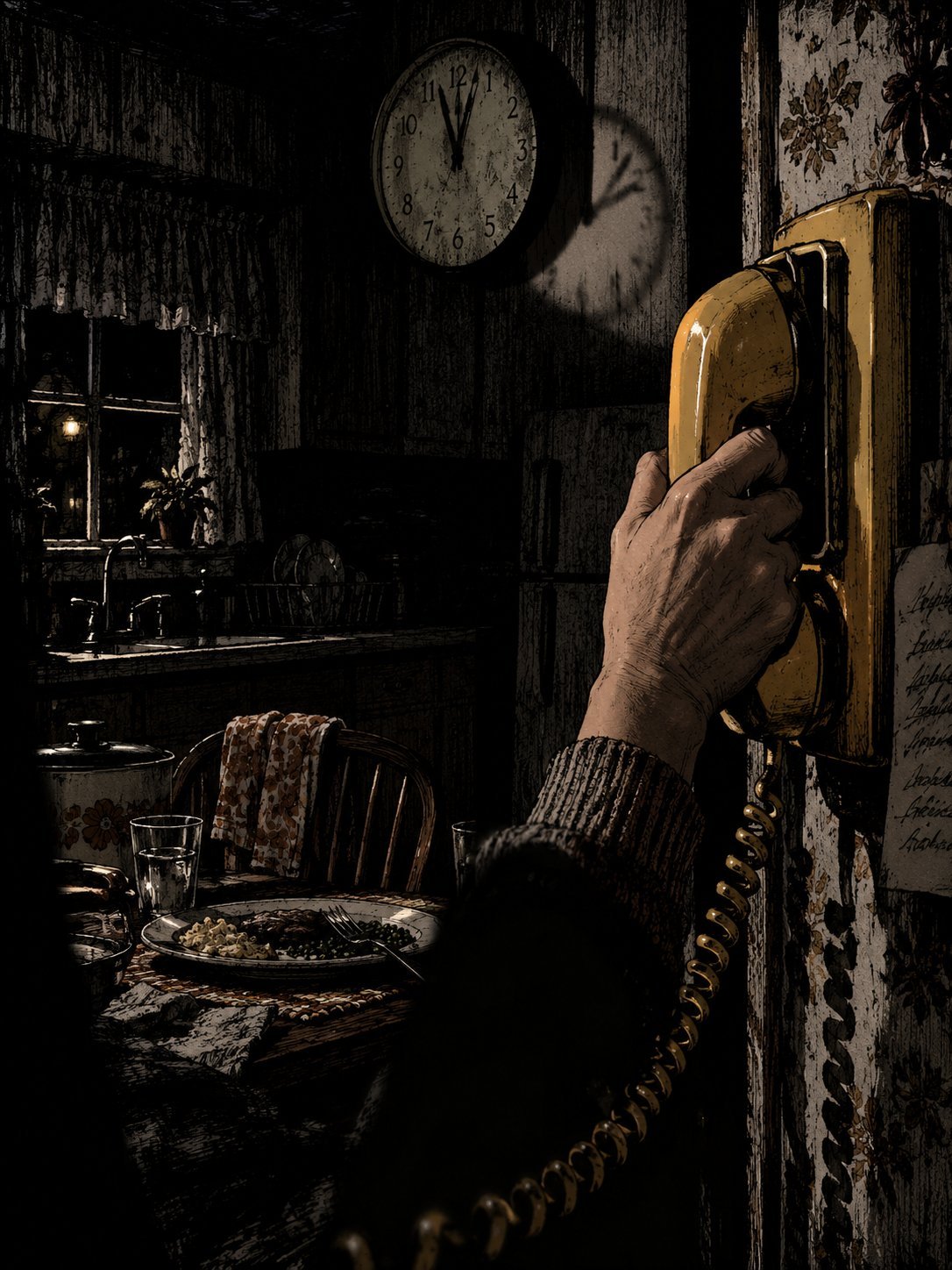
Melissa didn’t come home.
Her mother, Joan, didn’t wait. According to the sheriff’s office release, she reported her daughter missing to Salt Lake County authorities on October 18, 1974, the same day Melissa was last seen.
Picture that call. A mother on the phone with the police, while her husband is the police chief.
In 1974, there were no cellphones. No text messages. No location tracking. If your teenager didn’t come home, you called around, you waited, and you hoped.
The days started to pass.
One day. Three days. A week.
There was no word from Melissa.
And Melissa wasn’t the first girl to disappear from the Salt Lake area that month. (TownLift) (USA Today)
Two weeks earlier, a cheerleader had vanished
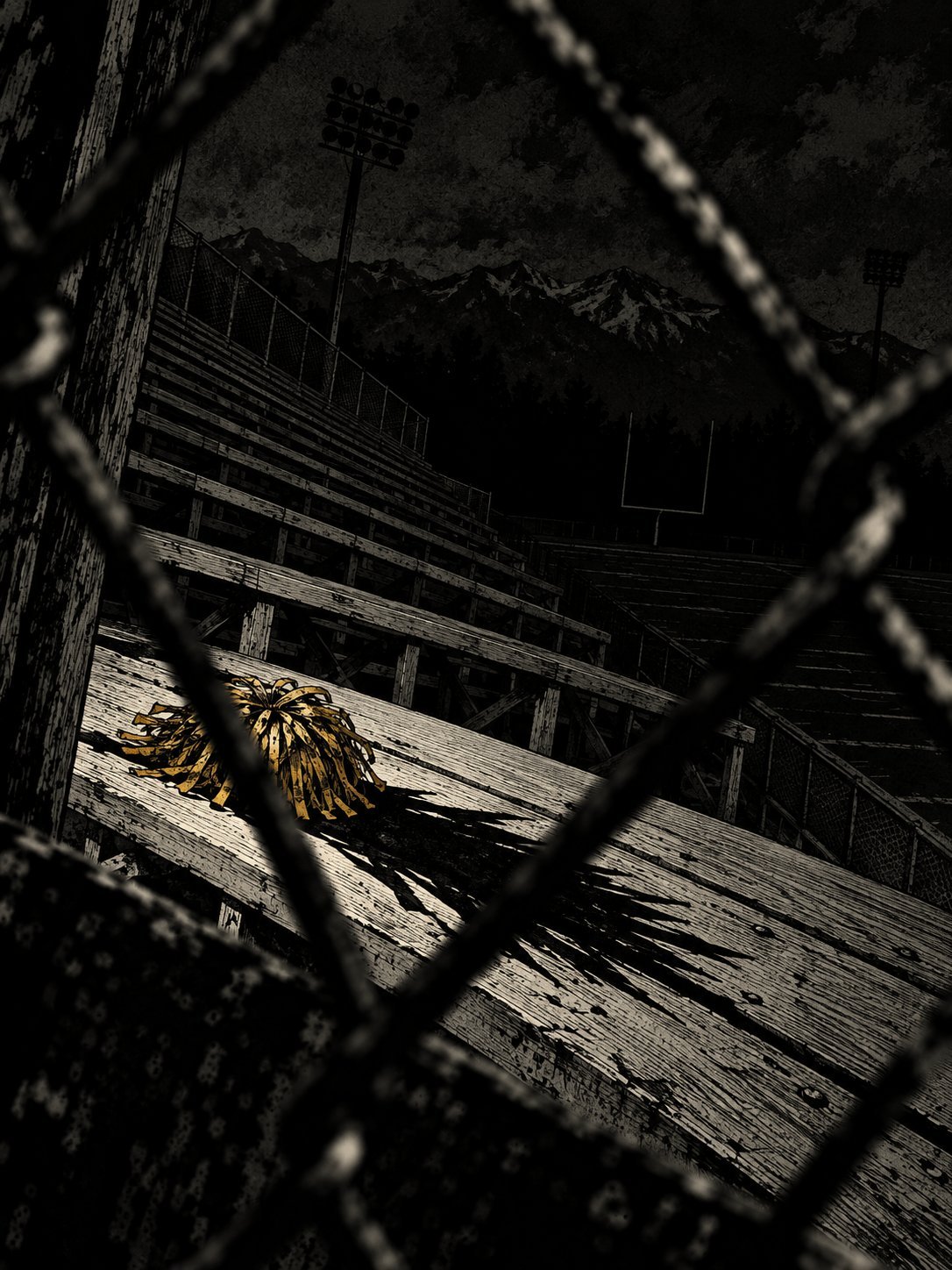
Earlier that October, a 16-year-old cheerleader named Nancy Wilcox had disappeared in Salt Lake County.
Reports give slightly different dates, October 2 or October 3, 1974. Either way, it was about two weeks before Melissa.
At the 2026 press conference, Salt Lake County Detective Ben Pender said officials believe Bundy may be responsible. According to USA Today, Nancy was last seen alive in Bundy’s Volkswagen.
Her body has never been found.
Before his execution, Bundy confessed to killing Nancy, according to TownLift. But a confession is not the same as a closed case. Pender is still working on it.
Closing Melissa’s case, he made clear, does not close the book on Bundy.
Two girls gone in two weeks. And that autumn was only getting started.
Nine days after Melissa vanished, the hunters walked into the woods. (USA Today) (KPCW)
Nine days later, in the woods at Summit Park
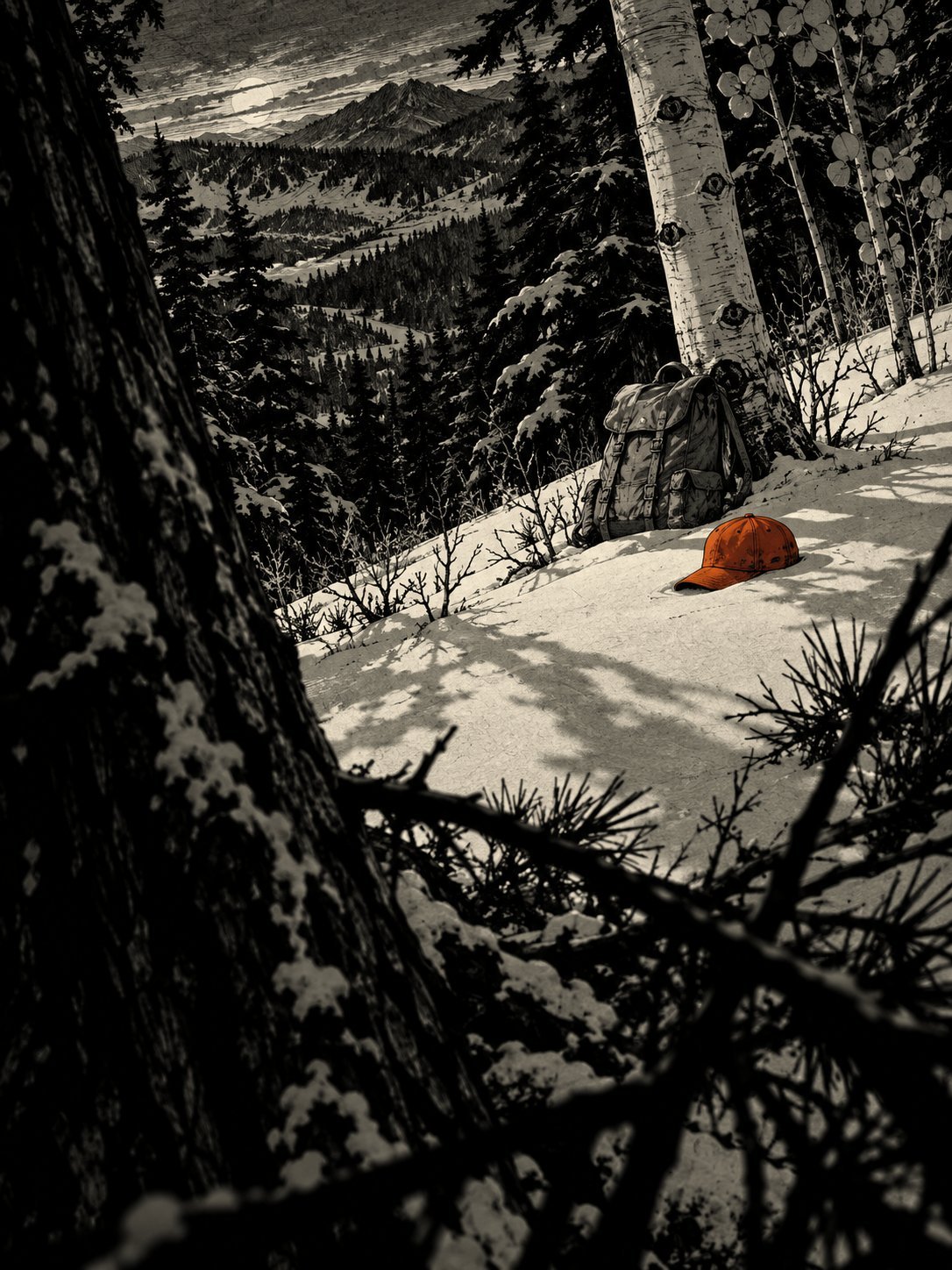
On October 27, 1974, nine days after Melissa disappeared, she was found.
The place was Summit Park, in the mountains east of Salt Lake City. It’s a wooded area near Toll Canyon, right along the line between Salt Lake County and Summit County.
Deer hunters found her body in the trees.
That county line mattered. Melissa had disappeared in Salt Lake County. She was found just over the border in Summit County. So the murder became a Summit County case, even though she had vanished miles away.
Her death was ruled a homicide. It went into Utah’s cold case database as an unsolved murder.
And there it stayed.
Melissa had been found. The question now was who had taken her up that mountain.
And investigators already had a suspect. He had only been in Utah for a few weeks. (Cowboy State Daily) (KMVT)
A new law student had just moved to town

In September 1974, a man named Ted Bundy moved to Salt Lake City.
He was a law student at the University of Utah.
But back in Washington state, where he had lived before, young women had been disappearing. Investigators there were already looking into those cases.
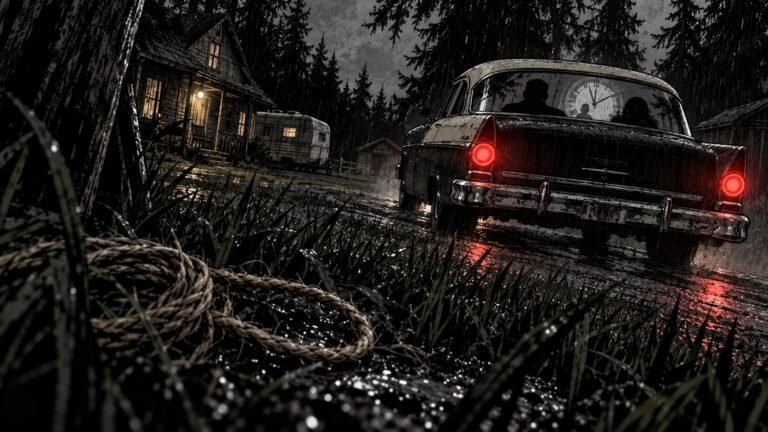
In Utah, he drove a Volkswagen Beetle. Reports differ on its color. But that car would show up again and again in this story.
KPCW reports that Bundy was a suspect in Melissa’s case at the time.
But being a suspect isn’t evidence. In 1974 there was no DNA testing. There was no national database. Detectives had a name, a pattern and a lot of fear.
They did not have proof.
And the disappearances didn’t stop. (TownLift) (Cowboy State Daily)
Halloween night, a second 17-year-old walked away from a party
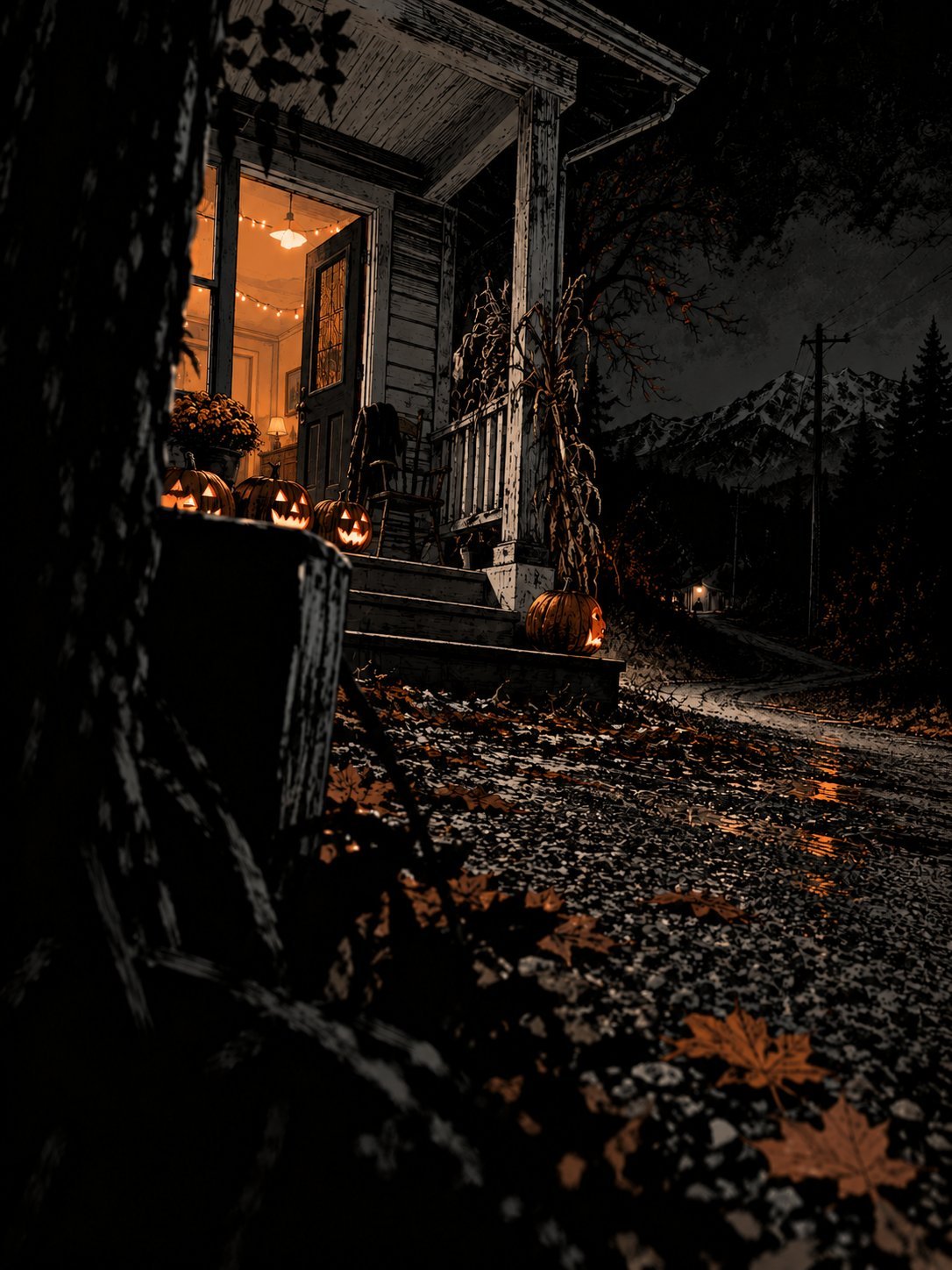
Thirteen days after Melissa disappeared, it was Halloween.
In Utah County, south of Salt Lake, a 17-year-old named Laura Ann Aime was at a Halloween party.
She left the party alone.
She was found about a month later in American Fork Canyon.
Laura and Melissa were the same age. They vanished from different counties, about two weeks apart. Cowboy State Daily says investigators now believe they were Bundy’s first two Utah victims.
For decades, their cases sat in separate files, kept by separate sheriff’s offices.
No one could have known it then, but Laura’s case would one day be the key that unlocked Melissa’s. Something taken from Laura’s case in 1974 would end up matching something taken from Melissa’s.
Within weeks, another girl would come face to face with the same man. This one would get away. (WTOP) (TownLift)
One girl got away. She jumped out of the car

On November 8, 1974, a young woman named Carol DaRonch was at a shopping center in the Salt Lake area.
She later testified that Bundy abducted her there, handcuffed her and held her in his Volkswagen.
Then she did the one thing that saved her life. She jumped out of the car and escaped.
Carol DaRonch became one of the most important witnesses against him. Bundy was later convicted of trying to kidnap her.
Later, during a 1975 trial in Colorado, Bundy questioned her himself for hours. “Miss Daronch, I feel very sorry for you but you’ve made a mistake,” he told her, according to an archived United Press International report.
Her answer was five words long: “You can’t change your face.”
And that same month, another girl in another town was about to vanish. (USA Today) (TownLift)
She left the school play at intermission

That same November, in Bountiful, north of Salt Lake City, 17-year-old Debra Kent went to a high school play with her parents.
At intermission, she got up and left. She was going to pick up her brother.
She never came back to her seat. She was never seen again.
Cowboy State Daily describes her as being taken from the high school auditorium’s parking lot.
Before his execution, Bundy confessed to killing Debra Kent, according to TownLift.
Count them. Nancy Wilcox, early October. Melissa Smith, October 18. Laura Aime, Halloween. Carol DaRonch, who escaped, and Debra Kent, both in November.
Five young women and girls in about six weeks. All in one corner of Utah, all in the same autumn.
Bundy would eventually be arrested. But when it came to talking about the killings, he would wait until almost the very end. (USA Today) (Cowboy State Daily)
The night before his execution, the detectives came

After Utah, Bundy’s trail ran through Colorado, where he escaped custody twice, and on to Florida, where he was finally caught for good.
In Florida he was convicted of three murders, including that of a 12-year-old girl. He was sentenced to death.
In January 1989, his execution date arrived.
In his final days, Bundy started to confess. He gave a series of tearful, last-minute confessions to authorities from several states. USA Today says he was hoping, in vain, to delay his execution.
On the eve of his execution, he spoke with detectives from Utah, Idaho and Washington.
They were not convinced.
Florida’s attorney general at the time, Bob Butterworth, put it bluntly, according to an archived Washington Post story: “Ted Bundy is a conniver and he’s a mass killer,” he said. “He’s trying to manipulate the system again.”
Florida executed Ted Bundy in the electric chair in 1989. (USA Today) (KPCW)
How many people did Ted Bundy kill? About 30 confessions. Did one name her?
How many people did Ted Bundy kill?
He confessed to about 30 murders. Estimates of the real number range from 20 to 100, across at least seven states. He was convicted of only three.
One reason is that he refused to share details about the crime scenes. Authorities suspected some confessions were lies told for attention. Not all of them have ever been confirmed.
And here is where Melissa’s case gets murky.
Did Bundy ever confess to killing her? The sources don’t agree. TownLift, citing the Utah Historical Society, says plainly: “He never confessed to killing Smith.” USA Today and Cowboy State Daily say his confessions included both Laura Aime and Melissa Smith.
Either way, it didn’t matter legally. A suspect was never named. The case was never closed.
Until this year, authorities only had a partial DNA profile of Bundy. Together with his confessions, it wasn’t enough to definitively close cases like Melissa’s.
So the file stayed open. And at home in Midvale, her family went on living with it. (TownLift) (USA Today)
The police chief’s family never saw it closed

Louis Smith, the police chief whose daughter had vanished from his own town, resigned from the Midvale police department six years after her murder.
He died three years after that.
Melissa’s sister, Jolene, died in 2014.
Her mother, Joan, the woman who made the phone call on October 18, 1974, died in 2024. She missed the answer by about two years.
By the time the case was solved, the people who had waited for it longest were gone. Melissa’s remaining relatives live out of state. They were told before the announcement. They declined to attend the press conference or to speak with reporters.
It’s one of the cruelest parts of a cold case. Time doesn’t just bury the evidence. It takes the people who were waiting for the truth.
But somewhere in Florida, a piece of evidence had been waiting too.
It was a small vial of blood. (USA Today) (KPCW)
A vial of blood sat in Florida for 33 years
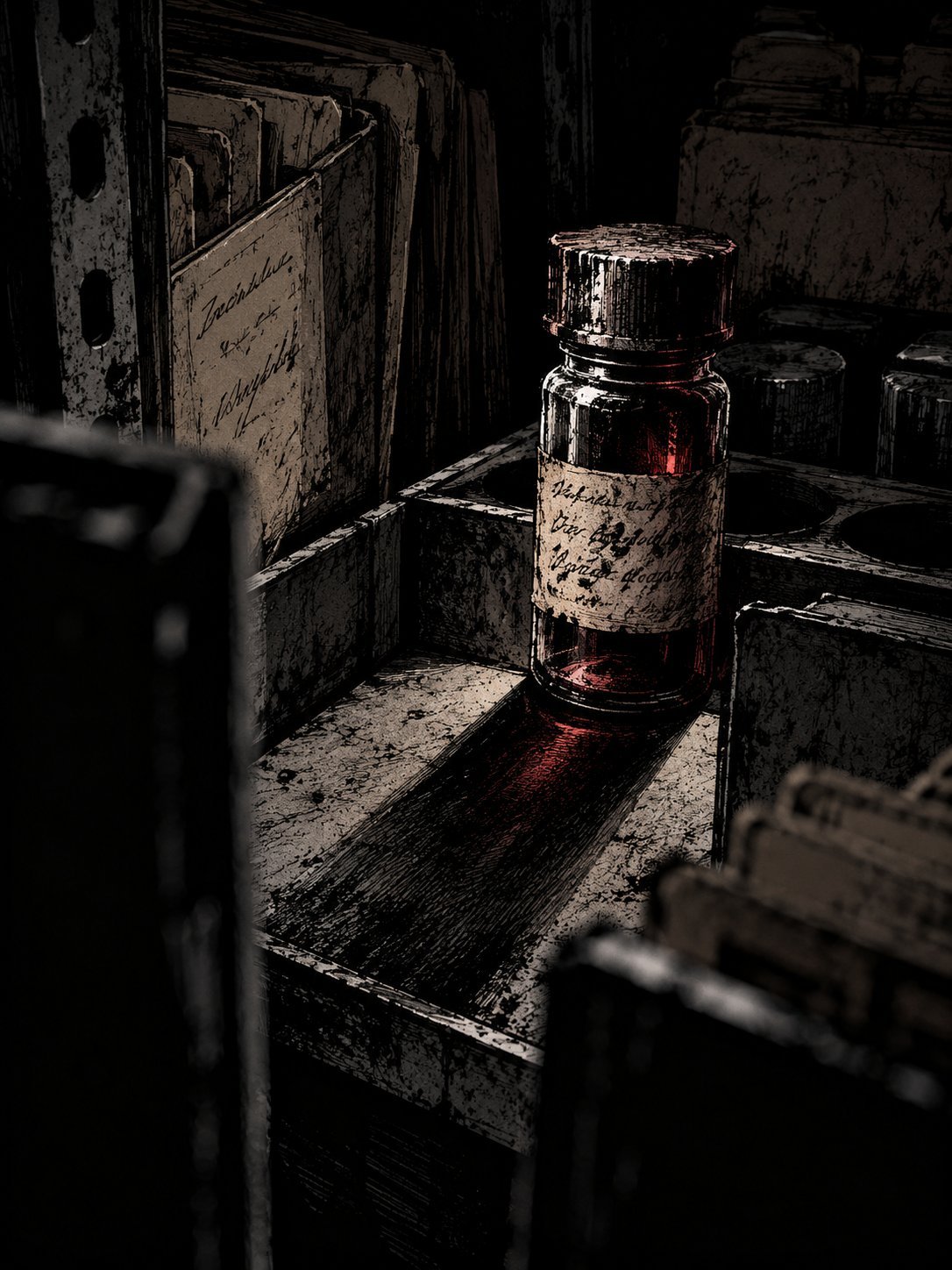
In 1978, after Bundy was arrested in Florida for the death of a 12-year-old girl, authorities drew a sample of his blood.
In 2011, that vial of Bundy’s blood was found in Florida.
CBS News reports that Bundy’s DNA profile was entered into the FBI’s national database. For the first time, police around the country had a way to check old evidence against Ted Bundy, years after his death.
There was one problem. According to Cowboy State Daily, the profile investigators had was only partial. And the evidence from cases like Melissa’s was more than 35 years old. Old DNA breaks down. Samples get tiny, damaged or mixed with other people’s DNA.
For years, that meant many presumed Bundy cases stayed technically unsolved.
“Some of them were presumed Bundy cases and left to remain unsolved because he was executed,” Utah private investigator Jason Jensen told Cowboy State Daily.
What changed was a phone call between two sheriff’s offices. (CBS News) (Cowboy State Daily)
In June 2025, a detective went looking for a 50-year-old box
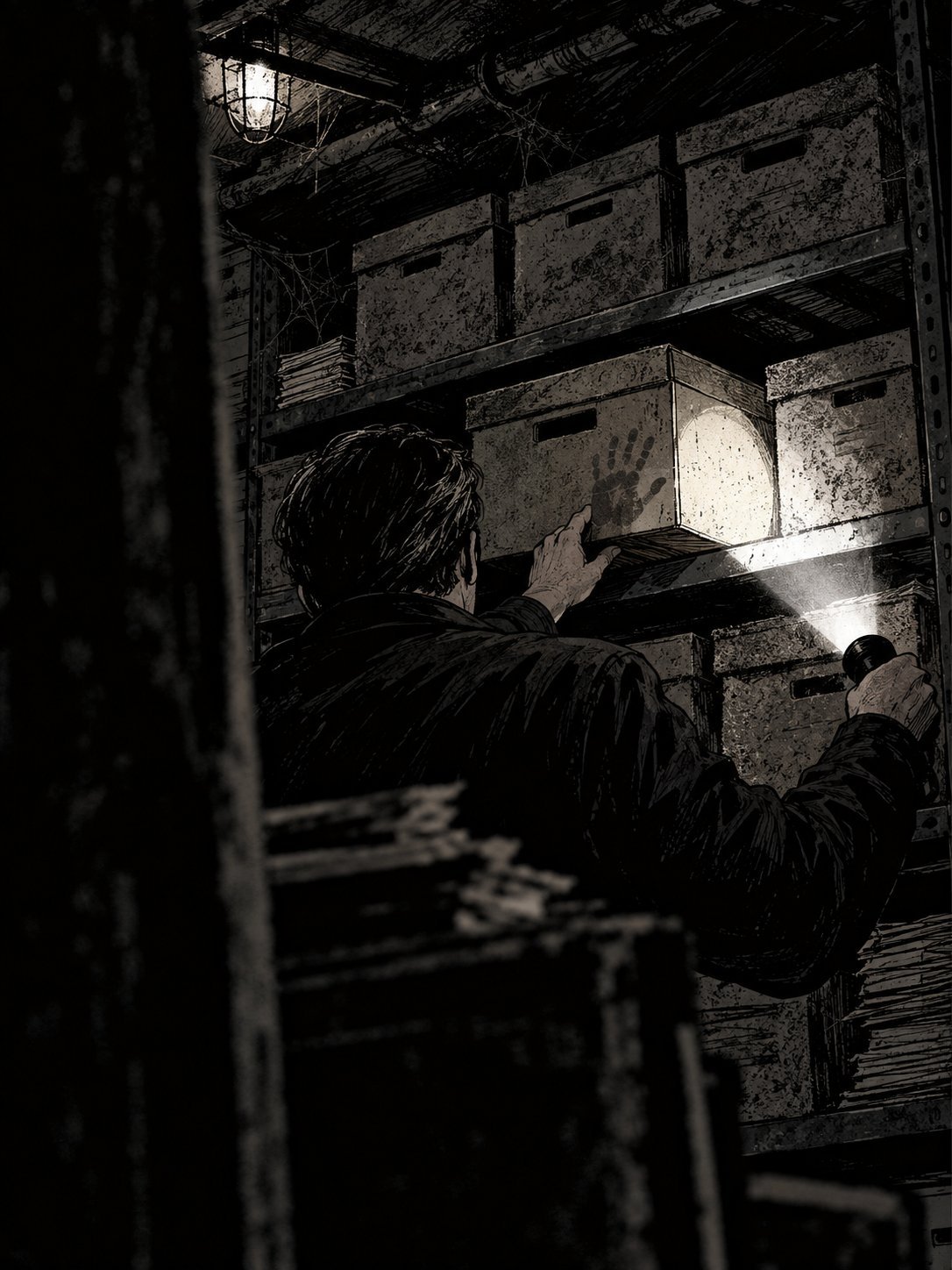
In June 2025, a detective from Summit County picked up the phone and contacted the Salt Lake County Sheriff’s Office.
Melissa had disappeared in Salt Lake County, remember, but she was found in Summit County. Her case had been split across a county line for half a century.
A Salt Lake County detective went looking. And that detective found what mattered most: the original investigative reports from 1974, and the evidence.
“This case demonstrates the importance of preserving evidence,” Salt Lake County Sheriff Rosie Rivera said.
Think about how easily evidence like that can be lost over 50 years. Offices move, storage gets cleared out, staff change. Old cases can fall apart because a box simply can’t be found.
This one could.
“It’s super important for law enforcement to do their due diligence to solve a case,” Rivera said. “We owe that to the families of these cold cases.”
Now the old evidence needed a lab that could read it. (USA Today) (CBS News)
The technology that could read 50-year-old DNA
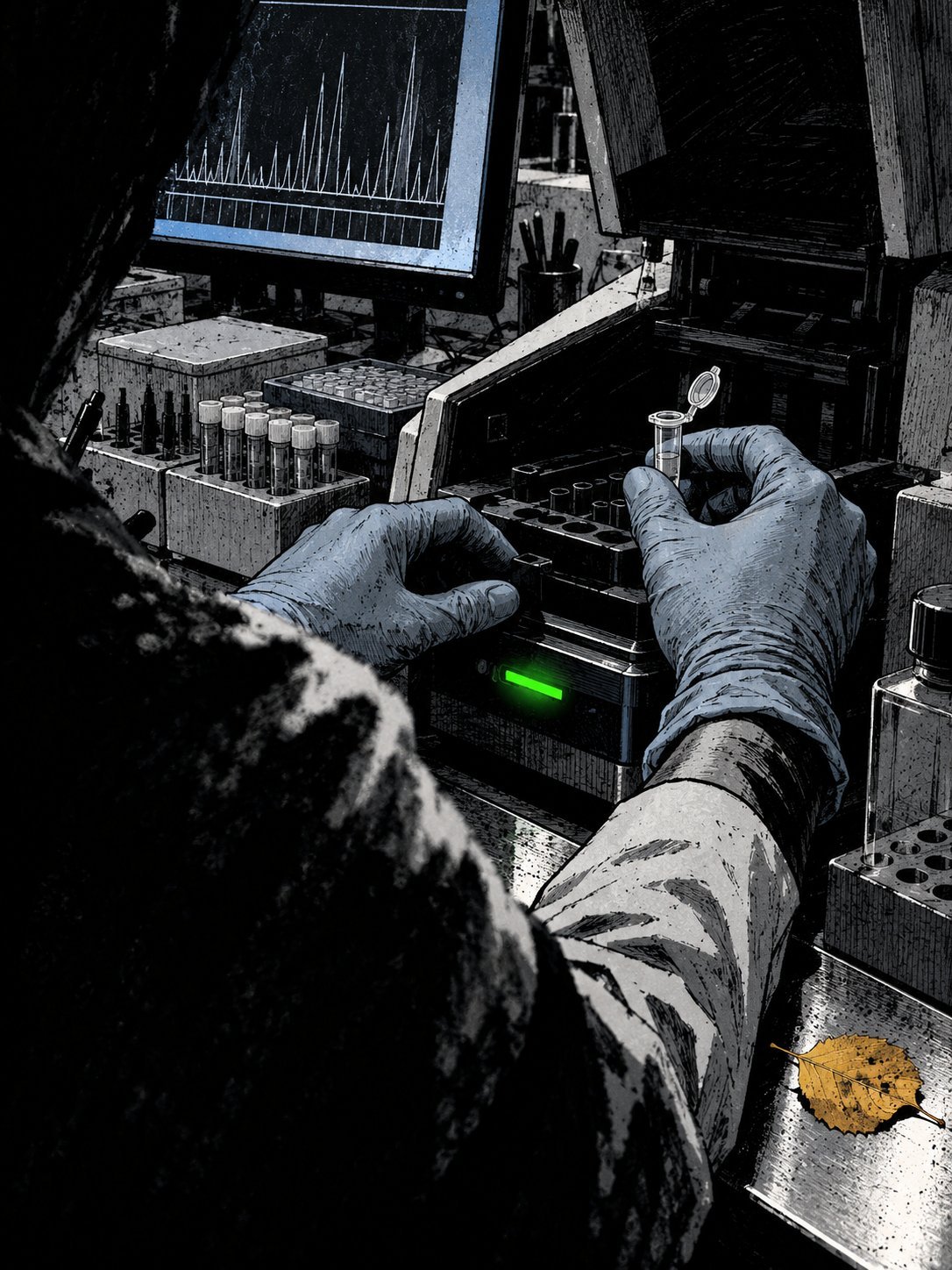
In 2023, the Utah State Crime Lab got new technology.
It can rebuild a full DNA profile from samples that used to be useless: tiny amounts, samples damaged by age, or samples mixed with someone else’s DNA.
That changed everything for the Bundy cases.
In April 2026, the Utah County Sheriff’s Office used this new kind of DNA testing to build a complete genetic profile of Bundy. It matched evidence from Laura Aime’s case to Bundy’s blood sample from Florida. Laura’s case was closed on April 1.
Now investigators had a complete Bundy profile, and a confirmed victim whose DNA evidence was in the lab.
So they took the evidence from Melissa’s 1974 autopsy and ran it.
Utah County Sgt. Mike Reynolds said they found a highly similar DNA profile linked to Bundy in that evidence.
Then came the final comparison: Melissa’s case against Laura’s. (Cowboy State Daily) (CBS News)
July 14: the two profiles lined up
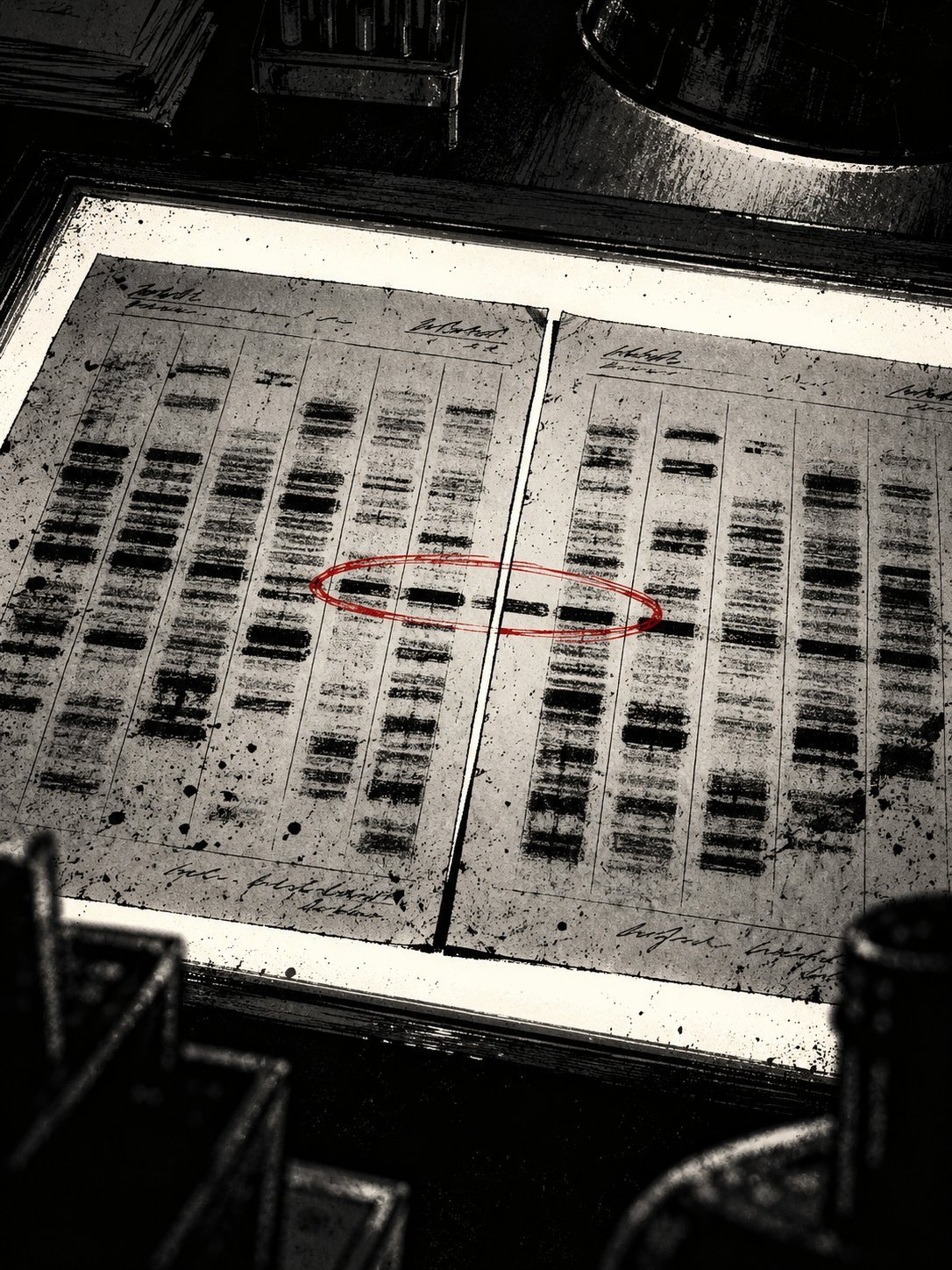
On July 14, the Utah State Crime Lab reached its conclusion.
The DNA profile from Melissa Smith’s body matched the profile from Laura Aime’s body.
Laura’s case was already tied to Bundy through his own blood. So now Melissa’s was too.
Prosecutors didn’t rely on the DNA alone. The Summit County Attorney’s Office reviewed the full case file and cleared the case in October 2026.
“This DNA evidence, when considered alongside evidence related to pattern, motive, means and opportunity,” Olson said, establishes Bundy’s responsibility for the murder.
The sheriff’s office release went further. It said the evidence “conclusively proves that Ted Bundy murdered Melissa Ann Smith.”
There would be no trial. “Although Ted Bundy is no longer alive to face prosecution,” Olson said, she credited advances in forensics and the dedication of the investigators.
One of those investigators did not live to see the announcement. (TownLift) (KPCW)
The detective who worked it didn’t live to see the end
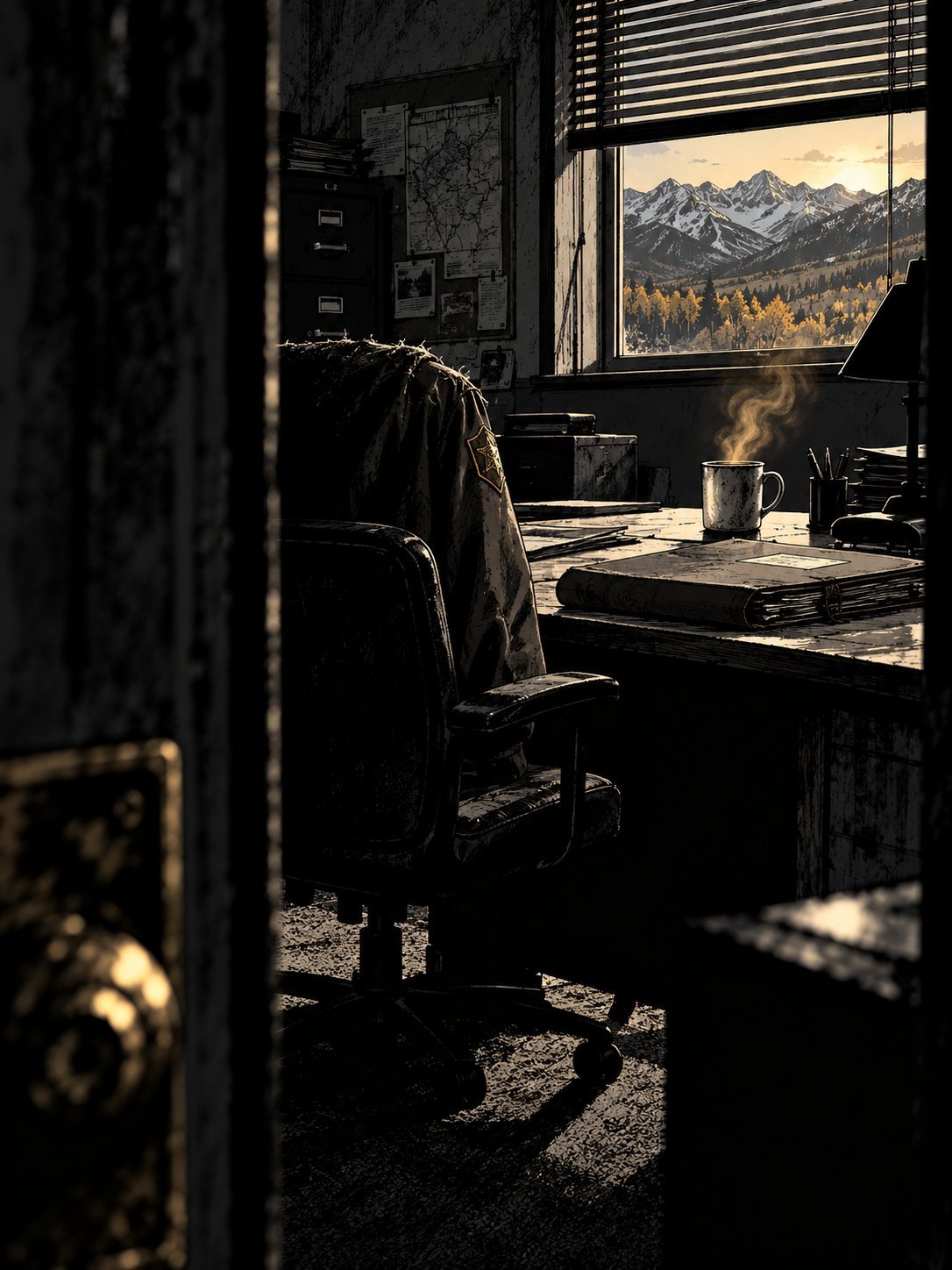
Over the last year of the investigation, Summit County Sheriff’s Lt. Alan Siddoway worked closely with the Utah County Sheriff’s Office on Melissa’s case.
Sheriff Bates said he was instrumental in resolving it.
He died of cancer in October 2026, earlier in the same month the case was announced.
At the press conference, Utah County Sgt. Mike Reynolds dedicated the case closure to Siddoway’s memory.
Reynolds also spoke for Melissa. “The hearts and minds of our county mourn” her loss, he said. And then he added something sharper.
“With every case closure, may we stomp the memory of Ted Bundy out.”
It’s a fitting line for a case like this. For 50 years, the story of the autumn of 1974 has been told around Bundy’s name. These closures put the girls’ names back at the center.
Melissa’s case is closed. But the woods above Salt Lake City still hold one more. (KPCW) (USA Today)
Case closed. One girl from that fall is still missing

“To the living we owe respect, but to the dead we owe only the truth,” Sheriff Bates said, quoting Voltaire.
For Melissa Ann Smith, the truth took 52 years. She was 17, a high school senior and a police chief’s daughter. She walked out of a pizza restaurant on October 18, 1974, and never came home. Hunters found her nine days later. Now, on paper and in the lab, her killer has a name.
But Nancy Wilcox, the 16-year-old cheerleader who vanished two weeks before her, has never been found. Detective Ben Pender is still working on her case.
The same DNA technology may also clear Bundy of crimes that were wrongly pinned on him. That matters too, investigator Jason Jensen said, because real victims deserve accurate answers.
“This Melissa Anne Smith case deserved to be formally closed attributed to Bundy,” he said. “May she now rest in peace.”
Somewhere in an evidence room, there may still be a box waiting for the right detective and the right machine.
After 52 years, Melissa’s finally was. (KPCW) (Cowboy State Daily)
Case notes: a police chief’s daughter, a second girl’s DNA and a 52-year-old file
Melissa Ann Smith, 17, of Midvale, Utah, was the daughter of then-Midvale Police Chief Louis Smith (KPCW) (USA Today). She disappeared after leaving a Midvale pizza restaurant on Oct. 18, 1974, and deer hunters found her body near Summit Park in Summit County on Oct. 27, 1974 (TownLift) (CBS News) (Cowboy State Daily). Ted Bundy was a suspect at the time, but no suspect was ever named and the case was never officially closed (KPCW).
On Oct. 27, 2026, 52 years to the day after she was found, Summit County officials announced that DNA evidence, together with evidence of pattern, motive, means and opportunity, establishes that Bundy killed her (KPCW) (TownLift). Bundy was executed in Florida in 1989, so there will be no prosecution (USA Today).
Timeline
| Date | What happened |
|---|---|
| September 1974 | Ted Bundy moves to Salt Lake City and is a University of Utah law student that fall (CBS News) (TownLift) |
| Early October 1974 | Nancy Wilcox, 16, a cheerleader, disappears in Salt Lake County; she has never been found (USA Today) (KPCW) |
| Oct. 18, 1974 | Melissa Smith leaves a Midvale pizza restaurant and disappears; her mother reports her missing (TownLift) (Cowboy State Daily) |
| Oct. 27, 1974 | Hunters find her body near Summit Park (CBS News) (TownLift) |
| Oct. 31, 1974 | Laura Ann Aime, 17, leaves a Halloween party alone; she is found about a month later in American Fork Canyon (WTOP) |
| Nov. 8, 1974 | Carol DaRonch escapes Bundy’s Volkswagen in a shopping center parking lot (USA Today) |
| November 1974 | Debra Kent, 17, leaves a school play in Bountiful at intermission and is never seen again (USA Today) (Cowboy State Daily) |
| 1978 | A sample of Bundy’s blood is drawn after his arrest in Florida (CBS News) |
| January 1989 | Florida executes Bundy after last-minute confessions to about 30 murders (USA Today) (Cowboy State Daily) |
| 2011 | The 1978 vial of Bundy’s blood is found in Florida; his profile goes into the FBI database (CBS News) |
| 2023 | Utah State Crime Lab acquires technology that rebuilds DNA profiles from tiny, degraded or mixed samples (Cowboy State Daily) |
| June 2025 | A Summit County detective contacts the Salt Lake County Sheriff’s Office; the original 1974 reports and evidence are found (USA Today) |
| April 1, 2026 | Utah County closes Laura Aime’s case, linked to Bundy by DNA (TownLift) (WTOP) |
| July 14, 2026 | The crime lab matches DNA from Smith’s case to Aime’s (TownLift) (USA Today) |
| Oct. 27, 2026 | Summit County announces Bundy killed Melissa Smith (KPCW) |
What the sources agree on, and where they don’t
| Detail | Source A says | Source B says |
|---|---|---|
| Did Bundy confess to killing Smith? | “He never confessed to killing Smith” (TownLift) | His roughly 30 confessions included Aime and Smith (USA Today) (Cowboy State Daily) |
| Who found her | Hunters, deer hunters (TownLift) (CBS News) | “A hunter” (KPCW) |
| Date Nancy Wilcox vanished | Oct. 3, 1974 (USA Today) | Oct. 2 (CBS News) |
| How many murders Bundy confessed to | About 30 (USA Today) (KPCW) | 28 (KMVT) |
| Bundy’s DNA profile before 2026 | Full profile entered into the FBI database after 2011 (CBS News) | Only a partial profile until April 2026 (Cowboy State Daily) |
| Color of Bundy’s Volkswagen | Yellow (USA Today) | Other reports differ, so this story leaves it out |
Every source agrees on the core facts: Melissa Smith vanished Oct. 18, 1974, was found Oct. 27, 1974, and the 2026 DNA match ran through Laura Aime’s case (TownLift) (KPCW) (CBS News). Where reports differ, this story says “hunters” and “about 30” confessions.
Details most coverage missed
Bundy was never matched to her directly. Melissa’s DNA was matched to Laura Aime’s case, which had already been matched to Bundy’s own blood (TownLift).
The case crossed a county line. She disappeared in Salt Lake County but was found in Summit County. It took a call between the two sheriff’s offices in June 2025 to bring the original evidence back to light (USA Today).
Her family did not live to see it. Her father resigned six years after her murder and died three years later; her sister died in 2014 and her mother in 2024 (USA Today).
The lead investigator died weeks earlier. Lt. Alan Siddoway, credited by Sheriff Bates as instrumental, died of cancer in October 2026 (KPCW).
What we still don’t know
- Exactly what happened between the restaurant and Summit Park. No public account describes it (TownLift).
- Whether Bundy ever confessed to this specific killing. Sources disagree (TownLift) (USA Today).
- What happened to Nancy Wilcox. Her body has never been found and her case is still open (KPCW).
- How many victims Bundy really had. Estimates run from 20 to 100 (USA Today).
Case file summary
- Victim: Melissa Ann Smith, 17, of Midvale, Utah
- Disappeared: Oct. 18, 1974, after leaving a Midvale pizza restaurant
- Found: Oct. 27, 1974, near Summit Park, Summit County
- Named: Ted Bundy, by DNA match through the Laura Ann Aime case (July 14, 2026)
- Announced: Oct. 27, 2026, by Summit County officials
- Status: Closed. No prosecution; Bundy was executed in 1989
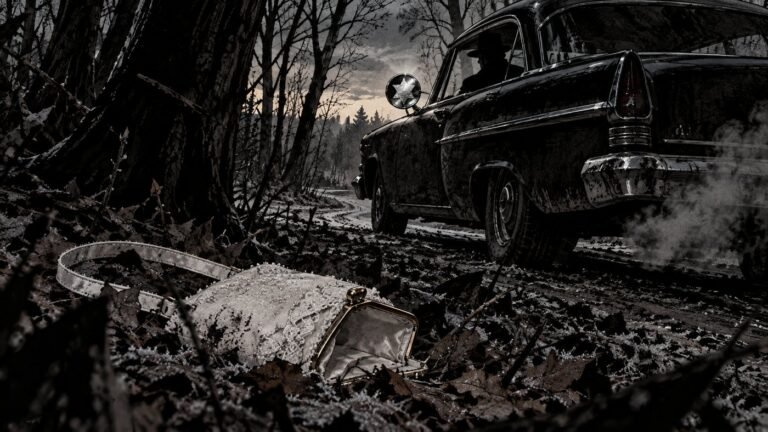
Illustrations are artistic interpretations, not police or news photos. No real person has a recognizable face.
Sources
- KPCW: DNA analysis solves Ted Bundy cold case in Summit County (Oct. 27, 2026)
- TownLift: The police chief’s daughter found in Summit Park in 1974 was murdered by Ted Bundy, DNA confirms (Oct. 2026)
- USA Today via Central Oregon Daily: Serial killer Ted Bundy linked to murder of police chief’s 17-year-old daughter (Oct. 27, 2026)
- CBS News: DNA links Ted Bundy to 1974 murder of Utah teenager (Oct. 27, 2026)
- Cowboy State Daily: Another Utah Bundy victim confirmed using breakthrough DNA testing (Oct. 27, 2026)
- KMVT: Cold case solved, DNA links serial killer Ted Bundy to 1974 murder of Utah teen (Oct. 27, 2026)
- WTOP (AP): New DNA testing links unsolved death of Utah teen in 1974 to Ted Bundy (April 2026)