Battle Ground 1962 Double Murder Solved: The DNA Came Back Two Days After He Died
The warrant was almost ready. The man had just died
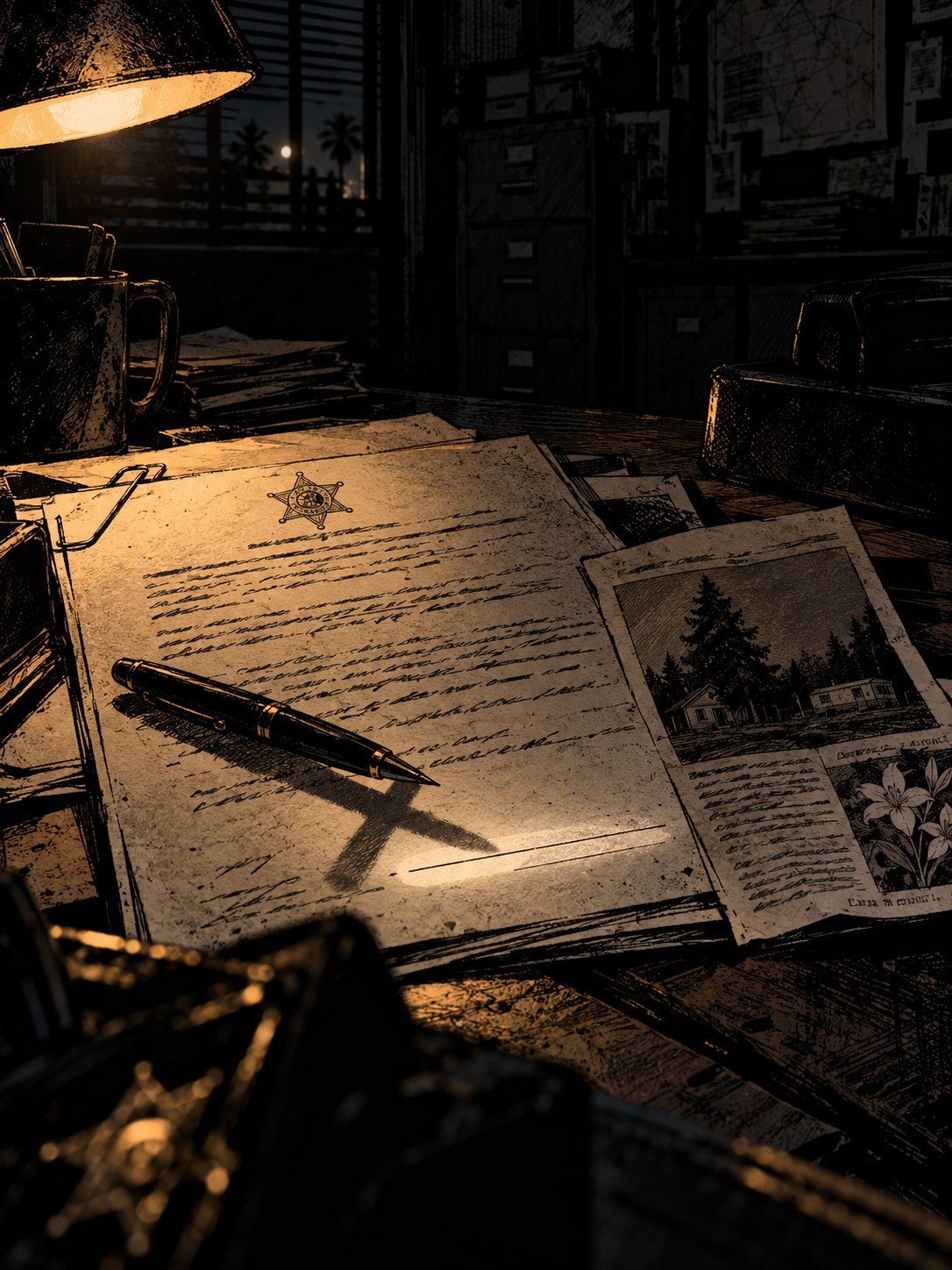
In early June 2026, detectives in Clark County, Washington, were finally ready to move on a double murder from 1962.
They had a name. They had DNA results linking that name to evidence kept since the summer of 1962.
They planned to seek an arrest warrant.
Then they learned the man they wanted had died two days earlier.
He was about 80 years old, and he died of natural causes. He had never been arrested or charged.
The case he was linked to was 64 years old. It began on a rural property near a small town in southwest Washington, where two older men were found dead by friends who had come to check on them.
No warrant was ever issued. No one will stand trial.
But the people who kept this case alive got something else. An answer. (KATU)
Two old men, one piece of land, and June 1962

The town is Battle Ground, Washington, north of Portland, Oregon, in Clark County.
In June 1962, two men lived on the same piece of land there. Charles Hale was 71. Lester McCollum was 67. The sheriff’s office’s older records give Hale’s age as 72, but its 2026 release says 71, and that is the account this file follows.
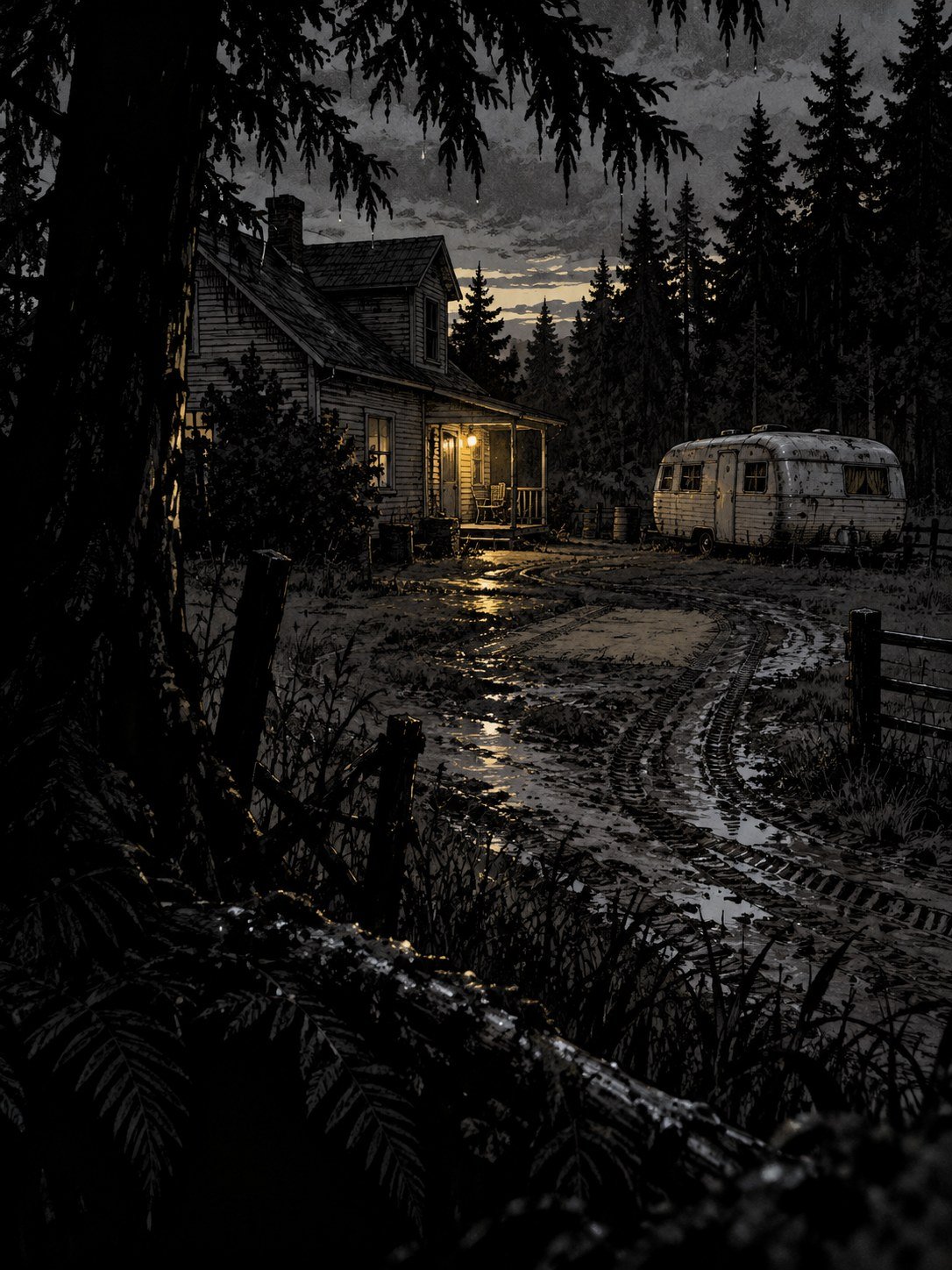
They lived in separate homes on the property. According to the sheriff’s office’s cold case page, McCollum lived in the house, and Hale lived in a camping trailer parked on McCollum’s land.
The local paper, The Columbian, also described them as longtime friends, and placed the home on Northeast 199th Street.
On June 24, 1962, both men were found dead on that land.
It would take 64 years to learn who the evidence pointed to. (Clark County Sheriff)
The answer was on a rearview mirror all along

Here is the strange part of this case. The key evidence was found almost right away.
Investigators lifted a fingerprint from the rearview mirror of a car. They also kept a piece of twine from the scene and cigarette butts from that same car.
In 1962, a fingerprint was only useful if you had something to compare it to. There were no nationwide computer databases you could search in seconds. Unless detectives already had a suspect, a print could sit in a file without a name attached.
DNA testing did not exist at all. Nobody in 1962 could have imagined that a cigarette butt could one day identify the person who smoked it.
So the evidence was collected, labelled and stored.
It sat there, holding its secret, while the technology slowly caught up.
Worried friends went to check. Both men were dead
Charles Hale and Lester McCollum were brothers-in-law. They were family, and they lived side by side on the same property.
On the morning of June 24, 1962, friends became worried about them and went to check.
Nothing in the sources says exactly what made them worry. What is known is what they found when they got there.
McCollum was inside his home. Hale was in the camping trailer parked on the property. Both men were dead.
Two men, on their own land, killed on the same day. The case was filed under the sheriff’s office’s Master Case 169.
Both deaths were ruled homicides. The investigation began that day, and in one form or another, it would stay open for the next 64 years.
The question was who had done it, and why. (Clark County Sheriff)
A length of twine nobody could forget
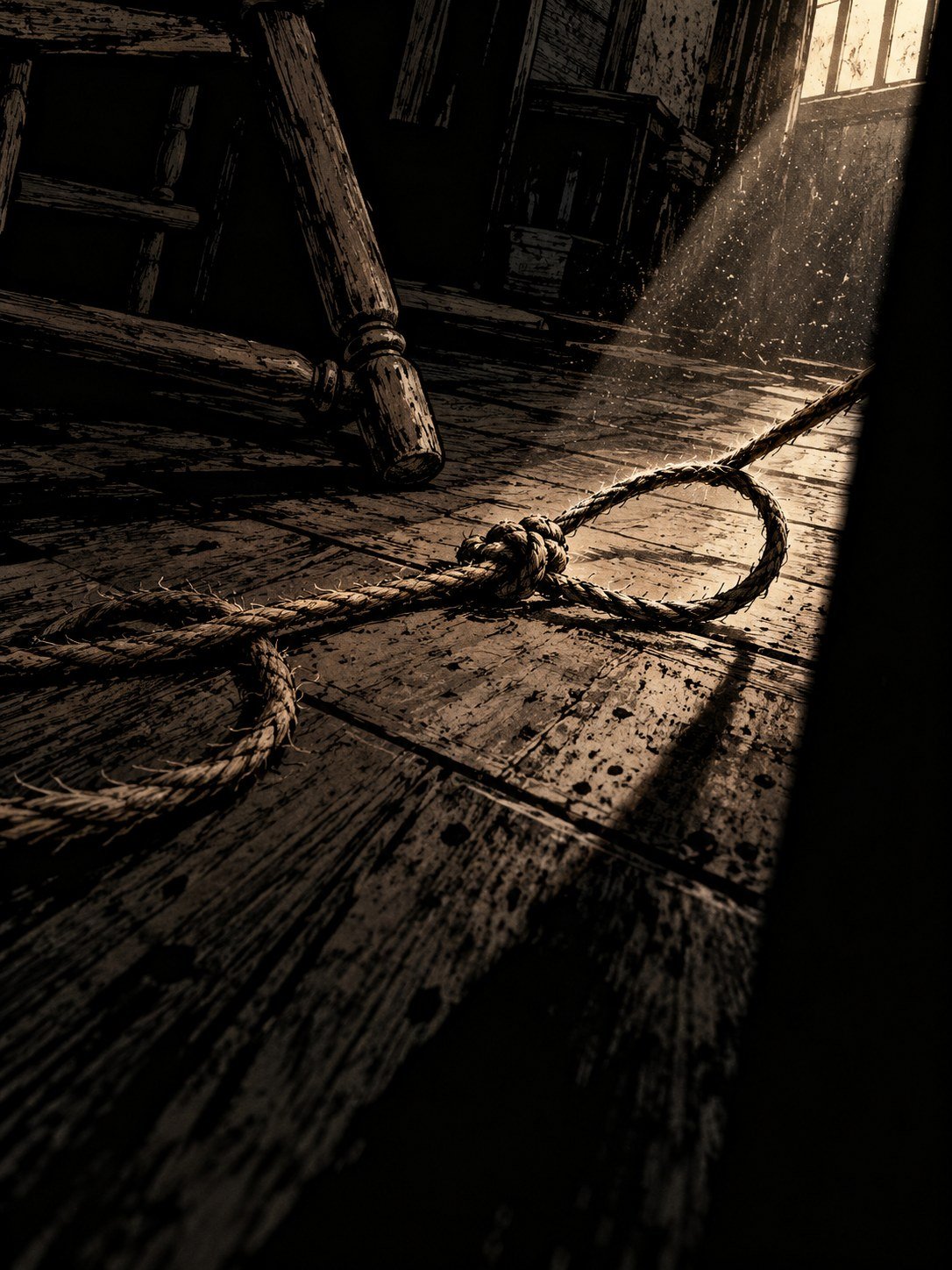
Both men had been killed. According to the sheriff’s office’s 2026 release, Hale was shot and McCollum was strangled.
The office’s older cold case page describes the deaths differently, and some news reports followed that version. This file follows the newer release, which the sheriff’s office now treats as its current account.
One detail appears in the case again and again. One of the victims had been tied with twine.
Twine is ordinary farm material. Thin, rough cord, the kind used to bundle hay or tie up sacks. It was common on farms.
Detectives kept the piece used at the scene. In 1962 it was just a physical object, a piece of the scene to be bagged and filed.
Decades later, that piece of twine would carry the most important evidence in the case. (KATU)
The car was gone from the property

When investigators looked around the property, something was missing. A car.
According to the 2026 release, it was Hale’s Ford sedan. The older cold case page says it was McCollum’s vehicle. Either way, a car that belonged on that land was not there.
Detectives believed robbery may have been the motive. Robbery would explain why a car disappeared. It would not explain everything else.
Years later, a sheriff’s sergeant, Fred Neiman, told the local paper The Reflector that firearms and money had also been taken. He said detectives in 1962 found disturbed grass and tracks through a neighbouring hayfield. They read that as a sign that two people had watched the place. That idea would come back much later.
So the picture in 1962 was this. Two men killed. Valuables gone. A car driven away.
And somewhere, whoever had taken it was on the road.
The missing car turned up in Seattle
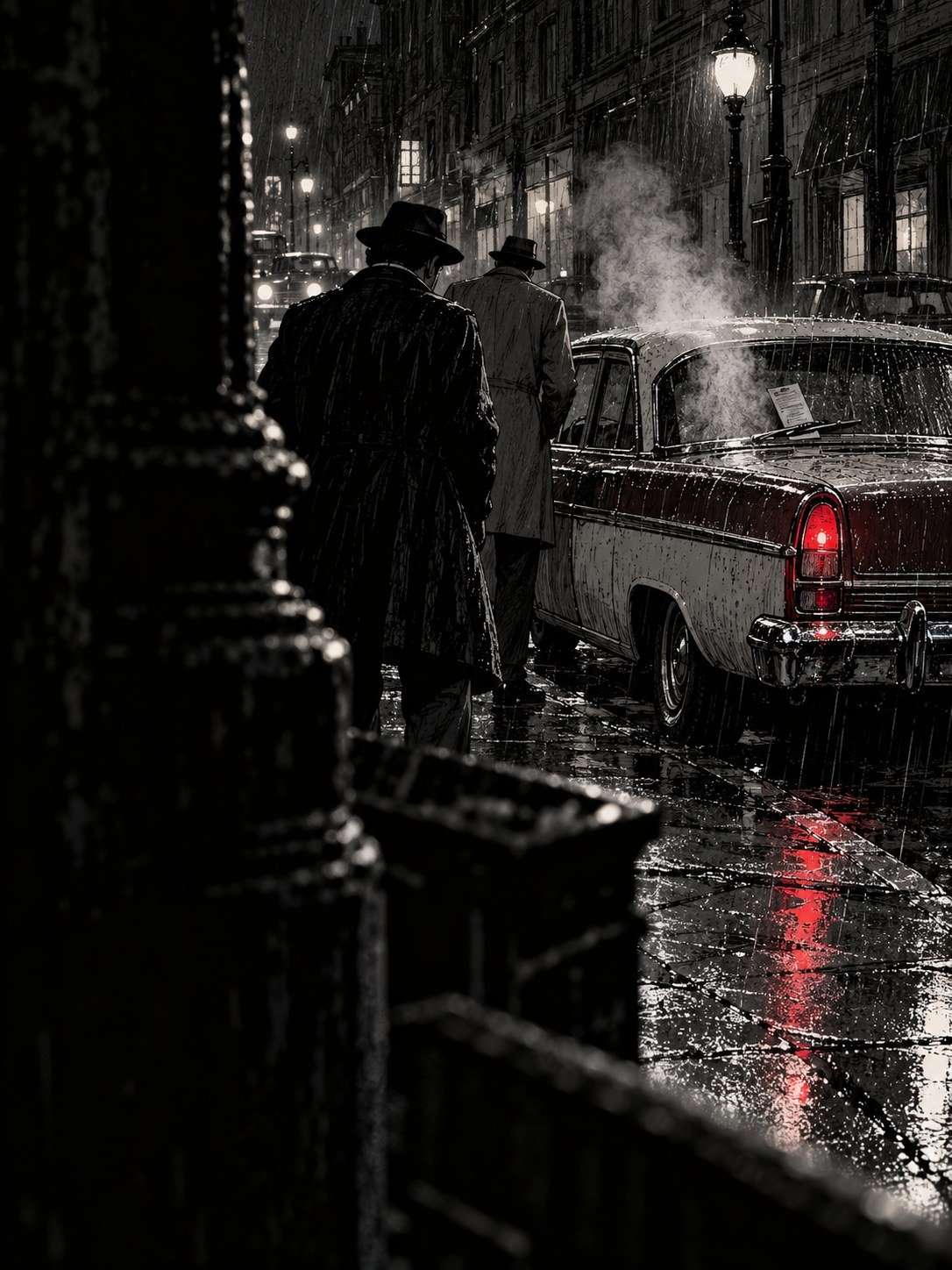
Days later, the missing car was found in Seattle.
Seattle is the biggest city in Washington State, roughly a three-hour drive north of Battle Ground today.
Sources disagree on exactly how long it took to find the car. The cold case page says three days. The sheriff’s release says several days. One TV station, KPTV, reported a day later.
What matters is that the car was recovered at all. It had been driven a long way north, away from the property. Whoever drove it there had left it behind. It was the one solid link between the property near Battle Ground and whoever had taken the car.
And they had left more than the car. Inside were small, ordinary things nobody would think twice about.
To the investigators, that car was now a crime scene on wheels. (Clark County Sheriff)
Cigarette butts left behind in the stolen car
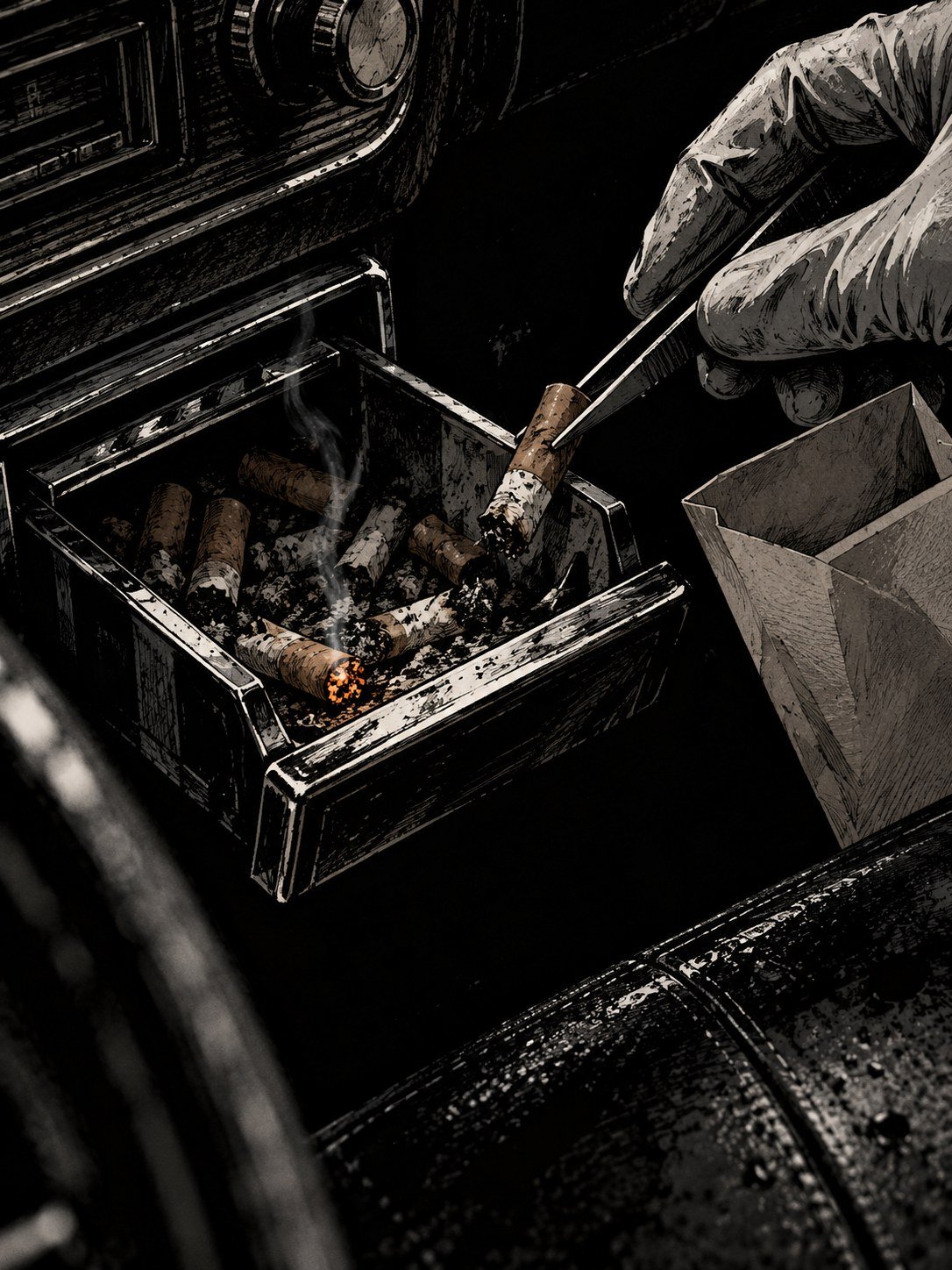
Investigators went through the car carefully.
They collected cigarette butts from inside it. In the 1960s, most cars had a built-in ashtray, and smoking while driving was completely normal.
They also lifted fingerprints. One of them came from the rearview mirror.
That detail matters. A rearview mirror is something a driver reaches up and adjusts. A print there is the kind of mark someone sitting behind the wheel might leave.
In 1962, investigators could compare that print to the cards of known suspects. But they had no name to compare it with.
The cigarette butts were even more of a mystery. At the time, they could tell you almost nothing.
So all of it was bagged, labelled and stored, sealed so it could be examined again later. And then the waiting began. (KATU)
The evidence sat in storage for decades
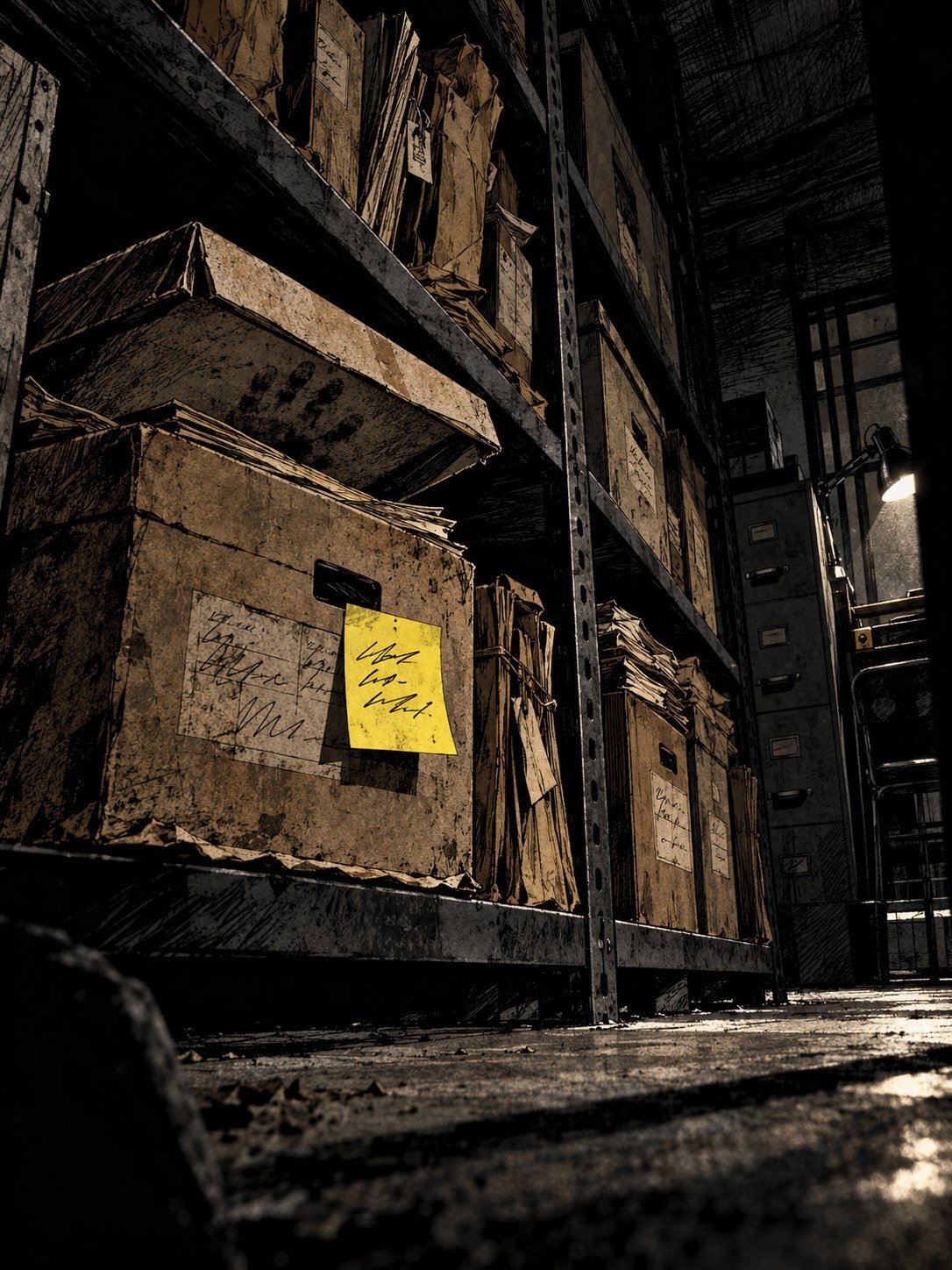
The evidence went into storage. The sheriff’s office kept it for decades, through every change in technology.
That sounds simple. It is not. Old cases are easy to lose. Files get moved, boxes get damaged, people retire.
In fact, according to The Reflector, the original case file itself went missing for a period, and records had to be rebuilt.
The physical evidence survived. The twine. The cigarette butts. The fingerprint.
One person who refused to let the case go was Sgt. John Dush. The Reflector reported that he kept working on it even into his retirement. He died in 2025, before the case was solved.
For more than half a century, the evidence just waited. A fingerprint with no name. Cigarette butts that could not yet talk.
Then, in 2017, one of them spoke.
In 2017, the fingerprint finally got a name
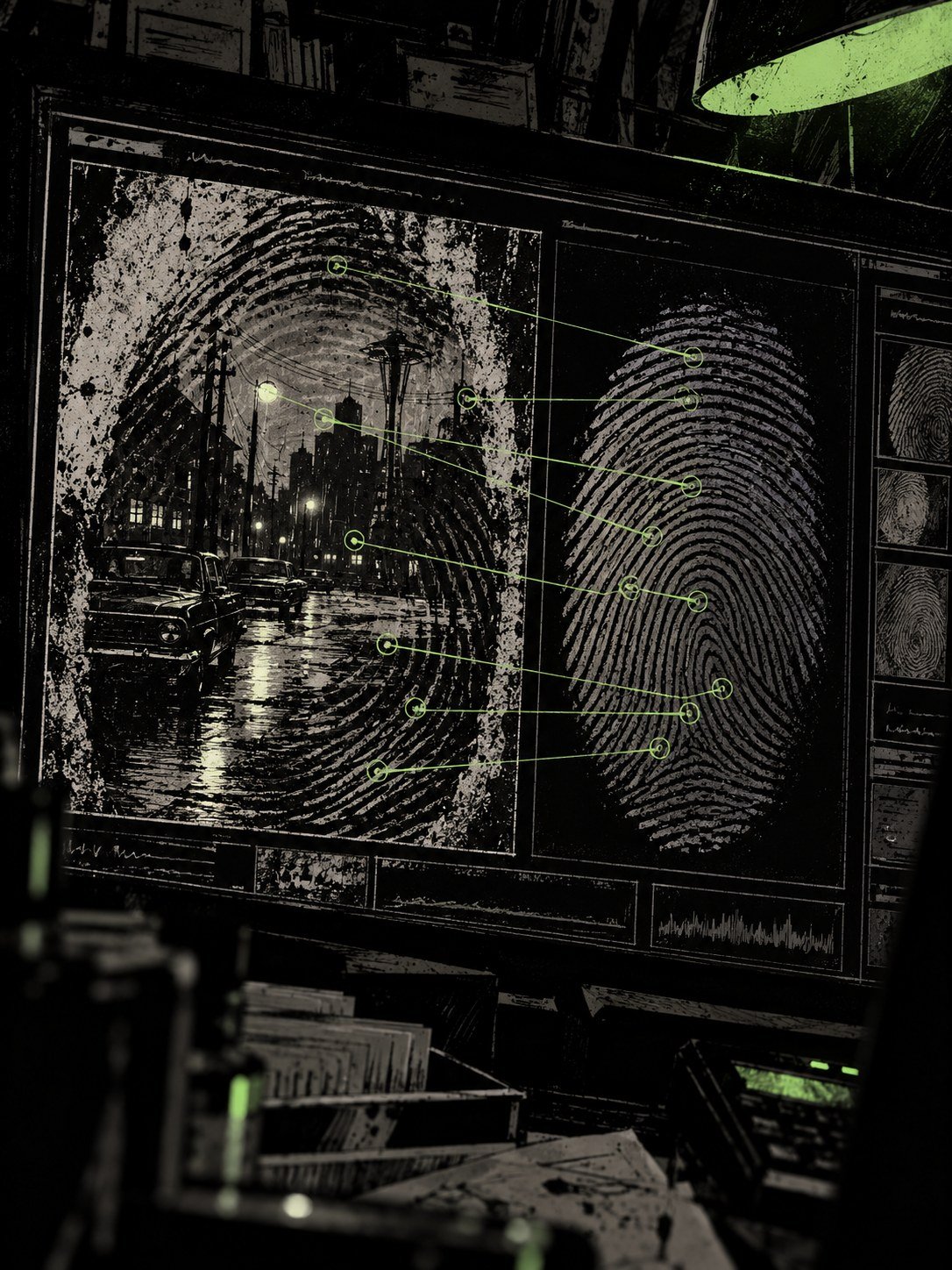
In 2017, the fingerprint from the rearview mirror was matched to a man named Barton M. Stebbins.
The Reflector attributes the match to an upgrade of the FBI’s fingerprint database. Over the decades, millions of fingerprint cards have been turned into searchable digital records. A print that matched nothing in 1962 could suddenly match someone.
In 1962, Stebbins had been 17 years old. A teenager. Not even 18.
That changed the picture of the case. The name on the mirror belonged to someone who had been a high-school-aged kid at the time.
But a fingerprint on a mirror only shows that someone touched the car. It does not, on its own, prove what happened on that property.
Detectives needed more. And it would be years before they went to see him. (KIRO 7)
They found him in a quiet California town at 80

In October 2025, investigators traveled to Hemet, California, a quiet town in Southern California.
That is where Barton Stebbins was living. He was 80 years old.
Why did it take from 2017 to 2025 to knock on his door? The sheriff’s office later said the case had moved slowly because of competing priorities and a lack of dedicated cold-case resources.
Things changed in 2024. According to The Columbian, Sheriff John Horch re-established the office’s cold case team that year. With people assigned to old cases again, the Hale and McCollum file came back to life.
Detectives sat down to talk with a man who had been 17 when the killings happened. None of the sources says the original 1962 investigation ever had his name.
Sixty-three years after the car was abandoned in Seattle, they finally asked him about it.
He didn’t confess, but he gave his DNA

Stebbins did not confess.
According to the sheriff’s office, his statements were inconsistent. In other words, parts of his account did not fit together. Investigators have not released what he actually said.
But then he did something important. He voluntarily gave a DNA sample.
A DNA sample is usually a quick swab of cotton rubbed on the inside of the cheek. It takes seconds. It does not hurt. And it can be compared against DNA left on evidence decades earlier.
Nobody could make him. It was his choice.
Detectives sent the sample to the lab along with the evidence that had waited since 1962: the twine and the cigarette butts.
That sample would turn out to be the most important thing to come out of the interview.
Then they waited again. This time, the wait would be measured in months, not decades. (KIRO 7)
He said he hadn’t been alone
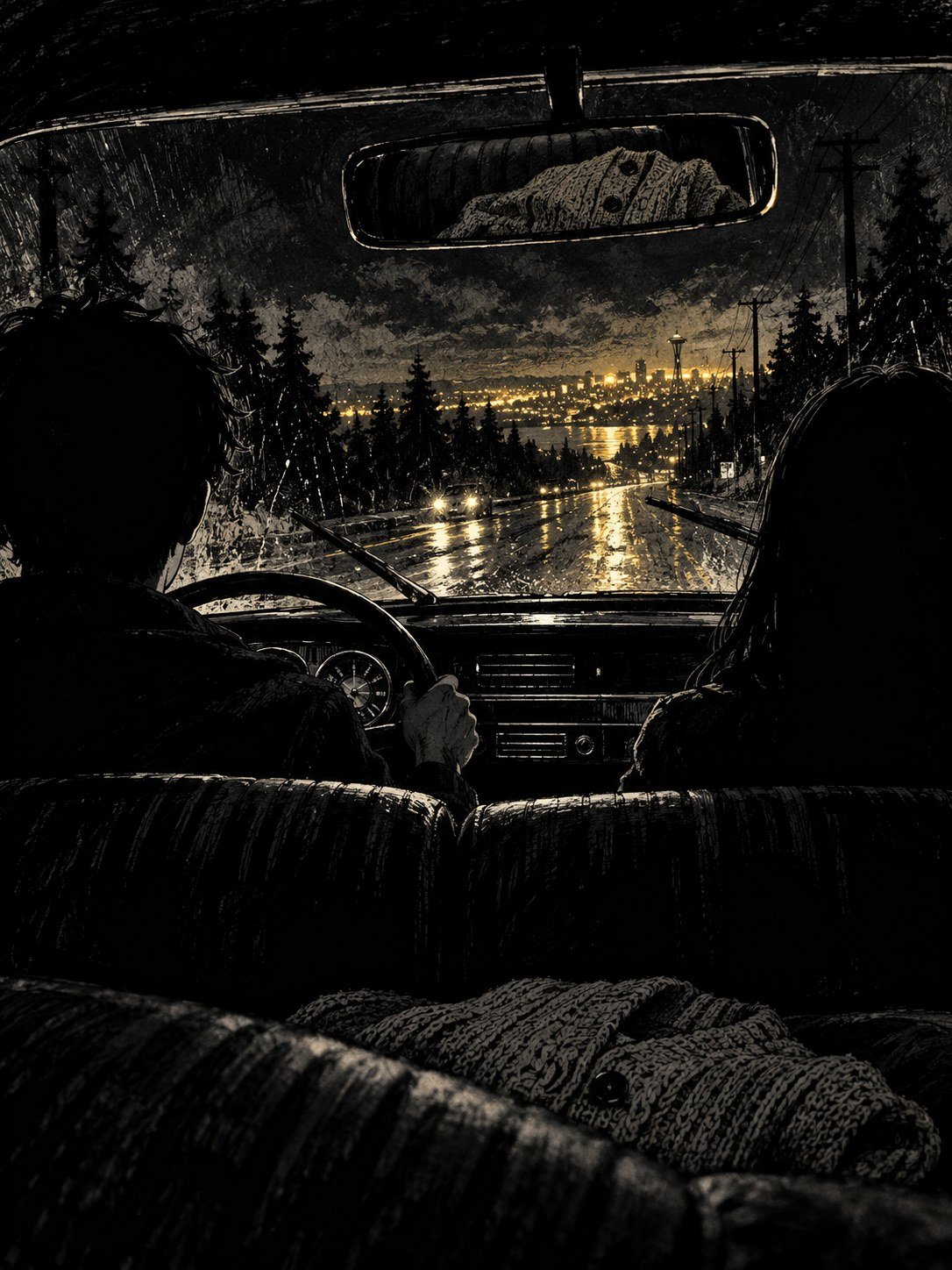
During the interview, Stebbins told investigators something that would matter a great deal later.
He said that back then, he had been traveling with another teenager.
He did not, according to the sources, explain everything that happened. But that one statement gave detectives a new thread to pull.
It also matched an old detail. Back in 1962, investigators had read the disturbed grass and tracks through a nearby hayfield as a sign that two people had watched the property.
Now, more than six decades later, a man linked to the car by his fingerprint was saying he had not been alone.
Nobody yet knew who the other teenager was.
In the end, it was Stebbins’s own words that led detectives to the second man. But the lab would get there first.
Years of waiting, and a case with no team

Looking back, the case moved slowly.
The fingerprint match came in 2017. The interview did not happen until October 2025. That is eight years.
The sheriff’s office was open about why. It said competing priorities and a lack of dedicated cold-case resources had held the case back.
That is a common problem. Sheriff’s offices have to deal with new crimes every day. Old cases often have no staff assigned to them unless someone makes it a priority.
In 2024, someone did. The cold case team was re-established. Its job was to go back through cases like this one, the kind where the evidence still exists but nobody has had time to use it.
By then, the clock was running in a different way. The man linked to the fingerprint was now 80.
Time was almost out. (KATU)
He died before the results came back

On June 1, 2026, Barton Stebbins died of natural causes.
He was about 80. Eight months earlier, he had sat down with detectives in Hemet. He had never been arrested or charged in connection with the 1962 killings.
At that moment, the lab results were not yet back.
Nothing in the sources suggests anyone on the case knew he was about to die. The sample he had voluntarily given in Hemet about eight months earlier was still with the lab. Because he had died, there would be no arrest, no charge and no trial, whatever the lab found.
For more than six decades after June 1962, he had lived without ever being charged. Now he never would be. The case would have to end another way.
Two days after he died, the results came back.
Two days later, the DNA matched

On June 3, 2026, two days after Stebbins died, the DNA results arrived.
According to the sheriff’s office, they indicated that Stebbins was likely a contributor to the DNA on the twine used to bind one of the victims.
The results also strongly linked him to the cigarette butts found in the stolen car.
Think about what that means. A piece of twine and a handful of cigarette butts, stored since 1962, now carried genetic traces that could be compared to one specific person.
Detectives had the fingerprint from 2017. They had his inconsistent statements from 2025. Now they had DNA on two different pieces of evidence.
The evidence had been in storage since the summer of 1962. It had taken 64 years to get here.
They planned to seek an arrest warrant.
They were two days too late. (KATU)
The detectives had their answer. Not their day in court
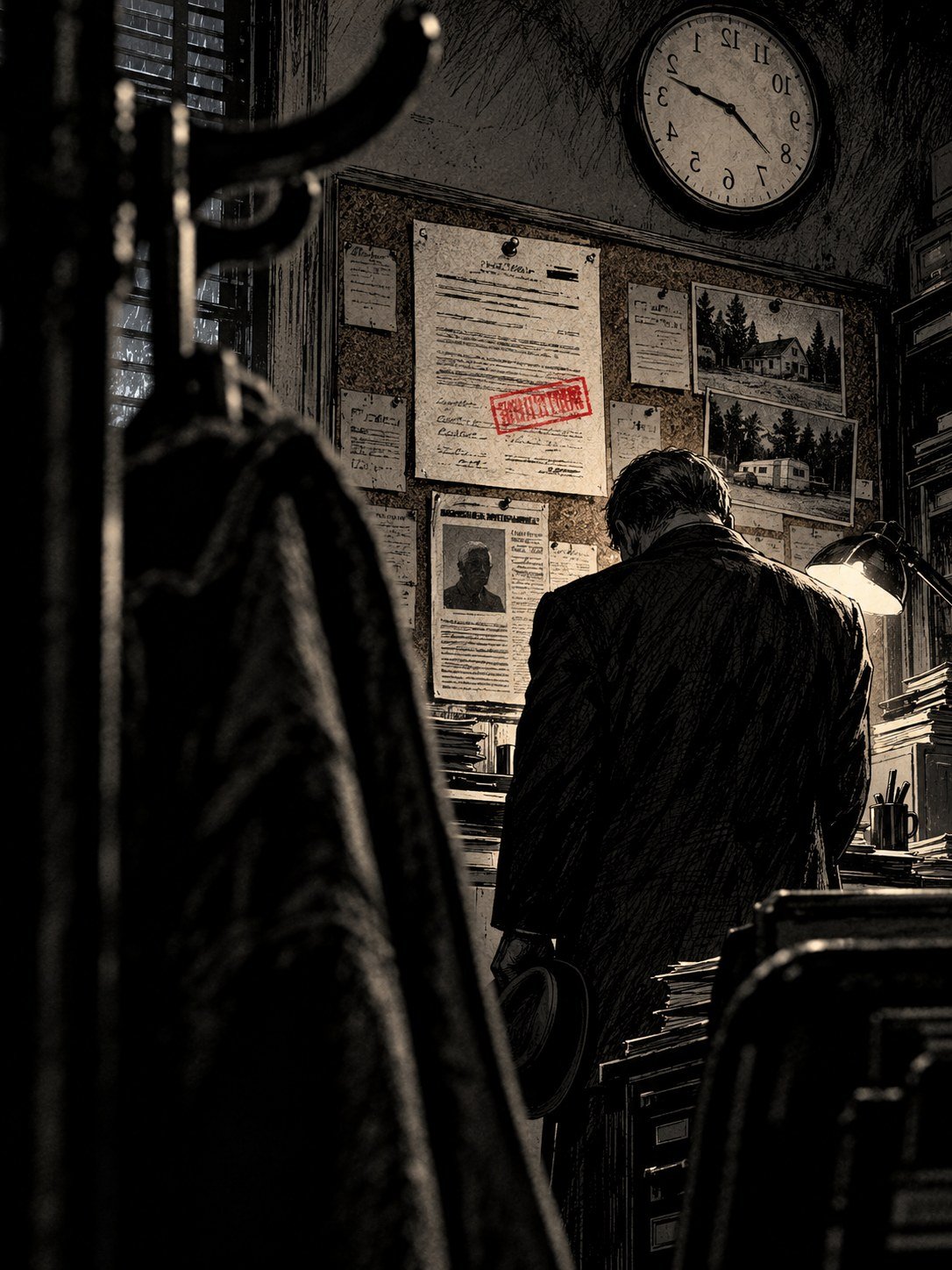
For the detectives, the evidence pointed to Barton Stebbins.
But a criminal case in the United States needs a living defendant. You cannot arrest, charge or try someone who has died. So no warrant was issued. No charges were ever filed.
That matters. Stebbins was never convicted of anything in connection with the deaths of Charles Hale and Lester McCollum. What exists is the sheriff’s office’s conclusion, based on fingerprint and DNA evidence, that he was involved.
There will be no trial, no cross-examination, no jury and no verdict.
For the families, that is a strange kind of ending. They would not get to see anyone answer in court.
Under the law, the case against him can never be tested.
And there was still the other teenager. The lab had found something else on those cigarette butts.
A second DNA profile on the cigarette butts

When the lab looked at the cigarette butts, it found more than one person’s DNA.
A cigarette butt can hold saliva, and saliva carries DNA. The testing was done by the Washington State Patrol Crime Laboratory.
There was a second DNA profile. It did not belong to Stebbins.
That fit what he had told detectives in Hemet. He said he had been traveling with another teenager back then. And back in 1962, investigators had believed two people watched the property.
Now the physical evidence was saying the same thing. Two different people had left DNA on the cigarette butts from the stolen car.
Detectives followed Stebbins’s own statement about his travel companion. Who had he been with? Was that person still alive?
Stebbins had not been alone. The question was who had been with him.
The second man had died in 2019
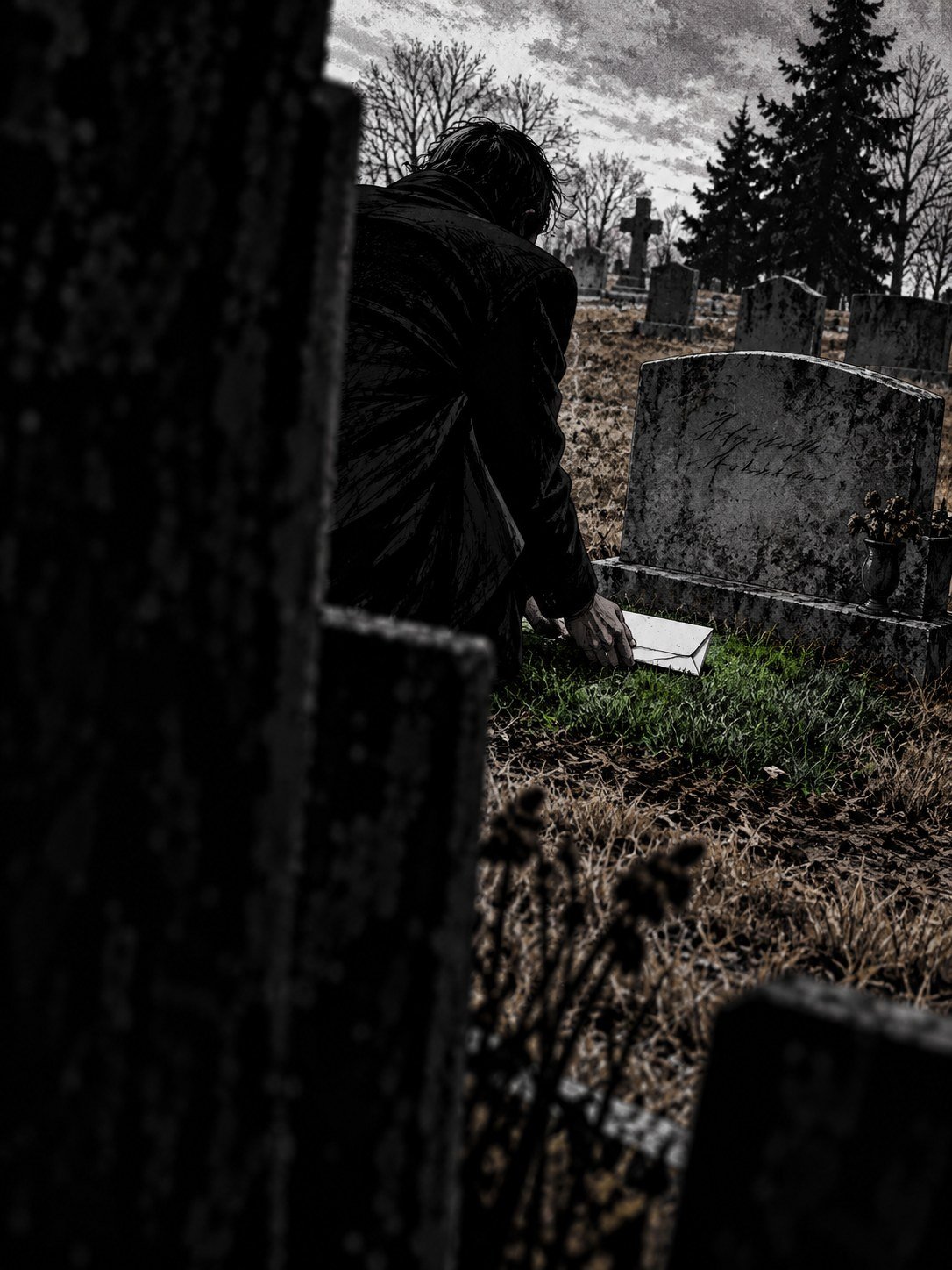
The second profile pointed to a man named Walter Stain.
He was also a teenager in 1962. One local paper, The Reflector, put his age at 17.
Stain had died in 2019. So investigators could not ask him for a DNA sample. Instead, they used a reference sample from one of his descendants. Close relatives share large parts of their DNA, so a child’s sample can show whether a parent is a likely match.
KPTV and KOIN identified that descendant as Stain’s daughter, Sara Henderson. She said in a statement that she cooperated with detectives.
On October 1, 2026, the Washington State Patrol Crime Laboratory reported strong evidence that Stain had contributed the second DNA profile.
If the lab is right, both teenagers had been in that car. Detectives had a second name, and no one left to question.
Like Stebbins, Walter Stain was never charged. He had died seven years before the match. (KPTV)
The victims’ families finally got an answer
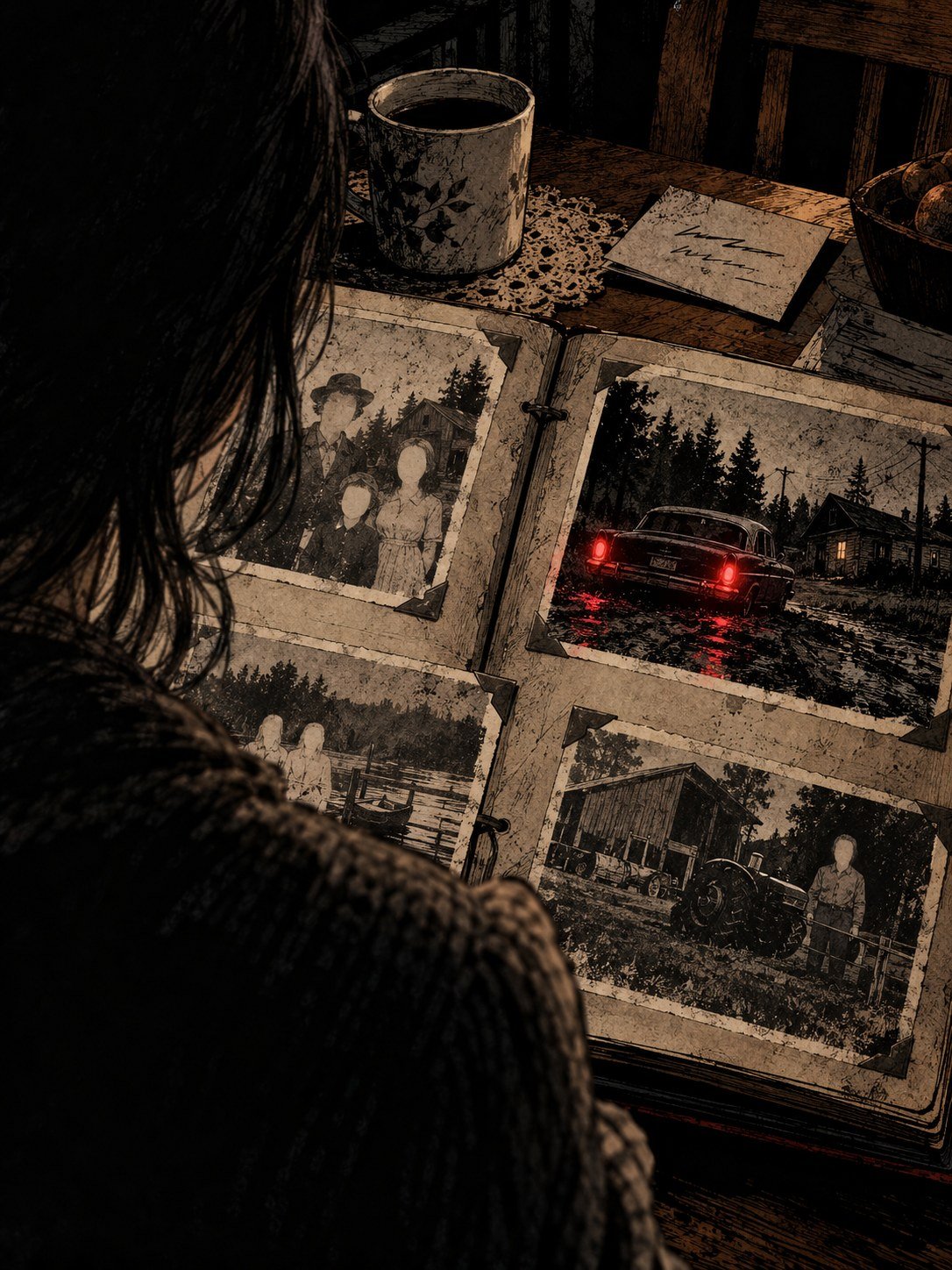
Detectives told the families of Charles Hale and Lester McCollum what they had found. The case was announced to the public on October 13, 2026.
The victims had been 71 and 67 in 1962. Sixty-four years later, it was their relatives who received the news.
One of Hale’s relatives, his nephew Ralph Hale Inman, told KPTV: “Uncle Charlie can finally rest in peace I think.” It had been 64 years since his uncle was killed.
The sheriff’s office also said that relatives of both suspects cooperated throughout the investigation. That included Stain’s daughter, who gave the DNA sample that confirmed the second profile.
It is easy to forget how hard that kind of cooperation can be. Helping detectives can mean learning something terrible about your own family.
Families on every side of the case ended up part of the same answer.
The oldest case the office has ever solved

On October 13, 2026, the Clark County Sheriff’s Office announced that its Cold Case Team had solved the case.
It is the oldest cold case in the office’s history. For a cold case team re-established just two years earlier, it was a landmark. The case is closed as solved, with no prosecution possible.
No one will ever stand trial. Both men the evidence points to are dead. Stebbins died in June 2026. Stain died in 2019.
Some questions may never be answered. No source says who did what on the property that day. No source explains how two teenagers came to be near Battle Ground, or whether they knew the victims. Investigators have never released what Stebbins said in Hemet.
Even the official records disagree on basic details, like Hale’s age and whose car was taken.
But a fingerprint on a mirror, a piece of twine and some cigarette butts kept their secret for 64 years. And when they finally gave it up, the families of Charles Hale and Lester McCollum finally knew what had happened. (KATU)
Case notes: what the sheriff’s office confirmed, and where its own records disagree
The Clark County Sheriff’s Office announced on October 13, 2026, that its Cold Case Team had solved the agency’s oldest cold case: the June 1962 killings of Charles Hale and Lester McCollum near Battle Ground, Washington (Clark County Sheriff’s Office release). Both men the evidence points to are dead, so there will be no charges or trial.
Most coverage repeated the October press release. Fewer outlets noticed that the sheriff’s office’s own older cold case page, still online, describes the crime differently in several basic ways: Hale’s age, whose car was taken, and how the men died (Clark County Sheriff cold case page). Stations that worked from one document or the other ended up publishing different versions of the same facts.
Where the two official documents conflict, we treat the newer press release as the agency’s current account, and we show both below.
Timeline
| Date | What happened |
|---|---|
| June 24, 1962 | Hale and McCollum are found dead on the property near Battle Ground where both lived. Both deaths are ruled homicides (CCSO release). |
| Late June 1962 | The missing car is recovered in Seattle. Sources put this at one to several days later (see below). A fingerprint is lifted from the rearview mirror (CCSO release). |
| 2017 | The mirror print is matched to Barton M. Stebbins, who was 17 in 1962. The Reflector attributes the match to an upgrade of the FBI’s fingerprint database (The Reflector). |
| 2024 | Sheriff John Horch re-establishes the office’s cold case team (The Columbian). |
| October 2025 | Investigators interview Stebbins, then 80, in Hemet, California. He does not confess, gives inconsistent statements, says he was traveling with another teenager, and gives a DNA sample voluntarily (CCSO release). |
| June 1, 2026 | Stebbins dies of natural causes (KATU). |
| June 3, 2026 | DNA results indicate Stebbins is likely a contributor to DNA on the twine used to bind one victim and strongly link him to cigarette butts from the car (CCSO release). |
| October 1, 2026 | Using a reference sample from a descendant, the Washington State Patrol Crime Laboratory finds strong evidence that Walter Stain, who died in 2019, contributed the second DNA profile on the cigarette butts (CCSO release). |
| October 13, 2026 | The sheriff’s office announces the case is solved (KIRO 7). |
What the sources agree on, and where they don’t
| Detail | Source A says | Source B says |
|---|---|---|
| Charles Hale’s age | 71 (CCSO release), also KATU, KIRO 7, KOIN and The Reflector | 72 (CCSO cold case page) (The Columbian). Every source gives McCollum’s age as 67. |
| Whose car was taken | Hale’s Ford sedan (CCSO release) (KATU) | McCollum’s vehicle (CCSO cold case page) (KIRO 7) |
| How the men died | Hale was shot; McCollum was strangled (CCSO release) (KPTV) | Both suffered similar fatal wounds to the back of the head (CCSO cold case page); KIRO 7 reported both were shot (KIRO 7) |
| When the car was found | Three days later (CCSO cold case page), or “several days” later (CCSO release) | “A day later” (KPTV) |
| Walter Stain’s age in 1962 | “Also a teenager” (CCSO release) | 17 (The Reflector) |
| Strength of the Stain link | “Strong evidence” that he contributed the profile (CCSO release) | His daughter’s DNA “confirmed the match” (KPTV) |
The cold case page adds one detail the release leaves out: McCollum was found inside his home, and Hale was found in a camping trailer parked on McCollum’s property (CCSO cold case page). The release says only that the brothers-in-law lived in separate residences on the same property. The Columbian, which also called them longtime friends, placed the home on Northeast 199th Street (The Columbian).
Details most coverage missed
- No warrant was ever issued. The release says Stebbins died two days before investigators “planned to seek” an arrest warrant (CCSO release). KPTV used the same wording (KPTV).
- Two people may have watched the property. Sgt. Fred Neiman told The Reflector that detectives in 1962 found disturbed grass and tracks through a neighboring hayfield, which they read as a sign two people had watched the place. He also said firearms and money were taken (The Reflector).
- The file itself was lost for a time. The Reflector reported that the original case file went missing for a period and records had to be rebuilt, and that retired Sgt. John Dush kept working the case into retirement before his death in 2025 (The Reflector).
- Stebbins pointed to his own companion. Stain was found by following Stebbins’s statement that he had traveled with another teenager (The Reflector). KPTV and KOIN identified the descendant who gave a sample as Stain’s daughter, Sara Henderson, who said in a statement that she cooperated with detectives (KOIN).
- The family’s view. Hale’s nephew, Ralph Hale Inman, told KPTV: “Uncle Charlie can finally rest in peace I think” (KPTV).
What we still don’t know
- Which official account is right about Hale’s age, whose car was taken, and how McCollum died. The sheriff’s office has not explained why its cold case page and its release differ (CCSO cold case page).
- What each man did. The DNA places both on evidence from the car and Stebbins on the twine, but no source says who did what on the property (CCSO release).
- How two teenagers came to be near Battle Ground, and how they knew the victims, if they did. No source addresses it.
- What Stebbins actually said in Hemet. Investigators called his statements inconsistent but have not released them (CCSO release).
- Whether either man was ever questioned in 1962. None of the sources says the original investigation had either name.
Case file summary
- Crime: Double homicide, discovered June 24, 1962, near Battle Ground, Washington (CCSO Master Case 169)
- Victims: Charles Hale, 71 (72 in some sources), and Lester McCollum, 67, brothers-in-law
- Key evidence: Rearview-mirror fingerprint, twine, cigarette butts from the stolen car
- Suspects: Barton M. Stebbins (died June 1, 2026) and Walter Stain (died 2019), both teenagers in 1962
- Announced: October 13, 2026, by the Clark County Sheriff’s Office
- Status: Solved; no prosecution possible
Illustrations are artistic interpretations, not crime-scene or evidence photos. No real person has a recognizable face.
Sources
- Clark County Sheriff’s Office: Charles Hale & Lester McCollum cold case
- Clark County Sheriff’s Office via FlashAlert: CCSO Cold Case Team Solves Agency’s Oldest Cold Case, A 1962 Double Homicide (Oct. 13, 2026)
- KATU: Battle Ground double homicide cold case solved after 64 years
- KIRO 7: Clark County cold case team solves double homicide 64 years later
- KPTV: Clark County cold case team solves 1962 double murder
- The Columbian: Clark County Sheriff’s Office solves cold case of 1962 homicide
- The Columbian: In Our View: Cheers & Jeers: Case closed; fierce protests
- The Reflector: DNA evidence solves 1962 Battle Ground double homicide
- KOIN (via Yahoo News): ‘Grateful to have answers’: Clark County investigators solve 1962 double homicide mystery