Foss Lake Cars: Troopers Testing a New Sonar Found Two Cars. Six People Had Been Missing Since 1969
Narrated Mystery: press play and hear the whole case read aloud, like a true crime podcast episode, or an audiobook for a long drive (about 13 minutes). The narrator is an AI voice.
Listen to the narration above first, then read along. The key words are underlined in the story.
- reservoira large lake made by people to store water
- sonara machine that uses sound to find things under water
- vanishto disappear suddenly
- droughta long time with very little rain
- murkydark and dirty, hard to see through
- winchto pull something up with a rope and a machine
- foul playa crime, usually one that killed someone
- probablevery likely, but not proven
1. Why were the troopers on the lake in 2013?
They were testing a new sonar on a training run. They were not searching for anyone.
2. How far apart in time did the two cars disappear?
About 19 months: April 1969 and November 1970.
3. Why does the word "probable" matter in the final ruling?
It means accident is the most likely answer, but nobody can prove exactly what happened.
Two shapes on the screen
Tuesday, 10 September 2013. Foss Lake, a reservoir in the wheat country of western Oklahoma.
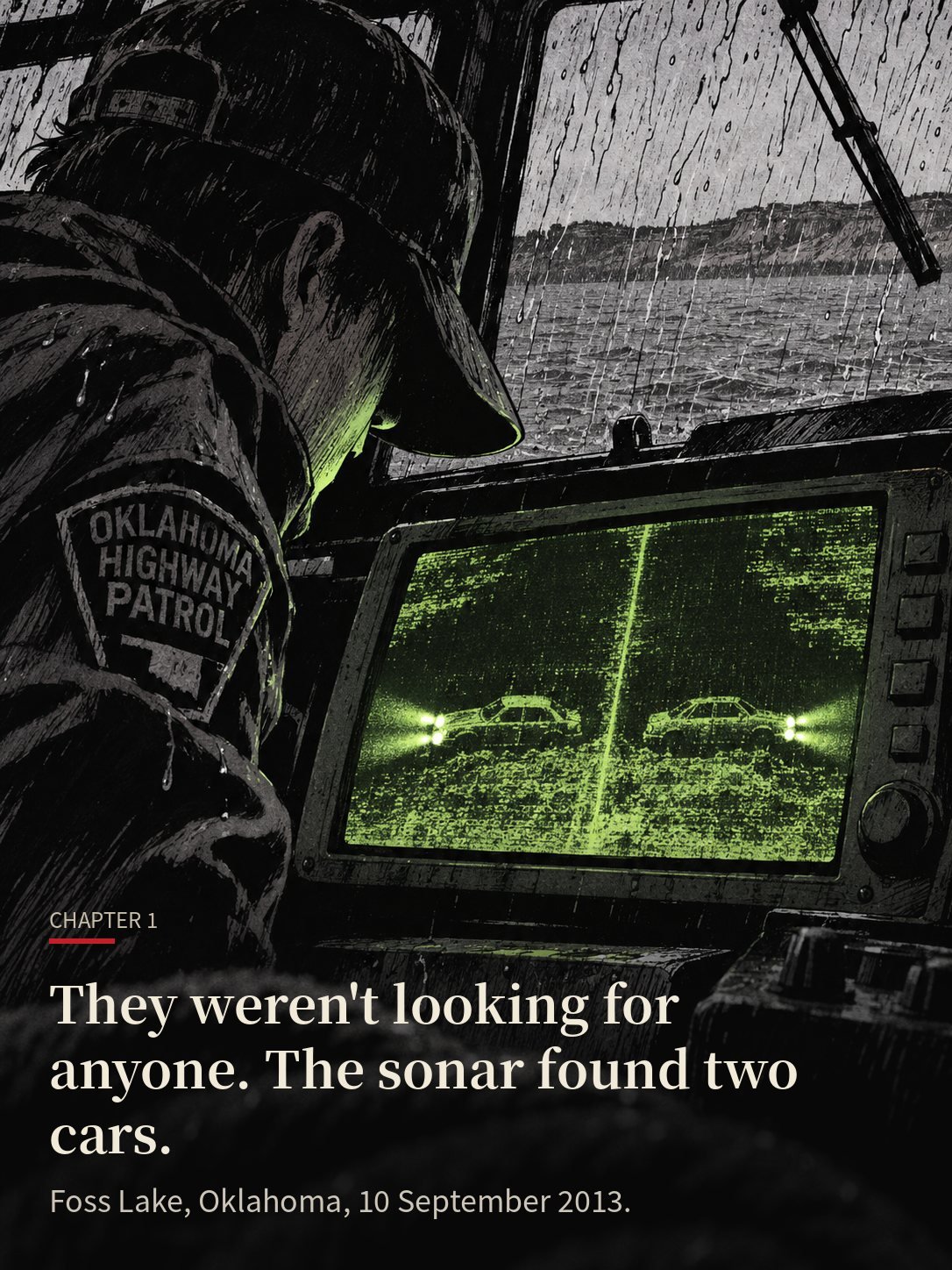
Two Oklahoma Highway Patrol troopers were out on the water in a patrol boat. They were not searching for anyone. They were trying out a new piece of equipment, a side-scan sonar, on what was meant to be a training run.
On the screen, two shapes appeared on the bottom. They were cars.
“On the first pass, we found both cars,” Trooper George Hoyle said.
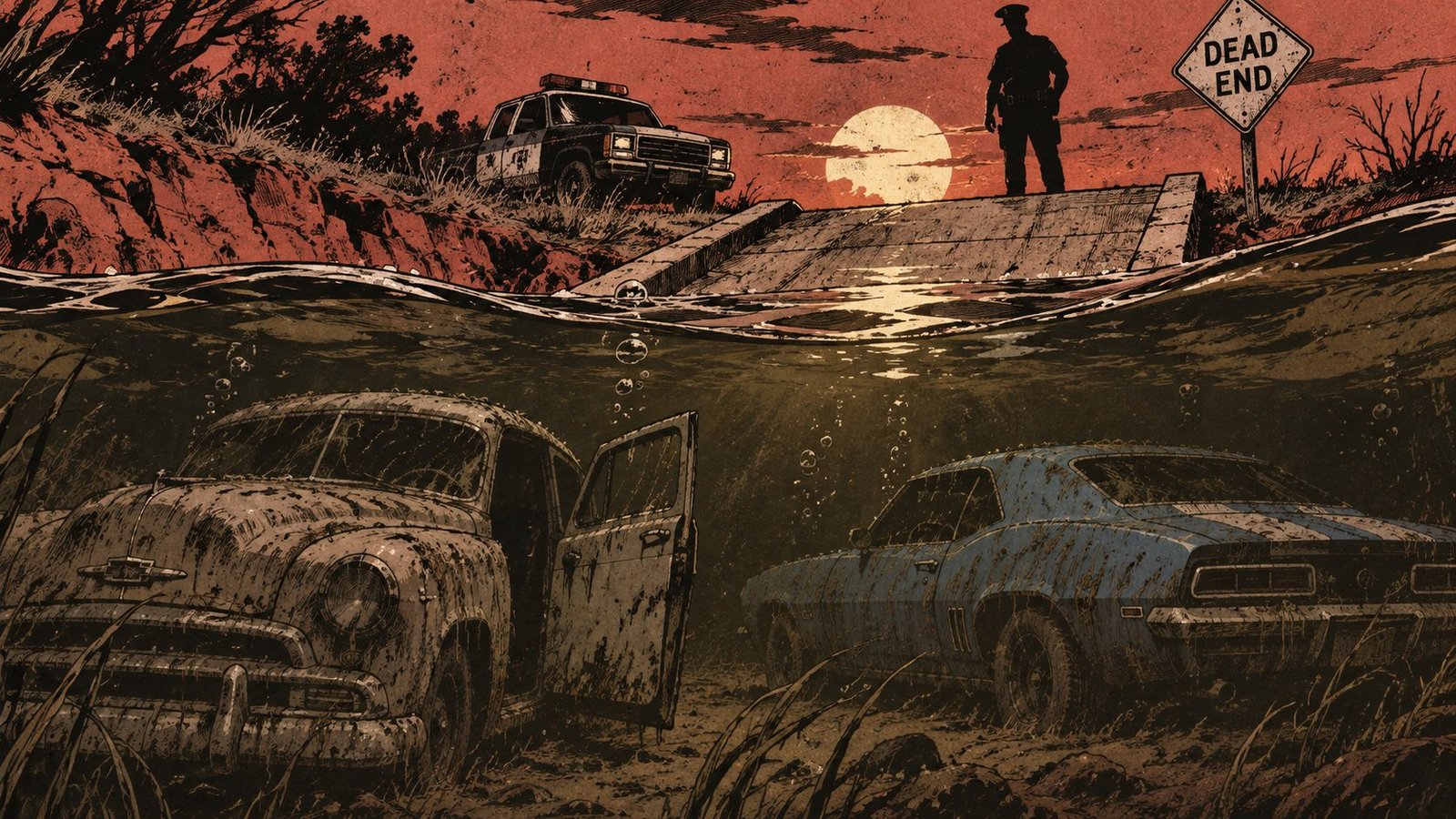
They lay side by side in about 12 feet of water, about 50 feet from the end of a boat ramp. One pointed out toward open water. The other pointed back toward the ramp.
At first, a patrol spokeswoman said later, “we thought it was just going to be stolen vehicles.” (NBC-2013) (FOX6) (CBS-CRIME) (CBS-DIVERS)
April 1969: dinner left on the stove
To understand what was inside those cars, you have to go back 44 years, to the small town of Canute, not far from the lake.
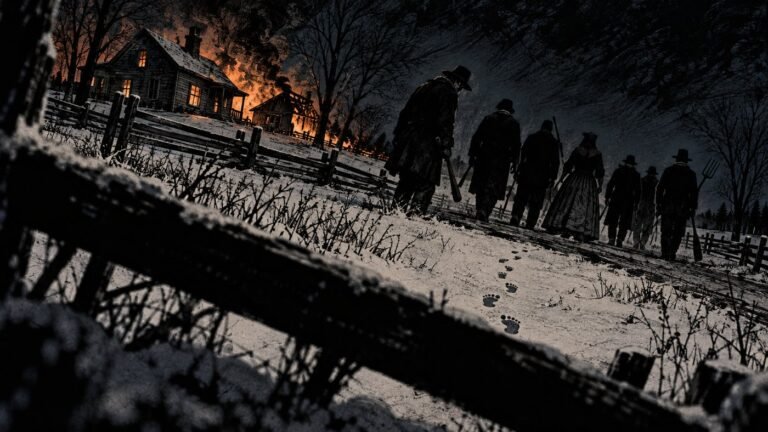
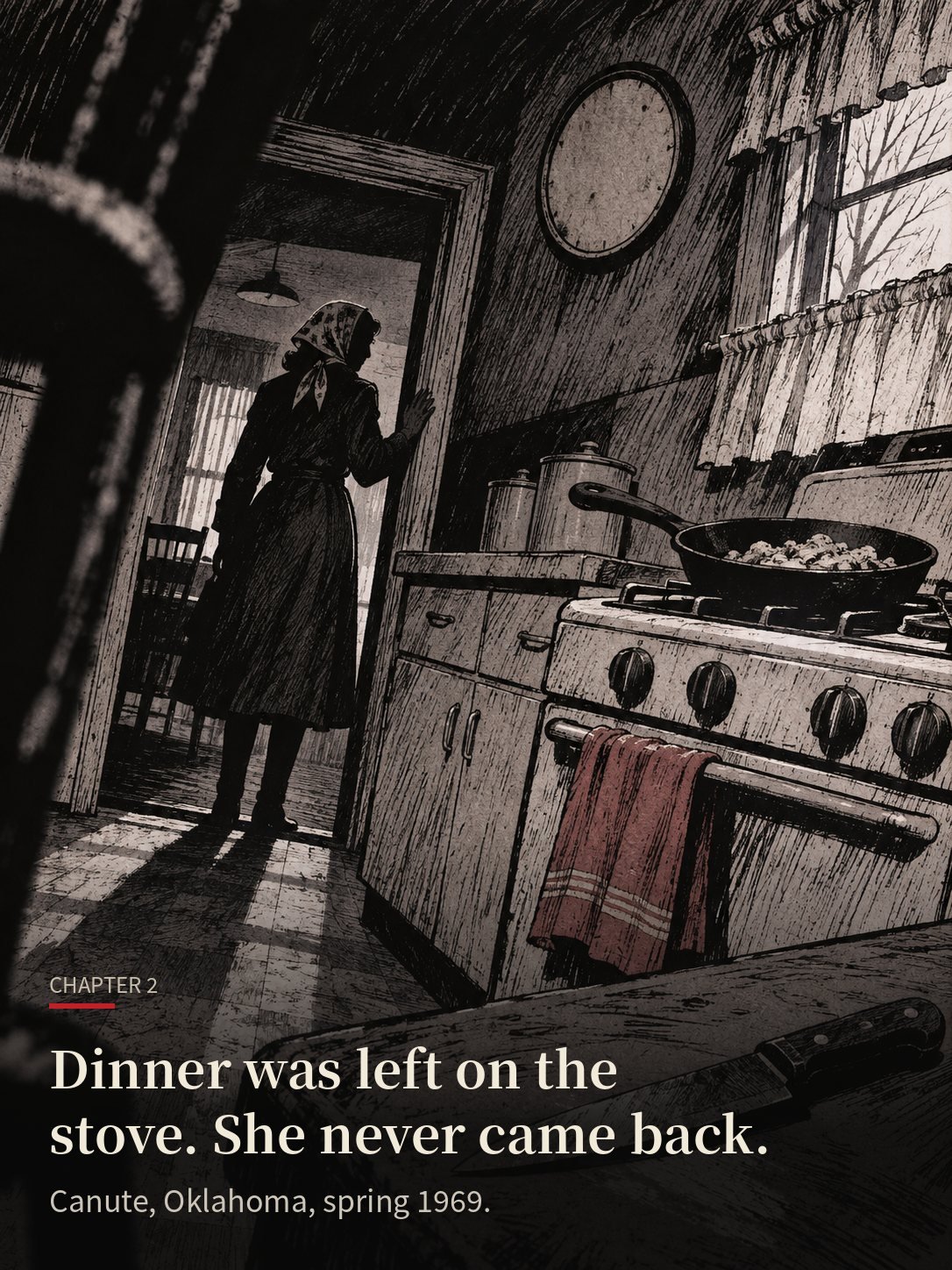
In the spring of 1969, Nora Marie Duncan, 58, vanished from her home there. Her purse was gone. There was no sign of a struggle.
A kitchen knife was lying on the table. A pan of food sat on the stove, untouched.
She was not alone. Two men disappeared at the same time: John Alva Porter, 69, of Elk City, and Cleburn Hammack, 42, of Sayre, who was described as Duncan’s close friend. Missing-person records list the date as 8 April 1969. (TFP-2013) (PRT-2014) (CHARLEY) (NBC-IDS)
A letter came back unopened
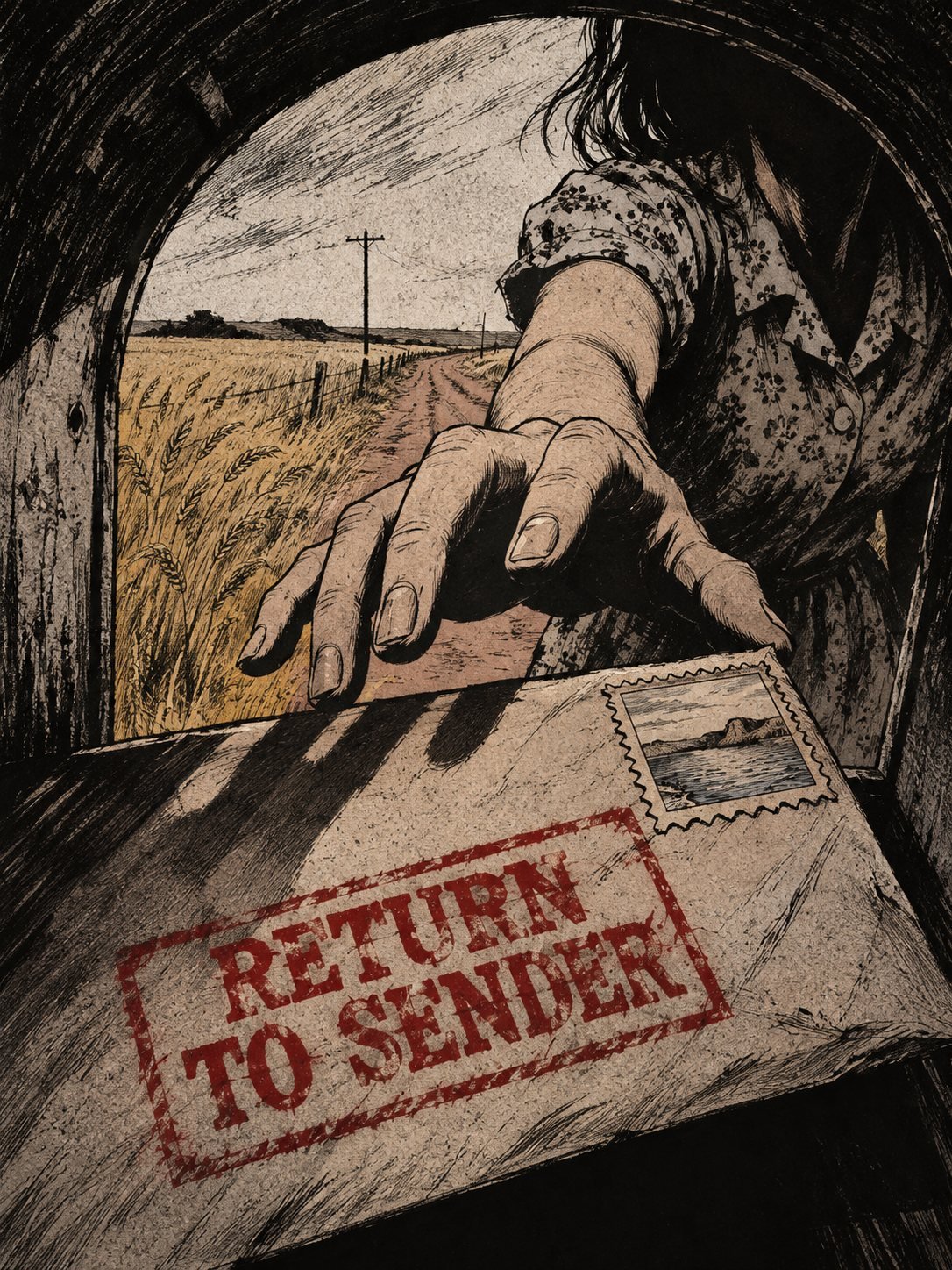
Nora Duncan’s daughter, Jo Irick, lived in another state. She first knew something was wrong when a letter she had written to her mother came back to her, unopened.
When she asked what had happened, she was told “it was Cleburn’s day off and he went to see mother.”
That was all anyone could say. A newspaper report that July said the three had last been seen when their car was “given a push” to get it started.
Some people at the time guessed the men had gone fishing. Nobody could say for sure. (TFP-2013) (CNN-2014)
A car that needed a push
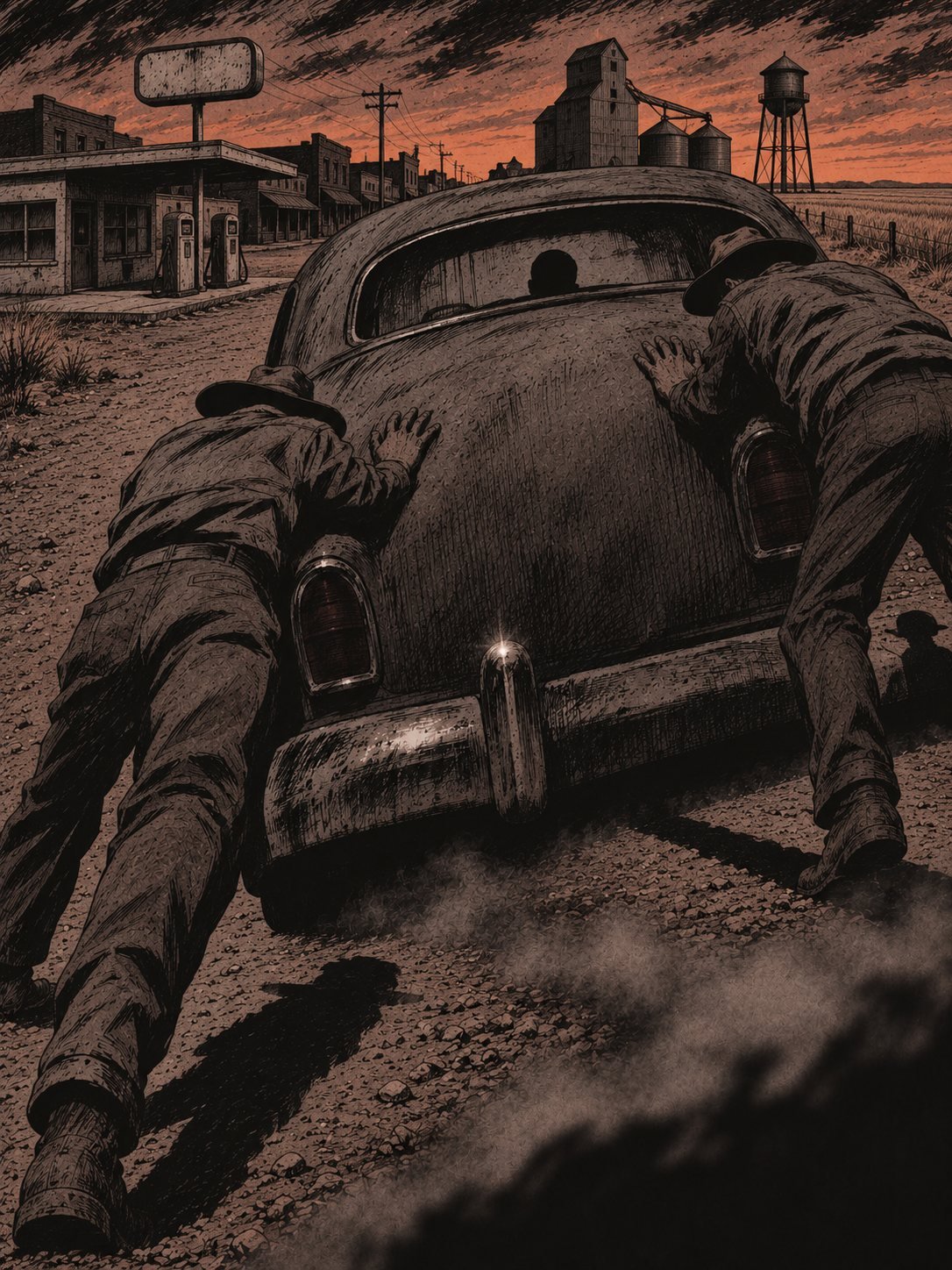
The car was a 1952 Chevrolet, a heavy, rounded sedan of the kind that filled small-town Oklahoma streets in those years.
After the spring of 1969, the three people who drove away in it more or less faded into rumour. For years the case survived mainly as long-ago stories, not paperwork.
In 1973, a young state trooper named Bruce Peoples heard talk of “two or three people in a car… last seen in Canute.” Forty years later he would be the county sheriff in charge when that car came out of the water.
But in 1969 and 1970, nobody went looking in Foss Lake. (NBC-CLOSURE) (TFP-2013)
November 1970: a Camaro six days old
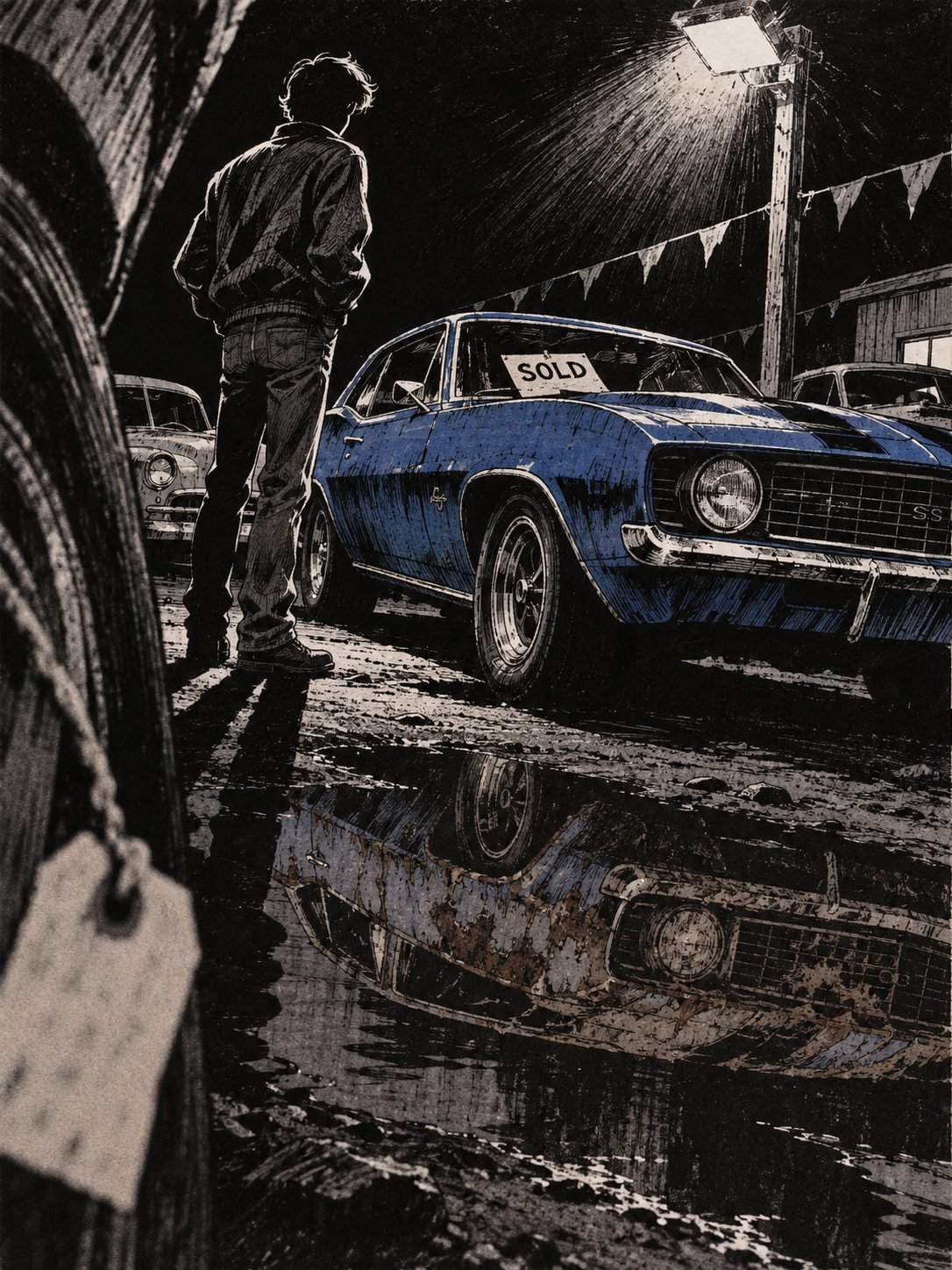
Nineteen months later, it happened again, this time to three teenagers from the town of Sayre, further west.
Jimmy Allen Williams was 16. Six days earlier he had bought a used blue 1969 Chevrolet Camaro.
On Friday 20 November 1970, he was driving it around town with two friends, Thomas Michael Rios, 18, and Leah Gail Johnson, 18. They were last seen “riding around Sayre.” (CNN-2014) (NEWS9-2013) (NBC-2013)
A football game, or a hunting trip
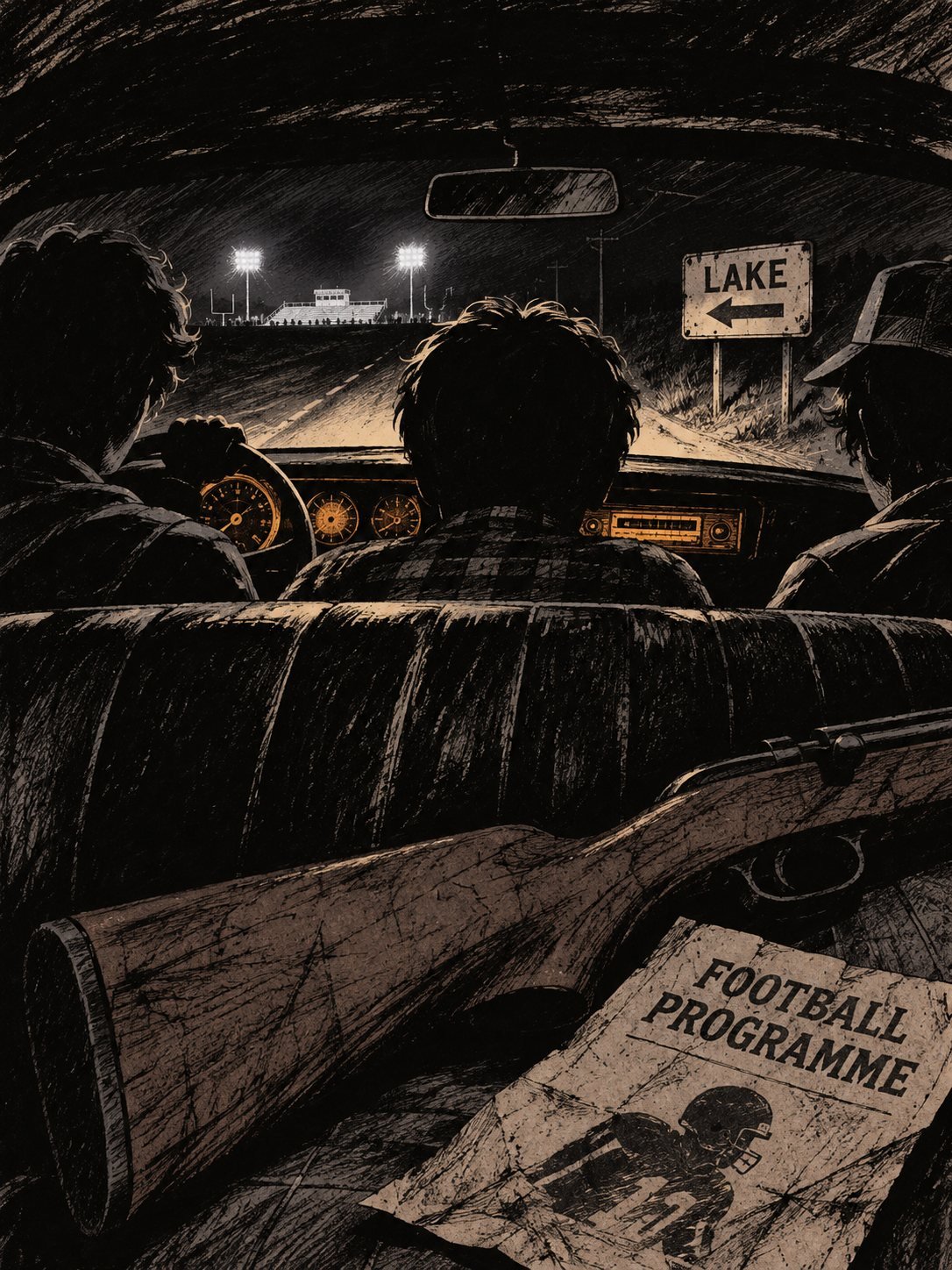
They told people they were going to a football game in Elk City.
They may have gone somewhere else. Decades later, two rusted rifles were found inside the Camaro, and investigators thought the three might have detoured to hunt near Foss Lake.
That night, Michael’s parents assumed he had gone hunting. Hours later, when he still had not come home, they panicked.
None of the three was ever seen again. (NBC-2013) (CNN-2014) (FOXNEWS)
The mother who would not move
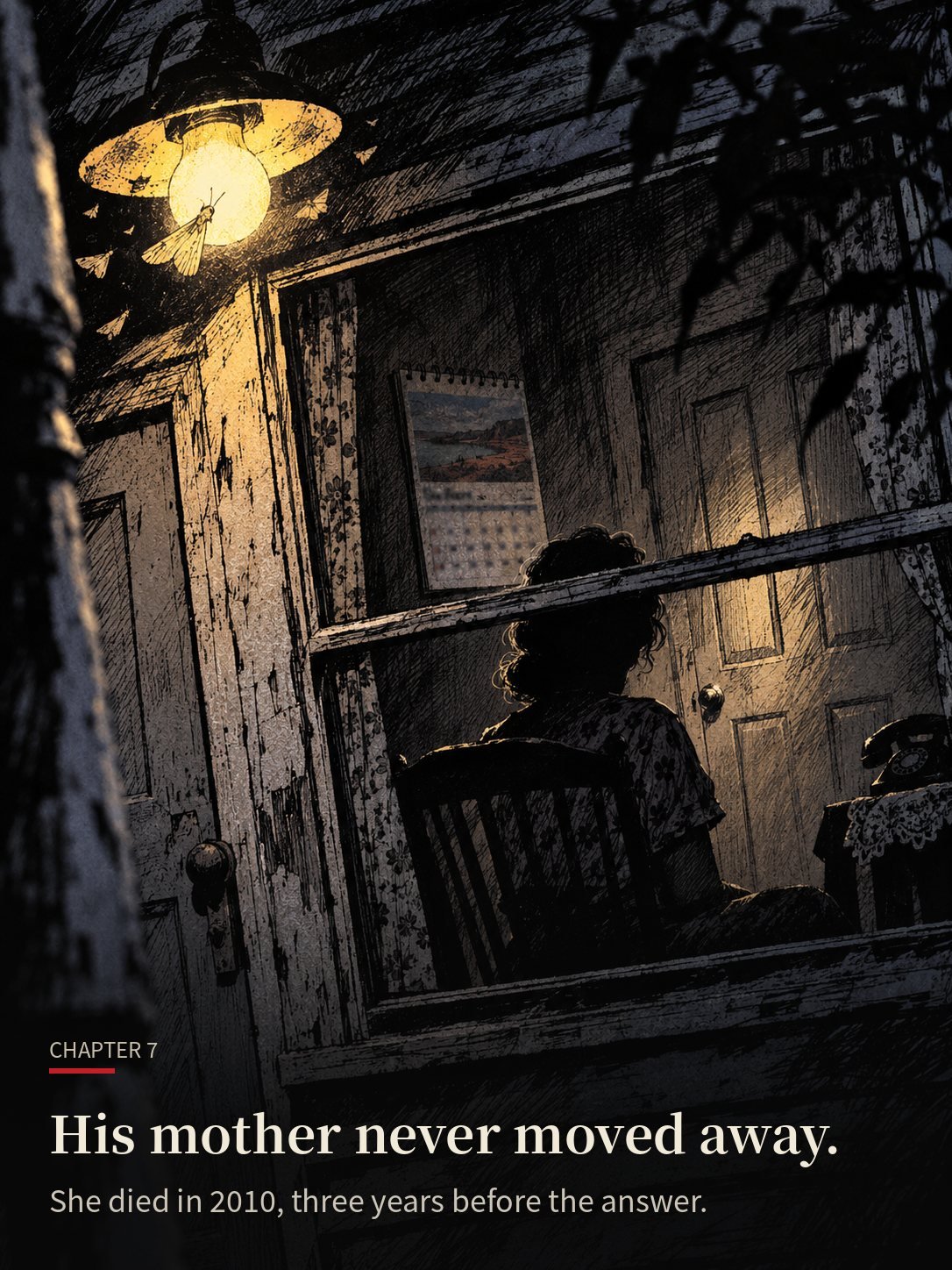
Michael Rios’s mother, Pearl Guzman, stayed in Sayre for the rest of her life.
Her children understood why. “If Thomas came back, he’d be looking for us,” his sister said.
She died in 2010, still waiting. Her children said she died heartbroken.
She missed the answer by three years. One of Michael’s brothers, Ray Vasquez, missed it by nine hours: he died the day the family learned that the Camaro had been found. (FOXNEWS)
A cake every birthday
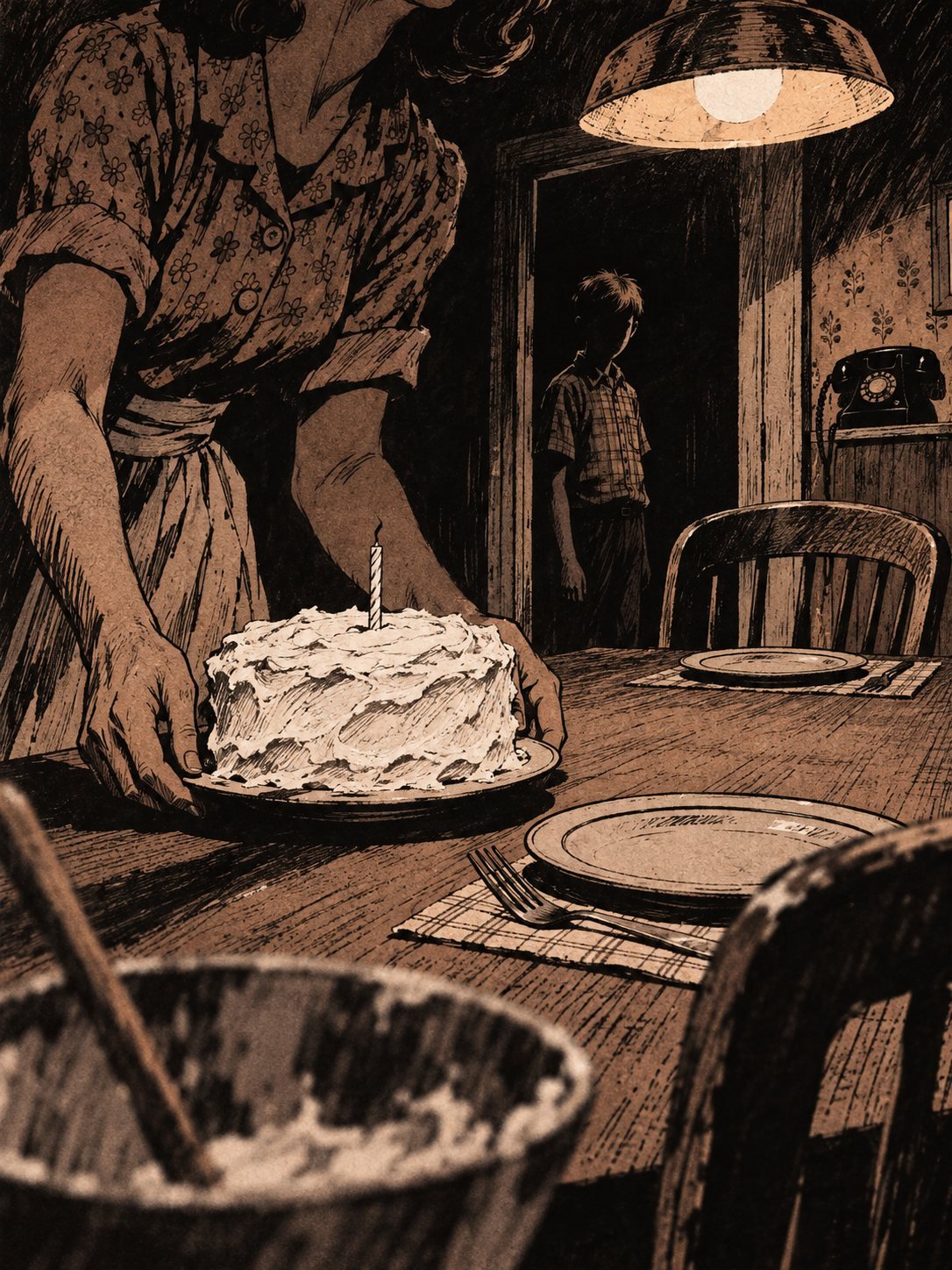
In the Williams house, the waiting took another form.
Jimmy’s mother kept baking a cake on his birthday, his younger brother Gary said. Gary was 12 when Jimmy disappeared.
There was very little else to hold on to. The Sayre police had no records left from the 1970s. The county sheriff’s file on the three teenagers was a four-page incident report, with no interview notes. (NEWS9) (FOXNEWS)
“A black helicopter”
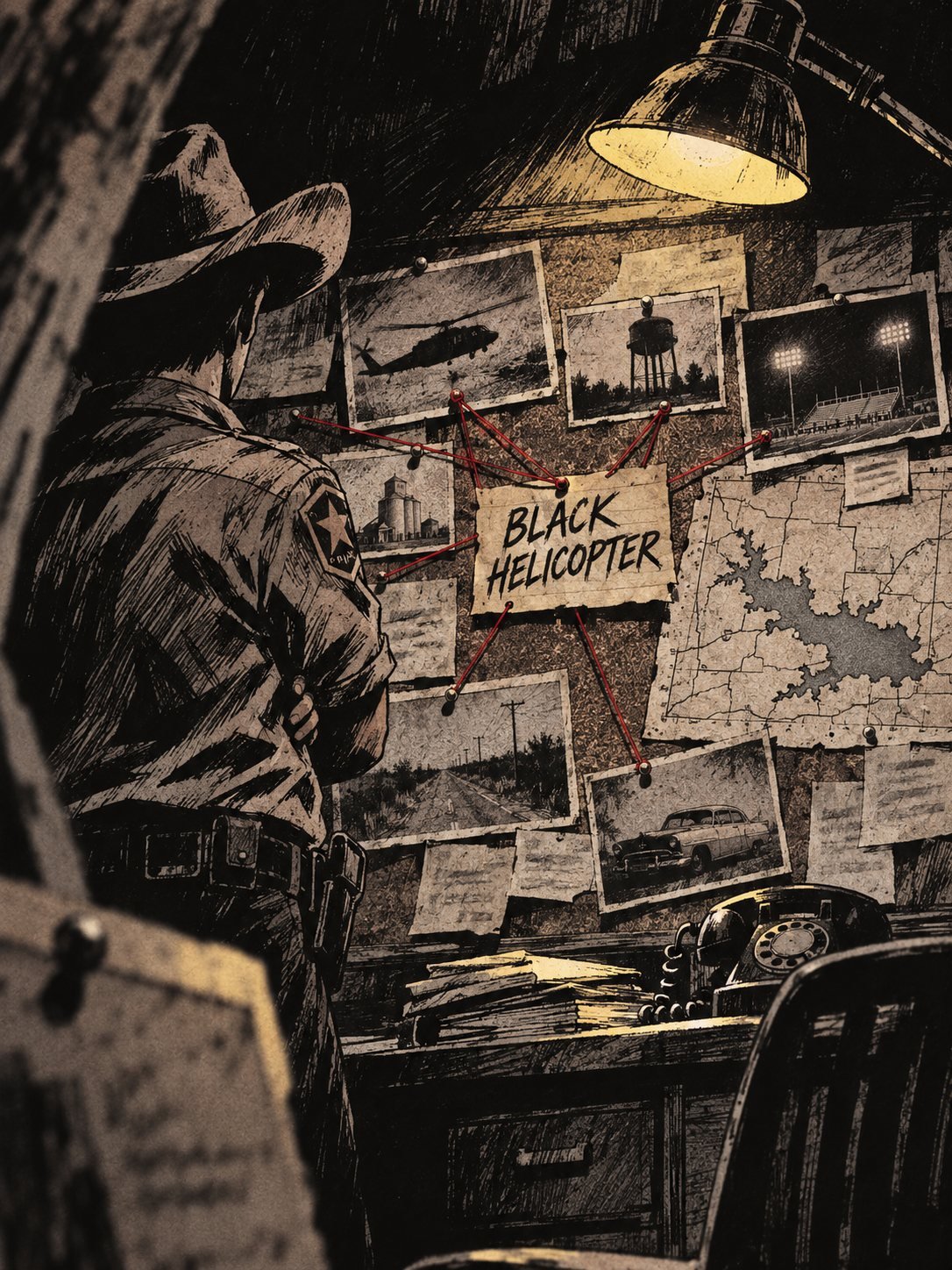
Into that silence, rumours poured.
Years later a trooper listed some of the theories people had offered: hippies, racism, a Mexican drug cartel, a serial killer, and “a black helicopter.”
“Everyone suspected foul play,” said the publisher of the local Sayre newspaper, who added that people had talked about it for 43 years.
Yet a retired county sheriff said investigators “never had any sort of lead or idea about the Foss Lake area.” The one place that would hold the answer was the one place nobody had thought to check. (NEWS9) (CSM) (NBC-IDS)
The drought and the boat ramp
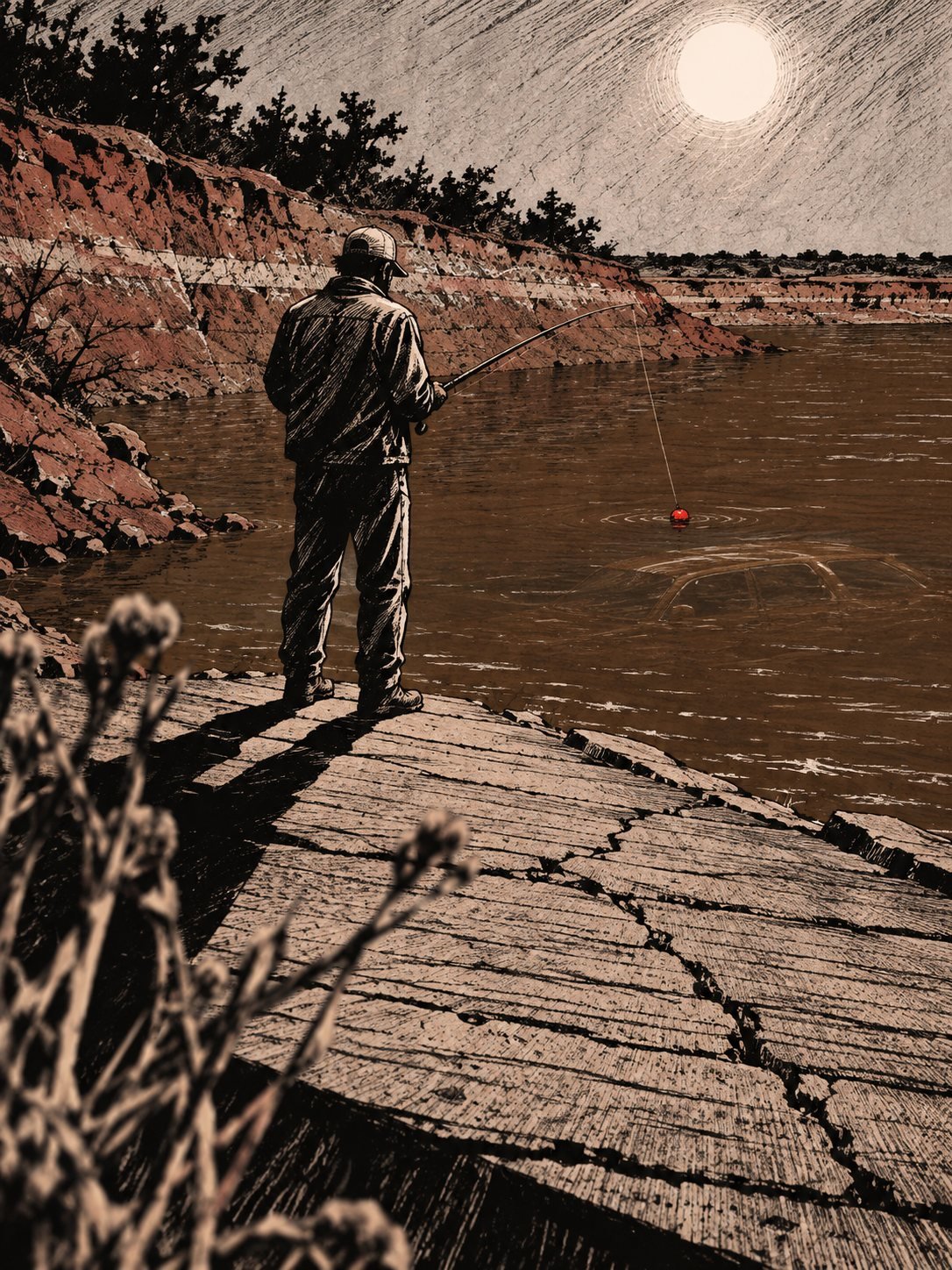
In 2011, a long drought settled over western Oklahoma. By September 2013, Foss Lake was about 13 feet below normal.
The lower water probably helped put the cars within easy reach of a sonar sweep.
The ramp sits at the end of a road. The road crosses another road about 670 feet from the water’s edge, then keeps going straight down into the lake. At night, or to a driver who did not know the area, the end of the road would be easy to miss.
The sheriff later said both cars could have left a nearby country road and gone down that ramp. (FOX6) (TFP-2013) (FOXNEWS)
Four inches of visibility
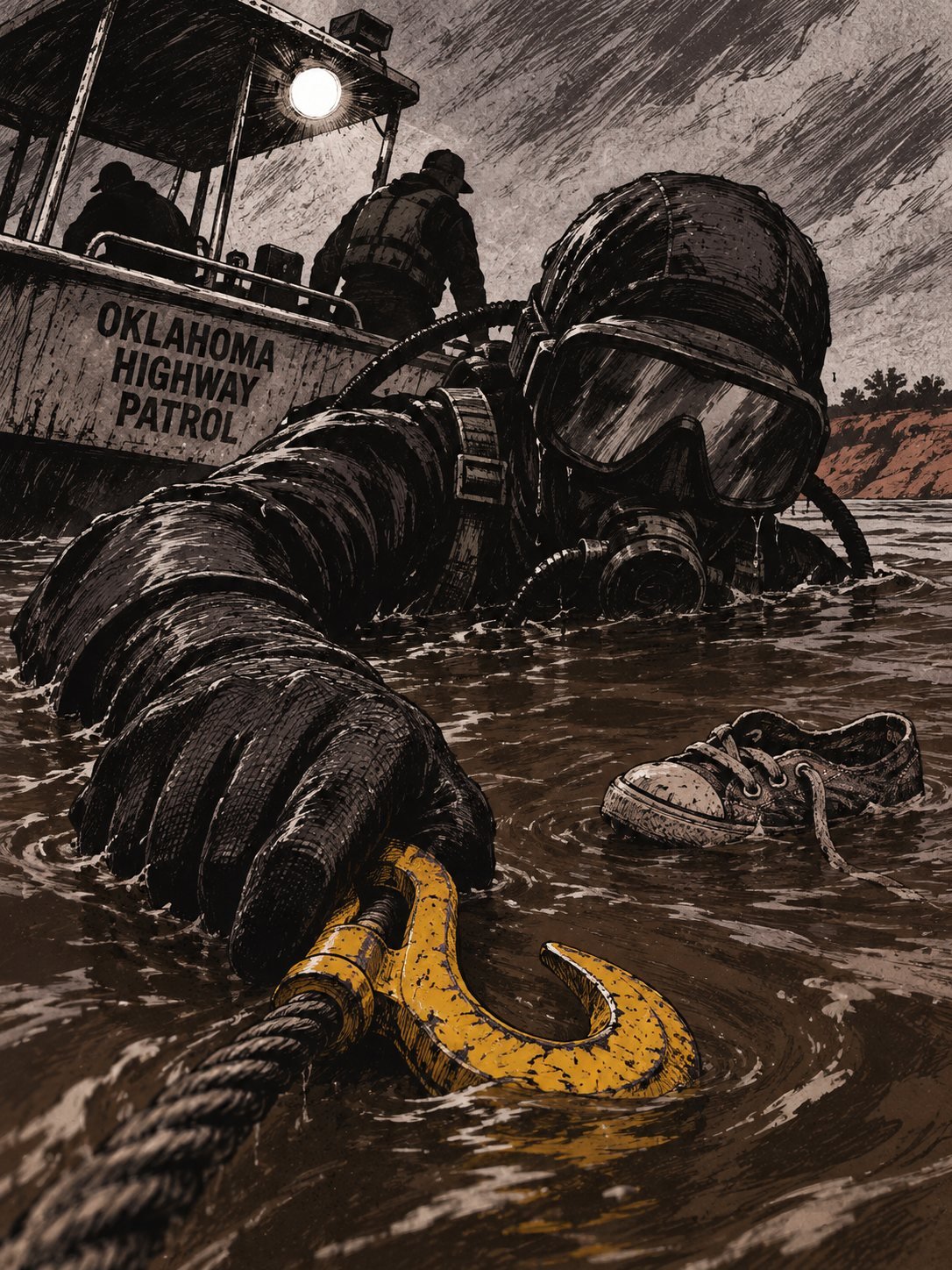
On Tuesday 17 September 2013, a Highway Patrol diver went down to fix tow cables to the cars.
The water was so murky that he could see about four inches in front of his mask. “You basically just go down there and feel with your hands,” he said.
The first thing his hands found was a shoe. (FOX6)
“A mucky mess”
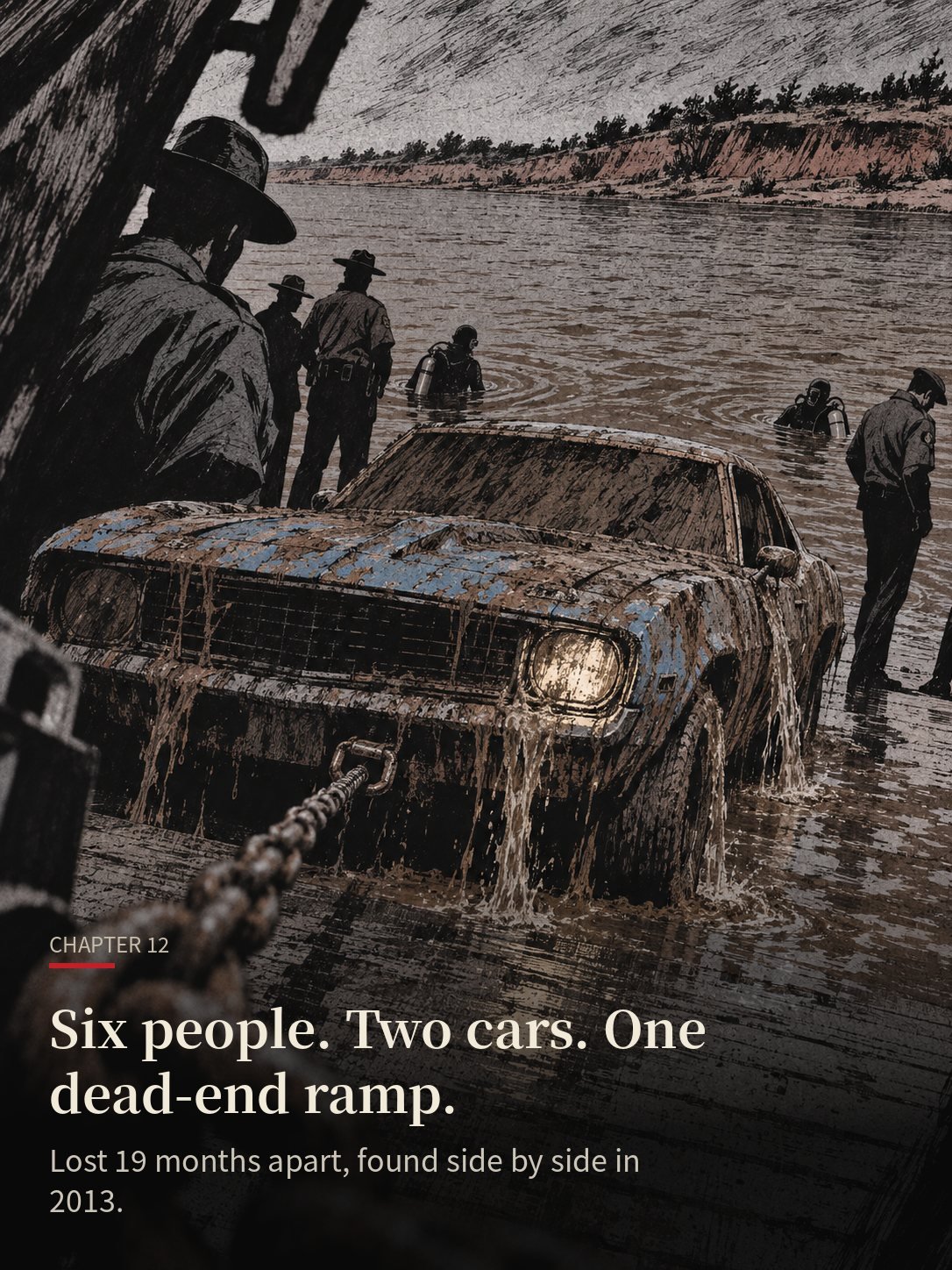
The cars were winched up the ramp one at a time, brown water pouring from their doors.
Once they reached the shore, the diver said, “you could see the skeletal remains in them.” A second dive found more. In all, there were six people.
“It’s just been under water for 40 years. It’s a mucky mess,” said Custer County Sheriff Bruce Peoples, the same man who, as a young trooper, had heard the old rumours.
He was careful about what came next. “We’ll treat it as a crime until we’re able to determine it’s a simple car wreck.” (FOX6) (CBS-DIVERS) (CBS-CRIME)
“Running when it hit the water”
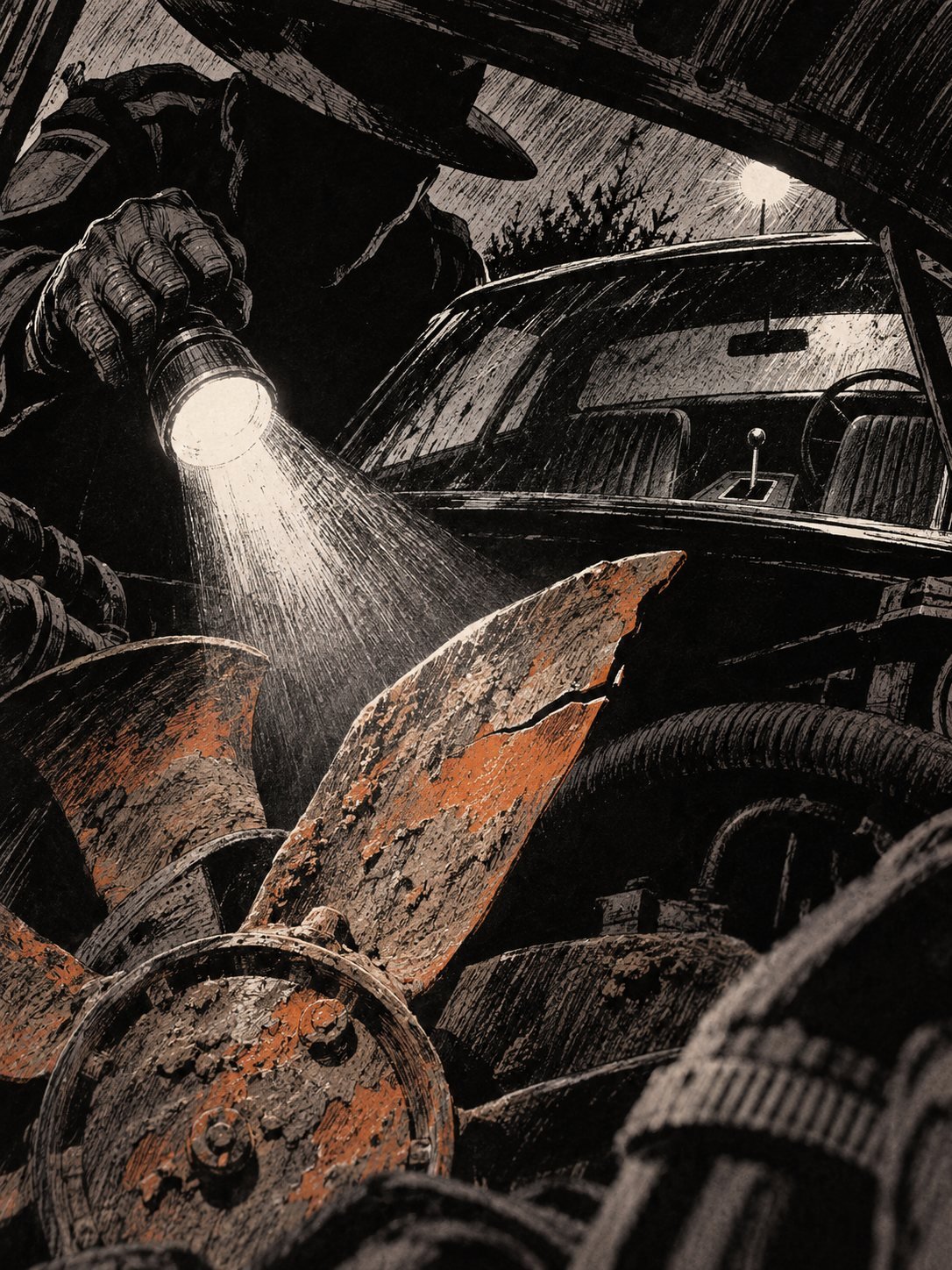
The Camaro was examined first. Trooper Hoyle said it “was running when it hit the water.” The impact had damaged the radiator fan, a motor mount and the fuel pump.
In his view, the driver had been going “a little faster than he should have,” perhaps on a road he did not know. He said the evidence did not point to foul play.
Jimmy’s brother Gary never accepted that. He believes the Camaro rolled into the lake backwards, that some of the damage cannot be explained by a car driving in forwards, and that it was found in neutral.
Inside were the key in the ignition, coins, packets of gum, a shoe tongue and alcohol. Every window was up except the driver’s, which was down about four inches. (PRT-2013) (NEWS9)
The open door
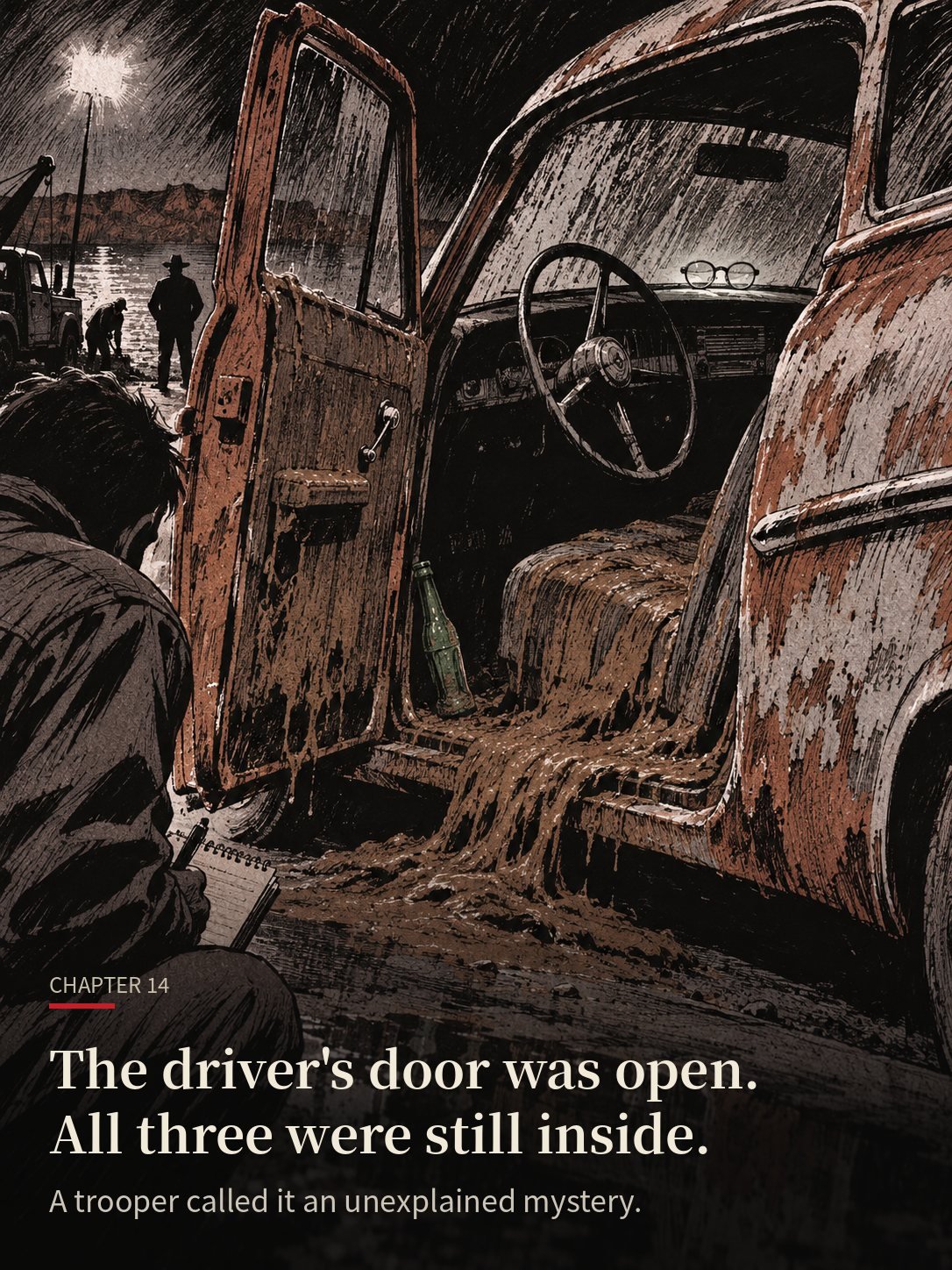
The older Chevrolet was so rusted that nobody could find its serial number.
Its driver’s door was open. Yet all three of the people who had disappeared in 1969 were still inside. Trooper Hoyle called the open door an unexplained mystery.
The car held small, ordinary things: a rusted key in the ignition on a ring of keys, a flashlight, a comb, a pair of eyeglasses with no earpieces, a beer can, a 7Up bottle, and coins from the 1960s. (TFP-2013) (NEWS9)
Six names, one word: “probable”
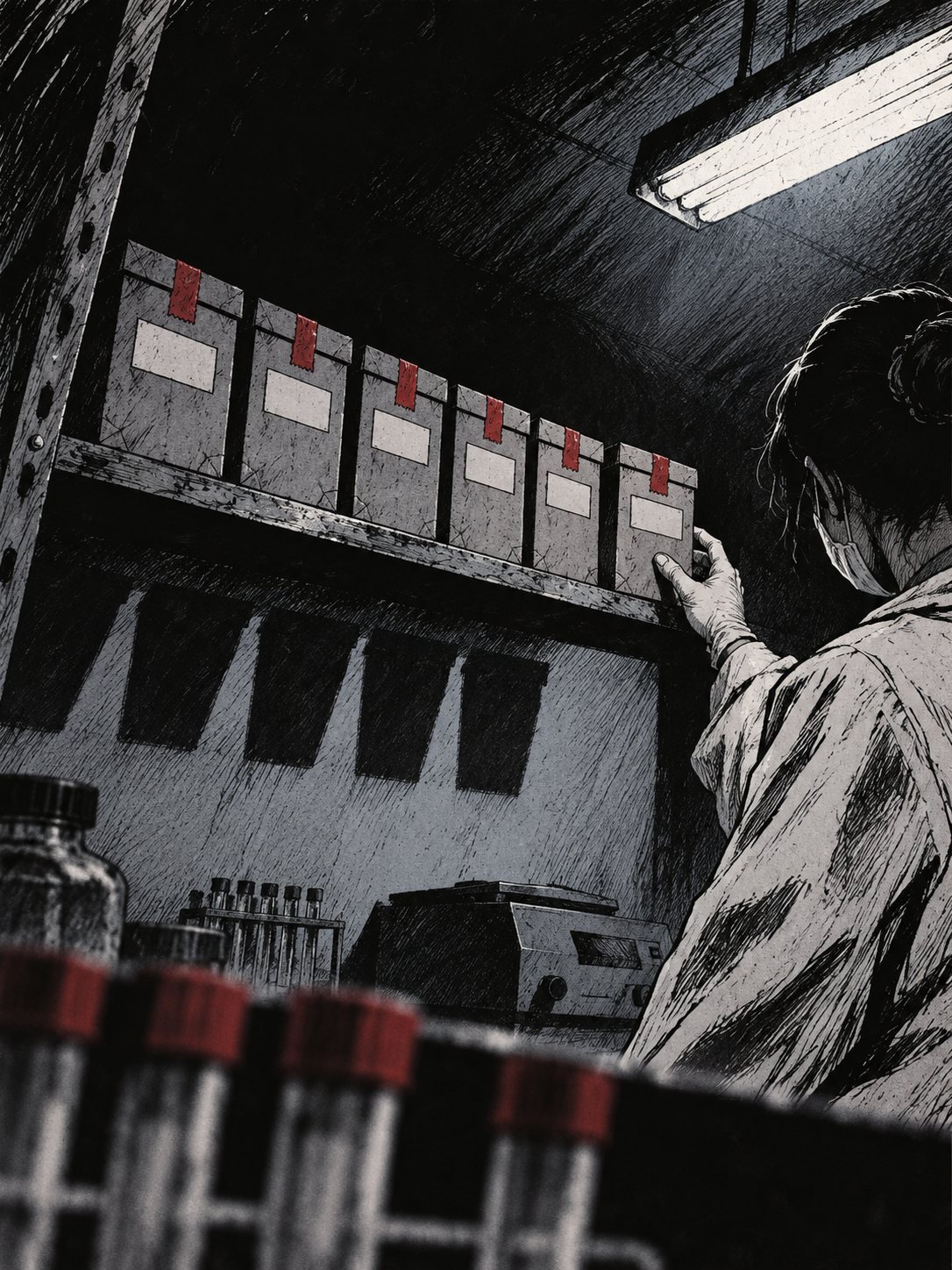
Identifying six people after more than four decades under water took time. The state medical examiner called in archaeologists to help reconstruct the skulls, and DNA samples were taken from relatives. Cleburn Hammack was matched through his cousins.
In August 2014 the first two were named: Jimmy Williams, still in the driver’s seat of the Camaro, and Cleburn Hammack from the Chevrolet.
On 22 October 2014, the Oklahoma Office of the Chief Medical Examiner confirmed all six. The Camaro: Jimmy Williams, Michael Rios and Leah Johnson. The Chevrolet: John Porter, Cleburn Hammack and Nora Duncan.
Cause of death for all six: “probable drowning.” Manner of death: accident. (NBC-CLOSURE) (NEWSON6) (PRT-2014) (OKCFOX) (CBS-2014)
Nineteen months apart, side by side
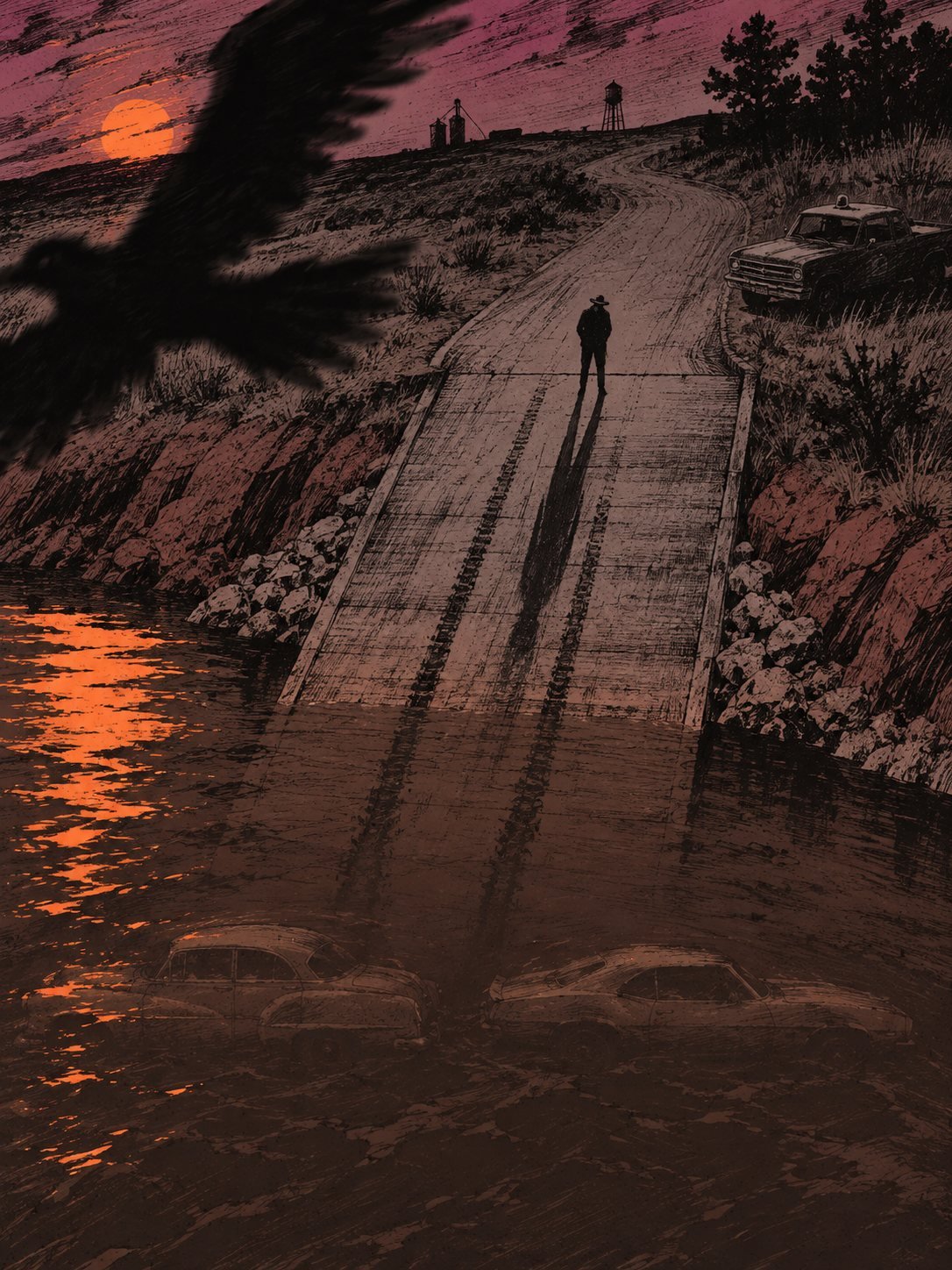
Officially, that is where the story ends. Two accidents, nineteen months apart, at the end of the same dead-end road.
Nobody was ever charged, and no suspect has ever been publicly named.
But the medical examiner’s word is “probable,” and even Trooper Hoyle acknowledged that some of what happened was never witnessed. The Porter family, Debbie McManaman said, never fully ruled out foul play.
Two cars, two groups of people, two different nights. They ended up within a few feet of each other, facing opposite ways, about 50 feet from the same ramp. (NEWS9) (CBS-CRIME)
The plot that was kept
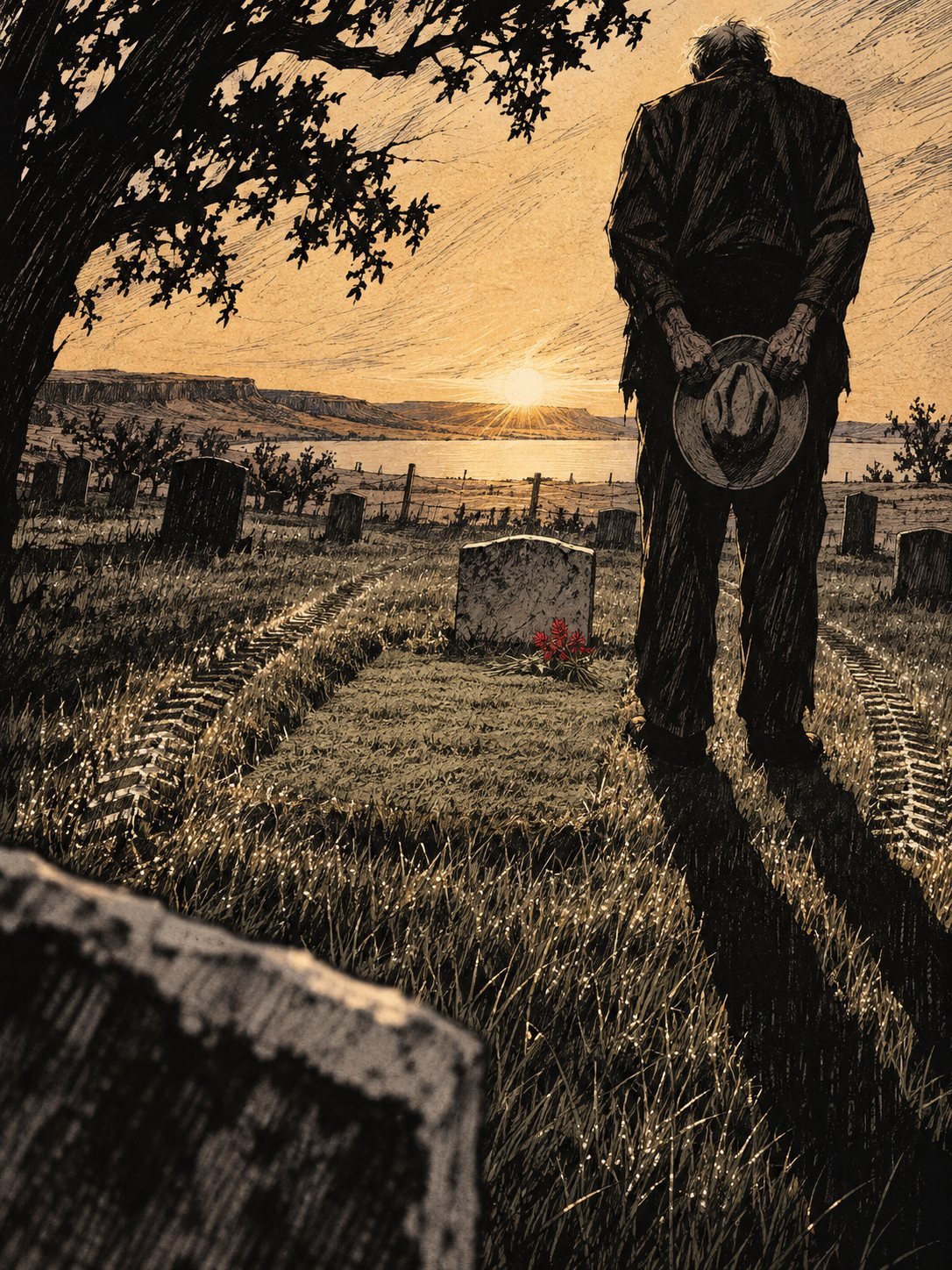
Some families had waited longer than others. Nora Duncan’s late brother, Russell King, had kept a burial plot reserved for her in Canute for decades.
Michael Rios’s ashes were to be placed beside his mother, the woman who had refused to leave Sayre.
John Porter was to be buried near his sister in Elk City. “It’s been a crazy year; it’s been a blessed year. It’s been closure,” said his granddaughter, Debbie McManaman.
The Highway Patrol later ran the same sonar over other lakes. It found nothing like Foss Lake again. (TFP-2013) (FOXNEWS) (CBS-2014) (NEWS9)
Case notes: the Foss Lake cars
In September 2013, Oklahoma Highway Patrol troopers testing new sonar found two cars side by side at the bottom of Foss Lake. Inside were six people who had disappeared in 1969 and 1970. DNA identified all six in 2014, and the deaths were ruled accidental drowning (NBC-2013) (PRT-2014).
Where the case stands (as of November 2026)
Closed. All six were identified in October 2014. The medical examiner ruled the cause of death “probable drowning” and the manner accident (PRT-2014) (OKCFOX).
No one was charged. Some relatives still do not believe the deaths were simple accidents (NEWS9).
Timeline
| When | What happened |
|---|---|
| Tue 8 Apr 1969 | Nora Duncan, John Porter and Cleburn Hammack disappear in a 1952 Chevrolet; last seen push-starting the car (CHARLEY) (CNN-2014) (TFP-2013) |
| Fri 20 Nov 1970 | Jimmy Williams, Michael Rios and Leah Johnson disappear in a blue 1969 Camaro bought six days earlier (CNN-2014) (NBC-2013) |
| 1973 | A state trooper hears rumours of people in a car last seen in Canute (NBC-CLOSURE) |
| 2010 | Michael Rios’s mother, Pearl Guzman, dies in Sayre, still waiting (FOXNEWS) |
| 2011–2013 | Drought lowers Foss Lake about 13 feet below normal (FOX6) |
| Tue 10 Sep 2013 | Troopers testing side-scan sonar find two cars about 50 feet from a boat ramp (NBC-2013) (CBS-CRIME) |
| Tue 17 Sep 2013 | Divers attach tow cables; both cars are pulled out with the skeletal remains of six people (FOX6) (CBS-DIVERS) |
| 26 Sep 2013 | Trooper says the Camaro was running when it hit the water (PRT-2013) |
| Aug 2014 | First two identified by DNA: Jimmy Williams and Cleburn Hammack (NEWSON6) |
| 22 Oct 2014 | All six identified; cause “probable drowning”, manner accident (PRT-2014) (OKCFOX) |
Where the records disagree
| Detail | What sources say |
|---|---|
| The older car | 1952 Chevrolet (medical examiner, most outlets) or 1953 Chevrolet (some local TV reports) (CBS-2014) (NEWS9) |
| How the Camaro went in | Forwards and running, too fast (trooper) or rolling backwards in neutral (Jimmy’s brother) (PRT-2013) (NEWS9) |
| The Camaro’s windows | Early reports said all windows were down; a later, more detailed account says only the driver’s was down about four inches (FOX6) (NEWS9) |
| Where the teens were going | A football game in Elk City, or hunting near Foss Lake (two rifles were in the car) (NBC-2013) (CNN-2014) |
| Who found the cars | Highway Patrol troopers (most accounts); one early wire story credited a sheriff’s dive team (NBC-2013) (CDN) |
| Leah Johnson’s age | 18 in most accounts; 17 in one local report (PRT-2014) (CDN) |
What we still don’t know
- How each car actually ended up in the water, and whether anyone saw it happen.
- Why the Chevrolet’s driver’s door was open when all three occupants were still inside.
- Whether the Camaro went in forwards or backwards.
- Where either group was really heading that night.
- Why two cars lost 19 months apart ended up side by side, facing opposite ways.
What happened after
The Highway Patrol later used the same sonar on other lakes and found nothing comparable (NEWS9). A 2019 episode of the Motor Trend series Auto/Biography examined the two cars (CDN).
Editor’s note
What stopped me was not the open door. It was the picture of two cars, lost nineteen months apart, lying side by side under the water and facing opposite ways. I put the article down and tried to see it: the same dead-end road, two different nights, and somehow they ended up only a few feet from each other. That image has stayed with me longer than any other detail in this case.
I lean toward the official answer. Both cars were found right in front of a boat ramp at the end of a road, and that matters. But “probably an accident” and “we know how the car went into the water” are not the same sentence. The trooper says the Camaro drove in forwards; Jimmy’s brother believes it rolled in backwards. If it were my brother, I don’t think I could let that gap go either.
The line that hurt most was that Michael’s mother never moved away. As a parent, I can imagine what went through her head every time she thought about leaving: what if he comes home and nobody is here? And I keep reading the part about his brother dying nine hours before the news came, and thinking, if only the call had come one day sooner.
— Strange World Files
Case file summary
- What: Two cars carrying six missing people, found together at the bottom of a lake
- Where: Foss Lake (Foss Reservoir), Custer County, western Oklahoma
- When: Disappeared April 1969 and November 1970; found September 2013; identified October 2014
- Who: Nora Duncan, John Porter, Cleburn Hammack (1952 Chevrolet); Jimmy Williams, Michael Rios, Leah Johnson (1969 Camaro)
- Status: Ruled accidental drowning; families still have questions
Illustrations are AI-generated artistic interpretations, not photos. No real person is depicted with a recognizable face. Read how we research and illustrate these files.
Sources
- Public Radio Tulsa, Medical examiner IDs bodies found in Foss Lake (Oct 2014)
- CBS News/AP, Bodies in Oklahoma submerged cars linked to ’69, ’70 missing cases (Oct 2014)
- OKCFox, Remains of 6 individuals pulled from Foss Lake identified (Oct 2014)
- NBC News, Cold, wet cases: Oklahoma troopers stumble on six bodies in two cars (Sept 2013)
- NBC News, Investigators zero in on IDs of six bodies (Sept 2013)
- NBC News, After decades of mystery, closure may still take years (Sept 2013)
- Times Free Press/AP, Rusty cars at bottom of Oklahoma lake might hold fate of six (Sept 2013)
- CNN, Foss Lake mystery solved (Oct 2014)
- Fox6, Diver and trooper recount discovery (Sept 2013)
- CBS News/AP, Discovery treated as a crime until proven otherwise, sheriff says (Sept 2013)
- CBS News/AP, Divers find remains of 6 people in two cars (Sept 2013)
- Public Radio Tulsa, Car recovered from Foss Lake shows sign of wreck (Sept 2013)
- News9, Mysteries at Oklahoma lake remain for families (Nov 2014)
- Fox News/AP, Answers in son’s disappearance too late for Oklahoma mother (2013)
- Clinton Daily News archive
- Christian Science Monitor/AP, Cars in Foss Lake shed light on Okla. cold cases (Sept 2013)
- News On 6, Families react after remains found in Foss Lake (Aug 2014)
- News9, Skeletal remains pulled from lake in Custer County (Sept 2013)
- The Charley Project, Nora Duncan