She Fell 3,000 Metres Into the Amazon, Still in Her Seat. Then She Walked Out Alone
| What | A 17-year-old girl survived the breakup of an airliner in a thunderstorm and walked out of the Amazon alone |
| Where | LANSA Flight 508, Lima to Pucallpa; the Peruvian rainforest |
| When | 24 December 1971 to 3 January 1972 |
| Toll | 91 of 92 people aboard died |
| Status | Sole survivor; the cause was found to be flight into a thunderstorm |
Narrated Mystery: press play and hear the whole case read aloud, like a true crime podcast episode, or an audiobook for a long drive (about 14 minutes). The narrator is an AI voice.
Rain woke her. The airplane was gone
Christmas Day, 1971. Somewhere in the Peruvian Amazon.
“The rain woke me up. It was still light,” she wrote later.
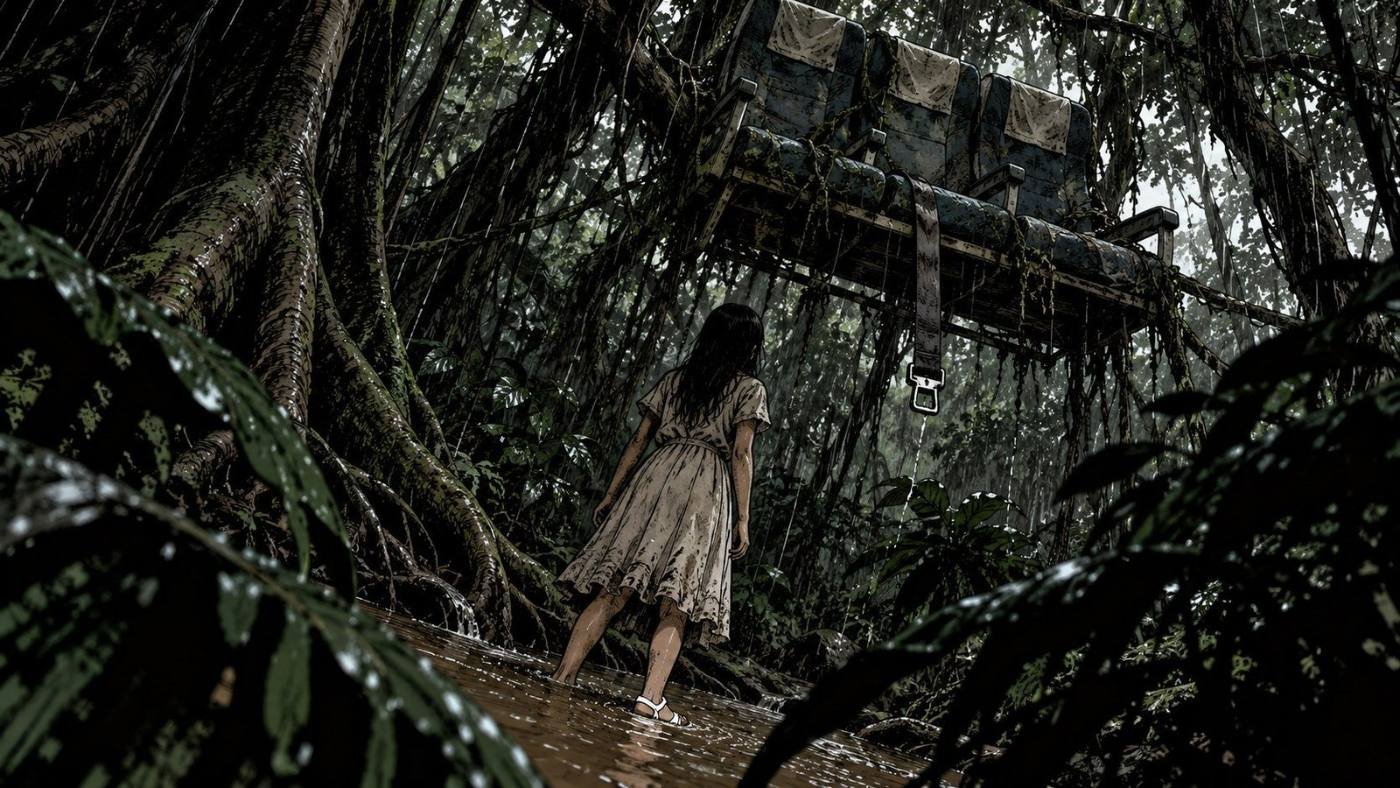
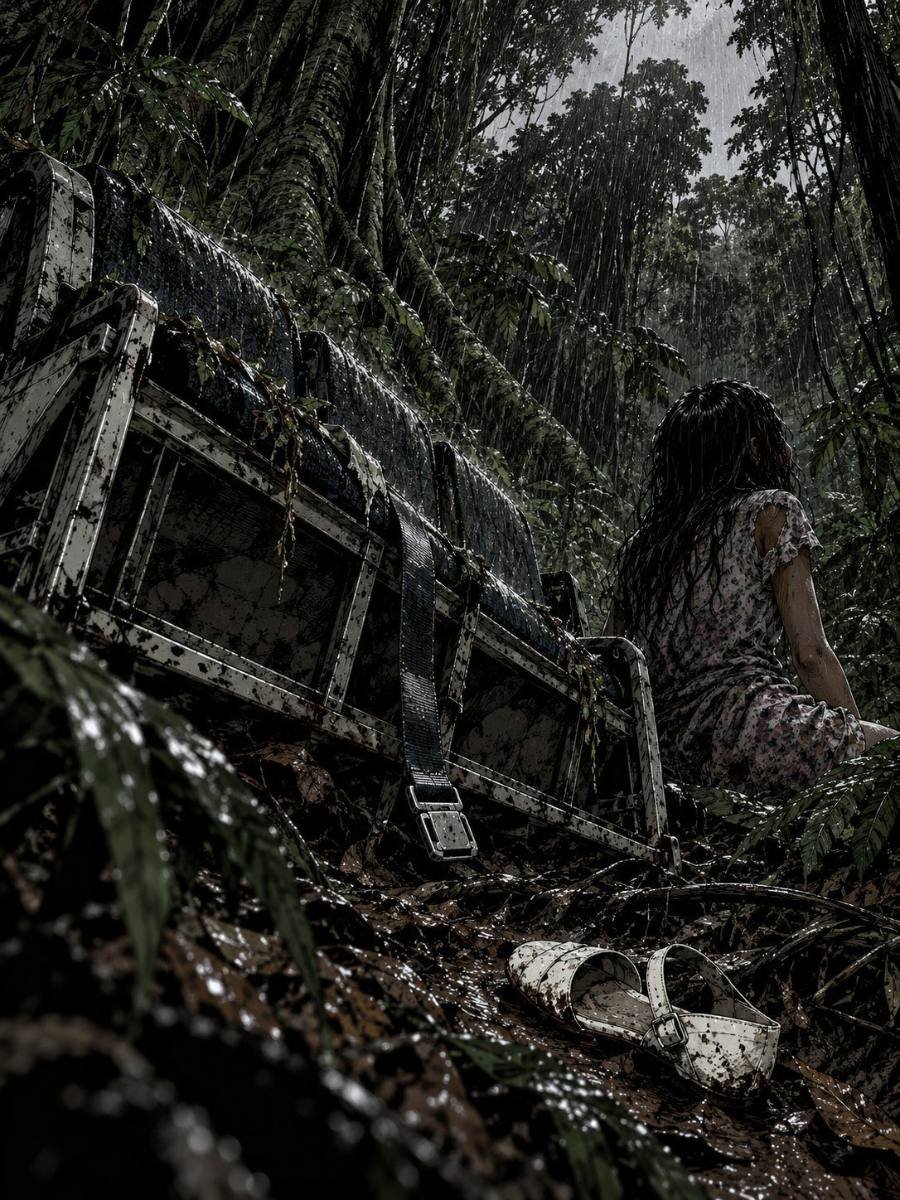
A 17-year-old girl was lying on the forest floor, under a row of three airplane seats turned upside down. She was still in a thin summer dress. She had one sandal.
Around her she could hear frogs, rain, and the screaming of monkeys.
The day before, she had been sitting next to her mother on a plane carrying 92 people.
Now there was no plane. There was no mother. There was only the jungle. (RD-1973) (TELEGRAPH-2012) (NYT-2021)
A blue dress and one extra day

Her name was Juliane Koepcke. She was born in Lima, the only child of two German zoologists.
Her father, Hans-Wilhelm, studied fish and ecology at Lima’s natural history museum. Her mother, Maria, ran its ornithology department. Four Peruvian bird species are named after Maria.
In 1968 they had founded Panguana, a biological research station deep in the Amazon rainforest. At 14, Juliane moved there with them and learned how the jungle worked.
In December 1971 she was finishing school in Lima. Her graduation ball was on 22 December, and she had saved up for a long blue dress to wear to it.
Her mother had planned to fly back to the jungle on the 19th or 20th. Juliane wanted to stay for the ball and her graduation the next day.
“I begged my mother,” she said. “Of course she understood.”
They agreed to fly together on Christmas Eve. (NYT-2021) (TELEGRAPH-2012) (GUARDIAN-2024) (WIKI-JK)
The only seats left were on LANSA
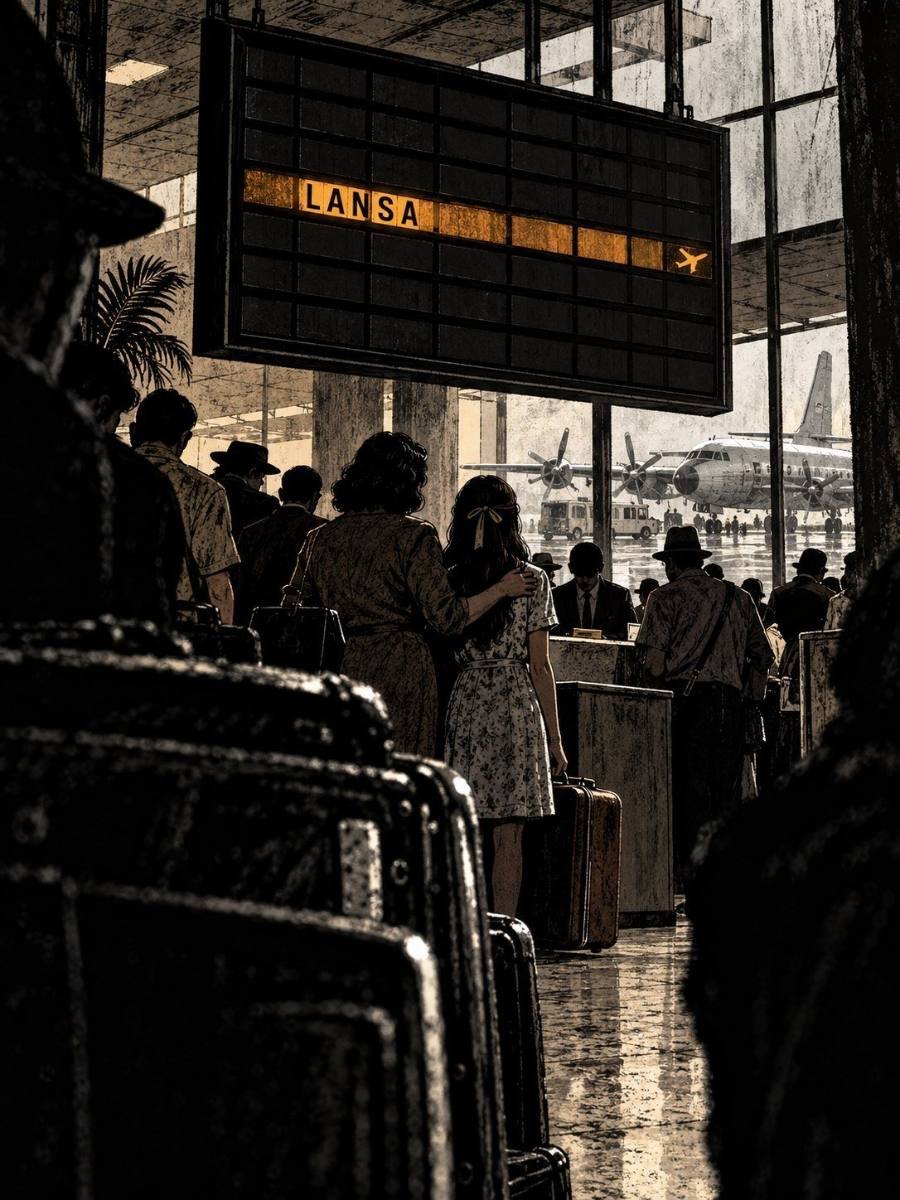
On 24 December every flight to Pucallpa was full except one. It belonged to LANSA.
The airline’s record was not good. The year before, LANSA Flight 502 had crashed after take-off from Cuzco, killing 99 of the 100 people aboard.
Her father had warned her mother not to fly with them.
But it was Christmas, and the family planned to spend it together at Panguana. The flight to Pucallpa took about an hour.
“On the one hand, we were glad we had still got onto this flight,” she told the German magazine Spektrum. (TELEGRAPH-2012) (SPEKTRUM-2021) (MACLEANS-2011) (EXPLORERSWEB-2025)
Window seat, two rows from the back
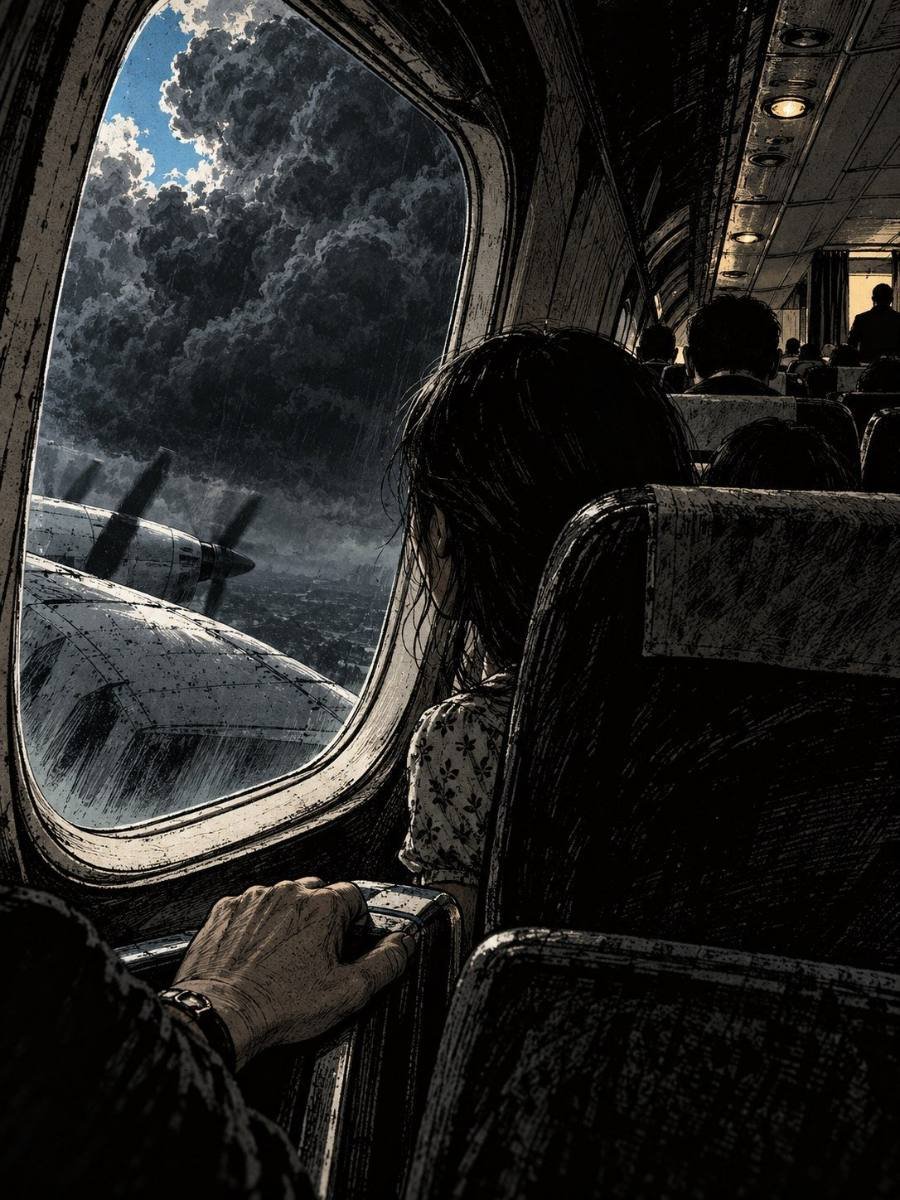
The plane was a Lockheed Electra, a four-engine turboprop. It took off from Lima shortly before noon.
92 people were aboard, most sources say. Many were going home for Christmas.
Juliane sat at the window, two rows from the back, on a three-seat bench next to her mother.
The film director Werner Herzog, who had been booked on the same flight, later remembered the passengers cheering when it finally boarded.
About 25 minutes after take-off, the plane flew into a thunderstorm. (RD-1973) (TELEGRAPH-2012) (NYT-2021) (SPEKTRUM-2021)
“This is the end of everything”
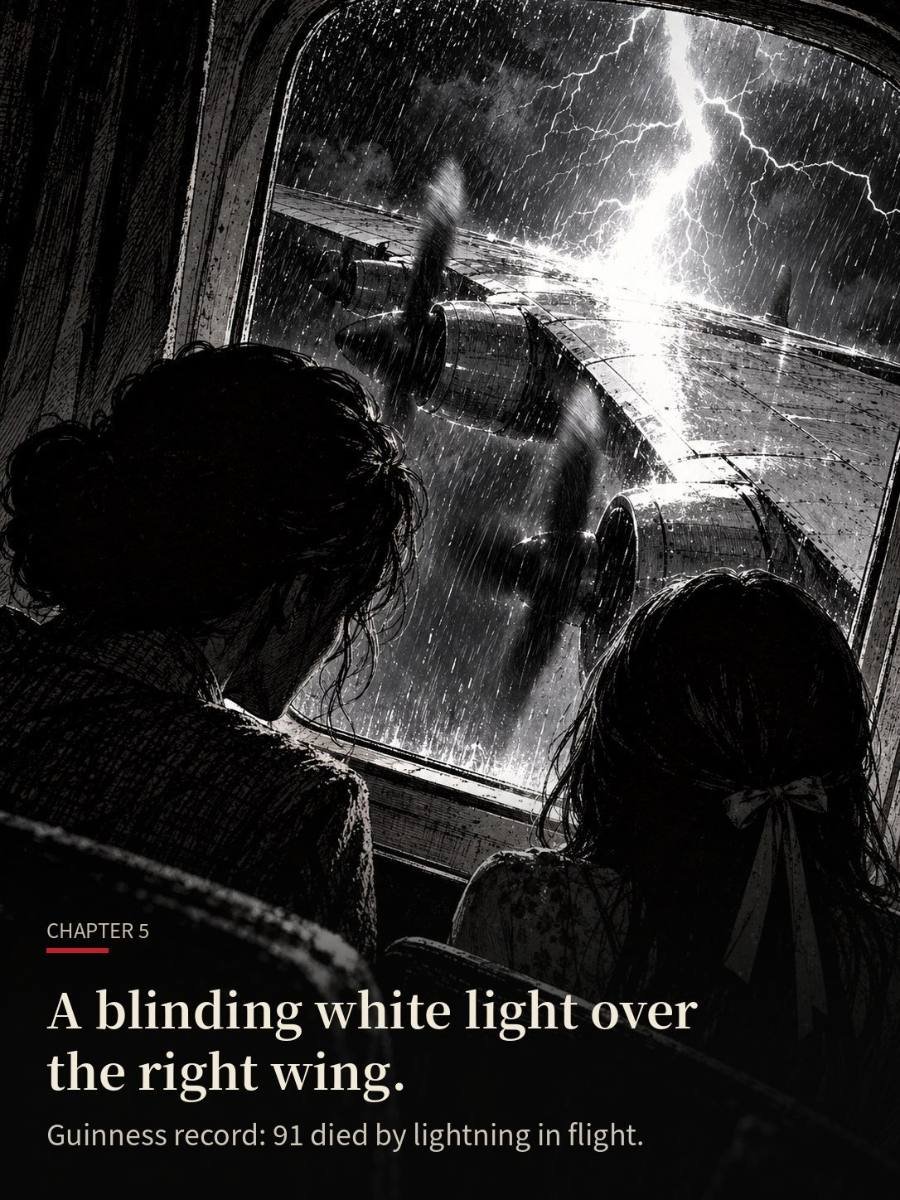
“Suddenly, there was a flash of lightning, terrifyingly near,” she wrote.
She remembers “a blinding white light over the right wing.” Lightning had struck the wing, most accounts say.
Her mother was calm. She said quietly, in German, “Jetzt ist alles aus.” Translations differ: “Now it’s all over,” or, in Juliane’s 1973 account, “This is the end of everything.”
They were the last words Juliane heard her say. (RD-1973) (TELEGRAPH-2012) (NYT-2021) (SPEKTRUM-2021)
She did not leave the plane. It left her
What happened next took seconds.
“I hadn’t left the plane; the plane had left me,” she said decades later.
“Suddenly I was outside the machine, in free fall in the air,” she told Spektrum.
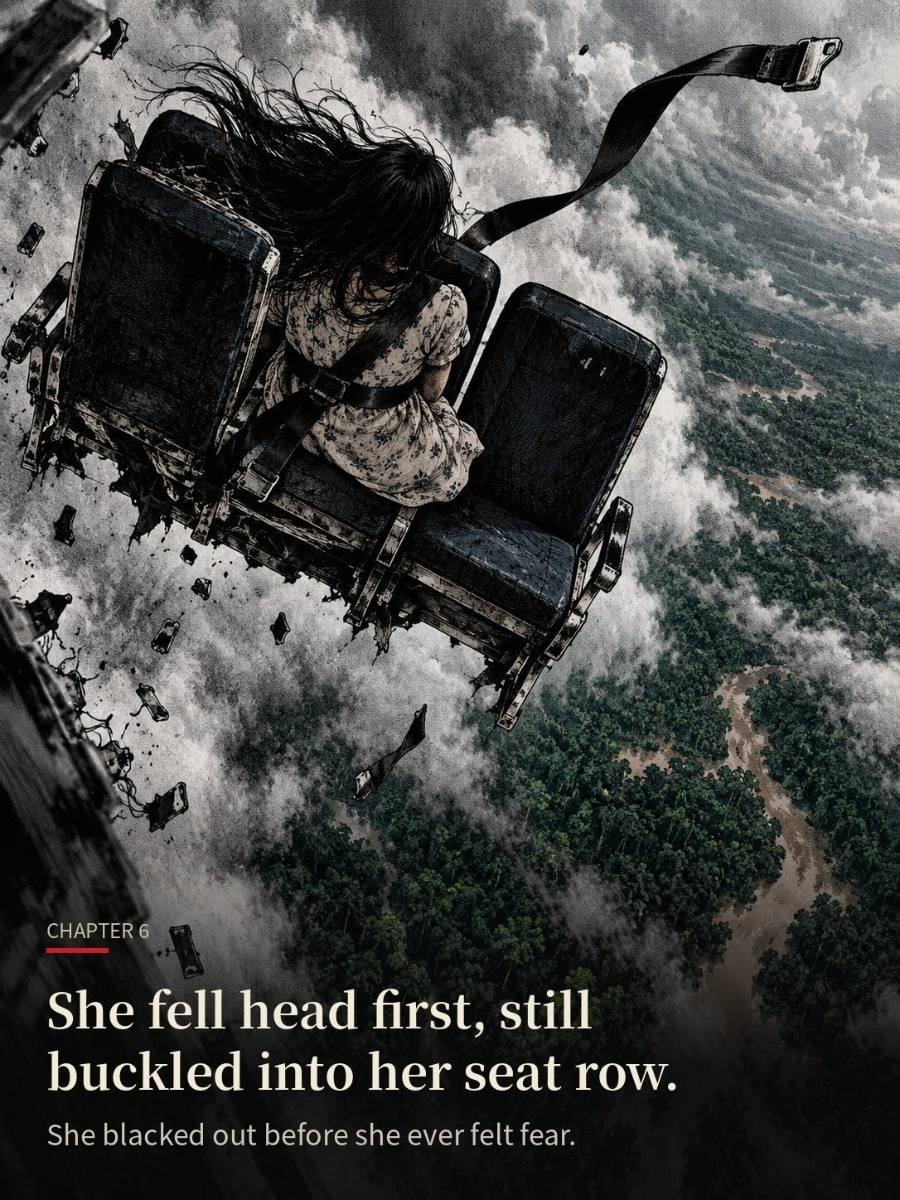
She was still strapped into her row of three seats. She remembers falling head first, the seatbelt squeezing her so hard she could barely breathe, and the roar of the air.
She lost consciousness before she had time to feel afraid.
The fall is usually given as about 3,000 metres, around 10,000 feet. (NYT-2021) (SPEKTRUM-2021) (TELEGRAPH-2012) (SUNEXP-2012) (GUARDIAN-2024)
Nobody knows exactly why she lived
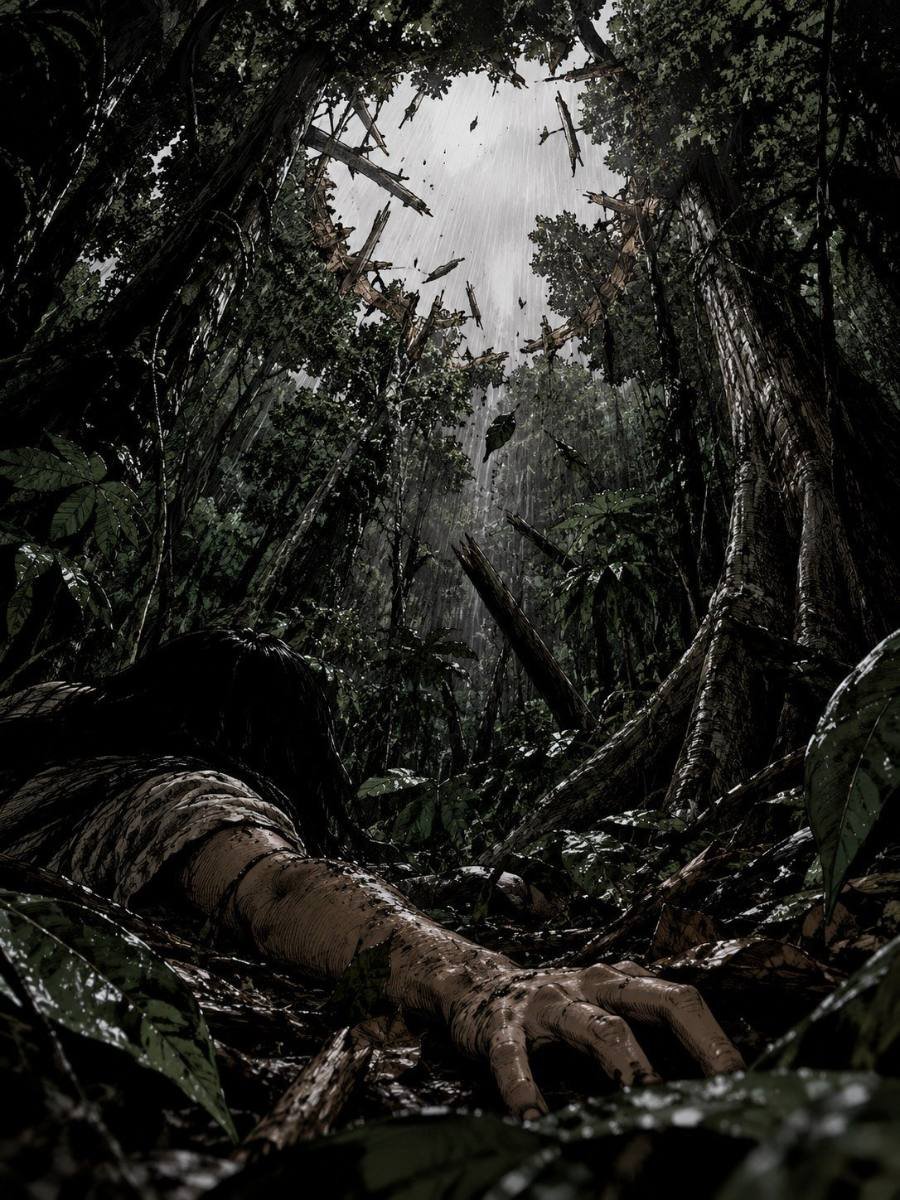
She has her own theories.
An updraft inside the storm may have slowed the fall. The bench may have spun as it dropped.
Or the trees did it. The rainforest canopy is so dense and interlocked that the branches may have caught the seat row “as in a boat,” she said.
The New York Times wrote that the seats probably landed in thick foliage.
No one can prove which it was. Perhaps it was all of them. (TELEGRAPH-2012) (NYT-2021)
Broken, half-blind and completely alone
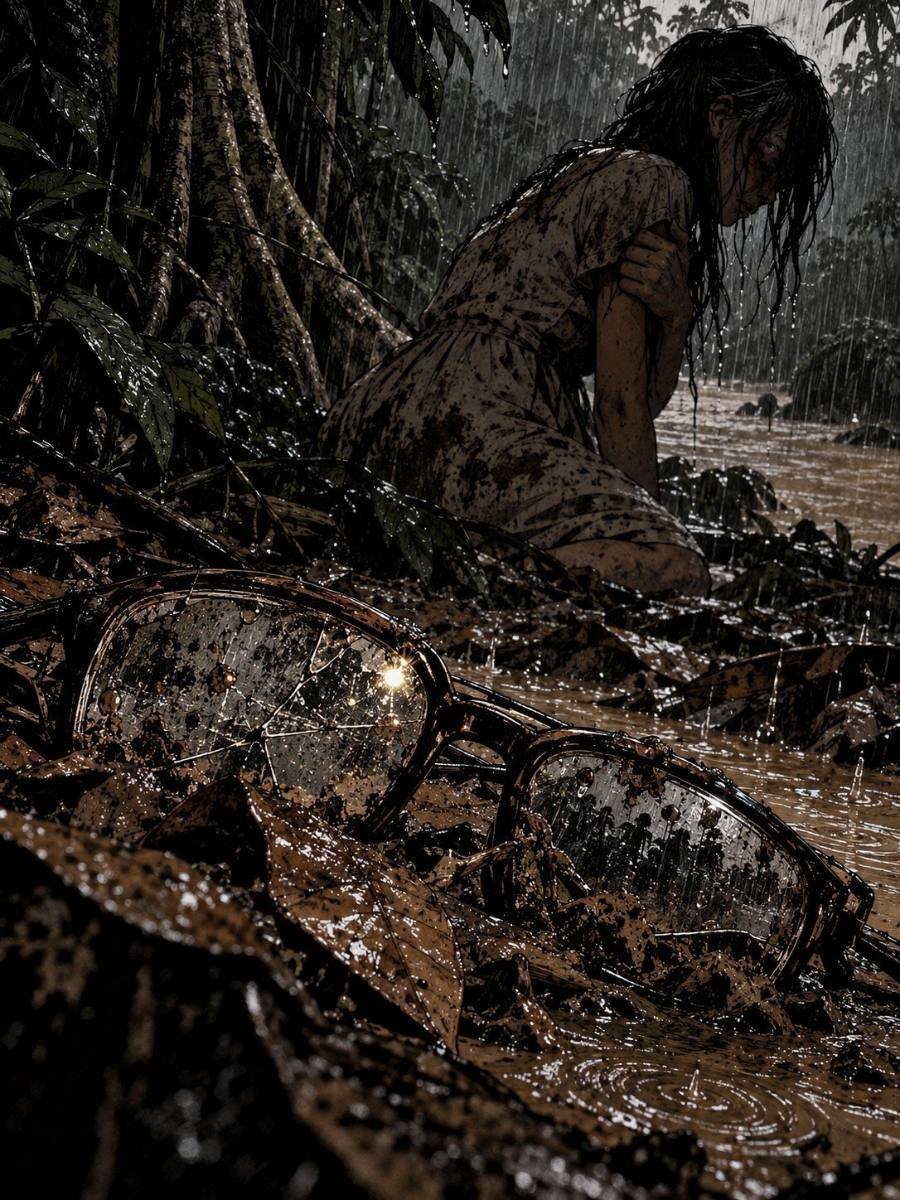
When she came round, she began to take stock.
Her collarbone was broken. She had a concussion. Her knee was hurt. She had cuts on her arm and leg, though they hardly bled.
She was short-sighted, and her glasses were gone. One eye was swollen shut.
But she knew the sounds around her: croaking frogs, screeching parakeets, monkeys. They were the sounds of Panguana. She was in the same kind of forest she had grown up in.
“I felt completely alone,” she said.
“What I experienced was not fear,” she told the New York Times, “but a boundless feeling of abandonment.” (NYT-2021) (TELEGRAPH-2012) (SPEKTRUM-2021) (RD-1973) (SNOPES-2019)
A bag of sweets and a ruined Christmas cake
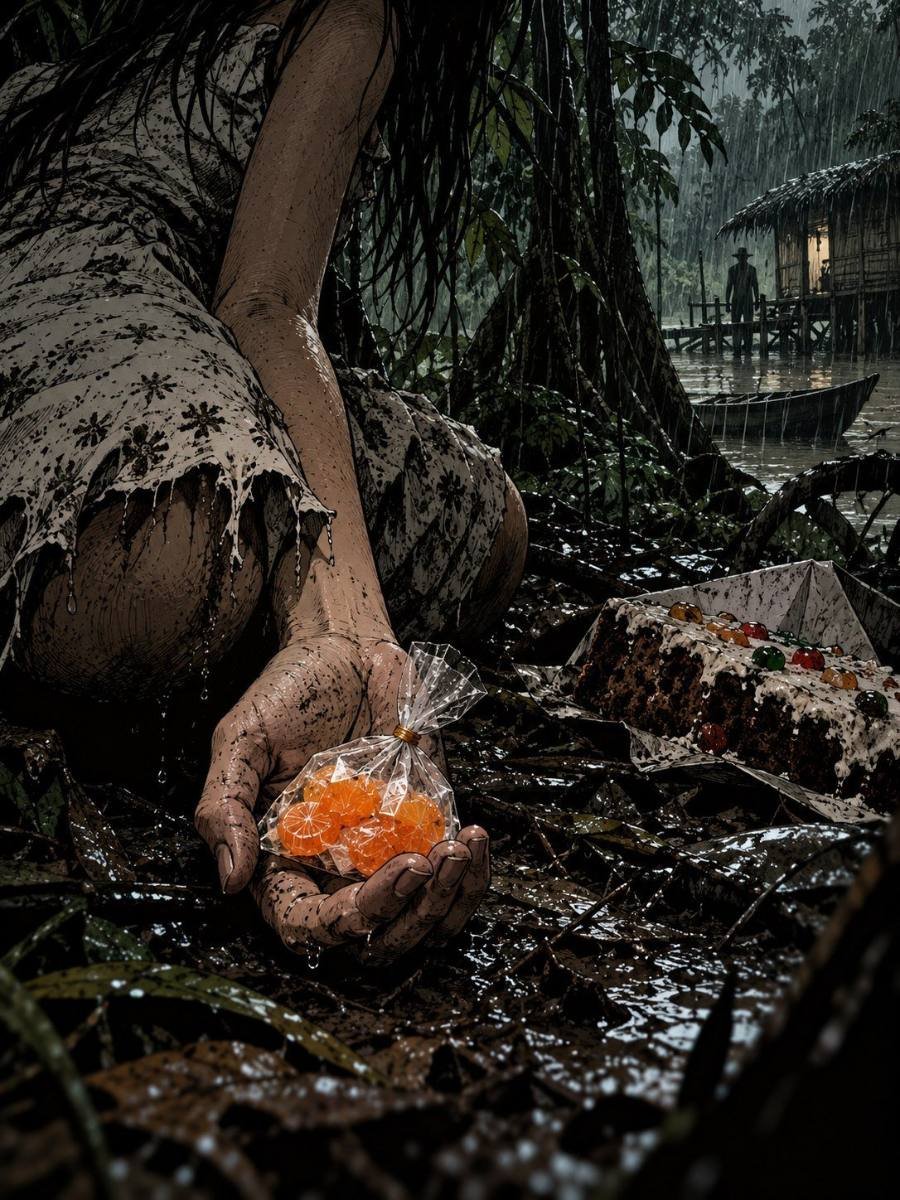
Among the scattered debris she found a small bag of hard sweets.
There was also a Christmas cake. It was “soaking wet and revolting,” she wrote, and she left it.
It was the wet season. There was no fruit to pick and no dry wood to burn.
Those sweets would be the only food she had. Accounts differ on how long they lasted: four days, or a few at a time for the whole ordeal. (RD-1973) (GUARDIAN-2024) (TELEGRAPH-2012) (NYT-2021)
Her father’s rule: follow the water
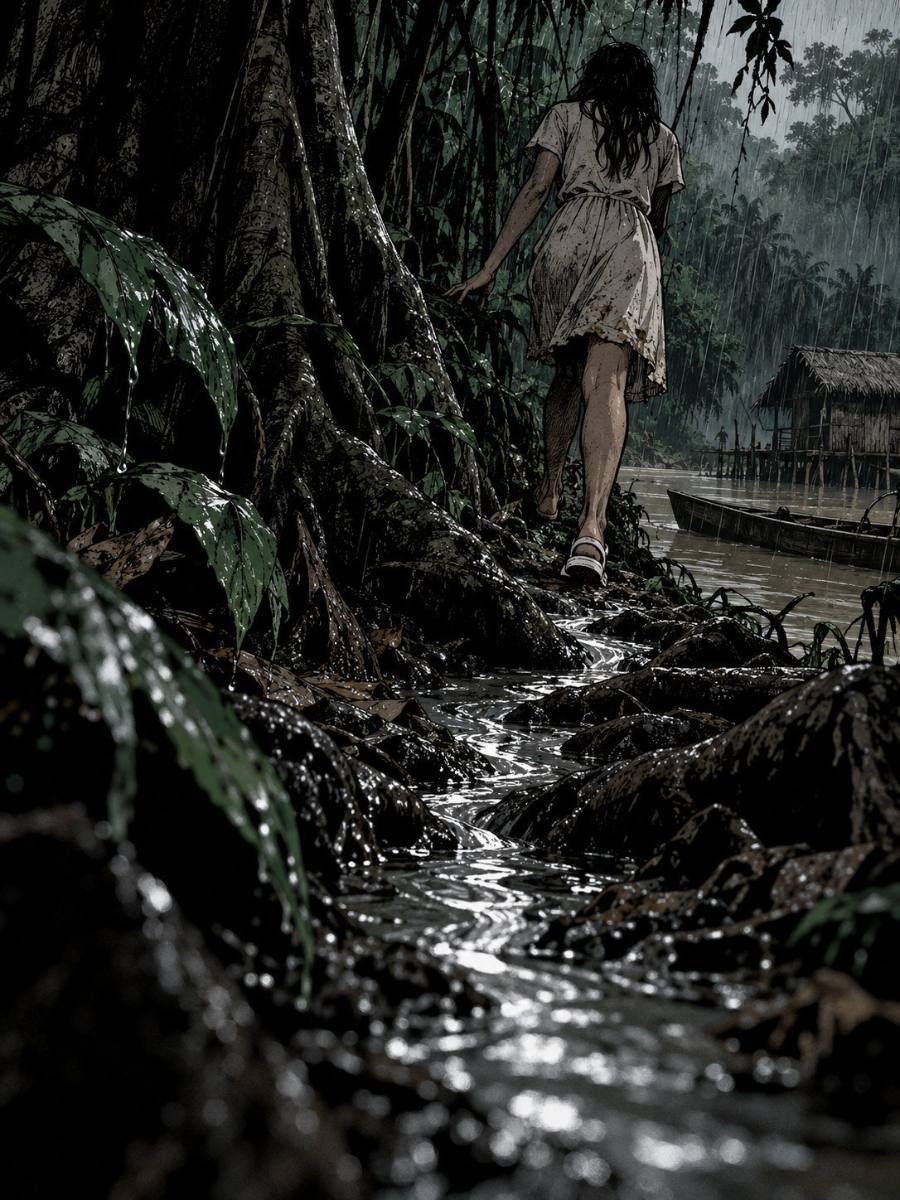
Her father had taught her one rule for being lost in the jungle.
Find moving water and follow it. A trickle leads to a creek, a creek to a stream, a stream to a river. And people live by rivers.
“If you find moving water, then don’t let it out of sight,” she said.
“If I had been a pure city child, I never would have made it back to life,” she wrote in her memoir.
She found water, and she started walking. (TELEGRAPH-2012) (GUARDIAN-2024) (RD-1973) (MACLEANS-2011)
One sandal to test the water
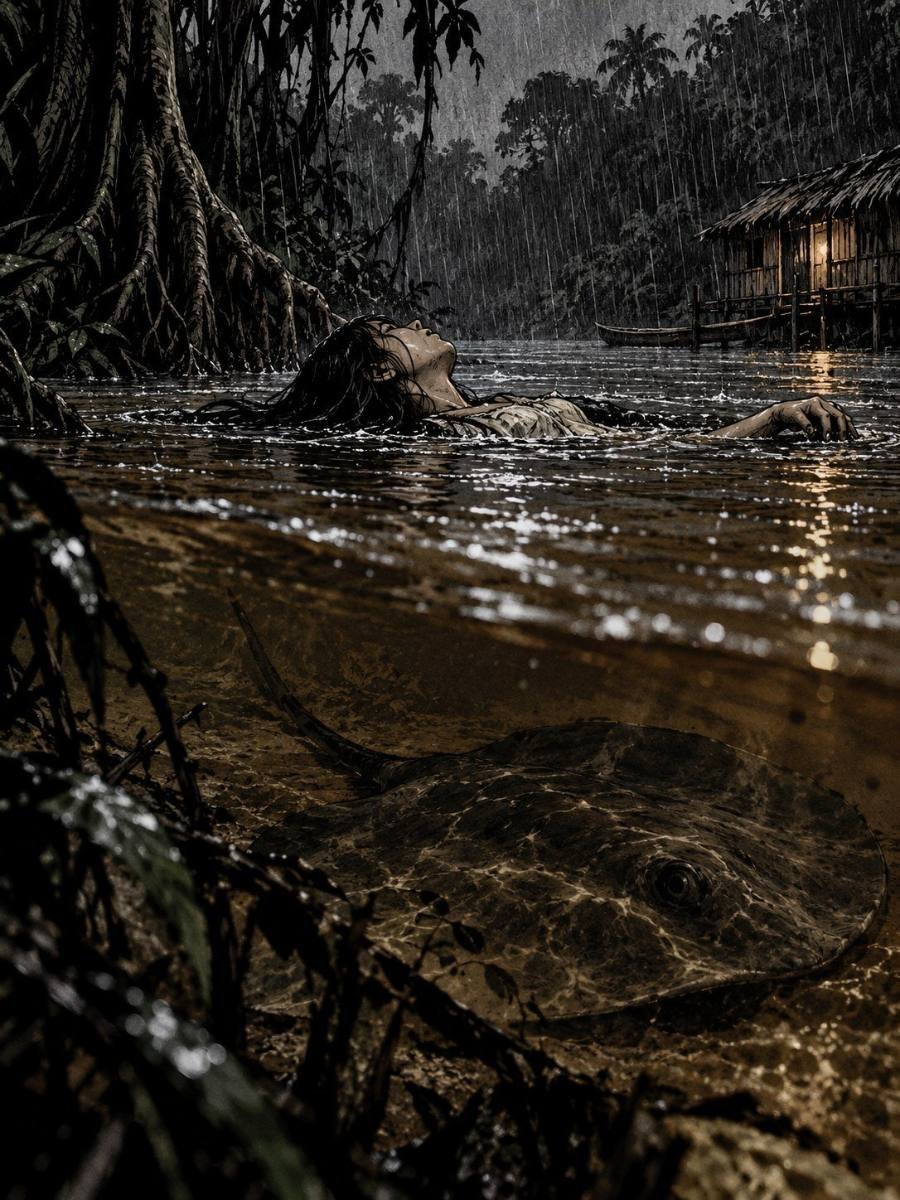
The trickle grew into a stream, and the stream grew deep.
She waded, then swam, then floated down the middle of the current. The shallows near the banks were where stingrays rested, and she did not want to step on one.
She used her one remaining sandal to test the ground ahead of her: the murky water, the brambles, the ants.
“Even if you aren’t shortsighted, every tree in the rainforest looks the same,” she said.
She built no raft, despite later press stories. She simply kept going with the water. (SPEKTRUM-2021) (GUARDIAN-2024) (TELEGRAPH-2012) (SUNEXP-2012)
The planes that could not see her
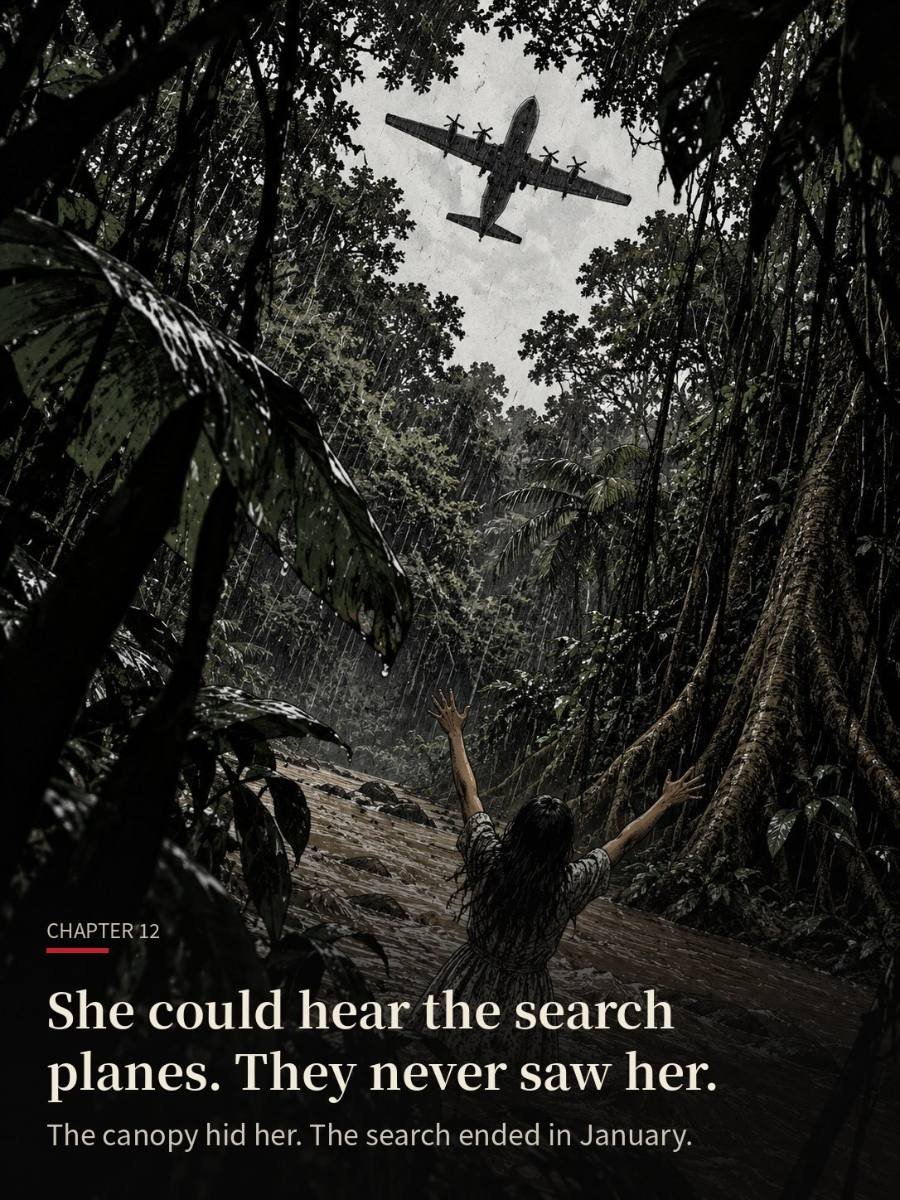
On the third day she heard aircraft overhead.
Search planes were looking for the Electra. She shouted.
“They must have been quite near, though I never saw them and, of course, they didn’t spot me,” she wrote.
The canopy was too thick. From the air, the forest was a solid green roof.
The sound faded away. The search went on for about ten days before it was called off. (RD-1973) (GUARDIAN-2024) (SPEKTRUM-2021)
“Where there are vultures, there are usually bodies”
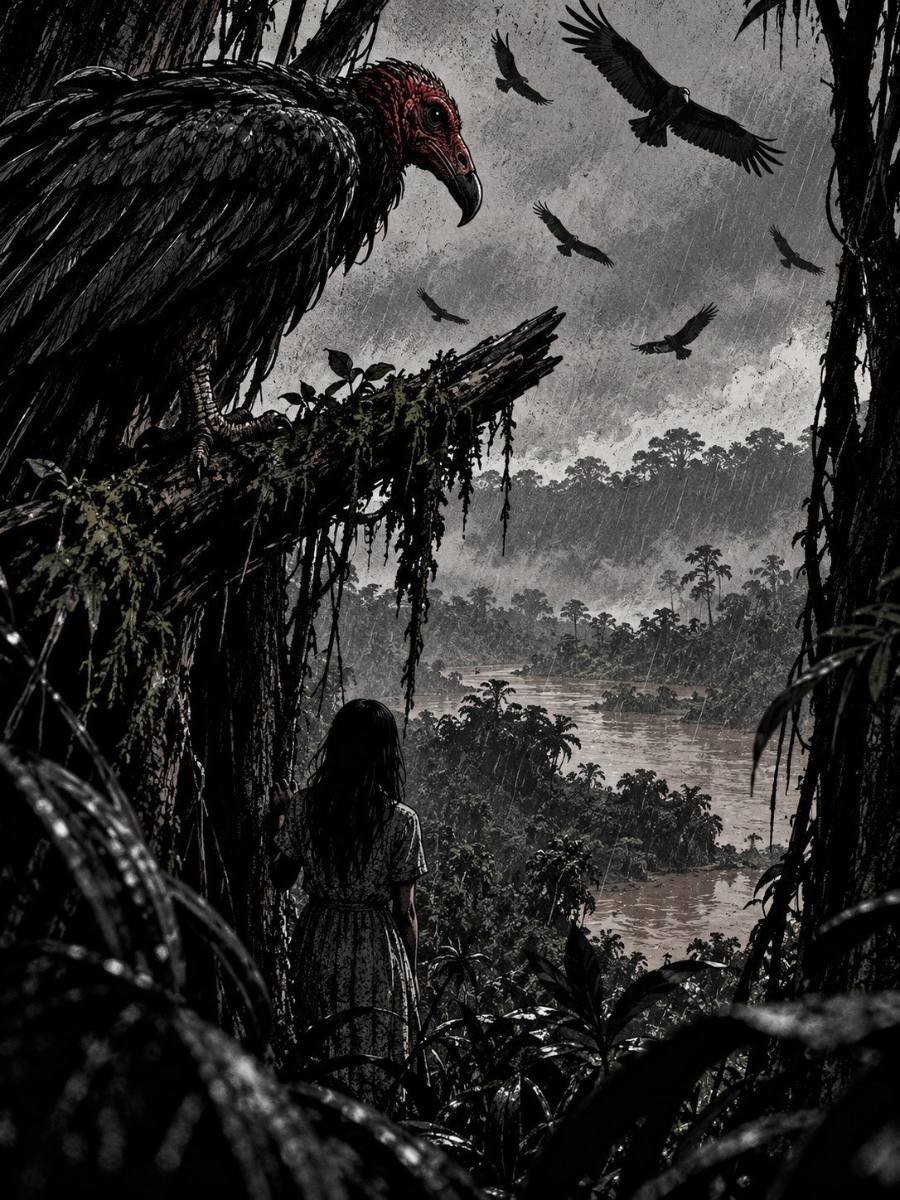
Then she heard a different sound.
“On the third day I heard vultures,” she wrote. “Where there are vultures, there are usually bodies.”
She found pieces of the plane, and a row of seats with passengers still strapped in. None of them were alive.
She needed to know one thing: whether her mother was among them. She was not.
In all those days, she later said, she never found anyone else alive. (RD-1973) (RHP) (SUNEXP-2012)
A boat, a path and an empty hut
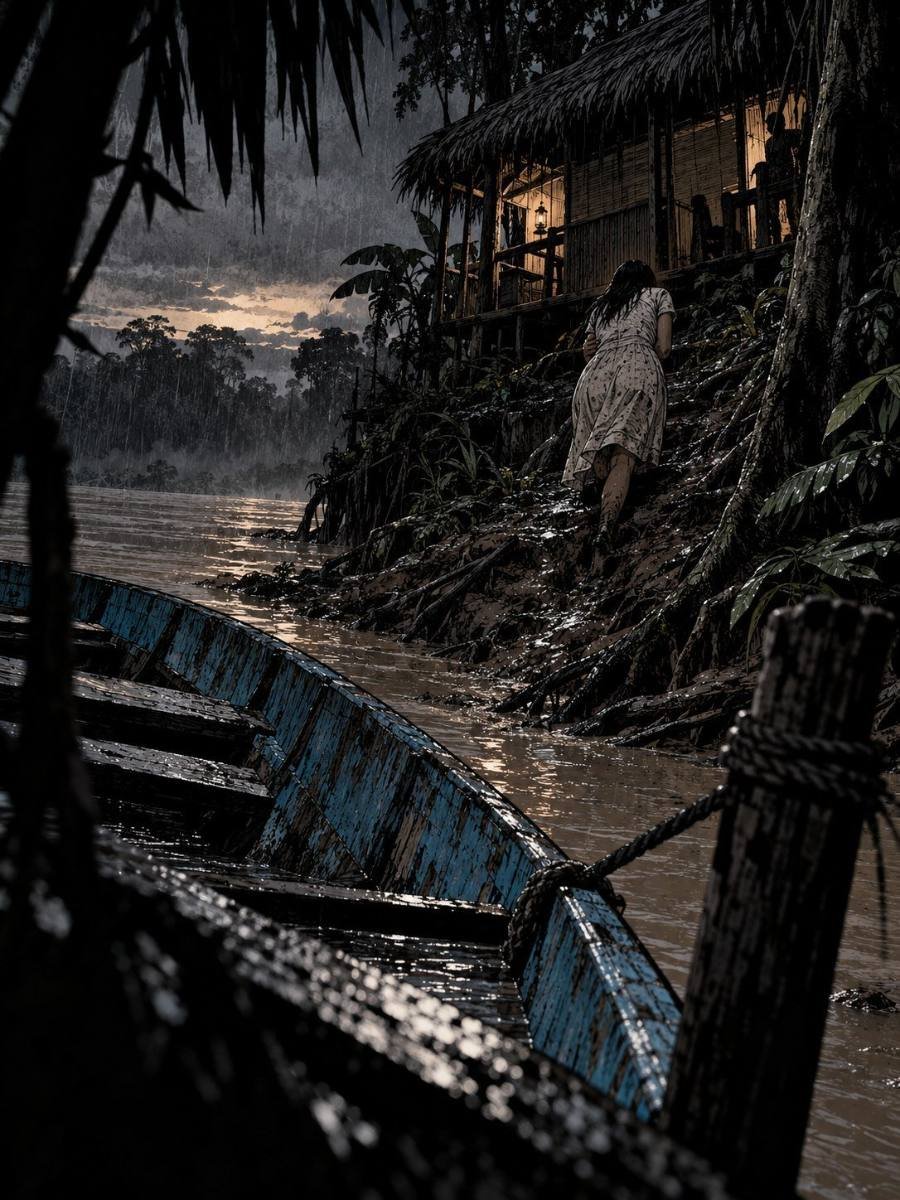
She kept walking and floating. The days ran together.
“On the tenth day, as I later reconstructed it,” she wrote, she reached a bigger river.
A boat was tied to the bank. A path led up from the water.
At the top stood a small hut, part of a rarely used logging camp.
No one was there. (RD-1973) (TELEGRAPH-2012) (EXPLORERSWEB-2025)
A can of gasoline
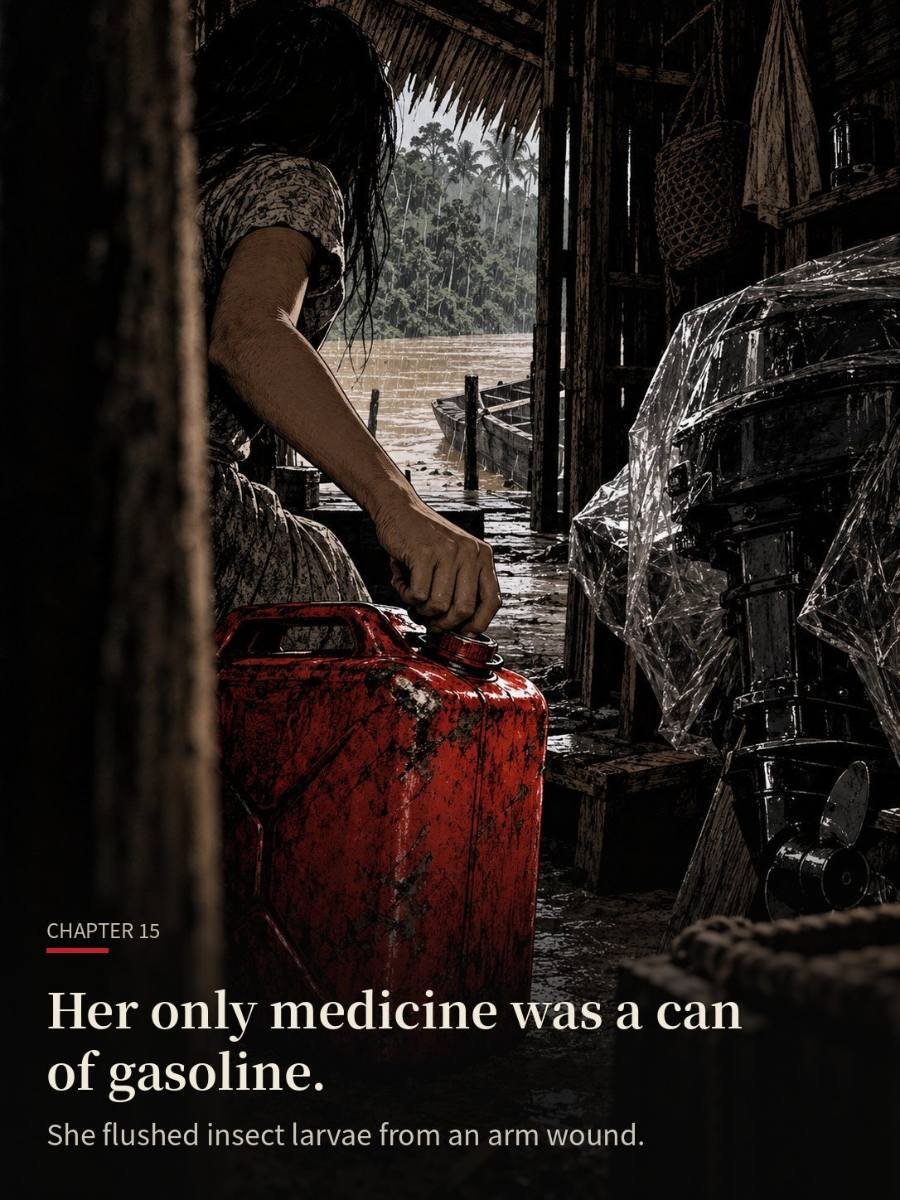
Inside the hut she found “a small outboard motor, carefully wrapped in plastic, and a can of gasoline.”
By now the cut on her arm was badly infected. Insect larvae had got into it.
She poured the gasoline onto her arm to drive them out.
“God help me,” she thought. “They will amputate, if I ever survive.” (RD-1973) (TELEGRAPH-2012) (NYT-2021)
“It was somebody else’s”
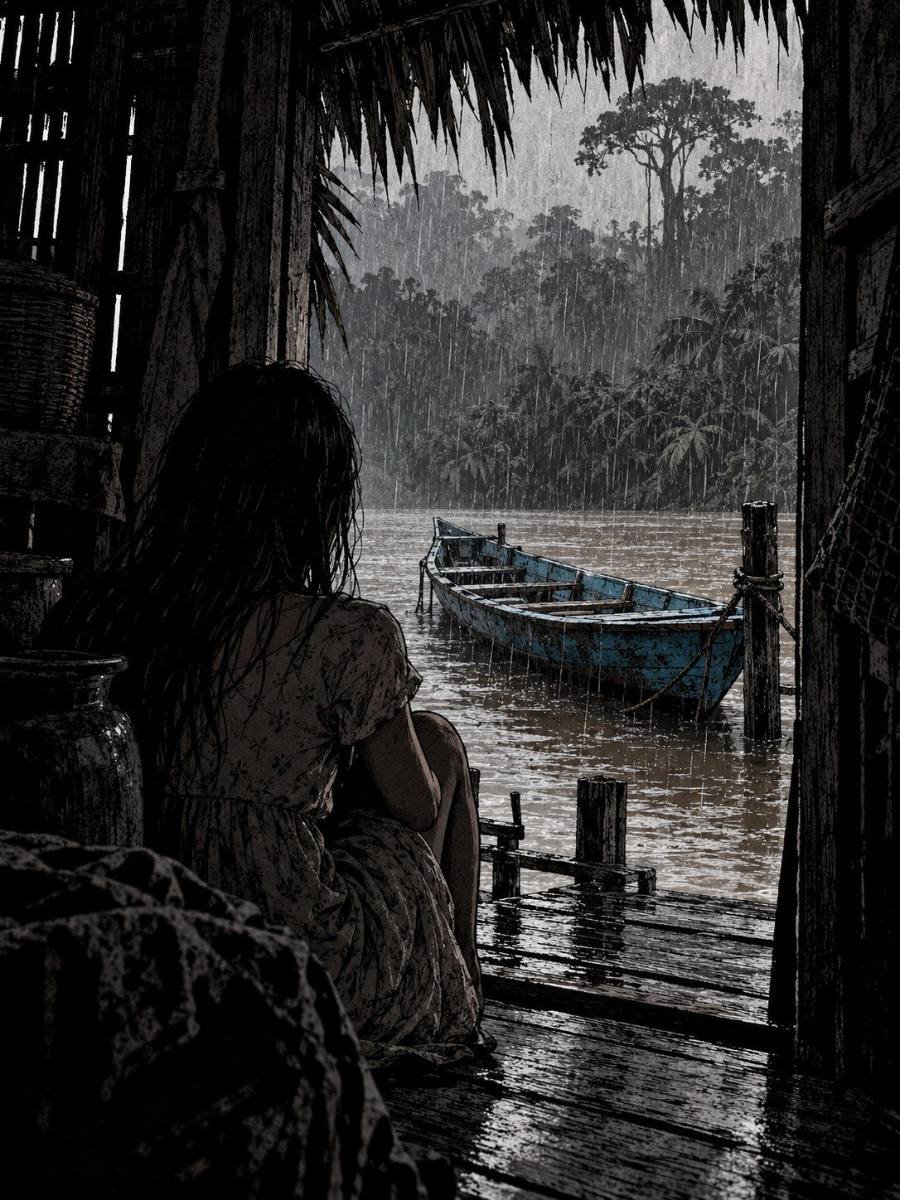
The boat was right there at the bank.
She could have taken it downriver. She did not.
“I didn’t want to take the boat,” she said. “It was somebody else’s.”
Heavy rain kept her inside. She sat in the shelter, exhausted, in a kind of numbness.
She waited. (RD-1973) (SPEKTRUM-2021)
Three men came in from the rain
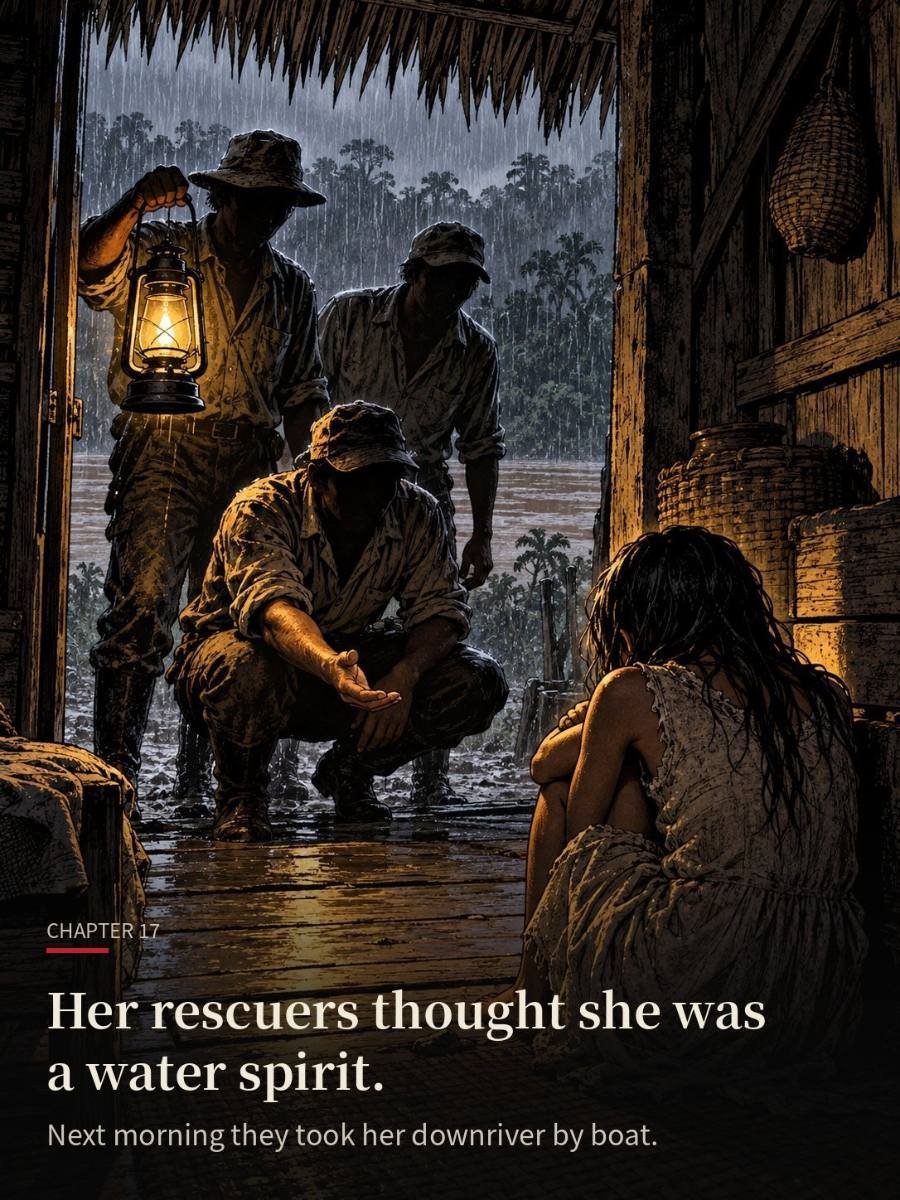
On 3 January 1972, voices came from outside.
“Three men plunged in from the downpour,” she wrote. One of them said: “What have we here?”
They were local forest workers. Accounts describe them as hunters, woodcutters or rubber gatherers, and some say there were five.
At first, they thought the girl in the hut might be a water spirit from local legend.
To her, it was the other way round. “It was like an angel coming towards me,” she said. (RD-1973) (TELEGRAPH-2012) (GUARDIAN-2024) (SPEKTRUM-2021)
The only one of 92
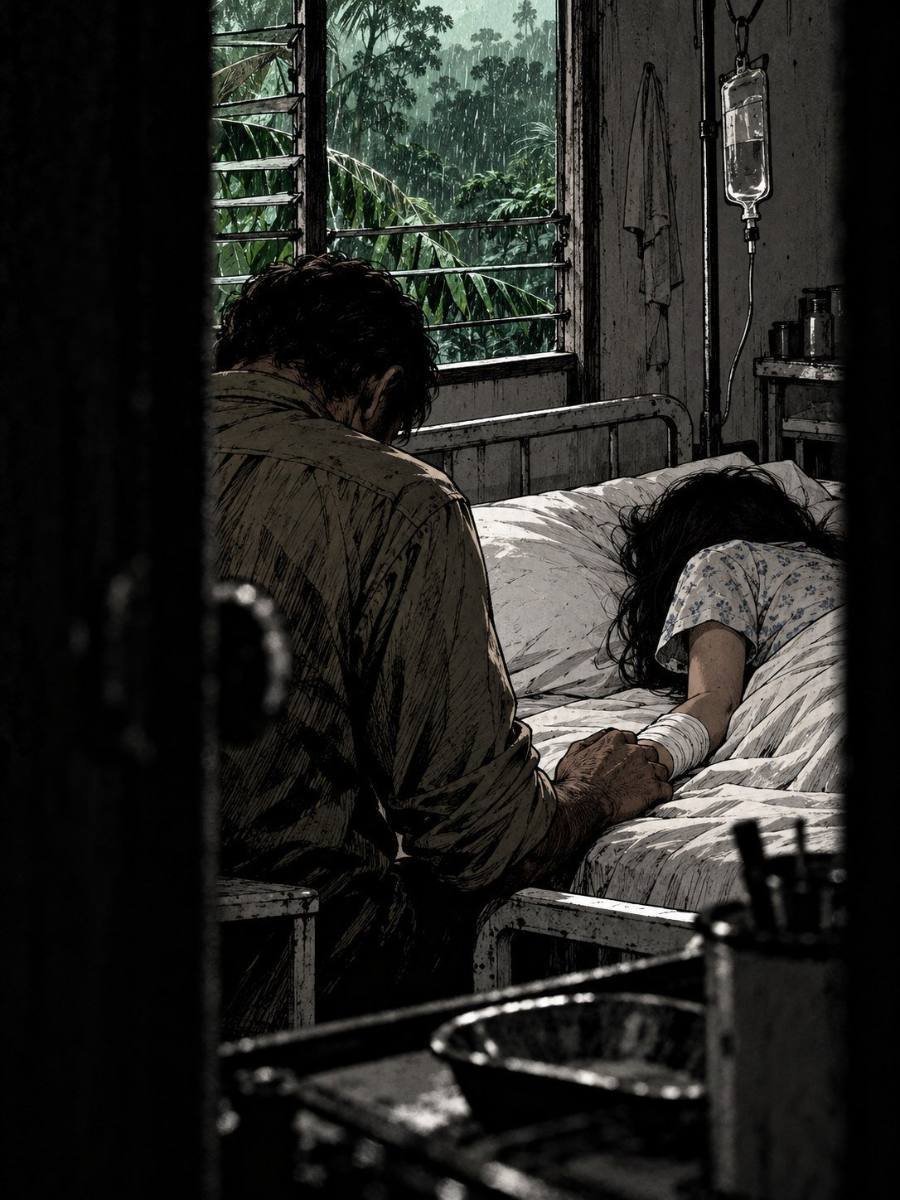
The men treated her wound with gasoline and gave her cassava to eat.
Early the next morning they took her downriver in their boat to Tournavista. The journey took hours.
From there, a small twin-engine plane flew her to a mission base near Pucallpa.
Her father came. He stayed by her bed. And he told her that her mother was dead.
Searchers later said at least 12 people, perhaps 14, had survived the crash itself but did not live to be found. Her mother’s body was recovered on 12 January.
Of the 92 people aboard, Juliane Koepcke was the only one who lived. (NYT-2021) (RD-1973) (SPEKTRUM-2021) (GUARDIAN-2024)
The director who missed the flight
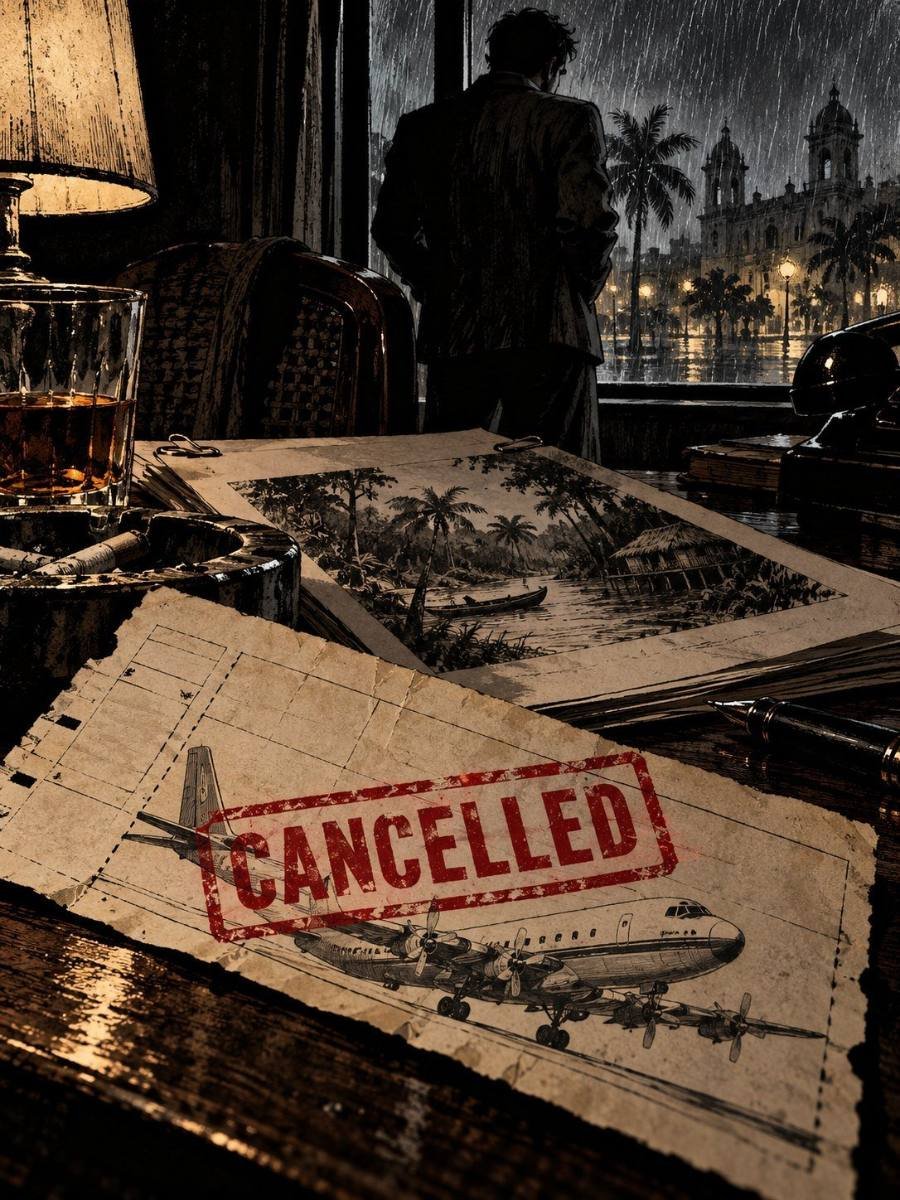
Werner Herzog was in Peru that Christmas, scouting jungle locations for his film Aguirre, the Wrath of God.
He had been booked on the same flight. A last-minute change in his plans kept him off it.
“For all I know, we may have bumped elbows in the airport,” he told her years later.
Soon after the crash, LANSA lost its permission to fly. The Peruvian government shut the airline down for good. (NYT-2021) (SPEKTRUM-2021) (CRITERION) (AIRHISTORY-OBR945)
Back to the forest, 27 years later
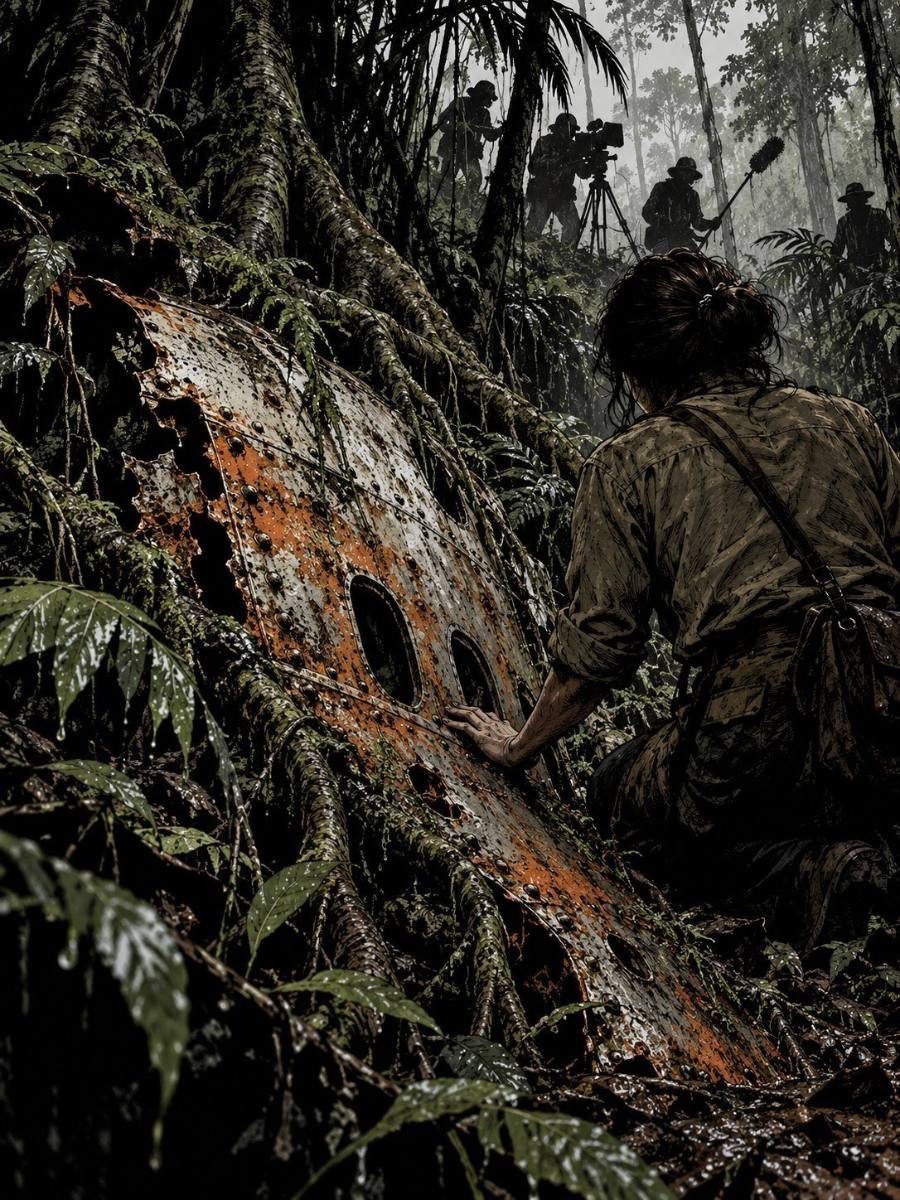
For decades she turned down almost every interview.
In 1998 Herzog asked to make a film with her, and she said yes.
For Wings of Hope, they flew the same route from Lima to Pucallpa together. Then they went into the jungle to the crash site.
Pieces of the plane were still lying in the forest.
In 2011 she published her own account. In English it is called When I Fell From the Sky. She wrote it, she said, mainly to protect Panguana. (NYT-2021) (MACLEANS-2011) (EXPLORERSWEB-2025) (HACHETTE)
“The jungle caught me and saved me”
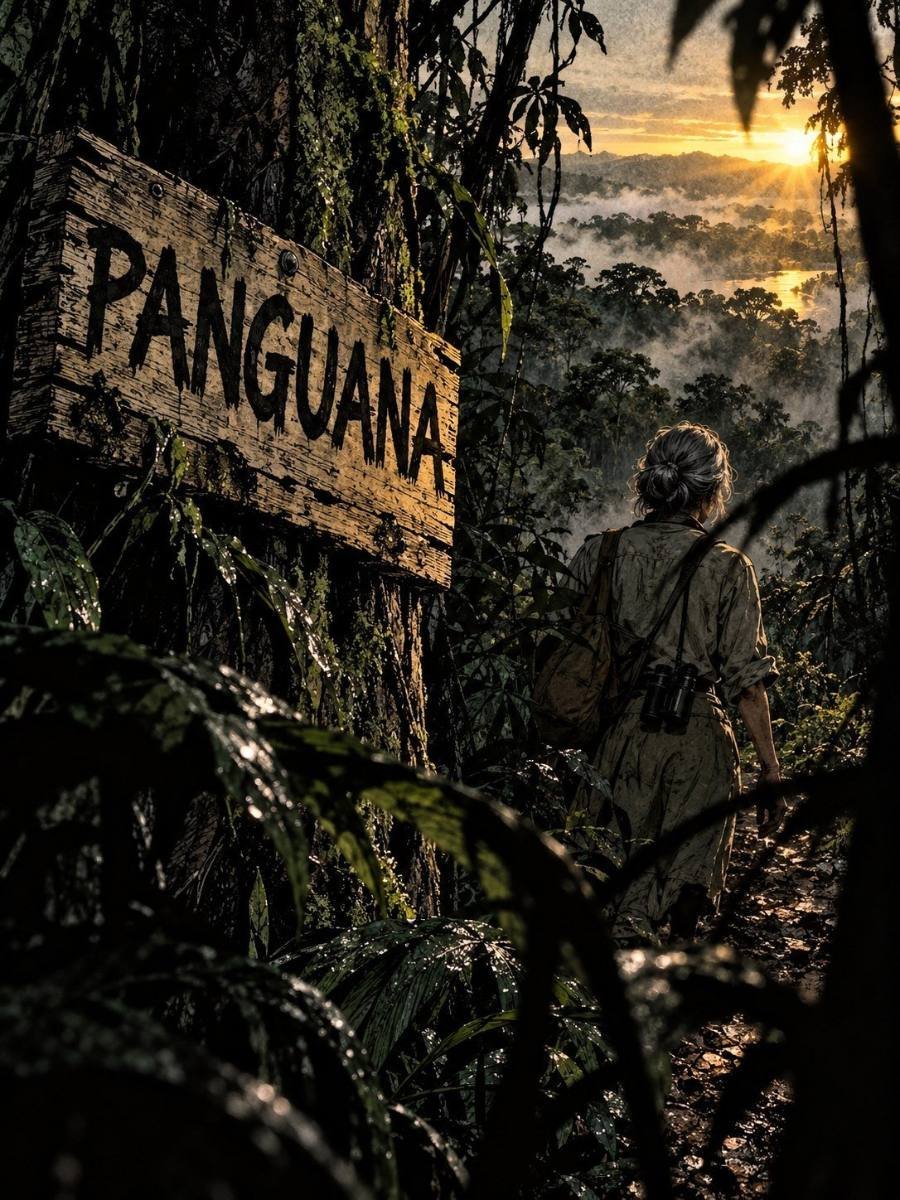
She became a biologist, like her parents. Her doctorate was on bats, and she has identified dozens of bat species at Panguana.
Today she is Juliane Diller. She took over Panguana after her father died, and in 2011 Peru declared it a private conservation area. It has since grown many times over.
She has never blamed the forest.
“The jungle caught me and saved me,” she said. “It was not its fault that I landed there.”
“Just to have helped people and to have done something for nature,” she said, “means it was good that I was allowed to survive.” (NYT-2021) (TELEGRAPH-2012) (IRISHTIMES-2021) (GUARDIAN-2024)
Case notes: Juliane Koepcke and LANSA Flight 508
On 24 December 1971, LANSA Flight 508 broke up in a thunderstorm over the Peruvian Amazon. Seventeen-year-old Juliane Koepcke fell still strapped to her seat row, survived with a broken collarbone and other injuries, and followed streams through the rainforest for about 11 days until local forest workers found her on 3 January 1972. She was the only survivor of the 92 people aboard (NYT-2021) (RD-1973) (GUARDIAN-2024).
Where the case stands (as of November 2026)
There is no mystery about who survived: Juliane Koepcke was the only one of 92 people aboard LANSA Flight 508 to live. Peruvian investigators blamed structural failure after the plane was flown into a thunderstorm, and the airline was shut down (WIKI-508) (AIRHISTORY-OBR945).
What remains unanswered is the physics. No one can say for certain whether the canopy, an updraft or the spinning seat row saved her, and she herself offers all three as possibilities (TELEGRAPH-2012).
Timeline
| When | What happened |
|---|---|
| 1968 | Her parents found the Panguana research station in the Peruvian Amazon (NYT-2021) |
| 22–23 Dec 1971 | Graduation ball and graduation in Lima; the trip home is moved to Christmas Eve (TELEGRAPH-2012) |
| 24 Dec 1971 | LANSA Flight 508, a Lockheed Electra with 92 aboard, leaves Lima shortly before noon; lightning strikes it in a thunderstorm and it breaks up (RD-1973) (NYT-2021) |
| 25 Dec 1971 | She wakes under an overturned seat row and starts following water (RD-1973) (NYT-2021) |
| About day 3 | Hears search planes she cannot see; finds a seat row with dead passengers (RD-1973) |
| About day 10 | Reaches a hut and a moored boat; treats her infected wound with gasoline (RD-1973) |
| 3 Jan 1972 | Found by local forest workers; taken downriver, then flown to a mission near Pucallpa (RD-1973) (SPEKTRUM-2021) |
| 12 Jan 1972 | Her mother’s body is recovered (GUARDIAN-2024) |
| 1998 | Returns to the crash site with Werner Herzog for Wings of Hope (NYT-2021) |
| 2011 | Memoir published; Peru declares Panguana a private conservation area (NYT-2021) (HACHETTE) |
Evidence locker
Real places and records only. Illustrations elsewhere in this file are AI-generated.
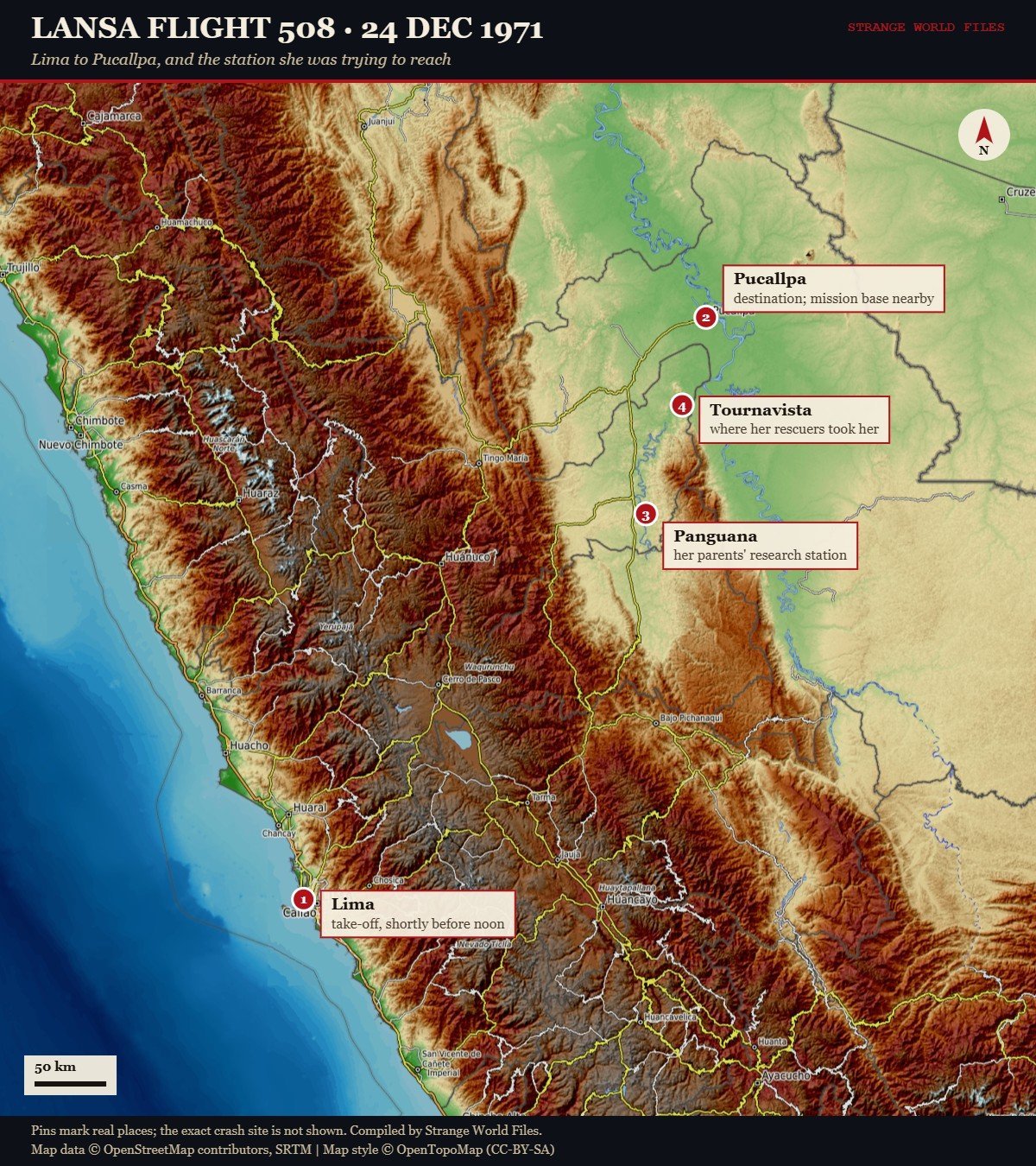 EXHIBIT A · TAP TO ENLARGE
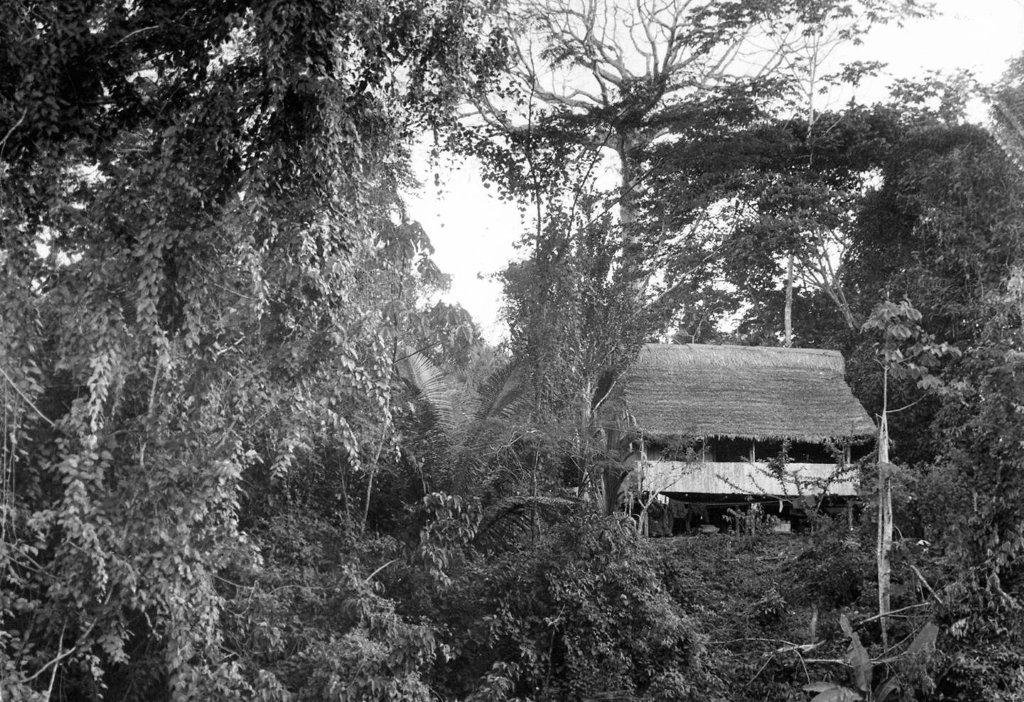 EXHIBIT B
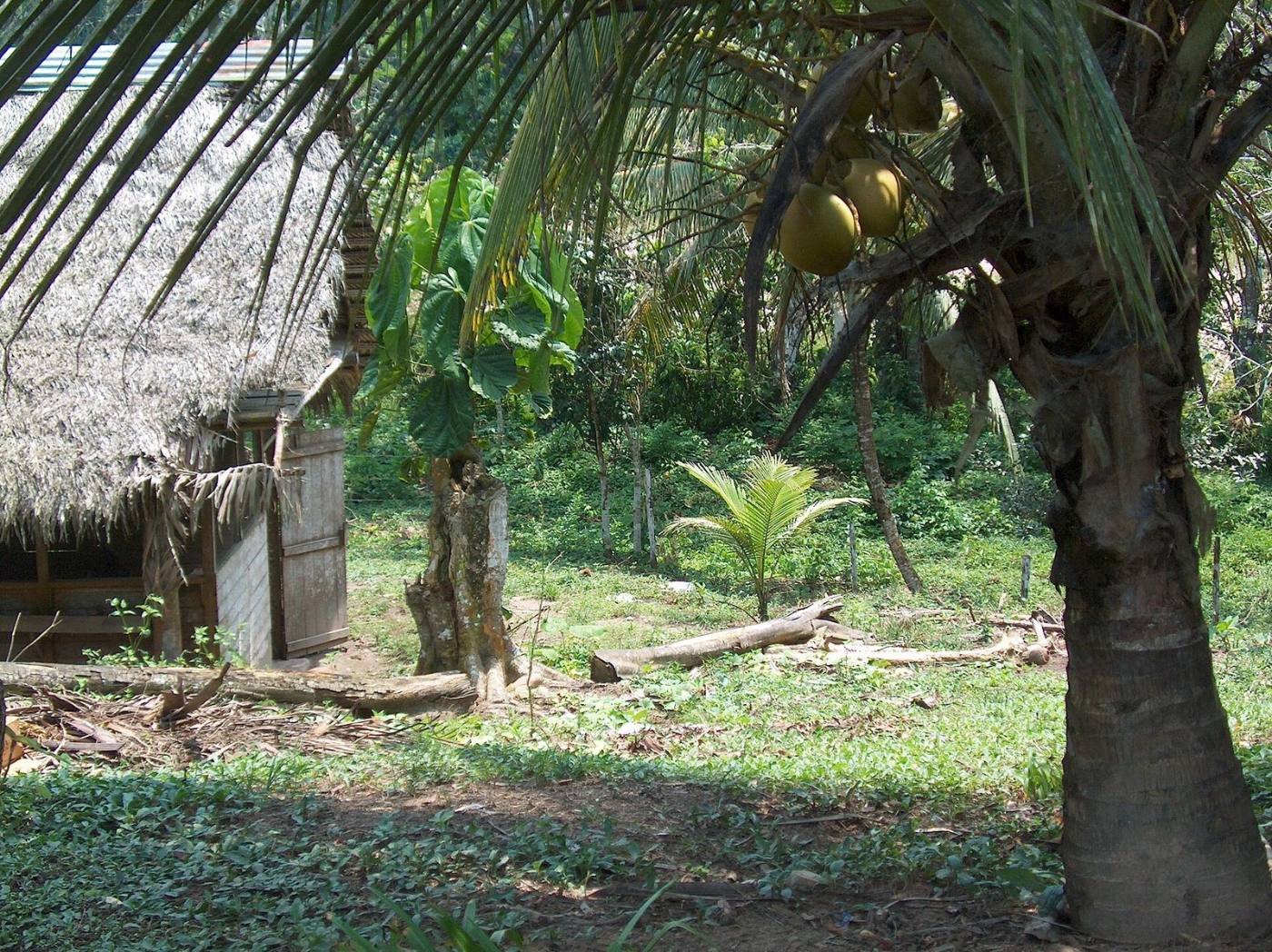 EXHIBIT C
Where the records disagree
| Detail | What sources say |
|---|---|
| People aboard | 92 in most sources; one memoir extract says 93 (TELEGRAPH-2012) (SUNEXP-2012) |
| Height of the fall | About 3,000 m (10,000 ft) in most sources; about 9,000 ft or “about two miles” in others (NYT-2021) (SNOPES-2019) |
| Days in the jungle | 11 in most sources; 10 in others; her own 1973 account puts the rescue about eleven and a half days after the crash (NYT-2021) (TELEGRAPH-2012) (RD-1973) |
| When she woke | Christmas morning, or about an hour after the fall (NYT-2021) (GUARDIAN-2024) |
| The sweets | Ran out by the fourth day, or eaten four a day for the whole ordeal (TELEGRAPH-2012) (GUARDIAN-2024) |
| The rescuers | Three men or five; described as hunters, forest workers, woodcutters or rubber gatherers; none named (RD-1973) (GUARDIAN-2024) (SPEKTRUM-2021) |
| Her mother’s last words | “This is the end of everything”, “Now it’s all over” — translations of one German sentence (RD-1973) (NYT-2021) (SPEKTRUM-2021) |
What we still don’t know
- Exactly why she survived a fall of about 3,000 metres.
- How many days the sweets lasted, and exactly how many days she walked.
- The names of the men who found her.
- How long the other survivors of the impact, including her mother, lived before they died.
What happened after
Her father’s letters suggested her mother may have survived the crash for days. Juliane later helped search parties find the site (TELEGRAPH-2012) (WIKI-JK). As Juliane Diller she became a mammalogist and deputy director at the Bavarian State Collection of Zoology, and she runs Panguana today (NYT-2021).
Editor’s note
What stays with me in this story is not the fall. It is the moment she chose not to take the boat. She was seventeen, badly hurt, alone for more than a week, and a way out was tied to the bank in front of her. She said it belonged to somebody else. I keep wondering what kind of upbringing makes a person think of that, even then.
I also find myself returning to her mother’s last words. Translations soften or sharpen them, but in every version they are calm. A mother who knew what was happening, and said it plainly, sitting beside her daughter. Juliane carried that sentence through the forest and through the rest of her life, and I cannot pretend to know what that weight is like.
Her father’s rule, follow the water, sounds almost too simple to matter. But it is the reason she walked toward people instead of in circles. So much of survival, in the end, seems to be what someone taught you long before you needed it.
And then there is the forest itself. She could have spent her life afraid of it. Instead she went back, studied it, and spent decades protecting it. “It was not its fault that I landed there.” I don’t think I have ever read a kinder sentence about the place that nearly killed someone.
— Strange World Files
Case file summary
- What: A 17-year-old girl survived the breakup of an airliner in a thunderstorm and walked out of the Amazon alone
- Where: LANSA Flight 508, Lima to Pucallpa; the Peruvian rainforest
- When: 24 December 1971 to 3 January 1972
- Toll: 91 of 92 people aboard died
- Status: Sole survivor; the cause was found to be flight into a thunderstorm
Illustrations are AI-generated artistic interpretations, not photos. No real person is depicted with a recognizable face. Read how we research and illustrate these files.
Sources
- Juliane Koepcke, “Nightmare in the Jungle,” *Reader’s Digest*, Feb 1973, pp. 100–104, condensed from *Stern*. First-person. Archived at Wings of Hope
- Franz Lidz, “She Fell Nearly 2 Miles, and Walked Away,” *The New York Times*, 18 June 2021. Opened as a PDF on panguana.de
- Franz Lidz (NYT), “She fell 3km out of the sky, and walked away,” *The Irish Times*, 24 June 2021
- Juliane Diller as told to Philip Oltermann, “A bolt of lightning struck my plane – and I plunged 3,000m into a rainforest,” *The Guardian* (Experience), 6 Aug 2024. Opened via inkl
- Sally Williams, “Sole Survivor: The Woman Who Fell to Earth,” *The Telegraph*, 22 Mar 2012. Opened as reprinted in a Macmillan textbook
- Stephan Kroener, “Flug LANSA 508: Die Frau, die aus 3000 Metern stürzte,” *Spektrum.de*, 24 Dec 2021
- “The woman who fell out of the sky” (memoir extract), *Sunday Express*, 25 Mar 2012, via PressReader
- Review of *When I Fell From the Sky*, *Maclean’s*, 2011
- *When I Fell From The Sky*, publisher page, Hachette UK
- “Was Teenager Juliane Koepcke the Lone Survivor of a 1971 Plane Crash?”, *Snopes*, 5 Nov 2019 (quotes the BBC 2012 interview)
- Andrew Marshall, “Her Plane Disintegrated in Mid-Air, and That Was the Easy Part,” *Explorersweb*, 16 Jan 2025
- “Back to the Jungle with Werner Herzog,” *Criterion Current*
- “Juliane Koepcke surviving story,” *Rare Historical Photos*
- LANSA Electra OB-R-945 photo and caption, AirHistory.net
- Wikipedia, “Juliane Koepcke”
- Wikipedia, “LANSA Flight 508”