The Slaves of Benjina: The Men Locked in a Cage to Catch the Fish in Your Freezer
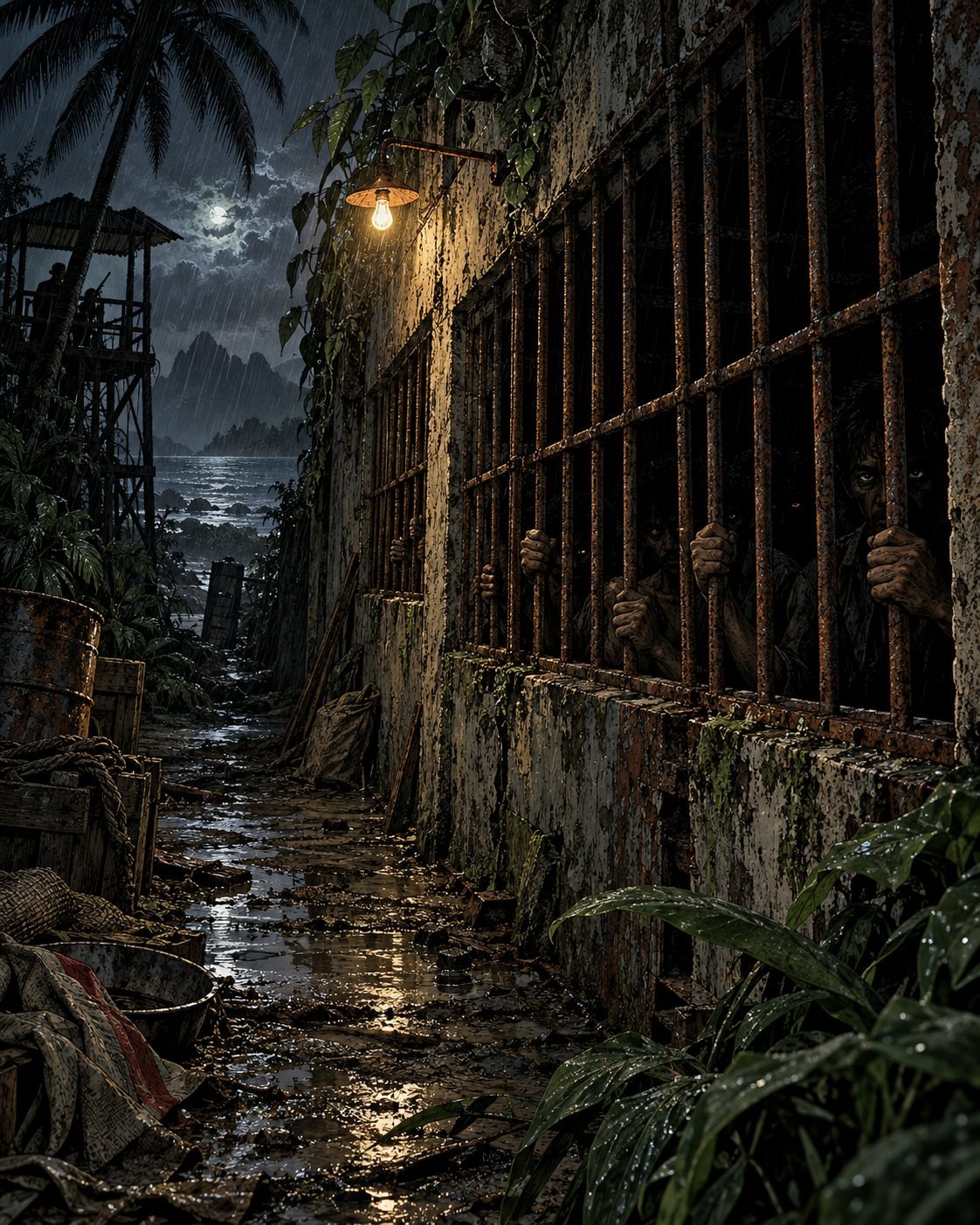
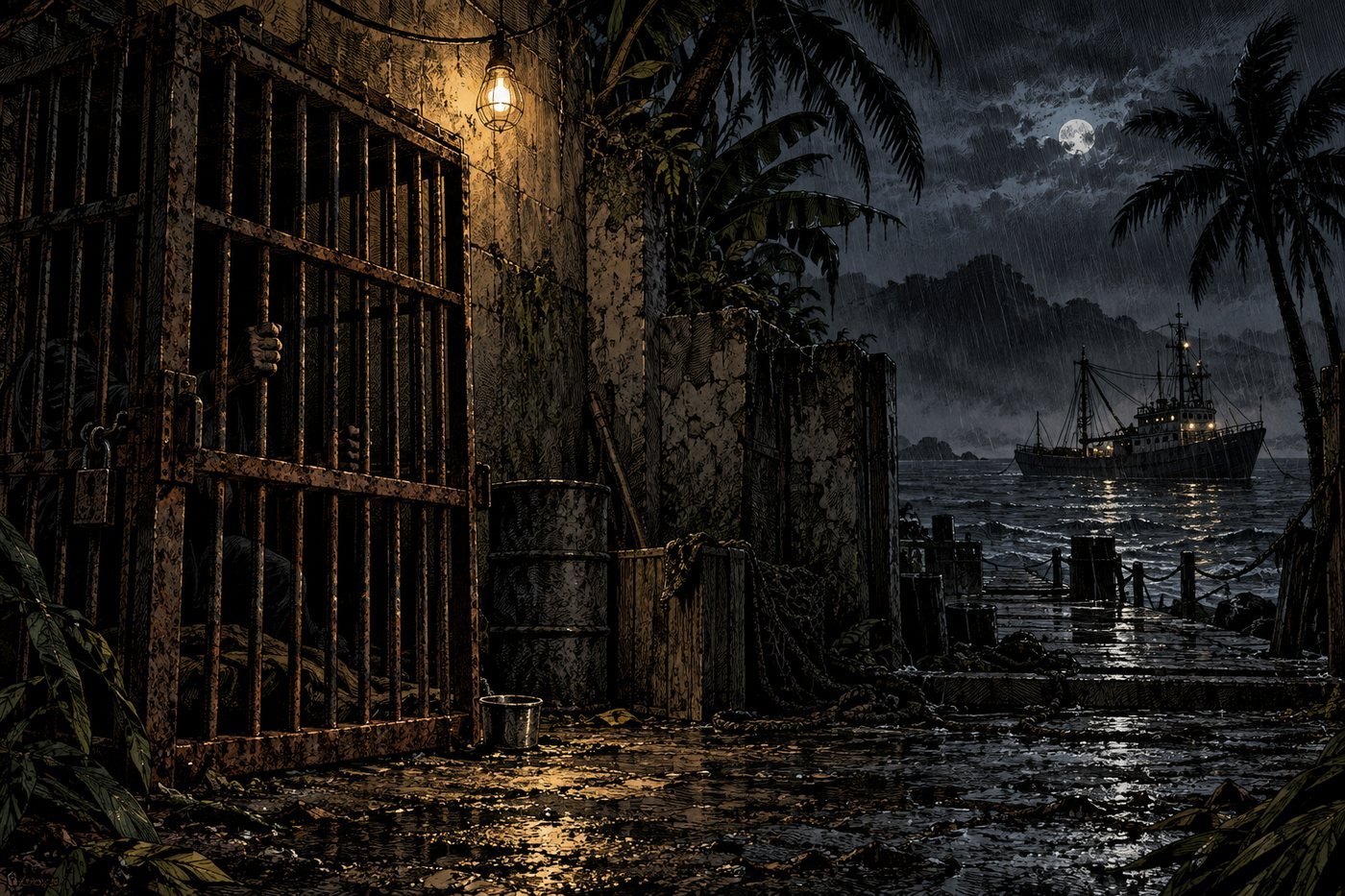
In early 2015, reporters on a remote Indonesian island called Benjina found men locked in a cage.
They were not criminals. They were fishermen. The rusted, barred cells sat inside a fishing company’s compound, and the men held there were the ones considered most likely to run away. (Associated Press)
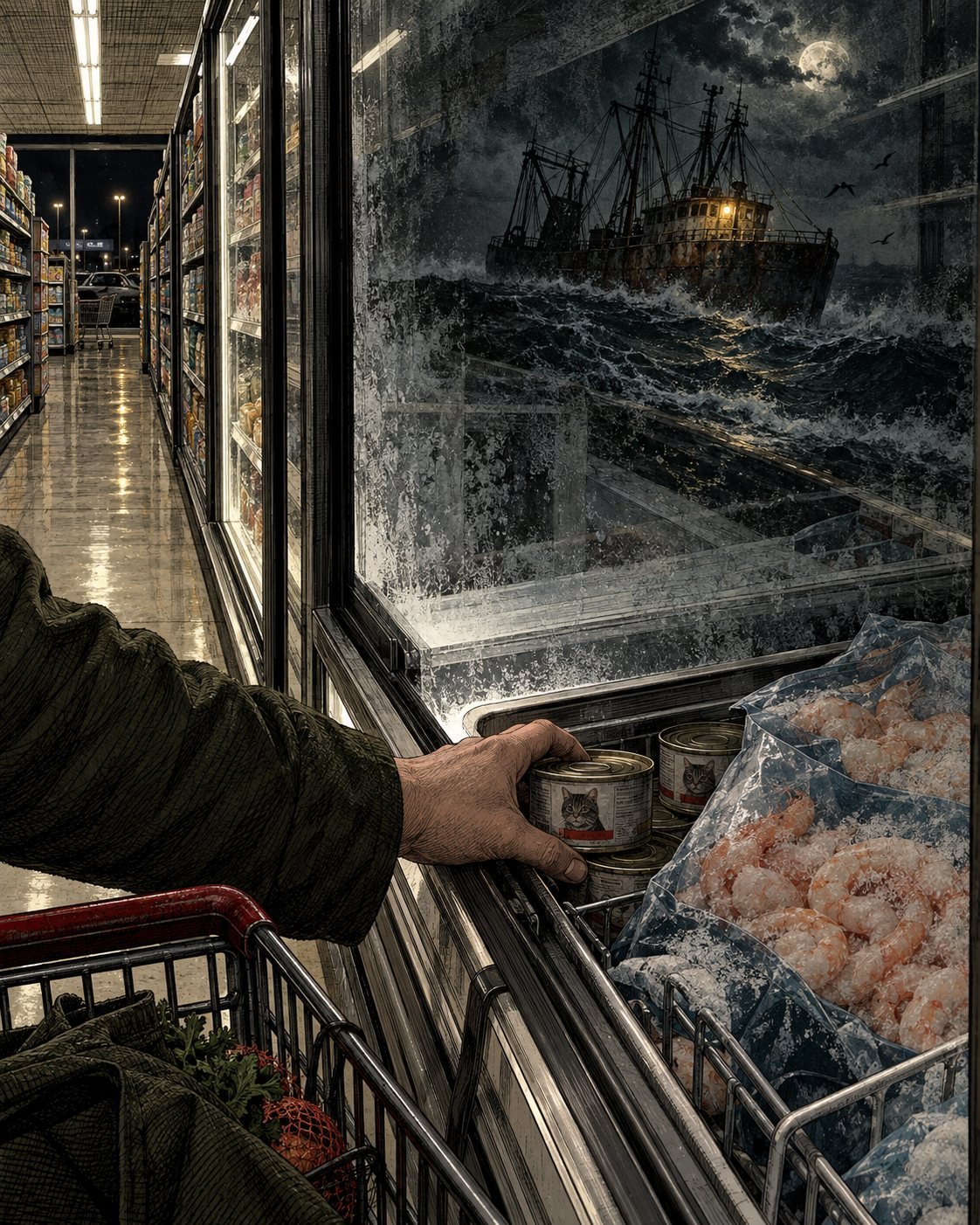
The fish those men caught did not stay on the island. The Associated Press traced it to suppliers serving major American supermarkets and to some of the best-known cat food brands in the United States.
This is the true story of the slaves of Benjina: how the seafood got from that cage to a freezer aisle, how reporters followed it, and what happened to one man who spent 22 years trying to get home.

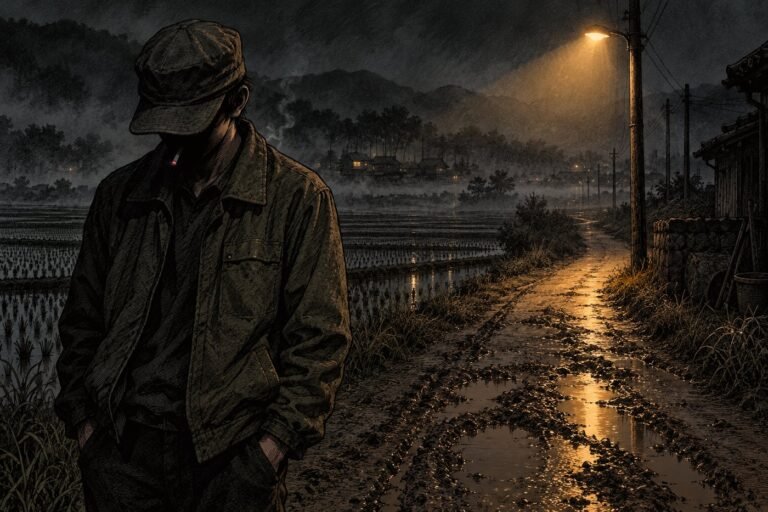
His name is Myint Naing. In 1993 he was 18, living in a village in southern Myanmar, when a broker came promising good jobs across the border in Thailand. His family badly needed money. His mother finally agreed. He left without saying goodbye to her. (AP via Arab News)
The trap
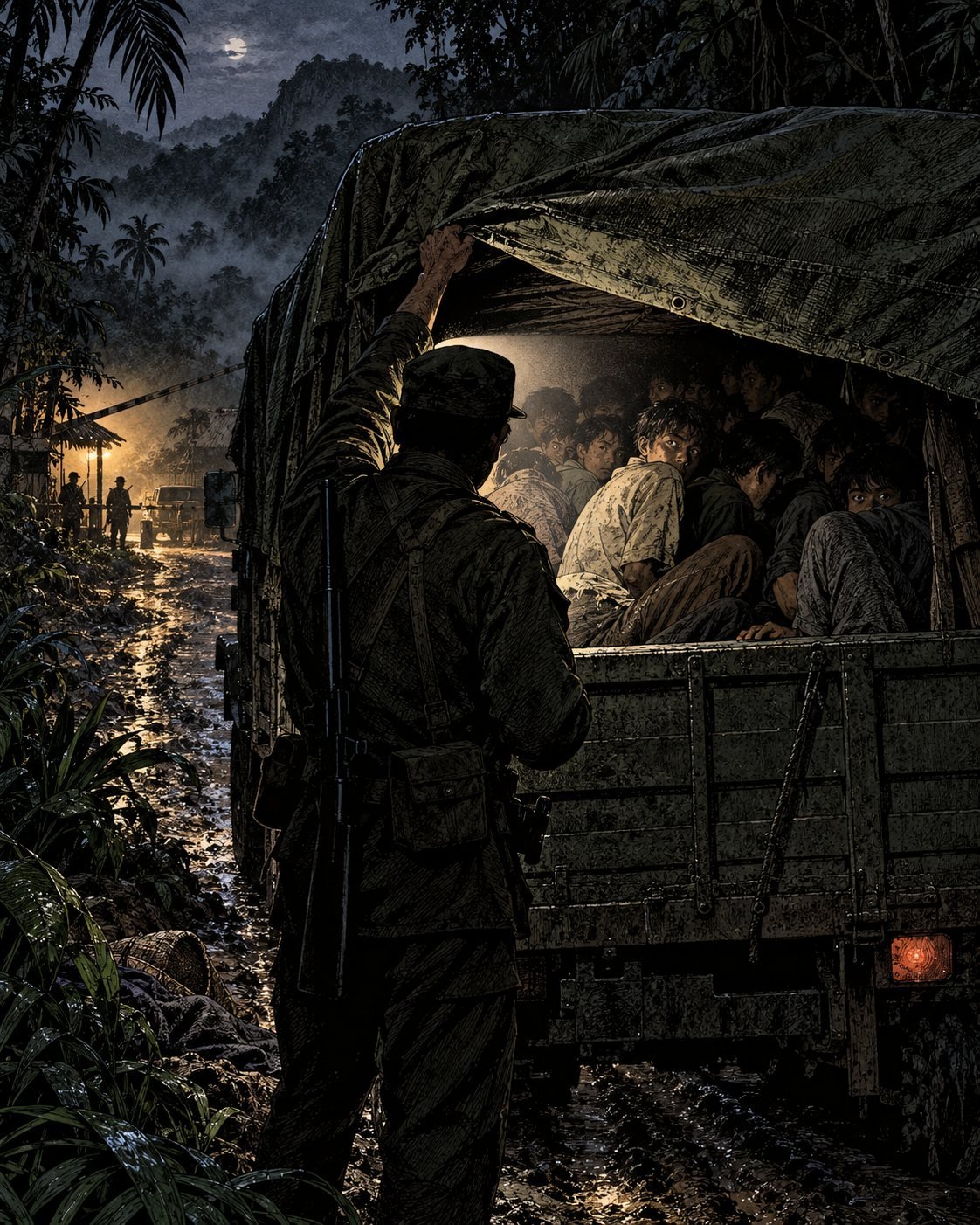
Men like him were moved through Thailand, often with fake papers, and passed from broker to broker. Most had no idea where they were really going.
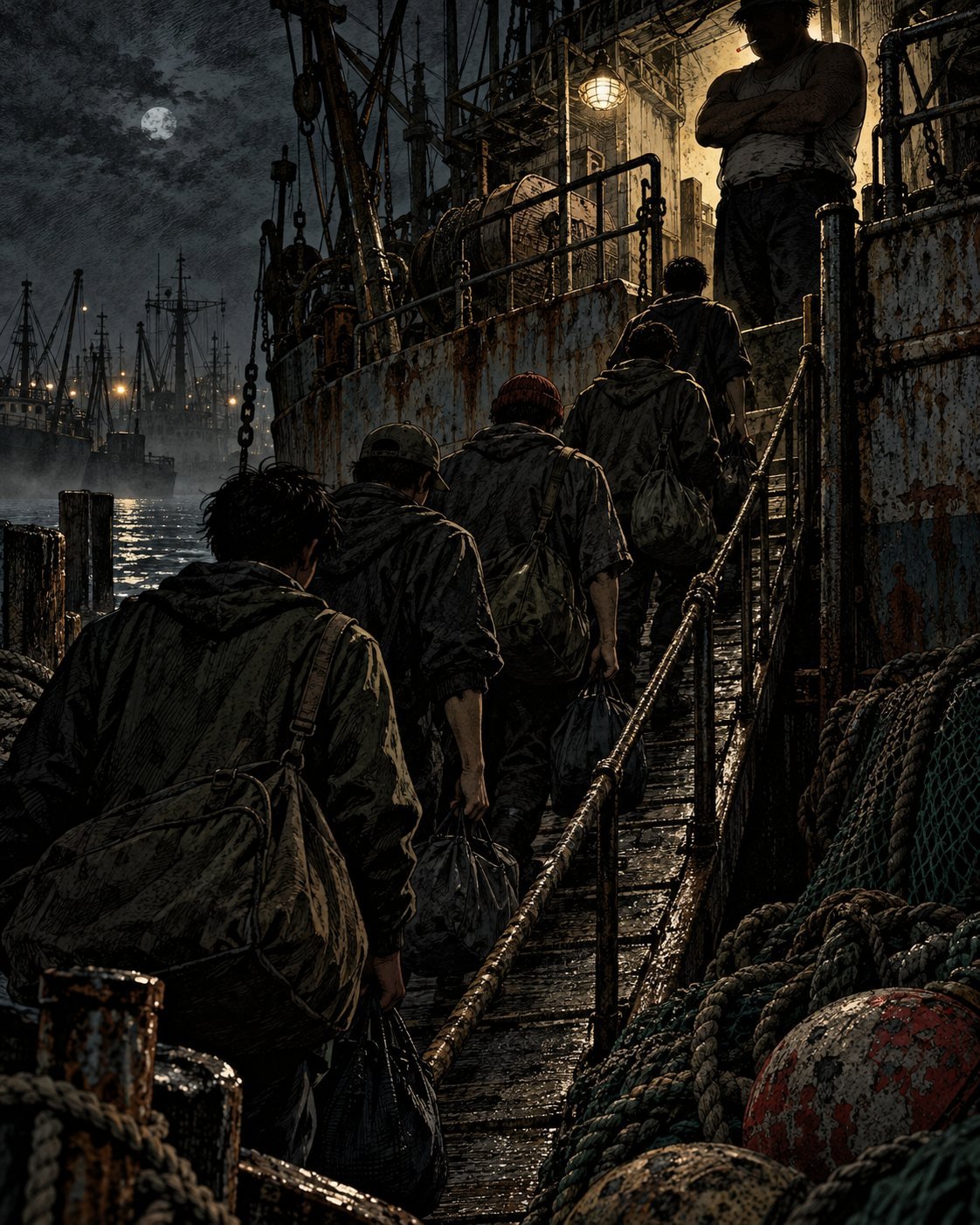
They were put on fishing boats bound for Indonesian waters. Once the coastline disappeared, there was no way to leave.
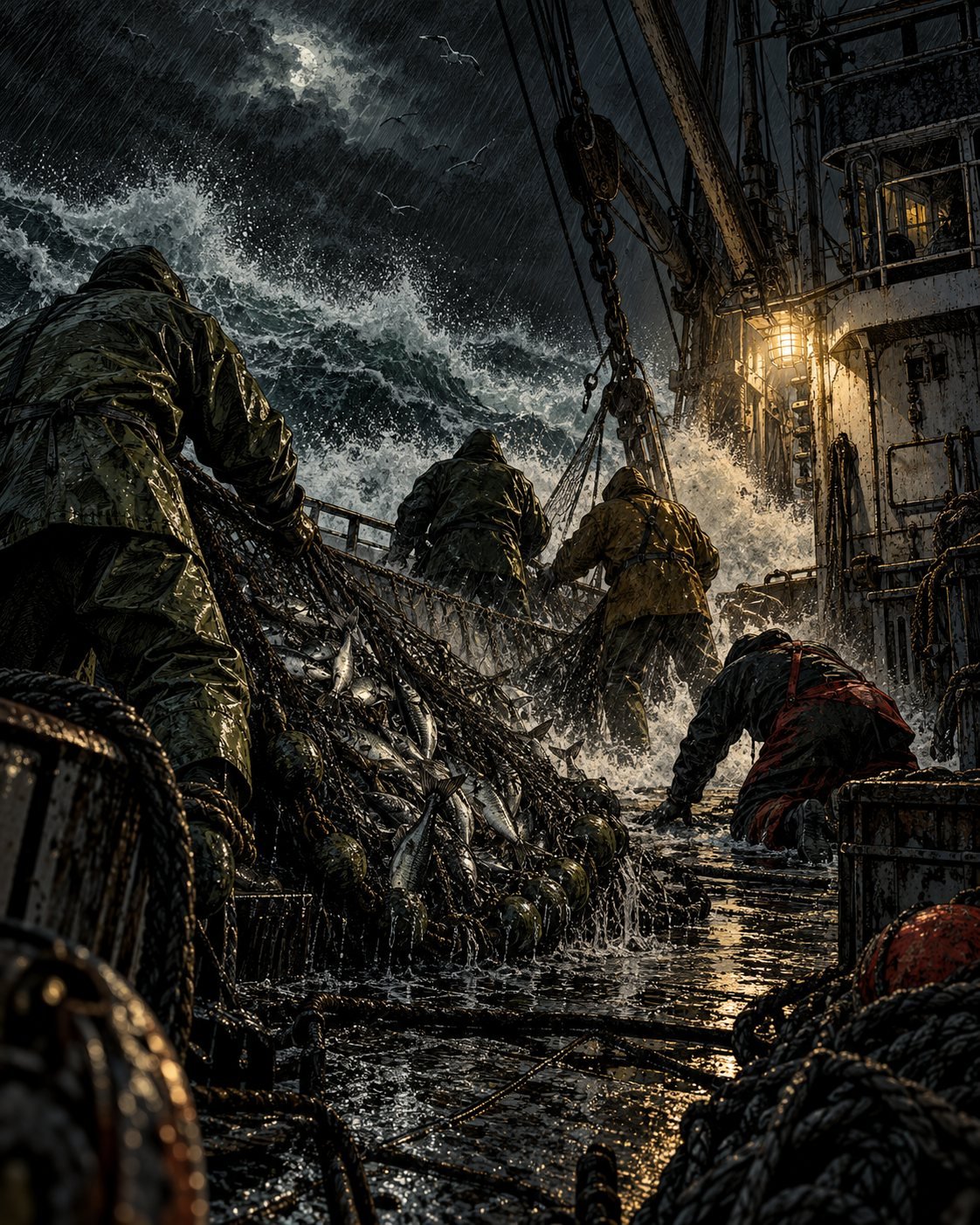
Former workers described shifts of 20 to 22 hours. Dirty water to drink. A few mouthfuls of rice and curry a day. Most were paid almost nothing.
Life on the boats
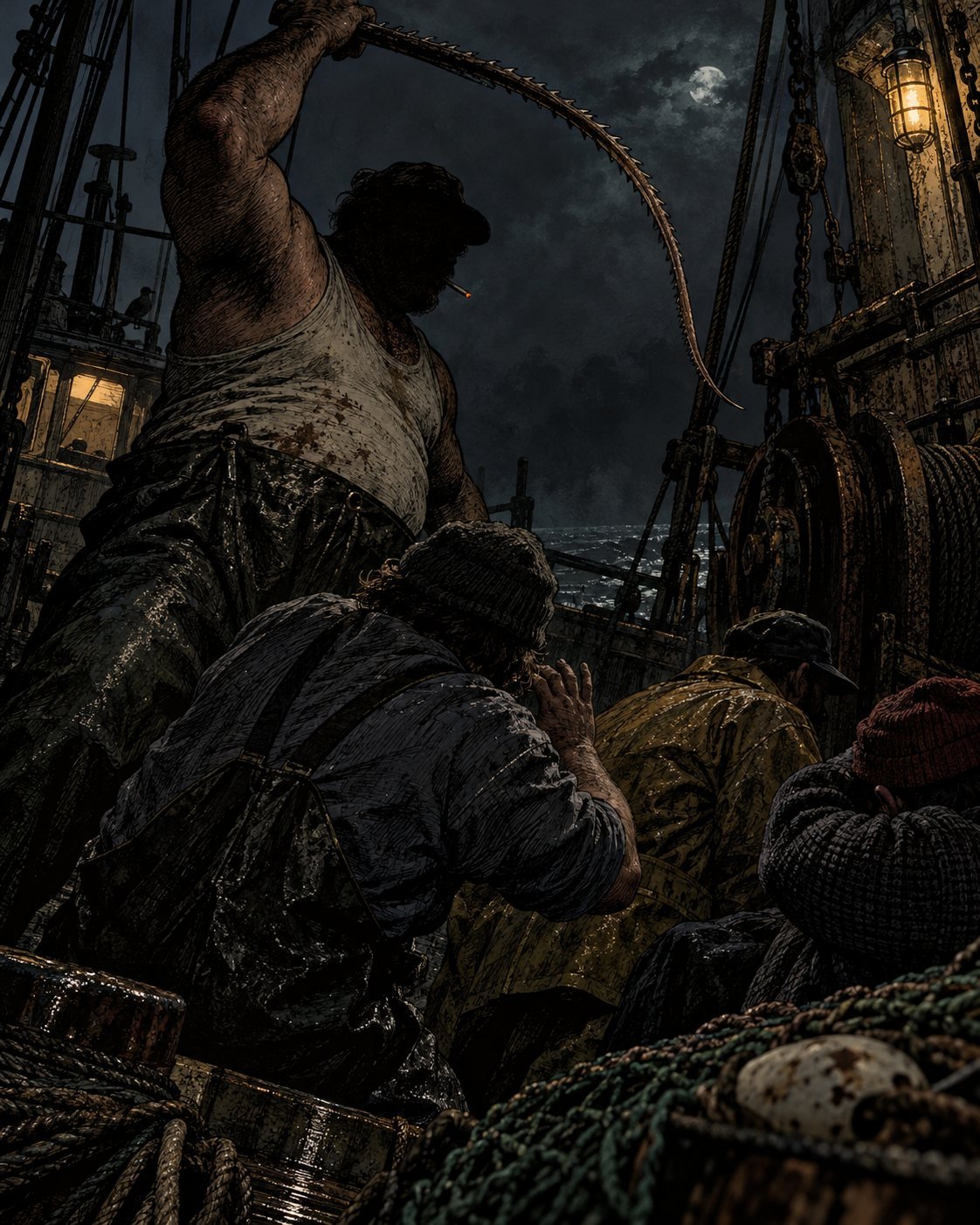
Men who were too slow, or who complained, said they were beaten with the tails of stingrays.
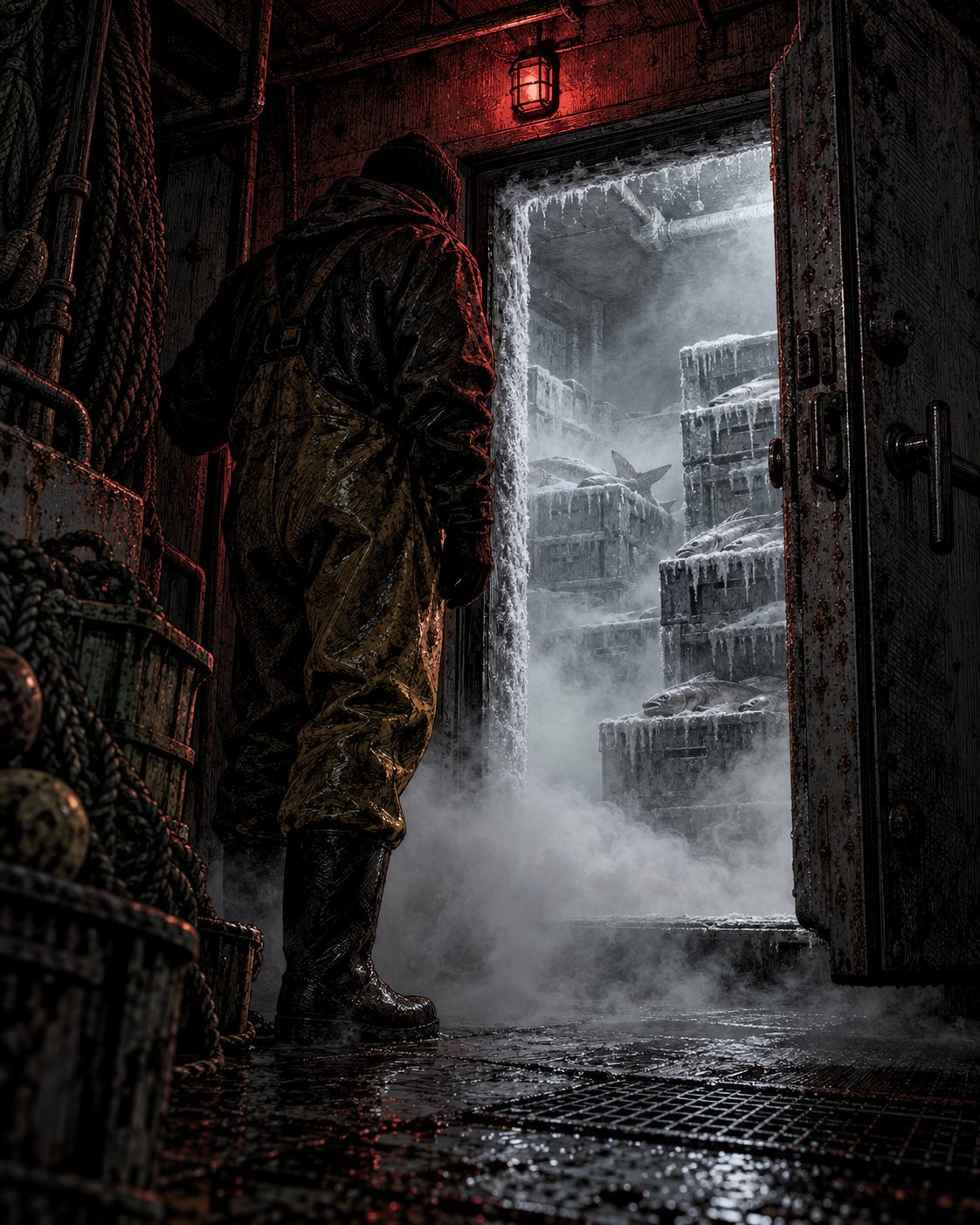
Some did not survive. One former worker told the AP that bodies used to be thrown overboard. Later, he said, they were kept in the ship’s freezers, alongside the fish.
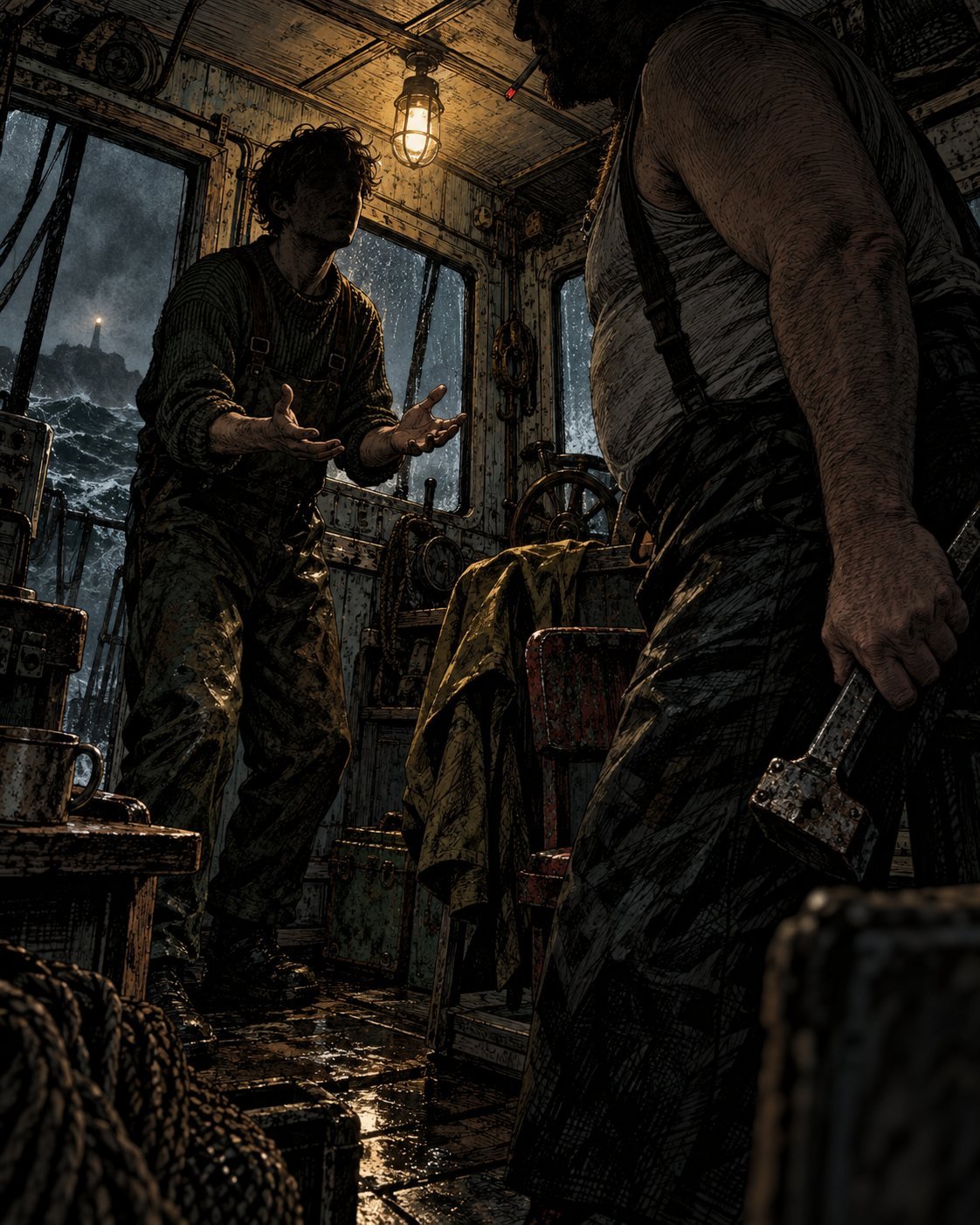
In 1996, Myint Naing asked to go home. He was hit on the head. That night, he ran.
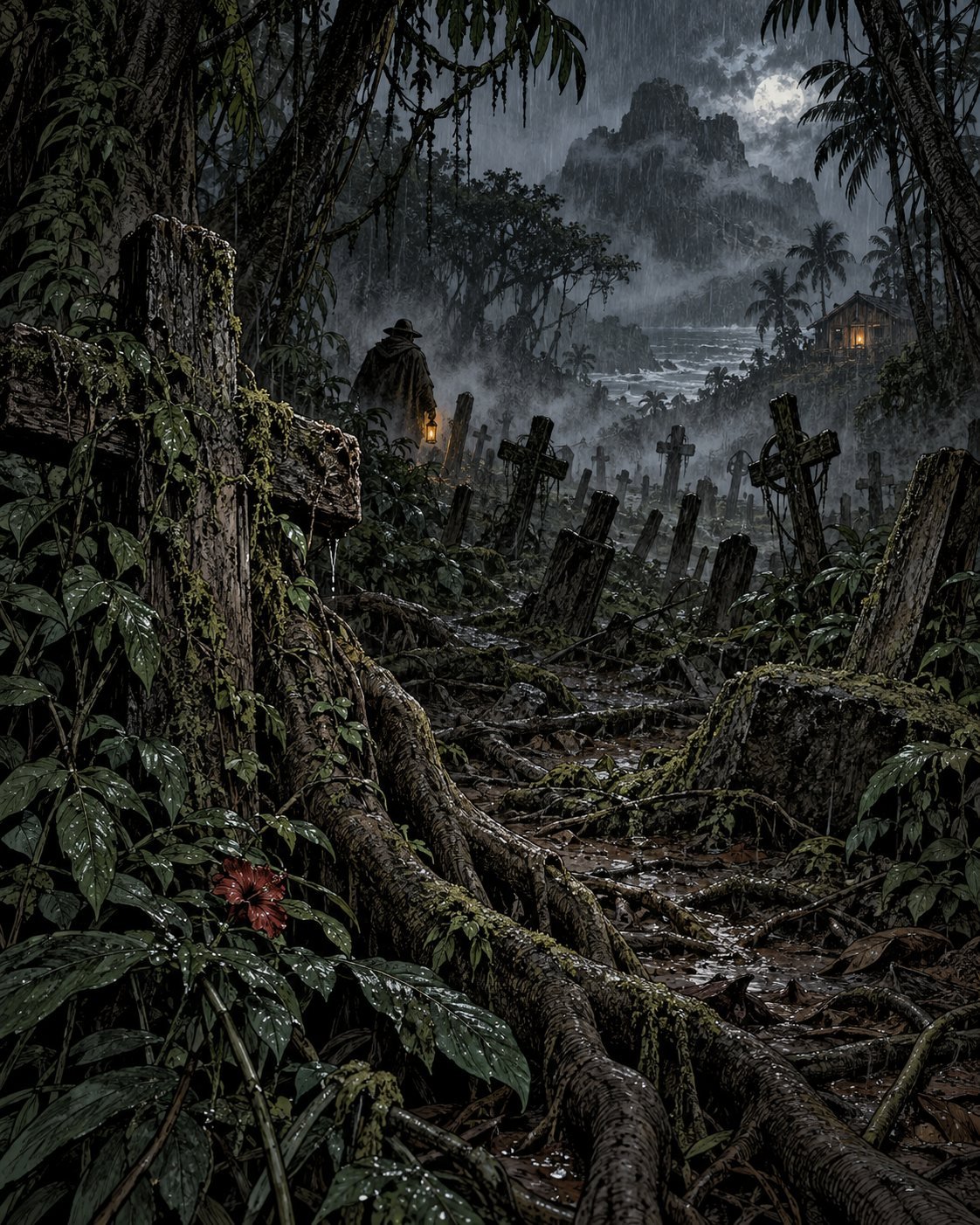
On Benjina, reporters later found a crude cemetery with more than 60 graves. Some of the markers carried fake names: the false identities the men had been given to work on the boats.
Escape
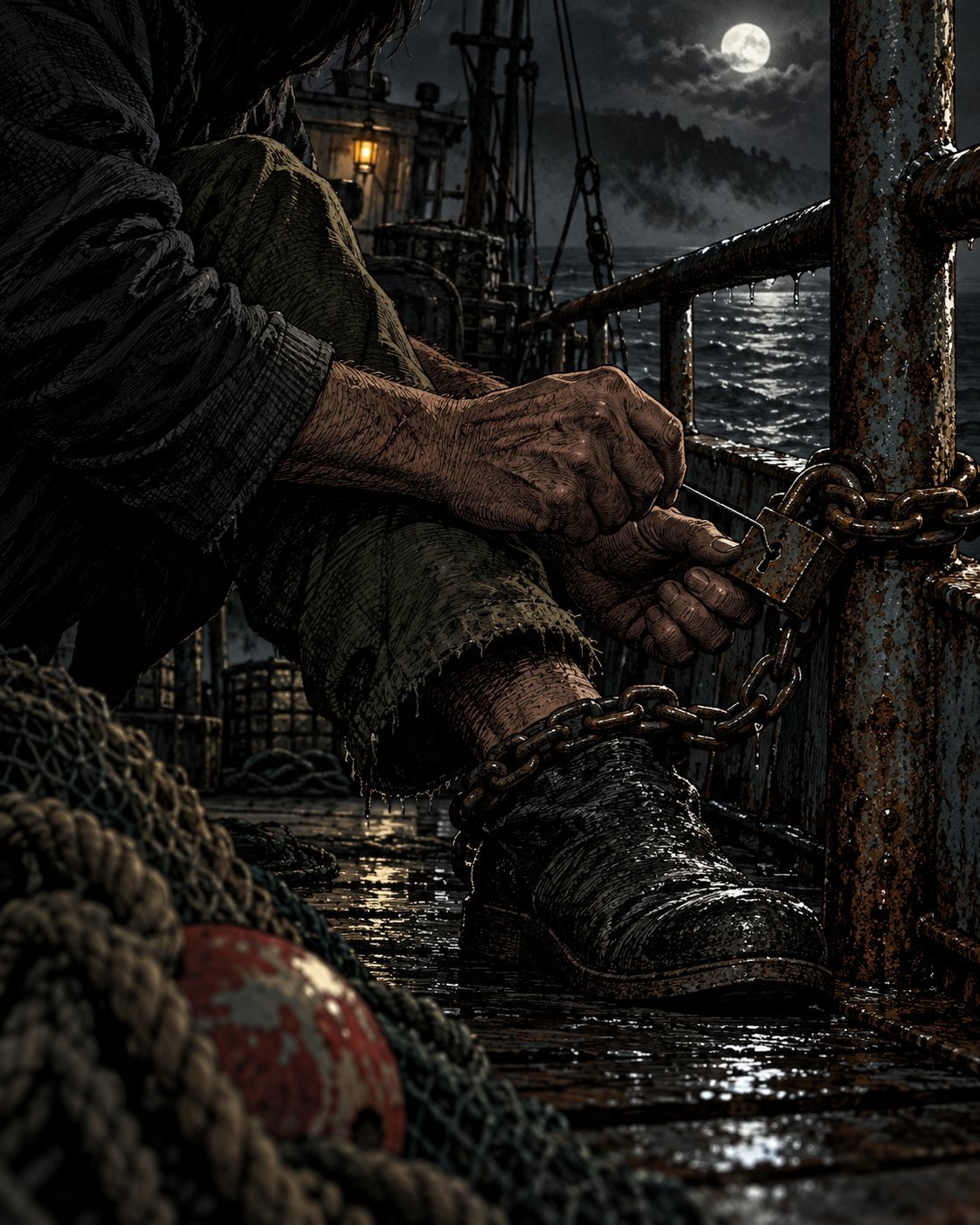
A local family took him in, and he worked on their farm for about five years. In 2001 he went back to sea, and after nine months his captain abandoned the crew. Chained to the boat, Myint picked the lock with a small scrap of metal.
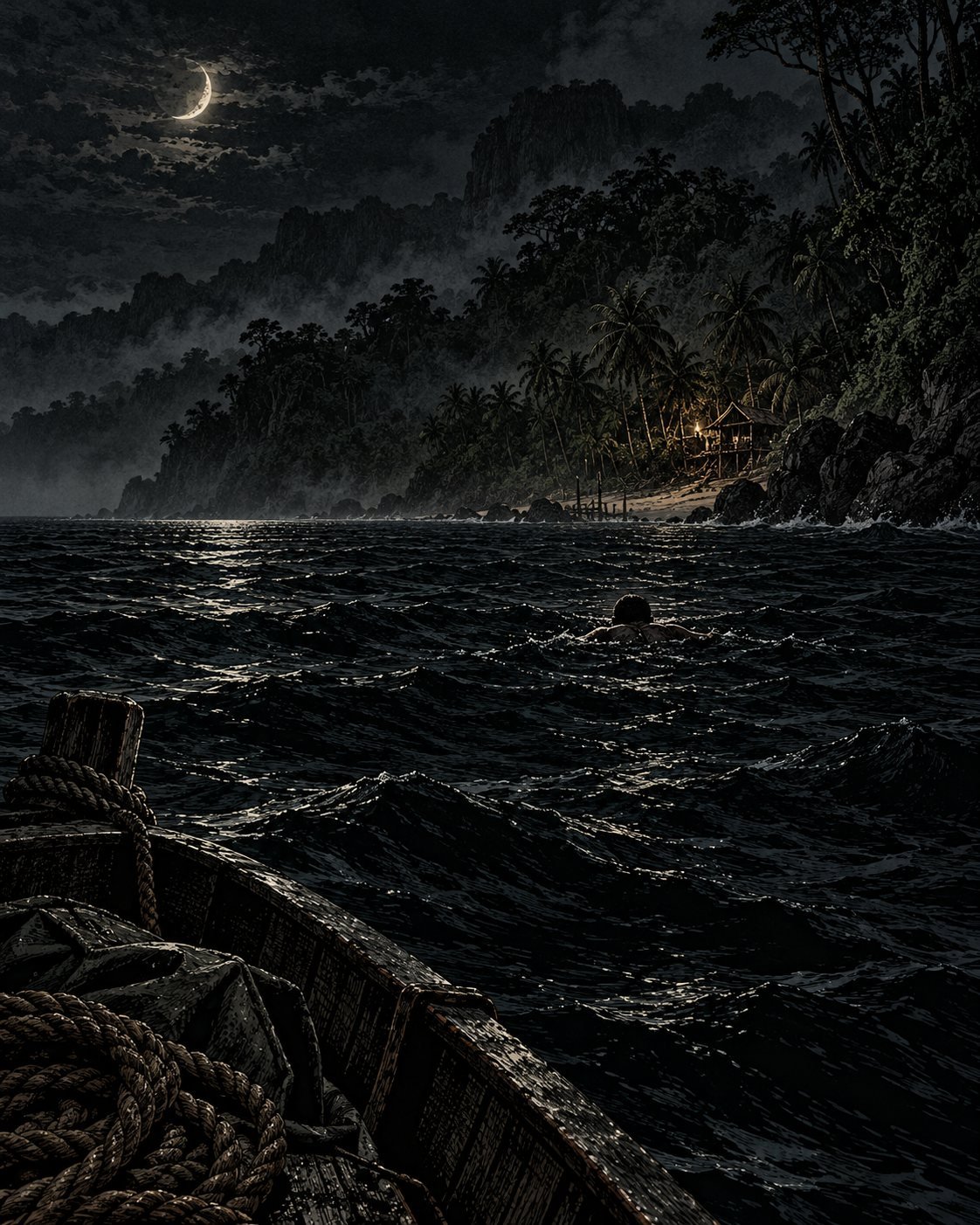
After midnight he slipped into the water and swam for the shore.
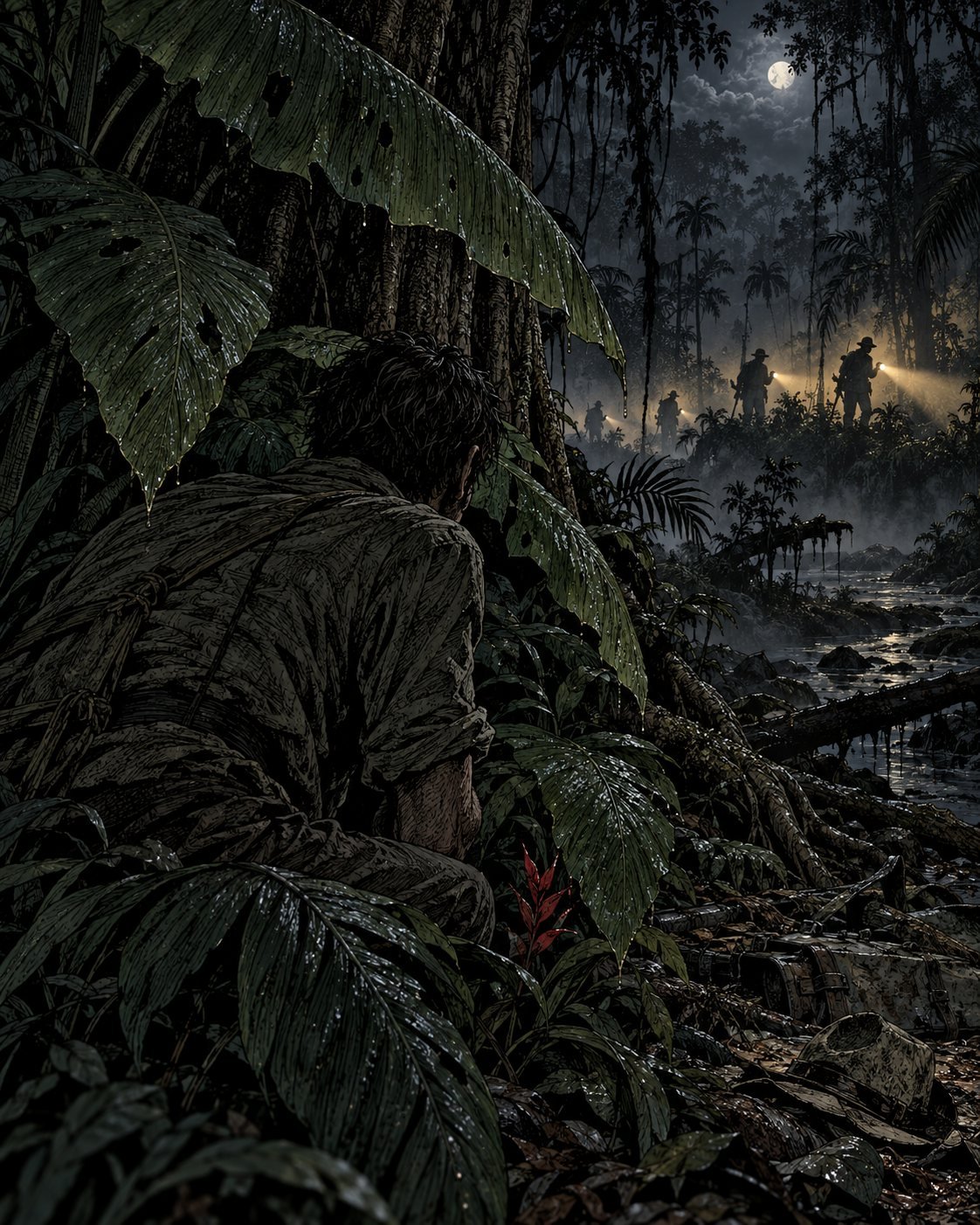
He hid in the jungle, alone, for years. He was afraid that police would hand him back to the captains, and too afraid to contact his own country’s embassy. Eventually he moved to another island and grew his own vegetables. He was still not free to go home.
Following the fish
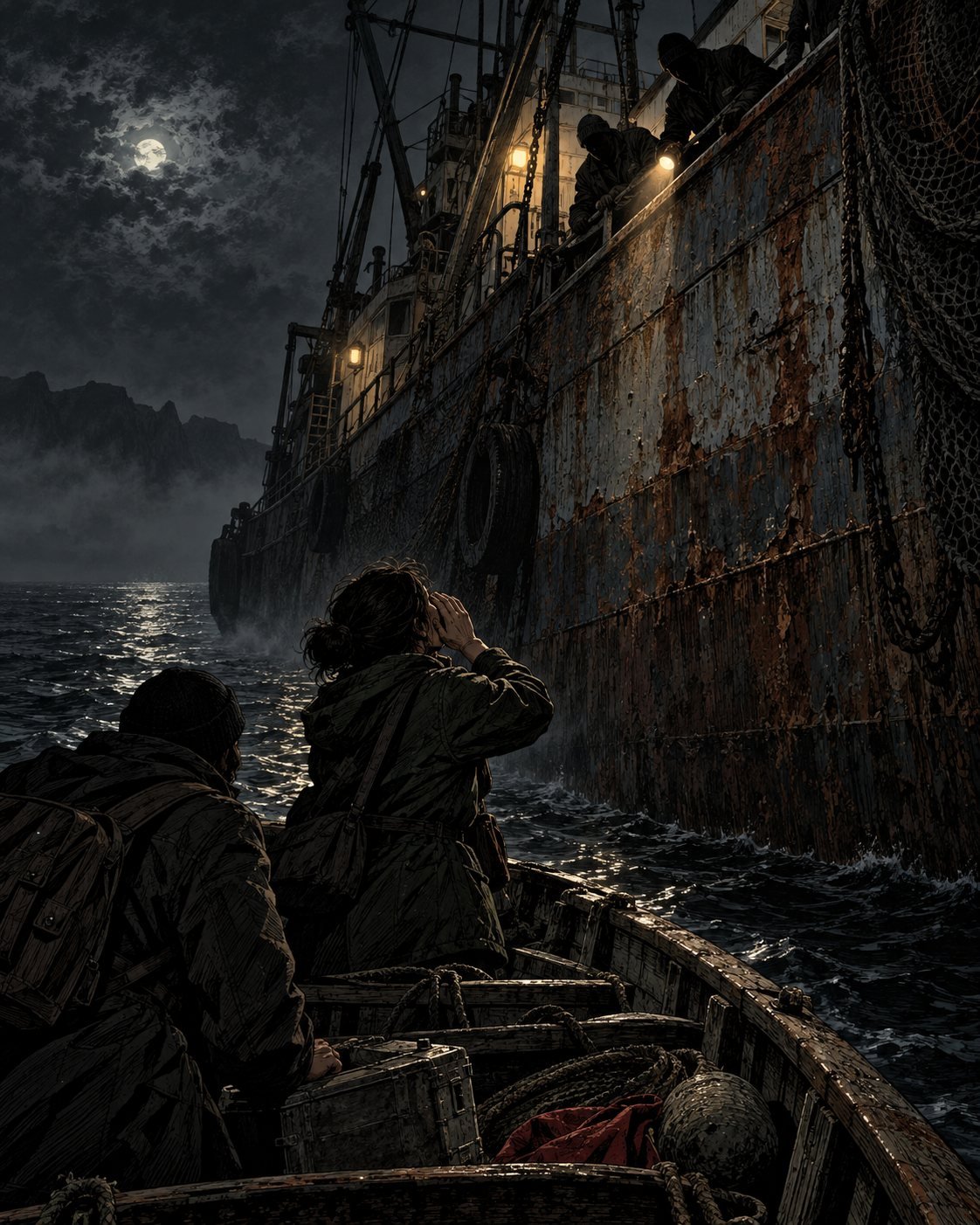
Meanwhile, a team of AP reporters spent more than a year on the story. They interviewed more than 40 current and former slaves, sometimes by pulling up beside fishing boats and shouting questions across the water. (IRE)
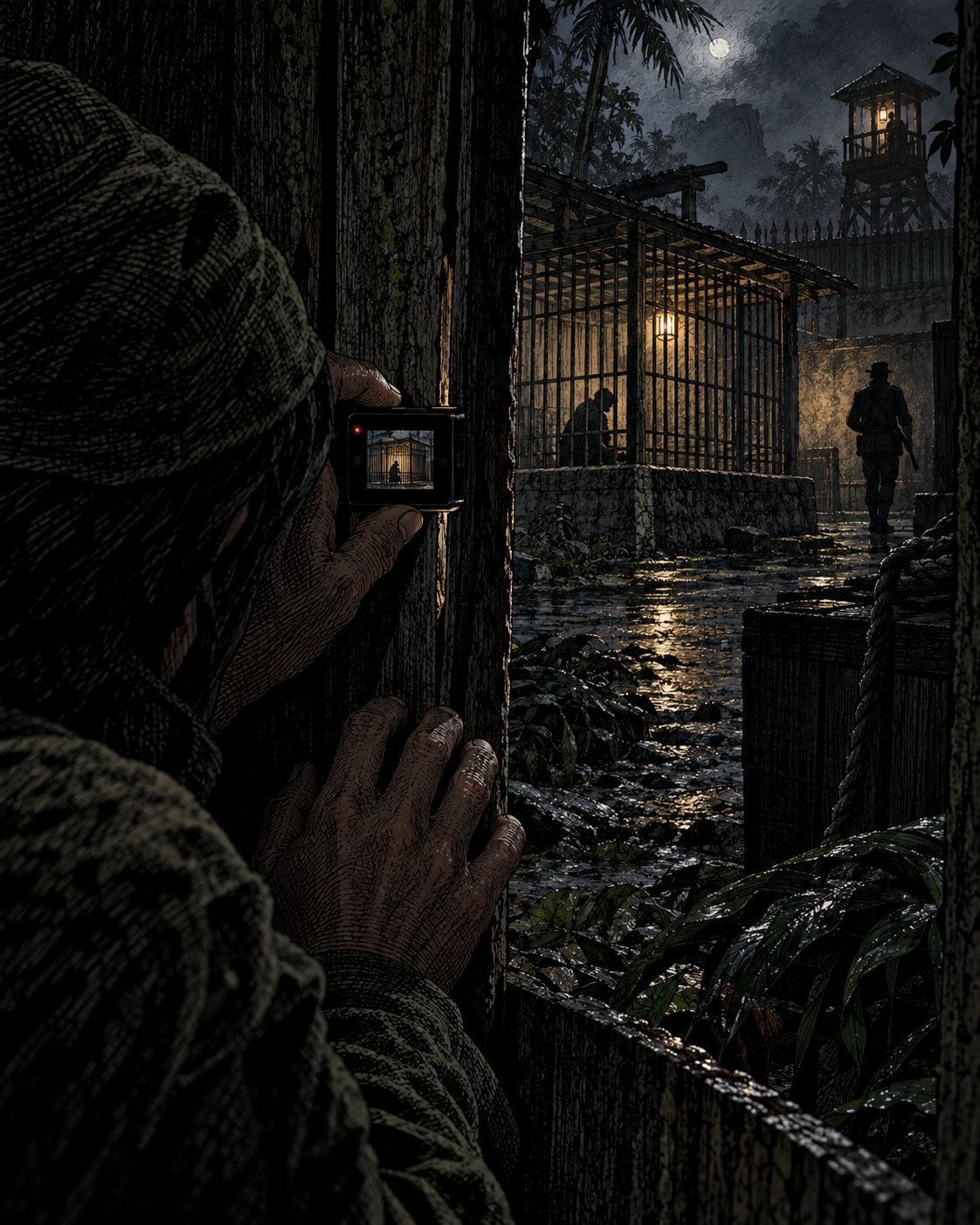
They slipped a camera to a migrant worker on the island so he could film what reporters could not reach.

Using ship-tracking tools and satellite images, they followed a refrigerated cargo ship loaded with fish from Benjina for 15 days, all the way to the Thai port of Samut Sakhon.
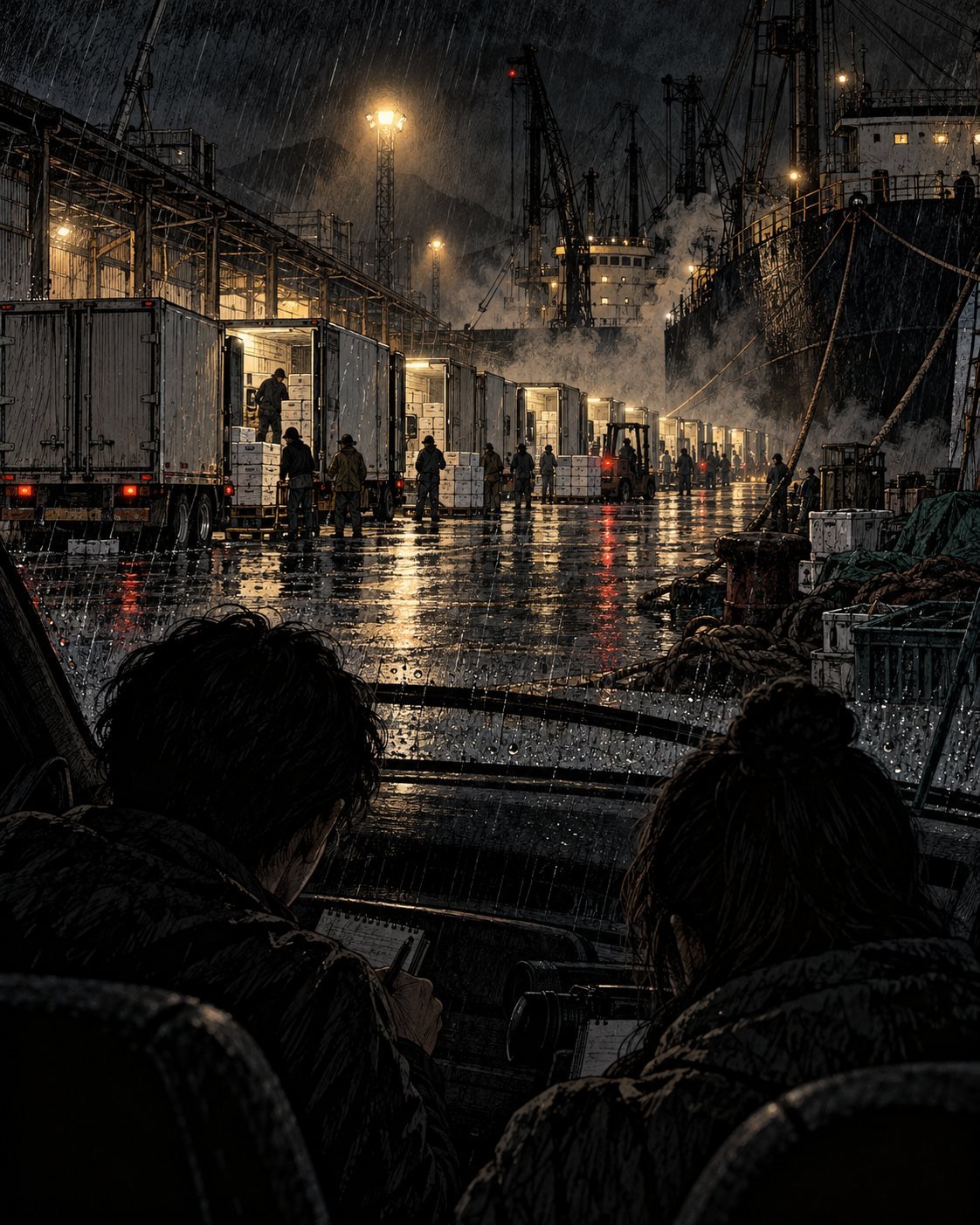
Over four nights they watched the catch loaded onto more than 150 trucks, then followed the trucks to factories and cold-storage plants. U.S. customs records showed where the seafood went next: into the supply chains of American companies. (Associated Press)
Free
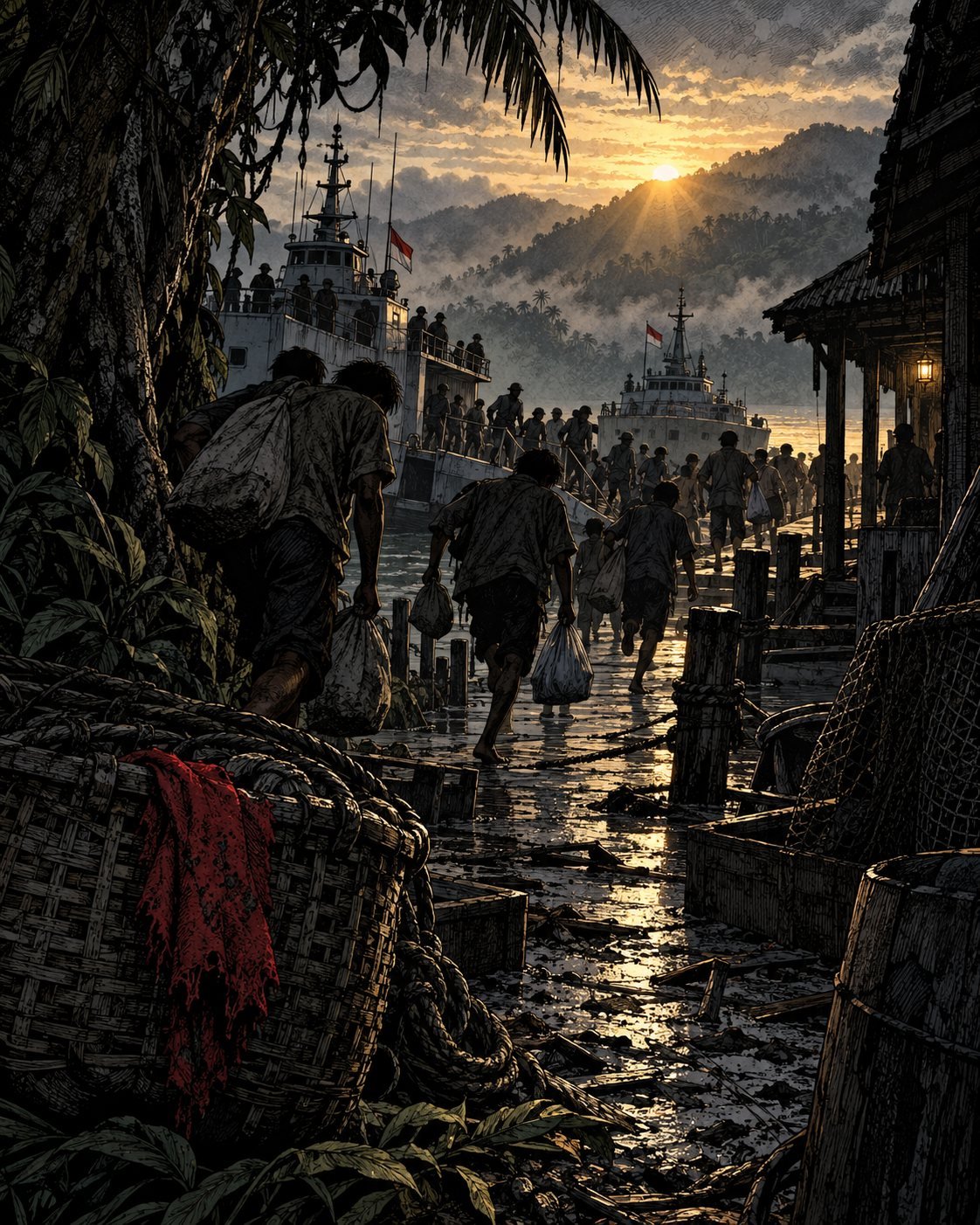
After the stories ran in March 2015, Indonesian officials moved in. Over the following months, more than 2,000 enslaved fishermen were rescued. (Associated Press)

Myint Naing was one of the men who came home. Indonesian officials found him and brought him back to join hundreds of other freed men. He flew to Yangon and went home to his village, 22 years after he left.
His sister reached him first. “Brother, it’s so good that you are back!” she sobbed. Minutes later his mother ran down the path toward him. He fell to the ground, and she held him and stroked his head. (AP via Arab News)
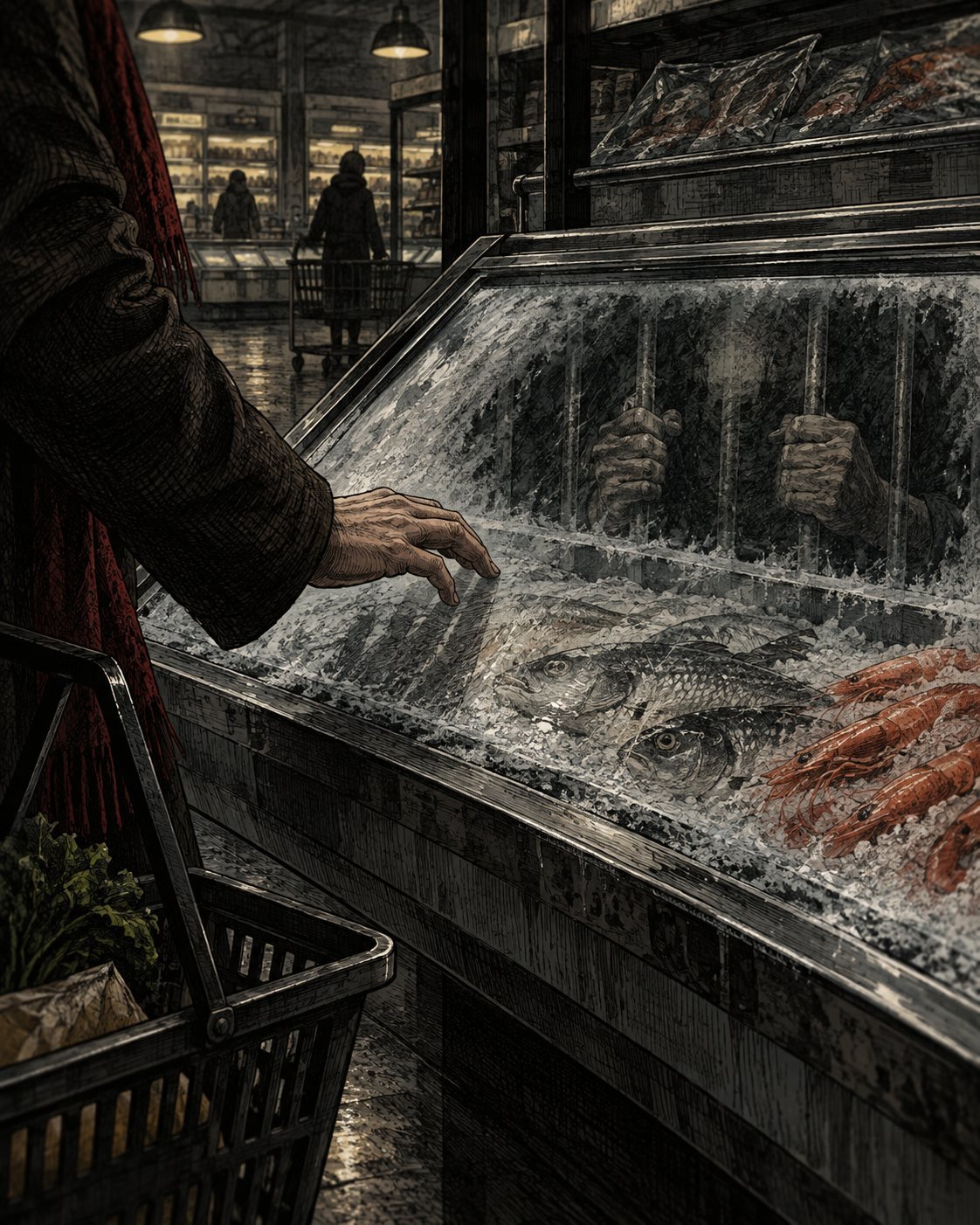
The AP series won the 2016 Pulitzer Prize for Public Service. (The Pulitzer Prizes) The cage on Benjina is empty now.
The question it left behind is still sitting in every freezer aisle: who caught this?
Case notes: how slavery hid in plain sight
What makes Benjina disturbing is not that it was hidden. Workers in the region told reporters that slavery on fishing boats was an open secret. The problem was that nobody along the chain had a reason to look.
Distance did the hiding. Fish caught by a trafficked man in eastern Indonesia passed through a cargo ship, a Thai port, trucks, factories and importers before it reached a shelf in America. Every step added a company that could say it only handled the product, not the people who caught it. By the time it became a can of cat food, the cage was invisible.
Paperwork made people disappear. Fake names on identity documents meant fake names on graves. If a man has no real record, his death leaves no record either. That is why the cemetery on Benjina matters: it was evidence that could not be erased.
Following the product worked. The reporters did not just collect stories. They tracked one shipment, step by step, until it connected to brands that buyers recognize. That link is what forced governments and companies to act, and it is why more than 2,000 men went home.
For Myint Naing, it took 22 years and a news investigation to undo one broker’s promise. The question for the rest of us is smaller, but it is the same one the reporters asked: where did this come from, and who caught it?
Case file summary
- Case: Forced labor on fishing boats operating out of Benjina, Indonesia
- Exposed by: The Associated Press “Seafood from Slaves” investigation, March 2015
- Outcome: More than 2,000 fishermen rescued; 2016 Pulitzer Prize for Public Service
- Featured survivor: Myint Naing, trafficked from Myanmar in 1993, home in 2015 after 22 years
Illustrations are artistic interpretations, not photographs or evidence. The boat captain shown is a composite character, not a depiction of a real person. This story is unrelated to the plot of the 2019 film Buoyancy, which is fiction inspired by similar accounts.
Sources
- Associated Press (via CS Monitor): Are slaves catching the fish you buy?
- Associated Press (via Arab News): Myanmar fisherman goes home after 22 years as a slave
- IRE: Satellites and secret cameras: How the AP freed 2,000 slaves
- Associated Press: Investigation prompts rescue of more than 2,000 slaves
- The Pulitzer Prizes: Associated Press, 2016 Public Service