The Hwaseong Murders: The Real Killer Behind ‘Memories of Murder’ Was Always Right There
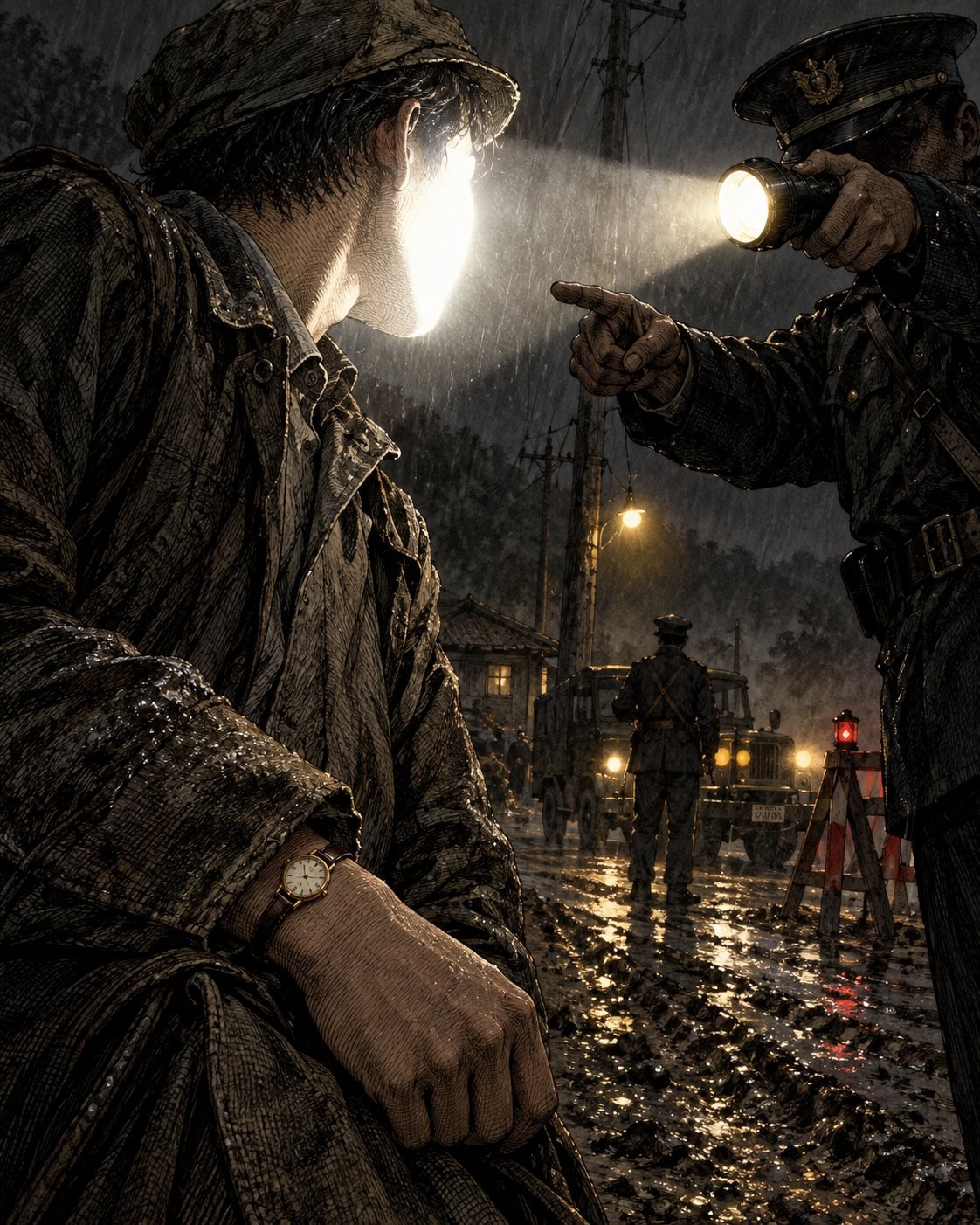
One night in the late 1980s, a police officer stopped a young man on a dark country road in South Korea. He had no ID card, and the officer spent the whole stop lecturing him about it.
Nobody looked at his wrist. He was wearing a dead woman’s watch.
The officer let him go. That young man was the most wanted killer in South Korean history. It would be 30 years before anyone connected him to the murders.
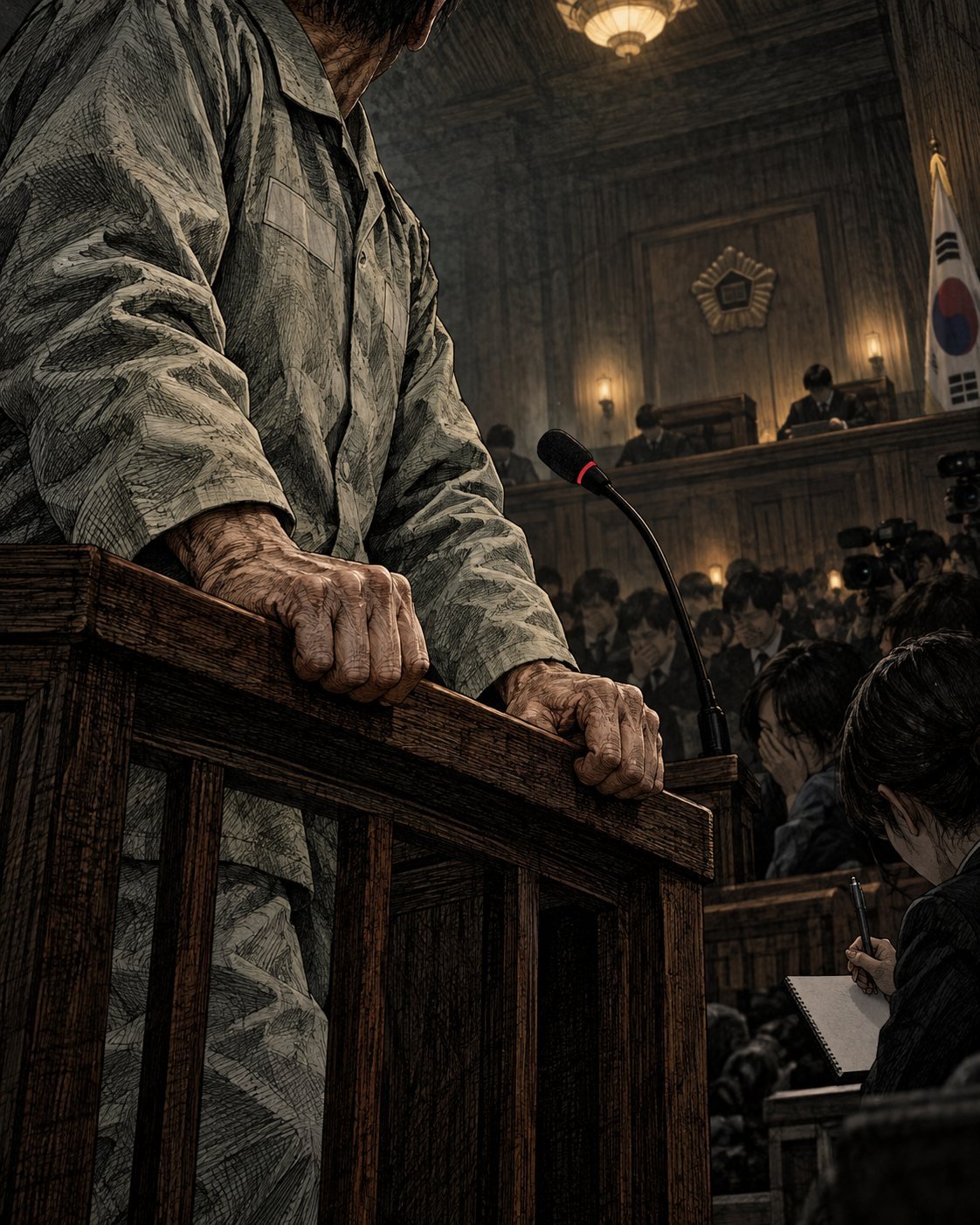
We know about that night because he told a courtroom about it himself, in November 2020. “I bumped into detectives all the time,” he said. “But they always asked me about the people around me.” (AP report via Citizen Digital)
He also said he was surprised it had taken so long to catch him.
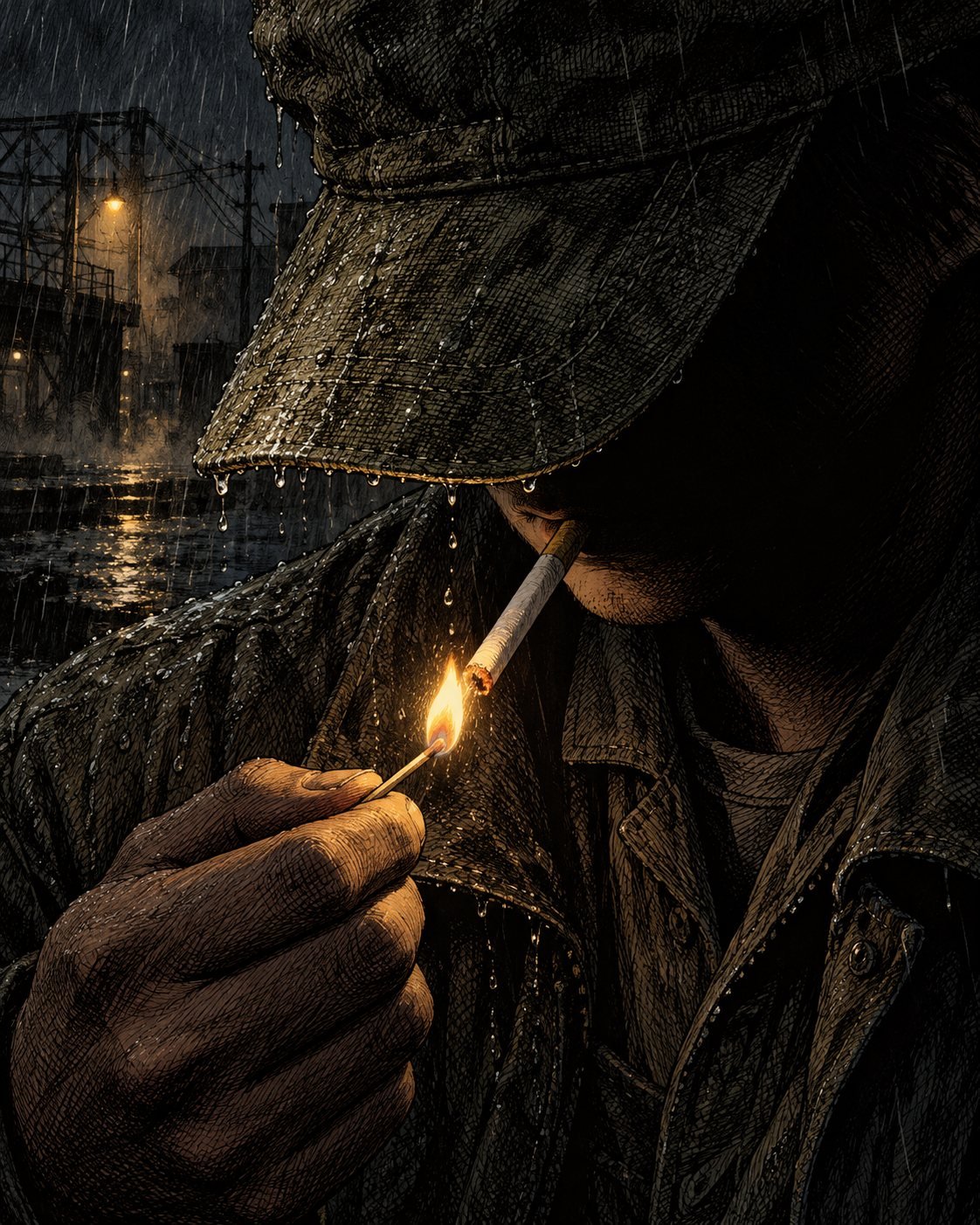
This is the true story of the Hwaseong serial murders, the case behind Bong Joon-ho’s film Memories of Murder. It is also the story of how one ordinary-looking man walked through the largest manhunt Korea had ever seen, and out the other side.
The first nights
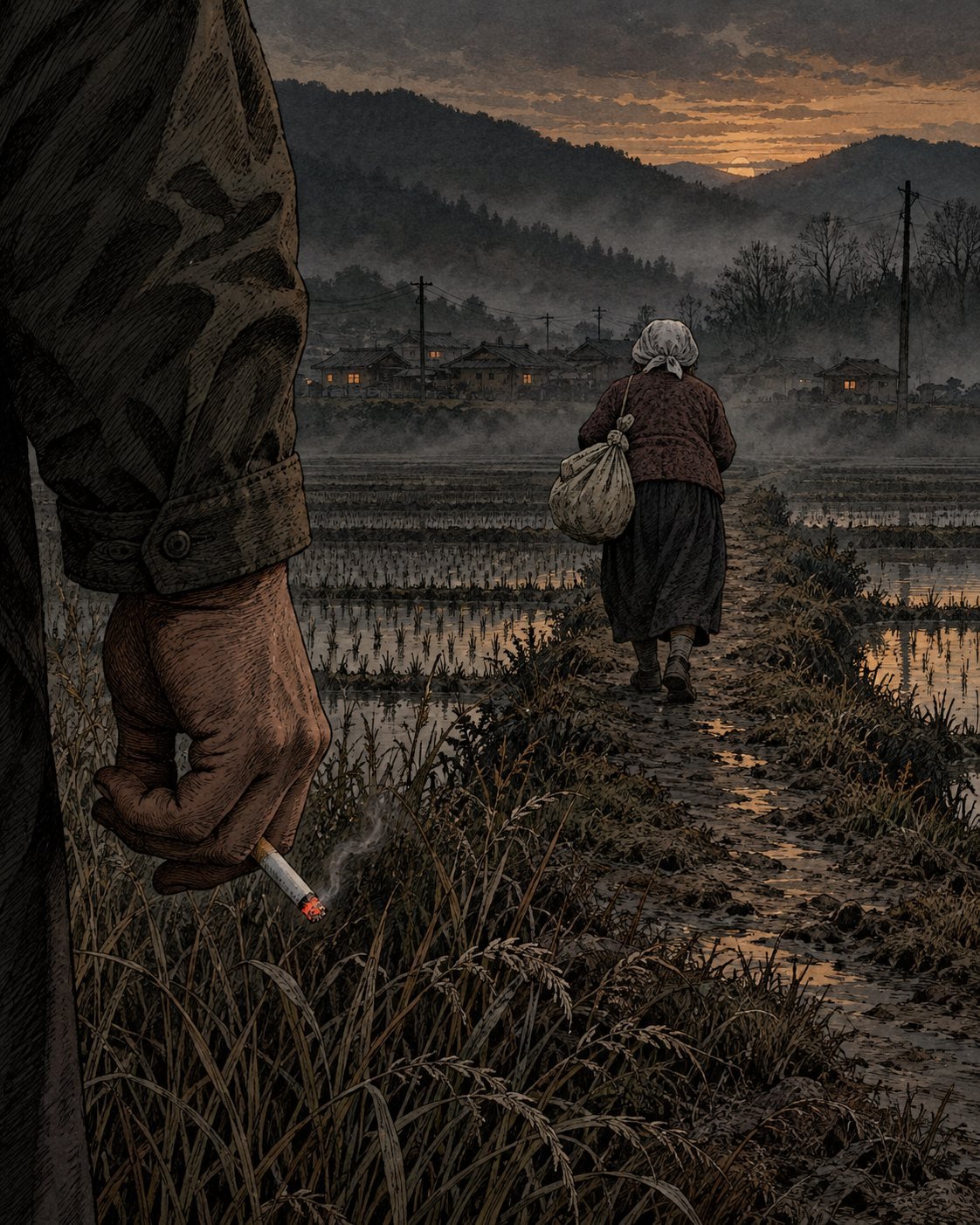
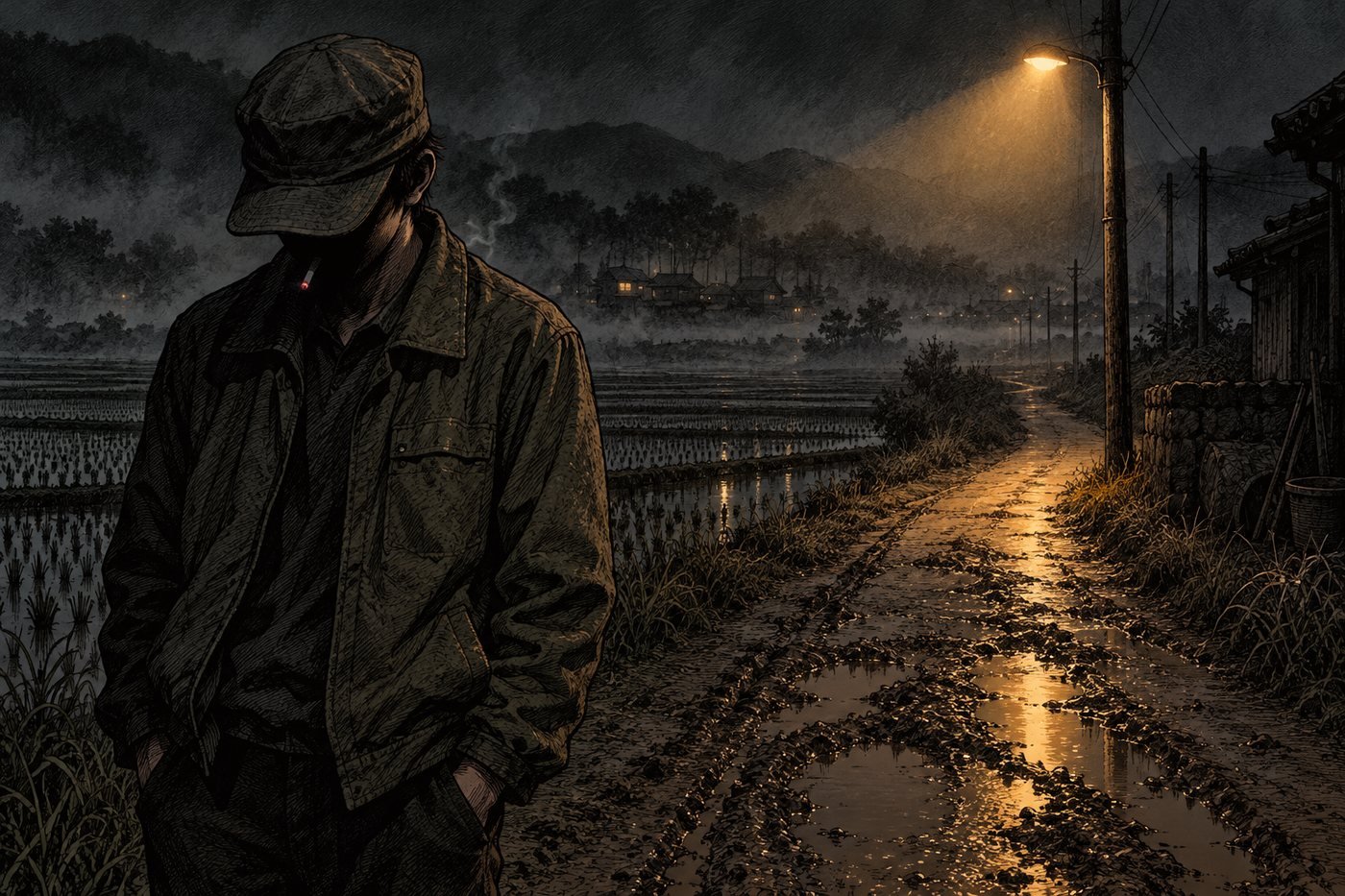
In 1986, Hwaseong was farmland about an hour south of Seoul. Rice paddies, dirt roads, very few streetlights. People walked home along the raised paths between the fields, often after dark.
In September that year, a 71-year-old woman did not make it home. She was found in a field a few days later. It looked like a horrible but isolated crime.
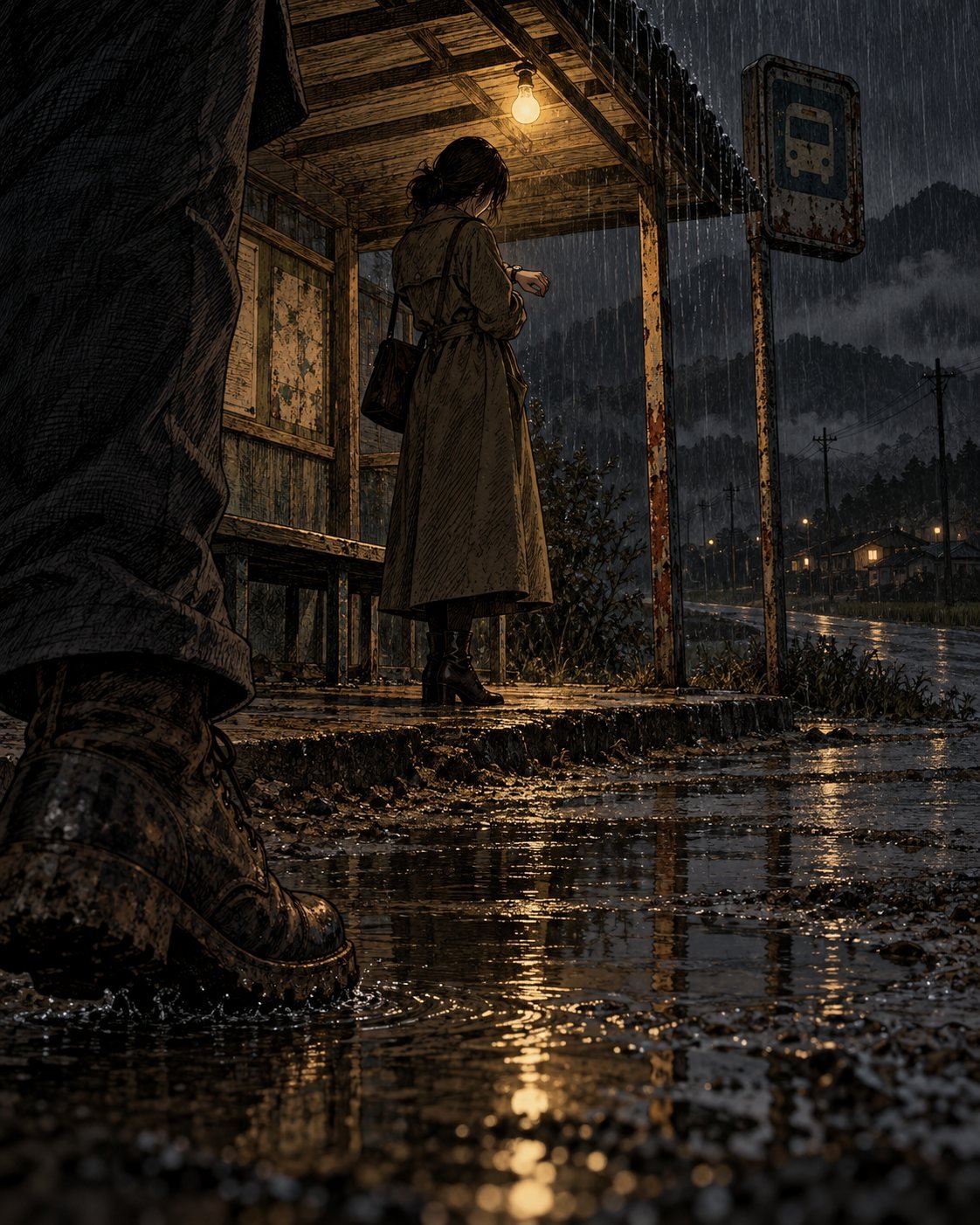
Then it happened again. And again. For months, police handled each death as a separate case. A dedicated task force was only formed after the fourth killing. (Asia Economy)
A town in the dark
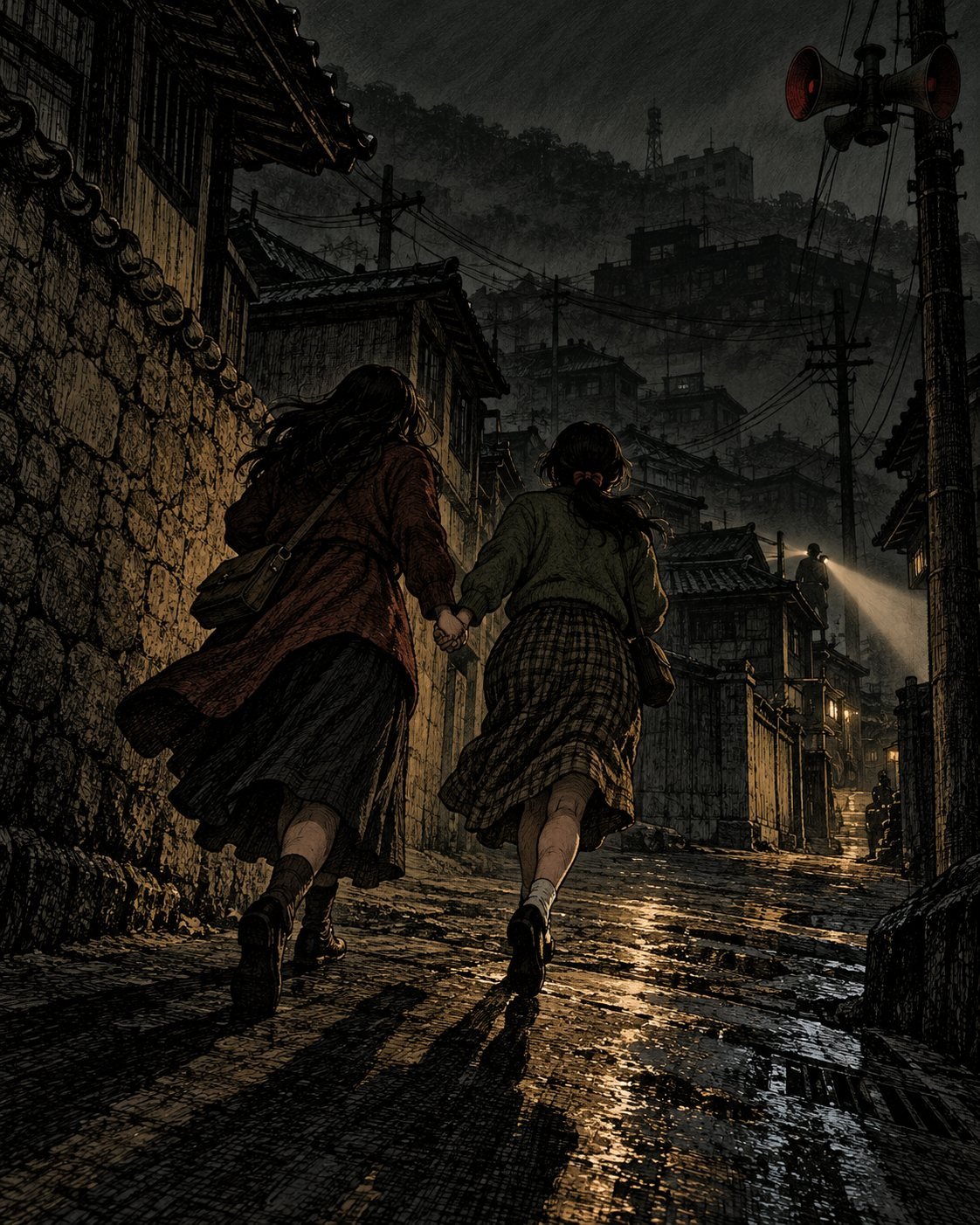
South Korea was still under military rule. Civil-defense blackout drills regularly switched off whole towns, and in Hwaseong every dark night now felt like it belonged to him. Women stopped walking alone. Fathers and brothers waited at bus stops.
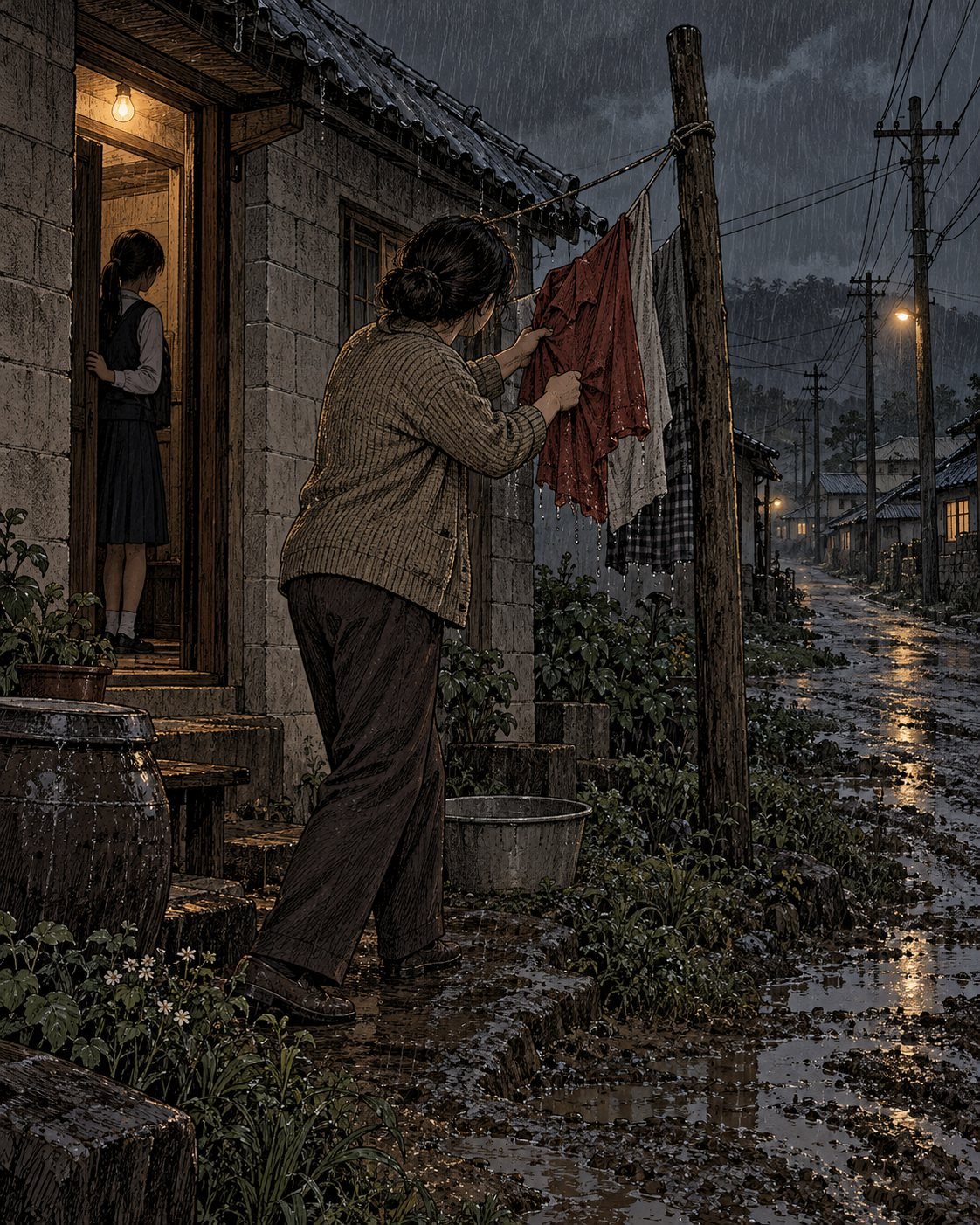
Rumors spread faster than facts. People said he struck on rainy nights. People said he chose women wearing red. Nobody could say how much of it was true, but families started living by it anyway.
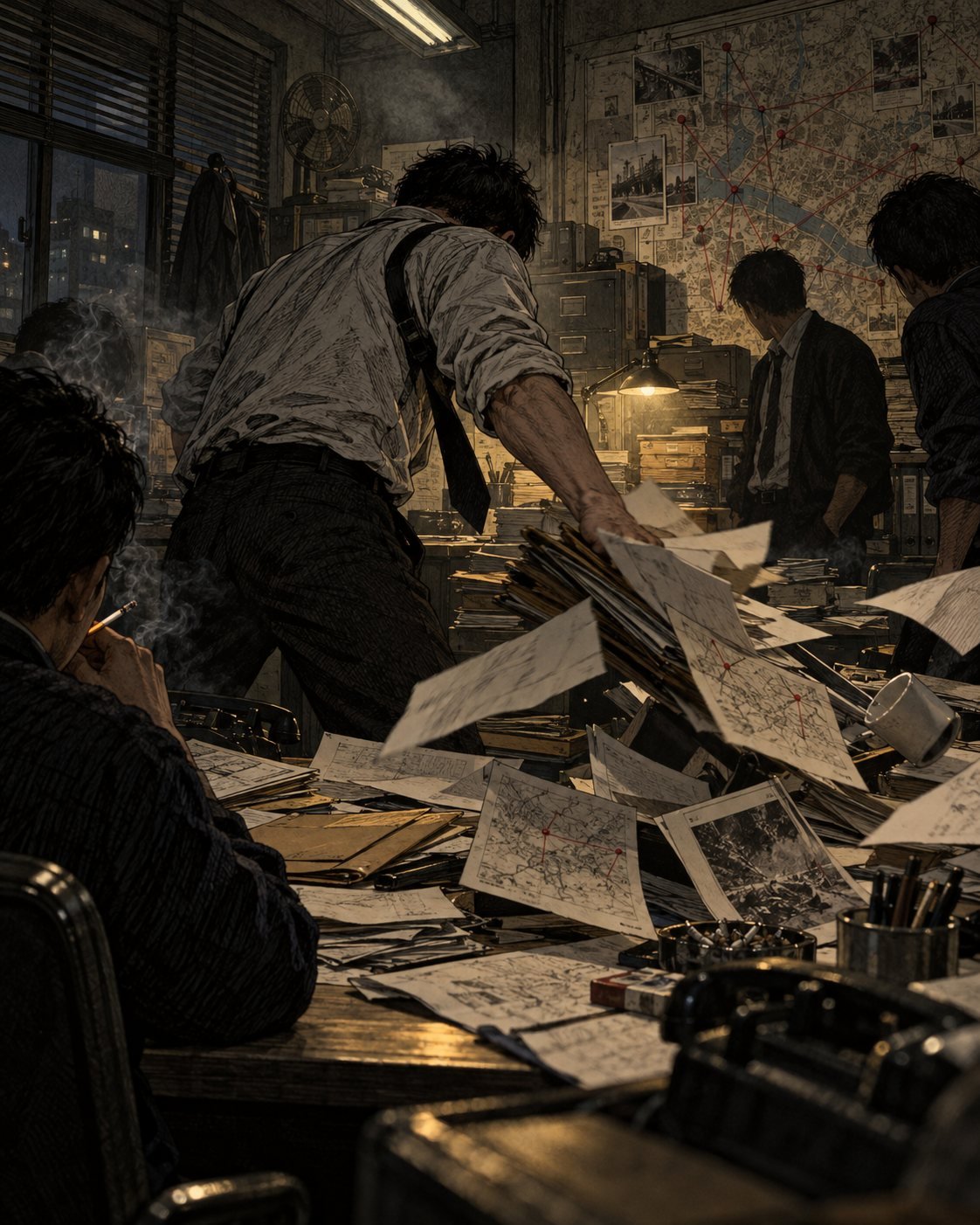
It turned into the biggest investigation in South Korean history. Police logged more than two million working days on the case and looked into about 21,000 people as possible suspects. (AFP via Gulf News)
The killer was in that pile. More than once.
Three chances to catch the Hwaseong killer
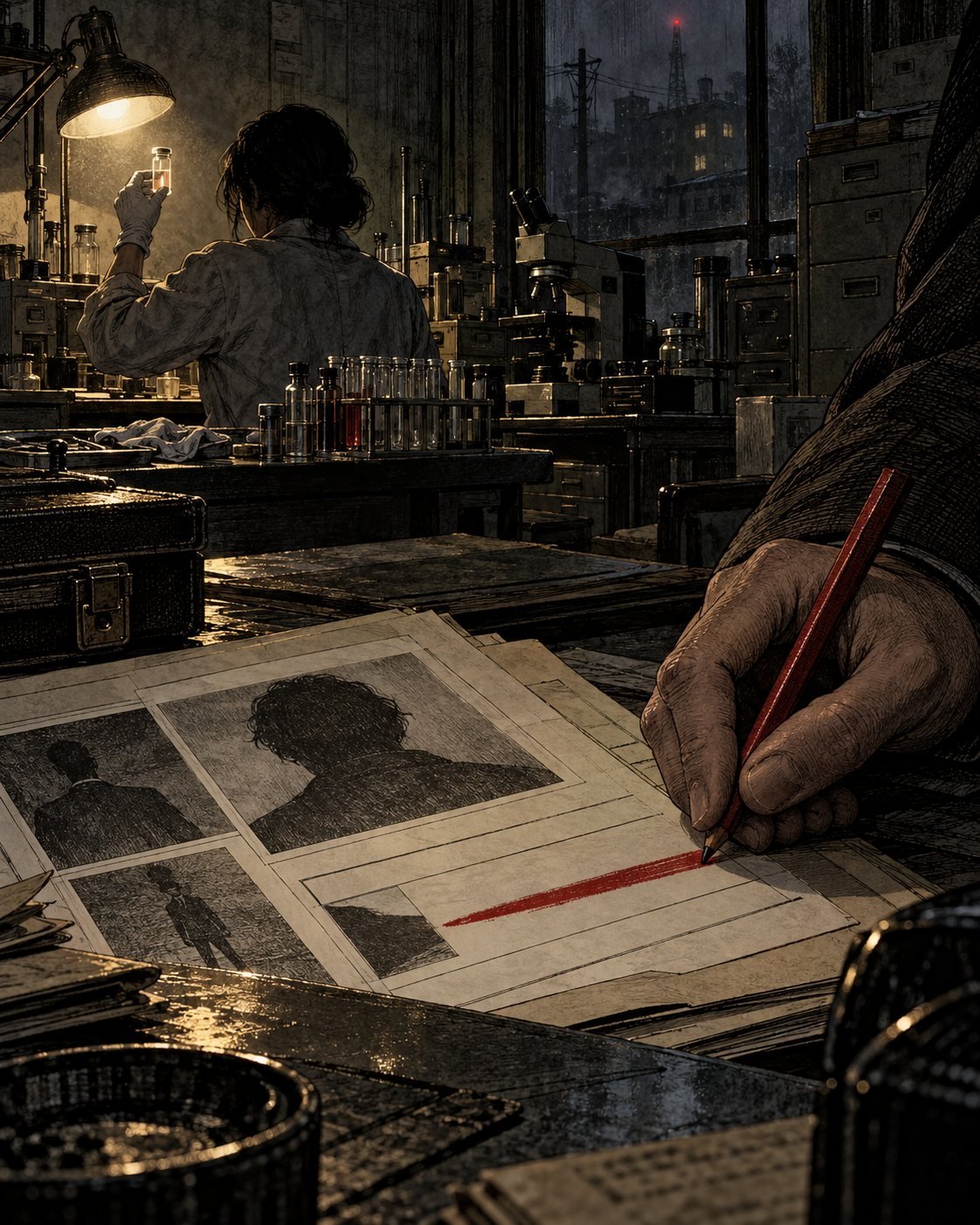
In 1988, investigators had him on their list. Hair found at a crime scene was tested and came back as blood type B. His blood type was O. His name was crossed off.
Decades later, the National Forensic Service admitted that blood typing from hair with 1980s methods was unreliable. (Asia Economy)
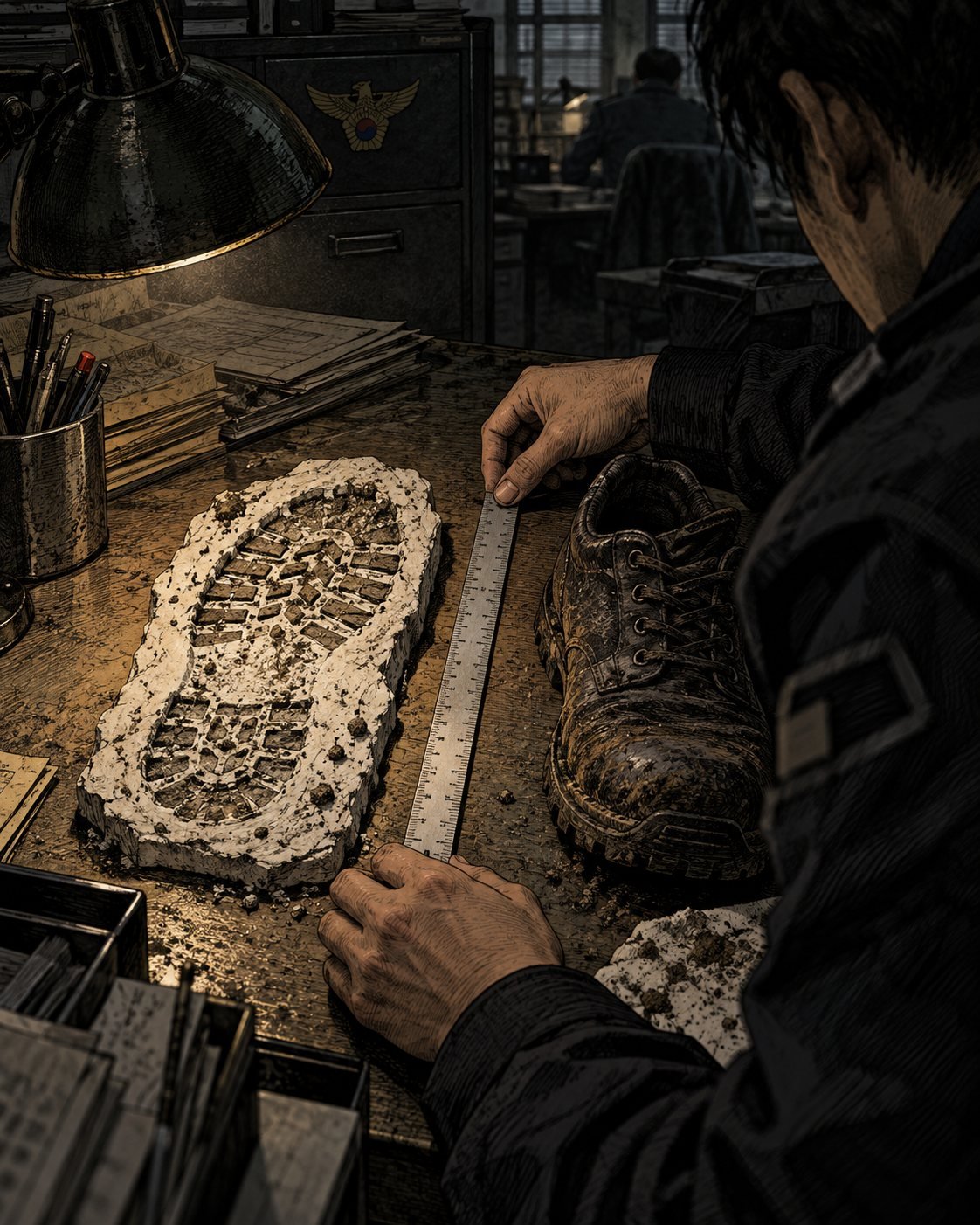
Around 1990, he came up again. This time police compared his shoe size with a footprint from the sixth crime scene. The print measured 255 millimeters. His foot was 265. Cleared again.
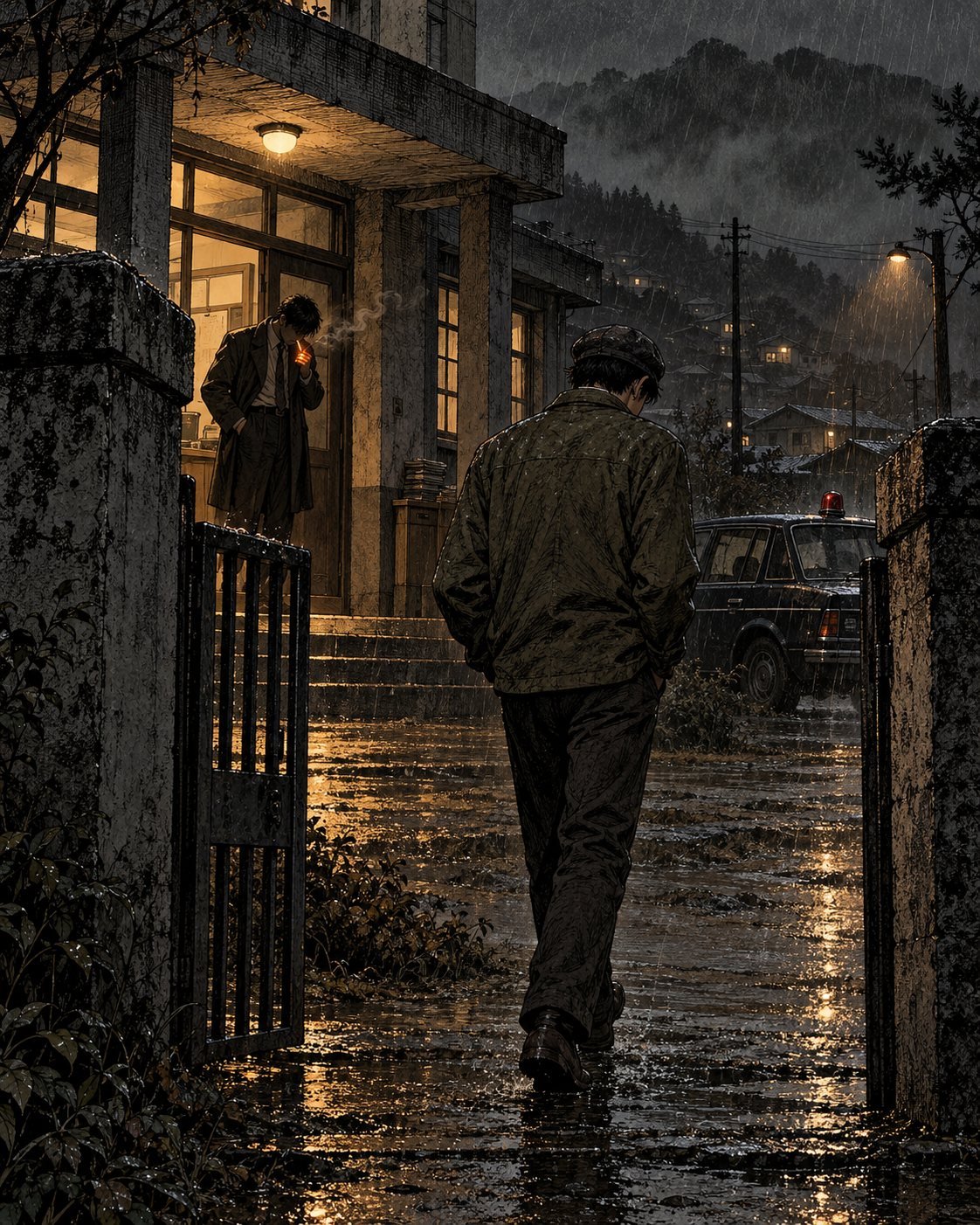
Three times, investigators had him in front of them: once in 1987, once in 1988, once around 1990. Three times, he walked out of the station and went home.
The wrong man
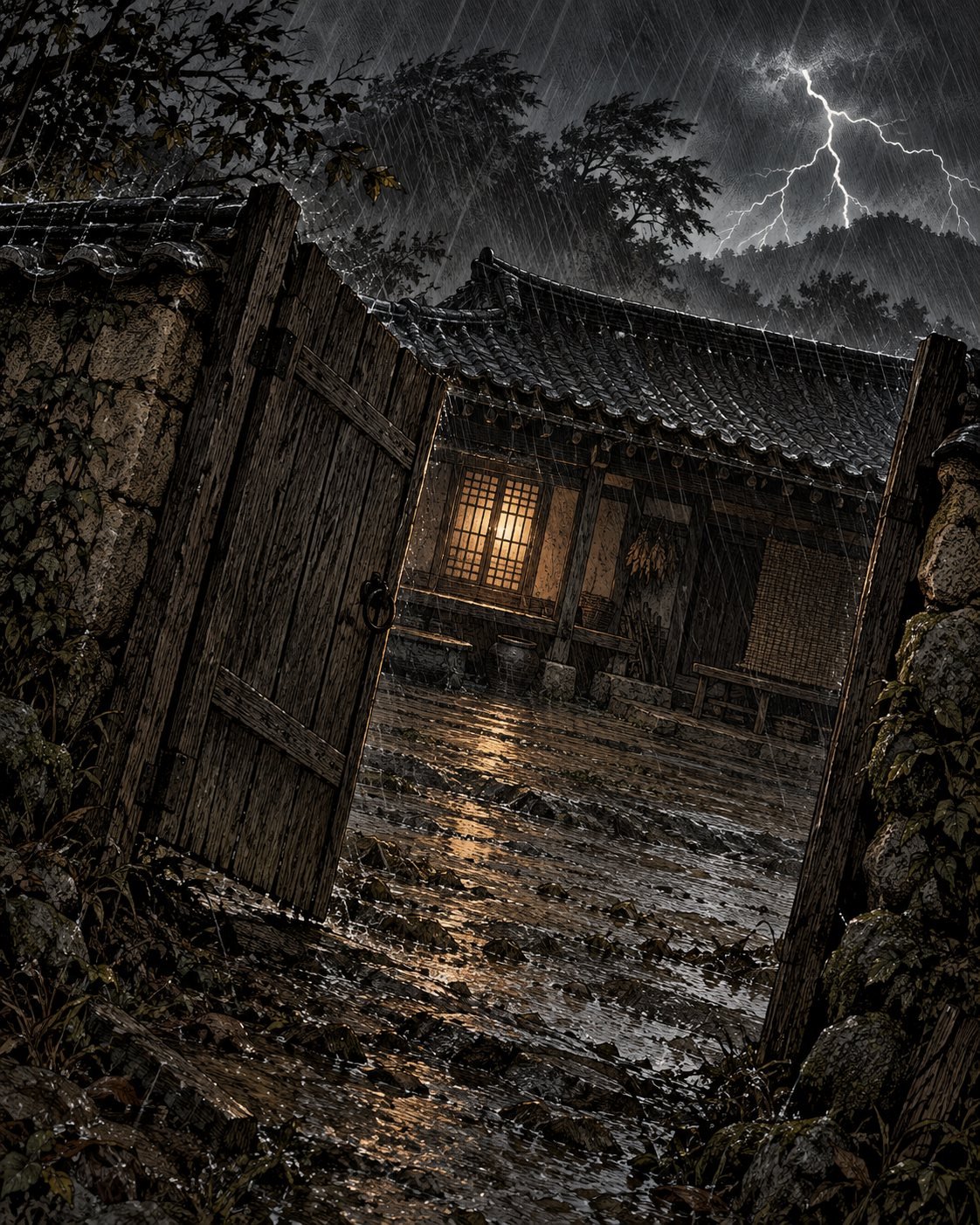
In September 1988, a young teenage girl was killed inside her own home. It was the only case in the series that happened indoors. The pressure on police to make an arrest became enormous.
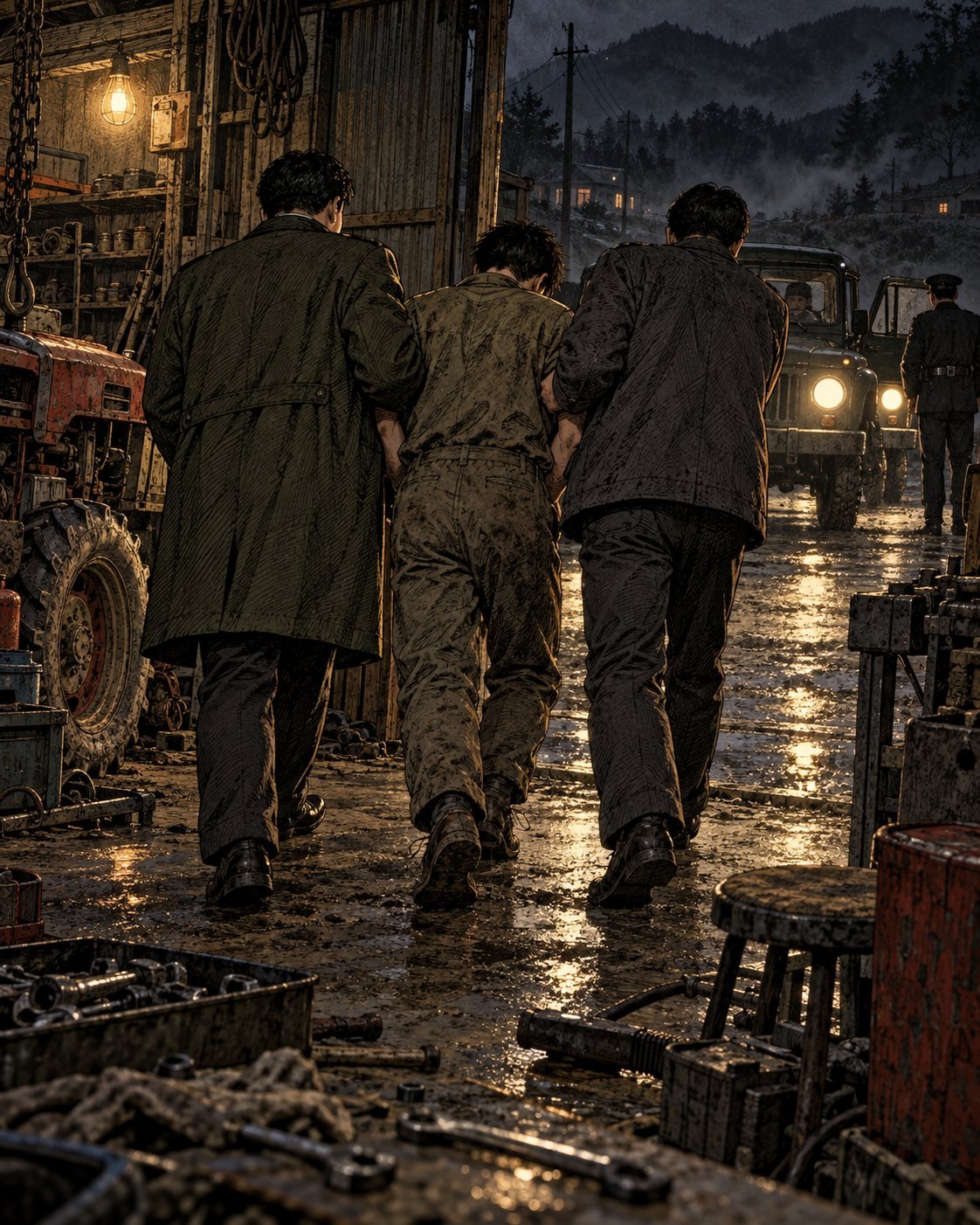
In July 1989 they arrested Yoon Sung-yeo, a 22-year-old farm-machine repairman who walked with a limp from childhood polio. (CNN)
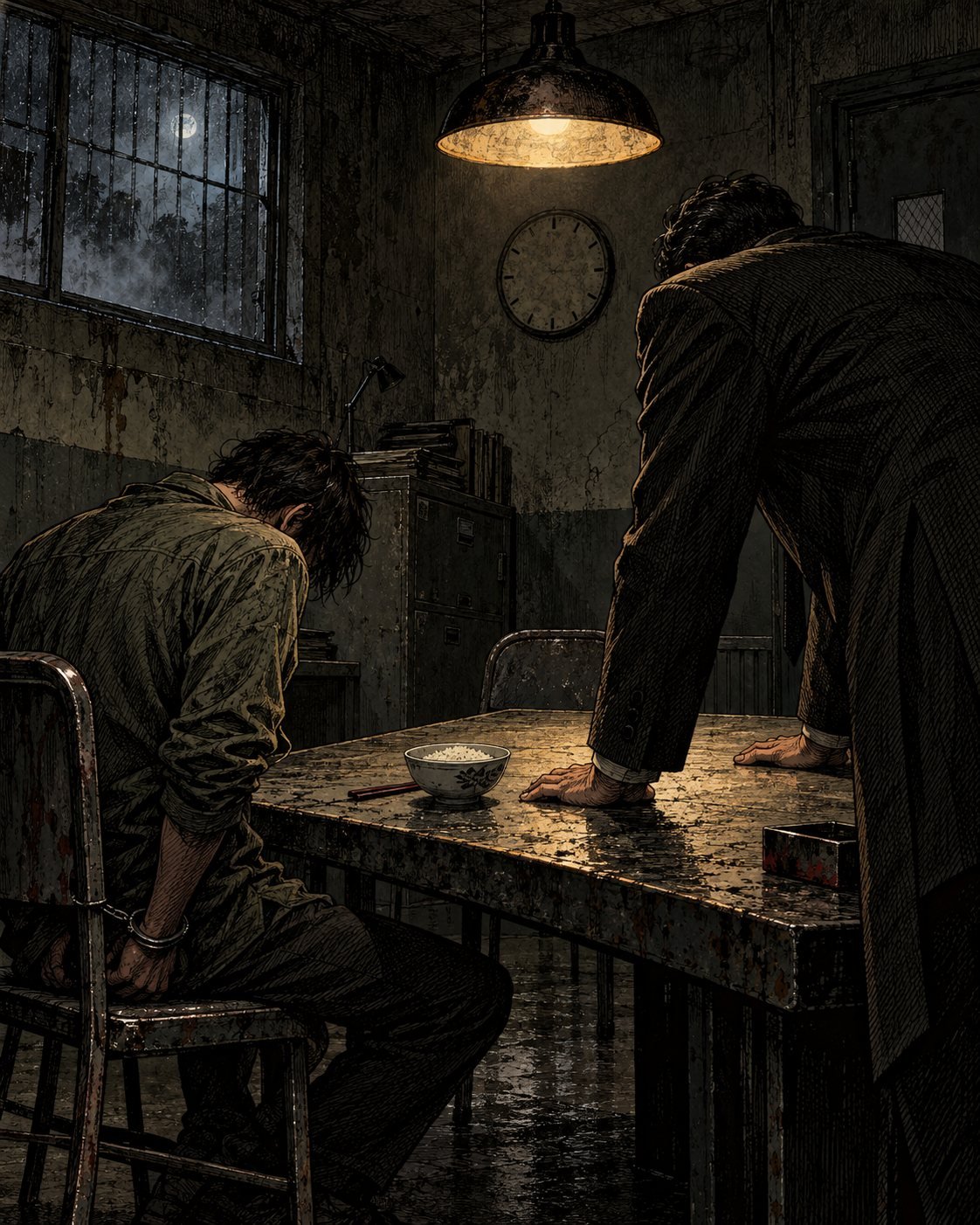
Police kept him handcuffed in a room for three days, with no sleep and barely any food. He signed a confession. He was sentenced to life in prison and served 20 years.
The killings did not stop.
What was buried
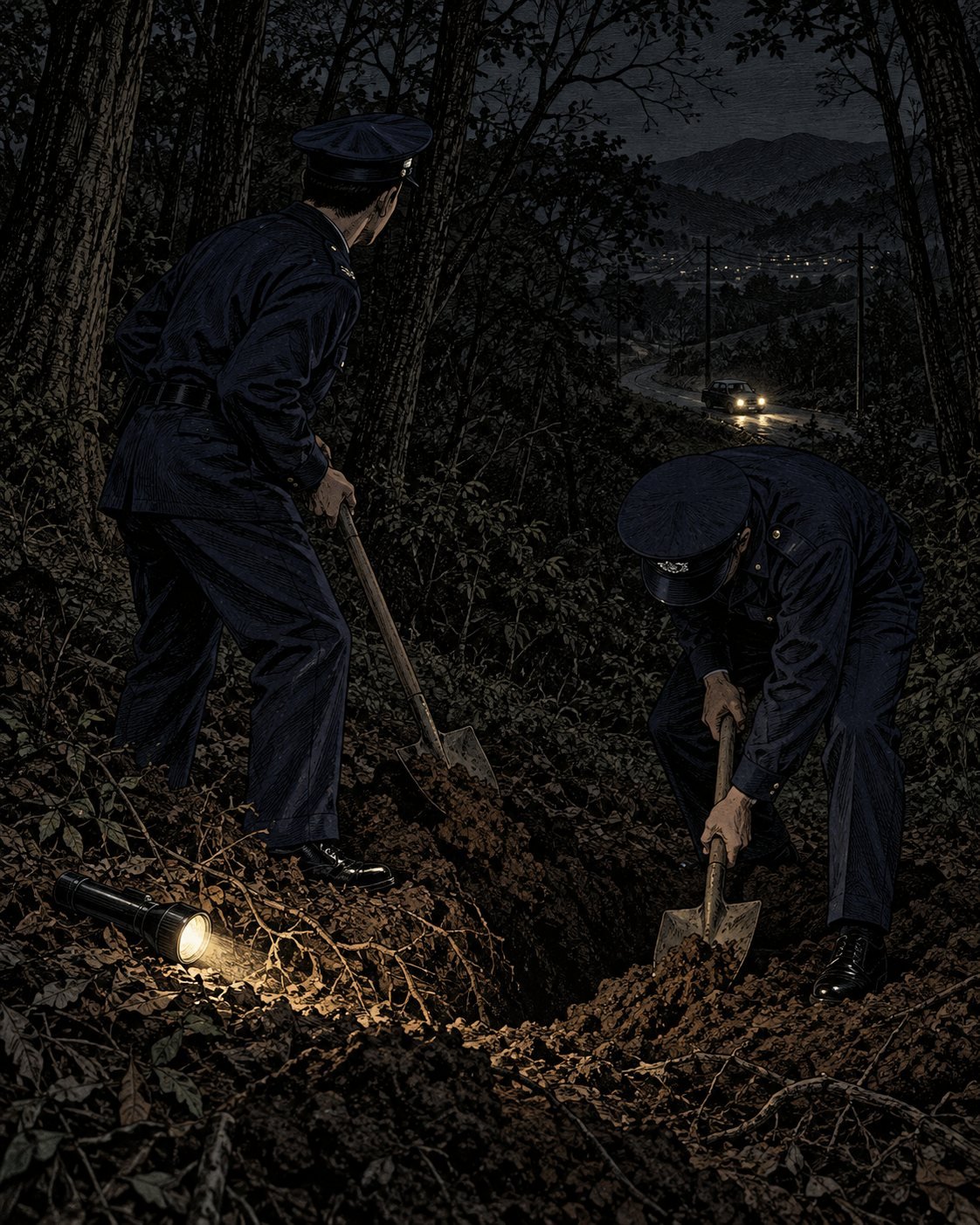
That same July, a schoolgirl in Hwaseong went missing. A volunteer searcher later reported finding remains. Police never told her family. In 2020, two former officers, including the head of the detective unit at the time, were booked for concealing evidence. The statute of limitations meant they were unlikely to face charges. (Asia Economy)
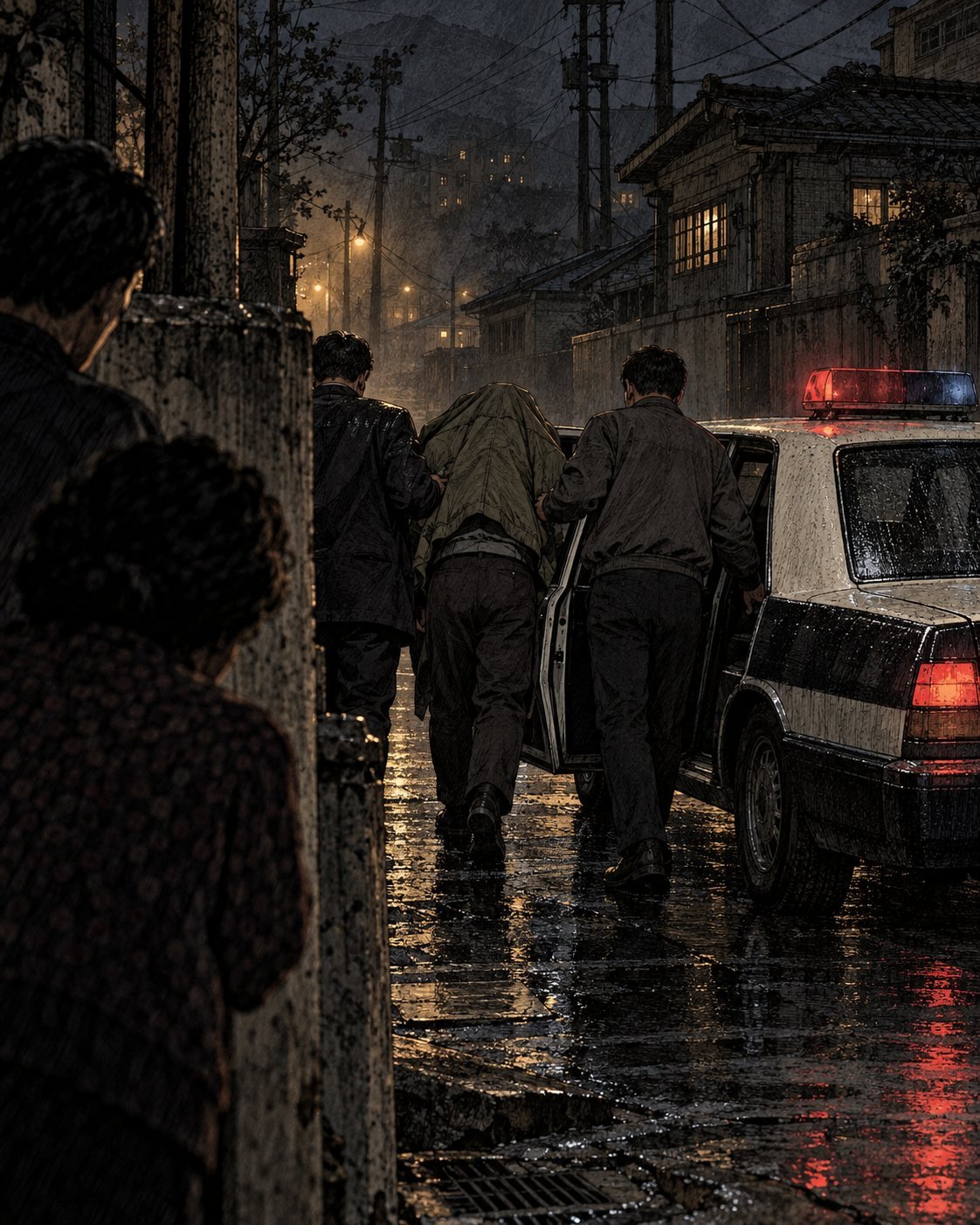
The Hwaseong killings stopped in April 1991. In January 1994, the man was arrested in the city of Cheongju for murdering his sister-in-law. He was sentenced to life in prison. Nobody connected him to Hwaseong. (The Korea Times)
Thirty-three years
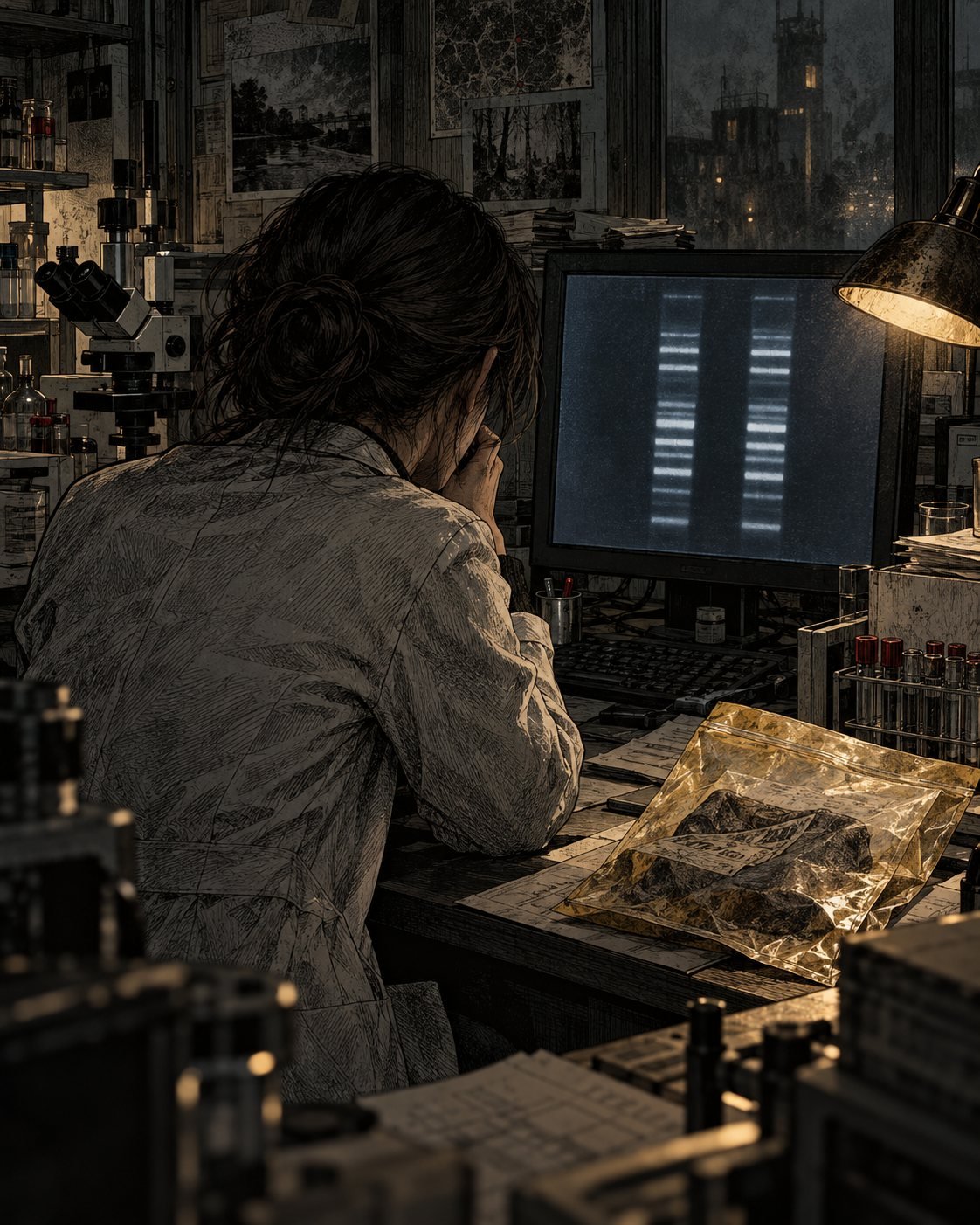
In 2006, the statute of limitations ran out on the last of the Hwaseong cases. But the evidence had never been thrown away. In 2019, investigators ran it through modern DNA testing. It matched a man who was already in the national database, sitting in a prison in Busan: Lee Choon-jae.
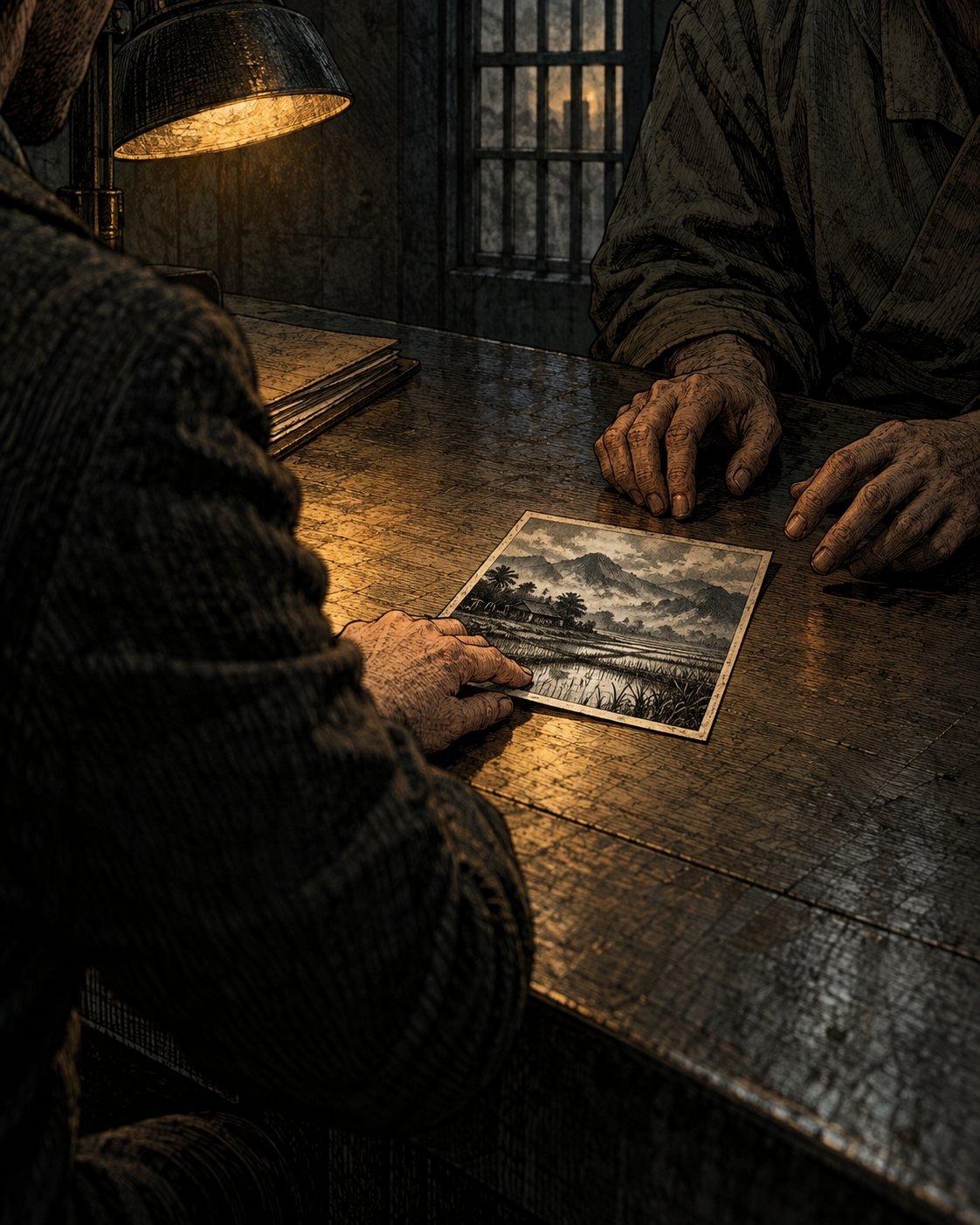
He had been behind bars the entire time the country was looking for him. In October 2019, after repeated interviews with profilers, he confessed to all ten Hwaseong murders and four others. He could not be charged with any of them. The time limit had expired. (South China Morning Post)
An ordinary face
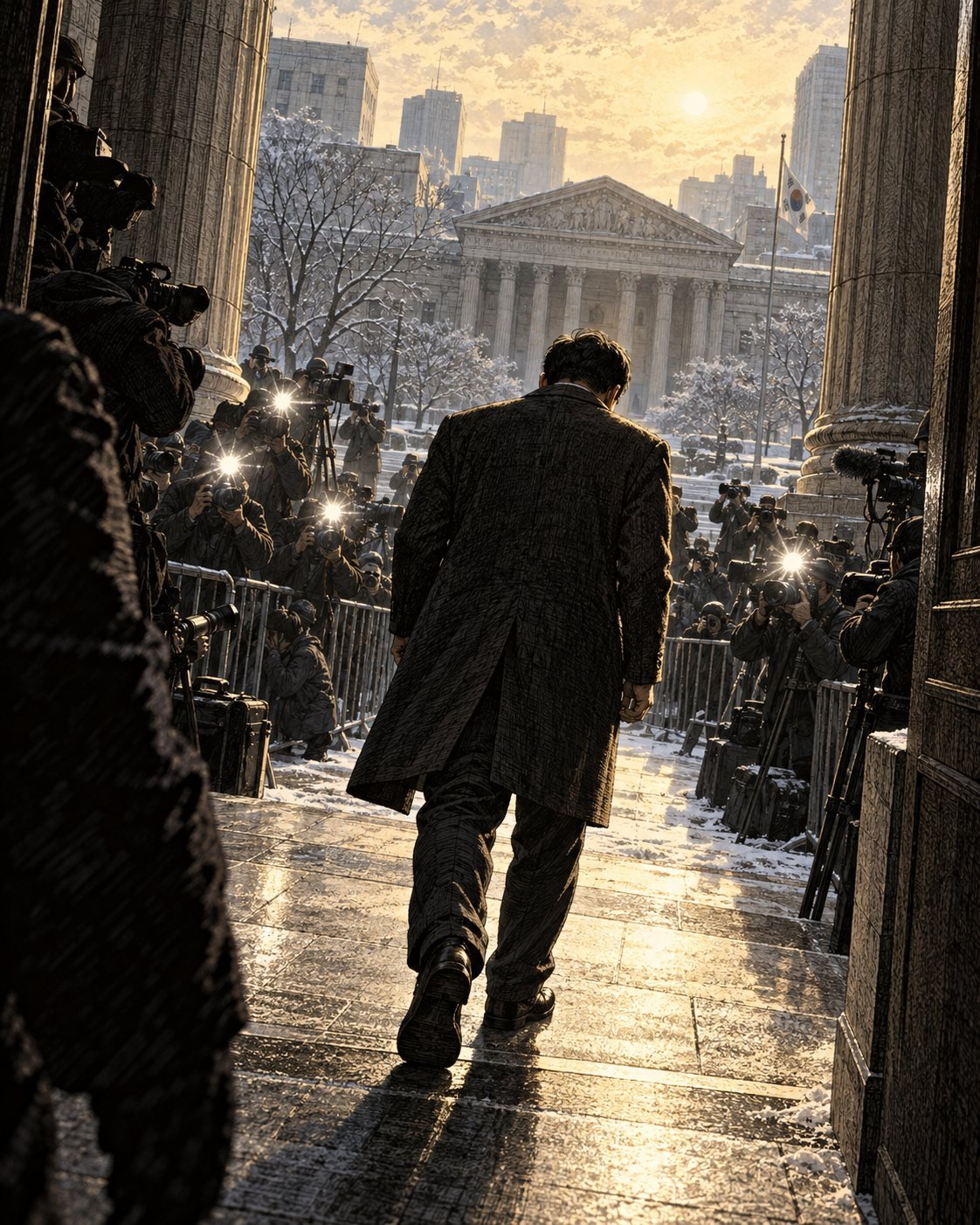
In November 2020, Lee testified at Yoon Sung-yeo’s retrial in Suwon. “I am the real culprit,” he told the court, and apologized to Yoon.
On December 17, 2020, Yoon was found not guilty. The judge apologized to him for the court’s failure. So did the police. He had lost twenty years. (CNN)
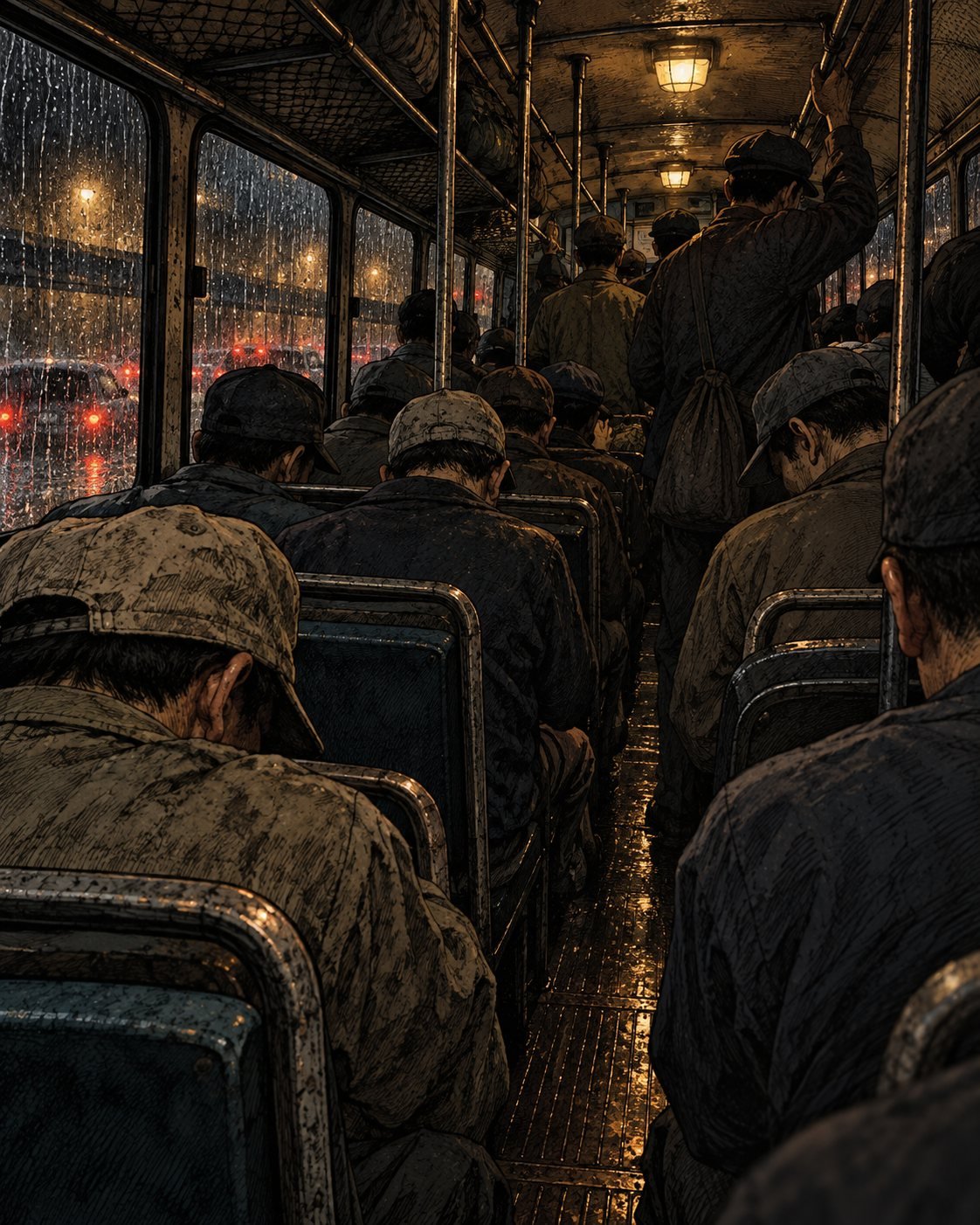
For decades, people imagined a monster. The film ended on a detective staring into the camera, as if the killer might be sitting in the audience.
The truth was simpler, and worse. He had an ordinary face. He was questioned three times. He was always right there.
Case notes: why he walked free
It is tempting to say the police simply had bad luck. Looking back at the record, three failures stand out, and each one is still a lesson today.
They trusted the test more than the evidence. A single blood-type result from a few strands of hair was enough to cross a suspect off the list. A 10-millimeter difference in shoe size cleared him again. Neither test was strong enough to rule anyone out, but both were treated as if they could. When a weak result tells investigators what they want to hear, it is easy to stop looking.
Pressure produced a confession, not the truth. When the public demanded an arrest, police got one by keeping a young man awake for three days. A forced confession does more than ruin one innocent life. It closes a case on paper while the real killer stays free.
Keeping the evidence is what finally solved it. Nobody in 1986 could have pulled a DNA profile from that evidence. It worked in 2019 only because it had been stored instead of thrown out. In 2015, South Korea abolished the statute of limitations for murder, though the change came too late for these cases. (South China Morning Post)
The hardest part of the story is the simplest one. The killer was never hidden. He was questioned, measured, tested and released. Investigators were looking for someone who looked like a monster, and the man in front of them looked like everyone else.
Case file summary
- Case: Hwaseong serial murders, Gyeonggi Province, South Korea
- Period: September 1986 to April 1991 (ten cases in the official series)
- Killer: Lee Choon-jae, identified by DNA in 2019; confessed to 14 murders
- Wrongly convicted: Yoon Sung-yeo, served 20 years; acquitted December 17, 2020
- Status: Solved, but never prosecuted. The statute of limitations had expired.
Victims in this story are drawn as fictional characters and are not depictions of real people. Illustrations are artistic interpretations, not evidence.
Sources
- The Korea Times: Hwaseong serial killer confesses to 14 murders, 30 sexual assaults
- CNN: South Korean man found not guilty after 20 years in prison
- South China Morning Post: Hwaseong murders culprit admits to 14 killings
- Asia Economy: What were the issues in the police investigation?
- Citizen Digital (AP): Serial killer says he’s surprised he wasn’t caught sooner
- Gulf News (AFP): South Korea police apologise over botched serial killer case